

Best practices for analyzing large-scale health data from wearables and smartphone apps
Open accessThe DOI matches its Crossref record; 62 of the 62 references it cites were found in a registry or an index.
Abstract
Smartphone apps and wearable devices for tracking physical activity and other health behaviors have become popular in recent years and provide a largely untapped source of data about health behaviors in the free-living environment. The data are large in scale, collected at low cost in the “wild”, and often recorded in an automatic fashion, providing a powerful complement to traditional surveillance studies and controlled trials. These data are helping to reveal, for example, new insights about environmental and social influences on physical activity. The observational nature of the datasets and collection via commercial devices and apps pose challenges, however, including the potential for measurement, population, and/or selection bias, as well as missing data. In this article, we review insights gleaned from these datasets and propose best practices for addressing the limitations of large-scale data from apps and wearables. Our goal is to enable researchers to effectively harness the data from smartphone apps and wearable devices to better understand what drives physical activity and other health behaviors.
Overview
The claims and statistics of this paper haven’t been checked yet.
Free: it reads the open-access text and checks the first 5 claims that cite a source we can check. Create a free account to check every claim.
Integrity signals
Registry
Cites
Statistics
Figures
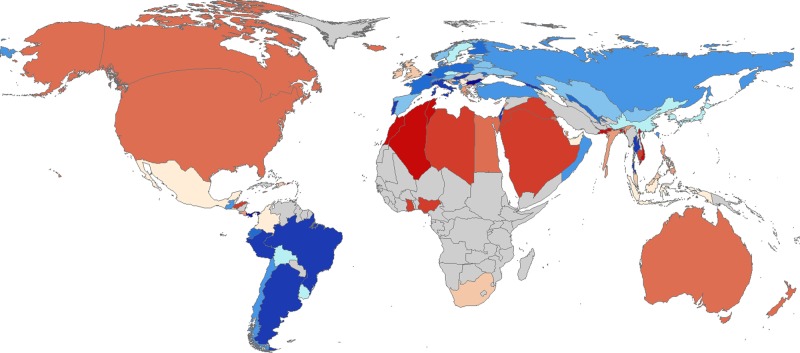
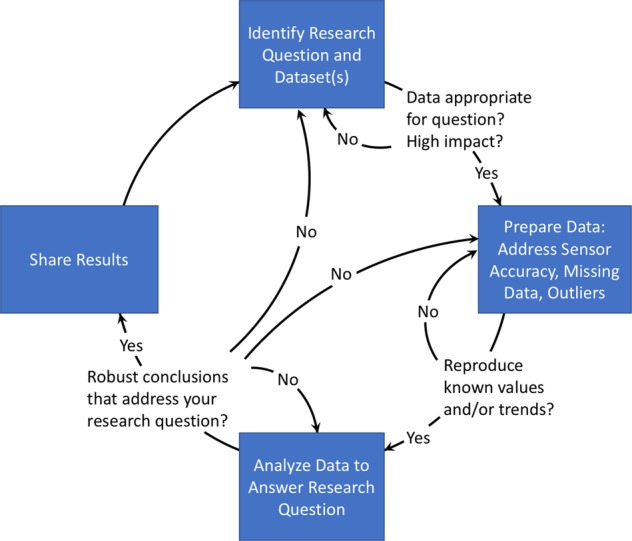
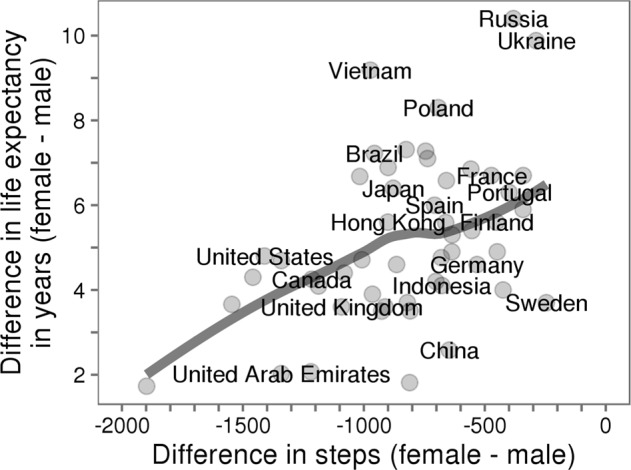
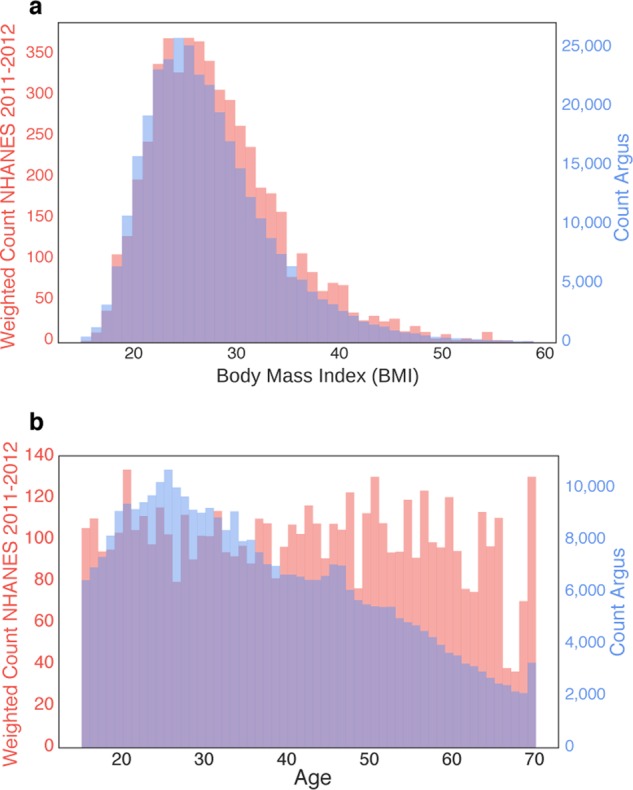
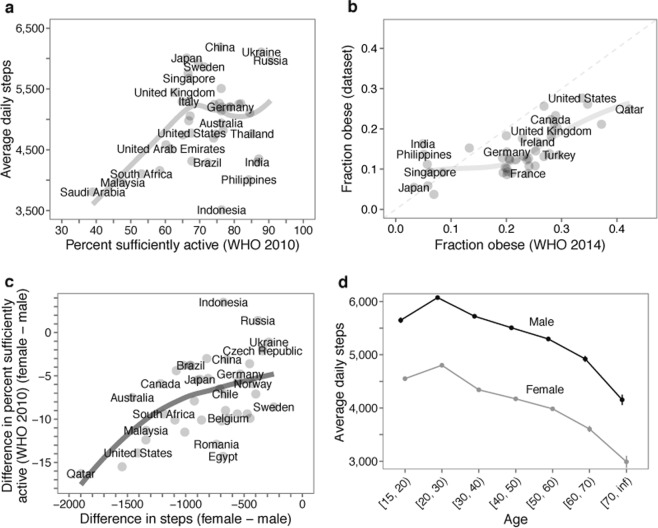
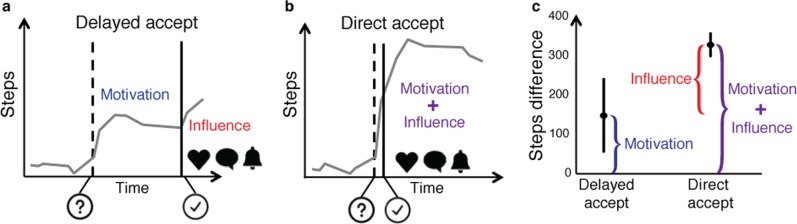
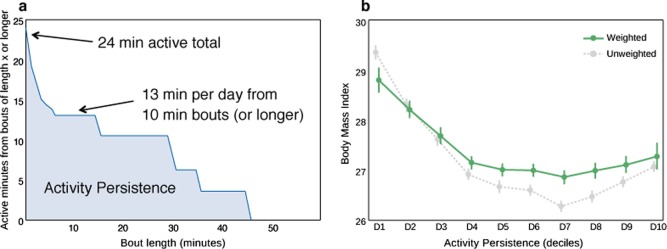
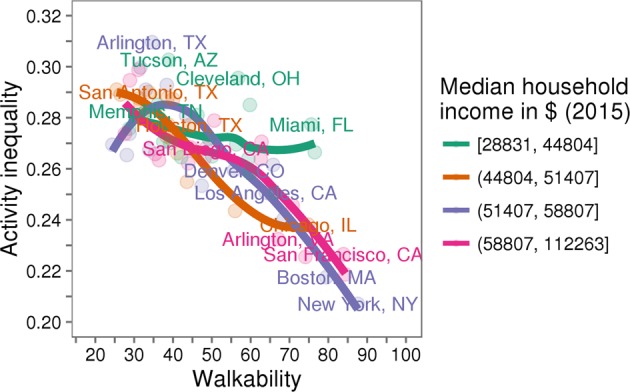
Verification
Claims the paper makes
The claims and statistics of this paper haven’t been checked yet.
Free: it reads the open-access text and checks the first 5 claims that cite a source we can check. Create a free account to check every claim.
Claims other papers make about this one
Each is checked against this paper’s own text: does it say what the citing paper says it does?
The source backs part of the claim, not all of it — or backs it for a different population, condition or comparison.
In the citing paper
“The literature underlines the potential for wearable-based research in low-resource settings to generate data and improve health care [9], based on their low cost and ease of use (data acquisition, hardware, and software handling) [233].”
From The impact of wearable technologies in health research: scoping review (2022) · cites this paper as [233]
Experimental — accuracy not yet measured
Self-check
Percentages, sums and reported differences re-computed from the paper’s own numbers.
The self-check needs the paper’s full text.
Citations
Cites
Controlling the False Discovery Rate: A Practical and Powerful Approach to Multiple Testing
Benjamini, Y., & Hochberg, Y. (1995) · Journal of the Royal Statistical Society Series B: Statistical Methodology · doi:10.1111/j.2517-6161.1995.tb02031.x · Cited by 109,482
The central role of the propensity score in observational studies for causal effects
ROSENBAUM, P. R., & RUBIN, D. B. (1983) · Biometrika · doi:10.1093/biomet/70.1.41 · Cited by 31,241
Multiple Imputation for Nonresponse in Surveys
Rubin, D. B. (1987) · Wiley Series in Probability and Statistics · doi:10.1002/9780470316696 · Cited by 20,701
Writing Group for the Women's Health Initiative Investigators (2002) · JAMA: The Journal of the American Medical Association · doi:10.1001/jama.288.3.321 · Cited by 15,889
Finding and evaluating community structure in networks
Newman, M. E. J., & Girvan, M. (2004) · Physical Review E · doi:10.1103/physreve.69.026113 · Cited by 13,931
Sudlow, C., Gallacher, J., Allen, N., Beral, V., Burton, P., Danesh, J., Downey, P., Elliott, P., Green, J., Landray, M., et al. (2015) · PLOS Medicine · doi:10.1371/journal.pmed.1001779 · Cited by 12,728
Austin, P. C. (2011) · Multivariate Behavioral Research · doi:10.1080/00273171.2011.568786 · Cited by 12,242
‘Small Changes' to Diet and Physical Activity Behaviors for Weight Management
Hills, A. P., Byrne, N. M., Lindstrom, R., & Hill, J. O. (2013) · Obesity Facts · doi:10.1159/000345030 · Cited by 9,493
Physical Activity in the United States Measured by Accelerometer
TROIANO, R. P., BERRIGAN, D., DODD, K. W., MÂSSE, L. C., TILERT, T., & MCDOWELL, M. (2008) · Medicine & Science in Sports & Exercise · doi:10.1249/mss.0b013e31815a51b3 · Cited by 7,638
Sterne, J. A. C., White, I. R., Carlin, J. B., Spratt, M., Royston, P., Kenward, M. G., Wood, A. M., & Carpenter, J. R. (2009) · BMJ · doi:10.1136/bmj.b2393 · Cited by 7,299
Research works printed but not linked: 1
- World Health Organization. Global recommendations on physical activity for health. (WHO, 2010). 26180873
Cited by
Alber, M., Buganza Tepole, A., Cannon, W. R., De, S., Dura-Bernal, S., Garikipati, K., Karniadakis, G., Lytton, W. W., Perdikaris, P., Petzold, L., et al. (2019) · npj Digital Medicine · doi:10.1038/s41746-019-0193-y · Cited by 639
Methods in predictive techniques for mental health status on social media: a critical review
Chancellor, S., & De Choudhury, M. (2020) · npj Digital Medicine · doi:10.1038/s41746-020-0233-7 · Cited by 557
The impact of wearable technologies in health research: scoping review
Huhn, S., Axt, M., Gunga, H.-C., Maggioni, M. A., Munga, S., Obor, D., Sié, A., Boudo, V., Bunker, A., Sauerborn, R., et al. (2022) · JMIR mHealth and uHealth · doi:10.2196/34384 · Cited by 379
Malgaroli, M., Hull, T. D., Zech, J. M., & Althoff, T. (2023) · Translational Psychiatry · doi:10.1038/s41398-023-02592-2 · Cited by 201
“One suggested procedure is to calculate the standardized mean difference (SMD) between the groups with and without missing data [149].”
MethodSelf-citationClinical Applications of Mobile Health Wearable–Based Sleep Monitoring: Systematic Review
Guillodo, E., Lemey, C., Simonnet, M., Walter, M., Baca-García, E., Masetti, V., Moga, S., Larsen, M., HUGOPSY Network, Ropars, J., et al. (2020) · JMIR mHealth and uHealth · doi:10.2196/10733 · Cited by 167
Cho, S., Ensari, I., Weng, C., Kahn, M. G., & Natarajan, K. (2021) · JMIR mhealth and uhealth · doi:10.2196/20738 · Cited by 150
“Once the research question and data set to be analyzed are identified, it is important to assess its fitness-for-use to ensure that it would produce valid analytical results that answer the research question [19].”
BackgroundMachine Learning on the COVID-19 Pandemic, Human Mobility and Air Quality: A Review
Rahman, M. M., Paul, K. C., Hossain, M. A., Ali, G. G. M. N., Rahman, M. S., & Thill, J. (2021) · IEEE Access · doi:10.1109/access.2021.3079121 · Cited by 109
“time due to the convergence of data through cloud storage and data sharing via the interactive platform, and powerful analytic tools [131].”
BackgroundVelmovitsky, P. E., Bevilacqua, T., Alencar, P., Cowan, D. D., & Morita, P. P. (2021) · Frontiers in Public Health · doi:10.3389/fpubh.2021.561873 · Cited by 111
“Demographic data are typically used to stratify participants in a study according to certain characteristics, for example to identify if a certain factor is present or not in the sample of participants with the same characteristic (61, 63, 64).”
BackgroundMethodLarge-scale diet tracking data reveal disparate associations between food environment and diet
Althoff, T., Nilforoshan, H., Hua, J., & Leskovec, J. (2022) · Nature Communications · doi:10.1038/s41467-021-27522-y · Cited by 99
Self-citationSmartphone sensing of social interactions in people with and without schizophrenia
Fulford, D., Mote, J., Gonzalez, R., Abplanalp, S., Zhang, Y., Luckenbaugh, J., Onnela, J.-P., Busso, C., & Gard, D. E. (2021) · Journal of Psychiatric Research · doi:10.1016/j.jpsychires.2020.11.002 · Cited by 71
Sunny, J. S., Patro, C. P. K., Karnani, K., Pingle, S. C., Lin, F., Anekoji, M., Jones, L., Kesari, S., & Ashili, S. (2022) · Sensors · doi:10.3390/s22030756 · Cited by 97
“The multivariate imputation by chained equations (MICE) method imputes data using assumptions like MAR and MCAR [41].”
MethodFlexible, wearable biosensors for digital health
Zhu, P., Peng, H., & Rwei, A. Y. (2022) · Medicine in Novel Technology and Devices · doi:10.1016/j.medntd.2022.100118 · Cited by 82
Heidel, A., & Hagist, C. (2020) · JMIR mHealth and uHealth · doi:10.2196/16444 · Cited by 63
“Users of health and fitness apps rely on the ethical operation of app services and need to trust the apps they use [59,60].”
BackgroundDaniore, P., Nittas, V., Haag, C., Bernard, J., Gonzenbach, R. R., & von Wyl, V. (2024) · npj Digital Medicine · doi:10.1038/s41746-024-01151-3 · Cited by 89
“Data interpretation is further challenged by possible systematic measurement inaccuracies, such as those from Light Emission Diode-based wearable devices that may be less accurate for people of color 42,48 , or datasets omitting underrepresented groups 49 , which can contribute to biased benchmarks.”
BackgroundAccEar: Accelerometer Acoustic Eavesdropping with Unconstrained Vocabulary
Hu, P., Zhuang, H., Santhalingam, P. S., Spolaor, R., Pathak, P. H., Zhang, G., & Cheng, X. (2022) · IEEE Symposium on Security and Privacy (S&P) · doi:10.1109/sp46214.2022.9833716 · Cited by 81
Köhler, C., Bartschke, A., Fürstenau, D., Schaaf, T., & Salgado, E. (2024) · Journal of Medical Internet Research · doi:10.2196/58936 · Cited by 88
“However, it is essential to recognize that excessive anonymization can strip away valuable contextual information vital for making accurate predictions, as demonstrated by Hicks et al [107], who showed that activity and health patterns can vary significantly across different demographics.”
Countrywide natural experiment links built environment to physical activity
Althoff, T., Ivanovic, B., King, A. C., Hicks, J. L., Delp, S. L., & Leskovec, J. (2025) · Nature · doi:10.1038/s41586-025-09321-3 · Cited by 93
“We follow established best practices for analysing large-scale health data from wearables and smartphone apps 70 .”
Self-citationPalmerini, L., Reggi, L., Bonci, T., Del Din, S., Micó-Amigo, M. E., Salis, F., Bertuletti, S., Caruso, M., Cereatti, A., Gazit, E., et al. (2023) · Scientific Data · doi:10.1038/s41597-023-01930-9 · Cited by 52
Pontin, F. L., Jenneson, V. L., Morris, M. A., Clarke, G., & Lomax, N. (2022) · International Journal of Behavioral Nutrition and Physical Activity · doi:10.1186/s12966-022-01352-7 · Cited by 68
“However, secondary smartphone app data are often limited in terms of data on the socio-demographic and other covariates and care need to be taken around missing data [133, 135, 136].”
BackgroundMethodLenze, E. J., Nicol, G. E., Barbour, D. L., Kannampallil, T., Wong, A. W. K., Piccirillo, J., Drysdale, A. T., Sylvester, C. M., Haddad, R., Miller, J. P., et al. (2021) · Journal of Psychiatry and Neuroscience · doi:10.1503/jpn.200042 · Cited by 43
Huhn, S., Matzke, I., Koch, M., Gunga, H., Maggioni, M. A., Sié, A., Boudo, V., Ouédraogo, W. A., Compaoré, G., Bunker, A., et al. (2022) · Frontiers in Public Health · doi:10.3389/fpubh.2022.972177 · Cited by 50
“However, as this is a case study which primarily focused on understanding general acceptability, reliability, and feasibility of wearable devices, the primary outcome was not statistical validation but technical and human factors, as well as identifying barriers and the feasibility of collecting data with wearables an…”
BackgroundGraña, C., Ravaud, P., Ghosn, L., & Tran, V.-T. (2020) · BMC Medicine · doi:10.1186/s12916-020-01773-w · Cited by 46
Breaking away from labels: The promise of self-supervised machine learning in intelligent health
Spathis, D., Perez-Pozuelo, I., Marques-Fernandez, L., & Mascolo, C. (2022) · Patterns · doi:10.1016/j.patter.2021.100410 · Cited by 39
“However, effectively leveraging these datasets has presented many challenges, leading to these data being frequently overlooked for scientific and medical research.(2) Central to this problem is obtaining quality annotations and ground truth, which can be costly, burdensome, and at times, even impossible, given the gr…”
BackgroundLeveraging Mobile Technology for Public Health Promotion: A Multidisciplinary Perspective
Hicks, J. L., Boswell, M. A., Althoff, T., Crum, A. J., Ku, J. P., Landay, J. A., Moya, P. M. L., Murnane, E. L., Snyder, M. P., King, A. C., et al. (2022) · Annual Review of Public Health · doi:10.1146/annurev-publhealth-060220-041643 · Cited by 60
“this author team (39) provide best practices for analyzing data sets donated or otherwise collected via commercial devices.”
BackgroundSelf-citationConsiderations for Conducting Bring Your Own “Device” (BYOD) Clinical Studies
Demanuele, C., Lokker, C., Jhaveri, K. A., Tuttle, P. G., Sezgın, E., Geoghegan, C., Zou, K. H., Izmailova, E. S., & Carthy, M. M. (2022) · Digital Biomarkers · doi:10.1159/000525080 · Cited by 50
Digital manikins to self‐report pain on a smartphone: A systematic review of mobile apps
Ali, S. M., Lau, W. J., McBeth, J., Dixon, W. G., & van der Veer, S. N. (2020) · European Journal of Pain · doi:10.1002/ejp.1688 · Cited by 32
Liverani, M., Ir, P., Perel, P., Khan, M. S., Balabanova, D., & Wiseman, V. L. (2022) · Health Policy and Planning · doi:10.1093/heapol/czac019 · Cited by 45
“For these features, wearables have gained increasing appeal in health research, from their use in ‘deep data’ clinical studies to large surveys of population health (Izmailova et al., 2018; Hicks et al., 2019; Ong et al., 2019).”
BackgroundYao, J., Lim, N., Tan, J., Müller, A. M., van Dam, R. M., Chen, C., Tan, C. S., & Müller‐Riemenschneider, F. (2022) · Journal of the American Heart Association · doi:10.1161/jaha.121.022508 · Cited by 39
Yao, J., Tan, C. S., Lim, N., Tan, J., Chen, C., & Müller‐Riemenschneider, F. (2021) · Scientific Reports · doi:10.1038/s41598-021-89141-3 · Cited by 34
Assessing resilience of hospitals to cyberattack
Ghayoomi, H., Laskey, K. B., Miller-Hooks, E. D., Hooks, C., & Tariverdi, M. (2021) · Digital Health · doi:10.1177/20552076211059366 · Cited by 45
Running in the wild: Energetics explain ecological running speeds
Selinger, J. C., Hicks, J. L., Jackson, R. W., Wall-Scheffler, C. M., Chang, D., & Delp, S. L. (2022) · Current Biology · doi:10.1016/j.cub.2022.03.076 · Cited by 32
“is likely biased toward individuals with a higher socioeconomic status, as well as younger and male users, who are more likely to own a device.(14) However, these biases are often present in laboratory experiments.”
BackgroundSelf-citationMachine Learning Techniques to Improve the Success Rate in In-Vitro Fertilization (IVF) Procedure
Patil, S. N., Madiwalar, S., & Aparanji, V. M. (2020) · IOP Conference Series Materials Science and Engineering · doi:10.1088/1757-899x/925/1/012039 · Cited by 32
Ji, G., Woo, J., Lee, G., Msigwa, C., Bernard, D., & Yun, J. (2024) · IEEE Internet of Things Journal · doi:10.1109/jiot.2024.3400509 · Cited by 41
“The difference of walking activity between age, gender, and Body Mass Index, was also investigated [38].”
BackgroundSocial Media as a Research Tool (SMaaRT) for Risky Behavior Analytics: Methodological Review
Singh, T., Roberts, K. E., Cohen, T., Cobb, N. K., Wang, J., Fujimoto, K., & Myneni, S. (2020) · JMIR Public Health and Surveillance · doi:10.2196/21660 · Cited by 35
“Traditionally, the methods used for measuring and studying health-related behaviors in populations include telephone or internet-based surveys [5], motivational interviews [6], commercial wearables and smartphone apps [7], and ecological momentary assessment [8].”
MethodPyrkov, T. V., Sokolov, I. S., & Fedichev, P. O. (2021) · Aging · doi:10.18632/aging.202816 · Cited by 33
Strain, T., Wijndaele, K., Pearce, M., & Brage, S. (2022) · Journal for the Measurement of Physical Behaviour · doi:10.1123/jmpb.2021-0046 · Cited by 40
“As researchers, we also need to be aware of the potential risks companies may take through data sharing (Bietz et al., 2016; Hicks et al., 2019).”
BackgroundMair, J. L., Hayes, L. D., Campbell, A. K., & Sculthorpe, N. F. (2021) · Journal for the Measurement of Physical Behaviour · doi:10.1123/jmpb.2021-0012 · Cited by 35
“To access data, researchers can establish an industry agreement with a relevant company (e.g., Fitbit or Garmin) whose terms of service for collecting research data are different from those governing commercial access (Hicks et al., 2019).”
BackgroundChristensen, J. H., Saunders, G. H., Porsbo, M., & Pontoppidan, N. H. (2021) · Royal Society Open Science · doi:10.1098/rsos.201345 · Cited by 43
“552 However, we do not expect data quality to have biased our findings since the validity of real-world 553 data has been documented (36), and because application of filtration during data extraction and 554 application of mixed-effects modelling for statistical analyses minimized the impact of unbalanced 555 observat…”
BackgroundMethodYeh, E., Wong, E., Tsai, C.-W., Gu, W., Chen, P., Leung, L., Wu, I., Strohl, K. P., Folz, R. J., Yar, W., et al. (2021) · PLoS ONE · doi:10.1371/journal.pone.0258040 · Cited by 33
Identifying Data Quality Dimensions for Person-Generated Wearable Device Data: Multi-Method Study
Cho, S., Weng, C., Kahn, M. G., & Natarajan, K. (2021) · JMIR mHealth and uHealth · doi:10.2196/31618 · Cited by 28
“In this setting, data quality assessment is not only about whether the wearable device captures valid and reliable data but also whether a data set is fit-for-use for a specific research purpose, ensuring valid results [8,10].”
BackgroundMobile Health: making the leap to research and clinics
Ku, J. P., & Sim, I. (2021) · npj Digital Medicine · doi:10.1038/s41746-021-00454-z · Cited by 36
“Echoing Hicks, et al., we encourage “ sharing models, software, datasets, and other digital resources whenever possible ” 25 .”
BackgroundMethodBhattacharjee, K., Chen, M., & Dasgupta, A. (2020) · Computer Graphics Forum · doi:10.1111/cgf.14032 · Cited by 41
Advances in biomonitoring technologies for women’s health
Moghimikandelousi, S., Najm, L., Lee, Y., Bayat, F., Prasad, A., Khan, S. A., Bhavan, A., Gao, W. F., Hosseinidoust, Z., & Didar, T. F. (2025) · Nature Communications · doi:10.1038/s41467-025-63501-3 · Cited by 38
Radin, J. M., Quer, G., Jalili, M., Hamideh, D., & Steinhubl, S. R. (2021) · The Lancet Digital Health · doi:10.1016/s2589-7500(21)00064-9 · Cited by 33
Understanding temporal changes and seasonal variations in glycemic trends using wearable data
Belsare, P. V., Bartolome, A., Stanger, C., & Prioleau, T. (2023) · Science Advances · doi:10.1126/sciadv.adg2132 · Cited by 31
Computer vision algorithms in healthcare: Recent advancements and future challenges
Kabir, M. M., Rahman, A., Hasan, M. N., & Mridha, M. F. (2024) · Computers in Biology and Medicine · doi:10.1016/j.compbiomed.2024.109531 · Cited by 35
Orstad, S. L., Gerchow, L., Patel, N., Reddy, M., Hernandez, C., Wilson, D. K., & Jay, M. R. (2021) · Informatics · doi:10.3390/informatics8020039 · Cited by 30
“Determining an appropriate analytic approach requires skills in PA assessment and data analysis software [15], but also benefits from interdisciplinary decision making and inquiry into participants’ lived experience.”
Pépin, J., Degano, B., Tamisier, R., & Viglino, D. (2022) · Life · doi:10.3390/life12040499 · Cited by 36
“The observational nature of the data and specificities of datasets generated by wearable sensors with potential population selection bias and a large amount of missing data create new methodological issues [38].”
BackgroundTuricchi, J., O’Driscoll, R., Finlayson, G., Duarte, C., Palmeira, A. L., Larsen, S. C., Heitmann, B. L., & Stubbs, R. J. (2020) · JMIR mhealth and uhealth · doi:10.2196/17977 · Cited by 27
“Such protocols have been developed for activity tracking [24-26], although they lack body weight tracking.”
BackgroundA survey on multisource heterogeneous urban sensor access and data management technologies
Yang, F., Hua, Y., Li, X., Yang, Z., Yu, X., & Fei, T. (2021) · Measurement Sensors · doi:10.1016/j.measen.2021.100061 · Cited by 23
Nayak, B., Bhattacharyya, S. S., Kumar, S., & Jumnani, R. K. (2021) · Journal of Information Communication and Ethics in Society · doi:10.1108/jices-07-2021-0072 · Cited by 30
Socio-demographic determinants of physical activity and app usage from smartphone data
Pontin, F. L., Lomax, N., Clarke, G., & Morris, M. A. (2021) · Social Science & Medicine · doi:10.1016/j.socscimed.2021.114235 · Cited by 26
Tsanas, A. (2022) · Sensors · doi:10.3390/s22166152 · Cited by 19
“Nevertheless, there is an increasing understanding and recent work highlighting the need to be moving beyond smartphone apps and integrate additional technologies to facilitate objective, longitudinal monitoring of ADL towards assessing both physical and mental health [10,11].”
BackgroundHuang, E. J., & Onnela, J.-P. “. (2020) · Sensors · doi:10.3390/s20133706 · Cited by 28
Understanding Barriers to Novel Data Linkages: Topic Modeling of the Results of the LifeInfo Survey
Clarke, H., Clark, S., Birkin, M. H., Iles‐Smith, H., Glaser, A., & Morris, M. A. (2021) · Journal of Medical Internet Research · doi:10.2196/24236 · Cited by 24
Ravalli, S., Roggio, F., Lauretta, G., Rosa, M. D., D’Amico, A. G., D’Agata, V., Maugeri, G., & Musumeci, G. (2022) · Heliyon · doi:10.1016/j.heliyon.2022.e08991 · Cited by 24
“Selection bias can occur, as users may not represent a homogenous population, and information about gender, age, geographic location, socioeconomic status, race/ethnicity could lack; sensitivity or robustness testing is suggested [44].”
BackgroundHa, T. M., Manevska‐Tasevska, G., Weih, M., & Hansson, H. (2024) · Agricultural and Food Economics · doi:10.1186/s40100-024-00306-w · Cited by 36
“First, we compared between the full model with a simpler model to assess whether the predictive power of the full model is meaningful (Hicks et al. 2019).”
MethodClustering Accelerometer Activity Patterns from the UK Biobank Cohort
Clark, S., Lomax, N., Morris, M. A., Pontin, F. L., & Birkin, M. H. (2021) · Sensors · doi:10.3390/s21248220 · Cited by 21
“Our identification of activity behaviour helps provide a novel tool for the research community to compare observed patterns of physical activity behaviour in different contexts and from a wide range of smartphone and wearable sources [76].”
MethodArena, R. A., Hall, G., Laddu, D., Phillips, S. A., Bhatt, T. S., Faghy, M. A., & Lavie, C. J. (2023) · Progress in Cardiovascular Diseases · doi:10.1016/j.pcad.2023.03.005 · Cited by 20
“We propose a similar PA dashboard should be developed to monitor trends around the world.(14,15) A permanent global PA monitoring center can also help to identify physical inactivity hot spots, where additional attention should be afforded.”
Verhagen, S. J. W., van Os, J., & Delespaul, P. (2021) · Elsevier eBooks · doi:10.1016/b978-0-12-822201-0.00017-4 · Cited by 22
Song, Y. H., Lee, S., Park, A. H., & Lee, C. (2022) · Environment and Planning B Urban Analytics and City Science · doi:10.1177/23998083221124930 · Cited by 21
“…collected data can reveal behavioral patterns and reach populations who do not typically participate in research studies, and therefore offer opportunities to uncover new environmental, social, and personal factors that drive health and well-being (Hicks et al., 2019; Fernandez et al., 2022).”
BackgroundTanade, C., Khan, N. S., Rakestraw, E., Ladd, W., Draeger, E. W., & Randles, A. P. (2024) · npj Digital Medicine · doi:10.1038/s41746-024-01216-3 · Cited by 23
Future of Data Analytics in the Era of the General Data Protection Regulation in Europe
Kolasa, K., Redekop, K., Berler, A., Zah, V., & Asche, C. V. (2020) · PharmacoEconomics · doi:10.1007/s40273-020-00927-1 · Cited by 19
Advancements in Wearable Digital Health Technology: A Review of Epilepsy Management
Ahuja, A., Agrawal, S., Acharya, S., Batra, N., & Daiya, V. (2024) · Cureus · doi:10.7759/cureus.57037 · Cited by 28
Karas, M., Olsen, J. M., Strączkiewicz, M., Johnson, S. A., Burke, K. M., Iwasaki, S., Lahav, A., Scheier, Z. A., Clark, A., Iyer, A. S., et al. (2024) · Annals of Clinical and Translational Neurology · doi:10.1002/acn3.52050 · Cited by 20
“23,24 In the context of smartphone-based monitoring, Kiang et al. (2021) considered six different studies and reported data missingness to be 19% for accelerometer data and 27% for GPS data.”
BackgroundHõrak, H. (2019) · Information · doi:10.3390/info10090269 · Cited by 18
“However, the differences between devices and software, privacy concerns, and data ownership issues lead to a situation where unification and comparison of data collected by different companies is very difficult [51].”
BackgroundFatouhi, D. E., Delrieu, L., Goetzinger, C., Malisoux, L., Affret, A., Campo, D., & Fagherazzi, G. (2021) · JMIR mhealth and uhealth · doi:10.2196/25385 · Cited by 18
“These are easily measurable with the use of connected devices and all represent key cardiometabolic risk factors to study in relation to device-assessed PA within the context of obesity epidemic and the digital revolution [44].”
BackgroundGuerrini Usubini, A., Cattivelli, R., Giusti, E. M., Riboni, F. V., Varallo, G., Pietrabissa, G., Manzoni, G. M., Consoli, S., Bastoni, I., Granese, V., et al. (2021) · Trials · doi:10.1186/s13063-021-05191-y · Cited by 14
A CUDA-Based Parallel Geographically Weighted Regression for Large-Scale Geographic Data
Wang, D., Yang, Y., Qiu, A., Kang, X., Han, J., & Chai, Z. (2020) · ISPRS International Journal of Geo-Information · doi:10.3390/ijgi9110653 · Cited by 19
Ráthonyi, G., Takács, V. L., Szilágyi, R., Bába, É. B., Müller, A., Bács, Z., Harangi–Rákos, M., Balogh, L., & Ráthonyi-Ódor, K. (2021) · Frontiers in Public Health · doi:10.3389/fpubh.2021.661471 · Cited by 24
A template and tutorial for preregistering studies using passive smartphone measures
Langener, A. M., Siepe, B. S., Elsherif, M. M., Niemeijer, K., Andresen, P. K., Akre, S., Bringmann, L. F., Cohen, Z. D., Choukas, N. R., Drexl, K., et al. (2024) · Behavior Research Methods · doi:10.3758/s13428-024-02474-5 · Cited by 20
“Next, the preregistration should inform about all related a priori decisions, specifically, how and at which thresholds missing data points will be identified (Hicks et al., 2019).”
BackgroundInfluentialDziak, J. J., Coffman, D. L., Reimherr, M. L., Petrovich, J., Li, R., Shiffman, S. S., & Shiyko, M. P. (2019) · Statistics Surveys · doi:10.1214/19-ss126 · Cited by 15
“In some recent applications of intensive longitudinal data with extremely large datasets from the general population, statistical power limitations might not be an issue, and insuring practical significance and interpretability would become more important [28, 56].”
BackgroundMeasuring and modeling context-dependent preferences for hearing aid settings
Pasta, A., Petersen, M. K., Jensen, K. J., Pontoppidan, N. H., Larsen, J. E., & Christensen, J. H. (2022) · User Modeling and User-Adapted Interaction · doi:10.1007/s11257-022-09324-z · Cited by 13
“Real-world data have high ecological validity (Verma et al. 2017; Hicks et al. 2019) but also lack control for when, where, and how much data are logged.”
BackgroundA computational framework for discovering digital biomarkers of glycemic control
Bartolome, A., & Prioleau, T. (2022) · npj Digital Medicine · doi:10.1038/s41746-022-00656-z · Cited by 21
Srinivasan, K. K., Currim, F., Lindberg, C. M., Razjouyan, J., Gilligan, B., Lee, H., Canada, K., Goebel, N., Mehl, M. R., Lunden, M. M., et al. (2023) · npj Digital Medicine · doi:10.1038/s41746-022-00727-1 · Cited by 23
Zhong, Q., Fang, C., & Fu, H. (2025) · Sustainable Cities and Society · doi:10.1016/j.scs.2025.106476 · Cited by 16
Pontin, F. L., Lomax, N., Clarke, G., & Morris, M. A. (2021) · International Journal of Environmental Research and Public Health · doi:10.3390/ijerph182111476 · Cited by 13
Longitudinal analysis of heart rate and physical activity collected from smartwatches
Karimi, F., Amoozgar, Z., Reiazi, R., Hosseinzadeh, M., & Rawassizadeh, R. (2024) · CCF Transactions on Pervasive Computing and Interaction · doi:10.1007/s42486-024-00147-y · Cited by 13
“On a broader scale, some studies (Tison et al. 2018; Hicks et al. 2019) analyze datasets of heart rate variability, while others analyze physical activity (Holko et al. 2022; Tison et al. 2020; Barbosa et al. 2018).”
Maaß, L., Hrynyschyn, R., Lange, M., Löwe, A., Burdenski, K., Butten, K., Vorberg, S., Hachem, M., Gorga, A., Grieco, V., et al. (2024) · Journal of Medical Internet Research · doi:10.2196/54814 · Cited by 11
“These software programs can run on mobile devices and offer new possibilities for processing health-related data [2,3].”
Berkemeier, L., Kamphuis, W., Brouwer, A.-M., de Vries, H., Schadd, M. P. D., van Baardewijk, J. U., Oldenhuis, H. K. E., Verdaasdonk, R. M., & van Gemert‐Pijnen, J. E. W. C. (2024) · IEEE Transactions on Affective Computing · doi:10.1109/taffc.2024.3474098 · Cited by 19
“The longitudinal design aims at capturing a sufficient variety of affective states and eventually providing more accurate and representative data [69], [70].”
Karas, M., Huang, D., Clement, Z., Millner, A. J., Kleiman, E. M., Bentley, K. H., Zuromski, K. L., Fortgang, R. G., DeMarco, D., Haim, A., et al. (2024) · JMIR mhealth and uhealth · doi:10.2196/57439 · Cited by 11
“Data missingness is a common issue in digital health studies [20,21].”
BackgroundForchuk, C., Serrato, J., Lizotte, D. J., Mann, R., Taylor, G., & Husni, S. (2022) · JMIR mhealth and uhealth · doi:10.2196/25116 · Cited by 13
“It is recommended that future research studies follow these 6 best practice steps [47] for analyzing health data from wearable devices and health apps:”
BackgroundBhidayasiri, R., Phumphid, S., Sringean, J., Anan, C., Laosombut, T., Meesri, J., Wekhinhiran, S., Leabthong, N., Phokaewvarangkul, O., Surangsrirat, D., et al. (2026) · BMC Public Health · doi:10.1186/s12889-026-27654-0 · Cited by 12
“This form of informative missingness represents an important limitation, as it may bias estimates of model performance when digital screening tools are deployed in routine, unsupervised real-world settings [85].”
Feusner, J. D., Mohideen, R., Smith, S. M., Patanam, I., Vaitla, A., Lam, C. K.-Y., Massi, M., & Leow, A. (2021) · Journal of Medical Internet Research · doi:10.2196/25482 · Cited by 13
“Such large samples could be obtained using digitally obtained data, such as from mobile apps used by individuals with OCD [27].”
BackgroundAssessing the current utilization status of wearable devices in clinical research
Miyakoshi, T., & Ito, Y. M. (2024) · Clinical Trials · doi:10.1177/17407745241230287 · Cited by 16
Multiscale Modeling Meets Machine Learning: What Can We Learn?
Peng, G. C. Y., Alber, M., Buganza Tepole, A., Cannon, W. R., De, S., Dura-Bernal, S., Garikipati, K., Karniadakis, G., Lytton, W. W., Perdikaris, P., et al. (2021) · Archives of Computational Methods in Engineering · doi:10.1007/s11831-020-09405-5 · Cited by 353
Chapple, C. R., Bliwise, D. L., Maislisch, L., Roitmann, E., & Burtea, T. (2020) · International Journal of Clinical Practice · doi:10.1111/ijcp.13495 · Cited by 9
Manz, K., Krug, S., Kühnelt, C., Lemcke, J., Öztürk, I., & Loss, J. (2025) · JMIR mhealth and uhealth · doi:10.2196/59199 · Cited by 10
“Therefore, CWs can track vital parameters and behaviors, such as heart rate, physical activity (PA), or sleep [1].”
Ali, S. M., Selby, D., Bourke, D., Bravo, R., Chiarotto, A., Firth, J., James, B., Parker, B., Dixon, W. G., & van der Veer, S. N. (2023) · Digital Health · doi:10.1177/20552076231194544 · Cited by 7
Data Science Approaches for Effective Use of Mobile Device–Based Collection of Real‐World Data
Omberg, L., Neto, E. C., & Mangravite, L. M. (2020) · Clinical Pharmacology & Therapeutics · doi:10.1002/cpt.1781 · Cited by 7
Physical activity monitoring data following disasters
Liu, Z., Maneekul, P., Pendergrast, C. B., Doubleday, A., Miles, S. B., Errett, N. A., & Choe, Y. (2022) · Sustainable Cities and Society · doi:10.1016/j.scs.2022.103814 · Cited by 7
Lee, W., Schwartz, N. R. M., Bansal, A., Khor, S., Hammarlund, N. E., Basu, A., & Devine, B. (2022) · Value in Health · doi:10.1016/j.jval.2022.08.005 · Cited by 13
Causal Effect of New Bus Rapid Transit on Non-Work-Related Activities
Song, Y. H., Zhong, S., Lee, C., & Xu, M. (2023) · Journal of Planning Education and Research · doi:10.1177/0739456x231192022 · Cited by 9
“Therefore, these data sets enable new opportunities to probe into environmental and social factors that drive health and well-being as well as the underlying disparities that exist (Hicks et al. 2019).”
Dear Watch, Should I Get a COVID-19 Test? Designing deployable machine learning for wearablesPreprint
Nestor, B., Hunter, J., Kainkaryam, R., Drysdale, E., Inglis, J. B., Shapiro, A. D., Nagaraj, S., Ghassemi, M., Foschini, L., & Goldenberg, A. (2021) · medRxiv · doi:10.1101/2021.05.11.21257052 · Cited by 17
Capturing Interaction Quality in Long Duration (Simulated) Space Missions With Wearables
Gedik, E., Olenick, J. S., Chang, C.-H. D., Kozlowski, S. W. J., & Hung, H. (2022) · IEEE Transactions on Affective Computing · doi:10.1109/taffc.2022.3176967 · Cited by 6
Strauss, G. P., Pelletier‐Baldelli, A., Visser, K. F., Walker, E. F., & Mittal, V. A. (2021) · Schizophrenia Research · doi:10.1016/j.schres.2021.01.001 · Cited by 8
Pilgrim, K., & Bohnet-Joschko, S. (2022) · International Journal of Environmental Research and Public Health · doi:10.3390/ijerph19159454 · Cited by 7
“The market for smartphone and smart wearable mobile applications and thus possibilities to measure, visualize or record personal health or activity related data is developing rapidly [1,2].”
BackgroundEnhancing user awareness on inferences obtained from fitness trackers data
Kounoudes, A. D., Kapitsaki, G. M., & Katakis, I. (2023) · User Modeling and User-Adapted Interaction · doi:10.1007/s11257-022-09353-8 · Cited by 10
Retrospective Analysis of Training and Its Response in Marathon Finishers Based on Fitness App Data
Zrenner, M., Heyde, C., Dümler, B., Dykman, S., Röecker, K., & Eskofier, B. M. (2021) · Frontiers in Physiology · doi:10.3389/fphys.2021.669884 · Cited by 8
Ubiquitous Computing: Driving in the Intelligent Environment
Bran, E., Bãutu, E., Sburlan, D. F., Puchianu, C. M., & Popovici, D.-M. (2021) · Mathematics · doi:10.3390/math9212649 · Cited by 11
Metadata
- Authors
- Hicks, J. L., Althoff, T., Sosic, R., Kuhar, P., Bostjancic, B., King, A. C., Leskovec, J., & Delp, S. L.
- Affiliations
- Stanford University (US)
- University of Washington (US)
- Stanford Medicine (US)
- Chan Zuckerberg Biohub San Francisco (US)
- Corresponding author
- Hicks, Jennifer L.
- Venue
- npj Digital Medicine
- Published
- 2019-06-03
- Volume
- 2
- Issue
- 1
- Pages
- 45-45
- ISSN
- 2398-6352 (ISSN-L)
- PMC
- PMC6550237
- OpenAlex
- W2948756736
- Cited by
- 183
- References
- 62
- Citations by year
- 2026: 22 · 2025: 19 · 2024: 27 · 2023: 17 · 2022: 36 · 2021: 35 · 2020: 22 · 2019: 5
- FWCI
- 4.58
- Type
- journal article
- Language
- en
- Open access
- gold
- doi.org
- Licence
- cc-by
- creativecommons.org/licenses/by/4.0 (tdm)
- creativecommons.org/licenses/by/4.0 (vor)
- Locations
- npj Digital Medicine (publishedVersion, cc-by)
- Europe PMC (PubMed Central) (publishedVersion, cc-by)
- PubMed Central (publishedVersion, cc-by)
- PubMed (publishedVersion)
- DOAJ (DOAJ: Directory of Open Access Journals) (submittedVersion)
- Funders
- Robert Wood Johnson Foundation (ID#7334, #7334)
- Silicon Valley Community Foundation (101518)
- National Institutes of Health
- National Cancer Institute (P20CA217199, R01CA211048, 5R01CA211048 and P20CA217199)
- National Institute of Diabetes and Digestive and Kidney Diseases (R01DK102016)
- National Institute of Biomedical Imaging and Bioengineering (U54EB020405)
- National Institute on Minority Health and Health Disparities (U54MD010724)
- Eunice Kennedy Shriver National Institute of Child Health and Human Development (P2CHD065690)
- Topics
- Health Sciences › Health Professions › General Health Professions › Mobile Health and mHealth Applications
- Health Sciences › Medicine › Public Health, Environmental and Occupational Health › Physical Activity and Health
- Social Sciences › Transportation › Human Mobility and Location-Based Analysis
- Keywords
- wearable devices, mobile application, physical activity, health behavior, measurement bias, selection bias, missing data, data quality
About these checks
Registry, retraction, Cites and statistics results are computed, not judged, with one exception: a printed reference that no index lists is read once by a model before it counts as a citation error. Claims are extracted by a model and kept only when their quote appears verbatim in the text; each cited source is then checked, with a model’s help, for whether it says what the claim relies on. Those verdicts can be wrong — read the claim’s quote and the cited source before relying on one.
Statistics and arithmetic are recomputed, not judged.
Confidence bands are shown only for fields calibrated on our annotated test set. None is calibrated yet, so no band is shown.
What counts as a claim ›How we measure confidence ›How we check this ›
Are you an author, or do you see a problem with this page? Request a review
Data sources
Bibliographic data: Semantic Scholar, OpenAlex, Crossref.
Contains information from the Semantic Scholar Academic Graph Datasets, made available under the ODC Attribution License (ODC-BY 1.0).
Semantic Scholar’s data is described in: Kinney, R., et al. (2023). The Semantic Scholar Open Data Platform. arXiv:2301.10140.
