

Digital oximetry biomarkers for assessing respiratory function: standards of measurement, physiological interpretation, and clinical use
Open accessThe DOI matches its Crossref record; 63 of the 63 references it cites were found in a registry or an index.
Abstract
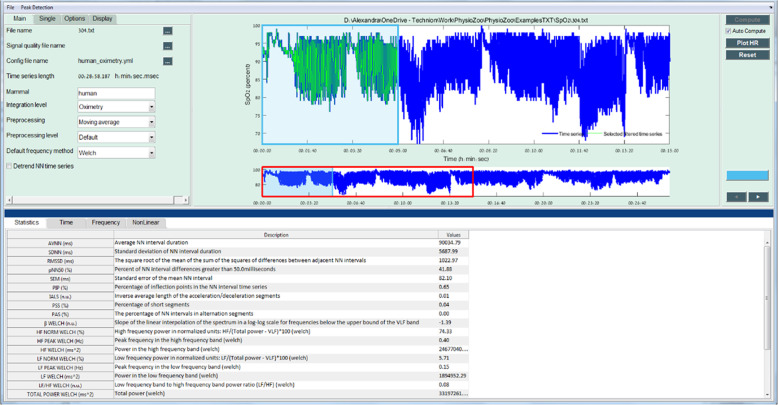
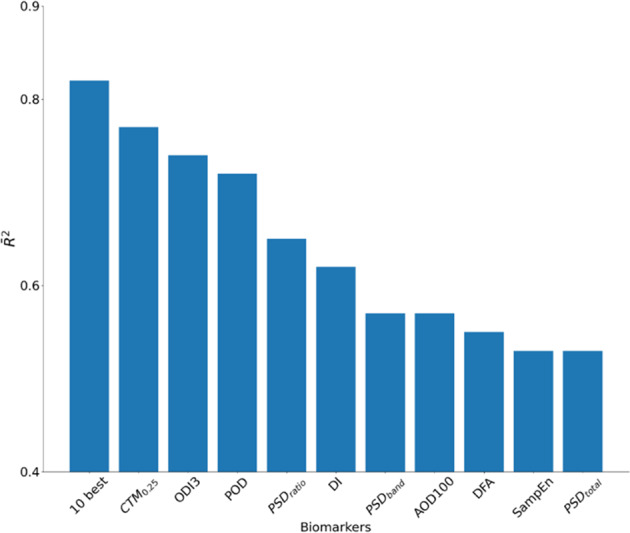
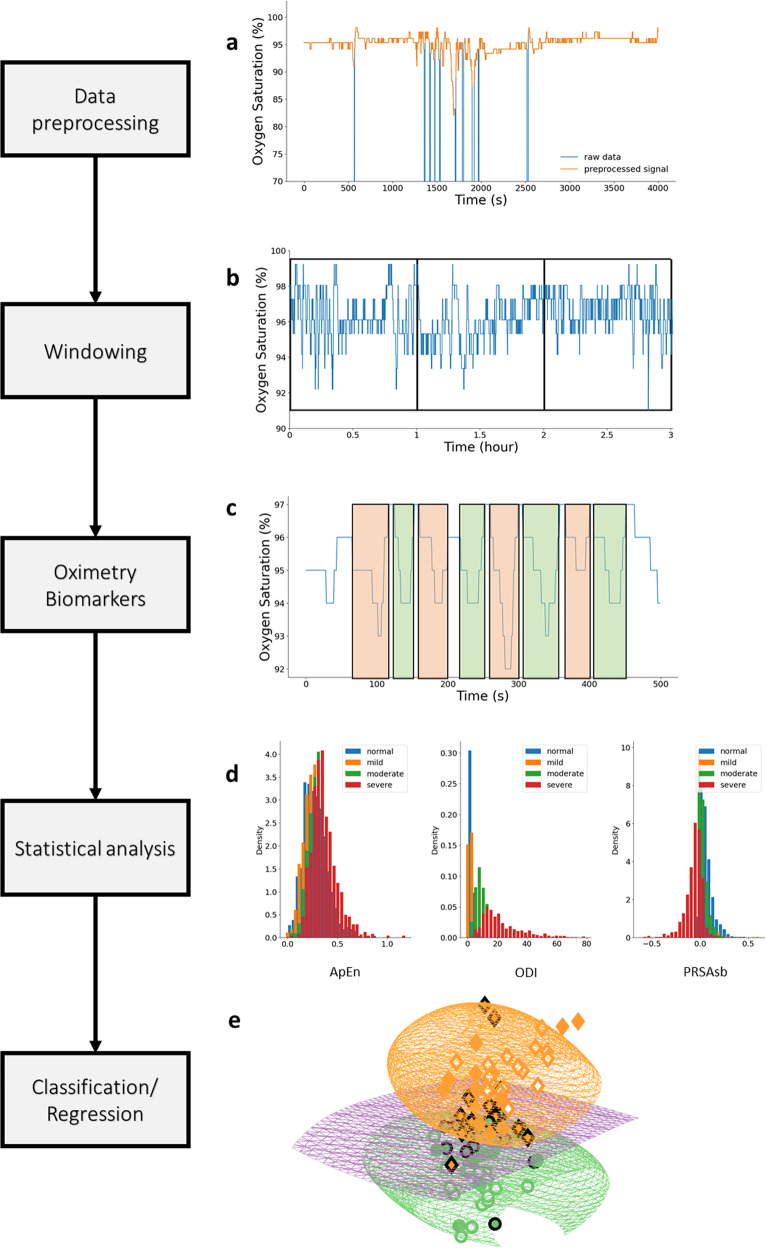
Pulse oximetry is routinely used to non-invasively monitor oxygen saturation levels. A low oxygen level in the blood means low oxygen in the tissues, which can ultimately lead to organ failure. Yet, contrary to heart rate variability measures, a field which has seen the development of stable standards and advanced toolboxes and software, no such standards and open tools exist for continuous oxygen saturation time series variability analysis. The primary objective of this research was to identify, implement and validate key digital oximetry biomarkers (OBMs) for the purpose of creating a standard and associated reference toolbox for continuous oximetry time series analysis. We review the sleep medicine literature to identify clinically relevant OBMs. We implement these biomarkers and demonstrate their clinical value within the context of obstructive sleep apnea (OSA) diagnosis on a total of n = 3806 individual polysomnography recordings totaling 26,686 h of continuous data. A total of 44 digital oximetry biomarkers were implemented. Reference ranges for each biomarker are provided for individuals with mild, moderate, and severe OSA and for non-OSA recordings. Linear regression analysis between biomarkers and the apnea hypopnea index (AHI) showed a high correlation, which reached $$\overline R ^2 = 0.82$$ R ¯ 2 = 0.82 . The resulting python OBM toolbox, denoted “pobm”, was contributed to the open software PhysioZoo ( physiozoo.org ). Studying the variability of the continuous oxygen saturation time series using pbom may provide information on the underlying physiological control systems and enhance our understanding of the manifestations and etiology of diseases, with emphasis on respiratory diseases.
Overview
The claims and statistics of this paper haven’t been checked yet.
Free: it reads the open-access text and checks the first 5 claims that cite a source we can check. Create a free account to check every claim.
Integrity signals
Registry
Cites
Statistics
Figures
Verification
Claims the paper makes
The claims and statistics of this paper haven’t been checked yet.
Free: it reads the open-access text and checks the first 5 claims that cite a source we can check. Create a free account to check every claim.
Claims other papers make about this one
Each is checked against this paper’s own text: does it say what the citing paper says it does?
The check wasn’t confident either way, so it gives no verdict — never disputed.
In the citing paper
“In the healthcare industry, bias in AI-based prediction models can be introduced due to incorrect data assessment, model limitations, small training size, less community participation, and other unseen factors [39].”
From Artificial intelligence bias in medical system designs: a systematic review (2023) · cites this paper as [39]
Experimental — accuracy not yet measured
Self-check
Percentages, sums and reported differences re-computed from the paper’s own numbers.
The self-check needs the paper’s full text.
Citations
Cites
Heart Rate Variability: Standards of Measurement, Physiological Interpretation, and Clinical Use
Electrophysiology, T. F. O. T. E. S. O. C. T. N. A. (1996) · Circulation · doi:10.1161/01.cir.93.5.1043 · Cited by 17,159
Heart rate variability: Standards of measurement, physiological interpretation, and clinical use
Malik, M., Bigger, J. T., Camm, A. J., Kleiger, R. E., Malliani, A., Moss, A. J., & Schwartz, P. J. (1996) · European Heart Journal · doi:10.1093/oxfordjournals.eurheartj.a014868 · Cited by 15,289
Goldberger, A. L., Amaral, L. A. N., Glass, L., Hausdorff, J. M., Ivanov, P. C., Mark, R. G., Mietus, J. E., Moody, G. B., Peng, C.-K., & Stanley, H. E. (2000) · Circulation · doi:10.1161/01.cir.101.23.e215 · Cited by 14,809
Welch, P. (1967) · IEEE Transactions on Audio and Electroacoustics · doi:10.1109/tau.1967.1161901 · Cited by 12,277
Physiological time-series analysis using approximate entropy and sample entropy
Richman, J. S., & Moorman, J. R. (2000) · American Journal of Physiology-Heart and Circulatory Physiology · doi:10.1152/ajpheart.2000.278.6.h2039 · Cited by 7,880
Approximate entropy as a measure of system complexity.
Pincus, S. M. (1991) · Proceedings of the National Academy of Sciences · doi:10.1073/pnas.88.6.2297 · Cited by 5,811 · cited 2×
“ApEn is a biomarker introduced in Pincus et al.(28), which aims to capture the irregularity in the signal, with higher values indicating higher irregularity.”
BackgroundBerry, R. B., Budhiraja, R., Gottlieb, D. J., Gozal, D., Iber, C., Kapur, V. K., Marcus, C. L., Mehra, R., Parthasarathy, S., Quan, S. F., et al. (2012) · Journal of Clinical Sleep Medicine · doi:10.5664/jcsm.2172 · Cited by 5,302
Quantification of scaling exponents and crossover phenomena in nonstationary heartbeat time series
Peng, C.-K., Havlin, S., Stanley, H. E., & Goldberger, A. L. (1995) · Chaos: An Interdisciplinary Journal of Nonlinear Science · doi:10.1063/1.166141 · Cited by 3,855 · cited 2×
“This biomarker was introduced by Peng et al.36 to identify crossover behavior in signals.”
MethodThe Triad of Sleep Apnea, Hypertension, and Chronic Kidney Disease: A Spectrum of Common Pathology
Aziz, F., & Chaudhary, K. (2017) · Cardiorenal Medicine · doi:10.1159/000450796 · Cited by 3,267
Kubios HRV–heart rate variability analysis software.
Tarvainen, M. P., Niskanen, J.-P., Lipponen, J. A., Ranta-aho, P. O., & Karjalainen, P. A. (2014) · Computer Methods and Programs in Biomedicine · doi:10.1016/j.cmpb.2013.07.024 · Cited by 2,720
Cited by
Federated Learning and Differential Privacy for Medical Image Analysis
Adnan, M., Kalra, S., Cresswell, J. C., Taylor, G. W., & Tizhoosh, H. (2021) · doi:10.21203/rs.3.rs-1005694/v1 · Cited by 464
The 2023 wearable photoplethysmography roadmap
Charlton, P. H., Allen, J., Bailón, R., Baker, S., Behar, J. A., Chen, F., Clifford, G. D., Clifton, D. A., Davies, H. J., Ding, C., et al. (2023) · Physiological Measurement · doi:10.1088/1361-6579/acead2 · Cited by 187
Self-citationZhang, H., & Shafiq, M. O. (2024) · Journal Of Big Data · doi:10.1186/s40537-023-00842-0 · Cited by 219
Multilevel Determinants of Digital Health Equity: A Literature Synthesis to Advance the Field
Lyles, C. R., Nguyen, O. K., Khoong, E. C., Aguilera, A., & Sarkar, U. (2023) · Annual Review of Public Health · doi:10.1146/annurev-publhealth-071521-023913 · Cited by 137
Vishwakarma, L. P., Singh, R. K., Mishra, R., & Kumari, A. (2023) · International Journal of Production Research · doi:10.1080/00207543.2023.2188101 · Cited by 143
Deep learning for obstructive sleep apnea diagnosis based on single channel oximetry
Levy, J., Álvarez, D., Campo, F. D., & Behar, J. A. (2023) · Nature Communications · doi:10.1038/s41467-023-40604-3 · Cited by 129
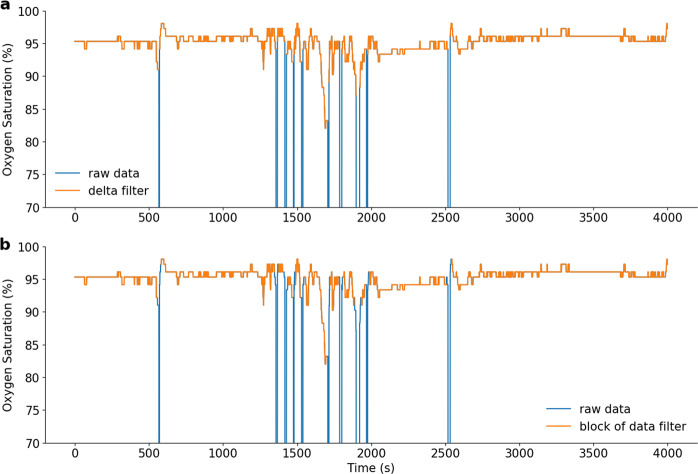
“The Delta Filter 34,35 was applied to the oximetry time series, to remove non physiological values due to the motion of the oximeter, or lack of proper contact between the fi nger and the probe.”
InfluentialSelf-citationPain, C. D., Egan, G. F., & Chen, Z. (2022) · European Journal of Nuclear Medicine and Molecular Imaging · doi:10.1007/s00259-022-05746-4 · Cited by 107
A systematic review on AI/ML approaches against COVID-19 outbreak
Dogan, O., Tiwari, S., Jabbar, M. A., & Guggari, S. (2021) · Complex & Intelligent Systems · doi:10.1007/s40747-021-00424-8 · Cited by 87
Bai, B., Luo, Y., Gan, T., Hu, J., Li, Y., Zhao, Y., Mengü, D., Jarrahi, M., & Özcan, A. (2022) · eLight · doi:10.1186/s43593-022-00021-3 · Cited by 98
High-throughput target trial emulation for Alzheimer’s disease drug repurposing with real-world data
Zang, C., Zhang, H., Xu, J., Zhang, H., Fouladvand, S., Havaldar, S., Cheng, F., Chen, K., Chen, Y., Glicksberg, B. S., et al. (2023) · Nature Communications · doi:10.1038/s41467-023-43929-1 · Cited by 69
Deep learning based computer-aided automatic prediction and grading system for diabetic retinopathy
Khanna, M., Singh, L. K., Thawkar, S., & Goyal, M. (2023) · Multimedia Tools and Applications · doi:10.1007/s11042-023-14970-5 · Cited by 73
Artificial intelligence bias in medical system designs: a systematic review
Kumar, A., Aelgani, V., Vohra, R., Gupta, S. K., Bhagawati, M., Paul, S., Saba, L., Suri, N., Khanna, N. N., Laird, J. R., et al. (2023) · Multimedia Tools and Applications · doi:10.1007/s11042-023-16029-x · Cited by 65
Bokhorst, J., Nagtegaal, I. D., Fraggetta, F., Vatrano, S., Mesker, W. E., Vieth, M., van der Laak, J. A. W. M., & Ciompi, F. (2023) · Scientific Reports · doi:10.1038/s41598-023-35491-z · Cited by 76
Martindale, A. P. L., Llewellyn, C. D., de Visser, R. O., Ng, B., Ngai, V., Kale, A. U., di Ruffano, L. F., Golub, R. M., Collins, G. S., Moher, D., et al. (2024) · Nature Communications · doi:10.1038/s41467-024-45355-3 · Cited by 58
Noninvasive hemoglobin sensing and imaging: optical tools for disease diagnosis
Taylor-Williams, M., Spicer, G. L. C., Bale, G. M., & Bohndiek, S. E. (2022) · Journal of Biomedical Optics · doi:10.1117/1.jbo.27.8.080901 · Cited by 74
“Hemoglobin oxygenation is often used as a vital sign; low oxygenation at the level of the organism can indicate a systemic disease, such as chronic obstructive pulmonary disease and apnea.(3,4) Poor oxygenation in a particular organ or tissue can be symptomatic of an insult due to injury or illness, such as diabetes,…”
BackgroundCO-IRv2: Optimized InceptionResNetV2 for COVID-19 detection from chest CT images
Mondal, M. R. H., Bharati, S., & Podder, P. (2021) · PLoS ONE · doi:10.1371/journal.pone.0259179 · Cited by 58
Acar, E., Şahin, E., & Yılmaz, İ. (2021) · Neural Computing and Applications · doi:10.1007/s00521-021-06344-5 · Cited by 52
Comprehensive machine and deep learning analysis of sensor-based human activity recognition
Balaha, H. M., & Hassan, A. E.-S. (2023) · Neural Computing and Applications · doi:10.1007/s00521-023-08374-7 · Cited by 58
Improving prediction of COVID-19 evolution by fusing epidemiological and mobility data
García-Cremades, S., Morales-García, J., Hernández-Sanjaime, R., Martínez‐España, R., Bueno-Crespo, A., Hernández‐Orallo, E., López-Espín, J. J., & Cecilia, J. M. (2021) · Scientific Reports · doi:10.1038/s41598-021-94696-2 · Cited by 56
U-Sleep’s resilience to AASM guidelines
Fiorillo, L., Monachino, G., van der Meer, J., Pesce, M., Warncke, J. D., Schmidt, M. H., Bassetti, C. L., Tzovara, A., Favaro, P., & Faraci, F. D. (2023) · npj Digital Medicine · doi:10.1038/s41746-023-00784-0 · Cited by 57
Marwaha, J. S., & Kvedar, J. C. (2022) · npj Digital Medicine · doi:10.1038/s41746-022-00572-2 · Cited by 46
Deep learning-based dental implant recognition using synthetic X-ray images
Kohlakala, A., Coetzer, J., Bertels, J., & Vandermeulen, D. (2022) · Medical & Biological Engineering & Computing · doi:10.1007/s11517-022-02642-9 · Cited by 47
Adoption of telehealth technologies: an approach to improving healthcare system
Sharma, A., Pruthi, M., & Sageena, G. (2022) · Translational Medicine Communications · doi:10.1186/s41231-022-00125-5 · Cited by 53
Disparate impacts on online information access during the Covid-19 pandemic
Suh, J., Horvitz, E., White, R. W., & Althoff, T. (2022) · Nature Communications · doi:10.1038/s41467-022-34592-z · Cited by 42
Raza, S., Schwartz, B., & Rosella, L. C. (2022) · BMC Bioinformatics · doi:10.1186/s12859-022-04751-6 · Cited by 39
Wang, Y.-R., Wang, P., Adams, L. C., Sheybani, N., Qu, L., Sarrami, A. H., Theruvath, A. J., Gatidis, S., Ho, T., Zhou, Q., et al. (2023) · European Journal of Nuclear Medicine and Molecular Imaging · doi:10.1007/s00259-022-06097-w · Cited by 36
Exploration of machine algorithms based on deep learning model and feature extraction
Qian, Y. (2021) · Mathematical Biosciences & Engineering · doi:10.3934/mbe.2021376 · Cited by 31
A review of research on eligibility criteria for clinical trials
Su, Q., Cheng, G., & Huang, J. (2023) · Clinical and Experimental Medicine · doi:10.1007/s10238-022-00975-1 · Cited by 46
Lysen, F., & Wyatt, S. (2024) · Journal of Responsible Innovation · doi:10.1080/23299460.2023.2300161 · Cited by 38
Multimodal graph attention network for COVID-19 outcome prediction
Keicher, M., Burwinkel, H., Bani-Harouni, D., Paschali, M., Czempiel, T., Burian, E., Makowski, M. R., Braren, R., Navab, N., & Wendler, T. (2023) · Scientific Reports · doi:10.1038/s41598-023-46625-8 · Cited by 34
Comparative evaluation of behavioral epidemic models using COVID-19 data
Gozzi, N., Perra, N., & Vespignani, A. (2025) · Proceedings of the National Academy of Sciences · doi:10.1073/pnas.2421993122 · Cited by 42
Levy, J., Álvarez, D., del Campo, F., & Behar, J. A. (2021) · Physiological Measurement · doi:10.1088/1361-6579/abf5ad · Cited by 23
Self-citationHu, S., Liu, J., Wang, Y., Fu, C., Zhu, J., Yu, H. J., & Yang, C. (2025) · Nature Communications · doi:10.1038/s41467-025-62864-x · Cited by 30
Quantifying daily rhythms with non-negative matrix factorization applied to mobile phone data
Aledavood, T., Kivimäki, I., Lehmann, S., & Saramäki, J. (2022) · Scientific Reports · doi:10.1038/s41598-022-09273-y · Cited by 36
Machikhin, A. S., Volkov, M. V., Хохлов, Д. Д., Lovchikova, E. D., Potemkin, A. V., Danilycheva, I. V., Dorofeeva, I. V., & Евгеньевич, Ш. А. (2021) · Biomedical Optics Express · doi:10.1364/boe.420786 · Cited by 20
“illustrates blood volume changes in the inspected skin area and is important for pulse oximetry, cardiovascular activity characterization, breathing monitoring and other tasks [31,32].”
BackgroundHaq, I., Mazhar, T., Asif, R. N., Ghadi, Y. Y., Saleem, R., Mallek, F., & Hamam, H. (2023) · PeerJ Computer Science · doi:10.7717/peerj-cs.1651 · Cited by 22
“Annotators correctly detected this trait, which has a distinct visual appearance, with an accuracy range from 87.0% to 95.5% ( Wulczyn et al., 2021 ).”
BackgroundMethodInfluentialSalerno, S. M., Sun, Y., Morris, E. L., He, X., Li, Y., Pan, Z., Han, P., Kang, J., Sjoding, M. W., & Li, Y. (2021) · PLoS ONE · doi:10.1371/journal.pone.0258278 · Cited by 20
Velpula, V. K., & Sharma, L. D. (2023) · SN Computer Science · doi:10.1007/s42979-023-01945-4 · Cited by 24
Ling, C., Rong, C., Men, B., Wang, J., Sun, J., Zhang, T., Zhang, L., Guo, T., Zhou, P., & Liu, W. (2025) · Advanced Healthcare Materials · doi:10.1002/adhm.202402507 · Cited by 15
Hoang, N. H., & Liang, Z. (2025) · Sensors · doi:10.3390/s25061698 · Cited by 20
Mehrdad, S., Shamout, F. E., Wang, Y., & Atashzar, S. F. (2023) · Scientific Reports · doi:10.1038/s41598-023-37013-3 · Cited by 22
Sobel, J., Levy, J., Almog, R., Benaim, A. R., Miller, A., Eytan, D., & Behar, J. A. (2023) · Scientific Reports · doi:10.1038/s41598-022-27342-0 · Cited by 18
Self-citationNatural Language Processing and Text Mining (Turning Unstructured Data into Structured)
Bagheri, A., Giachanou, A., Mosteiro, P. J., & Verberne, S. (2023) · Springer eBooks · doi:10.1007/978-3-031-36678-9_5 · Cited by 21
End-to-End Predictive Analytics Pipeline for Preauthorization Outcomes Using Claims and EMR Data
Pai, R. R., & Pendyala, J. P. (2025) · Lecture notes in networks and systems · doi:10.1007/978-3-032-03769-5_28 · Cited by 13
Predicting miRNA-disease associations via layer attention graph convolutional network model
Han, H., Zhu, R., Liu, J., & Dai, L.-Y. (2022) · BMC Medical Informatics and Decision Making · doi:10.1186/s12911-022-01807-8 · Cited by 12
Razaq, I. S., & Al-Shukur, B. K. (2023) · International Journal of Information Technology · doi:10.1007/s41870-023-01424-2 · Cited by 12
iPREDICT: AI enabled proactive pandemic prediction using biosensing wearable devices
Riaz, M. S., Shaukat, M., Saeed, T., Ijaz, A., Qureshi, H. N., Posokhova, I., Sadiq, I., Rizwan, A., & Imran, A. (2024) · Informatics in Medicine Unlocked · doi:10.1016/j.imu.2024.101478 · Cited by 17
Hiding Your Signals: A Security Analysis of PPG-Based Biometric Authentication
Li, L., Chen, C., Pan, L., Tai, Y., Zhang, J., & Xiang, Y. (2024) · Lecture notes in computer science · doi:10.1007/978-3-031-51479-1_10 · Cited by 16
Build-in sensors and analysis algorithms aided smartphone-based sensors for point-of-care tests
Xia, Y., Hu, J., Zhao, S., Lin, T., Li, Z., Yue, T., & Kong, J. (2022) · Biosensors and Bioelectronics X · doi:10.1016/j.biosx.2022.100195 · Cited by 19
The effect of m-health applications on self-care improvement in older adults: A systematic review
Kalhori, S. R. N., Katigari, M. R., Azadboni, T. T., Pahlevanynejad, S., & Eshpala, R. H. (2023) · Informatics for Health and Social Care · doi:10.1080/17538157.2023.2171878 · Cited by 12
COVID-19 advising application development for Apple devices (iOS)
Alshahrani, S. M., & Khan, N. A. (2023) · PeerJ Computer Science · doi:10.7717/peerj-cs.1274 · Cited by 20
Waters, S. H., & Clifford, G. D. (2022) · BioMedical Engineering OnLine · doi:10.1186/s12938-022-01033-3 · Cited by 12
Montenegro, J. L. Z., & da Costa, C. A. (2022) · Journal of Healthcare Informatics Research · doi:10.1007/s41666-022-00115-0 · Cited by 12
Dispersion-free highly accurate color recognition using excitonic 2D materials and machine learning
Hejazi, D., Rezapour, N. K., Ferrier, J., Ostadabbas, S., & Kar, S. (2022) · Materials Today · doi:10.1016/j.mattod.2022.08.016 · Cited by 8
Hoang, N. H., & Liang, Z. (2025) · Frontiers in Digital Health · doi:10.3389/fdgth.2025.1510166 · Cited by 10
A review on computer-aided diagnostic system to classify the disorders of the gastrointestinal tract
Ramzan, M. R., Raza, M., Khan, Z. F., Khan, M. A., Bačanin-Džakula, N., Damaševičius, R., Jeon, S., & Nam, Y. (2025) · European journal of medical research · doi:10.1186/s40001-025-02718-w · Cited by 11
Carrizales-Espinoza, D. E., Sánchez-Gallegos, D. D., Gonzalez-Compean, J. L., & Carretero, J. (2022) · Computing · doi:10.1007/s00607-021-01044-3 · Cited by 8
CAPN: a Combine Attention Partial Network for glove detection
Yu, F. Q., Zhu, J., Chen, Y., Liu, S., & Jiang, M. (2023) · PeerJ Computer Science · doi:10.7717/peerj-cs.1558 · Cited by 9
“With the advancement of computer vision ( Esteva et al., 2021 ), object detection technology using video surveillance has been implemented in various environments ( Liu et al., 2022 ), such as power plants and electrical substations.”
MethodÁlvarez, D., Gutiérrez‐Tobal, G. C., Vaquerizo-Villar, F., Moreno, F., del Campo, F., & Hornero, R. (2022) · Advances in experimental medicine and biology · doi:10.1007/978-3-031-06413-5_13 · Cited by 7
Self-citationThe requirements for performing artificial-intelligence-related research and model development
Pareek, A., Lungren, M. P., & Halabi, S. S. (2022) · Pediatric Radiology · doi:10.1007/s00247-022-05483-8 · Cited by 10
The digital signature of emergent tremor in Parkinson’s disease
Gala, A. S., Wilkins, K. B., Petrucci, M. N., Kehnemouyi, Y. M., Velisar, A., Trager, M. H., & Bronte-Stewart, H. M. (2024) · npj Parkinson's Disease · doi:10.1038/s41531-024-00754-7 · Cited by 7
Intelligent Authentication Framework for Internet of Medical Things (IoMT)
Enamamu, T. (2022) · Lecture notes on data engineering and communications technologies · doi:10.1007/978-3-030-93453-8_5 · Cited by 6
Analysis of Suitable Machine Learning Imputation Techniques for Arthritis Profile Data
Ramasamy, U., & Santhoshkumar, S. (2022) · IETE Journal of Research · doi:10.1080/03772063.2022.2120914 · Cited by 6
“As researchers analyzing the Electronic Health Record (EHR) [3] dataset, we face the challenge of having more features, the majority of which have a significant percentage of incomplete data (70 - 90 per cent).”
BackgroundLiu, H., Zhang, P., Xie, Y., Li, X., Bi, D., Zou, Y., Peng, L., & Li, G. (2022) · Neural Computing and Applications · doi:10.1007/s00521-022-07676-6 · Cited by 7
Medical thermograms’ classification using deep transfer learning models and methods
Örnek, A. H., & Ceylan, M. (2022) · Multimedia Tools and Applications · doi:10.1007/s11042-021-11852-6 · Cited by 6
Pless, S., Woelfle, T., Lorscheider, J., Wiencierz, A., Reyes, Ó., Luque, C. L., Calabrese, P., Granziera, C., & Kappos, L. (2025) · Journal of Neurology · doi:10.1007/s00415-024-12818-y · Cited by 7
From sleep medicine to medicine during sleep–a clinical perspective
Bar, N., Sobel, J., Penzel, T., Shamay, Y., & Behar, J. A. (2021) · Physiological Measurement · doi:10.1088/1361-6579/abf47c · Cited by 5
“For example, opportunistic nocturnal screening for hypertension, atrial fibrillation (Chocron et al 2020) orCOPD (Levy et al 2020a), may be performed in high-risk patient populations.”
BackgroundMethodSelf-citationAnalysis of V-Net Architecture for Iris Segmentation in Unconstrained Scenarios
Banerjee, A., Ghosh, C., & Mandal, S. N. (2022) · SN Computer Science · doi:10.1007/s42979-022-01113-0 · Cited by 6
Diagnosis of Obstructive Sleep Apnea in Patients with Associated Comorbidity
del Campo, F., Domingo, C. A. A., Zamarrón, C., & Álvarez, D. (2022) · Advances in experimental medicine and biology · doi:10.1007/978-3-031-06413-5_4 · Cited by 5
Self-citationA Scalable AI Approach for Clinical Trial Cohort Optimization
Liu, X., Shi, C. H., Deore, U., Wang, Y., Tran, M., Khalil, I., & Devarakonda, M. V. (2021) · Communications in computer and information science · doi:10.1007/978-3-030-93733-1_36 · Cited by 9
You, J., Gao, J., He, M., Wu, J., & Ye, J. (2023) · Sleep Medicine · doi:10.1016/j.sleep.2023.02.006 · Cited by 5
Dynamic model for the strain-modulated spectral reflectance of the human skin in vivo
Huo, Z., Wang, S., Wei, H., Cheng, X., Li, L., Li, C., & Wang, Z. (2024) · Biomedical Optics Express · doi:10.1364/boe.507361 · Cited by 4
Optimizing automated sleep stage scoring of 5-s mini-epochs: a transfer learning study
Follin, L. F., Christensen, J. A. E., Vevelstad, J., Juvodden, H. T., Viste, R., Hansen, B. H., Perslev, M., Kaufmann, T., Zahid, A. N., & Knudsen, S. (2025) · SLEEP · doi:10.1093/sleep/zsaf393 · Cited by 5
Precision public health, the key for future outbreak management: A scoping review
Rajendran, E. G., Hairi, F. M., Supramaniam, R. K., & Mohd, T. A. M. T. (2024) · Digital Health · doi:10.1177/20552076241256877 · Cited by 9
Abstaining machine learning: philosophical considerations
Schuster, D. (2025) · AI & Society · doi:10.1007/s00146-025-02188-y · Cited by 10
Ultra low loss broadband 1 × 2 optical power splitters with various splitting ratios
Goudarzi, K., Kim, D. Y., Lee, H., Park, I., & Han, H. (2022) · Optics Continuum · doi:10.1364/optcon.462421 · Cited by 3
Smartphone Mediated Tracking and Analysis of Sleep Patterns in Indian College Students
Vaghela, M., & Sasidhar, K. (2022) · Human-Centric Intelligent Systems · doi:10.1007/s44230-022-00014-y · Cited by 7
Positional sleep apnea phenotyping using machine learning and digital oximetry biomarkers *
Sason, Y. B., Levy, J., Oksenberg, A., Sobel, J., & Behar, J. A. (2023) · Physiological Measurement · doi:10.1088/1361-6579/accefc · Cited by 4
“For all the calculations we used the default parameters of the functions, see table S1 in Levy et al (Levy et al 2021). for the definitions and default parameters used for all theOBMs.”
MethodSelf-citationQuicksort leave-pair-out cross-validation for ROC curve analysis
Numminen, R., Perez, I. M., Jambor, I., Pahikkala, T., & Airola, A. (2022) · Computational Statistics · doi:10.1007/s00180-022-01288-3 · Cited by 7
Sedaghat, S., Nazernejad, M., & Jahromi, M. S. S. (2025) · Computing · doi:10.1007/s00607-025-01453-8 · Cited by 2
Kaizen: Decomposing cellular images with VQ-VAE
Majoral, D., & Domnich, M. (2025) · PLoS ONE · doi:10.1371/journal.pone.0313549 · Cited by 3
Wei, Z., Chen, W., Fan, L., Shang, Y., Wang, Y., Situ, W., Li, W., Liu, T., Yuan, Y., & Liu, J. (2025) · Scientific Reports · doi:10.1038/s41598-025-10754-z · Cited by 4
AI-Driven Dermatology: A Study on Skin Disease Identification Through Advanced Medical Imaging
Deshmukh, M. P., Jagdale, R. S., & Papalkar, R. R. (2025) · Lecture notes in networks and systems · doi:10.1007/978-981-95-0629-3_25 · Cited by 2
Sârbu, D. C., Vultur, M. A., Ianoși, M. B., Sárközi, H.-K., Huțanu, D., & Ianoși, E. S. (2026) · Journal of Clinical Medicine · doi:10.3390/jcm15103668 · Cited by 2
Improved U-Net Fundus Image Segmentation Algorithm Integrating Effective Channel Attention
Liang, J., Ding, L., Tong, X., Zhao, Z., Li, J., Liang, J., Dong, B., & Yuan, Y. (2022) · Journal of Imaging Science and Technology · doi:10.2352/j.imagingsci.technol.2022.66.4.040408 · Cited by 3
Pang, Z., Lu, X., Hu, P., O’Neill, Z. D., & Wang, Q. (2023) · Journal of Building Performance Simulation · doi:10.1080/19401493.2023.2208558 · Cited by 3
Remote Photoplethysmography: Digital Disruption in Health Vital Acquisition
Monika, Kumar, H., Kaushal, S., & Garg, V. (2023) · Springer eBooks · doi:10.1007/978-3-031-38036-5_12 · Cited by 2
Porta, N. L., Scafa, S., Papandrea, M., Molinari, F., & Puiatti, A. (2024) · IEEE Open Journal of Engineering in Medicine and Biology · doi:10.1109/ojemb.2024.3508477 · Cited by 4
“Then, a parallel coordinate chart was plotted to check the amount of variance explained by a limited number of Principal [20] COMPLEXITY TSA95 ISE range COMPLEXITY [21] Renyi’s entropy ApEn025, ApEn015”
MethodDeep Learning for Medical Image Segmentation
Akraoui, B. E., & Daoui, C. (2021) · Lecture notes in business information processing · doi:10.1007/978-3-030-76508-8_21 · Cited by 2
From sleep medicine to medicine during sleep
Behar, J. A., Shamay, Y., Álvarez, D., del Campo, F., & Penzel, T. (2021) · Physiological Measurement · doi:10.1088/1361-6579/ac3e38 · Cited by 2
Self-citationPopa, A., Caproş, N., Dumitraș, T., Corlateanu, O., Dogot, M., Smolenschi, I., Sîrbu, I., & Dumitras, M. (2022) · World Congress on Medical Physics and Biomedical Engineering, September 7 - 12, 2009, Munich, Germany · doi:10.1007/978-3-030-92328-0_94 · Cited by 2
Identification of arterial oxygen intermittency in oximetry data
Galuzio, P. P., Cherif, A., Tao, X., Thwin, O., Zhang, H., Thijssen, S., & Kotanko, P. (2022) · Scientific Reports · doi:10.1038/s41598-022-20493-0 · Cited by 2
Jia, J., Wang, L., & Gao, X. (2023) · Annals of Noninvasive Electrocardiology · doi:10.1111/anec.13049 · Cited by 2
Interpretation Attacks and Defenses on Predictive Models Using Electronic Health Records
Razmi, F., Lou, J., Hong, Y., & Xiong, L. (2023) · Lecture notes in computer science · doi:10.1007/978-3-031-43418-1_27 · Cited by 4
Litvinova, O., Hammerle, F. P., Stoyanov, J. V., Ksepka, N., Matin, M., Ławiński, M., Atanasov, A. G., & Willschke, H. (2023) · Healthcare · doi:10.3390/healthcare11223003 · Cited by 6
Vision-Language Pre-training from Synthetic Data
Liu, C. (2024) · Springer eBooks · doi:10.1007/978-3-031-80965-1_6 · Cited by 2
Ozturk, C. S., & Demir, K. (2025) · Current Psychiatry Reports · doi:10.1007/s11920-025-01613-9 · Cited by 2
Salfi, F., Corigliano, D., Amicucci, G., Mombelli, S., D’Atri, A., Axelsson, J., & Ferrara, M. (2026) · Journal of Sleep Research · doi:10.1111/jsr.70282 · Cited by 6
Wu, X., Qin, H., Huang, H., Jiang, J., Wu, X., Liu, Z., Li, M., & Li, S. (2026) · The Clinical Respiratory Journal · doi:10.1111/crj.70176 · Cited by 1
Qian, X., Luo, H., Ding, R., Gao, T., Wang, H., Wu, P., & Li, N. (2026) · JMIR Medical Informatics · doi:10.2196/80384 · Cited by 2
Metadata
- Authors
- Levy, J., Álvarez, D., Rosenberg, A. A., Alexandrovich, A., del Campo, F., & Behar, J. A.
- Affiliations
- Technion – Israel Institute of Technology (IL)
- Universidad de Valladolid (ES)
- Corresponding author
- Behar, Joachim A.
- Venue
- npj Digital Medicine
- Published
- 2021-01-04
- Volume
- 4
- Issue
- 1
- Pages
- 1-1
- ISSN
- 2398-6352 (ISSN-L)
- PMC
- PMC7782845
- OpenAlex
- W3119755710
- Semantic Scholar
- 74a8fc043fe7a9a68428c874cb8210c4d7bb1d4f
- Cited by
- 125
- References
- 62
- Citations by year
- 2026: 9 · 2025: 24 · 2024: 11 · 2023: 33 · 2022: 35 · 2021: 13
- FWCI
- 14.45
- Type
- journal article
- Language
- en
- Open access
- gold
- doi.org
- Licence
- cc-by
- creativecommons.org/licenses/by/4.0 (tdm)
- creativecommons.org/licenses/by/4.0 (vor)
- Locations
- npj Digital Medicine (publishedVersion, cc-by)
- PubMed Central (publishedVersion, cc-by)
- PubMed (publishedVersion)
- Hispana (publishedVersion, cc-by-nc-nd)
- University of Valladolid Documentary Repository (University of Valladolid) (publishedVersion, cc-by-nc-nd)
- DOAJ (DOAJ: Directory of Open Access Journals) (submittedVersion, cc-by-sa)
- Funders
- Centro de Investigación Biomédica en Red en Bioingeniería, Biomateriales y Nanomedicina
- Intelligent Systems Center
- Instituto de Salud Carlos III
- Topics
- Health Sciences › Medicine › Physiology (medical) › Obstructive Sleep Apnea Research
- Physical Sciences › Engineering › Biomedical Engineering › Non-Invasive Vital Sign Monitoring
- Health Sciences › Medicine › Cardiology and Cardiovascular Medicine › Heart Rate Variability and Autonomic Control
- Keywords
- pulse oximetry, oxygen saturation, obstructive sleep apnea, respiratory function, apnea-hypopnea index, polysomnography, reference values, open-source software toolkit, sleep medicine
About these checks
Registry, retraction, Cites and statistics results are computed, not judged, with one exception: a printed reference that no index lists is read once by a model before it counts as a citation error. Claims are extracted by a model and kept only when their quote appears verbatim in the text; each cited source is then checked, with a model’s help, for whether it says what the claim relies on. Those verdicts can be wrong — read the claim’s quote and the cited source before relying on one.
Statistics and arithmetic are recomputed, not judged.
Confidence bands are shown only for fields calibrated on our annotated test set. None is calibrated yet, so no band is shown.
What counts as a claim ›How we measure confidence ›How we check this ›
Are you an author, or do you see a problem with this page? Request a review
Data sources
Bibliographic data: Semantic Scholar, OpenAlex, Crossref.
Contains information from the Semantic Scholar Academic Graph Datasets, made available under the ODC Attribution License (ODC-BY 1.0).
Semantic Scholar’s data is described in: Kinney, R., et al. (2023). The Semantic Scholar Open Data Platform. arXiv:2301.10140.
