

Predictably unequal: understanding and addressing concerns that algorithmic clinical prediction may increase health disparities
Open accessThe DOI matches its Crossref record; 46 of the 48 references it cites were found in a registry or an index; 11 of the 42 sources its claims cite were checked for support.
Abstract
The machine learning community has become alert to the ways that predictive algorithms can inadvertently introduce unfairness in decision-making. Herein, we discuss how concepts of algorithmic fairness might apply in healthcare, where predictive algorithms are being increasingly used to support decision-making. Central to our discussion is the distinction between algorithmic fairness and algorithmic bias. Fairness concerns apply specifically when algorithms are used to support polar decisions (i.e., where one pole of prediction leads to decisions that are generally more desired than the other), such as when predictions are used to allocate scarce health care resources to a group of patients that could all benefit. We review different fairness criteria and demonstrate their mutual incompatibility. Even when models are used to balance benefits-harms to make optimal decisions for individuals (i.e., for non-polar decisions)–and fairness concerns are not germane–model, data or sampling issues can lead to biased predictions that support decisions that are differentially harmful/beneficial across groups. We review these potential sources of bias, and also discuss ways to diagnose and remedy algorithmic bias. We note that remedies for algorithmic fairness may be more problematic, since we lack agreed upon definitions of fairness. Finally, we propose a provisional framework for the evaluation of clinical prediction models offered for further elaboration and refinement. Given the proliferation of prediction models used to guide clinical decisions, developing consensus for how these concerns can be addressed should be prioritized.
Overview
CoChat Summary
TL;DR
This perspective distinguishes algorithmic fairness from algorithmic bias in clinical prediction, arguing fairness concerns are germane mainly for “polar” decisions where one prediction pole is generally desired or undesired, while bias can affect both polar and non-polar decisions. It reviews mutually incompatible fairness criteria, sources of biased data/modeling, and proposes a provisional framework for evaluating clinical prediction models.
Key findings
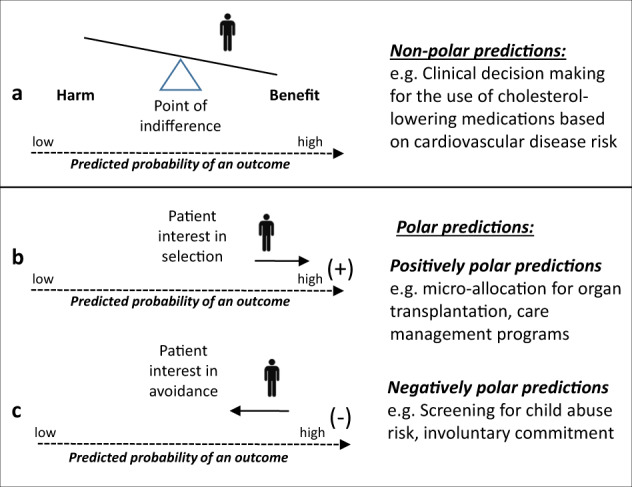
- Fairness concerns apply specifically to “polar” predictions—where one pole leads to decisions generally more desired than the other, such as allocating scarce health care resources—whereas non-polar decisions aimed at balancing benefits and harms for an individual do not raise the same fairness concerns, though algorithmic bias can still occur.
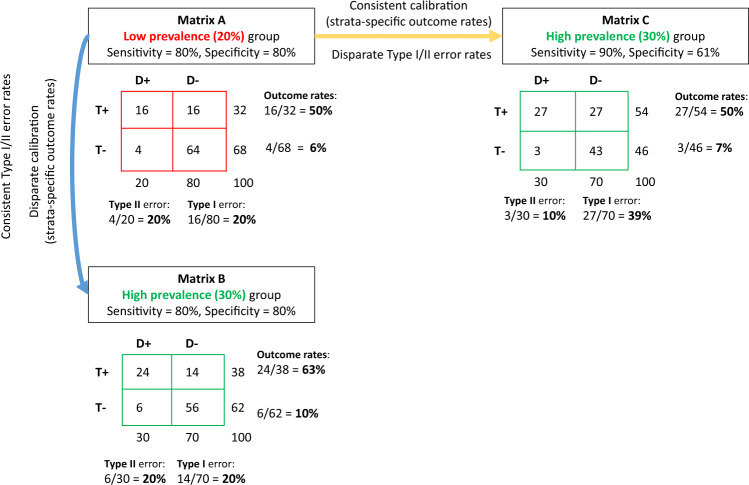
- Common fairness criteria are mutually incompatible: equalized error rates and calibration/test fairness cannot both be satisfied when outcome rates differ across groups, except under perfect prediction. In the paper’s numerical illustration with a low-prevalence group at 20% and high-prevalence group at 30%, a test with 80% sensitivity and specificity yields positive predictive values of 50% vs ~63% and false omission rates of ~6% vs ~10%; holding risk-strata outcome rates constant would nearly double the false positive rate from 20% to ~39%.
- Algorithmic bias can arise from label bias, feature bias, differential missingness, subgroup validity problems, and sampling bias; examples include surveillance-sensitive cancer overdiagnosis in affluent communities, ICU mortality predictions shaped by practice patterns, the racially homogeneous Framingham study, and polygenic risk scores derived largely on European populations performing poorly on non-European populations.
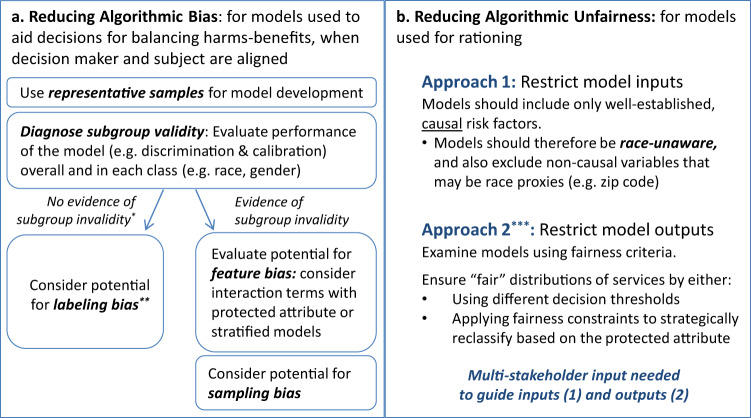
- The proposed framework separates ensuring unbiased models—diagnosing subgroup performance and using group main effects, interactions, or stratified models—from addressing fairness in polar contexts via input-focused approaches (class-blind allocation, avoiding race proxies, transparency) or output-focused approaches (fairness constraints, different decision thresholds), with no agreed mathematical solution to define fairness.
Methods
- Perspective/review article that synthesizes methodological research from computer science and relevant epidemiological principles; no primary empirical data collection is reported.
- Uses conceptual analysis, mathematical demonstration of fairness-criteria incompatibility, a numerical illustration with N = 100 confusion matrices, and examples such as COMPAS data from over 7000 arrests and the Framingham Heart Study.
- Proposes a provisional framework for evaluating algorithmic bias and fairness in clinical prediction and decision-making, distinguishing polar from non-polar predictions.
Limitations
- Stated: the framework is simplified and provisional, intended as a starting point; some algorithms are applied in different decisional contexts with different ethical concerns (e.g., race-aware estimated GFR equations used for transplant prioritization and medication dosing); polarity may be non-obvious; some objections to using race in prediction models have little to do with unfairness as described; and identifying/mitigating algorithmic disparities involves political and legal complexities requiring integration of statistical and legal thinking.
- Evident from the text: the framework is not empirically validated in the paper; fairness definitions remain contested and lack agreed mathematical solutions; causal definitions of fairness are described as fundamentally unidentifiable in observational data except with unverifiable assumptions.
Model-written summary. Check it against the paper before relying on it.
Integrity signals
Registry
Cites
Statistics
Figures
Verification
Claims the paper makes
7 Valid · 0 Not valid · 20 Not checked · 42 Own results and interpretations
Every source the paper cites for this claim was checked and supports it.
In the paper
“For similar reasons, there are concerns about the representativeness of the Precision Medicine Initiative (the “All of Us” Study28).”
§ Predictably unequal: understanding and addressing concerns that algorithmic clinical prediction may increase health disparities > Learning from biased data
What the sources say
- Supportedcites [28] Sabatello M Appelbaum PS The precision medicine nation Hastings Cent. Rep. 2017 47 19 29 10.1002/hast.736 28749054 PMC5568692 source
Our copy identifies the PMI's cohort program as the "All of Us Research Program" (Constructing Genomic Citizenship) and repeatedly raises concerns about its representativeness: the cohort must be "both large and reflective of the U.S.'s diversity—features that, to date, have been difficult to achieve" (Constructing Genomic Citizenship); enrollment decisions "will unavoidably shape the cohort's composition in ways that may limit the access of particular subgroups," with a tension between a representative sample of the US population and over-representing underrepresented/high-disease-burden groups (Demarcating Boundaries); and limitations of enrollment strategies plus difficulty enrolling minority racial/ethnic groups (Benefits). The representativeness of public respondents in PMI engagement is also flagged as unclear (Governance and Participation). (LLM, conf=0.90)
plain- Asserted: passes — The authors put it forward as true.
- Checkable: passes — It can be checked against evidence.
- Load-bearing: unclear — It is unclear whether the paper’s conclusions depend on it.
- Based: passes — The paper gives a reason why it holds.
- Supported
The cited sources support only part of this claim — read each source’s verdict below.
In the paper
“Indeed, race is used explicitly in popular prediction models that inform the need for osteoporotic33, breast34–37 and prostate cancer screening38,39; statin use for coronary heart disease prevention40,41 and other common decisions.”
§ Predictably unequal: understanding and addressing concerns that algorithmic clinical prediction may increase health disparities > Should the use of protected characteristics in clinical prediction models (CPM) differ for polar versus non-polar predictions?
What the sources say
- Not checked yetcites [33] WHO. Centre for Metabolic Bone Diseases (University of Sheffield, 2008).
- Partly supportedcites [34] Banegas MP Projecting individualized absolute invasive breast cancer risk in US hispanic women J. Natl. Cancer Inst. 2017 109 djw215 10.1093/jnci/djw215 PMC5174188 28003316 sourceExperimental — accuracy not yet measured
The paper’s introductory text describes the Breast Cancer Risk Assessment Tool as estimating risk for specified racial and ethnic groups, and its Discussion describes a risk model developed specifically for Hispanic women. This supports the breast-cancer prediction-model portion attributed to this citation. The passages do not establish that these models are used to decide whether breast cancer screening is needed; the other conditions and decisions have separate citations in the citing sentence. (LLM, conf=0.83)
- Not checked yetcites [35] Gail MH Projecting individualized probabilities of developing breast cancer for white females who are being examined annually J. Natl. Cancer Inst. 1989 81 1879 1886 10.1093/jnci/81.24.1879 2593165 source
- Not checked yetcites [36] Gail MH Projecting individualized absolute invasive breast cancer risk in African American women J. Natl. Cancer Inst. 2007 99 1782 1792 10.1093/jnci/djm223 18042936 source
- Partly supportedcites [37] Matsuno RK Projecting individualized absolute invasive breast cancer risk in Asian and Pacific Islander American women J. Natl. Cancer Inst. 2011 103 951 961 10.1093/jnci/djr154 21562243 PMC3119648 sourceExperimental — accuracy not yet measured
The Comparisons with BCRAT section says breast cancer risk models use race- and ethnicity-specific data. The Implications section recommends the AABCS model for counseling and determining eligibility for prevention trials, but our copy does not say it informs decisions about breast cancer screening. The other clinical decisions in the citing sentence are attached to other citations. (LLM, conf=0.85)
- Supportedcites [38] Ankerst DP Prostate cancer prevention trial risk calculator 2.0 for the prediction of low-versus high-grade prostate cancer Urology 2014 83 1362 1368 10.1016/j.urology.2014.02.035 24862395 PMC4035700 source
The Introduction says the PCPT Risk Calculator uses African American race among its clinical risk factors to help decide whether to biopsy. The Results section confirms that African American race is a predictor in the updated model. This supports the prostate-cancer portion of the citing sentence to which this source is attached. (LLM, conf=0.94)
- Not checked yetcites [39] National Cancer Institute. Prostate Cancer Prevention Trial Investigators (UT Health San Antonio, 2012).
plain- Asserted: passes — The authors put it forward as true.
- Checkable: passes — It can be checked against evidence.
- Load-bearing: passes — The paper’s conclusions depend on it.
- Based: passes — The paper gives a reason why it holds.
The cited sources support only part of this claim — read each source’s verdict below.
In the paper
“how principles of algorithmic fairness might apply in clinical decision-making has received little attention in the medical literature7,8.”
§ Predictably unequal: understanding and addressing concerns that algorithmic clinical prediction may increase health disparities > Background
What the sources say
- Partly supportedcites [7] Rajkomar A Hardt M Howell MD Corrado G Chin MH Ensuring fairness in machine learning to advance health equity Ann. Intern Med. 2018 169 866 872 10.7326/M18-1990 30508424 PMC6594166 sourceExperimental — accuracy not yet measured
The paper’s Abstract (page unavailable) discusses how fairness principles can be applied to clinical machine-learning decisions. It does not say that this question has received little attention in the medical literature; searches for that characterization found no supporting passage. (LLM, conf=0.78)
- Partly supportedcites [8] Char DS Shah NH Magnus D Implementing machine learning in health care–addressing ethical challenges New Engl. J. Med. 2018 378 981 983 10.1056/NEJMp1714229 29539284 PMC5962261 sourceExperimental — accuracy not yet measured
The paper’s main text discusses bias in health care algorithms and calls for machine-learning systems to reflect ethical standards in clinical care. It does not say that applying algorithmic fairness principles to clinical decisions has received little attention in the medical literature; that assessment of the literature is unsupported. (LLM, conf=0.78)
plain- Asserted: passes — The authors put it forward as true.
- Checkable: passes — It can be checked against evidence.
- Load-bearing: passes — The paper’s conclusions depend on it.
- Based: passes — The paper gives a reason why it holds.
- Partly supported
The cited sources support only part of this claim — read each source’s verdict below.
In the paper
“We have previously argued that much of the reluctance to use race in prediction models stems from overgeneralization of its potentially objectionable use in polar predictions in non-medical settings to its use for non-polar predictions in medical settings29.”
§ Predictably unequal: understanding and addressing concerns that algorithmic clinical prediction may increase health disparities > Should the use of protected characteristics in clinical prediction models (CPM) differ for polar versus non-polar predictions?
What the sources say
- Partly supportedcites [29] Paulus, J. K. & Kent, D. M. Race and ethnicity: a part of the equation for personalized clinical decision making? Circ. Cardiovasc. Qual. Outcomes.10.1161/CIRCOUTCOMES.117.003823 (2017). PMC5558842 28687570 sourceExperimental — accuracy not yet measured
The Summary and Conclusion (page unavailable) says that some reluctance to use race in clinical prediction models comes from overgeneralizing concerns from other contexts. The Important Distinctions section explains why predictions in law enforcement or insurance can disadvantage profiled individuals while medical predictions can help align care with patients’ goals. The source supports the distinction, but says “some,” not “much,” of the reluctance stems from overgeneralization. (LLM, conf=0.87)
plainstates a cause- Asserted: passes — The authors put it forward as true.
- Checkable: passes — It can be checked against evidence.
- Load-bearing: passes — The paper’s conclusions depend on it.
- Based: passes — The paper gives a reason why it holds.
- Partly supported
Every source the paper cites for this claim was checked and supports it.
In the paper
“Currently, there is no consensus or guidance on how protected characteristics–race in particular– should be incorporated in clinical prediction29.”
§ Predictably unequal: understanding and addressing concerns that algorithmic clinical prediction may increase health disparities > Should the use of protected characteristics in clinical prediction models (CPM) differ for polar versus non-polar predictions?
What the sources say
- Supportedcites [29] Paulus, J. K. & Kent, D. M. Race and ethnicity: a part of the equation for personalized clinical decision making? Circ. Cardiovasc. Qual. Outcomes.10.1161/CIRCOUTCOMES.117.003823 (2017). PMC5558842 28687570 source
The cited paper's section heading and text ('Race Effects are Sometimes Included in Clinical Predictive Models, but Usually Not: A Lack of Consensus Regarding Best Practice') and its Summary and Conclusion state directly that 'There is clearly a lack of consensus in how to cope with race as a predictor in CPMs' and that more stakeholder discussion is needed 'to develop consensus about best practice' — i.e., no settled guidance on incorporating race in clinical prediction models. The surrounding passages (Rationale for Excluding Race Effects; Caveats) reinforce the absence of agreed practice, noting only that actuarial/insurance use of race is proscribed and that the 2014 NQF Expert Panel recommendation concerns performance measures rather than prediction models, so nothing contradicts the 'no guidance' element. The claim's broader framing ('protected characteristics… race in particular') is a mild generalization of the paper's race/ethnicity focus, but the attributed point is the paper's own. (LLM, conf=0.85)
plain- Asserted: passes — The authors put it forward as true.
- Checkable: passes — It can be checked against evidence.
- Load-bearing: passes — The paper’s conclusions depend on it.
- Based: passes — The paper gives a reason why it holds.
- Supported
26 more claims · 1 with their cited sources checked
Create a free account to see all 69 claims and to verify the 31 references still open.
- It may state two separate claims as one. 18
- Probably not a substantial claim. 25
Claims other papers make about this one
Each is checked against this paper’s own text: does it say what the citing paper says it does?
The source backs part of the claim, not all of it — or backs it for a different population, condition or comparison.
In the citing paper
“Since screening is not an accurate reflection of the incidence of cancer, this in-turn would result in a biased algorithm that targets screening to over-served communities, leading to further health disparities [31].”
From Bias in artificial intelligence algorithms and recommendations for mitigation (2023) · cites this paper as [31]
Experimental — accuracy not yet measuredThe cited source says what the claim attributes to it.
In the citing paper
“Communities in which cancer screenings are frequently performed will have inflated incidences compared to underserved populations that would consequently be “labeled” as having a lower incidence of cancer due to lesser screening in those areas.”
From Bias in artificial intelligence algorithms and recommendations for mitigation (2023) · cites this paper as [31]
Citations
Cites
Dissecting racial bias in an algorithm used to manage the health of populations
Obermeyer, Z., Powers, B., Vogeli, C., & Mullainathan, S. (2019) · Science · doi:10.1126/science.aax2342 · Cited by 7,137 · cited 1×
“The bias was detected because black patients were sicker than similarly scored white patients, and the algorithm was remedied through the use of a better label that more directly captures health need 45 .”
BackgroundAssessing the Performance of Prediction Models: A Framework for Traditional and Novel Measures
Steyerberg, E. W., Vickers, A. J., Cook, N. R., Gerds, T., Gonen, M., Obuchowski, N., Pencina, M. J., & Kattan, M. W. (2010) · Epidemiology · doi:10.1097/ede.0b013e3181c30fb2 · Cited by 5,170
2013 ACC/AHA Guideline on the Assessment of Cardiovascular Risk
Goff, D. C., Lloyd-Jones, D. M., Bennett, G., Coady, S., D’Agostino, R. B., Gibbons, R., Greenland, P., Lackland, D. T., Levy, D., O’Donnell, C. J., et al. (2014) · Journal of the American College of Cardiology · doi:10.1016/j.jacc.2013.11.005 · Cited by 4,945 · cited 1×
“Indeed, the widely-used Pooled Cohort Equation for coronary heart disease prediction addressed the subgroup validity issues identi fi ed in the Framingham score (i.e., poor model performance in ethnic minorities) by developing separate models for whites and African-Americans 42 .”
MethodGoff, D. C., Lloyd-Jones, D. M., Bennett, G., Coady, S., D’Agostino, R. B., Gibbons, R., Greenland, P., Lackland, D. T., Levy, D., O’Donnell, C. J., et al. (2014) · Circulation · doi:10.1161/01.cir.0000437741.48606.98 · Cited by 3,697
Gail, M. H., Brinton, L. A., Byar, D. P., Corle, D. K., Green, S. B., Schairer, C., & Mulvihill, J. J. (1989) · JNCI Journal of the National Cancer Institute · doi:10.1093/jnci/81.24.1879 · Cited by 3,334
Barocas, S., & Selbst, A. D. (2014) · doi:10.2139/ssrn.2477899 · Cited by 3,048 · cited 2×
“None-theless it ’ s important to bear in mind that fairness and the legal standard of disparate impact are not purely statistical concepts, and involve ethical, political and constitutional concerns 15 .”
BackgroundClinical use of current polygenic risk scores may exacerbate health disparities
Martin, A. R., Kanai, M., Kamatani, Y., Okada, Y., Neale, B. M., & Daly, M. J. (2019) · Nature Genetics · doi:10.1038/s41588-019-0379-x · Cited by 2,821
Current clinical use of polygenic scores will risk exacerbating health disparities
Martin, A. R., Kanai, M., Kamatani, Y., Okada, Y., Neale, B. M., & Daly, M. J. (2018) · doi:10.1101/441261 · Cited by 2,813
Fair prediction with disparate impact: a study of bias in recidivism prediction instruments
Chouldechova, A. (2017) · Big Data · doi:10.1089/big.2016.0047 · Cited by 2,159
D'Agostino, R. B., Grundy, S., Sullivan, L. M., Wilson, P., & for the CHD Risk Prediction Group (2001) · JAMA · doi:10.1001/jama.286.2.180 · Cited by 2,108
Research works printed but not linked: 1
- Verma, S. & Rubin, J. In ACM/IEEE International Workshop on Software Fairness (ACM, Gothenburg, Sweden, 2018).
Cited by
Evaluation of clinical prediction models (part 1): from development to external validation
Collins, G. S., Dhiman, P., Ma, J., Schlussel, M. M., Archer, L., Van Calster, B., Harrell, F. E., Martin, G. P., Moons, K. G. M., van Smeden, M., et al. (2024) · BMJ · doi:10.1136/bmj-2023-074819 · Cited by 798
“50 62-64 Consideration of key subgroups is therefore important during the design (and data collection), analysis, reporting, and interpretation of findings.”
BackgroundBias in artificial intelligence algorithms and recommendations for mitigation
Nazer, L. H., Zatarah, R., Waldrip, S., Ke, J. X. C., Moukheiber, M., Khanna, A. K., Hicklen, R. S., Moukheiber, L., Moukheiber, D., Ma, H., et al. (2023) · PLOS Digital Health · doi:10.1371/journal.pdig.0000278 · Cited by 621
“Another bias encountered in data collection is label bias, which is seen when the outcome variable is differentially ascertained or has a different meaning across groups [31].”
BackgroundReal-world data: A brief review of the methods, applications, challenges and opportunities
Liu, F., & Panagiotakos, D. (2022) · BMC Medical Research Methodology · doi:10.1186/s12874-022-01768-6 · Cited by 496
“Algorithmic fairness is an increasingly popular research topic in literature [123– 127].”
BackgroundThe value of standards for health datasets in artificial intelligence-based applications
Arora, A., Alderman, J. E., Palmer, J., Ganapathi, S., Laws, E., McCradden, M. D., Oakden-Rayner, L., Pfohl, S. R., Ghassemi, M., McKay, F., et al. (2023) · Nature Medicine · doi:10.1038/s41591-023-02608-w · Cited by 294
The limits of fair medical imaging AI in real-world generalization
Yang, Y., Zhang, H., Gichoya, J. W., Katabi, D., & Ghassemi, M. (2024) · Nature Medicine · doi:10.1038/s41591-024-03113-4 · Cited by 285
Should ChatGPT be biased? Challenges and risks of bias in large language models
Ferrara, E. (2023) · First Monday · doi:10.5210/fm.v28i11.13346 · Cited by 282
“Finally, biases in healthcare data could lead to models that prioritize certain types of treatments or interventions over others, disproportionately benefit-ing certain groups and disadvantaging others [123].”
BackgroundShould ChatGPT be Biased? Challenges and Risks of Bias in Large Language Models
Ferrara, E. (2023) · arXiv · doi:10.48550/arxiv.2304.03738 · Cited by 282
“Finally, biases in healthcare data could lead to models that prioritize certain types of treatments or interventions over others, disproportionately benefit-ing certain groups and disadvantaging others [123].”
BackgroundA framework for AI-powered service innovation capability: Review and agenda for future research
Akter, S., Hossain, M. A., Sajib, S., Sultana, S., Rahman, M., Vrontis, D., & McCarthy, G. (2023) · Technovation · doi:10.1016/j.technovation.2023.102768 · Cited by 274
Algorithmic bias in machine learning-based marketing models
Akter, S., Dwivedi, Y. K., Sajib, S., Biswas, K., Bandara, R. J., & Michael, K. (2022) · Journal of Business Research · doi:10.1016/j.jbusres.2022.01.083 · Cited by 242
Li, F., Ruijs, N., & Lu, Y. (2022) · AI · doi:10.3390/ai4010003 · Cited by 239
Akinrinola, O., Okoye, C. C., Ofodile, O. C., & Ugochukwu, C. E. (2024) · GSC Advanced Research and Reviews · doi:10.30574/gscarr.2024.18.3.0088 · Cited by 206
“A fair and unbiased AI model should exhibit consistent performance across diverse demographic groups, minimizing disparities in predictive accuracy (Paulus and Kent, 2020).”
BackgroundEvaluation and Mitigation of Racial Bias in Clinical Machine Learning Models: Scoping Review
Huang, J., Galal, G., Etemadi, M., & Vaidyanathan, M. (2022) · JMIR Medical Informatics · doi:10.2196/36388 · Cited by 186
“Thus, the potential for algorithms to perpetuate health disparities must be carefully weighed when incorporating ML models into clinical practice [18-20].”
An adversarial training framework for mitigating algorithmic biases in clinical machine learning
Yang, J., Soltan, A. A. S., Eyre, D. W., Yang, Y., & Clifton, D. A. (2023) · npj Digital Medicine · doi:10.1038/s41746-023-00805-y · Cited by 159
“For example, for certain non-clinical tasks, it is clear that ethnicity shouldn ’ t be a determining factor in outcome prediction (such as recidivism prediction); however, in clinical contexts, it isn ’ t always as clear 46 .”
BackgroundAI Fairness in Data Management and Analytics: A Review on Challenges, Methodologies and Applications
Chen, P., Wu, L., & Wang, L. (2023) · Applied Sciences · doi:10.3390/app131810258 · Cited by 155
Yang, J., Soltan, A. A. S., Eyre, D. W., & Clifton, D. A. (2023) · Nature Machine Intelligence · doi:10.1038/s42256-023-00697-3 · Cited by 140
Understanding and Mitigating Bias in Imaging Artificial Intelligence
Tejani, A. S., Ng, Y. S., Xi, Y., & Rayan, J. C. (2024) · RadioGraphics · doi:10.1148/rg.230067 · Cited by 138
Amann, J., Vayena, E., Ormond, K. E., Frey, D., Madai, V. I., & Blasimme, A. (2023) · PLOS ONE · doi:10.1371/journal.pone.0279088 · Cited by 106
Targeted validation: validating clinical prediction models in their intended population and setting
Sperrin, M., Riley, R. D., Collins, G. S., & Martin, G. P. (2022) · Diagnostic and Prognostic Research · doi:10.1186/s41512-022-00136-8 · Cited by 108
“Model performance being worse in specific subgroups also raises concerns over fairness [33].”
BackgroundMuralidharan, V., Burgart, A. M., Daneshjou, R., & Rose, S. (2023) · npj Digital Medicine · doi:10.1038/s41746-023-00898-5 · Cited by 120
“One de fi nition of “ algorithmic bias ” refers to systematic inaccuracies in an AI/ML algorithm, causing potentially erroneous outputs that can result in the misclassi fi cation of select patients or subgroups and lead to actual harm 4 .”
BackgroundClift, A. K., Dodwell, D., Lord, S., Petrou, S., Brady, M., Collins, G. S., & Hippisley-Cox, J. (2023) · BMJ · doi:10.1136/bmj-2022-073800 · Cited by 97
Advancing algorithmic bias management capabilities in AI-driven marketing analytics research
Akter, S., Sultana, S., Mariani, M. M., Wamba, S. F., Spanaki, K., & Dwivedi, Y. K. (2023) · Industrial Marketing Management · doi:10.1016/j.indmarman.2023.08.013 · Cited by 138
Wells, B. J., Nguyen, H. M., McWilliams, A., Pallini, M., Bovi, A., Kuzma, A., Kramer, J., Chou, S.-H., Hetherington, T., Corn, P., et al. (2025) · npj Digital Medicine · doi:10.1038/s41746-025-01900-y · Cited by 90
Cardiovascular Disease Screening in Women: Leveraging Artificial Intelligence and Digital Tools
Adedinsewo, D. A., Pollak, A. W., Phillips, S. D., Smith, T. L., Svatikova, A., Hayes, S. N., Mulvagh, S. L., Norris, C., Roger, V. L., Noseworthy, P. A., et al. (2022) · Circulation Research · doi:10.1161/circresaha.121.319876 · Cited by 85
“Recommendations for addressing bias in AI algorithms include ensuring women and minority populations are well represented in data sets, 43,44 appropriate selection of clear and specific training targets for algorithms being developed, 44 trans-parency, rigorous testing, validation, and thorough…”
BackgroundEvaluating and mitigating bias in machine learning models for cardiovascular disease prediction
Li, F., Wu, P., Ong, H. H., Peterson, J. F., Wei, W.-Q., & Zhao, J. (2023) · Journal of Biomedical Informatics · doi:10.1016/j.jbi.2023.104294 · Cited by 81
Adesina, A. A., Iyelolu, T. V., & Paul, P. O. (2024) · World Journal of Advanced Research and Reviews · doi:10.30574/wjarr.2024.22.3.1961 · Cited by 201
“To mitigate these risks, businesses must adopt robust data governance practices and ensure transparency in their analytics processes (Mühlhoff, 2021; Paulus & Kent, 2020).”
Mathis, W. S., Zhao, S., Pratt, N., Weleff, J., & Paoli, S. D. (2024) · Computer Methods and Programs in Biomedicine · doi:10.1016/j.cmpb.2024.108356 · Cited by 131
Machine Learning and Bias in Medical Imaging: Opportunities and Challenges
Vrudhula, A., Kwan, A. C., Ouyang, D., & Cheng, S. C. (2024) · Circulation Cardiovascular Imaging · doi:10.1161/circimaging.123.015495 · Cited by 106
“59,76,77,85 Importantly, such approaches may yet be subject to algorithmic bias and should be used with care.”
BackgroundGender bias in AI-based decision-making systems: a systematic literature review
Nadeem, A., Marjanovic, O., & Abedin, B. (2022) · AJIS. Australasian journal of information systems/AJIS. Australian journal of information systems/Australian journal of information systems · doi:10.3127/ajis.v26i0.3835 · Cited by 125
Petersen, E., Potdevin, Y., Mohammadi, E., Zidowitz, S., Breyer, S., Nowotka, D., Henn, S., Pechmann, L., Leucker, M., Rostalski, P., et al. (2022) · IEEE Access · doi:10.1109/access.2022.3178382 · Cited by 113
“Many different, conflicting definitions of algorithmic fairness have been proposed for general [398] as well as specifically medical [232], [397] applications of machine learning.”
BackgroundPeeking into a black box, the fairness and generalizability of a MIMIC-III benchmarking model.
Röösli, E., Bozkurt, S., & Hernandez-Boussard, T. (2022) · Scientific Data · doi:10.1038/s41597-021-01110-7 · Cited by 73
Li, Y., Wang, H., & Luo, Y. (2022) · Circulation: Heart Failure · doi:10.1161/circheartfailure.122.009473 · Cited by 64
“46%) Electrocardiography QRS Duration (10-300), ms 114.”
Giddings, R., Joseph, A., Callender, T., Janes, S. M., van der Schaar, M., Sheringham, J., & Navani, N. (2024) · The Lancet Digital Health · doi:10.1016/s2589-7500(23)00241-8 · Cited by 82
Challenges for machine learning in clinical translation of big data imaging studies
Dinsdale, N. K., Bluemke, E., Sundaresan, V., Jenkinson, M., Smith, S. M., & Namburete, A. I. L. (2022) · Neuron · doi:10.1016/j.neuron.2022.09.012 · Cited by 90
Singh, H., Mhasawade, V., & Chunara, R. (2022) · PLOS Digital Health · doi:10.1371/journal.pdig.0000023 · Cited by 103
Farzaneh, N., Williamson, C. A., Gryak, J., & Najarian, K. (2021) · npj Digital Medicine · doi:10.1038/s41746-021-00445-0 · Cited by 63
Introduction to large language models (LLMs) for dementia care and research
Treder, M. S., Lee, S., & Tsvetanov, K. A. (2024) · Frontiers in Dementia · doi:10.3389/frdem.2024.1385303 · Cited by 63
Harris, A. H. S., Trickey, A. W., Eddington, H., Seib, C. D., Kamal, R. N., Kuo, A. C., Ding, Q., & Giori, N. J. (2022) · Clinical Orthopaedics and Related Research · doi:10.1097/corr.0000000000002294 · Cited by 52
“in prediction models, no matter how well intentioned, may further restrict healthcare access for already underserved groups [24, 32].”
BackgroundRisks and Opportunities to Ensure Equity in the Application of Big Data Research in Public Health
Wesson, P., Hswen, Y., Valdes, G., Stojanovski, K., & Handley, M. A. (2022) · Annual Review of Public Health · doi:10.1146/annurev-publhealth-051920-110928 · Cited by 55
Lekadir, K., Osuala, R., Gallin, C., Lazrak, N., Kushibar, K., Tsakou, G., Aussó, S., Alberich, L. C., Marias, K., Tsiknakis, M., et al. (2021) · arXiv · doi:10.48550/arxiv.2109.09658 · Cited by 58
Khor, S., Haupt, E. C., Hahn, E. E., Lyons, L. J., Shankaran, V., & Bansal, A. (2023) · JAMA Network Open · doi:10.1001/jamanetworkopen.2023.18495 · Cited by 67
AI-powered integration of multimodal imaging in precision medicine for neuropsychiatric disorders
Huang, W., & Shu, N. (2025) · Cell Reports Medicine · doi:10.1016/j.xcrm.2025.102132 · Cited by 86
“178 Such biases risk amplifying existing health disparities by delivering substandard care to minority or underrepresented populations, directly contradicting the essence of precision medicine, which aims to customize healthcare based on individual characteristics.”
The Water Surrounding the Iceberg: Cultural Racism and Health Inequities
Michaels, E. K., Lam-Hine, T., Nguyen, T. T. X., Gee, G. C., & Allen, A. M. (2023) · Milbank Quarterly · doi:10.1111/1468-0009.12662 · Cited by 58
“For example, the racialized rule of White as the referent category in quantitative research 7 reflects a White racial frame 26,54 and informs algorithms and decision making in medical, 137,138 legal, 139 banking, 140 and other institutions, with broad implications for health and well-being.”
BackgroundVasan, R. S., & van den Heuvel, E. (2022) · The Lancet Digital Health · doi:10.1016/s2589-7500(21)00236-3 · Cited by 52
Machine Learning in Clinical Trials: A Primer with Applications to Neurology
Miller, M. I., Shih, L. C., & Kolachalama, V. B. (2023) · Neurotherapeutics · doi:10.1007/s13311-023-01384-2 · Cited by 67
“There is little doubt that drug and medical device development poses the risk of further alienating disadvantaged patient populations when ML-based methods used to validate them in clinical trials rely on data from nonrepresentative groups [78, 79].”
BackgroundLu, J. H., Callahan, A., Patel, B. S., Morse, K. E., Dash, D., Pfeffer, M. A., & Shah, N. H. (2022) · JAMA Network Open · doi:10.1001/jamanetworkopen.2022.27779 · Cited by 52
Human–AI collectives most accurately diagnose clinical vignettes
Zöller, N., Berger, J., Lin, I., Fu, N., Komarneni, J., Barabucci, G., Laskowski, K., Shia, V., Harack, B., Chu, E. A., et al. (2025) · Proceedings of the National Academy of Sciences · doi:10.1073/pnas.2426153122 · Cited by 98
Trustworthy and ethical AI-enabled cardiovascular care: a rapid review
Mooghali, M., Stroud, A. M., Yoo, D. W., Barry, B. A., Grimshaw, A. A., Ross, J. S., Zhu, X., & Miller, J. E. (2024) · BMC Medical Informatics and Decision Making · doi:10.1186/s12911-024-02653-6 · Cited by 94
“…include using a balanced dataset through collecting sufficient data from under-represented populations, validating AI algorithms on different minority and low-income groups, and obtaining robust input from different stakeholders involved in the development, use, and regulation of AI tools [44–46].”
MethodDemographic Imbalances Resulting From the Bring-Your-Own-Device Study Design
Cho, P. J., Yi, J., Ho, E., Shandhi, M. M. H., Dinh, Y., Patil, A., Martin, L., Singh, G., Bent, B., Ginsburg, G. S., et al. (2022) · JMIR mhealth and uhealth · doi:10.2196/29510 · Cited by 52
“Therefore, one key aspect of machine learning is the data collection process, whereby researchers identify the target population and select a representative, random sample of the population from which to collect unbiased data [8].”
BackgroundBird, K., Castleman, B., & Song, Y. (2024) · Journal of Policy Analysis and Management · doi:10.1002/pam.22569 · Cited by 70
“Combining the need to assess algorithmic bias based on specific contextual factors (Paulus & Kent, 2020) and recent perspectives from the field of economics suggesting that examining bias based on the algorithm’s outcomes instead of inputs or functional form is the most relevant and actionable…”
BackgroundSchopf, C. M., Ramwala, O. A., Lowry, K. P., Hofvind, S. S. H., Marinovich, M. L., Houssami, N., Elmore, J. G., Dontchos, B. N., Lee, J. M., & Lee, C. I. (2023) · Journal of the American College of Radiology · doi:10.1016/j.jacr.2023.10.018 · Cited by 59
PREDICTIVE MODELING FOR DISEASE OUTBREAKS: A REVIEW OF DATA SOURCES AND ACCURACY
Ijeh, S., Okolo, C. A., Arowoogun, J. O., Adeniyi, A. O., & Omotayo, O. (2024) · International Medical Science Research Journal · doi:10.51594/imsrj.v4i4.999 · Cited by 48
Using measures of race to make clinical predictions: Decision making, patient health, and fairness
Manski, C. F., Mullahy, J., & Venkataramani, A. S. (2023) · Proceedings of the National Academy of Sciences · doi:10.1073/pnas.2303370120 · Cited by 43
“Paulus and Kent (55) provide a valuable comprehensive overview that stresses the importance of distinguishing algorithmic bias from algorithmic fairness.”
BackgroundDavis, S. E., Dorn, C., Park, D. J., & Matheny, M. E. (2025) · Journal of the American Medical Informatics Association · doi:10.1093/jamia/ocaf039 · Cited by 43
Challenges of Outcome Prediction for Acute Stroke Treatment Decisions
Goyal, M., Ospel, J. M., Kappelhof, M., & Ganesh, A. (2021) · Stroke · doi:10.1161/strokeaha.120.033785 · Cited by 41
Bridging Innovation and Equity: Advancing Public Health Through Just-in-Time Adaptive Interventions
Zainal, N. H., Liu, X., Leong, U., Yan, X., & Chakraborty, B. (2024) · Annual Review of Public Health · doi:10.1146/annurev-publhealth-071723-103909 · Cited by 49
Yan, X., Bacong, A. M., Huang, Q., Husby, H. M., Dudum, R., Jose, P. O., Palaniappan, L. P., & Rodríguez, F. (2025) · JAMA Cardiology · doi:10.1001/jamacardio.2025.1865 · Cited by 46
Cau, R., Pisu, F., Suri, J. S., & Saba, L. (2024) · European Journal of Radiology · doi:10.1016/j.ejrad.2024.111867 · Cited by 54
Designing equitable algorithms
Chohlas-Wood, A., Coots, M., Goel, S., & Nyarko, J. (2023) · Nature Computational Science · doi:10.1038/s43588-023-00485-4 · Cited by 51
Open questions and research gaps for monitoring and updating AI-enabled tools in clinical settings
Davis, S. E., Walsh, C. G., & Matheny, M. E. (2022) · Frontiers in Digital Health · doi:10.3389/fdgth.2022.958284 · Cited by 33
“Model fairness is now recognized as a critical element of clinical AI models (27, 28).”
BackgroundLadin, K., Cuddeback, J. K., Duru, O. K., Goel, S., Harvey, W., Park, J. G., Paulus, J. K., Sackey, J., Sharp, R. R., Steyerberg, E. W., et al. (2024) · npj Digital Medicine · doi:10.1038/s41746-024-01245-y · Cited by 41
Self-citationThe ethics of data mining in healthcare: challenges, frameworks, and future directions
Ahmed, M. M., Okesanya, O. J., Oweidat, M. H., Othman, Z. K., Musa, S. S., & Lucero‐Prisno, D. E. (2025) · BioData Mining · doi:10.1186/s13040-025-00461-w · Cited by 55
“2 Ethical frameworks for responsible healthcare data mining screening or case-finding applications [69, 71].”
Evaluation of Prognostic and Predictive Models in the Oncology Clinic
Craddock, M., Crockett, C., McWilliam, A., Price, G. J., Sperrin, M., van der Veer, S. N., & Finn, C. F. (2021) · Clinical Oncology · doi:10.1016/j.clon.2021.11.022 · Cited by 35
Kidwai‐Khan, F., Wang, R., Skanderson, M., Brandt, C., Fodeh, S. J., & Womack, J. A. (2024) · Journal of Biomedical Informatics · doi:10.1016/j.jbi.2024.104654 · Cited by 37
Ethnic disparity in diagnosing asymptomatic bacterial vaginosis using machine learning
Celeste, C., Ming, D., Broce, J., Ojo, D. P., Drobina, E., Louis‐Jacques, A. F., Gilbert, J. E., Fang, R., & Parker, I. (2023) · npj Digital Medicine · doi:10.1038/s41746-023-00953-1 · Cited by 36
Requirements for Trustworthy Artificial Intelligence and its Application in Healthcare
Kim, M., Sohn, H., Choi, S. K., & Kim, S. (2023) · Healthcare Informatics Research · doi:10.4258/hir.2023.29.4.315 · Cited by 47
“As such, procedural and technical improvements are needed to quantify the reliability of an algorithm.”
BackgroundMishra, A., Baker-Eveleth, L. J., Gala, P., & Stachofsky, J. (2021) · Health Marketing Quarterly · doi:10.1080/07359683.2021.1994170 · Cited by 39
Salahuddin, Z., Chen, Y., Zhong, X., Woodruff, H. C., Rad, N. M., Mali, S. A., & Lambin, P. (2023) · Cancers · doi:10.3390/cancers15071932 · Cited by 31
“However, AI algorithms can lead to biased tools that replicate and amplify health inequalities between different cohorts, such as gender, age, and income [28,29].”
BackgroundARTIFICIAL INTELLIGENCE’S ALGORITHMIC BIAS: ETHICAL AND LEGAL ISSUES
Kharitonova, Y. S., Savina, V. S., & Pagnini, F. (2021) · Вестник Пермского университета Юридические науки · doi:10.17072/1995-4190-2021-53-488-515 · Cited by 84
New horizons in prediction modelling using machine learning in older people’s healthcare research
Stahl, D. R. (2024) · Age and Ageing · doi:10.1093/ageing/afae201 · Cited by 33
“Additionally, privacy and data security concerns, potential biases along with a lack of trust from patients and healthcare providers in the validity and effectiveness of the model’s decision-making process present further barriers [68, 69].”
BackgroundAldhafeeri, F. M. (2024) · BMC Medical Ethics · doi:10.1186/s12910-024-01052-w · Cited by 47
“The possibility that algorithmic clinical predictions contribute to health disparities is a concern, which highlights the importance of assessing algorithmic bias and fairness in healthcare decision-making and prediction [25].”
BackgroundLiang, X., Zhao, J., Chen, Y., Bandara, E., & Shetty, S. S. (2023) · Journal of Medical Internet Research · doi:10.2196/46547 · Cited by 39
“Such unfairness would worsen the disparities in health care and harm health equity [28].”
Multi-disciplinary fairness considerations in machine learning for clinical trials
Chien, I., Deliu, N., Turner, R. E., Weller, A., Villar, S. S., & Kilbertus, N. (2022) · ACM Conference on Fairness, Accountability, and Transparency (FAccT) · doi:10.1145/3531146.3533154 · Cited by 43
Navigating fairness aspects of clinical prediction models
Chakradeo, K., Huynh, I., Balaganeshan, S. B., Dollerup, O. L., Gade-Jørgensen, H., Laupstad, S. K., Malham, M., Nguyen, T., Hulmán, Á., & Varga, T. V. (2025) · BMC Medicine · doi:10.1186/s12916-025-04340-3 · Cited by 41
“While existing frameworks are often aimed towards healthcare regulators, health technology manufacturers, and developers of medical algorithms [39, 40, 49], those who interact with these algorithms in care settings may have limited influence over how they are designed or implemented, as we also…”
Lupei, M. I., Li, D., Ingraham, N. E., Baum, K. D., Benson, B., Puskarich, M. A., Milbrandt, D., Melton, G. B., Scheppmann, D., Usher, M. G., et al. (2022) · PLoS ONE · doi:10.1371/journal.pone.0262193 · Cited by 27
“While including race has led to over and undertreatment of minority populations [43, 44], due to sampling bias, others argue that creating a “race un-aware” model also pertains risk in specific situations [45].”
BackgroundYao, S., Dai, F., Sun, P., Zhang, W., Qian, B., & Lu, H. J. (2024) · Nature Communications · doi:10.1038/s41467-024-44906-y · Cited by 32
“While some investigations have noted these biases, causality-based unfairness analyses and exploration of potential mitigation strategies leave much to be desired 20,21 .”
Multidisciplinary considerations of fairness in medical AI: A scoping review
Wang, Y., Song, Y., Ma, Z., & Han, X. (2023) · International Journal of Medical Informatics · doi:10.1016/j.ijmedinf.2023.105175 · Cited by 34
Could an artificial intelligence approach to prior authorization be more human?
Lenert, L. A., Lane, S., & Wehbe, R. M. (2023) · Journal of the American Medical Informatics Association · doi:10.1093/jamia/ocad016 · Cited by 30
“35 The use of human panels in developing final training data sets may reduce some types of bias.”
Ingraham, N. E., Jones, E., King, S., Dries, J., Phillips, M., Loftus, T. J., Evans, H. L., Melton, G. B., & Tignanelli, C. J. (2022) · Annals of Surgery · doi:10.1097/sla.0000000000005661 · Cited by 30
Methods for Using Race and Ethnicity in Prediction Models for Lung Cancer Screening Eligibility
Landy, R., Gomez, I., Caverly, T. J., Kawamoto, K., Rivera, M. P., Robbins, H. A., Young, C. D., Chaturvedi, A. K., Cheung, L. C., & Katki, H. A. (2023) · JAMA Network Open · doi:10.1001/jamanetworkopen.2023.31155 · Cited by 26
Pfohl, S. R., Zhang, H., Xu, Y., Foryciarz, A., Ghassemi, M., & Shah, N. H. (2022) · Scientific Reports · doi:10.1038/s41598-022-07167-7 · Cited by 43
“[12] Jessica K Paulus and David M Kent.”
BackgroundMeasuring fairness preferences is important for artificial intelligence in health care
Näher, A., Krumpal, I., Antão, E.-M., Ong, E. P., Rojo, M., Kaggwa, F., Balzer, F., Celi, L. A., Braune, K., Wieler, L. H., et al. (2024) · The Lancet Digital Health · doi:10.1016/s2589-7500(24)00059-1 · Cited by 27
Mooghali, M., Stroud, A. M., Yoo, D. W., Barry, B. A., Grimshaw, A. A., Ross, J. S., Zhu, X., & Miller, J. E. (2023) · medRxiv · doi:10.1101/2023.10.02.23296447 · Cited by 22
Machine learning in primary biliary cholangitis: A novel approach for risk stratification
Gerussi, A., Verda, D., Bernasconi, D. P., Carbone, M., Komori, A., Abe, M., Inao, M., Namisaki, T., Mochida, S., Yoshiji, H., et al. (2022) · Liver International · doi:10.1111/liv.15141 · Cited by 26
“28,29 The explainability of the LLM rules makes the algorithm particularly interesting for future applications in risk stratification, as compared with black-box models like deep learning algorithms characterized by excellent accuracy coun-terbalanced by low levels of explainability.”
The ethics of risk-stratified cancer screening
Dennison, R. A., Usher‐Smith, J. A., & John, S. D. (2023) · European Journal of Cancer · doi:10.1016/j.ejca.2023.03.023 · Cited by 29
Identifying and mitigating algorithmic bias in the safety net
Mackin, S., Major, V. J., Chunara, R., & Newton-Dame, R. (2025) · npj Digital Medicine · doi:10.1038/s41746-025-01732-w · Cited by 32
Ravindranath, R., Stein, J. D., Hernandez‐Boussard, T., Fisher, A. C., Wang, S. Y., Amin, S. R., Edwards, P. A., Srikumaran, D. S., Woreta, F. A., Schultz, J. S., et al. (2024) · Ophthalmology Science · doi:10.1016/j.xops.2024.100596 · Cited by 32
“24,25 To the best of our knowledge, whether race, ethnicity, or other sensitive patient attributes should be included in EHR models for ophthalmology has not been previously explored.”
Huang, D., Cogill, S., Hsia, R. Y.-J., Yang, S. S., & Kim, D. A. (2023) · npj Digital Medicine · doi:10.1038/s41746-023-00875-y · Cited by 19
“Model biases are important factors to consider before deployment 32 , and mitigation methods Fig.”
Gerussi, A., Verda, D., Cappadona, C., Cristoferi, L., Bernasconi, D. P., Bottaro, S., Carbone, M., Muselli, M., Invernizzi, P., Asselta, R., et al. (2022) · Journal of Personalized Medicine · doi:10.3390/jpm12101587 · Cited by 23
“There is also increasing concern related to the possible risk of gender and racial discrimination enhanced by ML algorithms, and this could be more problematic when the user cannot recognize how the algorithm is generating the output [34].”
BackgroundGender Bias in AI: Implications for Managerial Practices
Nadeem, A., Marjanovic, O., & Abedin, B. (2021) · Lecture notes in computer science · doi:10.1007/978-3-030-85447-8_23 · Cited by 27
Shahian, D. M., Badhwar, V., O’Brien, S. M., Habib, R., Han, J., McDonald, D. E., Antman, M. S., Higgins, R. S. D., Preventza, O., Estrera, A. L., et al. (2022) · The Annals of Thoracic Surgery · doi:10.1016/j.athoracsur.2021.11.067 · Cited by 19
Zhou, Z., Huang, C., Fu, P., Huang, H., Zhang, Q., Wu, X., Yu, Q., & Sun, Y. (2022) · CNS Neuroscience & Therapeutics · doi:10.1111/cns.13993 · Cited by 16
“37,38 To overcome the issue, patients with normokalemia were resampled in a 1:1 ratio using a propensity score matching approach to balance the gender and age of patients with moderate- to-severe hypokalemia (serum potassium below 3.0 mmol/L).”
MethodInfluentialTeaching artificial intelligence to nursing and midwifery students
O’Connor, S. (2022) · Nurse Education in Practice · doi:10.1016/j.nepr.2022.103451 · Cited by 21
Artificial intelligence in healthcare—the road to precision medicine
Tran, T., du Toit, C., & Padmanabhan, S. (2021) · Journal of Hospital Management and Health Policy · doi:10.21037/jhmhp-20-132 · Cited by 21
“Under-representation of minority subgroups in the dataset may create a blind spot in the model and introduce a discriminatory bias toward that group of patients (127).”
BackgroundThe Role of Artificial Intelligence in Chronic Liver Diseases and Liver Transplantation
Spann, A., Strauss, A. T., Davis, S. E., & Bhat, M. (2025) · Gastroenterology · doi:10.1053/j.gastro.2025.05.012 · Cited by 24
Interpretable Predictive Models to Understand Risk Factors for Maternal and Fetal Outcomes
Bosschieter, T. M., Xu, Z., Lan, H., Lengerich, B. J., Nori, H., Painter, I. S., Souter, V., & Caruana, R. (2023) · Journal of Healthcare Informatics Research · doi:10.1007/s41666-023-00151-4 · Cited by 28
“Including race in clinical models is controversial [43–45].”
Horsfall, L., Bondaronek, P., Ive, J., & Poduval, S. (2025) · Clinical Epidemiology · doi:10.2147/clep.s527000 · Cited by 18
“37”
A Framework for Considering the Value of Race and Ethnicity in Estimating Disease Risk
Coots, M., Saghafian, S., Kent, D. M., & Goel, S. (2024) · Annals of Internal Medicine · doi:10.7326/m23-3166 · Cited by 30
Self-citationTarget specification bias, counterfactual prediction, and algorithmic fairness in healthcare
Tal, E. (2023) · Proceedings of the AAAI/ACM Conference on AI Ethics and Society · doi:10.1145/3600211.3604678 · Cited by 26
Bridging the impactibility gap in population health management: a systematic review
Orlowski, A., Snow, S. K., Humphreys, H., Smith, W., Jones, R., Ashton, R., Buck, J., & Bottle, A. (2021) · BMJ Open · doi:10.1136/bmjopen-2021-052455 · Cited by 20
Wang, H. E., Weiner, J. P., Saria, S., Lehmann, H. P., & Kharrazi, H. H. K. (2024) · Journal of Biomedical Informatics · doi:10.1016/j.jbi.2024.104683 · Cited by 21
Metadata
- Authors
- Paulus, J. K., & Kent, D. M.
- Affiliations
- Tufts University (US)
- Corresponding author
- Kent, David M.
- Venue
- npj Digital Medicine
- Published
- 2020-07-30
- Volume
- 3
- Issue
- 1
- Pages
- 99-99
- ISSN
- 2398-6352 (ISSN-L)
- PMC
- PMC7393367
- OpenAlex
- W3046113390
- Semantic Scholar
- 11686792dc3f8008a87b813bbefe59124145924d
- Cited by
- 274
- References
- 47
- Citations by year
- 2026: 49 · 2025: 72 · 2024: 51 · 2023: 50 · 2022: 33 · 2021: 17 · 2020: 2
- FWCI
- 4.95
- Type
- journal article
- Language
- en
- Open access
- gold
- doi.org
- Licence
- cc-by
- creativecommons.org/licenses/by/4.0 (tdm)
- creativecommons.org/licenses/by/4.0 (vor)
- Locations
- npj Digital Medicine (publishedVersion, cc-by)
- PubMed Central (publishedVersion, cc-by)
- PubMed (publishedVersion)
- DOAJ (DOAJ: Directory of Open Access Journals) (submittedVersion, cc-by-sa)
- Funders
- Patient-Centered Outcomes Research Institute (ME-1606-35555)
- National Institutes of Health (UL1TR002544, TL1TR002546)
- National Center for Advancing Translational Sciences
- Topics
- Physical Sciences › Computer Science › Artificial Intelligence › Ethics and Social Impacts of AI
- Health Sciences › Medicine › Health Informatics › Artificial Intelligence in Healthcare and Education
- Physical Sciences › Computer Science › Artificial Intelligence › Machine Learning in Healthcare
- Keywords
- algorithmic fairness, algorithmic bias, health disparities, clinical prediction model, healthcare resource allocation, clinical decision support
About these checks
Registry, retraction, Cites and statistics results are computed, not judged, with one exception: a printed reference that no index lists is read once by a model before it counts as a citation error. Claims are extracted by a model and kept only when their quote appears verbatim in the text; each cited source is then checked, with a model’s help, for whether it says what the claim relies on. Those verdicts can be wrong — read the claim’s quote and the cited source before relying on one.
The claim verdicts this report counts are experimental: their accuracy is not yet measured.
A language model drew the claims from the paper on 2026-10-04, under version 3 of the claim definition (model deepseek-v4.1-flash, prompt extract-v3).
A second model labelled each claim on 2026-10-04 (model jev-1.13-20260917, definition revision gold-guideline-v0.2).
Cited sources are checked with a language model’s help (qwen3.8-omni-flash and gpt-6-sol).
Statistics and arithmetic are recomputed, not judged.
Confidence bands are shown only for fields calibrated on our annotated test set. None is calibrated yet, so no band is shown.
What counts as a claim ›How we measure confidence ›How we check this ›
Are you an author, or do you see a problem with this page? Request a review
Data sources
Bibliographic data: Semantic Scholar, OpenAlex, Crossref.
Contains information from the Semantic Scholar Academic Graph Datasets, made available under the ODC Attribution License (ODC-BY 1.0).
Semantic Scholar’s data is described in: Kinney, R., et al. (2023). The Semantic Scholar Open Data Platform. arXiv:2301.10140.
