

Alzheimer's disease digital biomarkers multidimensional landscape and AI model scoping review
Open accessThe DOI matches its Crossref record; 207 of the 207 references it cites were found in a registry or an index.
Abstract
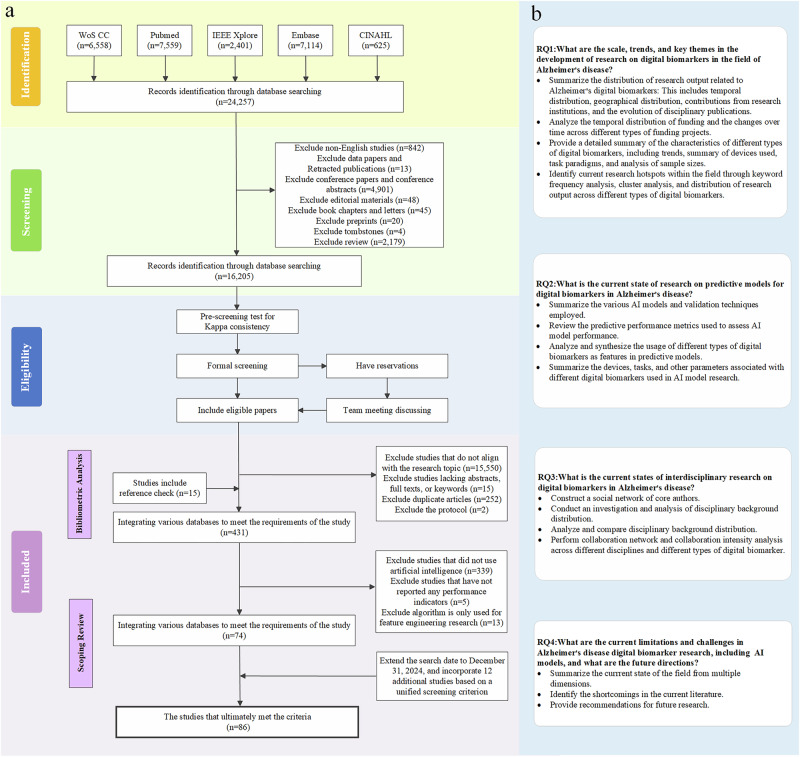
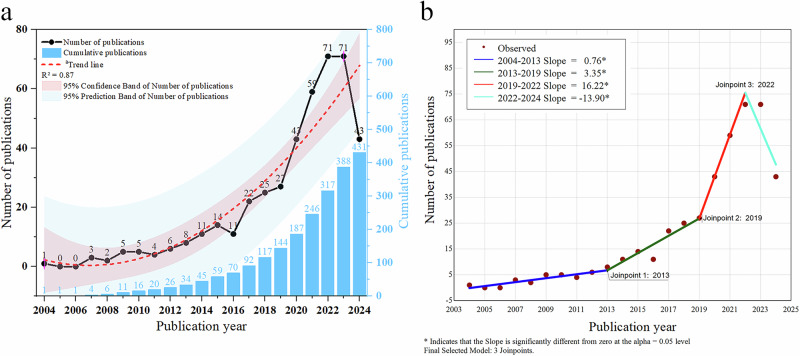
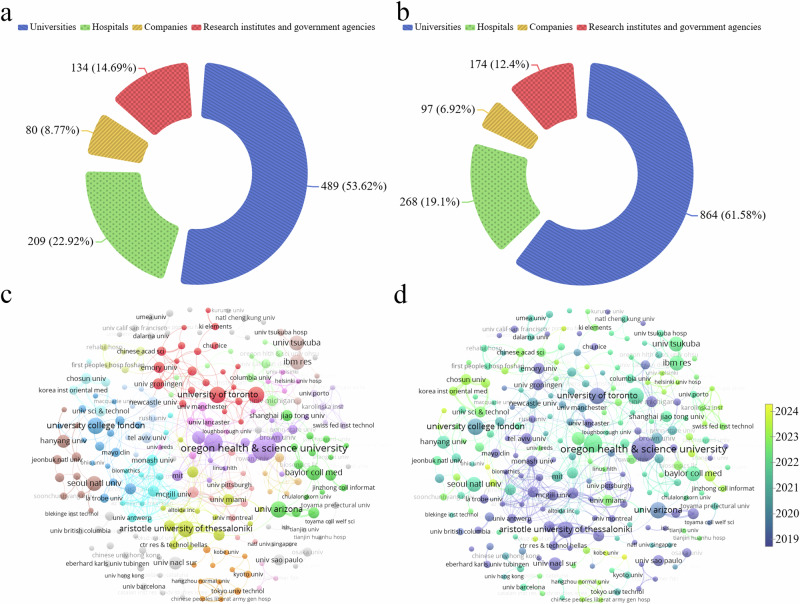
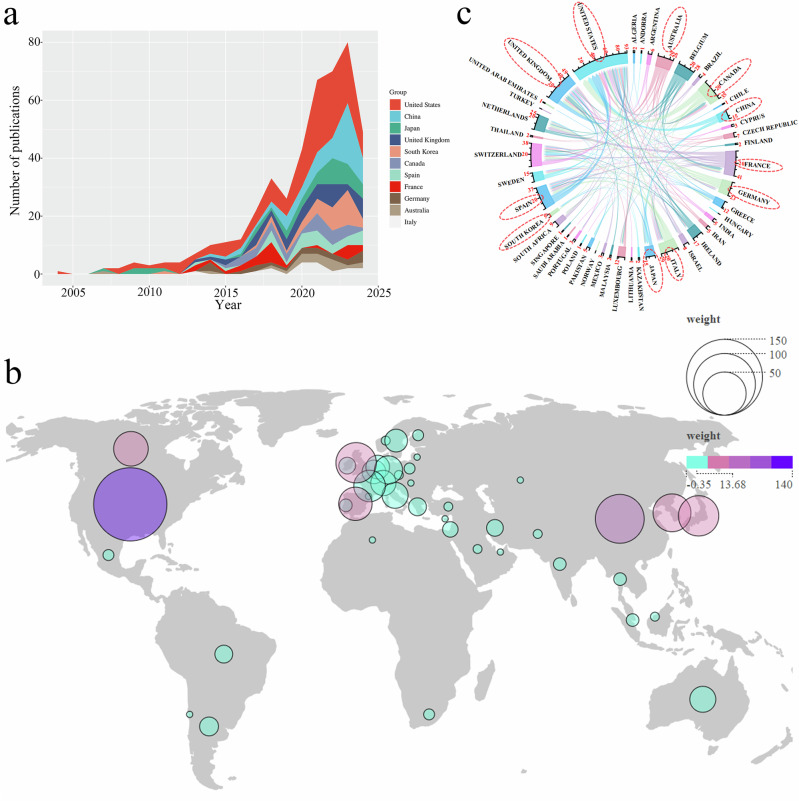
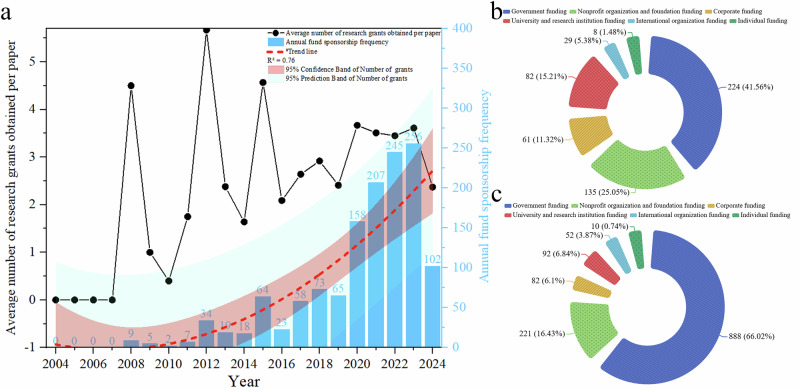
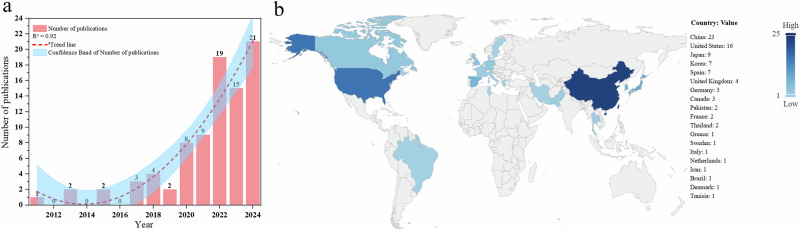
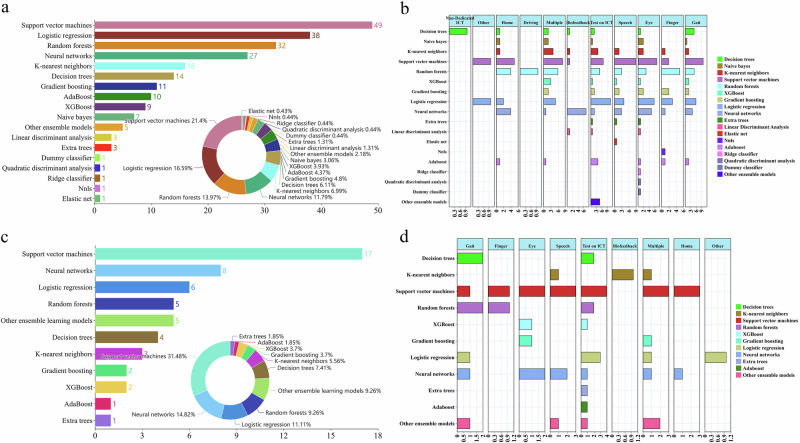
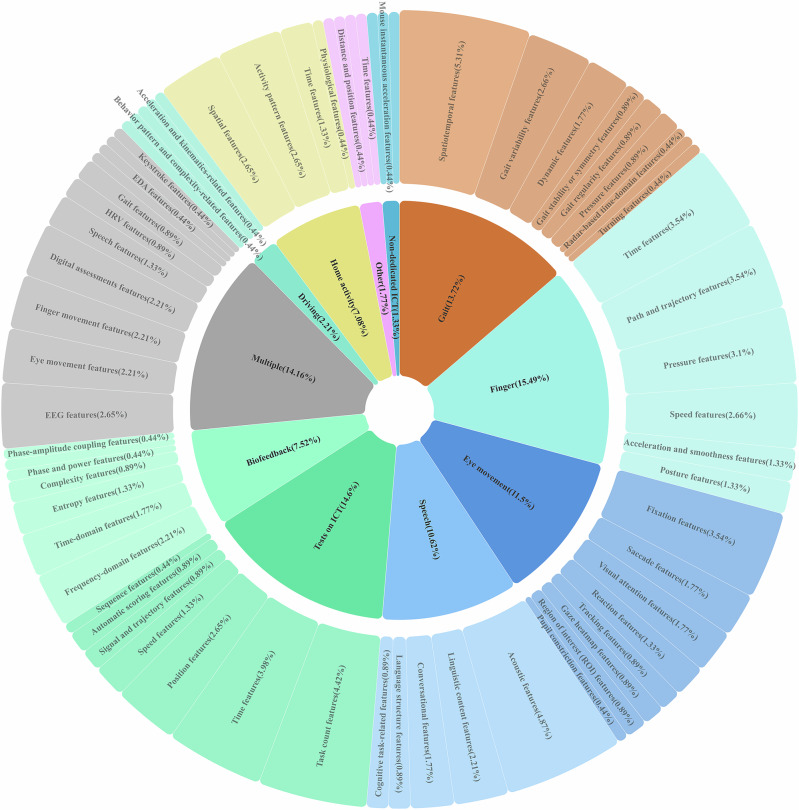
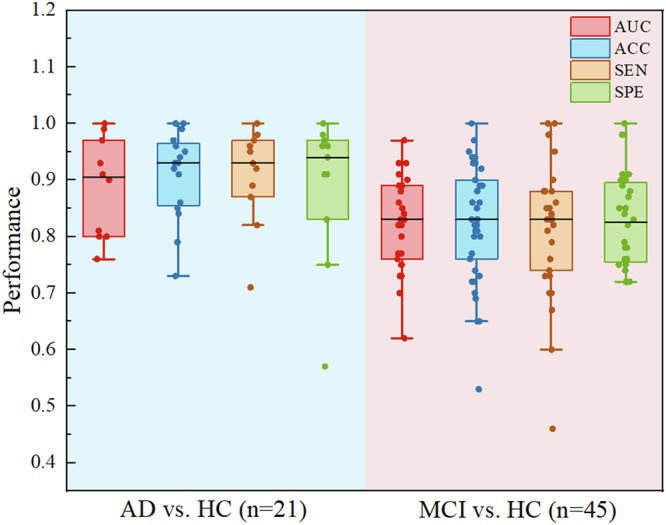
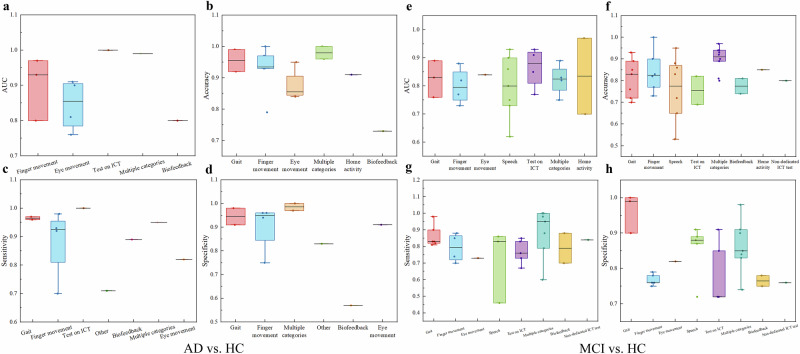
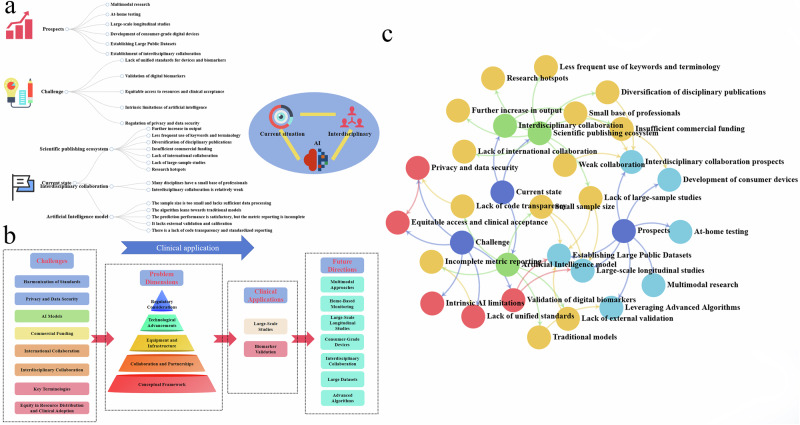
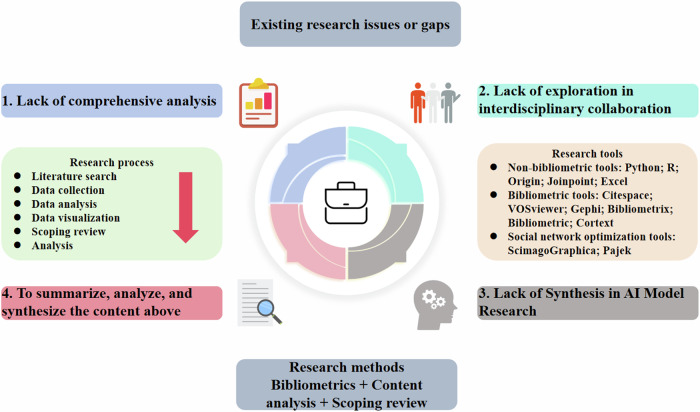
As digital biomarkers gain traction in Alzheimer's disease (AD) diagnosis, understanding recent advancements is crucial. This review conducts a bibliometric analysis of 431 studies from five online databases: Web of Science, PubMed, Embase, IEEE Xplore, and CINAHL, and provides a scoping review of 86 artificial intelligence (AI) models. Research in this field is supported by 224 grants across 54 disciplines and 1403 institutions in 44 countries, with 2571 contributing researchers. Key focuses include motor activity, neurocognitive tests, eye tracking, and speech analysis. Classical machine learning models dominate AI research, though many lack performance reporting. Of 21 AD-focused models, the average AUC is 0.887, while 45 models for mild cognitive impairment show an average AUC of 0.821. Notably, only 2 studies incorporated external validation, and 3 studies performed model calibration. This review highlights the progress and challenges of integrating digital biomarkers into clinical practice.
Overview
The claims and statistics of this paper haven’t been checked yet.
Free: it reads the open-access text and checks the first 5 claims that cite a source we can check. Create a free account to check every claim.
Integrity signals
Registry
Cites
Statistics
Figures
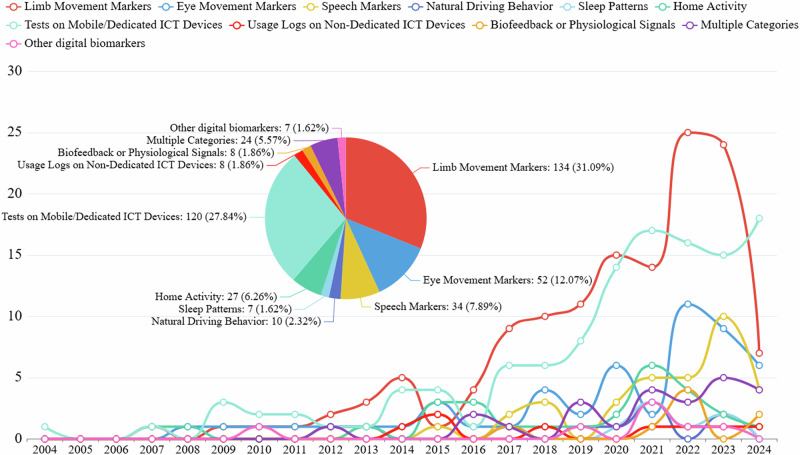
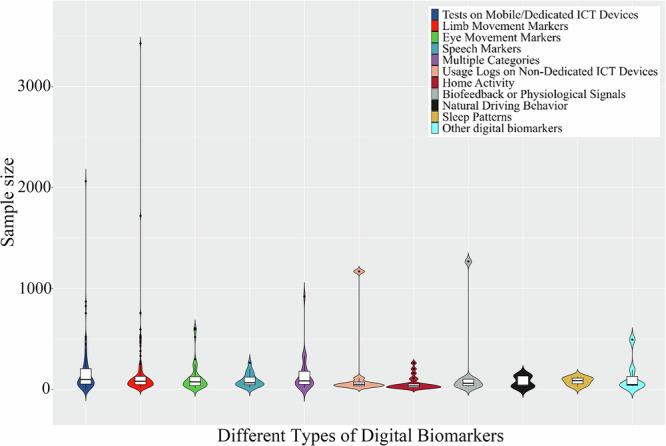
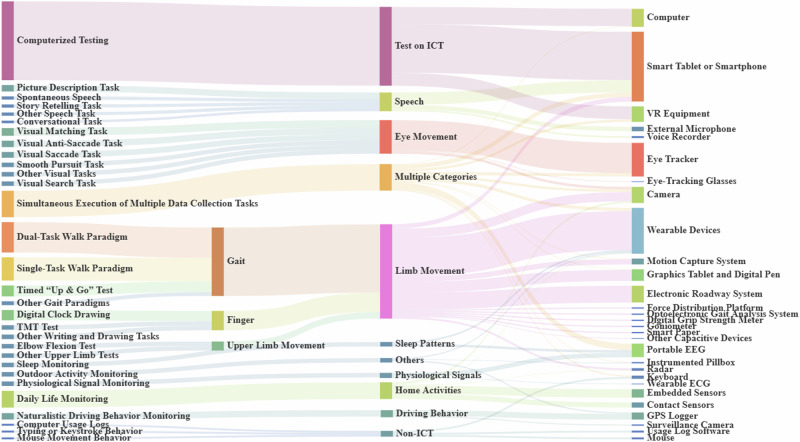
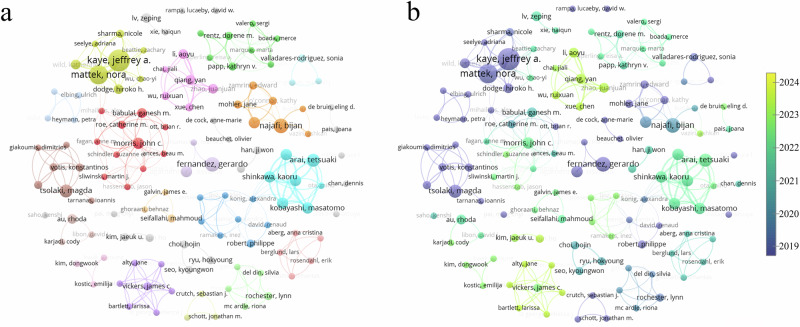
Verification
Claims the paper makes
The claims and statistics of this paper haven’t been checked yet.
Free: it reads the open-access text and checks the first 5 claims that cite a source we can check. Create a free account to check every claim.
Claims other papers make about this one
Each is checked against this paper’s own text: does it say what the citing paper says it does?
The source backs part of the claim, not all of it — or backs it for a different population, condition or comparison.
In the citing paper
“Emerging methods have shown excellent feasibility to unobtrusively capture objective and naturalistic behavioral data in older adults through the use of sensors that are either worn or embedded within objects that people use regularly, such as smartwatches, smartphones, and other placeable sensors (e.g., a GPS sensor placed in one’s car).109”
From Review of Artificial Intelligence for Clinical Use in Alzheimer's Disease and Related Dementias (2026) · cites this paper as [109]
Experimental — accuracy not yet measured
Self-check
Percentages, sums and reported differences re-computed from the paper’s own numbers.
The self-check needs the paper’s full text.
Citations
Cites
1 retracted
Dementia prevention, intervention, and care: 2020 report of the Lancet Commission
Livingston, G., Huntley, J., Sommerlad, A., Ames, D., Ballard, C., Banerjee, S., Brayne, C., Burns, A., Cohen-Mansfield, J., Cooper, C., et al. (2020) · The Lancet · doi:10.1016/s0140-6736(20)30367-6 · Cited by 10,430
RetractedPRISMA Extension for Scoping Reviews (PRISMA-ScR): Checklist and Explanation
Tricco, A. C., Lillie, E., Zarin, W., O'Brien, K. K., Colquhoun, H., Levac, D., Moher, D., Peters, M. D. J., Horsley, T., Weeks, L., et al. (2018) · Annals of Internal Medicine · doi:10.7326/m18-0850 · Cited by 43,565
bibliometrix: An R-tool for comprehensive science mapping analysis
Aria, M., & Cuccurullo, C. (2017) · Journal of Informetrics · doi:10.1016/j.joi.2017.08.007 · Cited by 23,235 · cited 1×
“R6 Advance; Drexel University) 204 , VOSviewer 205 (Version 1.6.19; Leiden University), Bibliometrix 206 , bibliometric 207 , Gephi 208 (Version 0.10.1; Gephi.org), Joinpoint (Version 5.0.2; National Cancer Institute of the United States) 209 , and Cortext (Gustave Eiffel University) 210 .”
InfluentialSoftware survey: VOSviewer, a computer program for bibliometric mapping
van Eck, N. J., & Waltman, L. (2010) · Scientometrics · doi:10.1007/s11192-009-0146-3 · Cited by 21,484 · cited 3×
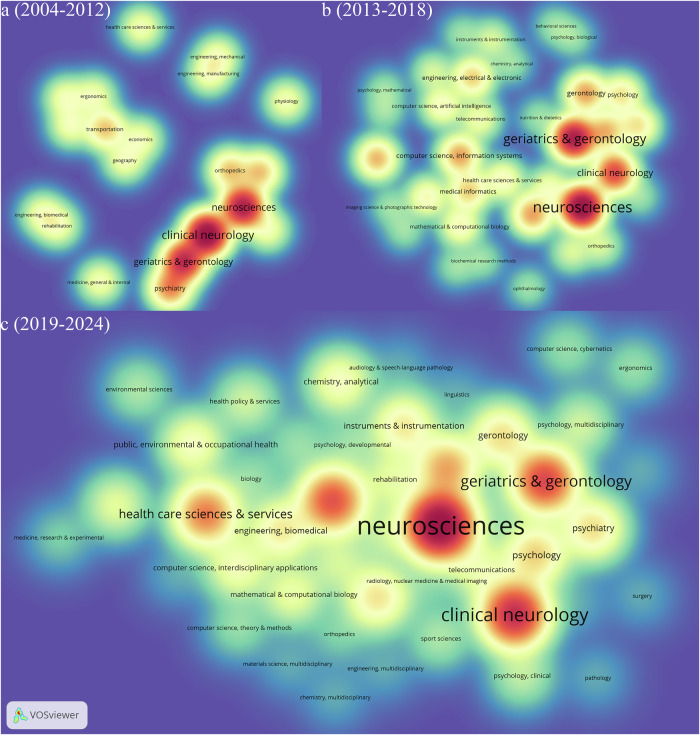
“Disciplinary publication patterns were analyzed using time-sliced WoSCC-indexed literature and VOSviewer.”
InfluentialNIA‐AA Research Framework: Toward a biological definition of Alzheimer's disease
Jack, C. R., Bennett, D. A., Blennow, K., Carrillo, M. C., Dunn, B., Haeberlein, S. B., Holtzman, D. M., Jagust, W., Jessen, F., Karlawish, J., et al. (2018) · Alzheimer's & Dementia · doi:10.1016/j.jalz.2018.02.018 · Cited by 10,537
Chen, C. (2006) · Journal of the American Society for Information Science and Technology · doi:10.1002/asi.20317 · Cited by 7,593
Scheltens, P., De Strooper, B., Kivipelto, M., Holstege, H., Chételat, G., Teunissen, C. E., Cummings, J., & van der Flier, W. M. (2021) · The Lancet · doi:10.1016/s0140-6736(20)32205-4 · Cited by 5,465
Imaging brain amyloid in Alzheimer's disease with Pittsburgh Compound‐B
Klunk, W. E., Engler, H., Nordberg, A., Wang, Y., Blomqvist, G., Holt, D. P., Bergström, M., Savitcheva, I., Huang, G., Estrada, S., et al. (2004) · Annals of Neurology · doi:10.1002/ana.20009 · Cited by 4,496
Science mapping software tools: Review, analysis, and cooperative study among tools
Cobo, M. J., López-Herrera, A. G., Herrera-Viedma, E., & Herrera, F. (2011) · Journal of the American Society for Information Science and Technology · doi:10.1002/asi.21525 · Cited by 3,242
2023 Alzheimer's disease facts and figures
(2023) · Alzheimer's & Dementia · doi:10.1002/alz.13016 · Cited by 3,212
Research works printed but not linked: 6
- Collins, G. S., Reitsma, J. B., Altman, D. G. & Moons, K. G. Transparent reporting of a multivariable prediction model for individual prognosis or diagnosis (TRIPOD): the TRIPOD statement. BMJ (Clin. Res. ed.) 350, g7594 (2015). 25569120
- Lazzeretti, L. & Capone, F. How proximity matters in innovation networks dynamics along the cluster evolution. A study high. Technol. Appl. cultural goods. 69, 5855–5865 (2016).
- Xiangmao, C., Cheng, P., Guoliang, X., Tian, H. & Gang, Z. iSleep: A Smartphone System for Unobtrusive Sleep Quality Monitoring. ACM Trans. Sens. Netw. 16, 27 (2020). (32 pp.)-27 (32 pp.).
- Aijing L, S. Y. & Lu M. Medical Literature Information Retrieval. Third Edition., (People’s Medical Publishing House, 2005).
- Group, F.-N. B. W. In BEST (Biomarkers, EndpointS, and other Tools) Resource, (Food and Drug Administration (US) National Institutes of Health (US), 2016). 27010052
- Garrett, S. J. An Introduction to the Mathematics of Finance: A Deterministic Approach. (Elsevier Science, 2013).
Cited by
Digital Twin Cognition: AI-Biomarker Integration in Biomimetic Neuropsychology
Gkintoni, E., & Halkiopoulos, C. (2025) · Biomimetics · doi:10.3390/biomimetics10100640 · Cited by 54
Mitochondrial and ER stress crosstalk in TBI: mechanistic insights and therapeutic opportunities
Wenzhe, L., Boyang, X., Yuchao, G., Bimcle, R., & Yue, Y. (2025) · Frontiers in Cellular Neuroscience · doi:10.3389/fncel.2025.1697060 · Cited by 19
“Integrating genomics, epigenomics, transcriptomics, proteomics, metabolomics, and lipidomics provides a comprehensive landscape of how cellular stress, inflammation, and neurodegeneration interact across spatial and temporal scales (Qi et al., 2025).”
Immunometabolism Reframes Alzheimer’s Disease: From Systemic Dysmetabolism to Glial Rewiring
Bach, D., & Nguyen, L. L. (2026) · Cellular and Molecular Neurobiology · doi:10.1007/s10571-026-01691-0 · Cited by 18
“This data-rich design aligns with the trajectory-based precision frameworks emerging in oncology and rare metabolic disorders (Butler et al. 2025; Bracher-Smith et al. 2025; Qi et al. 2025; Fowler et al. 2025).”
Valencia, M., Kim, J., Abbas, Z., & Lee, S. W. (2026) · Healthcare · doi:10.3390/healthcare14030405 · Cited by 15
“It is particularly suitable for clinical decision support, allowing the analysis of how each factor affects CKD prediction in each patient [38,39].”
Ben-Jaafar, A., Sinha, A., Nkrumah-Boateng, P. A., Roy, S., Sanker, V., Mohamed, S., Sarfo-Adu, F., Ali, S. H., & Awuah, W. A. (2026) · Molecular Brain · doi:10.1186/s13041-026-01287-1 · Cited by 16
“Reviews of AI-assisted biomarker discovery in Alzheimer’s disease highlight the invasiveness and cost of many current biomarkers, underscoring the need to prioritise noninvasive, lower cost blood, ocular and digital biomarkers if AI systems are to be economically viable at scale [76, 174, 175].”
State-of-the-Art HCI for Dementia Care: A Scoping Review of Recent Technological Advances
Ma, Y., Zhang, Y., Nordberg, O. E., Rongve, A., Bachinski, M., & Fjeld, M. (2025) · Journal of dementia and Alzheimer's disease · doi:10.3390/jdad2040041 · Cited by 11
A framework of digital biomarkers for neurodegenerative diseases
Nerrise, F., Schütz, N., Zhao, Q., Gould, C. E., Milstein, A. S., Schulman, K. A., Henderson, V. W., Landay, J. A., Fei-Fei, L., Lin, F. V., et al. (2026) · Nature Reviews Bioengineering · doi:10.1038/s44222-026-00433-7 · Cited by 9
“…DBMs that integrate motor assessments (such as gait parameters from wearable accelerometers) with cognitive measures (such as attention metrics from smartphone interactions) and physiological parameters (such as heart rate variability from smartwatches and sleep patterns from bed sensors) 142,143 .”
Amadiaz, Y., Alfonso-Lizarazo, E. H., & Moh, A. N. S. (2025) · Array · doi:10.1016/j.array.2025.100575 · Cited by 11
Review of Artificial Intelligence for Clinical Use in Alzheimer's Disease and Related Dementias
Breithaupt, A. G., Tang, A., Paolillo, E. W., Bibars, M., Johnson, E. C. B., Saloner, R., Possin, K. L., Windon, C. C., Hill-Jarrett, T. G., Giorgio, J., et al. (2026) · Seminars in Neurology · doi:10.1055/a-2744-9871 · Cited by 6
“While the integration of AI analytics in passive digital biomarker research is still only being used in research settings, 122 this methodology could eventually be used to improve detection and monitoring of neurodegenerative disease-related changes in clinical practice, as well as to monitor…”
Alameen, A. A. M., Al‐kuraishy, H. M., Al-Gareeb, A. I., Shokr, M. M., & Batiha, G. E. (2026) · Microvascular Research · doi:10.1016/j.mvr.2026.104947 · Cited by 7
Speech and language in healthy ageing and Alzheimer’s dementia
García, A. M. (2026) · Nature Reviews Psychology · doi:10.1038/s44159-026-00553-2 · Cited by 12
“Automated speech and language analysis surpasses the ecological validity of other digital tests (such as gamified memory tests or eye-tracking devices, which require behaviours and devices that are not common in daily life) 140 .”
InfluentialXu, Y., Zu, Y., Lu, X., Wang, Y., Zheng, J., Xu, X., & Yan, J. (2025) · BMC Pregnancy and Childbirth · doi:10.1186/s12884-025-07892-7 · Cited by 5
“It is a challenge particularly suited to modern computational methods [14, 15].”
Self-citationJung, J., Kim, Y., Cirunduzi, A. C., Yoon, S., Bang, S., & Yang, S. (2026) · CNS Neuroscience & Therapeutics · doi:10.1002/cns.70919 · Cited by 5
The roles of biomarkers in Alzheimer's disease clinical trials
Cummings, J. L., Sharma, S., DeAndrea, G., Osse, A. M. L., & Ortiz, A. A. (2025) · Neurotherapeutics · doi:10.1016/j.neurot.2025.e00811 · Cited by 5
“Artificial intelligence and machine learning are required to manage and interpret the large amount of data produced by digital biomarkers, and incorporating digital biomarkers in trials will require new bioinformatic strategies [119].”
AI agents in Alzheimer’s disease management: challenges and future directions
Grammenos, G., Vrahatis, A. G., Lazaros, K., Exarchos, T. P., Vlamos, P., & Krokidis, M. G. (2026) · Frontiers in Aging Neuroscience · doi:10.3389/fnagi.2025.1735892 · Cited by 8
Yigamawano, F. K., Odom-Mabey, A. R., Xue, C., Pandey, H. K., & Kolachalama, V. B. (2025) · The Journal of Prevention of Alzheimer s Disease · doi:10.1016/j.tjpad.2025.100396 · Cited by 8
Tarnanas, I., Seixas, A. A., Wyss, M., Vlamos, P., & Çöltekin, A. (2026) · Frontiers in Digital Health · doi:10.3389/fdgth.2025.1727707 · Cited by 5
Oriquat, G., Ahmed, M. H., Al-Hasnaawei, S., Malathi, H., Mishra, S., Nanda, A., Arora, V., & Chauhan, A. S. (2026) · Inflammopharmacology · doi:10.1007/s10787-026-02259-6 · Cited by 5
Current and emerging therapeutic approaches in Alzheimer’s disease
Chauhan, A., Devi, R., Singh, S., Thakur, R., Bhutani, K., Sharma, R., Kumari, A., Kumar, H., Pal, S., & Saini, A. K. (2026) · Discover Neuroscience · doi:10.1186/s13064-026-00290-5 · Cited by 4
“Overall, artificial intelligence-based approaches remain predominantly limited to translational and supporting role rather than direct therapeutic application, but are poised to drug discovery and diagnosis over the next decade [131, 132].”
Fan, L., Zhao, J., Wu, Y., Wang, F., Wang, X., & Lin, T. (2025) · Proceedings of the ACM on Interactive Mobile Wearable and Ubiquitous Technologies · doi:10.1145/3770684 · Cited by 5
Multi-omics biomarker detection in smoking induced COPD
Syed, R. U., Break, M. K. B., Akasha, R., Elafandy, N. M., Abobaker, S. H., Khalifa, A. A. S., Aboshouk, N. A. M., Al-Shammari, A. N., Altwalah, L. A., Aldafeeri, R. M. M., et al. (2026) · Clinica Chimica Acta · doi:10.1016/j.cca.2026.120868 · Cited by 4
Rathored, J., Pal, A., & Painkra, D. S. (2026) · Current Issues in Molecular Biology · doi:10.3390/cimb48040425 · Cited by 2
“AI-powered digital biomarkers may enhance molecular omics in improving treatment monitoring and diagnosis [137].”
König, A., Tröger, J., Mallick, E., Linz, N., Ritchie, C. W., Gregory, S., Hunter, M. B., Johnson, K., Sánchez‐Benavides, G., Grau‐Rivera, O., et al. (2026) · Alzheimer s & Dementia · doi:10.1002/alz.71462 · Cited by 3
A Large-Scale Multimodal Dataset and Benchmarks for Human Activity Scene Understanding and Reasoning
Jiang, S., Yuan, M., Ji, X., Yang, B., Liu, Z., Xu, L., Li, Y. X., He, Y., Dong, L., Lu, W., et al. (2026) · International Conference on Mobile Systems, Applications, and Services · doi:10.1145/3745756.3809209 · Cited by 13
Self-citationGlobal sustainable fisheries: Linking scientific knowledge with policy and governance
Ren, F., Li, R., & Wang, Q. (2026) · Journal of Cleaner Production · doi:10.1016/j.jclepro.2026.147927 · Cited by 3
Early diagnosis of Alzheimer's disease through handwriting analysis and deep learning: A review
Tang, Q., Jiaxi, L., Fan, C., Zhang, X. X., Zhang, C. F., & Qi, H. (2026) · Journal of Alzheimer s Disease · doi:10.1177/13872877261446573 · Cited by 2
“10 Among these, handwriting analysis has emerged as a promising, low-cost, ecologically valid digital behavioral biomarker (DBB) with diagnostic potential.”
Alashram, A. R. (2026) · Applied Neuropsychology Adult · doi:10.1080/23279095.2026.2702490 · Cited by 1
Speech Acoustic Markers Detect APOE-ε4 Carrier Status in Cognitively Healthy IndividualsPreprint
Tavakoli, M., Dadgostar, M., Green, J. R., Salat, D. H., Arnold, S. E., Connaghan, K. P., Richburg, B. D., Barnett, N. V., Tkeshelashvili, M., & Eshghi, M. (2025) · medRxiv · doi:10.1101/2025.10.03.25337276 · Cited by 1
“Systematic reviews further support the generalizability and real-world feasibility of speech-based biomarkers, demonstrating AUCs of 0.80–0.88 for detecting early AD and MCI across diverse cohorts and in clinical trial enrichment [38, 43, 44].”
InfluentialWang, Y., Luo, Z., Fu, S., Li, Q., Zhang, Z., Huang, N., Zou, K., & Zou, L. (2025) · Mediators of Inflammation · doi:10.1155/mi/1015955
“Embase, meanwhile, offers extensive coverage of pharmaceuticals, medical devices, toxicology, and European journals, serving as a valuable supplement to WOS and PubMed [24].”
Performance of a Chinese Cognitive Decline Risk Model in a Japanese Cohort: A Validation StudyPreprint
Tu, L., Carlon, M. K. J., Nanjo, Y., Gu, D., & Kuniyoshi, Y. (2025) · medRxiv · doi:10.64898/2025.12.25.25342996
Cherkasov, N. S., Rodionova, E. S., Zvereva, A., Колыхалов, И. В., & Александровна, М. С. (2026) · Applied Neuropsychology Adult · doi:10.1080/23279095.2026.2628129
AIM2 inflammasome and pyroptosis biomarkers in oncology
Dahiya, R., Shqaidef, A. J., Menon, S. V., Rathore, V., Singh, S. P., Mittal, M., Thangavelu, L., Singh, N., Hajarnavis, A. M., & Almalki, W. H. (2026) · Clinica Chimica Acta · doi:10.1016/j.cca.2026.120913
Ren, L., Zhang, W., Liu, Y., & Wang, W. (2026) · Journal of Molecular Neuroscience · doi:10.1007/s12031-026-02484-2
Zhu, X., Zeng, J., Cao, S., Jia, Y., Zhou, S., Zhang, X., Shi, H., Cui, Y., Xu, J., & Peng, Q. (2026) · Informatics and Health · doi:10.1016/j.infoh.2025.11.002 · Cited by 1
Self-citationTu, L., Zhang, Q., Nanjo, Y., Gu, D., & Kuniyoshi, Y. (2026) · GeroScience · doi:10.1007/s11357-026-02200-3
Spiru, L., Thor, D., & Marzan, M.-D. (2026) · IntechOpen eBooks · doi:10.5772/intechopen.1014900
Structural MRI reveals brain differences in asthmatic patients with and without atopic dermatitis
Xu, C., Li, Q., & Wei, X. (2026) · Current Radiopharmaceuticals · doi:10.1016/j.craph.2026.100039
Park, Y., & Jeong, J.-H. (2026) · Healthcare · doi:10.3390/healthcare14081094
“Furthermore, a recent scoping review analyzing artificial intelligence-based MCI detection models reported an average area under the curve (AUC) of approximately 0.821, but only a small number of studies conducted external validation or probability calibration [32].”
InfluentialZhang, R., Sun, H., Di, Y., Cao, H., Zhang, C., Yao, H., Yan, H., Ding, D., He, Q., & Wu, T. (2026) · Frontiers in Psychiatry · doi:10.3389/fpsyt.2026.1727576
“Digital markers — objective physiological and behavioral measures collected via digital devices — offer apromising complement toconventional assessments (14, 15).”
The myth of digital biomarkers in Alzheimer's disease: how to make them a reality
Au, R., Gifford, K. A., Paschalidis, I. C., Wighton, P., Levin, M., Imam, F. B., Bose, N., & Pratap, A. (2026) · Current Opinion in Psychiatry · doi:10.1097/yco.0000000000001089
A hybrid multi-stream deep learning model for cognitive feature-based schizophrenia detection
Arumugam, M., Nandagopal, M., & Shakya, H. K. (2026) · Discover Computing · doi:10.1007/s10791-026-10136-7
Biologically Informed Feature Selection in Alzheimer’s Disease
Jaman, M. S., Maniruzzaman, M., Abid, M. A. S., Hasan, K. N., Ummie, S., & Ahmed, F. (2025) · International Conference on Decision Aid Sciences and Applications (DASA) · doi:10.1109/dasa68193.2025.11498968
“According to the world health organization, more than 55 million people are living with dementia and 60–70% is due to AD [2], [3].”
M‐Atoom, A., Ahmed, M. H., Al-Hasnaawei, S., Malathi, H., Maharana, L., Nanda, A., Arora, V., & Singh‐Chauhan, A. (2026) · Polymer International · doi:10.1002/pi.70141
Khan, N. H., Godara, A., Afzal, M., Mishra, A., Patel, P. N., Renuka Jyothi., S., Arora, V., Rathore, V., Goyal, K., & Jakhmola, V. (2026) · Clinica Chimica Acta · doi:10.1016/j.cca.2026.121111
Jung, D., Seo, H., & Yoo, L. (2026) · Journal of Korean Gerontological Nursing · doi:10.17079/jkgn.2026.00143
Li, M. M., & Zhang, Q. (2026) · Archives of Microbiology · doi:10.1007/s00203-026-04942-2
“Temporal variability is highest in these cell states during the acute phase, and time-resolved single-cell datasets have enabled AI models to map differ - entiation velocity, predicting durability from the transition between effector and memory phenotypes (Rao et al. 2021; Qi et al. 2025).”
Wiechmann, D., Günes, A. R., Kerz, E., Qiao, Y., Köhne, M., & Sprick, U. (2026) · Journal of Alzheimer s Disease · doi:10.1177/13872877261456294 · Cited by 2
“45,98,99 In Stage 3, longitudinal modeling showed a statistically signi fi cant positive deviation of SCI trajectories relative to an external CERAD-based progression benchmark.”
Pan, Y., Liu, G., Wang, H., Zhu, J., Tong, J., Li, Z., & Yang, Q. (2026) · Frontiers in Immunology · doi:10.3389/fimmu.2026.1837492
“This trend is ascribed to the progressions of pertinent technology and the transformation of research backgrounds (22).”
Anghel, R., Moga, V.-L., Folea, A.-R., Zgura, A. F., Serbanescu, L. G., Toma, R.-V., Marinescu, Ș., Şerban, A.-I., & Bîlteanu, L. (2026) · Frontiers in Oncology · doi:10.3389/fonc.2026.1744385
“For instance, a recent scoping review of AI models for Alzheimer ’ s disease digital biomarkers found that while models achieved a high average AUC of 0.887 for disease classi fi cation, only 2 out of 86 studies incorporated external validation, severely limiting their clinical reliability (54).”
InfluentialGade, S., Sarote, S., Shah, J., Gupta, A., & Puslekar, V. D. (2026) · International Conference on Integrated Intelligence and Communication Systems (ICIICS) · doi:10.1109/iciics67880.2026.11483372
Medical AI across Data Regimes to Promote Proactive Health
Li, P., Wu, J., Zuo, Q., Zhang, L., & Zhan, Q. (2026) · Health Data Science · doi:10.34133/hds.0495
“…digital biomarkers for the early detection of Alzheimer’s disease using AI models, including limb-movement biomarkers, digital assessments administered via mobile or dedicated information and communication technology (ICT) devices, eye-movement biomarkers, and speech-based biomarkers [ 46 ].”
Li, J. M., Cheng, S., Zhang, W., Qiao, S., Zhang, L., Yao, M., Zhang, Y., Wang, B., & Wu, C. (2026) · Biology · doi:10.3390/biology15131030 · Cited by 1
“Alzheimer’s disease (AD) is a devastating neurodegenerative disorder characterized by progressive cognitive decline, memory loss, and behavioral disturbances, representing the most common cause of dementia worldwide [1,2].”
Self-citationTan, H., Zhang, G., Du, C., Li, X., Bai, Y., Mao, L., Yang, F., Qi, Q., Zhao, N., Shi, W., et al. (2026) · Journal of Alzheimer s Disease · doi:10.1177/13872877261464176
“18 Song et al. 17 developed a LightGBM model based on demographic variables, including education level, social participation, gender, relationship with children, and age, achieving an AUC of 0.77.”
InfluentialMLP Performance Comparison for Alzheimer's Disease Prediction Using Integrative Multi-Omics Datasets
Abbassi, M. E., Sayeb, M. M., Abid, M. A. S., Kouzeiha, R. A., Jaman, M. S., & Sumon, M. (2026) · International Conference on Computational Intelligence and Communication Networks (CICN) · doi:10.1109/cicn70047.2026.11594184
“Over 55 million people worldwide suffer from dementia [2], with AD making up 60–70% of all dementia cases [3], according to the World Health Organization.”
Taouil, Z. (2026) · Lecture notes in computer science · doi:10.1007/978-3-032-25035-3_1
Kang, J., Yao, S., Zou, S., Yu, Y., Huang, X., Xie, Z., Lin, Y., Liu, B., Pang, M., & Rong, L. (2026) · BMC Medicine · doi:10.1186/s12916-026-05078-2
“This involved verifying authors with identical names by cross-referencing ORCID and institutional affiliations, as well as standardizing institution names to merge abbre-viations with full names [33].”
Self-citationPeriyasamy, T. S., Sekar, N., & Lakshmanan, H. (2026) · Journal of Alzheimer s Disease · doi:10.1177/13872877261471812
“195 Data leakage represents a widespread methodical error that causes temporal leakage through future information usage during model development and sampling leakage through participant overlap between training and testing in longitudinal studies, and preprocessing leakage through normalization fi…”
Wang, H., & Zhang, X. (2026) · Digital Health · doi:10.1177/20552076261479403
Engineering innovations for precision medicine: sensors, AI biomarkers, and predictive interventions
Bukke, S. P. N., Thalluri, C., Vasam, M., Medhi, J., Gupta, N., Dennison, M. S., & Mundu, M. M. (2026) · Personalized Medicine · doi:10.1080/17410541.2026.2715371 · Cited by 1
Peng, W., Wu, X., & Sun, L. (2026) · Research Square · doi:10.21203/rs.3.rs-10351234/v1
Guo, Y., Ying, H., Wang, W., Li, H., Jia, G., & Sulaiman, R. (2026) · Acta Neurologica Belgica · doi:10.1007/s13760-026-03167-w
Protocol for the Technologies for Aging Health – Digital Approaches (TAH-DA) Study (Preprint)Preprint
Zanto, T. P., Hartley, I. D., Volponi, J. J., Gazzaley, J., Anguera‐Singla, R., Chun, K. S., Hsu, W., Gordon, A. M., Chen, J., Abbasi-Asl, R., et al. (2026) · doi:10.2196/preprints.110347
Application and Research Progress of Digital Biomarkers Related to Alzheimer’s Disease
黄, 乐. (2026) · Open Journal of Natural Science · doi:10.12677/ojns.2026.145058
Tian, Y., Tian, X., Li, Z., Wang, Z., Guo, H., Meng, F., & Wang, Z. (2026) · Digital Health · doi:10.1177/20552076261487029
“34 Especially, American institutions have a significant advantage.”
Diaz, F., Morales, L., & Pérez, D. (2025) · Journal of Health Informatics and Digital Systems · doi:10.68159/k510742301
Wang, X., Fang, X., Zhang, Y., Guo, S., Li, X., & Song, T. (2026) · Applied Sciences · doi:10.3390/app16188908
Wang, J., Li, Z., Wang, T., Jiang, L., Sharif, A., Takechi, R., Li, T., Chong, L. H., Fang, F., Pang, Z., et al. (2026) · Acta Pharmaceutica Sinica B · doi:10.1016/j.apsb.2026.09.013
Self-citationWhitfield, T. J., Wing, K., Bhogal, S., Hinds, C., Llewellyn, D. J., Bass, N. J., Ho, K., Lancaster, C. L., Morrell, R., Shaw, J., et al. (2026) · doi:10.2196/preprints.111599
Eshghi, M., Rong, P., Dadgostar, M., Shin, H., Richburg, B. D., Barnett, N. V., Salat, D. H., Arnold, S. E., & Green, J. R. (2026) · Frontiers in Neurology · doi:10.3389/fneur.2026.1740391 · Cited by 5
Yu, J., Du, T., Wang, J., Wu, Y., Lou, X., Pang, T., & Xu, X. (2026) · Lecture notes in computer science · doi:10.1007/978-3-032-38260-3_7
Shateri, A., & Rezaei, S. (2026) · Romanian Journal of Neurology · doi:10.37897/rjn.2026.3.7
“The principal advantage claimed for digital biomarkers is their capacity for frequent, remote, and relatively unobtrusive monitoring, which may allow detection of subtle functional changes before they become apparent on conventional cognitive testing [8,9].”
Artificial intelligence for Alzheimer's disease: From multimodal diagnosis to clinical translation
Pareek, A., Malani, P., & Pareek, A. (2026) · Elsevier eBooks · doi:10.1016/b978-0-443-27722-1.00014-6
Palka, A., Kopyciński, W., Krawczyk, N., Wilczkowski, P., Krzysztofek, N., Kamela, M., Boszczyk, K., Grzybowska, M., Baran, A., & Krawczyk, O. (2026) · International Journal of Innovative Technologies in Social Science · doi:10.31435/ijitss.3(51).2026.6517
Zhao, J., Nie, C., Gao, R., Hu, Z., & Lin, Y. (2026) · Frontiers in Cell and Developmental Biology · doi:10.3389/fcell.2026.1964029
“However, only two studies included external validation, and three assessed model calibration (Qi et al., 2025).”
InfluentialTavakoli, M., Dadgostar, M., Green, J. R., Salat, D. H., Arnold, S. E., Connaghan, K. P., Richburg, B. D., Barnett, N. V., Tkeshelashvili, M., & Eshghi, M. (2026) · JMIR Formative Research · doi:10.2196/89830 · Cited by 2
Advancing early detection of Alzheimer's disease: from established biomarkers to future innovations
Qu, L., Wang, Y., Ren, L., Zhang, C., Guo, Z., Zhang, L., Pang, X., & Sha, S. (2026) · International Immunopharmacology · doi:10.1016/j.intimp.2026.117537
Wang, J., Guo, C., Liu, N., Liang, X., & Liu, T. (2026) · Journal of Energy Storage · doi:10.1016/j.est.2026.125303
Fatima, T., Lashari, T. A., Moetesum, M., & Lashari, S. A. (2026) · PLoS ONE · doi:10.1371/journal.pone.0361117
“Generative augmentation [20], hybrid SHAP-SVM modelling [21], digital-biomarker reviews [22], and self-attention mechanisms [23] further show the diversity of available methods.”
Metadata
- Authors
- Qi, W., Zhu, X., Wang, B., Shi, Y., Dong, C., Shen, S., Li, J., Zhang, K., He, Y., Zhao, M., Yao, S., Dong, Y., Shen, H., Kang, J., Lu, X., Jiang, G., Boots, L. M. M., Fu, H., Pan, L., Chen, H., Yan, Z., Xing, G., & Cao, S.
- Affiliations
- Hangzhou Normal University (CN)
- Fujian Medical University (CN)
- Fudan University (CN)
- Zhejiang Chinese Medical University (CN)
- Zhejiang Provincial People's Hospital (CN)
- Maastricht University (NL)
- Stony Brook University (US)
- University of Hong Kong (HK)
- Chinese University of Hong Kong (HK)
- Corresponding author
- Xing, Guoliang
- Cao, Shihua
- ORCID
- Venue
- npj Digital Medicine
- Published
- 2025-06-16
- Volume
- 8
- Issue
- 1
- Pages
- 366-366
- ISSN
- 2398-6352 (ISSN-L)
- PMC
- PMC12170881
- OpenAlex
- W4411324838
- Semantic Scholar
- 508dfa28e864ee5f29ef36cfa364013df8e12b60
- Cited by
- 78
- References
- 206
- Citations by year
- 2026: 64 · 2025: 14
- FWCI
- 52.48
- Type
- journal article
- Language
- en
- Open access
- gold
- doi.org
- Licence
- cc-by-nc-nd
- creativecommons.org/licenses/by-nc-nd/4.0 (tdm)
- creativecommons.org/licenses/by-nc-nd/4.0 (vor)
- Locations
- npj Digital Medicine (publishedVersion, cc-by-nc-nd)
- PubMed (publishedVersion)
- Research Publications (Maastricht University) (publishedVersion, cc-by-nc-nd)
- DOAJ (DOAJ: Directory of Open Access Journals) (submittedVersion, cc-by-sa)
- Topics
- Health Sciences › Medicine › Psychiatry and Mental health › Dementia and Cognitive Impairment Research
- Health Sciences › Health Professions › Health Information Management › Artificial Intelligence in Healthcare
- Physical Sciences › Computer Science › Computer Vision and Pattern Recognition › Context-Aware Activity Recognition Systems
- Keywords
- Alzheimer's disease, digital biomarkers, artificial intelligence models, mild cognitive impairment, motor activity, neurocognitive tests, eye tracking, speech analysis, machine learning, external validation, model calibration, early diagnosis
About these checks
Registry, retraction, Cites and statistics results are computed, not judged, with one exception: a printed reference that no index lists is read once by a model before it counts as a citation error. Claims are extracted by a model and kept only when their quote appears verbatim in the text; each cited source is then checked, with a model’s help, for whether it says what the claim relies on. Those verdicts can be wrong — read the claim’s quote and the cited source before relying on one.
Statistics and arithmetic are recomputed, not judged.
Confidence bands are shown only for fields calibrated on our annotated test set. None is calibrated yet, so no band is shown.
What counts as a claim ›How we measure confidence ›How we check this ›
Are you an author, or do you see a problem with this page? Request a review
Data sources
Bibliographic data: Semantic Scholar, OpenAlex, Crossref.
Contains information from the Semantic Scholar Academic Graph Datasets, made available under the ODC Attribution License (ODC-BY 1.0).
Semantic Scholar’s data is described in: Kinney, R., et al. (2023). The Semantic Scholar Open Data Platform. arXiv:2301.10140.
