

Alzheimer's disease digital biomarkers multidimensional landscape and AI model scoping review
Open accessThe DOI matches its Crossref record; 207 of the 207 references it cites were found in a registry or an index.
Abstract
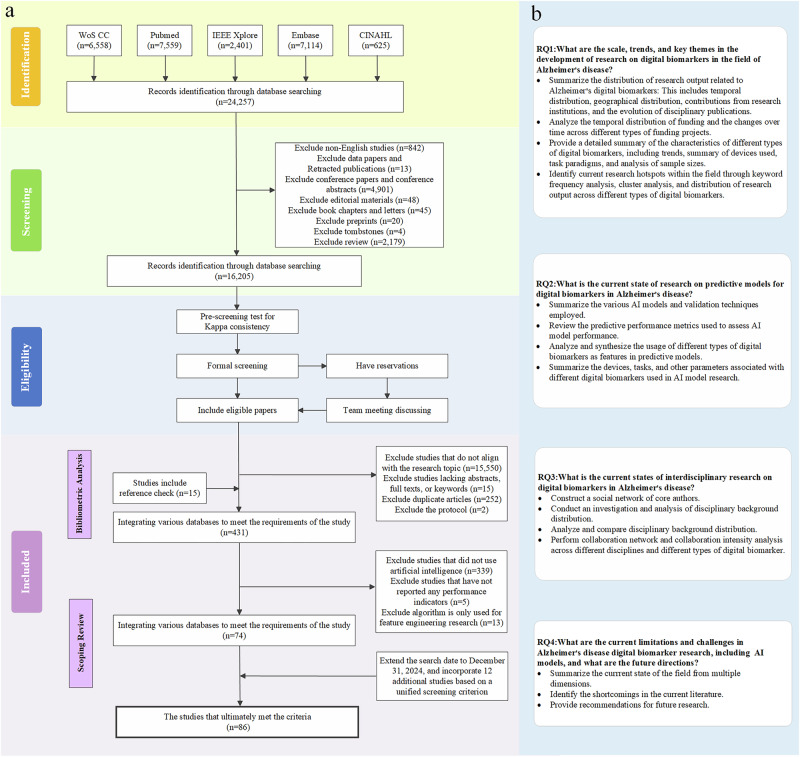
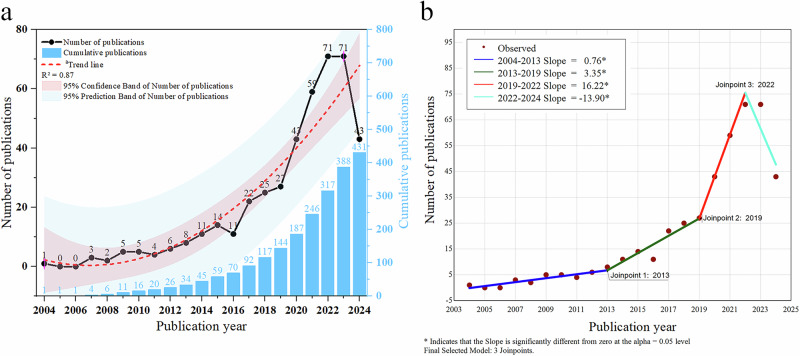
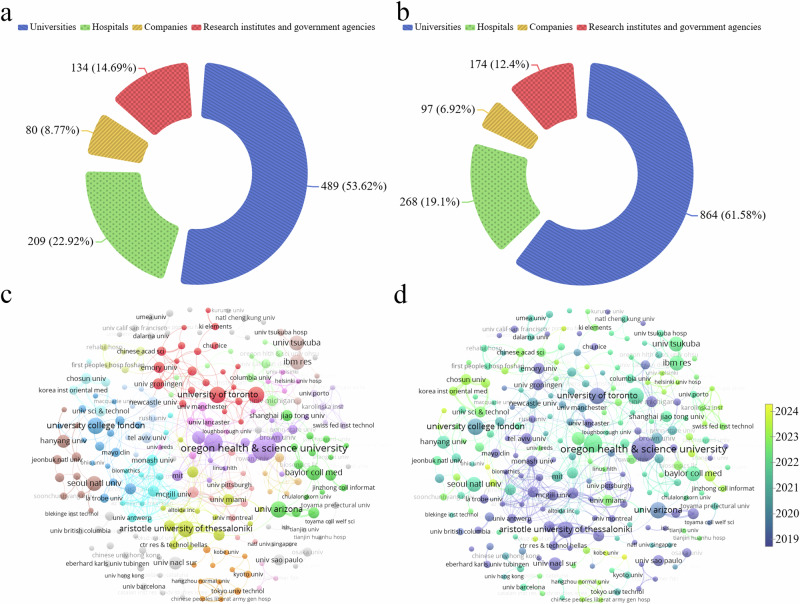
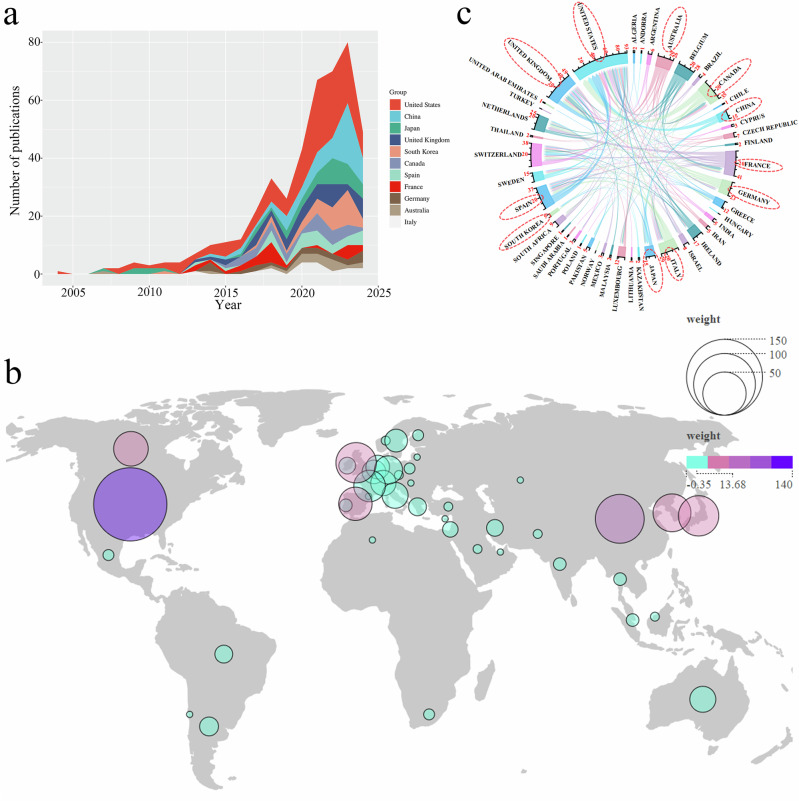
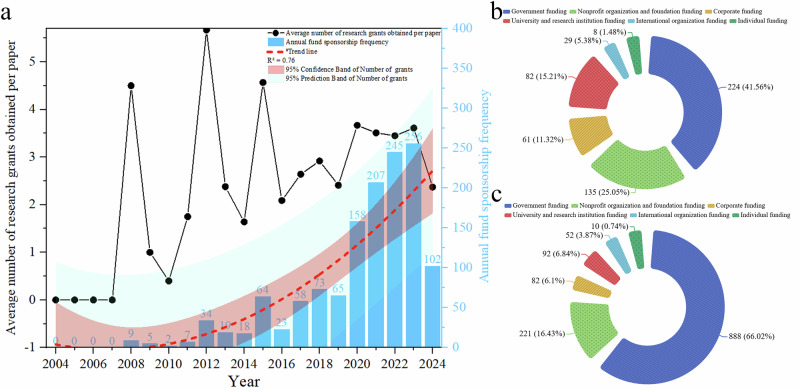
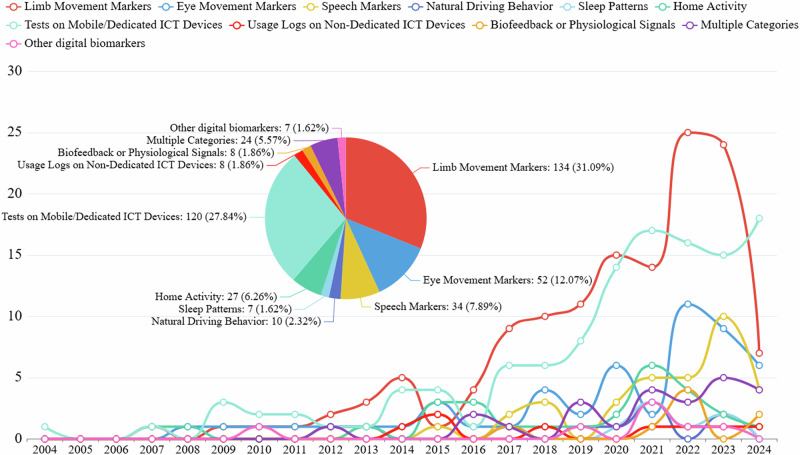
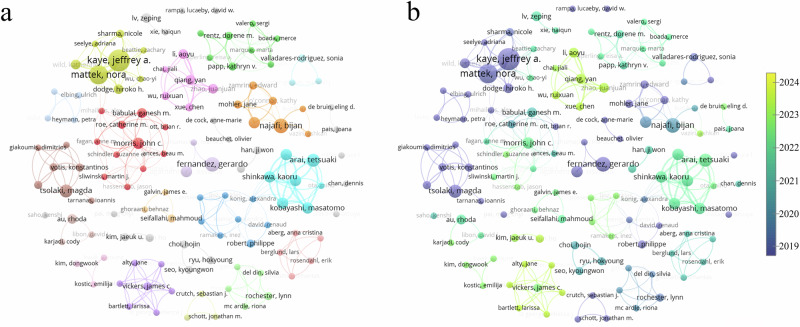
As digital biomarkers gain traction in Alzheimer's disease (AD) diagnosis, understanding recent advancements is crucial. This review conducts a bibliometric analysis of 431 studies from five online databases: Web of Science, PubMed, Embase, IEEE Xplore, and CINAHL, and provides a scoping review of 86 artificial intelligence (AI) models. Research in this field is supported by 224 grants across 54 disciplines and 1403 institutions in 44 countries, with 2571 contributing researchers. Key focuses include motor activity, neurocognitive tests, eye tracking, and speech analysis. Classical machine learning models dominate AI research, though many lack performance reporting. Of 21 AD-focused models, the average AUC is 0.887, while 45 models for mild cognitive impairment show an average AUC of 0.821. Notably, only 2 studies incorporated external validation, and 3 studies performed model calibration. This review highlights the progress and challenges of integrating digital biomarkers into clinical practice.
Overview
The claims and statistics of this paper haven’t been checked yet.
Free: it reads the open-access text and checks the first 5 claims that cite a source we can check. Create a free account to check every claim.
Integrity signals
Registry
Cites
Statistics
Figures
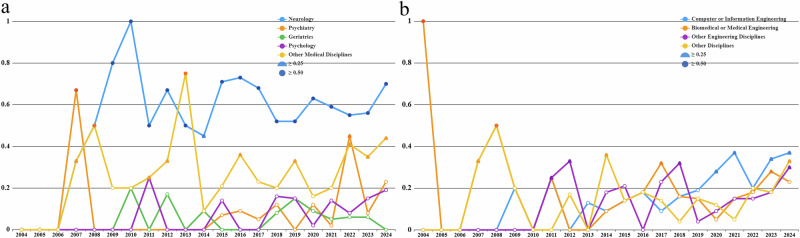
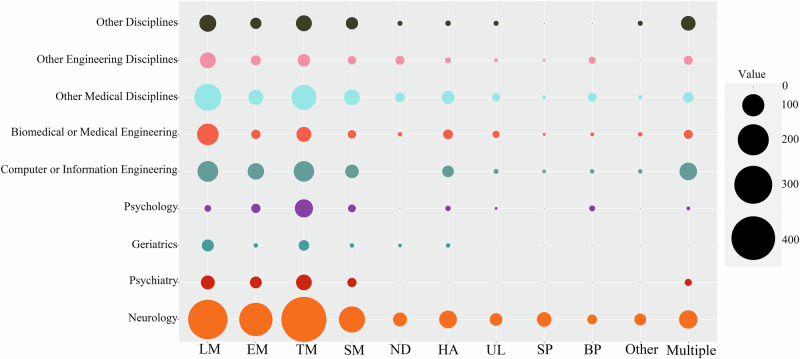
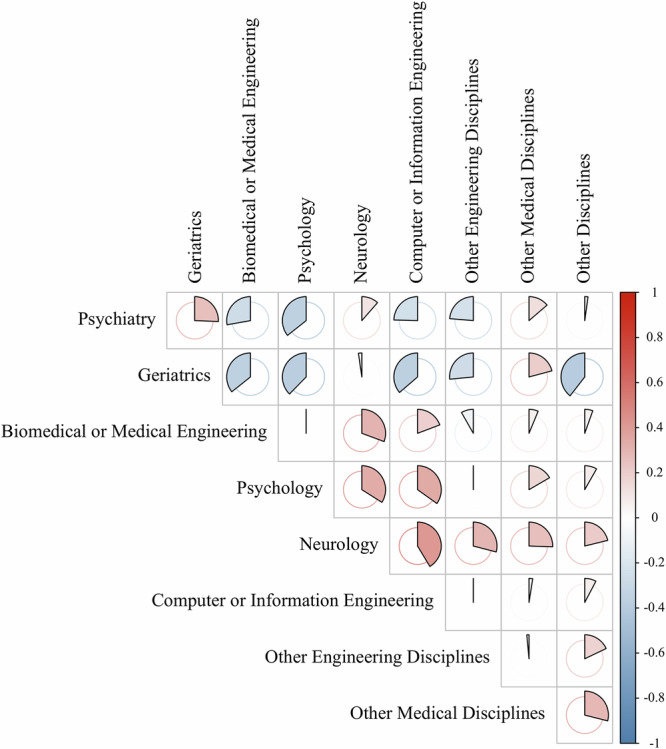
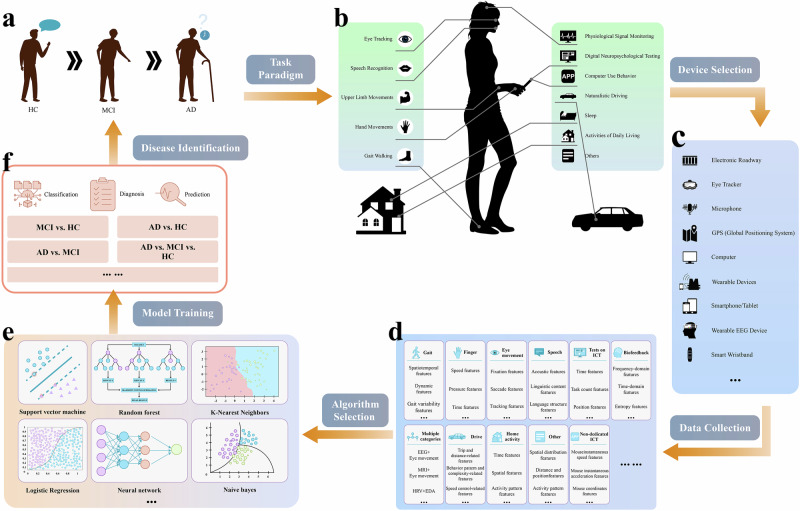
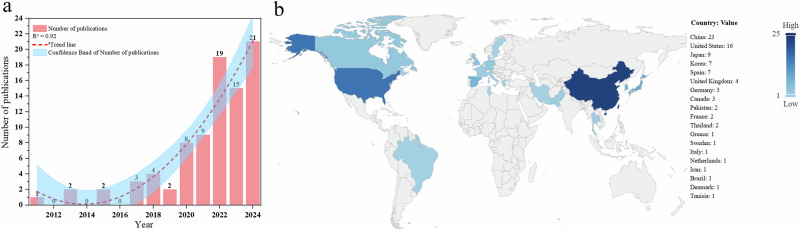
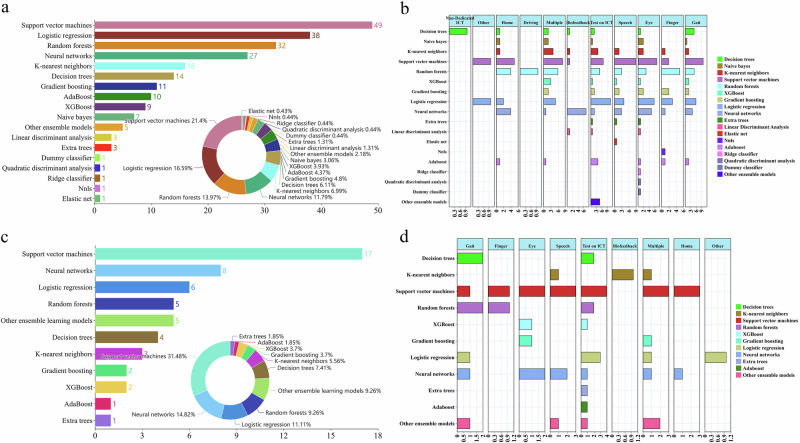
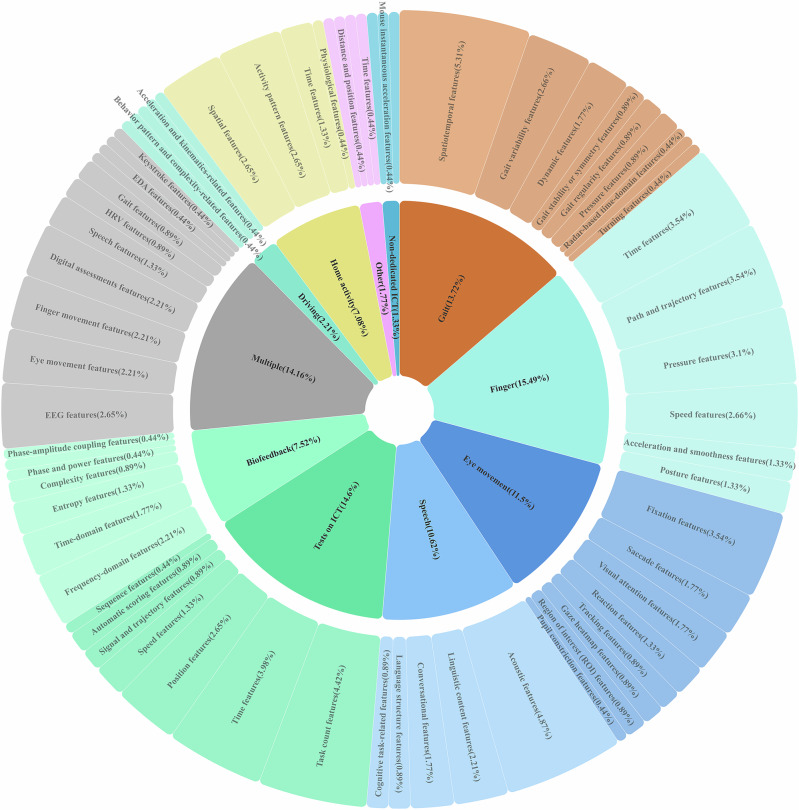
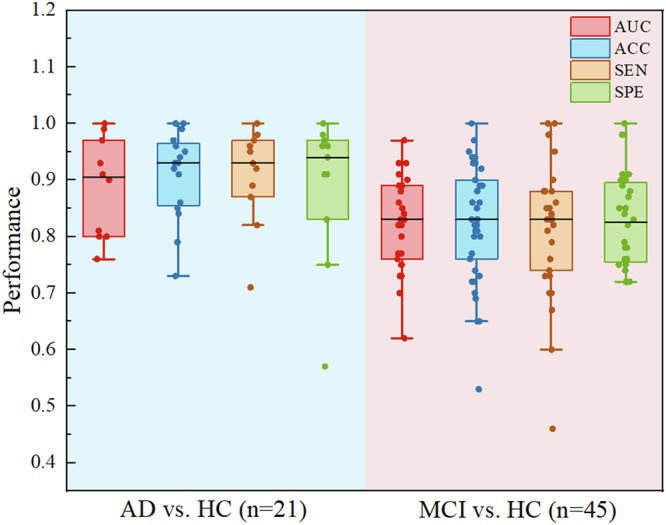
Verification
Claims the paper makes
The claims and statistics of this paper haven’t been checked yet.
Free: it reads the open-access text and checks the first 5 claims that cite a source we can check. Create a free account to check every claim.
Claims other papers make about this one
Each is checked against this paper’s own text: does it say what the citing paper says it does?
The source backs part of the claim, not all of it — or backs it for a different population, condition or comparison.
In the citing paper
“Emerging methods have shown excellent feasibility to unobtrusively capture objective and naturalistic behavioral data in older adults through the use of sensors that are either worn or embedded within objects that people use regularly, such as smartwatches, smartphones, and other placeable sensors (e.g., a GPS sensor placed in one’s car).109”
From Review of Artificial Intelligence for Clinical Use in Alzheimer's Disease and Related Dementias (2026) · cites this paper as [109]
Experimental — accuracy not yet measured
Self-check
Percentages, sums and reported differences re-computed from the paper’s own numbers.
The self-check needs the paper’s full text.
Citations
Cites
1 retracted
Dementia prevention, intervention, and care: 2020 report of the Lancet Commission
Livingston, G., Huntley, J., Sommerlad, A., Ames, D., Ballard, C., Banerjee, S., Brayne, C., Burns, A., Cohen-Mansfield, J., Cooper, C., et al. (2020) · The Lancet · doi:10.1016/s0140-6736(20)30367-6 · Cited by 10,430
RetractedPRISMA Extension for Scoping Reviews (PRISMA-ScR): Checklist and Explanation
Tricco, A. C., Lillie, E., Zarin, W., O'Brien, K. K., Colquhoun, H., Levac, D., Moher, D., Peters, M. D. J., Horsley, T., Weeks, L., et al. (2018) · Annals of Internal Medicine · doi:10.7326/m18-0850 · Cited by 43,565
bibliometrix: An R-tool for comprehensive science mapping analysis
Aria, M., & Cuccurullo, C. (2017) · Journal of Informetrics · doi:10.1016/j.joi.2017.08.007 · Cited by 23,235 · cited 1×
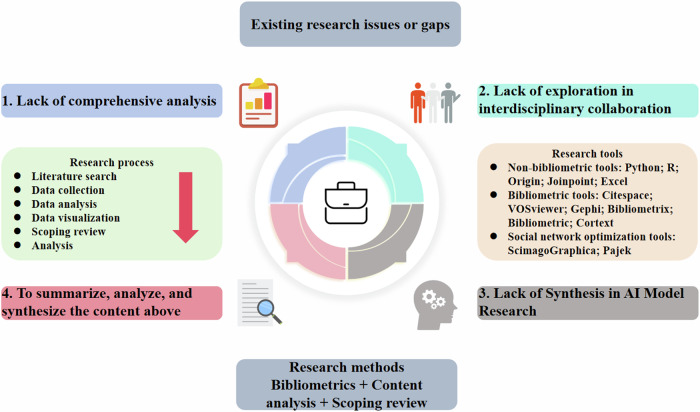
“R6 Advance; Drexel University) 204 , VOSviewer 205 (Version 1.6.19; Leiden University), Bibliometrix 206 , bibliometric 207 , Gephi 208 (Version 0.10.1; Gephi.org), Joinpoint (Version 5.0.2; National Cancer Institute of the United States) 209 , and Cortext (Gustave Eiffel University) 210 .”
InfluentialSoftware survey: VOSviewer, a computer program for bibliometric mapping
van Eck, N. J., & Waltman, L. (2010) · Scientometrics · doi:10.1007/s11192-009-0146-3 · Cited by 21,484 · cited 3×
“Disciplinary publication patterns were analyzed using time-sliced WoSCC-indexed literature and VOSviewer.”
InfluentialNIA‐AA Research Framework: Toward a biological definition of Alzheimer's disease
Jack, C. R., Bennett, D. A., Blennow, K., Carrillo, M. C., Dunn, B., Haeberlein, S. B., Holtzman, D. M., Jagust, W., Jessen, F., Karlawish, J., et al. (2018) · Alzheimer's & Dementia · doi:10.1016/j.jalz.2018.02.018 · Cited by 10,537
Chen, C. (2006) · Journal of the American Society for Information Science and Technology · doi:10.1002/asi.20317 · Cited by 7,593
Scheltens, P., De Strooper, B., Kivipelto, M., Holstege, H., Chételat, G., Teunissen, C. E., Cummings, J., & van der Flier, W. M. (2021) · The Lancet · doi:10.1016/s0140-6736(20)32205-4 · Cited by 5,465
Imaging brain amyloid in Alzheimer's disease with Pittsburgh Compound‐B
Klunk, W. E., Engler, H., Nordberg, A., Wang, Y., Blomqvist, G., Holt, D. P., Bergström, M., Savitcheva, I., Huang, G., Estrada, S., et al. (2004) · Annals of Neurology · doi:10.1002/ana.20009 · Cited by 4,496
Science mapping software tools: Review, analysis, and cooperative study among tools
Cobo, M. J., López-Herrera, A. G., Herrera-Viedma, E., & Herrera, F. (2011) · Journal of the American Society for Information Science and Technology · doi:10.1002/asi.21525 · Cited by 3,242
2023 Alzheimer's disease facts and figures
(2023) · Alzheimer's & Dementia · doi:10.1002/alz.13016 · Cited by 3,212
Price, D. J. D. S. (1965) · Science · doi:10.1126/science.149.3683.510 · Cited by 3,122
Exploratory Social Network Analysis with Pajek: Revised and Expanded Edition for Updated Software
De Nooy, W., Mrvar, A., & Batagelj, V. (2018) · Cambridge University Press eBooks · doi:10.1017/9781108565691 · Cited by 2,052
An Analysis of the Total Least Squares Problem
Golub, G. H., & van Loan, C. F. (1980) · SIAM Journal on Numerical Analysis · doi:10.1137/0717073 · Cited by 1,753 · cited 1×
“For multidimensional landscape analysis, the publication volume analysis used the least squares polynomial method to fi t the trend line,with R 2 indicating the fi t quality 218 .”
Palmqvist, S., Janelidze, S., Quiroz, Y. T., Zetterberg, H., Lopera, F., Stomrud, E., Su, Y., Chen, Y., Serrano, G. E., Leuzy, A., et al. (2020) · JAMA · doi:10.1001/jama.2020.12134 · Cited by 1,603
Prognosis and prognostic research: Developing a prognostic model
Royston, P., Moons, K. G. M., Altman, D. G., & Vergouwe, Y. (2009) · BMJ · doi:10.1136/bmj.b604 · Cited by 1,172
Qiu, H., Cao, S., & Xu, R. (2021) · Cancer Communications · doi:10.1002/cac2.12197 · Cited by 1,015
Self-citationFagan, A. M., Roe, C. M., Xiong, C., Mintun, M. A., Morris, J. C., & Holtzman, D. M. (2007) · Archives of Neurology · doi:10.1001/archneur.64.3.noc60123 · Cited by 897
Global, regional, and national burden of Alzheimer's disease and other dementias, 1990–2019
Li, X., Feng, X., Sun, X., Hou, N., Han, F., & Liu, Y. (2022) · Frontiers in Aging Neuroscience · doi:10.3389/fnagi.2022.937486 · Cited by 703
Barriers and facilitators to utilizing digital health technologies by healthcare professionals
Borges do Nascimento, I. J., Abdulazeem, H., Vasanthan, L. T., Martinez, E. Z., Zucoloto, M. L., Østengaard, L., Azzopardi-Muscat, N., Zapata, T., & Novillo-Ortiz, D. (2023) · npj Digital Medicine · doi:10.1038/s41746-023-00899-4 · Cited by 673 · cited 1×
“Many healthcareprofessionalsarenot yetfamiliarwith these new technologies, and using digital biomarkers may increase their workload 175,176 .”
At the interface of sensory and motor dysfunctions and Alzheimer’s disease.
Albers, M. W., Gilmore, G. C., Kaye, J., Murphy, C., Wingfield, A., Bennett, D. A., Boxer, A. L., Buchman, A. S., Cruickshanks, K. J., Devanand, D. P., et al. (2015) · Alzheimer's & Dementia · doi:10.1016/j.jalz.2014.04.514 · Cited by 589 · cited 1×
“Notablefeatures,including gaitabnormalities 144,145 , speech fl uency changes 146 , and slowed eye movements 147 , have shown high correlation with early cognitive decline associated with AD.”
Risk models and scores for type 2 diabetes: systematic review
Noble, D., Mathur, R., Dent, T., Meads, C., & Greenhalgh, T. (2011) · BMJ · doi:10.1136/bmj.d7163 · Cited by 551
Multimodal machine learning in precision health: A scoping review
Kline, A., Wang, H., Li, Y., Dennis, S., Hutch, M., Xu, Z., Wang, F., Cheng, F., & Luo, Y. (2022) · npj Digital Medicine · doi:10.1038/s41746-022-00712-8 · Cited by 528 · cited 3×
“Mid-level fusion extracts features progressively by using the output of one model as the input for another, allowing for iterative feature extraction and optimization 123 .”
InfluentialWeiner, M. W., Veitch, D. P., Aisen, P. S., Beckett, L. A., Cairns, N. J., Green, R. C., Harvey, D., Jack, C. R., Jagust, W., Morris, J. C., et al. (2017) · Alzheimer's & Dementia · doi:10.1016/j.jalz.2016.10.006 · Cited by 479
Digital biomarkers for Alzheimer’s disease: the mobile/wearable devices opportunity
Kourtis, L. C., Regele, O. B., Wright, J. M., & Jones, G. B. (2019) · npj Digital Medicine · doi:10.1038/s41746-019-0084-2 · Cited by 476 · cited 1×
“…on the FDA ’ s de fi nition of digital biomarkers, and to ensure comprehensive classi fi cation, we referenced the digital biomarker research by Lampros C 20 and Antoine 18 , as well as the digital biomarker classi fi cation scheme for Parkinson ’ s disease, a similarly neurodegenerative disease 215 .”
Recent Advancements in Emerging Technologies for Healthcare Management Systems: A Survey
Junaid, S. B., Imam, A. A., Balogun, A. O., De Silva, L. C., Surakat, Y. A., Kumar, G., Abdulkarim, M., Shuaibu, A. N., Garba, A., Sahalu, Y., et al. (2022) · Healthcare · doi:10.3390/healthcare10101940 · Cited by 353
Yang, Y., Yuan, Y., Zhang, G., Wang, H., Chen, Y.-C., Liu, Y., Tarolli, C. G., Crepeau, D., Bukartyk, J., Junna, M. R., et al. (2022) · Nature Medicine · doi:10.1038/s41591-022-01932-x · Cited by 296
Dubois, B., von Arnim, C. A. F., Burnie, N., Bozeat, S., & Cummings, J. (2023) · Alzheimer's Research & Therapy · doi:10.1186/s13195-023-01314-6 · Cited by 288
Piau, A., Wild, K., Mattek, N., & Kaye, J. (2019) · Journal of Medical Internet Research · doi:10.2196/12785 · Cited by 252 · cited 2×
“Based on the FDA ’ s de fi nition of digital biomarkers, and to ensure comprehensive classi fi cation, we referenced the digital biomarker research by Lampros C 20 and Antoine 18 , as well as the digital biomarker classi fi cation scheme for Parkinson ’ s disease, a similarly neurodegenerative disease 215 .”
Hillel, I., Gazit, E., Nieuwboer, A., Avanzino, L., Rochester, L., Cereatti, A., Croce, U. D., Rikkert, M. O., Bloem, B. R., Pelosin, E., et al. (2019) · European Review of Aging and Physical Activity · doi:10.1186/s11556-019-0214-5 · Cited by 228
Salazar de Pablo, G., Studerus, E., Vaquerizo-Serrano, J., Irving, J., Catalan, A., Oliver, D., Baldwin, H., Danese, A., Fazel, S., Steyerberg, E. W., et al. (2021) · Schizophrenia Bulletin · doi:10.1093/schbul/sbaa120 · Cited by 219 · cited 1×
“Therefore,validatingAImodelsacrossdifferentsettingsandpopulationsis critical 166 .”
Data mining for health: staking out the ethical territory of digital phenotyping
Martinez-Martin, N., Insel, T. R., Dagum, P., Greely, H. T., & Cho, M. K. (2018) · npj Digital Medicine · doi:10.1038/s41746-018-0075-8 · Cited by 218 · cited 1×
“Additionally, traditional privacy regulations, such as HIPAA, face challenges in non-traditional clinical environments 171 .”
Eye Movements in Alzheimer's Disease
Molitor, R. J., Ko, P. C., & Ally, B. A. (2015) · Journal of Alzheimer's Disease · doi:10.3233/jad-141173 · Cited by 216 · cited 1×
“Notablefeatures,including gaitabnormalities 144,145 , speech fl uency changes 146 , and slowed eye movements 147 , have shown high correlation with early cognitive decline associated with AD.”
Digital biomarkers: Convergence of digital health technologies and biomarkers
Vasudevan, S., Saha, A., Tarver, M. E., & Patel, B. (2022) · npj Digital Medicine · doi:10.1038/s41746-022-00583-z · Cited by 183 · cited 1×
“Christian et al. 131 also pointed out that many related studies did not explicitly use this term, possibly due to inadequate dissemination or confusion with other concepts, such as “ clinical outcome assessments “ 12 .”
Emerging Artificial Intelligence–Empowered mHealth: Scoping Review
Bhatt, P., Liu, J., Gong, Y., Wang, J., & Guo, Y. (2022) · JMIR mhealth and uhealth · doi:10.2196/35053 · Cited by 170
Detecting cognitive impairment by eye movement analysis using automatic classification algorithms
Lagun, D., Manzanares, C. M., Zola, S. M., Buffalo, E. A., & Agichtein, E. (2011) · Journal of Neuroscience Methods · doi:10.1016/j.jneumeth.2011.06.027 · Cited by 163
The first frontier: digital biomarkers for neurodegenerative disorders
Dorsey, E. R., Papapetropoulos, S., Xiong, M., & Kieburtz, K. (2017) · Digital Biomarkers · doi:10.1159/000477383 · Cited by 162
Lucey, B. P., Wisch, J., Boerwinkle, A. H., Landsness, E. C., Toedebusch, C. D., McLeland, J. S., Butt, O. H., Hassenstab, J., Morris, J. C., Ances, B. M., et al. (2021) · Brain · doi:10.1093/brain/awab272 · Cited by 161 · cited 1×
“However, emerging technologies such as wearable EEG devices and activity trackers offer new possibilities for monitoring in everyday settings 155 .”
Deep learning-based speech analysis for Alzheimer’s disease detection: a literature review
Yang, Q., Li, X., Ding, X., Xu, F., & Ling, Z.-H. (2022) · Alzheimer s Research & Therapy · doi:10.1186/s13195-022-01131-3 · Cited by 150 · cited 1×
“Notablefeatures,including gaitabnormalities 144,145 , speech fl uency changes 146 , and slowed eye movements 147 , have shown high correlation with early cognitive decline associated with AD.”
Proceedings of the 9th annual international conference on Mobile computing and networking
Johnson, D. B., Joseph, A. D., & Vaidya, N. H. (2003) · doi:10.1145/938985 · Cited by 147
Dinov, I. D., Heavner, B., Tang, M., Glusman, G., Chard, K., Darcy, M., Madduri, R., Pa, J., Spino, C., Kesselman, C., et al. (2016) · PLOS ONE · doi:10.1371/journal.pone.0157077 · Cited by 145 · cited 1×
“Improper data handling, such as neglecting sample imbalances or ignoring methods for missing data imputation, can result in biased or misleading performance metrics 161 .”
Li, R., Wang, X., Lawler, K., Garg, S., Bai, Q., & Alty, J. (2022) · Journal of Biomedical Informatics · doi:10.1016/j.jbi.2022.104030 · Cited by 137
Abd-Alrazaq, A. A., Alhuwail, D., Schneider, J., Toro, C. T., Ahmed, A., Alzubaidi, M. S., Alajlani, M., & Househ, M. S. (2022) · npj Digital Medicine · doi:10.1038/s41746-022-00631-8 · Cited by 133
Interdisciplinary Research in Artificial Intelligence: Challenges and Opportunities
Kusters, R., Misevic, D., Berry, H., Cully, A., Le Cunff, Y., Dandoy, L., Díaz-Rodríguez, N., Ficher, M., Grizou, J., Othmani, A., et al. (2020) · Frontiers in Big Data · doi:10.3389/fdata.2020.577974 · Cited by 131
Automated assessment of cognitive health using smart home technologies
Dawadi, P., Cook, D. J., Schmitter‐Edgecombe, M., & Parsey, C. M. (2013) · Technology and Health Care · doi:10.3233/thc-130734 · Cited by 131 · cited 4×
“…c tasks, and feature descriptions Six studies on home life monitoring used various sensors, such as door sensors 55,63,115 , infrared motion sensors 54,56,62,63 , location sensors 55 , and sleep sensors 55 ,tocapturebehavioralpatternsandactivityfeatures,aimingtogain deeper insights into changes in…”
InfluentialArtificial intelligence for biomarker discovery in Alzheimer's disease and dementia
Winchester, L. M., Harshfield, E. L., Shi, L., Badhwar, A., Khleifat, A. A., Clarke, N., Dehsarvi, A., Lengyel, I., Lourida, I., Madan, C. R., et al. (2023) · Alzheimer's & Dementia · doi:10.1002/alz.13390 · Cited by 130
Detecting Dementia Through Interactive Computer Avatars
Tanaka, H., Adachi, H., Ukita, N., Ikeda, M., Kazui, H., Kudo, T., & Nakamura, S. (2017) · IEEE Journal of Translational Engineering in Health and Medicine · doi:10.1109/jtehm.2017.2752152 · Cited by 127
Autonomous unobtrusive detection of mild cognitive impairment in older adults
Akl, A., Taati, B., & Mihailidis, A. (2015) · IEEE Transactions on Biomedical Engineering · doi:10.1109/tbme.2015.2389149 · Cited by 126 · cited 3×
“…collection devices, speci fi c tasks, and feature descriptions Six studies on home life monitoring used various sensors, such as door sensors 55,63,115 , infrared motion sensors 54,56,62,63 , location sensors 55 , and sleep sensors 55…”
Weiner, M. W., Veitch, D. P., Miller, M. J., Aisen, P. S., Albala, B., Beckett, L. A., Green, R. C., Harvey, D., Jack, C. R., Jagust, W., et al. (2023) · Alzheimer's & Dementia · doi:10.1002/alz.12797 · Cited by 126
A scoping review of artificial intelligence-based methods for diabetes risk prediction
Mohsen, F., Al-Absi, H. R. H., Yousri, N. A., El Hajj, N., & Shah, Z. (2023) · npj Digital Medicine · doi:10.1038/s41746-023-00933-5 · Cited by 125
Performance of the CogState computerized battery in the Mayo Clinic Study on Aging
Mielke, M. M., Machulda, M. M., Hagen, C. E., Edwards, K. K., Roberts, R. O., Pankratz, V. S., Knopman, D. S., Jack, C. R., & Petersen, R. C. (2015) · Alzheimer's & Dementia · doi:10.1016/j.jalz.2015.01.008 · Cited by 124
Konig, A., Satt, A., Sorin, A., Hoory, R., Derreumaux, A., David, R., & Robert, P. H. (2018) · Current Alzheimer Research · doi:10.2174/1567205014666170829111942 · Cited by 119 · cited 3×
“…100 participants 27,39,40 ; 1 study on vascular dementia with 27 participants 41 ; 1 study on subjective cognitive impairment with 56 participants 42 ; 1 study on subjective memory complaints with 9 participants 43 ; 1 study on PreMCI with 20 participants 44 ; 1 study on PreAD with 64…”
Liu, Y., Zhang, G., Tarolli, C. G., Hristov, R., Jensen-Roberts, S., Waddell, E. M., Myers, T. L., Pawlik, M. E., Soto, J. M., Wilson, R. M., et al. (2022) · Science Translational Medicine · doi:10.1126/scitranslmed.adc9669 · Cited by 115 · cited 1×
“Thishelpsassessthe severityofthedisease,itsprogression,andthepatient ’ s response to medication 199 .”
Assessment of ownership of smart devices and the acceptability of digital health data sharing
Shandhi, M. M. H., Singh, K., Janson, N., Ashar, P., Singh, G., Lu, B., Hillygus, D. S., Maddocks, J., & Dunn, J. (2024) · npj Digital Medicine · doi:10.1038/s41746-024-01030-x · Cited by 115 · cited 1×
“Moreover, data monopolies within the digital health sector contribute to inequality 177 .”
Ghoraani, B., Boettcher, L. N., Hssayeni, M. D., Rosenfeld, A., Tolea, M. I., & Galvin, J. E. (2021) · Biomedical Signal Processing and Control · doi:10.1016/j.bspc.2020.102249 · Cited by 114 · cited 3×
“In terms of task selection and execution, 3 studies used simple single-task 10-meter walking tests 46,71,72 , while 7 studies employed both single-task and dual-task walking tests 26,48,66 – 68, 70, 73 .”
Hajjar, I. M., Okafor, M. O., Choi, J. D., Moore, E., Abrol, A., Calhoun, V. D., & Goldstein, F. C. (2023) · Alzheimer s & Dementia Diagnosis Assessment & Disease Monitoring · doi:10.1002/dad2.12393 · Cited by 110
Digital biomarkers for precision diagnosis and monitoring in Parkinson’s disease
Sun, Y.-M., Wang, Z.-Y., Liang, Y.-Y., Hao, C.-W., & Shi, C.-H. (2024) · npj Digital Medicine · doi:10.1038/s41746-024-01217-2 · Cited by 103 · cited 1×
“…on the FDA ’ s de fi nition of digital biomarkers, and to ensure comprehensive classi fi cation, we referenced the digital biomarker research by Lampros C 20 and Antoine 18 , as well as the digital biomarker classi fi cation scheme for Parkinson ’ s disease, a similarly neurodegenerative disease 215 .”
Assessing Saccadic Eye Movements With Head-Mounted Display Virtual Reality Technology
Imaoka, Y., Flury, A., & de Bruin, E. D. (2020) · Frontiers in Psychiatry · doi:10.3389/fpsyt.2020.572938 · Cited by 102
The price of progress: Funding and financing Alzheimer's disease drug development
Cummings, J., Reiber, C., & Kumar, P. (2018) · Alzheimer's & Dementia: Translational Research & Clinical Interventions · doi:10.1016/j.trci.2018.04.008 · Cited by 98
Ford, E. M., Milne, R., & Curlewis, K. (2023) · Wiley Interdisciplinary Reviews Data Mining and Knowledge Discovery · doi:10.1002/widm.1492 · Cited by 97
Eyetracking Metrics in Young Onset Alzheimer’s Disease: A Window into Cognitive Visual Functions
Pavisic, I. M., Firth, N. C., Parsons, S., Rego, D. M., Shakespeare, T. J., Yong, K. X. X., Slattery, C. F., Paterson, R. W., Foulkes, A. J. M., Macpherson, K., et al. (2017) · Frontiers in Neurology · doi:10.3389/fneur.2017.00377 · Cited by 96
GPS driving: a digital biomarker for preclinical Alzheimer disease
Bayat, S., Babulal, G. M., Schindler, S. E., Fagan, A. M., Morris, J. C., Mihailidis, A., & Roe, C. M. (2021) · Alzheimer's Research & Therapy · doi:10.1186/s13195-021-00852-1 · Cited by 91
Daniore, P., Nittas, V., Haag, C., Bernard, J., Gonzenbach, R. R., & von Wyl, V. (2024) · npj Digital Medicine · doi:10.1038/s41746-024-01151-3 · Cited by 89 · cited 1×
“The DACIA framework (Data, Aggregation, Contextualization, Interpretation, and Action) 133 offers a structured approach, facilitating the systematic collection and analysis of data by researchers.”
Lemmens, S., Craenendonck, T. V., Eijgen, J. V., Groef, L. D., Bruffaerts, R., Jesus, D. A. D., Charle, W., Jayapala, M., Sunaric‐Mégevand, G., Standaert, A., et al. (2020) · Alzheimer s Research & Therapy · doi:10.1186/s13195-020-00715-1 · Cited by 87
Müller, S., Herde, L., Preische, O., Zeller, A., Heymann, P., Robens, S., Elbing, U., & Laske, C. (2019) · Scientific Reports · doi:10.1038/s41598-019-40010-0 · Cited by 85 · cited 2×
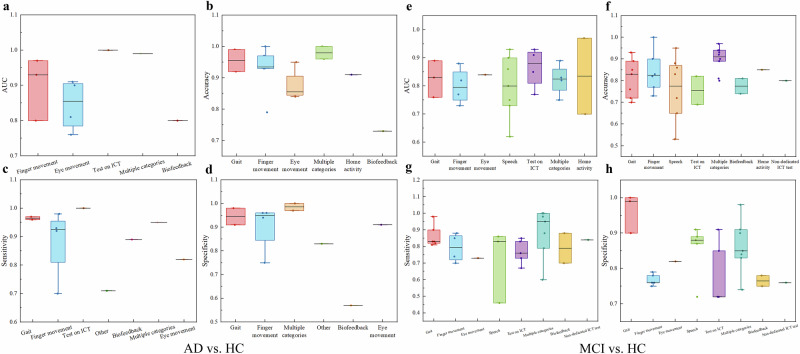
“Among the six manual biomarker studies 27,57,74,77,78 , fi ve studies reported ACC greater than 0.9 57,74,77 – 79 , while one study reported an ACC of 0.76 27 .”
InfluentialCavedoni, S., Chirico, A., Pedroli, E., Cipresso, P., & Riva, G. (2020) · Frontiers in Human Neuroscience · doi:10.3389/fnhum.2020.00245 · Cited by 85
Celik, Y., Stuart, S., Woo, W., Sejdic, E., & Godfrey, A. (2022) · Information Fusion · doi:10.1016/j.inffus.2021.09.016 · Cited by 83 · cited 2×
“Data fusion technologies will enable the combination of diverse modalities, building moreprecisepredictivemodels,thusfacilitatingpersonalizedtreatmentand earlyintervention 15 .”
Bazarbekov, I., Razaque, A., Ipalakova, M., Yoo, J., Assipova, Z., & Almisreb, A. A. (2024) · Biomedical Signal Processing and Control · doi:10.1016/j.bspc.2024.106023 · Cited by 83
Cultural dependency analysis for understanding speech emotion
Kamaruddin, N., Wahab, A., & Quek, C. H. (2011) · Expert Systems with Applications · doi:10.1016/j.eswa.2011.11.028 · Cited by 80
Rawtaer, I., Mahendran, R., Kua, E. H., Tan, H. P., Tan, H. X., Lee, T.-S., & Ng, T. P. (2020) · Journal of Medical Internet Research · doi:10.2196/16854 · Cited by 80 · cited 1×
“For example, 141 , while natural driving behavior studies necessitate onboard devices 142 , both of which could raise concerns about intrusiveness.”
Din, S. D., Hickey, A., Hurwitz, N., Mathers, J. C., Rochester, L., & Godfrey, A. (2016) · Physiological Measurement · doi:10.1088/0967-3334/37/10/1785 · Cited by 76
Virtual Reality Technology in Cognitive Rehabilitation Application: Bibliometric Analysis
He, D., Cao, S., Le, Y., Wang, M., Chen, Y., & Qian, B. (2022) · JMIR Serious Games · doi:10.2196/38315 · Cited by 76
Self-citationStop the privatization of health data
Wilbanks, J., & Topol, E. J. (2016) · Nature · doi:10.1038/535345a · Cited by 74 · cited 1×
“Some companies enforce closed data management for wearable devices, restricting external researchers ’ access and hindering academic research and medical innovation 178 .”
Seifallahi, M., Mehraban, A. H., Galvin, J. E., & Ghoraani, B. (2022) · IEEE Transactions on Neural Systems and Rehabilitation Engineering · doi:10.1109/tnsre.2022.3181252 · Cited by 74
Meta‐analysis and aggregation of multiple published prediction models
Debray, T. P. A., Koffijberg, H., Nieboer, D., Vergouwe, Y., Steyerberg, E. W., & Moons, K. G. M. (2014) · Statistics in Medicine · doi:10.1002/sim.6080 · Cited by 73 · cited 1×
“Although most models report an AUC greater than 0.75, indicating good predictive performance 165 , future research should systematically report these evaluation metrics, with at least speci fi c values for AUC, ACC, SEN, and SPE, to provide a comprehensive perspective for comparing and improving…”
InfluentialDefinitions of digital biomarkers: a systematic mapping of the biomedical literature
Macias Alonso, A. K., Hirt, J., Woelfle, T., Janiaud, P., & Hemkens, L. G. (2024) · BMJ Health & Care Informatics · doi:10.1136/bmjhci-2023-100914 · Cited by 73
Digital Technology in Movement Disorders: Updates, Applications, and Challenges
Adams, J., Lizárraga, K. J., Waddell, E. M., Myers, T. L., Jensen-Roberts, S., Modica, J. S., & Schneider, R. B. (2021) · Current Neurology and Neuroscience Reports · doi:10.1007/s11910-021-01101-6 · Cited by 72
A novel deep learning approach for diagnosing Alzheimer's disease based on eye-tracking data
Sun, J., Liu, Y., Wu, H., Jing, P., & Ji, Y. (2022) · Frontiers in Human Neuroscience · doi:10.3389/fnhum.2022.972773 · Cited by 68
Artificial intelligence for dementia—Applied models and digital health
Lyall, D. M., Kormilitzin, A., Lancaster, C., Sousa, J., Petermann‐Rocha, F., Buckley, C., Harshfield, E. L., Iveson, M. H., Madan, C. R., McArdle, R., et al. (2023) · Alzheimer's & Dementia · doi:10.1002/alz.13391 · Cited by 68
Montag, C., Elhai, J. D., & Dagum, P. (2021) · Frontiers in Psychiatry · doi:10.3389/fpsyt.2021.740292 · Cited by 67
Beyond the clinic: the rise of wearables and smartphones in decentralising healthcare
Wall, C., Hetherington, V., & Godfrey, A. (2023) · npj Digital Medicine · doi:10.1038/s41746-023-00971-z · Cited by 67 · cited 1×
“Future research should prioritize the exploration of such tools that are scalable and feasible for widespreaduse,astheyarelikely toofferthe fi rstviablesolutionsforclinical evaluationandpavethewayforfurtherbiomarkerresearch 185 .”
Meier, I. B., Buegler, M., Harms, R., Seixas, A. A., Çöltekin, A., & Tarnanas, I. (2021) · npj Digital Medicine · doi:10.1038/s41746-021-00470-z · Cited by 66 · cited 1×
“However, some mobile device-based digital assessments have shown signi fi cant potential 184 , particularly in terms of assessment frequency and data diversity.”
Yilmaz, A., Ugur, Z., Bisgin, H., Akyol, S., Bahado-Singh, R., Wilson, G., Imam, K., Maddens, M. E., & Graham, S. F. (2020) · Metabolites · doi:10.3390/metabo10090357 · Cited by 65
A self-driven approach for multi-class discrimination in Alzheimer's disease based on wearable EEG
Perez‐Valero, E., López-Gordo, M. A., Morillas, C. A., Carrera-Muñoz, I., & Vílchez-Carrillo, R. M. (2022) · Computer Methods and Programs in Biomedicine · doi:10.1016/j.cmpb.2022.106841 · Cited by 64
DeepHeart: A Deep Learning Approach for Accurate Heart Rate Estimation from PPG Signals
Chang, X., Li, G., Xing, G., Zhu, K., & Tu, L. (2021) · ACM Transactions on Sensor Networks · doi:10.1145/3441626 · Cited by 63
Self-citationDigital biomarker‐based individualized prognosis for people at risk of dementia
Buegler, M., Harms, R. L., Balasa, M., Meier, I. B., Exarchos, T., Rai, L., Boyle, R., Tort, A., Kozori, M., Lazarou, E., et al. (2020) · Alzheimer's & Dementia: Diagnosis, Assessment & Disease Monitoring · doi:10.1002/dad2.12073 · Cited by 62 · cited 2×
“The company received signi fi cant corporate funding to further its research on predicting the progression from mild cognitive impairment to AD 35 .”
Detection of Mild Cognitive Impairment Through Natural Language and Touchscreen Typing Processing
Ntracha, A., Iakovakis, D., Hadjidimitriou, S., Charisis, V. S., Tsolaki, M., & Hadjileontiadis, L. J. (2020) · Frontiers in Digital Health · doi:10.3389/fdgth.2020.567158 · Cited by 62 · cited 1×
“Research on various digital biomarkers has demonstrated different fusion strategies: four studies employed early fusion strategies 108,111,113,114 ; four studies utilized mid-level fusion 61,105,106,109 ; three studies applied late fusion 43,110,112 ; and two studies adopted hybrid fusion 44,107 .”
Classification of mild cognitive impairment based on handwriting dynamics and qEEG
Chai, J., Wu, R., Li, A., Xue, C., Qiang, Y., Zhao, J., Zhao, Q., & Yang, Q. (2022) · Computers in Biology and Medicine · doi:10.1016/j.compbiomed.2022.106418 · Cited by 58
Jeon, Y., Kang, J., Kim, B. C., Lee, K. H., Song, J., & Gwak, J. (2023) · IEEE Sensors Journal · doi:10.1109/jsen.2023.3259034 · Cited by 57
Self-citationEveryone should decide how their digital data are used — not just tech companies
Sadowski, J., Viljoen, S., & Whittaker, M. (2021) · Nature · doi:10.1038/d41586-021-01812-3 · Cited by 56
Yamada, Y., Shinkawa, K., Kobayashi, M., Caggiano, V., Nemoto, M., Nemoto, K., & Arai, T. (2021) · Journal of Alzheimer's Disease · doi:10.3233/jad-210684 · Cited by 56 · cited 4×
“…studies 27,57,74,77 – 79 , 7 from eye movement biomarker studies 39,40,80,81,83,85,87 , 1 from ICT device-based digital testing 96 , 2 from multi-type biomarker research 111,114 , 1 from Biofeedback research 120 , 1 from home activity bio-marker research 115 , and 1 from other research 122 .”
InfluentialLancaster, C., Koychev, I., Blane, J., Chinner, A., Wolters, L., & Hinds, C. (2020) · JMIR mHealth and uHealth · doi:10.2196/16142 · Cited by 55
Alegret, M., Muñoz, N., Roberto, N., Rentz, D. M., Valero, S., Gil, S., Marquié, M., Hernández, I., Riveros, C., Sanabria, A., et al. (2020) · Alzheimer's Research & Therapy · doi:10.1186/s13195-020-00594-6 · Cited by 55
Kim, S. K., Kim, H., Kim, S. H., Kim, J. B., & Kim, L. (2024) · Scientific Reports · doi:10.1038/s41598-024-55656-8 · Cited by 54
Shim, J., Fleisch, E., & Barata, F. (2024) · npj Digital Medicine · doi:10.1038/s41746-024-01111-x · Cited by 54 · cited 1×
“However, their speci fi city is limited, as similar abnormalities are seen in conditions like Parkinson ’ s disease, amyotrophic lateral sclerosis, and general frailty in the elderly, and other diseases 148 – 150 , which reduces their unique diagnostic value for AD.”
Jang, H., Soroski, T., Rizzo, M., Barral, O., Harisinghani, A., Newton‐Mason, S. M., Granby, S., Vasco, T. D. C., Lewis, C., Tutt, P., et al. (2021) · Frontiers in Human Neuroscience · doi:10.3389/fnhum.2021.716670 · Cited by 53
Zuo, F., Jing, P., Sun, J., Duan, J., Ji, Y., & Liu, Y. (2024) · IEEE Journal of Biomedical and Health Informatics · doi:10.1109/jbhi.2024.3365172 · Cited by 51 · cited 7×
“In the seven eye movement biomarker studies, four studies 80,81,83,85 reported ACC, all greater than 0.8.”
InfluentialEye Tracking Analysis of Visual Cues during Wayfinding in Early Stage Alzheimer’s Disease
Davis, R., & Sikorskii, A. E. (2020) · Dementia and Geriatric Cognitive Disorders · doi:10.1159/000506859 · Cited by 50
Augmenting Dementia Cognitive Assessment With Instruction-Less Eye-Tracking Tests
Mengoudi, K., Ravi, D., Yong, K. X. X., Primativo, S., Pavisic, I. M., Brotherhood, E., Lu, K., Schott, J. M., Crutch, S. J., & Alexander, D. C. (2020) · IEEE Journal of Biomedical and Health Informatics · doi:10.1109/jbhi.2020.3004686 · Cited by 50
Tsai, C.-F., Chen, C.-C., Wu, E. H.-K., Chung, C.-R., Huang, C.-Y., Tsai, P.-Y., & Yeh, S.-C. (2021) · IEEE Transactions on Neural Systems and Rehabilitation Engineering · doi:10.1109/tnsre.2021.3118918 · Cited by 49 · cited 4×
“…studies 27,57,74,77 – 79 , 7 from eye movement biomarker studies 39,40,80,81,83,85,87 , 1 from ICT device-based digital testing 96 , 2 from multi-type biomarker research 111,114 , 1 from Biofeedback research 120 , 1 from home activity bio-marker research 115 , and 1 from other…”
InfluentialPérez‐Rodríguez, R., Iglesias, M. J. F., Anido, L., Facal-Mayo, D., Costa, C. R., & Valladares‐Rodríguez, S. (2018) · Methods of Information in Medicine · doi:10.3414/me17-02-0011 · Cited by 48 · cited 2×
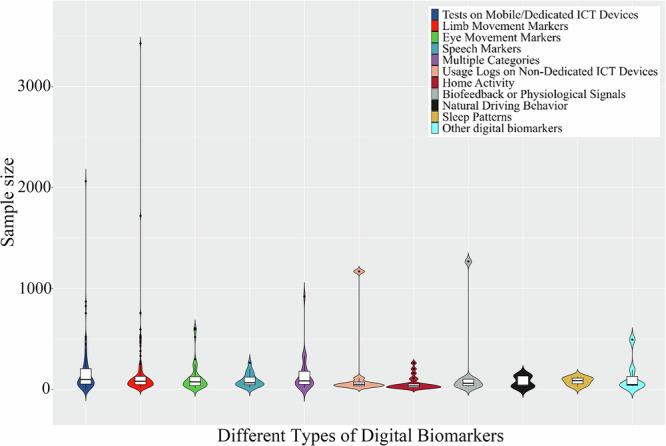
“Many studies suffer from small sample sizes, particularly in AD research, where some sample sizes were fewer than 20 participants 56,96,99,115 .”
Yu, N., & Chang, S. (2018) · Human Movement Science · doi:10.1016/j.humov.2018.06.006 · Cited by 48
Kobayashi, M., Yamada, Y., Shinkawa, K., Nemoto, M., Nemoto, K., & Arai, T. (2022) · Journal of Alzheimer s Disease · doi:10.3233/jad-215714 · Cited by 48 · cited 4×
“…7 from gait studies 47,48,66 – 68, 72, 73 , 7 from Surprisingly,only7studieshaveperformedternaryclassi fi cation between AD, MCI, and HC, coming from gait research 70 , Multiple categories 111 , manual research 74 , eye movement research 84,88 , and ICT device-based digital testing 95,102 .”
InfluentialDavoudi, A., Dion, C., Amini, S., Tighe, P. J., Price, C. C., Libon, D. J., & Rashidi, P. (2021) · Journal of Alzheimer's Disease · doi:10.3233/jad-201129 · Cited by 47 · cited 2×
“Eight studies used mean imputation 52,73,98,99,107,110,111,114 , two studies used Multiple Imputation by Chained Equations (MICE) 27,41 , and one study used zero imputation 65 .”
Ghaderyan, P., Abbasi, A., & Saber, S. (2018) · Expert Systems with Applications · doi:10.1016/j.eswa.2018.07.052 · Cited by 47 · cited 3×
“Three studies 77 – 79 did not report AUC metrics, and two studies 27,77 did not report SEN and SPE metrics.”
InfluentialCock, A. D., Fransén, E., Perkisas, S., Verhoeven, V., Beauchet, O., Remmen, R., & Vandewoude, M. F. J. (2017) · PLoS ONE · doi:10.1371/journal.pone.0178566 · Cited by 46
SciKit Digital Health: Python Package for Streamlined Wearable Inertial Sensor Data Processing
Adamowicz, L., Christakis, Y., Czech, M. D., & Adamusiak, T. (2022) · JMIR mhealth and uhealth · doi:10.2196/36762 · Cited by 46 · cited 1×
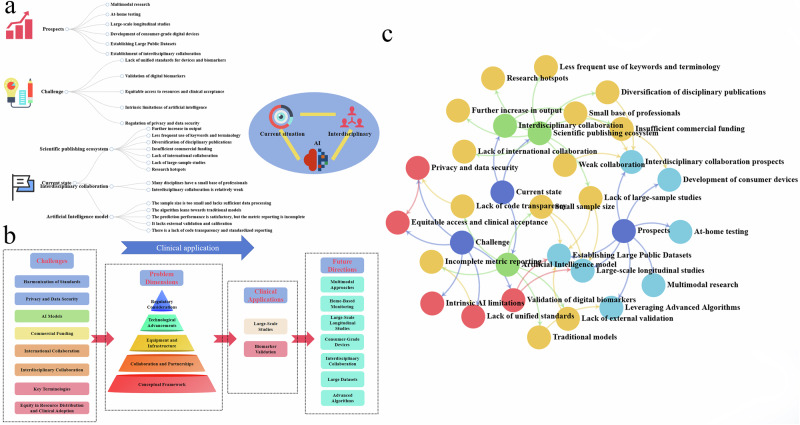
“For example, Lukas et al. 167 In fact, the clinical application of digital biomarkers in AD still faces several challenges that are unlikely to be resolved in the short term.”
Kim, Y., Park, J., Choi, H., Loeser, M., Ryu, H. B., & Seo, K. (2023) · Journal of Medical Internet Research · doi:10.2196/48093 · Cited by 46 · cited 1×
“Research on various digital biomarkers has demonstrated different fusion strategies: four studies employed early fusion strategies 108,111,113,114 ; four studies utilized mid-level fusion 61,105,106,109 ; three studies applied late fusion 43,110,112 ; and two studies adopted hybrid fusion 44,107 .”
Brzenczek, C., Klopfenstein, Q., Hähnel, T., Sapienza, S., Klucken, J., Fröhlich, H., Glaab, E., Acharya, G., Aguayo, G., Alexandre, M., et al. (2024) · npj Digital Medicine · doi:10.1038/s41746-024-01236-z · Cited by 46
Jiang, J., Yan, Z., Sheng, C., Wang, M., Guan, Q., Yu, Z., Han, Y., & Jiang, J. (2019) · Journal of Alzheimer s Disease · doi:10.3233/jad-190628 · Cited by 45 · cited 2×
“Research on various digital biomarkers has demonstrated different fusion strategies: four studies employed early fusion strategies 108,111,113,114 ; four studies utilized mid-level fusion 61,105,106,109 ; three studies applied late fusion 43,110,112 ; and two studies adopted hybrid fusion 44,107 .”
Self-citationZygouris, S., Iliadou, P., Lazarou, E., Giakoumis, D., Votis, K., Alexiadis, A., Triantafyllidis, A. K., Segkouli, S., Tzovaras, D. K., Tsiatsos, Τ., et al. (2020) · Journal of Alzheimer s Disease · doi:10.3233/jad-200880 · Cited by 45 · cited 1×
“Similarly, in the VR virtual supermarket task, patients ’ navigation trajectories, task execution time, and behavioral data showed abnormalities 96,97,103 , re fl ecting dif fi culties in spatial memory and task planning.”
Shahzad, A., Dadlani, A., Lee, H., & Kim, K. (2022) · IEEE Access · doi:10.1109/access.2022.3149100 · Cited by 43 · cited 1×
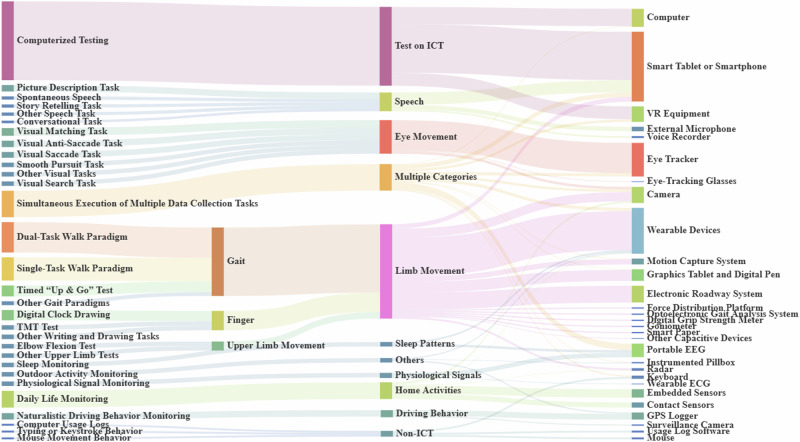
“Among the 13 studies on gait digital biomarkers, 4 used wearable devices for data collection 47,49,66,67 , 3 used electronic walkways 26,48,70 , 5 used the Kinect camera 68,69,71 – 73 , and 1 study employed a Doppler radar system 46 .”
Lee, K., Choi, K., Park, S., Lee, S., & Im, C. (2022) · Alzheimer s Research & Therapy · doi:10.1186/s13195-022-01115-3 · Cited by 43
Visual Search Efficiency in Mild Cognitive Impairment and Alzheimer’s Disease: An Eye Movement Study
Pereira, M. L. G. D. F., Camargo, M. V. Z. D. A., Bellan, A. F. R., Tahira, A. C., dos Santos, B., dos Santos, J., Machado‐Lima, A., Nunes, F. L. S., & Forlenza, O. V. (2020) · Journal of Alzheimer s Disease · doi:10.3233/jad-190690 · Cited by 41
García‐Gutiérrez, F., Marquié, M., Muñoz, N., Alegret, M., Cano, A. C., de Rojas, I., García‐González, P., Olivé, C., Puerta, R., Orellana, A., et al. (2023) · Frontiers in Neuroscience · doi:10.3389/fnins.2023.1221401 · Cited by 41 · cited 2×
“Forinstance,inpicturedescriptiontasksconductedusing the AcceXible platform, patients ’ vocal spectral features, such as F3 band-width and Hammarberg index, showed noticeable abnormalities 90 .”
IoT-Based Unobtrusive Physical Activity Monitoring System for Predicting Dementia
Kim, J., Cheon, S.-H., & Lim, J. (2022) · IEEE Access · doi:10.1109/access.2022.3156607 · Cited by 41 · cited 6×
“Furthermore, one study on suspected dementia patients 55 and another that predicted dementia risk in 18 elderly participants 56 , both of which were also included in the analysis.”
InfluentialScalable diagnostic screening of mild cognitive impairment using AI dialogue agent
Tang, F., Uchendu, I., Wang, F., Dodge, H. H., & Zhou, J. (2020) · Scientific Reports · doi:10.1038/s41598-020-61994-0 · Cited by 40 · cited 1×
“Intermsofstudydesign,only9studieswereprospectivestudies 45,49,57 – 63 and 2 were case-control studies 64,65 , and the remaining studies were cross-sectional in design.”
Inertial wearables as pragmatic tools in dementia
Godfrey, A., Brodie, M. A. D., van Schooten, K. S., Nouredanesh, M., Stuart, S., & Robinson, L. A. (2019) · Maturitas · doi:10.1016/j.maturitas.2019.05.010 · Cited by 40
Ríos-Urrego, C. D., Rusz, J., & Orozco‐Arroyave, J. R. (2024) · npj Digital Medicine · doi:10.1038/s41746-024-01027-6 · Cited by 40 · cited 1×
“However, their speci fi city is limited, as similar abnormalities are seen in conditions like Parkinson ’ s disease, amyotrophic lateral sclerosis, and general frailty in the elderly, and other diseases 148 – 150 , which reduces their unique diagnostic value for AD.”
Park, B., Kim, Y., Park, J., Choi, H., Kim, S., Ryu, H. B., & Seo, K. (2024) · Journal of Medical Internet Research · doi:10.2196/54538 · Cited by 40 · cited 2×
“In studies combining EEG and eye-tracking,patientsdisplayedabnormalitiesinevent-relatedpotentials(ERP), powerspectraldensity,andeyemovementcharacteristicsduringresting-stateanddelayedmatchingtasks 105 , further indicating de fi cits in visual processing and cognitive control.”
Wolf, K.-H., Kohlmann, M., Marschollek, M., Haux, R., & Gietzelt, M. (2013) · Methods of Information in Medicine · doi:10.3414/me12-02-0009 · Cited by 39
Chan, J. Y. C., Wong, A., Yiu, B., Mok, H., Lam, P. M. S., Kwan, P. W.-L., Chan, A., Mok, V., Tsoi, K. K. F., & Kwok, T. C. Y. (2020) · Journal of Medical Internet Research · doi:10.2196/17332 · Cited by 39
Ghosh, A., Puthusseryppady, V., Chan, D., Mascolo, C., & Hornberger, M. (2022) · Scientific Reports · doi:10.1038/s41598-022-06899-w · Cited by 39 · cited 1×
“…studies 27,57,74,77 – 79 , 7 from eye movement biomarker studies 39,40,80,81,83,85,87 , 1 from ICT device-based digital testing 96 , 2 from multi-type biomarker research 111,114 , 1 from Biofeedback research 120 , 1 from home activity bio-marker research 115 , and 1 from other research 122 .”
Brem, A., Kuruppu, S., de Boer, C., Muurling, M., Diaz-Ponce, A. M., Gove, D., Curcic, J., Pilotto, A., Ng, W., Cummins, N., et al. (2023) · Frontiers in Neurology · doi:10.3389/fneur.2023.1210974 · Cited by 39 · cited 1×
“Early diagnosis of AD involves personal health, behavioral, and biometric data, and any data breaches could severely compromise privacy 168 .”
Eye movement changes as an indicator of mild cognitive impairment
Opwonya, J., Ku, B. U., Lee, K. H., Kim, J. I., & Kim, J. U. (2023) · Frontiers in Neuroscience · doi:10.3389/fnins.2023.1171417 · Cited by 38 · cited 3×
“Five studies 66,73,76,82,103 used methods based on Synthetic Min-ority Oversampling Techniques (SMOTE), with two studies employing variants: SVMSMOTE 66 and BorderlineSMOTE 103 .”
Assessing mild cognitive impairment using object‐location memory in immersive virtual environments
Castegnaro, A., Howett, D., Li, A., Harding, E. M., Chan, D., Burgess, N., & King, J. A. (2022) · Hippocampus · doi:10.1002/hipo.23458 · Cited by 38
Episodix: a serious game to detect cognitive impairment in senior adults. A psychometric study
Valladares‐Rodríguez, S., Iglesias, M. J. F., Anido, L., Facal-Mayo, D., & Pérez-Rodríguez, R. (2018) · PeerJ · doi:10.7717/peerj.5478 · Cited by 35 · cited 1×
“Eight studies used mean imputation 52,73,98,99,107,110,111,114 , two studies used Multiple Imputation by Chained Equations (MICE) 27,41 , and one study used zero imputation 65 .”
Prediction of Mild Cognitive Impairment Using Movement Complexity
Khan, T., & Jacobs, P. G. (2020) · IEEE Journal of Biomedical and Health Informatics · doi:10.1109/jbhi.2020.2985907 · Cited by 35 · cited 1×
“…and feature descriptions Six studies on home life monitoring used various sensors, such as door sensors 55,63,115 , infrared motion sensors 54,56,62,63 , location sensors 55 , and sleep sensors 55 ,tocapturebehavioralpatternsandactivityfeatures,aimingtogain deeper insights into changes in…”
Teh, S. K., Rawtaer, I., & Tan, H.-P. (2022) · IEEE Journal of Biomedical and Health Informatics · doi:10.1109/jbhi.2022.3185798 · Cited by 35
Crowell, V., Reyes, A., Zhou, S. Q., Vassilaki, M. E., Gsteiger, S., & Gustavsson, A. (2023) · BMC Neurology · doi:10.1186/s12883-023-03353-w · Cited by 35
Yin, Y., Wang, H., Liu, S., Sun, J., Jing, P., & Liu, Y. (2023) · IEEE Internet of Things Journal · doi:10.1109/jiot.2023.3245067 · Cited by 34 · cited 5×
“In the seven eye movement biomarker studies, four studies 80,81,83,85 reported ACC, all greater than 0.8.”
InfluentialYamada, Y., Shinkawa, K., Kobayashi, M., Nishimura, M., Nemoto, M., Tsukada, E., Ota, M., Nemoto, K., & Arai, T. (2021) · Frontiers in Digital Health · doi:10.3389/fdgth.2021.653904 · Cited by 34 · cited 1×
“These differences were evident not only in the complexity of language content, such as the number of semantic clusters and word repetition frequency 50 , but also in acoustic features like pitch 51 , jitter 89 , and spectral characteristics 90,92 .”
Chen, S., Zhang, C., Yang, H., Peng, L., Xie, H., Lv, Z., & Hou, Z. (2024) · IEEE Transactions on Neural Systems and Rehabilitation Engineering · doi:10.1109/tnsre.2024.3379891 · Cited by 34
Challenges and opportunities of deep learning for wearable-based objective sleep assessment
Zhai, B., Elder, G. J., & Godfrey, A. (2024) · npj Digital Medicine · doi:10.1038/s41746-024-01086-9 · Cited by 34 · cited 1×
“Of course, this issue is not limited to AD; similar challenges are also observed in Parkinson ’ s disease 179 .”
Automating the analysis of eye movement for different neurodegenerative disorders
Li, D., Butala, A., Moro-Velázquez, L., Meyer, T., Oh, E. S., Motley, C., Villalba, J., & Dehak, N. (2024) · Computers in Biology and Medicine · doi:10.1016/j.compbiomed.2024.107951 · Cited by 33 · cited 11×
“Furtherdetailscan be found in Supplementary Table 17.”
InfluentialAre Smart Homes Adequate for Older Adults with Dementia?
Chimamiwa, G., Giaretta, A., Alirezaie, M., Pecora, F., & Loutfi, A. (2022) · Sensors · doi:10.3390/s22114254 · Cited by 33 · cited 1×
“Additionally, long-term longitudinal studies are prone to external disruptions 143 .”
Detection of mild cognitive impairment using various types of gait tests and machine learning
Seifallahi, M., Galvin, J. E., & Ghoraani, B. (2024) · Frontiers in Neurology · doi:10.3389/fneur.2024.1354092 · Cited by 32 · cited 2×
“In terms of task selection and execution, 3 studies used simple single-task 10-meter walking tests 46,71,72 , while 7 studies employed both single-task and dual-task walking tests 26,48,66 – 68, 70, 73 .”
López‐García, S., Lage, C., Pozueta, A., García‐Martínez, M., Kazimierczak, M., Fernández-Rodríguez, A., Bravo, M., Reyes-González, L., Irure, J., López‐Hoyos, M., et al. (2021) · Frontiers in Aging Neuroscience · doi:10.3389/fnagi.2021.663446 · Cited by 31 · cited 2×
“…biomarkers rely on medical imaging (e.g., MRI or PET), blood tests, and cerebrospinal fl uid analysis, whereas digital biomarkers capture behavioral and physiological data through wearable devices, smart-phones, tablets, and other digital tools in daily life or speci fi c task paradigms 37,38 .”
Li, A., Li, J., Zhang, D., Wu, W. Q., Zhao, J., & Qiang, Y. (2023) · Frontiers in Human Neuroscience · doi:10.3389/fnhum.2023.1183457 · Cited by 31 · cited 2×
“Research on various digital biomarkers has demonstrated different fusion strategies: four studies employed early fusion strategies 108,111,113,114 ; four studies utilized mid-level fusion 61,105,106,109 ; three studies applied late fusion 43,110,112 ; and two studies adopted hybrid fusion 44,107 .”
Self-citationExplainability of CNN-based Alzheimer’s disease detection from online handwriting
Sweidan, J., El-Yacoubi, M. A., & Rigaud, A.-S. (2024) · Scientific Reports · doi:10.1038/s41598-024-72650-2 · Cited by 29
Characteristics of Drawing Process Differentiate Alzheimer’s Disease and Dementia with Lewy Bodies
Yamada, Y., Kobayashi, M., Shinkawa, K., Nemoto, M., Ota, M., Nemoto, K., & Arai, T. (2022) · Journal of Alzheimer s Disease · doi:10.3233/jad-220546 · Cited by 27 · cited 8×
“Among the six manual biomarker studies 27,57,74,77,78 , fi ve studies reported ACC greater than 0.9 57,74,77 – 79 , while one study reported an ACC of 0.76 27 .”
InfluentialAnthes, E. (2020) · Nature · doi:10.1038/d41586-020-02732-4 · Cited by 26
Mapping science: tools for bibliometric and altmetric studies
Osińska, V., & Klimas, R. (2021) · Information Research · doi:10.47989/irpaper909 · Cited by 26
Wu, R., Li, A., Xue, C., Chai, J., Qiang, Y., Zhao, J., & Wang, L. (2023) · Brain Sciences · doi:10.3390/brainsci13081222 · Cited by 26 · cited 3×
“Eight studies used mean imputation 52,73,98,99,107,110,111,114 , two studies used Multiple Imputation by Chained Equations (MICE) 27,41 , and one study used zero imputation 65 .”
What radio waves tell us about sleep!
He, H., Li, C., Ganglberger, W., Gallagher, K., Hristov, R., Ouroutzoglou, M., Sun, H., Sun, J., Westover, M. B., & Katabi, D. (2024) · SLEEP · doi:10.1093/sleep/zsae187 · Cited by 26 · cited 1×
“In the fi eld of sleep monitoring, this approach allows for non-contact extraction of the patient ’ s respiratory signals and accurately evaluatessleepstagesandrespiratoryevents 200 .”
Alzheimer’s disease detection using skeleton data recorded with Kinect camera
Seifallahi, M., Soltanizadeh, H., Mehraban, A. H., & Khamseh, F. (2019) · Cluster Computing · doi:10.1007/s10586-019-03014-z · Cited by 25
Grammatikopoulou, M., Lazarou, I., Alepopoulos, V., Mpaltadoros, L., Oikonomou, V. P., Stavropoulos, T. G., Nikolopoulos, S., Kompatsiaris, I. Y., & Tsolaki, M. (2024) · Frontiers in Aging Neuroscience · doi:10.3389/fnagi.2024.1375131 · Cited by 25 · cited 1×
“For example, the RADAR-AD sub-study uses smart home sensor data to monitor activities of daily living, generating high ecological validity datasets that offer new insights into functional, behavioral, and perceptual decline in Alzheimer ’ s disease, supporting risk strati fi cation analysis 189 .”
Understanding the Research Landscape of Deep Learning in Biomedical Science: Scientometric Analysis
Nam, S., Kim, D., Jung, W., & Zhu, Y. (2022) · Journal of Medical Internet Research · doi:10.2196/28114 · Cited by 24 · cited 1×
“For authors af fi liated with multiple institutions, we adopted Seojin Nam ’ s institution cleaning model 217 , using the fi rst-listed institution as the primary af fi liation.”
Mild Cognitive Impairment detection based on EEG and HRV data
Boudaya, A., Chaabene, S., Bouaziz, B., Hökelmann, A., & Chaâri, L. (2024) · Digital Signal Processing · doi:10.1016/j.dsp.2024.104399 · Cited by 23 · cited 3×
“In a CERAD cognitive task, individuals with MCI exhibited reduced brain electrical activity and heart rate variability (HRV), which may indicate dysregulationofautonomicnervousfunction 113 .”
Radar-based gait analysis by Transformer-liked network for dementia diagnosis
Ren, J., Li, H., Wang, A., Saho, K., & Meng, L. (2024) · Biomedical Signal Processing and Control · doi:10.1016/j.bspc.2024.105986 · Cited by 23 · cited 5×
“In terms of task selection and execution, 3 studies used simple single-task 10-meter walking tests 46,71,72 , while 7 studies employed both single-task and dual-task walking tests 26,48,66 – 68, 70, 73 .”
InfluentialAmbrosini, E., Giangregorio, C., Lomurno, E., Moccia, S., Milis, M., Loizou, C. P., Azzolino, D., Cesari, M., Gala, M. C., de Isla, C. G., et al. (2024) · JMIR Aging · doi:10.2196/50537 · Cited by 22 · cited 1×
“These differences were evident not only in the complexity of language content, such as the number of semantic clusters and word repetition frequency 50 , but also in acoustic features like pitch 51 , jitter 89 , and spectral characteristics 90,92 .”
Qi, W., Zhu, X., He, D., Wang, B., Cao, S., Dong, C., Li, Y., Chen, Y., Wang, B., Shi, Y., et al. (2024) · Journal of Medical Internet Research · doi:10.2196/57830 · Cited by 22
Self-citationA novel speech analysis algorithm to detect cognitive impairment in a Spanish population
Kaser, A. N., Lacritz, L. H., Winiarski, H. R., Gabirondo, P., Schaffert, J., Coca, A. J., Jiménez-Raboso, J., Rojo, T., Zaldua, C., Honorato, I., et al. (2024) · Frontiers in Neurology · doi:10.3389/fneur.2024.1342907 · Cited by 21 · cited 1×
“These differences were evident not only in the complexity of language content, such as the number of semantic clusters and word repetition frequency 50 , but also in acoustic features like pitch 51 , jitter 89 , and spectral characteristics 90,92 .”
Zhang, Y., Chen, Y., Yu, H., Lv, Z., Yang, X., Hu, C., & Zhang, T. (2020) · International Journal of Human-Computer Studies · doi:10.1016/j.ijhcs.2020.102547 · Cited by 21
Byun, S., Lee, H. J., Kim, J. S., Choi, E., Lee, S., Kim, T. H., Kim, J. H., Han, J. W., & Kim, K. W. (2023) · Alzheimer s Research & Therapy · doi:10.1186/s13195-023-01354-y · Cited by 20
Wei, J., & Boger, J. N. (2021) · JMIR mhealth and uhealth · doi:10.2196/26462 · Cited by 19
Nemeth, A. H., Antoniades, C. A., Dukart, J., Minnerop, M., Rentz, C., Schuman, B.-J., van de Warrenburg, B. P. C., Willemse, I. H. J., Bertini, E., Gupta, A. S., et al. (2023) · The Cerebellum · doi:10.1007/s12311-023-01608-3 · Cited by 19
Distinct eye movement patterns to complex scenes in Alzheimer’s disease and Lewy body disease
Yamada, Y., Shinkawa, K., Kobayashi, M., Nemoto, M., Ota, M., Nemoto, K., & Arai, T. (2024) · Frontiers in Neuroscience · doi:10.3389/fnins.2024.1333894 · Cited by 19
Classifying Text-Based Computer Interactions for Health Monitoring
Vizer, L. M., & Sears, A. (2015) · IEEE Pervasive Computing · doi:10.1109/mprv.2015.85 · Cited by 18 · cited 4×
“…27 participants 41 ; 1 study on subjective cognitive impairment with 56 participants 42 ; 1 study on subjective memory complaints with 9 participants 43 ; 1 study on PreMCI with 20 participants 44 ; 1 study on PreAD with 64 participants 45 ; and 1 study on mixed dementia with 38 participants 42 .”
InfluentialKwon, L.-N., Yang, D., Hwang, M., Lim, S., Kim, Y., Kim, J.-G., Cho, K.-H., Chun, H.-W., & Park, K. (2021) · International Journal of Environmental Research and Public Health · doi:10.3390/ijerph182413235 · Cited by 18
Valladares‐Rodríguez, S., Iglesias, M. J. F., Anido, L., & Pacheco-Lorenzo, M. R. (2022) · Electronics · doi:10.3390/electronics11213424 · Cited by 18 · cited 1×
“…7 from gait studies 47,48,66 – 68, 72, 73 , 7 from Surprisingly,only7studieshaveperformedternaryclassi fi cation between AD, MCI, and HC, coming from gait research 70 , Multiple categories 111 , manual research 74 , eye movement research 84,88 , and ICT device-based digital testing 95,102 .”
Asgari, M., Gale, R. C., Wild, K. V., Dodge, H. H., & Kaye, J. A. (2020) · Current Alzheimer Research · doi:10.2174/1567205017666201008110854 · Cited by 17 · cited 2×
“Eight studies used mean imputation 52,73,98,99,107,110,111,114 , two studies used Multiple Imputation by Chained Equations (MICE) 27,41 , and one study used zero imputation 65 .”
Zhang, W., Zheng, X., Tang, Z., Wang, H., Li, R., Xie, Z., Yan, J., Zhang, X., Yu, Q., Wang, F., et al. (2023) · Journal of Medical Internet Research · doi:10.2196/42637 · Cited by 17
Tuena, C., Pupillo, C., Stramba-Badiale, C., Stramba‐Badiale, M., & Riva, G. (2024) · Frontiers in Human Neuroscience · doi:10.3389/fnhum.2023.1328713 · Cited by 17
Liu, D. S., Abu-Shaban, K., Halabi, S. S., & Cook, T. S. (2023) · JMIR Medical Education · doi:10.2196/43415 · Cited by 16
Wu, J., Tu, J., Liu, Z., Cao, L., He, Y., Huang, J., Tao, J., Wong, M. N.-K., Chen, L., Lee, T. M. C., et al. (2023) · Journal of Medical Internet Research · doi:10.2196/40858 · Cited by 15
Self-citationCreate an IPCC-like body to harness benefits and combat harms of digital tech
Bak-Coleman, J. B., Bergstrom, C. T., Jacquet, J., Mickens, J. W., Tüfekçi, Z., & Roberts, J. T. (2023) · Nature · doi:10.1038/d41586-023-01606-9 · Cited by 15
Blackman, J., Morrison, H. D., Gabb, V. G., Biswas, B., Li, H., Turner, N. L., Jolly, A., Trender, W. R., Hampshire, A., Whone, A. L., et al. (2023) · BMC Geriatrics · doi:10.1186/s12877-023-04288-0 · Cited by 15 · cited 1×
“For example, the “ fi rst-night effect ” is commonly observed in sleep studies 181 , while the laboratoryeffectfrequentlyaffectsgaitresearch 182 .”
Interdisciplinary collaboration in critical care alarm research: A bibliometric analysis
Agha-Mir-Salim, L., McCullum, L. B., Dähnert, E., Scheel, Y.-D., Wilson, A., Carpio, M., Chan, C., Lo, C., Maher, L., Dressler, C., et al. (2023) · International Journal of Medical Informatics · doi:10.1016/j.ijmedinf.2023.105285 · Cited by 15
Fujita, K., Sugimoto, T., Noma, H., Kuroda, Y., Matsumoto, N., Uchida, K., Kishino, Y., & Sakurai, T. (2024) · The Journals of Gerontology Series A · doi:10.1093/gerona/glae061 · Cited by 15 · cited 1×
“These devices provide multidimensional data beyond traditional spatiotemporal gait measures,suchasposturalfeatures,radar-basedtimeandfrequencydomain data,andpressurecharacteristics 25,26 .”
Detection of mild cognitive Impairment from gait using Adaptive Neuro-Fuzzy Inference system
Seifallahi, M., Mehraban, A. H., Khamseh, F., Salehi, M., Hajati, G., Khansari, M., Ahmadzadeh, M., & Babaie, M. (2021) · Biomedical Signal Processing and Control · doi:10.1016/j.bspc.2021.103195 · Cited by 14 · cited 4×
“In terms of task selection and execution, 3 studies used simple single-task 10-meter walking tests 46,71,72 , while 7 studies employed both single-task and dual-task walking tests 26,48,66 – 68, 70, 73 .”
InfluentialDementia Scale Score Classification Based on Daily Activities Using Multiple Sensors
Minamisawa, A., Okada, S., Inoue, K., & Noguchi, M. (2022) · IEEE Access · doi:10.1109/access.2022.3165208 · Cited by 14 · cited 4×
“…collection devices, speci fi c tasks, and feature descriptions Six studies on home life monitoring used various sensors, such as door sensors 55,63,115 , infrared motion sensors 54,56,62,63 , location sensors 55 , and sleep sensors 55…”
InfluentialDoherty, J. M., Murphy, S. A., Bayat, S., Wisch, J. K., Johnson, A. M., Walker, A. I. B., Schindler, S. E., Ances, B. M., Morris, J. C., & Babulal, G. M. (2022) · Alzheimer s & Dementia · doi:10.1002/alz.12852 · Cited by 14
Wang, X., George, R. J. S., Bindoff, A. D., Noyce, A. J., Lawler, K., Roccati, E., Bartlett, L., Tran, S. N., Vickers, J. C., Bai, Q., et al. (2023) · Alzheimer s & Dementia · doi:10.1002/alz.13401 · Cited by 14 · cited 1×
“Simple, everyday tasks such as keyboard typing and computer access logs may also re fl ect cognitive decline without the need for specialized equipment 153,154 .”
ter Huurne, D., Possemis, N., Banning, L. C. P., Gruters, A. A. A., König, A., Linz, N., Tröger, J., Langel, K., Verhey, F. R. J., de Vugt, M. E., et al. (2023) · Digital Biomarkers · doi:10.1159/000533188 · Cited by 14
Hata, M., Miyazaki, Y., Mori, K., Yoshiyama, K., Akamine, S., Kanemoto, H., Gotoh, S., Omori, H., Hirashima, A., Satake, Y., et al. (2024) · Frontiers in Psychiatry · doi:10.3389/fpsyt.2024.1392158 · Cited by 14 · cited 2×
“…studies 27,57,74,77 – 79 , 7 from eye movement biomarker studies 39,40,80,81,83,85,87 , 1 from ICT device-based digital testing 96 , 2 from multi-type biomarker research 111,114 , 1 from Biofeedback research 120 , 1 from home activity bio-marker research 115 , and 1 from other research 122 .”
Diagnostic performance of light reflex pupillometry in Alzheimer's disease
Gramkow, M. H., Clemmensen, F. K., Sjælland, N. S., Waldemar, G., Hasselbalch, S. G., & Frederiksen, K. S. (2024) · Alzheimer s & Dementia Diagnosis Assessment & Disease Monitoring · doi:10.1002/dad2.12628 · Cited by 14
Li, Q., Yan, J., Ye, J., Lv, H., Zhang, X., Tu, Z., Li, Y., & Guo, Q. (2024) · Aging Clinical and Experimental Research · doi:10.1007/s40520-024-02882-9 · Cited by 13 · cited 4×
“For example, Qinjie Li et al. used a Xiaomi Mi 5 Pro tablet to capture eye movement data (latency, accuracy, and duration) and developed a logistic regression model that differentiatedADpatientsfromhealthyindividualswith82%sensitivityand 91%speci fi city 87 .”
InfluentialGait Indicators Contribute to Screening Cognitive Impairment: A Single- and Dual-Task Gait Study
Wang, X., Yu, W., Huang, L., Yan, M., Zhang, W., Song, J., Liu, X., Yu, W., & Lü, Y. (2023) · Brain Sciences · doi:10.3390/brainsci13010154 · Cited by 13 · cited 4×
“In terms of task selection and execution, 3 studies used simple single-task 10-meter walking tests 46,71,72 , while 7 studies employed both single-task and dual-task walking tests 26,48,66 – 68, 70, 73 .”
InfluentialLi, K., Ma, X., Chen, T., Xin, J., Wang, C., Wu, B., Ogihara, A., Zhou, S., Liu, J., Huang, S., et al. (2023) · Digital Health · doi:10.1177/20552076231194938 · Cited by 13
Cay, G., Pfeifer, V. A., Lee, M., Rouzi, M. D., Nunes, A. S., El-Refaei, N., Momin, A. S., Atique, M. M. U., Mehl, M. R., Vaziri, A., et al. (2024) · Gerontology · doi:10.1159/000536250 · Cited by 13
Reid, G., Vassilev, P., Irving, J., Ojakäär, T., Jacobson, L., Lawrence, E. G., Barnett, J., Tapparel, M., & Koychev, I. G. (2024) · The British Journal of Psychiatry · doi:10.1192/bjp.2024.18 · Cited by 13
SHADE-AD: An LLM-Based Framework for Synthesizing Activity Data of Alzheimer’s Patients
Fu, H., Chen, H., Lin, S., & Xing, G. (2025) · ACM Conference on Embedded Networked Sensor Systems (SenSys) · doi:10.1145/3715014.3722062 · Cited by 13
Self-citationPrescreening MCI and Dementia Using Shank-Mounted IMU During TUG Task
Cherachapridi, P., Wachiraphan, P., Rangpong, P., Kiatthaveephong, S., Kongwudhikunakorn, S., Thanontip, K., Piriyajitakonkij, M., Chinkamol, A., Likitvanichkul, C., Dujada, P., et al. (2022) · IEEE Sensors Journal · doi:10.1109/jsen.2022.3220238 · Cited by 12 · cited 3×
“Among the 13 studies on gait digital biomarkers, 4 used wearable devices for data collection 47,49,66,67 , 3 used electronic walkways 26,48,70 , 5 used the Kinect camera 68,69,71 – 73 , and 1 study employed a Doppler radar system 46 .”
Costa, A., & Milne, R. (2023) · Sociology of Health & Illness · doi:10.1111/1467-9566.13713 · Cited by 12 · cited 1×
“Additionally, embedded passive sensors enable data collection from populations that are more dif fi cult to access 183 .”
Zhang, X., Lv, L., Shen, J., Chen, J., Zhang, H., & Li, Y. (2024) · Scientific Reports · doi:10.1038/s41598-023-46710-y · Cited by 12
Hall, J. B., Akter, S., Rao, P. R., Kiselica, A. M., Ranum, R. M., Thomas, J. M., & Guess, T. M. (2024) · Alzheimer Disease & Associated Disorders · doi:10.1097/wad.0000000000000646 · Cited by 12 · cited 5×
“In terms of task selection and execution, 3 studies used simple single-task 10-meter walking tests 46,71,72 , while 7 studies employed both single-task and dual-task walking tests 26,48,66 – 68, 70, 73 .”
InfluentialHou, C.-J., Chen, Y.-T., Capilayan, M., Huang, M., & Huang, J.-J. (2022) · Applied Sciences · doi:10.3390/app12094164 · Cited by 11
Miyazaki, A., Ito, Y., Okuyama, T., Mori, H., Sato, K., Ichiki, M., Hiyama, A., Dinet, J., & Nouchi, R. (2023) · Frontiers in Rehabilitation Sciences · doi:10.3389/fresc.2023.1079781 · Cited by 11 · cited 1×
“Upper limb movements usually rely on wearable technologiesto capture features inactivities such as elbow fl exion-extension or drumming, for instance, average arm speed and elevation angles 29 .”
Diagnostic Potential of Eye Movements in Alzheimer’s Disease via a Multiclass Machine Learning Model
Song, J., Huang, H., Liu, J., Wu, J., Chen, Y., Wang, L., Zhong, F., Wang, X., Lin, Z., Yan, M., et al. (2024) · Cognitive Computation · doi:10.1007/s12559-024-10346-5 · Cited by 10
Koychev, I. G., Young, S., Holve, H., Yehuda, M. B., & Gallacher, J. (2020) · BMJ Open · doi:10.1136/bmjopen-2020-040766 · Cited by 10 · cited 1×
“Similarly, the DPUK clinical studies and Great Minds registry plan to enroll up to 3 million participants for smartphone and web-based cognitive assessments, with data feeding back into the DPUK data sharing platform 191,192 .”
Gu, D., Lv, X., Shi, C., Zhang, T., Liu, S., Fan, Z., Tu, L., Zhang, M., Zhang, N., Chen, L., et al. (2023) · Journal of Medical Internet Research · doi:10.2196/49147 · Cited by 10
A Study of Assisted Screening for Alzheimer’s Disease Based on Handwriting and Gait Analysis
Qi, H., Zhu, X., Ren, Y., Zhang, X., Tang, Q., Zhang, C., Lang, Q., & Wang, L. (2024) · Journal of Alzheimer s Disease · doi:10.3233/jad-240362 · Cited by 9 · cited 3×
“…studies 27,57,74,77 – 79 , 7 from eye movement biomarker studies 39,40,80,81,83,85,87 , 1 from ICT device-based digital testing 96 , 2 from multi-type biomarker research 111,114 , 1 from Biofeedback research 120 , 1 from home activity bio-marker research 115 , and 1 from other research 122 .”
Self-citationPetermann-Rocha, F. E., Lyall, D. M., Quinn, T. J., Ho, F. K. W., Pell, J. P., & Celis-Morales, C. A. (2021) · The Lancet Healthy Longevity · doi:10.1016/s2666-7568(21)00008-8 · Cited by 9 · cited 1×
“Compared to traditional diagnostic approaches, cost-effective and non-invasive methodsaregainingwidespreadattention 130 ,furtherfuelingthesurge in research on digital biomarkers.”
Stringer, G., Couth, S., Heuvelman, H., Bull, C., Gledson, A., Keane, J. A., Rayson, P., Sutcliffe, A., Sawyer, P., Zeng, X., et al. (2022) · Aging & Mental Health · doi:10.1080/13607863.2022.2036946 · Cited by 8
Igarashi, T., Umeda‐Kameyama, Y., Kojima, T., Akishita, M., & Nihei, M. (2023) · Sensors · doi:10.3390/s23115346 · Cited by 7
Sunderaraman, P., Anda‐Duran, I. D., Karjadi, C., Peterson, J. J., Ding, H., Devine, S., Shih, L. C., Popp, Z., Low, S., Hwang, P. H., et al. (2024) · Journal of the American Heart Association · doi:10.1161/jaha.123.031348 · Cited by 7 · cited 1×
“For instance, the U.S.-led Framingham Heart Study, which collects data from diverse racial groups 139 , and the ADNI project, centered around traditional biomarkers 140 , have already fostered international cooperation on a global scale.”
Poosri, T., Boripuntakul, S., Sungkarat, S., Kamnardsiri, T., Soontornpun, A., & Pinyopornpanish, K. (2024) · PLoS ONE · doi:10.1371/journal.pone.0296710 · Cited by 7
Wall, C., Çelik, Y., Hetherington, V., McMeekin, P. J., Walker, R. W., Graham, L., Vitório, R., & Godfrey, A. (2024) · Frontiers in Neuroscience · doi:10.3389/fnins.2024.1379619 · Cited by 7 · cited 1×
“Many healthcareprofessionalsarenot yetfamiliarwith these new technologies, and using digital biomarkers may increase their workload 175,176 .”
Li, Y., Yu, D. S. F., Chen, S., Xing, G., & Chen, H. (2024) · International Conference on Mobile Systems, Applications, and Services · doi:10.1145/3643832.3661844 · Cited by 7 · cited 2×
“…the iSleep system, which monitors sleep via smartphones 194 , the EmoMarker system, designed to capture emotional binary digital biomarkersindementiapatients 195 ,andDeepHeart,adeeplearningmethod for accurate heart rate estimation from photoplethysmography signals 196 , are key innovations.”
Self-citationAn Ensemble Learning Algorithm for Cognitive Evaluation by an Immersive Virtual Reality Supermarket
Wang, Y., Yang, P., Yu, J., Zhang, S., Gong, L., Liu, C., Zhou, W., & Peng, B. (2024) · IEEE Transactions on Neural Systems and Rehabilitation Engineering · doi:10.1109/tnsre.2024.3470802 · Cited by 7 · cited 2×
“Five studies 66,73,76,82,103 used methods based on Synthetic Min-ority Oversampling Techniques (SMOTE), with two studies employing variants: SVMSMOTE 66 and BorderlineSMOTE 103 .”
Research works printed but not linked: 6
- Collins, G. S., Reitsma, J. B., Altman, D. G. & Moons, K. G. Transparent reporting of a multivariable prediction model for individual prognosis or diagnosis (TRIPOD): the TRIPOD statement. BMJ (Clin. Res. ed.) 350, g7594 (2015). 25569120
- Lazzeretti, L. & Capone, F. How proximity matters in innovation networks dynamics along the cluster evolution. A study high. Technol. Appl. cultural goods. 69, 5855–5865 (2016).
- Xiangmao, C., Cheng, P., Guoliang, X., Tian, H. & Gang, Z. iSleep: A Smartphone System for Unobtrusive Sleep Quality Monitoring. ACM Trans. Sens. Netw. 16, 27 (2020). (32 pp.)-27 (32 pp.).
- Aijing L, S. Y. & Lu M. Medical Literature Information Retrieval. Third Edition., (People’s Medical Publishing House, 2005).
- Group, F.-N. B. W. In BEST (Biomarkers, EndpointS, and other Tools) Resource, (Food and Drug Administration (US) National Institutes of Health (US), 2016). 27010052
- Garrett, S. J. An Introduction to the Mathematics of Finance: A Deterministic Approach. (Elsevier Science, 2013).
Cited by
Digital Twin Cognition: AI-Biomarker Integration in Biomimetic Neuropsychology
Gkintoni, E., & Halkiopoulos, C. (2025) · Biomimetics · doi:10.3390/biomimetics10100640 · Cited by 54
Mitochondrial and ER stress crosstalk in TBI: mechanistic insights and therapeutic opportunities
Wenzhe, L., Boyang, X., Yuchao, G., Bimcle, R., & Yue, Y. (2025) · Frontiers in Cellular Neuroscience · doi:10.3389/fncel.2025.1697060 · Cited by 19
“Integrating genomics, epigenomics, transcriptomics, proteomics, metabolomics, and lipidomics provides a comprehensive landscape of how cellular stress, inflammation, and neurodegeneration interact across spatial and temporal scales (Qi et al., 2025).”
Immunometabolism Reframes Alzheimer’s Disease: From Systemic Dysmetabolism to Glial Rewiring
Bach, D., & Nguyen, L. L. (2026) · Cellular and Molecular Neurobiology · doi:10.1007/s10571-026-01691-0 · Cited by 18
“This data-rich design aligns with the trajectory-based precision frameworks emerging in oncology and rare metabolic disorders (Butler et al. 2025; Bracher-Smith et al. 2025; Qi et al. 2025; Fowler et al. 2025).”
Valencia, M., Kim, J., Abbas, Z., & Lee, S. W. (2026) · Healthcare · doi:10.3390/healthcare14030405 · Cited by 15
“It is particularly suitable for clinical decision support, allowing the analysis of how each factor affects CKD prediction in each patient [38,39].”
Ben-Jaafar, A., Sinha, A., Nkrumah-Boateng, P. A., Roy, S., Sanker, V., Mohamed, S., Sarfo-Adu, F., Ali, S. H., & Awuah, W. A. (2026) · Molecular Brain · doi:10.1186/s13041-026-01287-1 · Cited by 16
“Reviews of AI-assisted biomarker discovery in Alzheimer’s disease highlight the invasiveness and cost of many current biomarkers, underscoring the need to prioritise noninvasive, lower cost blood, ocular and digital biomarkers if AI systems are to be economically viable at scale [76, 174, 175].”
Metadata
- Authors
- Qi, W., Zhu, X., Wang, B., Shi, Y., Dong, C., Shen, S., Li, J., Zhang, K., He, Y., Zhao, M., Yao, S., Dong, Y., Shen, H., Kang, J., Lu, X., Jiang, G., Boots, L. M. M., Fu, H., Pan, L., Chen, H., Yan, Z., Xing, G., & Cao, S.
- Affiliations
- Hangzhou Normal University (CN)
- Fujian Medical University (CN)
- Fudan University (CN)
- Zhejiang Chinese Medical University (CN)
- Zhejiang Provincial People's Hospital (CN)
- Maastricht University (NL)
- Stony Brook University (US)
- University of Hong Kong (HK)
- Chinese University of Hong Kong (HK)
- Corresponding author
- Xing, Guoliang
- Cao, Shihua
- ORCID
- Venue
- npj Digital Medicine
- Published
- 2025-06-16
- Volume
- 8
- Issue
- 1
- Pages
- 366-366
- ISSN
- 2398-6352 (ISSN-L)
- PMC
- PMC12170881
- OpenAlex
- W4411324838
- Cited by
- 78
- References
- 206
- Citations by year
- 2026: 64 · 2025: 14
- FWCI
- 52.48
- Type
- journal article
- Language
- en
- Open access
- gold
- doi.org
- Licence
- cc-by-nc-nd
- creativecommons.org/licenses/by-nc-nd/4.0 (tdm)
- creativecommons.org/licenses/by-nc-nd/4.0 (vor)
- Locations
- npj Digital Medicine (publishedVersion, cc-by-nc-nd)
- PubMed (publishedVersion)
- Research Publications (Maastricht University) (publishedVersion, cc-by-nc-nd)
- DOAJ (DOAJ: Directory of Open Access Journals) (submittedVersion, cc-by-sa)
- Topics
- Health Sciences › Medicine › Psychiatry and Mental health › Dementia and Cognitive Impairment Research
- Health Sciences › Health Professions › Health Information Management › Artificial Intelligence in Healthcare
- Physical Sciences › Computer Science › Computer Vision and Pattern Recognition › Context-Aware Activity Recognition Systems
- Keywords
- Alzheimer's disease, digital biomarkers, artificial intelligence models, mild cognitive impairment, motor activity, neurocognitive tests, eye tracking, speech analysis, machine learning, external validation, model calibration, early diagnosis
About these checks
Registry, retraction, Cites and statistics results are computed, not judged, with one exception: a printed reference that no index lists is read once by a model before it counts as a citation error. Claims are extracted by a model and kept only when their quote appears verbatim in the text; each cited source is then checked, with a model’s help, for whether it says what the claim relies on. Those verdicts can be wrong — read the claim’s quote and the cited source before relying on one.
Statistics and arithmetic are recomputed, not judged.
Confidence bands are shown only for fields calibrated on our annotated test set. None is calibrated yet, so no band is shown.
What counts as a claim ›How we measure confidence ›How we check this ›
Are you an author, or do you see a problem with this page? Request a review
Data sources
Bibliographic data: Semantic Scholar, OpenAlex, Crossref.
Contains information from the Semantic Scholar Academic Graph Datasets, made available under the ODC Attribution License (ODC-BY 1.0).
Semantic Scholar’s data is described in: Kinney, R., et al. (2023). The Semantic Scholar Open Data Platform. arXiv:2301.10140.
