

Low responsiveness of machine learning models to critical or deteriorating health conditions
Open accessPublished version of a preprint
The DOI matches its Crossref record; 45 of the 48 references it cites were found in a registry or an index.
Abstract
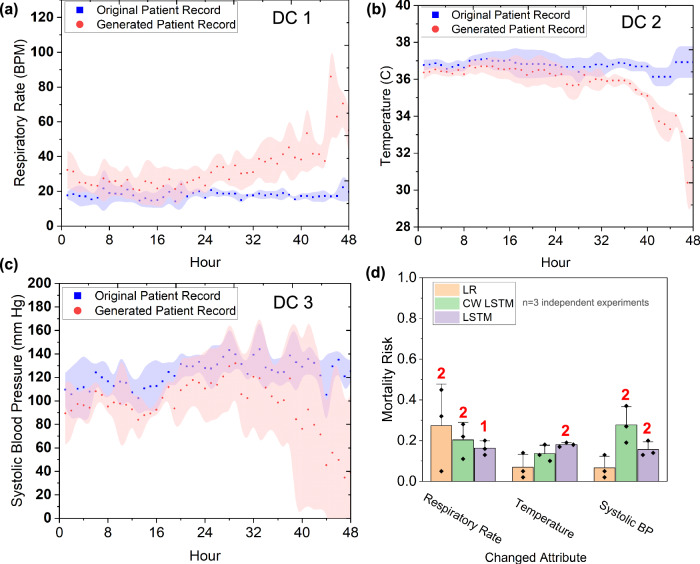
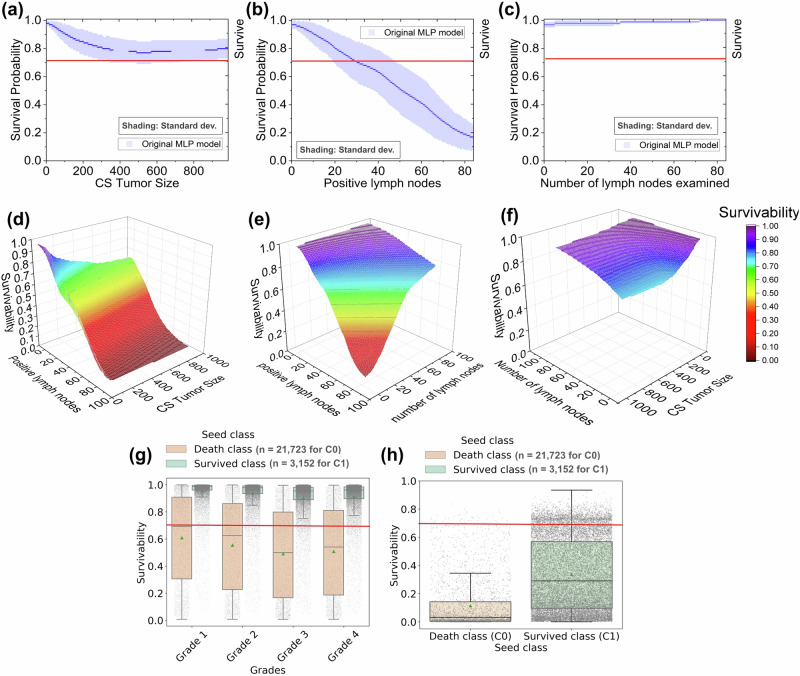
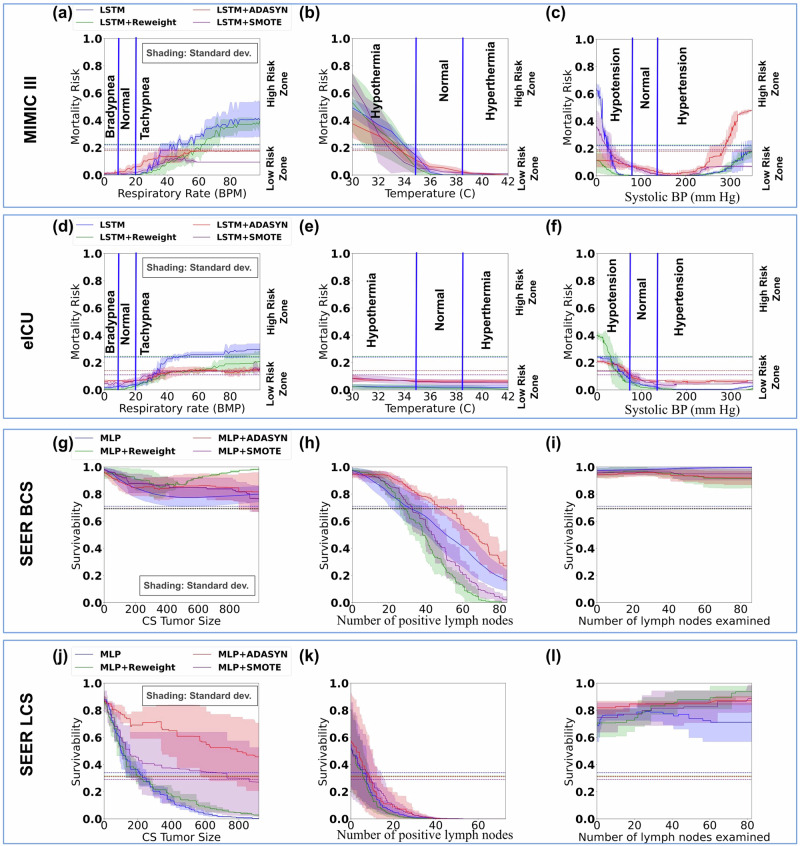
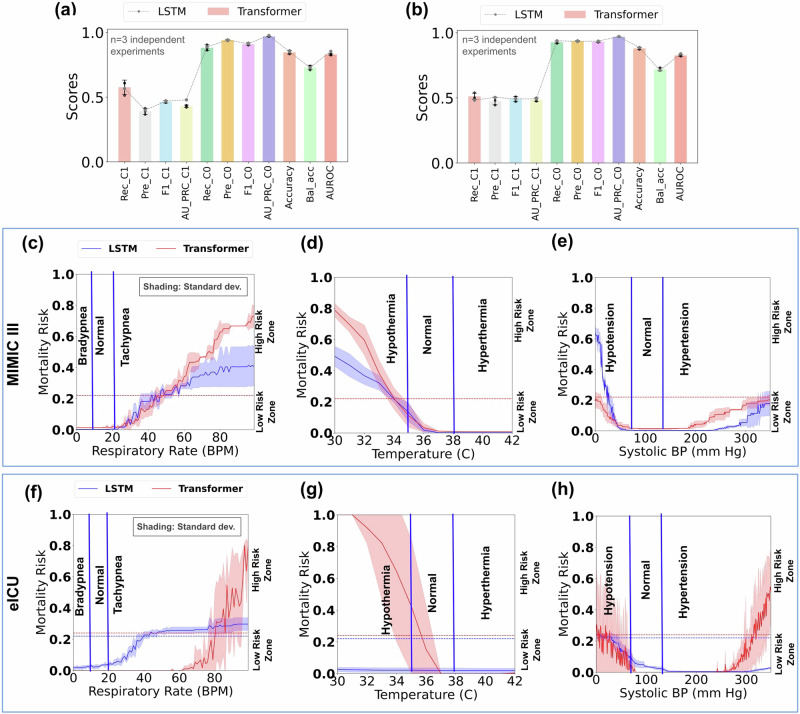
BACKGROUND: Machine learning (ML) based mortality prediction models can be immensely useful in intensive care units. Such a model should generate warnings to alert physicians when a patient's condition rapidly deteriorates, or their vitals are in highly abnormal ranges. Before clinical deployment, it is important to comprehensively assess a model's ability to recognize critical patient conditions. METHODS: We develop multiple medical ML testing approaches, including a gradient ascent method and neural activation map. We systematically assess these machine learning models' ability to respond to serious medical conditions using additional test cases, some of which are time series. Guided by medical doctors, our evaluation involves multiple machine learning models, resampling techniques, and four datasets for two clinical prediction tasks. RESULTS: We identify serious deficiencies in the models' responsiveness, with the models being unable to recognize severely impaired medical conditions or rapidly deteriorating health. For in-hospital mortality prediction, the models tested using our synthesized cases fail to recognize 66% of the injuries. In some instances, the models fail to generate adequate mortality risk scores for all test cases. Our study identifies similar kinds of deficiencies in the responsiveness of 5-year breast and lung cancer prediction models. CONCLUSIONS: Using generated test cases, we find that statistical machine-learning models trained solely from patient data are grossly insufficient and have many dangerous blind spots. Most of the ML models tested fail to respond adequately to critically ill patients. How to incorporate medical knowledge into clinical machine learning models is an important future research direction.
Overview
The claims and statistics of this paper haven’t been checked yet.
Free: it reads the open-access text and checks the first 5 claims that cite a source we can check. Create a free account to check every claim.
Integrity signals
Registry
Cites
Statistics
Figures
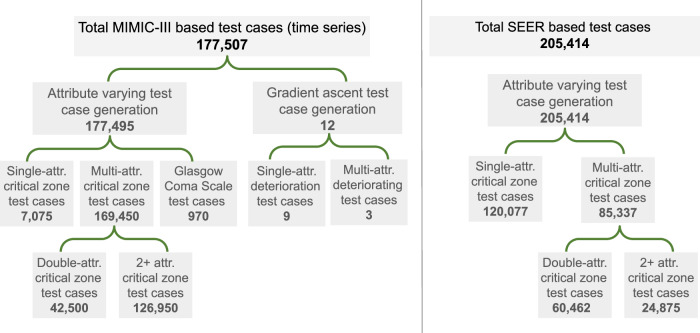
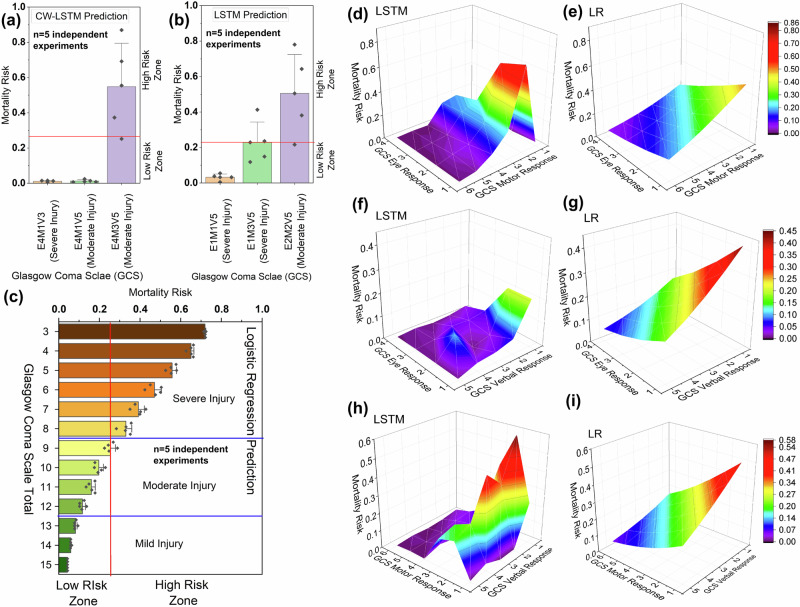
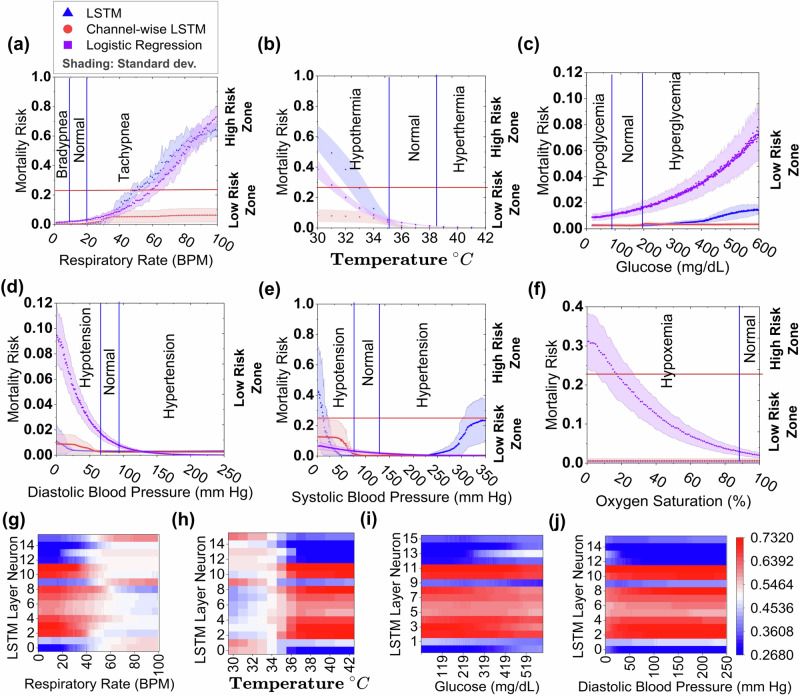
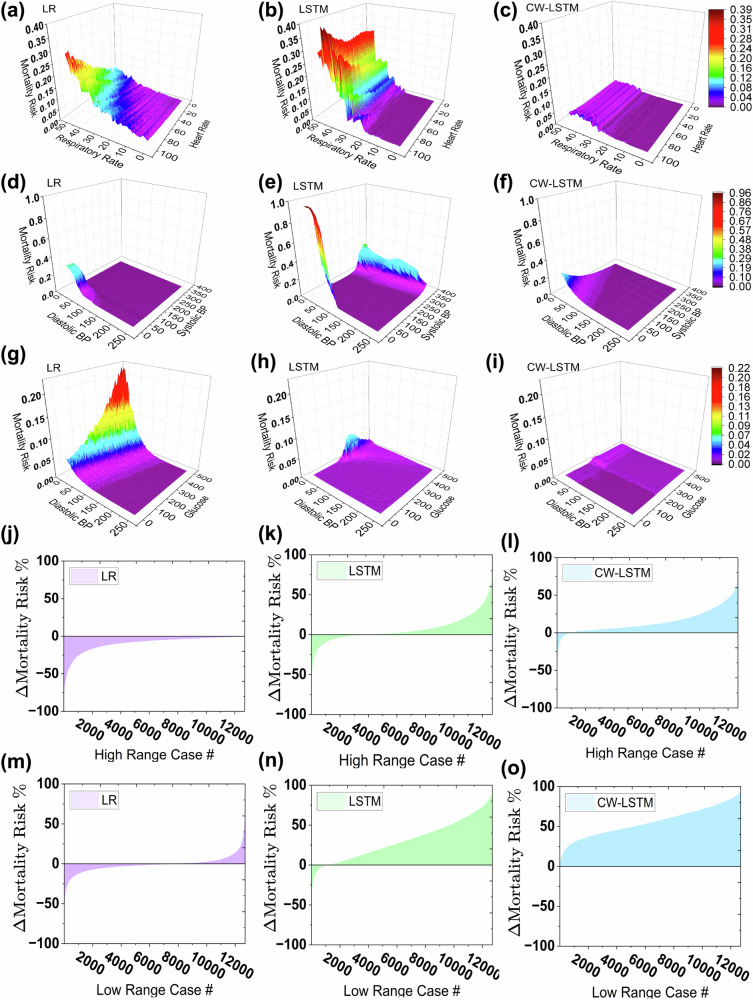
Verification
Claims the paper makes
The claims and statistics of this paper haven’t been checked yet.
Free: it reads the open-access text and checks the first 5 claims that cite a source we can check. Create a free account to check every claim.
Claims other papers make about this one
Each is checked against this paper’s own text: does it say what the citing paper says it does?
The source backs part of the claim, not all of it — or backs it for a different population, condition or comparison.
In the citing paper
“A recent study clearly demonstrated this issue, revealing that AI models missed approximately 66% of life-threatening injuries in hospitalized patients, underscoring the urgent need for robust calibration procedures [5].”
From Enhancing Clinician Trust in AI Diagnostics: A Dynamic Framework for Confidence Calibration and Transparency (2025) · cites this paper as [5]
Experimental — accuracy not yet measured
Self-check
Percentages, sums and reported differences re-computed from the paper’s own numbers.
The self-check needs the paper’s full text.
Citations
Cites
The FAIR Guiding Principles for scientific data management and stewardship
Wilkinson, M. D., Dumontier, M., Aalbersberg, I. J., Appleton, G., Axton, M., Baak, A., Blomberg, N., Boiten, J.-W., da Silva Santos, L. B., Bourne, P. E., et al. (2016) · Scientific Data · doi:10.1038/sdata.2016.18 · Cited by 18,423
"Why Should I Trust You?": Explaining the Predictions of Any Classifier
Ribeiro, M. T., Singh, S., & Guestrin, C. (2016) · Proceedings of the 22nd ACM SIGKDD International Conference on Knowledge Discovery and Data Mining · doi:10.1145/2939672.2939778 · Cited by 17,555
MIMIC-III, a freely accessible critical care database
Johnson, A. E. W., Pollard, T. J., Shen, L., Lehman, L.-W. H., Feng, M., Ghassemi, M., Moody, B., Szolovits, P., Anthony Celi, L., & Mark, R. G. (2016) · Scientific Data · doi:10.1038/sdata.2016.35 · Cited by 8,141 · cited 1×
“13 out of the 17 attributes have negative coef fi cients, e.g., the temperature is strongly inversely correlated with the predicted probability (Supplementary Fig.”
Topics in Optimal Transportation
Villani, C. (2003) · Graduate Studies in Mathematics · doi:10.1090/gsm/058 · Cited by 4,412
Pollard, T. J., Johnson, A. E. W., Raffa, J. D., Celi, L. A., Mark, R. G., & Badawi, O. (2018) · Scientific Data · doi:10.1038/sdata.2018.178 · Cited by 1,993
Abràmoff, M. D., Lavin, P. T., Birch, M., Shah, N., & Folk, J. C. (2018) · npj Digital Medicine · doi:10.1038/s41746-018-0040-6 · Cited by 1,638
Potential Biases in Machine Learning Algorithms Using Electronic Health Record Data
Gianfrancesco, M. A., Tamang, S., Yazdany, J., & Schmajuk, G. (2018) · JAMA Internal Medicine · doi:10.1001/jamainternmed.2018.3763 · Cited by 1,395
DeepXplore: Automated Whitebox Testing of Deep Learning Systems
Pei, K., Cao, Y., Yang, J., & Jana, S. (2017) · Proceedings of the 26th Symposium on Operating Systems Principles · doi:10.1145/3132747.3132785 · Cited by 1,217 · cited 1×
“Recently, generative technologies have been proposed to produce curated manmade images for testing self-driving vehicles 9,10 .”
DeepTest: automated testing of deep-neural-network-driven autonomous cars
Tian, Y., Pei, K., Jana, S., & Ray, B. (2018) · Proceedings of the 40th International Conference on Software Engineering · doi:10.1145/3180155.3180220 · Cited by 1,217 · cited 1×
“Recently, generative technologies have been proposed to produce curated manmade images for testing self-driving vehicles 9,10 .”
Huang, L., Joseph, A. D., Nelson, B., Rubinstein, B. I. P., & Tygar, J. D. (2011) · Proceedings of the 4th ACM workshop on Security and artificial intelligence · doi:10.1145/2046684.2046692 · Cited by 1,194 · cited 1×
“In image and natural language domains, a common testing approach is adversarial attacks 39 – 42 .”
Wong, A., Otles, E., Donnelly, J. P., Krumm, A., McCullough, J., DeTroyer-Cooley, O., Pestrue, J., Phillips, M., Konye, J., Penoza, C., et al. (2021) · JAMA Internal Medicine · doi:10.1001/jamainternmed.2021.2626 · Cited by 995
Multitask learning and benchmarking with clinical time series data
Harutyunyan, H., Khachatrian, H., Kale, D. C., Ver Steeg, G., & Galstyan, A. (2019) · Scientific Data · doi:10.1038/s41597-019-0103-9 · Cited by 958 · cited 4×
“Formortalityprediction,wealsoincludechannel-wise long short term memory (CW-LSTM) and linear logistic regression (LR) models from the benchmark study 11 and an advanced transformer model.”
InfluentialGeneralized Out-of-Distribution Detection: A Survey
Yang, J., Zhou, K., Li, Y., & Liu, Z. (2024) · International Journal of Computer Vision · doi:10.1007/s11263-024-02117-4 · Cited by 884 · cited 1×
“Existing solutions for detecting out-of-distribution images 43 cannot be directly applied to clinical settings.”
A large language model for electronic health records
Yang, X., Chen, A., PourNejatian, N., Shin, H. C., Smith, K. E., Parisien, C., Compas, C., Martin, C., Costa, A. B., Flores, M. G., et al. (2022) · npj Digital Medicine · doi:10.1038/s41746-022-00742-2 · Cited by 847
Differentiable Abstract Interpretation for Provably Robust Neural Networks
Mirman, M., Gehr, T., & Vechev, M. (2018) · International Conference on Machine Learning · Cited by 584
Advances, challenges and opportunities in creating data for trustworthy AI
Liang, W., Tadesse, G. A., Ho, D., Fei-Fei, L., Zaharia, M., Zhang, C., & Zou, J. (2022) · Nature Machine Intelligence · doi:10.1038/s42256-022-00516-1 · Cited by 559 · cited 3×
“3, 8, and Supplementary Table 16).”
Optimal Mass Transport: Signal processing and machine-learning applications
Kolouri, S., Park, S. R., Thorpe, M., Slepcev, D., & Rohde, G. K. (2017) · IEEE Signal Processing Magazine · doi:10.1109/msp.2017.2695801 · Cited by 443 · cited 2×
“The distribution shift of the synthesized test dataset from the original training sets was quanti fi ed by Wasserstein distance (WD) 22,23 .”
A study of generative large language model for medical research and healthcare
Peng, C., Yang, X., Chen, A., Smith, K. E., PourNejatian, N., Costa, A. B., Martin, C., Flores, M. G., Zhang, Y., Magoc, T., et al. (2023) · npj Digital Medicine · doi:10.1038/s41746-023-00958-w · Cited by 408
Changes in neuronal activation patterns in response to androgen deprivation therapy: a pilot study
Cherrier, M. M., Borghesani, P. R., Shelton, A. L., & Higano, C. S. (2010) · BMC Cancer · doi:10.1186/1471-2407-10-1 · Cited by 395
Winkler, J. K., Fink, C., Toberer, F., Enk, A., Deinlein, T., Hofmann-Wellenhof, R., Thomas, L., Lallas, A., Blum, A., Stolz, W., et al. (2019) · JAMA Dermatology · doi:10.1001/jamadermatol.2019.1735 · Cited by 365 · cited 3×
“6 multi-attributetestcasesand12deterioratingtestcasesweredirectlylabeledbythemedicaldoctor(SupplementaryTables7and8).”
Grossberg, A. J., Mohamed, A. S. R., Elhalawani, H., Bennett, W. C., Smith, K. E., Nolan, T. S., Williams, B., Chamchod, S., Heukelom, J., Kantor, M. E., et al. (2018) · Scientific Data · doi:10.1038/s41597-018-0002-5 · Cited by 321
Sendak, M. P., Ratliff, W., Sarro, D., Alderton, E., Futoma, J., Gao, M., Nichols, M., Revoir, M., Yashar, F., Miller, C., et al. (2020) · JMIR Medical Informatics · doi:10.2196/15182 · Cited by 287 · cited 1×
“Since then, AI machine learning (ML) based predictive technologies are rapidly made available for incorporation into clinical work fl ows 2 , e.g., for early sepsis detection 3 and predicting surgery time 4 .”
Performance analysis of cost-sensitive learning methods with application to imbalanced medical data
Mienye, I. D., & Sun, Y. (2021) · Informatics in Medicine Unlocked · doi:10.1016/j.imu.2021.100690 · Cited by 187 · cited 1×
“The reweighting technique has demonstrated superior performance in healthcare datasets, as evidenced by prior studies 21 .”
AI/ML for Network Security: The Emperor has no Clothes
Jacobs, A. S., Beltiukov, R., Willinger, W., Ferreira, R. A., Gupta, A. K., & Granville, L. Z. (2022) · ACM SIGSAC Conference on Computer and Communications Security (CCS) · doi:10.1145/3548606.3560609 · Cited by 157 · cited 1×
“Conventionalinterpretabilitytechniques,suchasSHapley AdditiveexPlanations(SHAP) 48 , Local Interpretable Model-Agnostic Explanations 49 , or TRUSTEE 50 , were designed for ML experts, not for clinicians.”
Adversarial Attacks to Machine Learning-Based Smart Healthcare Systems
Newaz, A. I., Haque, N. I., Sikder, A. K., Rahman, M. A., & Uluagac, A. S. (2020) · Globecom · doi:10.1109/globecom42002.2020.9322472 · Cited by 153
Ong, J. C. L., Seng, B. J. J., Law, J. Z. F., Low, L. L., Kwa, A. L. H., Giacomini, K. M., & Ting, D. S. W. (2024) · Cell Reports Medicine · doi:10.1016/j.xcrm.2023.101356 · Cited by 111
Adversarial Attacks Against Medical Deep Learning Systems
Finlayson, S. G., Chung, H. W., Kohane, I. S., & Beam, A. L. (2018) · arXiv (Cornell University) · doi:10.48550/arxiv.1804.05296 · Cited by 98
Benchmarking machine learning models on multi-centre eICU critical care dataset
Sheikhalishahi, S., Balaraman, V., & Osmani, V. (2020) · PLOS ONE · doi:10.1371/journal.pone.0235424 · Cited by 89 · cited 1×
“We train ML models with benchmark datasets of MIMIC-III 11 , eICU 14 , and SEER breast and LCS studies 16 , following the conventional pre-training processing (e.g., encoding, standardization).”
Choi, H. K., Law, W. L., & Poon, J. T. C. (2010) · BMC Cancer · doi:10.1186/1471-2407-10-267 · Cited by 83
Tygar, J. D. (2011) · IEEE Internet Computing · doi:10.1109/mic.2011.112 · Cited by 65
Afrose, S., Song, W., Nemeroff, C. B., Lu, C., & Yao, D. D. (2022) · Communications Medicine · doi:10.1038/s43856-022-00165-w · Cited by 64 · cited 6×
“…studies revealed problems of prediction models under various medical scenarios, e.g., missed detection in mortality prediction or cancer prognosis 5 , poor sepsis forecast by a popular U.S. electronic health record software system Epic 6 , and models creating incorrect predictive shortcuts for…”
InfluentialSelf-citationUsing Clinical Notes with Time Series Data for ICU Management
Khadanga, S., Aggarwal, K., Joty, S., & Srivastava, J. (2019) · Proceedings of the 2019 Conference on Empirical Methods in Natural Language Processing and the 9th International Joint Conference on Natural Language Processing (EMNLP-IJCNLP) · doi:10.18653/v1/d19-1678 · Cited by 63 · cited 1×
“Speci fi cally, we select long short term memory (LSTM) as it is widely used for predicting mortality risk in a 48-h ICU time series dataset — in recent literature 5,17 – 19 .”
Predicting in-hospital mortality by combining clinical notes with time-series data
Deznabi, I., Iyyer, M., & Fiterau, M. (2021) · Findings of the Association for Computational Linguistics: ACL-IJCNLP 2021 · doi:10.18653/v1/2021.findings-acl.352 · Cited by 37 · cited 3×
“Two medical doctors reviewed 18 generated test cases (6 attribute-based cases and 12 gradient-based cases), where the test cases are time series data and the risk scores of the medical doctors ’ output are quantitative, between0 and 1.”
Influential"Why did the Model Fail?": Attributing Model Performance Changes to Distribution ShiftsPreprint
Zhang, H., Singh, H., Ghassemi, M., & Joshi, S. D. (2022) · arXiv (Cornell University) · doi:10.48550/arxiv.2210.10769 · Cited by 35 · cited 2×
“Speci fi cally, we select long short term memory (LSTM) as it is widely used for predicting mortality risk in a 48-h ICU time series dataset — in recent literature 5,17 – 19 .”
InfluentialSapra, A., Malik, A., & Bhandari, P. (2019) · StatPearls · Cited by 31
Evaluation of lymph node numbers for adequate staging of Stage II and III colon cancer
Shanmugam, C., Hines, R. B., Jhala, N. C., Katkoori, V. R., Zhang, B., Posey, J. A., Bumpers, H. L., Grizzle, W. E., Eltoum, I., Siegal, G. P., et al. (2011) · Journal of Hematology & Oncology · doi:10.1186/1756-8722-4-25 · Cited by 28
Zaribafzadeh, H., Webster, W. L., Vail, C. J., Daigle, T., Kirk, A. D., Allen, P. J., Henao, R., & Buckland, D. M. (2023) · Annals of Surgery · doi:10.1097/sla.0000000000005936 · Cited by 28 · cited 1×
“Since then, AI machine learning (ML) based predictive technologies are rapidly made available for incorporation into clinical work fl ows 2 , e.g., for early sepsis detection 3 and predicting surgery time 4 .”
Reproducible Survival Prediction with SEER Cancer Data
Hegselmann, S., Greulich, L., Varghese, J., & Dugas, M. (2018) · Machine Learning for Healthcare Conference · Cited by 9
Evaluating Model Performance in Medical Datasets Over TimePreprint
Zhou, H. H., Chen, Y., & Lipton, Z. C. (2023) · arXiv (Cornell University) · doi:10.48550/arxiv.2305.13426 · Cited by 8 · cited 1×
“Similarly, for cancer survivability prediction, we selected multi-layer perceptron (MLP), which was commonly used in analyzing SEER datasets 5,16,20 .”
Yong, J., Ding, B., Dong, Y., & Yang, M. (2022) · Frontiers in Oncology · doi:10.3389/fonc.2022.994105 · Cited by 7
Quantifying the number of lymph nodes for examination in breast cancer
Sun, L., Li, P., Ren, H., Liu, G., & Sun, L. (2019) · Journal of International Medical Research · doi:10.1177/0300060519879594 · Cited by 6 · cited 1×
“For ELNs, the previous studies using SEER datasets 30,31 suggestedusingatleast8-9ELNsforstageT1diagnosis,37ELNs for T2 diagnosis, and 87 ELNs for T3 diagnosis.”
Impact of Inadequate Number of Lymph Nodes Examined on Survival in Stage II Colon Cancer
Wu, Q., Zhang, Z., Chen, Y., Jiang, C., Jiang, Y., Zhu, D., & Wei, Y. (2021) · Frontiers in Oncology · doi:10.3389/fonc.2021.736678 · Cited by 6 · cited 1×
“Several studies proposed that there should be a standard (or a minimum) number of ELN cancer diagnoses 26 – 29 .”
Chi, H., Zhang, C., Wang, H., & Wang, Z. (2017) · Oncotarget · doi:10.18632/oncotarget.20052 · Cited by 4
Stolen Risks of Models with Security Properties
Qin, Y., Fu, Z., Deng, C., Liao, X., Zhang, J., & Duan, H. (2023) · ACM SIGSAC Conference on Computer and Communications Security (CCS) · doi:10.1145/3576915.3616653 · Cited by 2 · cited 1×
“Lipschitzness, a common ML robustness metric, measures the model ’ s resilience to noisy data and perturbations 38 .”
Code: Low Responsiveness of Machine Learning Models to Critical or Deteriorating Health Conditions
Pias, T. S. (2024) · Zenodo (CERN European Organization for Nuclear Research) · doi:10.5281/zenodo.14254247 · Cited by 1
Self-citation(2024) · doi:10.1038/s41591-024-02897-9
Research works printed but not linked: 3
- Johnson, A., Pollard, T. & Mark, R. MIMIC-III clinical database (version 1.4). PhysioNet 10, 2 (2016).
- Jain, S. & Iverson, L. M. Glasgow coma scale. (2018). 30020670
- Lundberg, S. M., & Lee, S. I. A unified approach to interpreting model predictions. Proceedings of the Advances in Neural Information Processing Systems 30 (Curran Associates, Inc. 2017).
Cited by
Yu, Y., Gomez-Cabello, C. A., Haider, S. A., Genovese, A., Prabha, S., Trabilsy, M., Collaco, B. G., Wood, N. G., Bagaria, S., Tao, C., et al. (2025) · Diagnostics · doi:10.3390/diagnostics15172204 · Cited by 32
“A recent study clearly demonstrated this issue, revealing that AI models missed approximately 66% of life-threatening injuries in hospitalized patients, underscoring the urgent need for robust calibration procedures [5].”
Imaezue, G. C., & Marampelly, H. (2025) · Journal of Speech Language and Hearing Research · doi:10.1044/2025_jslhr-25-00003 · Cited by 10
“However, AI-driven clinical care also poses risks such as inaccurate or biased outputs, reduced human oversight, and potential loss of human connection in therapy (Botha et al., 2024; Karimian et al., 2022; Pias et al., 2025).”
Enhancing Fairness and Accuracy in Diagnosing Type 2 Diabetes in Young Adult Population
Pias, T. S., Su, Y., Tang, X., Wang, H., Faghani, S., & Yao, D. D. (2025) · IEEE Journal of Biomedical and Health Informatics · doi:10.1109/jbhi.2025.3616312 · Cited by 17
“However, health data can be imbalanced, which could potentially lead machine learning models to learn patterns with existing bias from the provided data [19], [20], [21], [22] causing low performance [23].”
Self-citationWang, Y., Islam, M. M., Okere, A. N., Poly, T. N., & Lin, M. (2026) · Endocrine · doi:10.1007/s12020-025-04514-2 · Cited by 2
“Indeed, missing high-risk patients (false negatives) could delay critical care, so future work should focus on optimizing recall through cost-sensitive learning or threshold adjustments [65].”
Safeguarding AI-driven digital health – An adaptation of the Swiss cheese model for safety
Denecke, K. (2026) · Digital Health · doi:10.1177/20552076261459551 · Cited by 3
Metadata
- Authors
- Pias, T. S., Afrose, S., Tuli, M. D., Trisha, I. H., Deng, X., Nemeroff, C. B., & Yao, D. D.
- Affiliations
- Virginia Tech (US)
- Oak Ridge National Laboratory (US)
- Green Life Medical College (BD)
- University of Arizona (US)
- The University of Texas at Austin (US)
- Corresponding author
- Yao, Danfeng Daphne
- Venue
- Communications Medicine
- Published
- 2025-03-11
- Volume
- 5
- Issue
- 1
- Pages
- 62-62
- ISSN
- 2730-664X (ISSN-L)
- PMC
- PMC11897252
- OpenAlex
- W4408341851
- Cited by
- 10
- References
- 48
- Citations by year
- 2026: 5 · 2025: 5
- FWCI
- 4.01
- Type
- journal article
- Language
- en
- Open access
- gold
- doi.org
- Licence
- cc-by-nc-nd
- creativecommons.org/licenses/by-nc-nd/4.0 (tdm)
- creativecommons.org/licenses/by-nc-nd/4.0 (vor)
- Locations
- Communications Medicine (publishedVersion, cc-by-nc-nd)
- medRxiv (acceptedVersion, cc-by-nc-nd)
- Europe PMC (PubMed Central) (publishedVersion, cc-by-nc-nd)
- PubMed Central (publishedVersion, cc-by-nc-nd)
- PubMed (publishedVersion)
- VTechWorks (Virginia Tech) (publishedVersion, cc-by-nc-nd)
- OSTI OAI (U.S. Department of Energy Office of Scientific and Technical Information) (submittedVersion, cc-by-nc-nd)
- DOAJ (DOAJ: Directory of Open Access Journals) (submittedVersion, cc-by-sa)
- Topics
- Physical Sciences › Computer Science › Artificial Intelligence › Machine Learning in Healthcare
- Health Sciences › Health Professions › Health Information Management › Artificial Intelligence in Healthcare
- Health Sciences › Medicine › Health Informatics › Artificial Intelligence in Healthcare and Education
- Keywords
- machine learning model evaluation, mortality prediction, intensive care unit, gradient ascent, synthetic test cases, in-hospital mortality, breast cancer prediction, lung cancer prediction
About these checks
Registry, retraction, Cites and statistics results are computed, not judged, with one exception: a printed reference that no index lists is read once by a model before it counts as a citation error. Claims are extracted by a model and kept only when their quote appears verbatim in the text; each cited source is then checked, with a model’s help, for whether it says what the claim relies on. Those verdicts can be wrong — read the claim’s quote and the cited source before relying on one.
Statistics and arithmetic are recomputed, not judged.
Confidence bands are shown only for fields calibrated on our annotated test set. None is calibrated yet, so no band is shown.
What counts as a claim ›How we measure confidence ›How we check this ›
Are you an author, or do you see a problem with this page? Request a review
Data sources
Bibliographic data: Semantic Scholar, OpenAlex, Crossref.
Contains information from the Semantic Scholar Academic Graph Datasets, made available under the ODC Attribution License (ODC-BY 1.0).
Semantic Scholar’s data is described in: Kinney, R., et al. (2023). The Semantic Scholar Open Data Platform. arXiv:2301.10140.
