

Proteomic aging signatures across mouse organs and life stages
Open accessThe DOI matches its Crossref record; 63 of the 63 references it cites were found in a registry or an index.
Abstract
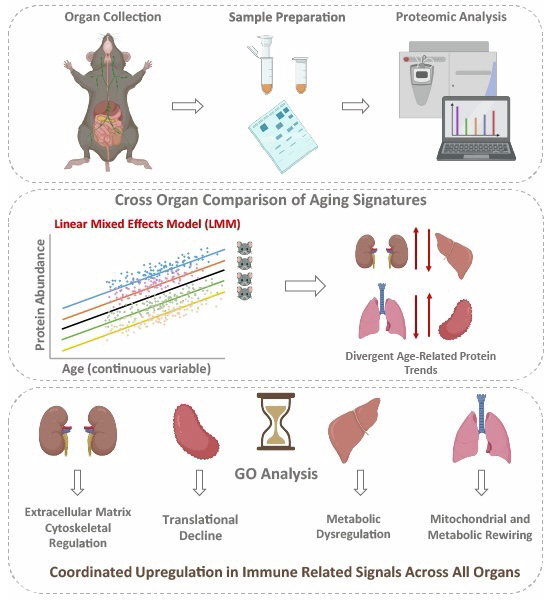
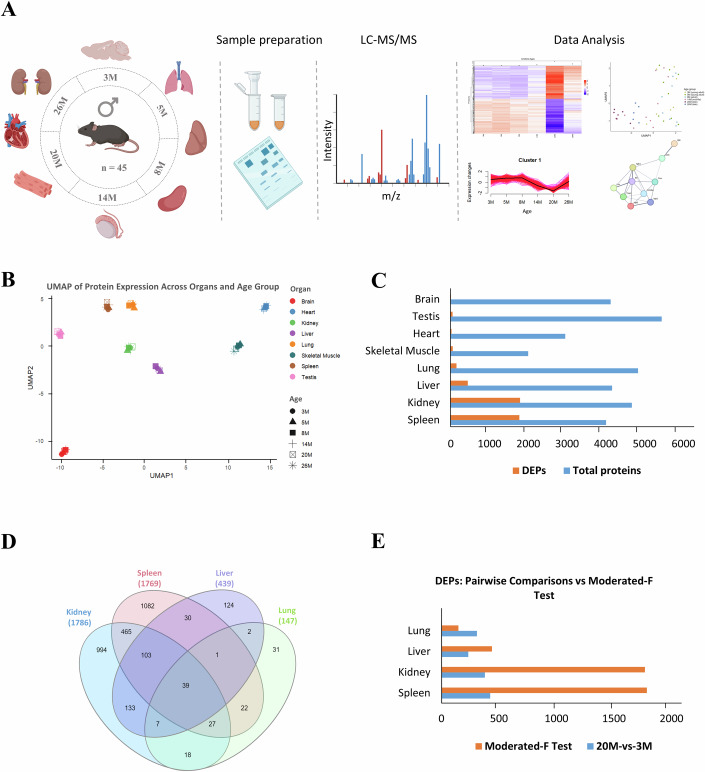
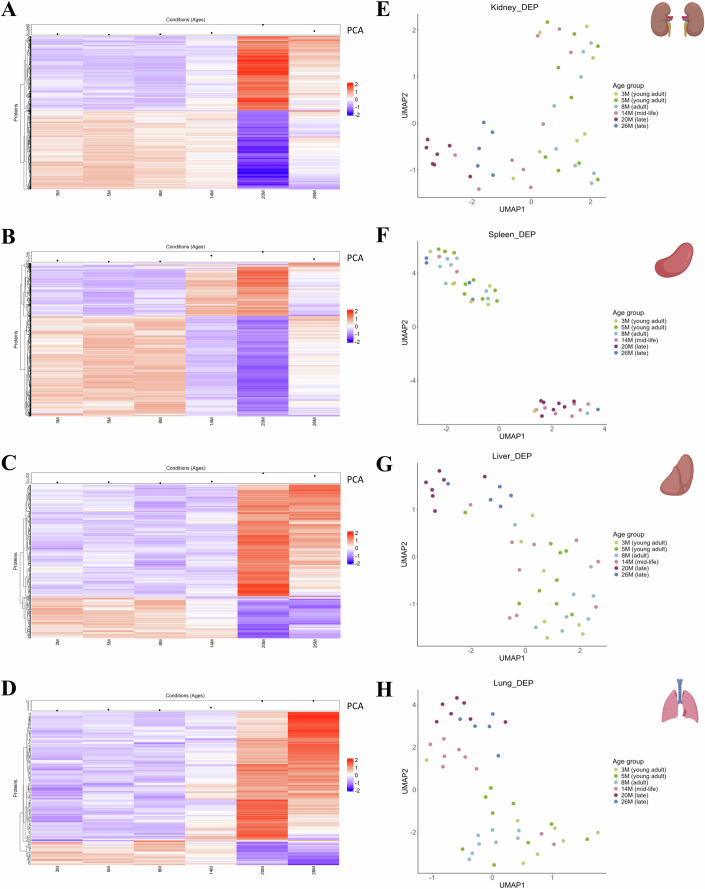
Aging is associated with the accumulation of molecular damage, functional decline, increasing disease prevalence, and ultimately mortality. Although our system-wide understanding of aging has significantly progressed at the genomic and transcriptomic levels, the availability of large-scale proteomic datasets remains limited. To address this gap, we have conducted an unbiased quantitative proteomic analysis in male C57BL/6J mice, examining eight key organs (brain, heart, lung, liver, kidney, spleen, skeletal muscle, and testis) across six life stages (3, 5, 8, 14, 20, and 26-month-old animals). Our results reveal age-associated organ-specific as well as systemic proteomic alterations, with the earliest and most extensive changes observed in the kidney and spleen, followed by liver and lung, while the proteomic profiles of brain, heart, testis, and skeletal muscle remain more stable. Isolation of the non-blood-associated proteome allowed us to identify organ-specific aging processes, including oxidative phosphorylation in the kidney and lipid metabolism in the liver, alongside shared aging signatures. Trajectory and network analyses further reveal key protein hubs linked to age-related proteomic shifts. These results provide a system-level resource of protein changes during aging in mice, and identify potential molecular regulators of age-related decline.
Overview
The claims and statistics of this paper haven’t been checked yet.
Free: it reads the open-access text and checks the first 5 claims that cite a source we can check. Create a free account to check every claim.
Integrity signals
Registry
Cites
Statistics
Figures
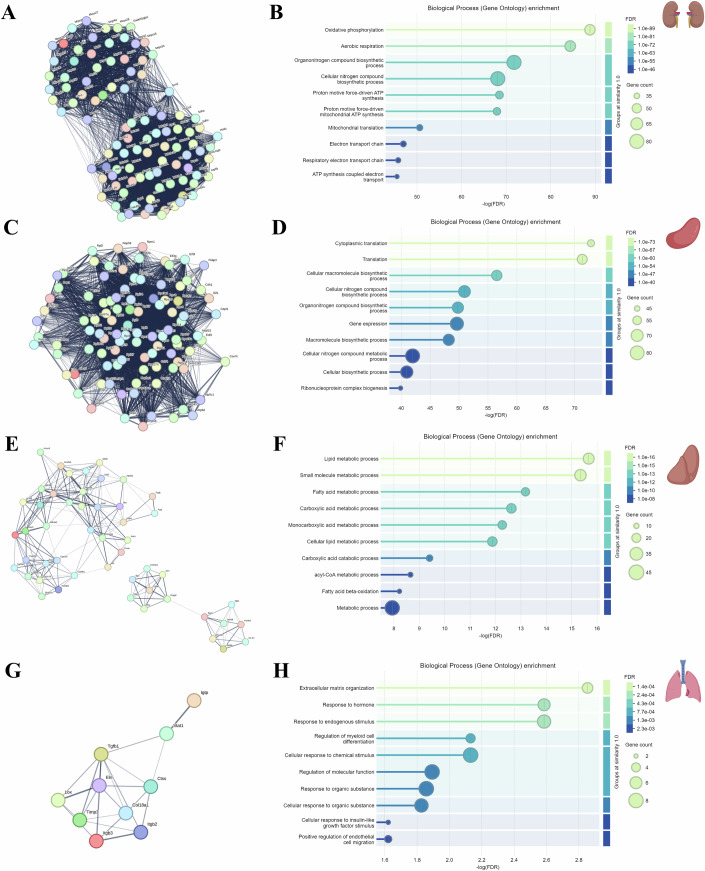
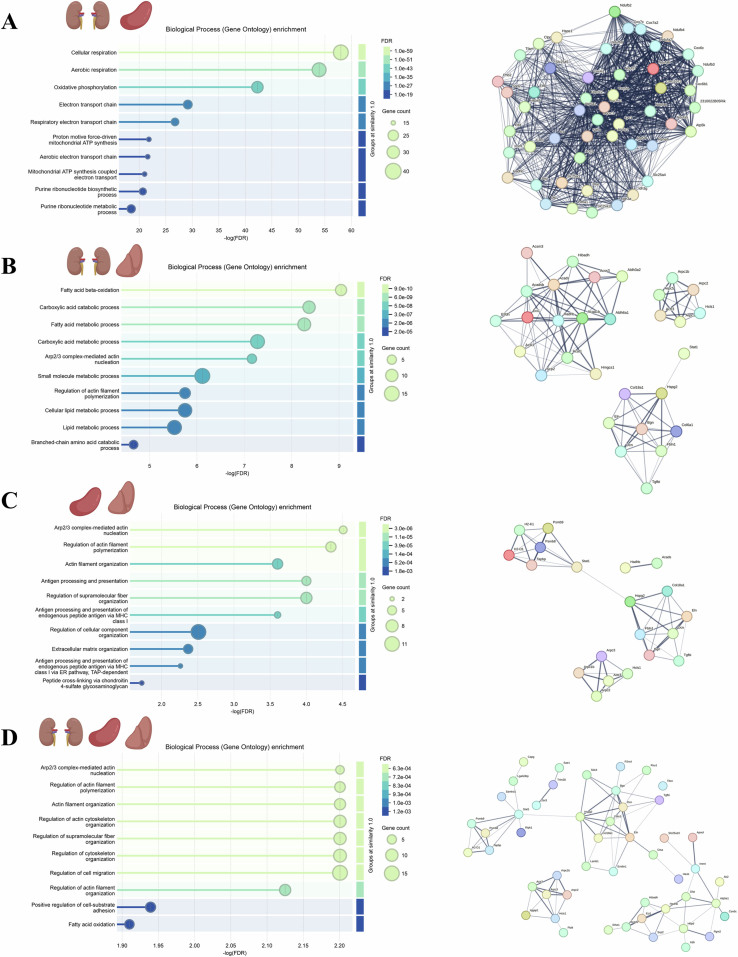
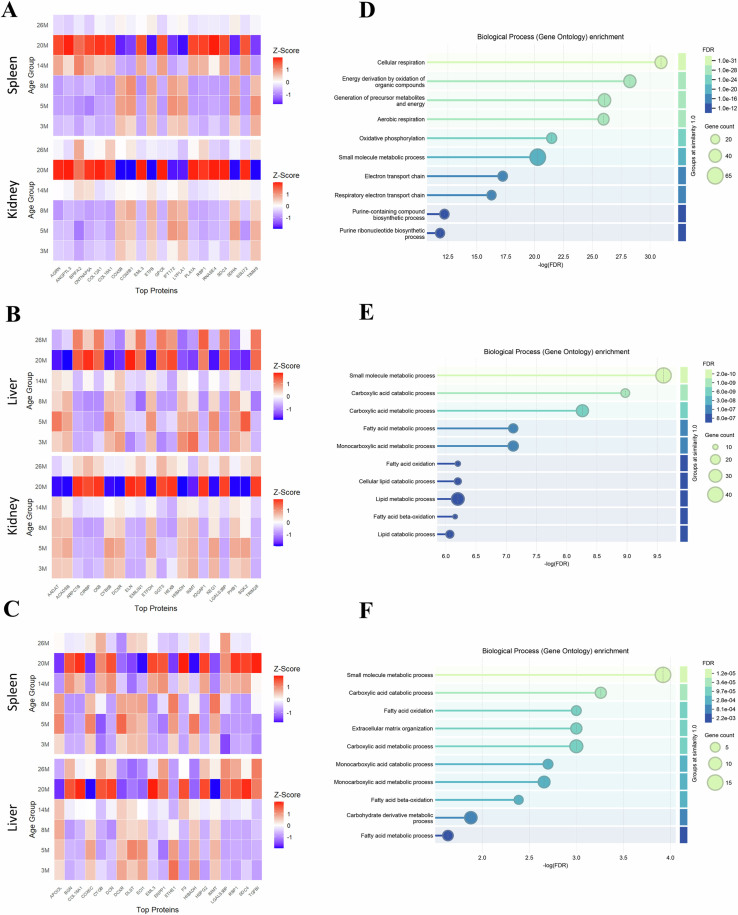
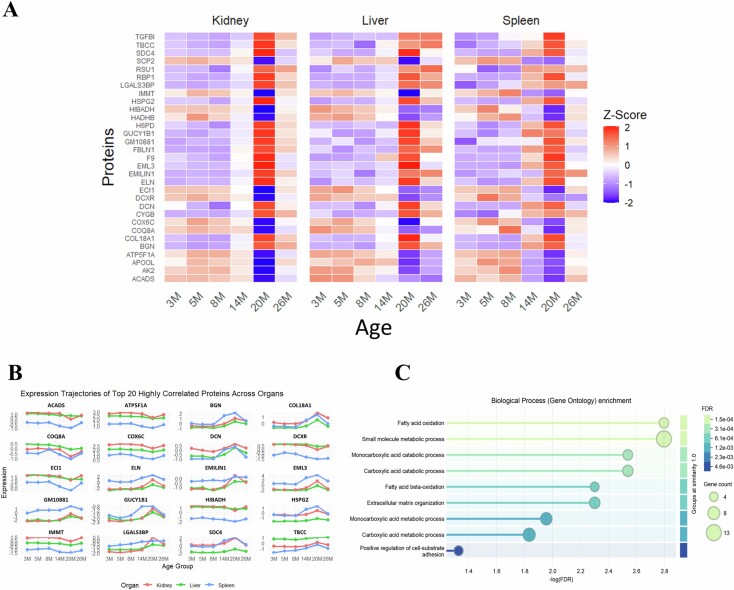
Verification
Claims the paper makes
The claims and statistics of this paper haven’t been checked yet.
Free: it reads the open-access text and checks the first 5 claims that cite a source we can check. Create a free account to check every claim.
Claims other papers make about this one
Each is checked against this paper’s own text: does it say what the citing paper says it does?
The source backs part of the claim, not all of it — or backs it for a different population, condition or comparison.
In the citing paper
“after applying machine learning, each tissue showed increasing senescence scores starting at 14 months of age in many tissues (Figure 4O).”
From SenCat: Cataloging human cell senescence through multi-omic profiling of multiple senescent primary cell types (2026) · cites this paper as [36]
Experimental — accuracy not yet measured
Self-check
Percentages, sums and reported differences re-computed from the paper’s own numbers.
The self-check needs the paper’s full text.
Citations
Cites
limma powers differential expression analyses for RNA-sequencing and microarray studies
Ritchie, M. E., Phipson, B., Wu, D., Hu, Y., Law, C. W., Shi, W., & Smyth, G. K. (2015) · Nucleic Acids Research · doi:10.1093/nar/gkv007 · Cited by 40,458 · cited 1×
“Traditional pairwise comparisons between two time points can overlook the continuous nature of biological aging, potentially leading to biased interpretations (Ritchie et al, 2015).”
Smyth, G. K. (2004) · Statistical Applications in Genetics and Molecular Biology · doi:10.2202/1544-6115.1027 · Cited by 11,829
Universal sample preparation method for proteome analysis
Wiśniewski, J. R., Zougman, A., Nagaraj, N., & Mann, M. (2009) · Nature Methods · doi:10.1038/nmeth.1322 · Cited by 8,352 · cited 1×
“FASP enables effective proteolysis of low-quantity samples, producing high-quality tryptic peptides for shotgun proteomics (Wisniewski, 2016; Wisniewski et al, 2009).”
Hallmarks of aging: An expanding universe
López-Otín, C., Blasco, M. A., Partridge, L., Serrano, M., & Kroemer, G. (2023) · Cell · doi:10.1016/j.cell.2022.11.001 · Cited by 6,549
Dimensionality reduction for visualizing single-cell data using UMAP
Becht, E., McInnes, L., Healy, J., Dutertre, C.-A., Kwok, I. W. H., Ng, L. G., Ginhoux, F., & Newell, E. W. (2019) · Nature Biotechnology · doi:10.1038/nbt.4314 · Cited by 5,358 · cited 9×
“Differential expression and UMAP analyses are based on 5 – 9 biological replicates for the various age groups: 7 (3 and 20 months), 9 (5 and 14 months), 8 (8 months), and 5 (26 months).”
InfluentialSkyline: an open source document editor for creating and analyzing targeted proteomics experiments
MacLean, B., Tomazela, D. M., Shulman, N., Chambers, M., Finney, G. L., Frewen, B., Kern, R., Tabb, D. L., Liebler, D. C., & MacCoss, M. J. (2010) · Bioinformatics · doi:10.1093/bioinformatics/btq054 · Cited by 4,697 · cited 1×
“Peak area data for endogenous (light) and corresponding heavy internal standard (IS) peptides were extracted using Skyline software (version 21.1.0.278) (MacLean et al, 2010).”
InfluentialMfuzz: A software package for soft clustering of microarray data
Kumar, L., & Futschik, M. E. (2007) · Bioinformation · doi:10.6026/97320630002005 · Cited by 1,986 · cited 2×
“Clustering parameters were guided by the partition coef fi cient (PC) and partition entropy (PE), with the optimal fuzzi fi er (m) estimated using the mestimate function (Futschik and Carlisle, 2005; Kumar and E Futschik, 2007).”
The proof and measurement of association between two things
Spearman, C. (2010) · International Journal of Epidemiology · doi:10.1093/ije/dyq191 · Cited by 1,681 · cited 1×
“Enzo Scifo et al protein changes amongst shared DEPs in kidney and liver, kidney and spleen, as well as the liver and spleen, using Spearman ’ s rank correlation coef fi cient (Spearman, 2010).”
Transcriptional regulatory circuits controlling mitochondrial biogenesis and function
Kelly, D. P., & Scarpulla, R. C. (2004) · Genes & Development · doi:10.1101/gad.1177604 · Cited by 1,243 · cited 1×
“This decline coincided with reductions in TFAM (mitochondrial biogenesis) (Kelly and Scarpulla, 2004), SOD2 (antioxidant defense) (Cramer-Morales et al, 2015), and PARK7 (mitochondrial protection) (Irrcher et al, 2010), suggesting a transient phase of mitochondrial vulnerability (Dataset EV4).”
Undulating changes in human plasma proteome profiles across the lifespan
Lehallier, B., Gate, D., Schaum, N., Nanasi, T., Lee, S. E., Yousef, H., Moran Losada, P., Berdnik, D., Keller, A., Verghese, J., et al. (2019) · Nature Medicine · doi:10.1038/s41591-019-0673-2 · Cited by 981 · cited 2×
“A landmark human plasma proteomic study involving over 4000 healthy adults revealed that aging is a dynamic, non-linear process, marked by waves of protein changes (Lehallier et al, 2019).”
Epigenetic mechanisms of longevity and aging
Sen, P., Shah, P. P., Nativio, R., & Berger, S. L. (2016) · Cell · doi:10.1016/j.cell.2016.07.050 · Cited by 956 · cited 1×
“Extensive research has documented aging-related changes in the genome, epigenome, and transcriptome (Davie et al, 2018; Sen et al, 2016; Zou et al, 2000).”
A Single-Cell Transcriptome Atlas of the Aging Drosophila Brain
Davie, K., Janssens, J., Koldere, D., De Waegeneer, M., Pech, U., Kreft, Ł., Aibar, S., Makhzami, S., Christiaens, V., Bravo González-Blas, C., et al. (2018) · Cell · doi:10.1016/j.cell.2018.05.057 · Cited by 840 · cited 1×
“Extensive research has documented aging-related changes in the genome, epigenome, and transcriptome (Davie et al, 2018; Sen et al, 2016; Zou et al, 2000).”
Plasma Proteome Profiling to Assess Human Health and Disease
Geyer, P. E., Kulak, N. A., Pichler, G., Holdt, L. M., Teupser, D., & Mann, M. (2016) · Cell Systems · doi:10.1016/j.cels.2016.02.015 · Cited by 734 · cited 1×
“Mass spectrometry-based global proteomics allows researchers to identify and quantify proteins associated with speci fi c cellular processes in complex biological samples, providing insights into cellular function and dynamics (Dengjel et al, 2012; Geyer et al, 2016; Itzhak et al, 2017).”
jPOSTrepo: an international standard data repository for proteomes
Okuda, S., Watanabe, Y., Moriya, Y., Kawano, S., Yamamoto, T., Matsumoto, M., Takami, T., Kobayashi, D., Araki, N., Yoshizawa, A. C., et al. (2017) · Nucleic Acids Research · doi:10.1093/nar/gkw1080 · Cited by 692
Ageing hallmarks exhibit organ-specific temporal signatures
Schaum, N., Lehallier, B., Hahn, O., Pálovics, R., Hosseinzadeh, S., Lee, S. E., Sit, R., Lee, D. P., Losada, P. M., Zardeneta, M. E., et al. (2020) · Nature · doi:10.1038/s41586-020-2499-y · Cited by 671 · cited 1×
“Moreover, C57BL/6 mice were also recently employed in recent large-scale multi-organ aging studies (Schaum et al, 2020; Takasugi et al, 2024), thus allowing for comparative analysis with our study.”
An atlas of the aging lung mapped by single cell transcriptomics and deep tissue proteomics
Angelidis, I., Simon, L. M., Fernandez, I. E., Strunz, M., Mayr, C. H., Greiffo, F. R., Tsitsiridis, G., Ansari, M., Graf, E., Strom, T.-M., et al. (2019) · Nature Communications · doi:10.1038/s41467-019-08831-9 · Cited by 637 · cited 3×
“Our fi ndings are in contrast to most previous reports, which indicated only modest alterations in protein levels of the mouse organs studied, at the late adult stage (Angelidis et al, 2019; Oliviero et al, 2022; Ori et al, 2015; Walther and Mann, 2011).”
NOISE-ROBUST SOFT CLUSTERING OF GENE EXPRESSION TIME-COURSE DATA
FUTSCHIK, M. E., & CARLISLE, B. (2005) · Journal of Bioinformatics and Computational Biology · doi:10.1142/s0219720005001375 · Cited by 541 · cited 1×
“Clustering parameters were guided by the partition coef fi cient (PC) and partition entropy (PE), with the optimal fuzzi fi er (m) estimated using the mestimate function (Futschik and Carlisle, 2005; Kumar and E Futschik, 2007).”
The good and the bad collagens of fibrosis – Their role in signaling and organ function
Karsdal, M. A., Nielsen, S. H., Leeming, D. J., Langholm, L. L., Nielsen, M. J., Manon-Jensen, T., Siebuhr, A., Gudmann, N. S., Rønnow, S., Sand, J. M., et al. (2017) · Advanced Drug Delivery Reviews · doi:10.1016/j.addr.2017.07.014 · Cited by 509 · cited 1×
“These proteins form a network that governs ECM stability and late-stage upregulation of COL18A1 and down-regulation of ELN, both of which highlight a unique pattern of structural vulnerability to lung fi brosis (Karsdal et al, 2017) and reduced elasticity (Mecham, 2018) in the aging lung.”
An Optimized Shotgun Strategy for the Rapid Generation of Comprehensive Human Proteomes
Bekker-Jensen, D. B., Kelstrup, C. D., Batth, T. S., Larsen, S. C., Haldrup, C., Bramsen, J. B., Sørensen, K. D., Høyer, S., Ørntoft, T. F., Andersen, C. L., et al. (2017) · Cell Systems · doi:10.1016/j.cels.2017.05.009 · Cited by 490 · cited 1×
“However, this approach requires signi fi cant instrument time to address stochastic peptide sampling limitations (Bekker-Jensen et al, 2017).”
Outer mitochondrial membrane permeability can regulate coupled respiration and cell survival
Vander Heiden, M. G., Chandel, N. S., Li, X. X., Schumacker, P. T., Colombini, M., & Thompson, C. B. (2000) · Proceedings of the National Academy of Sciences · doi:10.1073/pnas.090082297 · Cited by 444 · cited 1×
“The subsequent recovery of VDAC1, TFAM, and SOD2 at 26 months indicates a compensatory mitochondrial remodeling response, potentially re fl ecting metabolic adaptation (Vander Heiden et al, 2000).”
Loss of the Parkinson's disease-linked gene DJ-1 perturbs mitochondrial dynamics
Irrcher, I., Aleyasin, H., Seifert, E. L., Hewitt, S. J., Chhabra, S., Phillips, M., Lutz, A. K., Rousseaux, M. W. C., Bevilacqua, L., Jahani-Asl, A., et al. (2010) · Human Molecular Genetics · doi:10.1093/hmg/ddq288 · Cited by 382 · cited 1×
“This decline coincided with reductions in TFAM (mitochondrial biogenesis) (Kelly and Scarpulla, 2004), SOD2 (antioxidant defense) (Cramer-Morales et al, 2015), and PARK7 (mitochondrial protection) (Irrcher et al, 2010), suggesting a transient phase of mitochondrial vulnerability (Dataset EV4).”
Althoff, T., Mills, D. J., Popot, J.-L., & Kühlbrandt, W. (2011) · The EMBO Journal · doi:10.1038/emboj.2011.324 · Cited by 334 · cited 1×
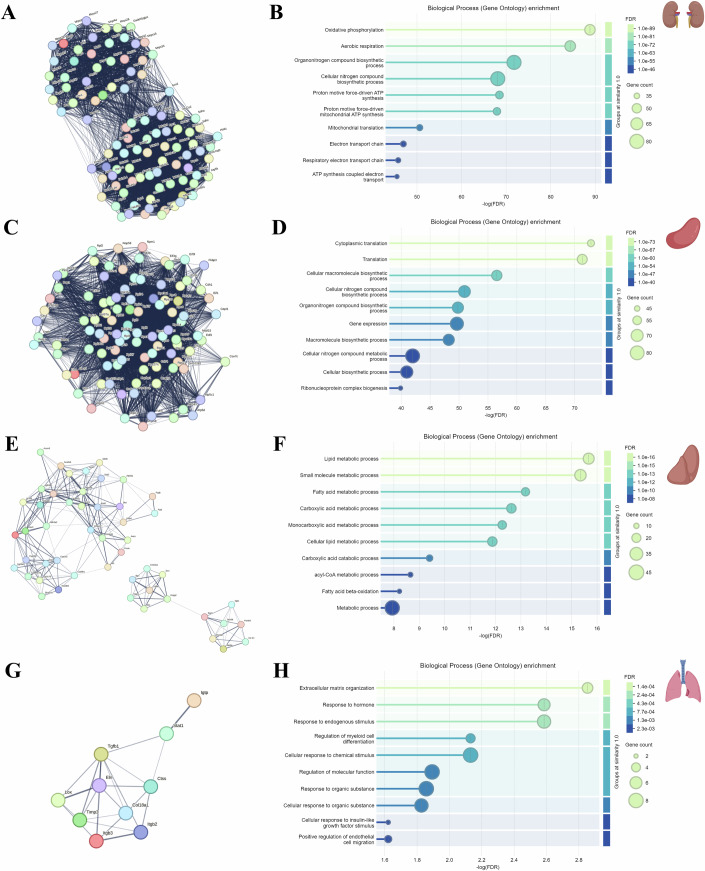
“5A; Dataset EV7), re fl ecting the potential role of aging on mitochondrial bioenergetics (Althoff et al, 2011; Pereira et al, 2020).”
Genome-wide study of aging and oxidative stress response in Drosophilamelanogaster
Zou, S., Meadows, S., Sharp, L., Jan, L. Y., & Jan, Y. N. (2000) · Proceedings of the National Academy of Sciences · doi:10.1073/pnas.260496697 · Cited by 313 · cited 1×
“Extensive research has documented aging-related changes in the genome, epigenome, and transcriptome (Davie et al, 2018; Sen et al, 2016; Zou et al, 2000).”
Detecting significant changes in protein abundance
Kammers, K., Cole, R. N., Tiengwe, C., & Ruczinski, I. (2015) · EuPA Open Proteomics · doi:10.1016/j.euprot.2015.02.002 · Cited by 311 · cited 1×
“The use of the moderated F-test allows for more powerful and stable inference to detect signi fi cant changes in protein abundance compared to ordinary t tests (Kammers et al, 2015).”
Plasma proteome profiling discovers novel proteins associated with non‐alcoholic fatty liver disease
Niu, L., Geyer, P. E., Wewer Albrechtsen, N. J., Gluud, L. L., Santos, A., Doll, S., Treit, P. V., Holst, J. J., Knop, F. K., Vilsbøll, T., et al. (2019) · Molecular Systems Biology · doi:10.15252/msb.20188793 · Cited by 285
Wiśniewski, J. R. (2016) · Analytical Chemistry · doi:10.1021/acs.analchem.6b00859 · Cited by 252 · cited 1×
“FASP enables effective proteolysis of low-quantity samples, producing high-quality tryptic peptides for shotgun proteomics (Wisniewski, 2016; Wisniewski et al, 2009).”
Li, L. O., Ellis, J. M., Paich, H. A., Wang, S., Gong, N., Altshuller, G., Thresher, R. J., Koves, T. R., Watkins, S. M., Muoio, D. M., et al. (2009) · Journal of Biological Chemistry · doi:10.1074/jbc.m109.022467 · Cited by 241
Defective mitochondrial translation caused by a ribosomal protein (MRPS16) mutation
Miller, C., Saada, A., Shaul, N., Shabtai, N., Ben‐Shalom, E., Shaag, A., Hershkovitz, E., & Elpeleg, O. (2004) · Annals of Neurology · doi:10.1002/ana.20282 · Cited by 235 · cited 1×
“5A; Dataset EV7), emphasizing the central role of mitochondrial energy metabolism and protein synthesis in kidney aging (Miller et al, 2004).”
Elastin in lung development and disease pathogenesis
Mecham, R. P. (2018) · Matrix Biology · doi:10.1016/j.matbio.2018.01.005 · Cited by 208 · cited 1×
“These proteins form a network that governs ECM stability and late-stage upregulation of COL18A1 and down-regulation of ELN, both of which highlight a unique pattern of structural vulnerability to lung fi brosis (Karsdal et al, 2017) and reduced elasticity (Mecham, 2018) in the aging lung.”
Ori, A., Toyama, B. H., Harris, M. S., Bock, T., Iskar, M., Bork, P., Ingolia, N. T., Hetzer, M. W., & Beck, M. (2015) · Cell Systems · doi:10.1016/j.cels.2015.08.012 · Cited by 201 · cited 3×
“Our fi ndings are in contrast to most previous reports, which indicated only modest alterations in protein levels of the mouse organs studied, at the late adult stage (Angelidis et al, 2019; Oliviero et al, 2022; Ori et al, 2015; Walther and Mann, 2011).”
Gladyshev, V. N., Kritchevsky, S. B., Clarke, S. G., Cuervo, A. M., Fiehn, O., de Magalhães, J. P., Mau, T., Maes, M., Moritz, R. L., Niedernhofer, L. J., et al. (2021) · Nature Aging · doi:10.1038/s43587-021-00150-3 · Cited by 198 · cited 1×
“Normal aging is marked by progressive accumulation of molecular damage at the cellular, tissue, and organ levels, leading to functional decline, increased disease prevalence, and ultimately, mortality (Gladyshev et al, 2021).”
Gournier, H., Goley, E. D., Niederstrasser, H., Trinh, T., & Welch, M. D. (2001) · Molecular Cell · doi:10.1016/s1097-2765(01)00393-8 · Cited by 167
Walther, D. M., & Mann, M. (2011) · Molecular & Cellular Proteomics · doi:10.1074/mcp.m110.004523 · Cited by 150 · cited 3×
“Our fi ndings are in contrast to most previous reports, which indicated only modest alterations in protein levels of the mouse organs studied, at the late adult stage (Angelidis et al, 2019; Oliviero et al, 2022; Ori et al, 2015; Walther and Mann, 2011).”
Dengjel, J., Høyer-Hansen, M., Nielsen, M. O., Eisenberg, T., Harder, L. M., Schandorff, S., Farkas, T., Kirkegaard, T., Becker, A. C., Schroeder, S., et al. (2012) · Molecular & Cellular Proteomics · doi:10.1074/mcp.m111.014035 · Cited by 146 · cited 1×
“Mass spectrometry-based global proteomics allows researchers to identify and quantify proteins associated with speci fi c cellular processes in complex biological samples, providing insights into cellular function and dynamics (Dengjel et al, 2012; Geyer et al, 2016; Itzhak et al, 2017).”
PLD3 and PLD4 are single-stranded acid exonucleases that regulate endosomal nucleic-acid sensing
Gavin, A. L., Huang, D., Huber, C., Mårtensson, A., Tardif, V., Skog, P. D., Blane, T. R., Thinnes, T. C., Osborn, K., Chong, H. S., et al. (2018) · Nature Immunology · doi:10.1038/s41590-018-0179-y · Cited by 144
Hmgcs2-mediated ketogenesis modulates high-fat diet-induced hepatosteatosis
Asif, S., Kim, R. Y., Fatica, T., Sim, J., Zhao, X., Oh, Y., Denoncourt, A. M., Cheung, A., Downey, M., Mulvihill, E. E., et al. (2022) · Molecular Metabolism · doi:10.1016/j.molmet.2022.101494 · Cited by 143 · cited 7×
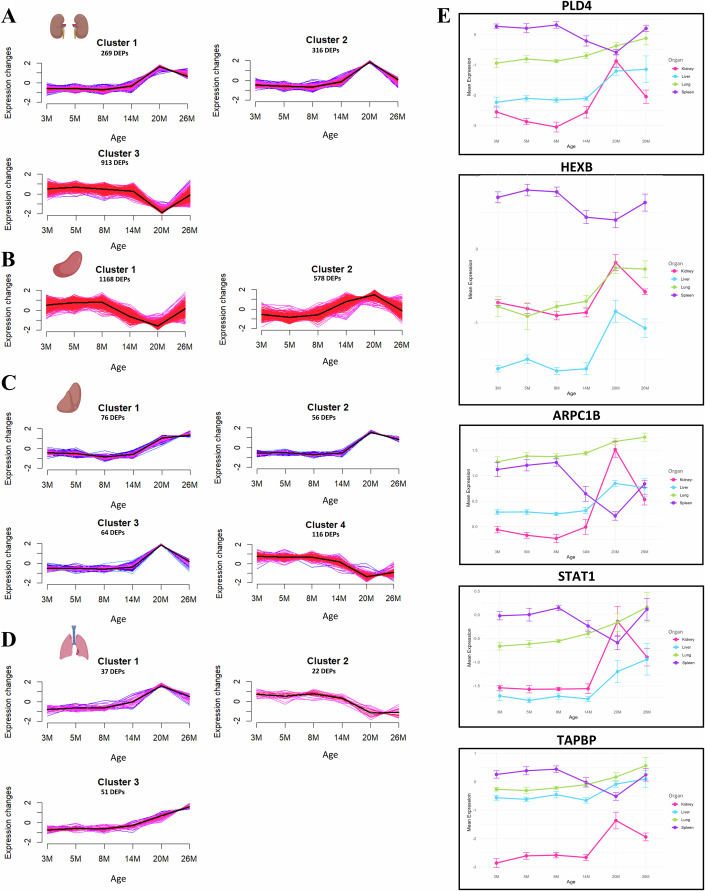
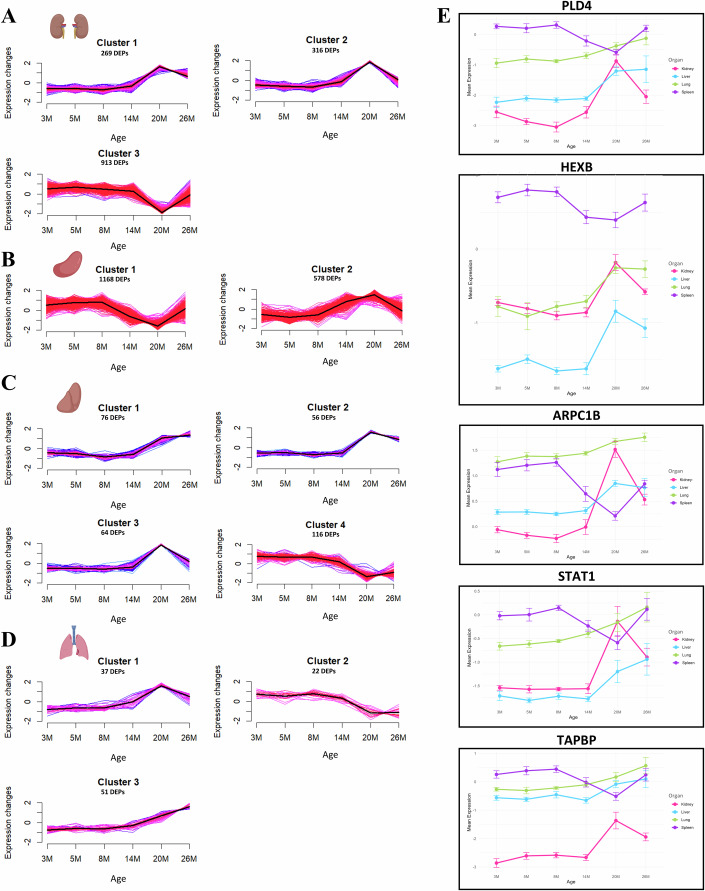
“3E; Dataset EV7).”
InfluentialRequirement of Ca2+and CaMKII for Stat1 Ser-727 phosphorylation in response to IFN-γ
Nair, J. S., DaFonseca, C. J., Tjernberg, A., Sun, W., Darnell, J. E., Chait, B. T., & Zhang, J. J. (2002) · Proceedings of the National Academy of Sciences · doi:10.1073/pnas.052159099 · Cited by 126 · cited 1×
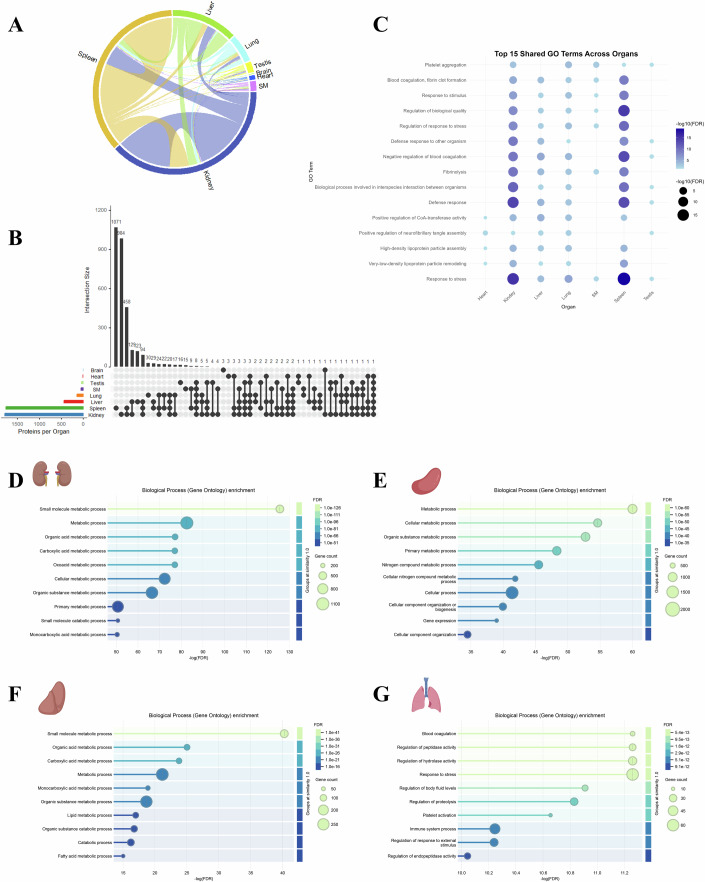
“…the remaining shared DEPs from the non-blood proteome comprised 8 proteins, primarily involved in immune regulation and antigen processing (LGALS3BP, STAT1 and TAPBP) (Teng et al, 2002; Trahey and Weissman, 1999; Nair et al, 2002) or ECM remodeling (COL18A1 and ELN) (Shimshoni et al, 2021).”
Itzhak, D. N., Davies, C., Tyanova, S., Mishra, A., Williamson, J., Antrobus, R., Cox, J., Weekes, M. P., & Borner, G. H. H. (2017) · Cell Reports · doi:10.1016/j.celrep.2017.08.063 · Cited by 124 · cited 1×
“Mass spectrometry-based global proteomics allows researchers to identify and quantify proteins associated with speci fi c cellular processes in complex biological samples, providing insights into cellular function and dynamics (Dengjel et al, 2012; Geyer et al, 2016; Itzhak et al, 2017).”
Giordanengo, L., Guiñazú, N. L., Stempin, C. C., Fretes, R., Cerbán, F. M., & Gea, S. (2002) · European Journal of Immunology · doi:10.1002/1521-4141(200204)32:4<1003::aid-immu1003>3.0.co;2-p · Cited by 123
Targeting the “hallmarks of aging” to slow aging and treat age-related disease: fact or fiction?
Keshavarz, M., Xie, K., Schaaf, K., Bano, D., & Ehninger, D. (2023) · Molecular Psychiatry · doi:10.1038/s41380-022-01680-x · Cited by 118
Self-citationSample multiplexing for targeted pathway proteomics in aging mice
Yu, Q., Xiao, H., Jedrychowski, M. P., Schweppe, D. K., Navarrete-Perea, J., Knott, J., Rogers, J., Chouchani, E. T., & Gygi, S. P. (2020) · Proceedings of the National Academy of Sciences · doi:10.1073/pnas.1919410117 · Cited by 112 · cited 1×
“Moreover, proteomic studies in rodents have often reported minimal age-associated protein changes (Angelidis et al, 2019; Oliviero et al, 2022; Ori et al, 2015; Walther and Mann, 2011; Yu et al, 2020), though these fi ndings should be interpreted cautiously given the methodological limitations.”
Myers, S. A., Rhoads, A., Cocco, A. R., Peckner, R., Haber, A. L., Schweitzer, L. D., Krug, K., Mani, D. R., Clauser, K. R., Rozenblatt-Rosen, O., et al. (2019) · Molecular & Cellular Proteomics · doi:10.1074/mcp.ra118.001259 · Cited by 109 · cited 1×
“Although F-tests have not been widely used in proteomics, some recent studies (Myers et al, 2019; Sebastiani et al, 2021) successfully employed them.”
LimoRhyde: A Flexible Approach for Differential Analysis of Rhythmic Transcriptome Data
Singer, J. M., & Hughey, J. (2018) · Journal of Biological Rhythms · doi:10.1177/0748730418813785 · Cited by 106
Sebastiani, P., Federico, A., Morris, M., Gurinovich, A., Tanaka, T., Chandler, K. B., Andersen, S. L., Denis, G., Costello, C. E., Ferrucci, L., et al. (2021) · Aging Cell · doi:10.1111/acel.13290 · Cited by 103 · cited 1×
“Although F-tests have not been widely used in proteomics, some recent studies (Myers et al, 2019; Sebastiani et al, 2021) successfully employed them.”
Scifo, E., Szwajda, A., Soliymani, R., Pezzini, F., Bianchi, M., Dapkunas, A., Dȩbski, J., Uusi-Rauva, K., Dadlez, M., Gingras, A., et al. (2015) · Journal of Proteomics · doi:10.1016/j.jprot.2015.03.038 · Cited by 74 · cited 1×
“Approximately 25 μg of protein per sample was reduced and alkylated, then processed using a modi fi ed Filter-Aided Sample Preparation (FASP) protocol (Scifo et al, 2015) to generate tryptic peptides for subsequent label-free and SureQuant-based targeted proteomic analyses.”
Self-citationVladimirov, S. N., Ivanov, A. V., Karpova, G. G., Musolyamov, A. K., Egorov, T. A., Thiede, B., Wittmann‐Liebold, B., & Otto, A. (1996) · European Journal of Biochemistry · doi:10.1111/j.1432-1033.1996.0144u.x · Cited by 70 · cited 6×
“3E; Dataset EV7).”
InfluentialStopfer, L. E., Flower, C. T., Gajadhar, A. S., Patel, B., Gallien, S., Lopez-Ferrer, D., & White, F. M. (2021) · Cancer Research · doi:10.1158/0008-5472.can-20-3804 · Cited by 66 · cited 2×
“On the contrary, targeted mass spectrometry is well suited for quantitation of selected protein targets across various samples and is amenable to relatively low sample amounts (Song et al, 2017; Stopfer et al, 2021).”
Trahey, M., & Weissman, I. L. (1999) · Proceedings of the National Academy of Sciences · doi:10.1073/pnas.96.6.3006 · Cited by 64 · cited 1×
“…the remaining shared DEPs from the non-blood proteome comprised 8 proteins, primarily involved in immune regulation and antigen processing (LGALS3BP, STAT1 and TAPBP) (Teng et al, 2002; Trahey and Weissman, 1999; Nair et al, 2002) or ECM remodeling (COL18A1 and ELN) (Shimshoni et al, 2021).”
A humanTAPBP (TAPASIN)-related gene,TAPBP-R
Teng, M. S., Stephens, R., Pasquier, L. D., Freeman, T., Lindquist, J. A., & Trowsdale, J. (2002) · European Journal of Immunology · doi:10.1002/1521-4141(200204)32:4<1059::aid-immu1059>3.0.co;2-g · Cited by 63
Global and tissue-specific aging effects on murine proteomes
Keele, G. R., Zhang, J.-G., Szpyt, J., Korstanje, R., Gygi, S. P., Churchill, G. A., & Schweppe, D. K. (2023) · Cell Reports · doi:10.1016/j.celrep.2023.112715 · Cited by 62 · cited 3×
“Keele et al (2023) similarly explored protein dynamics but concentrated on two time points, assessing adult and late midlife stages (Keele et al, 2023).”
Markers of aging: Unsupervised integrated analyses of the human plasma proteome
Coenen, L., Lehallier, B., de Vries, H. E., & Middeldorp, J. (2023) · Frontiers in Aging · doi:10.3389/fragi.2023.1112109 · Cited by 53 · cited 1×
“In addition, while trajectory analyses have been employed to assess age-related protein expression patterns (Lehallier et al, 2019; Coenen et al, 2023), there has been limited exploration of the regulatory architecture underlying these changes, leaving open questions regarding the key molecular…”
Myopathy reversion in mice after restauration of mitochondrial complex I
Pereira, C. V., Peralta, S., Arguello, T., Bacman, S. R., Díaz, F., & Moraes, C. T. (2020) · EMBO Molecular Medicine · doi:10.15252/emmm.201910674 · Cited by 48 · cited 1×
“5A; Dataset EV7), re fl ecting the potential role of aging on mitochondrial bioenergetics (Althoff et al, 2011; Pereira et al, 2020).”
Age-Related Changes in the Matrisome of the Mouse Skeletal Muscle
Lofaro, F. D., Cisterna, B., Lacavalla, M. A., Boschi, F., Malatesta, M., Quaglino, D., Zancanaro, C., & Boraldi, F. (2021) · International Journal of Molecular Sciences · doi:10.3390/ijms221910564 · Cited by 45 · cited 1×
“This group included well-known age-associated proteins such as complement factor B (CFB), decorin (PG-S2), syndecan-4 (SYND4), alpha-1-acid glycoprotein 1 (AGP-1), and biglycan (PG-S1), corroborating previous fi ndings (Lofaro et al, 2021).”
Aging – What it is and how to measure it
Keshavarz, M., Xie, K., Bano, D., & Ehninger, D. (2023) · Mechanisms of Ageing and Development · doi:10.1016/j.mad.2023.111837 · Cited by 45
Self-citationDistinct extracellular–matrix remodeling events precede symptoms of inflammation
Shimshoni, E., Adir, I., Afik, R., Solomonov, I., Shenoy, A., Adler, M., Puricelli, L., Sabino, F., Savickas, S., Mouhadeb, O., et al. (2020) · Matrix Biology · doi:10.1016/j.matbio.2020.11.001 · Cited by 44 · cited 6×
“…the remaining shared DEPs from the non-blood proteome comprised 8 proteins, primarily involved in immune regulation and antigen processing (LGALS3BP, STAT1 and TAPBP) (Teng et al, 2002; Trahey and Weissman, 1999; Nair et al, 2002) or ECM remodeling (COL18A1 and ELN) (Shimshoni et al, 2021).”
InfluentialTakasugi, M., Nonaka, Y., Takemura, K., Yoshida, Y., Stein, F., Schwarz, J. J., Adachi, J., Satoh, J., Ito, S., Tombline, G., et al. (2024) · Nature Communications · doi:10.1038/s41467-024-52845-x · Cited by 43 · cited 5×
“Recent studies pro fi ling proteomic changes across 8 – 10 tissues from mice identi fi ed signi fi cant age-associated changes, particularly in mitochondrial proteins, immune-related factors, and macro complex compositions (Keele et al, 2023; Takasugi et al, 2024).”
InfluentialXie, K., Fuchs, H., Scifo, E., Liu, D., Aziz, A., Aguilar-Pimentel, J. A., Amarie, O. V., Becker, L., da Silva-Buttkus, P., Calzada-Wack, J., et al. (2022) · Nature Communications · doi:10.1038/s41467-022-34515-y · Cited by 41
Self-citationSOD2 targeted gene editing by CRISPR/Cas9 yields Human cells devoid of MnSOD
Cramer-Morales, K. L., Heer, C. D., Mapuskar, K. A., & Domann, F. E. (2015) · Free Radical Biology and Medicine · doi:10.1016/j.freeradbiomed.2015.07.017 · Cited by 40 · cited 1×
“This decline coincided with reductions in TFAM (mitochondrial biogenesis) (Kelly and Scarpulla, 2004), SOD2 (antioxidant defense) (Cramer-Morales et al, 2015), and PARK7 (mitochondrial protection) (Irrcher et al, 2010), suggesting a transient phase of mitochondrial vulnerability (Dataset EV4).”
Song, E., Gao, Y., Wu, C., Shi, T., Nie, S., Fillmore, T. L., Schepmoes, A. A., Gritsenko, M. A., Qian, W.-J., Smith, R. D., et al. (2017) · Scientific Data · doi:10.1038/sdata.2017.91 · Cited by 38 · cited 1×
“On the contrary, targeted mass spectrometry is well suited for quantitation of selected protein targets across various samples and is amenable to relatively low sample amounts (Song et al, 2017; Stopfer et al, 2021).”
Self-citationTargeting collagen XVIII improves the efficiency of ErbB inhibitors in breast cancer models
Devarajan, R., Izzi, V., Peltoketo, H., Rask, G., Kauppila, S., Väisänen, M., Ruotsalainen, H. J., Martínez-Nieto, G., Karppinen, S., Väisänen, T., et al. (2023) · Journal of Clinical Investigation · doi:10.1172/jci159181 · Cited by 24 · cited 6×
“3E; Dataset EV7).”
InfluentialOliviero, G., Kovalchuk, S., Rogowska-Wrzesinska, A., Schwämmle, V., & Jensen, O. N. (2022) · eLife · doi:10.7554/elife.73524 · Cited by 21 · cited 4×
“While Oliviero et al (2022) also assessed temporal protein changes across organs, their focus was primarily on the chromatin proteome, contrasting with our whole-tissue approach (Oliviero et al, 2022).”
InfluentialBakhtina, A. A., Pharaoh, G. A., Campbell, M. D., Keller, A., Stuppard, R. S., Marcinek, D. J., & Bruce, J. E. (2023) · Nature Aging · doi:10.1038/s43587-023-00366-5 · Cited by 20 · cited 1×
“For instance, age-related dysregulation of the mitochondrial interactome in 30-month-old skeletal muscle showed signi fi cant changes in mitochondrial respiratory complexes I and IV, in addition to enzymes involved in fatty acid oxidation and TCA cycle (Bakhtina et al, 2023).”
Lecommandeur, E., Baker, D., Cox, T. M., Nicholls, A. W., & Griffin, J. L. (2017) · Journal of Lipid Research · doi:10.1194/jlr.m073395 · Cited by 18
Cited by
Anerillas, C., Altés, G., Gresova, K., Tsitsipatis, D., Mazan-Mamczarz, K., Banarjee, R., Cunningham, A. S. G., Salamini-Montemurri, M., Yang, J.-H., Munk, R., et al. (2026) · Molecular Cell · doi:10.1016/j.molcel.2026.05.017 · Cited by 11
Deciphering the Transcriptomic Signatures of Aging Across Organs in Mice
Morsy, S., Scifo, E., Xie, K., Schaaf, K., Russ, J., Paulusch, S., Domenico, E. D., Salomoni, P., Bano, D., & Ehninger, D. (2026) · Aging Cell · doi:10.1111/acel.70357 · Cited by 9
“Comparing these transcriptomic patterns to our separately published proteomic data (Scifo et al. 2025) revealed consistent trends in both the timing and extent of molecular changes.”
Self-citationXie, K., Ryan, D. P., Schröder, S., Freund, L. J., Bonn, S., Zhou, Y., & Ehninger, D. (2026) · Journal of Neuroinflammation · doi:10.1186/s12974-025-03682-2 · Cited by 2
“As shown in our previous work, the vast majority of aging-associated alterations emerge during the second half of the mouse lifespan, with age-related changes in the brain becoming largely detectable at 20 months of age or later [38, 39].”
Self-citationBeyond the hallmarks of aging: Rethinking what aging is and how we measure it
Keshavarz, M., & Ehninger, D. (2025) · Genomic psychiatry : · doi:10.61373/gp025i.0119 · Cited by 3
Self-citationVlajic, K., Luciano, A., Merrihew, G. E., Sanchez, C. R., Riffle, M. E., Tsantilas, K. A., Attar, S., Beliveau, B. J., Sweetwyne, M. T., MacCoss, M. J., et al. (2026) · bioRxiv (Cold Spring Harbor Laboratory) · doi:10.64898/2026.04.17.719305
“Additional proteostasis-related effects are seen in proteins involved in ER function, protein trafficking, and metabolism 16,38 .”
Metadata
- Authors
- Scifo, E., Morsy, S., Liu, T., Xie, K., Schaaf, K., Bano, D., & Ehninger, D.
- Affiliations
- German Center for Neurodegenerative Diseases (DE)
- Corresponding author
- Scifo, Enzo
- Morsy, Sarah
- Liu, Ting
- Venue
- The EMBO Journal
- Published
- 2025-07-15
- Volume
- 44
- Issue
- 16
- Pages
- 4631-4660
- ISSN
- 0261-4189 (ISSN-L)
- 1460-2075
- PMC
- PMC12361549
- OpenAlex
- W4412419088
- Cited by
- 10
- References
- 62
- Citations by year
- 2026: 9 · 2025: 1
- FWCI
- 3.17
- Type
- journal article
- Language
- en
- Open access
- gold
- doi.org
- Licence
- cc-by
- creativecommons.org/licenses/by/4.0 (tdm)
- creativecommons.org/licenses/by/4.0 (vor)
- Locations
- The EMBO Journal (publishedVersion, cc-by)
- PubMed Central (publishedVersion, cc-by)
- PubMed (publishedVersion)
- DZNE Pub (submittedVersion, cc-by)
- Funders
- EC | Horizon Europe | Excellent Science | HORIZON EUROPE Marie Sklodowska-Curie Actions (101072759)
- China Scholarship Council (202108080078)
- Topics
- Life Sciences › Biochemistry, Genetics and Molecular Biology › Aging › Genetics, Aging, and Longevity in Model Organisms
- Physical Sciences › Chemistry › Spectroscopy › Advanced Proteomics Techniques and Applications
- Life Sciences › Biochemistry, Genetics and Molecular Biology › Molecular Biology › Bioinformatics and Genomic Networks
- Keywords
- aging, organ-specific aging, C57BL/6J mice, kidney, spleen, liver, lipid metabolism, oxidative phosphorylation, hub proteins, age-related decline
- MeSH terms
- Aging, Animals, Brain, Kidney, Liver, Male, Mice, Inbred C57BL, Myocardium, Organ Specificity, Spleen, Testis, Muscle, Skeletal, Proteome, Proteomics, Mice
About these checks
Registry, retraction, Cites and statistics results are computed, not judged, with one exception: a printed reference that no index lists is read once by a model before it counts as a citation error. Claims are extracted by a model and kept only when their quote appears verbatim in the text; each cited source is then checked, with a model’s help, for whether it says what the claim relies on. Those verdicts can be wrong — read the claim’s quote and the cited source before relying on one.
Statistics and arithmetic are recomputed, not judged.
Confidence bands are shown only for fields calibrated on our annotated test set. None is calibrated yet, so no band is shown.
What counts as a claim ›How we measure confidence ›How we check this ›
Are you an author, or do you see a problem with this page? Request a review
Data sources
Bibliographic data: Semantic Scholar, OpenAlex, Crossref.
Contains information from the Semantic Scholar Academic Graph Datasets, made available under the ODC Attribution License (ODC-BY 1.0).
Semantic Scholar’s data is described in: Kinney, R., et al. (2023). The Semantic Scholar Open Data Platform. arXiv:2301.10140.
