

The DOI matches its Crossref record; 41 of the 41 references it cites were found in a registry or an index.
Using Mobile Phone Data to Predict the Spatial Spread of Cholera
Open accessAbstract
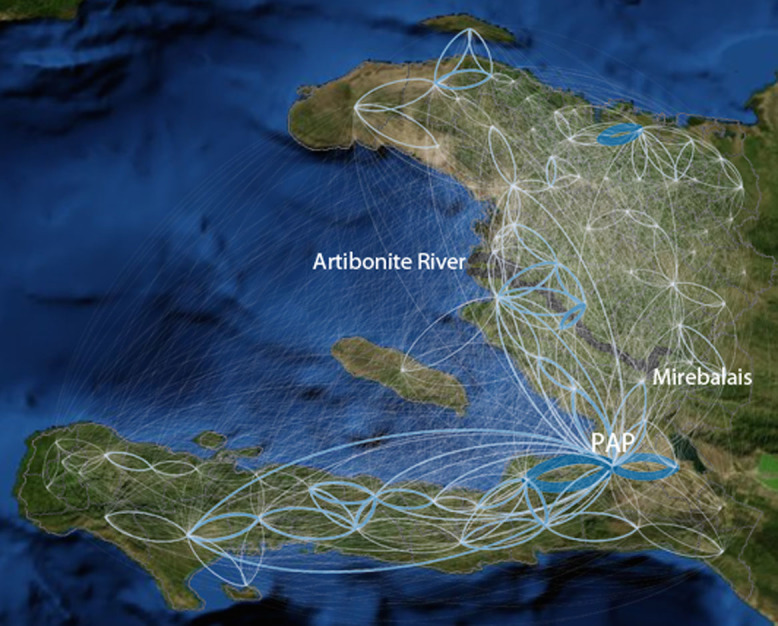
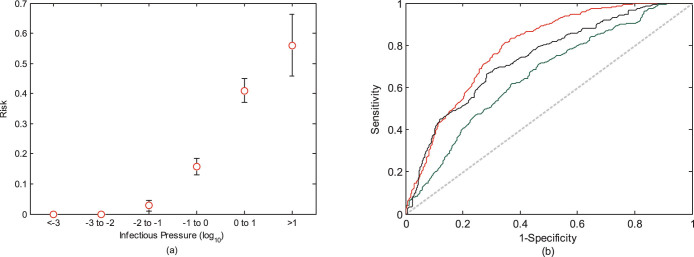
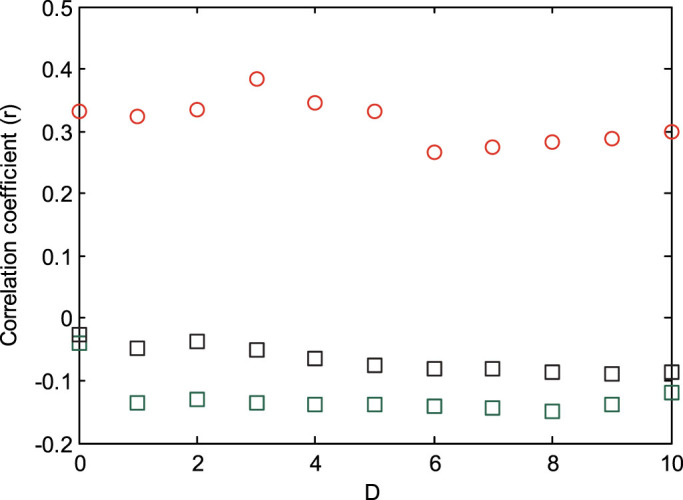
Effective response to infectious disease epidemics requires focused control measures in areas predicted to be at high risk of new outbreaks. We aimed to test whether mobile operator data could predict the early spatial evolution of the 2010 Haiti cholera epidemic. Daily case data were analysed for 78 study areas from October 16 to December 16, 2010. Movements of 2.9 million anonymous mobile phone SIM cards were used to create a national mobility network. Two gravity models of population mobility were implemented for comparison. Both were optimized based on the complete retrospective epidemic data, available only after the end of the epidemic spread. Risk of an area experiencing an outbreak within seven days showed strong dose-response relationship with the mobile phone-based infectious pressure estimates. The mobile phone-based model performed better (AUC 0.79) than the retrospectively optimized gravity models (AUC 0.66 and 0.74, respectively). Infectious pressure at outbreak onset was significantly correlated with reported cholera cases during the first ten days of the epidemic (p < 0.05). Mobile operator data is a highly promising data source for improving preparedness and response efforts during cholera outbreaks. Findings may be particularly important for containment efforts of emerging infectious diseases, including high-mortality influenza strains.
Overview
The claims and statistics of this paper haven’t been checked yet.
Run the check — free, no account needed. It reads the open-access text and checks the sources it cites.
Integrity signals
Registry
Cites
Statistics
Figures
Verification
Claims the paper makes
The claims and statistics of this paper haven’t been checked yet.
Run the check — free, no account needed. It reads the open-access text and checks the sources it cites.
Claims other papers make about this one
Each is checked against this paper’s own text: does it say what the citing paper says it does?
In the citing paper
“In the realm of infectious diseases, ML and AI have been applied to predict disease outbreaks and identify high-risk areas [19, 20].”
From Integrating machine learning and artificial intelligence in life-course epidemiology: pathways to innovative public health solutions (2024) · cites this paper as [20]
In the citing paper
“Bengtsson et al. (2015) utilized mobile phone data and machine learning techniques to predict the spatial spread of cholera in Haiti following the 2010 earthquake [20].”
From Integrating machine learning and artificial intelligence in life-course epidemiology: pathways to innovative public health solutions (2024) · cites this paper as [20]
Self-check
Percentages, sums and reported differences re-computed from the paper’s own numbers.
The self-check needs the paper’s full text.
Citations
Cites
Murray, C. J. L., Vos, T., Lozano, R., Naghavi, M., Flaxman, A. D., Michaud, C., Ezzati, M., Shibuya, K., Salomon, J. A., Abdalla, S., et al. (2012) · The Lancet · doi:10.1016/s0140-6736(12)61689-4 · Cited by 8,888
Infectious Diseases of Humans: Dynamics and Control
(1992) · Annals of Internal Medicine · doi:10.7326/0003-4819-117-2-174_4 · Cited by 7,819
The use of the area under the ROC curve in the evaluation of machine learning algorithms
Bradley, A. P. (1997) · Pattern Recognition · doi:10.1016/s0031-3203(96)00142-2 · Cited by 7,217
Understanding individual human mobility patterns
González, M. C., Hidalgo, C. A., & Barabási, A.-Ĺ. (2008) · Nature · doi:10.1038/nature06958 · Cited by 6,186
Infectious Diseases of Humans: Dynamics and Control
Anderson, R. M., & May, R. M. (1991) · doi:10.1093/oso/9780198545996.001.0001 · Cited by 6,179
Global, regional, and national causes of child mortality in 2008: a systematic analysis
Black, R. E., Cousens, S. N., Johnson, H. L., Lawn, J. E., Rudan, I., Bassani, D. G., Jha, P., Campbell, H. J., Walker, C. L. F., Cibulskis, R. E., et al. (2010) · The Lancet · doi:10.1016/s0140-6736(10)60549-1 · Cited by 3,062
Strategies for containing an emerging influenza pandemic in Southeast Asia
Ferguson, N. M., Cummings, D. A. T., Cauchemez, S., Fraser, C., Riley, S., Meeyai, A. C., Iamsirithaworn, S., & Burke, D. S. (2005) · Nature · doi:10.1038/nature04017 · Cited by 1,820
Pochet, P. (2006) · Griffith Research Online · Cited by 1,550
Multiscale mobility networks and the spatial spreading of infectious diseases
Balcan, D., Vittoria Colizza, A., Gonçalves, B., Hu, H., Ramasco, J. J., & Vespignani, A. (2009) · Proceedings of the National Academy of Sciences · doi:10.1073/pnas.0906910106 · Cited by 1,347
Containing Pandemic Influenza at the Source
Longini, I. M., Nizam, A., Xu, S., Ungchusak, K., Hanshaoworakul, W., Cummings, D. A. T., & Halloran, M. E. (2005) · Science · doi:10.1126/science.1115717 · Cited by 1,177
Research works printed but not linked: 2
Cited by
Sorted by citations
Population flow drives spatio-temporal distribution of COVID-19 in China
Jia, J. S., Lu, X., Yuan, Y., Xu, G., Jia, J., & Christakis, N. A. (2020) · Nature · doi:10.1038/s41586-020-2284-y · Cited by 835
Self-citationMobile phone data for informing public health actions across the COVID-19 pandemic life cycle
Oliver, N., Lepri, B., Sterly, H., Lambiotte, R., Deletaille, S., De Nadai, M., Letouzé, E., Salah, A. A., Benjamins, R., Cattuto, C., et al. (2020) · Science Advances · doi:10.1126/sciadv.abc0764 · Cited by 631
On the responsible use of digital data to tackle the COVID-19 pandemic
Ienca, M., & Vayena, E. (2020) · Nature Medicine · doi:10.1038/s41591-020-0832-5 · Cited by 491
Preliminary prediction of the basic reproduction number of the Wuhan novel coronavirus 2019‐nCoV
Zhou, T., Liu, Q.-H., Yang, Z., Liao, J., Yang, K., Bai, W., Lu, X. B., & Zhang, W. (2020) · Journal of Evidence-Based Medicine · doi:10.1111/jebm.12376 · Cited by 361
“In order to have a better estimation of the basic reproduction number and effective reproduction number, as well as predicting the trend of epidemic transmission, we not only need to know precise epidemiological determinants, but also need to improve the model itself by further considering the diversity in susceptibil…”
BackgroundSelf-citationTwitter reveals human mobility dynamics during the COVID-19 pandemic
Huang, X., Li, Z., Jiang, Y., Li, X., & Porter, D. (2020) · PLOS ONE · doi:10.1371/journal.pone.0241957 · Cited by 242
Non-compulsory measures sufficiently reduced human mobility in Tokyo during the COVID-19 epidemic
Yabe, T., Tsubouchi, K., Fujiwara, N., Wada, T., Sekimoto, Y., & Ukkusuri, S. V. (2020) · Scientific Reports · doi:10.1038/s41598-020-75033-5 · Cited by 236
Connecting Mobility to Infectious Diseases: The Promise and Limits of Mobile Phone Data
Wesolowski, A., Buckee, C. O., Engø‐Monsen, K., & Metcalf, C. J. E. (2016) · The Journal of Infectious Diseases · doi:10.1093/infdis/jiw273 · Cited by 212
“To date, mobility data derived from mobile phones have been used to understand the spatial transmission of malaria [5, 34], dengue [29], cholera [35], rubella [36], Ebola [12], and human immunodeficiency virus (HIV) infection [37].”
BackgroundLu, X. B., Wrathall, D. J., Sundsøy, P., Nadiruzzaman, M., Wetter, E. W., Iqbal, A., Qureshi, T., Tatem, A. J., Canright, G., Engø‐Monsen, K., et al. (2016) · Global Environmental Change · doi:10.1016/j.gloenvcha.2016.02.002 · Cited by 194
“Previous studies have used CDR data for quantifying population mobility patterns to understand the spread of infectious disease (Bengtsson et al., 2015; Tatem and Smith, 2010; Wesolowski et al., 2012), infer regular internal migration patterns (Blumenstock, 2012), and to predict population movements (Deville et al.”
BackgroundSelf-citationWilson, R., zu Erbach-Schoenberg, E., Albert, M., Power, D., Tudge, S., Gonzalez, M., Guthrie, S., Chamberlain, H. R., Brooks, C., Hughes, C., et al. (2016) · PLoS Currents · doi:10.1371/currents.dis.d073fbece328e4c39087bc086d694b5c · Cited by 180
Self-citationMann, L. (2017) · Development and Change · doi:10.1111/dech.12347 · Cited by 178
Kuchler, T., Russel, D., & Stroebel, J. (2021) · Journal of Urban Economics · doi:10.1016/j.jue.2020.103314 · Cited by 182
Mobile phone data highlights the role of mass gatherings in the spreading of cholera outbreaks
Finger, F., Genolet, T., Mari, L., de Magny, G. C., Manga, N. M., Rinaldo, A., & Bertuzzo, E. (2016) · Proceedings of the National Academy of Sciences · doi:10.1073/pnas.1522305113 · Cited by 177
“Several studies deal with the comparison with human mobility models (21, 30).”
BackgroundCrisis analytics: big data-driven crisis response
Qadir, J., Ali, A., Rasool, R. U., Zwitter, A., Sathiaseelan, A., & Crowcroft, J. (2016) · Journal of International Humanitarian Action · doi:10.1186/s41018-016-0013-9 · Cited by 177
“FlowMinder used the same mobile analytics methodology during the cholera epidemic later that year to enable rapid monitoring of population movement from the outbreak area (Bengtsson et al. 2015).”
MethodMobile phone location data for disasters: A review from natural hazards and epidemics
Yabe, T., Jones, N. K. W., Rao, P. S. C., González, M. C., & Ukkusuri, S. V. (2022) · Computers Environment and Urban Systems · doi:10.1016/j.compenvurbsys.2022.101777 · Cited by 164
“( Bengtsson et al., 2015; Yabe, Tsubouchi, Fujiwara, Sekimoto, & Ukkusuri, 2020).”
Infectious Disease Surveillance
Murray, J., & Cohen, A. L. (2016) · Elsevier eBooks · doi:10.1016/b978-0-12-803678-5.00517-8 · Cited by 161
“During a cholera outbreak in Haiti in 2010, researchers from Flowminder mapped the movement of people using anonymous data from mobile usage from the affected areas (Bengtsson et al., 2015).”
BackgroundKuchler, T., Russel, D., & Stroebel, J. (2020) · National Bureau of Economic Research · doi:10.3386/w26990 · Cited by 155
River networks as ecological corridors: A coherent ecohydrological perspective
Rinaldo, A., Gatto, M., & Rodriguez-Iturbe, I. (2017) · Advances in Water Resources · doi:10.1016/j.advwatres.2017.10.005 · Cited by 124
Understanding post-disaster population recovery patterns
Yabe, T., Tsubouchi, K., Fujiwara, N., Sekimoto, Y., & Ukkusuri, S. V. (2020) · Journal of The Royal Society Interface · doi:10.1098/rsif.2019.0532 · Cited by 130
Using Google Location History data to quantify fine-scale human mobility
Ruktanonchai, N., Ruktanonchai, C. W., Floyd, J., & Tatem, A. J. (2018) · International Journal of Health Geographics · doi:10.1186/s12942-018-0150-z · Cited by 119
Gao, J. G., Zhang, Y., & Zhou, T. (2019) · Physics Reports · doi:10.1016/j.physrep.2019.05.002 · Cited by 122
“[759] explored the influence of population mobility on the spatial evolution of a large-scale cholera outbreak.”
BackgroundSocial sensing of floods in the UK
Arthur, R., Boulton, C. A., Shotton, H., & Williams, H. T. P. (2018) · PLoS ONE · doi:10.1371/journal.pone.0189327 · Cited by 112
Community movement and COVID-19: a global study using Google's Community Mobility Reports
Sulyok, M., & Walker, M. D. (2020) · Epidemiology and Infection · doi:10.1017/s0950268820002757 · Cited by 115
Multinational patterns of seasonal asymmetry in human movement influence infectious disease dynamics
Wesolowski, A., zu Erbach-Schoenberg, E., Tatem, A. J., Lourenço, C., Viboud, C. G., Charu, V., Eagle, N., Engø‐Monsen, K., Qureshi, T., Buckee, C. O., et al. (2017) · Nature Communications · doi:10.1038/s41467-017-02064-4 · Cited by 112
“Using the location and timing of mobile communications, subscriber travel patterns have been inferred and used to understand general mobility patterns 38,39 as well as the spread of infectious diseases 2,5,24,37,40,41 .”
MethodEffects of income inequality on evacuation, reentry and segregation after disasters
Yabe, T., & Ukkusuri, S. V. (2020) · Transportation Research Part D Transport and Environment · doi:10.1016/j.trd.2020.102260 · Cited by 116
Lai, S., Farnham, A., Ruktanonchai, N. W., & Tatem, A. J. (2019) · Journal of Travel Medicine · doi:10.1093/jtm/taz019 · Cited by 93
Mapping and the Citizen Sensor
Antoniou, V., & Geographic Directorate, P. C. (2017) · Ubiquity Press eBooks · doi:10.5334/bbf · Cited by 98
Mobile phone data and COVID-19: Missing an opportunity?Preprint
Oliver, N., Letouzé, E., Sterly, H., Delataille, S., Nadai, M. D., Lepri, B., Lambiotte, R., Benjamins, R., Cattuto, C., Colizza, V., et al. (2020) · arXiv (Cornell University) · doi:10.48550/arxiv.2003.12347 · Cited by 116
“Seminal work on human mobility has shown that mobile phone data can assist the modeling of the geographical spread of epidemics [Bengtsson et al., 2015; Finger et al., 2016; Tizzoni et al., 2014; Wesolowski et al., 2012; Wesolowski et al., 2015].”
BackgroundSmolak, K., Kasieczka, B., Fialkiewicz, W., Rohm, W., Siła-Nowicka, K., & Kopańczyk, K. (2020) · Urban Water Journal · doi:10.1080/1573062x.2020.1734947 · Cited by 85
“Human mobility data have been used in city planning (Barbosa-Filho et al. 2018), tra ffi c engineering (Toole et al. 2015) and epidemiology (Bengtsson et al. 2015).”
MethodEvidence and future potential of mobile phone data for disease disaster management
Cinnamon, J., Jones, S. K., & Adger, W. N. (2016) · Geoforum · doi:10.1016/j.geoforum.2016.07.019 · Cited by 80
“Even if CDRs are high quality and skills and technologies are available, decision-making models and outputs are only as good as the other datasets used, such as disease case locations which are often patchy in many settings (Bengtsson et al. , 2015).”
Predicting human mobility through the assimilation of social media traces into mobility models
Beiró, M. G., Panisson, A., Tizzoni, M., & Cattuto, C. (2016) · EPJ Data Science · doi:10.1140/epjds/s13688-016-0092-2 · Cited by 80
“The mobility flows obtained in this way can be successfully used for the prediction of epidemic spreading [29, 30], as a proxy for the real, often inaccessible, mobility data.”
MethodMeasurement of Social Networks for Innovation within Community Disaster Resilience
Wilkin, J., Biggs, E. M., & Tatem, A. J. (2019) · Sustainability · doi:10.3390/su11071943 · Cited by 76
“These insights have found multiple uses within sustainable development applications, including poverty estimation [66,67], epidemiology [68], and disaster response [69].”
BackgroundLu, X. B., Wrathall, D. J., Sundsøy, P., Nadiruzzaman, M., Wetter, E. W., Iqbal, A., Qureshi, T., Tatem, A. J., Canright, G., Engø‐Monsen, K., et al. (2016) · Climatic Change · doi:10.1007/s10584-016-1753-7 · Cited by 79
“Operator data has been used during relief operations after the Haiti 2010 earthquake (Bengtsson et al. 2011; Lu et al. 2012) and cholera outbreaks (Bengtsson et al. 2015) and the Nepal 2015 earthquake (Wilson et al. 2016), making them a very promising proxy indicator for measuring impacts of…”
MethodSelf-citationCOVID-19 is spatial: Ensuring that mobile Big Data is used for social good
Poom, A., Järv, O., Zook, M., & Toivonen, T. (2020) · Big Data & Society · doi:10.1177/2053951720952088 · Cited by 77
Using digital surveillance tools for near real-time mapping of the risk of infectious disease spread
Bhatia, S., Lassmann, B., Cohn, E. L., Desai, A. N., Carrion, M. N., Kraemer, M. U. G., Herringer, M., Brownstein, J. S., Madoff, L., Cori, A., et al. (2021) · npj Digital Medicine · doi:10.1038/s41746-021-00442-3 · Cited by 78
“48).”
Wei, S., & Wang, L. (2020) · Humanities and Social Sciences Communications · doi:10.1057/s41599-020-00633-5 · Cited by 76
Big-data-driven modeling unveils country-wide drivers of endemic schistosomiasis
Mari, L., Gatto, M., Ciddio, M., Dia, E. D., Sokolow, S. H., Leo, G. A. D., & Casagrandi, R. (2017) · Scientific Reports · doi:10.1038/s41598-017-00493-1 · Cited by 70
Quantifying the dynamics of migration after Hurricane Maria in Puerto Rico
Acosta, R. J., Kishore, N., Irizarry, R. A., & Buckee, C. O. (2020) · Proceedings of the National Academy of Sciences · doi:10.1073/pnas.2001671117 · Cited by 72
“Assuming that appropriate steps are taken to anonymize and aggregate these data streams in secure ways, novel data streams offer ways to assess the needs of populations more accurately (9, 10).”
BackgroundCOVID-19 is linked to changes in the time–space dimension of human mobility
Santana, C., Botta, F., Barbosa, H., Privitera, F., de Menezes, R. P., & Clemente, R. D. (2023) · Nature Human Behaviour · doi:10.1038/s41562-023-01660-3 · Cited by 72
Panigutti, C., Tizzoni, M., Bajardi, P., Smoreda, Z., & Vittoria Colizza, A. (2017) · Royal Society Open Science · doi:10.1098/rsos.160950 · Cited by 65
“The availability of human mobility data at such high resolution has impacted several research fields, ranging from urban planning to social sciences [6] [7] [8] [9] [10] [11] , but one of its most successful applications has undoubtedly been the spatial epidemiology of infectious diseases [12] [13] [14] [15] [16] [17]…”
BackgroundThe ethics of big data as a public good: which public? Whose good?
Taylor, L. (2016) · Philosophical Transactions of the Royal Society A Mathematical Physical and Engineering Sciences · doi:10.1098/rsta.2016.0126 · Cited by 70
“Large-scale datasets from international mobile operators are being used in the realm of big data analytics to model the spread of diseases, such as dengue [11] and cholera [12], and to map poverty [13] and mobility [14].”
Chen, S., Yu, J., Chamouni, S., Wang, Y., & Li, Y. (2024) · BMC Medicine · doi:10.1186/s12916-024-03566-x · Cited by 73
“In the realm of infectious diseases, ML and AI have been applied to predict disease outbreaks and identify high-risk areas [19, 20].”
BackgroundYabe, T., Zhang, Y., & Ukkusuri, S. V. (2020) · EPJ Data Science · doi:10.1140/epjds/s13688-020-00255-6 · Cited by 71
Heterogeneity in schistosomiasis transmission dynamics
Mari, L., Ciddio, M., Casagrandi, R., Perez‐Saez, J., Bertuzzo, E., Rinaldo, A., Sokolow, S. H., Leo, G. A. D., & Gatto, M. (2017) · Journal of Theoretical Biology · doi:10.1016/j.jtbi.2017.08.015 · Cited by 65
“in the community) is relatively more complex in this case, because Floquet theory (instead of basic linear stability analysis) has to be applied (see e.g. Bacaër and Guernaoui, 2006; Klausmeier, 2008; Bittanti and Colaneri, 2009; Mari et al., 2014).”
MethodUsing Big Data to Monitor the Introduction and Spread of Chikungunya, Europe, 2017
Rocklöv, J., Tozan, Y., Ramadona, A. L., Sewe, M. O., Súdre, B., Garrido, J., Lary, C. D. B. D. S., Lohr, W., & Semenza, J. C. (2019) · Emerging infectious diseases · doi:10.3201/eid2506.180138 · Cited by 66
Causal mechanisms in organization and innovation studies
Hedström, P., & Wennberg, K. J. (2016) · Innovation · doi:10.1080/14479338.2016.1256779 · Cited by 70
“Both secondary data, such as those generated by emails, cameras and positioning systems, as well as primary data collected by researchers to address a specific set of question(s) can provide data streams related to actions and interactions such as individuals’ movements and communication with one another (Bengtsson et…”
BackgroundExploring Spatial-Temporal Patterns of Urban Human Mobility Hotspots
Yang, X., Zhao, Z., & Lu, S. (2016) · Sustainability · doi:10.3390/su8070674 · Cited by 64
“Therefore, the study of human mobility is flourishing and has attracted substantial attention in different research communities, including physics [7], geographical information science [8], transportation research [9,10], urban geography [11,12], urban planning [13] and epidemiology [14].”
BackgroundMu, X., Yeh, A. G. O., & Zhang, X. (2020) · Environment and Planning B Urban Analytics and City Science · doi:10.1177/2399808320954211 · Cited by 56
Samuel, G., Chubb, J., & Derrick, G. (2021) · Journal of Empirical Research on Human Research Ethics · doi:10.1177/15562646211002744 · Cited by 46
“This may include, for example, researchers who are exploring how AI systems can help predict epidemics and disease outbreaks (Bengtsson et al., 2015; Harris et al., 2017; Naghavi et al., 2010), as well as various health and mental health states (for a review, see, e.g., Blasimme & Vayena, 2019).”
BackgroundUsing Mobile Phone Data for Emergency Management: a Systematic Literature Review
Wang, Y., Li, J., Zhao, X., Feng, G., & Luo, X. R. (2020) · Information Systems Frontiers · doi:10.1007/s10796-020-10057-w · Cited by 54
“The results can further be developed to address various issues encountered during emergencies, such as predicting epidemic transmission (Bengtsson et al. 2015; Panigutti et al. 2017) and developing pre-warning systems (Zhang et al. 2016; Dong et al. 2017).”
BackgroundMonitoring the COVID-19 epidemic with nationwide telecommunication data
Persson, J., Parie, J. F., & Feuerriegel, S. (2021) · Proceedings of the National Academy of Sciences · doi:10.1073/pnas.2100664118 · Cited by 52
zu Erbach-Schoenberg, E., Alegana, V. A., Sorichetta, A., Linard, C., Lourenço, C., Ruktanonchai, N., Graupe, B., Bird, T. J., Pezzulo, C., Wesolowski, A., et al. (2016) · Population Health Metrics · doi:10.1186/s12963-016-0106-0 · Cited by 52
“Notable example applications are quantifying the impact of mobility on malaria risk [22, 24, 25, 32] and other diseases [23, 33], as well as measuring displacements after natural disasters [30, 34, 35].”
BackgroundMcGough, S. F., Clemente, L., Kutz, J. N., & Santillana, M. (2021) · Journal of The Royal Society Interface · doi:10.1098/rsif.2020.1006 · Cited by 47
“The recent availability of these data has opened up the possibility of new and complementary avenues for epidemic monitoring that leverage diverse data modalities such as satellite imagery [1,2], Internet search engine activity [3,4], social media [5], mobile phones [6,7], genomics [8,9] and disease surveillance datab…”
BackgroundToward epidemic thresholds on temporal networks: a review and open questions
Leitch, J., Alexander, K. A., & Sengupta, S. (2019) · Applied Network Science · doi:10.1007/s41109-019-0230-4 · Cited by 45
“growing body of evidence suggests that pathogens can evenmodify individual host behavior directly in ways that are beneficial to the pathogen (Berdoy et al. 2000; Goodman and Johnson 2011).”
BackgroundRiver Networks as Ecological Corridors
Rinaldo, A., Gatto, M., & Rodriguez-Iturbe, I. (2020) · Cambridge University Press eBooks · doi:10.1017/9781108775014 · Cited by 56
Zhang, W., Gong, Z., Niu, C., Zhao, P., Ma, Q., & Zhao, P. (2022) · Computers Environment and Urban Systems · doi:10.1016/j.compenvurbsys.2022.101846 · Cited by 48
Kuchler, T., Russel, D., & Stroebel, J. (2020) · SSRN Electronic Journal · doi:10.2139/ssrn.3587255 · Cited by 52
The duration of travel impacts the spatial dynamics of infectious diseases
Giles, J. R., zu Erbach-Schoenberg, E., Tatem, A. J., Gardner, L., Bjørnstad, O. N., Metcalf, C. J. E., & Wesolowski, A. (2020) · Proceedings of the National Academy of Sciences · doi:10.1073/pnas.1922663117 · Cited by 40
Improving official statistics in emerging markets using machine learning and mobile phone data
Jahani, E., Sundsøy, P., Bjelland, J., Bengtsson, L., Pentland, A., & de Montjoye, Y.-A. (2017) · EPJ Data Science · doi:10.1140/epjds/s13688-017-0099-3 · Cited by 42
Self-citationBönisch, S., Wegscheider, K., Krause, L., Sehner, S., Wiegel, S., Zapf, A., Moser, S., & Becher, H. (2020) · Frontiers in Public Health · doi:10.3389/fpubh.2020.568287 · Cited by 37
“Empirical research consistently finds a strong correlation between mobility and the spread and magnitude of various infectious diseases (21, 22).”
BackgroundNear real-time forecasting for cholera decision making in Haiti after Hurricane Matthew
Pasetto, D., Finger, F., Camacho, A., Grandesso, F., Cohuet, S., Lemaitre, J. C., Azman, A. S., Luquero, F. J., Bertuzzo, E., & Rinaldo, A. (2018) · PLoS Computational Biology · doi:10.1371/journal.pcbi.1006127 · Cited by 37
Sallah, K., Giorgi, R., Bengtsson, L., Lu, X. B., Wetter, E. W., Adrien, P., Rebaudet, S., Piarroux, R., & Gaudart, J. (2017) · International Journal of Health Geographics · doi:10.1186/s12942-017-0115-7 · Cited by 36
“when real mobility data or reliable proxies—such as the call detail records (CDRs) of mobile network operators— are available [4].”
BackgroundMethodSelf-citationThe large graph limit of a stochastic epidemic model on a dynamic multilayer network
Jacobsen, K. A., Burch, M. G., Tien, J. H., & Rempała, G. A. (2018) · Journal of Biological Dynamics · doi:10.1080/17513758.2018.1515993 · Cited by 35
“This has been stimulated in part by the explosion of data on networks of various sorts [5, 12, 13, 17, 24, 55, 65, 66, 76] and the recognition that network structure can have a dramatic impact on disease dynamics.”
BackgroundJones, K. H., Daniels, H., Heys, S., & Ford, D. V. (2018) · JMIR mhealth and uhealth · doi:10.2196/mhealth.9974 · Cited by 35
“Multimedia Appendix 1 presents the included studies [24-69].”
Census-derived migration data as a tool for informing malaria elimination policy
Ruktanonchai, N., Bhavnani, D., Sorichetta, A., Bengtsson, L., Carter, K. H., Córdoba, R., Menach, A. L., Lu, X. B., Wetter, E. W., zu Erbach-Schoenberg, E., et al. (2016) · Malaria Journal · doi:10.1186/s12936-016-1315-5 · Cited by 36
“Mobile phone call record data The mobile phone data set was provided by Digicel, the largest GSM mobile phone network operator in Haiti with 90 % coverage of inhabited areas across the country [12].”
MethodSelf-citationTullis, J. A., & Kar, B. (2020) · Annals of the American Association of Geographers · doi:10.1080/24694452.2020.1806029 · Cited by 34
“…pandemic and the 2010 Haiti cholera epidemic, social media enables information dissemination and social connectivity, and data from mobile phones and WeChat help determine disease spread based on mobility (Bengtsson et al. 2015; Lomas 2020; Merchant and Lurie 2020; Wu, Leung, and Leung 2020).”
BackgroundGeneralized radiation model for human migration
Alis, C., Legara, E. F., & Monterola, C. P. (2021) · Scientific Reports · doi:10.1038/s41598-021-02109-1 · Cited by 34
“To train Ti and wk , we need the population of the localities for two time points to (4) x = ln(1+ x)”
BackgroundMethodCharacterizing preferred motif choices and distance impacts
Cao, J., Li, Q., Tu, W., & Wang, F. (2019) · PLoS ONE · doi:10.1371/journal.pone.0215242 · Cited by 34
New Ways to Manage Pandemics: Using Technologies in the Era of COVID-19, a Narrative Review
Khaleghi, A., Mohammadi, M. R., Jahromi, G. P., & Zarafshan, H. (2020) · Iranian Journal of Psychiatry · doi:10.18502/ijps.v15i3.3816 · Cited by 37
“shown in the 2010 Haiti cholera epidemic (3).”
BackgroundConrad, N. D., Helfmann, L., Zonker, J., Winkelmann, S., & Schütte, C. (2018) · EPJ Data Science · doi:10.1140/epjds/s13688-018-0153-9 · Cited by 32
Interaction data are identifiable even across long periods of time
Creţu, A.-M., Monti, F., Marrone, S., Dong, X., Bronstein, M. M., & de Montjoye, Y.-A. (2022) · Nature Communications · doi:10.1038/s41467-021-27714-6 · Cited by 32
Cheng, Q., Lu, X. B., Wu, J. T. K., Liu, Z., & Huang, J. (2016) · Scientific Reports · doi:10.1038/srep33755 · Cited by 29
Self-citationKishore, K., Jaswal, V., Verma, M., & Koushal, V. (2021) · JMIR Public Health and Surveillance · doi:10.2196/29957 · Cited by 31
“This trend is consistent with many theoretical studies that have predicted the role of mobility for infectious diseases [10,52,53].”
BackgroundResultPopulation mobility modelling for mobility data simulation
Smolak, K., Rohm, W., Knop, K., & Siła-Nowicka, K. (2020) · Computers Environment and Urban Systems · doi:10.1016/j.compenvurbsys.2020.101526 · Cited by 30
Awotunde, J. B., Folorunso, S. O., Jimoh, R. G., Adeniyi, A. E., Abiodun, M. K., & Ajamu, G. J. (2021) · Studies in systems, decision and control · doi:10.1007/978-3-030-69744-0_4 · Cited by 32
Hosts mobility and spatial spread of Rickettsia rickettsii
Polo, G., Acosta, C. M., Labruna, M. B., Ferreira, F., & Brockmann, D. (2018) · PLoS Computational Biology · doi:10.1371/journal.pcbi.1006636 · Cited by 30
Predicting COVID-19 Spread from Large-Scale Mobility Data
Schwabe, A., Persson, J., & Feuerriegel, S. (2021) · Proceedings of the 27th ACM SIGKDD Conference on Knowledge Discovery & Data Mining · doi:10.1145/3447548.3467157 · Cited by 26
“In previous work, epidemic forecasting using mobility has been evaluated for dengue fever [23], Ebola [21], and cholera [2].”
BackgroundArnold, C., Srinivasan, S., Rodriguez, S., Rydzak, N., Herzog, C. M., Gontu, A., Bharti, N., Small, M. L., Rogers, C. J., Schade, M. M., et al. (2022) · Scientific Reports · doi:10.1038/s41598-022-12499-5 · Cited by 25
Kissler, S. M., Klepac, P., Tang, M. L., Conlan, A. J. K., & Gog, J. R. (2018) · bioRxiv (Cold Spring Harbor Laboratory) · doi:10.1101/479154 · Cited by 32
“226 Though mobile phone geo-tracking capabilities have been leveraged to study human mobil227 ity before [3, 4, 5, 6, 7, 8, 9, 10], the spatial resolution in those studies is usually too coarse to 228 characterise interpersonal interactions, and the data have generally not been made publicly avail229 able.”
BackgroundSee, L., Estima, J., Pődör, A., Arsanjani, J. J., Bayas, J. C. L., & Vatseva, R. (2017) · Ubiquity Press eBooks · doi:10.5334/bbf.b · Cited by 28
“…in areas such as transportation planning (Di Lorenzo et al., 2016), user behaviour (Bianchi et al., 2016), public health (Oliver et al., 2015), the spatial spread of diseases such as cholera (Bengtsson et al., 2015) or population displacement after a major disaster (Wilson et al., 2016).”
BackgroundWilson, C., & Jumbert, M. G. (2018) · Journal of International Humanitarian Action · doi:10.1186/s41018-018-0036-5 · Cited by 28
“…network data for human mobility mapping and contact tracing (Tatem et al. 2009; Aslam et al. 2014; Wesolowski et al. 2014; Gittelman et al. 2015; Bharti et al. 2015; Bengtsson et al. 2015), and big data or social media scraping for contagion modeling (Brownstein et al. 2009; Chunara et al. 2012).”
BackgroundModeling Key Drivers of Cholera Transmission Dynamics Provides New Perspectives for Parasitology
Rinaldo, A., Bertuzzo, E., Blokesch, M., Mari, L., & Gatto, M. (2017) · Trends in Parasitology · doi:10.1016/j.pt.2017.04.002 · Cited by 25
Unveiling Cholera Patterns through Machine Learning Regression for Precise Forecasting
Degadwala, S., Vyas, D., & Soni, M. (2024) · International Conference on Mobile Computing and Sustainable Informatics (ICMCSI) · doi:10.1109/icmcsi61536.2024.00012 · Cited by 26
“Using mobile phone data, Bengtsson et al. [15] projected the geographical spread of cholera.”
Milusheva, S., Lewin, A., Gomez, T. P. B., Matekenya, D., & Reid, K. (2021) · Data & Policy · doi:10.1017/dap.2021.10 · Cited by 26
“Over the last 8 years, different actors have completed various successful academic and pilot projects to prove efficacy (Bengtsson et al., 2015; Ihantamalala et al., 2018; Lai et al., 2019; Milusheva, 2020).”
BackgroundMethodEarly detection of COVID-19 outbreaks using human mobility data
Guan, G., Dery, Y., Yechezkel, M., Ben‐Gal, I., Yamin, D., & Brandeau, M. L. (2021) · PLoS ONE · doi:10.1371/journal.pone.0253865 · Cited by 24
“This metric has been used in the literature to predict the spatial spread of cholera with mobile phone data [21].”
BackgroundMethodEarly warning of COVID-19 hotspots using human mobility and web search query data
Yabe, T., Tsubouchi, K., Sekimoto, Y., & Ukkusuri, S. V. (2021) · Computers Environment and Urban Systems · doi:10.1016/j.compenvurbsys.2021.101747 · Cited by 27
“Studies on human mobility analysis have used such data to model disease dynamics (Bengtsson et al., 2015; Finger et al., 2016; Tizzoni et al., 2014; Wesolowski et al., 2012).”
Landscape Genetics: A Toolbox for Studying Vector-Borne Diseases
Hemming‐Schroeder, E., Lo, E., Salazar, C. A., Puente, S., & Yan, G. (2018) · Frontiers in Ecology and Evolution · doi:10.3389/fevo.2018.00021 · Cited by 24
Linking human behaviors and infectious diseases
Bharti, N. (2021) · Proceedings of the National Academy of Sciences · doi:10.1073/pnas.2101345118 · Cited by 26
Mou, J., Liu, C., Chen, S., Huang, G., & Lu, X. B. (2017) · Scientific Reports · doi:10.1038/s41598-017-01380-5 · Cited by 24
Self-citationCintia, P., Fadda, D., Giannotti, F., Pappalardo, L., Rossetti, G., Pedreschi, D., Rinzivillo, S., Bonato, P., Fabbri, F., Penone, F., et al. (2020) · arXiv (Cornell University) · Cited by 23
The Ubuntu Way: Ensuring Ethical AI Integration in Health Research
Odero, B. A., Nderitu, D., & Samuel, G. N. (2024) · Wellcome Open Research · doi:10.12688/wellcomeopenres.23021.1 · Cited by 23
Mining of Social Media on Covid-19 Big Data Infodemic in Indonesia
Binsar, F., & Mauritsius, T. (2020) · Journal of Computer Science · doi:10.3844/jcssp.2020.1598.1609 · Cited by 24
“Examples of cell phone data use have shown potential in predicting the spatial spread of cholera virus during the cholera epidemic in Haiti in 2010 (Bengtsson et al ., 2015), while the use of data analysis also shows its effectiveness during the Ebola crisis in the West Africa region in 2014-2016…”
Modelling Representative Population Mobility for COVID-19 Spatial Transmission in South Africa
Potgieter, A., Fabris‐Rotelli, I., Kimmie, Z., Dudeni-Tlhone, N., Holloway, J., van Rensburg, C. J., Thiede, R., Debba, P., Manjoo-Docrat, R., Abdelatif, N., et al. (2021) · Frontiers in Big Data · doi:10.3389/fdata.2021.718351 · Cited by 22
“Mobile phone data has been used numerous times in the field of spatial epidemiology to model the spread of various diseases, including cholera (Bengtsson et al., 2015; Finger et al., 2016), dengue (Cummings et al.”
BackgroundChigwechokha, P. K., Nyirenda, R. L., Dalitsani, D., Namaumbo, R. L., Kazembe, Y., Smith, T., & Holm, R. H. (2024) · Journal of Exposure Science & Environmental Epidemiology · doi:10.1038/s41370-023-00632-z · Cited by 23
Ethical Considerations for Movement Mapping to Identify Disease Transmission Hotspots
de Jong, B. C., Gaye, B., Luyten, J., van Buitenen, B., André, E., Meehan, C. J., O’Siochain, C., Tomsu, K., Urbain, J., Grietens, K. P., et al. (2019) · Emerging infectious diseases · doi:10.3201/eid2507.181421 · Cited by 22
Assessing Bias in Smartphone Mobility Estimates in Low Income Countries
Milusheva, S., Björkegren, D., & Viotti, L. (2021) · ACM SIGCAS Conference on Computing and Sustainable Societies (COMPASS) · doi:10.1145/3460112.3471968 · Cited by 23
“This paper joins a large literature that uses internal data from mobile phone operators (Call Detail Records, or CDR) to measure the mobility of mobile phones in developing country contexts [3, 4, 6, 16, 19, 25, 44–46].”
BackgroundWhich Retail Outlets Generate the Most Physical Interactions?
Avi Goldfarb, B., & Tucker, C. E. (2020) · National Bureau of Economic Research · doi:10.3386/w27042 · Cited by 21
A dataset to assess mobility changes in Chile following local quarantines
Pappalardo, L., Cornacchia, G., Navarro, V., Bravo, L., & Ferres, L. (2023) · Scientific Data · doi:10.1038/s41597-022-01893-3 · Cited by 19
“Motivated by the potential of mobile phone data in capturing the geographical spread of epidemics [21, 48, 50, 6], researchers and governments have started to collaborate with mobile network operators to estimate the effectiveness of control measures in several countries [33, 34, 12, 44, 35, 36, 2, 13, 28, 3].”
BackgroundBharti, N., Lambert, B. W., Exten, C. L., Faust, C. L., Ferrari, M. J., & Robinson, A. C. (2022) · Scientific Reports · doi:10.1038/s41598-022-07155-x · Cited by 20
Population health AI researchers’ perceptions of the public portrayal of AI: A pilot study
Samuel, G. N., Diedericks, H., & Derrick, G. (2020) · Public Understanding of Science · doi:10.1177/0963662520965490 · Cited by 23
“In population health research, researchers are exploring how AI systems can help predict epidemics and disease outbreaks (Bengtsson et al., 2015; Harris et al., 2017; Naghavi et al., 2010), as well as control current pandemics.”
BackgroundWinders, W. T., Garbern, S. C., Bills, C. B., Relan, P., Schultz, M. L., Trehan, I., Kivlehan, S. M., Becker, T. K., & McQuillan, R. (2021) · Journal of Global Health · doi:10.7189/jogh.11.04023 · Cited by 20
Metadata
- Authors
- Bengtsson, L., Gaudart, J., Lu, X., Moore, S., Wetter, E., Sallah, K., Rebaudet, S., & Piarroux, R.
- Affiliations
- Karolinska Institutet (SE)
- Inserm (FR)
- National University of Defense Technology (CN)
- Aix-Marseille Université (FR)
- Stockholm School of Economics (SE)
- Corresponding author
- Bengtsson, Linus
- ORCID
- Venue
- Scientific Reports
- Published
- 2015-03-09
- Volume
- 5
- Issue
- 1
- Pages
- 8923-8923
- ISSN
- 2045-2322 (ISSN-L)
- PMC
- PMC4352843
- OpenAlex
- W1993035486
- Cited by
- 281
- References
- 41
- Citations by year
- 2026: 6 · 2025: 15 · 2024: 18 · 2023: 20 · 2022: 25 · 2021: 46 · 2020: 66 · 2019: 17 · 2018: 20 · 2017: 20 · 2016: 27 · 2015: 1
- FWCI
- 18.06
- Type
- journal article
- Language
- en
- Open access
- gold
- doi.org
- Locations
- Scientific Reports (publishedVersion, cc-by)
- Europe PMC (PubMed Central) (publishedVersion, cc-by)
- PubMed Central (publishedVersion, cc-by)
- PubMed (publishedVersion)
- HAL (submittedVersion, other-oa)
- Funders
- National Natural Science Foundation of China (71301165, 71101013)
- Vetenskapsrådet
- Topics
- Health Sciences › Medicine › Epidemiology › Data-Driven Disease Surveillance
- Social Sciences › Transportation › Human Mobility and Location-Based Analysis
- Life Sciences › Immunology and Microbiology › Microbiology › Vibrio bacteria research studies
- Keywords
- cholera, mobile phone data, human mobility, gravity model, outbreak risk prediction, epidemic preparedness and response, emerging infectious diseases
- MeSH terms
- Cholera, Disease Outbreaks, Haiti, Humans, Population Surveillance, Sensitivity and Specificity, Reproducibility of Results, Geographic Information Systems, Cell Phone, Spatio-Temporal Analysis, Geographic Mapping
About these checks
Registry, retraction, Cites and statistics results are computed, not judged, with one exception: a printed reference that no index lists is read once by a model before it counts as a citation error. Claims are extracted by a model and kept only when their quote appears verbatim in the text; each cited source is then checked, with a model’s help, for whether it says what the claim relies on. Those verdicts can be wrong — read the claim’s quote and the cited source before relying on one.
Statistics and arithmetic are recomputed, not judged.
Confidence bands are shown only for fields calibrated on our annotated test set. None is calibrated yet, so no band is shown.
What counts as a claim ›How we measure confidence ›How we check this ›
Are you an author, or do you see a problem with this page? Request a review
