

The DOI matches its Crossref record; 53 of the 55 references it cites were found in a registry or an index.
Bifidobacterium longum 1714 as a translational psychobiotic: modulation of stress, electrophysiology and neurocognition in healthy volunteers
Open accessAbstract
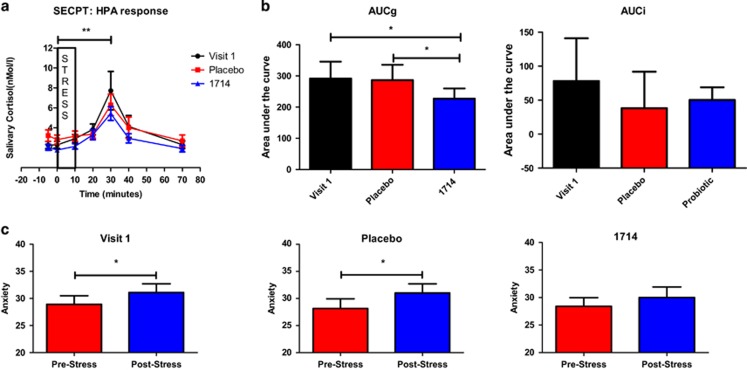
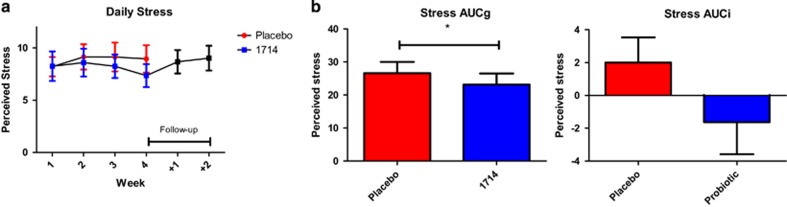
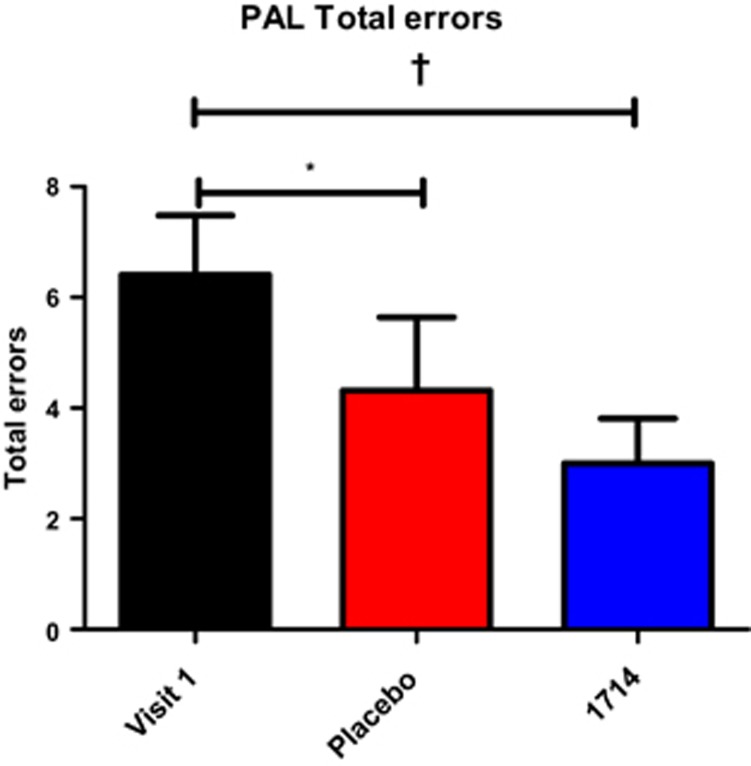
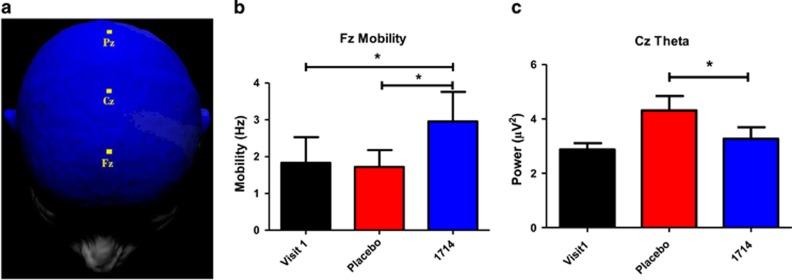
The emerging concept of psychobiotics-live microorganisms with a potential mental health benefit-represents a novel approach for the management of stress-related conditions. The majority of studies have focused on animal models. Recent preclinical studies have identified the B. longum 1714 strain as a putative psychobiotic with an impact on stress-related behaviors, physiology and cognitive performance. Whether such preclinical effects could be translated to healthy human volunteers remains unknown. We tested whether psychobiotic consumption could affect the stress response, cognition and brain activity patterns. In a within-participants design, healthy volunteers (N=22) completed cognitive assessments, resting electroencephalography and were exposed to a socially evaluated cold pressor test at baseline, post-placebo and post-psychobiotic. Increases in cortisol output and subjective anxiety in response to the socially evaluated cold pressor test were attenuated. Furthermore, daily reported stress was reduced by psychobiotic consumption. We also observed subtle improvements in hippocampus-dependent visuospatial memory performance, as well as enhanced frontal midline electroencephalographic mobility following psychobiotic consumption. These subtle but clear benefits are in line with the predicted impact from preclinical screening platforms. Our results indicate that consumption of B. longum 1714 is associated with reduced stress and improved memory. Further studies are warranted to evaluate the benefits of this putative psychobiotic in relevant stress-related conditions and to unravel the mechanisms underlying such effects.
Overview
The claims and statistics of this paper haven’t been checked yet.
Run the check — free, no account needed. It reads the open-access text and checks the sources it cites.
Integrity signals
Registry
Cites
Statistics
Figures
Verification
Claims the paper makes
The claims and statistics of this paper haven’t been checked yet.
Run the check — free, no account needed. It reads the open-access text and checks the sources it cites.
Claims other papers make about this one
Each is checked against this paper’s own text: does it say what the citing paper says it does?
The source backs part of the claim, not all of it — or backs it for a different population, condition or comparison.
In the citing paper
“certain bacterial strains or cocktails of multiple bacteria have demonstrated efficacy in improving behavioral symptoms of various disorders from depression and anxiety to autism (see also Section VIII) (Allen et al., 2016;Bravo et al., 2011;Buffington et al., 2016;Hsiao et al., 2013;Kang et al., 2017;Savignac et al., 2014).”
From The Microbiota-Gut-Brain Axis (2019) · cites this paper as Allen et al., 2016
Experimental — accuracy not yet measuredThe cited source says what the claim attributes to it.
In the citing paper
“Secondly, animals given specific strains of bacteria had alterations in behavior (Bercik et al., 2011a;Bravo et al., 2011;Desbonnet et al., 2015;McKernan et al., 2010;Savignac et al., 2014;Verdu et al., 2008) and human studies of such strains confirmed the potential translatability of such findings (Allen et al., 2016;Pinto-Sanchez et al., 2017b;Tillisch et al., 2013).”
From The Microbiota-Gut-Brain Axis (2019) · cites this paper as Allen et al., 2016
The cited source says what the claim attributes to it.
In the citing paper
“B. longum duced cortisol increases reducing perceived and subjective anxiety, and moderately enhancing hippocampus-dependent visuospatial memory performance (Allen et al., 2016).”
From The Microbiota-Gut-Brain Axis (2019) · cites this paper as Allen et al., 2016
In the citing paper
“has met with somewhat mixed results in healthy human subjects with strain-specific positive results (Allen et al., 2016;Papalini et al., 2018) and a failure to translate (Kelly et al., 2017).”
From Gut reactions: Breaking down xenobiotic–microbiome interactions (2019) · cites this paper as Allen et al., 2016
In the citing paper
“Allen et al. [52] found that healthy individuals fed Bifidobacterium longum had attenuated levels of cortisol and reduced subjective anxiety in response to the socially evaluated cold stress pressor test.”
From Anxiety, depression, and the microbiome: A role for gut peptides (2018) · cites this paper as [52]
In the citing paper
“Several studies in healthy participants have demonstrated reduced stress-induced cortisol levels and pro-inflammatory cytokines, along with improved cognitive test performance, perceptions of stress, anxiety, and mood (465–469).”
From Signalling cognition: The gut microbiota and hypothalamic-pituitary-adrenal axis (2023) · cites this paper as [465]
In the citing paper
“Most human intervention studies have focused on probiotic and prebiotic supplementation to manipulate the microbiota and investigate the effect on brain function and mental health (327, 328).”
From Diet and the Microbiota–Gut–Brain Axis: Sowing the Seeds of Good Mental Health (2021) · cites this paper as [327]
Self-check
Percentages, sums and reported differences re-computed from the paper’s own numbers.
The self-check needs the paper’s full text.
Citations
Cites
Faul, F., Erdfelder, E., Lang, A.-G., & Buchner, A. (2007) · Behavior Research Methods · doi:10.3758/bf03193146 · Cited by 65,971
A Global Measure of Perceived Stress
Cohen, S., Kamarck, T., & Mermelstein, R. (1983) · Journal of Health and Social Behavior · doi:10.2307/2136404 · Cited by 32,807
(1998) · The Journal of Clinical Psychiatry · Cited by 19,139
(1998) · PubMed · Cited by 10,216
EEG alpha and theta oscillations reflect cognitive and memory performance: a review and analysis
Klimesch, W. (1999) · Brain Research Reviews · doi:10.1016/s0165-0173(98)00056-3 · Cited by 6,889
Cognitive and emotional influences in anterior cingulate cortex
Bush, G., Luu, P., & Posner, M. I. (2000) · Trends in Cognitive Sciences · doi:10.1016/s1364-6613(00)01483-2 · Cited by 6,259
A compendium of neuropsychological tests: administration, norms, and commentary
(1991) · Choice Reviews Online · doi:10.5860/choice.29-2400 · Cited by 6,118
Mind-altering microorganisms: the impact of the gut microbiota on brain and behaviour
Cryan, J. F., & Dinan, T. G. (2012) · Nature Reviews Neuroscience · doi:10.1038/nrn3346 · Cited by 4,572
Bravo, J. A., Forsythe, P., Chew, M. V., Escaravage, E., Savignac, H. M., Dinan, T. G., Bienenstock, J., & Cryan, J. F. (2011) · Proceedings of the National Academy of Sciences · doi:10.1073/pnas.1102999108 · Cited by 3,888
Pruessner, J. C., Kirschbaum, C., Meinlschmid, G., & Hellhammer, D. H. (2003) · Psychoneuroendocrinology · doi:10.1016/s0306-4530(02)00108-7 · Cited by 3,638
Research works printed but not linked: 3
- Schmitz LPTC. . LimeSurvey: an Open Source Survey Tool. Limesurvey Project: Hamburg, Germany, 2015.
- Beck AT, Steer RA, Brown GK . Manual for the Beck Depression Inventory-II. Psychological Corporation: San Antonio, USA, 1996.
- Nelson H, Willison J . National adult reading test (NART): test manual, 2nd edn. NFER Nelson: Windsor, ON, Canada, 1991.
Cited by
Sorted by citations
Items 301–400 of 511
Unraveling the relative abundance of psychobiotic bacteria in children with Autism Spectrum Disorder
Darwesh, M.-A. K., Bakr, W., Omar, T. E. I., El‐Kholy, M. A., & Azzam, N. F. A. E. M. (2024) · Scientific Reports · doi:10.1038/s41598-024-72962-3 · Cited by 13
Ribeiro, G., Schellekens, H., Cuesta‐Marti, C., Maneschy, I. R., Ismael, S., Cuevas‐Sierra, A., Martínez, J. A., Silvestre, M. P., Marques, C., Moreira-Rosário, A., et al. (2025) · American Journal of Physiology-Gastrointestinal and Liver Physiology · doi:10.1152/ajpgi.00227.2024 · Cited by 13
Stress, microbiota, and the gut–brain axis in mental and digestive health
Santos, J., Maran, P. L., & Rodríguez‐Urrutia, A. (2025) · Medicina Clínica · doi:10.1016/j.medcli.2024.11.023 · Cited by 17
Antibiotics-induced dysbiosis impacts dendritic morphology of adult mouse cortical interneurons
Nakhal, M. M., Mydeen, A. B., Yassin, L. K., Almazrouei, R., Alkamali, R., Alsulaimi, M., Elsaleh, R. I., BaniYas, S., Houqani, S. A., Al-Marzooq, F. I., et al. (2025) · Frontiers in Neuroanatomy · doi:10.3389/fnana.2025.1557961 · Cited by 12
Lactococcus strains with psychobiotic properties improve cognitive and mood alterations in aged mice
Gao, K., Chen, C., Zheng, Z., Fan, Q., Wang, H., Li, Y., & Chen, S. (2024) · Frontiers in Nutrition · doi:10.3389/fnut.2024.1439094 · Cited by 15
Intriguing Role of Gut-Brain Axis on Cognition with an Emphasis on Interaction with Papez Circuit
Xavier, J., Anu, M., Fathima, A. S., Ravichandiran, V., & Kumar, N. (2022) · CNS & Neurological Disorders - Drug Targets · doi:10.2174/1871527321666220614124145 · Cited by 11
Influence of Gut Microbiota on Behavior and Its Disturbances
Ignatova, V. (2019) · IntechOpen eBooks · doi:10.5772/intechopen.85317 · Cited by 13
The Potential Impact of Selected Bacterial Strains on the Stress Response
Anker-Ladefoged, C., Langkamp, T., & Mueller‐Alcazar, A. (2021) · Healthcare · doi:10.3390/healthcare9050494 · Cited by 12
Dangoor, I., Stanić, D., Reshef, L., Pešić, V., & Gophna, U. (2021) · Microorganisms · doi:10.3390/microorganisms9091938 · Cited by 11
Wang, H., Lim, J. J., Gu, H., Xia, Z., & Cui, J. Y. (2025) · Toxicology · doi:10.1016/j.tox.2025.154265 · Cited by 11
Dong, Z., Xie, Q., Yuan, Y., Shen, X., Hao, Y., Li, J., Xu, H., & Kuang, W. (2023) · Journal of Affective Disorders · doi:10.1016/j.jad.2023.08.129 · Cited by 11
Liu, M., Fan, G., Meng, L., Yang, K., & Liu, H. (2024) · Journal of Zhejiang University SCIENCE B · doi:10.1631/jzus.b2300343 · Cited by 10
The Effects of Human–Horse Interactions on Oxytocin and Cortisol Levels in Humans and Horses
Jung, Y., & Yoon, M. (2025) · Animals · doi:10.3390/ani15070905 · Cited by 10
Cussotto, S., Colle, R., Voican, C. S., Ciocan, D. M., Trainel, N., Bottemanne, H., Pelloux, Y., David, D. J. P., Cassard, A., Perlemuter, G., et al. (2025) · Journal of Neurochemistry · doi:10.1111/jnc.70173 · Cited by 13
Effects of Daily Probiotic Supplementation on Football Player’s Stress and Anxiety
Adikari, A. M. G. C. P., Adikari, A. M. G. C. P., Appukutty, M., & Kuan, G. (2019) · International Conference on Physical Education, Sport, and Health (ACPES) · doi:10.2991/acpes-19.2019.1 · Cited by 10
Sometti, D., Ballan, C., Wang, H., Braun, C., & Enck, P. (2021) · Scientific Reports · doi:10.1038/s41598-021-83994-4 · Cited by 11
Microbiota-gut-brain axis in binge-eating disorder: Towards microbiome-based therapies
Schneider, E., Leigh, S., Lynch, C. M. K., Hilbert, A., Clarke, G. A., Higgs, S., & Cryan, J. F. (2024) · Neuroscience Applied · doi:10.1016/j.nsa.2024.104088 · Cited by 10
Targeting gut microbiota as a therapeutic approach for neurodegenerative diseases
Olajide, T. S., & Ijomone, O. M. (2025) · Neuroprotection/Neuroprotection (Chichester, England. Print) · doi:10.1002/nep3.70000 · Cited by 11
The gut microbial composition is different in chronic fatigue syndrome than in healthy controls
Prylińska, M., Tabisz, H., Kujawski, S., Godlewska, B. R., Słomko, J., Januszko‐Giergielewicz, B., Murovska, M., Morten, K., Sokołowski, Ł., & Zalewski, P. (2025) · Scientific Reports · doi:10.1038/s41598-025-16438-y · Cited by 9
Unraveling the gut microbiota-brain axis: Mechanisms, pathophysiology, and therapeutic opportunities
Jiang, C., Nageeb, W. M., Batool, S., Hashish, A., Alkhawagah, S. M., Ibrahim, H. A. A., Zhu, W., Che, C., Li, X., Jin, M., et al. (2026) · iScience · doi:10.1016/j.isci.2026.116224 · Cited by 12
The adolescent and young adult microbiome and its association with substance use: a scoping review
Browning, B. D., Kirkland, A. E., Green, R., Engevik, M. A., Alekseyenko, A. V., Leggio, L., Tomko, R. L., & Squeglia, L. M. (2023) · Alcohol and Alcoholism · doi:10.1093/alcalc/agad055 · Cited by 10
Silvia Cruchet, M., Hirsch, S., Villa-López, D., Moreno-Portillo, M., Palomo, J. C., Abreu-Abreu, A. T., Abdo-Francis, J. M., Jiménez-Gutiérrez, C., Rojano, M., López‐Velázquez, G., et al. (2024) · Frontiers in Gastroenterology · doi:10.3389/fgstr.2023.1296048 · Cited by 9
Systematic Review: Autism Spectrum Disorder and the Gut Microbiota
Korteniemi, J., Karlsson, L., & Aatsinki, A. (2024) · FOCUS The Journal of Lifelong Learning in Psychiatry · doi:10.1176/appi.focus.24022008 · Cited by 12
Fasano, A., & Flaherty, S. (2021) · The MIT Press eBooks · doi:10.7551/mitpress/11291.001.0001 · Cited by 14
Andrews, K., & González, A. (2019) · Developmental Psychobiology · doi:10.1002/dev.21823 · Cited by 9
Tripathi, A., Pandey, V. K., Tiwari, V., Mishra, R., Dash, K. K., Harsányi, E., Kovács, B., & Shaikh, A. M. (2023) · Fermentation · doi:10.3390/fermentation9080762 · Cited by 8
Gut-brain axis and neuroplasticity in health and disease: a systematic review
Napoli, A. D., Pasquini, L., Visconti, E., Vaccaro, M., Rossi‐Espagnet, M. C., & Napolitano, A. (2024) · La radiologia medica · doi:10.1007/s11547-024-01938-0 · Cited by 9
Krajewski, K. (2025) · Scientific Reports · doi:10.1038/s41598-025-00680-5 · Cited by 8
Lee, K., Lee, D., Jeong, H., Kim, J.-Y., Shim, J. J., & Lee, J. H. (2025) · International Journal of Molecular Sciences · doi:10.3390/ijms26189251 · Cited by 9
Ruscio, M., Guard, G., Piedrahita, G., & D’Adamo, C. R. (2022) · Nutrients · doi:10.3390/nu14173572 · Cited by 11
Papalini, S., Michels, F., Kohn, N., Wegman, J., van Hemert, S., Karin Roelofs, A., Vásquez, A. A., & Aarts, E. (2018) · bioRxiv (Cold Spring Harbor Laboratory) · doi:10.1101/263673 · Cited by 8
Białoń, N., Górka, D. H. N. O. Z. D., & Górka, M. (2024) · AIMS neuroscience · doi:10.3934/neuroscience.2024019 · Cited by 8
Slykerman, R. F., Davies, N., & Donohoe, R. (2025) · Nutrition and Health · doi:10.1177/02601060241305682 · Cited by 7
Valderrama, B., Daly, I., Gunnigle, E., O’Riordan, K. J., Chichlowski, M., Banerjee, S., Skowronski, A. A., Pandey, N., Cryan, J. F., Clarke, G. A., et al. (2025) · Food & Function · doi:10.1039/d4fo03932g · Cited by 7
Deng, Y., Liu, D., Dissanayake, I., Jaye, K. M., Bhuyan, D. J., Low, M., & Li, C. G. (2025) · Food Research International · doi:10.1016/j.foodres.2025.116836 · Cited by 7
Tian, C., Yang, M., Chen, K., Luo, D., Yue, N.-N., Zhao, H., Zhang, Y., Lu, J., Liang, Y.-J., Song, Y., et al. (2025) · Journal of Inflammation Research · doi:10.2147/jir.s514838 · Cited by 7
Al-Adham, I. S. I., Agha, A. S. A. A., Al-Remawi, M. M., Al‐Akayleh, F., Al‐Sheikh, A., Aburub, F. A. F., & Collier, P. J. (2025) · Probiotics and Antimicrobial Proteins · doi:10.1007/s12602-025-10886-8 · Cited by 7
Shen, H., Wang, S. Y., Zhao, Y., Zhou, J. L., Zhao, J., & Zhu, W. K. (2026) · Frontiers in Microbiology · doi:10.3389/fmicb.2026.1768891 · Cited by 9
Vajdi, M., Khorvash, F., & Askari, G. (2024) · Journal of Functional Foods · doi:10.1016/j.jff.2024.106422 · Cited by 7
ENVOLVIMENTO DA FLORA INTESTINAL NA MODULAÇÃO DE DOENÇAS PSIQUIÁTRICAS
Lach, G., Morais, L. H., Costa, A. P., & Hoeller, A. A. (2017) · VITTALLE - Revista de Ciências da Saúde · doi:10.14295/vittalle.v29i1.6413 · Cited by 12
Psychobiotics: bacterial hope for depression?
Greener, M. (2018) · Progress in Neurology and Psychiatry · doi:10.1002/pnp.487 · Cited by 7
Current and future uses of probiotics
Tanner, G., Matthews, K., Roeder, H. J., Konopasek, M., Bussard, A., & Gregory, T. (2018) · JAAPA · doi:10.1097/01.jaa.0000532117.21250.0f · Cited by 7
Using synthetic biology to understand the gut-brain axis
Cesaro, A., Broset, E., Salimando, G. J., Öztekin, S., Mai, D., Bennett, M. L., & de la Fuente‐Núñez, C. (2025) · Cell Reports Physical Science · doi:10.1016/j.xcrp.2025.102458 · Cited by 7
Exploring the Multitude: A Review on Different Categorization of Probiotics
Karukuvelraja, R., & Saranya, N. (2025) · Probiotics and Antimicrobial Proteins · doi:10.1007/s12602-025-10601-7 · Cited by 7
Templeman, I., Parish, E., Rimmer, J. E., Clarke, G. A., Troth, T., Goodson, M. S., Soares, J. W., & Harding, S. V. (2024) · BMJ Military Health · doi:10.1136/military-2024-002746 · Cited by 6
Freijy, T. M., Cribb, L., Oliver, G., Metri, N., Opie, R., Jacka, F. N., Hawrelak, J. A., Rucklidge, J. J., Ng, C. H., & Sarris, J. J. (2024) · Nutritional Neuroscience · doi:10.1080/1028415x.2024.2425570 · Cited by 6
Faysal, M. F., Zehravi, M., Amin, M. A., Rab, S. O., Jahnavi, P., Arjun, U. V. N. V., Gupta, J. K., Billah, A. A. M., Vodeti, R., Prasad, P. D., et al. (2025) · Pathology - Research and Practice · doi:10.1016/j.prp.2025.156090 · Cited by 6
Zubareva, O. E., & Melik-Kasumov, T. B. (2021) · Journal of Evolutionary Biochemistry and Physiology · doi:10.1134/s0022093021040013 · Cited by 6
A medical and molecular approach to kefir as a therapeutic agent of human microbiota
Yeğin, Z., & Sudağıdan, M. (2022) · International Journal for Vitamin and Nutrition Research · doi:10.1024/0300-9831/a000765 · Cited by 6
Linking the gut microbiome to microglial activation in opioid use disorder
Antoine, D., Venigalla, G., Truitt, B., & Roy, S. (2022) · Frontiers in Neuroscience · doi:10.3389/fnins.2022.1050661 · Cited by 6
Human Gut Microbiota and the Influence of Probiotics, Prebiotics, and Micronutrients
Pyle, S. (2021) · Elsevier eBooks · doi:10.1016/b978-0-12-819265-8.00076-0 · Cited by 6
Probiotic Mechanism to Modulate the Gut-Brain Axis (GBA)
Samtiya, M., Dhewa, T., & Puniya, A. K. (2022) · Springer eBooks · doi:10.1007/978-981-16-1626-6_10 · Cited by 6
Clarke, G. A. (2020) · Expert Review of Gastroenterology & Hepatology · doi:10.1080/17474124.2020.1754796 · Cited by 6
Llopis, I., Miguel, N. S., & Serrano, M. Á. (2025) · Applied Sciences · doi:10.3390/app15084564 · Cited by 9
Ashique, S., Paul, D., Debnath, B., Chellappan, D. K., Das, J., Bhui, U., Ramzan, M., Sharma, N., Kumar, B., Sridhar, S. B., et al. (2025) · Nutritional Neuroscience · doi:10.1080/1028415x.2025.2560658 · Cited by 6
Hutchinson, A. N., Antonsson, A., Forsgård, R. A., König, J., Mall, J. G., & Rode, J. (2026) · npj Biofilms and Microbiomes · doi:10.1038/s41522-025-00872-x · Cited by 6
Ma, X., Lazarowski, L., Zhang, Y., Krichbaum, S., Smith, J. G., Zheng, J., Cao, W., Haney, P., Wilborn, R. R., Price, S. B., et al. (2024) · iScience · doi:10.1016/j.isci.2024.109611 · Cited by 6
Gut-Brain Axis to Investigate the Effects of Gut Health on Cognitive Functioning in Adults
Hameed, M., Noor, F., Hussain, H., Khan, R. G., Rashid, S. K. H. U., Rashid, S. H. U., Atiq, A., Ali, H., Rida, S. E., & Abbasi, M. A. (2024) · Cureus · doi:10.7759/cureus.64286 · Cited by 8
Microbial therapeutic tools for human brain disorders: A current overview
Borrego-Ruiz, A., & Borrego, J. J. (2025) · Brain Disorders · doi:10.1016/j.dscb.2025.100262 · Cited by 8
Bottaccioli, F., Bottaccioli, A., Marzola, E., Longo, P., Minelli, A., & Abbate-Daga, G. (2021) · Endocrines · doi:10.3390/endocrines2030022 · Cited by 6
Effects of different foxtail millet additional amounts on the cognitive ability of mice
Fu, Y., Chen, B., Liu, Z., Wang, H., Zhang, F., Zhao, Q., Zhu, Y., Xue, Y., & Shen, Q. (2022) · Food Bioscience · doi:10.1016/j.fbio.2022.102286 · Cited by 5
The Interplay Between Gut Microbiota and Central Nervous System
Gervasi, T., & Mandalari, G. (2023) · Current Pharmaceutical Design · doi:10.2174/0113816128264312231101110307 · Cited by 5
Psychobiotics in daily food against psychiatric disorders
Magalhães‐Guedes, K. T., Alessandra, S. M. D. N., Talita, A. D. A., & Sérgio, E. S. (2020) · African Journal of Food Science · doi:10.5897/ajfs2020.1927 · Cited by 5
Kamp, K., Plantinga, A., Cain, K. C., Burr, R. L., Barney, P., Jarrett, M. E., Luna, R. A., Savidge, T., Shulman, R. J., & Heitkemper, M. M. (2021) · Biological Research For Nursing · doi:10.1177/1099800420984543 · Cited by 5
Dhar, D. (2022) · Frontiers in Neuroscience · doi:10.3389/fnins.2021.831193 · Cited by 6
Szablewski, L. (2021) · Elsevier eBooks · doi:10.1016/b978-0-12-819265-8.00065-6 · Cited by 5
Naureen, Z., Farooq, S., Zahoor, T., & Gilani, S. A. (2022) · Springer eBooks · doi:10.1007/978-981-16-1626-6_19 · Cited by 6
Kohn, N., Szopinska-Tokov, J., Llera, A., Beckmann, C. F., Vásquez, A. A., & Aarts, E. (2020) · bioRxiv (Cold Spring Harbor Laboratory) · doi:10.1101/2020.08.25.266122 · Cited by 4
Association between brain-gut peptides and depression: A systematic review and meta-analysis
Wang, Y., Sun, Y., Zhang, H., & Ma, K. (2025) · Psychoneuroendocrinology · doi:10.1016/j.psyneuen.2025.107526 · Cited by 4
Groeger, D., Yao, L., Collins, F. W. J., Larsen, I., Tan, H. T., Healy, S., Ambrogi, V., Tykwinska, K., Schimdt, M., Golletz, P., et al. (2025) · Current Research in Microbial Sciences · doi:10.1016/j.crmicr.2025.100481 · Cited by 5
Bifidobacterial Postbiotics as Health-promoting Agents in Dairy Products
Rad, A. H., Moghadam, S. K., Mortazavian, A. M., Abachi, S., & Allahmadadi, S. (2023) · Current Functional Foods · doi:10.2174/2666862901666230818093034 · Cited by 4
Rocchetti, M. T., Chiano, M. D., Elouardi, I., & Fiocco, D. (2025) · Global Pediatrics · doi:10.1016/j.gpeds.2025.100266 · Cited by 6
Opportunities for growth in the growing field of psychobiotics
Wissel, E. F., de León, L. C.-D., & Tipton, L. (2022) · Beneficial Microbes · doi:10.3920/bm2022.0051 · Cited by 4
Psychobiotics: a new way in psychopharmacology, or How do bacteria manage our brain?
Andreeva, I. V., Tolpygo, A. V., Andreev, V. А., Azyzov, I. S., Golman, I. A., Osipova, N. N., Privolnev, V. V., Stetsiouk, О. U., & Sokolovskaya, V. V. (2022) · Clinical Microbiology and Antimicrobial Chemotherapy · doi:10.36488/cmac.2022.2.108-133 · Cited by 5
Gut microbiota: A potential player in psychiatric symptoms during COVID-19
Zeng, Z., & Tang, W. (2024) · The World Journal of Biological Psychiatry · doi:10.1080/15622975.2024.2342846 · Cited by 4
A new generation of probiotics — psychobiotics, their purpose and functions
Dbar, S. D., & Stoyanova, L. G. (2022) · Antibiot Khimioter = Antibiotics and Chemotherapy · doi:10.37489/0235-2990-2021-66-9-10-64-78 · Cited by 4
Ruscio, M., Guard, G., & Mather, J. (2022) · PubMed · Cited by 4
Psychobiotics: A Restorative Intervention for Lifestyle-Induced Deteriorations of Mental Health
Banerjee, A. T., Talukdar, P. D., Saha, T., Bhattacharya, A., Pramanik, K., Chakraborty, S., & Chatterji, U. (2024) · Healthy ageing and longevity · doi:10.1007/978-3-031-68513-2_21 · Cited by 4
Yeo, S., Lee, C., Park, H., Eo, K., Yeom, S. C., Kim, H., & Huh, C. (2024) · Food Science of Animal Resources · doi:10.5851/kosfa.2024.e117 · Cited by 3
Gao, S., Xiao, A. Y., Zou, S., Li, T., Deng, H., & Wang, Y. (2025) · Food & Function · doi:10.1039/d4fo04366a · Cited by 3
Hou, X., Zhu, X., Feng, Y., Shao, S., Qian, H., He, J., Liu, X., Jiang, H., Guan, Y., Li, M., et al. (2026) · Phytomedicine · doi:10.1016/j.phymed.2026.157820 · Cited by 3
Targeting gut dysbiosis as a means to enhance recovery from surgical brain injury
Danehower, S. (2021) · Surgical Neurology International · doi:10.25259/sni_72_2021 · Cited by 3
Psychobiotics in Health, Longevity, and Neurological Disorders
Mohankumar, A., Kalaiselvi, D., Thiruppathi, G., Patteswari, D., Tawata, S., & Sundararaj, P. (2022) · Nutritional neurosciences · doi:10.1007/978-981-16-8158-5_2 · Cited by 3
Solch-Ottaiano, R. J., Engler-Chiurazzi, E. B., Harper, C., Wasson, S., Ogbonna, S., Ouvrier, B., Wang, H., Prats, M., McDonald, K., Biose, I. J., et al. (2024) · Gut Microbes Reports · doi:10.1080/29933935.2024.2439490 · Cited by 4
Wpływ mikrobiomu jelitowego na mózg i psychikę
Żakowicz, J., Bramorska, A., Zarzycka, W., Kovbasiuk, A., Kuć, K., & Brzezicka, A. (2020) · Kosmos · doi:10.36921/kos.2020_2634 · Cited by 3
Gomes, F. D. O., Santos, L. C., & Welter, Á. (2020) · Singular Saúde e Biológicas · doi:10.33911/singularsb.v1i1.83 · Cited by 3
Therapeutic Mechanisms of Gut Microbiota and Probiotics in the Management of Mental Disorders
Yadav, M., Kumar, A., & Shandil, A. (2022) · Springer eBooks · doi:10.1007/978-981-16-6760-2_3 · Cited by 3
A review of the literature on the impact of acute and chronic stress upon brain waves
Noushad, S., Ahmed, S., Ansari, B., Saleem, Y., Batool, S., & Batool, S. F. (2021) · Annals of Psychophysiology · doi:10.29052/2412-3188.v8.i1.2021.49-61 · Cited by 3
Mörkl, S., Butler, M., Cichini, F., Cryan, J. F., & Dinan, T. G. (2020) · Oxford University Press eBooks · doi:10.1093/oxfordhb/9780190931544.013.7 · Cited by 3
Restoring gut biome balance for weight loss: clinical applications
Bhat, N., Bhat, J., Bhat, K., Junaid, I., Bhat, A., & Bhat, J. (2022) · Elsevier eBooks · doi:10.1016/b978-0-12-822238-6.00022-4 · Cited by 3
Srivastava, A. K., Bhushan, B., Eslavath, M. R., Gupta, H., Chanda, S., Singh, V. V., Singh, S. N., Kumar, B., Varshney, R. K., & Ganju, L. (2024) · Polar Biology · doi:10.1007/s00300-024-03242-z · Cited by 3
Chen, H., Zeng, Y., Cai, G. X., Gu, W., & Yang, Y. (2024) · Frontiers in Microbiology · doi:10.3389/fmicb.2024.1323842 · Cited by 3
Fecal Microbiota Transplantation in the Treatment-Resistant Psychiatric Disorders
Evrensel, A., & Ceylan, M. E. (2018) · Springer eBooks · doi:10.1007/978-981-10-4358-1_24 · Cited by 3
dos Santos, V. R., de Carvalho, G. O., & Silva, J. B. N. F. (2021) · Microbiology Research · doi:10.3390/microbiolres12030039 · Cited by 3
The Impact of Gut Microbiota on Mental Health
Hefnawy, M. T., Elsamman, K., Abbas, A., & Hawas, Y. (2024) · Nutritional neurosciences · doi:10.1007/978-981-97-2681-3_7 · Cited by 2
Álvarez‐Herms, J., Burtscher, M., Corbi, F., González, A., & Odriozola-Martínez, A. (2025) · Nutrients · doi:10.3390/nu17172836 · Cited by 3
Wei, Y., Huo, S., Liang, R., Cui, Y., Wang, L., Zhao, Y., Zhao, C., & Shao, C. (2025) · Brain and Behavior · doi:10.1002/brb3.70933 · Cited by 4
Estrogenic Effect of Probiotics on Anxiety and Depression: A Narrative Review
Rosas-Sánchez, G. U., Germán-Ponciano, L. J., Rodríguez‐Landa, J. F., Bonilla‐Jaime, H., Limón‐Morales, O., García-Ríos, R. I., Muñoz‐Carrillo, J. L., Gutiérrez-Coronado, O., Villalobos‐Gutiérrez, P. T., & Soria-Fregozo, C. (2025) · International Journal of Molecular Sciences · doi:10.3390/ijms26209948 · Cited by 2
Lashus, C., Gomez, A., Hummel, T. R., Jacobs, L. F., Majid, A., Raju, R. M., Smith, C. J., Williams, J., & Bratman, G. N. (2025) · Environmental Research · doi:10.1016/j.envres.2025.123582 · Cited by 3
Huang, D., Lv, J., Li, X., Gong, W., Tian, J., Gao, X., Qin, X., Du, G., & Zhou, Y. (2026) · Food Bioscience · doi:10.1016/j.fbio.2026.108229 · Cited by 2
Metadata
- Authors
- Allen, A. P., Hutch, W., Borre, Y. E., Kennedy, P. J., Temko, A., Boylan, G., Murphy, E., Cryan, J. F., Dinan, T. G., & Clarke, G.
- Affiliations
- University College Cork (IE)
- Alimentary Health (Ireland) (IE)
- Corresponding author
- Dinan, T G
- Venue
- Translational Psychiatry
- Published
- 2016-11-01
- Volume
- 6
- Issue
- 11
- Pages
- e939-e939
- ISSN
- 2158-3188 (ISSN-L)
- PMC
- PMC5314114
- OpenAlex
- W2546849981
- Cited by
- 513
- References
- 55
- Citations by year
- 2026: 41 · 2025: 57 · 2024: 57 · 2023: 48 · 2022: 73 · 2021: 65 · 2020: 60 · 2019: 48 · 2018: 36 · 2017: 24 · 2016: 3
- FWCI
- 46.59
- Type
- journal article
- Language
- en
- Open access
- gold
- doi.org
- Locations
- Translational Psychiatry (publishedVersion, cc-by)
- Europe PMC (PubMed Central) (publishedVersion, cc-by)
- PubMed Central (publishedVersion, cc-by)
- PubMed (publishedVersion)
- NORMA (acceptedVersion)
- TRAP@NCI (National College of Ireland) (acceptedVersion)
- Arrow@dit (Dublin Institute of Technology) (acceptedVersion)
- Cork Open Research Archive (University College Cork, Ireland) (acceptedVersion, cc-by)
- Cork Open Research Archive (University College Cork, Ireland) (submittedVersion, cc-by)
- UCL Discovery (University College London) (submittedVersion)
- Funders
- Health Research Board (12/RC/2272, HRA_POR/2011/23, HRA_POR/2012/32)
- Science Foundation Ireland (12/RC/2272, SFI/12/RC/, SFI/12/RC/2272, 12/RC/2273, HRA_POR/2011/23, 12/RC/, SFI/12/RC/2273.)
- APC Microbiome Institute (SFI/12/RC/2273)
- Topics
- Life Sciences › Agricultural and Biological Sciences › Food Science › Probiotics and Fermented Foods
- Life Sciences › Biochemistry, Genetics and Molecular Biology › Molecular Biology › Gut microbiota and health
- Life Sciences › Neuroscience › Behavioral Neuroscience › Stress Responses and Cortisol
- Keywords
- psychobiotics, stress response, cortisol, anxiety, social evaluation, cold pressor test, visuospatial memory, hippocampus, neurocognitive function, healthy volunteers, probiotics
- MeSH terms
- Bifidobacterium longum, Adult, Arousal, Brain, Cognition Disorders, Cold Temperature, Electroencephalography, Female, Hippocampus, Humans, Hydrocortisone, Male, Neuropsychological Tests, Psychometrics, Mental Recall, Stress, Psychological, Case-Control Studies, Probiotics, Stress Disorders, Traumatic, Acute, Translational Research, Biomedical
About these checks
Registry, retraction, Cites and statistics results are computed, not judged, with one exception: a printed reference that no index lists is read once by a model before it counts as a citation error. Claims are extracted by a model and kept only when their quote appears verbatim in the text; each cited source is then checked, with a model’s help, for whether it says what the claim relies on. Those verdicts can be wrong — read the claim’s quote and the cited source before relying on one.
Statistics and arithmetic are recomputed, not judged.
Confidence bands are shown only for fields calibrated on our annotated test set. None is calibrated yet, so no band is shown.
What counts as a claim ›How we measure confidence ›How we check this ›
Are you an author, or do you see a problem with this page? Request a review
