

The DOI matches its Crossref record; 53 of the 55 references it cites were found in a registry or an index.
Bifidobacterium longum 1714 as a translational psychobiotic: modulation of stress, electrophysiology and neurocognition in healthy volunteers
Open accessAbstract
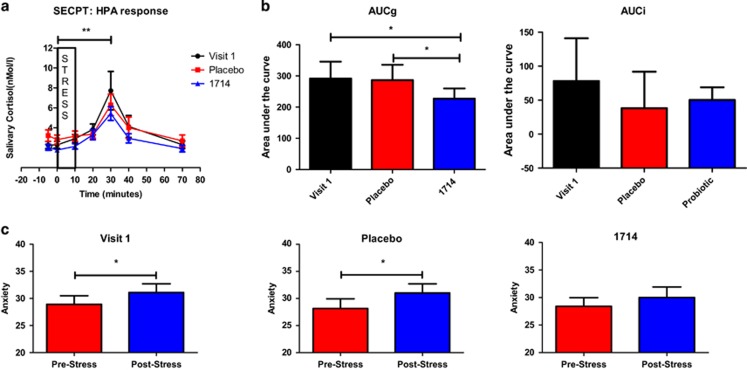
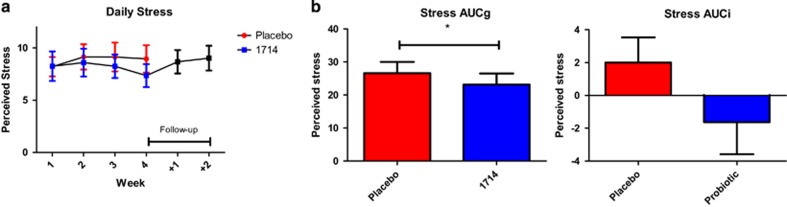
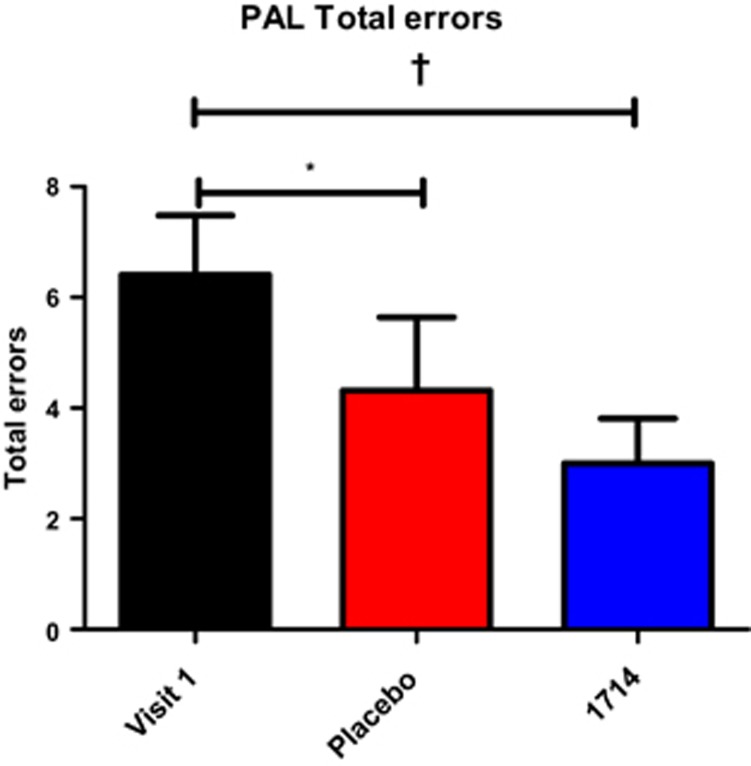
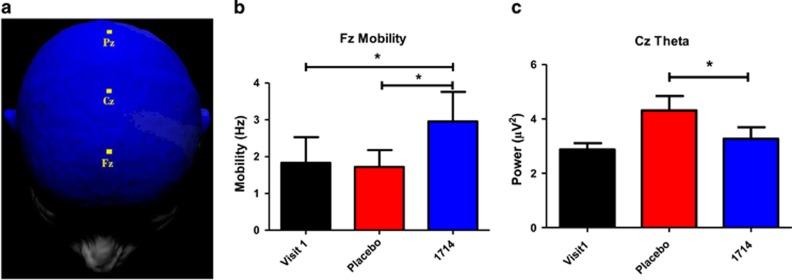
The emerging concept of psychobiotics-live microorganisms with a potential mental health benefit-represents a novel approach for the management of stress-related conditions. The majority of studies have focused on animal models. Recent preclinical studies have identified the B. longum 1714 strain as a putative psychobiotic with an impact on stress-related behaviors, physiology and cognitive performance. Whether such preclinical effects could be translated to healthy human volunteers remains unknown. We tested whether psychobiotic consumption could affect the stress response, cognition and brain activity patterns. In a within-participants design, healthy volunteers (N=22) completed cognitive assessments, resting electroencephalography and were exposed to a socially evaluated cold pressor test at baseline, post-placebo and post-psychobiotic. Increases in cortisol output and subjective anxiety in response to the socially evaluated cold pressor test were attenuated. Furthermore, daily reported stress was reduced by psychobiotic consumption. We also observed subtle improvements in hippocampus-dependent visuospatial memory performance, as well as enhanced frontal midline electroencephalographic mobility following psychobiotic consumption. These subtle but clear benefits are in line with the predicted impact from preclinical screening platforms. Our results indicate that consumption of B. longum 1714 is associated with reduced stress and improved memory. Further studies are warranted to evaluate the benefits of this putative psychobiotic in relevant stress-related conditions and to unravel the mechanisms underlying such effects.
Overview
The claims and statistics of this paper haven’t been checked yet.
Run the check — free, no account needed. It reads the open-access text and checks the sources it cites.
Integrity signals
Registry
Cites
Statistics
Figures
Verification
Claims the paper makes
The claims and statistics of this paper haven’t been checked yet.
Run the check — free, no account needed. It reads the open-access text and checks the sources it cites.
Claims other papers make about this one
Each is checked against this paper’s own text: does it say what the citing paper says it does?
The source backs part of the claim, not all of it — or backs it for a different population, condition or comparison.
In the citing paper
“certain bacterial strains or cocktails of multiple bacteria have demonstrated efficacy in improving behavioral symptoms of various disorders from depression and anxiety to autism (see also Section VIII) (Allen et al., 2016;Bravo et al., 2011;Buffington et al., 2016;Hsiao et al., 2013;Kang et al., 2017;Savignac et al., 2014).”
From The Microbiota-Gut-Brain Axis (2019) · cites this paper as Allen et al., 2016
Experimental — accuracy not yet measuredThe cited source says what the claim attributes to it.
In the citing paper
“Secondly, animals given specific strains of bacteria had alterations in behavior (Bercik et al., 2011a;Bravo et al., 2011;Desbonnet et al., 2015;McKernan et al., 2010;Savignac et al., 2014;Verdu et al., 2008) and human studies of such strains confirmed the potential translatability of such findings (Allen et al., 2016;Pinto-Sanchez et al., 2017b;Tillisch et al., 2013).”
From The Microbiota-Gut-Brain Axis (2019) · cites this paper as Allen et al., 2016
The cited source says what the claim attributes to it.
In the citing paper
“B. longum duced cortisol increases reducing perceived and subjective anxiety, and moderately enhancing hippocampus-dependent visuospatial memory performance (Allen et al., 2016).”
From The Microbiota-Gut-Brain Axis (2019) · cites this paper as Allen et al., 2016
In the citing paper
“has met with somewhat mixed results in healthy human subjects with strain-specific positive results (Allen et al., 2016;Papalini et al., 2018) and a failure to translate (Kelly et al., 2017).”
From Gut reactions: Breaking down xenobiotic–microbiome interactions (2019) · cites this paper as Allen et al., 2016
In the citing paper
“Allen et al. [52] found that healthy individuals fed Bifidobacterium longum had attenuated levels of cortisol and reduced subjective anxiety in response to the socially evaluated cold stress pressor test.”
From Anxiety, depression, and the microbiome: A role for gut peptides (2018) · cites this paper as [52]
In the citing paper
“Several studies in healthy participants have demonstrated reduced stress-induced cortisol levels and pro-inflammatory cytokines, along with improved cognitive test performance, perceptions of stress, anxiety, and mood (465–469).”
From Signalling cognition: The gut microbiota and hypothalamic-pituitary-adrenal axis (2023) · cites this paper as [465]
In the citing paper
“Most human intervention studies have focused on probiotic and prebiotic supplementation to manipulate the microbiota and investigate the effect on brain function and mental health (327, 328).”
From Diet and the Microbiota–Gut–Brain Axis: Sowing the Seeds of Good Mental Health (2021) · cites this paper as [327]
Self-check
Percentages, sums and reported differences re-computed from the paper’s own numbers.
The self-check needs the paper’s full text.
Citations
Cites
Faul, F., Erdfelder, E., Lang, A.-G., & Buchner, A. (2007) · Behavior Research Methods · doi:10.3758/bf03193146 · Cited by 65,971
A Global Measure of Perceived Stress
Cohen, S., Kamarck, T., & Mermelstein, R. (1983) · Journal of Health and Social Behavior · doi:10.2307/2136404 · Cited by 32,807
(1998) · The Journal of Clinical Psychiatry · Cited by 19,139
(1998) · PubMed · Cited by 10,216
EEG alpha and theta oscillations reflect cognitive and memory performance: a review and analysis
Klimesch, W. (1999) · Brain Research Reviews · doi:10.1016/s0165-0173(98)00056-3 · Cited by 6,889
Cognitive and emotional influences in anterior cingulate cortex
Bush, G., Luu, P., & Posner, M. I. (2000) · Trends in Cognitive Sciences · doi:10.1016/s1364-6613(00)01483-2 · Cited by 6,259
A compendium of neuropsychological tests: administration, norms, and commentary
(1991) · Choice Reviews Online · doi:10.5860/choice.29-2400 · Cited by 6,118
Mind-altering microorganisms: the impact of the gut microbiota on brain and behaviour
Cryan, J. F., & Dinan, T. G. (2012) · Nature Reviews Neuroscience · doi:10.1038/nrn3346 · Cited by 4,572
Bravo, J. A., Forsythe, P., Chew, M. V., Escaravage, E., Savignac, H. M., Dinan, T. G., Bienenstock, J., & Cryan, J. F. (2011) · Proceedings of the National Academy of Sciences · doi:10.1073/pnas.1102999108 · Cited by 3,888
Pruessner, J. C., Kirschbaum, C., Meinlschmid, G., & Hellhammer, D. H. (2003) · Psychoneuroendocrinology · doi:10.1016/s0306-4530(02)00108-7 · Cited by 3,638
State-Trait Anxiety Inventoryによるペインクリニック外来患者の不安の評価
福田, 博. (1994) · The SAGE Encyclopedia of Abnormal and Clinical Psychology · doi:10.4135/9781483365817.n1316 · Cited by 2,804
Spielberger, C. D. (2010) · The Corsini Encyclopedia of Psychology · doi:10.1002/9780470479216.corpsy0943 · Cited by 2,535
Bercik, P., Denou, E., Collins, J., Jackson, W., Lu, J., Jury, J., Deng, Y., Blennerhassett, P., Macri, J., McCoy, K. D., et al. (2011) · Gastroenterology · doi:10.1053/j.gastro.2011.04.052 · Cited by 1,748
EEG analysis based on time domain properties
Hjorth, B. (1970) · Electroencephalography and Clinical Neurophysiology · doi:10.1016/0013-4694(70)90143-4 · Cited by 1,504
O’Mahony, L., McCarthy, J., Kelly, P., Hurley, G., Luo, F., Chen, K., O’Sullivan, G. C., Kiely, B., Collins, J. K., Shanahan, F., et al. (2005) · Gastroenterology · doi:10.1053/j.gastro.2004.11.050 · Cited by 1,448
Etkin, A., Egner, T., Peraza, D. M., Kandel, E. R., & Hirsch, J. (2006) · Neuron · doi:10.1016/j.neuron.2006.07.029 · Cited by 1,360
Messaoudi, M., Lalonde, R., Violle, N., Javelot, H., Desor, D., Nejdi, A., Bisson, J.-F., Rougeot, C., Pichelin, M., Cazaubiel, M., et al. (2011) · British Journal of Nutrition · doi:10.1017/s0007114510004319 · Cited by 1,324
Psychobiotics: A novel class of psychotropic
Dinan, T. G., Stanton, C., & Cryan, J. F. (2013) · Biological Psychiatry · doi:10.1016/j.biopsych.2013.05.001 · Cited by 1,287
Consumption of fermented milk product with probiotic modulates brain activity
Tillisch, K., Labus, J., Kilpatrick, L., Jiang, Z., Stains, J., Ebrat, B., Guyonnet, D., Legrain–Raspaud, S., Trotin, B., Naliboff, B., et al. (2013) · Gastroenterology · doi:10.1053/j.gastro.2013.02.043 · Cited by 1,192
Whitehead, W. E., Palsson, O., & Jones, K. R. (2002) · Gastroenterology · doi:10.1053/gast.2002.32392 · Cited by 1,116 · cited 1×
“…studies, speci fi c probiotic strains have shown potential for symptom alleviation in irritable bowel syndrome (IBS), 8,9 a stress-related brain – gut axis disorder associated with high rates of psychopathology 10 as well as altered hypothalamic – pituitary – adrenal axis activity 11 and cognition.”
Effects of the probiotic Bifidobacterium infantis in the maternal separation model of depression
Desbonnet, L., Garrett, L., Clarke, G., Kiely, B., Cryan, J. F., & Dinan, T. G. (2010) · Neuroscience · doi:10.1016/j.neuroscience.2010.08.005 · Cited by 999
Whorwell, P. J., Altringer, L., Morel, J., Bond, Y., Charbonneau, D., O'Mahony, L., Kiely, B., Shanahan, F., & Quigley, E. M. M. (2006) · The American Journal of Gastroenterology · doi:10.1111/j.1572-0241.2006.00734.x · Cited by 799
HPA axis activation by a socially evaluated cold-pressor test
Schwabe, L., Haddad, L., & Schächinger, H. (2008) · Psychoneuroendocrinology · doi:10.1016/j.psyneuen.2008.03.001 · Cited by 698
Bercik, P., Verdu, E. F., Foster, J. A., Macri, J., Potter, M., Huang, X., Malinowski, P., Jackson, W., Blennerhassett, P., Neufeld, K. A., et al. (2010) · Gastroenterology · doi:10.1053/j.gastro.2010.06.063 · Cited by 674
Steenbergen, L., Sellaro, R., van Hemert, S., Bosch, J. A., & Colzato, L. S. (2015) · Brain, Behavior, and Immunity · doi:10.1016/j.bbi.2015.04.003 · Cited by 671
Functional Alterations in Memory Networks in Early Alzheimer’s Disease
Sperling, R. A., Dickerson, B. C., Pihlajamaki, M. M., Vannini, P., LaViolette, P. S., Vitolo, O. V., Hedden, T., Becker, J. A., Rentz, D. M., Selkoe, D. J., et al. (2010) · NeuroMolecular Medicine · doi:10.1007/s12017-009-8109-7 · Cited by 617
Collective unconscious: How gut microbes shape human behavior
Dinan, T. G., Stilling, R. M., Stanton, C., & Cryan, J. F. (2015) · Journal of Psychiatric Research · doi:10.1016/j.jpsychires.2015.02.021 · Cited by 571
Coull, J. T., Frith, C. D., Frackowiak, R. S. J., & Grasby, P. M. (1996) · Neuropsychologia · doi:10.1016/0028-3932(96)00029-2 · Cited by 566
Impact of consuming a milk drink containing a probiotic on mood and cognition
Benton, D., Williams, C., & Brown, A. (2007) · European Journal of Clinical Nutrition · doi:10.1038/sj.ejcn.1602546 · Cited by 554
Schmidt, K., Cowen, P. J., Harmer, C. J., Tzortzis, G., Errington, S., & Burnet, P. W. J. (2015) · Psychopharmacology · doi:10.1007/s00213-014-3810-0 · Cited by 522
Savignac, H. M., Kiely, B., Dinan, T. G., & Cryan, J. F. (2014) · Neurogastroenterology & Motility · doi:10.1111/nmo.12427 · Cited by 418
Asada, H., Fukuda, Y., Tsunoda, S., Yamaguchi, M., & Tonoike, M. (1999) · Neuroscience Letters · doi:10.1016/s0304-3940(99)00679-5 · Cited by 411
Bifidobacteria modulate cognitive processes in an anxious mouse strain
Savignac, H. M., Tramullas, M., Kiely, B., Dinan, T. G., & Cryan, J. F. (2015) · Behavioural Brain Research · doi:10.1016/j.bbr.2015.02.044 · Cited by 365
Reliability of quantitative EEG features
Guðmundsson, S., Rúnarsson, T. P., Sigurðsson, S. Þ., Eiriksdottir, G., & Johnsen, K. (2007) · Clinical Neurophysiology · doi:10.1016/j.clinph.2007.06.018 · Cited by 230
Stress and the Aging Hippocampus
McEwen, B. S. (1999) · Frontiers in Neuroendocrinology · doi:10.1006/frne.1998.0173 · Cited by 229
Schwabe, L., & Wolf, O. T. (2010) · Psychoneuroendocrinology · doi:10.1016/j.psyneuen.2009.12.010 · Cited by 204
Chung, Y.-C., Jin, H.-M., Cui, Y., Kim, D. S., Jung, J. M., Park, J.-I., Jung, E.-S., Choi, E.-K., & Chae, S.-W. (2014) · Journal of Functional Foods · doi:10.1016/j.jff.2014.07.007 · Cited by 173
de Rover, M., Pironti, V. A., McCabe, J. A., Acosta‐Cabronero, J., Arana, F. S., Morein‐Zamir, S., Hodges, J. R., Robbins, T. W., Fletcher, P. C., Nestor, P. J., et al. (2011) · Neuropsychologia · doi:10.1016/j.neuropsychologia.2011.03.037 · Cited by 173
Not all negative words slow down lexical decision and naming speed: Importance of word arousal.
Larsen, R. J., Mercer, K. A., Balota, D. A., & Strube, M. (2008) · Emotion · doi:10.1037/1528-3542.8.4.445 · Cited by 172
Eichenbaum, H., & Bunsey, M. D. (1995) · Current Directions in Psychological Science · doi:10.1111/1467-8721.ep10770954 · Cited by 139
Kennedy, P. J., Cryan, J. F., Quigley, E. M. M., Dinan, T. G., & Clarke, G. (2014) · Psychological Medicine · doi:10.1017/s003329171400052x · Cited by 120
Kennedy, P. J., Clarke, G., O‘Neill, A., Groeger, J. A., Quigley, E. M. M., Shanahan, F., Cryan, J. F., & Dinan, T. G. (2014) · Psychological Medicine · doi:10.1017/s0033291713002171 · Cited by 106
O'Sullivan, E., Barrett, E., Grenham, S., Fitzgerald, P., Stanton, C., Ross, R., Quigley, E., Cryan, J., & Dinan, T. (2011) · Beneficial Microbes · doi:10.3920/bm2011.0015 · Cited by 92
Minkley, N., Schröder, T. P., Wolf, O. T., & Kirchner, W. H. (2014) · Psychoneuroendocrinology · doi:10.1016/j.psyneuen.2014.03.022 · Cited by 59
Principles and Practice of Geriatric Psychiatry
Kennedy, J. S. (1995) · Journal of Clinical Psychopharmacology · doi:10.1097/00004714-199506000-00020 · Cited by 51
Kennedy, P. J., Allen, A. P., O’Neill, A., Quigley, E. M. M., Cryan, J. F., Dinan, T. G., & Clarke, G. A. (2014) · Psychopharmacology · doi:10.1007/s00213-014-3767-z · Cited by 40
Effects and after-effects of chewing gum on vigilance, heart rate, EEG and mood
Allen, A. P., Jacob, T. J. C., & Smith, A. P. (2014) · Physiology & Behavior · doi:10.1016/j.physbeh.2014.05.009 · Cited by 39
Effect of diazepam on EEG power and coherent activity: sex differences
Romano-Torres, M., Borja-Lascurain, E., Chao-Rebolledo, C., del Río‐Portilla, Y., & Corsi‐Cabrera, M. (2002) · Psychoneuroendocrinology · doi:10.1016/s0306-4530(01)00082-8 · Cited by 33
Hales, J. B., Israel, S. L., Swann, N. C., & Brewer, J. B. (2008) · Journal of Cognitive Neuroscience · doi:10.1162/jocn.2009.21096 · Cited by 31
Computer Methods of Assessment of Cognitive Function
Robbins, T. W., & Sahakian, B. J. (2002) · doi:10.1002/0470846410.ch28 · Cited by 30
Topographic pharmaco‐EEG mapping of increasing doses of buspirone and its comparison with diazepam
Barbanoj, M. J., Anderer, P., Antonijoan, R. M., Torrent-Farnell, J., Saletu, B., & Jané, F. (1994) · Human Psychopharmacology Clinical and Experimental · doi:10.1002/hup.470090203 · Cited by 25
Topography of mobility and complexity parameters of the EEG in Alzheimer's Disease
Martín‐Loeches, M., García–Trapero, J., Gil, P., & Rubia, F. J. (1991) · Biological Psychiatry · doi:10.1016/0006-3223(91)90181-k · Cited by 17
Effects of etizolam and ethyl loflazepate on the P300 event-related potential in healthy subjects
Fukami, G., Hashimoto, T., Shirayama, Y., Hasegawa, T., Watanabe, H., Fujisaki, M., Hashimoto, K., & Iyo, M. (2010) · Annals of General Psychiatry · doi:10.1186/1744-859x-9-37 · Cited by 15
Research works printed but not linked: 3
- Schmitz LPTC. . LimeSurvey: an Open Source Survey Tool. Limesurvey Project: Hamburg, Germany, 2015.
- Beck AT, Steer RA, Brown GK . Manual for the Beck Depression Inventory-II. Psychological Corporation: San Antonio, USA, 1996.
- Nelson H, Willison J . National adult reading test (NART): test manual, 2nd edn. NFER Nelson: Windsor, ON, Canada, 1991.
Cited by
Sorted by citations
Cryan, J. F., O'Riordan, K. J., Cowan, C. S. M., Sandhu, K. V., Bastiaanssen, T. F. S., Boehme, M., Codagnone, M. G., Cussotto, S., Fulling, C., Golubeva, A. V., et al. (2019) · Physiological Reviews · doi:10.1152/physrev.00018.2018 · Cited by 5,286
Microbiota in health and diseases
Hou, K., Wu, Z.-X., Chen, X.-Y., Wang, J.-Q., Zhang, D., Xiao, C., Zhu, D., Koya, J. B., Wei, L., Li, J., et al. (2022) · Signal Transduction and Targeted Therapy · doi:10.1038/s41392-022-00974-4 · Cited by 3,171
The gut microbiota–brain axis in behaviour and brain disorders
Morais, L. H., Schreiber, H. L., & Mazmanian, S. K. (2021) · Nature Reviews Microbiology · doi:10.1038/s41579-020-00460-0 · Cited by 2,149
The gut microbiome in neurological disorders
Cryan, J. F., O'Riordan, K. J., Sandhu, K., Peterson, V., & Dinan, T. G. (2020) · The Lancet Neurology · doi:10.1016/s1474-4422(19)30356-4 · Cited by 1,336
Stress & the gut-brain axis: Regulation by the microbiome
Foster, J. A., Rinaman, L., & Cryan, J. F. (2017) · Neurobiology of Stress · doi:10.1016/j.ynstr.2017.03.001 · Cited by 1,150
Metadata
- Authors
- Allen, A. P., Hutch, W., Borre, Y. E., Kennedy, P. J., Temko, A., Boylan, G., Murphy, E., Cryan, J. F., Dinan, T. G., & Clarke, G.
- Affiliations
- University College Cork (IE)
- Alimentary Health (Ireland) (IE)
- Corresponding author
- Dinan, T G
- Venue
- Translational Psychiatry
- Published
- 2016-11-01
- Volume
- 6
- Issue
- 11
- Pages
- e939-e939
- ISSN
- 2158-3188 (ISSN-L)
- PMC
- PMC5314114
- OpenAlex
- W2546849981
- Cited by
- 513
- References
- 55
- Citations by year
- 2026: 41 · 2025: 57 · 2024: 57 · 2023: 48 · 2022: 73 · 2021: 65 · 2020: 60 · 2019: 48 · 2018: 36 · 2017: 24 · 2016: 3
- FWCI
- 46.59
- Type
- journal article
- Language
- en
- Open access
- gold
- doi.org
- Locations
- Translational Psychiatry (publishedVersion, cc-by)
- Europe PMC (PubMed Central) (publishedVersion, cc-by)
- PubMed Central (publishedVersion, cc-by)
- PubMed (publishedVersion)
- NORMA (acceptedVersion)
- TRAP@NCI (National College of Ireland) (acceptedVersion)
- Arrow@dit (Dublin Institute of Technology) (acceptedVersion)
- Cork Open Research Archive (University College Cork, Ireland) (acceptedVersion, cc-by)
- Cork Open Research Archive (University College Cork, Ireland) (submittedVersion, cc-by)
- UCL Discovery (University College London) (submittedVersion)
- Funders
- Health Research Board (12/RC/2272, HRA_POR/2011/23, HRA_POR/2012/32)
- Science Foundation Ireland (12/RC/2272, SFI/12/RC/, SFI/12/RC/2272, 12/RC/2273, HRA_POR/2011/23, 12/RC/, SFI/12/RC/2273.)
- APC Microbiome Institute (SFI/12/RC/2273)
- Topics
- Life Sciences › Agricultural and Biological Sciences › Food Science › Probiotics and Fermented Foods
- Life Sciences › Biochemistry, Genetics and Molecular Biology › Molecular Biology › Gut microbiota and health
- Life Sciences › Neuroscience › Behavioral Neuroscience › Stress Responses and Cortisol
- Keywords
- psychobiotics, stress response, cortisol, anxiety, social evaluation, cold pressor test, visuospatial memory, hippocampus, neurocognitive function, healthy volunteers, probiotics
- MeSH terms
- Bifidobacterium longum, Adult, Arousal, Brain, Cognition Disorders, Cold Temperature, Electroencephalography, Female, Hippocampus, Humans, Hydrocortisone, Male, Neuropsychological Tests, Psychometrics, Mental Recall, Stress, Psychological, Case-Control Studies, Probiotics, Stress Disorders, Traumatic, Acute, Translational Research, Biomedical
About these checks
Registry, retraction, Cites and statistics results are computed, not judged, with one exception: a printed reference that no index lists is read once by a model before it counts as a citation error. Claims are extracted by a model and kept only when their quote appears verbatim in the text; each cited source is then checked, with a model’s help, for whether it says what the claim relies on. Those verdicts can be wrong — read the claim’s quote and the cited source before relying on one.
Statistics and arithmetic are recomputed, not judged.
Confidence bands are shown only for fields calibrated on our annotated test set. None is calibrated yet, so no band is shown.
What counts as a claim ›How we measure confidence ›How we check this ›
Are you an author, or do you see a problem with this page? Request a review
