

Chronic social stress-induced hyperglycemia in mice couples individual stress susceptibility to impaired spatial memory
Open accessThe DOI matches its Crossref record; 77 of the 77 references it cites were found in a registry or an index.
Abstract
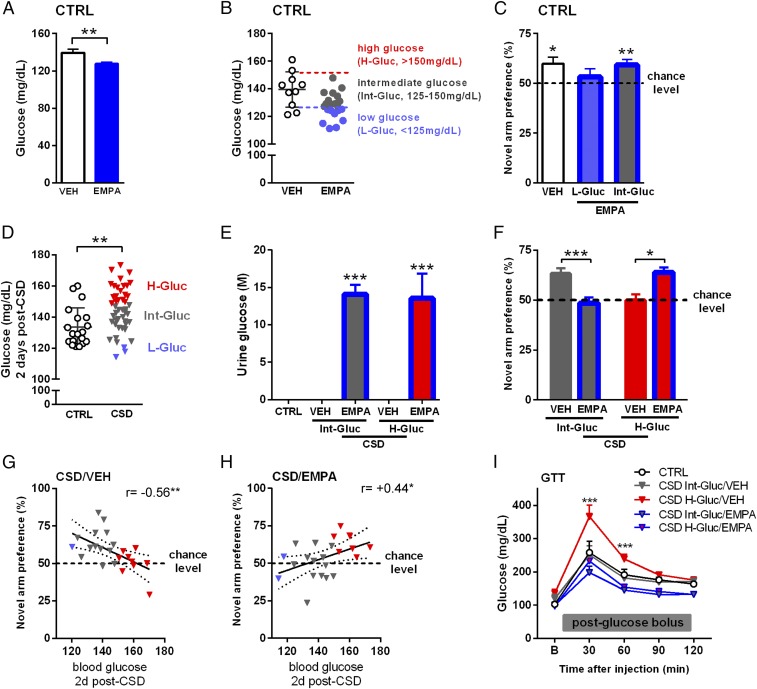
Significance: Stress-associated mental disorders and diabetes pose an enormous socio-economic burden. Glucose dysregulation occurs with both psychosocial and metabolic stress. While cognitive impairments are common in metabolic disorders such as diabetes and are accompanied by hyperglycemia, a causal role for glucose has not been established. We show that chronic social defeat (CSD) stress induces lasting peripheral and central hyperglycemia and impaired glucose metabolism in a subgroup of mice. Animals exhibiting hyperglycemia early post-CSD display spatial memory impairments that can be rescued by the antidiabetic empagliflozin. We demonstrate that individual stress vulnerability to glucose homeostasis can be identified early after insult and that stress-induced hyperglycemia directly impinges on cognitive integrity. Our findings further bridge the gap between stress-related pathologies and metabolic disorders.
Overview
The claims and statistics of this paper haven’t been checked yet.
Free: it reads the open-access text and checks the first 5 claims that cite a source we can check. Create a free account to check every claim.
Integrity signals
Registry
Cites
Statistics
Figures
Verification
Claims the paper makes
The claims and statistics of this paper haven’t been checked yet.
Free: it reads the open-access text and checks the first 5 claims that cite a source we can check. Create a free account to check every claim.
Claims other papers make about this one
Each is checked against this paper’s own text: does it say what the citing paper says it does?
The source backs part of the claim, not all of it — or backs it for a different population, condition or comparison.
In the citing paper
“Moreover, animals that are exposed to chronic stress are predisposed to the development of inflammatory conditions, such as experimental autoimmune encephalitis, colitis, atherosclerosis and diabetes31–34.”
From Central regulation of stress-evoked peripheral immune responses (2023) · cites this paper as [34]
Experimental — accuracy not yet measured
Self-check
Percentages, sums and reported differences re-computed from the paper’s own numbers.
The self-check needs the paper’s full text.
Citations
Cites
(1978) · UA Campus Repository (The University of Arizona) · Cited by 8,010
Physiological functions of glucocorticoids in stress and their relation to pharmacological actions
MUNCK, A., GUYRE, P. M., & HOLBROOK, N. J. (1984) · Endocrine Reviews · doi:10.1210/edrv-5-1-25 · Cited by 3,083 · cited 1×
“A key component of the stress response is the mobilization of energy stores, enabling the organism to dedicate energy toward processes involved in fight or flight (38).”
Allostatic load biomarkers of chronic stress and impact on health and cognition
Juster, R.-P., McEwen, B. S., & Lupien, S. J. (2010) · Neuroscience & Biobehavioral Reviews · doi:10.1016/j.neubiorev.2009.10.002 · Cited by 2,565 · cited 1×
“Discussion Stress increases the levels of circulating glucose, and chronic stress may lead to the development of physiological as well as cognitive impairments, especially in individuals that lack proper adaptive mechanisms (25).”
The Hippocampus as a Cognitive Map
RANCK, J. B. (1979) · American Journal of Psychiatry · doi:10.1176/ajp.136.10.1353 · Cited by 2,346
Krishnan, V., Han, M.-H., Graham, D. L., Berton, O., Renthal, W., Russo, S. J., LaPlant, Q., Graham, A., Lutter, M., Lagace, D. C., et al. (2007) · Cell · doi:10.1016/j.cell.2007.09.018 · Cited by 2,307 · cited 3×
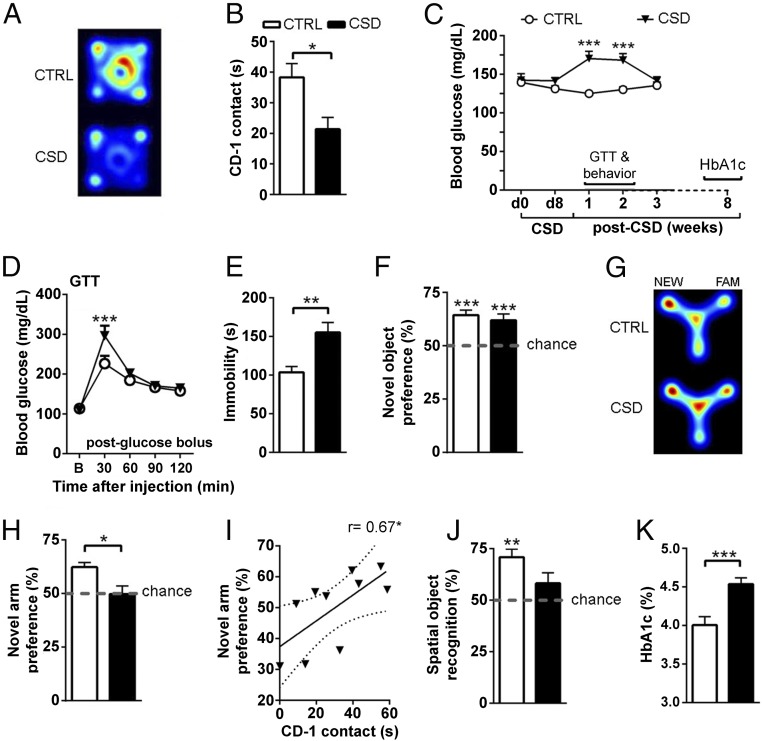
“The behavioral impact of a social defeat paradigm can be validated in a confrontation test; stressed mice typically show a reduction in the exploration of an unknown mouse that appears similar to the mouse by which it was defeated during CSD (23).”
BackgroundBrain-derived neurotrophic factor produces antidepressant effects in behavioral models of depression
Shirayama, Y., Chen, A. C.-H., Nakagawa, S., Russell, D. S., & Duman, R. S. (2002) · The Journal of Neuroscience · doi:10.1523/jneurosci.22-08-03251.2002 · Cited by 1,654 · cited 1×
“Importantly, both spatial memory and forced swim test performance are sensitive to hippocampal function (48, 49).”
BackgroundSugar for the brain: the role of glucose in physiological and pathological brain function
Mergenthaler, P., Lindauer, U., Dienel, G. A., & Meisel, A. (2013) · Trends in Neurosciences · doi:10.1016/j.tins.2013.07.001 · Cited by 1,612 · cited 2×
“It has been suggested that psychosocial and metabolic stress share common underlying mechanisms with glucose dysregulation having a central role (10, 12, 13).”
BackgroundA standardized protocol for repeated social defeat stress in mice
Golden, S. A., Covington, H. E., Berton, O., & Russo, S. J. (2011) · Nature Protocols · doi:10.1038/nprot.2011.361 · Cited by 1,581 · cited 2×
“Before behavioral experiments we tested the CD-1 mice to ensure aggressive behaviors would commence within a 1-min period (64) in a social encounter with a C57BL/6J mouse.”
Mechanisms of stress in the brain
McEwen, B. S., Bowles, N. P., Gray, J. D., Hill, M. N., Hunter, R. G., Karatsoreos, I. N., & Nasca, C. (2015) · Nature Neuroscience · doi:10.1038/nn.4086 · Cited by 1,386 · cited 1×
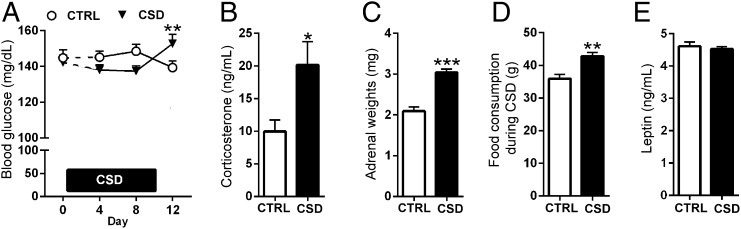
“Therefore hyperphagia during CSD may represent a coping strategy of the animals under stress and can be regarded as allostatic load (43).”
Paxinos and Franklin's the Mouse Brain in Stereotaxic Coordinates
Paxinos, G., & Franklin, K. B. J. (2012) · Cited by 1,267
Research works printed but not linked: 1
- F Erbsloh, A Bernsmeier, H Hillesheim, [The glucose consumption of the brain & its dependence on the liver]. Arch Psychiatr Nervenkr Z Gesamte Neurol Psychiatr 196, 611–626. German (1958).
Cited by
Mitophagy pathways in health and disease
Killackey, S. A., Philpott, D. J., & Girardin, S. E. (2020) · Journal of Cell Biology · doi:10.1083/jcb.202004029 · Cited by 233
Central regulation of stress-evoked peripheral immune responses
Chan, K. L., Poller, W. C., Swirski, F. K., & Russo, S. J. (2023) · Nature Reviews Neuroscience · doi:10.1038/s41583-023-00729-2 · Cited by 207
Hierro-Bujalance, C., Infante-Garcia, C., del Marco, A., Herrera, M., Carranza-Naval, M. J., Suarez, J., Alves-Martinez, P., Lubian-Lopez, S., & Garcia-Alloza, M. (2020) · Alzheimer's Research & Therapy · doi:10.1186/s13195-020-00607-4 · Cited by 181
The interplay of hypoxic and mental stress: Implications for anxiety and depressive disorders
Burtscher, J., Niedermeier, M., Hüfner, K., van den Burg, E. H., Kopp, M., Stoop, R., Burtscher, M., Gatterer, H., & Millet, G. P. (2022) · Neuroscience & Biobehavioral Reviews · doi:10.1016/j.neubiorev.2022.104718 · Cited by 137
The impact of chronic stress on energy metabolism
van der Kooij, M. A. (2020) · Molecular and Cellular Neuroscience · doi:10.1016/j.mcn.2020.103525 · Cited by 97
Diet-Microbe-Host Interactions That Affect Gut Mucosal Integrity and Infection Resistance
Forgie, A. J., Fouhse, J. M., & Willing, B. P. (2019) · Frontiers in Immunology · doi:10.3389/fimmu.2019.01802 · Cited by 81
Weger, M., Alpern, D., Cherix, A., Ghosal, S., Grosse, J., Russeil, J., Gruetter, R., de Kloet, E. R., Deplancke, B., & Sandi, C. (2020) · Scientific Reports · doi:10.1038/s41598-020-75326-9 · Cited by 78
Ferrostatin-1 mitigates cognitive impairment of epileptic rats by inhibiting P38 MAPK activation
Ye, Q., Zeng, C., Chun, L., & Wu, Y. (2019) · Epilepsy & Behavior · doi:10.1016/j.yebeh.2019.106670 · Cited by 76
Metabolic signature in nucleus accumbens for anti-depressant-like effects of acetyl-L-carnitine
Cherix, A., Larrieu, T., Grosse, J., Rodrigues, J., McEwen, B. S., Nasca, C., Gruetter, R., & Sandi, C. (2020) · eLife · doi:10.7554/elife.50631 · Cited by 70
Dai, C., Zheng, J., Qi, L., Deng, P., Wu, M., Li, L., & Yuan, J. F. (2023) · Frontiers in Immunology · doi:10.3389/fimmu.2023.1105156 · Cited by 55
Li, R., Wang, B., Wu, C., Li, D., Wu, Y., Ye, L., Ye, L., Chen, X., Li, P., Yuan, Y., et al. (2021) · Cell Death and Disease · doi:10.1038/s41419-021-03407-2 · Cited by 41
Further to the Left: Stress-Induced Increase of Spatial Pseudoneglect During the COVID-19 Lockdown
Somma, F., Bartolomeo, P., Vallone, F., Argiuolo, A., Cerrato, A., Miglino, O., Mandolesi, L., Zurlo, M. C., & Gigliotta, O. (2021) · Frontiers in Psychology · doi:10.3389/fpsyg.2021.573846 · Cited by 41
Central Adiponectin Signaling – A Metabolic Regulator in Support of Brain Plasticity
Formolo, D. A., Cheng, T., Yu, J., Kranz, G. S., & Yau, S. (2022) · Brain Plasticity · doi:10.3233/bpl-220138 · Cited by 40
“Such stress-induced disturbances in the central metabolism were accompanied by increased depression-like [90, 91] and impaired spatial memory [21, 89].”
BackgroundInfluentialCui, Y., Zhou, S.-F., Liu, Y., Wang, S., Li, F., Dai, R., Hu, Z., & Li, C.-Q. (2021) · Frontiers in Neuroscience · doi:10.3389/fnins.2021.665757 · Cited by 36
“To further assess the influence of LPS on learning and memory in mice, NOR and Y maze tests were conducted (Lin et al., 2018; van der Kooij et al., 2018).”
MethodYusishen, M. E., Yoon, G. R., Bugg, W. S., Jeffries, K. M., Currie, S., & Anderson, W. G. (2020) · Comparative Biochemistry and Physiology Part A Molecular & Integrative Physiology · doi:10.1016/j.cbpa.2020.110686 · Cited by 37
Carneiro-Nascimento, S., Opacka‐Juffry, J., Costabile, A., Boyle, C. N., Herde, A. M., Ametamey, S. M., Sigrist, H., Pryce, C. R., & Patterson, M. (2020) · Psychoneuroendocrinology · doi:10.1016/j.psyneuen.2020.104747 · Cited by 32
CCR2 monocytes repair cerebrovascular damage caused by chronic social defeat stress
Lehmann, M. L., Samuels, J. D., Kigar, S. L., Poffenberger, C. N., Lotstein, M. L., & Herkenham, M. A. (2022) · Brain Behavior and Immunity · doi:10.1016/j.bbi.2022.01.011 · Cited by 36
Benefits of animal models to understand the pathophysiology of depressive disorders
Czéh, B., & Simon, M. (2020) · Progress in Neuro-Psychopharmacology and Biological Psychiatry · doi:10.1016/j.pnpbp.2020.110049 · Cited by 30
Alcohol exacerbates psychosocial stress-induced neuropsychiatric symptoms: Attenuation by geraniol
Ben‐Azu, B., Adebesin, A., Moke, G. E., Ojiokor, V. O., Adebayo, O. G., Jarikre, T. A., Akinluyi, E. T., Olukemi, O. A., Omeiza, N. A., Nkenchor, P., et al. (2024) · Neurochemistry International · doi:10.1016/j.neuint.2024.105748 · Cited by 28
Fear circuit–based neurobehavioral signatures mirror resilience to chronic social stress in mouse
Ayash, S., Lingner, T., Ramisch, A., Ryu, S., Kalisch, R., Schmitt, U., & Müller, M. B. (2023) · Proceedings of the National Academy of Sciences · doi:10.1073/pnas.2205576120 · Cited by 35
“The treatment was performed as previously described (52).”
MethodSelf-citationBi, T., Zhan, L., Zhou, W., & Sui, H. X. (2020) · Frontiers in Psychiatry · doi:10.3389/fpsyt.2020.00272 · Cited by 27
“It is believed that CORT is the most important regulator of stress response, as a key node involved in glucose metabolism of T2DM individuals and regulates islet function, and participates in the negative feedback regulation of HPA axis (34).”
BackgroundWang, X., Wu, Y., Tian, Y.-R., Hu, H., Zhao, Y. F., Xue, B., Sun, Z., Wei, A., Xie, F., & Qian, L. (2024) · Cell & Bioscience · doi:10.1186/s13578-024-01229-1 · Cited by 28
Bollinger, J. L., Johnsamuel, S., Vollmer, L. L., Kuhn, A. M., & Wohleb, E. S. (2025) · Molecular Psychiatry · doi:10.1038/s41380-025-02993-3 · Cited by 30
Lu, J., Gong, X., Yao, X., Guang, Y., Yang, H., Ji, R., He, Y., Zhou, W., Wang, H., Wang, W., et al. (2021) · Biochemical and Biophysical Research Communications · doi:10.1016/j.bbrc.2021.03.058 · Cited by 26
Jian, Y., Cheng, L., Hong, Y., Li, Z., Li, C., Ban, X., Zhu, L., & Gu, Z. (2023) · Nutrients · doi:10.3390/nu15245080 · Cited by 27
Loupy, K. M., Cler, K. E., Marquart, B. M., Yifru, T., D’Angelo, H. M., Arnold, M. R., Elsayed, A. I., Gebert, M. J., Fierer, N., Fonken, L. K., et al. (2020) · Brain Behavior and Immunity · doi:10.1016/j.bbi.2020.09.030 · Cited by 29
Li, X., Qiu, W., Li, N., Da, X., Ma, Q., Hou, Y., Wang, T., Song, M., & Chen, J. (2020) · Frontiers in Psychiatry · doi:10.3389/fpsyt.2020.00557 · Cited by 22
“Then, the peripheral hyperglycemia returned to baseline as the stress was continued (28).”
BackgroundRani, B., Santangelo, A., Romano, A., Koczwara, J. B., Friuli, M., Provensi, G., Blandina, P., Casarrubea, M., Gaetani, S., Passani, M. B., et al. (2021) · Neurobiology of Stress · doi:10.1016/j.ynstr.2021.100317 · Cited by 24
Chronic social defeat stress causes retinal vascular dysfunction
Wang, M., Milić, M., Gericke, A., Mercieca, K., Liu, H., Ruan, Y., Jiang, S., van Beers, T., von Pein, H. D., Müller, M. B., et al. (2021) · Experimental Eye Research · doi:10.1016/j.exer.2021.108853 · Cited by 22
Self-citationThe physiology of stress and the human body’s response to stress
Lee, R. S. (2022) · Elsevier eBooks · doi:10.1016/b978-0-12-823039-8.00017-4 · Cited by 29
He, Y., Tian, Y., Xiong, H., Deng, Z., Zhang, H., Guo, F., & Sun, Y. (2024) · Journal of Agricultural and Food Chemistry · doi:10.1021/acs.jafc.4c03733 · Cited by 22
Herzog, D. P., Perumal, N., Manicam, C., Treccani, G., Nadig, J., Rossmanith, M., Engelmann, J., Jene, T., Hasch, A., van der Kooij, M. A., et al. (2021) · Neurobiology of Stress · doi:10.1016/j.ynstr.2021.100404 · Cited by 19
Self-citationFang, Y., Chen, C., Zhong, Q., Wang, L., Gui, Z., Zhu, J., Manyande, A., Xu, F., Wang, J., & Zhang, Z. (2022) · Molecular Neurobiology · doi:10.1007/s12035-022-02816-4 · Cited by 18
Deciphering the RNA universe in sperm in its role as a vertical information carrier
Kretschmer, M., & Gapp, K. (2022) · Environmental Epigenetics · doi:10.1093/eep/dvac011 · Cited by 19
Chronic stress induces insulin resistance and enhances cognitive impairment in AD
Rong, J., Wang, Y., Liu, N., Li, S., Ma, Q., Wang, M., & Han, B. (2024) · Brain Research Bulletin · doi:10.1016/j.brainresbull.2024.111083 · Cited by 197
“Chronic social stress-induced hyperglycemia in mice couples individual stress susceptibility to impaired spatial memory (van der Kooij et al., 2018).”
BackgroundCosta, A., Rani, B., Bastiaanssen, T. F. S., Bonfiglio, F., Gunnigle, E., Provensi, G., Rossitto, M., Boehme, M., Strain, C., Suárez-Martínez, C., et al. (2021) · International Journal of Molecular Sciences · doi:10.3390/ijms23020862 · Cited by 17
“Consequently, several homeostatic processes are chronically affected [10], and some of these alterations are reversed by chronic treatment with antidepressants [11].”
BackgroundReporting of 3Rs Approaches in Preclinical Animal Experimental Studies—A Nationwide Study
Kousholt, B. S., Præstegaard, K. F., Stone, J., Thomsen, A. F., Johansen, T. T., Ritskes-Hoitinga, M. J., & Wegener, G. (2023) · Animals · doi:10.3390/ani13193005 · Cited by 18
Therapeutic ketogenic diet as treatment for anorexia nervosa
Frank, G., & Scolnick, B. (2024) · Frontiers in Nutrition · doi:10.3389/fnut.2024.1392135 · Cited by 14
Huang, N., Yang, C., Hua, D., Li, S., Zhan, G., Yang, N., Luo, A., & Xu, H. (2019) · Neuroscience · doi:10.1016/j.neuroscience.2019.03.052 · Cited by 17
Fingertip advanced glycation end products and psychotic symptoms among adolescents
Miyashita, M., Yamasaki, S., Ando, S., Suzuki, K., Toriumi, K., Horiuchi, Y., Yoshikawa, A., Imai, A., Nagase, Y., Miyano, Y., et al. (2021) · Schizophrenia · doi:10.1038/s41537-021-00167-y · Cited by 18
O’Neill, C. C., Locke, E. J., Sipf, D. A., Thompson, J. H., Drebushenko, E. K., Berger, N. S., Segich, B., & Kolwicz, S. C. (2022) · Metabolites · doi:10.3390/metabo12100948 · Cited by 15
Rossetti, C., Cherix, A., Guiraud, L., & Cardinaux, J. (2022) · Frontiers in Molecular Neuroscience · doi:10.3389/fnmol.2022.810641 · Cited by 15
Teleosts as behaviour test models for social stress
Lai, N. H. Y., Zahir, I. A. M., Liew, A. K. Y., Ogawa, S., Parhar, I. S., & Soga, T. (2023) · Frontiers in Behavioral Neuroscience · doi:10.3389/fnbeh.2023.1205175 · Cited by 15
Kirchberg, M. C., Pinson, C. K., & Frank, G. (2024) · Expert Opinion on Pharmacotherapy · doi:10.1080/14656566.2024.2424316 · Cited by 14
“Brexanolone is a medication that is effective in rapidly reducing depressive and anxiety symptoms in postpartum depression [90].”
Qiu, W., Wu, Q., Zhang, K., Da, X., Tang, K., Yuan, N., Deng, L., Wu, M.-S., Zhang, Y., Quan, J., et al. (2023) · BMC Complementary Medicine and Therapies · doi:10.1186/s12906-023-03942-9 · Cited by 13
“Although the effects of stress are variable and complex, many studies have shown that chronic stress exposure in rodents may impair glucose tolerance and contribute to the development of T2DM [8], which involves repeated immobilization stress [9], swim stress [10], chronic variable stress [11], chronic social stress […”
BackgroundLiu, B., Dong, K., Chen, X., Dong, H., Zhao, Y. F., Wang, X., Sun, Z., Xie, F., & Qian, L. (2024) · Brain Sciences · doi:10.3390/brainsci14111098 · Cited by 14
Heurling, K., Johansson, E., & Leuzy, A. (2020) · International review of neurobiology · doi:10.1016/bs.irn.2020.02.011 · Cited by 11
Ottomana, A. M., Presta, M., O’Leary, A., Sullivan, M., Pisa, E., Laviola, G., Glennon, J. C., Zoratto, F., Slattery, D. A., & Macrì, S. (2023) · Neuroscience & Biobehavioral Reviews · doi:10.1016/j.neubiorev.2023.105435 · Cited by 12
Kovačević, S., Elaković, I., Milutinović, D. V., Aleksandra Nikoli´c-Koki´c, ́c, D. M., ́c, G. B., Tappy, L., Djordjevic, A. D., & Brkljačić, J. M. (2021) · Journal of Nutrition · doi:10.1093/jn/nxab294 · Cited by 11
A Rapamycin-Inducible Glial-Neurovascular Network Promotes Adaptation after Chronic Social Defeat
Vennin, C., Hewel, C., Todorov, H., Wendelmuth, M., Radyushkin, K., Heimbach, A., Horenko, I., Ayash, S., Müller, M. B., Schweiger, S., et al. (2022) · Cells · doi:10.3390/cells11213405 · Cited by 11
“To induce chronic social stress, we applied the procedure, which was developed based on an earlier published protocol [26,27].”
MethodSelf-citationStrain and sex-based glucocentric & behavioral differences between KK/HlJ and C57BL/6J mice
Inglis, A. L., Shibin, S., Ubungen, R., Farooq, S., Mata, P., Thiam, J., Al-Mohanna, F. A., & Collison, K. S. (2019) · Physiology & Behavior · doi:10.1016/j.physbeh.2019.112646 · Cited by 10
van der Kooij, M. A., Rojas-Charry, L., Givehchi, M., Wolf, C., Bueno, D., Arndt, S., Tenzer, S., Mattioni, L., Treccani, G., Hasch, A., et al. (2022) · Journal of Molecular Medicine · doi:10.1007/s00109-022-02235-x · Cited by 10
Self-citationChronic social stress lessens the metabolic effects induced by a high-fat diet
Jene, T., de Azúa, I. R., Hasch, A., Klüpfel, J., Deuster, J., Maas, M., Nijboer, C. H. A., Lutz, B., Müller, M. B., & van der Kooij, M. A. (2021) · Journal of Endocrinology · doi:10.1530/joe-20-0633 · Cited by 10
Self-citationMagierecka, A., Lind, Å. J., Aristeidou, A., Sloman, K. A., & Metcalfe, N. B. (2021) · Animal Behaviour · doi:10.1016/j.anbehav.2021.08.028 · Cited by 10
Nobiletin Stimulates Adrenal Hormones and Modulates the Circadian Clock in Mice
Ryan, C., Tahara, Y., Haraguchi, A., Lu, Y., & Shibata, S. (2024) · Nutrients · doi:10.3390/nu16101491 · Cited by 8
Takahata, Y., Yoshimoto, W., Kuwagaki, E., Yamada, Y., & Nagasawa, K. (2022) · The Journal of Nutritional Biochemistry · doi:10.1016/j.jnutbio.2022.109055 · Cited by 12
Antomagesh, F., Rajeswari, J. J., & Vijayan, M. M. (2023) · General and Comparative Endocrinology · doi:10.1016/j.ygcen.2023.114231 · Cited by 10
Balatskyi, V. A., Gospodaryov, D. V., Abrat, O., Strilbytska, O. M., Demianchuk, O., Tkachyk, A., Vasylyshyn, O., Lushchak, O. V., Lushchak, V. I., & Bayliak, M. M. (2025) · Physiology & Behavior · doi:10.1016/j.physbeh.2025.115065 · Cited by 8
Wang, Z., Liu, Z., Feng, S., Song, X., Liu, D., Ma, N., Zhang, X., Liu, W., Wang, D. O., Liu, X., et al. (2025) · Acta Pharmaceutica Sinica B · doi:10.1016/j.apsb.2025.09.003 · Cited by 7
“There are no changes in cerebral osmotic pressure at this concentration and dosage according to van der Kooij et al.’s discovery 12 .”
InfluentialGao, C., Cao, Y., He, M., Zhang, X., Zhong, Q., Tang, L., Chen, T., & Zhang, Z. (2023) · Behavioural Brain Research · doi:10.1016/j.bbr.2023.114468 · Cited by 7
A lone spike in blood glucose can enhance the thrombo-inflammatory response in cortical venules
Shaked, I., Foo, C., Mächler, P., Liu, R., Cui, Y., Ji, X., Broggini, T., Kaminski, T. W., Jadhav, S. S., Sundd, P., et al. (2023) · Journal of Cerebral Blood Flow & Metabolism · doi:10.1177/0271678x231203023 · Cited by 6
Loupy, K. M., Dawud, L. M., Zambrano, C. A., Lee, T., Heinze, J. D., Elsayed, A. I., Hassell, J. E., D'Angelo, H. M., Frank, M. G., Maier, S. F., et al. (2025) · NeuroImmunoModulation · doi:10.1159/000544842 · Cited by 5
Evertse, D., Alves-Martínez, P., Treccani, G., Müller, M. B., Meye, F. J., & van der Kooij, M. A. (2024) · Neurobiology of Stress · doi:10.1016/j.ynstr.2024.100690 · Cited by 7
“Second, using the same CSD-paradigm, we previously reported impaired spatial memory performance as well as extended immobility in the forced swim test, one week post-CSD (van der Kooij et al., 2018).”
MethodInfluentialSelf-citationYou, S., Jang, M., & Kim, G. (2022) · Journal of Functional Foods · doi:10.1016/j.jff.2022.104996 · Cited by 6
Yang, C., Tang, J., Liang, X., Qi, Y., Luo, Y., Xie, Y., Wang, J., Jiang, L. H., Zhou, C., Huang, C., et al. (2020) · Behavioural Brain Research · doi:10.1016/j.bbr.2020.112765 · Cited by 5
A diabetes-like biochemical and behavioural phenotype of Drosophila induced by predator stress
Krama, T., Bahhir, D., Ots, L., Popovs, S., Bartkevičs, V., Pugajeva, I., Krams, R., Merivee, E., Must, A., Rantala, M. J., et al. (2023) · Proceedings of the Royal Society B Biological Sciences · doi:10.1098/rspb.2023.0442 · Cited by 7
Herbet, M., Piątkowska‐Chmiel, I., Motylska, M., Gawrońska‐Grzywacz, M., Nieradko‐Iwanicka, B., & Dudka, J. (2022) · Brain Sciences · doi:10.3390/brainsci12040498 · Cited by 7
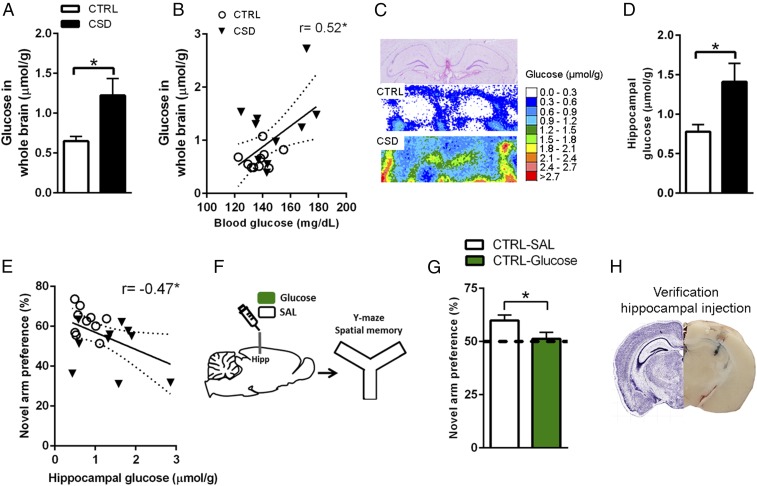
“Previously, it has been emphasized that the higher brain glucose levels have a memory-enhancing effect [19], whereas the recent studies show that brain hyperglycemia can impair cognitive processes [20].”
BackgroundComparing Various Types of Chronic Psychological Stress on Cognitive Functions and Behaviors in Rats
Adavi, H., Kowsar, R., Radahmadi, M., & Alaei, H. (2024) · Basic and Clinical Neuroscience Journal · doi:10.32598/bcn.2023.2346.4 · Cited by 5
Adaptations in hepatic glucose metabolism after chronic social defeat stress in mice
Meijboom, F. S., Hasch, A., de Azúa, I. R., Cologna, C. T., Loopmans, S., Lutz, B., Müller, M. B., Ghesquière, B., & van der Kooij, M. A. (2024) · Scientific Reports · doi:10.1038/s41598-024-76310-3 · Cited by 4
Self-citationExploring abnormal glucose metabolism in pregnancy among Australian Chinese migrants
Li, L., Zhang, J., Shub, A., Aris, I. M., & Tan, K. H. (2020) · BMJ Open Diabetes Research & Care · doi:10.1136/bmjdrc-2019-000903 · Cited by 4
Li, X., Yin, X., Lu, J., Li, Q.-R., Xing, W., Han, Q., Ji, H. L., Li, S., Yang, H., Guo, J., et al. (2024) · Cells · doi:10.3390/cells13070570 · Cited by 4
Larosa, A., Zhang, T. R., Wong, A. S., Fung, C. Y. H., Long, X. L. Y. (., Singh, P., Fung, B. C. M., & Wong, T. P. (2025) · Biological Psychiatry Global Open Science · doi:10.1016/j.bpsgos.2025.100455 · Cited by 5
“In fact, impairments in spatial cognition have been reported following CSDS (38,39) and are accompanied by decreased hippocampal levels of proteins supporting memory functions (40).”
Effect of brain acidification on depression-related behaviors in diabetes mellitus
Temma, Y., Obi-Nagata, K., Hoshiba, Y., Miyake, R., Katayama, Y., Hagihara, H., Suzuki, N., Miyakawa, T., Nakayama, K. I., & Hayashi‐Takagi, A. (2023) · Frontiers in Psychiatry · doi:10.3389/fpsyt.2023.1277097 · Cited by 2
Al-Nimer, M. S. M., Latif, I. I., & Jawad, T. M. (2024) · Clinical Diabetology · doi:10.5603/cd.99395 · Cited by 2
“These results confirmed a previous experimen - tal study, which showed that empagliflozin reduced stress-induced hyperglycemia in certain number of mice, and it cannot protect the brain from the effect of hyperglycemia on memory [25].”
Xu, C., Liao, M., Zhang, S., Chen, Y., Shulai, X., Wang, G., & Aa, J. (2025) · Metabolites · doi:10.3390/metabo15010034 · Cited by 2
Zhang, H., Li, L., Zhao, Z., Wang, M., Ge, Y., Lu, S., Hu, M., Xiao, C., Luo, M., Lei, T., et al. (2026) · Journal of Ethnopharmacology · doi:10.1016/j.jep.2026.121482 · Cited by 2
E-TAN platform and E-baking tray task potentialities: new ways to solve old problems.
Argiuolo, A., & Ponticorvo, M. (2020) · Cited by 1
ВПЛИВ ШОЛОМНИЦІ БАЙКАЛЬСЬКОЇ НА РІВЕНЬ МАКРО- ТА МІКРОЕЛЕМЕНТІВ У ЩУРІВ ПРИ АДРЕНАЛІНОВОМУ СТРЕСІ
Shkurashivska, S. V. (2019) · Medical and Clinical Chemistry · doi:10.11603/mcch.2410-681x.2019.v.i3.10562
Heffer, M., Ivić, V., & Scitovski, R. (2020) · Croatian Operational Research Review · doi:10.17535/crorr.2020.0010 · Cited by 1
“Therefore, hyperglycemia is physiological after meal and in stress conditions [34, 47], while hypoglycemia causes intense symptoms that can progress to impairment of cognition and seizures [36].”
BackgroundIshimoto, T., Abe, T., Nakamura, Y., Tsuyama, T., Kondoh, K., Kajitani, N., Yoshida, K., Takeuchi, Y., Kato, K. X., Xu, S., et al. (2025) · bioRxiv (Cold Spring Harbor Laboratory) · doi:10.1101/2025.02.18.638938
Role of pentosidine accumulation in stress-induced social behavioral deficits
Masada, M., Toriumi, K., Suzuki, K., Miyashita, M., Itokawa, M., & Arai, M. (2025) · Neuroscience Letters · doi:10.1016/j.neulet.2025.138180
Biological mechanisms of stress-related mental disorders
Shi, D., Wang, L., Li, X., Hu, J., Qin, S., Zhao, M., Duan, S., Wang, Y., & Wang, Z. (2025) · Scientia Sinica Vitae · doi:10.1360/ssv-2024-0346
Ketogenic Metabolic Therapy as a Treatment for Mental Health Disorders
(2025) · Frontiers research topics · doi:10.3389/978-2-8325-6338-0
Hierro‐Bujalance, C., Infante‐Garcia, C., del Marco, À., Herrera, M., Carranza-Naval, M. J., Suarez, J., Alves-Martínez, P., Lubian-Lopez, S., & García-Alloza, M. (2020) · Figshare · doi:10.6084/m9.figshare.12096507
Ukichi, R., Takahashi, Y., Ibukuro, M., Sugimura, Y. K., Matoba, K., Nishimura, R., & Kato, F. (2026) · The Journal of Physiological Sciences · doi:10.1016/j.jphyss.2026.100058
Xing, Y., Wei, X., Liang, X., & Zhao, H. (2026) · Environment & Health · doi:10.1021/envhealth.5c00556
Hanus, P., Frydecka, D., & Ślęzak, M. (2026) · Journal of Neurochemistry · doi:10.1111/jnc.70394 · Cited by 1
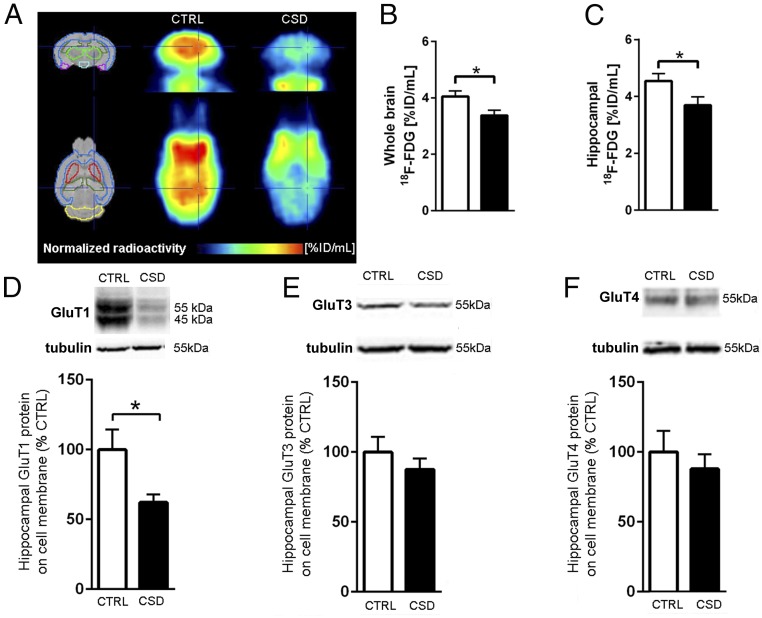
“Although elevated levels of circulating GC may normalize within hours to days, stress-related insulin resistance and catecholamine-driven hepatic glucose output can sustain elevated glucose and are associated with reduced cerebral glucose uptake (van der Kooij et al. 2018).”
Li, Y., Xu, M., Tang, Y., Zhao, X., & Chen, M. (2026) · Current Diabetes Reviews · doi:10.2174/0115733998444053260211052025 · Cited by 1
Association between hemoglobin glycation index and cognitive function: Evidence in the elderly
Ge, L., Guo, Y., Xu, X., Xu, J., & Hu, M. (2026) · PLoS ONE · doi:10.1371/journal.pone.0338613
“An animal study found that adult male mice experiencing chronic social failure stress developed hyperglycemia, which was associated with hippocampus-related spatial memory impairment [37].”
Metabolic and Histological Effects of Qur’anic Murottal Exposure in a Stressed Rat Model
Royhan, A., Mustofa, M. S., Susilowati, R. W., Kuslestari, K., Zulhamidah, Y., & Kenconoviyati, K. (2026) · Mutiara Medika: Jurnal Kedokteran dan Kesehatan · doi:10.18196/mmjkk.v26i2.29583
Marques, L. B., de Carvalho, A., Souza, R. L. L. D. S., Viero, F. T., Britto, L. R., & Ulrich, H. (2026) · Bioscience Reports · doi:10.1042/bsr20250349
“Prolonged glucocorticoid elevation has been associated with reduced glucose metabolism, excitotoxic vulnerability, and memory impairments [260,261].”
Metadata
- Authors
- van der Kooij, M. A., Jene, T., Treccani, G., Miederer, I., Hasch, A., Voelxen, N., Walenta, S., & Müller, M. B.
- Affiliations
- Translational Psychiatry, Department of Psychiatry, Psychotherapy and Focus Program Translational Neurosciences, University Medical Center, Johannes Gutenberg University Mainz, 55128 Mainz, Germany;
- Johannes Gutenberg University Mainz (DE)
- Venue
- Proceedings of the National Academy of Sciences
- Publisher
- National Academy of Sciences
- Published
- 2018-10-09
- Volume
- 115
- Issue
- 43
- Pages
- E10187-E10196
- ISSN
- 0027-8424 (ISSN-L)
- 1091-6490
- PMC
- PMC6205456
- OpenAlex
- W2895951954
- Cited by
- 92
- References
- 77
- Citations by year
- 2026: 7 · 2025: 9 · 2024: 14 · 2023: 13 · 2022: 15 · 2021: 12 · 2020: 17 · 2019: 5
- FWCI
- 4.88
- Type
- journal article
- Language
- en
- Open access
- hybrid
- doi.org
- Licence
- Locations
- Proceedings of the National Academy of Sciences (publishedVersion, cc-by-nc-nd)
- Europe PMC (PubMed Central) (publishedVersion, cc-by-nc-nd)
- PubMed Central (publishedVersion, cc-by-nc-nd)
- PubMed (publishedVersion)
- Informationszentrum Lebenswissenschaften (ZB MED) (submittedVersion, cc-by-nc-nd)
- Funders
- Danish Council (DFF-5053-00103)
- Topics
- Life Sciences › Neuroscience › Behavioral Neuroscience › Stress Responses and Cortisol
- Life Sciences › Neuroscience › Cognitive Neuroscience › Memory and Neural Mechanisms
- Life Sciences › Neuroscience › Endocrine and Autonomic Systems › Regulation of Appetite and Obesity
- Keywords
- chronic social defeat stress, hyperglycemia, stress vulnerability, spatial memory, hippocampus, brain glucose metabolism, glucose homeostasis, empagliflozin, SGLT2 inhibitors, stress resilience, depression, diabetes comorbidity, cognitive impairment
- MeSH terms
- Animals, Behavior, Animal, Benzhydryl Compounds, Brain, Chronic Disease, Glucose, Glucosides, Hyperglycemia, Male, Memory Disorders, Mice, Inbred C57BL, Social Desirability, Stress, Psychological, Mice, Spatial Memory
About these checks
Registry, retraction, Cites and statistics results are computed, not judged, with one exception: a printed reference that no index lists is read once by a model before it counts as a citation error. Claims are extracted by a model and kept only when their quote appears verbatim in the text; each cited source is then checked, with a model’s help, for whether it says what the claim relies on. Those verdicts can be wrong — read the claim’s quote and the cited source before relying on one.
Statistics and arithmetic are recomputed, not judged.
Confidence bands are shown only for fields calibrated on our annotated test set. None is calibrated yet, so no band is shown.
What counts as a claim ›How we measure confidence ›How we check this ›
Are you an author, or do you see a problem with this page? Request a review
Data sources
Bibliographic data: Semantic Scholar, OpenAlex, Crossref.
Contains information from the Semantic Scholar Academic Graph Datasets, made available under the ODC Attribution License (ODC-BY 1.0).
Semantic Scholar’s data is described in: Kinney, R., et al. (2023). The Semantic Scholar Open Data Platform. arXiv:2301.10140.
