

Overlooked roles of DNA damage and maternal age in generating human germline mutations
Open accessPublished version of a preprint
The DOI matches its Crossref record; 91 of the 91 references it cites were found in a registry or an index.
Abstract
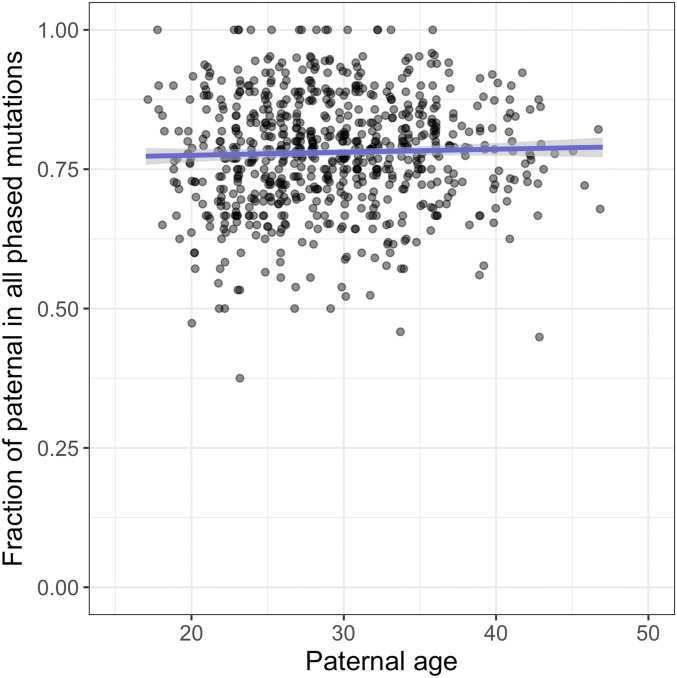
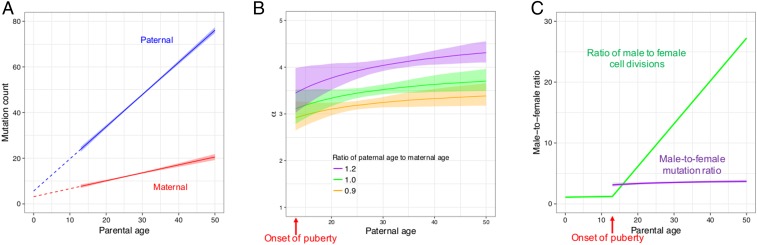
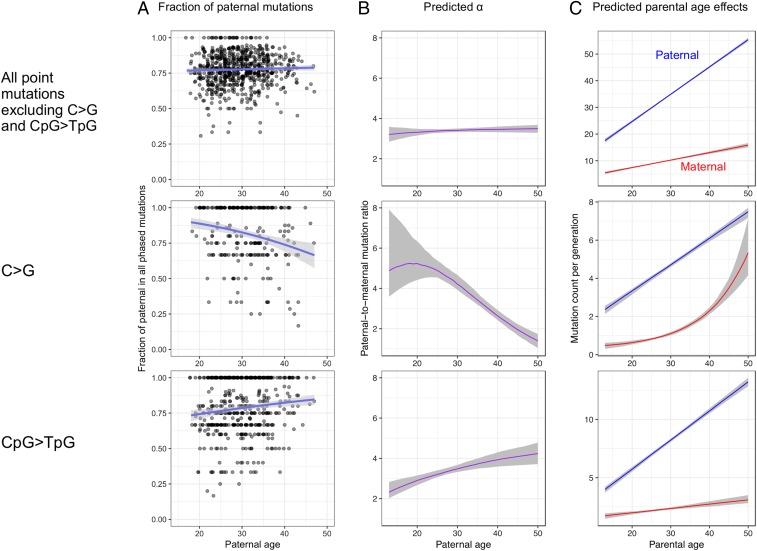
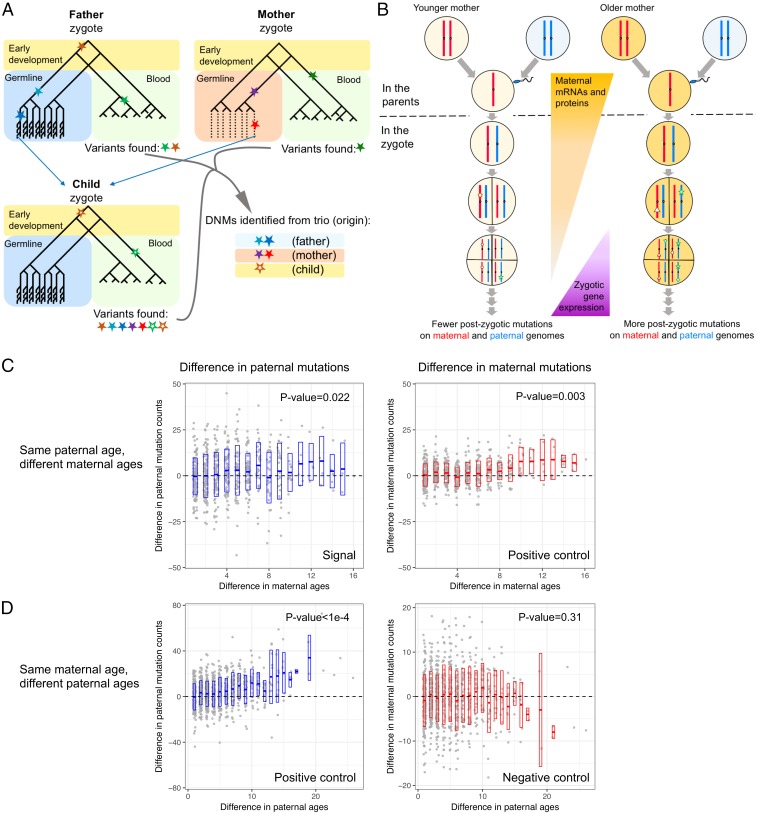
Significance: More than three-fourths of human germline mutations are paternal in origin and their total number increases with the father’s age at conception. These observations are thought to support the textbook view that germline point mutations stem mostly from DNA replication errors. Analyzing large germline mutation datasets for humans, we find that this understanding cannot explain the observed patterns of new mutations. Instead, we show that the male mutation bias is not driven by spermatogenesis. We further find evidence that a substantial fraction of mutations are not replicative in origin and uncover a potential effect of a mother’s age on the number of mutations that happen early in the development of the embryo.
Overview
The claims and statistics of this paper haven’t been checked yet.
Free: it reads the open-access text and checks the first 5 claims that cite a source we can check. Create a free account to check every claim.
Integrity signals
Registry
Cites
Statistics
Figures
Verification
Claims the paper makes
The claims and statistics of this paper haven’t been checked yet.
Free: it reads the open-access text and checks the first 5 claims that cite a source we can check. Create a free account to check every claim.
Claims other papers make about this one
Each is checked against this paper’s own text: does it say what the citing paper says it does?
The check wasn’t confident either way, so it gives no verdict — never disputed.
In the citing paper
“suggesting that the observed SNP heritability for autistic carriers reflects autism rather than factors associated with the generation of germline mutations57,58.”
From Genetic correlates of phenotypic heterogeneity in autism (2022) · cites this paper as [57]
Experimental — accuracy not yet measured
Self-check
Percentages, sums and reported differences re-computed from the paper’s own numbers.
The self-check needs the paper’s full text.
Citations
Cites
Signatures of mutational processes in human cancer
Initiative, A. P. C. G., Alexandrov, L. B., ICGC Breast Cancer Consortium, ICGC MMML-Seq Consortium, PedBrain, I., Nik-Zainal, S., Wedge, D. C., Aparicio, S. A. J. R., Behjati, S., Biankin, A. V., et al. (2013) · Nature · doi:10.1038/nature12477 · Cited by 9,660 · cited 1×
“Specific sources of DNA damage-induced mutations To explore possible mutational mechanisms, following previous studies (Alexandrov et al., 2013; Lindsay et al., 2016; Harris and Pritchard, 2017), we classified point DNMs into six disjoint and complementary mutation classes based on parental and…”
BackgroundHuman DNA methylomes at base resolution show widespread epigenomic differences
Lister, R., Pelizzola, M., Dowen, R. H., Hawkins, R. D., Hon, G., Tonti-Filippini, J., Nery, J. R., Lee, L., Ye, Z., Ngo, Q.-M., et al. (2009) · Nature · doi:10.1038/nature08514 · Cited by 4,673 · cited 4×
“Processing of ovary and testis methylation data at CpG sites The methylation data were generated as part of the Roadmap Epigenomics project (Lister et al., 2009).”
BackgroundMethodInfluentialEpigenetic Reprogramming in Mammalian Development
Reik, W., Dean, W., & Walter, J. (2001) · Science · doi:10.1126/science.1063443 · Cited by 3,078 · cited 2×
“After sex determination (around 7 wk postfertilization in humans), the methylation profiles of male and female germ cells diverge: Remethylation takes place early in males, before differentiation of spermatogonia, but very late in females, just shortly before ovulation (46, 47).”
BackgroundRate of de novo mutations and the importance of father’s age to disease risk
Kong, A., Frigge, M. L., Masson, G., Besenbacher, S., Sulem, P., Magnusson, G., Gudjonsson, S. A., Sigurdsson, A., Jonasdottir, A., Jonasdottir, A., et al. (2012) · Nature · doi:10.1038/nature11396 · Cited by 2,134 · cited 1×
“Further reducing the ability to detect either a pre- or postzygotic effect of maternal age is the high correlation between maternal and paternal ages (which is likely why a maternal age effect was not detected in earlier, smaller studies) (33, 36).”
Ancient DNA and the rewriting of human history: be sparing with Occam’s razor
Haber, M., Mezzavilla, M., Xue, Y., & Tyler-Smith, C. (2016) · Genome Biology · doi:10.1186/s13059-015-0866-z · Cited by 1,924
Braude, P., Bolton, V., & Moore, S. (1988) · Nature · doi:10.1038/332459a0 · Cited by 1,463
Demethylation of the zygotic paternal genome
Mayer, W., Niveleau, A., Walter, J., Fundele, R., & Haaf, T. (2000) · Nature · doi:10.1038/35000656 · Cited by 1,327 · cited 2×
“, oxidative stress may be higher in male germ cells) (67, 68) and after fertilization but before the first cleavage the two parental genomes experience distinct epigenetic remodeling and are replicated separately in their own pronuclei (69, 70).”
BackgroundBody size, metabolic rate, generation time, and the molecular clock.
Martin, A. P., & Palumbi, S. R. (1993) · Proceedings of the National Academy of Sciences · doi:10.1073/pnas.90.9.4087 · Cited by 1,239 · cited 3×
“2B)(Amster and Sella, 2016) and in rates of DNA damage (e.g., metabolic rates) that covary with life history traits (Martin and Palumbi, 1993; Wilson-Sayres et al., 2011).”
BackgroundChurchill, A. J., Gutiérrez, G. D., Singer, R. A., Lorberbaum, D. S., Fischer, K. A., & Sussel, L. (2017) · eLife · doi:10.7554/elife.20010 · Cited by 1,236
Estimate of the Mutation Rate per Nucleotide in Humans
Nachman, M. W., & Crowell, S. L. (2000) · Genetics · doi:10.1093/genetics/156.1.297 · Cited by 1,209
Research works printed but not linked: 1
- Müller H 1954 The nature of genetic effects produced by irradiation Radiation Biology: Ionizing Radiations Hollaender A McGraw-Hill New York 351 473
Cited by
Items 101–200 of 235
Evidence of Site-Specific and Male-Biased Germline Mutation Rate in a Wild Songbird
Zhang, H., Lundberg, M., Tarka, M., Hasselquist, D., & Hansson, B. (2023) · Genome Biology and Evolution · doi:10.1093/gbe/evad180 · Cited by 12
Genomic Context and Mechanisms of the ACVR1 Mutation in Fibrodysplasia Ossificans Progressiva
Ravazzolo, R., & Bocciardi, R. (2021) · Biomedicines · doi:10.3390/biomedicines9020154 · Cited by 11
“It is also reported that CpG sites in cells of the male germline are methylated at a higher rate than in the female germline, making the sites more prone to spontaneous deamination and C>T transitions [32].”
BackgroundSomatic mutation detection: a critical evaluation through simulations and reanalyses in oaks
Schmitt, S., Leroy, T., Heuertz, M., & Tysklind, N. (2022) · Peer Community Journal · doi:10.24072/pcjournal.187 · Cited by 14
Life History Effects on Neutral Diversity Levels of Autosomes and Sex Chromosomes
Amster, G., & Sella, G. (2020) · Genetics · doi:10.1534/genetics.120.303119 · Cited by 11
Self-citationNatural selection acts on epigenetic marksPreprint
Boukas, L., Razi, A., Bjornsson, H. T., & Hansen, K. D. (2020) · bioRxiv (Cold Spring Harbor Laboratory) · doi:10.1101/2020.07.04.187880 · Cited by 9
DNA MARKERS AND MICROSATELLITE CODE (review)
Глазко, В. И. (2023) · Sel skokhozyaistvennaya Biologiya · doi:10.15389/agrobiology.2023.2.223eng · Cited by 17
Effects of maternal age and environmental enrichment on learning ability and brain size
Álvarez‐Quintero, N., & Kim, S. (2024) · Behavioral Ecology · doi:10.1093/beheco/arae049 · Cited by 15
“Gametes from senescent parents are more likely to carry DNA mutations, impaired mitochondrial function, and shorter telomeres (Gao et al. 2019; Monaghan and Metcalfe 2019; Monaghan et al. 2020).”
BackgroundNo Evidence for Paternal Age Effects on Sons or Daughters When Accounting for Paternal Sperm Storage
Sanghvi, K., Gascoigne, S. J. L., Todorova, B., Vega‐Trejo, R., Pizzari, T., & Sepil, I. (2025) · The American Naturalist · doi:10.1086/736479 · Cited by 10
Patterns and distribution of de novo mutations in multiplex Middle Eastern families
Kohailan, M., Aamer, W., Syed, N., PADMAJEYA, S. S., Hussein, S., Sayed, A., Janardhanan, J., Palaniswamy, S., Hajj, N. E., Akil, A. A., et al. (2022) · Journal of Human Genetics · doi:10.1038/s10038-022-01054-9 · Cited by 11
“, DNA damage) could influence this variation and may have differed among families in our cohort [30, 45].”
BackgroundPaternal De Novo Variant of TAOK1 in a Fetus With Structural Brain Abnormalities
Yu, L., Yang, C., Shang, N., Ding, H., Zhu, J. L., Zhu, Y., Tan, H., & Zhang, Y. (2022) · Frontiers in Genetics · doi:10.3389/fgene.2022.836853 · Cited by 10
“However, the influence of maternal chromosomes on de novo variants in offspring cannot be ignored (Gao et al., 2019; Goldmann et al., 2019).”
BackgroundPopulation sequencing data reveal a compendium of mutational processes in human germlinePreprint
Seplyarskiy, V. B., Soldatov, R., McGinty, R. J., Goldmann, J. M., Hernandez, R. D., Barnes, K. C., Correa, A., Burchard, E. G., Ellinor, P. T., McGarvey, S. T., et al. (2020) · bioRxiv (Cold Spring Harbor Laboratory) · doi:10.1101/2020.01.10.893024 · Cited by 9
Effects of alcohol use on sperm chromatin structure, a retrospective analysis
Trautman, A., Gurumoorthy, A., & Hansen, K. A. (2023) · Basic and Clinical Andrology · doi:10.1186/s12610-023-00189-9 · Cited by 8
Discordant effects of maternal age on the human MII oocyte transcriptome
Zhang, X., Yang, J., Yang, W., Cui, N., Duan, T., Li, S., Cao, J., Bush, S. J., & Tong, G. (2025) · Molecular Human Reproduction · doi:10.1093/molehr/gaaf038 · Cited by 8
“In particular, the loss of NER components from the mRNA pool is consistent with observations of both decreasingly efficient DNA repair (Gorbunova et al. , 2007) and increased rates of de novo female germline mutations over time (Wong et al. , 2016; Gao et al. , 2019).”
General anesthesia, germ cells and the missing heritability of autism: an urgent need for research
Escher, J., & Ford, L. D. (2020) · Environmental Epigenetics · doi:10.1093/eep/dvaa007 · Cited by 9
“environmental factors cannot account for the risk [114], as higher rates of toxicant exposure experienced by the parents over the pre-conception lives can increase risk for germline damage [115].”
BackgroundShojaeisaadi, H., Schoenrock, A., Meier, M. J., Williams, A., Norris, J. M., Palmer, N. D., Yauk, C. L., & Marchetti, F. (2024) · Communications Biology · doi:10.1038/s42003-024-07140-2 · Cited by 11
“Inter-individualvariationinDNAreplication errorrates,DNArepairef fi ciencies,andendogenousandexogenoussources of DNA damaging compounds are likely the major determinants of the observed variability in the PAE within and across diverse human populations 19,32,33 .”
InfluentialMaternal effect senescence via reduced DNA repair ability in the three‐spined stickleback
Kim, S., Chiara, V., Álvarez‐Quintero, N., da Silva, A., & Velando, A. (2023) · Molecular Ecology · doi:10.1111/mec.17046 · Cited by 8
“Recent studies have shown that both male and female gametes can suffer deterioration with advanced parental age due to DNA mutations, impaired mitochondrial function and shorter telomeres (Gao et al., 2019; Monaghan & Metcalfe, 2019).”
BackgroundA maternal germline mutator phenotype in a family affected by heritable colorectal cancer
Young, C., Beichman, A. C., Mas-Ponte, D., Hemker, S. L., Zhu, L., Kitzman, J. O., Shirts, B. H., & Harris, K. (2024) · Genetics · doi:10.1093/genetics/iyae166 · Cited by 12
“Advanced maternal age appears to increase the rate of C > A mutations occurring on the paternal haplotype of the embryo (Gao et al .”
Campbell, C. R., Tiley, G. P., Poelstra, J. W., Hunnicutt, K. E., Larsen, P. A., Lee, H., Thorne, J. L., dos Reis, M., & Yoder, A. D. (2019) · bioRxiv (Cold Spring Harbor Laboratory) · doi:10.1101/724880 · Cited by 8
“…of paternal-to-maternal mutations in gray mouse lemur observed here is considerably lower than the range between 2.1 and 5.5 observed in other primate species (Gao et al, 2019; Lindsay et al, 2019; Rahbari et al, 2016; Thomas et al, 2018; Venn et al, 2014) and 2.7 in mouse (Lindsay et al, 2019).”
BackgroundResultInfluentialGenetic and chemotherapeutic causes of germline hypermutationPreprint
Kaplanis, J., Ide, B., Sanghvi, R., Neville, M. D. C., Danecek, P., Coorens, T. H. H., Prigmore, E., Short, P., Gallone, G., McRae, J. F., et al. (2021) · bioRxiv (Cold Spring Harbor Laboratory) · doi:10.1101/2021.06.01.446180 · Cited by 10
Esteves, S. C., & Humaidan, P. (2026) · Human Reproduction · doi:10.1093/humrep/deag056 · Cited by 11
“…experimental data showing that unresolved DNA lesions and epigenetic disturbances in the paternal germ line can influence developmental trajectories across generations, even in the absence of new germline mutations (Gao et al. , 2019; Xavier et al. , 2019; Zweifel and Woodward, 2022; Aitken, 2023).”
Germline De Novo Mutations as a Cause of Childhood Cancer
Rashed, W. M., Marcotte, E. L., & Spector, L. G. (2022) · JCO Precision Oncology · doi:10.1200/po.21.00505 · Cited by 8
Sperm from infertile, oligozoospermic men have elevated mutation ratesPreprint
Kunisaki, J., Goldberg, M. E., Lulla, S., Sasani, T. A., Hiatt, L., Nicholas, T. J., Liu, L., Torres-Arce, E., Guo, Y., James, E. R., et al. (2024) · medRxiv · doi:10.1101/2024.08.22.24312232 · Cited by 7
“Building upon the development of the “faulty male hypothesis” 104 , which posits that the male germline is susceptible to mutation accumulation as rates of DNA damage outweigh rates of repair 57 , this would argue that the germline of oligozoospermic men is "faultier."”
BackgroundSelf-citationNot by Selection Alone: Expanding the Scope of Gene‐Culture Coevolution
Kasser, S. M., Laland, K. N., Fortunato, L., & Feldman, M. W. (2025) · Evolutionary Anthropology Issues News and Reviews · doi:10.1002/evan.70007 · Cited by 12
“To give an example, however, considering the well ‐ established role of parental age on the human germline mutation rate [161, 162], it is possible that kinship norms regulating age ‐ at ‐ marriage or age ‐ at ‐ first ‐ birth play a role in the emergence of population ‐ level differences (either…”
Genomic Mosaicism of the Brain: Origin, Impact, and Utility
Graham, J. H., Schlachetzki, J. C. M., Yang, X., & Breuss, M. W. (2023) · Neuroscience Bulletin · doi:10.1007/s12264-023-01124-8 · Cited by 6
“This approach even enables a distinction of repair fidelity across development: for instance, the earliest cell divisions in an embryo appear to show increased mutation rates compared to the latter, possibly due to the inheritance of the repair machinery through the egg cell [6, 44, 165].”
BackgroundKhajedehi, N., Fathi, R., Akbarinejad, V., & Gourabi, H. (2023) · Reproductive Sciences · doi:10.1007/s43032-023-01419-1 · Cited by 8
“Embryo development is largely dependent on the quality of gametes, particularly the oocyte, which has the ability to repair mutations that may occur in both male and female gametes after fertilization and before the first mitosis of the embryo [1, 2].”
Effects of parental age and polymer composition on short tandem repeat de novo mutation rates
Goldberg, M. E., Noyes, M. D., Eichler, E. E., Quinlan, A. R., & Harris, K. (2024) · Genetics · doi:10.1093/genetics/iyae013 · Cited by 11
“Part of the maternal age effect on single nucleotide substitutions has been attributed to a higher rate of postzygotic mutagenesis in older mothers (Gao et al .”
BackgroundResultInfluentialSelf-citationMaternal age effects on offspring lifespan and reproduction vary within a species
Liguori, A., Korm, S., Profetto, A., Richters, E., & Gribble, K. E. (2024) · Ecology and Evolution · doi:10.1002/ece3.11287 · Cited by 6
“…of maternal age effects by genotype could suggest that maternal age effects are not caused only by age-related accumulation of mutation or cellular damage in the maternal germline (e.g., Gao et al., 2019; Zhang et al., 2023), but rather may be modulated by underlying differences in genome sequence.”
BackgroundThe quiescent X, the replicative Y and the Autosomes
Achaz, G., Gangloff, S., & Arcangioli, B. (2022) · Peer Community Journal · doi:10.24072/pcjournal.99 · Cited by 6
Increased mutation rate and interlocus gene conversion within human segmental duplicationsPreprint
Vollger, M. R., DeWitt, W. S., Dishuck, P. C., Harvey, W. T., Guitart, X., Goldberg, M. E., Rozanski, A. N., Lucas, J., Asri, M., Munson, K. M., et al. (2022) · bioRxiv (Cold Spring Harbor Laboratory) · doi:10.1101/2022.07.06.498021 · Cited by 7
“4%) in our candidate IGC regions consistent with previous observations showing increases in C>G mutations in regions of non-crossover gene conversion and double-strand breaks (Elliott et al. 1998; Jónsson et al. 2017; Gao et al. 2019).”
BackgroundResultInfluentialAndrianova, M. A., Seplyarskiy, V. B., Terradas, M., Sánchez‐Heras, A. B., Mur, P., Soto, J. L., Aiza, G., Kondrashov, F. A., Kondrashov, A. S., Bazykin, G. A., et al. (2022) · bioRxiv (Cold Spring Harbor Laboratory) · doi:10.1101/2022.07.20.500591 · Cited by 6
“Because of the ~10-fold higher number of cell divisions in spermatocytes compared to oocytes (Gao et al. 2019), one would also expect a larger increase in the mutation rate in male gametes.”
BackgroundExtensive variation in germline de novo mutations in Poecilia reticulata
Lin, Y., Darolti, I., van der Bijl, W., Morris, J., & Mank, J. E. (2023) · Genome Research · doi:10.1101/gr.277936.123 · Cited by 8
“De novo mutations (DNMs) arise from errors that DNA damage repair mechanisms fail to correct (Gao et al. 2019; Seplyarskiy et al. 2021; De Manuel et al. 2022), and so the fidelity of replication and the efficacy of repair mechanisms are major contributors to the DNM rate.”
BackgroundLee, Y.-L., Bouwman, A. C., Harland, C., Bosse, M., Moreira, G. C. M., Veerkamp, R. F., Mullaart, E., Cambisano, N., Groenen, M. A. M., Karim, L., et al. (2023) · Genome Research · doi:10.1101/gr.277884.123 · Cited by 8
“It is interesting to note in this regard that data in humans suggest that the aging of oocytes may cause an increase in the rate of postfertilization DNM specifically on the paternal chromosome (Gao et al. 2019).”
InfluentialMechanisms underlying low mutation rates in mammalian oocytes and preimplantation embryos
Dudko, N., Dobrucki, J. W., & Fulka, J. (2025) · Nucleic Acids Research · doi:10.1093/nar/gkaf760 · Cited by 7
“…findings indicating that even before the onset of puberty, when the number of replication cycles is approximately the same between sperm precursors and oocyte precursors, according to some models, oocytes already show a lower mutation frequency in comparison with male gamete precursors [ 15 ].”
Noyes, M. D., Sui, Y., Kwon, Y., Koundinya, N., Wong, I., Munson, K. M., Hoekzema, K., Kordosky, J., Garcia, G. H., Knuth, J., et al. (2026) · Nature Communications · doi:10.1038/s41467-026-70342-1 · Cited by 11
“Finally, this higher estimate is consistent with our recent multigenerational LRS sequence assembly analysis where we showed that ~60% of PZMs called with this method are transmitted to the next generation 6 .”
Unprecedented female mutation bias in the aye-aye, a highly unusual lemur from Madagascar
Wang, R. J., Peña-García, Y., Raveendran, M., Harris, R. A., Nguyen, T. H. D., Gingras, M., Wu, Y., Perez, L. M., Yoder, A. D., Simmons, J. H., et al. (2025) · PLoS Biology · doi:10.1371/journal.pbio.3003015 · Cited by 6
“Although male bias was thought to be due to continuing replication in the male germline post-puberty (female germline replication is complete before birth), multiple lines of evidence have cast doubt on germline replication as the dominant factor in generating male bias [16,17].”
Filho, H. P. L., Pinto, I. P., Oliveira, L. G., Costa, E., da Cruz, A. S., Silva, D. D. M. E., da Silva, C. C., Caetano, A. R., & da Cruz, A. D. (2020) · PLoS ONE · doi:10.1371/journal.pone.0233941 · Cited by 6
ДНК МАРКЕРЫ И «МИКРОСАТЕЛЛИТНЫЙ КОД» (обзор)
Афанасьева, Ф. Н. П. З. И. К. И. В. А., & ГЛАЗКО, В. И. (2023) · Sel skokhozyaistvennaya Biologiya · doi:10.15389/agrobiology.2023.2.223rus · Cited by 17
Versoza, C. J., Bales, K. L., Jensen, J. D., & Pfeifer, S. P. (2026) · Molecular Biology and Evolution · doi:10.1093/molbev/msag112 · Cited by 5
What sets the mutation rate of a cell type in an animal species?
de Manuel, M., Przeworski, M., Spisak, N., & Stolyarova, A. V. (2026) · PLoS Biology · doi:10.1371/journal.pbio.3003799 · Cited by 8
“…rely on assumptions that mutations arise from replication errors or track cell divisions [58,77,102], recent evidence suggests that most mutations in the germline and soma are triggered by endogenous and exogenous sources of damage and can arise independently of cell divisions [6,30,53,91,103].”
Self-citationEsteves, S. C. (2025) · International braz j urol · doi:10.1590/s1677-5538.ibju.2024.9924 · Cited by 12
“We now understand that most de novo mutations in our species originate from the paternal genome, often arising from defective DNA damage repair mechanisms (49, 50).”
Heo, J. S., Yang, S., Lee, S.-H., Lee, K., & Ahn, K. H. (2025) · Autism Research · doi:10.1002/aur.70054 · Cited by 7
“Maternal age at conception could influence the de novo mutation rate because of the accumulation of damage in oocytes and potentially via influence on the number of postzygotic mutations in the embryo (Gao et al. 2019).”
Mutational landscapes of normal breast during age and pregnancy determine cancer riskPreprint
Cereser, B., Tabassum, N., Belluz, L. D. B., Yiu, A. W. P., Zagorac, S., Miere, C., Werner, B., Moderau, N., Jeffries-Jones, A. R., & Stebbing, J. (2020) · bioRxiv (Cold Spring Harbor Laboratory) · doi:10.1101/2020.09.04.277715 · Cited by 5
Garcia-Salinas, O. I., Hwang, S., Huang, Q., Kaplanis, J., Neville, M. D. C., Sanghvi, R., Day, F. R., Rahbari, R., Scally, A., & Martin, H. C. (2024) · bioRxiv (Cold Spring Harbor Laboratory) · doi:10.1101/2024.05.17.594464 · Cited by 4
Germline mutation rate is elevated in young and old parents in Caenorhabditis remanei
Chen, H., Krieg, T., Mautz, B. S., Jolly, C., Scofield, D. G., Maklakov, A. A., & Immler, S. (2023) · Evolution Letters · doi:10.1093/evlett/qrad052 · Cited by 7
“Following Keightley et al. (2014) and (Sasani et al., 2019), we excluded candidate SNPs that are likely to be false positives.”
BackgroundMethodInfluentialCoevolution of longevity and female germline maintenance
Baur, J., Koppik, M., Savković, U., Đorđević, M., Stojković, B., & Berger, D. (2024) · Proceedings of the Royal Society B Biological Sciences · doi:10.1098/rspb.2024.0532 · Cited by 2
“For example, the baseline germline mutation rate is several times greater in males compared with females in most animal taxa [71,77,78] and, at least in well-studied groups like primates, this bias increases with age [79,80].”
Characterization and distribution of de novo mutations in the zebra finch
Liang, X., Yang, S., Wang, D., & Knief, U. (2024) · Communications Biology · doi:10.1038/s42003-024-06945-5 · Cited by 5
“Whiletheeffectislesspronouncedthaninmales,itleadsto a relatively stable male-to-female DNM transmission ratio α across paternal ages at conception, which does not align with the number of cell divisions in thefemaleandmalegermline 27,28 .”
InfluentialGenomically Aided Diagnosis of Severe Developmental Disorders
FitzPatrick, D. R., & Firth, H. V. (2020) · Annual Review of Genomics and Human Genetics · doi:10.1146/annurev-genom-120919-082329 · Cited by 4
Hibernation shows no apparent effect on germline mutation rates in grizzly bearsPreprint
Wang, R. J., Peña-García, Y., Bibby, M. G., Raveendran, M., Harris, R. A., Jansen, H. T., Robbins, C. T., Rogers, J., Kelley, J. L., & Hahn, M. W. (2022) · bioRxiv (Cold Spring Harbor Laboratory) · doi:10.1101/2022.03.15.481369 · Cited by 3
“A simple model in which some aspect of mutation repair differs between males and females across most of their lifespan would fit the general trends equally well, and do much to explain several seemingly paradoxical patterns (Gao et al. 2019; de Manuel et al. 2022).”
BackgroundThe “faulty male” hypothesis: implications for evolution and diseasePreprint
Hahn, M. W., Peña-García, Y., & Wang, R. (2023) · doi:10.32942/x28p4h · Cited by 3
Spaceborne and spaceborn: Physiological aspects of pregnancy and birth during interplanetary flight
Holden, A. V. (2025) · Experimental Physiology · doi:10.1113/ep092290 · Cited by 5
“GCRmutationsinmaternalgenesshouldbea > 10-foldmorelikelythan in paternal genes – this is counter to the paternal prevalence of human germline mutations (Gao et al., 2019).”
Pham, H. N., Goldberg, R. J., Pham, L. Q., Nguyen, H. L., Pham, D. A., Thuy, L. T., Phung, T. L., Hung, D. Q., Dong, H. V., & Duong, H. D. (2024) · Cancer Control · doi:10.1177/10732748241258602 · Cited by 2
Low mutation rate but high male-bias in the germline of a short-lived opossum
Peña-García, Y., Wang, R. J., Raveendran, M., Harris, R. A., Samollow, P. B., Rogers, J., & Hahn, M. W. (2025) · Genetics · doi:10.1093/genetics/iyaf177 · Cited by 2
Saber, S., Rifat, M. M. I., Rahimi, F., Snyder, M. C., Singh, A. J., Eickwort, B., Newhall, Y., Rajaei, M., Saxena, A., Tanny, R. E., et al. (2026) · Genetics · doi:10.1093/genetics/iyag085 · Cited by 2
Matsen, F. A., IV, & Ralph, P. L. (2022) · Journal of Computational Biology · doi:10.1089/cmb.2021.0644 · Cited by 5
“Indeed, molecular studies have demonstrated that the spectrum of new mutations in humans is highly context dependent [Schaibley et al., 2013, Gao et al., 2019, Rodriguez-Galindo et al., 2020] and that multinucleotide substitutions are relatively common [Schrider et al., 2011, Terekhanova et al.,…”
BackgroundIncreased male investment in sperm competition results in reduced maintenance of gametesPreprint
Koppik, M., Baur, J., & Berger, D. (2022) · bioRxiv (Cold Spring Harbor Laboratory) · doi:10.1101/2022.03.18.484900 · Cited by 2
Re-evaluating the driving force behind mutations
Leroy, T. (2023) · eLife · doi:10.7554/elife.89706 · Cited by 2
“This also explains why certain patterns of mutations are more common, such as a high proportion of cytosine- to-thymine mutations ( Gao et al., 2019 ).”
BackgroundÖnal, H. G., Nalçacıoğlu, H., Karalı, D. T., Önal, M., Yağız, B., & Bilgici, M. N. C. (2024) · Biomedicines · doi:10.3390/biomedicines12081798 · Cited by 2
“Low neonatal birth weight was identified as another independent risk factor for genetic mutations or syndromes, consistent with findings from previous studies conducted in different regions [14,32,33].”
ResultThe Effects of Assisted Reproductive Technologies on De Novo Mutations
Arakelyan, N. A., Vasiļevska, J., & Rogaev, E. I. (2025) · Acta Naturae · doi:10.32607/actanaturae.27589 · Cited by 1
Sequence context and methylation interact to shape germline mutation rate variation at CpG sites
Chandra, S., & Gao, Z. (2026) · PLoS Genetics · doi:10.1371/journal.pgen.1011957 · Cited by 1
“…hypermutability is directly linked to DNA methylation, as supported by two observations: first, in vertebrates, cytosine methylation occurs almost exclusively at CpG sites [17], and second, in humans, de novo C > T mutation rates at CpGs correlate strongly with germline methylation levels [18–20].”
Self-citationIdentification of de novo variants from parent-proband duos via long-read sequencing
Boukas, L., Délot, E. C., Pitsava, G., Lambert, C. C., Fanslow, C., Baybayan, P. A., Belhadj, S., Losic, B., Harting, J., Bluske, K. K., et al. (2026) · The American Journal of Human Genetics · doi:10.1016/j.ajhg.2026.02.006 · Cited by 4
“…the predicted maximum attainable sensitivity by a perfect method with perfect variant calls and phasing is around 25% for mother-proband duos and 75% for father-pro-band duos (since ∼ 75% of de novo variants arise in the paternal germline and ∼ 25% in the maternal germline 43 ; Figure 3C).”
Stoltzfus, A. (2021) · Oxford University Press eBooks · doi:10.1093/oso/9780198844457.003.0008 · Cited by 1
Varghese, J., Peter, M., & Kamath, M. S. (2021) · Fertility & Reproduction · doi:10.1142/s2661318221500079 · Cited by 2
Mutational mechanisms and evolvability
Stoltzfus, A. (2021) · Oxford University Press eBooks · doi:10.1093/oso/9780198844457.003.0005 · Cited by 1
Life history effects on neutral diversity levels of autosomes and sex chromosomesPreprint
Amster, G., & Sella, G. (2017) · bioRxiv (Cold Spring Harbor Laboratory) · doi:10.1101/206862 · Cited by 1
Self-citationReversed sex-biased mutation rates for indels and base substitutions in Drosophila melanogasterPreprint
Törmä, L., Burny, C., & Schlötterer, C. (2020) · bioRxiv (Cold Spring Harbor Laboratory) · doi:10.1101/2020.04.08.031336 · Cited by 1
“by the observation that even in young parents which have a similar number of germline cell 30 divisions, males have a three times higher mutation rate than females (22).”
BackgroundInfluentialMohiuddin, M., Marušić, Z., Aničić, M., Dijck, A. V., Cappuyns, E., Rizzuti, L., Vitriolo, A., Hacohen-Kleiman, G., Grigg, I., Testa, G., et al. (2022) · bioRxiv (Cold Spring Harbor Laboratory) · doi:10.1101/2022.06.21.496616 · Cited by 2
“Studies have postulated that germline mutations can be influenced by both paternal and maternal age, and these age related changes are not distributed uniformly across the genome(72,73).”
BackgroundHwang, S., Neville, M. D. C., Day, F. R., & Scally, A. (2022) · bioRxiv (Cold Spring Harbor Laboratory) · doi:10.1101/2022.12.17.520885 · Cited by 2
Mutations in ErbB2 accumulating in the male germline measured by error-corrected sequencingPreprint
Yasari, A., Heinzl, M., Mair, T., Karimian, T., Aldawla, S. M. A., Hartl, I., Betancourt, A. J., Lanzerstorfer, P., & Tiemann‐Boege, I. (2024) · bioRxiv (Cold Spring Harbor Laboratory) · doi:10.1101/2024.08.14.607923 · Cited by 3
“…spermatogenesis was also reported in family pedigrees for neutral mutations, with DNMs being shared among siblings and coming from the same parent (Rahbari et al. 2016) but not present in the parent’s somatic cells and with no evidence for a dependency on parental age (Gao et al. 2019).”
BackgroundRepeated Evolution of Sociality is Associated with Reduced Mutation Rates in SpidersPreprint
Ma, J., Aagaard, A., Bechsgaard, J., Ebert, A., Porsborg, P. S., Kovacic, I., Mak, S. S. T., Nesme, J., Gilbert, M. T. P., Andersen, P. R., et al. (2025) · bioRxiv (Cold Spring Harbor Laboratory) · doi:10.1101/2025.07.09.663850 · Cited by 1
Male germline vulnerability to DNA damage causes sex-biased mutationPreprint
Qin, D., Hurst, L. D., & Liu, H. (2025) · bioRxiv (Cold Spring Harbor Laboratory) · doi:10.1101/2025.08.20.671249 · Cited by 1
Szelenyi, E. R., Fisenne, D., Knox, J. E., Harris, J. A., Gornet, J., Palaniswamy, R., Kim, Y., Venkataraju, K. U., & Osten, P. (2018) · Cold Spring Harbor Laboratory Institutional Repository (Cold Spring Harbor Laboratory) · doi:10.1101/458992
Social insect colony size is correlated with rates of substitution and DNA repair gene evolutionPreprint
Rubin, B. E. R. (2018) · bioRxiv (Cold Spring Harbor Laboratory) · doi:10.1101/415570
Stoltzfus, A. (2021) · Oxford University Press eBooks · doi:10.1093/oso/9780198844457.003.0009
Stoltzfus, A. (2021) · Oxford University Press eBooks · doi:10.1093/oso/9780198844457.003.0006
Introduction: a curious disconnect
Stoltzfus, A. (2021) · Oxford University Press eBooks · doi:10.1093/oso/9780198844457.003.0001
Stoltzfus, A. (2021) · Oxford University Press eBooks · doi:10.1093/oso/9780198844457.003.0007
Gametogenesis and the genetics of gametes, including t-haplotype segregation distortion
Erickson, R. P. (2021) · Elsevier eBooks · doi:10.1016/b978-0-12-824016-8.00006-4
Transcriptional and mutational signatures of the aging germlinePreprint
Witt, E., Langer, C. B., Svetec, N., & Zhao, L. (2021) · bioRxiv (Cold Spring Harbor Laboratory) · doi:10.1101/2021.11.22.469565
“Conversely, other reports have found that the excess cell divisions do not track the ratio of maternal to paternal mutations during aging (Gao et al., 2019; Huttley et al., 2000), suggesting instead that lifestyle, chemical and environmental factors cause this discrepancy (Irigaray et al., 2007;…”
BackgroundResultStoltzfus, A. (2021) · Oxford University Press eBooks · doi:10.1093/oso/9780198844457.003.0010
Stoltzfus, A. (2021) · Oxford University Press eBooks · doi:10.1093/oso/9780198844457.003.0004
Stoltzfus, A. (2021) · Oxford University Press eBooks · doi:10.1093/oso/9780198844457.003.0003
Stoltzfus, A. (2021) · Oxford University Press eBooks · doi:10.1093/oso/9780198844457.003.0002
Structural variants in the bovine genome
Lee, Y.-L. (2022) · doi:10.18174/566496
Aitken, R. J. (2022) · Cambridge University Press eBooks · doi:10.1017/9781108935593.007
Aitken, R. J. (2022) · Cambridge University Press eBooks · doi:10.1017/9781108935593.009
Baer, C. F. (2021) · Oxford University Press eBooks · doi:10.1093/obo/9780199941728-0132
Wang, M. (2023) · Personality and Individual Differences · doi:10.1016/j.paid.2023.112137
Stoltzfus, A. (2021) · Oxford University Press eBooks · doi:10.1093/oso/9780198844457.005.0003
(2021) · Oxford University Press eBooks · doi:10.1093/oso/9780198844457.002.0007
Stoltzfus, A. (2021) · Oxford University Press eBooks · doi:10.1093/oso/9780198844457.005.0004
Counting the universe of mutations
Stoltzfus, A. (2021) · Oxford University Press eBooks · doi:10.1093/oso/9780198844457.005.0002
Stoltzfus, A. (2021) · Oxford University Press eBooks · doi:10.1093/oso/9780198844457.005.0001
(2021) · Oxford University Press eBooks · doi:10.1093/oso/9780198844457.002.0008
(2021) · Oxford University Press eBooks · doi:10.1093/oso/9780198844457.002.0004
Plant mutations, beyond the clichésPreprint
Leroy, T. (2023) · doi:10.32942/x2kc7b
2023 ASHG Scientific Achievement Award
Przeworski, M. (2024) · The American Journal of Human Genetics · doi:10.1016/j.ajhg.2023.12.014
Self-citationSouza, E. M. S. M. M. (2020) · Digital Library of Theses and Dissertations (Universidade de São Paulo) · doi:10.11606/t.41.2020.tde-09112020-112756
Effect of parental age on developmental rate polymorphism of the ladybird beetle, Propylea dissecta
Gupta, D., Yadav, P., Mishra, G., & Omkar, O. (2024) · acta ethologica · doi:10.1007/s10211-024-00440-0
“Some recent evidence suggests that gamete quality declines with increase in age of parents, and shows sign of deterioration due to DNA mutations, impaired mitochondrial function which could increase offspring infirmity (Gao et al. 2019; Monaghan and Metcalfe 2019).”
[Sperm Mosaic Variants and Their Influence on the Offspring].
Yang, X. (2024) · PubMed Central · doi:10.12182/20240560507
Costa, C. I. S. (2024) · Digital Library of Theses and Dissertations (Universidade de São Paulo) · doi:10.11606/t.41.2024.tde-22082024-180122
Metadata
- Authors
- Gao, Z., Moorjani, P., Sasani, T. A., Pedersen, B. S., Quinlan, A. R., Jorde, L. B., Amster, G., & Przeworski, M.
- Affiliations
- Howard Hughes Medical Institute (US)
- University of California, Berkeley (US)
- University of Utah (US)
- Columbia University (US)
- Corresponding author
- Gao, Ziyue
- ORCID
- Venue
- Proceedings of the National Academy of Sciences
- Publisher
- National Academy of Sciences
- Published
- 2019-04-24
- Volume
- 116
- Issue
- 19
- Pages
- 9491-9500
- ISSN
- 0027-8424 (ISSN-L)
- 1091-6490
- PMC
- PMC6511033
- OpenAlex
- W2949269627
- Cited by
- 229
- References
- 88
- Citations by year
- 2026: 25 · 2025: 20 · 2024: 27 · 2023: 31 · 2022: 38 · 2021: 44 · 2020: 27 · 2019: 13
- FWCI
- 18.32
- Type
- journal article
- Language
- en
- Open access
- hybrid
- doi.org
- Licence
- Locations
- Proceedings of the National Academy of Sciences (publishedVersion, cc-by-nc-nd)
- bioRxiv (Cold Spring Harbor Laboratory) (acceptedVersion)
- PubMed Central (publishedVersion, cc-by-nc-nd)
- PubMed (publishedVersion)
- Funders
- HHS | National Institutes of Health (R01GM122975, R01GM059290, R01GM104390, R35GM118335, T32GM007464, U01HG009431)
- HHS | NIH | National Human Genome Research Institute (R01HG006693, R01HG009141)
- HHS | NIH | National Institute of General Medical Sciences (R01GM124355)
- HHS | NIH | National Cancer Institute (U24CA209999)
- Burroughs Wellcome Fund (CASI award)
- Topics
- Life Sciences › Biochemistry, Genetics and Molecular Biology › Genetics › Genomics and Rare Diseases
- Life Sciences › Biochemistry, Genetics and Molecular Biology › Molecular Biology › DNA Repair Mechanisms
- Life Sciences › Biochemistry, Genetics and Molecular Biology › Cancer Research › Cancer Genomics and Diagnostics
- Keywords
- germline mutations, de novo mutations, DNA damage, maternal age, paternal age, spermatogenesis, oocytes, DNA double-strand break repair, DNA methylation, base substitution mutations, postzygotic mutation, mutation rate
- MeSH terms
- Adolescent, Adult, DNA Repair, Female, Humans, Male, Maternal Age, Middle Aged, Oocytes, Pregnancy, Spermatogenesis, Germ-Line Mutation, Databases, Nucleic Acid, DNA Breaks, Double-Stranded
About these checks
Registry, retraction, Cites and statistics results are computed, not judged, with one exception: a printed reference that no index lists is read once by a model before it counts as a citation error. Claims are extracted by a model and kept only when their quote appears verbatim in the text; each cited source is then checked, with a model’s help, for whether it says what the claim relies on. Those verdicts can be wrong — read the claim’s quote and the cited source before relying on one.
Statistics and arithmetic are recomputed, not judged.
Confidence bands are shown only for fields calibrated on our annotated test set. None is calibrated yet, so no band is shown.
What counts as a claim ›How we measure confidence ›How we check this ›
Are you an author, or do you see a problem with this page? Request a review
Data sources
Bibliographic data: Semantic Scholar, OpenAlex, Crossref.
Contains information from the Semantic Scholar Academic Graph Datasets, made available under the ODC Attribution License (ODC-BY 1.0).
Semantic Scholar’s data is described in: Kinney, R., et al. (2023). The Semantic Scholar Open Data Platform. arXiv:2301.10140.
