

Disturbed glucose and pyruvate metabolism in glaucoma with neuroprotection by pyruvate or rapamycin
Open accessThe DOI matches its Crossref record; 54 of the 54 references it cites were found in a registry or an index.
Abstract
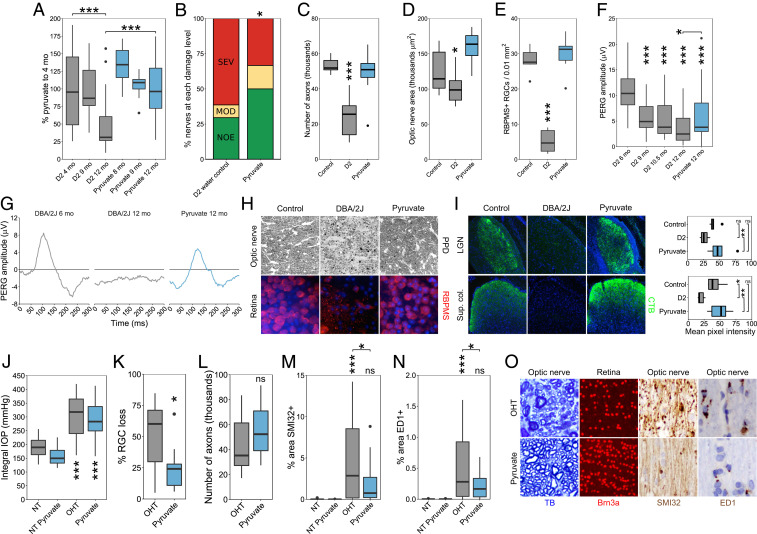
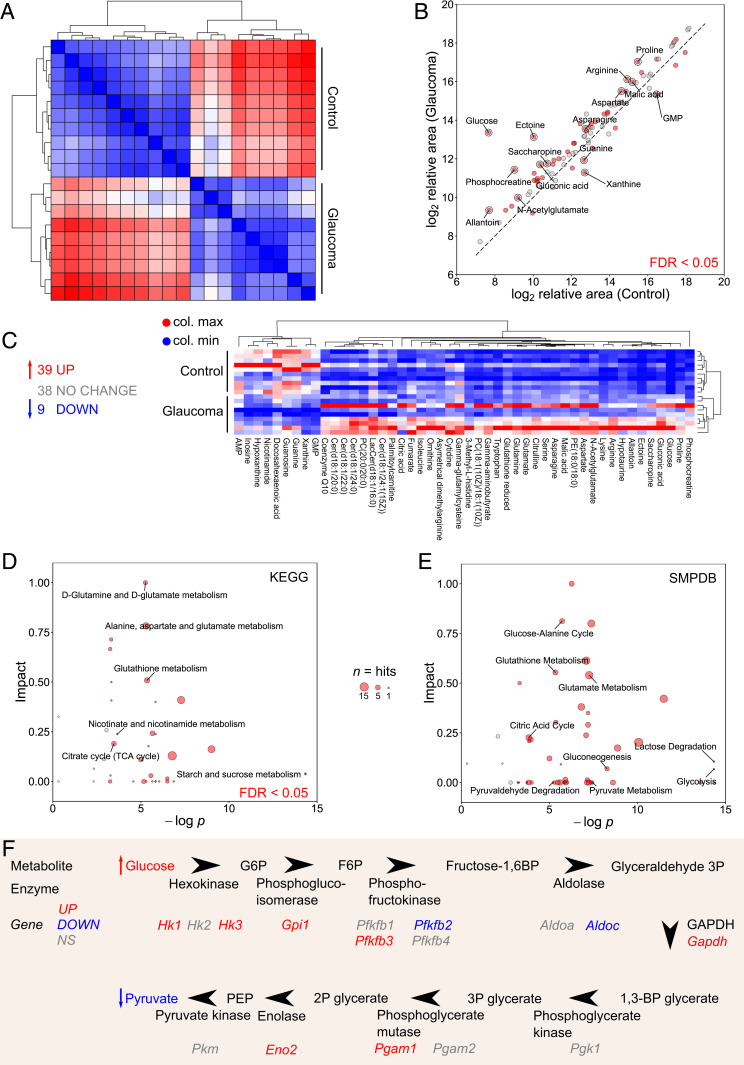
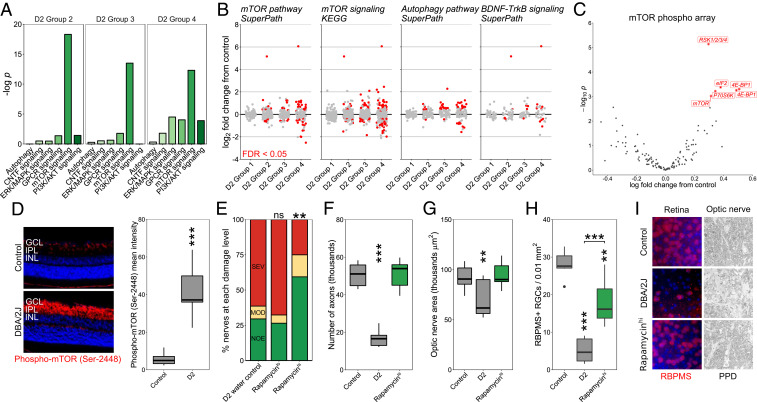
Significance: Age-related bioenergetic insufficiency increases the vulnerability of retinal ganglion cells to intraocular pressure during glaucoma pathogenesis. This paper addresses these relationships and provides a deeper understanding of this common neurodegeneration. We demonstrate an intraocular pressure-dependent decline in retinal pyruvate levels coupled to dysregulated glucose metabolism, and detected mTOR activation at the mechanistic nexus of neurodegeneration and metabolism. Supporting this, oral supplementation of pyruvate or mTOR inhibition by rapamycin strongly protects from neurodegeneration. Bioenergetic enhancement thus provides a readily clinically translatable strategy for neurodegenerative disease. This study provides important avenues for neuroprotection against glaucoma by targeting key metabolic pathways that may be mirrored in other neurodegenerative diseases in which metabolic dysregulation may play a key role.
Overview
The claims and statistics of this paper haven’t been checked yet.
Free: it reads the open-access text and checks the first 5 claims that cite a source we can check. Create a free account to check every claim.
Integrity signals
Registry
Cites
Statistics
Figures
Verification
Claims the paper makes
The claims and statistics of this paper haven’t been checked yet.
Free: it reads the open-access text and checks the first 5 claims that cite a source we can check. Create a free account to check every claim.
Claims other papers make about this one
Each is checked against this paper’s own text: does it say what the citing paper says it does?
The cited source says what the claim attributes to it.
In the citing paper
“Our results contrast with previous findings showing that the mTOR inhibitor rapamycin promoted RGC survival [63].”
From AMPK hyperactivation promotes dendrite retraction, synaptic loss, and neuronal dysfunction in glaucoma (2021) · cites this paper as [63]
Self-check
Percentages, sums and reported differences re-computed from the paper’s own numbers.
The self-check needs the paper’s full text.
Citations
Cites
limma powers differential expression analyses for RNA-sequencing and microarray studies
Ritchie, M. E., Phipson, B., Wu, D., Hu, Y., Law, C. W., Shi, W., & Smyth, G. K. (2015) · Nucleic Acids Research · doi:10.1093/nar/gkv007 · Cited by 40,458
mTOR Signaling in Growth, Metabolism, and Disease
Saxton, R. A., & Sabatini, D. M. (2017) · Cell · doi:10.1016/j.cell.2017.02.004 · Cited by 7,555 · cited 3×
“Rapamycin is an mTOR inhibitor that promotes survival mechanisms associated with fasting and decreased energy use (34).”
Global Prevalence of Glaucoma and Projections of Glaucoma Burden through 2040
Tham, Y.-C., Li, X., Wong, T. Y., Quigley, H. A., Aung, T., & Cheng, C.-Y. (2014) · Ophthalmology · doi:10.1016/j.ophtha.2014.05.013 · Cited by 7,159
Sumner, L. W., Amberg, A., Barrett, D., Beale, M. H., Beger, R., Daykin, C. A., Fan, T. W.-M., Fiehn, O., Goodacre, R., Griffin, J. L., et al. (2007) · Metabolomics · doi:10.1007/s11306-007-0082-2 · Cited by 5,368 · cited 3×
“Metabolite identities were confirmed according to level 1 of the Metabolomics Standards Initiative (16). mTOR Phospho Antibody Array. mTOR phospho antibody arrays were performed on n = 3 per condition of whole homogenized retina from 9 mo of age D2 and D2-Gpnmb + mice following the manufacturer ’ s…”
InfluentialMetaboAnalyst 4.0: towards more transparent and integrative metabolomics analysis
Chong, J., Soufan, O., Li, C., Caraus, I., Li, S., Bourque, G., Wishart, D. S., & Xia, J. (2018) · Nucleic Acids Research · doi:10.1093/nar/gky310 · Cited by 3,629 · cited 1×
“Metabolomics data were analyzed using MetaboAnalyst and R using the 86 identified metabolites as a background list for enrichment (49, 50).”
Using MetaboAnalyst 4.0 for Comprehensive and Integrative Metabolomics Data Analysis
Chong, J., Wishart, D. S., & Xia, J. (2019) · Current Protocols in Bioinformatics · doi:10.1002/cpbi.86 · Cited by 2,166 · cited 1×
“Metabolomics data were analyzed using MetaboAnalyst and R using the 86 identified metabolites as a background list for enrichment (49, 50).”
NAD+ and sirtuins in aging and disease
Imai, S.-I., & Guarente, L. (2014) · Trends in Cell Biology · doi:10.1016/j.tcb.2014.04.002 · Cited by 1,481 · cited 2×
“Animals were excluded from further analysis if severe hyphema developed subsequent to laser treatment [29% collectively, which was lower than the hyphema rate of 40% reported by Levkovitch-Verbin et al. (38)].”
Use of within-array replicate spots for assessing differential expression in microarray experiments
Smyth, G. K., Michaud, J., & Scott, H. S. (2005) · Bioinformatics · doi:10.1093/bioinformatics/bti270 · Cited by 1,405 · cited 1×
“Data were analyzed in R using limma (linear models for microarray data, designed for microarray analysis but suitable for other data types) (51 – 53).”
Birsoy, K., Wang, T., Chen, W. W., Freinkman, E., Abu-Remaileh, M., & Sabatini, D. M. (2015) · Cell · doi:10.1016/j.cell.2015.07.016 · Cited by 1,388 · cited 1×
“One is a pyruvate-induced increase in NAD availability to NAD-consuming enzymes that generate NAM (e.g., PARPs and SIRTs; although pyruvate doesn ’ t directly produce NAD in these reactions) (26, 27).”
NAD + in aging, metabolism, and neurodegeneration
Verdin, E. (2015) · Science · doi:10.1126/science.aac4854 · Cited by 1,319 · cited 1×
“One is a pyruvate-induced increase in NAD availability to NAD-consuming enzymes that generate NAM (e.g., PARPs and SIRTs; although pyruvate doesn ’ t directly produce NAD in these reactions) (26, 27).”
Cited by
Tezel, G. (2022) · Progress in Retinal and Eye Research · doi:10.1016/j.preteyeres.2021.100998 · Cited by 163
Moraes, C. G. D., John, S. W. M., Williams, P. A., Blumberg, D. M., Cioffi, G. A., & Liebmann, J. M. (2021) · JAMA Ophthalmology · doi:10.1001/jamaophthalmol.2021.4576 · Cited by 180
Self-citationMarchev, A. S., Mihaylova, L. V., Amirova, K. M., Savova, M. S., Balcheva-Sivenova, Z. P., & Georgiev, M. I. (2021) · Cellular and Molecular Life Sciences · doi:10.1007/s00018-021-03918-3 · Cited by 180
Adaptive responses to neurodegenerative stress in glaucoma
Calkins, D. J. (2021) · Progress in Retinal and Eye Research · doi:10.1016/j.preteyeres.2021.100953 · Cited by 126
Neuroprotection in glaucoma: Mechanisms beyond intraocular pressure lowering
Tribble, J. R., Hui, F., Quintero, H., Hajji, S. E., Bell, K. C., Polo, A. D., & Williams, P. A. (2023) · Molecular Aspects of Medicine · doi:10.1016/j.mam.2023.101193 · Cited by 138
Self-citationAddressing neurodegeneration in glaucoma: Mechanisms, challenges, and treatments
Ghanem, G. O. B., Wareham, L. K., & Calkins, D. J. (2024) · Progress in Retinal and Eye Research · doi:10.1016/j.preteyeres.2024.101261 · Cited by 114
Soucy, J. R., Aguzzi, E. A., Cho, J. Y., Gilhooley, M. J., Keuthan, C. J., Luo, Z., Monavarfeshani, A., Saleem, M. A., Wang, X., Wohlschlegel, J., et al. (2023) · Molecular Neurodegeneration · doi:10.1186/s13024-023-00655-y · Cited by 94
“Another approach for improving donor RGC survival may be to supplement the vitreous cavity with pyruvate [326].”
Self-citationOxidative Stress and Hypoxia Modify Mitochondrial Homeostasis During Glaucoma
Jassim, A. H., Fan, Y., Pappenhagen, N., Nsiah, N. Y., & Inman, D. M. (2021) · Antioxidants and Redox Signaling · doi:10.1089/ars.2020.8180 · Cited by 92
“A recent metabolic analysis of D2 retina suggests that glycolysis is deficient in the aged D2 retina since providing pyruvate directly to these mice, thus bypassing glycolysis, could protect RGCs from degeneration (20).”
Mitophagy in the retina: Viewing mitochondrial homeostasis through a new lens
Jiménez‐Loygorri, J. I., Benítez‐Fernández, R., Viedma-Poyatos, Á., Zapata‐Muñoz, J., Villarejo‐Zori, B., Gómez‐Sintes, R., & Boya, P. (2023) · Progress in Retinal and Eye Research · doi:10.1016/j.preteyeres.2023.101205 · Cited by 89
Medical therapy for glaucoma: A review
Casson, R. J. (2022) · Clinical and Experimental Ophthalmology · doi:10.1111/ceo.13989 · Cited by 92
“Recently it was shown that oral pyruvate supplementation has a robust neuroprotective effect in both the DBA/2J mouse and the laser-induced rat model of glaucoma.(140) An ongoing placebo-controlled trial at Columbia University (NCT03797469) is designed to assess the effect of a combination of vitamin B3 and pyruvate o…”
BackgroundSelf-citationBelforte, N., Agostinone, J., Alarcon-Martinez, L., Villafranca-Baughman, D., Dotigny, F., Cueva Vargas, J. L., & Di Polo, A. (2021) · Molecular Neurodegeneration · doi:10.1186/s13024-021-00466-z · Cited by 67
“Our results contrast with previous findings showing that the mTOR inhibitor rapamycin promoted RGC survival [63].”
ResultTezel, G. (2021) · Cells · doi:10.3390/cells10061372 · Cited by 78
“In a recent study of DBA/2J mice, suppression of the mammalian target of rapamycin (mTOR), a cellular nutrient sensor, metabolic regulator, and suppressor of autophagy, diminished metabolic failure and neurodegeneration [83].”
BackgroundInfluentialIOP and glaucoma damage: The essential role of optic nerve head and retinal mechanosensors
Pitha, I., Du, L., Nguyen, T. D., & Quigley, H. A. (2023) · Progress in Retinal and Eye Research · doi:10.1016/j.preteyeres.2023.101232 · Cited by 76
Immune Responses in the Glaucomatous Retina: Regulation and Dynamics
Shestopalov, V. I., Spurlock, M. S., Gramlich, O. W., & Kuehn, M. H. (2021) · Cells · doi:10.3390/cells10081973 · Cited by 77
Targeting Diet and Exercise for Neuroprotection and Neurorecovery in Glaucoma
Tribble, J. R., Hui, F., Jöe, M., Bell, K. C., Chrysostomou, V., Crowston, J. G., & Williams, P. A. (2021) · Cells · doi:10.3390/cells10020295 · Cited by 58
“Retinal ganglion cell death was also significantly reduced in a laser photocoagulation model of sub-acute ocular hypertension [12].”
BackgroundInfluentialSelf-citationMitochondria in Retinal Ganglion Cells: Unraveling the Metabolic Nexus and Oxidative Stress
Yang, T.-H., Kang, E. Y., Lin, P., Yu, B. B.-C., Wang, J. H.-H., Chen, V., & Wang, N. (2024) · International Journal of Molecular Sciences · doi:10.3390/ijms25168626 · Cited by 67
“Age-related Age-related bioenergetic insufficiency increases the susceptibility of RGCs to IOP during the pathogenesis of glaucoma [37].”
BackgroundInfluentialmTOR Signalling Pathway: A Potential Therapeutic Target for Ocular Neurodegenerative Diseases
Wang, Y., Fung, N. S. K., Lam, W., & Lo, A. (2022) · Antioxidants · doi:10.3390/antiox11071304 · Cited by 58
Svensson, J. E., Bolin, M., Thor, D., Williams, P. A., Brautaset, R., Carlsson, M., Sörensson, P., Marlevi, D., Spin‐Neto, R., Probst, M., et al. (2024) · BMC Neurology · doi:10.1186/s12883-024-03596-1 · Cited by 53
“For example, preclinical data support a beneficial effect of rapamycin (or its analogues) on periodontitis [10], retinal pathologies [11, 12], atherosclerosis [13, 14]; cardiac dysfunction [15, 16], and bone mass loss [17, 18].”
BackgroundSelf-citationNMNAT2 is a druggable target to drive neuronal NAD production
Tribble, J. R., Jöe, M., Varricchio, C., Otmani, A., Canovai, A., Habchi, B., Daskalakis, E., Chaleckis, R., Loreto, A., Gilley, J., et al. (2024) · Nature Communications · doi:10.1038/s41467-024-50354-5 · Cited by 53
Self-citationNAD salvage pathway machinery expression in normal and glaucomatous retina and optic nerve
Tribble, J. R., Hagström, A., Jusseaume, K., Lardner, E., Wong, R. C. B., Stålhammar, G., & Williams, P. A. (2023) · Acta Neuropathologica Communications · doi:10.1186/s40478-023-01513-0 · Cited by 41
Self-citationZhao, W., Fan, C.-L., Hu, X., Ban, X.-X., Wan, H., He, Y., Zhāng, Q., & Xiong, K. (2023) · Cellular and Molecular Neurobiology · doi:10.1007/s10571-023-01373-1 · Cited by 48
Amato, R., Lazzara, F., Chou, T., Romano, G. L., Cammalleri, M., Monte, M. D., Casini, G., & Porciatti, V. (2021) · Investigative Ophthalmology & Visual Science · doi:10.1167/iovs.62.9.9 · Cited by 36
“7,33,34 Indeed, several aging-like molecular mechanisms could perturbate the RGC metabolic equilibrium promoting oxidative stress and inflammatory activity and inducing glial reaction.”
Yao, K., Mou, Q., Lou, X., Ye, M., Zhao, B., Hu, Y., Luo, J., Zhang, H., Li, X., & Zhao, Y. (2023) · Journal of Neuroinflammation · doi:10.1186/s12974-023-02886-8 · Cited by 36
“Researchers found there are disturbed glucose and pyruvate metabolism in the glaucoma model of DBA/2J mice retina while pyruvate or rapamycin in food showed obvious neuroprotective effect [61].”
BackgroundResultZhou, L.-Y., Liu, Z.-G., Yong-quan, S., Li, Y., Teng, Z., & Liu, C. (2025) · Cell Regeneration · doi:10.1186/s13619-025-00228-y · Cited by 38
“Interactions between lipid and glucose dysregulation and oxidative stress create a vicious cycle, significantly worsening retinal damage (Joyal et al. 2016; Harder et al. 2020).”
Metabolomics in Retinal Diseases: An Update
Li, X., Cai, S., He, Z., Reilly, J., Zeng, Z., Strang, N. C., & Shu, X. (2021) · Biology · doi:10.3390/biology10100944 · Cited by 36
Neuroprotection by WldS depends on retinal ganglion cell type and age in glaucoma
Risner, M. L., Pasini, S., McGrady, N. R., D’Alessandro, K. B., Yao, V., Cooper, M., & Calkins, D. J. (2021) · Molecular Neurodegeneration · doi:10.1186/s13024-021-00459-y · Cited by 27
Novel frontiers in neuroprotective therapies in glaucoma: Molecular and clinical aspects
Boccaccini, A., Cavaterra, D., Carnevale, C., Tanga, L., Marini, S., Bocedi, A., Lacal, P. M., Manni, G., Graziani, G., Sbardella, D., et al. (2023) · Molecular Aspects of Medicine · doi:10.1016/j.mam.2023.101225 · Cited by 33
Shukla, A. G., Cioffi, G. A., John, S. W. M., Wang, Q., & Liebmann, J. M. (2025) · Ophthalmology Glaucoma · doi:10.1016/j.ogla.2025.01.002 · Cited by 27
Self-citationNsiah, N. Y., Morgan, A. B., Donkor, N., & Inman, D. M. (2023) · Scientific Reports · doi:10.1038/s41598-023-47942-8 · Cited by 29
“In chronic glaucoma models, despite the evidence of increased HIF-1α in the retina, decreased GLUT1 and higher glucose levels have been reported 14,15 .”
BackgroundHajji, S. E., Shiga, Y., Belforte, N., Solorio, Y. C., Tastet, O., D’Onofrio, P. M., Dotigny, F., Prat, A., Arbour, N., Fortune, B. A., et al. (2024) · Science Advances · doi:10.1126/sciadv.adl5722 · Cited by 28
“Furthermore, elevated eye pressure results in increased retinal glucose levels, which may have adverse effects on RGC function and viability ( 113 ).”
BackgroundCimaglia, G., Tribble, J. R., Votruba, M., Williams, P. A., & Morgan, J. E. (2024) · Acta Neuropathologica Communications · doi:10.1186/s40478-024-01850-8 · Cited by 26
Self-citationNext-Gen Neuroprotection in Glaucoma: Synergistic Molecules for Targeted Therapy
Martucci, A., Cesareo, M., Pinazo-Duran, M. D., Aiello, F., Pocobelli, G., Mancino, R., & Nucci, C. (2025) · Journal of Clinical Medicine · doi:10.3390/jcm14176145 · Cited by 27
“In this model, oral supplementation of the glycolytic product pyruvate strongly protected against neurodegeneration in both rat and mouse glaucoma models [50].”
InfluentialKijpaisalratana, N., Ament, Z., Patki, A., Bhave, V. M., Guarniz, A. G., Judd, S. E., Cushman, M., Long, D. L., Irvin, M. R., & Kimberly, W. T. (2023) · Neurology · doi:10.1212/wnl.0000000000207264 · Cited by 20
“Gluconic acid is a polyhydroxycarboxylic acid that is formed by glucose fermentation through glucose oxidase activity and is potentially produced by the gut microbiome.(34) The production of hydrogen peroxide during gluconic acid formation reflects the potential role of gluconic acid as a biomarker of oxidative stress.”
BackgroundNutritional Factors: Benefits in Glaucoma and Ophthalmologic Pathologies
Musa, M., Zeppieri, M., Atuanya, G. N., Enaholo, E. S., Topah, E. K., Ojo, O. M., & Salati, C. (2023) · Life · doi:10.3390/life13051120 · Cited by 22
“mTOR inhibition by RAPA has also been found to provide neuroprotection for retinal ganglion cells (RGCs) [130].”
BackgroundGlial metabolic alterations during glaucoma pathogenesis
Rombaut, A., Brautaset, R., Williams, P. A., & Tribble, J. R. (2023) · Frontiers in Ophthalmology · doi:10.3389/fopht.2023.1290465 · Cited by 23
Self-citationModeling Retinal Ganglion Cell Dysfunction in Optic Neuropathies
Porciatti, V., & Chou, T.-H. (2021) · Cells · doi:10.3390/cells10061398 · Cited by 18
“Similar results have been obtained with a diet enriched with pyruvate, which provides bioenergetic support [57].”
ResultXu, J., Fu, C., Sun, Y., Wen, X., Chen, C., Huang, C., Ng, T. K., Liu, Q., & Zhang, M. (2024) · Biomolecules · doi:10.3390/biom14030307 · Cited by 19
Xi, X., Ma, J., Chen, Q., Wang, X., Xia, Y., Wen, X., Yuan, J., & Li, Y. (2022) · Annals of Translational Medicine · doi:10.21037/atm-21-5630 · Cited by 16
Glaucoma: neuroprotection with NAD-based therapeutic interventions
Chiarugi, A. (2023) · Trends in Pharmacological Sciences · doi:10.1016/j.tips.2023.09.010 · Cited by 21
Salas, L. F. S., García-Venzor, A., Beltramone, N., Capurro, C., Toiber, D., & Silberman, D. M. (2021) · Frontiers in Genetics · doi:10.3389/fgene.2021.769723 · Cited by 20
Preparation and in vivo and ex vivo studies of sirolimus nano-in-situ gel ophthalmic formulation
Liu, Y., Chen, X., Chen, X., Chen, J. Y., Zhang, H., Xu, H., Lu, J., Wang, Q., & Tang, Z. (2024) · Journal of Nanobiotechnology · doi:10.1186/s12951-024-02668-1 · Cited by 16
Cheng, X., Chu, J., Zhang, L., Suo, Z., & Tang, W. (2022) · Toxicology · doi:10.1016/j.tox.2022.153196 · Cited by 19
Tribble, J. R., Wong, V. H. Y., Stuart, K. V., Chidlow, G., Nicol, A., Rombaut, A., Rabiolo, A., Hoang, A., Lee, P. Y., Rutigliani, C., et al. (2025) · Cell Reports Medicine · doi:10.1016/j.xcrm.2025.102127 · Cited by 26
Self-citationOcular microbial diversity, community structure, and function at high altitude
Li, Z., Xiang, Y., Wang, Y., Wan, W., Ye, Z., Zheng, S., Chen, Y., Xiong, L., Zhu, L., Ji, Y., et al. (2021) · Microbial Pathogenesis · doi:10.1016/j.micpath.2021.105253 · Cited by 15
Loss of Retinogeniculate Synaptic Function in the DBA/2J Mouse Model of Glaucoma
SMITH, J., Zhang, K. Y., Sladek, A. L., Thompson, J., Bierlein, E. R., Bhandari, A., & Hook, M. J. V. (2022) · eNeuro · doi:10.1523/eneuro.0421-22.2022 · Cited by 14
“…include disruption of optic nerve active transport (Crish et al., 2010), metabolism (Kleesattel et al., 2015; Inman and Harun-Or-Rashid, 2017; Harder et al., 2020; Casson et al., 2021), and glia (Cooper et al., 2016) as well as alterations to mitochondria (Jassim et al., 2021), RGC…”
BackgroundHa, A., Kim, Y. K., Lee, C. K., Williams, P. A., Morgan, J. E., Shin, Y. I., Kim, E., Kim, M., & Rho, S. (2025) · British Journal of Ophthalmology · doi:10.1136/bjo-2025-328096 · Cited by 16
“Given that pyruvate has recently been recognised as a key contributor to energy metabolism, 31 future studies are warranted to investigate the potential synergistic effects of combined supplementation.”
Self-citationInvestigations into photoreceptor energy metabolism during experimental retinal detachment
Chidlow, G., Chan, W. O., Wood, J. P. M., & Casson, R. J. (2022) · Frontiers in Cellular Neuroscience · doi:10.3389/fncel.2022.1036834 · Cited by 15
“The lack of neuroprotective efficacy may be related to pyruvate bioavailability, despite the fact that an identical treatment regimen afforded robust protection to retinal ganglion cells in rat and mouse models of glaucoma (Harder et al., 2020).”
BackgroundSelf-citationGlycolysis and glucose metabolism as a target for bioenergetic and neuronal protection in glaucoma
Williams, P. A., & Casson, R. J. (2023) · Neural Regeneration Research · doi:10.4103/1673-5374.389638 · Cited by 15
Self-citationBeirowski, B. (2022) · Neurobiology of Disease · doi:10.1016/j.nbd.2022.105751 · Cited by 16
Sato, K., Saigusa, D., Kokubun, T., Fujioka, A., Feng, Q., Saito, R., Uruno, A., Matsukawa, N., Ohno‐Oishi, M., Kunikata, H., et al. (2023) · npj Aging · doi:10.1038/s41514-023-00124-2 · Cited by 15
“The G-Met analyses of human aqueous humor samples identi fi ed 31, 13, and 13 eye drop-derived ions in the HILICpos, HILICneg, and C18pos assays, respectively.”
Sun, S., Zhang, L., Fei, S., & Tan, M. (2024) · Chemical Engineering Journal · doi:10.1016/j.cej.2024.153372 · Cited by 15
Otmani, A., Jóhannesson, G., Brautaset, R., Tribble, J. R., & Williams, P. A. (2024) · Acta Neuropathologica Communications · doi:10.1186/s40478-024-01724-z · Cited by 12
“We have previously identified mitochondrial/metabolic dysfunction and morphological abnormalities affecting the retina and optic nerve at timepoints prior to gross neurodegeneration in glaucoma [5, 9, 10], in addition to Alzheimer’s disease [11, 12].”
BackgroundSelf-citationDrug-Induced Liver Injury During a Glaucoma Neuroprotection Clinical Trial
Shukla, A. G., Cioffi, G. A., & Liebmann, J. M. (2024) · Journal of Glaucoma · doi:10.1097/ijg.0000000000002394 · Cited by 12
“7 A history of liver disease has been considered an exclusion criterion in all studies on nicotinamide and glaucoma.”
Intraocular pressure induced blood retinal barrier compromise in mouse models and human glaucoma
Zhang, C., Lim, H., Ballheim, J. D., Simón, M., Fu, R., Tolman, N. G., Horbal, L. J., Juarez, F. A., Wang, Q., Bhandari, A., et al. (2026) · Nature Communications · doi:10.1038/s41467-026-71379-y · Cited by 13
“Findings using DBA/ 2 J mice have been translated to clinical trials for primary open-angle glaucoma (POAG,a commonformof glaucoma), with promising initial results 13,14,46,47 .”
Self-citationHuynh, K. T., Walters, S., Foley, E. K., & Hunter, J. J. (2023) · Scientific Reports · doi:10.1038/s41598-023-28877-6 · Cited by 11
Systemic Treatment with Pioglitazone Reverses Vision Loss in Preclinical Glaucoma Models
Zeng, H., Dumitrescu, A. V., Wadkins, D., Elwood, B. W., Gramlich, O. W., & Kuehn, M. H. (2022) · Biomolecules · doi:10.3390/biom12020281 · Cited by 12
“It is noteworthy that rapamycin treatment, which also inhibits mTOR, has been shown to be neuroprotective in rats [53] and mice [27].”
BackgroundStretch stress propels glutamine dependency and glycolysis in optic nerve head astrocytes
Pappenhagen, N., Yin, E., Morgan, A. B., Kiehlbauch, C. C., & Inman, D. M. (2022) · Frontiers in Neuroscience · doi:10.3389/fnins.2022.957034 · Cited by 13
“Providing pyruvate or nicotinamide directly in the drinking water preserved RGC number and positively impacted inner retina function in the DBA/2J model of glaucoma (Harder et al., 2020).”
BackgroundSystematic Review and Meta-Analysis on the Association Between Daily Niacin Intake and Glaucoma
Nicola, C. A., Marinescu, M. C., Firan, A. M., Naidin, M.-S., Ciuluvica, R. C., Rosu, M. M., Meca, A.-D., Bogdán, M., & Turcu-Ştiolică, A. (2024) · Nutrients · doi:10.3390/nu16213604 · Cited by 10
“…visual field of glaucoma patients receiving either placebo or a combination of nicotinamide and pyruvate (a glycolysis product, which was proven in animal models to decline in the retinal tissue concomitant with an IOP increase and to perform a neuroprotective effect when supplemented orally [37]).”
BackgroundZhao, M., Tanourlouee, S. B., McCracken, S., & Williams, P. R. (2025) · Neurophotonics · doi:10.1117/1.nph.12.s2.s22805 · Cited by 9
“16,83 In clinical trials, a combination of pyruvate and nicotinamide (vitamin B3) significantly improved visual function in patients with open-angle glaucoma.”
Self-citationYao, K., Liang, X., Zhang, G., Rong, Y., Zhang, Q., Liao, Q., Zhang, H., Xi, K., & Wang, J. (2022) · Polymers · doi:10.3390/polym14163265 · Cited by 9
“In addition to suppressing overactive microglia, the released rapamycin may directly affect RGCs and lessen their damage through autophagy and glucose metabolism, as reported before [12,13].”
BackgroundArai-Okuda, M., Murai, Y., Maeda, H., Kanamori, A., Miki, T., Naito, T., Sugihara, K., Kono, M., Tanito, M., Onoe, H., et al. (2024) · Scientific Reports · doi:10.1038/s41598-024-54383-4 · Cited by 9
“Previous metabolomic analyses have shown that glucose levels in the retina increased approximately threefold 2 weeks after optic nerve crush 15 and by over 50-fold in spontaneously developed glaucoma mouse retinas 16 .”
BackgroundApelin-13 attenuates optic nerve damage in glaucomatous mice by regulating glucose metabolism
Zhang, Y., Zhao, J., Zhou, J., Jiang, Z., Cheng, K., Lei, C., & Yu, L. (2025) · Journal of Translational Medicine · doi:10.1186/s12967-025-06212-z · Cited by 9
“A metabolomics study showed that reduced levels of pyruvate in the retina are associated with IOP, accompanied by disturbances in glucose metabolism before optic nerve degeneration occurs [31].”
Zhang, H., Yu, X., Yang, F., An, J., Su, L., Liu, Y., Zhang, M., Fan, R., Yang, H., Li, X., et al. (2026) · Nature Biomedical Engineering · doi:10.1038/s41551-025-01596-1 · Cited by 11
Visalli, F., Cappellani, F., Gagliano, G., Spinello, A., Avitabile, A., Cannizzaro, L., Capobianco, M., Gagliano, C., & Zeppieri, M. (2026) · Diseases · doi:10.3390/diseases14020056 · Cited by 9
“It has different pleiotropic pharmacological activities, including antioxidant, anti-inflammatory, and anti-apoptotic effects [42].”
Metabolic dysregulation in glaucoma
Yang, X., Li, S., Guo, H., Wang, S., Sun, H., Wang, J., & Yuan, X. (2025) · Clinical and Experimental Optometry · doi:10.1080/08164622.2025.2463502 · Cited by 10
“10 Retinal ganglion cells rely heavily on glucose as their primary energy source.”
The Neuroprotective Role of Retbindin, a Metabolic Regulator in the Neural Retina
Zhao, X., Tebbe, L., Naash, M. I., & Al‐Ubaidi, M. R. (2022) · Frontiers in Pharmacology · doi:10.3389/fphar.2022.919667 · Cited by 9
“Harder et al. reported the idea that a decline in retinal pyruvate levels resulting from intraocular pressure changes is linked to dysregulated metabolism of glucose (Harder et al., 2020).”
BackgroundLee, D., Fu, Z., Hellström, A., & Smith, L. E. H. (2024) · International Journal of Molecular Sciences · doi:10.3390/ijms25105503 · Cited by 8
“Harder et al. showed that intraocular pressure can disrupt pyruvate levels in the retina, and that mTOR can be activated during neurodegeneration in the eye [144].”
BackgroundTakahashi, N., Tawarayama, H., Chida, Y., Takeda, M., Shiokawa, R., Sato, K., Tsuda, S., & Nakazawa, T. (2025) · Investigative Ophthalmology & Visual Science · doi:10.1167/iovs.66.9.63 · Cited by 8
“9 Weakening glycolysis has been implicated as a mechanism underlying RGC death, 9 and RGC axons in glaucoma are reported to be unable to upregulate glycolysis under stressful conditions.”
Kirby, A., Graf, D., Suchý, M., Calvert, N. D., Charlton, T. A., Ben, R. N., Addison, C., & Shuhendler, A. J. (2024) · Journal of Nuclear Medicine · doi:10.2967/jnumed.123.266905 · Cited by 10
“Excessive fructose consumption has also been associated with a liver-centered metabolic syndrome thought to drive obesity and diabetes ( 11 ) and to be a major player in the related cardiovascular ( 11 , 12 ), ocular ( 13 ), and degenerative ( 12 ) outcomes.”
BackgroundAn “off-on” fluorescent probe for imaging pyruvic acid in living systems
Li, M., Li, X., Chen, L., Li, X., & Liu, C. (2024) · Talanta · doi:10.1016/j.talanta.2024.127225 · Cited by 5
Bidirectional causality of physical exercise in retinal neuroprotection
Agadagba, S. K., Yau, S., Liang, Y., Dalton, K., & Thompson, B. S. (2024) · Neural Regeneration Research · doi:10.4103/nrr.nrr-d-24-00942 · Cited by 10
“Pyruvate metabolism is suggested to be important in retinal ganglion cells across various species due to the high levels of MPC1 and MPC2 (Harder et al., 2020).”
Nicotinamide and Pyruvate in Open-Angle Glaucoma
Shukla, A. G., Tsamis, E., Moraes, C. G. D., John, S. W. M., Hood, D. C., Goldberg, J. L., Hark, L. A., Atakulova, M., Wang, Y., Greenfield, D. S., et al. (2025) · Ophthalmology Glaucoma · doi:10.1016/j.ogla.2025.12.008 · Cited by 7
Self-citationWang, Z., Zhao, C., Xu, S., Zhao, M., McCracken, S., Apte, R. S., & Williams, P. R. (2026) · Nature Communications · doi:10.1038/s41467-026-71106-7 · Cited by 7
“Instead of expected reductions 31,61,64 , we observed ATP elevations that began day 2 post ONC and peaked at day 4, before recovering toward baseline after 6 days post ONC (Fig.5e).”
InfluentialSelf-citationPark, S., Raghunathan, V. K., Ramarapu, R., Moshiri, A., Yiu, G. C., Casanova, M. I., Cosert, K. M., Mccorkell, M. E., Leonard, B. C., & Thomasy, S. M. (2024) · Vision Research · doi:10.1016/j.visres.2024.108456 · Cited by 5
“…neuroprotection and medical interventions such as nicotinamide supplementation improves RGC function in glaucoma patients, (Williams et al., 1979; Harder et al., 2020; Zhang et al., 2021; Hui et al., 2020; De Moraes et al., 2022; Taechameekietichai et al., 2021; Leung et al., 2022) its impact on…”
BackgroundAmin, D., & Kuwajima, T. (2022) · Frontiers in Ophthalmology · doi:10.3389/fopht.2022.905352 · Cited by 5
“Ndnf (Neuron Derived Neurotrophic Factor) Ndnf is upregulated in injured zebrafish RGCs [8] (88) and highly expressed in resilient RGCs [9] (130) after optic nerve injury (Figure 1B).”
BackgroundMethodInfluentialTargeting Wallerian degeneration in glaucoma
Jöe, M., & Williams, P. A. (2025) · Neural Regeneration Research · doi:10.4103/nrr.nrr-d-24-01160 · Cited by 4
“Recent studies have further demonstrated a neuroprotective role for pyruvate in glaucoma in combination with nicotinamide (Harder et al., 2020) which was also successfully translated into a Phase II clinical trial (De Moraes et al., 2022).”
Self-citationMitochondrial dysfunction in neurodegenerative disorders: mechanisms and therapeutic advances
Tong, Y., He, J. N., Zhou, L., Zhang, J., Ho, B. M., Du, L., Yip, Y. W. Y., Bisnauthsing, H., Chan, P. P. M., Tham, C. C. Y., et al. (2026) · Molecular Biomedicine · doi:10.1186/s43556-026-00480-x · Cited by 6
Lifestyle Measures for Glaucoma Patients: An Objective Social Media Content Analysis
Bhartiya, S., Ichhpujani, P., Jindal, A., Chahal, R., Singh, R. B., & Parmar, U. P. S. (2023) · JOURNAL OF CURRENT GLAUCOMA PRACTICE · doi:10.5005/jp-journals-10078-1412 · Cited by 4
Boeck, M., Yagi, H., Chen, C. T., Zeng, Y., Lee, D., Nian, S., Kasai, T., Lee, J., Hirst, V., Wang, C., et al. (2025) · Journal of Advanced Research · doi:10.1016/j.jare.2025.03.004 · Cited by 4
“Mice with genetic vulnerability to glaucoma show a significant pyruvate level decline prior to optic nerve degeneration, while oral pyruvate supplementation from age 6 to 12 months is neuroprotective in those aging mice [84].”
Charng, J., Ansari, A. S., Bondonno, N. P., Hunter, M. L., O’Sullivan, T. A., Louca, P., Hammond, C. J., & Mackey, D. A. (2022) · Clinical and Experimental Ophthalmology · doi:10.1111/ceo.14120 · Cited by 5
“Similarly, a recent phase 2 clinical trial has reported that patients with glaucoma who took oral combination therapy of nicotinamide and pyruvate demonstrated improvement in visual field results compared with patients who took placebo,(22) with pyruvate itself also demonstrating neuroprotection against glaucoma.(23)…”
ResultSchmelter, C., Fomo, K. N., Brueck, A., Perumal, N., Markowitsch, S. D., Govind, G., Speck, T., Pfeiffer, N., & Grus, F. H. (2023) · Biomolecules · doi:10.3390/biom13071161 · Cited by 3
“With respect to glaucoma, it is already known that an elevated IOP leads to a significant decline of pyruvate in the retina in vivo, accompanied by a disturbed glucose metabolism [70].”
BackgroundWu, Y., Li, X., Wu, T., Ji, D., Bai, Y., & Zhou, X. (2025) · Advanced Functional Materials · doi:10.1002/adfm.202508228 · Cited by 6
Schanzer, N., Harris, A., Kanwar, K., Mortensen, R., Vercellin, A. C. V., Oddone, F., Carnevale, C., Wood, K., & Siesky, B. A. (2025) · Journal of Clinical Medicine · doi:10.3390/jcm14227954 · Cited by 3
“Pyruvate preserved the RGC axon projections involved in anterograde axoplasmic transport, particularly to the dorsal lateral geniculate nucleus ( p 0.01) and superior colliculus ( p 0.01) [17].”
InfluentialMouhammad, Z. A., Tribble, J. R., Nicol, A., Andreopoulou, E., García-Bermúdez, M. Y., Aldana, B. I., Vohra, R., Kolko, M., & Williams, P. A. (2026) · Investigative Ophthalmology & Visual Science · doi:10.1167/iovs.67.2.25 · Cited by 4
Self-citationWen, Y., Dou, Y., Chen, X., Liu, X., Yang, Z., Zhu, Y., Li, Z., Deng, C., Deng, Y., Su, W., et al. (2026) · Journal of Neuroinflammation · doi:10.1186/s12974-026-03838-8 · Cited by 4
“Recent animal and human studies have uncovered metabolic dysfunction occurring early in RGCs in glaucoma, in particular the critical dependency of RGCs on sufficient levels of NAD [77–79].”
Maddineni, P., Kaipa, B. R., Kodati, B., Kesavan, K., Li, L., Millar, J. C., Yacoub, S., Kasetti, R. B., Clark, A. F., & Zode, G. S. (2026) · Molecular Neurodegeneration · doi:10.1186/s13024-026-00950-4 · Cited by 5
“Several independent laboratories have demonstrated that altered mitochondrial dynamics and metabolic stress due to mitochondrial dysfunction are associated with glaucomatous neurodegeneration [53, 72, 103–106].”
The ketogenic diet and hypoxia promote mitophagy in the context of glaucoma
Morgan, A. B., Fan, Y., & Inman, D. M. (2024) · Frontiers in Cellular Neuroscience · doi:10.3389/fncel.2024.1409717 · Cited by 4
“Elevated IOP can alter retinal pyruvate and glucose, exacerbating the age-related metabolic changes (Harder et al., 2020).”
BackgroundShui, X., Wang, Y., Luo, Y., Liang, X., Chen, T., Xia, Y., Wei, Q.-P., & Liao, L. (2025) · Journal of Molecular Histology · doi:10.1007/s10735-025-10536-x · Cited by 2
“Mitochondria regulate redox homeostasis in RGC; their dysfunction triggers cytochrome c release, apoptosome activation, and irreversible apoptosis(Stavropoulos et al. 2023; Santucci et al. 2019; Harder et al. 2020).”
Targeted LC-MS profiling reveals dysregulated glycolytic flux and TCA cycle stalling in POAG plasma
Tang, Y., Zhang, X., Chen, X., Li, J., Xie, M., Wu, Q., Zhang, Y., Wai, C., & Sun, X. (2025) · Scientific Reports · doi:10.1038/s41598-025-15836-6 · Cited by 7
“Pyruvate (PYR) can be derived from various carbon sources and amino acids, and its supplementation has been shown to protect against neurodegeneration in animal models of glaucoma 12 .”
Zhang, J., He, H., Wang, F., Yu, H., Liu, B., Yang, J., & Lu, Q. (2025) · Genomics · doi:10.1016/j.ygeno.2025.111187 · Cited by 2
Wang, Z., Chen, G., Chen, G., Zhao, C., Wang, C., Shi, J., & Chen, H. (2026) · Journal of Neuroinflammation · doi:10.1186/s12974-026-03693-7 · Cited by 3
“The mammalian target of rapamycin complex 1 (mTORC1) pathway is increasingly recognized as a key regulator in the pathophysiology of several ocular pathological conditions, including glaucoma [16], diabetic retinopathy [17], and age-related macular degeneration [18].”
Dutta, S., Surma, M. L., Chen, J., Anbarasu, K., Meng, J., Wang, N., & Das, A. (2026) · Communications Medicine · doi:10.1038/s43856-026-01528-3 · Cited by 3
Zhang, J., Yang, X., Zong, Y., Yu, T., & Yang, X. (2024) · International Immunopharmacology · doi:10.1016/j.intimp.2024.111646 · Cited by 2
Bell, K. C., Chrysostomou, V., Karlsson, M., Jones, B. W., Williams, P. A., & Crowston, J. G. (2025) · Neurobiology of Aging · doi:10.1016/j.neurobiolaging.2025.03.004 · Cited by 2
“…animal models as well as alterations in the metabolites of human tear and aqueous humor samples taken from primary open angle glaucoma patients (Baltan et al., 2010; Casson et al., 2021; Harder et al., 2020; Myer et al., 2020; Rossi et al., 2019; Tribble et al., 2021; Williams et al., 2017).”
InfluentialSelf-citationAparicio, A., Camacho, E. T., Philp, N. J., & Wirkus, S. A. (2022) · Scientific Reports · doi:10.1038/s41598-022-13950-3 · Cited by 3
Maddineni, P., Kodati, B., Kaipa, B. R., Kesavan, K., Millar, J. C., Yacoub, S., Kasetti, R. B., Clark, A. F., & Zode, G. S. (2025) · bioRxiv (Cold Spring Harbor Laboratory) · doi:10.1101/2025.02.13.638142 · Cited by 3
Li, K., Tolman, N. G., Segrè, A. V., Stuart, K. V., Zeleznik, O. A., Vallabh, N. A., Hu, K., Zebardast, N., Hanyuda, A., Raita, Y., et al. (2025) · eLife · doi:10.7554/elife.105576.3 · Cited by 18
“Its neuroprotective effects on RGCs have been demonstrated both in cell culture and in an induced model of glaucoma in rats ( Harder et al., 2020 ).”
Self-citationVitamins and nutraceuticals in glaucoma research
Hui, F., & Williams, P. A. (2026) · European Journal of Ophthalmology · doi:10.1177/11206721261419640 · Cited by 1
“119 Early clinical translation includes 50% glucose eye drops that improved contrast sensitivity in open-angle glaucoma patients 120 and a Phase II trial of combined pyruvate (3 g/ day) and nicotinamide (3 g/day) demonstrating improved visual fi eld metrics without adverse effects.”
Self-citationSun, S., Xu, N., Bai, G., Ao, Y., Wang, A., Sun, J., Huang, Y., & Wang, L. (2026) · International Journal of Molecular Sciences · doi:10.3390/ijms27062848 · Cited by 1
“Meanwhile, the activation of the mTOR pathway contributed to metabolic pathway disruption and glaucoma progression [41].”
Dietary Intervention in Glaucoma
Ahmad, S. S., Bilal, S. M., Kohefiza, B., Tariq, A., & Rashid, A. (2022) · touchREVIEWS in Ophthalmology · doi:10.17925/usor.2022.16.1.22 · Cited by 2
“A study by Harder et al. 23 showed that long-term supplementation with oral pyruvate significantly reduced optic nerve degeneration and axon-transport disruption, protected against IOP-induced metabolic changes, and enhanced RGC survival.”
Metadata
- Authors
- Harder, J. M., Guymer, C., Wood, J. P. M., Daskalaki, E., Chidlow, G., Zhang, C., Balasubramanian, R., Cardozo, B. H., Foxworth, N. E., Deering, K. E., Ouellette, T. B., Montgomery, C., Wheelock, C. E., Casson, R. J., Williams, P. A., & John, S. W. M.
- Affiliations
- Jackson Laboratory (US)
- The University of Adelaide (AU)
- Karolinska Institutet (SE)
- Howard Hughes Medical Institute (US)
- Corresponding author
- Williams, Pete A.
- John, Simon W. M.
- ORCID
- Venue
- Proceedings of the National Academy of Sciences
- Publisher
- National Academy of Sciences
- Published
- 2020-12-14
- Volume
- 117
- Issue
- 52
- Pages
- 33619-33627
- ISSN
- 0027-8424 (ISSN-L)
- 1091-6490
- PMC
- PMC7776900
- OpenAlex
- W3112239941
- Cited by
- 127
- References
- 54
- Citations by year
- 2026: 22 · 2025: 26 · 2024: 24 · 2023: 19 · 2022: 16 · 2021: 20
- FWCI
- 10.90
- Type
- journal article
- Language
- en
- Open access
- hybrid
- doi.org
- Licence
- Locations
- Proceedings of the National Academy of Sciences (publishedVersion, cc-by-nc-nd)
- Europe PMC (PubMed Central) (publishedVersion, cc-by-nc-nd)
- PubMed Central (publishedVersion, cc-by-nc-nd)
- PubMed (publishedVersion)
- Adelaide Research & Scholarship (AR&S) (University of Adelaide) (submittedVersion, cc-by-nc-nd)
- The Mouseion at the JAXlibrary (Jackson Laboratory) (submittedVersion)
- Funders
- Vetenskapsrådet (2018-02124)
- HHS | NIH | National Eye Institute (EY011721)
- Topics
- Health Sciences › Medicine › Ophthalmology › Glaucoma and retinal disorders
- Health Sciences › Medicine › Ophthalmology › Retinal Diseases and Treatments
- Life Sciences › Neuroscience › Neurology › Neuroprotection in Cerebral Ischemia
- Keywords
- glaucoma, retinal ganglion cell death, intraocular pressure, glucose metabolism, pyruvate metabolism, glycolysis, mTOR signaling, rapamycin, neuroprotection, DBA/2J mice, optic nerve degeneration, glycogen mobilization
- MeSH terms
- Neuroprotection, Animals, Disease Models, Animal, Glaucoma, Glucose, Intraocular Pressure, Mice, Inbred C57BL, Mice, Inbred DBA, Nerve Degeneration, Retina, Rats, Sprague-Dawley, Neuroprotective Agents, Pyruvic Acid, Sirolimus, TOR Serine-Threonine Kinases
About these checks
Registry, retraction, Cites and statistics results are computed, not judged, with one exception: a printed reference that no index lists is read once by a model before it counts as a citation error. Claims are extracted by a model and kept only when their quote appears verbatim in the text; each cited source is then checked, with a model’s help, for whether it says what the claim relies on. Those verdicts can be wrong — read the claim’s quote and the cited source before relying on one.
Statistics and arithmetic are recomputed, not judged.
Confidence bands are shown only for fields calibrated on our annotated test set. None is calibrated yet, so no band is shown.
What counts as a claim ›How we measure confidence ›How we check this ›
Are you an author, or do you see a problem with this page? Request a review
Data sources
Bibliographic data: Semantic Scholar, OpenAlex, Crossref.
Contains information from the Semantic Scholar Academic Graph Datasets, made available under the ODC Attribution License (ODC-BY 1.0).
Semantic Scholar’s data is described in: Kinney, R., et al. (2023). The Semantic Scholar Open Data Platform. arXiv:2301.10140.
