

The global potential for increased storage of carbon on land
Open accessThe DOI matches its Crossref record; 67 of the 67 references it cites were found in a registry or an index.
Abstract
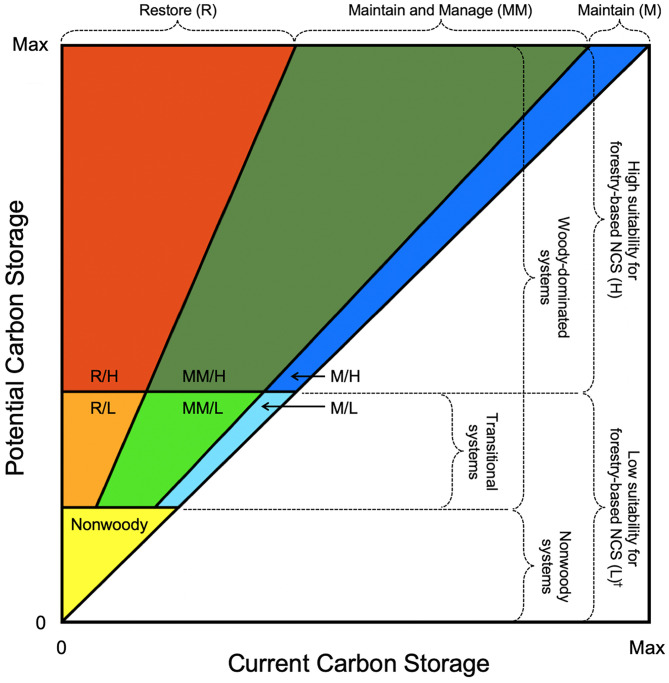
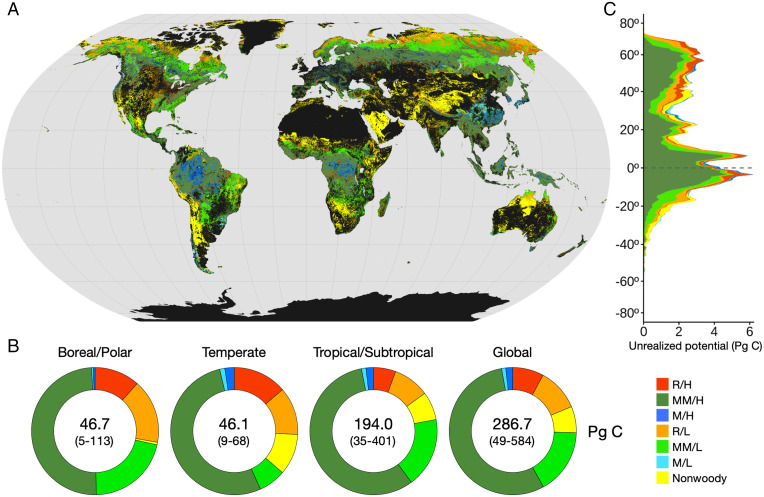
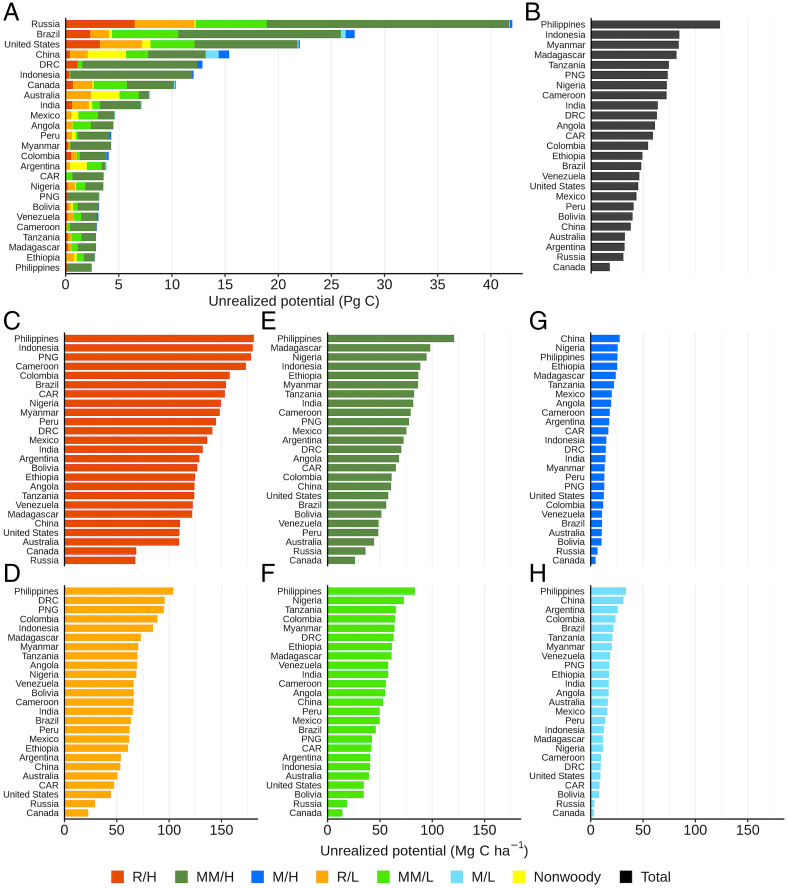
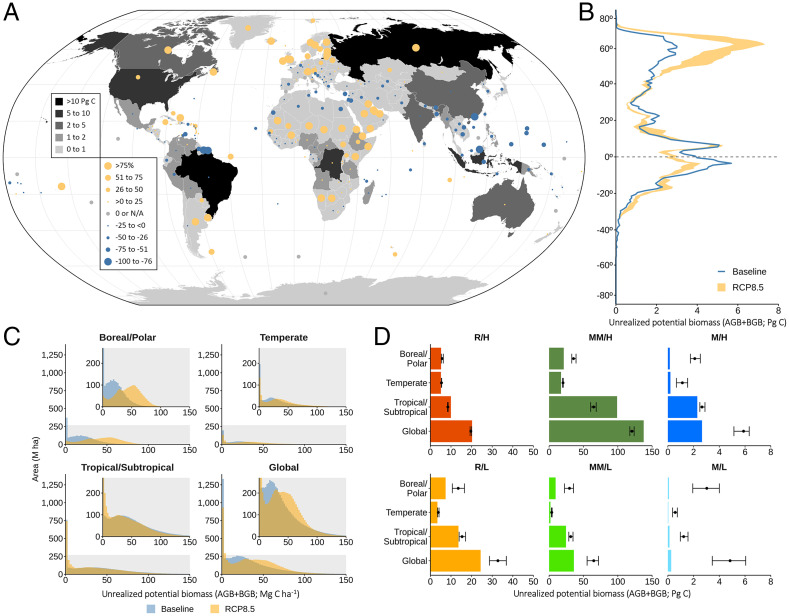
Significance: Despite increased interest in land-based carbon storage as a climate solution, there are physical limits on how much additional carbon can be incorporated into terrestrial ecosystems. To effectively determine where and how to act, jurisdictions need robust data illustrating the magnitude and distribution of opportunities to increase carbon storage, as well as information on the actions available to achieve that storage. Here, we provide globally consistent maps for directing additional carbon storage under current and future climate, as well as a framework for determining how that storage could be gained through restoration, improved management, or maintenance of woody biomass and soil organic matter. Our estimates provide an upper bound on how improved land stewardship can mitigate the climate crisis.
Overview
The claims and statistics of this paper haven’t been checked yet.
Free: it reads the open-access text and checks the first 5 claims that cite a source we can check. Create a free account to check every claim.
Integrity signals
Registry
Cites
Statistics
Figures
Verification
Claims the paper makes
The claims and statistics of this paper haven’t been checked yet.
Free: it reads the open-access text and checks the first 5 claims that cite a source we can check. Create a free account to check every claim.
Self-check
Percentages, sums and reported differences re-computed from the paper’s own numbers.
The self-check needs the paper’s full text.
Citations
Cites
Very high resolution interpolated climate surfaces for global land areas
Hijmans, R. J., Cameron, S. E., Parra, J. L., Jones, P. G., & Jarvis, A. (2005) · International Journal of Climatology · doi:10.1002/joc.1276 · Cited by 19,825
High-Resolution Global Maps of 21st-Century Forest Cover Change
Hansen, M. C., Potapov, P. V., Moore, R., Hancher, M., Turubanova, S. A., Tyukavina, A., Thau, D., Stehman, S. V., Goetz, S. J., Loveland, T. R., et al. (2013) · Science · doi:10.1126/science.1244693 · Cited by 11,704
The Shuttle Radar Topography Mission
Farr, T. G., Rosen, P. A., Caro, E., Crippen, R., Duren, R., Hensley, S., Kobrick, M., Paller, M., Rodriguez, E., Roth, L., et al. (2007) · Reviews of Geophysics · doi:10.1029/2005rg000183 · Cited by 8,927
SoilGrids250m: Global gridded soil information based on machine learning
Hengl, T., Mendes de Jesus, J., Heuvelink, G. B. M., Ruiperez Gonzalez, M., Kilibarda, M., Blagotić, A., Shangguan, W., Wright, M. N., Geng, X., Bauer-Marschallinger, B., et al. (2017) · PLOS ONE · doi:10.1371/journal.pone.0169748 · Cited by 4,733
Griscom, B. W., Adams, J., Ellis, P. W., Houghton, R. A., Lomax, G., Miteva, D. A., Schlesinger, W. H., Shoch, D., Siikamäki, J. V., Smith, P., et al. (2017) · Proceedings of the National Academy of Sciences · doi:10.1073/pnas.1710465114 · Cited by 3,481
Self-citationMODIS Collection 5 global land cover: Algorithm refinements and characterization of new datasets
Friedl, M. A., Sulla-Menashe, D., Tan, B., Schneider, A., Ramankutty, N., Sibley, A., & Huang, X. (2010) · Remote Sensing of Environment · doi:10.1016/j.rse.2009.08.016 · Cited by 3,473
Good practices for estimating area and assessing accuracy of land change
Olofsson, P., Foody, G. M., Herold, M., Stehman, S. V., Woodcock, C. E., & Wulder, M. A. (2014) · Remote Sensing of Environment · doi:10.1016/j.rse.2014.02.015 · Cited by 3,078
An ecoregion-based approach to protecting half the terrestrial realm
Dinerstein, E., Olson, D., Joshi, A., Vynne, C., Burgess, N. D., Wikramanayake, E., Hahn, N., Palminteri, S., Hedao, P., Noss, R., et al. (2017) · BioScience · doi:10.1093/biosci/bix014 · Cited by 2,460
The global tree restoration potential
Bastin, J.-F., Finegold, Y., Garcia, C., Mollicone, D., Rezende, M., Routh, D., Zohner, C. M., & Crowther, T. W. (2019) · Science · doi:10.1126/science.aax0848 · Cited by 2,197
Farming the planet: 1. Geographic distribution of global agricultural lands in the year 2000
Ramankutty, N., Evan, A. T., Monfreda, C., & Foley, J. A. (2008) · Global Biogeochemical Cycles · doi:10.1029/2007gb002952 · Cited by 1,942
Cited by
The enduring world forest carbon sink
Pan, Y., Birdsey, R. A., Phillips, O. L., Houghton, R. A., Fang, J., Kauppi, P. E., Keith, H., Kurz, W. A., Ito, A., Lewis, S. L., et al. (2024) · Nature · doi:10.1038/s41586-024-07602-x · Cited by 706
“In boreal, temperate and tropical regrowth forests, stocks increased by 74 Pg C over three decades.”
Self-citationA global meta-analysis of soil organic carbon in the Anthropocene
Beillouin, D., Corbeels, M., Demenois, J., Berre, D., Boyer, A., Fallot, A., Feder, F., & Cardinael, R. (2023) · Nature Communications · doi:10.1038/s41467-023-39338-z · Cited by 468
“This potential for SOC increase is particularly pronounced for degraded croplands (with low SOC levels), and generally in tropical regions 50 .”
Integrated global assessment of the natural forest carbon potential
Mo, L., Zohner, C. M., Reich, P. B., Liang, J., de Miguel, S., Nabuurs, G.-J., Renner, S. S., van den Hoogen, J., Araza, A., Herold, M., et al. (2023) · Nature · doi:10.1038/s41586-023-06723-z · Cited by 457
“More recently, Walker et al. 2 used satellite-derived biomass estimates from natural forested regions to statistically extrapolate potential forest biomass in the absence of human disturbance.”
InfluentialEvidence and attribution of the enhanced land carbon sink
Ruehr, S., Keenan, T. F., Williams, C., Zhou, Y., Lu, X., Bastos, A., Canadell, J. G., Prentice, I. C., Sitch, S., & Terrer, C. (2023) · Nature Reviews Earth & Environment · doi:10.1038/s43017-023-00456-3 · Cited by 253
“The main policy tool aimed at reforestation and reduced deforestation is carbon credits 22 , which assign monetary value to carbon captured from, or emissions prevented to, the atmosphere.”
Global rise in forest fire emissions linked to climate change in the extratropics
Jones, M. W., Veraverbeke, S., Andela, N., Doerr, S. H., Kolden, C., Mataveli, G., Pettinari, M. L., Le Quéré, C., Rosan, T. M., van der Werf, G. R., et al. (2024) · Science · doi:10.1126/science.adl5889 · Cited by 197
“One recent study estimated that an additional 60 Pg C could be stored on extra-tropical land that is highly suitable for forestry ( 125 ), or 600 to 3000 Tg C year − 1 when annualized over a period of 20 to 100 years representing the time taken for potential C stocks to accumulate ( 126 ).”
Releasing global forests from human management: How much more carbon could be stored?
Roebroek, C. T. J., Duveiller, G., Seneviratne, S. I., Davin, É. L., & Cescatti, A. (2023) · Science · doi:10.1126/science.add5878 · Cited by 161
Accounting for albedo change to identify climate-positive tree cover restoration
Hasler, N., Williams, C. A., Denney, V. C., Ellis, P. W., Shrestha, S., Hart, D. E. T., Wolff, N. H., Yeo, S., Crowther, T. W., Werden, L. K., et al. (2024) · Nature Communications · doi:10.1038/s41467-024-46577-1 · Cited by 147
“Moreover, we compared maximum potential carbon storage 27 with maximum albedo change, which ignores the time frame over which both unfold.”
InfluentialSelf-citationKhan, I. A., Tariq, M., Alabbosh, K. F., Rehman, A., Jalal, A., Khan, A. A., Farooq, M., Li, G., Iqbal, B., Ahmad, N., et al. (2024) · Applied Soil Ecology · doi:10.1016/j.apsoil.2024.105343 · Cited by 139
Cost-effectiveness of natural forest regeneration and plantations for climate mitigation
Busch, J., Bukoski, J. J., Cook‐Patton, S. C., Griscom, B. W., Kaczan, D. J., Potts, M. D., Yi, Y., & Vincent, J. R. (2024) · Nature Climate Change · doi:10.1038/s41558-024-02068-1 · Cited by 124
“We assumed that 30 year carbon accumulation rates can be approximated from observed growth rates over the past century, that is, we did not model the effects of climate change on future forest growth, vulnerability to fire and extreme weather or stand survival 45,57,58 .”
Self-citationElevated CO2 levels promote both carbon and nitrogen cycling in global forests
Cui, J., Zheng, M., Bian, Z., Pan, N., Tian, H., Zhang, X., Qiu, Z., Xu, J. M., & Gu, B. (2024) · Nature Climate Change · doi:10.1038/s41558-024-01973-9 · Cited by 107
“Specifically, forest ecosystems have the potential to act as carbon sinks, contributing to nature-based decar-bonization solutions for combating climate change and helping off-set anthropogenic carbon emissions from various sectors to achieve net-zero emissions 5,6 .”
Asymmetry of carbon sequestrations by plant and soil after forestation regulated by soil nitrogen
Hong, S., Ding, J., Kan, F., Xu, H., Chen, S., Yao, Y., & Piao, S. L. (2023) · Nature Communications · doi:10.1038/s41467-023-38911-w · Cited by 99
Large-scale ecosystem carbon stocks and their driving factors across Loess Plateau
Yang, Y., Liu, L., Zhang, P., Wu, F., Wang, Y., Xu, C., Zhang, L., An, S., & Kuzyakov, Y. V. (2023) · Carbon Neutrality · doi:10.1007/s43979-023-00044-w · Cited by 87
Carbon uptake in Eurasian boreal forests dominates the high‐latitude net ecosystem carbon budget
Watts, J. D., Farina, M. K., Kimball, J. S., Schiferl, L. D., Liu, Z., Arndt, K. A., Zona, D., Ballantyne, A. P., Euskirchen, E. S., Parmentier, F. W., et al. (2023) · Global Change Biology · doi:10.1111/gcb.16553 · Cited by 90
“…highlighted the importance of the boreal CO2 sink— perhaps on par with the tropical forest sink (Tagesson et al., 2020)— and indicate a large unrealized potential of boreal forests to sequester additional carbon (approximately 46 Pg C total) through protection and restoration (Walker et al., 2022).”
Self-citationIncreased but not pristine soil organic carbon stocks in restored ecosystems
Ascenzi, I., Hilbers, J. P., van Katwijk, M. M., Huijbregts, M. A. J., & Hanssen, S. V. (2025) · Nature Communications · doi:10.1038/s41467-025-55980-1 · Cited by 77
“Estimates of the global climate mitigation potential of ecosystem restoration range from 205 GtC sequestered by 2050 through forests restoration alone 12 up to 287 GtC sequestered by 2050 by restoring woody vegetation across all ecosystem types 13 .”
Protect young secondary forests for optimum carbon removal
Robinson, N., Drever, C. R., Gibbs, D. A., Lister, K., Esquivel‐Muelbert, A., Heinrich, V., Ciais, P., Silva, C. H. L., Liu, Z., Pugh, T. A. M., et al. (2025) · Nature Climate Change · doi:10.1038/s41558-025-02355-5 · Cited by 77
“We also exported potential maximum carbon density values, calculated as the maximum of our estimates or those from Walker et al. 65 , as starting values for A in the optimization.”
Self-citationCarbon removals from nature restoration are no substitute for steep emission reductions
Dooley, K., Nicholls, Z., & Meinshausen, M. A. (2022) · One Earth · doi:10.1016/j.oneear.2022.06.002 · Cited by 72
“9 While recent studies have sought to understand the upper bounds for removals via nature restoration, 10–12 here we assess what we call the ‘‘responsible’’ sequestration potential within social and environmental constraints that go beyond avoiding urban and agricultural areas to base restoration…”
Digital mapping of soil organic carbon density in China using an ensemble model
Sun, Y., Ma, J., Zhao, W., Qu, Y., Gou, Z., Chen, H., Tian, Y., & Wu, F. (2023) · Environmental Research · doi:10.1016/j.envres.2023.116131 · Cited by 66
Recognizing the equity implications of restoration priority maps
Schultz, B., Brockington, D., Coleman, E. A., Djenontin, I. N. S., Fischer, H. W., Fleischman, F. D., Kashwan, P., Marquardt, K., Pfeifer, M., Pritchard, R., et al. (2022) · Environmental Research Letters · doi:10.1088/1748-9326/ac9918 · Cited by 59
“While Strassburg et al [21] focus on restoring agricultural land, other studies rule out crop lands, grazing lands, and areas of human habitation ex ante on the grounds of equity and feasibility [27, 69].”
InfluentialFesenmyer, K. A., Poor, E. E., Hart, D. E. T., Veldman, J. W., Fleischman, F. D., Choksi, P., Archibald, S. A., Armani, M., Fagan, M. E., Fricke, E. C., et al. (2025) · Nature Communications · doi:10.1038/s41467-025-59799-8 · Cited by 56
“Second, because there is uncertainty associated with any one product, we used multiple lines of evidence to identify forest potential by combining the two global layers that mapped uncertainty around forest potential (i.e., the Bastin and Walker maps) 5,8 .”
InfluentialSelf-citationHunter, B. D., Roering, J. J., Silva, L. C. R., & Moreland, K. C. (2024) · Nature Geoscience · doi:10.1038/s41561-023-01365-2 · Cited by 53
Observed different impacts of potential tree restoration on local surface and air temperature
Li, Y., Li, Z.-L., Wu, H. B., Liu, X., Lian, X., Si, M., Li, J., Zhou, C., Tang, R., Duan, S., et al. (2025) · Nature Communications · doi:10.1038/s41467-025-57606-y · Cited by 46
“Most assessments of the climate bene fi ts related to forestation have concentrated on carbon sequestration (i.e., biochemical effects) 51,52 .”
Allen, R. J., Gomez, J. L., Horowitz, L. W., & Shevliakova, E. (2024) · Communications Earth & Environment · doi:10.1038/s43247-024-01228-7 · Cited by 46
Sustainable soil management for food security
Hou, D. (2023) · Soil Use and Management · doi:10.1111/sum.12883 · Cited by 41
Meeting European Union biodiversity targets under future land-use demands
Chapman, M., Jung, M., Leclère, D., Boettiger, C., Augustynczik, A. L. D., Gusti, M. I., Ringwald, L., & Visconti, P. (2025) · Nature Ecology & Evolution · doi:10.1038/s41559-025-02671-1 · Cited by 41
“7, 32 for potential carbon estimation, allowing for an estimation of carbon potential per planning unit and natural land-cover types (full details on methodology in Supplementary Information).”
Carbon restoration potential on global land under water resource constraints
Peng, S., Terrer, C., Smith, B., Ciais, P., Han, Q., Nan, J., Fisher, J. B., Chen, L., Deng, L., & Yu, K. (2024) · Nature Water · doi:10.1038/s44221-024-00323-5 · Cited by 40
Limited carbon sequestration potential from global ecosystem restoration
Tölgyesi, C., Csikós, N., Temperton, V. M., Buisson, É., Silveira, F. A. O., Lehmann, C. E. R., Török, P., Bátori, Z., & Bede‐Fazekas, Á. (2025) · Nature Geoscience · doi:10.1038/s41561-025-01742-z · Cited by 40
“There is wide consensus that reducing greenhouse gas emissions is central to climate change mitigation 4 , but recapturing atmospheric CO 2 is also necessary to reach climate targets 5–7 .”
Aboveground biomass in Australian tropical forests now a net carbon source
Carle, H. J., Bauman, D., Evans, M. N., Coughlin, I., Binks, O. J., Ford, A. J., Bradford, M., Nicotra, A. B., Murphy, H., & Meir, P. (2025) · Nature · doi:10.1038/s41586-025-09497-8 · Cited by 40
“Tropical soil carbon stocks are globally important 36 and CO 2 effluxes from tropical soils are the highest of any biome 37 .”
Managing for climate and production goals on crop-lands
McClelland, S. C., Bossio, D., Gordon, D. R., Lehmann, J. C., Hayek, M., Ogle, S. M., Sanderman, J., Wood, S. A., Yang, Y., & Woolf, D. (2025) · Nature Climate Change · doi:10.1038/s41558-025-02337-7 · Cited by 41
Self-citationLand availability and policy commitments limit global climate mitigation from forestation
Wang, Y., Zhu, Y., Cook‐Patton, S. C., Sun, W., Zhang, W. J., Ciais, P., Li, T., Smith, P., Wenping, Y., Zhu, X., et al. (2025) · Science · doi:10.1126/science.adj6841 · Cited by 39
Self-citationMechanisms driving interspecific variation in regional synchrony of trees reproduction
Bogdziewicz, M., Journé, V., Hacket‐Pain, A. J., & Szymkowiak, J. (2023) · Ecology Letters · doi:10.1111/ele.14187 · Cited by 38
Qi, J., Yao, X., Lu, J., He, L., Cao, J., Kan, Z., Wang, X., Pan, S., & Tang, X. (2022) · The Science of The Total Environment · doi:10.1016/j.scitotenv.2022.160206 · Cited by 37
Mugabowindekwe, M., Brandt, M., Mukuralinda, A., Ciais, P., Reiner, F., Kariryaa, A., Igel, C., Chave, J., Mertz, O., Hiernaux, P., et al. (2024) · Communications Earth & Environment · doi:10.1038/s43247-024-01278-x · Cited by 35
Sustainable land systems in the Anthropocene: Navigating the global land squeeze
Erb, K., Matej, S., Haberl, H., & Gingrich, S. (2024) · One Earth · doi:10.1016/j.oneear.2024.06.011 · Cited by 36
More than mitigation: The role of forests in climate adaptation
Reek, J. E., Zohner, C. M., Smith, G. R., Cook‐Patton, S. C., FRENNE, P. D., D’Odorico, P., Floriancic, M. G., Jackson, R. B., Jones, J. H., Kirchner, J. W., et al. (2026) · Science · doi:10.1126/science.ads4361 · Cited by 36
Self-citationA brief overview and perspective of using airborne Lidar data for forest biomass estimation
Lu, D., & Jiang, X. (2024) · International Journal of Image and Data Fusion · doi:10.1080/19479832.2024.2309615 · Cited by 37
Liu, Y., Liu, R., Chen, J., Wei, X., Lin, Q., & Zhao, L. (2024) · Scientific Data · doi:10.1038/s41597-024-03671-9 · Cited by 35
“As the most substantial terrestrial carbon sink, forests are widely recognized as a key option for nature-based solutions for climate change mitigation 1,2 .”
Liang, S., Ziegler, A. D., Reich, P. B., Zhu, K., Wang, D., Jiang, X., Chen, D., Ciais, P., & Zeng, Z. (2025) · Science Advances · doi:10.1126/sciadv.adn7915 · Cited by 34
Improving climate and biodiversity outcomes through restoration of forest integrity
Rayden, T., Jones, K. R., Austin, K. G., & Radachowsky, J. (2023) · Conservation Biology · doi:10.1111/cobi.14163 · Cited by 33
Mapping accumulated carbon storage of global mangroves from 2000 to 2020 at a 1 km resolution
Wang, M., Zhang, T., Xie, Y., Zhang, Z., & Wu, X. (2025) · Scientific Data · doi:10.1038/s41597-025-04881-5 · Cited by 31
“7, the datasets released by Walker et al .”
InfluentialMoisture origins of the Amazon carbon source region
Staal, A., Koren, G., Tejada, G., & Gatti, L. V. (2023) · Environmental Research Letters · doi:10.1088/1748-9326/acc676 · Cited by 31
Maierhofer, D., van Karsbergen, V., Obrecht, T. P., Saade, M. R. M., Gingrich, S., Streicher, W., Erb, K., & Passer, A. (2024) · Sustainable Production and Consumption · doi:10.1016/j.spc.2024.08.021 · Cited by 30
Baldassini, P., Baethgen, W., Sans, G. C., Quincke, A., Pravia, M. V., Terra, J. A., Macedo, I., Piñeiro, G., & Paruelo, J. M. (2023) · Frontiers in Sustainable Food Systems · doi:10.3389/fsufs.2023.1045734 · Cited by 28
Temperature overshoot responses to ambitious forestation in an Earth System Model
Moustakis, Y., Nützel, T., Wey, H., Bao, W., & Pongratz, J. (2024) · Nature Communications · doi:10.1038/s41467-024-52508-x · Cited by 28
Yang, N., Zohner, C. M., Crowther, T. W., Feng, J., Wu, J., Chen, X., Han, W., Stocker, B. D., Hui, D., Augusto, L., et al. (2025) · Nature Communications · doi:10.1038/s41467-025-60633-4 · Cited by 26
Higher carbon storage in primary than secondary boreal forests in Sweden
Pascual, D., Hugelius, G., Canadell, J. G., Harden, J. W., Jackson, R. B., Georgiou, K., Jonshagen, A., Lindström, J., Ljung, K., Register, E., et al. (2026) · Science · doi:10.1126/science.adz8554 · Cited by 26
Warming promotes accumulation of microbial- and plant-derived carbon in terrestrial ecosystems
Han, H., Li, C., Liu, R., Jian, J., Abulimiti, M., & Yuan, P. (2023) · The Science of The Total Environment · doi:10.1016/j.scitotenv.2023.166977 · Cited by 26
Li, T., Wu, Y., Ren, F., & Li, T. (2025) · Journal of Environmental Management · doi:10.1016/j.jenvman.2025.124649 · Cited by 26
Quantifying the Effect Size of Management Actions on Aboveground Carbon Stocks in Forest Plantations
Melikov, C., Bukoski, J. J., Cook‐Patton, S. C., Ban, H., Chen, J. L., & Potts, M. D. (2023) · Current Forestry Reports · doi:10.1007/s40725-023-00182-5 · Cited by 26
Self-citationXi, H., & Li, T. (2024) · The Science of The Total Environment · doi:10.1016/j.scitotenv.2024.176261 · Cited by 25
Zhai, D., Wang, Y., Liao, C., Men, X., Wang, C., & Cheng, X. (2024) · Global Biogeochemical Cycles · doi:10.1029/2024gb008116 · Cited by 25
“Afforestation is considered one of the most effective methods for mitigating climate change since soil and vegetation have a large capacity to sequester organic carbon (C) after forest establishment (Bastin et al., 2019; Searchinger et al., 2018; Walker et al., 2022).”
Tölgyesi, C., Kelemen, A., Bátori, Z., Kiss, R., Hábenczyus, A. A., Havadtői, K., Varga, A., Erdős, L., Frei, K., Tóth, B., et al. (2023) · Agriculture Ecosystems & Environment · doi:10.1016/j.agee.2023.108477 · Cited by 24
Assessing the climate benefits of afforestation in the Canadian Northern Boreal and Southern Arctic
Dsouza, K. B., Ofosu, E., Salkeld, J., Boudreault, R., Moreno‐Cruz, J., & Leonenko, Y. (2025) · Nature Communications · doi:10.1038/s41467-025-56699-9 · Cited by 24
“Collecting accurate data on carbon pools is critical,andprogresshas been madein quantifying globalcarbon storage potential in biomass and soils 8,9 , existing storage in Canada ’ s managed boreal forests 4 , and regional afforestation efforts in Canada 168,169 .”
Estimating changes of forest carbon storage in China for 70 years (1949–2018)
Zeng, W., Chen, X., & Yang, X. (2023) · Scientific Reports · doi:10.1038/s41598-023-44097-4 · Cited by 22
Understanding land-based carbon dioxide removal in the context of the Rio Conventions
Dooley, K., Pelz, S., & Norton, A. (2024) · One Earth · doi:10.1016/j.oneear.2024.08.009 · Cited by 21
Forest Carbon Storage in the Western United States: Distribution, Drivers, and Trends
Hall, J. S., Sandor, M. E., Harvey, B. J., Parks, S. A., Trugman, A. T., Williams, P., & Hansen, W. D. (2024) · Earth s Future · doi:10.1029/2023ef004399 · Cited by 20
“Forests play a crucial role in the global carbon cycle, contributing to over half of terrestrial carbon stocks (Friedlingstein et al., 2022; Harris et al., 2021) with large potential to store more carbon (Walker et al., 2022).”
Doing burden-sharing right to deliver natural climate solutions for carbon dioxide removal
Yuwono, B., Yowargana, P., Fuss, S., Griscom, B. W., Smith, P., & Kraxner, F. (2022) · Nature-Based Solutions · doi:10.1016/j.nbsj.2022.100048 · Cited by 19
“This concern could be minimized when actions are prioritized in the majority of ecosystems which are experiencing increasing removals capacity due to CO2 fertilization and lengthening growing seasons [65,66].”
Self-citationCarbon Storage Potential and Carbon Dioxide Emissions from Mineral-Fertilized and Manured Soil
Sosulski, T., Srivastava, A. K., Ahrends, H. E., Smreczak, B., & Szymańska, M. (2023) · Applied Sciences · doi:10.3390/app13074620 · Cited by 19
A global land-use data cube 1992–2020 based on the Human Appropriation of Net Primary Production
Matej, S., Weidinger, F., Kaufmann, L., Roux, N., Gingrich, S., Haberl, H., Krausmann, F., & Erb, K. (2025) · Scientific Data · doi:10.1038/s41597-025-04788-1 · Cited by 19
“Human influence on NPP flows further impacts how much carbon can be stored in ecosystems 4,42,43 .”
Guan, D., Nie, J., Zhou, L., Chang, Q., & Cao, J. (2023) · Remote Sensing · doi:10.3390/rs15215096 · Cited by 18
Humans have depleted global terrestrial carbon stocks by a quarter
Ganzenmüller, R., Obermeier, W. A., Bultan, S., Spawn-Lee, S. A., Zabel, F., & Pongratz, J. (2025) · One Earth · doi:10.1016/j.oneear.2025.101392 · Cited by 17
“The largest discrepancies in the potential vegetation carbon stock estimates exist for the Indian subcontinent, where the estimates from Erb et al. 6 are substantially higher than those from Mo et al., 10 Walker et al., 8 and ours (Figure S2).”
InfluentialHuang, X., Liu, X., & Wang, Y. (2024) · Sustainability · doi:10.3390/su16135711 · Cited by 17
Atzberger, C., Immitzer, M., Hemes, K. S., Kästenbauer, M., López, J., Terra, T., Lambistos, C. R., de Souza, S. F., Trabaquini, K., & Wolff, N. (2025) · Remote Sensing of Environment · doi:10.1016/j.rse.2025.114774 · Cited by 18
Liu, W., Liu, D., & Liu, Y. (2023) · Chinese Geographical Science · doi:10.1007/s11769-023-1343-3 · Cited by 16
“…is the intercept, , , , , denotes the regression coefficient of construction land, forest, grassland, arable land, water areas, respectively BGB globally (Walker et al., 2022), the loss of forest land and arable land will exert great negative impact on carbon storage (Wang S J et al., 2021).”
InfluentialCharacterization and environmental applications of soil biofilms: a review
Wang, G., Tian, L., Zhou, Q., Zhang, X., Li, R., & Wang, J. (2024) · Environmental Chemistry Letters · doi:10.1007/s10311-024-01735-1 · Cited by 17
“Current estimates suggested that attainable global soil organic carbon stands at 63 peta-gram of carbon (Pg C), marking a significant opportunity for climate change mitigation (Walker et al. 2022).”
Spatial predictors of landowners' engagement in the restoration of the Brazilian Atlantic Forest
Pienkowski, T., Sterrantino, A. F., Tedesco, A. M., Clark, M., Brancalion, P. H. S., Jagadish, A., Mendes, A., de Siqueira, L. P., & Mills, M. (2024) · People and Nature · doi:10.1002/pan3.10765 · Cited by 16
Smallholder farms have and can store more carbon than previously estimated
Ewing, P. M., Tu, X., Runck, B. C., Nord, A., Chikowo, R., & Snapp, S. S. (2022) · Global Change Biology · doi:10.1111/gcb.16551 · Cited by 16
“Unless noted, graphs and maps were made using ggplot2, geospatial analyses were conducted with sf, terra, and stars, and other statistics were completed using base functions (Hijmans, 2022; Pebesma, 2018, 2022; Wickham, 2016).”
Managing forest carbon and landscape capacities
Boisvenue, C., Paradis, G., Eddy, I. M. S., McIntire, E. J. B., & Chubaty, A. M. (2022) · Environmental Research Letters · doi:10.1088/1748-9326/ac9919 · Cited by 15
“C-holding capacity simulations display a negative exponential age class distribution (figure 4(a); Wagner 1978), indicating that our goal of stabilizing landscape-C was achieved. How much C a landscape can naturally hold is an essential metric if forests are to be managed for C-sequestration (Griscom et al 2017, 2020,…”
Ezquerro, M., Pardos, M., & Díaz-Balteiro, L. (2024) · The Science of The Total Environment · doi:10.1016/j.scitotenv.2024.174813 · Cited by 15
Storage Potential of Soil Functional Carbon Fractions in the World's Largest Plantations
Ren, S., Wang, H., Zhou, T., Wang, C., Zhou, Z., & Liu, S. (2025) · Advanced Science · doi:10.1002/advs.202504995 · Cited by 15
Paruelo, J. M., Texeira, M. A., & Tomasel, F. G. (2023) · Agricultural Systems · doi:10.1016/j.agsy.2023.103847 · Cited by 14
Nature-Based Offsets in Russia: Key Challenges and Conditions for Success
Kurichev, N. K., Владимирович, П. А., Shvarts, E. A., & Krenke, A. N. (2023) · Izvestiya Rossiiskoi Akademii Nauk Seriya Geograficheskaya · doi:10.31857/s2587556623040040 · Cited by 14
Chen, R., Fei, X., Zhu, J., Chen, W., Du, H., Huang, Y., Shen, Y., Zhang, Y., Niu, A., & Xu, P. (2025) · Resources Environment and Sustainability · doi:10.1016/j.resenv.2025.100223 · Cited by 14
Gao, Y., Zhang, Y., Zhou, Q., Han, L., Zhou, J., Zhang, Y., Li, B., Mu, W., & Gao, C. (2022) · Global Transitions · doi:10.1016/j.glt.2022.08.001 · Cited by 14
A Three-Level Model System of Biomass and Carbon Storage for All Forest Types in China
Zeng, W., Zou, W., Chen, X., & Yang, X. (2024) · Forests · doi:10.3390/f15081305 · Cited by 14
“As global climate concerns rise, the examination of forest carbon storage and its sequestration potential is increasingly prioritized [4,5].”
Increased transparency in accounting conventions could benefit climate policy
Wedderburn-Bisshop, G. (2025) · Environmental Research Letters · doi:10.1088/1748-9326/adb7f2 · Cited by 13
Forest Carbon Sequestration Functions and Mitigation Strategies for Global Climate Change
Xu, K., Zou, G., & Hu, H. (2025) · IntechOpen eBooks · doi:10.5772/intechopen.1009089 · Cited by 13
Global analysis of constraints to natural climate solution implementation
Brumberg, H., Hegwood, M., Eichhorst, W., LoPresti, A., Erbaugh, J. T., & Kroeger, T. (2025) · PNAS Nexus · doi:10.1093/pnasnexus/pgaf173 · Cited by 14
Stark, G., Weissgerber, M., Fernández, N., Quintero-Uribe, L. C., Giergiczny, M., Poulsen, N. R., Villar, N., Mols, B., Bakker, E. S., Smith, A. M., et al. (2026) · One Earth · doi:10.1016/j.oneear.2026.101704 · Cited by 13
“104 We then delineated potential rewilding areas by projecting farmland abandonment for 2000–2040 based on probabilistic scenarios (Table 2).”
SHAP-DNN Approach Advances Remote Sensing Mapping of Forested Wetlands
Xiang, H., Yu, F., Bai, J., Shi, X., Wang, M., Yan, H., Xi, Y., Wang, Z., & Mao, D. (2025) · IEEE Journal of Selected Topics in Applied Earth Observations and Remote Sensing · doi:10.1109/jstars.2025.3541718 · Cited by 13
“However, global warming poses a threat to the stability of these carbon stores [45], [46].”
Soil carbon storage potential of acid soils of Colombia's Eastern High Plains
Hyman, G. G., Castro, A., Silva, M. D., Arango, M., Bernal, J. H., López, O. P., & Rao, I. M. (2022) · Frontiers in Sustainable Food Systems · doi:10.3389/fsufs.2022.954017 · Cited by 14
Potential tree cover under current and future climate scenarios
Roebroek, C. T. J., Caporaso, L., Duveiller, G., Davin, É. L., Seneviratne, S. I., & Cescatti, A. (2025) · Scientific Data · doi:10.1038/s41597-025-04408-y · Cited by 13
“9 showed that Random Forest based approaches are the most effective to estimate continuous potential vegetation traits, and have successfully been used to predict potential tree cover 10 as well as biomass 11–13 .”
Regional implications of carbon dioxide removal in meeting net zero targets for the United States
Fauvel, C., Fuhrman, J., Ou, Y., Shobe, W., Doney, S. C., McJeon, H. C., & Clarens, A. F. (2023) · Environmental Research Letters · doi:10.1088/1748-9326/aced18 · Cited by 12
The Impact of Climate Change and Natural Disasters on Pakistan's GDP Growth: An ARDL Analysis
Sheng-wen, W., Liu, X., Ali, A. M., & Awan, A. G. (2024) · The Journal of Environment & Development · doi:10.1177/10704965241251664 · Cited by 12
“Walker et al. (2022) and Parida et al. (2022) explained the administration responsibilities for reducing the losses in the developing countries.”
Bussotti, F., & Pollastrini, M. (2025) · Forests · doi:10.3390/f16050810 · Cited by 12
Murphy, D. J. (2025) · Crops · doi:10.3390/crops5030039 · Cited by 13
Evapotranspiration dominates vegetation cooling in drylands under hydrological limitations
Wang, K., Zhao, D., Chen, Z., & Zheng, D. (2026) · Journal of Hydrology · doi:10.1016/j.jhydrol.2026.134988 · Cited by 12
Forest carbon protocols underestimate climate-driven carbon loss risks
Wu, C., Badgley, G., Goulden, M. L., Randerson, J. T., Trugman, A. T., Wang, J. A., Yang, L., Acil, N., Cook‐Patton, S. C., Cullenward, D., et al. (2026) · Nature · doi:10.1038/s41586-026-10571-y · Cited by 13
“7) indicates that drought-and insect-related losses are highly skewed towards low-severity events, typically involving small reductions in basal area.”
Self-citationLi, L., Zayiti, A., & He, X. (2023) · Forests · doi:10.3390/f14112137 · Cited by 12
Integrating belowground recovery into tropical forest restoration design and monitoring
Toro, L., Werden, L. K., Addo-Danso, S. D., Andersen, K. M., Batterman, S. A., Bragadini, M. M., Choksi, P., Cole, R. J., Comita, L. S., Cusack, D. F., et al. (2025) · BioScience · doi:10.1093/biosci/biaf097 · Cited by 11
Zhang, X., & Li, X. (2023) · Journal of Geophysical Research Biogeosciences · doi:10.1029/2022jg007244 · Cited by 11
“In addition, increasing vegetation coverage will correspond to increased productivity and photosynthesis, enhancing carbon sequestration and decreasing temperature (Chen, Ju, et al., 2019; Chen, Park, et al., 2019; Walker et al., 2022).”
Roebroek, C. T. J., Caporaso, L., Alkama, R., Duveiller, G., Davin, É. L., Seneviratne, S. I., & Cescatti, A. (2024) · Environmental Research Letters · doi:10.1088/1748-9326/ad34e8 · Cited by 11
“However, these modelling attempts have so far not included the CO 2 fertilization effect (Bastin et al 2019, Walker et al 2022), which would likely lead to an underestimation of the amount of carbon that can be stored in forests.”
Beyond tree planting: Mobilizing a global production network for savanna restoration in Brazil
Montenegro, T. F., Urzedo, D., & Schmidt, I. B. (2024) · Environmental Development · doi:10.1016/j.envdev.2024.101017 · Cited by 11
Wang, Y., Yao, Y., Han, B., Willcock, S., Storkey, J., Dong, X., Zhong, Y., Wang, X., Deng, Y., Zhang, W., et al. (2025) · Agriculture Ecosystems & Environment · doi:10.1016/j.agee.2024.109467 · Cited by 11
Fleischman, F. D., Rana, P., Fischer, H., Guleria, V., Rana, R., & Ramprasad, V. (2025) · Plants People Planet · doi:10.1002/ppp3.10639 · Cited by 10
“…well-being (Bastin et al., 2019; Cook-Patton et al., 2021; Erbaugh et al., 2020; Löfqvist et al., 2023; Mo et al., 2023; Strassburg et al., 2020; Walker et al., 2022), yet these programs have been accompanied by significant controversy over potential biophysical and social impacts (Chomba et…”
Gao, X., Zhao, M., Zhang, M., Guo, Z., Liu, X., & Yuan, Z. (2024) · Frontiers in Environmental Science · doi:10.3389/fenvs.2024.1374383 · Cited by 10
Global Tiger Density Linked With Forest Carbon Stock, Top‐Down and Bottom‐Up
Roberts, N. J., Harihar, A., Zhou, X., She, W., & Jiang, G. (2025) · Global Change Biology · doi:10.1111/gcb.70191 · Cited by 10
Boreal forest multifunctionality under varying harvesting intensity and forest management priorities
Hohti, J., Eyvindson, K., Kotiaho, J. S., & Mönkkönen, M. (2024) · European Journal of Forest Research · doi:10.1007/s10342-024-01747-0 · Cited by 9
“…noted that larger increment in carbon storage could possibly be available through independent optimization of carbon storage (Jörgensen et al. 2021; Walker et al. 2022; Mäkelä et al. 2023), as biodiversity and carbon storage can have partially conflicting relationships (Triviño et al. 2017;…”
Achieving the Global Biodiversity Framework Under Climate Change
Archer, E. R. M., Arneth, A., Leadley, P., Mori, A., Obura, D. O., & Smith, P. (2025) · Global Change Biology · doi:10.1111/gcb.70249 · Cited by 9
Alejo, C., Luers, A. L., Ventimiglia, A., Arce-Plata, M. I., & Matthews, H. D. (2026) · Earth s Future · doi:10.1029/2025ef007560 · Cited by 10
“…general, monitoring tools rely on field observations, remote sensing, and machine learning to predict spatial‐ temporal patterns of biodiversity (Chollet Ramampiandra et al., 2023), carbon stocks (Currie et al., 2023; Sothe et al., 2022; Walker et al., 2022), and water quality (Chen et al., 2022).”
Global suitability and spatial overlap of land‐based climate mitigation strategies
Beaury, E. M., Smith, J. R., & Levine, J. M. (2024) · Global Change Biology · doi:10.1111/gcb.17515 · Cited by 9
“…map suitability for multiple LBMS in concert tend to focus on approaches to better land stewardship (e.g., habitat maintenance and restoration) (Walker et al., 2022; Zheng et al., 2022), which are often siloed from LBMS that involve novel modifications to land processes (e.g., enhanced…”
Influential
Metadata
- Authors
- Walker, W. S., Gorelik, S. R., Cook-Patton, S. C., Baccini, A., Farina, M. K., Solvik, K. K., Ellis, P. W., Sanderman, J., Houghton, R. A., Leavitt, S. M., Schwalm, C. R., & Griscom, B. W.
- Affiliations
- Woodwell Climate Research Center (US)
- The Nature Conservancy, Arlington, VA 22203
- Boston University (US)
- University of Colorado Boulder (US)
- The Nature Conservancy (US)
- Woodwell Climate Research Center, Falmouth, MA 02540
- Conservation International (US)
- Corresponding author
- Walker, Wayne S.
- ORCID
- Venue
- Proceedings of the National Academy of Sciences
- Publisher
- National Academy of Sciences
- Published
- 2022-05-31
- Volume
- 119
- Issue
- 23
- Pages
- e2111312119-e2111312119
- ISSN
- 0027-8424 (ISSN-L)
- 1091-6490
- PMC
- PMC9191349
- OpenAlex
- W4282944488
- Cited by
- 237
- References
- 67
- Citations by year
- 2026: 44 · 2025: 86 · 2024: 52 · 2023: 42 · 2022: 13
- FWCI
- 19.23
- Type
- journal article
- Language
- en
- Open access
- hybrid
- doi.org
- Licence
- Locations
- Proceedings of the National Academy of Sciences (publishedVersion, cc-by-nc-nd)
- PubMed Central (publishedVersion, cc-by-nc-nd)
- PubMed (publishedVersion)
- Funders
- Doris Duke Charitable Foundation (TBD)
- Blue Moon Fund/Cassiopeia Foundation (TBD)
- Leonardo DiCaprio Foundation (TBD)
- Bezos Earth Fund (TBD)
- Topics
- Life Sciences › Agricultural and Biological Sciences › Forestry › Forest Management and Policy
- Life Sciences › Agricultural and Biological Sciences › Forestry › Forest ecology and management
- Life Sciences › Agricultural and Biological Sciences › Soil Science › Soil Carbon and Nitrogen Dynamics
- Keywords
- soil organic carbon, forest restoration, forest management, climate change mitigation, carbon dioxide removal, tropical forests
- MeSH terms
- Carbon, Climate, Soil, Ecosystem, Carbon Sequestration
About these checks
Registry, retraction, Cites and statistics results are computed, not judged, with one exception: a printed reference that no index lists is read once by a model before it counts as a citation error. Claims are extracted by a model and kept only when their quote appears verbatim in the text; each cited source is then checked, with a model’s help, for whether it says what the claim relies on. Those verdicts can be wrong — read the claim’s quote and the cited source before relying on one.
Statistics and arithmetic are recomputed, not judged.
Confidence bands are shown only for fields calibrated on our annotated test set. None is calibrated yet, so no band is shown.
What counts as a claim ›How we measure confidence ›How we check this ›
Are you an author, or do you see a problem with this page? Request a review
Data sources
Bibliographic data: Semantic Scholar, OpenAlex, Crossref.
Contains information from the Semantic Scholar Academic Graph Datasets, made available under the ODC Attribution License (ODC-BY 1.0).
Semantic Scholar’s data is described in: Kinney, R., et al. (2023). The Semantic Scholar Open Data Platform. arXiv:2301.10140.
