

Autophagy-monitoring and autophagy-deficient mice
Open accessThe DOI matches its Crossref record; 75 of the 75 references it cites were found in a registry or an index.
Abstract
Discovery of yeast autophagy-related (ATG) genes and subsequent identification of their homologs in other organisms have enabled researchers to investigate physiological functions of macroautophagy/autophagy using genetic techniques. Specific identification of autophagy-related structures is important to evaluate autophagic activity, and specific ablation of autophagy-related genes is a critical means to determine the requirements of autophagy. Here, we review currently available mouse models, particularly focusing on autophagy (and mitophagy) indicator models and systemic autophagy-related gene-knockout mouse models.
Overview
The claims and statistics of this paper haven’t been checked yet.
Free: it reads the open-access text and checks the first 5 claims that cite a source we can check. Create a free account to check every claim.
Integrity signals
Registry
Cites
Statistics
Figures
Verification
Claims the paper makes
The claims and statistics of this paper haven’t been checked yet.
Free: it reads the open-access text and checks the first 5 claims that cite a source we can check. Create a free account to check every claim.
Claims other papers make about this one
Each is checked against this paper’s own text: does it say what the citing paper says it does?
The source backs part of the claim, not all of it — or backs it for a different population, condition or comparison.
In the citing paper
“whole‐body autophagy‐deficient mice undergo perinatal death due to their inability to withstand postnatal starvation (Kuma et al, 2004; Komatsu et al, 2005; Kuma et al, 2017).”
From Autophagy in major human diseases (2021) · cites this paper as Kuma et al, 2017
Experimental — accuracy not yet measured
Self-check
Percentages, sums and reported differences re-computed from the paper’s own numbers.
The self-check needs the paper’s full text.
Citations
Cites
1 retracted
Mariño, G., Salvador-Montoliu, N., Fueyo, A., Knecht, E., Mizushima, N., & López-Otín, C. (2007) · Journal of Biological Chemistry · doi:10.1074/jbc.m701194200 · Cited by 407
Self-citationRetractedRepertoires of Autophagy in the Pathogenesis of Ocular Diseases
Li, Y.-J., Jiang, Q., Cao, G.-F., Yao, J., & Yan, B. (2015) · Cellular Physiology and Biochemistry · doi:10.1159/000373980 · Cited by 16,304
LC3, a mammalian homologue of yeast Apg8p, is localized in autophagosome membranes after processing.
Kabeya, Y., Mizushima, N., Ueno, T., Yamamoto, A., Kirisako, T., Noda, T., Kominami, E., Ohsumi, Y., & Yoshimori, T. (2000) · The EMBO Journal · doi:10.1093/emboj/19.21.5720 · Cited by 6,605 · cited 1×
“1).(2) Because LC3 is cleaved at the carboxyl terminus, EGFP should be fused at the N terminus of LC3.”
BackgroundSelf-citationAutophagy: Renovation of Cells and Tissues
Mizushima, N., & Komatsu, M. (2011) · Cell · doi:10.1016/j.cell.2011.10.026 · Cited by 6,418 · cited 1×
“Autophagy plays important roles in many physiological and disease processes, including starvation adaptation, quality control of intracellular proteins and organelles, development, tumor suppression, prevention of neurodegeneration, and immunity.(1) For analysis of autophagy in vivo, 2 types of gene-modified mouse mod…”
BackgroundSelf-citationCui, C., Cui, J., Jin, F., Cui, Y., Li, R., Jiang, X., Tian, Y., Wang, K., Jiang, P., & Gao, J. (2017) · Cellular Physiology and Biochemistry · doi:10.1159/000479571 · Cited by 5,203
The role of autophagy during the early neonatal starvation period
Kuma, A., Hatano, M., Matsui, M., Yamamoto, A., Nakaya, H., Yoshimori, T., Ohsumi, Y., Tokuhisa, T., & Mizushima, N. (2004) · Nature · doi:10.1038/nature03029 · Cited by 2,865 · cited 4×
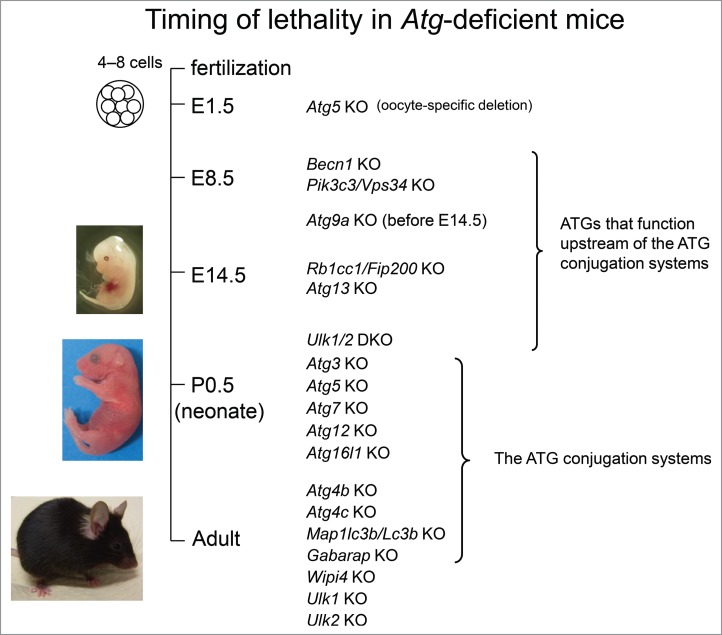
“Mice deficient in nonredundant genes involved in the 2 conjugation systems (atg3¡/¡, atg5¡/¡, atg7¡/¡, atg12¡/¡, atg16l1¡/¡) are born developmentally normal but die within 1 d of birth.(4,21-24) Autophagy is massively induced immediately after birth as an adaptation response to starvation due to the sudden interruptio…”
BackgroundMethodInfluentialSelf-citationThe ubiquitin kinase PINK1 recruits autophagy receptors to induce mitophagy
Lazarou, M., Sliter, D. A., Kane, L. A., Sarraf, S. A., Wang, C., Burman, J. L., Sideris, D. P., Fogel, A. I., & Youle, R. J. (2015) · Nature · doi:10.1038/nature14893 · Cited by 2,774 · cited 1×
“After the translocation of these receptors to their cargo, some core ATG proteins such as RB1CC1 also recognize the targets—though detailed molecular mechanisms largely remain unclear—beginning the process of autophagosome formation around the targets.(49,53) Thus, cargo labeling as well as the transfer of receptors t…”
BackgroundImpairment of starvation-induced and constitutive autophagy in Atg7 -deficient mice
Komatsu, M., Waguri, S., Ueno, T., Iwata, J., Murata, S., Tanida, I., Ezaki, J., Mizushima, N., Ohsumi, Y., Uchiyama, Y., et al. (2005) · The Journal of Cell Biology · doi:10.1083/jcb.200412022 · Cited by 2,331 · cited 1×
“acid supply through autophagic degradation of ‘self’ proteins is important for the maintenance of amino acid levels.(4,21,22) How-”
BackgroundSelf-citationPromotion of tumorigenesis by heterozygous disruption of the beclin 1 autophagy gene
Qu, X., Yu, J., Bhagat, G., Furuya, N., Hibshoosh, H., Troxel, A., Rosen, J., Eskelinen, E.-L., Mizushima, N., Ohsumi, Y., et al. (2003) · Journal of Clinical Investigation · doi:10.1172/jci20039 · Cited by 2,311 · cited 1×
“5 and becn1C/¡ mice show a high incidence of spontaneous tumors such as lymphomas, hepatocellular carcinomas, and adenocarcinoma of the lung.(31,32) pik3c3/vps34¡/¡ mice die at E8.”
BackgroundSelf-citationKimura, S., Noda, T., & Yoshimori, T. (2007) · Autophagy · doi:10.4161/auto.4451 · Cited by 2,278 · cited 2×
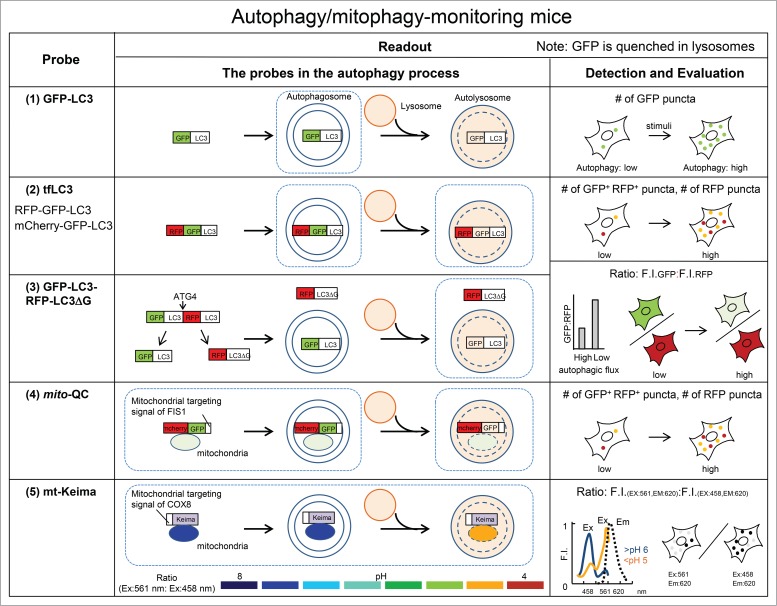
“Because red fluorescent protein (RFP) is more resistant to quenching in the lysosome than EGFP, tandem fluorescenttagged LC3 (tfLC3) reporters such as mRFP-EGFP-LC3 and mCherry-EGFP-LC3 have been developed as single-molecule probes to detect autophagosomes and autolysosomes specifically.(6) In green and red merged ima…”
Background
Cited by
Items 101–200 of 338
Reciprocal interactions between gut microbiota and autophagy
Lapaquette, P., Bizeau, J.-B., Acar, N., & Bringer, M.-A. (2021) · World Journal of Gastroenterology · doi:10.3748/wjg.v27.i48.8283 · Cited by 39
Zhu, M., Shen, W., Wang, Q., Zhou, X., Wang, J., Wang, T., & Zhang, J. (2022) · RNA Biology · doi:10.1080/15476286.2022.2079889 · Cited by 36
“Among the autophagy (ATG)-related genes, the microtubule-associated protein 1A/1B-light chain 3 (LC3), one of the ATG8 homologs in mammals, has been identified as an autophagosome marker and many ATG genes have been knocked out for understanding the physiological role of autophagy in mammals [14].”
BackgroundMelatonin alleviates renal injury by activating mitophagy in diabetic nephropathy
Tang, H., Yang, M., Liu, Y., Zhu, X., Liu, S., Liu, H., Sun, L., & Song, P. (2022) · Frontiers in Endocrinology · doi:10.3389/fendo.2022.889729 · Cited by 42
“Autophagy is the process by which cells remove excess or damaged organelles in time to adapt to changes in the environment (27).”
BackgroundSakamoto, H., Nakada‐Tsukui, K., & Besteiro, S. (2021) · Cells · doi:10.3390/cells10051258 · Cited by 38
Ferulic Acid Induces Autophagy and Apoptosis in Colon Cancer CT26 Cells via the MAPK Pathway
Chen, S., Zhao, D., Luan, C., Zheng, J., Liu, W., Feng, Z., Luo, R., Han, X., & Wang, D. (2023) · Molecules · doi:10.3390/molecules28166014 · Cited by 37
“Cell autophagy is also essential to keep cellular homeostasis; it regulates the pathophysiology of tumors and other diseases [24,25].”
BackgroundProteostasis in neurodegenerative diseases
Kinger, S., Jagtap, Y. A., Kumar, P., Choudhary, A., Prasad, A., Prajapati, V. K., Kumar, A., Mehta, G., & Mishra, A. (2024) · Advances in clinical chemistry · doi:10.1016/bs.acc.2024.04.002 · Cited by 36
A novel role for Bcl2l13 in promoting beige adipocyte biogenesis
Ju, L., Chen, S., Alimujiang, M., Bai, N., Han, Y. Y., Fang, Q., Han, J., Ma, X., Yang, Y., & Jia, W. (2018) · Biochemical and Biophysical Research Communications · doi:10.1016/j.bbrc.2018.10.034 · Cited by 40
Hepatic autophagy and mitophagy status in dairy cows with subclinical and clinical ketosis
Shen, T., Xu, F., Fang, Z., Loor, J. J., Ouyang, H., Chen, M., Jin, B., Wang, X., Shi, Z., Zhu, Y., et al. (2021) · Journal of Dairy Science · doi:10.3168/jds.2020-19150 · Cited by 37
Chen, T., Zhou, X. P., Xu, Y., Li, Y., Wu, X., Xiang, Q., Fu, L., Hu, X.-X., Tao, L., & Shen, X. (2021) · Aging · doi:10.18632/aging.202667 · Cited by 34
“The amount of accumulated autophagosomes is proportional to the content of LC3-II or the ratio of LC3- /LC3-I, and LC3 reflects the autophagy activity of cells to a certain extent [11, 52].”
BackgroundXie, X., Hu, L., Mi, B., Xue, H., Xiong, Y., Hu, Y., Panayi, A. C., Endo, Y., Chen, L., Yan, C., et al. (2022) · Cell Communication and Signaling · doi:10.1186/s12964-022-00966-5 · Cited by 35
“Although the BCL2 family was initially considered to be important regulators of apoptosis [41], it is now increasingly recognized that it plays a crucial role in regulating not only apoptosis but also autophagy [42].”
BackgroundZhao, M., Gao, J., Cui, C., Zhang, Y., Jiang, X., & Cui, J. (2021) · Oxidative Medicine and Cellular Longevity · doi:10.1155/2021/5472605 · Cited by 32
“As an intracellular self-degradation system, autophagy is generally considered an essential protective process that removes cytosolic components or damaged organelles [11].”
BackgroundHe, B., Wang, X., Zhu, J., Kong, B., Wei, L. J., Jin, Y., & Fu, Z. (2019) · Environmental Pollution · doi:10.1016/j.envpol.2019.04.044 · Cited by 31
Identification of the autophagy pathway in a mollusk bivalve, Crassostrea gigas
Picot, S., Faury, N., Arzul, I., Chollet, B., Renault, T., & Morga, B. (2020) · Autophagy · doi:10.1080/15548627.2020.1713643 · Cited by 31
“Forty-two ATG have since been identified in yeast [4].”
BackgroundKwon, I., Jang, Y., & Lee, Y. (2020) · Journal of Molecular Neuroscience · doi:10.1007/s12031-020-01624-6 · Cited by 35
“Supporting this concept, recent studies have demonstrated that autophagy deficiency leads to apoptosis and neurodegeneration in the brain (Kuma et al. 2017), whereas its promotion via a pharmacological intervention (e.”
BackgroundThe impact of autophagy during the development and survival of glioblastoma
Simpson, J. E., & Gammoh, N. (2020) · Open Biology · doi:10.1098/rsob.200184 · Cited by 37
“Knockout of core Atg genes in mice results in the loss of neonatal survival thereby revealing a vital role for autophagy during mammalian development [35].”
BackgroundLiu, N., Lin, M., Huang, S.-S., Liu, Z., Wu, J., Liang, Z., Qin, Z., & Wāng, Y. (2021) · Frontiers in Cell and Developmental Biology · doi:10.3389/fcell.2021.612554 · Cited by 33
Lv, S., Liu, H., & Wang, H. (2021) · International Journal of Molecular Sciences · doi:10.3390/ijms22136715 · Cited by 34
Ma, X., Ren, H., Zhang, Y., Wang, B., & Ma, H. (2022) · Environmental Toxicology · doi:10.1002/tox.23656 · Cited by 32
“that the accumulation of AO puncta, the formation of autophagosomes, and the increased LC3-I/LC3-II conversion all induced autophagy.(34) We further studied the effect of RHPN1-AS1 on the biological function of PCa cells, and on the basis of this study, we”
BackgroundStress and signaling pathways regulating autophagy: From behavioral models to psychiatric disorders
Pierone, B. C., Pereira, C. A., Garcez, M. L., & Kaster, M. P. (2020) · Experimental Neurology · doi:10.1016/j.expneurol.2020.113485 · Cited by 33
TP53/p53-FBXO22-TFEB controls basal autophagy to govern hormesis
Suzuki, N., Johmura, Y., Wang, T.-W., Migita, T., Wu, W., Noguchi, R., Yamaguchi, K., Furukawa, Y., Nakamura, S., Miyoshi, I., et al. (2021) · Autophagy · doi:10.1080/15548627.2021.1897961 · Cited by 36
“These observations are interesting because various mouse models lacking autophagyrelated genes showed a similar neonatal lethality [35].”
BackgroundProgrammed cell death in cerebellar Purkinje neurons
Erekat, N. S. (2022) · Journal of Integrative Neuroscience · doi:10.31083/j.jin2101030 · Cited by 32
“It has been shown that 2 ubiquitin-like conjugation systems are required for autophagosome formation [75, 76].”
BackgroundEmerging roles of ATG9/ATG9A in autophagy: implications for cell and neurobiology
Choi, J., Jang, H., Xuan, Z., & Park, D. (2024) · Autophagy · doi:10.1080/15548627.2024.2384349 · Cited by 28
Zebrafish as a model to study autophagy and its role in skeletal development and disease
Moss, J. J., Hammond, C. L., & Lane, J. D. (2020) · Histochemistry and Cell Biology · doi:10.1007/s00418-020-01917-2 · Cited by 29
Structure-Based Design of Potent, Selective, and Orally Bioavailable VPS34 Kinase Inhibitors
Hu, D. X., Patel, S. D., Chen, H., Wang, S., Staben, S. T., Dimitrova, Y. N., Wallweber, H. A., Lee, J. Y., Chan, G. K. Y., Sneeringer, C. J., et al. (2021) · Journal of Medicinal Chemistry · doi:10.1021/acs.jmedchem.1c01180 · Cited by 31
Marmolejo-Garza, A., Medeiros-Furquim, T., Rao, R. G., Eggen, B. J. L., Boddeke, E., & Dolga, A. M. (2022) · Biochimica et Biophysica Acta (BBA) - Molecular Cell Research · doi:10.1016/j.bbamcr.2022.119326 · Cited by 31
“Moreover, components of autophagy and mitophagy pathways are involved in neurodegeneration (reviewed in [127]).”
BackgroundRIPK1 regulates starvation resistance by modulating aspartate catabolism
Mei, X., Guo, Y. L., Xie, Z., Zhong, Y., Wu, X., Xu, D., Li, Y., Liu, N., & Zhu, Z. (2021) · Nature Communications · doi:10.1038/s41467-021-26423-4 · Cited by 32
BH3-only proteins Puma and Beclin1 regulate autophagic death in neurons in response to Amyloid-β
Saha, A. D., Saleem, S., Paidi, R. K., & Biswas, S. C. (2021) · Cell Death Discovery · doi:10.1038/s41420-021-00748-x · Cited by 28
Hu, F., Tao, X., Zhao, L., Guo, F., Zhou, Q., Song, H., Xiang, H., & Shang, D. (2020) · PubMed · Cited by 35
Dual Roles of Autophagy and Their Potential Drugs for Improving Cancer Therapeutics
Shin, D. W. (2020) · Biomolecules & Therapeutics · doi:10.4062/biomolther.2020.155 · Cited by 27
“The contents of autophagosomes are degraded by lysosomal hydrolase upon fusion with the lysosome (Yorimitsu and Klionsky, 2005; Kuma et al., 2017; Kaushik and Cuervo, 2018).”
BackgroundAutophagy induction during stem cell activation plays a key role in salivary gland self-renewal
Orhon, I., Rocchi, C., Villarejo‐Zori, B., Martinez, P. S., Baanstra, M., Brouwer, U., Boya, P., Coppes, R. P., & Reggiori, F. (2021) · Autophagy · doi:10.1080/15548627.2021.1924036 · Cited by 27
“As expected [7], Atg5 and Atg5 organoids showed a functional autophagic flux while the ones derived from atg5 embryonic SGs displayed a complete autophagy block, i.”
BackgroundMethodInfluentialLiu, M., & Wu, Y. (2022) · Frontiers in Cardiovascular Medicine · doi:10.3389/fcvm.2022.819454 · Cited by 30
“Autophagosomes further fuse with lysosomes to form autophagic lysosomes and degrade their encapsulated contents (81, 82).”
BackgroundRoles of Stress Response in Autophagy Processes and Aging-Related Diseases
Watanabe, Y., Taguchi, K., & Tanaka, M. (2023) · International Journal of Molecular Sciences · doi:10.3390/ijms241813804 · Cited by 31
Yang, W., Liu, C., Xu, Q., Qu, C., Sun, J., Huang, S., Kong, N., Lv, X., Liu, Z., Wang, L., et al. (2019) · Fish & Shellfish Immunology · doi:10.1016/j.fsi.2019.03.065 · Cited by 27
Autophagy dysfunction may be involved in the pathogenesis of ankylosing spondylitis
Tan, M., Zhang, Q., Liu, T., Yang, Y., Zheng, J., Zhou, W., Xiong, Q., & Qing, Y. (2020) · Experimental and Therapeutic Medicine · doi:10.3892/etm.2020.9116 · Cited by 28
Metabolic Syndrome and Autophagy: Focus on HMGB1 Protein
Frisardi, V., Matrone, C., & Street, M. E. (2021) · Frontiers in Cell and Developmental Biology · doi:10.3389/fcell.2021.654913 · Cited by 28
Liu, B.-Y., Li, L., Bai, L., & Xu, C. (2021) · Frontiers in Molecular Biosciences · doi:10.3389/fmolb.2021.655157 · Cited by 24
Sbardella, D., Tundo, G. R., Coletta, M., Manni, G., & Oddone, F. (2021) · International Journal of Molecular Sciences · doi:10.3390/ijms22115891 · Cited by 25
Destabilization of TP53 by USP10 is essential for neonatal autophagy and survival
Li, H., Li, C., Zhai, W., Zhang, X., Li, L., Wu, B., Yu, B., Zhang, P., Li, J., Cui, C., et al. (2022) · Cell Reports · doi:10.1016/j.celrep.2022.111435 · Cited by 26
Perfluorooctanoic acid induces tight junction injury of Sertoli cells by blocking autophagic flux
Yang, Y., Fu, G., Zhao, X., Wu, X., Zhu, K., Liu, S., Yuan, D., Wu, J., Wang, T., Zhang, C., et al. (2023) · Food and Chemical Toxicology · doi:10.1016/j.fct.2023.113649 · Cited by 26
Yang, N., Yu, G., Lai, Y., Zhao, J., Chen, Z., Chen, L., Fu, Y., Fang, P., Gao, W., Cai, Y., et al. (2023) · British Journal of Pharmacology · doi:10.1111/bph.16268 · Cited by 26
“Autophagy is a lysosome-dependent, evolutionarily conserved mechanism that is vital for cell survival (Kuma et al., 2017 harmful stimuli (Lou, Zhang, et al., 2022).”
BackgroundMacroautophagy in quiescent and senescent cells: a pathway to longevity?
Murley, A., & Dillin, A. G. (2022) · Trends in Cell Biology · doi:10.1016/j.tcb.2022.10.004 · Cited by 23
Wang, Y., Wang, J., Ma, H., Tang, Z.-T., Ding, H., & Shi, X. (2018) · Biochemical and Biophysical Research Communications · doi:10.1016/j.bbrc.2018.11.146 · Cited by 28
ANTs and cancer: Emerging pathogenesis, mechanisms, and perspectives
Zhao, L., Tang, M., Bode, A. M., Liao, W., & Cao, Y. (2020) · Biochimica et Biophysica Acta (BBA) - Reviews on Cancer · doi:10.1016/j.bbcan.2020.188485 · Cited by 28
Ohashi, Y. (2021) · Autophagy · doi:10.1080/15548627.2021.1872240 · Cited by 25
“Although the phenotype of atg14 null mutant mice has not been reported, this nrbf2 KO mice phenotype is very different from the embryonic lethal phenotypes of pik3c3, pik3r4, and becn1 null mutant mice, and the neonatal lethal phenotypes of null mutant mice lacking essential ATG genes [62,63].”
BackgroundSpermidine Exhibits Protective Effects Against Traumatic Brain Injury
Huang, J., Zhang, H., Zhang, J., Yu, H., Lin, Z., & Cai, Y. (2020) · Cellular and Molecular Neurobiology · doi:10.1007/s10571-019-00783-4 · Cited by 23
Mitophagy in the aging nervous system
Rappe, A., & McWilliams, T. G. (2022) · Frontiers in Cell and Developmental Biology · doi:10.3389/fcell.2022.978142 · Cited by 23
“The generation of mitophagy reporter mice has revolutionised this field of research, enabling further understanding of selective mitochondrial destruction in physiological conditions (Kuma et al., 2017).”
BackgroundRepositioning of ezetimibe for the treatment of idiopathic pulmonary fibrosis
Lee, C. H., Kwak, S. H., Han, J., Shin, J. H., Yoo, B., Lee, Y. S., Park, J. S., Lim, B. J., Lee, J. G., Kim, Y. S., et al. (2024) · European Respiratory Journal · doi:10.1183/13993003.00580-2023 · Cited by 27
“…is largely tissue-and context-dependent, and 2) the autophagic substrate that directly causes fibrosis is still unknown, except in the case of mitochondria [10, 33, 34]. a) An illustration of the basic experimental design is shown with changes in bodyweight after bleomycin-induced lung injury.”
The Multifaceted Effects of Autophagy on the Tumor Microenvironment
Kang, R., Zeh, H. J., Lotze, M. T., & Tang, D. (2020) · Advances in experimental medicine and biology · doi:10.1007/978-3-030-35727-6_7 · Cited by 24
A chaperone-proteasome-based fragmentation machinery is essential for aggrephagy
Mauthe, M., van de Beek, N., Mari, M. C., Korsten, G., Nobari, P., Castelino, K. B., de Mattos, E. P., Ouhida, I., Dijkstra, J. L., Schipper-Krom, S., et al. (2025) · Nature Cell Biology · doi:10.1038/s41556-025-01747-1 · Cited by 25
Autophagy and senescence, converging roles in pathophysiology as seen through mouse models
(2021) · Advances in Cancer Research · doi:10.1016/bs.acr.2021.02.001 · Cited by 20
Overexpression of ATG8/LC3 enhances wound-induced somatic reprogramming in Physcomitrium patens
Kanne, J. V., Ishikawa, M., Bressendorff, S., Ansbøl, J., Hasebe, M., Rodriguez, E., & Petersen, M. (2021) · Autophagy · doi:10.1080/15548627.2021.1975913 · Cited by 21
Autophagy coordinates chondrocyte development and early joint formation in zebrafish
Moss, J. J., Wirth, M., Tooze, S. A., Lane, J. D., & Hammond, C. L. (2021) · The FASEB Journal · doi:10.1096/fj.202101167r · Cited by 22
Zhao, G., Wang, Y., Fan, Z., Xiong, J., Ertaş, Y. N., Ashammakhi, N. A., Wang, J., & Ma, T. (2024) · Cancer Letters · doi:10.1016/j.canlet.2024.216860 · Cited by 22
Zhuge, R., Li, Z., He, C., Ma, W., Yan, J., Xue, Q., Wang, R., Liu, Y., Lu, R., Du, H., et al. (2022) · Environmental Toxicology · doi:10.1002/tox.23713 · Cited by 22
“ATG4 family proteins specifically cleave the carboxyl end of LC3 precursor protein to a soluble cytosolic form of LC3 (LC3-I), which is localized in the cytoplasm.(46,47) The exposed carboxyl terminal glycine of LC3-I can conjugate to phosphatidylethanolamine to result in the formation of LC3-II.”
BackgroundLigustrazine-induced microRNA-16-5p inhibition alleviates preeclampsia through IGF-2
Yuan, Y., Zhao, L., Wang, X., Lian, F., & Cai, Y. (2020) · Reproduction · doi:10.1530/rep-20-0309 · Cited by 20
Exploring the Connections: Autophagy, Gut Microbiota, and Inflammatory Bowel Disease Pathogenesis
Subramanian, A., Jahabardeen, A., Thamaraikani, T., Kumarasamy, V., Begum, M. Y., Sekar, M., Subramaniyan, V., Wong, L. S., & Fatease, A. M. A. (2024) · Journal of Inflammation Research · doi:10.2147/jir.s483958 · Cited by 22
“104 The function of intestinal stem cells and secretory cells is regulated by autophagy.”
Bai, W., Wang, H., Chun-hua, G., Liu, K.-Y., Guo, B., Jiang, F., Zhang, M., Li, C., & Qin, W. (2021) · Oxidative Medicine and Cellular Longevity · doi:10.1155/2021/2860488 · Cited by 21
“It is a process in which the cytoplasmic constituents are sequestered in double-membraned autophagosomes and then delivered to lysosomes for degradation [7].”
BackgroundDuan, Y., Wang, J., Wang, J., Yang, Q., Zhang, Q., Lu, S., Zhao, S., Chen, C., Sun, Y., Deng, J., et al. (2022) · Chemical Engineering Journal · doi:10.1016/j.cej.2022.136795 · Cited by 20
Shao, X., Chen, X., Wang, Z., Zhu, C., Du, Y., Tang, D., & Ji, S. (2022) · Journal of Ethnopharmacology · doi:10.1016/j.jep.2022.115488 · Cited by 24
Tan, S., Yang, S., Chen, G., Zhu, L., Sun, Z., & Chen, S. (2020) · Life Sciences · doi:10.1016/j.lfs.2020.118043 · Cited by 19
Alternative autophagy dampens UVB-induced NLRP3 inflammasome activation in human keratinocytes
Hasegawa, T., Noguchi, S., Nakashima, M., Miyai, M., Goto, M., Matsumoto, Y. M., Torii, S., Honda, S., & Shimizu, S. (2024) · Journal of Biological Chemistry · doi:10.1016/j.jbc.2024.107173 · Cited by 19
ATG9 Not Just an Autophagy Related Protein
Millard, E., & Tooze, S. A. (2025) · Journal of Molecular Biology · doi:10.1016/j.jmb.2025.169288 · Cited by 20
Contextualizing Autophagy during Gametogenesis and Preimplantation Embryonic Development
Moura, M. T., Latorraca, L. B., & de Paula-Lopes, F. F. (2021) · International Journal of Molecular Sciences · doi:10.3390/ijms22126313 · Cited by 22
“This strategy requires lysosome inhibitors to distinguish between autophagosome accumulations during autophagy efflux from inhibition of autophagic degradation [40,136].”
BackgroundInfluentialShen, T., Li, X., Jin, B., Loor, J. J., Aboragah, A. A., Ju, L., Fang, Z., Yu, H., Meng, C., Zhu, Y., et al. (2021) · Journal of Dairy Science · doi:10.3168/jds.2021-20273 · Cited by 21
“Autophagy markers LC3 (microtubule-associated protein 1 light chain 3)-II and p62 (sequestosome1) are widely used for monitoring autophagic activity (Komatsu and Ichimura, 2010; Kuma et al., 2017).”
BackgroundThe Proteostasis Network: A Global Therapeutic Target for Neuroprotection after Spinal Cord Injury
Whittemore, S. R., Ohri, S. S., Forston, M. D., Wei, G. Z., & Hetman, M. (2022) · Cells · doi:10.3390/cells11213339 · Cited by 23
“, Atg3, Atg5, Atg7, or Beclin-1) results in embryonic and/or neonatal lethality [61,63].”
BackgroundAutophagy in the mammalian nervous system: a primer for neuroscientists
Suomi, F., & McWilliams, T. G. (2019) · Neuronal Signaling · doi:10.1042/ns20180134 · Cited by 21
Autophagy inhibitors alleviate Japanese encephalitis virus-induced cerebral inflammation in mice
Zhang, J., Han, W., Xie, C., Gao, M., Wang, X., Hu, X., Zhang, W., Cao, S., Liu, X., Cheng, G., et al. (2022) · Archives of Virology · doi:10.1007/s00705-021-05283-9 · Cited by 20
“Among the autophagy-related ATG proteins, microtubule-associated proteins (LC3I, LC3II), homologs of mammalian ATG8, were identified as a marker of autophagosomes [27].”
BackgroundDigest it all: the lysosomal turnover of cytoplasmic aggregates
Mauthe, M., Kampinga, H. H., Hipp, M. S., & Reggiori, F. (2022) · Trends in Biochemical Sciences · doi:10.1016/j.tibs.2022.09.012 · Cited by 20
Autophagy Deficiency by Atg4B Loss Leads to Metabolomic Alterations in Mice
Martínez-García, G. G., Pérez, R. F., Fernández, Á. F., Durand, S., Kroemer, G., & Mariño, G. (2021) · Metabolites · doi:10.3390/metabo11080481 · Cited by 20
“liver, and skeletal muscle require autophagic degradation to efficiently perform their functions [16], which are essential for mammalian biology.”
BackgroundThe Yin and Yang dualistic features of autophagy in thermal burn wound healing
Totan, A., Greabu, M., Stănescu-Spînu, I.-I., Imre, M. M., Spînu, T. C., Miricescu, D., Ilinca, R., Coculescu, E. C., Bădoiu, S. C., Coculescu, B.-I., et al. (2022) · International Journal of Immunopathology and Pharmacology · doi:10.1177/03946320221125090 · Cited by 19
Autophagy in arsenic exposed population and cancer patients
Kumar, A. J., Raj, V., Srivastava, A., Ali, M., Ghosh, A. K., Rachamalla, M., & Kumar, D. (2022) · Elsevier eBooks · doi:10.1016/b978-0-323-99879-6.00010-9 · Cited by 25
Cai, J. X., Zou, Z., Wei, S., Zheng, Q., Xu, Y., Lu, Y., Wu, Z., Qin, Q., & Jian, J. (2019) · Fish & Shellfish Immunology · doi:10.1016/j.fsi.2019.09.029 · Cited by 17
A novel and translational role for autophagy in antisense oligonucleotide trafficking and activity
Ochaba, J., Powers, A. F., Tremble, K., Greenlee, S., Post, N. M., Matson, J. E., MacLeod, A. R., Guo, S., & Aghajan, M. (2019) · Nucleic Acids Research · doi:10.1093/nar/gkz901 · Cited by 18
“We then examined the contribution of Atg5 and Atg7 to AZD8055-mediated enhancement of ASO activity as these genes are essential for phagophore formation and autophagy (38,39).”
BackgroundThe insufficiency of ATG4A in macroautophagy
Nguyen, N., Olivas, T. J., Mires, A., Jin, J., Yu, S., Luan, L., Nag, S., Kauffman, K. J., & Melia, T. J. (2020) · Journal of Biological Chemistry · doi:10.1074/jbc.ra120.013897 · Cited by 17
“Furthermore, LC3B and GABARAP KO mice are viable with no abnormalities (60).”
BackgroundDepletion of Adipocyte Becn1 Leads to Lipodystrophy and Metabolic Dysregulation
Jin, Y., Ji, Y., Song, Y., Choe, S. S., Jeon, Y. G., Na, H., Nam, T. W., Kim, H. J., Nahmgoong, H., Kim, S. M., et al. (2020) · Diabetes · doi:10.2337/db19-1239 · Cited by 15
“Thus, apart from other autophagy-related proteins such as ATG7, Becn1-deficient mice exhibited more severe apoptotic cell death in neurons and embryos, supporting that Becn1 is associated with cell survival mechanisms distinct from Atg7-mediated autophagy (34,35).”
BackgroundGuo, M., Liu, Z., Si, J., Zhang, J., Zhao, J., Guo, Z., Xie, Y., Zhang, H., & Gan, L. (2021) · BioMed Research International · doi:10.1155/2021/5582648 · Cited by 18
“On the other hand, autophagy or autophagy-relevant proteins may lead to apoptosis, necrosis, pyroptosis, or “autophagic-cell death” once autophagy degrades the cytoplasm excessively [39].”
BackgroundManaging risky assets – mitophagy in vivo
Narendra, D. P. (2021) · Journal of Cell Science · doi:10.1242/jcs.240465 · Cited by 18
The Role of Hydrogen Sulfide Regulation of Autophagy in Liver Disorders
Lü, X., Ding, Y., Liu, H., Sun, M., Chen, C., Yang, Y., & Wang, H. (2022) · International Journal of Molecular Sciences · doi:10.3390/ijms23074035 · Cited by 19
We, Z., Yang, Y., Xiang, Z., Cheng, J., Yu, Z., Wang, W., Hu, L., Ma, F., Deng, Y., Jin, Z., et al. (2022) · Aging · doi:10.18632/aging.203883 · Cited by 20
Gressler, A. E., Leng, H., Zinecker, H., & Simon, A. K. (2023) · Seminars in Immunology · doi:10.1016/j.smim.2023.101838 · Cited by 18
“nogaster [169], and is lethal or impairs health and lifespan in mice reviewed in [170].”
BackgroundWhite adipose tissue in metabolic associated fatty liver disease
Zhu, X., Zeng, C., & Yu, B. (2024) · Clinics and Research in Hepatology and Gastroenterology · doi:10.1016/j.clinre.2024.102336 · Cited by 18
The involvement of autophagy in the maintenance of endothelial homeostasis: The role of mitochondria
Dymkowska, D. (2021) · Mitochondrion · doi:10.1016/j.mito.2020.12.013 · Cited by 15
Intestinal Macrophage Autophagy and its Pharmacological Application in Inflammatory Bowel Disease
Yang, Z., Yu, Y., Chen, X.-F., Yang, S.-L., Tang, X., & Xiang, Z.-G. (2021) · Frontiers in Pharmacology · doi:10.3389/fphar.2021.803686 · Cited by 16
“Besides, according to the difference of degrading substrates, several kinds of selective autophagy have also been recognized and reported in various kinds of diseases, including mitophagy, pexophagy, reticulophagy, xenophagy and so on (Kuma et al., 2017; Li et al., 2021; Xu et al., 2021).”
BackgroundChen, G., Shangguan, Z., Ye, X., Chen, Z., Li, J., & Liu, W. (2024) · Neurospine · doi:10.14245/ns.2448494.247 · Cited by 17
“8,9 Zhou explored transcription factor E3 as a novel therapeutic target for SCI, demonstrating its capacity to enhance autophagy and mitigate endoplasmic reticulum stress, thereby promoting neural recovery.”
BackgroundThe Role of Alternative Mitophagy in Heart Disease
Nah, J. (2023) · International Journal of Molecular Sciences · doi:10.3390/ijms24076362 · Cited by 16
“Unlike mice with knockouts of many essential Atg genes, including Atg5, Atg7, and Atg12, that are lethal to neonates, Ulk1-deficient mice are viable [30].”
BackgroundDu, Y. Z., & Cai, X. (2023) · Biomedicine & Pharmacotherapy · doi:10.1016/j.biopha.2023.114905 · Cited by 15
Perspectives of autophagy-tethering compounds (ATTECs) in drug discovery
Ding, Y., Xing, D., Fei, Y., Luo, S., & Lu, B. (2024) · Medicine Plus · doi:10.1016/j.medp.2023.100004 · Cited by 19
The role of autophagy in prostate cancer and prostatic diseases: a new therapeutic strategy
Lemos, G., Fernandes, C. M. A. D. S., Silva, F. H., & Calmasini, F. B. (2024) · Prostate Cancer and Prostatic Diseases · doi:10.1038/s41391-024-00793-4 · Cited by 17
Eckhart, L., Грубер, Ф., & Sukseree, S. (2024) · Cells · doi:10.3390/cells13201675 · Cited by 16
“Core factors of the molecular machinery of autophagy, such as Atg5, Atg7 and Atg16, are suitable targets in this regard [50].”
BackgroundImpairment of autophagy in scrapie-infected transgenic mice at the clinical stage
López-Pérez, Ó., Toivonen, J. M., Otero, A., Solanas, L., Zaragoza, P., Badiola, J. J., Osta, R., Bolea, R., & Martín‐Burriel, I. (2019) · Laboratory Investigation · doi:10.1038/s41374-019-0312-z · Cited by 16
Wang, X., Yin, S., Li, M., Rao, J., Wan, D., Qiu, Y., Yu, Q., Chen, X., Lu, Z., Long, Y., et al. (2020) · Journal of Controlled Release · doi:10.1016/j.jconrel.2020.02.042 · Cited by 15
Dowdell, A. S., Cartwright, I. M., Kitzenberg, D., Kostelecky, R. E., Mahjoob, O., Saeedi, B. J., Welch, N., Glover, L. E., & Colgan, S. P. (2022) · Cell Reports · doi:10.1016/j.celrep.2022.111409 · Cited by 14
“In addition, tf-LC3 shows increased puncta formation during heightened autophagic flux (similar to wild-type [WT] LC3), resulting in an increase in yellow puncta (autophagosomes) and red puncta (autolysosomes) during certain stresses, such as starvation (Kuma et al., 2017).”
BackgroundLiu, X., Sun, H., Zheng, L., Zhang, J., Su, H., Li, B., Wu, Q., Liu, Y., Xu, Y., Song, X., et al. (2024) · Obesity Reviews · doi:10.1111/obr.13748 · Cited by 15
“Systemic deficiency of autophagy-related (ATG) proteins caused the death of mouse embryos, which is detailed in the review 122 .”
BackgroundZhao, F., Zhai, Y., Zhu, J., Xiao, P., & Feng, G. (2019) · Vaccine · doi:10.1016/j.vaccine.2019.07.093 · Cited by 13
Kumar, R., Chhikara, B. S., Gulia, K., & Chhillar, M. (2020) · Molecular Omics · doi:10.1039/d0mo00085j · Cited by 19
Xiong, Z., Xu, J., & Liu, X. (2021) · Molecular Medicine Reports · doi:10.3892/mmr.2021.11822 · Cited by 14
“Thus, beclin‐1 and lc‐3ii expression are considered as specific markers of autophagic initiation (20).”
BackgroundChaperone-Mediated Autophagy: A Potential Target for Metabolic Diseases
Yang, M., Luo, S., Chen, W., Zhao, L., & Wang, X. (2022) · Current Medicinal Chemistry · doi:10.2174/0929867329666220811141955 · Cited by 16
Sha, W., Liu, M., Sun, D., Qiu, J., Xu, B., Chen, L., Shen, T., Chen, C., Wang, H., Zhang, C., et al. (2021) · Aging · doi:10.18632/aging.202546 · Cited by 14
“Meanwhile, the high-sugar environment reduces the nutritional factors released by vascular endothelial cells, breaking the steady state of vascular balance, and ultimately lead to a series of cardiovascular events [7].”
BackgroundLai, Y., Yang, N., Shi, D., Ma, X., Huang, Y., Lu, J., Zhang, X., Zhou, H., Gao, W., Mao, C., et al. (2024) · European Journal of Pharmacology · doi:10.1016/j.ejphar.2024.176621 · Cited by 14
Li, J., Tang, X., Du, Y., Dong, J., Zhao, Z., Hu, H., Song, T., Guo, J., Wang, Y., Xu, T., et al. (2021) · BioMed Research International · doi:10.1155/2021/5428425 · Cited by 16
Metadata
- Authors
- Kuma, A., Komatsu, M., & Mizushima, N.
- Affiliations
- National Cancer Center Research Institute (JP)
- Niigata University (JP)
- The University of Tokyo (JP)
- Corresponding author
- Kuma, Akiko
- Venue
- Autophagy
- Publisher
- Informa UK Limited
- Published
- 2017-09-01
- Volume
- 13
- Issue
- 10
- Pages
- 1619-1628
- ISSN
- 1554-8627 (ISSN-L)
- 1554-8635
- PMC
- PMC5640176
- OpenAlex
- W2750257699
- Cited by
- 336
- References
- 75
- Citations by year
- 2026: 11 · 2025: 29 · 2024: 40 · 2023: 26 · 2022: 51 · 2021: 71 · 2020: 55 · 2019: 35 · 2018: 16 · 2017: 1
- FWCI
- 3.88
- Type
- journal article
- Language
- en
- Open access
- hybrid
- doi.org
- Licence
- Locations
- Autophagy (publishedVersion, cc-by-nc-nd)
- Europe PMC (PubMed Central) (publishedVersion, cc-by-nc-nd)
- PubMed Central (publishedVersion, cc-by-nc-nd)
- PubMed (publishedVersion)
- Funders
- Japan Society for the Promotion of Science (25111006, 25111005, 16K08613, 25111001)
- Topics
- Life Sciences › Biochemistry, Genetics and Molecular Biology › Cell Biology › Autophagy in Disease and Therapy
- Life Sciences › Biochemistry, Genetics and Molecular Biology › Aging › Genetics, Aging, and Longevity in Model Organisms
- Life Sciences › Biochemistry, Genetics and Molecular Biology › Physiology › Calcium signaling and nucleotide metabolism
- Keywords
- autophagy-deficient mice, autophagy-related genes, autophagy monitoring, mitophagy, knockout mice, macroautophagy
- MeSH terms
- Autophagy-Related Proteins, Animals, Autophagy, Humans, Mitochondria, Saccharomyces cerevisiae, Signal Transduction, Mice, Knockout, Mice, Mitophagy
About these checks
Registry, retraction, Cites and statistics results are computed, not judged, with one exception: a printed reference that no index lists is read once by a model before it counts as a citation error. Claims are extracted by a model and kept only when their quote appears verbatim in the text; each cited source is then checked, with a model’s help, for whether it says what the claim relies on. Those verdicts can be wrong — read the claim’s quote and the cited source before relying on one.
Statistics and arithmetic are recomputed, not judged.
Confidence bands are shown only for fields calibrated on our annotated test set. None is calibrated yet, so no band is shown.
What counts as a claim ›How we measure confidence ›How we check this ›
Are you an author, or do you see a problem with this page? Request a review
Data sources
Bibliographic data: Semantic Scholar, OpenAlex, Crossref.
Contains information from the Semantic Scholar Academic Graph Datasets, made available under the ODC Attribution License (ODC-BY 1.0).
Semantic Scholar’s data is described in: Kinney, R., et al. (2023). The Semantic Scholar Open Data Platform. arXiv:2301.10140.
