

Influence of N-glycosylation on effector functions and thermal stability of glycoengineered IgG1 monoclonal antibody with homogeneous glycoforms
Open accessThe DOI matches its Crossref record; 76 of the 77 references it cites were found in a registry or an index.
Abstract
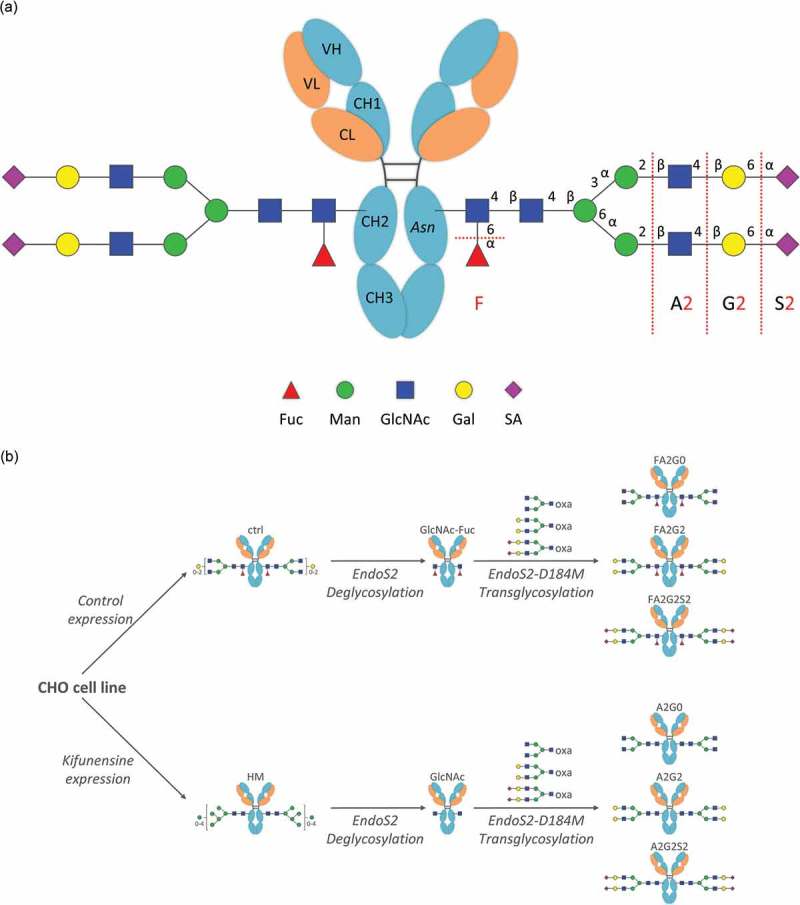
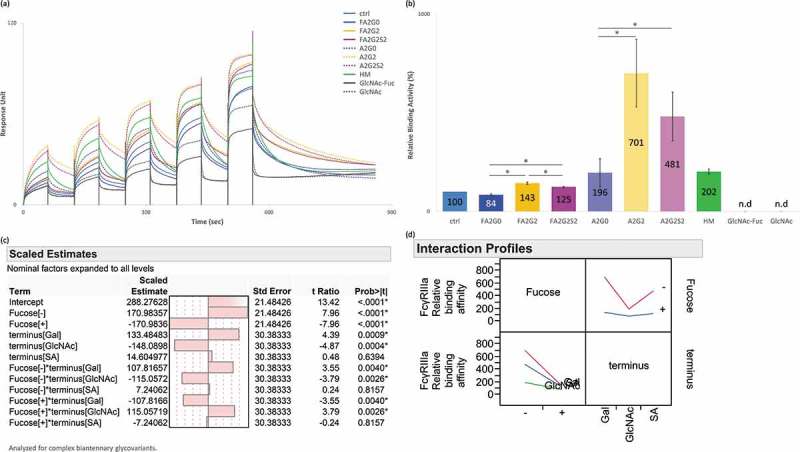
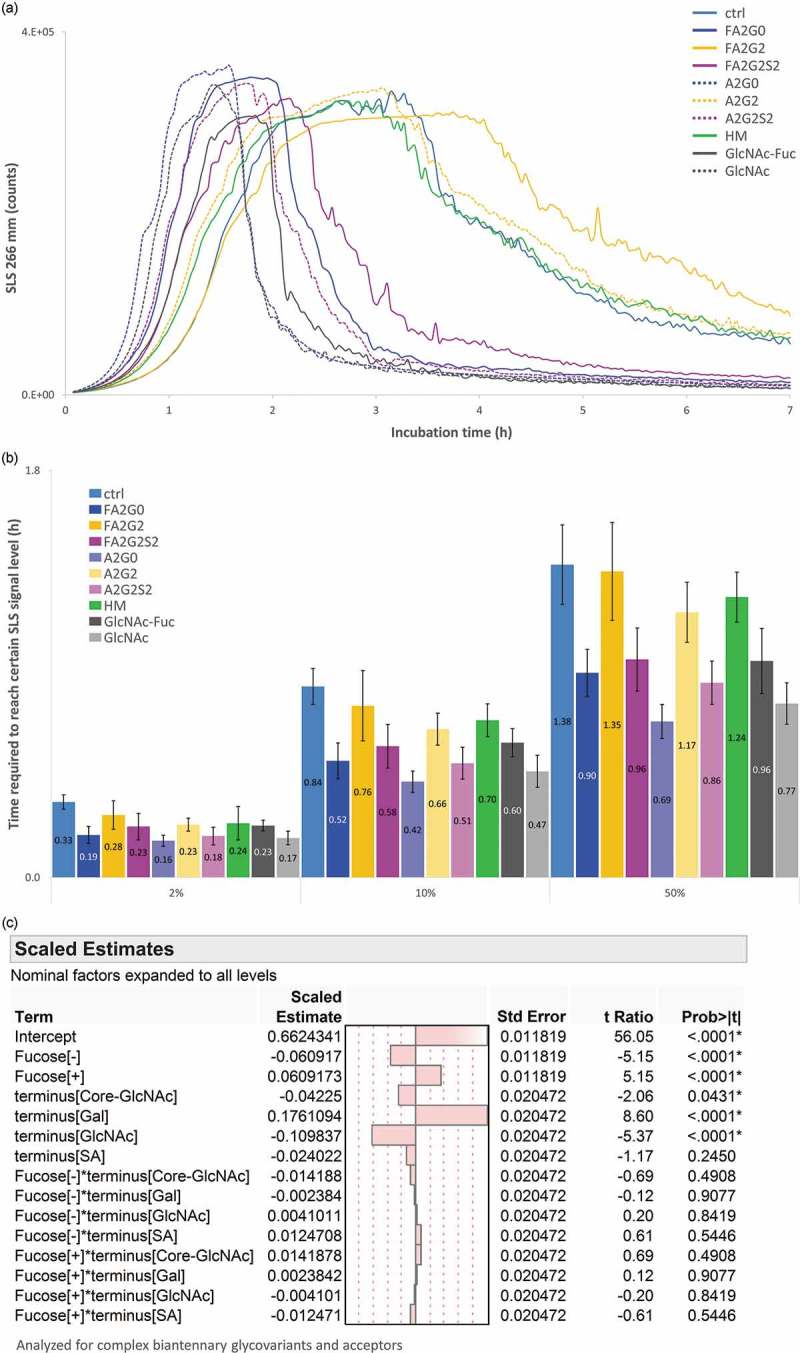
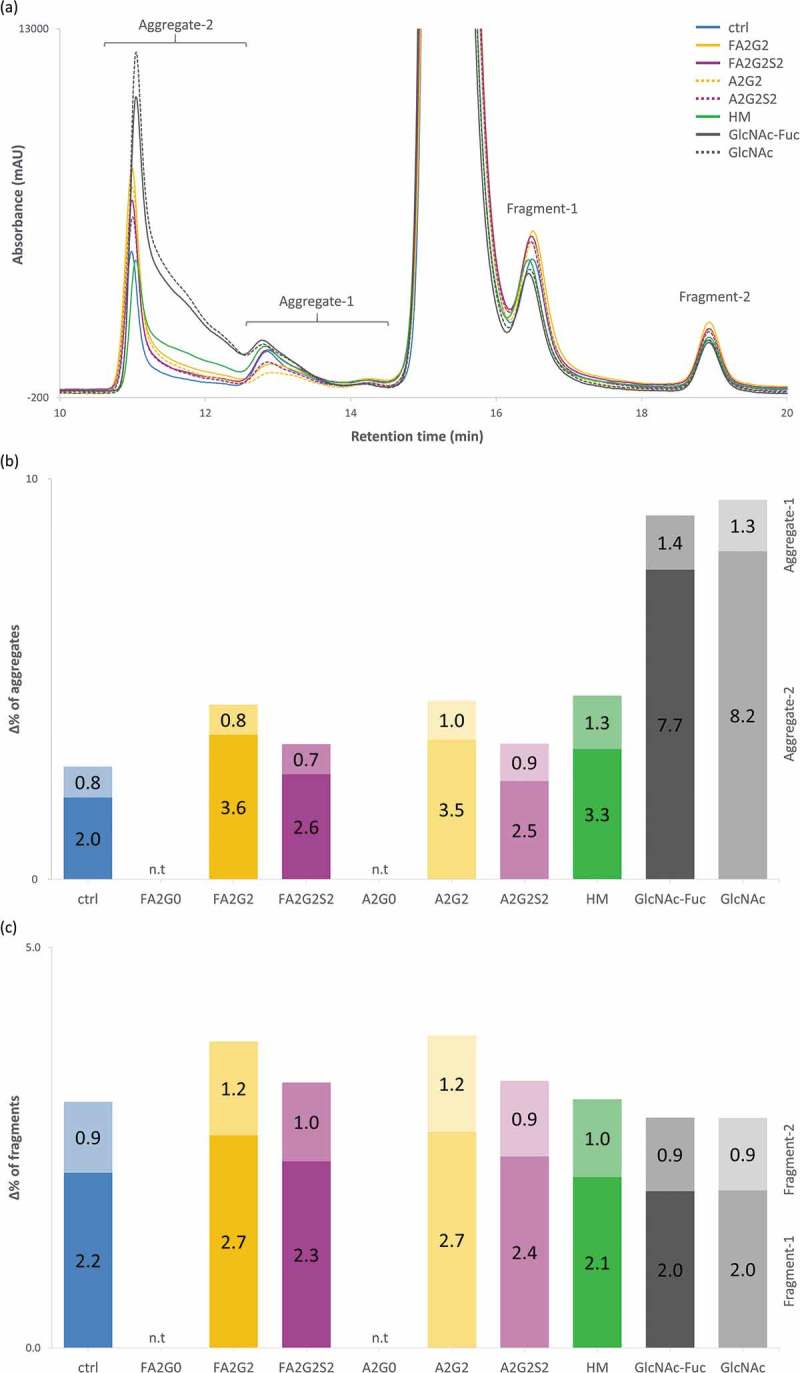
Glycosylation of the conserved asparagine residue in each heavy chain of IgG in the CH2 domain is known as N-glycosylation. It is one of the most common post-translational modifications and important critical quality attributes of monoclonal antibody (mAb) therapeutics. Various studies have demonstrated the effects of the Fc N-glycosylation on safety, Fc effector functions, and pharmacokinetics, both dependent and independent of neonatal Fc receptor (FcRn) pathway. However, separation of various glycoforms to investigate the biological and functional relevance of glycosylation is a major challenge, and existing studies often discuss the overall impact of N-glycans, without considering the individual contributions of each glycoform when evaluating mAbs with highly heterogeneous distributions. In this study, chemoenzymatic glycoengineering incorporating an endo-β-N-acetylglucosaminidase (ENGase) EndoS2 and its mutant with transglycosylation activity was used to generate mAb glycoforms with highly homogeneous and well-defined N-glycans to better understand and precisely evaluate the effect of each N-glycan structure on Fc effector functions and protein stability. We demonstrated that the core fucosylation, non-reducing terminal galactosylation, sialylation, and mannosylation of IgG1 mAb N-glycans impact not only on FcγRIIIa binding, antibody-dependent cell-mediated cytotoxicity, and C1q binding, but also FcRn binding, thermal stability and propensity for protein aggregation.
Overview
The claims and statistics of this paper haven’t been checked yet.
Free: it reads the open-access text and checks the first 5 claims that cite a source we can check. Create a free account to check every claim.
Integrity signals
Registry
Cites
Statistics
Figures
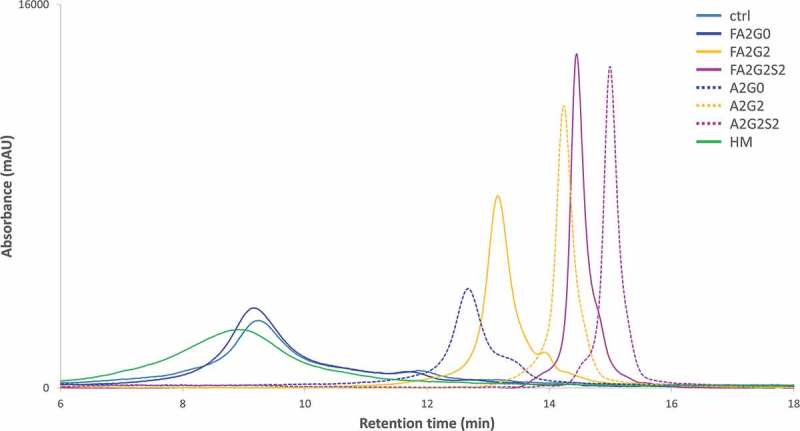
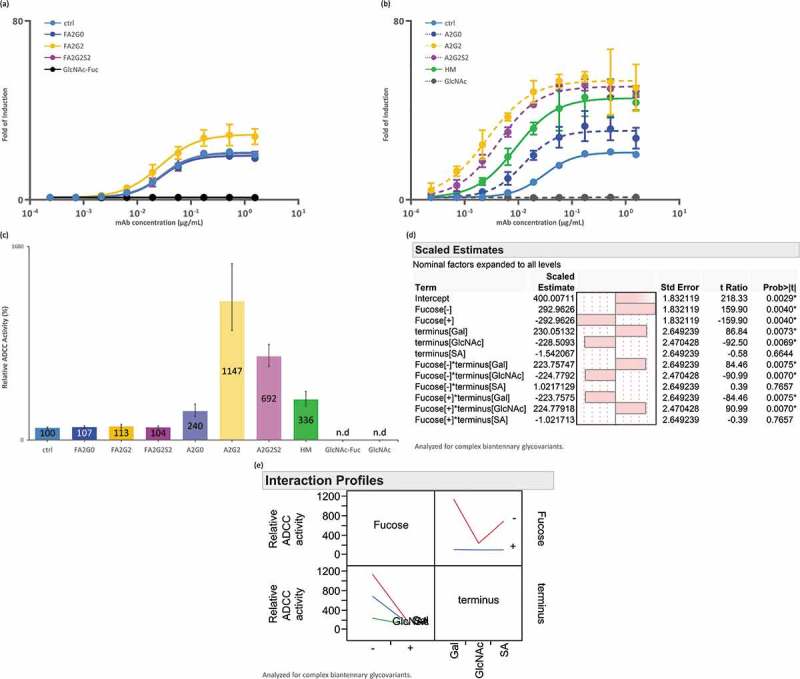
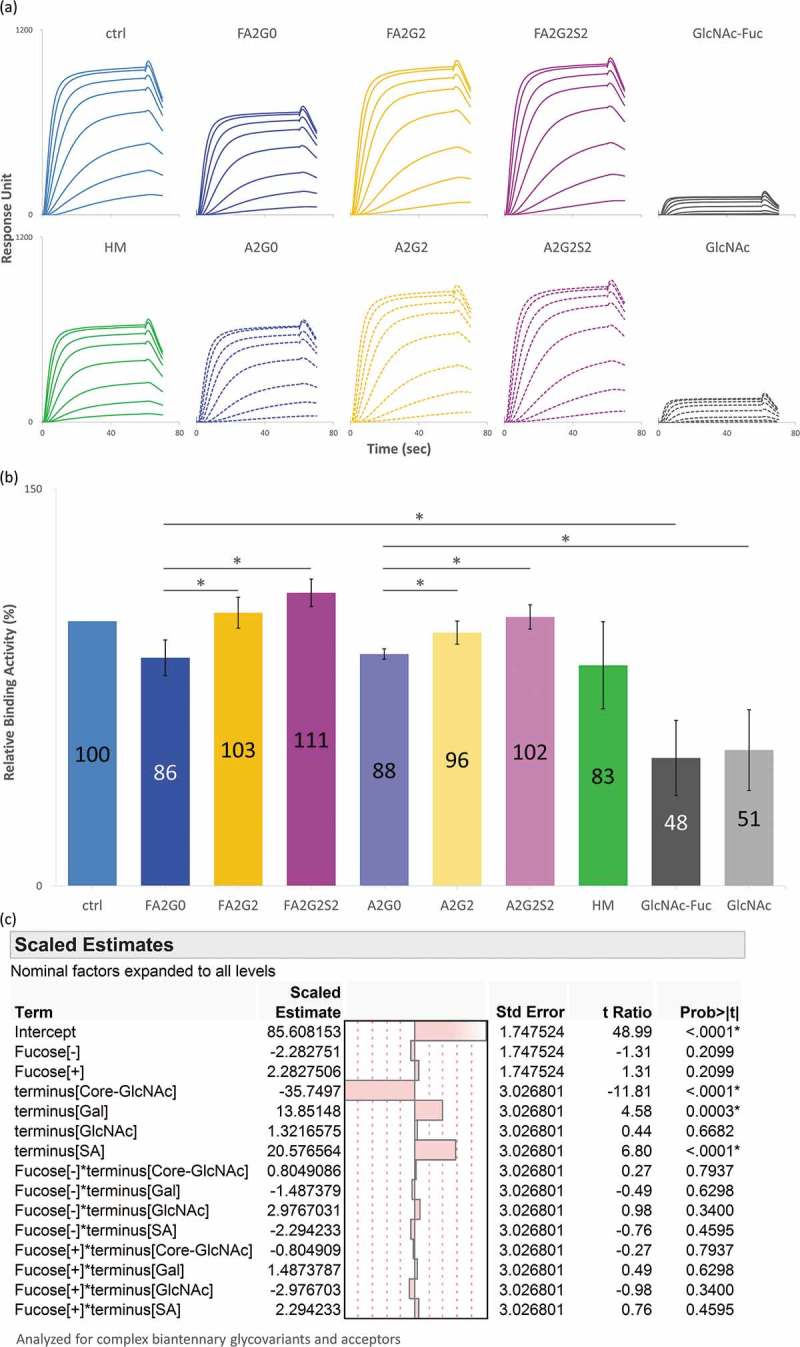
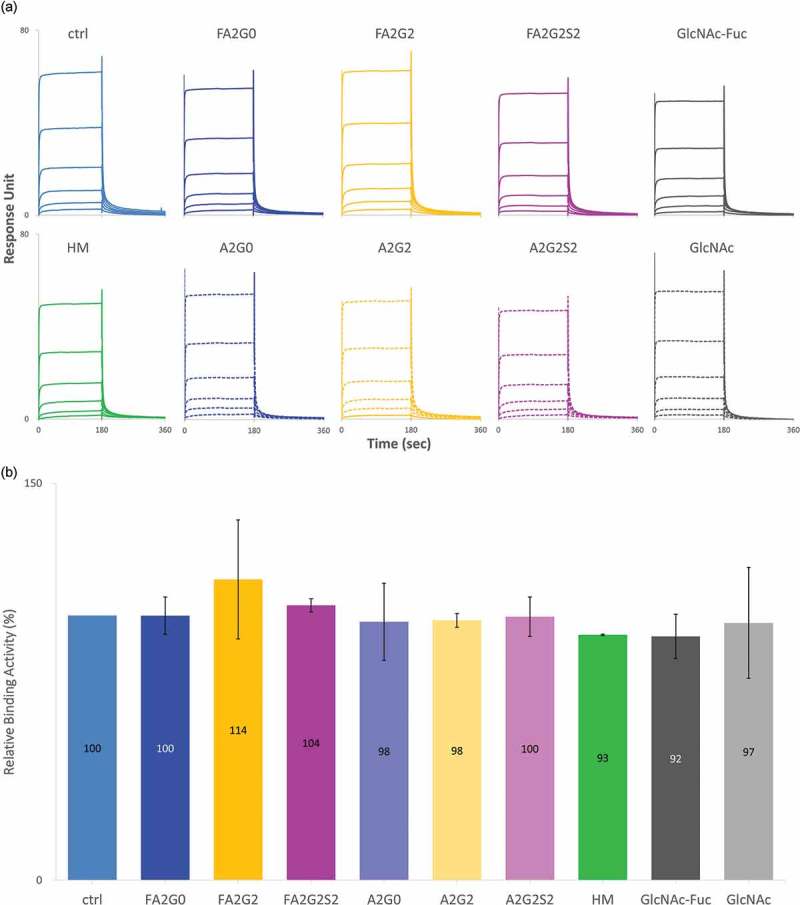
Verification
Claims the paper makes
The claims and statistics of this paper haven’t been checked yet.
Free: it reads the open-access text and checks the first 5 claims that cite a source we can check. Create a free account to check every claim.
Claims other papers make about this one
Each is checked against this paper’s own text: does it say what the citing paper says it does?
The cited source says what the claim attributes to it.
In the citing paper
“while increased galactosylation can enhance C1q and CDC.”
From Impact of process parameters on IgG glycosylation in CHO systems: a comprehensive quantitative analysis (2026) · cites this paper as [76]
The cited source says what the claim attributes to it.
In the citing paper
“For cytotoxic IgG1, lower core fucose generally improve FcγRIIIa binding and ADCC”
From Impact of process parameters on IgG glycosylation in CHO systems: a comprehensive quantitative analysis (2026) · cites this paper as [76]
Self-check
Percentages, sums and reported differences re-computed from the paper’s own numbers.
The self-check needs the paper’s full text.
Citations
Cites
FcRn: the neonatal Fc receptor comes of age
Roopenian, D. C., & Akilesh, S. (2007) · Nature Reviews Immunology · doi:10.1038/nri2155 · Cited by 2,346 · cited 2×
“FcRn is expressed in several organs and tissues.(17) It binds to IgGs under acidic conditions, leading to IgG internalization into the endosome either by pinocytosis or endocytosis.”
BackgroundShields, R. L., Lai, J., Keck, R., O'Connell, L. Y., Hong, K., Meng, Y. G., Weikert, S. H. A., & Presta, L. G. (2002) · Journal of Biological Chemistry · doi:10.1074/jbc.m202069200 · Cited by 1,835
Anti-Inflammatory Activity of Immunoglobulin G Resulting from Fc Sialylation
Kaneko, Y., Nimmerjahn, F., & Ravetch, J. V. (2006) · Science · doi:10.1126/science.1129594 · Cited by 1,754
Cetuximab-Induced Anaphylaxis and IgE Specific for Galactose-α-1,3-Galactose
Chung, C. H., Mirakhur, B., Chan, E., Le, Q.-T., Berlin, J., Morse, M., Murphy, B. A., Satinover, S. M., Hosen, J., Mauro, D., et al. (2008) · New England Journal of Medicine · doi:10.1056/nejmoa074943 · Cited by 1,521
Shinkawa, T., Nakamura, K., Yamane, N., Shoji-Hosaka, E., Kanda, Y., Sakurada, M., Uchida, K., Anazawa, H., Satoh, M., Yamasaki, M., et al. (2003) · Journal of Biological Chemistry · doi:10.1074/jbc.m210665200 · Cited by 1,413
Post-translational modifications in the context of therapeutic proteins
Walsh, G., & Jefferis, R. (2006) · Nature Biotechnology · doi:10.1038/nbt1252 · Cited by 1,005
Recapitulation of IVIG anti-inflammatory activity with a recombinant IgG Fc
Anthony, R. M., Nimmerjahn, F., Ashline, D. J., Reinhold, V. N., Paulson, J. C., & Ravetch, J. V. (2008) · Science · doi:10.1126/science.1154315 · Cited by 849
Properties of mouse and human IgG receptors and their contribution to disease models
Bruhns, P. (2012) · Blood · doi:10.1182/blood-2012-01-380121 · Cited by 847
Therapeutic antibodies for autoimmunity and inflammation
Chan, A. C., & Carter, P. J. (2010) · Nature Reviews Immunology · doi:10.1038/nri2761 · Cited by 837 · cited 1×
“such as antibody-dependent cell-mediated cytotoxicity (ADCC) and complement-dependent cytotoxicity (CDC).(8) Both ADCC and CDC activities induce cytotoxicity through the lysis of target cells.”
BackgroundThe Thermal Stability of Immunoglobulin: Unfolding and Aggregation of a Multi-Domain Protein
Vermeer, A. W. P., & Norde, W. (2000) · Biophysical Journal · doi:10.1016/s0006-3495(00)76602-1 · Cited by 666
Cited by
Conceptual Approaches to Modulating Antibody Effector Functions and Circulation Half-Life
Saunders, K. O. (2019) · Frontiers in Immunology · doi:10.3389/fimmu.2019.01296 · Cited by 316
“Overabundance of galactosylation on IgG1 Fc also improved thermostability when measured by differential scanning calorimetry (99).”
BackgroundAggregation of Protein Therapeutics Enhances Their Immunogenicity: Causes and Mitigation Strategies
Lundahl, M. L. E., Fogli, S., Colavita, P. E., & Scanlan, E. M. (2021) · RSC Chemical Biology · doi:10.1039/d1cb00067e · Cited by 212
Monitoring of immunoglobulin N- and O-glycosylation in health and disease
de Haan, N., Falck, D., & Wuhrer, M. (2019) · Glycobiology · doi:10.1093/glycob/cwz048 · Cited by 129
Highly Selective β-Mannosylations and β-Rhamnosylations Catalyzed by Bis-thiourea
Li, Q., Levi, S. M., & Jacobsen, E. N. (2020) · Journal of the American Chemical Society · doi:10.1021/jacs.0c04255 · Cited by 121
Sialylation as an Important Regulator of Antibody Function
Vattepu, R., Sneed, S. L., & Anthony, R. M. (2022) · Frontiers in Immunology · doi:10.3389/fimmu.2022.818736 · Cited by 118
The importance of IgG glycosylation—What did we learn after analyzing over 100,000 individuals
Krištić, J., & Lauc, G. (2024) · Immunological Reviews · doi:10.1111/imr.13407 · Cited by 103
“IgG is involved in various immune responses, including antibody-dependent cellular phagocytosis (ADCP), antibody-dependent cell-mediated cytotoxicity (ADCC), complement-dependent cytotoxicity (CDC), induction of cytokine production and other inflammatory mediators, and anti-inflammatory immune responses.”
InfluentialAntibody glycosylation in autoimmune diseases
Zhou, X., Motta, F., Selmi, C. F., Ridgway, W. M., Gershwin, M. E., & Zhang, W. (2021) · Autoimmunity Reviews · doi:10.1016/j.autrev.2021.102804 · Cited by 101
van Osch, T. L. J., Nouta, J., Derksen, N. I. L., van Mierlo, G. J., van der Schoot, C. E., Wuhrer, M., Rispens, T., & Vidarsson, G. (2021) · The Journal of Immunology · doi:10.4049/jimmunol.2100399 · Cited by 102
“(43) found no, or possibly slightly increased, C1q binding by sialylated IgG.”
BackgroundIgG glycans in health and disease: Prediction, intervention, prognosis, and therapy
Shkunnikova, S., Mijakovac, A., Sironić, L., Hanić, M., Lauc, G., & Kavur, M. M. (2023) · Biotechnology Advances · doi:10.1016/j.biotechadv.2023.108169 · Cited by 95
Fc-Engineered Antibodies with Enhanced Fc-Effector Function for the Treatment of B-Cell Malignancies
van der Horst, H. J., Nijhof, I. S., Mutis, T., & Chamuleau, M. E. D. (2020) · Cancers · doi:10.3390/cancers12103041 · Cited by 84
“Some studies reported increased and some others reported decreased C1q binding by sialyation [46,68,69].”
BackgroundMajewska, N. I., Tejada, M. L., Betenbaugh, M. J., & Agarwal, N. (2020) · Annual Review of Chemical and Biomolecular Engineering · doi:10.1146/annurev-chembioeng-102419-010001 · Cited by 81
“(33) showed that core afucosylation had the most profound impact on FcγRIIIa binding and ADCC activity, with only modest improvements from terminal galactosylation.”
BackgroundRecent Advances in Drug–Antibody Ratio Determination of Antibody–Drug Conjugates
Matsuda, Y., & Mendelsohn, B. A. (2021) · Chemical and Pharmaceutical Bulletin · doi:10.1248/cpb.c21-00258 · Cited by 80
Aoyama, M., Hashii, N., Tsukimura, W., Osumi, K., Harazono, A., Tada, M., Kiyoshi, M., Matsuda, A., & Ishii‐Watabe, A. (2019) · mAbs · doi:10.1080/19420862.2019.1608143 · Cited by 80
“produced recombinant human mAbs with G0, G2, fully sialylated G2, G0F, G2F, and fully sialylated G2F glycans, and showed impacts of each of the Fc-glycans on biological activities, thermal stabilities, and aggregation propensities in detail.(17) As shown in these previous reports, the effects of agalactosylated, fully…”
BackgroundGlycoform-resolved FcɣRIIIa affinity chromatography–mass spectrometry
Lippold, S., Nicolardi, S., Domínguez‐Vega, E., Heidenreich, A.-K., Vidarsson, G., Reusch, D., Haberger, M., Wuhrer, M., & Falck, D. (2019) · mAbs · doi:10.1080/19420862.2019.1636602 · Cited by 70
“The lack of molecular resolution of established in vitro affinity assessment techniques, such as surface plasmon resonance (SPR) or AC necessitated high IgG glycoform purity.(8,12,13) Here, we present the simultaneous assessment of FcɣRIIIa affinity of multiple IgG glycoforms of a therapeutic mAb.”
BackgroundInfluentialUsing graph convolutional neural networks to learn a representation for glycans
Burkholz, R., Quackenbush, J. F., & Bojar, D. (2021) · Cell Reports · doi:10.1016/j.celrep.2021.109251 · Cited by 68
“By using experimentally observed structure-activity relationships, such as the influence of N-glycans on antibody functionality and stability (Wada et al., 2019), models could be trained to predict glycans with improved properties, which could further be refined by removing undesired variants Burkholz et al.”
MethodTrzos, S., Link‐Lenczowski, P., & Pocheć, E. (2023) · Frontiers in Immunology · doi:10.3389/fimmu.2023.1188838 · Cited by 57
Current advances in the algae-made biopharmaceuticals field
Rosales-Mendoza, S., Solís-Andrade, K. I., Márquez-Escobar, V. A., González-Ortega, O., & Bañuelos-Hernandez, B. (2020) · Expert Opinion on Biological Therapy · doi:10.1080/14712598.2020.1739643 · Cited by 55
“glycosylation) that are relevant for some biopharmaceuticals; such as erythropoietin [44] and antibodies intended to mediate antibody-dependent cell-mediated cytotoxicity [45].”
BackgroundOn enzymatic remodeling of IgG glycosylation; unique tools with broad applications
Sjögren, J., Lood, R., & Naegeli, A. (2019) · Glycobiology · doi:10.1093/glycob/cwz085 · Cited by 54
“Endoglycosidase-mediated transglycosylation has given relatively easy access to homogeneously glycosylated mAbs with defined glycan structures which could be used to study the influence of the Fc glycan for antibody stability and function in greater detail (Wada et al. 2019).”
BackgroundCao, Y., Song, Z., Guo, Z., Zhao, X., Gong, Y. Q., Zhao, K., Qu, C., Huang, Y., Li, Y., Gao, Y., et al. (2022) · Frontiers in Immunology · doi:10.3389/fimmu.2021.724379 · Cited by 54
“Glycosylation, as a posttranslational modification of IgG, is critical for the modulation of the immune response to inflammation, including ADCC (41), CDC (42), antibody-dependent cellular phagocytosis (ADCP) (43), and antigen binding (4), and may act as a ‘switch’ to control the pathogenicity of IgG (15).”
BackgroundInfluentialBrennan, F. R., Polli, J. R., Sathish, J. G., Ramones, M., Wolf, B., Schlothauer, T., Peters, S. J., Maier, C. C., Ji, C., Wensel, D. L., et al. (2025) · mAbs · doi:10.1080/19420862.2025.2505092 · Cited by 52
“Galactosylation of the IgG N-glycan is reported to increase FcγRIIA/IIIA and C1q binding and Fc hexamerization potential of IgG 67,59,68,69 and adding GlcNAc (N-acetylglucosamine) to the mannose fork (called bisecting GlcNAc) increases ADCC.”
Chia, S., Tay, S. J., Song, Z., Yang, Y., Walsh, I., & Pang, K. T. (2023) · Biomedicine & Pharmacotherapy · doi:10.1016/j.biopha.2023.114757 · Cited by 49
Therapeutic antibody glycosylation impacts antigen recognition and immunogenicity
Wolf, B., Piksa, M., Beley, I., Patoux, A., Besson, T., Cordier, V., Voedisch, B., Schindler, P. A., Stöllner, D., Perrot, L., et al. (2022) · Immunology · doi:10.1111/imm.13481 · Cited by 49
Xie, L., Zhang, E., Xu, Y., Gao, W., Wang, L., Xie, M. H., Qin, P., Lu, L., Li, S., Shen, P., et al. (2020) · BioDrugs · doi:10.1007/s40259-020-00407-0 · Cited by 47
Glycosylation of Therapeutic Proteins: A Critical Quality Attribute
Delobel, A. (2021) · Methods in molecular biology · doi:10.1007/978-1-0716-1241-5_1 · Cited by 47
On the Use of Surface Plasmon Resonance Biosensing to Understand IgG-FcγR Interactions
Forest‐Nault, C., Gaudreault, J., Henry, O., Durocher, Y., & Crescenzo, G. D. (2021) · International Journal of Molecular Sciences · doi:10.3390/ijms22126616 · Cited by 48
Impact of Fc N-glycan sialylation on IgG structure
Zhang, Z., Shah, B., & Richardson, J. (2019) · mAbs · doi:10.1080/19420862.2019.1655377 · Cited by 46
The potential of engineered antibodies for HIV-1 therapy and cure
Grobben, M., Stuart, R. A., & van Gils, M. J. (2019) · Current Opinion in Virology · doi:10.1016/j.coviro.2019.07.007 · Cited by 47
Effect of glycosylation on protein folding: From biological roles to chemical protein synthesis
Hao, C., Zou, Q., Bai, X., & Shi, W.-W. (2025) · iScience · doi:10.1016/j.isci.2025.112605 · Cited by 45
“114 Levy conducted a systematic thermodynamic analysis in vitro (Figure 8), showing that glycosylation does not stabilize the folded state directly but instead destabilizes the unfolded state.”
Falck, D., Thomann, M., Lechmann, M., Koeleman, C. A. M., Malik, S., Jany, C., Wuhrer, M., & Reusch, D. (2020) · mAbs · doi:10.1080/19420862.2020.1865596 · Cited by 47
Impact of N-Linked Glycosylation on Therapeutic Proteins
Chen, B., Liu, W., Li, Y., Ma, B., Shang, S., & Tan, Z. (2022) · Molecules · doi:10.3390/molecules27248859 · Cited by 45
“coforms have different biological properties and functions [7,8].”
BackgroundWei, Q., Yang, T., Zhang, Z., Wang, F., Yang, Y., Zhu, J., Zhu, X., Li, Y., Xing, Y., Lu, Y., et al. (2025) · Cancer Research · doi:10.1158/0008-5472.can-24-2021 · Cited by 44
van Osch, T. L. J., Oosterhoff, J. J., Bentlage, A. E. H., Nouta, J., Koeleman, C. A. M., Geerdes, D. M., Mok, J. Y., Heidt, S., Mulder, A., van Esch, W. J. E., et al. (2022) · Haematologica · doi:10.3324/haematol.2021.280493 · Cited by 44
Tashima, T. (2022) · Antibodies · doi:10.3390/antib11040078 · Cited by 41
Immunoglobulin G glycans – Biomarkers and molecular effectors of aging
Krištić, J., Lauc, G., & Pezer, M. (2022) · Clinica Chimica Acta · doi:10.1016/j.cca.2022.08.006 · Cited by 38
Gjølberg, T. T., Frick, R., Mester, S., Foss, S., Grevys, A., Høydahl, L. S., Jørstad, Ø. K., Schlothauer, T., Sandlie, I., Moe, M. C., et al. (2022) · Communications Biology · doi:10.1038/s42003-022-03787-x · Cited by 38
Mimura, Y., Mimura‐Kimura, Y., Saldova, R., Rudd, P. M., & Jefferis, R. (2022) · Frontiers in Immunology · doi:10.3389/fimmu.2022.818382 · Cited by 36
“org 7 binding, resulting in lowered ADCC inhibitory activity as compared with the (G2)2 glycoform (Figures 2B, 4B, C) (39, 40).”
BackgroundThe importance of IgG N-glycosylation in Health, Disease, and Neonatal hemochromatosis
Thaçi, K., & Anthony, R. M. (2025) · Glycoscience & Therapy · doi:10.1016/j.glycos.2025.100002 · Cited by 33
Glycosylation-dependent opsonophagocytic activity of staphylococcal protein A antibodies
Chen, X., Shi, M., Tong, X., Kim, H. K., Wang, L., Schneewind, O., & Missiakas, D. M. (2020) · Proceedings of the National Academy of Sciences · doi:10.1073/pnas.2003621117 · Cited by 33
“…in FreeStyle 293 Expression Medium (Life Technologies) and maintained in a 5% CO 2 humidi-fied incubator at 37 °C. Kifunensine (Abcam), a small-molecule inhibitor of the enzyme α -mannosidase I, was added directly to FreeStyle 293 Expression Medium at a final concentration of 200 ng/mL (51 – 53).”
Panagides, N., Zacchi, L. F., de Souza, M. J., Morales, R. A. V., Karnowski, A., Liddament, M. T., Owczarek, C. M., Mahler, S. M., Panousis, C., Jones, M. L., et al. (2022) · International Journal of Molecular Sciences · doi:10.3390/ijms23158470 · Cited by 33
Brytan, W., & Padrela, L. (2023) · Journal of Drug Delivery Science and Technology · doi:10.1016/j.jddst.2023.104992 · Cited by 32
Matsuda, Y., Chakrabarti, A., Takahashi, K., Yamada, K., Nakata, K., Okuzumi, T., & Mendelsohn, B. A. (2021) · Journal of Chromatography B · doi:10.1016/j.jchromb.2021.122753 · Cited by 33
Antibody Glycoengineering and Homogeneous Antibody‐Drug Conjugate Preparation
Manabe, S., & Yamaguchi, Y. (2021) · The Chemical Record · doi:10.1002/tcr.202100054 · Cited by 30
IgG1 conformational behavior: elucidation of the N-glycosylation role via molecular dynamics
Saporiti, S., Parravicini, C., Pergola, C., Guerrini, U., Rossi, M., Centola, F., & Eberini, I. (2021) · Biophysical Journal · doi:10.1016/j.bpj.2021.10.026 · Cited by 28
Schaffert, A., Hanić, M., Novokmet, M., Zaytseva, O. O., Krištić, J., Lux, A., Nitschke, L., Peipp, M., Pezer, M., Hennig, R., et al. (2020) · Frontiers in Immunology · doi:10.3389/fimmu.2019.03024 · Cited by 28
“As some studies suggest, that the level of IgG sialylation may affect antibody half-life and FcRn binding (41, 42), we first assessed if both, sialylated and non-sialylated IVIg preparations had a comparable half-life.”
BackgroundGstöttner, C., Hook, M., Christopeit, T., Knaupp, A., Schlothauer, T., Reusch, D., Haberger, M., Wuhrer, M., & Domínguez‐Vega, E. (2021) · Analytical Chemistry · doi:10.1021/acs.analchem.1c03560 · Cited by 28
Lippold, S., Nicolardi, S., Wuhrer, M., & Falck, D. (2019) · Frontiers in Chemistry · doi:10.3389/fchem.2019.00698 · Cited by 27
“Several studies applied laborious glycoengineering in order to assess receptor binding and effector functions of specific glycoforms (Dashivets et al., 2015; Thomann et al., 2015; Dekkers et al., 2017; Wada et al., 2019).”
BackgroundImpact of IgG1 N-glycosylation on their interaction with Fc gamma receptors
Cambay, F., Raymond, C., Brochu, D., Gilbert, M., Tu, T.-M., Cantin, C., Lenferink, A. E. G., Grail, M., Henry, O., Crescenzo, G. D., et al. (2020) · Current Research in Immunology · doi:10.1016/j.crimmu.2020.06.001 · Cited by 26
Glycosylation of Fcγ receptors influences their interaction with various IgG1 glycoforms
Cambay, F., Forest‐Nault, C., Dumoulin, L., Seguin, A., Henry, O., Durocher, Y., & Crescenzo, G. D. (2020) · Molecular Immunology · doi:10.1016/j.molimm.2020.03.010 · Cited by 26
Multilevel capillary gel electrophoresis characterization of new antibody modalities
Filep, C., Szigeti, M., Farsang, R., Haberger, M., Reusch, D., & Guttman, A. (2021) · Analytica Chimica Acta · doi:10.1016/j.aca.2021.338492 · Cited by 24
Ladel, S., Maigler, F., Flamm, J., Schlossbauer, P., Handl, A., Hermann, R., Herzog, H., Hummel, T. R., Mizaikoff, B., & Schindowski, K. (2020) · Pharmaceutics · doi:10.3390/pharmaceutics12111014 · Cited by 24
“It was previously demonstrated that the affinity of FcRn to IgGs with G0F-gycosylation is not significantly altered to Endo S digested (deglycosylated) IgGs deglycosylation, leaving a GlcNac-Fuc glycosylation pattern, as was the case for DG IgG in this study [51].”
BackgroundHatfield, G., Tepliakova, L., Gingras, G., Stalker, A., Li, X., Aubin, Y., & Tam, R. Y. (2022) · Frontiers in Immunology · doi:10.3389/fimmu.2022.972168 · Cited by 23
“6-fold, although KD values were not reported (20).”
Backgroundvan Schaick, G., Domínguez‐Vega, E., Castel, J.-G., Wuhrer, M., Hernandez‐Alba, O., & Cianférani, S. (2023) · Analytical Chemistry · doi:10.1021/acs.analchem.2c03163 · Cited by 22
Monoclonal Antibody Monitoring: Clinically Relevant Aspects, A Systematic Critical Review
Regazzi, M. B., Golay, J., & Molinaro, M. (2019) · Therapeutic Drug Monitoring · doi:10.1097/ftd.0000000000000681 · Cited by 23
Limpikirati, P. K., Zhao, B., Pan, X., Eyles, S. J., & Vachet, R. W. (2020) · Journal of the American Society for Mass Spectrometry · doi:10.1021/jasms.0c00067 · Cited by 21
Process- and Product-Related Foulants in Virus Filtration
Isu, S., Qian, X., Zydney, A. L., & Wickramasinghe, S. R. (2022) · Bioengineering · doi:10.3390/bioengineering9040155 · Cited by 21
“Glycans assist proper folding of the polypeptide chain before product secretion [74,94,107].”
BackgroundComparison of two glycoengineering strategies to control the fucosylation of a monoclonal antibody
Mishra, N., Spearman, M. A., Donald, L. J., Perreault, H., & Butler, M. (2020) · Journal of Biotechnology · doi:10.1016/j.btecx.2020.100015 · Cited by 20
Villacrés, C., Tayi, V. S., & Butler, M. (2021) · Journal of Biotechnology · doi:10.1016/j.jbiotec.2021.04.005 · Cited by 21
FcRn as a Transporter for Nasal Delivery of Biologics: A Systematic Review
Fieux, M., Quellec, S. L., Bartier, S., Coste, A., Louis, B., Giroudon, C., Nourredine, M., & Béquignon, É. (2021) · International Journal of Molecular Sciences · doi:10.3390/ijms22126475 · Cited by 21
“In contrast, other authors excluded the notion that nasal epithelial IgG trafficking is only FcRn-dependent because of the insensitivity of FcRn to Fc-deglycosylation [16,77,78].”
BackgroundSolution structure of deglycosylated human IgG1 shows the role of CH2 glycans in its conformation
Spiteri, V. A., Doutch, J., Rambo, R. P., Gor, J., Dalby, P. A., & Perkins, S. J. (2021) · Biophysical Journal · doi:10.1016/j.bpj.2021.02.038 · Cited by 19
Exploring Gas-Phase MS Methodologies for Structural Elucidation of Branched N-Glycan Isomers
Oganesyan, I., Hajduk, J., Harrison, J. A., Marchand, A., Czar, M. F., & Zenobi, R. (2022) · Analytical Chemistry · doi:10.1021/acs.analchem.2c02019 · Cited by 19
Zlatina, K., & Galuska, S. P. (2021) · Frontiers in Immunology · doi:10.3389/fimmu.2021.753294 · Cited by 19
“The presence of glycans at Asn297 within CH2 of Fc entails an “open” conformation (Figure 4A top), while enzymatic deglycosylation leads to a “closed” structure instead (6).”
BackgroundInfluentialKavur, M. M., Lauc, G., & Pezer, M. (2021) · Elsevier eBooks · doi:10.1016/b978-0-12-819475-1.00086-9 · Cited by 19
Skeene, K., Khatri, K., Soloviev, Z., & Lapthorn, C. (2021) · Biochimica et Biophysica Acta (BBA) - Proteins and Proteomics · doi:10.1016/j.bbapap.2021.140697 · Cited by 18
Anderson, K. W., Bergonzo, C., Scott, K., Karageorgos, I. L., Gallagher, E. S., Tayi, V. S., Butler, M., & Hudgens, J. W. (2021) · Journal of Molecular Biology · doi:10.1016/j.jmb.2021.167391 · Cited by 19
Baumeister, J., Meudt, M., Ebert, S., Rosenau, F., Mizaikoff, B., Blech, M., Aertker, K. M. J., & Higel, F. (2024) · mAbs · doi:10.1080/19420862.2024.2400414 · Cited by 17
Gstöttner, C., Knaupp, A., Vidarsson, G., Reusch, D., Schlothauer, T., Wuhrer, M., & Domínguez‐Vega, E. (2022) · Frontiers in Immunology · doi:10.3389/fimmu.2022.980291 · Cited by 17
“This decrease in affinity might be a result of a decrease in the antibody stability (38).”
BackgroundHigher mucosal antibody concentrations in women with genital tract inflammation
Sobia, P., Pillay, T., Liebenberg, L. J. P., Sivro, A., Mansoor, L. E., Osman, F., Passmore, J.-A. S., Karim, Q. A., Karim, S. S. A., Baxter, C., et al. (2021) · Scientific Reports · doi:10.1038/s41598-021-02954-0 · Cited by 16
Effect of Fc core fucosylation and light chain isotype on IgG1 flexibility
Saporiti, S., Laurenzi, T., Guerrini, U., Coppa, C., Palinsky, W., Benigno, G., Palazzolo, L., Mariem, O. B., Montavoci, L., Rossi, M., et al. (2023) · Communications Biology · doi:10.1038/s42003-023-04622-7 · Cited by 16
Mapping of the gene network that regulates glycan clock of ageing
Frkatović-Hodžić, A., Miškec, K., Mijakovac, A., Nostaeva, A. V., Sharapov, S., Landini, A., Haller, T., van den Akker, E. B., Sharma, S., Cuadrat, R. R. C., et al. (2023) · Aging · doi:10.18632/aging.205106 · Cited by 16
Antibody glycan quality predicted from CHO cell culture media markers and machine learning
Lakshmanan, M., Chia, S., Pang, K. T., Sim, L. C., Teo, G., Mak, S. Y., Chen, S., Lim, H. L., Lee, A., Mahfut, F. B., et al. (2024) · Computational and Structural Biotechnology Journal · doi:10.1016/j.csbj.2024.05.046 · Cited by 16
“Given that it is the total fuco-sylation, mannosylation, sialyation and galactosylation levels that are associated with the efficacy of mAbs [39], we summed the individual N-glycan abundances to their overall glycosylation attributes as shown in Supplementary Figure 1.”
BackgroundNakamura, H., Kiyoshi, M., Anraku, M., Hashii, N., Oda‐Ueda, N., Ueda, T., & Ohkuri, T. (2020) · The Journal of Biochemistry · doi:10.1093/jb/mvaa116 · Cited by 16
Prabhu, A., Shanmugam, D., & Gadgil, M. (2022) · Metabolic Engineering · doi:10.1016/j.ymben.2022.09.003 · Cited by 16
Yanaka, S., Sakae, Y., Miyanoiri, Y., Yamaguchi, T., Isono, Y., Kondo, S., Iwasaki, M., Onitsuka, M., Yagi, H., & Kato, K. (2025) · Proceedings of the National Academy of Sciences · doi:10.1073/pnas.2505473122 · Cited by 15
“Furthermore, the combination of this galactosylation with core fucose removal can dramatically improve ADCC mediated through Fc γ RIIIa in a synergistic manner ( 26 , 30 ).”
Exit pathways of therapeutic antibodies from the brain and retention strategies
Schellhammer, L., Beffinger, M., Salazar, U., Laman, J. D., Buch, T., & Berg, J. V. (2023) · iScience · doi:10.1016/j.isci.2023.108132 · Cited by 15
“78,93 The situation is similar for IgG effector functions such as antibody-dependent cell-mediated cytotoxicity, any new Fc mutation may require independent optimization in the context of the whole therapeutic molecule.”
BackgroundUpdates of the current strategies of labeling for N-glycan analysis
Helali, Y., & Delporte, C. (2024) · Journal of Chromatography B · doi:10.1016/j.jchromb.2024.124068 · Cited by 15
Manabe, S., Iwamoto, S., Nagatoishi, S., Hoshinoo, A., Mitani, A., Sumiyoshi, W., Kinoshita, T., Yamaguchi, Y., & Tsumoto, K. (2024) · Journal of the American Chemical Society · doi:10.1021/jacs.4c06558 · Cited by 14
“18,39,40 The other possibility is that cell-based ADCC reporter assay was the integrated result of other interactions with Fc γ R, including Fc γ RIIb, which has an inhibitory function.”
In silico evaluation of the role of Fab glycosylation in cetuximab antibody dynamics
Saporiti, S., Bianchi, D., Mariem, O. B., Rossi, M., Guerrini, U., Eberini, I., & Centola, F. (2024) · Frontiers in Immunology · doi:10.3389/fimmu.2024.1429600 · Cited by 14
“A key role in modulating the interaction with Fc receptors is played by the N-glycosylation, a post-translational modi fi cation that occurs at the conserved Asn297 in the Fc region (9, 10).”
BackgroundQiu, H., Jin, X., Zhang, X., Chen, K., Wang, L., & Huang, J. (2025) · Nutrients · doi:10.3390/nu17172890 · Cited by 14
“However, glycosylation of the conserved asparagine residue in each heavy chain of IgG in the CH2 domain is known as N -glycosylation [39].”
Interaction analysis of glycoengineered antibodies with CD16a: a native mass spectrometry approach
Hajduk, J., Brunner, C., Malik, S., Bangerter, J., Schneider, G., Thomann, M., Reusch, D., & Zenobi, R. (2020) · mAbs · doi:10.1080/19420862.2020.1736975 · Cited by 14
“Similar to prior literature, where Tm of CH2 domain was significantly reduced only in case of partially deglycosylated acceptors and terminally mannosylated mAb.(38) However, when glycovariants are in complex with CD16a the changes in Tm are clearly observed.”
ResultIgG N-glycosylation from Patients with Pemphigus Treated with Rituximab
Font, G., Walet-Balieu, M.-L., Petit, M. A., Burel, C., Maho‐Vaillant, M., Hébert, V., Chan, P., Fréret, M., Boyer, O., Joly, P., et al. (2022) · Biomedicines · doi:10.3390/biomedicines10081774 · Cited by 14
“Moreover, recent studies showed that sialylation could prolong the serum half-life of therapeutic monoclonal antibodies [8,19].”
BackgroundSet Up for Failure: Pre-Existing Autoantibodies in Lung Transplant
McQuiston, A. S., Emtiazjoo, A. M., Angel, P. M., Machuca, T., Christie, J. D., & Atkinson, C. (2021) · Frontiers in Immunology · doi:10.3389/fimmu.2021.711102 · Cited by 14
Importance and Monitoring of Therapeutic Immunoglobulin G Glycosylation
Mimura, Y., Saldova, R., Mimura‐Kimura, Y., Rudd, P. M., & Jefferis, R. (2021) · Experientia supplementum · doi:10.1007/978-3-030-76912-3_15 · Cited by 14
van Osch, T. L. J., Pongrácz, T., Geerdes, D. M., Mok, J. Y., van Esch, W. J. E., Voorberg, J., Kapur, R., Porcelijn, L., Kerkhoffs, J., van der Meer, P. F., et al. (2022) · Journal of Thrombosis and Haemostasis · doi:10.1111/jth.15898 · Cited by 13
Structural and Functional Roles of the N-Glycans in Therapeutic Antibodies
Yagi, H., Yanaka, S., & Kato, K. (2020) · Elsevier eBooks · doi:10.1016/b978-0-12-819475-1.00044-4 · Cited by 13
Karlberg, M., de Souza, J. V., Fan, L., Kizhedath, A., Bronowska, A. K., & Glassey, J. (2020) · International Journal of Molecular Sciences · doi:10.3390/ijms21218037 · Cited by 14
“stated that the glycan composition of IgG1 mAbs greatly affected the protein stability and aggregation propensity [61].”
BackgroundLi, H., Lu, W., Jin, Q., Sun, J., Gao, L., Hu, J., Ling, Y., Zhao, W., Zhang, Y., & Xie, X. (2025) · Journal of Proteome Research · doi:10.1021/acs.jproteome.5c00253 · Cited by 12
Bifunctional GM-CSF-derived peptides as tools for O-glycoengineering and protein tagging
Sales, M. D. L. M., Kratje, R. B., Oggero, M., & Ceaglio, N. (2020) · Journal of Biotechnology · doi:10.1016/j.jbiotec.2020.12.016 · Cited by 12
In vivo deglycosylation of recombinant glycoproteins in tobacco BY ‐2 cells
Herman, X., Far, J., Peeters, M., Quinton, L., Chaumont, F., & Navarre, C. (2023) · Plant Biotechnology Journal · doi:10.1111/pbi.14074 · Cited by 11
“IgG1 accumulation in CM is reported in Table S2b.”
BackgroundResultInfluentialXu, J., Coughlin, J. E., Szyjka, M., Jabary, S., Saluja, S., Sosic, Z., Chen, Y., & Xu, C. (2024) · mAbs · doi:10.1080/19420862.2024.2334783 · Cited by 11
“39–41 Wada et al. reported that different N-glycans such as core fucosylation, terminal galactose, sialylation, and mannosylation, had distinct effects on the thermal stability of IgG1 mAbs, 42 highlighting the complex role played by glycans on mAb stability.”
BackgroundProfiling of IgG N-glycosylation for axial spondyloarthritis and other rheumatic diseases
Xu, X., Chen, Z., Song, M., Hou, Z., Balmer, L. A., Zhou, C., Huang, Y., Hou, H., Wang, W., & Lin, L. (2025) · Arthritis Research & Therapy · doi:10.1186/s13075-025-03505-y · Cited by 11
“Recent studies have revealed that fucosylation significantly influences the functional activity and structure of IgG [41, 42].”
Juskewitch, J. E., Murray, J. D., Norgan, A. P., Moldenhauer, S. K., Tauscher, C. D., Jacob, E. K., & Murray, D. L. (2021) · Transfusion · doi:10.1111/trf.16279 · Cited by 11
Analytical comparability assessment on glycosylation of ziv-aflibercept and the biosimilar candidate
Shen, Z., Wang, Y., Xu, H., Zhang, Q., Sha, C., Sun, B., & Li, Q. (2021) · International Journal of Biological Macromolecules · doi:10.1016/j.ijbiomac.2021.03.020 · Cited by 11
Hiranyakorn, M., Iwamoto, S., Hoshinoo, A., Tsumura, R., Takashima, H., Yasunaga, M., & Manabe, S. (2023) · ACS Omega · doi:10.1021/acsomega.3c02374 · Cited by 10
Muto, H., Ishii, N., Iwamoto, M., & Matsuo, I. (2024) · Carbohydrate Research · doi:10.1016/j.carres.2024.109024 · Cited by 9
Posttranslational modifications of heterologous proteins expressed in Nicotiana benthamiana
Göritzer, K., Kallolimath, S., & Strasser, R. (2025) · Plant Biotechnology Journal · doi:10.1111/pbi.70176 · Cited by 9
Gstöttner, C., Lippold, S., Hook, M., Yang, F., Haberger, M., Wuhrer, M., Falck, D., Schlothauer, T., & Domínguez‐Vega, E. (2024) · Frontiers in Immunology · doi:10.3389/fimmu.2024.1347871 · Cited by 9
Li, X., Han, C., Luo, M., Xiao, S., Li, J., Yu, C., Cheng, S., Jin, Y., Han, Y. M., Todoroki, K., et al. (2022) · Journal of Chromatography A · doi:10.1016/j.chroma.2022.463302 · Cited by 9
Streamlining biosimilar development based on 20 years’ experience
Nick, C. (2024) · Expert Opinion on Biological Therapy · doi:10.1080/14712598.2024.2314612 · Cited by 8
“A specific glyco-variant lacking the core fucose bound to the first sugar on the heavy chain (known as afucosylation) (see Figure 1) strongly increases binding to the FcγIIIa receptor (FcγRIIIa) and enhances ADCC [22–24].”
Sarsarshahi, S., Bhattacharya, S., Zacharias, Z. R., Kamel, E. S., Houtman, J. C. D., & Nejadnik, M. R. (2025) · Journal of Pharmaceutical Sciences · doi:10.1016/j.xphs.2025.103771 · Cited by 8
Functional analysis of glycosylation in Etanercept: Effects over potency and stability
Martínez, V. P. M., Tierrablanca-Sánchez, L., la Garza, C. E. E., Juárez-Bayardo, L. C., Piña-Lara, N., Santoyo, G. G., & Pérez, N. O. (2020) · European Journal of Pharmaceutical Sciences · doi:10.1016/j.ejps.2020.105467 · Cited by 8
Metadata
- Authors
- Wada, R., Matsui, M., & Kawasaki, N.
- Affiliations
- Astellas Pharma (Japan) (JP)
- Yokohama City University (JP)
- Corresponding author
- Wada, Ryuta
- Venue
- mAbs
- Publisher
- Informa UK Limited
- Published
- 2018-12-10
- Volume
- 11
- Issue
- 2
- Pages
- 350-372
- ISSN
- 1942-0862 (ISSN-L)
- 1942-0870
- PMC
- PMC6380427
- OpenAlex
- W2901207337
- Cited by
- 186
- References
- 77
- Citations by year
- 2026: 27 · 2025: 25 · 2024: 20 · 2023: 18 · 2022: 26 · 2021: 34 · 2020: 26 · 2019: 10
- FWCI
- 12.07
- Type
- journal article
- Language
- en
- Open access
- gold
- doi.org
- Licence
- Locations
- mAbs (publishedVersion, cc-by-nc-nd)
- Europe PMC (PubMed Central) (publishedVersion, cc-by-nc-nd)
- PubMed Central (publishedVersion, cc-by-nc-nd)
- PubMed (publishedVersion)
- Funders
- funded by Astellas Pharma, Inc
- Topics
- Life Sciences › Immunology and Microbiology › Immunology › Monoclonal and Polyclonal Antibodies Research
- Life Sciences › Biochemistry, Genetics and Molecular Biology › Molecular Biology › Glycosylation and Glycoproteins Research
- Life Sciences › Biochemistry, Genetics and Molecular Biology › Molecular Biology › Protein purification and stability
- Keywords
- N-glycosylation, IgG1 monoclonal antibody, glycoengineering, Fc effector functions, FcγRIIIa binding, antibody-dependent cellular cytotoxicity, C1q binding, FcRn binding, thermal stability, protein aggregation, core fucosylation, sialylation, galactosylation, mannosylation, N-glycan structure
- MeSH terms
- Antibodies, Monoclonal, Glycosylation, Humans, Immunoglobulin G, Immunoglobulin Fc Fragments, Polysaccharides, Protein Stability
About these checks
Registry, retraction, Cites and statistics results are computed, not judged, with one exception: a printed reference that no index lists is read once by a model before it counts as a citation error. Claims are extracted by a model and kept only when their quote appears verbatim in the text; each cited source is then checked, with a model’s help, for whether it says what the claim relies on. Those verdicts can be wrong — read the claim’s quote and the cited source before relying on one.
Statistics and arithmetic are recomputed, not judged.
Confidence bands are shown only for fields calibrated on our annotated test set. None is calibrated yet, so no band is shown.
What counts as a claim ›How we measure confidence ›How we check this ›
Are you an author, or do you see a problem with this page? Request a review
Data sources
Bibliographic data: Semantic Scholar, OpenAlex, Crossref.
Contains information from the Semantic Scholar Academic Graph Datasets, made available under the ODC Attribution License (ODC-BY 1.0).
Semantic Scholar’s data is described in: Kinney, R., et al. (2023). The Semantic Scholar Open Data Platform. arXiv:2301.10140.
