

Impact of process parameters on IgG glycosylation in CHO systems: a comprehensive quantitative analysis
Open accessThe DOI matches its Crossref record; 80 of the 81 references it cites were found in a registry or an index; 17 of the 52 sources its claims cite were checked for support.
Abstract
Controlling glycosylation, a critical quality attribute of biopharmaceuticals such as monoclonal antibodies, is essential, as it significantly influences biological activity and therapeutic efficacy. Although numerous studies have examined the impact of process parameters (PP, e.g. temperature, pH, dissolved oxygen) on glycosylation, the lack of standardized reporting makes cross-study comparisons challenging and prevents clear conclusions. Here, we systematically reviewed the literature and applied a normalized quantitative framework, the Glycan Indices approach, as a standardized quantitative criterion to evaluate the impact of process parameters on glycoform distribution in IgG-producing CHO cell systems objectively. This methodology enabled the integration and reinterpretation of large, heterogeneous datasets, validating some well-known patterns while providing novel perspectives about process parameters. Our analysis revealed that PP manipulations of pH, dissolved oxygen or CO2 partial pressure rarely resulted in meaningful shifts in glycosylation, with changes <5% observed for galactose, fucose, or N-acetylneuraminic acid content. In contrast, for several cases temperature and osmolality changes notably affected galactosylation (>10%) and fucosylation (1–10%), variations that may have significant biological consequences. To our knowledge, this is the first comprehensive quantitative assessment of process parameters effects on glycosylation, showing that such influences are consistently limited, independent of CHO cell line or culture mode. Based in our observations we strongly recommend reporting both glycan distribution and glycan indices when performing glycan analysis. Dual reporting facilitates inter-study comparisons and prevents subtle shifts in sugar moieties from being masked by glycan redistribution.
Overview
CoChat Summary
TL;DR
This systematic review applies the Glycan Indices (GIx) framework to compare how process parameters affect Fc N-glycosylation of IgG produced in CHO systems. It finds that most pH, dissolved oxygen, pCO₂, and chemical-additive manipulations cause limited changes, while temperature and osmolality can produce biologically relevant shifts in galactosylation and fucosylation.
Key findings
- Across 39 eligible articles, 32 provided sufficient data for GIx analysis, yielding 78 process-parameter manipulations. Most PP modifications, including pH, DO, pCO₂, and chemical additives, led to less than 10% deviation in GIx, with some changes below 1.5%.
- pH, dissolved oxygen, or CO₂ partial pressure manipulations rarely produced meaningful glycosylation shifts, with changes <5% for galactose, fucose, or N-acetylneuraminic acid content.
- Temperature and osmolality changes notably affected galactosylation (>10%) and fucosylation (1–10%); these changes may have significant biological consequences.
- Typical mAb glycosylation ranges were FI >85%, GI 10–30%, and SI <10%. The authors recommend reporting both glycan distribution and glycan indices to enable inter-study comparisons and avoid masking subtle shifts.
Methods
- Systematic literature review using indexed databases (Scopus, Web of Science, PubMed, Wiley Online Library, Google Scholar) for records published 2010–2024.
- Eligible studies used CHO cells, produced IgG-type mAb or related product, reported Fc N-glycan measurements as glycoform distributions or GIx, and investigated at least one process parameter expected to influence glycosylation.
- FI, GI, and SI were calculated following Blondeel & Aucoin; ΔGIx was defined as the absolute percentage difference between control and manipulated conditions. Data were clustered by operational parameter, perturbation type, culture mode, and CHO cell lineage. The mannose index was excluded because most articles did not report the needed data.
Limitations
- The authors state the analysis was restricted to CHO-cell-derived mAbs; other expression systems and products were out of scope.
- The authors state underlying studies vary in glycan reporting, often explore narrow or heterogeneous PP ranges, rarely include mechanistic read-outs, show high inter-study variability, uncommon scale-up tests, and do not routinely quantify downstream consequences such as additive carry-over or impurity profiles.
- The authors also note that differences in culture systems and glycan analytical methods can introduce variability, and publication bias toward “positive” interventions may shape the evidence base; a dedicated analysis of methodological differences was outside the scope.
Model-written summary. Check it against the paper before relying on it.
Integrity signals
Registry
Cites
Statistics
Figures
Verification
Claims the paper makes
15 Valid · 6 Not valid · 24 Not checked · 75 Own results and interpretations
The cited sources support only part of this claim — read each source’s verdict below.
In the paper
“three had ≥10% reductions in GIx,24,43”
§ Impact of process parameters on IgG glycosylation in CHO systems: a comprehensive quantitative analysis > Results > Manipulation of temperature
What the sources say
- Not checked — no full text of the sourcecites [24] Aghamohseni H, Spearman M, Ohadi K, Braasch K, Moo-Young M, Butler M, Budman HM. A semi-empirical glycosylation model of a camelid monoclonal antibody under hypothermia cell culture conditions. J Ind Microbiol Biotechnol. 2017; 44(7): 1005– 1020. doi: 10.1007/S10295-017-1926-Z. 28285402 source
- Partly supportedcites [43] Sou SN, Jedrzejewski PM, Lee K, Sellick C, Polizzi KM, Kontoravdi C. Model-based investigation of intracellular processes determining antibody Fc-glycosylation under mild hypothermia. Biotechnol Bioeng. 2017; 114(7): 1570– 1582. doi: 10.1002/bit.26225. 27869292 PMC5485029 sourceExperimental — accuracy not yet measured
The Golgi N-Linked Glycosylation results report reduced Fc-galactosylation at 32°C, supporting the direction of the claimed change. But our copy compares two culture temperatures and does not report nine temperature cases, three qualifying cases, or ≥10% reductions in GIx. (LLM, conf=0.77)
plainstates a causen = 9- Asserted: passes — The authors put it forward as true.
- Checkable: passes — It can be checked against evidence.
- Load-bearing: unclear — It is unclear whether the paper’s conclusions depend on it.
- Based: passes — The paper gives a reason why it holds.
The cited sources support only part of this claim — read each source’s verdict below.
In the paper
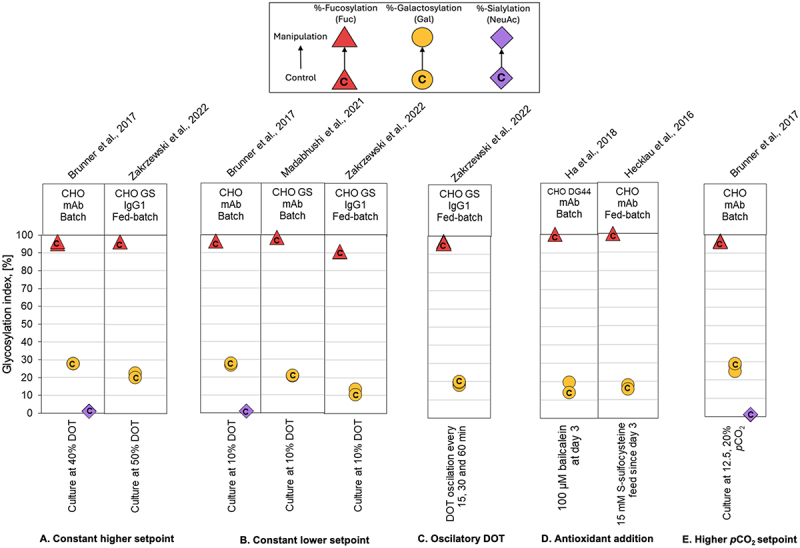
“Studies supplementing baicalein51 and S-sulfocysteine,52 an L-cysteine analogue with antioxidant properties, reported no significant variations of glycosylation indices when DO was controlled at 50% air saturation (Figure 5D).”
§ Impact of process parameters on IgG glycosylation in CHO systems: a comprehensive quantitative analysis > Results > Manipulation of dissolved oxygen and carbon dioxide partial pressure
What the sources say
- Partly supportedcites [51] Ha TK, Hansen AH, Kol S, Kildegaard HF, Lee GM. Baicalein reduces oxidative stress in CHO cell cultures and improves recombinant antibody productivity. Biotechnol J. 2018; 13(3): 1700425. doi: 10.1002/BIOT.201700425. 29125225 sourceExperimental — accuracy not yet measured
Section 3.3 reports that the G0 glycan proportion did not increase significantly in baicalein-supplemented cultures; section 3.5 likewise reports no significant change in galactosylated forms from day 9 to day 12. These findings support the baicalein portion, but the paper describes shake-flask cultures and does not report dissolved oxygen controlled at 50% air saturation. The S-sulfocysteine portion is attached to a different citation. (LLM, conf=0.86)
- Supportedcites [52] Hecklau C, Pering S, Seibel R, Schnellbaecher A, Wehsling M, Eichhorn T, von Hagen J, Zimmer A. S-sulfocysteine simplifies fed-batch processes and increases the CHO specific productivity via anti-oxidant activity. J Biotechnol. 2016; 218: 53– 63. doi: 10.1016/J.JBIOTEC.2015.11.022. 26654938 source
Section 3.5 reports no significant change in the main glycoforms between the S-sulfocysteine and control conditions. The methods state that dissolved oxygen in the small-scale bioreactor runs was controlled at 50% air saturation. This citation supports the S-sulfocysteine part of the sentence; baicalein is attributed to a different citation. (LLM, conf=0.91)
plain- Asserted: passes — The authors put it forward as true.
- Checkable: passes — It can be checked against evidence.
- Load-bearing: unclear — It is unclear whether the paper’s conclusions depend on it.
- Based: passes — The paper gives a reason why it holds.
- Partly supported
The cited sources support only part of this claim — read each source’s verdict below.
In the paper
“The second is biological. Process interventions must overcome several buffered layers, including the plasma membrane, intracellular trafficking, ER/Golgi enzyme networks, before affecting glycan processing.75”
§ Impact of process parameters on IgG glycosylation in CHO systems: a comprehensive quantitative analysis > Discussion
What the sources say
- Partly supportedcites [75] Park D, Xu G, Barboza M, Shah IM, Wong M, Raybould H, Mills DA, Lebrilla CB. Enterocyte glycosylation is responsive to changes in extracellular conditions: implications for membrane functions. Glycobiology. 2017; 27(9): 847. doi: 10.1093/GLYCOB/CWX041. 28486580 PMC5881715 sourceExperimental — accuracy not yet measured
The Introduction (page unavailable) says glycan structures are governed by glycosidases and glycosyltransferases, and the Discussion (page unavailable) considers impaired transport to the cell surface after abnormal glycosylation. But the paper does not describe the plasma membrane, trafficking, and ER/Golgi enzymes as buffered layers that process interventions must overcome, or offer that mechanism to explain stability; its Conclusion instead reports glycosylation changes under altered growth conditions. (LLM, conf=0.77)
plainstates a possible cause- Asserted: passes — The authors put it forward as true.
- Checkable: passes — It can be checked against evidence.
- Load-bearing: passes — The paper’s conclusions depend on it.
- Based: passes — The paper gives a reason why it holds.
- Partly supported
Every source the paper cites for this claim was checked and supports it.
In the paper
“while increased galactosylation can enhance C1q and CDC.”
§ Impact of process parameters on IgG glycosylation in CHO systems: a comprehensive quantitative analysis > Discussion
What the sources say
- Supportedcites [76] Wada R, Matsui M, Kawasaki N. Influence of n-glycosylation on effector functions and thermal stability of glycoengineered IgG1 monoclonal antibody with homogeneous glycoforms. Mabs. 2019; 11(2): 350– 372. doi: 10.1080/19420862.2018.1551044. 30466347 PMC6380427 source
The Results section reports significantly greater C1q binding for IgG1 glycoforms with terminal galactose. The Discussion reports previous findings of increased C1q binding and/or CDC activity with galactosylation, while noting that other studies found no effect or a decrease. The claim’s “can enhance” wording accommodates that uncertainty. (LLM, conf=0.87)
plainstates a cause- Asserted: passes — The authors put it forward as true.
- Checkable: passes — It can be checked against evidence.
- Load-bearing: unclear — It is unclear whether the paper’s conclusions depend on it.
- Based: passes — The paper gives a reason why it holds.
- Supported
Every source the paper cites for this claim was checked and supports it.
In the paper
“For cytotoxic IgG1, lower core fucose generally improve FcγRIIIa binding and ADCC”
§ Impact of process parameters on IgG glycosylation in CHO systems: a comprehensive quantitative analysis > Discussion
What the sources say
- Supportedcites [76] Wada R, Matsui M, Kawasaki N. Influence of n-glycosylation on effector functions and thermal stability of glycoengineered IgG1 monoclonal antibody with homogeneous glycoforms. Mabs. 2019; 11(2): 350– 372. doi: 10.1080/19420862.2018.1551044. 30466347 PMC6380427 source
In the Results section (page not provided), core defucosylation had the strongest effect on FcγRIIIa binding and increased ADCC reporter activity. The Discussion describes the binding effect as consistent with many previous studies, supporting the claim’s general phrasing. (LLM, conf=0.92)
hedgedstates a cause- Asserted: passes — The authors put it forward as true.
- Checkable: passes — It can be checked against evidence.
- Load-bearing: passes — The paper’s conclusions depend on it.
- Based: passes — The paper gives a reason why it holds.
- Supported
66 more claims · 3 with their cited sources checked
Create a free account to see all 120 claims and to verify the 3 references still open.
- It may state two separate claims as one. 38
- Probably not a substantial claim. 19
- The quote only partly states this claim. 1
Self-check
Percentages, sums and reported differences re-computed from the paper’s own numbers.
Each contradiction between two passages listed here was confirmed by an independent check.
Rated major: it would touch a result — a value a result rests on, reported and recomputed p-values on opposite sides of the significance level, two passages that conflict with no sign which is right, or a cited work retracted before this paper was published.
In the paper
§ Impact of process parameters on IgG glycosylation in CHO systems: a comprehensive quantitative analysis > Results > Manipulation of osmolality
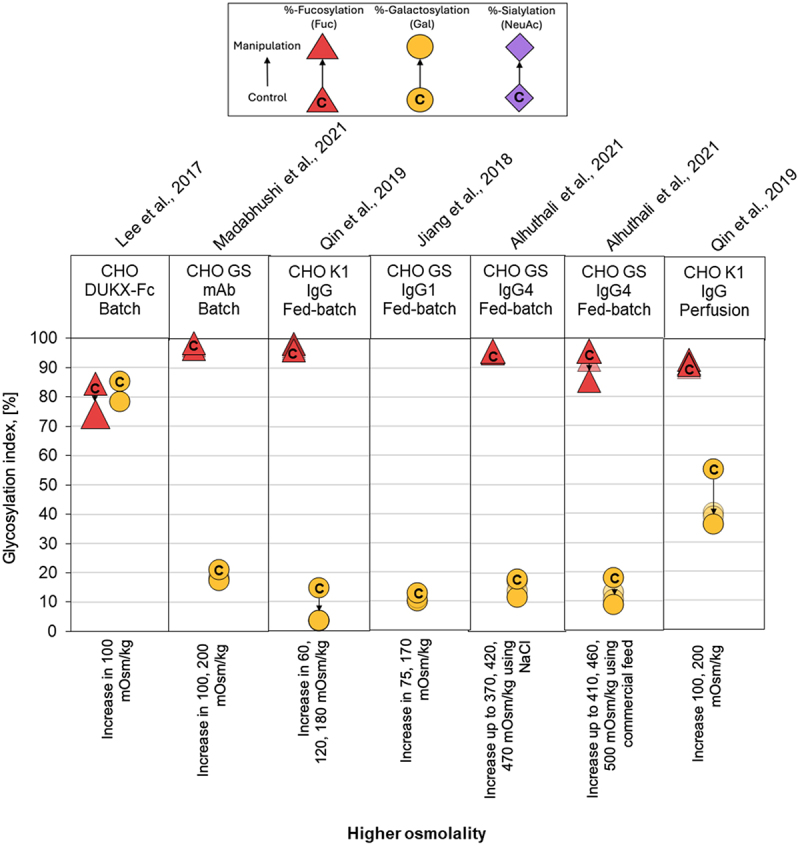
“In the studies analyzed, increasing osmolality consistently decreased GI by about ∆GIx of 10% (Figure 6), and a decrease in FI ∆GIx 2–10%.”
§ Impact of process parameters on IgG glycosylation in CHO systems: a comprehensive quantitative analysis > Results > Overview of mAb glycosylation data
“| | +60, 120, 180 mOsm/kg | CHO-K1 | IgG | IgG | Fed-batch | 250 mL shake flask,NaCl addition since day 8 | Not reported | ↑FI, ↓GI | ↑FI, ↓GI | Taken from the article | Taken from the article | Qin et al.33 | Qin et al.33 |”
Rated major: it would touch a result — a value a result rests on, reported and recomputed p-values on opposite sides of the significance level, two passages that conflict with no sign which is right, or a cited work retracted before this paper was published.
In the paper
“We found that most manipulations (54 of 78) did not report glycan distribution and GIx together (Tables 1–5). Among the 26 conditions that reported GIx, 17 provided only GIx without the underlying glycan distribution. In contrast, 37 conditions reported only individual glycoform species, and 15 provided no detailed mAb glycan distribution data.”
§ Impact of process parameters on IgG glycosylation in CHO systems: a comprehensive quantitative analysis > Results > Overview of mAb glycosylation data
Reported 54 · recomputed 69
Rated minor: it would not touch a result — a value no result rests on, a p-value that stays on the same side of the significance level, or a conflict that is clerical, resolved elsewhere in the paper, or outside its own findings.
In the paper
§ Impact of process parameters on IgG glycosylation in CHO systems: a comprehensive quantitative analysis > Results > Manipulation of dissolved oxygen and carbon dioxide partial pressure
“Studies show that increasing pCO2 above 5% marginally reduces GI (<∆GIx 5%) without affecting fucosylation or sialylation (Figure 5E).”
§ Impact of process parameters on IgG glycosylation in CHO systems: a comprehensive quantitative analysis > Results > Overview of mAb glycosylation data
“| | 12.5, 20% pCO2 | CHO | mAb | Batch | 3 L bioreactor | Not reported | No effect on FI, ↓GI, ↓SI | Taken from the article | Brunner et al.28 |”
Citations
Cites
Cell culture processes for monoclonal antibody production
Li, F., Vijayasankaran, N., Shen, A. (., Kiss, R., & Amanullah, A. (2010) · mAbs · doi:10.4161/mabs.2.5.12720 · Cited by 739 · cited 4×
“Osmolality is critical for cell growth, viability and productivity, 71 being often increased in cultures enriched by feeds or with accumulated by-products.”
InfluentialBiopharmaceutical benchmarks 2022
Walsh, G., & Walsh, E. (2022) · Nature Biotechnology · doi:10.1038/s41587-022-01582-x · Cited by 552 · cited 1×
“5 Despite their successes, industrial mAb development is has challenges, with glycosylation as a significant area.”
Liu, L. (2015) · Journal of Pharmaceutical Sciences · doi:10.1002/jps.24444 · Cited by 428 · cited 1×
“64 We observed that glycosylation profiles demonstrated a high degree of stability across environmental culture conditions, CHO cell lines, culture modalities, and the specific IgG produced.”
Schlothauer, T., Herter, S., Koller, C. F., Grau-Richards, S., Steinhart, V., Spick, C., Kubbies, M., Klein, C., Umaña, P., & Mössner, E. (2016) · Protein Engineering Design and Selection · doi:10.1093/protein/gzw040 · Cited by 425 · cited 1×
“77 GIx can be mapped to these targeted functionalities, providing process development teams a quantitative way to a specific “good” profile for a given product rather than in the abstract.”
The state-of-play and future of antibody therapeutics
Elgundi, Z., Reslan, M., Cruz, E., Sifniotis, V., & Kayser, V. (2017) · Advanced Drug Delivery Reviews · doi:10.1016/j.addr.2016.11.004 · Cited by 322
A Novel Role for the IgG Fc Glycan: The Anti-inflammatory Activity of Sialylated IgG Fcs
Anthony, R. M., & Ravetch, J. V. (2010) · Journal of Clinical Immunology · doi:10.1007/s10875-010-9405-6 · Cited by 318
Alt, N., Zhang, T. Y., Motchnik, P., Taticek, R., Quarmby, V., Schlothauer, T., Beck, H., Emrich, T., & Harris, R. J. (2016) · Biologicals · doi:10.1016/j.biologicals.2016.06.005 · Cited by 294 · cited 1×
“78 Case studies for biosimilars like Enbrel® (an IgG1-based fusion protein) and Remicade® (a mAb) demonstrated batch-to-batch differences exceeding ten percentage points in glycoform composition and total sugar content, yet without detectable effects on clinical performance.”
O’Flaherty, R., Bergin, A., Flampouri, E., Mota, L. M., Obaidi, I., Quigley, A., Xie, Y., & Butler, M. (2020) · Biotechnology Advances · doi:10.1016/j.biotechadv.2020.107552 · Cited by 277 · cited 1×
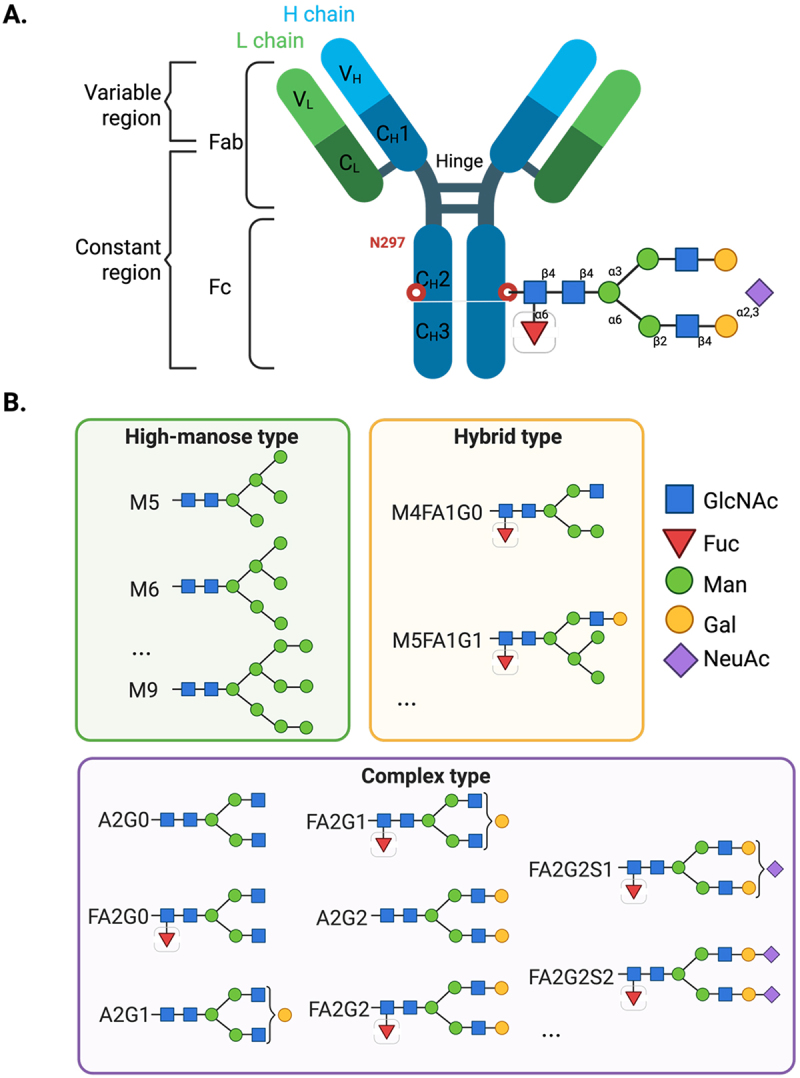
“11 Based on their structure, the glycan motifs have been classified into different groups, with recognizable properties (Figure 1B).”
Scale‐up analysis for a CHO cell culture process in large‐scale bioreactors
Xing, Z., Kenty, B. M., Li, Z. J., & Lee, S. S. (2009) · Biotechnology and Bioengineering · doi:10.1002/bit.22287 · Cited by 228
Trummer, E., Fauland, K., Seidinger, S., Schriebl, K., Lattenmayer, C., Kunert, R., Vorauer‐Uhl, K., Weik, R., Borth, N., Katinger, H., et al. (2006) · Biotechnology and Bioengineering · doi:10.1002/bit.21013 · Cited by 216
Modulation of antibody galactosylation through feeding of uridine, manganese chloride, and galactose
Gramer, M. J., Eckblad, J. J., Donahue, R., Brown, J., Shultz, C., Vickerman, K., Priem, P., van den Bremer, E. T. J., Gerritsen, J., & van Berkel, P. H. C. (2011) · Biotechnology and Bioengineering · doi:10.1002/bit.23075 · Cited by 193 · cited 1×
“41,66 Blondeel & Aucoin 26 systematically reviewed the impact of culture media supplementation on glycosylation using the GIx approach; the reported supplementation strategies with significant ΔGIx serve as a positive control to the results presented in our work.”
Wada, R., Matsui, M., & Kawasaki, N. (2019) · mAbs · doi:10.1080/19420862.2018.1551044 · Cited by 186 · cited 2×
“For cytotoxic IgG1, lower core fucose generally improve FcγRIIIa binding and ADCC, while increased galactosylation can enhance C1q and CDC. 76 When effector silencing is preferred (common for IgG4 or blocking IgG1), human-like, core-fucosylated complex glycans with low high-mannose and some sialylation tend to attenua…”
Fc-galactosylation modulates antibody-dependent cellular cytotoxicity of therapeutic antibodies
Thomann, M., Reckermann, K., Reusch, D., Prasser, J., & Tejada, M. L. (2016) · Molecular Immunology · doi:10.1016/j.molimm.2016.03.002 · Cited by 179 · cited 2×
“65 Impacts of similar magnitude were observed for the summative glycan indices (Supplementary Appendix), confirming the trends observed for GIx.”
Pacis, E., Yu, M., Autsen, J., Bayer, R., & Li, F. (2011) · Biotechnology and Bioengineering · doi:10.1002/bit.23200 · Cited by 173 · cited 1×
“12 For instance, high mannose glycans have been shown to increase the rate of serum clearance, 13 while the presence or absence of fucose on the Fc glycan can strongly affect antibody-dependent cellular toxicity (ADCC).”
The State of the Art in the Development of Biosimilars
McCamish, M., & Woollett, G. (2012) · Clinical Pharmacology & Therapeutics · doi:10.1038/clpt.2011.343 · Cited by 160 · cited 1×
“79,80 The process-induced glycan variations we reported here fall within or below these ranges, suggesting that typical PP adjustments are unlikely to impact biological efficacy meaningfully.”
The role of sialic acid as a modulator of the anti-inflammatory activity of IgG
Böhm, S., Schwab, I., Lux, A., & Nimmerjahn, F. (2012) · Seminars in Immunopathology · doi:10.1007/s00281-012-0308-x · Cited by 154
Sunley, K., & Butler, M. (2010) · Biotechnology Advances · doi:10.1016/j.biotechadv.2010.02.003 · Cited by 136 · cited 1×
“These include chemicals that induce, either independently or in combination, cell cycle arrest (e.g., cyclin-dependent kinase inhibitors), 73 chemical chaperones, 74 ER stress inhibitors, 70 and histone deacetylase inhibitors (HDAC) such as NaBu or valeric acid.”
Mimura, Y., Lund, J., Church, S., Dong, S., Li, J., Goodall, M. D., & Jefferis, R. (2001) · Journal of Immunological Methods · doi:10.1016/s0022-1759(00)00308-2 · Cited by 121
Oxidative stress‐alleviating strategies to improve recombinant protein production in CHO cells
Chevallier, V., Andersen, M. R., & Malphettes, L. (2019) · Biotechnology and Bioengineering · doi:10.1002/bit.27247 · Cited by 116
Du, Z., Treiber, D., McCarter, J. D., Fomina‐Yadlin, D., Saleem, R. A., McCoy, R. E., Zhang, Y., Tharmalingam, T., Leith, M., Follstad, B. D., et al. (2015) · Biotechnology and Bioengineering · doi:10.1002/bit.25332 · Cited by 113 · cited 1×
“61 (Figure 7B).”
Moorkens, E., Jonker-Exler, C., Huys, I., Declerck, P. J., Simoens, S., & Vulto, A. G. (2016) · Frontiers in Pharmacology · doi:10.3389/fphar.2016.00193 · Cited by 112 · cited 1×
“19 Glycoengineering strategies have advanced in both genetic modifications and additives supplementation.”
Glycosylation and Fc Receptors
Hayes, J. M., Cosgrave, E. F. J., Struwe, W. B., Wormald, M., Davey, G. P., Jefferis, R., & Rudd, P. M. (2014) · Current Topics in Microbiology and Immunology · doi:10.1007/978-3-319-07911-0_8 · Cited by 110 · cited 2×
“14,65 Accordingly, process-induced changes in fucosylation on the order of 1–10%, such as those associated with temperature or osmolality shifts, can be biologically and therapeutically relevant, despite appearing minor at the GIx level.”
Osmolality Effects on CHO Cell Growth, Cell Volume, Antibody Productivity and Glycosylation
Alhuthali, S., Kotidis, P., & Kontoravdi, C. (2021) · International Journal of Molecular Sciences · doi:10.3390/ijms22073290 · Cited by 109
How does mild hypothermia affect monoclonal antibody glycosylation?
Sou, S. N., Sellick, C., Lee, K., Mason, A., Kyriakopoulos, S., Polizzi, K. M., & Kontoravdi, C. (2015) · Biotechnology and Bioengineering · doi:10.1002/bit.25524 · Cited by 107 · cited 1×
“38,40,42 At the same time, it also slows secretion of endogenous proteins other than the recombinant mAb, 67 possibly reducing competition for cellular resources.”
Glycosylation control technologies for recombinant therapeutic proteins
Gupta, S. K., & Shukla, P. (2018) · Applied Microbiology and Biotechnology · doi:10.1007/s00253-018-9430-6 · Cited by 107 · cited 1×
“9,10 Factors such as the choice of the host cell line, cell culture conditions, and nutrient supply can significantly impact the glycosylation patterns.”
Li, Z.-M., Fan, Z., Wang, X.-Y., & Wang, T. (2022) · Frontiers in Bioengineering and Biotechnology · doi:10.3389/fbioe.2022.880155 · Cited by 106 · cited 1×
“These include chemicals that induce, either independently or in combination, cell cycle arrest (e.g., cyclin-dependent kinase inhibitors), 73 chemical chaperones, 74 ER stress inhibitors, 70 and histone deacetylase inhibitors (HDAC) such as NaBu or valeric acid.”
Galbraith, D. J., Tait, A. S., Racher, A. J., Birch, J. R., & James, D. C. (2006) · Biotechnology Progress · doi:10.1021/bp050339v · Cited by 97
Antibody glycoengineering strategies in mammalian cells
Wang, Q., Chung, C., Chough, S., & Betenbaugh, M. J. (2018) · Biotechnology and Bioengineering · doi:10.1002/bit.26567 · Cited by 95 · cited 1×
“For instance, galactosylation only varied modestly across studies (Figures 3–7).”
Addition of Valproic Acid to CHO Cell Fed-Batch Cultures Improves Monoclonal Antibody Titers
Yang, W. C., Lu, J., Nguyen, N. B., Zhang, A., Healy, N. V., Kshirsagar, R., Ryll, T., & Huang, Y.-M. (2014) · Molecular Biotechnology · doi:10.1007/s12033-013-9725-x · Cited by 89 · cited 1×
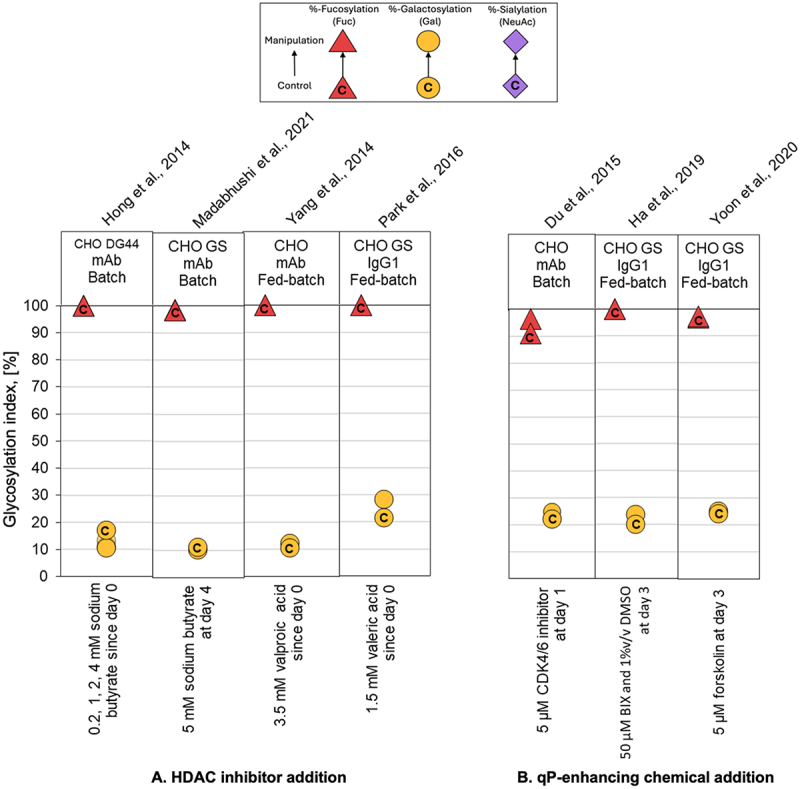
“58,59 For example, CDK4/6 inhibitors induced G0/G1 arrest in CHO cells and increased galactose and fucose occupancy ( ∆GIx 2–5”
Shatz, W., Chung, S., Li, B., Marshall, B., Tejada, M., Phung, W., Sandoval, W., Kelley, R. F., & Scheer, J. M. (2013) · mAbs · doi:10.4161/mabs.26307 · Cited by 88 · cited 1×
“18 These findings highlight the relevance of Fc-level heterogeneity beyond average glycan composition.”
Park, J. H., Noh, S. M., Woo, J. R., Kim, J. W., & Lee, G. M. (2016) · Biotechnology Journal · doi:10.1002/biot.201500327 · Cited by 81 · cited 1×
“58,59 For example, CDK4/6 inhibitors induced G0/G1 arrest in CHO cells and increased galactose and fucose occupancy ( ∆GIx 2–5”
Brunner, M., Fricke, J., Kroll, P., & Herwig, C. (2017) · Bioprocess and Biosystems Engineering · doi:10.1007/s00449-016-1693-7 · Cited by 79
Aghamohseni, H., Ohadi, K., Spearman, M., Krahn, N., Moo-Young, M., Scharer, J. M., Butler, M., & Budman, H. M. (2014) · Journal of Biotechnology · doi:10.1016/j.jbiotec.2014.05.024 · Cited by 75 · cited 1×
“For instance, culture conditions identified to drive shifts in complex-type glycoforms (based solely on a Glycan Distribution approach) 27,30,38,46,63 were reinter-preted through the GIx framework.”
Ha, T. K., Kim, D., Kim, C. L., Grav, L. M., & Lee, G. M. (2022) · Biotechnology Advances · doi:10.1016/j.biotechadv.2021.107831 · Cited by 74 · cited 3×
“Typical osmolality values in mammalian cell culture range from 280 to 320 mOsm/kg. 35 However, hyperosmolality induced by adding NaCl can enhance cell-qP.”
InfluentialGlycoform-resolved FcɣRIIIa affinity chromatography–mass spectrometry
Lippold, S., Nicolardi, S., Domínguez‐Vega, E., Heidenreich, A.-K., Vidarsson, G., Reusch, D., Haberger, M., Wuhrer, M., & Falck, D. (2019) · mAbs · doi:10.1080/19420862.2019.1636602 · Cited by 70 · cited 1×
“17 Consideration must also be given to non-glycosylated IgG species and asymmetric Fc glycosylation, which can modulate FcγR binding and down-stream effector responses.”
Jing, Y., Borys, M., Nayak, S., Egan, S., Qian, Y., Pan, S., & Li, Z. J. (2011) · Process Biochemistry · doi:10.1016/j.procbio.2011.10.009 · Cited by 67
Sumit, M., Dolatshahi, S., Chu, A.-H. A., Cote, K., Scarcelli, J. J., Marshall, J. K., Cornell, R. J., Weiss, R., Lauffenburger, D. A., Mulukutla, B. C., et al. (2019) · iScience · doi:10.1016/j.isci.2019.01.006 · Cited by 66 · cited 1×
“21,22 A less explored route involves manipulating the manufacturing process.”
Controlling the time evolution of mAb N‐linked glycosylation ‐ Part II: Model‐based predictions
Villiger, T. K., Scibona, E., Stettler, M., Broly, H., Morbidelli, M., & Soos, M. (2016) · Biotechnology Progress · doi:10.1002/btpr.2315 · Cited by 64
Glycosylation of monoclonal antibody products: Current status and future prospects
Batra, J., & Rathore, A. S. (2016) · Biotechnology Progress · doi:10.1002/btpr.2366 · Cited by 63 · cited 1×
“9,10 Factors such as the choice of the host cell line, cell culture conditions, and nutrient supply can significantly impact the glycosylation patterns.”
McHugh, K. P., Xu, J., Aron, K. L., Borys, M., & Li, Z. J. (2020) · Biotechnology Progress · doi:10.1002/btpr.2959 · Cited by 62
Advances in improving mammalian cells metabolism for recombinant protein production
Altamirano, C., Berrios, J., Vergara, M., & Becerra, S. (2013) · Electronic Journal of Biotechnology · doi:10.2225/vol16-issue3-fulltext-2 · Cited by 60 · cited 1×
“6 In part, CHO cell lines are preferred because they possess the cellular machinery able to perform human-like post-translational modifications (PTMs, a key structural aspect to ensure product biosafety with therapeutic delivery.”
Self-citationGlycosylation profile and biological activity of Remicade® compared with Flixabi® and Remsima®
Lee, C., Jeong, M., Lee, J. J., Seo, S., Cho, S. C., Zhang, W., & Jaquez, O. (2017) · mAbs · doi:10.1080/19420862.2017.1337620 · Cited by 57 · cited 1×
“79,80 The process-induced glycan variations we reported here fall within or below these ranges, suggesting that typical PP adjustments are unlikely to impact biological efficacy meaningfully.”
Carrara, S. C., Ulitzka, M., Grzeschik, J., Kornmann, H., Hock, B. M., & Kolmar, H. (2020) · International Journal of Pharmaceutics · doi:10.1016/j.ijpharm.2020.120164 · Cited by 57 · cited 1×
“8 The challenge is not the presence of glycan per se but the heterogeneity in glycan composition/structure that may arise due to variation in control conditions during manufacture, influencing their efficacy, stability and effector function profiles.”
Chen, F., Kou, T.-C., Li, F., Zhou, Y., Ye, Z., Zhao, L., & Tan, W. (2011) · Biotechnology and Bioprocess Engineering · doi:10.1007/s12257-011-0069-8 · Cited by 50
pH excursions impact CHO cell culture performance and antibody N-linked glycosylation
Jiang, R., Chen, H., & Xu, S. (2018) · Bioprocess and Biosystems Engineering · doi:10.1007/s00449-018-1996-y · Cited by 50 · cited 2×
“In some cases, we observed batch-to-batch differences under the same condition (Figure 7B-C), 47 or inconsistent/contradictory glycan outcomes under similar or comparable process optimization strategies.”
InfluentialHong, J. K., Lee, S. M., Kim, K.-Y., & Lee, G. M. (2014) · Applied Microbiology and Biotechnology · doi:10.1007/s00253-014-5596-8 · Cited by 46
Blondeel, E. J. M., & Aucoin, M. G. (2018) · Biotechnology Advances · doi:10.1016/j.biotechadv.2018.06.008 · Cited by 46 · cited 6×
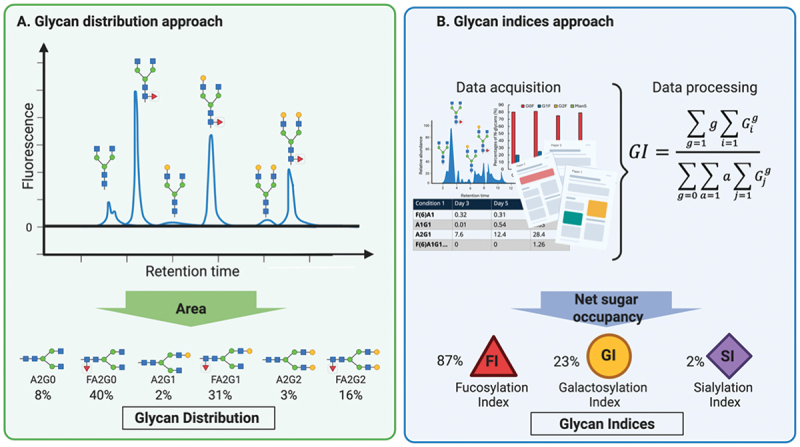
“26 Our analysis of FI, GI, and SI (Figures 3–7) revealed that, in most studies, mAb glycosylation fell within typical ranges of FI > 85%, GI at 10–30% range and SI 10%.”
InfluentialSou, S. N., Jedrzejewski, P. M., Lee, K., Sellick, C., Polizzi, K. M., & Kontoravdi, C. (2017) · Biotechnology and Bioengineering · doi:10.1002/bit.26225 · Cited by 45 · cited 1×
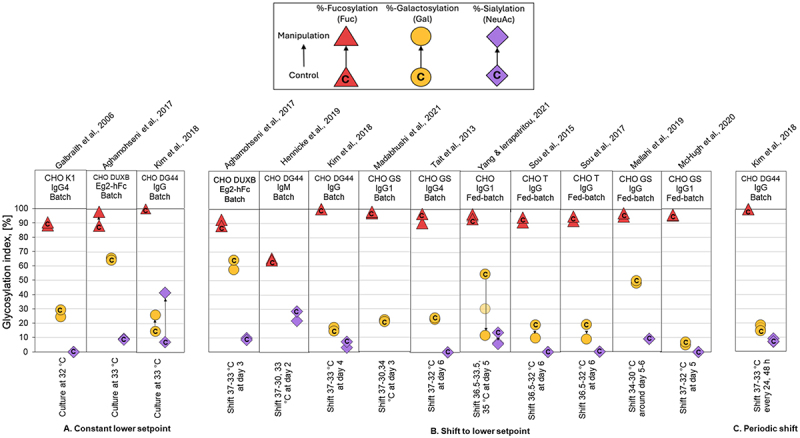
“Of nine cases studies, one showed ≥ 10% increase in GIx, 23 three had ≥10% reductions in GIx, 24,43 with only one study presenting a large decrease.”
Hecklau, C., Pering, S., Seibel, R., Schnellbaecher, A., Wehsling, M., Eichhorn, T., Hagen, J. V., & Zimmer, A. (2016) · Journal of Biotechnology · doi:10.1016/j.jbiotec.2015.11.022 · Cited by 42 · cited 1×
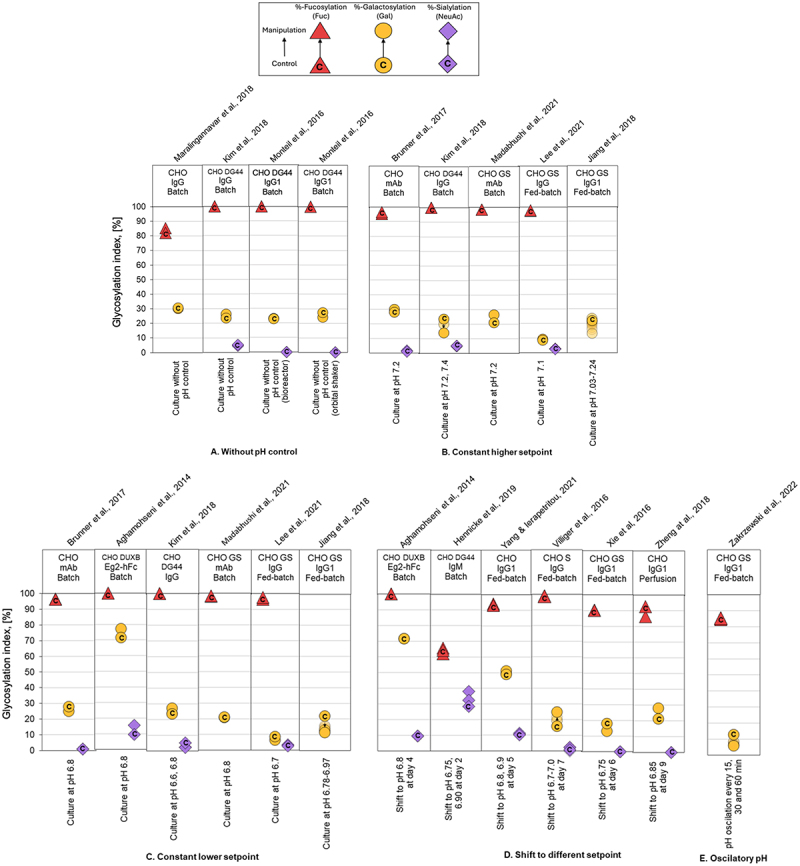
“Studies supplementing baicalein 51 and S-sulfocysteine, 52 an L-cysteine analogue with antioxidant properties, reported no significant variations of glycosylation indices when DO was controlled at 50% air saturation (Figure 5D).”
Park, D., Xu, G., Barboza, M., Shah, I. M., Wong, M., Raybould, H., Mills, D. A., & Lebrilla, C. B. (2017) · Glycobiology · doi:10.1093/glycob/cwx041 · Cited by 41 · cited 1×
“75 Therefore, changes in other parameters (often cell growth or productivity) are more likely to be observed before mAb glycosylation.”
Ha, T. K., Hansen, A. H., Kol, S., Kildegaard, H. F., & Lee, G. M. (2018) · Biotechnology Journal · doi:10.1002/biot.201700425 · Cited by 40
Effective bioreactor pH control using only sparging gases
Hoshan, L., Jiang, R., Moroney, J., Bui, A., Zhang, X., Hang, T., & Xu, S. (2019) · Biotechnology Progress · doi:10.1002/btpr.2743 · Cited by 40 · cited 1×
“68 Although several studies have investigated the pH effect on glycosylation, 46 we found no consistent response to shifting pH away from baseline (Figure 4).”
Lee, A. P., Kok, Y. J., Lakshmanan, M., Leong, D., Zheng, L., Lim, H. L., Chen, S., Mak, S. Y., Ang, K. S., Templeton, N., et al. (2021) · Biotechnology and Bioengineering · doi:10.1002/bit.27899 · Cited by 40 · cited 3×
“46 This mechanism contrasts with the effects often associated with low temperature.”
Goey, C. H., Tsang, J. M. H., Bell, D., & Kontoravdi, C. (2017) · Biotechnology and Bioengineering · doi:10.1002/bit.26437 · Cited by 39 · cited 1×
“38,40,42 At the same time, it also slows secretion of endogenous proteins other than the recombinant mAb, 67 possibly reducing competition for cellular resources.”
Ha, T. K., Kim, Y., & Lee, G. M. (2014) · Applied Microbiology and Biotechnology · doi:10.1007/s00253-014-6012-0 · Cited by 38
Xie, P., Niu, H., Chen, X., Zhang, X., Miao, S., Deng, X., Liu, X., Tan, W.-S., Zhou, Y., & Fan, L. (2016) · Applied Microbiology and Biotechnology · doi:10.1007/s00253-016-7749-4 · Cited by 38
Stanley, P. (2022) · Elsevier eBooks · doi:10.1016/b978-0-12-821618-7.00047-x · Cited by 37
Qin, J., Wu, X. X., Xia, Z., Huang, Z., Zhang, Y., Wang, Y., Fu, Q., & Zheng, C. (2018) · Applied Microbiology and Biotechnology · doi:10.1007/s00253-018-9555-7 · Cited by 36
Changes in intracellular ATP ‐content of CHO cells as response to hyperosmolality
Pfizenmaier, J., Matuszczyk, J., & Takors, R. (2015) · Biotechnology Progress · doi:10.1002/btpr.2143 · Cited by 35 · cited 1×
“72 Various process controls can modulate biomass formation and product yield, raising the key question of whether these parameters simultaneously influence protein glycosylation.”
Differential response in downstream processing of CHO cells grown under mild hypothermic conditions
Tait, A. S., Tarrant, R. D. R., Velez‐Suberbie, M. L., Spencer, D. I. R., & Bracewell, D. G. (2013) · Biotechnology Progress · doi:10.1002/btpr.1726 · Cited by 34
Lee, J. H., Jeong, Y. R., Kim, Y., & Lee, G. M. (2017) · Biotechnology and Bioengineering · doi:10.1002/bit.26284 · Cited by 34 · cited 1×
“38,53 This phenomenon raises questions about intensified fed-batch processes, where osmolality might drastically fluctuate and alter glycosylation patterns.”
Lee, S., Kim, Y., Lee, E. G., & Lee, G. M. (2013) · Journal of Biotechnology · doi:10.1016/j.jbiotec.2013.12.001 · Cited by 32
Ha, T. K., Hansen, A. H., Kildegaard, H. F., & Lee, G. M. (2019) · Biotechnology Journal · doi:10.1002/biot.201900130 · Cited by 30 · cited 1×
“62 Similarly, forskolin supplementation increased qP via G0/G1 arrest and Bcl-2 gene inhibition, and although the authors reported enhanced terminal galactosylation, 63 the effect was minimal when assessed using the GIx approach (Figure 7B).”
Therapeutic antibodies in oncology: an immunopharmacological overview
Toledo‐Stuardo, K., Ribeiro, C. H., González‐Herrera, F., Matthies, D. J., Roy, M. S. L., Dietz-Vargas, C., Latorre, Y., Campos, I., Guerra, Y., Tello, S., et al. (2024) · Cancer Immunology Immunotherapy · doi:10.1007/s00262-024-03814-2 · Cited by 30
Self-citationZheng, C., Zhuang, C., Chen, Y., Fu, Q., Qian, H., Wang, Y., Qin, J., Wu, X. X., & Qi, N. (2017) · Process Biochemistry · doi:10.1016/j.procbio.2017.11.013 · Cited by 29
Fellenberg, M., Behnken, H. N., Nagel, T., Wiegandt, A., Baerenfaenger, M., & Meyer, B. (2013) · Analytical and Bioanalytical Chemistry · doi:10.1007/s00216-013-7164-y · Cited by 27 · cited 1×
“The use of diverse techniques, including chroma-tography-based methods, capillary electrophoresis, and multiple mass spectrometry platforms, can influence reported glycan distributions and indices, thereby affecting inter-study comparability 81 (Supplementary Results).”
Madabhushi, S. R., Podtelezhnikov, A. A., Murgolo, N., Xu, S., & Lin, H. (2021) · Journal of Biotechnology · doi:10.1016/j.jbiotec.2021.01.023 · Cited by 27
Impact of temperature and pH on recombinant human IgM quality attributes and productivity
Hennicke, J., Reinhart, D., Altmann, F., & Kunert, R. (2019) · New Biotechnology · doi:10.1016/j.nbt.2019.01.001 · Cited by 26
mAb Production Modeling and Design Space Evaluation Including Glycosylation Process
Yang, O., & Ierapetritou, M. (2021) · Processes · doi:10.3390/pr9020324 · Cited by 26 · cited 2×
“38,40,42 At the same time, it also slows secretion of endogenous proteins other than the recombinant mAb, 67 possibly reducing competition for cellular resources.”
Assessment of fed-batch cultivation strategies for an inducible CHO cell line
Mellahi, K., Brochu, D., Gilbert, M., Perrier, M., Ansorge, S., Durocher, Y., & Henry, O. (2019) · Journal of Biotechnology · doi:10.1016/j.jbiotec.2019.04.005 · Cited by 25
Zakrzewski, R., Lee, K., & Lye, G. J. (2022) · Biotechnology Progress · doi:10.1002/btpr.3264 · Cited by 25 · cited 1×
“70 Only a few studies have systematically investigated the effect of varying DO on glycosylation, 28,38,50 with most reporting minimal changes in GIx (∆GIx 1.0”
InfluentialTorres, M., Hussain, H., & Dickson, A. J. (2022) · Critical Reviews in Biotechnology · doi:10.1080/07388551.2022.2047004 · Cited by 25 · cited 3×
“Most PP modifications, including pH, DO, partial pressure of CO 2, and chemical additives supplementation, led to less than 10% deviation the GIx value (ΔGIx), even in some cases changes below 1.5% (Figures 3–7; Supplementary Appendix).”
InfluentialSelf-citationMonteil, D., Juvet, V., Paz, J., Moniatte, M., Baldi, L., Hacker, D., & Wurm, F. (2016) · Biotechnology progress (Print) · doi:10.1002/btpr.2328 · Cited by 23
Wang, Q., Wang, T., Zhang, R., Yang, S., McFarland, K. S., Chung, C., Jia, H., Wang, L., Cipollo, J. F., & Betenbaugh, M. J. (2021) · Biotechnology and Bioengineering · doi:10.1002/bit.27953 · Cited by 22 · cited 1×
“20 Alternatively, supplementation of cell culture media with compounds, such as nucleotide-sugar precursors (Uridine, N-acetylmannosamine), trace metals (Mn, Zn) or other sugars (galactose), has been shown to offer the potential for simpler routes to adjust product glycosylation without extensive…”
Gyorgypal, A., Fratz‐Berilla, E. J., Kohnhorst, C. L., Powers, D. N., & Chundawat, S. P. S. (2025) · Biotechnology and Bioengineering · doi:10.1002/bit.28999 · Cited by 17 · cited 1×
“21,22 A less explored route involves manipulating the manufacturing process.”
Engineering the supernatural: monoclonal antibodies for challenging infectious diseases
Grace, P. S., Gunn, B. M., & Lu, L. L. (2022) · Current Opinion in Biotechnology · doi:10.1016/j.copbio.2022.102818 · Cited by 14
Aghamohseni, H., Spearman, M., Ohadi, K., Braasch, K., Moo-Young, M., Butler, M., & Budman, H. M. (2017) · Journal of Industrial Microbiology and Biotechnology · doi:10.1007/s10295-017-1926-z · Cited by 13 · cited 7×
“Studies were considered eligible if they (1) used CHO cells as production system, (2) produced an IgG-type mAb or related product, (3) reported Fc N-glycan measurements as glycoform distributions or GIx, and (4) investigated at least one PP expected to influence glycosylation.”
InfluentialForskolin Increases cAMP Levels and Enhances Recombinant Antibody Production in CHO Cell Cultures
Yoon, C., Kim, D., Lim, J. H., & Lee, G. M. (2020) · Biotechnology Journal · doi:10.1002/biot.202000264 · Cited by 13 · cited 2×
“62 Similarly, forskolin supplementation increased qP via G0/G1 arrest and Bcl-2 gene inhibition, and although the authors reported enhanced terminal galactosylation, 63 the effect was minimal when assessed using the GIx approach (Figure 7B).”
Identifying a robust design space for glycosylation during monoclonal antibody production
Amand, M. M. S., Hayes, J., Radhakrishnan, D., Fernandez, J., Meyer, B., Robinson, A. S., & Ogunnaike, B. A. (2016) · Biotechnology Progress · doi:10.1002/btpr.2316 · Cited by 12 · cited 2×
“41 In a series of cases manipulating temperature or osmolality had a noticeable impact on GI and FI.”
Kim, S.-M., Chang, K.-H., & Oh, D. J. (2018) · Biotechnology and Bioprocess Engineering · doi:10.1007/s12257-018-0109-8 · Cited by 11 · cited 8×
“Studies were considered eligible if they (1) used CHO cells as production system, (2) produced an IgG-type mAb or related product, (3) reported Fc N-glycan measurements as glycoform distributions or GIx, and (4) investigated at least one PP expected to influence glycosylation.”
InfluentialMaralingannavar, V., Shenoy, B. R., Hazarika, J., Unnikrishnan, D., Prabhu, A., Maity, S., & Gadgil, M. (2018) · Journal of Chemical Technology & Biotechnology · doi:10.1002/jctb.5635 · Cited by 2 · cited 1×
“For instance, culture conditions identified to drive shifts in complex-type glycoforms (based solely on a Glycan Distribution approach) 27,30,38,46,63 were reinter-preted through the GIx framework.”
Cited by
Park, J. U., Bae, J. H., Yu, H. G., Han, H., Kim, H., & Baik, J. Y. (2026) · Biotechnology and Bioprocess Engineering · doi:10.1007/s12257-026-00306-1
Dubois, P., Lefevre, M., Moreau, C., et al. (2026) · International Journal Of Pharmaceutical Research And Allied Sciences · doi:10.51847/ampo08cpwb
Metadata
- Authors
- Bravo-Venegas, J., Rodriguez-Siza, J., Vergara, M., Torres, M., Dickson, A., Toledo, J. R., Molina, M. C., Hermoso, M. A., Berríos, J., & Altamirano, C.
- Affiliations
- Pontificia Universidad Católica de Valparaíso (CL)
- Pontificia Universidad Católica de Valparaíso
- The University of Queensland (AU)
- University of Manchester (GB)
- University of Concepción (CL)
- University of Chile (CL)
- University of Groningen (NL)
- Corresponding author
- Torres, Mauro
- Venue
- mAbs
- Publisher
- Informa UK Limited
- Published
- 2026-03-15
- Volume
- 18
- Issue
- 1
- Pages
- 2643039-2643039
- ISSN
- 1942-0862 (ISSN-L)
- 1942-0870
- PMC
- PMC12990948
- OpenAlex
- W7136093066
- Cited by
- 6
- References
- 77
- Citations by year
- 2026: 6
- FWCI
- 8.76
- Type
- journal article
- Language
- en
- Open access
- gold
- doi.org
- Licence
- Locations
- mAbs (publishedVersion, cc-by)
- PubMed Central (publishedVersion, cc-by)
- PubMed (publishedVersion)
- University of Groningen research database (University of Groningen / Centre for Information Technology) (publishedVersion, cc-by)
- DOAJ (DOAJ: Directory of Open Access Journals) (submittedVersion, cc-by-sa)
- Funders
- National Research and Development Agency of Chile (FONDECYT 1241453, 1221031, ANILLO C&T ACT210068, FOVI22005, FOVI240154, FONDEF ID23I10018, ANID FONDEQUIP EQM 240055, ANID Scholarship 21232083, 21212223)
- Biotechnology and Biological Sciences Research Council of the UK (BB/N004192/1)
- Topics
- Life Sciences › Biochemistry, Genetics and Molecular Biology › Molecular Biology › Viral Infectious Diseases and Gene Expression in Insects
- Life Sciences › Biochemistry, Genetics and Molecular Biology › Molecular Biology › Glycosylation and Glycoproteins Research
- Life Sciences › Biochemistry, Genetics and Molecular Biology › Molecular Biology › Protein purification and stability
- Keywords
- IgG glycosylation, process parameters, CHO cell culture, monoclonal antibodies, glycosylation heterogeneity, galactosylation, fucosylation, temperature effects, osmolality, pH, dissolved oxygen, partial pressure of CO2
- MeSH terms
- Animals, Antibodies, Monoclonal, Cricetulus, Glycosylation, Cricetinae, Humans, Hydrogen-Ion Concentration, Immunoglobulin G, Polysaccharides, Temperature, CHO Cells
About these checks
Registry, retraction, Cites and statistics results are computed, not judged, with one exception: a printed reference that no index lists is read once by a model before it counts as a citation error. Claims are extracted by a model and kept only when their quote appears verbatim in the text; each cited source is then checked, with a model’s help, for whether it says what the claim relies on. Those verdicts can be wrong — read the claim’s quote and the cited source before relying on one.
The claim verdicts this report counts are experimental: their accuracy is not yet measured.
A language model drew the claims from the paper on 2026-10-07, under version 3 of the claim definition (model deepseek-v4.1-flash, prompt extract-v3).
A second model labelled each claim on 2026-10-07 (model jev-1.13-20260917, definition revision gold-guideline-v0.2).
Cited sources are checked with a language model’s help (gpt-6-sol).
Statistics and arithmetic are recomputed, not judged.
Confidence bands are shown only for fields calibrated on our annotated test set. None is calibrated yet, so no band is shown.
What counts as a claim ›How we measure confidence ›How we check this ›
Are you an author, or do you see a problem with this page? Request a review
Data sources
Bibliographic data: Semantic Scholar, OpenAlex, Crossref.
Contains information from the Semantic Scholar Academic Graph Datasets, made available under the ODC Attribution License (ODC-BY 1.0).
Semantic Scholar’s data is described in: Kinney, R., et al. (2023). The Semantic Scholar Open Data Platform. arXiv:2301.10140.
