

The DOI matches its Crossref record; 131 of the 132 references it cites were found in a registry or an index.
HPV vaccination in a context of public mistrust and uncertainty: a systematic literature review of determinants of HPV vaccine hesitancy in Europe
Open accessAbstract
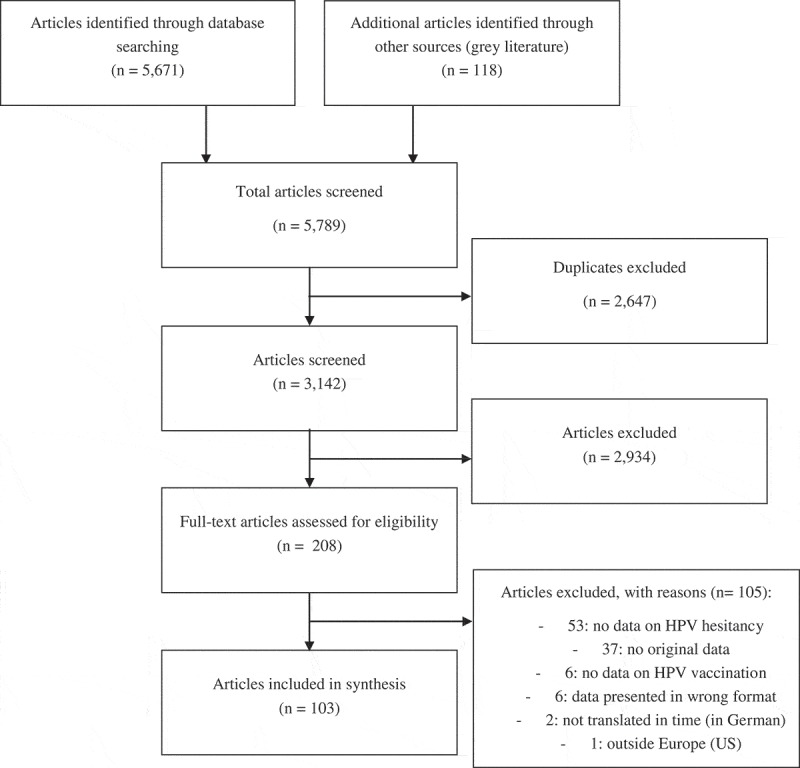
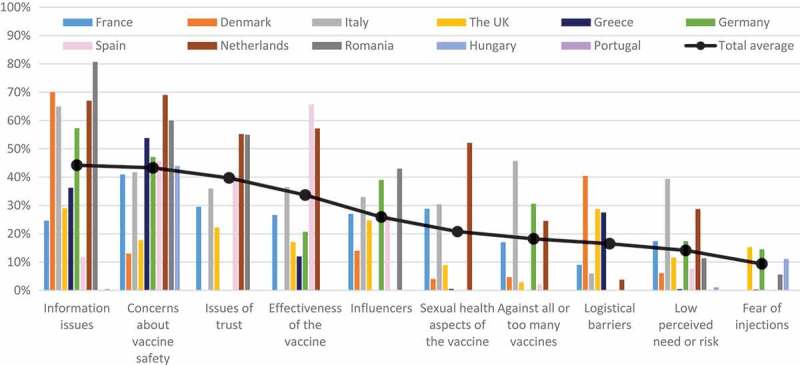
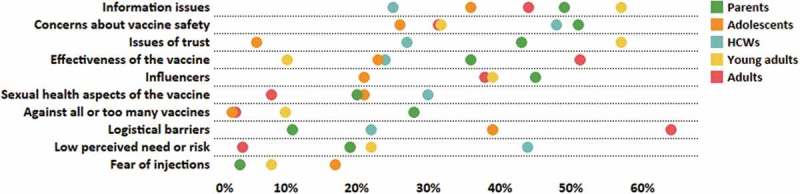
Europe is increasingly described as the region in the world with the least confidence in vaccination, and particularly in the safety of vaccines. The aim of this systematic literature review was to gather and summarise all peer-reviewed and grey literature published about determinants of Human Papillomavirus (HPV) vaccine hesitancy in Europe. Ten thematic categories were identified across the 103 articles which were included in the review. Participants from European studies most commonly reported issues with the quantity and quality of information available about HPV vaccination; followed by concerns about potential side effects of the vaccine; and mistrust of health authorities, healthcare workers, and new vaccines. Comparative analyses indicated that confidence determinants differed by country and population groups. This evidence supports the need to develop context-specific interventions to improve confidence in HPV vaccination and design community engagement strategies aiming to build public trust.
Overview
The claims and statistics of this paper haven’t been checked yet.
Run the check — free, no account needed. It reads the open-access text and checks the sources it cites.
Integrity signals
Registry
Cites
Statistics
Figures
Verification
Claims the paper makes
The claims and statistics of this paper haven’t been checked yet.
Run the check — free, no account needed. It reads the open-access text and checks the sources it cites.
Claims other papers make about this one
Each is checked against this paper’s own text: does it say what the citing paper says it does?
In the citing paper
“Low rates of vaccine compliance, particularly with the HPV vaccine,48 provide additional cautionary notes and highlight the challenges to be faced in overcoming potential vaccine hesitancy regarding SARS-CoV-2 vaccines in children.”
From SARS-CoV-2 vaccine testing and trials in the pediatric population: biologic, ethical, research, and implementation challenges (2021) · cites this paper as [48]
Self-check
Percentages, sums and reported differences re-computed from the paper’s own numbers.
The self-check needs the paper’s full text.
Citations
Cites
Dermyshi, E., Wang, Y., Yan, C., Hong, W., Qiu, G., Gong, X., & Zhang, T. (2017) · Neonatology · doi:10.1159/000454668 · Cited by 24,586
Meta-analysis of Observational Studies in Epidemiology<SUBTITLE>A Proposal for Reporting</SUBTITLE>
Stroup, D. F. (2000) · JAMA · doi:10.1001/jama.283.15.2008 · Cited by 20,623
Critical appraisal skills programme
Singh, J. (2013) · Journal of Pharmacology and Pharmacotherapeutics · doi:10.4103/0976-500x.107697 · Cited by 2,601
Methods for the synthesis of qualitative research: a critical review
Barnett-Page, E., & Thomas, J. (2009) · BMC Medical Research Methodology · doi:10.1186/1471-2288-9-59 · Cited by 2,386
Larson, H. J., Jarrett, C., Eckersberger, E., Smith, D. M. D., & Paterson, P. (2014) · Vaccine · doi:10.1016/j.vaccine.2014.01.081 · Cited by 2,254
Self-citationDubé, È., Laberge, C., Guay, M., Bramadat, P. A., Roy, R., & Bettinger, J. A. (2013) · Human Vaccines & Immunotherapeutics · doi:10.4161/hv.24657 · Cited by 2,178 · cited 1×
“A number of studies have shown that uncertainty can influence as much as empirical evidence in vaccination decision-making.(122,123) Uncertainty is still often framed as something that can be overcome by filling information gaps with more facts; however, mistrust of health authorities and some doctors was commonly rep…”
BackgroundRAMESES publication standards: realist syntheses
Wong, G., Greenhalgh, T., Westhorp, G., Buckingham, J., & Pawson, R. (2013) · BMC Medicine · doi:10.1186/1741-7015-11-21 · Cited by 1,374
The State of Vaccine Confidence 2016: Global Insights Through a 67-Country Survey
Larson, H. J., de Figueiredo, A., Xiahong, Z., Schulz, W. S., Verger, P., Johnston, I. G., Cook, A. R., & Jones, N. S. (2016) · EBioMedicine · doi:10.1016/j.ebiom.2016.08.042 · Cited by 1,264
Self-citationMeta‐synthesis method for qualitative research: a literature review
Walsh, D., & Downe, S. (2005) · Journal of Advanced Nursing · doi:10.1111/j.1365-2648.2005.03380.x · Cited by 1,246
Strategies for addressing vaccine hesitancy–A systematic review
Jarrett, C., Wilson, R., O’Leary, M., Eckersberger, E., & Larson, H. J. (2015) · Vaccine · doi:10.1016/j.vaccine.2015.04.040 · Cited by 1,066
Self-citation
Research works printed but not linked: 5
- European Centre for Disease Prevention and Control. Rapid literature review on motivating hesitant population groups in Europe to vaccinate. Stockholm, Sweden: ECDC; 2015.
- Pope C, Mays N, Jennie P. Synthesising qualitative and quantitative health evidence: a guide to methods. Maidenhead, England: Open University Press; 2007.
- The Joanna Briggs Institute. The Joanna Briggs institute reviewers’ manual - methodology for JBI mixed methods systematic reviews. Adelaide, Australia: The University of Adelaide; 2014.
- Camano-Puig R, Sanchis-Martinez MM. Human papilloma virus vaccination in teenage girls: a focus group evaluation. Revista de Salud Publica. 2014;16:646–57.
- Abram Z, Tar G. Health education of mothers about their girls’ vaccination. 4th world conference on educational sciences. Procedia Soc Behav Sci. 2012;462012:5330–34.
Cited by
Sorted by citations
Items 201–300 of 328
Langmuir, T., Wilson, M. K., McCleary, N., Patey, A. M., Mekki, K., Ghazal, H., Noad, E. E., Buchan, J. L., Dubey, V., Galley, J., et al. (2025) · BMC Public Health · doi:10.1186/s12889-025-21342-1 · Cited by 5
Bergman, H., Henschke, N., Villanueva, G., Loke, Y. K., Golder, S., Dwan, K. M., Crosbie, E. J., Kyrgiou, M., Platt, J., & Morrison, J. (2022) · Cochrane Database of Systematic Reviews · doi:10.1002/14651858.cd015364 · Cited by 3
Alshammari, T., Alqahtani, S., Aljumaan, M. A., Alameri, R. A., Ghaseb, A. A., Beovich, B., Haliq, S. A. A., & Williams, B. A. (2022) · Medical Archives · doi:10.5455/medarh.2022.76.458-463 · Cited by 3
“Factors that may contribute to this apprehension may involve it being a novel disease with a new vaccine, the expedited development of the vaccine (19, 20).”
BackgroundGoogle Trends in Breast and Cervical Cancer Searches From 2008 to 2021: An Infodemiology Study
Bhagavathula, A. S., Bansil, S., & Nishimura, Y. (2023) · Cureus · doi:10.7759/cureus.39035 · Cited by 3
“In 2020, greater than 90% of new cervical cancer and cancer deaths occurred in LMICs, likely due to the considerable disparity in HPV vaccination rates compared to high-income countries stemming from vaccine hesitancy [1,11-13].”
BackgroundHan, E., Weitzer, J., Birmann, B. M., Bertau, M., Zenk, L., Caniglia, G., Laubichler, M. D., Schernhammer, E. S., & Steiner, G. (2024) · SN Social Sciences · doi:10.1007/s43545-023-00790-9 · Cited by 3
“…Helvetica/CH]), skepticism built on sen-timents of vaccine hesitancy that had been on the rise even before the pandemic, which for instance lead to measles outbreaks at schools in Germany or a slow uptake of human papilloma virus (HPV) vaccines (Karafillakis et al. 2019; Kennedy 2019).”
May, S. G., Roach, M., Maravić, M. C., Mitrovich, R., Wilson, R., Prood, N., & Eiden, A. L. (2024) · BMJ Public Health · doi:10.1136/bmjph-2023-000381 · Cited by 3
“…via an in-depth ethnographic study or larger scale surveys within a specific country setting, and including participants across all levels of the public and private sectors to understand how resilience is conceptualised and enacted (if at all) to various stakeholders across the vaccine ecosystem.”
Howard, M. C. (2024) · British Journal of Health Psychology · doi:10.1111/bjhp.12753 · Cited by 3
“…have demonstrated an increasing interest in assessing the dynamics of these specific types of vaccine hesitancy, such as HPV vaccine hesitancy (Karafillakis et al., 2019; Simms et al., 2020; Szilagyi et al., 2020), but these investigations have yet to directly compare different types of…”
BackgroundDorléans, F., Sicsic, J., Henry, V., Bonmarin, I., Gbaguidi, G. N., Léon, L., Raude, J., Rosine, J., & Mueller, J. E. (2025) · BMC Public Health · doi:10.1186/s12889-024-21006-6 · Cited by 3
“Barriers and incentives towards HPV-vaccination have been widely explored globally and specifically in continental France where vaccine uptake also remains suboptimal with 42.4% of the 16 year-old girls vaccinated with two doses [20–26].”
InfluentialAdverse events following pediatric immunization in an Indian city
Paramkusham, V., Palakurthy, P., Gurram, N. S., Talla, V., Vishwas, H. N., Jupally, V. R., & Pattnaik, S. (2021) · Clinical and Experimental Vaccine Research · doi:10.7774/cevr.2021.10.3.211 · Cited by 3
“Now vaccines are considered as one of the most cost-effective public health interventions since it provides direct and effective protection against many diseases such as cervical cancer, diphtheria, hepatitis B, measles, mumps, pertussis (whooping cough), pneumonia, polio, rotavirus diarrhea, rubella, and tetanus, and…”
BackgroundAttitudes and awareness related to cervical cancer vaccine
Русчукова, Д., Momchilova, T., Vladimirova, M., Nikolova, Z., & Indjian, K. O. (2024) · Folia Medica · doi:10.3897/folmed.66.e130668 · Cited by 2
“[23] Khan et al. reported that for several decades the burden of HPV-related malignancies has been increasing at an alarming rate due to lack of adequate awareness and vaccine coverage.”
BackgroundWang, W. (2024) · BMC Public Health · doi:10.1186/s12889-024-20944-5 · Cited by 2
Riccio, M., Massimi, A., Renzi, E., Innocenzio, M., Siliquini, R., Bert, F., Odone, A., Marzuillo, C., Villari, P., & Vito, C. D. (2025) · Vaccines · doi:10.3390/vaccines13060599 · Cited by 2
Basholli, F. M., Haxhiu, E., Humolli, I., Berisha, M., Nielsen, S. M., & Warsi, S. K. (2025) · Vaccines · doi:10.3390/vaccines13080848 · Cited by 2
“While other research suggests such concerns on HPV vaccine safety are more connected to low trust in authorities, in this context, authorities enjoy high public trust, evidenced in research but also by almost all study participants indicating trust in IPH vaccine decision making [53,55,56].”
Çayci, E., van den Broek, T., & Nieboer, A. P. (2026) · BMC Public Health · doi:10.1186/s12889-026-26241-7 · Cited by 2
“These findings align with previous research on the barriers parents across various ethnic backgrounds in Europe perceive towards HPV-vaccination [34, 42].”
AlShurman, B. A., Majowicz, S. E., Grindrod, K., Goh, J., & Butt, Z. A. (2026) · Human Vaccines & Immunotherapeutics · doi:10.1080/21645515.2026.2621473 · Cited by 3
Yan, K., Yang, G., Yan, L., Wu, L., Wang, Y., He, P., & Yu, Q. (2026) · PLoS ONE · doi:10.1371/journal.pone.0345286 · Cited by 2
“The cognition and knowledge of patients about HPV vaccines are important factors affecting HPV vaccination among teenagers [42].”
Shaikhomer, M., Nukaly, H. Y., Dalloul, R. A., Nassar, J. Y., Kayali, A. M., Al-Rubaki, S., Alshanberi, A. M., Alsanosi, S., & Abo-Ali, E. A. (2026) · Frontiers in Medicine · doi:10.3389/fmed.2026.1687347 · Cited by 2
“These studies revealed that the availability of information about the HPV vaccination and the potential side effects were the main reasons for vaccine hesitancy (33).”
Marginalized voices on HPV vaccination in India: exploring knowledge, attitudes, and acceptance
Vasudevan, U., Kelly‐Hanku, A., Limbu, P., Jops, P., Shetty, R. S., Gupta, E., Eshwari, K., Singh, S., Vallely, A. J., & Rajbangshi, P. R. (2026) · Frontiers in Global Women s Health · doi:10.3389/fgwh.2026.1791203 · Cited by 2
“…availability of the vaccine and the human resources needed to administer it, but is critically influenced by the attitudes, knowledge and discourses that surround the vaccine, including narratives of morality and adverse events, that lead to community acceptance or rejection of vaccination (17–20).”
Yang, X. L., Li, Y., Liu, J., Huang, S., Gui, L., & Hu, D. (2026) · Frontiers in Public Health · doi:10.3389/fpubh.2026.1849221 · Cited by 2
“Vaccine price acceptance and willingness to receive vaccination under different pricing scenarios are important determinants of vaccination intention (35–37).”
Bauquier, C., & Préau, M. (2021) · Psychology and Health · doi:10.1080/08870446.2021.1881519 · Cited by 2
Vázquez‐Otero, C., & Lockhart, E. A. (2022) · Preventive Medicine Reports · doi:10.1016/j.pmedr.2022.102025 · Cited by 2
Palella, M., Copat, C., Grasso, A., Cristaldi, A., Conti, G. O., Ferrante, M., & Fiore, M. (2022) · International Journal of Environmental Research and Public Health · doi:10.3390/ijerph20010533 · Cited by 2
“Undoubtedly, the most important determinants of the VH of adolescents/young students to vaccinate are a lack of confidence and information problems, as demonstrated in many studies [31].”
BackgroundMattis, A., Beydoun, H. A., Dobrydneva, Y., & Ganjoo, R. (2023) · Reviews on Recent Clinical Trials · doi:10.2174/1574887118666230410093715 · Cited by 2
A qualitative assessment of influenza vaccine uptake among children in Kenya
Liku, N., Mburu, C. M., Lafond, K. E., Ebama, M., Athman, M., Swaleh, S., Jewa, I., Ngware, E., Njenga, V., Kiptoo, E., et al. (2024) · Vaccine X · doi:10.1016/j.jvacx.2024.100507 · Cited by 3
“Healthcare workers remain a key influence on parents [38] and sharing stories of vaccinating their own children has been shown to boost confidence and acceptance among parents [39].”
BackgroundSulistyawati, F., & Widarini, N. P. (2022) · Indonesian Journal for Health Sciences · doi:10.24269/ijhs.v6i2.4716 · Cited by 2
“Beberapa negara di Eropa semakin digambarkan sebagai wilayah di dunia dengan tingkat kepercayaan paling rendah terhadap vaksinasi, dan khususnya dalam keamanan vaksin[33].”
BackgroundMegastudies: A New Approach to Reducing Vaccine Hesitation Worldwide
Lian, Y., Qiao, J., Ming, W., & Wu, Y. (2023) · Vaccines · doi:10.3390/vaccines11010133 · Cited by 2
Impfverhalten psychologisch erklären und verändern am Beispiel der HPV-Impfung
Heinemeier, D. K., Terhardt, M., & Betsch, C. (2021) · Der Gynäkologe · doi:10.1007/s00129-021-04839-9 · Cited by 2
“Die Erfolgsfaktoren dieser Kampagnen waren die Schaffung einer starken Impfallianz, also die Verbindung von verschiedenen Organisationen aus den Bereichen Gesundheit, Frauen- undKinderrechteund der Zivilgesellschaft sowie eine starke Online-Präsenz in sozialen Netzwerken, die auf denempathischenunddirektenDialog mit N…”
BackgroundInfluentialKognitivni prediktori oklijevanja s cijepljenjem protiv bolesti SARS-CoV-2 među mladima u Hrvatskoj
Rebernjak, B. (2023) · Socijalna psihijatrija · doi:10.24869/spsih.2023.123 · Cited by 2
Kenen päätös? Toimijoiden asemat ja tiedolliset auktoriteetit HPV-rokotuskeskustelussa
Hirvonen, N. (2020) · Sosiaalilääketieteellinen Aikakauslehti · doi:10.23990/sa.91126 · Cited by 2
Langmuir, T., Wilson, M. K., McCleary, N., Patey, A. M., Mekki, K., Ghazal, H., Noad, E. E., Buchan, J. L., Dubey, V., Galley, J., et al. (2023) · Research Square · doi:10.21203/rs.3.rs-3263714/v1 · Cited by 2
Brunton, C. G., Pow, J., Carnegie, E., Petrova, D., García‐Retamero, R., Whittaker, A., & Todorova, I. L. G. (2025) · Human Vaccines & Immunotherapeutics · doi:10.1080/21645515.2025.2478705 · Cited by 2
“4 There are suboptimal uptake rates for the HPV vaccine among boys/young men and vulnerable groups.”
Carlini, J., Fry, M., Grace, D., Fox, M. A., & Zimmerman, P.-A. P. (2022) · Health Marketing Quarterly · doi:10.1080/07359683.2022.2160854 · Cited by 1
“A systematic literature review of determinants of HPV vaccine hesitancy in Europe reported concerns of potential side effects of the vaccine, alongside mistrust of health authorities, healthcare workers and to new vaccines (Karafillakis et al., 2019).”
BackgroundKalita-Kurzyńska, K., & Duda-Zalewska, A. (2022) · Pielegniarstwo XXI wieku / Nursing in the 21st Century · doi:10.2478/pielxxiw-2022-0017 · Cited by 1
Chyderiotis, S., Sicsic, J., Gagneux‐Brunon, A., Raude, J., Barret, A., Bruel, S., Gauchet, A., Banaszuk, A.-S., Michel, M., Giraudeau, B., et al. (2024) · Patient · doi:10.1007/s40271-024-00687-6 · Cited by 3
“As in other countries, HPV vaccination suffers from sub-optimal accessibility, lack of knowledge among parents and adolescents, and doubts about efficacy and side effects among the public, including among physicians [3].”
BackgroundXiao, X., Wang, Y., Yang, W., & Zhu, Y. (2025) · Journal of Health Communication · doi:10.1080/10810730.2025.2496386 · Cited by 1
“According to prior research (Karafillakis et al., 2019), personal anecdotes of adverse effects, expert debates, or anti-vaccine propaganda can shape a knowledge base that obstructs preventive actions.”
Cost‐Effectiveness of Human Papillomavirus Vaccination for Adolescent Girls in Moscow, Russia
Nefedova, D. A., Valsan, S., & Shepard, D. S. (2025) · Public Health Challenges · doi:10.1002/puh2.70065 · Cited by 1
Yoshioka, T., Goto, A., Mizushima, T., Suzuki, Y., Ueda, Y., Yagi, A., Sekine, M., Kudo, R., Garland, S. M., Kumarasamy, S., et al. (2025) · Journal of Medical Internet Research · doi:10.2196/67778 · Cited by 1
“Globally, both reasons are among the top reasons for vaccine hesitancy [30].”
Almatkyzy, G., Warsi, S. K., Nielsen, S. M., & Craig, B. J. (2025) · Vaccine X · doi:10.1016/j.jvacx.2025.100725 · Cited by 1
Tandoğan, Ö., Ak, E. Y., Şen, M. A., AKDEMİR, A., Sabancilar, G. G., & Yaraşır, E. (2025) · International Journal of Clinical Practice · doi:10.1155/ijcp/5520955 · Cited by 1
Olajide, A. O., Bolarinwa, R. T., Makinde, O. Y., & Adeyemo, F. O. (2026) · Vacunas · doi:10.1016/j.vacun.2025.500625 · Cited by 1
Menicagli, D., Casigliani, V., Panizza, F., Gandolfi, S., Betti, E., Petrone, D., Nino, M. G. D., Bonaldo, L., Torrisi, M., Mammolenti, E., et al. (2026) · Vaccine · doi:10.1016/j.vaccine.2026.128466 · Cited by 1
Houtin, L., Romo, L., Joret, Y., & Brun, C. (2026) · BMC Medicine · doi:10.1186/s12916-026-04821-z · Cited by 1
“Safety concerns are a major driver of hesitancy, with most refusers fearing side effects despite strong evidence of vaccine safety [25, 28].”
InfluentialDeterminants of HPV vaccine hesitancy in South Asia: a systematic review
Malik, Z. I., Ahmad, A. M. R., & Iqbal, S. (2026) · Clinical and Experimental Vaccine Research · doi:10.7774/cevr.2026.15.e12 · Cited by 1
“The HPV vaccine is mainly administered to young girls aged 9–18 years, and sometimes to boys as well to prevent HPV induced cancers [7].”
Mikołajczyk, A., Lemkowska, E., & Mikołajczyk, M. (2026) · Vaccines · doi:10.3390/vaccines14040335 · Cited by 1
“These findings are consistent with previous research showing that vaccine refusal is often driven by general opposition or mistrust, while situational factors such as perceived risk, information gaps, and personal experience can strongly influence vaccination intentions [22,59–61].”
InfluentialHealth Outcome Determinants of Human Papillomavirus Vaccination in Adult Women in Spain
de la Fuente-Valero, J., Rejas‐Gutiérrez, J., Pino, M. L. D., González‐Granados, C., Oliva-Sánchez, R., Procas‐Ramon, B., Mena, M. R., Cohen-Castiel, A., Torres, J. C., Fasero, M., et al. (2026) · Vaccines · doi:10.3390/vaccines14050460 · Cited by 1
“A lack of awareness or access to accurate information about HPV is one of the key reasons why primary prevention measures are not fully implemented [22–24].”
Cui, Z.-A., Li, Y., Yuanju, W., Lu, M., Shi, X., & Cui, Y.-A. (2026) · Scientific Reports · doi:10.1038/s41598-026-56702-3 · Cited by 1
“In contrast, the subsequent impact of distrust may stem from certain health beliefs about vaccine efficacy and safety, which can lead to poor HPV vaccination uptake and completion rates 39 .”
Hermann, K. C., Peralta-Chiriboga, A. A., Fuji, K. T., O’Keefe, A. L., Jurado, M. S., Tauseef, A., Kletscher, K., & Beste, J. (2026) · Global Public Health · doi:10.1080/17441692.2026.2697096 · Cited by 1
Waller, J., & Marlow, L. A. V. (2026) · JNCI Monographs · doi:10.1093/jncimonographs/lgag006 · Cited by 1
Sommariva, S., Beckstead, J. W., Khaliq, M., Daley, E. M., & Tyson, D. M. (2023) · Journal of Social Marketing · doi:10.1108/jsocm-08-2022-0164 · Cited by 1
Improving public trust in vaccination programmes
Heffernan, C. (2023) · British Journal of Healthcare Management · doi:10.12968/bjhc.2023.0105 · Cited by 1
Epidemiological significance of human papillomavirus
Zhang, F. (2024) · International Conference on Biological Engineering and Medical Science (ICBioMed) · doi:10.1117/12.3012832 · Cited by 1
“In fact, oral sex and receptive anal sex, which are frequent sexual behaviors between males, are risk factors for an increase of high-risk HPV genotypes in the anogenital and oral parts [7].”
BackgroundHow Family Communication Emerges in HPV Vaccine Parent Narratives
García, S., Hopfer, S., Miller-Day, M. A., McCain, J. C., & Hecht, M. L. (2024) · Journal of Family Communication · doi:10.1080/15267431.2024.2404865 · Cited by 2
“Although the literature has acknowledged the prevalence of needle phobia (Baxter et al., 2017; Karafillakis et al., 2019), there has been an insufficient focus on how this fear influences conversations about vaccines between parents and their children and that parental negotiation skills often…”
van Wees, S. H., Bakare, A. A., Akinsola, K. O., Salako, J., Bakare, D., Gobbo, E., Hanson, C., Falade, A. G., & King, C. (2025) · BMJ Open · doi:10.1136/bmjopen-2024-098308 · Cited by 1
Bocquier, A., Simon, M., Michel, M., Bonnay, S., Adam, I., Gilberg, S., Bruel, S., Gauchet, A., LeDuc-Banaszuk, A. S., Gagneux‐Brunon, A., et al. (2025) · Journal of Infection and Public Health · doi:10.1016/j.jiph.2025.102931 · Cited by 2
“Indeed, in many countries, including France, GPs are the most trusted source of information on vaccination, followed closely by health care professionals [39].”
Virtanen, M. J., & Salmivaara, S. (2020) · Sosiaalilääketieteellinen Aikakauslehti · doi:10.23990/sa.91122 · Cited by 1
Imamura, S., & Fagundes, T. R. (2021) · Research Society and Development · doi:10.33448/rsd-v10i7.16410 · Cited by 1
Kelly, K. J., Mears, K., Burns, M., & Montelpare, W. J. (2022) · BMJ Open · doi:10.1136/bmjopen-2021-060103 · Cited by 1
Adeyanju, G. C., Betsch, C., Adamu, A. A., Gumbi, K. S., Head, M., Aplogan, A., Tall, H., & Essoh, T.-A. (2021) · Research Square · doi:10.21203/rs.3.rs-383265/v1 · Cited by 1
“…to this study, vaccination coverage across the region has been a stalemate (70%), and even on a declining course in some speci c settings, where the number of under- ve children missing the third dose of DTP3 vaccines was estimated at 7.4 million (Naimoli, 2008; Mihigo, 2017; Lafond et al., 2015).”
BackgroundInfluentialFactor Affecting COVID-19 Vaccine Hesitancy in Bangladesh: An Empirical InvestigationPreprint
Arefin, K. A., Hossain, A. M., & Rahman, M. H. A. (2021) · Research Square · doi:10.21203/rs.3.rs-506924/v1 · Cited by 1
“…policies (Grandahl et al., 2014; Kara llakis et al., 2019) and the government’s intimacy with the vaccine manufacturers (Craciun & Baban, 2012; Kara llakis et al., 2019) or hiding the information on the side effects, and due to the lower level of trust in the pharmaceutical companies for their…”
BackgroundInfluentialHygiene, J. O. P. M. A. (2022) · PubMed Central · doi:10.15167/2421-4248/jpmh2022.63.1s1 · Cited by 1
Galanis, P., Katsiroumpa, A., Vraka, I. S., Siskou, O. C., Konstantakopoulou, O., & Καϊτελίδου, Δ. (2023) · medRxiv · doi:10.1101/2023.01.27.23285082 · Cited by 1
Addressing Human Papillomavirus Prevention and Vaccine Hesitancy
Henley, M. (2020) · Advances in Family Practice Nursing · doi:10.1016/j.yfpn.2020.01.008
Exploring vaccine decision-making to identify and address barriers to vaccine uptake in Ireland
Marshall, S. M. (2020) · Cork Open Research Archive (University College Cork, Ireland)
Zrínyi, M., Pakai, A., Vajda, R., Kívés, Z., Újváriné, A. S., Gabara, K. S., & Bogdánné, E. B. (2020) · Research Square · doi:10.21203/rs.3.rs-113792/v1
Precáncer anogenital: nuevos horizontes para el ginecólogo
Peralta, J., Rios, J. A. L., & Arcos, H. F. A. (2020)
Koczkodaj, P., Dillner, J., & Mańczuk, M. (2022) · Nowotwory Journal of Oncology · doi:10.5603/njo.a2021.0078
Types of anticipated affect that encourage and discourage vaccination: a scoping review protocol
Okuhara, T., Okada, H., Goto, E., Tsunezumi, A., Kagawa, Y., & Kiuchi, T. (2022) · BMJ Open · doi:10.1136/bmjopen-2021-057859
Preventing human papilloma virus infection: another vaccination success
Elliman, D. A. C., & Bedford, H. E. (2022) · Paediatrics and Child Health · doi:10.1016/j.paed.2022.03.003
Exploring Enablers and Barriers to COVID-19 Vaccine Acceptance Among Arabs: A Qualitative StudyPreprint
Elbarazi, I., Yacoub, M. A., Reyad, O. A., Abdou, M. S. M., Elhadi, Y. A. M., Kheirallah, K. A., Ababneh, B. F., Hamada, B. A., Saeh, H. M. E., Ali, N., et al. (2022) · SSRN Electronic Journal · doi:10.2139/ssrn.4062495
Zi, W., Yang, Q., Su, J., He, Y. O., & Xie, J. (2022) · SSRN Electronic Journal · doi:10.2139/ssrn.4100914
الشیمی, م. ل. (2021) · Al-Maǧallah Al-Miṣriyyaẗ Li-Buḥūṯ Al-Iʿlām · doi:10.21608/ejsc.2021.224632
Leitão, A. M. D. S., & Bacatum, C. M. J. (2022) · Revista Recien · doi:10.24276/rrecien2022.12.38.149-156
Tubaş, F., Taplak, A. Ş., & Tatar, S. B. (2022) · Çocuk Enfeksiyon Dergisi/Journal of Pediatric Infection · doi:10.5578/ced.20229753
Tubaş, F., Taplak, A. Ş., & Tatar, S. B. (2022) · Çocuk Enfeksiyon Dergisi/Journal of Pediatric Infection · doi:10.5578/ced.20229749
“Aşılanma istekliliği, özellikle sağlık çalışanlarına duyulan güvensizlik ile derinden etkilenmektedir (10).”
Doctors’ Attitudes and Practises Regarding Human Papıllomavirus Vaccination: A Qualitative Study
Aksoy, H., & Döner, P. (2023) · Ankara Medical Journal · doi:10.5505/amj.2023.09609
Human Papillomavirus vaccines: Call for a European change to tackle current and future shortages
Maviglia, A., Bitar, E., Schmidt, J., Winters, P., de Souza, S., & Clemens, T. (2023) · South Eastern European Journal of Public Health · doi:10.56801/seejph.vi.368
A humán papillomavírus elleni védőoltást megelőző betegtájékoztatás egyes különleges szempontjai.
Fogarasi, I. A., Kovács, J., & Belicza, É. (2023) · Orvosi Hetilap · doi:10.1556/650.2023.32904
Kordasiabi, M. C., & Naghibi, S. A. (2023) · Iranian Journal Of Health Sciences · doi:10.32598/ijhs.11.4.834.3
Zi, W., Yang, Q., Su, J., & Xie, J. (2024) · doi:10.22541/au.170667987.76258930/v1
Getova-Kolarova, V., Zlatareva, A., & Kumanov, I. (2024) · Pharmacia · doi:10.3897/pharmacia.71.e122666
“The underestimation of complications and risks related to vaccine-preventable diseases are also reasons for poor vaccine coverage (Karafillakis et al. 2019).”
BackgroundYoshioka, T., Goto, A., Mizushima, T., Suzuki, Y., Ueda, Y., Yagi, A., Sekine, M., Kudo, R., Garland, S. M., Kumaresamy, S., et al. (2024) · doi:10.2196/preprints.67778
A Bayesian spatio-temporal model for cluster detection: identifying HPV suboptimal vaccine coverage
López‐Lacort, M., Vallet, A. C., Briz‐Redón, Á., Gómez, F. J. S., Muñoz-Quiles, C., & Orrico‐Sánchez, A. (2024) · Stochastic Environmental Research and Risk Assessment · doi:10.1007/s00477-024-02815-y
“Comparative analyses indicated that confidence determinants differed by country and population groups (Gefenaite et al. 2012 ; Karafillakis et al. 2019).”
OECD (2024) · OECD health policy studies · doi:10.1787/964ad13f-sl
OECD (2024) · OECD health policy studies · doi:10.1787/0cdc42ae-fr
OECD (2024) · OECD health policy studies · doi:10.1787/c0f28aca-en
Colón‐López, V., Muñoz‐Torres, F. J., Escabí-Wojna, E., Jimenez, I. V., Diaz-miranda, O. L., Medina-Laabes, D. T., Wells, K. B., Ortiz, A. P., Hull, P. C., & Suarez, E. L. (2024) · PLOS Global Public Health · doi:10.1371/journal.pgph.0002852
“A study [30] found that 44% of hesitant participants indicated a lack of available information about the HPV vaccine.”
Knowledge and Behavioral Beliefs Related to Vaccination Hesitancy Among Healthcare Workers
(2025) · Frontiers research topics · doi:10.3389/978-2-8325-5893-5
Magcamit, M., & Chinudomsub, P. (2024) · Japanese Journal of Political Science · doi:10.1017/s146810992400015x
Xiong, Y., Wu, C., Zhang, Y., Guo, D., Wang, J., Du, L., Yang, L., & Cheng, J. (2025) · Vaccine · doi:10.1016/j.vaccine.2025.127208
van der Werf, E. E. M. W., van Heugten, J. I., Bisschops, K. M. C., Lovell, C., & Boender, T. S. (2025) · JMIR Infodemiology · doi:10.2196/73803
Pooled Vaccine Communication Actions to Promote Vaccination in the European Union: The Case of Italy
Possenti, V., Croci, R., Terlizzi, R., Nobile, A., Fucili, L., Mirra, M., Lucattini, S., Gregorio, M. D., Giammarioli, A. M., Pizzarelli, S., et al. (2025) · Journal of Primary Care & Community Health · doi:10.1177/21501319251342097
Deng, Y., Wang, T., Li, Y., Fu, X., Luo, Y., & Fei, C. (2025) · Frontiers in Public Health · doi:10.3389/fpubh.2025.1649455
“However, people are often misled by unofficial misinformation that leads to skepticism and misunderstanding about the value and safety of vaccines (66).”
Niazyan, L., Grigoryan, S., Simonyan, P., Karapetyan, L., Karapetyan, D. G., Zohrabyan, A., Pivazyan, A., Grigoryan, S., Atoyan, S. A., & Datta, S. S. (2025) · Discover Public Health · doi:10.1186/s12982-025-01007-5
“However, globally, myths and stigma surrounding the safety of the HPV vaccine persist [15, 16].”
Duradoni, M., Baroni, M., Colombini, G., Gori, N., Maggiora, N. D., Saviozzi, V., Macrì, E., Zanobini, P., Materassi, L., & Guazzini, A. (2025) · Journal of Public Health · doi:10.1007/s10389-025-02624-9
Şen, B. E., & Akın, L. (2025) · Eskişehir Türk Dünyası Uygulama ve Araştırma Merkezi Halk Sağlığı Dergisi · doi:10.35232/estudamhsd.1697945
Li, A., Wang, P., Li, J., Chen, W., & Chang, J. (2025) · Health Policy and Planning · doi:10.1093/heapol/czaf087 · Cited by 1
“Information scarcity is a key barrier to vaccine uptake (Holman et al. 2014, Karafillakis et al. 2019, Della Polla et al. 2020, Purvis et al. 2024).”
HPV vaccination intention among guardians of male junior high school students in Chongqing, China
He, X., Bai, N., Xu, J., Wan, N., Xiao, Y., & Xu, B. (2025) · Frontiers in Public Health · doi:10.3389/fpubh.2025.1692814
McKinley, C. J., & Lauby, F. (2025) · Mass Communication & Society · doi:10.1080/15205436.2025.2589983
“Consequently, multiple investigations document the direct relationship between reduced institutional trust and more negative vaccine attitudes (Karafillakis et al., 2019; McKinley et al., 2023; Vinck et al., 2019).”
Salako, J., Bakare, D., Akinsola, K. O., Bakare, A. A., Bakare, O. R., Emmanuel, O., Gobbo, E., Hanson, C., van Wees, S. H., Jerome, A., et al. (2025) · Expert Review of Vaccines · doi:10.1080/14760584.2025.2597456
“More recently this general distrust of government has been linked to similar suspicions and rumors around the COVID-19 vaccine and HPV vaccines [55,56].”
Metadata
- Authors
- Karafillakis, E., Simas, C., Jarrett, C., Verger, P., Peretti-Watel, P., Dib, F., De Angelis, S., Takacs, J., Ali, K. A., Pastore Celentano, L., & Larson, H.
- Affiliations
- London School of Hygiene & Tropical Medicine (GB)
- Swiss Tropical and Public Health Institute (CH)
- Inserm (FR)
- Aix Marseille Univ, IRD, AP-HM, SSA, VITROME, IHU-Méditerranée Infection, Marseille, France
- Vaccine Preventable Disease Programme, European Centre for Disease Prevention and Control, Stockholm, Sweden
- Centre for Social Sciences, Hungarian Academy of Sciences, Budapest, Hungary
- European Centre for Disease Prevention and Control (SE)
- University of Washington (US)
- Corresponding author
- Karafillakis, Emilie
- Venue
- Human Vaccines & Immunotherapeutics
- Publisher
- Informa UK Limited
- Published
- 2019-02-20
- Volume
- 15
- Issue
- 7-8
- Pages
- 1615-1627
- ISSN
- 2164-5515 (ISSN-L)
- 2164-554X
- PMC
- PMC6783136
- OpenAlex
- W2910348912
- Cited by
- 328
- References
- 132
- Citations by year
- 2026: 43 · 2025: 53 · 2024: 49 · 2023: 48 · 2022: 63 · 2021: 36 · 2020: 25 · 2019: 11
- FWCI
- 7.18
- Type
- journal article
- Language
- en
- Open access
- hybrid
- doi.org
- Licence
- Locations
- Human Vaccines & Immunotherapeutics (publishedVersion, cc-by-nc-nd)
- PubMed Central (publishedVersion, cc-by-nc-nd)
- PubMed (publishedVersion)
- edoc (University of Basel) (acceptedVersion)
- Repository of the Academy's Library (Library of the Hungarian Academy of Sciences) (acceptedVersion)
- DOAJ (DOAJ: Directory of Open Access Journals) (acceptedVersion)
- LSHTM Research Online (London School of Hygiene and Tropical Medicine) (acceptedVersion)
- HAL AMU (submittedVersion, cc-by-nc-nd)
- Funders
- European Centre for Disease Prevention and Control (OCS-2016-0UT-2050-MCTeFo)
- Topics
- Social Sciences › Health › Vaccine Coverage and Hesitancy
- Health Sciences › Medicine › Epidemiology › Cervical Cancer and HPV Research
- Health Sciences › Medicine › Public Health, Environmental and Occupational Health › Women's cancer prevention and management
- Keywords
- HPV vaccination, vaccine hesitancy, vaccine confidence, vaccine safety concerns, vaccine side effects, determinants of vaccine hesitancy, community participation, Europe
- MeSH terms
- Vaccination Refusal, Uterine Cervical Neoplasms, Europe, Female, Humans, Health Knowledge, Attitudes, Practice, Patient Acceptance of Health Care, Vaccination, Papillomavirus Infections, Uncertainty, Trust, Papillomavirus Vaccines
About these checks
Registry, retraction, Cites and statistics results are computed, not judged, with one exception: a printed reference that no index lists is read once by a model before it counts as a citation error. Claims are extracted by a model and kept only when their quote appears verbatim in the text; each cited source is then checked, with a model’s help, for whether it says what the claim relies on. Those verdicts can be wrong — read the claim’s quote and the cited source before relying on one.
Statistics and arithmetic are recomputed, not judged.
Confidence bands are shown only for fields calibrated on our annotated test set. None is calibrated yet, so no band is shown.
What counts as a claim ›How we measure confidence ›How we check this ›
Are you an author, or do you see a problem with this page? Request a review
