

Cabergoline possesses a beneficial effect on blood-brain barrier (BBB) integrity against lipopolysaccharide (LPS)
Open accessThe DOI matches its Crossref record; 46 of the 46 references it cites were found in a registry or an index.
Abstract
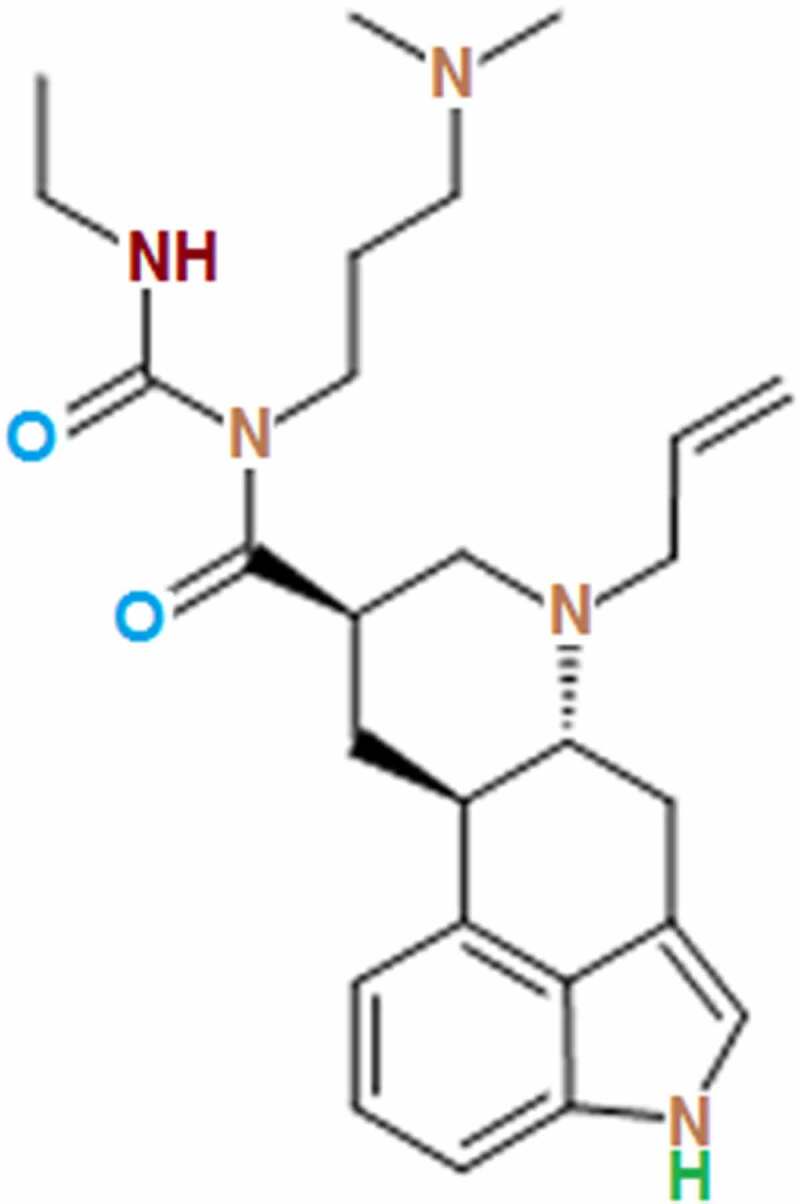
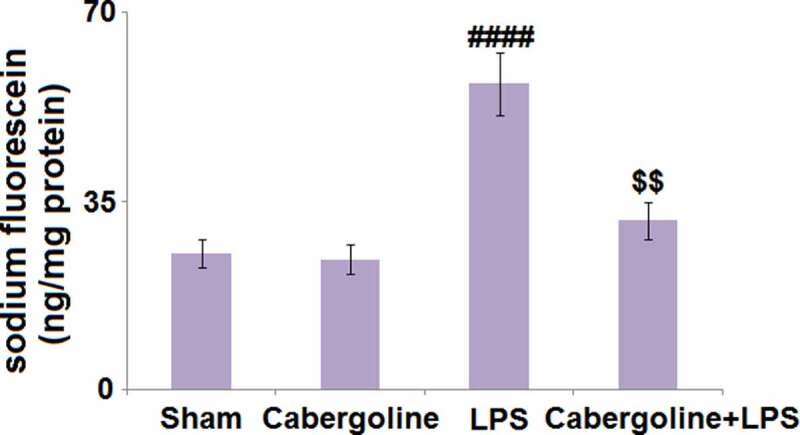
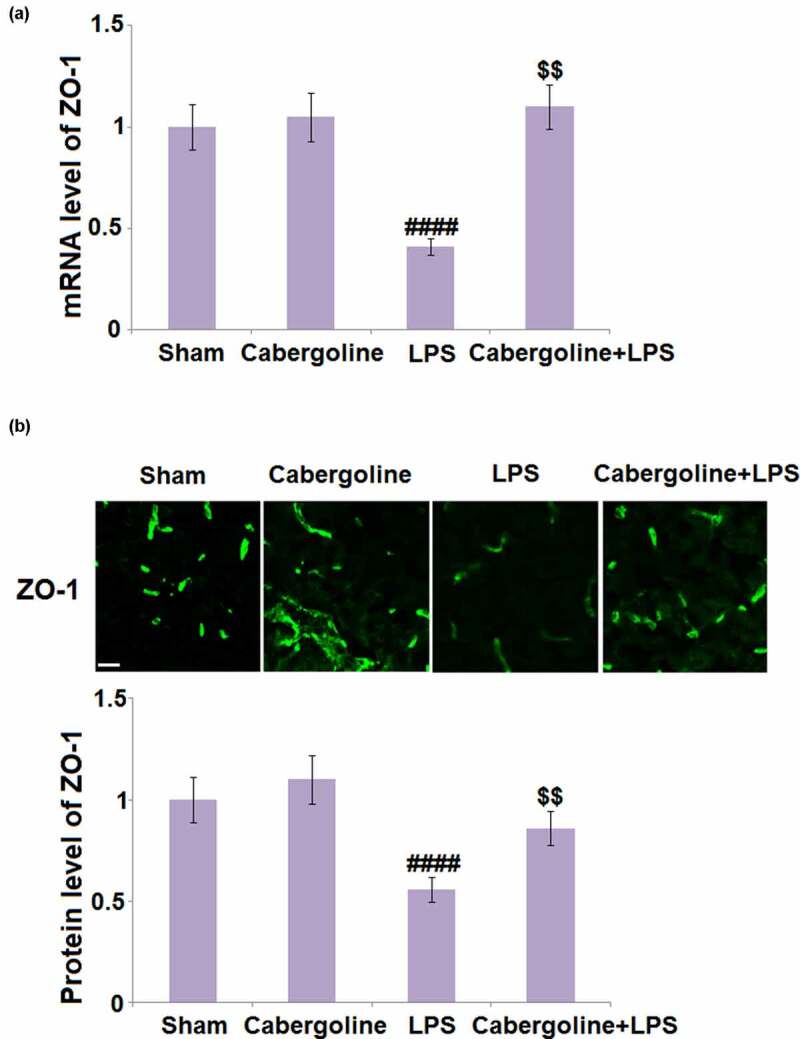
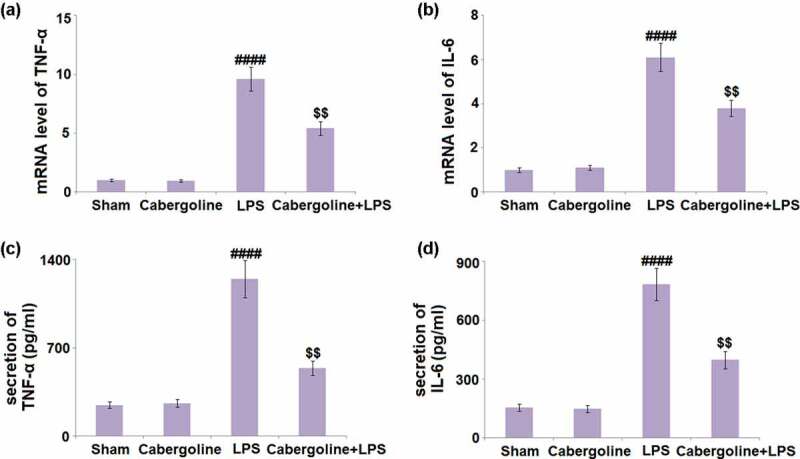
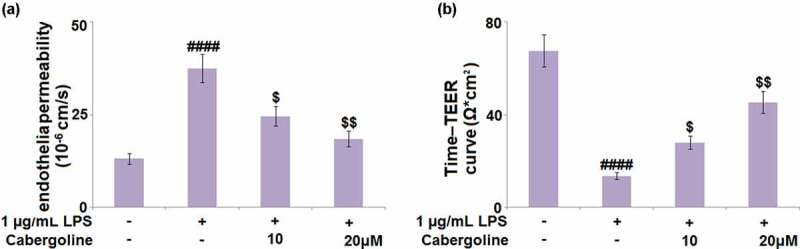
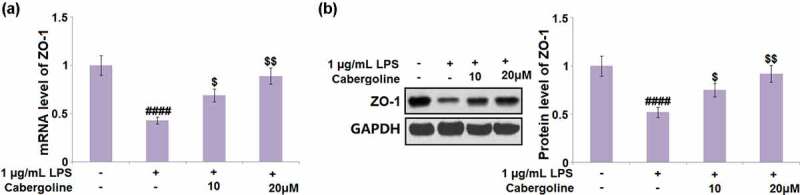
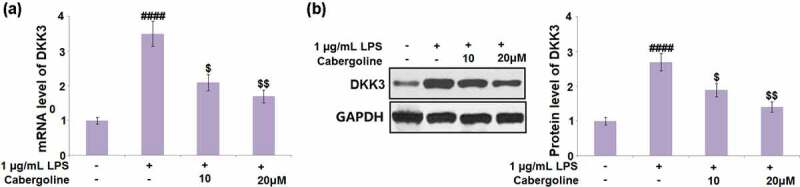
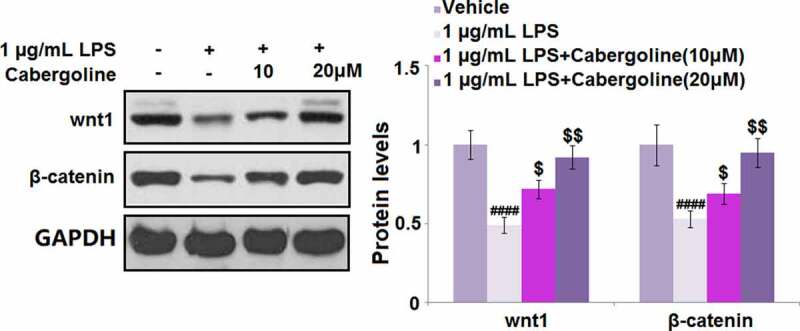
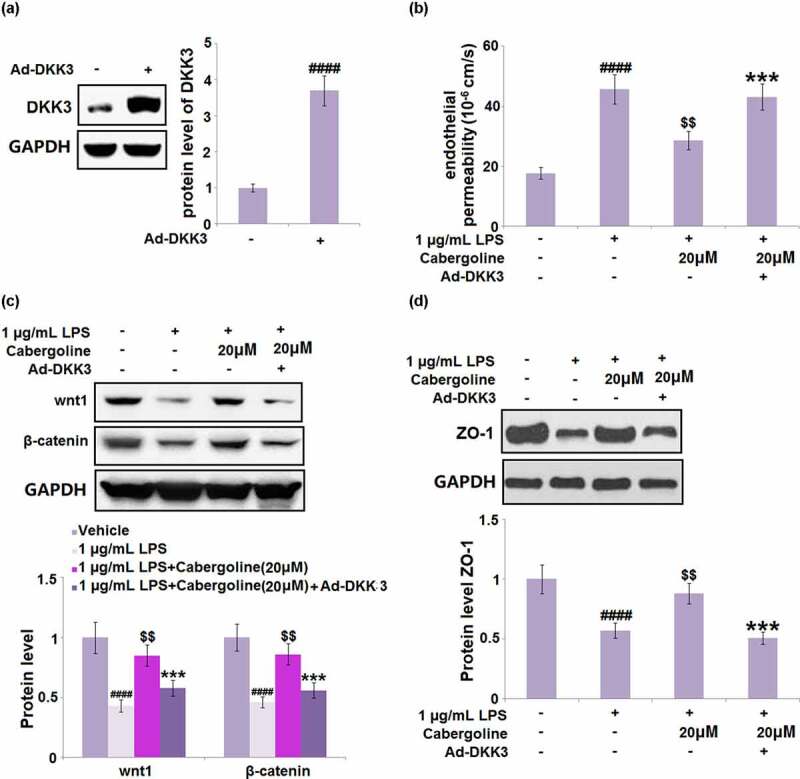
Sepsis is a disease induced by severe systemic inflammation and contributes to multiple acute organic dysfunctions. It is reported that disrupted blood-brain barrier (BBB) integrity is involved in sepsis-associated encephalopathy (SAE), which can be alleviated by repairing the damaged tight junction structure. Cabergoline is a specific dopamine D2 receptor agonist developed to treat Parkinson’s disease and hyperprolactinemia and is reported to exert promising anti-inflammatory properties. The present study aimed to explore the beneficial effect of Cabergoline for the treatment of sepsis. In the animal experiments, mice were separated into 4 groups: sham, LPS (5 mg/kg), Cabergoline (0.1 mg/kg/day), and Cabergoline+LPS. We found that the increased neurological deficits, disrupted BBB integrity, elevated production of inflammatory factors, and declined expression level of zonula occludens-1 (ZO-1) were observed in lipopolysaccharide (LPS)-treated mice, all of which were significantly reversed by the administration of Cabergoline. In the in vitro model, human brain microvascular endothelial cells (HBMECs) were challenged with 1 µg/mL LPS in the presence or absence of Cabergoline (10, 20 μM) for 24 hours. The elevated cell permeability Papp value of fluorescein disodium across the HBMECs monolayer and declined trans-endothelial electrical resistance (TEER) in the LPS-treated HBMECs were significantly alleviated by Cabergoline, accompanied by the upregulation of ZO-1. In addition, wnt1 and β-catenin were found downregulated, which was reversed by Cabergoline. Importantly, the protective benefits of Cabergoline were all abolished by the overexpression of Dickkopf 3 (DKK3). Taken together, our data reveal that Cabergoline possessed a protective effect on BBB integrity against LPS.
Overview
The claims and statistics of this paper haven’t been checked yet.
Free: it reads the open-access text and checks the first 5 claims that cite a source we can check. Create a free account to check every claim.
Integrity signals
Registry
Cites
Statistics
Figures
Verification
Claims the paper makes
The claims and statistics of this paper haven’t been checked yet.
Free: it reads the open-access text and checks the first 5 claims that cite a source we can check. Create a free account to check every claim.
Claims other papers make about this one
Each is checked against this paper’s own text: does it say what the citing paper says it does?
The cited source says what the claim attributes to it.
In the citing paper
“mirtazapine and cabergoline also show barrier-fortifying effects [52,53].”
From Research Advances in the Pathogenesis of Sepsis-Associated Encephalopathy (2026) · cites this paper as [53]
Self-check
Percentages, sums and reported differences re-computed from the paper’s own numbers.
The self-check needs the paper’s full text.
Citations
Cites
Surviving Sepsis Campaign: International Guidelines for Management of Severe Sepsis and Septic Shock
Dellinger, R. P., Levy, M. M., Rhodes, A., Annane, D., Gerlach, H., Opal, S. M., Sevransky, J. E., Sprung, C. L., Douglas, I. S., Jaeschke, R., et al. (2013) · Critical Care Medicine · doi:10.1097/ccm.0b013e31827e83af · Cited by 9,694
Intravenous Fluids and Acute Kidney Injury
Ding, X., Cheng, Z., & Qian, Q. (2017) · Blood Purification · doi:10.1159/000452702 · Cited by 6,827
Wnt/β-catenin signaling controls development of the blood–brain barrier
Liebner, S., Corada, M., Bangsow, T., Babbage, J., Taddei, A., Czupalla, C. J., Reis, M., Felici, A., Wolburg, H., Fruttiger, M., et al. (2008) · The Journal of Cell Biology · doi:10.1083/jcb.200806024 · Cited by 860
Sepsis definitions: time for change
Vincent, J.-L., Opal, S. M., Marshall, J. C., & Tracey, K. J. (2013) · The Lancet · doi:10.1016/s0140-6736(12)61815-7 · Cited by 734
Banks, W. A., Gray, A. M., Erickson, M. A., Salameh, T. S., Damodarasamy, M., Sheibani, N., Meabon, J. S., Wing, E. E., Morofuji, Y., Cook, D. G., et al. (2015) · Journal of Neuroinflammation · doi:10.1186/s12974-015-0434-1 · Cited by 636 · cited 1×
“In the present study, we found that in both the animal model and the in vitro endothelial monolayers model, LPS significantly increased permeability, which is consistent with previous reports [30,31].”
ResultNanomaterial-based blood-brain-barrier (BBB) crossing strategies
Xie, J., Shen, Z., Anraku, Y., Kataoka, K., & Chen, X. (2019) · Biomaterials · doi:10.1016/j.biomaterials.2019.119491 · Cited by 604 · cited 1×
“The BBB is a selective semipermeable membrane located between the brain tissues and the blood, which plays an important role in regulating brain homeostasis and maintaining normal brain function [13].”
BackgroundSankowski, R., Mader, S., & Valdés-Ferrer, S. I. (2015) · Frontiers in Cellular Neuroscience · doi:10.3389/fncel.2015.00028 · Cited by 351
The Neuropathology of Septic Shock
Sharshar, T., Annane, D., de la Gradmaison, G. L., Brouland, J. P., Hopkinson, N. S., & Gray, F. (2004) · Brain Pathology · doi:10.1111/j.1750-3639.2004.tb00494.x · Cited by 348
Blood–brain barrier breakdown in septic encephalopathy and brain tumours*
Davies, D. C. (2002) · Journal of Anatomy · doi:10.1046/j.1469-7580.2002.00065.x · Cited by 309 · cited 1×
“It is reported that significantly increased protein concentration in the cerebrospinal fluid and brain edema have been observed in sepsis patients [16,17], indicating severe BBB disruption.”
BackgroundTNFα disrupts blood brain barrier integrity to maintain prolonged depressive-like behavior in mice
Cheng, Y., Desse, S., Martinez, A., Worthen, R. J., Jope, R. S., & Beurel, E. (2018) · Brain, Behavior, and Immunity · doi:10.1016/j.bbi.2018.02.003 · Cited by 292
Wong, D., Dorovini-Zis, K., & Vincent, S. R. (2004) · Experimental Neurology · doi:10.1016/j.expneurol.2004.08.008 · Cited by 264 · cited 3×
“In vitro experiments indicate that the TEER of HBMECs monolayers is decreased and their permeability to dextran molecules enhanced [33], which is consistent with the results observed in the in vitro experiments in the present study.”
BackgroundResultInfluentialBrain lesions in septic shock: a magnetic resonance imaging study
Sharshar, T., Carlier, R., Bernard, F., Guidoux, C., Brouland, J.-P., Nardi, O., de la Grandmaison, G. L., Aboab, J., Gray, F., Menon, D., et al. (2007) · Intensive Care Medicine · doi:10.1007/s00134-007-0598-y · Cited by 262
Liu, W., Wang, Z., Zhang, L., Wei, X., & Li, L. (2012) · CNS Neuroscience & Therapeutics · doi:10.1111/j.1755-5949.2012.00340.x · Cited by 259 · cited 1×
“TJs are important structures regulating the permeability of the BBB [32].”
BackgroundTight junction modulation of the blood brain barrier: CNS delivery of small molecules
Greene, C., & Campbell, M. (2016) · Tissue Barriers · doi:10.1080/21688370.2015.1138017 · Cited by 246 · cited 1×
“TJs among BMECs play a critical role in regulating BBB permeability and function, and they are composed of transmembrane proteins, such as occludins, claudins, and cytoplasmic proteins [18].”
BackgroundTNF is a key mediator of septic encephalopathy acting through its receptor, TNF receptor-1
Alexander, J. J., Jacob, A., Cunningham, P., Hensley, L., & Quigg, R. J. (2008) · Neurochemistry International · doi:10.1016/j.neuint.2007.08.006 · Cited by 225
Gu, M., Mei, X.-L., & Zhao, Y.-N. (2021) · Neurotoxicity Research · doi:10.1007/s12640-020-00270-5 · Cited by 217 · cited 2×
“The permeability of the BBB is reportedly changed during the development of sepsis, inducing a series of pathological and functional changes in brain tissues, including edema [15].”
BackgroundNishioku, T., Dohgu, S., Takata, F., Eto, T., Ishikawa, N., Kodama, K. B., Nakagawa, S., Yamauchi, A., & Kataoka, Y. (2009) · Cellular and Molecular Neurobiology · doi:10.1007/s10571-008-9322-x · Cited by 210
Wei, Y., Lu, M., Mei, M., Wang, H., Han, Z., Chen, M., Yao, H., Song, N., Ding, X., Ding, J., et al. (2020) · Nature Communications · doi:10.1038/s41467-020-14788-x · Cited by 193 · cited 1×
“Human BMECs (HBMECs) were purchased from ATCC (ATCC, California, USA), treated with 10 and 20 μM Cabergoline, and incubated in EGM-2 Endothelial Cell Growth Medium-2 BulletKit (Lonza, Switzerland) containing 10% FBS under the condition of 5% CO2 and 37°C [23,24].”
MethodHaorah, J., Heilman, D., Knipe, B., Chrastil, J., Leibhart, J., Ghorpade, A., Miller, D. W., & Persidsky, Y. (2005) · Alcoholism: Clinical & Experimental Research · doi:10.1097/01.alc.0000166944.79914.0a · Cited by 169 · cited 1×
“Stimulators, such as LPS, induce the phosphorylation of TJ proteins and myosin light chains, and the recombination of F-actin by activating the mitogen-activated protein kinase (MAPK) and calcium pathways [37].”
BackgroundCrosstalk between Inflammation and the BBB in Stroke
Huang, Y., Chen, S., Luo, Y., & Han, Z. (2020) · Current Neuropharmacology · doi:10.2174/1570159x18666200620230321 · Cited by 168 · cited 1×
“It is composed of brain microvascular endothelial cells (BMECs), tight junctions (TJ), a basement membrane, perithelial cells, and astrocytes foot processes [14].”
BackgroundDepleted Dopamine in Gastric Cancer Tissues
Chakroborty, D., Sarkar, C., Mitra, R. B., Banerjee, S., Dasgupta, P. S., & Basu, S. (2004) · Clinical Cancer Research · doi:10.1158/1078-0432.ccr-04-0059 · Cited by 162 · cited 2×
“Interestingly, the dopamine D2 receptor has been found to be expressed in endothelial cells, and we speculate that Cabergoline might exert protective benefits in brain vessels [20].”
BackgroundNovella-Maestre, E., Carda, C., Noguera, I., Ruiz-Sauri, A., Garcia-Velasco, J. A., Simon, C., & Pellicer, A. (2009) · Human Reproduction · doi:10.1093/humrep/den499 · Cited by 128
Ramirez, S. H., Fan, S., Dykstra, H., Rom, S., Mercer, A., Reichenbach, N. L., Gofman, L., & Persidsky, Y. (2013) · PLoS ONE · doi:10.1371/journal.pone.0055972 · Cited by 125
Zhang, L., Wang, X., Ai, Y., Guo, Q.-L., Huang, L., Liu, Z., & Yao, B. (2012) · PubMed · Cited by 120
Paolinelli, R., Corada, M., Ferrarini, L., Devraj, K., Artus, C., Czupalla, C. J., Rudini, N., Maddaluno, L., Papa, E., Engelhardt, B., et al. (2013) · PLoS ONE · doi:10.1371/journal.pone.0070233 · Cited by 114
Poldip2 mediates blood-brain barrier disruption in a model of sepsis-associated encephalopathy
Kikuchi, D. S., Campos, A. C. P., Qu, H., Forrester, S. J., Pagano, R. L., Lassègue, B., Sadikot, R. T., Griendling, K. K., & Hernandes, M. S. (2019) · Journal of Neuroinflammation · doi:10.1186/s12974-019-1575-4 · Cited by 112 · cited 1×
“In the present study, we found that in both the animal model and the in vitro endothelial monolayers model, LPS significantly increased permeability, which is consistent with previous reports [30,31].”
ResultCardoso, F. L., Kittel, Á., Veszelka, S., Palmela, I., Tóth, A., Brites, D., Deli, M. A., & Brito, M. A. (2012) · PLoS ONE · doi:10.1371/journal.pone.0035919 · Cited by 110
Sepsis-associated encephalopathy: A review of literature
Fülesdi, B., Molnar, L., Németh, N., & Molnár, C. (2018) · Neurology India · doi:10.4103/0028-3886.227299 · Cited by 100 · cited 1×
“Sepsis-associated encephalopathy (SAE) is a kind of diffuse brain injury (DBI) induced by sepsis and is mainly characterized by secondary consciousness and cognitive dysfunction [4].”
BackgroundZhong, Y., Zhang, B., Eum, S. Y., & Toborek, M. (2012) · The Journal of Neuroscience · doi:10.1523/jneurosci.4266-11.2012 · Cited by 79 · cited 1×
“ZO-1 is an important TJ protein that regulates the permeability and function of the BBB [25].”
BackgroundSeptic encephalopathy: does inflammation drive the brain crazy?
Dal-Pizzol, F., Tomasi, C. D., & Ritter, C. (2014) · Revista Brasileira de Psiquiatria · doi:10.1590/1516-4446-2013-1233 · Cited by 77
“Merinoff Symposium 2010: Sepsis”—Speaking with One Voice
Czura, C. J. (2011) · Molecular Medicine · doi:10.2119/molmed.2010.00001.commentary · Cited by 72
Zhang, J., Ma, L., Wan, X., Shan, J., Qu, Y., & Hashimoto, K. (2021) · Psychopharmacology · doi:10.1007/s00213-021-05889-6 · Cited by 71 · cited 1×
“) 3 times a day (0, 12 h, and 24 h) [22].”
Shailesh, H., Siveen, K. S., & Sif, S. (2021) · Journal of Cellular and Molecular Medicine · doi:10.1111/jcmm.16260 · Cited by 54 · cited 1×
“We suspected that Cabergoline repressed the activity of the natural inhibitor of the Wnt/β-catenin pathway, DKK3, which is reported to exert significant antitumor efficacy by suppressing the activity of the Wnt/βcatenin pathway in multiple types of malignant tumors [43,44].”
BackgroundSeptic encephalopathy: when cytokines interact with acetylcholine in the brain
Zhang, Q.-H., Sheng, Z.-Y., & Yao, Y.-M. (2014) · Military Medical Research · doi:10.1186/2054-9369-1-20 · Cited by 51 · cited 1×
“As a complication of sepsis, the morbidity of SAE ranges from 7% to 81% [5].”
BackgroundHan, D., Fang, W., Zhang, R., Wei, J., Kodithuwakku, N. D., Sha, L., Ma, W., liu, L., Li, F., & Li, Y. (2015) · Brain Behavior and Immunity · doi:10.1016/j.bbi.2015.07.025 · Cited by 44 · cited 1×
“Finally, the structure of TJs is destroyed and the permeability of the BBB is disrupted [38,39].”
BackgroundOdaka, H., Numakawa, T., Adachi, N., Ooshima, Y., Nakajima, S., Katanuma, Y., Inoue, T., & Kunugi, H. (2014) · PLoS ONE · doi:10.1371/journal.pone.0099271 · Cited by 33 · cited 1×
“Additionally, it was reported to prevent neuronal cell death under oxidative stress via a dopamine D2 receptor-mediated mechanism that blocks the extracellular regulated protein kinases (ERK) signaling pathway, which is well known to play an important part in neuroprotection [45].”
BackgroundSimvastatin attenuates sepsis-induced blood-brain barrier integrity loss
Yang, C.-H., Kao, M.-C., Shih, P.-C., Li, K.-Y., Tsai, P.-S., & Huang, C. (2014) · Journal of Surgical Research · doi:10.1016/j.jss.2014.11.030 · Cited by 30
The effects of hyperbaric oxygen therapy on blood–brain barrier permeability in septic rats
Avtan, S. M., Kaya, M., Orhan, N., Arslan, A., Arıcan, N., Toklu, A. S., Gürses, C., Elmas, İ., Küçük, M., & Ahıshalı, B. (2011) · Brain Research · doi:10.1016/j.brainres.2011.07.020 · Cited by 28 · cited 1×
“In the animal sepsis model, the expression levels of inflammatory factors, such as TNF-α, IL-1, and IL-6, are significantly elevated in brain tissues, accompanied by the increased cerebral water content and brain permeability to blood dyes [29].”
BackgroundImpact of Wnt/β‐catenin signaling on ethanol‐induced changes in brain endothelial cell permeability
Laksitorini, M. D., Yathindranath, V., Xiong, W., Parkinson, F. E., Thliveris, J. A., & Miller, D. W. (2020) · Journal of Neurochemistry · doi:10.1111/jnc.15203 · Cited by 28 · cited 1×
“It is reported that the permeability induced by ethanol in brain endothelial cells can be reversed by the activation of the Wnt/β-catenin pathway [27] and DKK3 is its natural inhibitor [28].”
BackgroundTownsend, M., & MacIver, D. H. (2004) · Heart · doi:10.1136/hrt.2004.036236 · Cited by 26 · cited 1×
“Recently, it has been reported to exert anti-inflammatory effects when treating Parkinson’s disease [19].”
BackgroundXi, M., Cheng, L., Hua, W., Yl, Z., Ql, G., Jx, Y., & Qi, S. Y. (2019) · PubMed · doi:10.26355/eurrev_201902_16987 · Cited by 21 · cited 1×
“We suspected that Cabergoline repressed the activity of the natural inhibitor of the Wnt/β-catenin pathway, DKK3, which is reported to exert significant antitumor efficacy by suppressing the activity of the Wnt/βcatenin pathway in multiple types of malignant tumors [43,44].”
BackgroundHonig, G., Mader, S., Chen, H., Porat, A., Ochani, M., Wang, P., Volpe, B. T., & Diamond, B. (2016) · PLoS ONE · doi:10.1371/journal.pone.0144215 · Cited by 19
Pang, Q., Hu, W., Zhang, X., & Pang, M. (2019) · Cancer Biotherapy and Radiopharmaceuticals · doi:10.1089/cbr.2019.2771 · Cited by 19
Biophysical approaches for studying the integrity and function of tight junctions.
Vedula, S. R. K., Lim, T. S., Kausalya, P. J., Hunziker, W., Rajagopal, G., & Lim, C. T. (2005) · PubMed · Cited by 13
Matsuo, K., Sone, M., Honda-Kohmo, K., Toyohara, T., Sonoyama, T., Taura, D., Kojima, K., Fukuda, Y., Ohno, Y., Inoue, M., et al. (2017) · Scientific Reports · doi:10.1038/s41598-017-15485-4 · Cited by 9 · cited 1×
“Human BMECs (HBMECs) were purchased from ATCC (ATCC, California, USA), treated with 10 and 20 μM Cabergoline, and incubated in EGM-2 Endothelial Cell Growth Medium-2 BulletKit (Lonza, Switzerland) containing 10% FBS under the condition of 5% CO2 and 37°C [23,24].”
MethodBrain Perfusion in Sepsis or to Resolve the Macro Part of the Micro*
Sharshar, T., Mazeraud, A., Verdonk, F., & Chrétien, F. (2014) · Critical Care Medicine · doi:10.1097/ccm.0000000000000007 · Cited by 8
Cited by
Role of Dopamine in the Heart in Health and Disease
Neumann, J., Hofmann, B., Dhein, S., & Gergs, U. (2023) · International Journal of Molecular Sciences · doi:10.3390/ijms24055042 · Cited by 95
Sepsis-associated encephalopathy: Mechanisms, Diagnosis, and Treatments update
Li, J., Jia, Q., Yang, L., Wu, Y., Peng, Y., Du, L., Fang, Z., & Zhang, X. (2025) · International Journal of Biological Sciences · doi:10.7150/ijbs.102234 · Cited by 88
Wang, Y., Du, W., Hu, X., Yu, X., Guo, C., Jin, X., & Wang, W. (2023) · Acta Pharmaceutica Sinica B · doi:10.1016/j.apsb.2023.08.009 · Cited by 62
“In addition, it has been reported that LPS-damaged BBB could be repaired by cabergoline, a specific dopamine D2 receptor agonist 194 and phenylethylamine, a full dopamine receptor agonist produced by Morganella morganii strains, is capable of crossing the BBB 195 .”
BackgroundIqbal, M. K., Khan, B., Hifsa, H., YuXuan, G., Mujahid, M., Kiyani, M. M., Khan, H. R., & Bashir, S. (2024) · ACS Omega · doi:10.1021/acsomega.4c06546 · Cited by 38
“38,39 Additionally, cabergo-line, a dopamine D2 receptor agonist, protects BBB integrity against LPS-induced disruption by upregulating zonula occludens-1 (ZO-1).”
Gao, S., Shen, R., Li, J., Jiang, Y., Sun, H., Wu, X., Li, X., Miao, C., He, M., Wang, J., et al. (2024) · Proceedings of the National Academy of Sciences · doi:10.1073/pnas.2410564121 · Cited by 34
“Numerous studies have demonstrated the involvement of various neurotransmitter systems, such as the cholinergic ( 19 ), glutamatergic ( 20 , 21 ), dopaminergic ( 22 ), serotoninergic ( 22 ), and GABAergic system ( 23 , 24 ), in the development of SAE.”
Metadata
- Authors
- You, L., & Jiang, H.
- Affiliations
- Chongqing Jiulongpo People's Hospital (CN)
- Chongqing Infectious Disease Medical Center
- Corresponding author
- Jiang, Haidong
- Venue
- Bioengineered
- Publisher
- Informa UK Limited
- Published
- 2021-01
- Volume
- 12
- Issue
- 1
- Pages
- 8358-8369
- ISSN
- 2165-5979 (ISSN-L)
- 2165-5987
- PMC
- PMC8806944
- OpenAlex
- W3204568078
- Cited by
- 17
- References
- 46
- Citations by year
- 2026: 2 · 2025: 4 · 2024: 6 · 2023: 3 · 2022: 2
- FWCI
- 1.10
- Type
- journal article
- Language
- en
- Open access
- gold
- doi.org
- Locations
- Bioengineered (publishedVersion, cc-by)
- PubMed Central (publishedVersion, cc-by)
- PubMed (publishedVersion)
- DOAJ (DOAJ: Directory of Open Access Journals) (submittedVersion)
- Funders
- Chongqing Infectious Disease Medical Center
- Topics
- Life Sciences › Neuroscience › Neurology › Barrier Structure and Function Studies
- Health Sciences › Medicine › Critical Care and Intensive Care Medicine › Sepsis Diagnosis and Treatment
- Life Sciences › Immunology and Microbiology › Microbiology › Bacterial Infections and Vaccines
- Keywords
- cabergoline, blood-brain barrier integrity, lipopolysaccharide, sepsis-associated encephalopathy, sepsis, tight junctions, zonula occludens-1, brain microvascular endothelial cells, Wnt/β-catenin signaling, Dickkopf-3, dopamine D2 receptor agonist, neuroprotection, transendothelial electrical resistance, brain permeability
- MeSH terms
- Cabergoline, Animals, Blood-Brain Barrier, Cell Line, Female, Humans, Lipopolysaccharides, Male, Permeability, Molecular Structure, Sepsis, Mice, Wnt Signaling Pathway, Zonula Occludens-1 Protein
About these checks
Registry, retraction, Cites and statistics results are computed, not judged, with one exception: a printed reference that no index lists is read once by a model before it counts as a citation error. Claims are extracted by a model and kept only when their quote appears verbatim in the text; each cited source is then checked, with a model’s help, for whether it says what the claim relies on. Those verdicts can be wrong — read the claim’s quote and the cited source before relying on one.
Statistics and arithmetic are recomputed, not judged.
Confidence bands are shown only for fields calibrated on our annotated test set. None is calibrated yet, so no band is shown.
What counts as a claim ›How we measure confidence ›How we check this ›
Are you an author, or do you see a problem with this page? Request a review
Data sources
Bibliographic data: Semantic Scholar, OpenAlex, Crossref.
Contains information from the Semantic Scholar Academic Graph Datasets, made available under the ODC Attribution License (ODC-BY 1.0).
Semantic Scholar’s data is described in: Kinney, R., et al. (2023). The Semantic Scholar Open Data Platform. arXiv:2301.10140.
