

The DOI matches its Crossref record; 52 of the 53 references it cites were found in a registry or an index.
Transcriptomic characteristics of bronchoalveolar lavage fluid and peripheral blood mononuclear cells in COVID-19 patients
Open accessAbstract
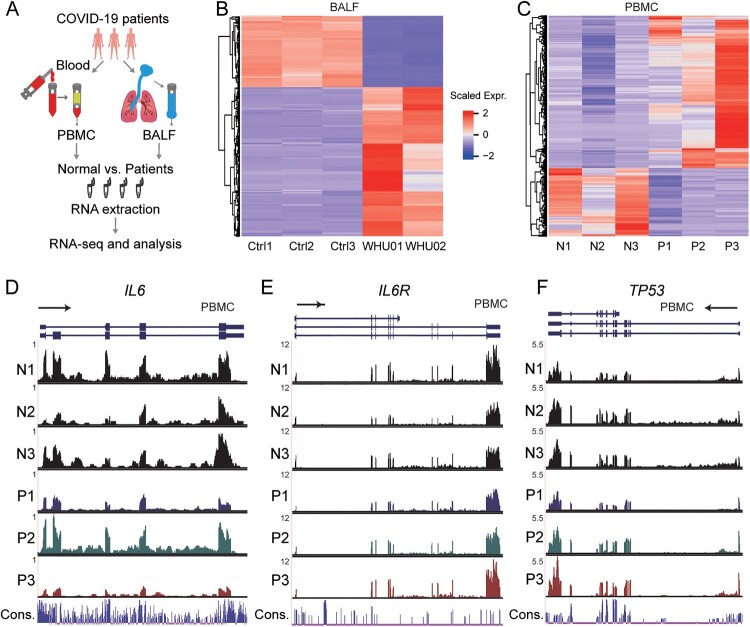
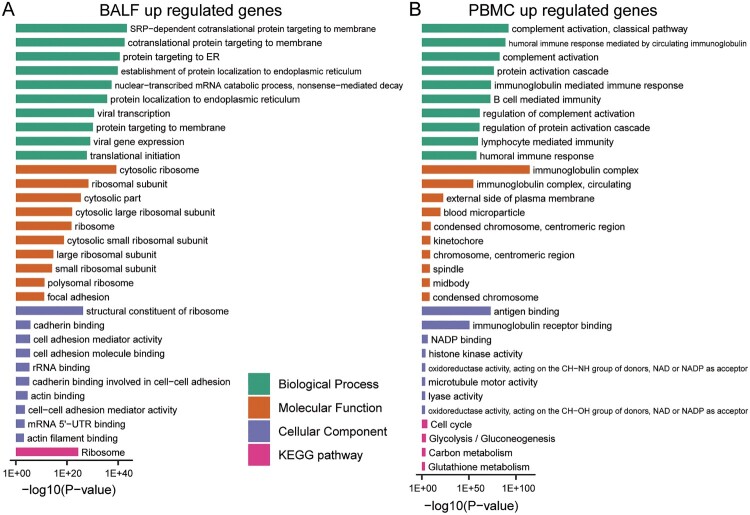
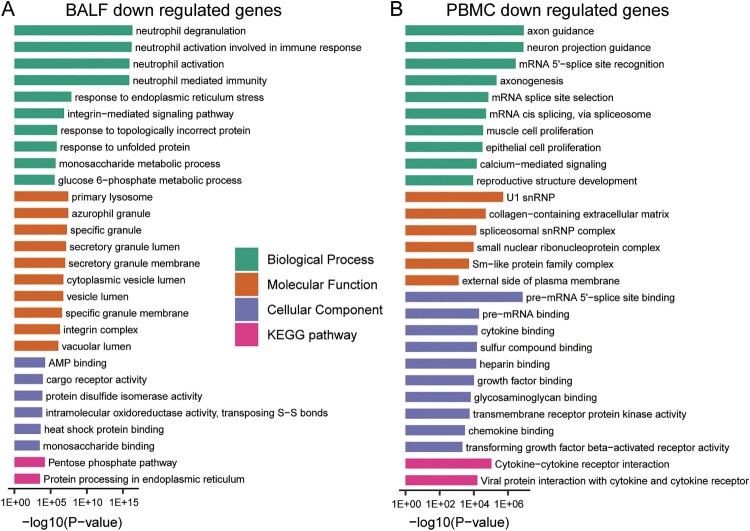
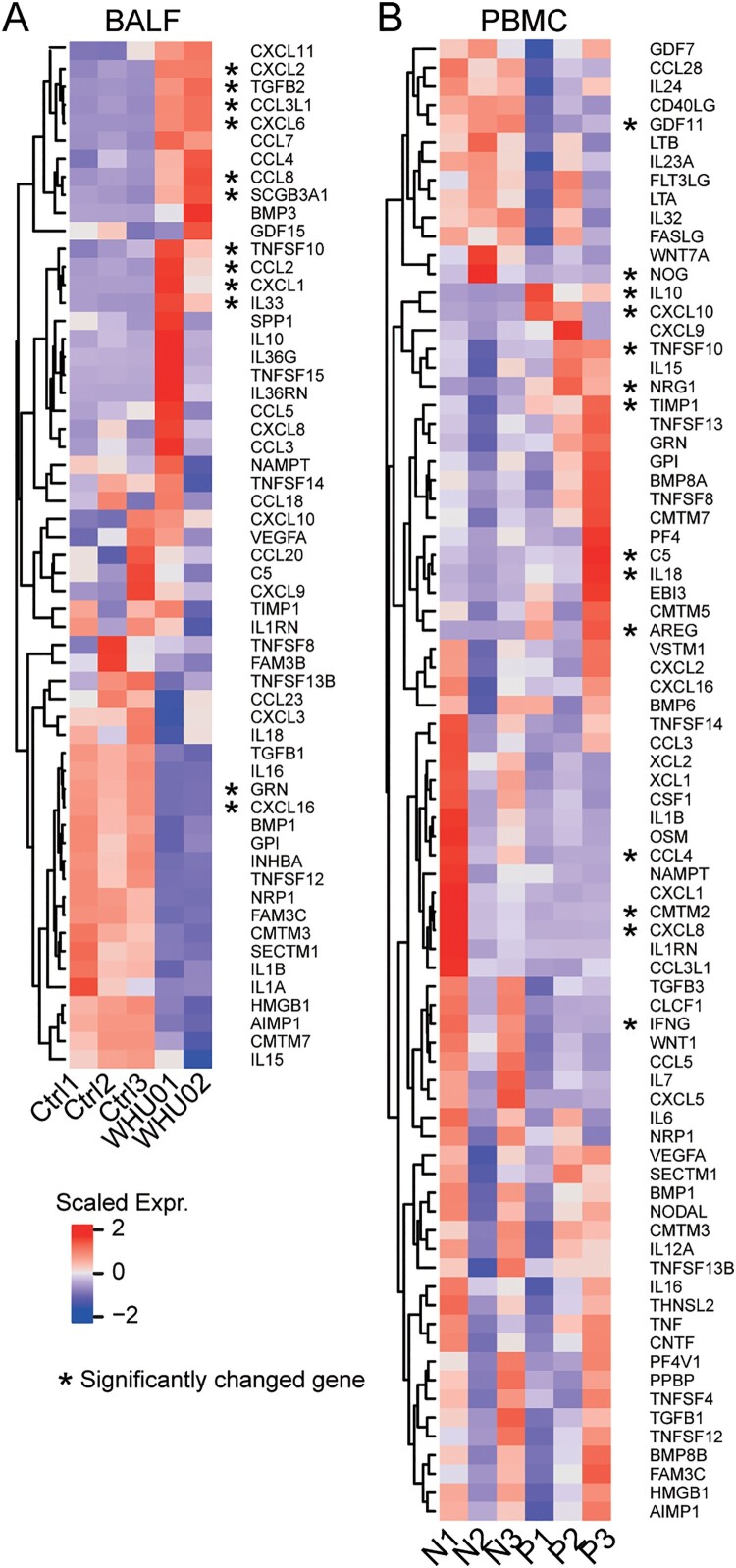
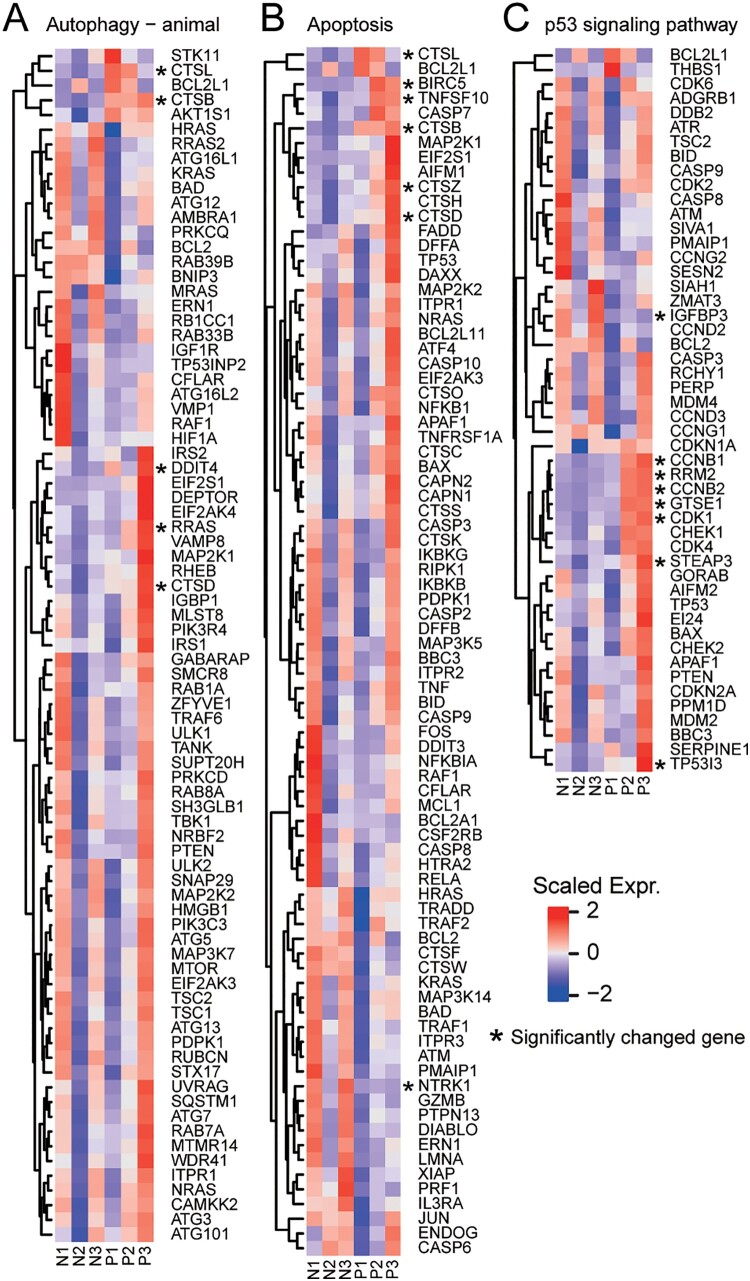
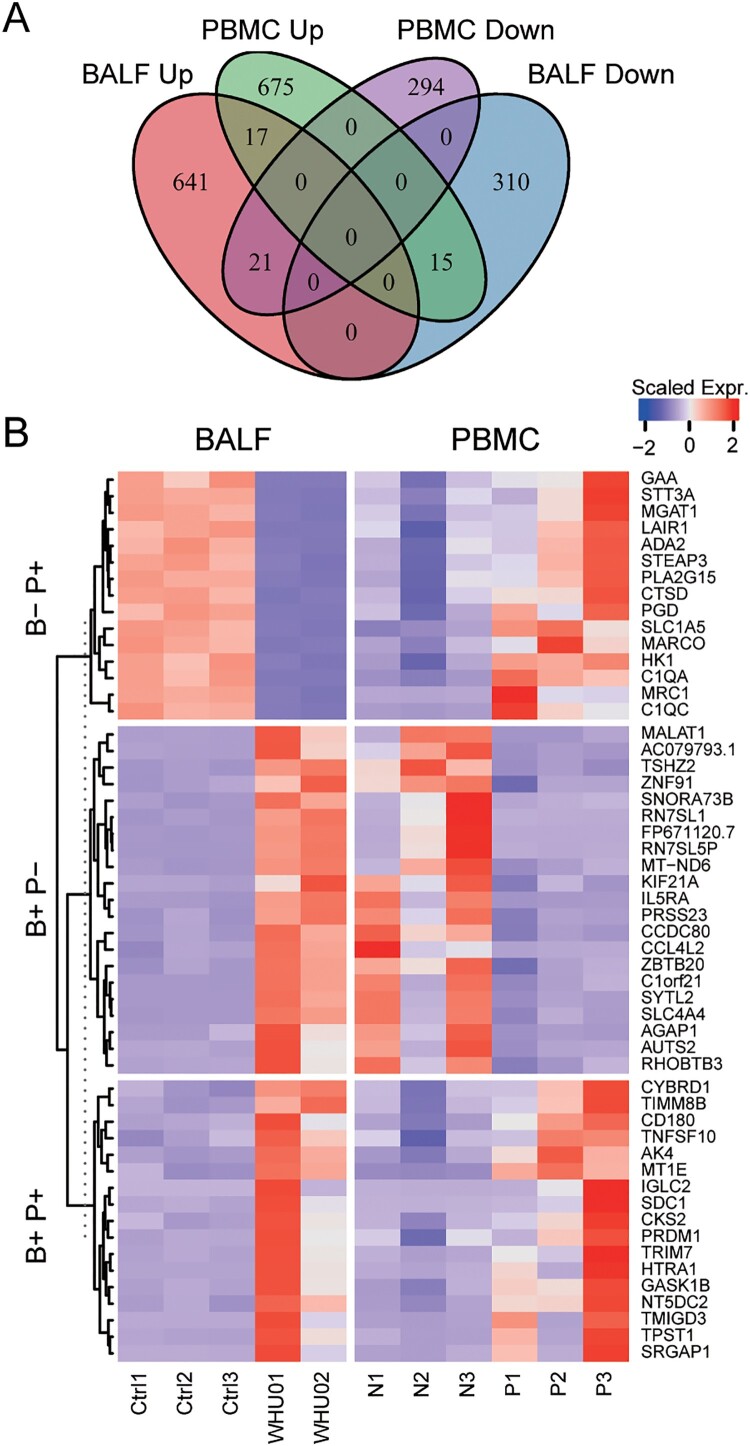
Circulating in China and 158 other countries and areas, the ongoing COVID-19 outbreak has caused devastating mortality and posed a great threat to public health. However, efforts to identify effectively supportive therapeutic drugs and treatments has been hampered by our limited understanding of host immune response for this fatal disease. To characterize the transcriptional signatures of host inflammatory response to SARS-CoV-2 (HCoV-19) infection, we carried out transcriptome sequencing of the RNAs isolated from the bronchoalveolar lavage fluid (BALF) and peripheral blood mononuclear cells (PBMC) specimens of COVID-19 patients. Our results reveal distinct host inflammatory cytokine profiles to SARS-CoV-2 infection in patients, and highlight the association between COVID-19 pathogenesis and excessive cytokine release such as CCL2/MCP-1, CXCL10/IP-10, CCL3/MIP-1A, and CCL4/MIP1B. Furthermore, SARS-CoV-2 induced activation of apoptosis and P53 signalling pathway in lymphocytes may be the cause of patients' lymphopenia. The transcriptome dataset of COVID-19 patients would be a valuable resource for clinical guidance on anti-inflammatory medication and understanding the molecular mechansims of host response.
Overview
The claims and statistics of this paper haven’t been checked yet.
Run the check — free, no account needed. It reads the open-access text and checks the sources it cites.
Integrity signals
Registry
Cites
Statistics
Figures
Verification
Claims the paper makes
The claims and statistics of this paper haven’t been checked yet.
Run the check — free, no account needed. It reads the open-access text and checks the sources it cites.
Claims other papers make about this one
Each is checked against this paper’s own text: does it say what the citing paper says it does?
The source backs part of the claim, not all of it — or backs it for a different population, condition or comparison.
In the citing paper
“Accumulation of NF-κB-dependent proinflammatory mediators can provoke an accumulation of pathogenic inflammatory neutrophils and macrophages in the lung”
From COVID-19 and the human innate immune system (2021) · cites this paper as Xiong et al., 2020
Experimental — accuracy not yet measuredThe check wasn’t confident either way, so it gives no verdict — never disputed.
In the citing paper
“A3A is expressed in lung epithelial cells, and, importantly, the A3A expression level is significantly stimulated by SARS-CoV-2 infection in patients47–49 (Supplementary Fig. S13A).”
From The roles of APOBEC-mediated RNA editing in SARS-CoV-2 mutations, replication and fitness (2022) · cites this paper as [49]
Experimental — accuracy not yet measured
Self-check
Percentages, sums and reported differences re-computed from the paper’s own numbers.
The self-check needs the paper’s full text.
Citations
Cites
Moderated estimation of fold change and dispersion for RNA-seq data with DESeq2
Love, M. I., Huber, W., & Anders, S. (2014) · Genome Biology · doi:10.1186/s13059-014-0550-8 · Cited by 95,106
STAR: ultrafast universal RNA-seq aligner
Dobin, A., Davis, C. A., Schlesinger, F., Drenkow, J., Zaleski, C., Jha, S., Batut, P., Chaisson, M., & Gingeras, T. R. (2013) · Bioinformatics · doi:10.1093/bioinformatics/bts635 · Cited by 51,709
Clinical features of patients infected with 2019 novel coronavirus in Wuhan, China
Huang, C., Wang, Y., Li, X., Ren, L., Zhao, J., Hu, Y., Zhang, L., Fan, G., Xu, J., Gu, X., et al. (2020) · The Lancet · doi:10.1016/s0140-6736(20)30183-5 · Cited by 48,884
clusterProfiler: an R Package for Comparing Biological Themes Among Gene Clusters
Yu, G., Wang, L.-G., Han, Y., & He, Q.-Y. (2012) · OMICS: A Journal of Integrative Biology · doi:10.1089/omi.2011.0118 · Cited by 36,259
Clinical characteristics of coronavirus disease 2019 in China
Guan, W.-J., Ni, Z.-Y., Hu, Y., Liang, W.-H., Ou, C.-Q., He, J.-X., Liu, L., Shan, H., Lei, C.-L., Hui, D. S. C., et al. (2020) · New England Journal of Medicine · doi:10.1056/nejmoa2002032 · Cited by 30,246
Self-citationfeatureCounts: an efficient general purpose program for assigning sequence reads to genomic features
Liao, Y., Smyth, G. K., & Shi, W. (2014) · Bioinformatics · doi:10.1093/bioinformatics/btt656 · Cited by 27,219
A pneumonia outbreak associated with a new coronavirus of probable bat origin
Zhou, P., Yang, X.-L., Wang, X.-G., Hu, B., Zhang, L., Zhang, W., Si, H.-R., Zhu, Y., Li, B., Huang, C.-L., et al. (2020) · Nature · doi:10.1038/s41586-020-2012-7 · Cited by 21,969
Chen, N., Zhou, M., Dong, X., Qu, J., Gong, F., Han, Y., Qiu, Y., Wang, J., Liu, Y., Wei, Y., et al. (2020) · The Lancet · doi:10.1016/s0140-6736(20)30211-7 · Cited by 21,415
Self-citationWang, D., Hu, B., Hu, C., Zhu, F., Liu, X., Zhang, J., Wang, B., Xiang, H., Cheng, Z., Xiong, Y., et al. (2020) · JAMA · doi:10.1001/jama.2020.1585 · Cited by 20,148
Self-citationLa certeza de lo impredecible: Cultura Educación y Sociedad en tiempos de COVID19
Martínez González, M. (2020) · DSPACE System - Metalibrary (University of the Coast) · Cited by 18,463
Cited by
Sorted by citations
Items 701–800 of 1,000
Das, S., Camphausen, K. A., & Shankavaram, U. T. (2021) · Clinical Microbiology and Infectious Diseases · doi:10.15761/cmid.1000194 · Cited by 9
The function of myeloid-derived suppressor cells in COVID-19 lymphopenia
Li, T., Zheng, F., & Cheng, F. (2022) · International Immunopharmacology · doi:10.1016/j.intimp.2022.109277 · Cited by 8
Osuna‐Martínez, U., Aviña‐Padilla, K., Olimón-Andalón, V., Angulo‐Rojo, C., Guadrón‐Llanos, A. M., Rivas-Ferreira, J. C., Urrea, F., & Calderón-Zamora, L. (2022) · Genes · doi:10.3390/genes13122412 · Cited by 8
Ximeng, L. I., Yuan, K., Li, W., Zhuangzhuang, L., Zhenlu, X. U., Xiaoyu, Z., Runlan, C., Yuan, G., & Yun, Q. I. (2023) · PubMed Central · doi:10.19852/j.cnki.jtcm.2023.01.006 · Cited by 8
Elhadad, S., Redmond, D., Tan, A., Huang, J., Rodriguez, B. L., Racine‐Brzostek, S., SUBRAHMANIAN, S. M., Ahamed, J., & Laurence, J. C. (2023) · Thrombosis Research · doi:10.1016/j.thromres.2023.03.009 · Cited by 8
Lucchetta, M., & Pellegrini, M. (2020) · Scientific Reports · doi:10.1038/s41598-020-74705-6 · Cited by 9
Molecular Structure, Pathophysiology, and Diagnosis of COVID-19
(2020) · Biointerface Research in Applied Chemistry · doi:10.33263/briac113.1021510237 · Cited by 8
de Lamballerie, C. N., Pizzorno, A., Fouret, J., Szpiro, L., Padey, B., Dubois, J., Julien, T., Traversier, A., Dulière, V., Brun, P., et al. (2020) · Microorganisms · doi:10.3390/microorganisms8121974 · Cited by 8
Sexually dimorphic placental responses to maternal SARS-CoV-2 infectionPreprint
Bordt, E. A., Shook, L. L., Atyeo, C. G., Pullen, K. M., Guzman, R. M. D., Meinsohn, M.-C., Chauvin, M. Y., Fischinger, S., Yockey, L. J., James, K. E., et al. (2021) · bioRxiv (Cold Spring Harbor Laboratory) · doi:10.1101/2021.03.29.437516 · Cited by 8
ADAM17 inhibition prevents neutrophilia and lung injury in a mouse model of Covid-19Preprint
Lartey, N. L., Valle‐Reyes, S., Vargas‐Robles, H., Jiménez-Camacho, K. E., Guerrero-Fonseca, I. M., Castellanos-Martínez, R., Montoya‐García, A., García‐Cordero, J., Cedillo‐Barrón, L., Nava, P., et al. (2021) · bioRxiv (Cold Spring Harbor Laboratory) · doi:10.1101/2021.04.10.439288 · Cited by 8
Hoque, M. N., Khan, M. A., Hossain, M. A., Hasan, M. I., Rahman, M. H., Soliman, M. E. S., Araf, Y., Zheng, C., & Islam, T. (2022) · bioRxiv (Cold Spring Harbor Laboratory) · doi:10.1101/2022.03.30.486356 · Cited by 8
Mir, M. A. (2024) · Infection Genetics and Evolution · doi:10.1016/j.meegid.2024.105613 · Cited by 7
Local and systemic cytokine profiles in children with pneumonia-associated lung consolidation
Lin, J., Chen, J., Yuan, S., Tang, M., Yang, G., Zhang, H., Li, W., Zhao, H., Zhang, J., Zhang, L., et al. (2025) · Frontiers in Immunology · doi:10.3389/fimmu.2025.1546730 · Cited by 7
Meng, K., Bao, Y., Chen, G., Qu, J., Liang, S., An, S., Chen, Y., Liu, X., & Fu, X. (2025) · Scientific Reports · doi:10.1038/s41598-025-06193-5 · Cited by 8
Self-citationTargeting SIRT1: A Potential Strategy for Combating Severe COVID‐19
Afra, H. S., Jeyvan, F. S., Barartabar, Z., Khanicheragh, P., Abdolmaleki, E. Y., Ilbeigi, D., Musavi, H., & Malekzadegan, Y. (2025) · BioMed Research International · doi:10.1155/bmri/9507417 · Cited by 7
The efficacy and safety of Lianhua Qingwen (LHQW) for coronavirus disease 2019 (COVID-19)
Zhang, Q., Cao, F., Ji, G., Xu, X. N., Sun, Y., Li, J., Qi, X., Sun, S., Wang, Y., & Song, B. (2020) · Medicine · doi:10.1097/md.0000000000020979 · Cited by 7
Self-citationWhen Immunity Kills: The Lessons of SARS-CoV-2 Outbreak
Taoufik, Y., de Herve, M.-G. D. G., Corgnac, S., Dürrbach, A., & Mami‐Chouaib, F. (2021) · Frontiers in Immunology · doi:10.3389/fimmu.2021.692598 · Cited by 7
Meta-analysis of Transcriptomic Data from Lung Autopsy and Cellular Models of SARS-CoV-2 Infection
Cadore, N. A., Lord, V. O., Recamonde‐Mendoza, M., Kowalski, T. W., & Vianna, F. S. L. (2023) · Biochemical Genetics · doi:10.1007/s10528-023-10453-2 · Cited by 7
COVID-19-Omics Report: From Individual Omics Approaches to Precision Medicine
Louis, I. V.-S., Fang, D., Amer, Y., & Mohei, H. (2023) · Reports — Medical Cases Images and Videos · doi:10.3390/reports6040045 · Cited by 8
Santos-Rebouças, C. B., Ferreira, C. D. S., Nogueira, J. D. S., Brustolini, O. J. B., de Almeida, L. G. P., Gerber, A. L., Guimarães, A. P. D. C., Piergiorge, R. M., Struchiner, C. J., Pôrto, L. C., et al. (2024) · Scientific Reports · doi:10.1038/s41598-024-59259-1 · Cited by 7
Chemokine CCL2 and its receptor CCR2 in different age groups of patients with COVID-19
Bagheri, V., Khorramdelazad, H., Kafi, M., & Abbasifard, M. (2024) · BMC Immunology · doi:10.1186/s12865-024-00662-8 · Cited by 8
Muhammad, A. I., Forcados, G. E., Sani, H., Ndidi, U. S., Adamu, A., Katsayal, B. S., Sadiq, I. Z., Abubakar, Y. S., Sulaiman, I., Abubakar, I. B., et al. (2022) · Journal of Food Biochemistry · doi:10.1111/jfbc.14079 · Cited by 7
Kilcoyne, A., Jordan, E., Zhou, A., Thomas, K., Pepper, A. N., Chappell, D. B., Amarapala, M., Hughes, A., & Thompson, M. (2022) · Journal of Medical Economics · doi:10.1080/13696998.2022.2030148 · Cited by 7
Mezger, M. C., Conzelmann, C., Weil, T., von Maltitz, P., Albers, D., Münch, J., Stamminger, T., & Schilling, E.-M. (2022) · Viruses · doi:10.3390/v14061308 · Cited by 6
Effect of Chemokine Gene Variants on Covid-19 Disease Severity
Dogan, S., Komurcu, S. Z. M., Korkmaz, M. D., Kaya, E., Yavaş, S., Doğan, S., Çiftçi, H. Ş., & Daşdemir, S. (2022) · Immunological Investigations · doi:10.1080/08820139.2022.2088383 · Cited by 7
Fernandes, N. F., Costa, I. F., Pereira, K. N., de Carvalho, J. A. M., & Paniz, C. (2023) · Journal of Investigative Medicine · doi:10.1177/10815589221149189 · Cited by 7
Expression pattern of long non‐coding RNAs MALAT1 and MEG3 in COVID‐19 patients
Genena, S. E. R., Fadhil, M. M., Mansour, M. M., Mahrous, A. H., & Khalil, M. M. I. M. (2023) · The Journal of Gene Medicine · doi:10.1002/jgm.3532 · Cited by 7
Verdiguel-Fernández, L., Arredondo‐Hernández, R., Mejía-Estrada, J. A., Ortiz, A., Verdugo-Rodríguez, A., Orduña, P., de León-Rosales, S. P., Calva, J. J., & López‐Vidal, Y. (2023) · BMC Infectious Diseases · doi:10.1186/s12879-023-08573-6 · Cited by 7
Angelini, S., Pinto, A., Hrelia, P., Malaguti, M., Buccolini, F., Donini, L. M., & Hrelia, S. (2020) · Frontiers in Endocrinology · doi:10.3389/fendo.2020.579401 · Cited by 7
Hematologic parameters in coronavirus infection (COVID-19) and their clinical implications
Waleed, R. M., Sehar, I., Iftikhar, W., & Khan, H. S. (2020) · Discoveries · doi:10.15190/d.2020.14 · Cited by 7
Bhattacharyya, U., & Thelma, B. K. (2020) · Journal of Genetics · doi:10.1007/s12041-020-01233-7 · Cited by 6
Regulation of the expression of proinflammatory cytokines induced by SARS-CoV-2
Zhang, X., Wu, L., Kong, X., Zheng, B., Zhang, Z., & He, Z. (2021) · World Journal of Clinical Cases · doi:10.12998/wjcc.v9.i7.1513 · Cited by 7
Evaluating the role of chemokines and chemokine receptors involved in coronavirus infection
Olivarria, G., & Lane, T. E. (2021) · Expert Review of Clinical Immunology · doi:10.1080/1744666x.2022.2017282 · Cited by 8
Corley, M. J., Sugai, C. K., Schotsaert, M., Schwartz, R. E., & Ndhlovu, L. C. (2020) · bioRxiv (Cold Spring Harbor Laboratory) · doi:10.1101/2020.04.13.039263 · Cited by 7
Computational prediction of SARS-CoV-2 encoded miRNAs and their putative host targetsPreprint
Verma, S., Dwivedy, A., Kumar, N., & Biswal, B. K. (2020) · bioRxiv (Cold Spring Harbor Laboratory) · doi:10.1101/2020.11.02.365049 · Cited by 7
Can Electromagnetic Fields Modulate Inflammation and Cell Death by Acting on the Immune System?
López-Martín, M. E., Sueiro-Benavides, R. A., Leiro, J. M., Rodríguez-González, J. A., & Ares‐Pena, F. (2023) · IEEE Access · doi:10.1109/access.2023.3308225 · Cited by 6
Gan, A., Wang, J., Zhang, D., Xie, M., Wu, B., Yan, T., & Jia, Y. (2025) · Phytomedicine · doi:10.1016/j.phymed.2025.157642 · Cited by 6
Li, S., Wang, W., Li, T., Han, X., Hu, C., Wang, Y., Shen, M., Du, L., Nai, Y., Wang, J., et al. (2020) · Genes & Diseases · doi:10.1016/j.gendis.2020.12.007 · Cited by 6
Chen, Y., Qin, Y., Fu, Y., Gao, Z., & Deng, Y. (2022) · International Journal of Molecular Sciences · doi:10.3390/ijms232415698 · Cited by 6
Self-citationFormosa, A., Acton, E., Lee, A. H., Turgeon, P. J., Izhar, S., Plant, P. J., Tsoporis, J. N., Soussi, S., Trahtemberg, U., BAKER, A. J., et al. (2023) · PLoS ONE · doi:10.1371/journal.pone.0286871 · Cited by 7
Biomarkers for the clinical development of antiviral therapies
Ng, T. I., Dorr, P. K., Krishnan, P., Cohen, D. E., Rhee, S. M., Wang, S. X., Ruzek, M. C., Mensa, F., & Kati, W. M. (2020) · Cytometry Part B Clinical Cytometry · doi:10.1002/cyto.b.21974 · Cited by 7
Liu, H., Lin, S., Ao, X., Gong, X., Liu, C., Xu, D., Huang, Y., Liu, Z., Zhao, B., Liu, X., et al. (2020) · Computational and Structural Biotechnology Journal · doi:10.1016/j.csbj.2020.12.010 · Cited by 6
Diab, A. M., Carleton, B., & Goralski, K. B. (2021) · Canadian Journal of Physiology and Pharmacology · doi:10.1139/cjpp-2021-0038 · Cited by 10
Li, W., Rios, S. A., Nagraj, S., Hajra, A., Saralidze, T., Varrias, D., Mathai, S. V., Novakovic, M., Hupart, K. H., Miles, J. A., et al. (2022) · The American Journal of Medicine · doi:10.1016/j.amjmed.2022.02.018 · Cited by 6
Frontline workers: Mediators of mucosal immunity in community acquired pneumonia and COVID-19
Hastak, P., Andersen, C., Kelleher, A. D., & Sasson, S. C. (2022) · Frontiers in Immunology · doi:10.3389/fimmu.2022.983550 · Cited by 6
Bando, S. Y., Bertonha, F. B., Vieira, S. E., Oliveira, D. B. L., Chalup, V. N., Durigon, E. L., Palmeira, P., Curi, A. C. P., Faria, C. S., Antonângelo, L., et al. (2023) · Scientific Reports · doi:10.1038/s41598-023-28227-6 · Cited by 6
Li, J., Fan, J., Wu, L., Tu, J., He, L., Chen, S.-F., & Chen, X. (2023) · Heliyon · doi:10.1016/j.heliyon.2023.e17766 · Cited by 6
Age-dependent immune responses in COVID-19-mediated liver injury: focus on cytokines
Aghamohamadi, N., Shahba, F., Mehrabadi, A. Z., Khorramdelazad, H., Karimi, M., Falak, R., & Emameh, R. Z. (2023) · Frontiers in Endocrinology · doi:10.3389/fendo.2023.1139692 · Cited by 7
Williams, B. D., Ferede, D., Abdelaal, H. F. M., Berube, B. J., Podell, B. K., Larsen, S. E., Baldwin, S. L., & Coler, R. N. (2024) · Frontiers in Immunology · doi:10.3389/fimmu.2024.1424374 · Cited by 6
Universidades en Google: hacia un modelo de análisis multinivel del posicionamiento web académico
Gonzalez-Llinares, J., Font-Julián, C. I., & Orduña‐Malea, E. (2020) · Revista española de Documentación Científica · doi:10.3989/redc.2020.2.1691 · Cited by 10
Zhou, S., Xu, J., Sun, W., Zhang, J., Zhang, F., Zhao, X., Wang, X., Zhang, W., Yu, L., Ning, K., et al. (2021) · Therapeutics and Clinical Risk Management · doi:10.2147/tcrm.s280079 · Cited by 6
Erdem, M. A., Çubukçu, M., Müderrisoğlu, S., ACİ, R., Keski̇n, A., & Türe, E. (2022) · Konuralp Tıp Dergisi · doi:10.18521/ktd.1009234 · Cited by 6
Galassi, G., & Marchioni, A. (2022) · Journal of Clinical Neuroscience · doi:10.1016/j.jocn.2022.03.048 · Cited by 6
Wang, X., Yang, G., Wang, Q., Zhao, Y., Ding, K., Ji, C., Shi, Z., Li, H., Li, Y., & Li, S. (2022) · Disease Markers · doi:10.1155/2022/8602068 · Cited by 6
Bhat, S. A., Shibata, T., Leong, M. T., Plummer, J., Vail, E., & Khan, Z. (2022) · Viruses · doi:10.3390/v14102182 · Cited by 5
Cappuccio, A., Chawla, D. G., Chen, X., Rubenstein, A. B., Cheng, W. S., Mao, W., Burke, T. W., Tsalik, E. L., Petzold, E., Henao, R., et al. (2022) · Cell Systems · doi:10.1016/j.cels.2022.11.008 · Cited by 5
Zhang, Q., Xu, X. N., Sun, S., Cao, F., Li, J., Qi, X., Ji, G., Wang, Y., & Song, B. (2020) · Medicine · doi:10.1097/md.0000000000021039 · Cited by 6
Self-citationWang, J. Y., Zhang, W., Roehrl, M. H. A., Roehrl, M. H. A., & Roehrl, M. H. A. (2023) · Australian Journal of Chemistry · doi:10.1071/ch22268 · Cited by 6
Transcriptomics-based drug repositioning pipeline identifies therapeutic candidates for COVID-19Preprint
Le, B. L., Andreoletti, G., Oskotsky, T., Vallejo-Gracia, A., Rosales, R., Yu, K., Kosti, I., Leon, K. E., Bunis, D. G., Li, C., et al. (2020) · bioRxiv (Cold Spring Harbor Laboratory) · doi:10.1101/2020.10.23.352666 · Cited by 6
Comella, P., Gonzalez‐Kozlova, E., Kosoy, R., Charney, A. W., Peradejordi, I. F., Chandrasekar, S., Tyler, S. R., Wang, W., Losic, B., Zhu, J., et al. (2021) · medRxiv · doi:10.1101/2021.01.29.21250755 · Cited by 6
Huoman, J., Sayyab, S., Apostolou, E., Karlsson, L., Porcile, L., Rizwan, M., Sharma, S., Das, J., Rosén, A., & Lerm, M. (2021) · medRxiv · doi:10.1101/2021.07.05.21260014 · Cited by 6
Aloisio, G. M., McBride, T., Aideyan, L. O., Schultz, E. M., Murray, A. M., Rajan, A., Nicholson, E. G., Henke, D. M., Ferlic‐Stark, L., Kambal, A., et al. (2025) · Viruses · doi:10.3390/v17101343 · Cited by 5
Shaping the Immune Response: Cathepsins in Virus-Dendritic Cell Interactions
Niedzielska, A., Bossowska-Nowicka, M., Biernacka, Z., Gregorczyk-Zboroch, K. P., Toka, F. N., & Szulc‐Dąbrowska, L. (2025) · Cells · doi:10.3390/cells14231900 · Cited by 5
Abeysuriya, V., Seneviratne, S. L., Silva, A. P. D., Mowjood, R., Mowjood, S., de Silva, T., de Mel, P., de Mel, C., Chandrasena, L. G., Wijesinha, R. S., et al. (2021) · Transactions of the Royal Society of Tropical Medicine and Hygiene · doi:10.1093/trstmh/trab182 · Cited by 5
Viasus, D., Nonell, L., Restrepo, C., Figueroa, F., Donado-Mazarrón, C., & Carratalà, J. (2023) · Biomedicines · doi:10.3390/biomedicines11102755 · Cited by 5
Predicting host-based, synthetic lethal antiviral targets from omics data
Staheli, J. P., Neal, M. L., Navare, A., Mast, F. D., & Aitchison, J. D. (2024) · NAR Molecular Medicine · doi:10.1093/narmme/ugad001 · Cited by 6
Majewska, M., Maździarz, M. A., Krawczyk, K., Paukszto, Ł., Makowczenko, K. G., Lepiarczyk, E., Lipka, A., Wiszpolska, M., Górska, A., Moczulska, B., et al. (2024) · Computers in Biology and Medicine · doi:10.1016/j.compbiomed.2024.109343 · Cited by 5
Monitoring Macrophage Polarization in Infectious Disease, Lesson From SARS‐CoV‐2 Infection
Mezouar, S., & Mège, J. (2025) · Reviews in Medical Virology · doi:10.1002/rmv.70034 · Cited by 5
RETRACTED: The pathogenicity of COVID-19 and the role of pentraxin-3: An updated review study
Margiana, R., Sharma, S. K., Khan, B. I., Alameri, A. A., Opulencia, M. J. C., Hammid, A. T., Hamza, T. A., Хамракулович, Б. Ш., Abdelbasset, W. K., & Jawhar, Z. H. (2022) · Pathology - Research and Practice · doi:10.1016/j.prp.2022.154128 · Cited by 5
RetractedWang, D., Gao, Y., Lai, Q.-Q., Wu, D., Liu, H., Meng, H., Wang, X.-T., Tang, Y.-J., Xu, J., Zhang, J., et al. (2024) · Journal of International Medical Research · doi:10.1177/03000605241236278 · Cited by 5
Self-citationUse of predictive tools in the management of COVID-19 patients: a key role of clinical laboratories
Grau, C. M., Bofill, C. B., Picó-Plana, E., Comí, G. R., Terrón‐Puig, M., Bastón-Paz, N., Mateu, M. S., & Gutiérrez, C. (2020) · Advances in Laboratory Medicine / Avances en Medicina de Laboratorio · doi:10.1515/almed-2020-0059 · Cited by 5
Kong, X.-G., Geng, J., Zhang, T., Wang, B., Wu, A.-Z., Xiao, D., Zhang, Z.-H., Liu, C., Wang, L., Jiang, X.-M., et al. (2020) · Scientific Reports · doi:10.1038/s41598-020-79035-1 · Cited by 6
COVID-19 induced immunosuppression leading to secondary infection in a non-HIV patient
Tran, N. H. T., Dong, V., LOC, L. Q., Tsao, T., Raut, A. P., Karimzadeh, S., Minh, L. H. N., Nhi, L. H. H., Dao, T. T., Anh, N. T. H., et al. (2021) · Minerva Respiratory Medicine · doi:10.23736/s2784-8477.21.01914-3 · Cited by 5
Wang, Z., Guo, K., Gao, P., Pu, Q., Li, C., Hur, J., & Wu, M. (2021) · Precision Clinical Medicine · doi:10.1093/pcmedi/pbab022 · Cited by 5
Genetics of Acute Respiratory Distress Syndrome
Giannini, H. M., & Meyer, N. J. (2021) · Critical Care Clinics · doi:10.1016/j.ccc.2021.05.006 · Cited by 5
Comment on ‘SARS-CoV-2 suppresses anticoagulant and fibrinolytic gene expression in the lung’
FitzGerald, E. S., & Jamieson, A. M. (2022) · eLife · doi:10.7554/elife.74268 · Cited by 5
The Immune Response to SARS-CoV-2: Mechanisms, Aging, Sequelae, and Vaccines
Alarcón, M. A., & Espinoza, C. (2022) · Mini-Reviews in Medicinal Chemistry · doi:10.2174/1389557522666220304231537 · Cited by 5
Differential upregulation of AU-rich element-containing mRNAs in COVID-19
Bakheet, T. M., Khabar, K. S. A., & Hitti, E. (2022) · Human Genomics · doi:10.1186/s40246-022-00433-9 · Cited by 5
Characteristics and Potential Roles of Natural Killer Cells During SARS-CoV-2 Infection
Cao, W., Wang, F., & Song, J. (2022) · Infectious Diseases & Immunity · doi:10.1097/id9.0000000000000075 · Cited by 5
Li, Q., An, Z., Pan, Z., Wang, Z., Wang, Y., Zhang, X., & Shen, N. (2023) · World Journal of Clinical Cases · doi:10.12998/wjcc.v11.i12.2716 · Cited by 5
Danel, A., Tobiczyk, E., Warcholiński, A., Trzaska-Sobczak, M., Swinarew, A. S., Brożek, G. M., Trejnowska, E., Batura‐Gabryel, H., Jedynak, A., Scala, R., et al. (2023) · Advances in Medical Sciences · doi:10.1016/j.advms.2023.10.009 · Cited by 5
Clinical data of early COVID-19 cases receiving extracorporeal membrane oxygenation in Wuhan, China
Huang, S., Xia, H., Wu, Z., Zhao, S., Yao, S., Luo, H., & Chen, X. (2020) · Journal of Clinical Anesthesia · doi:10.1016/j.jclinane.2020.110044 · Cited by 5
Colaco, S., Chhabria, K., Singh, D., Bhide, A., Singh, N., Singh, A., Husein, A., Mishra, A., Sharma, R., Ashary, N., et al. (2020) · arXiv (Cornell University) · doi:10.48550/arxiv.2004.04935 · Cited by 5
Haider, M., Dholakia, D., Panwar, A., Garg, P., Gheware, A., Singh, D., Singhal, K., Burse, S. A., Kumari, S., Anmol, A., et al. (2021) · bioRxiv (Cold Spring Harbor Laboratory) · doi:10.1101/2021.02.17.431579 · Cited by 5
Micro RNA-based regulation of genomics and transcriptomics of inflammatory cytokines in COVID-19Preprint
Khokhar, M., Tomo, S., & Purohit, P. (2021) · medRxiv · doi:10.1101/2021.06.08.21258565 · Cited by 5
Endotypes of Paediatric Cough—Do They Exist and Finding New Techniques to Improve Clinical Outcomes
O’Farrell, H. E., Kok, H. C., Goel, S., Chang, A. B., & Yerkovich, S. T. (2024) · Journal of Clinical Medicine · doi:10.3390/jcm13030756 · Cited by 4
Transcriptomic Profiling in Low-Risk Thyroid Cancer Induced by Microwave Ablation
Li, H., Liang, L., & Li, J. (2024) · International Journal of Endocrinology · doi:10.1155/2024/6674506 · Cited by 4
A Low Number of Baselines γδ T Cells Increases the Risk of SARS-CoV-2 Post-Vaccination Infection
Andreu‐Ballester, J. C., Galindo-Regal, L., Cuéllar, C., López-Chuliá, F., García‐Ballesteros, C., Fernández-Murga, M. L., Llombart‐Cussac, A., & Domínguez-Márquez, M. V. (2024) · Vaccines · doi:10.3390/vaccines12050553 · Cited by 4
Molinero, M., Perez‐Pons, M., González, J., Barbé, F., & de Gonzalo‐Calvo, D. (2024) · Biomedicine & Pharmacotherapy · doi:10.1016/j.biopha.2024.116984 · Cited by 4
Compartmentalized Regulation of Pulmonary and Systemic Inflammation in Critical COVID-19 Patients
Santiago, L., Gonçalves-Pereira, M. H., Vieira, M. S., Ravetti, C. G., Vassallo, P. F., Castro, R. S. E., Pimenta, P. P. C., de Andrade, M. V. M., Santiago, H. C., & Junior, V. A. N. (2023) · Viruses · doi:10.3390/v15081704 · Cited by 4
Mahmoodi, M., Henjeroei, F. M., Hassanshahi, G., & Nosratabadi, R. (2024) · Cytokine · doi:10.1016/j.cyto.2023.156497 · Cited by 4
NK cells modulate in vivo control of SARS-CoV-2 replication and suppression of lung damage
Balachandran, H., Kroll, K. W., Terry, K., Manickam, C., Jones, R. A., Woolley, G., Hayes, T., Martinot, A. J., Sharma, A., Lewis, M. G., et al. (2024) · PLoS Pathogens · doi:10.1371/journal.ppat.1012439 · Cited by 5
Ma, X., Huang, T., Li, X., Zhou, X., Pan, H., Du, A., Zeng, Y., Yuan, K., & Wang, Z. (2024) · Frontiers in Medicine · doi:10.3389/fmed.2024.1428973 · Cited by 4
Ren, P., Zhu, C., He, Y., Jiang, H. X., & Chen, J. (2021) · Annals of Translational Medicine · doi:10.21037/atm-21-812 · Cited by 4
Zhang, F., Yuan, Y., Cui, S., Wang, G., & Li, R.-M. (2021) · New Journal of Chemistry · doi:10.1039/d1nj02209a · Cited by 4
A Case Series of Amoebic Liver Abscess in Patients With COVID-19 Infection
Sahney, A., Wadhawan, M., Agarwal, N., Berry, N., Dadwal, V. D. S., Vardani, A., & Kumar, A. (2021) · Journal of Clinical and Experimental Hepatology · doi:10.1016/j.jceh.2021.10.146 · Cited by 4
Gowin, E., Dworacki, G., Siewert, B., Wysocki, J., & Januszkiewicz‐Lewandowska, D. (2022) · Central European Journal of Immunology · doi:10.5114/ceji.2022.116385 · Cited by 4
Yang, K., Liu, J., Gong, Y., Li, Y., & Liu, Q. (2022) · Frontiers in Immunology · doi:10.3389/fimmu.2022.1052850 · Cited by 4
Computational approaches for drug discovery against COVID-19
Sharma, P., Joshi, T., Mathpal, S., Tamta, S., & Chandra, S. (2023) · Elsevier eBooks · doi:10.1016/b978-0-323-91794-0.00024-x · Cited by 4
Role of TGF-β Signaling in Coronavirus Disease 2019
Chen, J., Wu, W., Wang, W., Tang, Y., & Lan, H.-Y. (2022) · Integrative Medicine in Nephrology and Andrology · doi:10.4103/2773-0387.348713 · Cited by 5
Metadata
- Authors
- Xiong, Y., Liu, Y., Cao, L., Wang, D., Guo, M., Jiang, A., Guo, D., Hu, W., Yang, J., Tang, Z., Wu, H., Lin, Y., Zhang, M., Zhang, Q., Shi, M., Liu, Y., Zhou, Y., Lan, K., & Chen, Y.
- Affiliations
- Wuhan University (CN)
- Sun Yat-sen University (CN)
- BGI Group (China) (CN)
- State Key Laboratory of Virology, Modern Virology Research Center, College of Life Sciences, Wuhan University
- The Centre for Infection and Immunity Studies, School of Medicine, Sun Yat-sen University
- Corresponding author
- Zhou, Yu
- Lan, Ke
- Chen, Yu
- ORCID
- Venue
- Emerging Microbes & Infections
- Publisher
- Informa UK Limited
- Published
- 2020-01
- Volume
- 9
- Issue
- 1
- Pages
- 761-770
- ISSN
- 2222-1751 (ISSN-L)
- PMC
- PMC7170362
- OpenAlex
- W3013843138
- Cited by
- 1,076
- References
- 53
- Citations by year
- 2026: 12 · 2025: 27 · 2024: 68 · 2023: 121 · 2022: 206 · 2021: 370 · 2020: 272
- FWCI
- 31.89
- Type
- journal article
- Language
- en
- Open access
- gold
- doi.org
- Locations
- Emerging Microbes & Infections (publishedVersion, cc-by)
- PubMed Central (publishedVersion, cc-by)
- PubMed (publishedVersion)
- DOAJ (DOAJ: Directory of Open Access Journals) (submittedVersion)
- Informationszentrum Lebenswissenschaften (ZB MED) (submittedVersion, cc-by)
- Funders
- National Natural Science Foundation of China (31871316, COVID-19)
- Wuhan University
- National Science and Technology Major Project (#2018ZX10733403)
- Topics
- Health Sciences › Medicine › Infectious Diseases › COVID-19 Clinical Research Studies
- Health Sciences › Medicine › Infectious Diseases › SARS-CoV-2 and COVID-19 Research
- Health Sciences › Medicine › Clinical Neurology › Long-Term Effects of COVID-19
- Keywords
- COVID-19 pandemic, SARS-CoV-2, bronchoalveolar lavage fluid, peripheral blood mononuclear cells, host immune response, inflammatory cytokines, chemokines, lymphopenia, apoptosis, p53 pathway, lymphocyte activation, transcriptome
- MeSH terms
- Betacoronavirus, RNA-Seq, COVID-19, SARS-CoV-2, Bronchoalveolar Lavage Fluid, Humans, Leukocytes, Mononuclear, Lymphopenia, Pneumonia, Viral, Signal Transduction, Tumor Suppressor Protein p53, Cytokines, Apoptosis, Coronavirus Infections, Chemokines, Pandemics, Transcriptome
About these checks
Registry, retraction, Cites and statistics results are computed, not judged, with one exception: a printed reference that no index lists is read once by a model before it counts as a citation error. Claims are extracted by a model and kept only when their quote appears verbatim in the text; each cited source is then checked, with a model’s help, for whether it says what the claim relies on. Those verdicts can be wrong — read the claim’s quote and the cited source before relying on one.
Statistics and arithmetic are recomputed, not judged.
Confidence bands are shown only for fields calibrated on our annotated test set. None is calibrated yet, so no band is shown.
What counts as a claim ›How we measure confidence ›How we check this ›
Are you an author, or do you see a problem with this page? Request a review
