

The DOI matches its Crossref record; 38 of the 38 references it cites were found in a registry or an index.
Chronic Tumor Necrosis Factor Alters T Cell Responses by Attenuating T Cell Receptor Signaling
Open accessAbstract
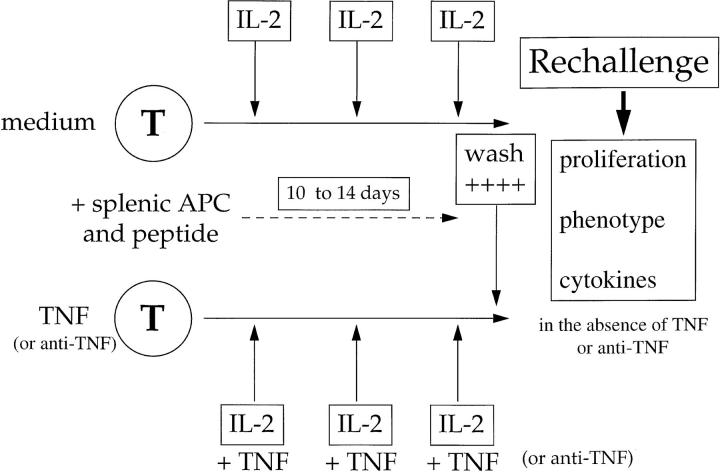
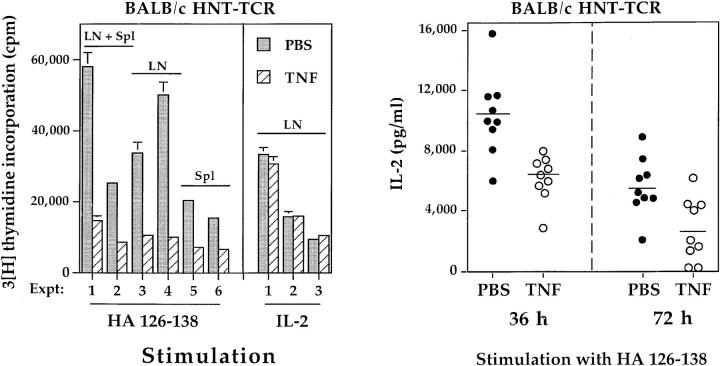
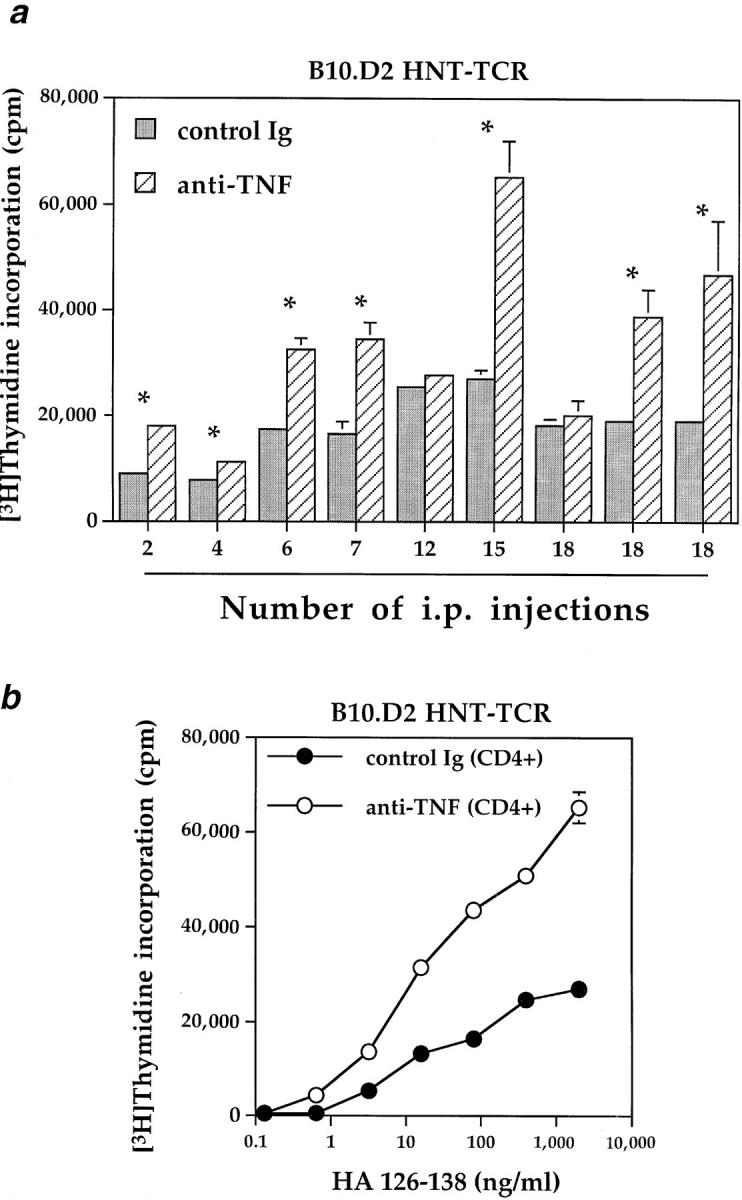
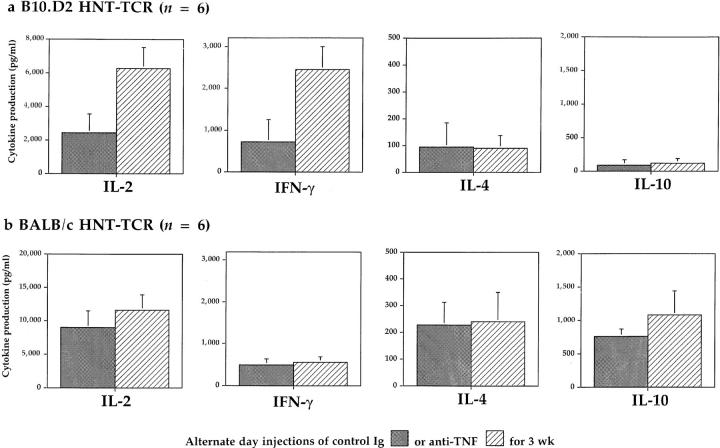
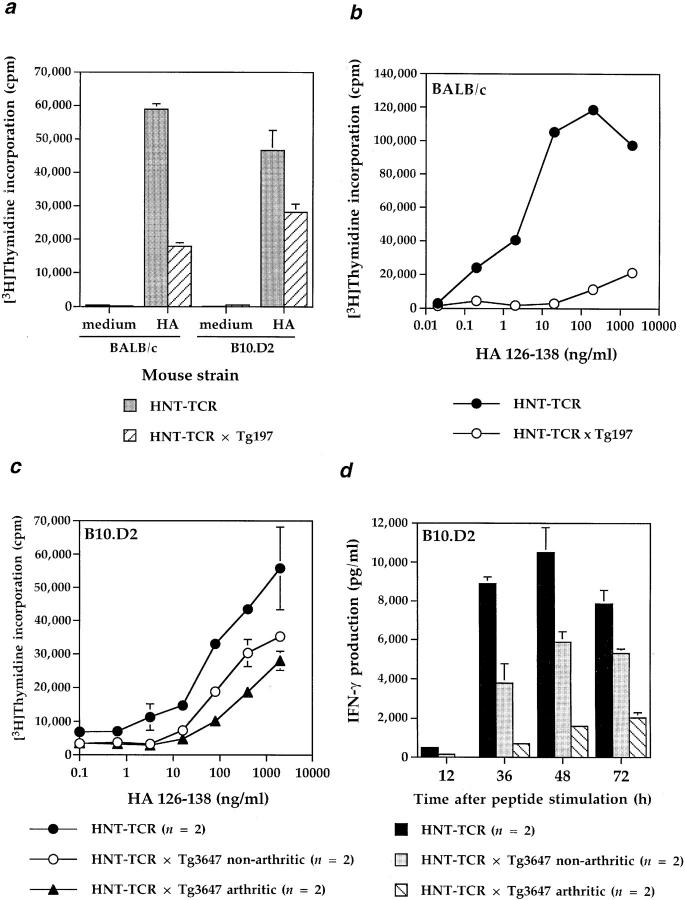
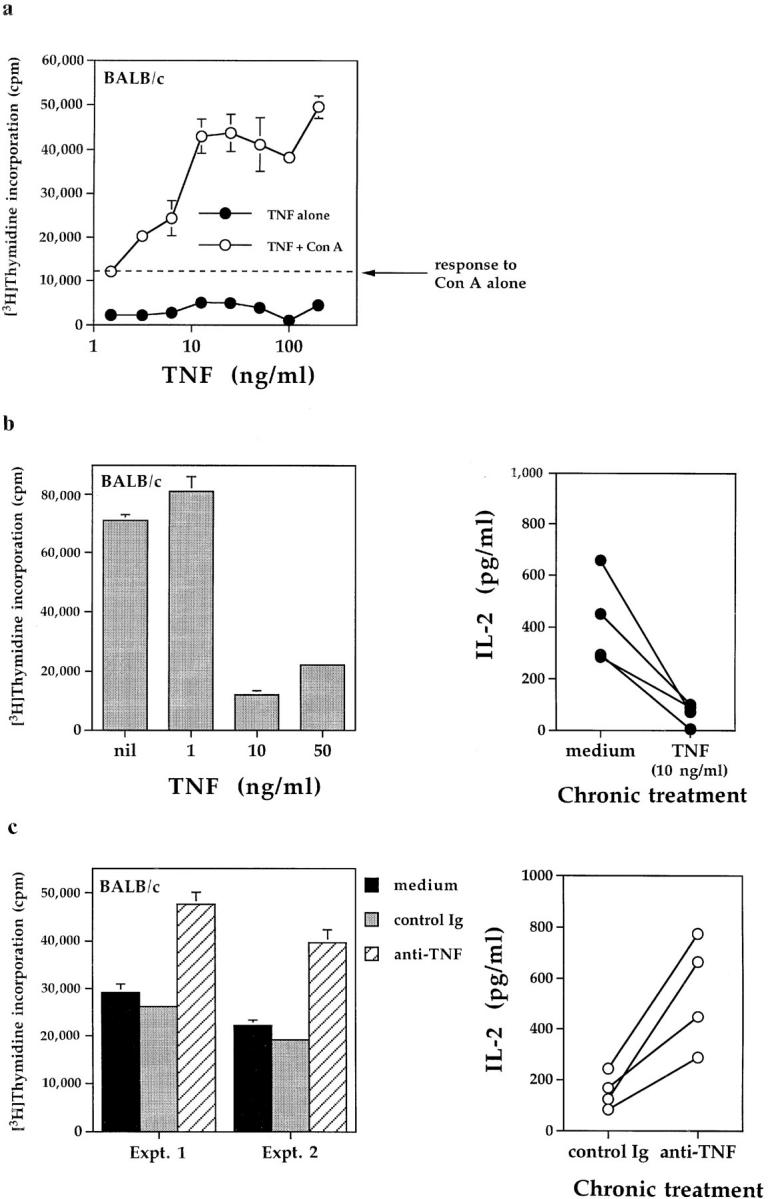
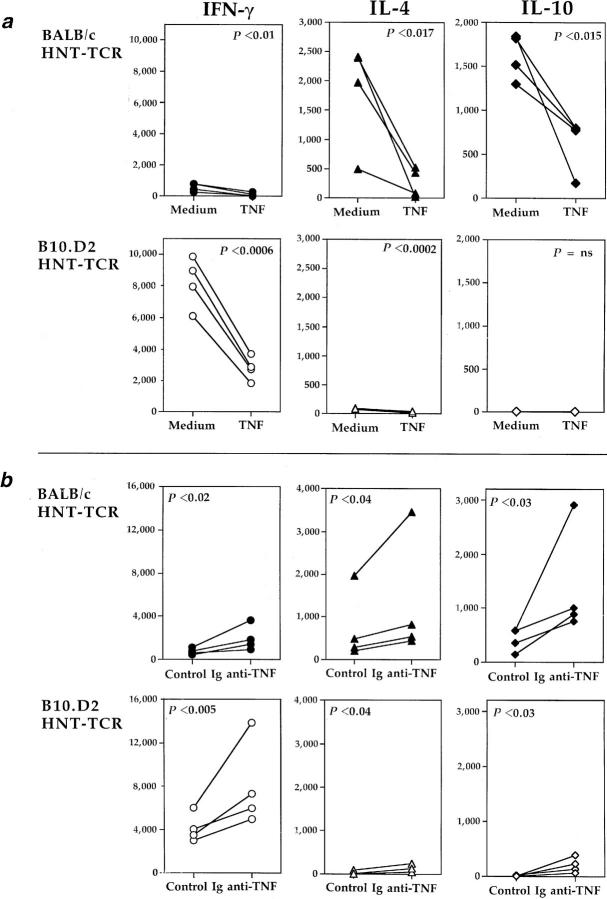
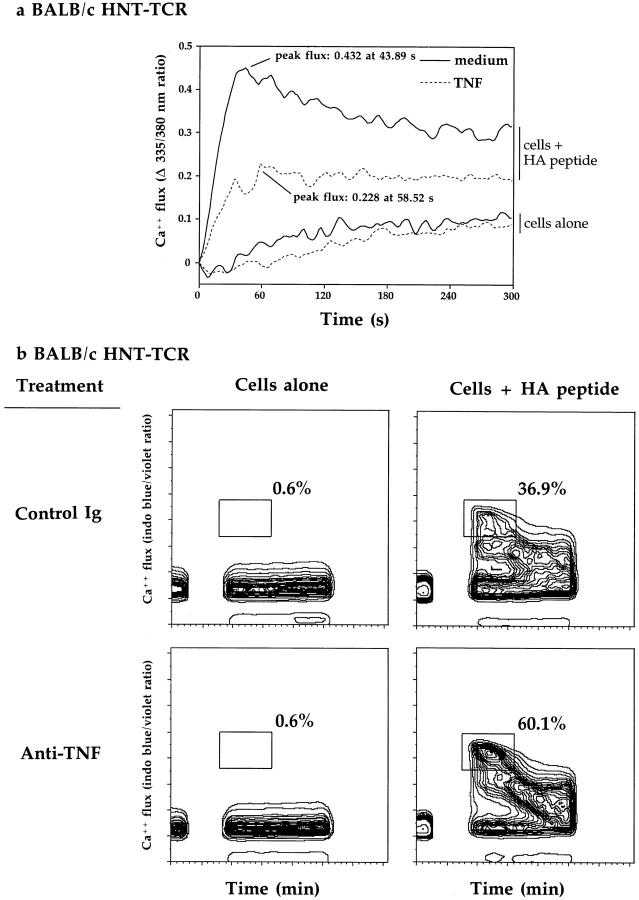
Repeated injections of adult mice with recombinant murine TNF prolong the survival of NZB/W F1 mice, and suppress type I insulin-dependent diabetes mellitus (IDDM) in nonobese diabetic (NOD) mice. To determine whether repeated TNF injections suppress T cell function in adult mice, we studied the responses of influenza hemagglutinin-specific T cells derived from T cell receptor (HNT-TCR) transgenic mice. Treatment of adult mice with murine TNF for 3 wk suppressed a broad range of T cell responses, including proliferation and cytokine production. Furthermore, T cell responses of HNT-TCR transgenic mice also expressing the human TNF-globin transgene were markedly reduced compared to HNT-TCR single transgenic littermates, indicating that sustained p55 TNF-R signaling is sufficient to suppress T cell function in vivo. Using a model of chronic TNF exposure in vitro, we demonstrate that (a) chronic TNF effects are dose and time dependent, (b) TNF suppresses the responses of both Th1 and Th2 T helper subsets, (c) the suppressive effects of endogenous TNF produced in T cell cultures could be reversed with neutralizing monoclonal antibodies to TNF, and (d) prolonged TNF exposure attenuates T cell receptor signaling. The finding that anti-TNF treatment in vivo enhances T cell proliferative responses and cytokine production provides evidence for a novel regulatory effect of TNF on T cells in healthy laboratory mice. These effects are more pronounced in chronic inflammatory disease. In addition, our data provide a mechanism through which prolonged TNF exposure suppresses disease in animal models of autoimmunity.
Overview
The claims and statistics of this paper haven’t been checked yet.
Run the check — free, no account needed. It reads the open-access text and checks the sources it cites.
Integrity signals
Registry
Cites
Statistics
Figures
Verification
Claims the paper makes
The claims and statistics of this paper haven’t been checked yet.
Run the check — free, no account needed. It reads the open-access text and checks the sources it cites.
Claims other papers make about this one
Each is checked against this paper’s own text: does it say what the citing paper says it does?
The source backs part of the claim, not all of it — or backs it for a different population, condition or comparison.
In the citing paper
“Since inflammatory cytokines that direct T cell subtype production are altered in depressed patients (12–14)”
From Inflammatory T helper 17 cells promote depression-like behavior in mice (2013) · cites this paper as [12]
Experimental — accuracy not yet measured
Self-check
Percentages, sums and reported differences re-computed from the paper’s own numbers.
The self-check needs the paper’s full text.
Citations
Cites
Sallusto, F., & Lanzavecchia, A. (1994) · The Journal of Experimental Medicine · doi:10.1084/jem.179.4.1109 · Cited by 5,129
de Waal Malefyt, R., Abrams, J., Bennett, B., Figdor, C. G., & de Vries, J. E. (1991) · The Journal of experimental medicine · doi:10.1084/jem.174.5.1209 · Cited by 3,762
Hotamisligil, G. S., Peraldi, P., Budavari, A., Ellis, R., White, M. F., & Spiegelman, B. M. (1996) · Science · doi:10.1126/science.271.5249.665 · Cited by 2,630
ROLE OF CYTOKINES IN RHEUMATOID ARTHRITIS
Feldmann, M., Brennan, F. M., & Maini, R. N. (1996) · Annual Review of Immunology · doi:10.1146/annurev.immunol.14.1.397 · Cited by 2,507
The Pathophysiology of Tumor Necrosis Factors
VASSALLI, P. (1992) · Annual Review of Immunology · doi:10.1146/annurev.iy.10.040192.002211 · Cited by 1,874
Elliott, M. J., Maini, R. N., Feldmann, M., Kalden, J. R., Antoni, C., Smolen, J. S., Leeb, B., Breedveld, F. C., Macfarlane, J. D., Bijl, J. A., et al. (1994) · The Lancet · doi:10.1016/s0140-6736(94)90628-9 · Cited by 1,682
Transgenic mice expressing human tumour necrosis factor: a predictive genetic model of arthritis.
Keffer, J., Probert, L., Cazlaris, H. E., Georgopoulos, S., Kaslaris, E., Kioussis, D., & Kollias, G. A. (1991) · The EMBO Journal · doi:10.1002/j.1460-2075.1991.tb04978.x · Cited by 1,670
Self-citationTumor necrosis factor mediates myelin and oligodendrocyte damage in vitro
Selmaj, K., & Raine, C. S. (1988) · Annals of Neurology · doi:10.1002/ana.410230405 · Cited by 1,417
Treatment of Crohn's disease with anti-tumor necrosis factor chimeric monoclonal antibody (cA2)
van Dullemen, H. M., van Deventer, S. J. H., Hommes, D. W., Bijl, H. A., Jansen, J., Tytgat, G. N. J., & Woody, J. N. (1995) · Gastroenterology · doi:10.1016/0016-5085(95)90277-5 · Cited by 1,082
Anti-tumor necrosis factor ameliorates joint disease in murine collagen-induced arthritis.
Williams, R. O., Feldmann, M., & Maini, R. N. (1992) · Proceedings of the National Academy of Sciences · doi:10.1073/pnas.89.20.9784 · Cited by 991
Cited by
Sorted by citations
Immune system to brain signaling: Neuropsychopharmacological implications
Capuron, L., & Miller, A. H. (2011) · Pharmacology & Therapeutics · doi:10.1016/j.pharmthera.2011.01.014 · Cited by 1,195
Raison, C. L., & Miller, A. H. (2003) · American Journal of Psychiatry · doi:10.1176/appi.ajp.160.9.1554 · Cited by 1,197
Davidson, A., & Diamond, B. (2001) · New England Journal of Medicine · doi:10.1056/nejm200108023450506 · Cited by 1,069
Resolution of inflammation: a new therapeutic frontier
Fullerton, J. N., & Gilroy, D. W. (2016) · Nature Reviews Drug Discovery · doi:10.1038/nrd.2016.39 · Cited by 937
New IL-12-family members: IL-23 and IL-27, cytokines with divergent functions
Hunter, C. A. (2005) · Nature reviews. Immunology · doi:10.1038/nri1648 · Cited by 857
Metadata
- Authors
- Cope, A. P., Liblau, R. S., Yang, X.-D., Congia, M., Laudanna, C., Schreiber, R. D., Probert, L., Kollias, G., & McDevitt, H. O.
- Affiliations
- Washington University in St. Louis (US)
- From the *Department of Microbiology and Immunology, ‡Department of Pathology, and §Department of Medicine, Stanford University School of Medicine, Stanford, California 94305; ‖Department of Pathology, Washington University School of Medicine, St. Louis, Missouri 63110; and ¶Department of Molecular Genetics, Hellenic Pasteur Institute, Athens, Greece
- ORCID
- Venue
- The Journal of Experimental Medicine
- Publisher
- Rockefeller University Press
- Published
- 1997-05-05
- Volume
- 185
- Issue
- 9
- Pages
- 1573-1584
- ISSN
- 0022-1007 (ISSN-L)
- 1540-9538
- PMC
- PMC2196294
- OpenAlex
- W2153191296
- Cited by
- 287
- References
- 38
- Citations by year
- 2026: 3 · 2025: 4 · 2023: 4 · 2022: 1 · 2021: 8 · 2020: 4 · 2019: 6 · 2018: 3 · 2017: 4 · 2016: 11 · 2015: 6 · 2014: 11 · 2013: 8 · 2012: 13
- FWCI
- 8.32
- Type
- journal article
- Language
- en
- Open access
- bronze
- doi.org
- Locations
- The Journal of Experimental Medicine (publishedVersion)
- PubMed Central (publishedVersion, cc-by-nc-sa)
- PubMed (publishedVersion)
- Funders
- Wellcome Trust
- Institut National de la Santé et de la Recherche Médicale
- National Institutes of Health
- School of Medicine, Stanford University
- Topics
- Life Sciences › Immunology and Microbiology › Immunology › T-cell and B-cell Immunology
- Health Sciences › Medicine › Rheumatology › Rheumatoid Arthritis Research and Therapies
- Life Sciences › Immunology and Microbiology › Immunology › Cytokine Signaling Pathways and Interactions
- Keywords
- TNF-α, T cell receptor signaling, T cell suppression, TNF receptor p55, T cell proliferation, cytokine production, anti-TNF therapy, autoimmunity, type 1 diabetes, chronic inflammation
- MeSH terms
- Animals, Calcium, Immunosuppressive Agents, Interferon-gamma, Interleukin-2, Lymph Nodes, Lymphocyte Activation, Male, Mice, Inbred BALB C, Mice, Transgenic, Receptors, Antigen, T-Cell, Recombinant Proteins, T-Lymphocytes, Tumor Necrosis Factor-alpha, Signal Transduction, CD4-Positive T-Lymphocytes, Interleukin-4, Interleukin-10, Receptors, Tumor Necrosis Factor, Th1 Cells, Th2 Cells, Mice
About these checks
Registry, retraction, Cites and statistics results are computed, not judged, with one exception: a printed reference that no index lists is read once by a model before it counts as a citation error. Claims are extracted by a model and kept only when their quote appears verbatim in the text; each cited source is then checked, with a model’s help, for whether it says what the claim relies on. Those verdicts can be wrong — read the claim’s quote and the cited source before relying on one.
Statistics and arithmetic are recomputed, not judged.
Confidence bands are shown only for fields calibrated on our annotated test set. None is calibrated yet, so no band is shown.
What counts as a claim ›How we measure confidence ›How we check this ›
Are you an author, or do you see a problem with this page? Request a review
