

Female mouse fetal loss mediated by maternal autoantibody
Open accessThe DOI matches its Crossref record; 27 of the 28 references it cites were found in a registry or an index.
Abstract
Systemic lupus erythematosus (SLE), a disease of women during childbearing years, is characterized by the production of double-stranded DNA antibodies. A subset of these antibodies, present in 40% of patients, cross-reacts with the NR2A and NR2B subunits of the N-methyl-d-aspartate receptor (NMDAR). In this study, we show that, in mouse models, these antibodies cause a loss of female fetus viability by inducing apoptosis of NR2A-expressing neurons within the brainstem late in fetal development; gender specificity derives from a time-dependent increased expression of NR2A in female brainstem or increased vulnerability of female fetal neurons to signaling through NR2A-containing NMDARs. This paradigm is consistent with available data on the sex ratio of live births of women with SLE. It represents a novel mechanism by which maternal autoantibodies can severely affect fetal health in a gender-specific fashion and raises the question of how many maternal antibodies affect brain development or exhibit gender-specific fetal effects.
Overview
The claims and statistics of this paper haven’t been checked yet.
Free: it reads the open-access text and checks the first 5 claims that cite a source we can check. Create a free account to check every claim.
Integrity signals
Registry
Cites
Statistics
Figures
Verification
Claims the paper makes
The claims and statistics of this paper haven’t been checked yet.
Free: it reads the open-access text and checks the first 5 claims that cite a source we can check. Create a free account to check every claim.
Claims other papers make about this one
Each is checked against this paper’s own text: does it say what the citing paper says it does?
In the citing paper
“This prediction may fit with the recurrent observation that a subset of girls with ASD show more social communication impairments and lower cognitive abilities than boys with matched low IQs74.”
From Immune mediators in the brain and peripheral tissues in autism spectrum disorder (2015) · cites this paper as [74]
Self-check
Percentages, sums and reported differences re-computed from the paper’s own numbers.
The self-check needs the paper’s full text.
Citations
Cites
Heteromeric NMDA receptors: molecular and functional distinction of subtypes
Monyer, H., Sprengel, R., Schoepfer, R., Herb, A., Higuchi, M., Lomeli, H., Burnashev, N., Sakmann, B., & Seeburg, P. H. (1992) · Science · doi:10.1126/science.256.5060.1217 · Cited by 2,541
Synaptic versus extrasynaptic NMDA receptor signalling: implications for neurodegenerative disorders
Hardingham, G. E., & Bading, H. (2010) · Nature Reviews Neuroscience · doi:10.1038/nrn2911 · Cited by 1,644 · cited 1×
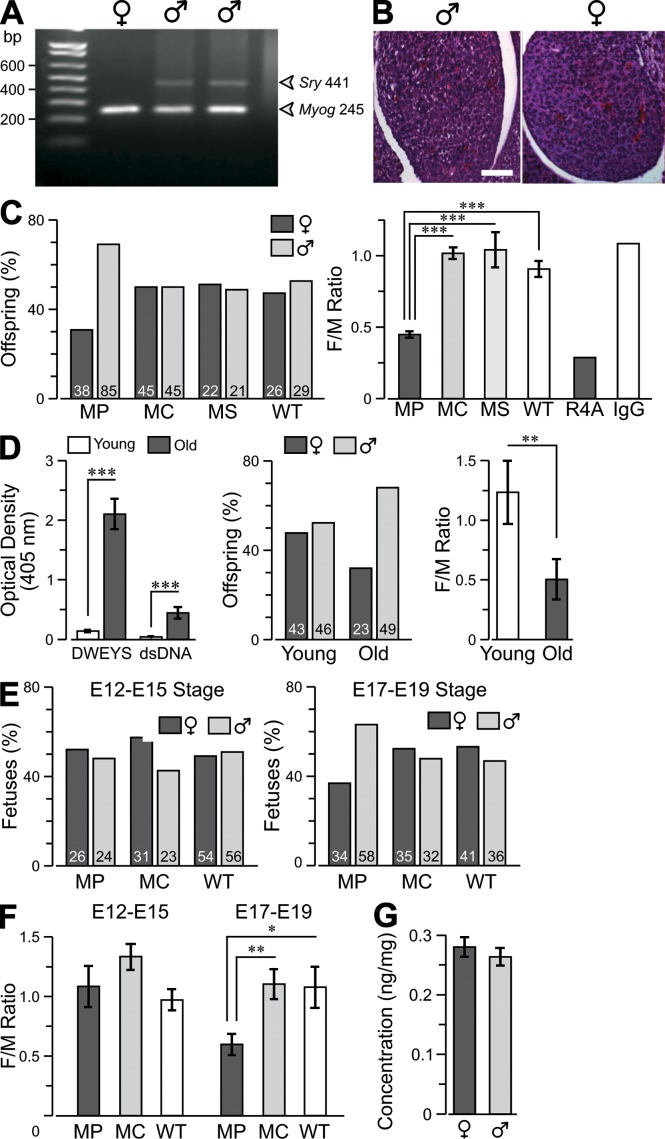
“To ascertain when female embryo loss occurred, we collected embryos at E12–E15 and E17–E19.”
Expression of a candidate sex-determining gene during mouse testis differentiation
Koopman, P., Münsterberg, A., Capel, B., Vivian, N., & Lovell-Badge, R. (1990) · Nature · doi:10.1038/348450a0 · Cited by 848 · cited 1×
“Detection of the Sry gene from the Y chromosome (Koopman et al., 1990) allowed unequivocal determination of male offspring that was confirmed by gonad histology (Fig.”
BackgroundDeGiorgio, L. A., Konstantinov, K. N., Lee, S. C., Hardin, J. A., Volpe, B. T., & Diamond, B. (2001) · Nature Medicine · doi:10.1038/nm1101-1189 · Cited by 798 · cited 4×
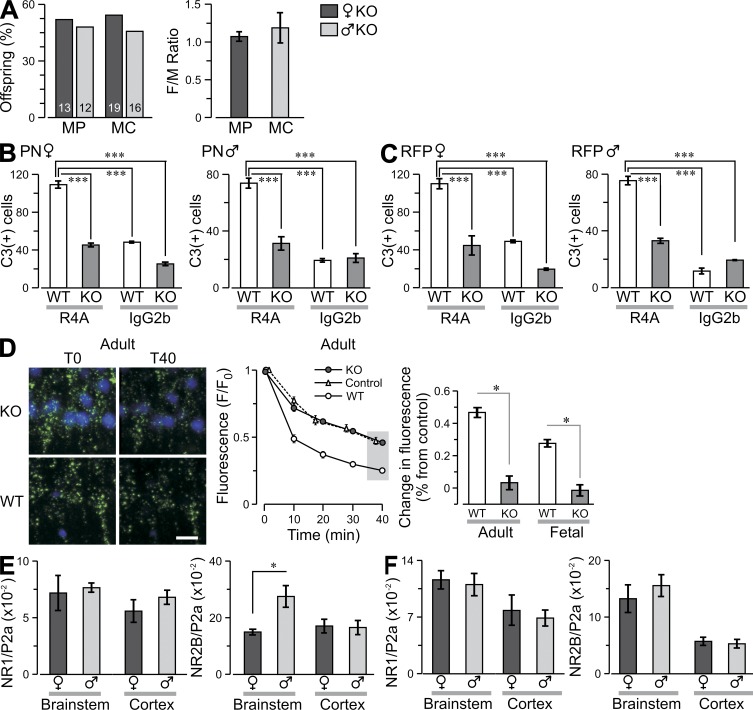
“This toxicity does not arise from a preferential interaction of NR2A with DNRAbs, which bind equally well to NR2A and NR2B extracellular domains by ELISA and can signal through NR2B as well as NR2A (DeGiorgio et al., 2001; Kowal et al., 2006; Faust et al., 2010) and bind strongly to NR2B in vivo.”
BackgroundMethodInfluentialSelf-citationLiu, Y., Wong, T. P., Aarts, M., Rooyakkers, A., Liu, L., Lai, T. W., Wu, D. C., Lu, J., Tymianski, M., Craig, A. M., et al. (2007) · The Journal of Neuroscience · doi:10.1523/jneurosci.0116-07.2007 · Cited by 773 · cited 2×
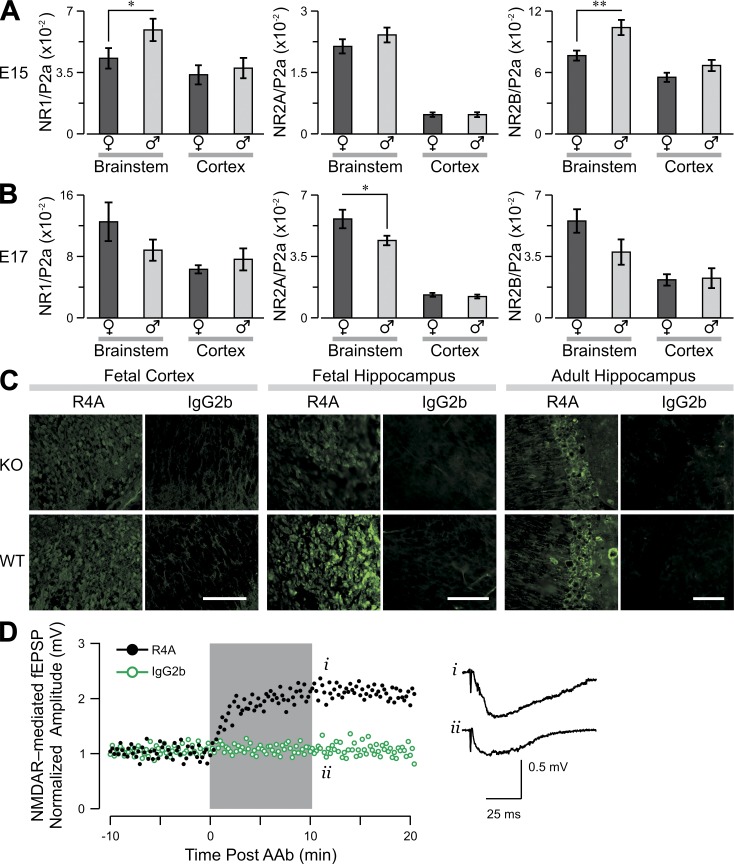
“We demonstrated that R4A reacted with NR2B-containing NMDARs in vivo, as R4A bound NR2A/ fetal brain as 1086 Gender-specific effects of maternal autoantibody | Wang et al. also disputed (Liu et al., 2007; von Engelhardt et al., 2007; Hardingham and Bading, 2010).”
BackgroundWoolley, C. S., Weiland, N. G., McEwen, B. S., & Schwartzkroin, P. A. (1997) · The Journal of Neuroscience · doi:10.1523/jneurosci.17-05-01848.1997 · Cited by 690 · cited 2×
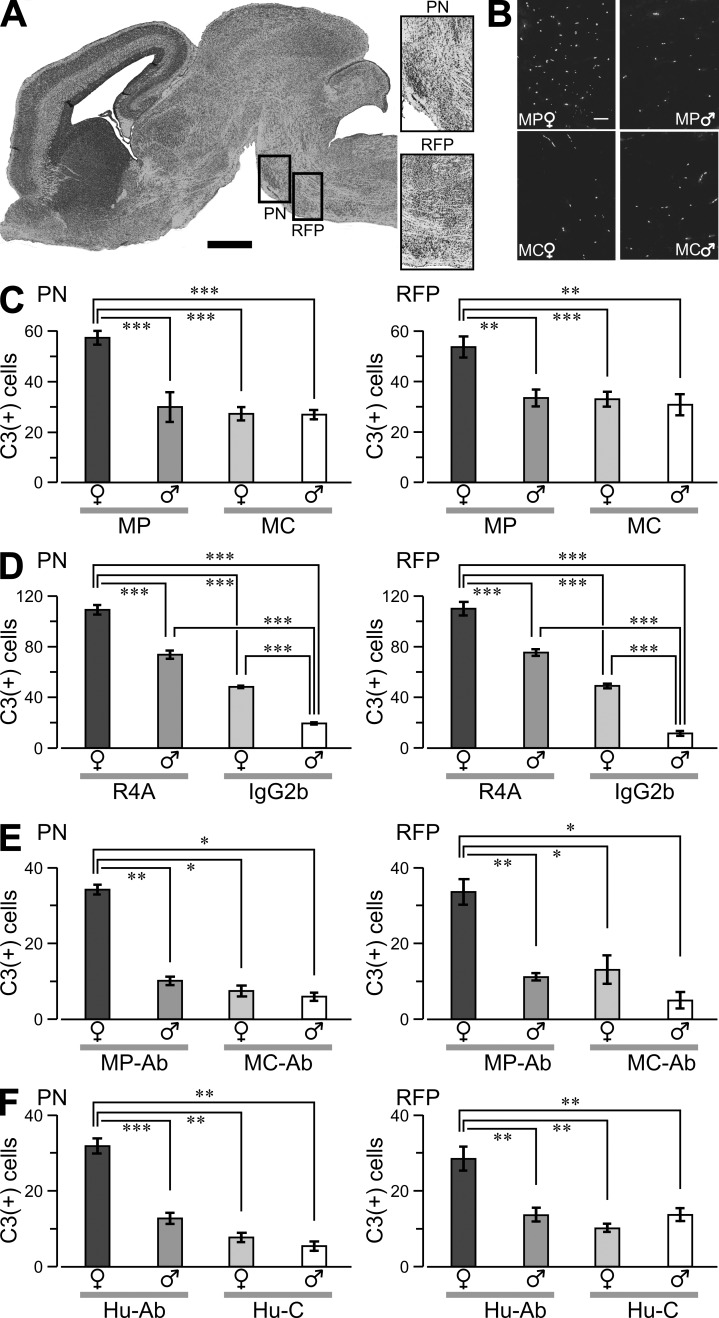
“To confirm DNRAb toxicity, organotypic cultures of fetal brainstem were treated with either mouse monoclonal DNRAb, R4A, or isotype control antibody, IgG2b.”
BackgroundMethodSen, A. (1992) · BMJ · doi:10.1136/bmj.304.6827.587 · Cited by 473
Human lupus autoantibodies against NMDA receptors mediate cognitive impairment
Kowal, C., DeGiorgio, L. A., Lee, J. Y., Edgar, M. A., Huerta, P. T., Volpe, B. T., & Diamond, B. (2006) · Proceedings of the National Academy of Sciences · doi:10.1073/pnas.0608397104 · Cited by 415 · cited 4×
“This toxicity does not arise from a preferential interaction of NR2A with DNRAbs, which bind equally well to NR2A and NR2B extracellular domains by ELISA and can signal through NR2B as well as NR2A (DeGiorgio et al., 2001; Kowal et al., 2006; Faust et al., 2010) and bind strongly to NR2B in vivo.”
BackgroundMethodInfluentialSelf-citationMeyer, U., Feldon, J., & Fatemi, S. H. (2009) · Neuroscience & Biobehavioral Reviews · doi:10.1016/j.neubiorev.2009.05.001 · Cited by 373 · cited 2×
“The relative importance of NR2A and NR2B in excitotoxicity is JEM Vol. 209, No. 6 1087 Br ief Definit ive Repor t models leads to cognitive deficits in the offspring (Shi et al., 2005; Meyer et al., 2009); this is replicated by elevated IL-6 in gestating dams.”
BackgroundNeurotoxic lupus autoantibodies alter brain function through two distinct mechanisms
Faust, T. W., Chang, E. H., Kowal, C., Berlin, R., Gazaryan, I. G., Bertini, E., Zhang, J., Sanchez-Guerrero, J., Fragoso-Loyo, H. E., Volpe, B. T., et al. (2010) · Proceedings of the National Academy of Sciences · doi:10.1073/pnas.1006980107 · Cited by 206 · cited 5×
“This toxicity does not arise from a preferential interaction of NR2A with DNRAbs, which bind equally well to NR2A and NR2B extracellular domains by ELISA and can signal through NR2B as well as NR2A (DeGiorgio et al., 2001; Kowal et al., 2006; Faust et al., 2010) and bind strongly to NR2B in vivo.”
BackgroundMethodInfluentialSelf-citation
Cited by
Immune mediators in the brain and peripheral tissues in autism spectrum disorder
Estes, M. L., & McAllister, A. K. (2015) · Nature Reviews Neuroscience · doi:10.1038/nrn3978 · Cited by 514
Neural reflexes in inflammation and immunity
Andersson, U., & Tracey, K. J. (2012) · Journal of Experimental Medicine · doi:10.1084/jem.20120571 · Cited by 378
“The implications of this work provide a direct link through which antibodies sculpt neuronal circuitry in the developing brain (DeGiorgio et al., 2001; Kowal et al., 2004; Lapteva et al., 2006; Faust et al., 2010; Wang et al., 2012).”
BackgroundBrimberg, L., Sadiq, A., Gregersen, P. K., & Diamond, B. (2013) · Molecular Psychiatry · doi:10.1038/mp.2013.101 · Cited by 172
Self-citationBrain-Reactive Antibodies and Disease
Diamond, B., Honig, G., Mader, S., Brimberg, L., & Volpe, B. T. (2013) · Annual Review of Immunology · doi:10.1146/annurev-immunol-020711-075041 · Cited by 133
“Although the exact mechanism remains unclear, fetal death depends on NR2A expression in the fetus (49).”
BackgroundSelf-citationLupus antibodies induce behavioral changes mediated by microglia and blocked by ACE inhibitors
Nestor, J., Arinuma, Y., Huerta, T. S., Kowal, C., Nasiri, E., Kello, N., Fujieda, Y., Bialas, A., Hammond, T., Sriram, U., et al. (2018) · Journal of Experimental Medicine · doi:10.1084/jem.20180776 · Cited by 146
“ACE inhibitors block neurotoxic DNRAbs 2557 To study the mechanism that targets C1q to synapses, we considered that HMGB1 is a nuclear protein that is released by dying cells, but can also be actively secreted by stressed or activated cells in the immune system (Lotze and Tracey, 2005; Klune et al., 2008; Lu et al., 2…”
BackgroundSelf-citationCaspr2-reactive antibody cloned from a mother of an ASD child mediates an ASD-like phenotype in mice
Brimberg, L., Mader, S., Jeganathan, V, Berlin, R., Coleman, T. R., Gregersen, P. K., Huerta, P. T., Volpe, B. T., & Diamond, B. (2016) · Molecular Psychiatry · doi:10.1038/mp.2016.165 · Cited by 105
Self-citationAntibodies as Mediators of Brain Pathology
Brimberg, L., Mader, S., Fujieda, Y., Arinuma, Y., Kowal, C., Volpe, B. T., & Diamond, B. (2015) · Trends in Immunology · doi:10.1016/j.it.2015.09.008 · Cited by 81
“GluN2A is expressed earlier in female compared with male midbrain and mice lacking GluN2A exhibited no fetal loss in this model [116].”
Self-citationThe Role of Brain-Reactive Autoantibodies in Brain Pathology and Cognitive Impairment
Mader, S., Brimberg, L., & Diamond, B. (2017) · Frontiers in Immunology · doi:10.3389/fimmu.2017.01101 · Cited by 74
“The genderdependent effect may be explained by an increased expression of GluN2A in the fetal female brainstem during development compared to male littermates, or to gender-dependent differences in the vulnerability of fetal neurons to GluN2A signaling (64).”
BackgroundResultSelf-citationChan, K., Nestor, J., Huerta, T. S., Certain, N., Moody, G. R., Kowal, C., Huerta, P. T., Volpe, B. T., Diamond, B., & Wollmuth, L. P. (2020) · Nature Communications · doi:10.1038/s41467-020-15224-w · Cited by 63
Self-citationSex-dependent neurobiological features of prenatal immune activation via TLR7
Missig, G., Robbins, J. O., Mokler, E. L., McCullough, K. M., Bilbo, S. D., McDougle, C. J., & Carlezon, W. A. (2019) · Molecular Psychiatry · doi:10.1038/s41380-018-0346-4 · Cited by 61
McDonald, G., Cabal, N., Vannier, A., Umiker, B., Yin, R. H., Orjalo, A. V., Johansson, H. E., Han, J., & Imanishi‐Kari, T. (2015) · Frontiers in Immunology · doi:10.3389/fimmu.2015.00457 · Cited by 50
“The receptor is expressed at different times during development in male and female embryos, which may explain why the defect is largely seen in only female offspring (14).”
BackgroundMethodThe effect of prolactin on immune cell subsets involved in SLE pathogenesis
Legorreta-Haquet, M. V., Santana-Sánchez, P., Chávez-Sanchéz, L., & Chávez-Rueda, A. K. (2022) · Frontiers in Immunology · doi:10.3389/fimmu.2022.1016427 · Cited by 45
“Antiphospholipid antibodies cause placental insufficiency, intrauterine growth restriction, and fetal death (31, 32).”
BackgroundSun, Y., Cheng, X., Zhang, L., Hu, J. H., chen, Y., Zhan, L., & Gao, Z. (2016) · Molecular Neurobiology · doi:10.1007/s12035-016-9715-7 · Cited by 43
Cognitive dysfunction in SLE: An understudied clinical manifestation
Mizrachi, M., Anderson, E., Carroll, K. R., Tehrani, N., Volpe, B. T., & Diamond, B. (2022) · Journal of Autoimmunity · doi:10.1016/j.jaut.2022.102911 · Cited by 43
Self-citationMaternal brain reactive antibodies profile in autism spectrum disorder: an update
Bagnall-Moreau, C., Spielman, B. P., & Brimberg, L. (2023) · Translational Psychiatry · doi:10.1038/s41398-023-02335-3 · Cited by 31
“Mothers with diseases such as rheumatoid arthritis, celiac disease, and systemic lupus erythematosus (SLE) are more likely to have a child with ASD Received: 25 October 2022 Revised: 20 January 2023 Accepted: 24 January 2023 1Institute of Molecular Medicine, The Feinstein Institutes for Medical Research, Northwell Hea…”
BackgroundInfluentialAutoantibodies in Neuropsychiatric Disorders
Hoffmann, C., Zong, S., Mané-Damas, M., Molenaar, P. C., Losen, M. H., & Martínez‐Martínez, P. (2016) · Antibodies · doi:10.3390/antib5020009 · Cited by 30
“The autoantibodies are targeting the GluN2 subunit, which are enriched in female fetuses and make them more vulnerable and severely affected in fetal state than their male siblings [175].”
BackgroundOutcomes in Children Born to Women with Rheumatic Diseases
Vinet, É., & Bernatsky, S. (2017) · Rheumatic Disease Clinics of North America · doi:10.1016/j.rdc.2016.12.006 · Cited by 24
Brief Report: Causes of Stillbirths in Women With Systemic Lupus Erythematosus
Vinet, É., Genest, G., Scott, S. C., Pineau, C. A., Clarke, A. E., Platt, R. W., & Bernatsky, S. (2016) · Arthritis & Rheumatology · doi:10.1002/art.39742 · Cited by 24
“Our findings are supported by recent experimental evidence suggesting that a subset of anti-DNA antibodies cross-reacting with the N-methylD-aspartate receptors can bind brainstem neuronal receptors and induce apoptosis, resulting in a marked preferential loss of female fetuses in murine models of SLE (13).”
ResultMaternal Antibody and ASD: Clinical Data and Animal Models
Gata-Garcia, A., & Diamond, B. (2019) · Frontiers in Immunology · doi:10.3389/fimmu.2019.01129 · Cited by 24
Self-citationMader, S., Brimberg, L., Vo, A., Strohl, J. J., Crawford, J. M., Bonnin, A., Carrión, J., Campbell, D., Huerta, T. S., Bella, A. L., et al. (2022) · Science Translational Medicine · doi:10.1126/scitranslmed.abe9726 · Cited by 20
Self-citationNeurodevelopmental disorders in children born to mothers with systemic lupus erythematosus
Vinet, É., Pineau, C., Clarke, A. E., Fombonne, E. J., Platt, R. W., & Bernatsky, S. (2014) · Lupus · doi:10.1177/0961203314541691 · Cited by 20
Davidov, D., Sheiner, E., Wainstock, T., Miodownik, S., & Pariente, G. (2021) · Journal of Clinical Medicine · doi:10.3390/jcm10132952 · Cited by 18
“Animal studies demonstrated that anti-dsDNA antibodies and anti-NMDR antibodies, which are both present in SLE patients, cross the placenta and influence fetal neurological development [29].”
BackgroundCognitive Impairment in SLE: Mechanisms and Therapeutic Approaches
Zarfeshani, A., Carroll, K. R., Volpe, B. T., & Diamond, B. (2021) · Current Rheumatology Reports · doi:10.1007/s11926-021-00992-1 · Cited by 17
Self-citationMcDonald, G., Medina, C. O., Pilichowska, M. E., Kearney, J. F., Shinkura, R., Selsing, E., Wortis, H. H., Honjo, T., & Imanishi‐Kari, T. (2017) · Frontiers in Immunology · doi:10.3389/fimmu.2017.01094 · Cited by 17
AS ALTERAÇÕES GENÉTICAS E A NEUROFISIOLOGIA DO AUTISMO
Kerche, L. E., Camparoto, M. L., & Rodrigues, F. V. (2020) · SaBios-Revista de Saúde e Biologia · Cited by 18
Integrative neuroscience approach to neuropsychiatric lupus
Huerta, P. T., Gibson, E. L., Rey, C., & Huerta, T. S. (2015) · Immunologic Research · doi:10.1007/s12026-015-8713-6 · Cited by 14
Self-citationAutoantibody-associated psychiatric syndromes in children: link to adult psychiatry
Hansen, N., Luedecke, D., Malchow, B., Lipp, M., Vogelgsang, J. S., Timäus, C., Zindler, T., Gingele, S., Kühn, S., Gallinat, J., et al. (2021) · Journal of Neural Transmission · doi:10.1007/s00702-021-02354-8 · Cited by 11
Rival, C. M., Setiady, Y. Y., Samy, E. T., Harakal, J., & Tung, K. S. K. (2014) · Frontiers in Immunology · doi:10.3389/fimmu.2014.00242 · Cited by 10
“In addition, neuronal apoptosis and subsequent abortion are consequences of maternal autoAb to DNA in SLE patients (28); and autism spectrum disorders are linked to maternal autoAb against fetal brain antigens (29, 30).”
BackgroundVinet, É., Bernatsky, S., Pineau, C. A., Clarke, A. E., Nashi, E. P., Scott, S. C., Platt, R. W., Mackay, M. C., & Aranow, C. B. (2013) · Arthritis & Rheumatism · doi:10.1002/art.37852 · Cited by 9
Sex ratios among children of lupus pregnancies
Lockshin, M. D., Cohn, E., Aslam, A., Buyon, J. P., & Salmon, J. E. (2012) · Arthritis & Rheumatism · doi:10.1002/art.37718 · Cited by 8
Excess Female Siblings and Male Fetal Loss in Families with Systemic Lupus Erythematosus
Aggarwal, R., Sestak, A. L., Chakravarty, E. F., Harley, J. B., & Scofield, R. H. (2013) · The Journal of Rheumatology · doi:10.3899/jrheum.120643 · Cited by 8
Almamy, A., Schwerk, C., Schroten, H., Ishikawa, H., Asif, A. R., & Reuß, B. (2017) · Immunologic Research · doi:10.1007/s12026-017-8952-9 · Cited by 7
“Interestingly, patients with SLE display high levels of autoantibodies and cytokines, which have been shown, in animal models, to alter fetal brain development and induce behavioral anomalies in offspring [60, 61].”
BackgroundRival, C. M., Samy, E. T., Setiady, Y. Y., & Tung, K. S. K. (2013) · The Journal of Immunology · doi:10.4049/jimmunol.1301500 · Cited by 6
“Female lupus patients also produce DNA autoantibodies that can be lethal in neonatal mice when they cross-react with neuron receptors (3).”
BackgroundArkema, E. V., Askling, J., Salmon, J. E., & Simard, J. F. (2016) · Arthritis & Rheumatology · doi:10.1002/art.39843 · Cited by 6
“In mice, administration of aPL is associated with early fetal death, and a subset of double-stranded DNA antibodies has been associated with the loss of female offspring, resulting in a high male-to-female sex ratio (2,3).”
Mader, S., Brimberg, L., Soltys, J. N., Bennett, J. L., & Diamond, B. (2018) · Frontiers in Immunology · doi:10.3389/fimmu.2018.01599 · Cited by 6
“Studies have indicated the possibility that AQP4 antibodies present within the circulation of a mother with NMO might also affect the offspring (25, 31), as has been shown for some other brain-reactive antibodies (15, 32).”
BackgroundMethodSelf-citationHochmeister, S., Pekar, T., Lindner, M., Kitic, M., Haindl, M. T., Storch, M. K., Fazekas, F., & Linington, C. (2014) · PLoS ONE · doi:10.1371/journal.pone.0085393 · Cited by 4
“In a mouse model of the SLE a similar response is associated with reduced female fetal viability [27], an observation consistent with available sex ratio data on live births in women with SLE.”
ResultEl-Ansary, A. K., Alfawaz, H., Bacha, A. G. B., & AL-Ayadhi, L. Y. (2024) · Current Issues in Molecular Biology · doi:10.3390/cimb46080513 · Cited by 3
“…through the mature blood–brain barrier into the adult brain, they can pass through the immature blood–brain barrier in developing embryos [ Research has demonstrated that certain kinds of anti-DNA antibodies can bind to fetal neural receptors, leading to excitotoxicity, which kills neurons [48–50].”
BackgroundPathogenesis of Tissue Injury in the Brain in Patients with Systemic Lupus Erythematosus
Volpe, B. T. (2016) · Elsevier eBooks · doi:10.1016/b978-0-12-801917-7.00036-x · Cited by 2
Self-citationVolpe, B. T., Mackay, M. C., Aranow, C. B., & Diamond, B. (2021) · Elsevier eBooks · doi:10.1016/b978-0-12-820583-9.00034-8 · Cited by 1
Self-citationSLE autoantibodies have lethal neurotoxic effects in female foetuses
Carney, E. F. (2012) · Nature Reviews Rheumatology · doi:10.1038/nrrheum.2012.83
Autoantibodies bring out the son
Bordon, Y. (2012) · Nature reviews. Immunology · doi:10.1038/nri3238
The long term outcomes of children born to mothers with Systemic Lupus Erythematous (SLE)
Gayed, M. (2015) · University of Birmingham Institutional Research Archive (University of Birmingham)
Maternal Brain-Reactive Antibodies and Autism Spectrum Disorder
Diamond, B. (2015)
Self-citationAutoantibodies in disorders of the brain: expanding the spectrum
Зонг (2019) · Research Publications (Maastricht University) · doi:10.26481/dis.20191106sz
Diamond, B. (2023) · Annual Review of Immunology · doi:10.1146/annurev-immunol-101721-065214
Self-citation
Metadata
- Authors
- Wang, L., Zhou, D., Lee, J., Niu, H., Faust, T. W., Frattini, S., Kowal, C., Huerta, P. T., Volpe, B. T., & Diamond, B.
- Affiliations
- Northwell Health (US)
- Massachusetts General Hospital (US)
- Corresponding author
- Diamond, Betty
- Venue
- Journal of Experimental Medicine
- Publisher
- Rockefeller University Press
- Published
- 2012-05-07
- Volume
- 209
- Issue
- 6
- Pages
- 1083-1089
- ISSN
- 0022-1007 (ISSN-L)
- 1540-9538
- PMC
- PMC3371726
- OpenAlex
- W2016329099
- Cited by
- 44
- References
- 28
- Citations by year
- 2024: 1 · 2023: 2 · 2022: 3 · 2021: 4 · 2020: 1 · 2019: 4 · 2018: 2 · 2017: 4 · 2016: 6 · 2015: 5 · 2014: 3 · 2013: 5 · 2012: 4
- FWCI
- 4.17
- Type
- journal article
- Language
- en
- Open access
- green
- www.ncbi.nlm.nih.gov
- Licence
- cc-by-nc-sa
- Locations
- The Journal of Experimental Medicine (publishedVersion)
- Europe PMC (PubMed Central) (publishedVersion, cc-by-nc-sa)
- PubMed Central (publishedVersion, cc-by-nc-sa)
- PubMed (publishedVersion)
- Funders
- National Institute of Allergy and Infectious Diseases (P01AI073693)
- Topics
- Health Sciences › Medicine › Rheumatology › Systemic Lupus Erythematosus Research
- Life Sciences › Immunology and Microbiology › Immunology › Reproductive System and Pregnancy
- Health Sciences › Medicine › Clinical Neurology › Autoimmune Neurological Disorders and Treatments
- Keywords
- systemic lupus erythematosus, maternal autoantibodies, fetal death, NMDA receptor, NR2A subunit, NR2B subunit, anti-dsDNA antibodies, brainstem neurons, neuronal apoptosis, sex differences, fetal brain development, mouse model
- MeSH terms
- Animals, Animals, Newborn, Antibodies, Antinuclear, Autoantibodies, Brain, Female, Fetal Death, Humans, Lupus Erythematosus, Systemic, Male, Mice, Inbred BALB C, Neurons, Oligopeptides, Pregnancy, Sex Factors, Sex Ratio, Receptors, N-Methyl-D-Aspartate, Apoptosis, Gene Expression Regulation, Developmental, Mice
About these checks
Registry, retraction, Cites and statistics results are computed, not judged, with one exception: a printed reference that no index lists is read once by a model before it counts as a citation error. Claims are extracted by a model and kept only when their quote appears verbatim in the text; each cited source is then checked, with a model’s help, for whether it says what the claim relies on. Those verdicts can be wrong — read the claim’s quote and the cited source before relying on one.
Statistics and arithmetic are recomputed, not judged.
Confidence bands are shown only for fields calibrated on our annotated test set. None is calibrated yet, so no band is shown.
What counts as a claim ›How we measure confidence ›How we check this ›
Are you an author, or do you see a problem with this page? Request a review
Data sources
Bibliographic data: Semantic Scholar, OpenAlex, Crossref.
Contains information from the Semantic Scholar Academic Graph Datasets, made available under the ODC Attribution License (ODC-BY 1.0).
Semantic Scholar’s data is described in: Kinney, R., et al. (2023). The Semantic Scholar Open Data Platform. arXiv:2301.10140.
