

Lung-resident tissue macrophages generate Foxp3+ regulatory T cells and promote airway tolerance
Open accessThe DOI matches its Crossref record; 66 of the 66 references it cites were found in a registry or an index.
Abstract
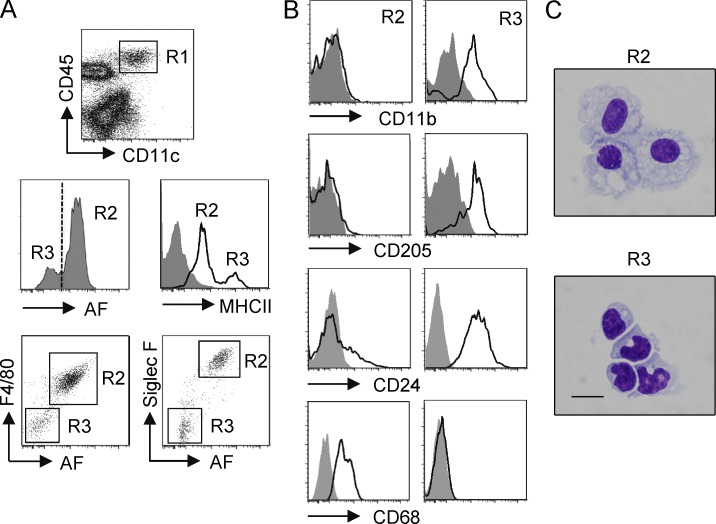
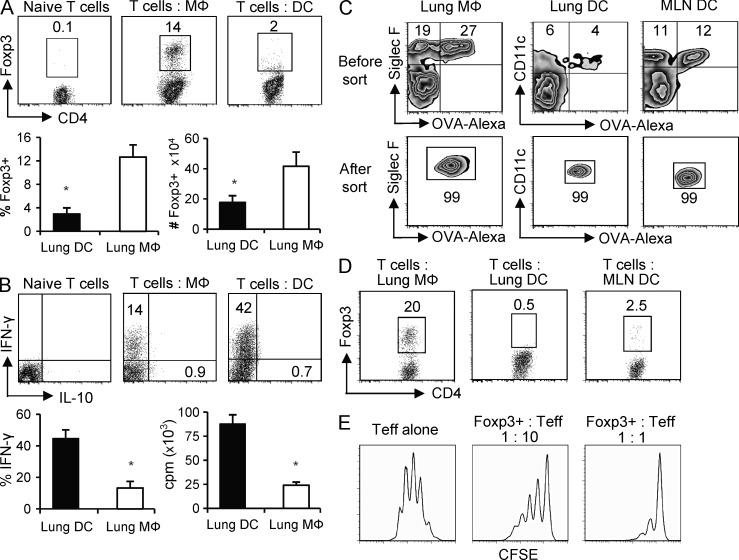
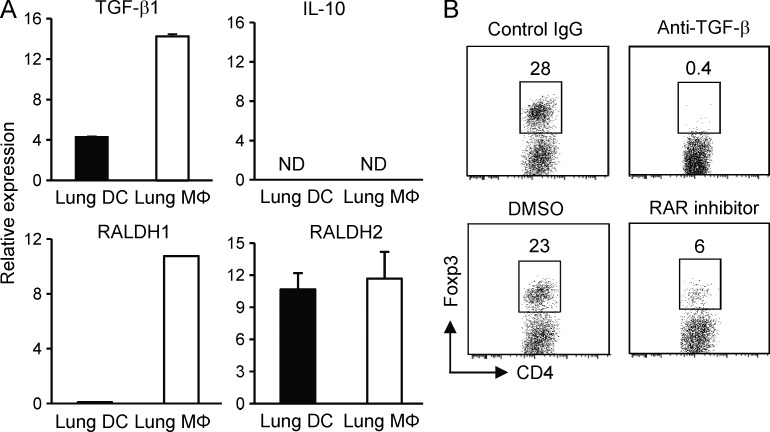
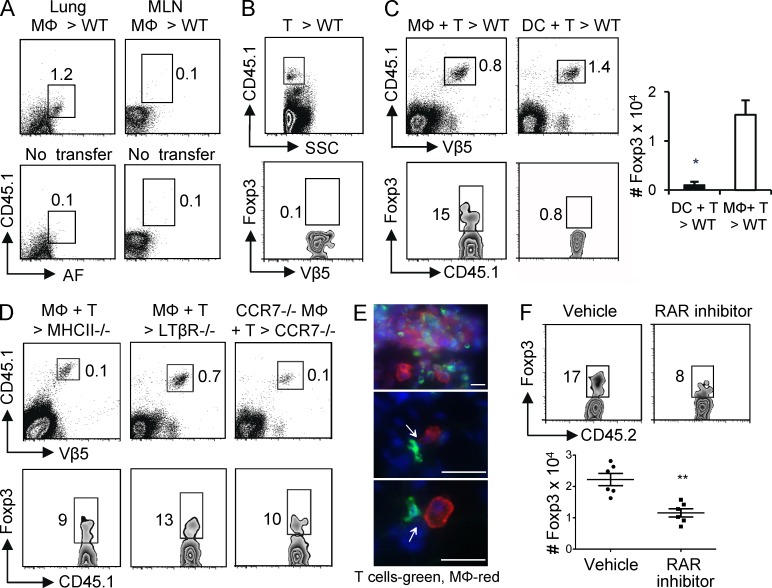
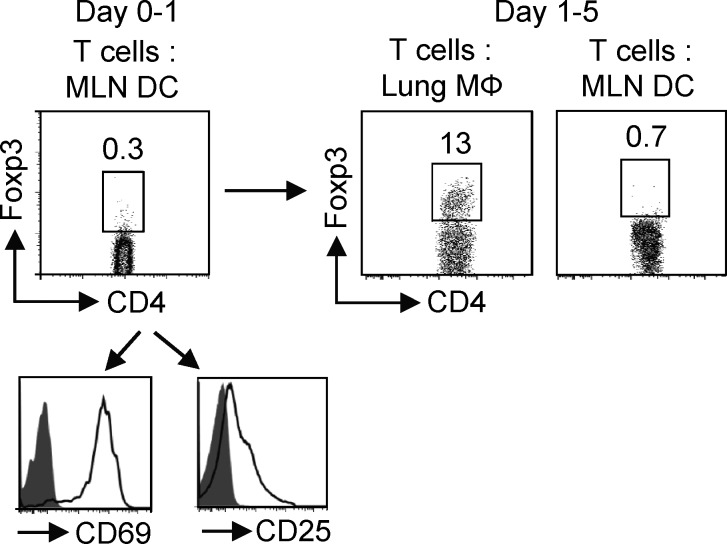
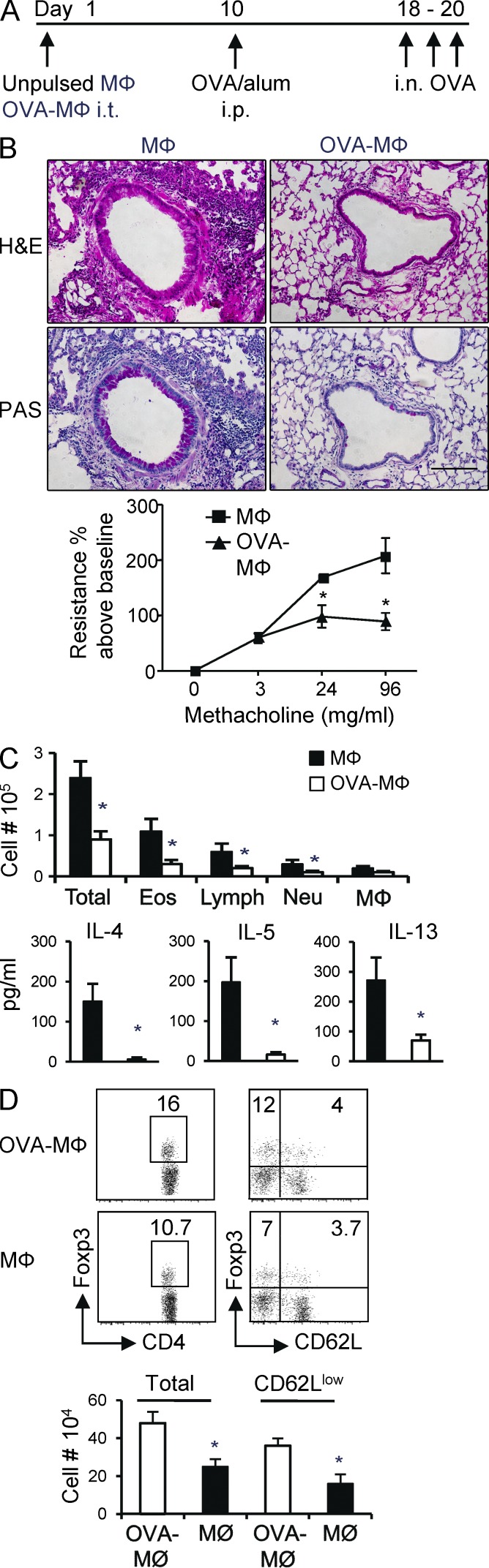
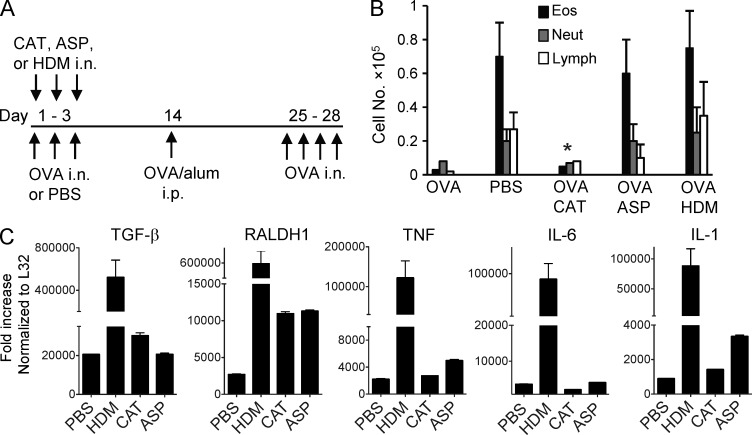
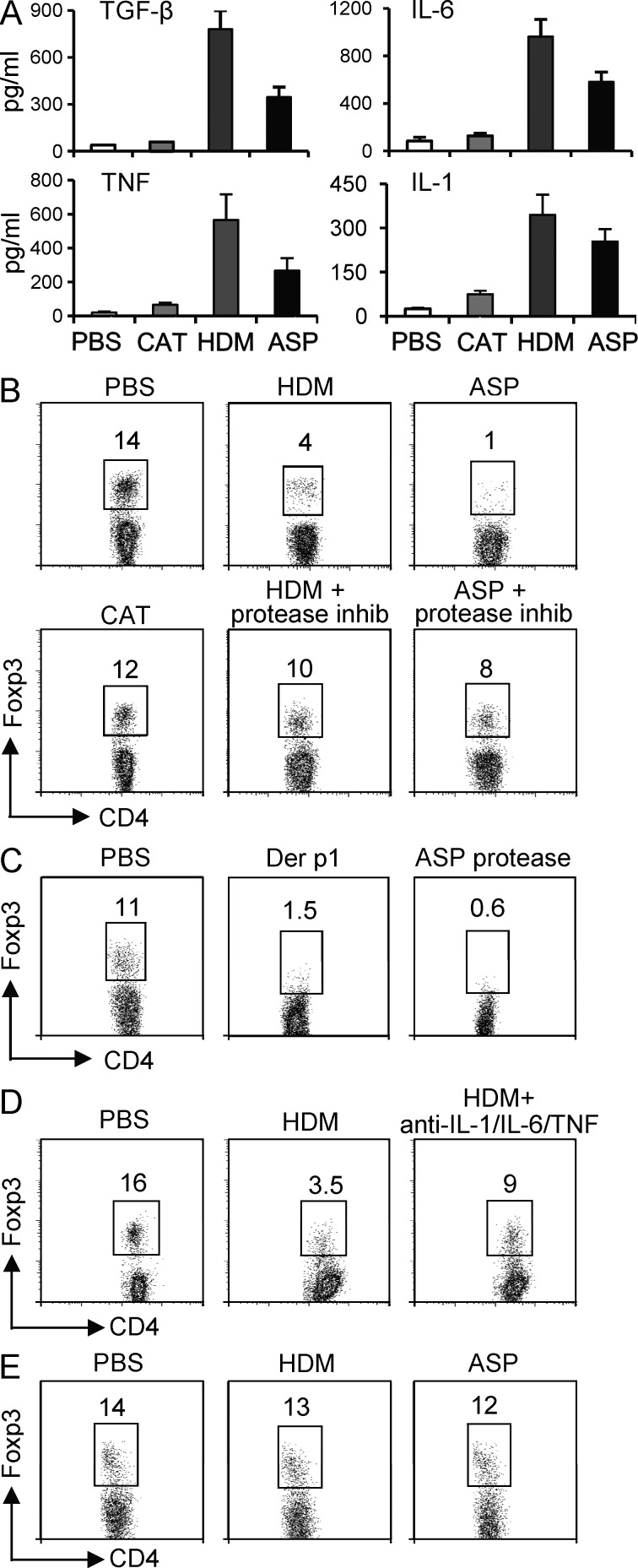
Airway tolerance is the usual outcome of inhalation of harmless antigens. Although T cell deletion and anergy are likely components of tolerogenic mechanisms in the lung, increasing evidence indicates that antigen-specific regulatory T cells (inducible Treg cells [iTreg cells]) that express Foxp3 are also critical. Several lung antigen-presenting cells have been suggested to contribute to tolerance, including alveolar macrophages (MØs), classical dendritic cells (DCs), and plasmacytoid DCs, but whether these possess the attributes required to directly promote the development of Foxp3+ iTreg cells is unclear. Here, we show that lung-resident tissue MØs coexpress TGF-β and retinal dehydrogenases (RALDH1 and RALDH 2) under steady-state conditions and that their sampling of harmless airborne antigen and presentation to antigen-specific CD4 T cells resulted in the generation of Foxp3+ Treg cells. Treg cell induction in this model depended on both TGF-β and retinoic acid. Transfer of the antigen-pulsed tissue MØs into the airways correspondingly prevented the development of asthmatic lung inflammation upon subsequent challenge with antigen. Moreover, exposure of lung tissue MØs to allergens suppressed their ability to generate iTreg cells coincident with blocking airway tolerance. Suppression of Treg cell generation required proteases and TLR-mediated signals. Therefore, lung-resident tissue MØs have regulatory functions, and strategies to target these cells might hold promise for prevention or treatment of allergic asthma.
Overview
The claims and statistics of this paper haven’t been checked yet.
Free: it reads the open-access text and checks the first 5 claims that cite a source we can check. Create a free account to check every claim.
Integrity signals
Registry
Cites
Statistics
Figures
Verification
Claims the paper makes
The claims and statistics of this paper haven’t been checked yet.
Free: it reads the open-access text and checks the first 5 claims that cite a source we can check. Create a free account to check every claim.
Claims other papers make about this one
Each is checked against this paper’s own text: does it say what the citing paper says it does?
The source backs part of the claim, not all of it — or backs it for a different population, condition or comparison.
In the citing paper
“These cells dampen TLR-induced inflammatory signals in epithelial cells143, suppress inflammation by inhibiting dendritic cell- mediated activation of T cells144,145 and induce regulatory cells146”
From The microbiota of the respiratory tract: gatekeeper to respiratory health (2017) · cites this paper as [146]
Experimental — accuracy not yet measured
Self-check
Percentages, sums and reported differences re-computed from the paper’s own numbers.
The self-check needs the paper’s full text.
Citations
Cites
Chen, W., Jin, W., Hardegen, N., Lei, K.-J., Li, L., Marinos, N., McGrady, G., & Wahl, S. M. (2003) · The Journal of Experimental Medicine · doi:10.1084/jem.20030152 · Cited by 4,699 · cited 2×
“TGF- was found to be key to the conversion of naive CD4 T cells into Foxp3+ iTreg cells from an in vitro study (Chen et al., 2003), and we and others in several models of lung tolerance showed that neutralizing TGF- allowed the development of Th2-driven eosinophilia in the airway and blocked the generation of antige…”
BackgroundCoombes, J. L., Siddiqui, K. R. R., Arancibia-Cárcamo, C. V., Hall, J., Sun, C.-M., Belkaid, Y., & Powrie, F. (2007) · The Journal of Experimental Medicine · doi:10.1084/jem.20070590 · Cited by 2,710 · cited 3×
“Within the gut, another mucosal tissue that may be very similar to the lung, both MØs and CD103+ cDCs in mesenteric LNs and in lamina propria have been suggested to afford tolerance and promote Foxp3+ iTreg cells, and again sequential interactions among these APCs in different compartments may be critical for maintain…”
BackgroundReciprocal T H 17 and Regulatory T Cell Differentiation Mediated by Retinoic Acid
Mucida, D., Park, Y., Kim, G., Turovskaya, O., Scott, I., Kronenberg, M., & Cheroutre, H. (2007) · Science · doi:10.1126/science.1145697 · Cited by 1,982 · cited 2×
“, 2010), which mediates the ability of retinoic acid to synergize with TGF- and enhance the induction of Foxp3 (Benson et al., 2007; Mucida et al., 2007).”
BackgroundSun, C.-M., Hall, J. A., Blank, R. B., Bouladoux, N., Oukka, M., Mora, J. R., & Belkaid, Y. (2007) · The Journal of Experimental Medicine · doi:10.1084/jem.20070602 · Cited by 1,881
Akbari, O., DeKruyff, R. H., & Umetsu, D. T. (2001) · Nature Immunology · doi:10.1038/90667 · Cited by 1,205 · cited 4×
“…have suggested that lung cDCs expressing IL-10, lung pDCs, and alveolar MØs all exert suppressive function and might contribute to maintaining tolerance in the lung (Thepen et al., 1992; Bilyk and Holt, 1993; Lipscomb et al., 1993; Roth and Golub, 1993; Akbari et al., 2001; de Heer et al., 2004).”
BackgroundInfluentialRole of conserved non-coding DNA elements in the Foxp3 gene in regulatory T-cell fate
Zheng, Y., Josefowicz, S., Chaudhry, A., Peng, X. P., Forbush, K., & Rudensky, A. Y. (2010) · Nature · doi:10.1038/nature08750 · Cited by 1,169 · cited 2×
“Significantly, CNS1 contains a binding site for Smad3 that is critical for TGF-–dependent induction of Foxp3 (Tone et al., 2008; Zheng et al., 2010).”
BackgroundHammad, H., Chieppa, M., Perros, F., Willart, M. A., Germain, R. N., & Lambrecht, B. N. (2009) · Nature Medicine · doi:10.1038/nm.1946 · Cited by 1,139 · cited 4×
“Inhalation of HDM extract completely abrogated lung tolerance, as reported previously (Hammad et al., 2009; Duan et al., 2011), and ASP extract displayed the same activity.”
BackgroundInfluentialDenning, T. L., Wang, Y.-C., Patel, S. R., Williams, I. R., & Pulendran, B. (2007) · Nature Immunology · doi:10.1038/ni1511 · Cited by 994 · cited 17×
“Several years ago, both lung-resident CD11c+ classical DCs (cDCs) and plasmacytoid DCs (pDCs) were suggested to participate in tolerance in the airways and shown to block priming of CD4 T cells (Akbari et al., 2001; de Heer et al., 2004), but their activity was either centered on the production of IL-10 and induction…”
BackgroundInfluentialHadis, U., Wahl, B., Schulz, O., Hardtke-Wolenski, M., Schippers, A., Wagner, N., Müller, W., Sparwasser, T., Förster, R., & Pabst, O. (2011) · Immunity · doi:10.1016/j.immuni.2011.01.016 · Cited by 898 · cited 2×
“Within the gut, another mucosal tissue that may be very similar to the lung, both MØs and CD103+ cDCs in mesenteric LNs and in lamina propria have been suggested to afford tolerance and promote Foxp3+ iTreg cells, and again sequential interactions among these APCs in different compartments may be critical for maintain…”
BackgroundBenson, M. J., Pino-Lagos, K., Rosemblatt, M., & Noelle, R. J. (2007) · The Journal of Experimental Medicine · doi:10.1084/jem.20070719 · Cited by 847 · cited 2×
“, 2010), which mediates the ability of retinoic acid to synergize with TGF- and enhance the induction of Foxp3 (Benson et al., 2007; Mucida et al., 2007).”
Background
Cited by
Items 101–200 of 339
Applications of Biomaterials for Immunosuppression in Tissue Repair and Regeneration
Shen, P. F., Chen, Y., Luo, S., Fan, Z., Wang, J., Chang, J., & Deng, J. (2020) · Acta Biomaterialia · doi:10.1016/j.actbio.2021.03.019 · Cited by 58
Brown, B., Ojha, V., Fricke, I., Al-Sheboul, S. A., Imarogbe, C., Gravier, T., Green, M., Peterson, L., Koutsaroff, I. P., Demir, A. N., et al. (2023) · Vaccines · doi:10.3390/vaccines11020408 · Cited by 58
Hogenkamp, A., Thijssen, S., van Vlies, N., & Garssen, J. (2014) · Journal of Nutrition · doi:10.3945/jn.114.197707 · Cited by 56
“These cells recently were shown to be able to generate inducible Tregs, which are important in maintaining airway tolerance (28).”
Yuan, X., Yang, B.-H., Dong, Y. W., Yamamura, A., & Fu, W. (2017) · eLife · doi:10.7554/elife.29540 · Cited by 63
“These studies have demonstrated that macrophages residing in the lung (Soroosh et al., 2013), or intestinal lamina propria (Denning et al., 2007; Haribhai et al., 2016) can promote the generation of Treg cells.”
BackgroundResultA Jagged 1–Notch 4 molecular switch mediates airway inflammation induced by ultrafine particles
Xia, M., Harb, H., Saffari, A. A., Sioutas, C., & Chatila, T. A. (2018) · Journal of Allergy and Clinical Immunology · doi:10.1016/j.jaci.2018.03.009 · Cited by 59
The Role of T Cells and Macrophages in Asthma Pathogenesis: A New Perspective on Mutual Crosstalk
Zhu, X., Cui, J., Yi, L., Qin, J., Wuniqiemu, T., Teng, F., Tang, W., Wei, Y., & Dong, J. (2020) · Mediators of Inflammation · doi:10.1155/2020/7835284 · Cited by 62
Parsons, M. W., Li, L., Wallace, A. M., Lee, M. J., Katz, H. R., Fernandez, J., Saijo, S., Iwakura, Y., Austen, K. F., Kanaoka, Y., et al. (2014) · The Journal of Immunology · doi:10.4049/jimmunol.1301809 · Cited by 58
“regulatory cells, and this function is abrogated by dust mite activation via the MyD88/Trif pathway (34).”
Zhang, F., Zhang, J., Neng, L., & Shi, X. (2013) · Journal of the Association for Research in Otolaryngology · doi:10.1007/s10162-013-0403-2 · Cited by 61
“For example, macrophages are specialized for phagocytic clearance of airborne and ingested pathogens in the lung (Guth et al. 2009; Soroosh et al. 2013) and liver (Yang et al. 2012).”
BackgroundIt’s Time to Bring Dendritic Cell Therapy to Type 1 Diabetes
Creusot, R. J., Giannoukakis, N., Trucco, M., Clare-Salzler, M. J., & Fathman, C. G. (2013) · Diabetes · doi:10.2337/db13-0886 · Cited by 63
“Tolerogenic cells of the hematopoietic lineage comprise several DC subsets typically in their steady-state immature stage (3), regulatory macrophages (4) and myeloid-derived suppressive cells (5), the latter being immature precursors of DCs, macrophages, and granulocytes.”
BackgroundThe Lung Is Protected from Spontaneous Inflammation by Autophagy in Myeloid Cells
Kanayama, M., He, Y.-W., & Shinohara, M. L. (2015) · The Journal of Immunology · doi:10.4049/jimmunol.1403249 · Cited by 49
“AMs are also known as an inducer of regulatory T cells (Tregs) by supplying TGF-b and retinoic acid (2).”
BackgroundInfluentialInomata, T., Hua, J., Zazzo, A. D., & Dana, R. (2016) · Scientific Reports · doi:10.1038/srep39924 · Cited by 55
Senescence in Pulmonary Fibrosis: Between Aging and Exposure
Venosa, A. (2020) · Frontiers in Medicine · doi:10.3389/fmed.2020.606462 · Cited by 54
Tan, J., Taitz, J., Sun, S. M., Langford, L., Ni, D., & Macia, L. (2022) · Frontiers in Nutrition · doi:10.3389/fnut.2022.878382 · Cited by 52
“Antigen-specific pTregs are induced by TGF-β and retinoic acid produced by gut mucosal CD103 DC and lung resident macrophages, protecting from food allergies, asthmatic lung inflammation, and airway hyperreactivity, respectively (44).”
BackgroundDefining Human Regulatory T Cells beyond FOXP3: The Need to Combine Phenotype with Function
Gootjes, C., Zwaginga, J. J., Roep, B. O., & Nikolić, T. (2024) · Cells · doi:10.3390/cells13110941 · Cited by 55
McPherson, S. W., Heuss, N. D., Pierson, M. J., & Gregerson, D. S. (2014) · Journal of Neuroinflammation · doi:10.1186/s12974-014-0205-4 · Cited by 52
“A recent study showed pTreg development dependent on resident lung macrophages [21].”
BackgroundAntigen-specific Treg cells in immunological tolerance: implications for allergic diseases
Abdel-Gadir, A., Massoud, A. H., & Chatila, T. A. (2018) · F1000Research · doi:10.12688/f1000research.12650.1 · Cited by 52
Alobaidi, A. H., Alsamarai, A. M., & Alsamarai, M. A. (2021) · Anti-Inflammatory & Anti-Allergy Agents in Medicinal Chemistry · doi:10.2174/1871523020666210920100707 · Cited by 49
Scientific Foundations of Allergen-Specific Immunotherapy for Allergic Disease
Soyka, M., van de Veen, W., Holzmann, D., Akdiş, M., & Akdiş, C. A. (2014) · CHEST Journal · doi:10.1378/chest.14-0049 · Cited by 49
Long, H., Lichtnekert, J., Andrassy, J., Schraml, B. U., Romagnani, P., & Anders, H.-J. (2023) · Frontiers in Immunology · doi:10.3389/fimmu.2023.1194988 · Cited by 46
Crocetin Activates Foxp3 Through TIPE2 in Asthma-Associated Treg Cells
Ding, J., Su, J., Zhang, L., & Ma, J. (2015) · Cellular Physiology and Biochemistry · doi:10.1159/000438595 · Cited by 46
Kratzer, B., Köhler, C., Hofer, S., Smole, U., Trapin, D., Iturri, J. J., Pum, D., Kienzl, P., Elbe‐Bürger, A., Gattinger, P., et al. (2018) · Allergy · doi:10.1111/all.13573 · Cited by 47
Clua, P., Tomokiyo, M., Tonetti, F. R., Islam, M. A., García-Castillo, V., Marcial, G., Salva, S., Alvarez, S., Takahashi, H., Kurata, S., et al. (2020) · Cells · doi:10.3390/cells9071653 · Cited by 50
“Interestingly, another anti-inflammatory strategy of AMs is their ability to promote Treg cell responses by directly interacting with these cells or indirectly through the production of certain cytokines [37,38].”
BackgroundGarcía-Castillo, V., Tomokiyo, M., Tonetti, F. R., Islam, M. A., Takahashi, H., Kitazawa, H., & Villena, J. (2020) · Frontiers in Immunology · doi:10.3389/fimmu.2020.568636 · Cited by 50
Mehta, A. K., Duan, W., Doerner, A. M., Traves, S. L., Broide, D. H., Proud, D., Zuraw, B. L., & Croft, M. (2015) · Journal of Allergy and Clinical Immunology · doi:10.1016/j.jaci.2015.05.007 · Cited by 49
Self-citationIn vivo compartmental analysis of leukocytes in mouse lungs
Patel, B. V., Tatham, K. C., Wilson, M. R., O'Dea, K. P., & Takata, M. (2015) · American Journal of Physiology-Lung Cellular and Molecular Physiology · doi:10.1152/ajplung.00140.2015 · Cited by 49
Control of Regulatory T Cells and Airway Tolerance by Lung Macrophages and Dendritic Cells
Duan, W., & Croft, M. (2014) · Annals of the American Thoracic Society · doi:10.1513/annalsats.201401-028aw · Cited by 47
Self-citationHong, G. H., Kwon, H., Moon, K., Park, S., Park, S., Lee, K. Y., Ha, E., Kim, T., Moon, H., Lee, H. K., et al. (2016) · The Journal of Immunology · doi:10.4049/jimmunol.1500747 · Cited by 45
Mesh induced fibrosis: The protective role of T regulatory cells
Artsen, A. M., Rytel, M., Liang, R., King, G. E., Meyn, L. A., Abramowitch, S. D., & Moalli, P. (2019) · Acta Biomaterialia · doi:10.1016/j.actbio.2019.07.031 · Cited by 45
Miki, H., Pei, H., Gracias, D. T., Linden, J. M., & Croft, M. (2020) · Journal of Allergy and Clinical Immunology · doi:10.1016/j.jaci.2020.10.005 · Cited by 46
Self-citationMansouri, S., Katikaneni, D. S., Gogoi, H., Pipkin, M., Machuca, T., Emtiazjoo, A. M., & Jin, L. (2020) · Mucosal Immunology · doi:10.1038/s41385-020-0254-1 · Cited by 45
O'Regan, N. L., Steinfelder, S., Venugopal, G., Rao, G. B., Lucius, R., Srikantam, A., & Hartmann, S. (2014) · PLoS Neglected Tropical Diseases · doi:10.1371/journal.pntd.0003206 · Cited by 42
Sarang, Z., Joós, G., Garabuczi, É., Rühl, R., Gregory, C. D., & Szondy, Z. (2014) · The Journal of Immunology · doi:10.4049/jimmunol.1400284 · Cited by 49
“It was also found that macrophage-produced retinoids contribute to regulatory T cell formation in the airway (44).”
BackgroundTherapeutic targeting of TGF ‐β in lung cancer
Aftabi, S., Behrooz, A. B., Cordani, M., Rahiman, N., Sadeghdoust, M., Aligolighasemabadi, F., Pistorius, S., Alavizadeh, S. H., Taefehshokr, N., & Ghavami, S. (2024) · FEBS Journal · doi:10.1111/febs.17234 · Cited by 52
“Lung-resident tissue macrophages, through TGF-b expression, generate Foxp3 + Tregs to promote tolerance to airway antigens, suggesting that blockade of TGF-b is not optimal due to the critical functions in lung homeostasis [160].”
Inhibition of SIRPα in dendritic cells potentiates potent antitumor immunity
Liu, Q., Wen, W., Tang, L., Qin, C., Lin, Y., Zhang, H., Wu, H., Ashton, C., Wu, H., Ding, J., et al. (2016) · OncoImmunology · doi:10.1080/2162402x.2016.1183850 · Cited by 48
“In lungs, ligation of SIRPa to macrophages by surfactant proteins is required to keep the activity of alveolar macrophages in check, thus preventing damage to the airways caused by pro-inflamatory responses.(16,24) These data strongly suggest that SIRPa induces inhibitory signals in immune response.”
BackgroundAirway macrophage-intrinsic TGF-β1 regulates pulmonary immunity during early-life allergen exposure
Branchett, W. J., Cook, J., Oliver, R. A., Bruno, N., Walker, S. A., Stölting, H., Mack, M., O’Garra, A., Saglani, S., & Lloyd, C. M. (2021) · Journal of Allergy and Clinical Immunology · doi:10.1016/j.jaci.2021.01.026 · Cited by 45
“A previous study of the tolerogenic function of AMs in mice implicated AM-derived TGF-b as a mediator promoting FoxP3 expression in naive CD4 T cells.(46) However, this analysis of TGF-b function was performed by using an in vitro coculture system, and the extent to which such interactions between AMs and naive CD4 T…”
BackgroundZamani, R., Pilehvar‐Soltanahmadi, Y., Alizadeh, E., & Zarghami, N. (2017) · Artificial Cells Nanomedicine and Biotechnology · doi:10.1080/21691401.2017.1367689 · Cited by 43
Wang, H., Zhang, C., Fang, B., Li, L., Li, L., Bi, X., Li, W.-D., Zhang, N., Lin, R., & Wen, H. (2019) · Parasites & Vectors · doi:10.1186/s13071-019-3786-z · Cited by 41
McEntee, C. P., Gunaltay, S., & Travis, M. A. (2020) · Immunology · doi:10.1111/imm.13162 · Cited by 39
Human lung cell models to study aerosol delivery – considerations for model design and development
Rothen‐Rutishauser, B., Gibb, M., He, R., Petri‐Fink, A., & Sayes, C. M. (2022) · European Journal of Pharmaceutical Sciences · doi:10.1016/j.ejps.2022.106337 · Cited by 43
Regulatory T Cells Control Immune Responses through Their Non-Redundant Tissue Specific Features
Lehtimäki, S., & Lahesmaa, R. (2013) · Frontiers in Immunology · doi:10.3389/fimmu.2013.00294 · Cited by 46
“TREG CELLS IN THE LUNG In the lungs, normal flora and exogenous antigens delivered via the airways trigger DCs and lung resident tissue macrophages to induce iTreg cells in order to control pulmonary homeostasis and tolerance (29, 86, 87).”
BackgroundThe Lung Microbiome: A Central Mediator of Host Inflammation and Metabolism in Lung Cancer Patients?
Weinberg, F. D., Dickson, R. P., Nagrath, D., & Ramnath, N. (2020) · Cancers · doi:10.3390/cancers13010013 · Cited by 44
“Both AMs and DCs stimulate the proliferation of regulatory T cells (Treg) and release prostaglandin E2 (PGE2), tumor growth factor-beta (TGF-B) and interleukin-10 (IL-10) which leads to a tolerogenic state [51,52].”
BackgroundMega doses of retinol: A possible immunomodulation in Covid‐19 illness in resource‐limited settings
Midha, I. K., Kumar, N., Kumar, A., & Madan, T. (2020) · Reviews in Medical Virology · doi:10.1002/rmv.2204 · Cited by 42
“Akin to tolerised DCs in the gut, lung resident macrophages coexpress TGFβ and retinal dehydrogenases and induce Tregs in airways.(71) Vitamin A regulated IL‐6, MCP‐1 and IL‐10 expression in respiratory epithelial and macrophage cells infected with lipopolysaccharide (LPS) or Sendai virus is suggestive of increased el…”
BackgroundHan, S., Kim, B., Hyeon, D. Y., Jeong, D., Ryu, J., Nam, J.-S., Choi, Y. H., Kim, B., Park, S. C., Chung, Y. W., et al. (2024) · Nature Communications · doi:10.1038/s41467-024-53038-2 · Cited by 42
“Myeloid cells, including macrophages and dendritic cells (DCs), have antigen-presenting roles, instruct naïve CD4 + T cell differentiation into effector Th2 and Th17 cells in asthma, and control tolerance to inhaled antigens 10,11 .”
Diplomatic assistance: can helminth-modulated macrophages act as treatment for inflammatory disease?
Steinfelder, S., O’Regan, N. L., & Hartmann, S. (2016) · PLOS Pathogens · doi:10.1371/journal.ppat.1005480 · Cited by 36
“Despite the fact that lung macrophages are involved in fibrogenesis in asthma [32], it has been shown that tissue-resident macrophages can induce FoxP3 Treg cells [3].”
BackgroundHong, J. Y., Kim, M. N., Sol, I. S., Kim, K. W., Lee, C. ‐., Elias, J. A., Sohn, M. H., & Lee, C. G. (2018) · Allergy · doi:10.1111/all.13426 · Cited by 40
“These findings are in accord with the appreciation that macrophages are major sources of TGF-b1 and Chit1(19,39) and that allergen-stimulated alveolar macrophages act as antigen presenting cells (APCs) that promote the generation of Foxp3 iTreg cells, that suppress the induction of lung inflammation, mucus production,…”
ResultRegulatory T Cells, a Viable Target Against Airway Allergic Inflammatory Responses in Asthma
Zhang, J., Zou, Y., Chen, L., Xu, Q., Wang, Y., Xie, M., Liu, X., Zhao, J., & Wang, C. (2022) · Frontiers in Immunology · doi:10.3389/fimmu.2022.902318 · Cited by 38
“The induction of pTregs at the gastrointestinal tract is facilitated by the CD103CD11c DCs in a TGF-b and retinoic aciddependent manner (44–46), while lung tissue-resident macrophages constitutively coexpressing TGF-b and retinal dehydrogenases (RALDH1 and RALDH2) are the main subset of cells driving pTreg generation…”
BackgroundHazlett, H. F., Hampton, T. H., Aridgides, D. S., Armstrong, D. A., Dessaint, J. A., Mellinger, D., Nymon, A. B., & Ashare, A. (2020) · Scientific Reports · doi:10.1038/s41598-020-67729-5 · Cited by 39
Kinoshita, T., Baatjes, A. J., Smith, S. G., Dua, B., Watson, R. M., Kawayama, T., Larché, M., Gauvreau, G. M., & O’Byrne, P. M. (2013) · Journal of Allergy and Clinical Immunology · doi:10.1016/j.jaci.2013.08.025 · Cited by 34
Smith, D. G., Martinelli, R., Besra, G. S., Illarionov, P. A., Szatmári, I., Brázda, P., Allen, M. A., Xu, W., Wang, X., Nagy, L., et al. (2019) · Psychopharmacology · doi:10.1007/s00213-019-05253-9 · Cited by 41
“2005), while lung airway macrophages are immunoregulatory (Strickland et al. 1996; Soroosh et al. 2013; Duan and Croft 2014).”
BackgroundProspects of Apoptotic Cell-Based Therapies for Transplantation and Inflammatory Diseases
Saas, P., Kaminski, S., & Perruche, S. (2013) · Immunotherapy · doi:10.2217/imt.13.103 · Cited by 40
Inhaled IL-10 Suppresses Lung Tumorigenesis via Abrogation of Inflammatory Macrophage–Th17 Cell Axis
Li, Q., Anderson, C. D., & Egilmez, N. K. (2018) · The Journal of Immunology · doi:10.4049/jimmunol.1800141 · Cited by 35
Insights Into Mechanisms of Tumor and Immune System Interaction: Association With Wound Healing
Ponomarev, А. V., & Shubina, I. Z. (2019) · Frontiers in Oncology · doi:10.3389/fonc.2019.01115 · Cited by 40
“The reports show that regulatory antigen-presenting cells (macrophages and DCs) are crucial for Treg generation and maintenance of the suppressive microenvironment in the lungs (164, 165).”
BackgroundWeinhage, T., Däbritz, J., Brockhausen, A., Wirth, T., Brückner, M., Belz, M., Foell, D., & Varga, G. (2015) · Cellular and Molecular Gastroenterology and Hepatology · doi:10.1016/j.jcmgh.2015.04.005 · Cited by 33
Tissue-Resident Macrophage Membrane-Coated Nanomedicine for Targeted Tumor Therapy
Su, X., Su, M., Guo, E., Zhou, Y., Yang, X., Li, S., & Ye, Y. (2025) · ACS Nano · doi:10.1021/acsnano.5c04463 · Cited by 35
The Roles of Skin Langerhans Cells in Immune Tolerance and Cancer Immunity
Zhou, L., Jiang, A., Veenstra, J. J., Ozog, D., & Mi, Q. (2022) · Vaccines · doi:10.3390/vaccines10091380 · Cited by 37
“TRM from multiple tissues, such as small intestine [33,34], lung [35,36], liver [37–39], and brain [40], induce the differentiation of Treg through the production of Treg-promoting cytokines, including IL-10, TGF-β, and retinoid acid (RA).”
BackgroundNedumpun, T., Sirisereewan, C., Thanmuan, C., Techapongtada, P., Puntarotairung, R., Naraprasertkul, S., Thanawongnuwech, R., & Suradhat, S. (2018) · Veterinary Microbiology · doi:10.1016/j.vetmic.2018.01.014 · Cited by 33
The Mononuclear Phagocyte System in Organ Transplantation
Ochando, J., Kwan, W.-H., Ginhoux, F., Hutchinson, J. A., Hashimoto, D., & Collin, M. P. (2015) · American Journal of Transplantation · doi:10.1111/ajt.13627 · Cited by 34
“Similar to DCs, tissue-resident macrophages also contribute to the maintenance of peripheral suppressive function by suppressing T cell activity under steady state, and several reports have documented the inhibitory function of brain microglia (51), lung alveolar macrophages (52), liver Kupffer cells (53), and lamina…”
BackgroundHartwig, S. M., Holman, K. M., & Varga, S. M. (2014) · PLoS ONE · doi:10.1371/journal.pone.0090720 · Cited by 29
Lee, H., Fleige, A., Forman, R. A., Cho, S., Khan, A. A., Lin, L.-L., Nguyen, D. T., Hall, A. O., Yin, Z., Hunter, C. A., et al. (2015) · PLoS Pathogens · doi:10.1371/journal.ppat.1004635 · Cited by 32
The pathogenic role of retinoid nuclear receptor signaling in cancer and metabolic syndromes
Esposito, M., Amory, J. K., & Kang, Y. (2024) · The Journal of Experimental Medicine · doi:10.1084/jem.20240519 · Cited by 34
A case for antibiotic perturbation of the microbiota leading to allergy development
Reynolds, L. A., & Finlay, B. B. (2013) · Expert Review of Clinical Immunology · doi:10.1586/1744666x.2013.851603 · Cited by 29
Agrawal, A. (2017) · International Journal of Molecular Sciences · doi:10.3390/ijms18061206 · Cited by 33
Airway Macrophage and Dendritic Cell Subsets in the Resting Human Lung
Patel, V. I., & Metcalf, J. P. (2018) · Critical Reviews in Immunology · doi:10.1615/critrevimmunol.2018026459 · Cited by 38
Yin, C., Cheng, L., Pan, J., Chen, L., Xue, Q., Qin, J., Wang, S., Du, B., Liu, M., Zhang, Y., et al. (2020) · Mucosal Immunology · doi:10.1038/s41385-020-0321-7 · Cited by 32
COVID-19: The Emerging Immunopathological Determinants for Recovery or Death
Ahmad, T., Chaudhuri, R., Joshi, M. C., Almatroudi, A., Rahmani, A. H., & Ali, S. M. (2020) · Frontiers in Microbiology · doi:10.3389/fmicb.2020.588409 · Cited by 34
“…may be complicated but necessary for the activation and recruitment of other innate cells like monocytes, dendritic cells, neutrophils, natural killer (NK) cells, and essential in the regulation of the adaptive immune system (Soroosh et al., 2013; Hartwig et al., 2014; Meischel et al., 2020).”
BackgroundRole of immune dysfunction in pathogenesis of type 1 diabetes mellitus in children
He, J., Xie, P.-S., Luo, D., Sun, C., Zhang, Y., & Liu, F.-X. (2014) · Asian Pacific Journal of Tropical Medicine · doi:10.1016/s1995-7645(14)60144-9 · Cited by 33
Zhao, Y., Gillen, J. R., Harris, D. A., Kron, I. L., Murphy, M. P., & Lau, C. L. (2013) · Journal of Thoracic and Cardiovascular Surgery · doi:10.1016/j.jtcvs.2013.09.041 · Cited by 33
Lung Injury Combined with Loss of Regulatory T Cells Leads to De Novo Lung-Restricted Autoimmunity
Chiu, S. F., Fernandez, R., Subramanian, V., Sun, H., DeCamp, M. M., Kreisel, D., Perlman, H., Budinger, G. R. S., Mohanakumar, T., & Bharat, A. (2016) · The Journal of Immunology · doi:10.4049/jimmunol.1502539 · Cited by 27
Cytomegaloviruses and Macrophages—Friends and Foes From Early on?
Baasch, S., Ruzsics, Z., & Henneke, P. (2020) · Frontiers in Immunology · doi:10.3389/fimmu.2020.00793 · Cited by 29
“Under steady state conditions, iMACs constantly produce IL-10, which alters DC function and maintains regulatory T-cells (104, 108, 146, 148– 150, 158–160).”
BackgroundInfluentialThe engine initiating tissue regeneration: does a common mechanism exist during evolution?
Liu, Y., Lou, W. P.-K., & Fei, J. (2021) · Cell Regeneration · doi:10.1186/s13619-020-00073-1 · Cited by 35
Wang, M., Li, Q., Hou, M., Chan, L., Liu, M., Ter, S. K., Dong, T., Xia, Y. F., Chotirmall, S. H., & Fang, M. (2021) · Proceedings of the National Academy of Sciences · doi:10.1073/pnas.2011957118 · Cited by 31
“Moreover, MLN cells of the PFOS/HDM group secreted less IL10 when treated again with HDM in vitro, suggesting that reduced HDM-induced allergic responses associated with PFOS/HDM treatment were/are not caused by enhanced Treg cell function (42).”
BackgroundIntroducing aesthetic regenerative scaffolds: An immunological perspective
Corduff, N. (2023) · Journal of Cosmetic Dermatology · doi:10.1111/jocd.15702 · Cited by 31
Pizzolla, A., Oh, D. Y., Luong, S., Prickett, S. R., Henstridge, D. C., Febbraio, M. A., O’Hehir, R. E., Rolland, J. M., & Hardy, C. L. (2016) · PLoS ONE · doi:10.1371/journal.pone.0160407 · Cited by 29
“Given the important role for Treg in immune regulation and maintenance of respiratory tolerance [22,23], we investigated the effect of i.”
BackgroundResultKawasaki, T., Ito, K. R., Miyata, H., Akira, S., & Kawai, T. (2017) · The EMBO Journal · doi:10.15252/embj.201695528 · Cited by 28
“AMs are known to produce TGF b and retinoic acid, which are likely responsible for induction of Foxp3 + T reg cells in the lung (Soroosh et al , 2013).”
Khumalo, J., Kirstein, F., Hadebe, S., & Brombacher, F. (2020) · JCI Insight · doi:10.1172/jci.insight.136206 · Cited by 28
Distinct Roles of the Anaphylatoxins C3a and C5a in Dendritic Cell–Mediated Allergic Asthma
Engelke, C., Wiese, A. V., Schmudde, I., Ender, F., Ströver, H. A., Vollbrandt, T., König, P., Laumonnier, Y., & Köhl, J. (2014) · The Journal of Immunology · doi:10.4049/jimmunol.1400080 · Cited by 27
“monary pDC function (13, 18), both of which have been shown to suppress the development of Th2 immunity by the induction of Treg cells (54, 55).”
BackgroundImpaired mucus clearance exacerbates allergen-induced type 2 airway inflammation in juvenile mice
Fritzsching, B., Hagner, M., Dai, L., Christochowitz, S., Agrawal, R., van Bodegom, C., Schmidt, S., Schatterny, J., Hirtz, S., Brown, R. R., et al. (2016) · Journal of Allergy and Clinical Immunology · doi:10.1016/j.jaci.2016.09.045 · Cited by 28
Thorburn, A. N., Brown, A. C., Nair, P. M., Chevalier, N., Foster, P. S., Gibson, P. G., & Hansbro, P. M. (2013) · The Journal of Immunology · doi:10.4049/jimmunol.1201232 · Cited by 27
Intratumor microbiota: a novel tumor component
Gong, Y., Huang, X., Wang, M., & Liang, X. (2023) · Journal of Cancer Research and Clinical Oncology · doi:10.1007/s00432-023-04576-7 · Cited by 28
The Complex Role of the Microbiome in Non-Small Cell Lung Cancer Development and Progression
Souza, V. G. P., Forder, A., Pewarchuk, M. E., Telkar, N., de Araújo, R. P., Stewart, G. L., Vieira, J., Reis, P. P., & Lam, W. L. (2023) · Cells · doi:10.3390/cells12242801 · Cited by 31
Cheng, J., Zhou, L., & Wang, H. (2024) · Frontiers in Cellular and Infection Microbiology · doi:10.3389/fcimb.2024.1296295 · Cited by 24
“Additionally, there is an upregulation of programmed death-ligand 1 (PD-L1), contributing to immune tolerance and tumor evasion (Soroosh et al., 2013; Hussell and Bell, 2014).”
BackgroundLjøkjel, B., Haave, H., Lybak, S., Vintermyr, O. K., Helgeland, L., & Aarstad, H. J. (2022) · Cancers · doi:10.3390/cancers14061508 · Cited by 23
“, natural regulatory T cells (nTregs) differentiating in thymus and induced (i)Tregs formed associated with mucosa both in respiratory and GI mucosa [38].”
BackgroundEngineering nanoparticle therapeutics for food allergy
Rad, L. M., Arellano, G., Podojil, J. R., O’Konek, J. J., Shea, L. D., & Miller, S. D. (2023) · Journal of Allergy and Clinical Immunology · doi:10.1016/j.jaci.2023.10.013 · Cited by 22
Ender, F., Wiese, A. V., Schmudde, I., Sun, J., Vollbrandt, T., König, P., Laumonnier, Y., & Köhl, J. (2017) · PLoS ONE · doi:10.1371/journal.pone.0172446 · Cited by 24
A review of Sulfur Mustard-induced pulmonary immunopathology: An Alveolar Macrophage Approach
Sadeghi, S., Tapak, M., Ghazanfari, T., & Mosaffa, N. (2020) · Toxicology Letters · doi:10.1016/j.toxlet.2020.07.035 · Cited by 23
Harb, H., & Chatila, T. A. (2023) · Current Opinion in Allergy and Clinical Immunology · doi:10.1097/aci.0000000000000887 · Cited by 25
Vargas, J. E., Porto, B. N., Puga, R., Stein, R. T., & Pitrez, P. M. (2016) · Molecular Biology Reports · doi:10.1007/s11033-016-4007-x · Cited by 23
Genetic evidence for the role of transforming growth factor-β in atopic phenotypes
Weissler, K. A., & Frischmeyer‐Guerrerio, P. A. (2019) · Current Opinion in Immunology · doi:10.1016/j.coi.2019.05.002 · Cited by 25
Martín‐Cruz, L., Benito‐Villalvilla, C., Sirvent, S., Angelina, A., & Palomares, Ó. (2024) · International Archives of Allergy and Immunology · doi:10.1159/000536335 · Cited by 25
“Alveolar macrophages and pDCs are the main cells promoting FOXP3 + Tregs in the lung [111, 112].”
BackgroundLung Microbiome in Human Health and Diseases
Chauhan, N. S. (2021) · Elsevier eBooks · doi:10.1016/b978-0-12-819265-8.00077-2 · Cited by 26
Tweedle, J. L., & Deepe, G. S. (2018) · Infection and Immunity · doi:10.1128/iai.00109-18 · Cited by 21
Distribution and Interaction of Murine Pulmonary Phagocytes in the Naive and Allergic Lung
Hoffmann, F. M., Berger, J. L., Lingel, I., Laumonnier, Y., Lewkowich, I. P., Schmudde, I., & König, P. (2018) · Frontiers in Immunology · doi:10.3389/fimmu.2018.01046 · Cited by 22
“Not unexpectedly, AMs were found exclusively in the alveolar lumen, located adjacent to epithelial cells, as previously observed (2, 6, 23).”
BackgroundResultHu, X., Gu, Y., Zhao, S., Hua, S., & Jiang, Y. (2020) · Cancer Immunology Immunotherapy · doi:10.1007/s00262-020-02639-z · Cited by 20
“Pulmonary macrophages play an important role in promoting airway tolerance through the induction of Tregs [35].”
BackgroundTonetti, F. R., Tomokiyo, M., Moyano, R. O., Quilodrán-Vega, S., Yamamuro, H., Kanmani, P., Melnikov, V. G., Kurata, S., Kitazawa, H., & Villena, J. (2021) · Microorganisms · doi:10.3390/microorganisms9061324 · Cited by 21
“It was shown that AMs possess the ability to promote Treg cell responses by directly interacting with these cells or indirectly, through the production of cytokines [33,34].”
BackgroundDolch, A., Kunz, S., Dorn, B., Alessandrini, F., Müller, W., Jack, R. S., Martin, S. F., Roers, A., & Jakob, T. (2019) · European Journal of Immunology · doi:10.1002/eji.201847883 · Cited by 20
Faget, J., Boivin, G., Ancey, P., Gkasti, A., Mussard, J., Engblom, C., Pfirschke, C., Vázquez, J., Bendriss‐Vermare, N., Caux, C., et al. (2018) · bioRxiv (Cold Spring Harbor Laboratory) · doi:10.1101/498881 · Cited by 22
Alveolar Macrophages in Viral Respiratory Infections: Sentinels and Saboteurs of Lung Defense
Pöpperl, P., Stoff, M., & Beineke, A. (2025) · International Journal of Molecular Sciences · doi:10.3390/ijms26010407 · Cited by 23
“AlvM ϕ -produced TGF-β also induces regulatory T cells, which prevent Th2-type inflammation in the lung [48–51].”
The seven constitutive respiratory defense barriers against SARS-CoV-2 infection
Tosta, E. (2021) · Revista da Sociedade Brasileira de Medicina Tropical · doi:10.1590/0037-8682-0461-2021 · Cited by 19
Bharat, A., & Mohanakumar, T. (2017) · Journal of Immunology Research · doi:10.1155/2017/6312514 · Cited by 19
Tolerogenic signaling of alveolar macrophages induces lung adaptation to oxidative injury
Allard, B., Panariti, A., Pernet, E., Downey, J., Ano, S., Dembele, M., Nakada, E. M., Fujii, U., McGovern, T. K., Powell, W. S., et al. (2019) · Journal of Allergy and Clinical Immunology · doi:10.1016/j.jaci.2019.07.015 · Cited by 19
Metadata
- Authors
- Soroosh, P., Doherty, T. A., Duan, W., Mehta, A. K., Choi, H., Adams, Y. F., Mikulski, Z., Khorram, N., Rosenthal, P., Broide, D. H., & Croft, M.
- Affiliations
- La Jolla Institute for Immunology (US)
- University of California San Diego (US)
- Corresponding author
- Croft, Michael
- Venue
- Journal of Experimental Medicine
- Publisher
- Rockefeller University Press
- Published
- 2013-04-01
- Volume
- 210
- Issue
- 4
- Pages
- 775-788
- ISSN
- 0022-1007 (ISSN-L)
- 1540-9538
- PMC
- PMC3620360
- OpenAlex
- W2111740348
- Cited by
- 340
- References
- 65
- Citations by year
- 2026: 12 · 2025: 18 · 2024: 25 · 2023: 23 · 2022: 25 · 2021: 24 · 2020: 34 · 2019: 23 · 2018: 27 · 2017: 31 · 2016: 29 · 2015: 20 · 2014: 29 · 2013: 20
- FWCI
- 18.08
- Type
- journal article
- Language
- en
- Open access
- green
- www.ncbi.nlm.nih.gov
- Licence
- cc-by-nc-sa
- Locations
- The Journal of Experimental Medicine (publishedVersion)
- Europe PMC (PubMed Central) (publishedVersion, cc-by-nc-sa)
- PubMed Central (publishedVersion, cc-by-nc-sa)
- PubMed (publishedVersion)
- Figshare (submittedVersion, cc-by)
- Funders
- National Cancer Institute (CA91837, R01CA091837)
- National Institute of Allergy and Infectious Diseases (AI 70535, U19AI070535)
- Topics
- Life Sciences › Immunology and Microbiology › Immunology › T-cell and B-cell Immunology
- Health Sciences › Medicine › Pulmonary and Respiratory Medicine › Asthma and respiratory diseases
- Life Sciences › Immunology and Microbiology › Immunology › Immunotherapy and Immune Responses
- Keywords
- Foxp3+ regulatory T cells, inducible regulatory T cells, alveolar macrophages, TGF-beta, retinoic acid, ALDH1A1, Raldh2, antigen presentation, allergic asthma, allergen exposure, proteolytic enzymes, Toll-like receptor signaling, CD4+ T cells
- MeSH terms
- Allergens, Animals, Antineoplastic Agents, Asthma, Female, Immune Tolerance, Lung, Tretinoin, Signal Transduction, Transforming Growth Factor beta, Macrophages, Alveolar, Mice, Knockout, T-Lymphocytes, Regulatory, Toll-Like Receptors, Mice
About these checks
Registry, retraction, Cites and statistics results are computed, not judged, with one exception: a printed reference that no index lists is read once by a model before it counts as a citation error. Claims are extracted by a model and kept only when their quote appears verbatim in the text; each cited source is then checked, with a model’s help, for whether it says what the claim relies on. Those verdicts can be wrong — read the claim’s quote and the cited source before relying on one.
Statistics and arithmetic are recomputed, not judged.
Confidence bands are shown only for fields calibrated on our annotated test set. None is calibrated yet, so no band is shown.
What counts as a claim ›How we measure confidence ›How we check this ›
Are you an author, or do you see a problem with this page? Request a review
Data sources
Bibliographic data: Semantic Scholar, OpenAlex, Crossref.
Contains information from the Semantic Scholar Academic Graph Datasets, made available under the ODC Attribution License (ODC-BY 1.0).
Semantic Scholar’s data is described in: Kinney, R., et al. (2023). The Semantic Scholar Open Data Platform. arXiv:2301.10140.
