

Lung-resident tissue macrophages generate Foxp3+ regulatory T cells and promote airway tolerance
Open accessThe DOI matches its Crossref record; 66 of the 66 references it cites were found in a registry or an index.
Abstract
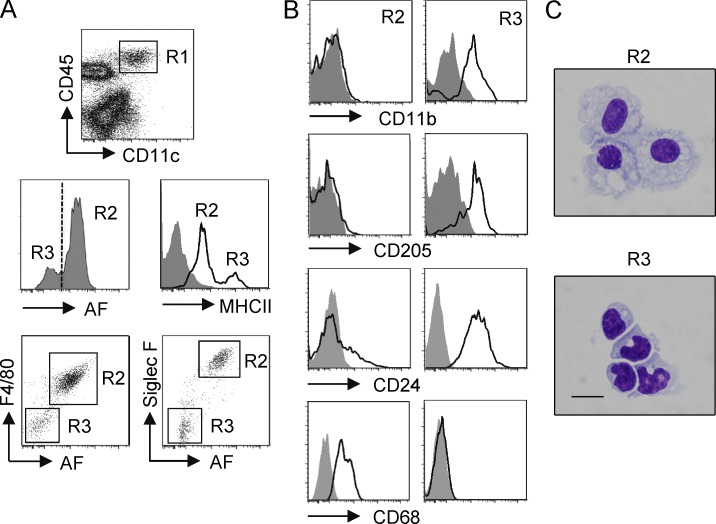
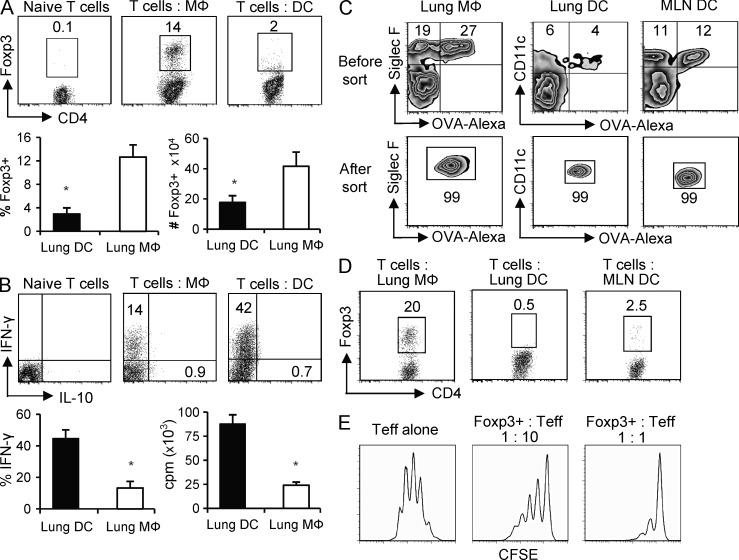
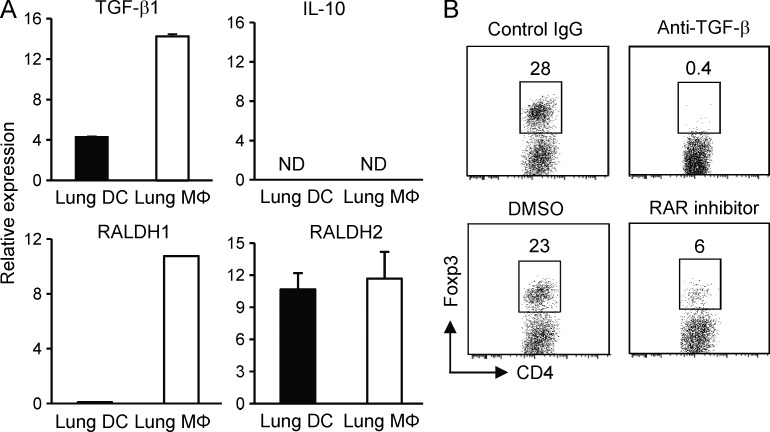
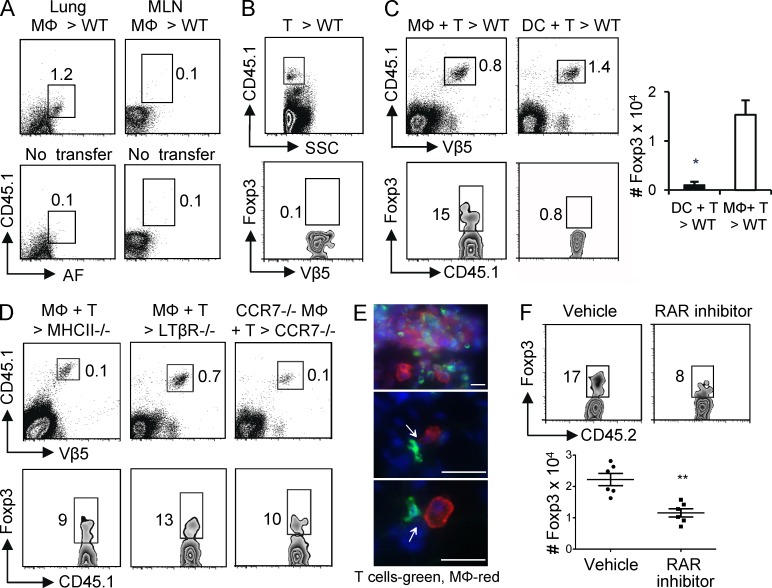
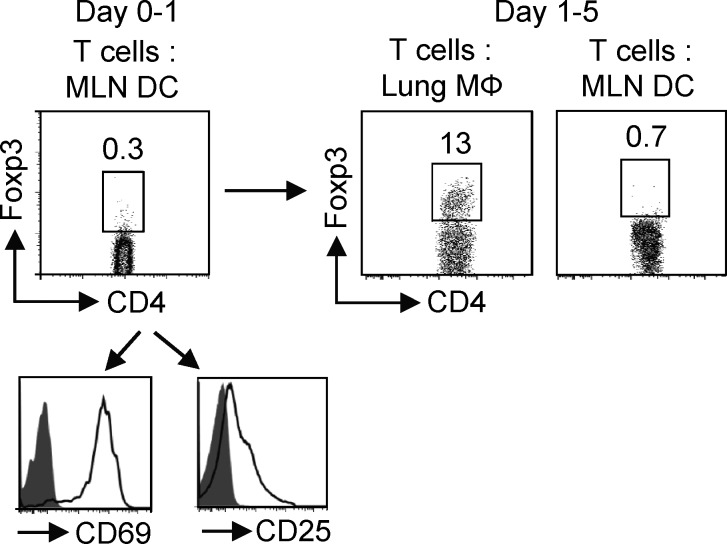
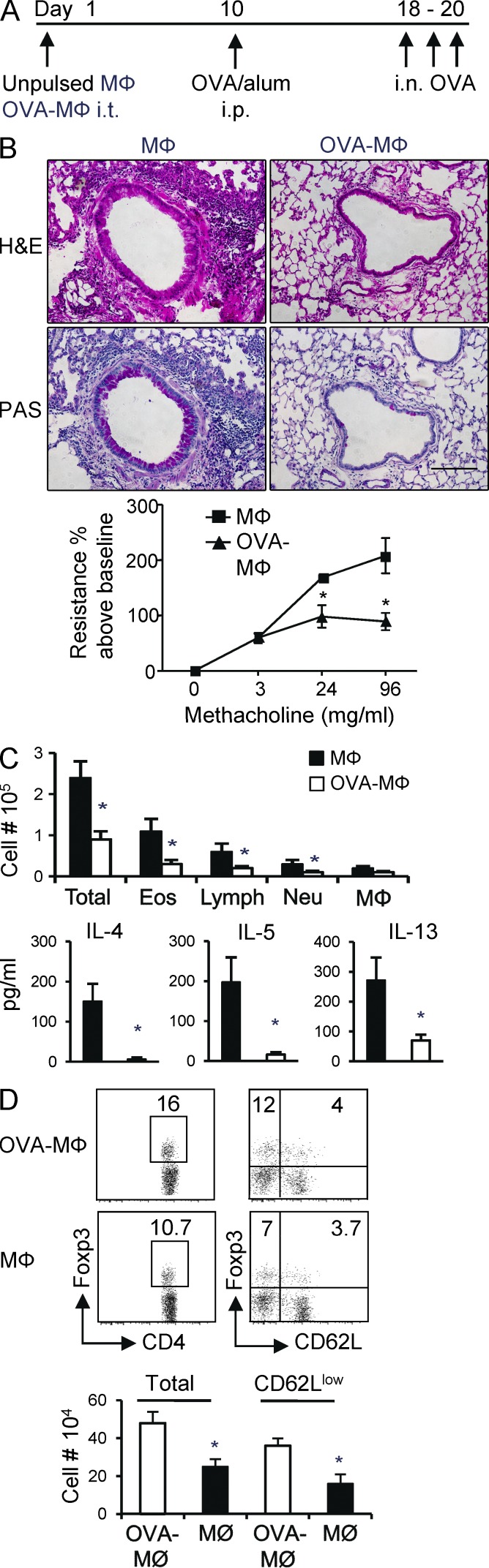
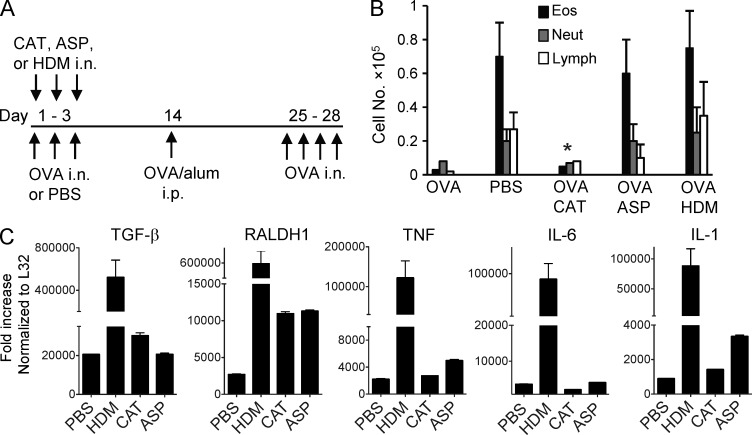
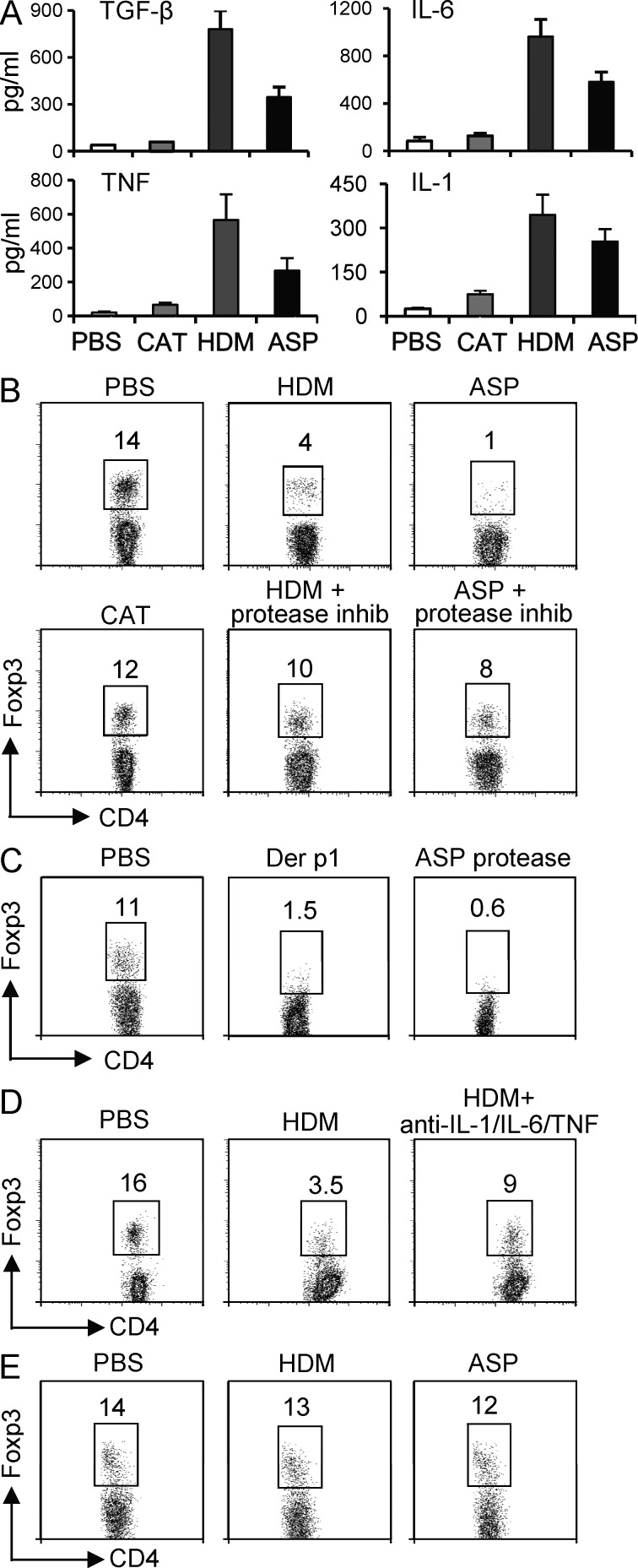
Airway tolerance is the usual outcome of inhalation of harmless antigens. Although T cell deletion and anergy are likely components of tolerogenic mechanisms in the lung, increasing evidence indicates that antigen-specific regulatory T cells (inducible Treg cells [iTreg cells]) that express Foxp3 are also critical. Several lung antigen-presenting cells have been suggested to contribute to tolerance, including alveolar macrophages (MØs), classical dendritic cells (DCs), and plasmacytoid DCs, but whether these possess the attributes required to directly promote the development of Foxp3+ iTreg cells is unclear. Here, we show that lung-resident tissue MØs coexpress TGF-β and retinal dehydrogenases (RALDH1 and RALDH 2) under steady-state conditions and that their sampling of harmless airborne antigen and presentation to antigen-specific CD4 T cells resulted in the generation of Foxp3+ Treg cells. Treg cell induction in this model depended on both TGF-β and retinoic acid. Transfer of the antigen-pulsed tissue MØs into the airways correspondingly prevented the development of asthmatic lung inflammation upon subsequent challenge with antigen. Moreover, exposure of lung tissue MØs to allergens suppressed their ability to generate iTreg cells coincident with blocking airway tolerance. Suppression of Treg cell generation required proteases and TLR-mediated signals. Therefore, lung-resident tissue MØs have regulatory functions, and strategies to target these cells might hold promise for prevention or treatment of allergic asthma.
Overview
The claims and statistics of this paper haven’t been checked yet.
Free: it reads the open-access text and checks the first 5 claims that cite a source we can check. Create a free account to check every claim.
Integrity signals
Registry
Cites
Statistics
Figures
Verification
Claims the paper makes
The claims and statistics of this paper haven’t been checked yet.
Free: it reads the open-access text and checks the first 5 claims that cite a source we can check. Create a free account to check every claim.
Claims other papers make about this one
Each is checked against this paper’s own text: does it say what the citing paper says it does?
The source backs part of the claim, not all of it — or backs it for a different population, condition or comparison.
In the citing paper
“These cells dampen TLR-induced inflammatory signals in epithelial cells143, suppress inflammation by inhibiting dendritic cell- mediated activation of T cells144,145 and induce regulatory cells146”
From The microbiota of the respiratory tract: gatekeeper to respiratory health (2017) · cites this paper as [146]
Experimental — accuracy not yet measured
Self-check
Percentages, sums and reported differences re-computed from the paper’s own numbers.
The self-check needs the paper’s full text.
Citations
Cites
Chen, W., Jin, W., Hardegen, N., Lei, K.-J., Li, L., Marinos, N., McGrady, G., & Wahl, S. M. (2003) · The Journal of Experimental Medicine · doi:10.1084/jem.20030152 · Cited by 4,699 · cited 2×
“TGF- was found to be key to the conversion of naive CD4 T cells into Foxp3+ iTreg cells from an in vitro study (Chen et al., 2003), and we and others in several models of lung tolerance showed that neutralizing TGF- allowed the development of Th2-driven eosinophilia in the airway and blocked the generation of antige…”
BackgroundCoombes, J. L., Siddiqui, K. R. R., Arancibia-Cárcamo, C. V., Hall, J., Sun, C.-M., Belkaid, Y., & Powrie, F. (2007) · The Journal of Experimental Medicine · doi:10.1084/jem.20070590 · Cited by 2,710 · cited 3×
“Within the gut, another mucosal tissue that may be very similar to the lung, both MØs and CD103+ cDCs in mesenteric LNs and in lamina propria have been suggested to afford tolerance and promote Foxp3+ iTreg cells, and again sequential interactions among these APCs in different compartments may be critical for maintain…”
BackgroundReciprocal T H 17 and Regulatory T Cell Differentiation Mediated by Retinoic Acid
Mucida, D., Park, Y., Kim, G., Turovskaya, O., Scott, I., Kronenberg, M., & Cheroutre, H. (2007) · Science · doi:10.1126/science.1145697 · Cited by 1,982 · cited 2×
“, 2010), which mediates the ability of retinoic acid to synergize with TGF- and enhance the induction of Foxp3 (Benson et al., 2007; Mucida et al., 2007).”
BackgroundSun, C.-M., Hall, J. A., Blank, R. B., Bouladoux, N., Oukka, M., Mora, J. R., & Belkaid, Y. (2007) · The Journal of Experimental Medicine · doi:10.1084/jem.20070602 · Cited by 1,881
Akbari, O., DeKruyff, R. H., & Umetsu, D. T. (2001) · Nature Immunology · doi:10.1038/90667 · Cited by 1,205 · cited 4×
“…have suggested that lung cDCs expressing IL-10, lung pDCs, and alveolar MØs all exert suppressive function and might contribute to maintaining tolerance in the lung (Thepen et al., 1992; Bilyk and Holt, 1993; Lipscomb et al., 1993; Roth and Golub, 1993; Akbari et al., 2001; de Heer et al., 2004).”
BackgroundInfluentialRole of conserved non-coding DNA elements in the Foxp3 gene in regulatory T-cell fate
Zheng, Y., Josefowicz, S., Chaudhry, A., Peng, X. P., Forbush, K., & Rudensky, A. Y. (2010) · Nature · doi:10.1038/nature08750 · Cited by 1,169 · cited 2×
“Significantly, CNS1 contains a binding site for Smad3 that is critical for TGF-–dependent induction of Foxp3 (Tone et al., 2008; Zheng et al., 2010).”
BackgroundHammad, H., Chieppa, M., Perros, F., Willart, M. A., Germain, R. N., & Lambrecht, B. N. (2009) · Nature Medicine · doi:10.1038/nm.1946 · Cited by 1,139 · cited 4×
“Inhalation of HDM extract completely abrogated lung tolerance, as reported previously (Hammad et al., 2009; Duan et al., 2011), and ASP extract displayed the same activity.”
BackgroundInfluentialDenning, T. L., Wang, Y.-C., Patel, S. R., Williams, I. R., & Pulendran, B. (2007) · Nature Immunology · doi:10.1038/ni1511 · Cited by 994 · cited 17×
“Several years ago, both lung-resident CD11c+ classical DCs (cDCs) and plasmacytoid DCs (pDCs) were suggested to participate in tolerance in the airways and shown to block priming of CD4 T cells (Akbari et al., 2001; de Heer et al., 2004), but their activity was either centered on the production of IL-10 and induction…”
BackgroundInfluentialHadis, U., Wahl, B., Schulz, O., Hardtke-Wolenski, M., Schippers, A., Wagner, N., Müller, W., Sparwasser, T., Förster, R., & Pabst, O. (2011) · Immunity · doi:10.1016/j.immuni.2011.01.016 · Cited by 898 · cited 2×
“Within the gut, another mucosal tissue that may be very similar to the lung, both MØs and CD103+ cDCs in mesenteric LNs and in lamina propria have been suggested to afford tolerance and promote Foxp3+ iTreg cells, and again sequential interactions among these APCs in different compartments may be critical for maintain…”
BackgroundBenson, M. J., Pino-Lagos, K., Rosemblatt, M., & Noelle, R. J. (2007) · The Journal of Experimental Medicine · doi:10.1084/jem.20070719 · Cited by 847 · cited 2×
“, 2010), which mediates the ability of retinoic acid to synergize with TGF- and enhance the induction of Foxp3 (Benson et al., 2007; Mucida et al., 2007).”
BackgroundExtrathymically generated regulatory T cells control mucosal TH2 inflammation
Josefowicz, S. Z., Niec, R. E., Kim, H. Y., Treuting, P., Chinen, T., Zheng, Y., Umetsu, D. T., & Rudensky, A. Y. (2012) · Nature · doi:10.1038/nature10772 · Cited by 822 · cited 5×
“However, none of these populations have been described to promote the development of Foxp3+ iTreg cells, which recent results have shown are indispensable for preventing inflammation in this mucosal tissue (Ostroukhova et al., 2004; Mucida et al., 2005; Curotto de Lafaille et al., 2008; Duan et al., 2008, 2011; Josefo…”
BackgroundResultInfluentialSmad3 and NFAT cooperate to induce Foxp3 expression through its enhancer
Tone, Y., Furuuchi, K., Kojima, Y., Tykocinski, M. L., Greene, M. I., & Tone, M. (2008) · Nature Immunology · doi:10.1038/ni1549 · Cited by 807
de Heer, H. J., Hammad, H., Soullié, T., Hijdra, D., Vos, N., Willart, M. A. M., Hoogsteden, H. C., & Lambrecht, B. N. (2004) · The Journal of Experimental Medicine · doi:10.1084/jem.20040035 · Cited by 785 · cited 2×
“…plasmacytoid DCs (pDCs) were suggested to participate in tolerance in the airways and shown to block priming of CD4 T cells (Akbari et al., 2001; de Heer et al., 2004), but their activity was either centered on the production of IL-10 and induction of IL-10–producing Treg cells or was undefined.”
BackgroundAllergenicity resulting from functional mimicry of a Toll-like receptor complex protein
Trompette, A., Divanovic, S., Visintin, A., Blanchard, C., Hegde, R. S., Madan, R., Thorne, P. S., Wills-Karp, M., Gioannini, T. L., Weiss, J. P., et al. (2009) · Nature · doi:10.1038/nature07548 · Cited by 762 · cited 1×
“HDM extract can activate TLR4 and contains Der p2, an antigen which mimics MD-2, a component of the TLR4 signaling complex (Hammad et al., 2009; Trompette et al., 2009).”
BackgroundFütterer, A., Mink, K., Luz, A., Kosco-Vilbois, M. H., & Pfeffer, K. (1998) · Immunity · doi:10.1016/s1074-7613(00)80588-9 · Cited by 732 · cited 13×
“4), but their accumulation was impaired, implying that both migration to the LNs and antigen presentation on other APCs, likely cDCs, are required for the overall tolerogenic response.”
MethodInfluentialPotential role of interleukin-10-secreting regulatory T cells in allergy and asthma
Hawrylowicz, C. M., & O'Garra, A. (2005) · Nature Reviews Immunology · doi:10.1038/nri1589 · Cited by 683
Holt, P. G., Oliver, J., Bilyk, N., McMenamin, C., McMenamin, P. G., Kraal, G., & Thepen, T. (1993) · The Journal of experimental medicine · doi:10.1084/jem.177.2.397 · Cited by 531 · cited 5×
“From older studies with alveolar MØs, it is likely that deletion and/or anergy may largely result from antigen being presented on these cells (Holt et al., 1993; Upham et al., 1995; Strickland et al., 1996; Blumenthal et al., 2001).”
BackgroundInfluentialOral tolerance in the absence of naturally occurring Tregs
Mucida, D. (2005) · Journal of Clinical Investigation · doi:10.1172/jci24487 · Cited by 497 · cited 8×
“However, none of these populations have been described to promote the development of Foxp3+ iTreg cells, which recent results have shown are indispensable for preventing inflammation in this mucosal tissue (Ostroukhova et al., 2004; Mucida et al., 2005; Curotto de Lafaille et al., 2008; Duan et al., 2008, 2011; Josefo…”
BackgroundResultInfluentialAdaptive Foxp3+ Regulatory T Cell-Dependent and -Independent Control of Allergic Inflammation
Curotto de Lafaille, M. A., Kutchukhidze, N., Shen, S., Ding, Y., Yee, H., & Lafaille, J. J. (2008) · Immunity · doi:10.1016/j.immuni.2008.05.010 · Cited by 423 · cited 3×
“1 C). of this type of model, Foxp3+ iTreg cells have been proposed to be crucial (Ostroukhova et al., 2004; Mucida et al., 2005; Curotto de Lafaille et al., 2008; Duan et al., 2008).”
BackgroundResultWillart, M. A. M., Deswarte, K., Pouliot, P., Braun, H., Beyaert, R., Lambrecht, B. N., & Hammad, H. (2012) · Journal of Experimental Medicine · doi:10.1084/jem.20112691 · Cited by 411 · cited 1×
“Not only may the inflammatory cytokines such as IL-1 and IL-6 made by these MØs contribute to asthmatic disease (Doganci et al., 2005; Neveu et al., 2009; Willart et al., 2012), but continued expression of TGF- potentially drives aspects of lung inflammation.”
BackgroundRole of Transforming Growth Factor–β in Airway Remodeling in Asthma
Halwani, R., Al-Muhsen, S., Al-Jahdali, H., & Hamid, Q. (2011) · American Journal of Respiratory Cell and Molecular Biology · doi:10.1165/rcmb.2010-0027tr · Cited by 404 · cited 2×
“…have been implicated in lungremodeling disease, including that seen in severe asthmatics, which is characterized by tissue fibrosis, and it has been suggested that they contribute to this process through production of TGF- (Doherty and Broide, 2007; Halwani et al., 2011; Lekkerkerker et al., 2012).”
BackgroundLloyd, C. M., & Hawrylowicz, C. M. (2009) · Immunity · doi:10.1016/j.immuni.2009.08.007 · Cited by 356 · cited 1×
“Even though deletion and anergy of antigen-reactive T cells are likely to play a significant role in promoting airway tolerance, studies in mice and humans have suggested that regulatory T cells (Treg cells) are critical for controlling inflammation (Hawrylowicz and O’Garra, 2005; Akdis, 2006; Umetsu and Dekruyff, 200…”
BackgroundDenning, T. L., Norris, B. A., Medina-Contreras, O., Manicassamy, S., Geem, D., Madan, R., Karp, C. L., & Pulendran, B. (2011) · The Journal of Immunology · doi:10.4049/jimmunol.1002701 · Cited by 339 · cited 3×
“CD11c+ F4/80+ MØs have recently been visualized in the gut (Denning et al., 2011).”
BackgroundInfluentialDoganci, A., Eigenbrod, T., Krug, N., De Sanctis, G. T., Hausding, M., Erpenbeck, V. J., Haddad, E.-B., Schmitt, E., Bopp, T., Kallen, K.-J., et al. (2005) · Journal of Clinical Investigation · doi:10.1172/jci22433 · Cited by 333 · cited 2×
“Not only may the inflammatory cytokines such as IL-1 and IL-6 made by these MØs contribute to asthmatic disease (Doganci et al., 2005; Neveu et al., 2009; Willart et al., 2012), but continued expression of TGF- potentially drives aspects of lung inflammation.”
BackgroundA Protease-Activated Pathway Underlying Th Cell Type 2 Activation and Allergic Lung Disease
Kheradmand, F., Kiss, A., Xu, J., Lee, S.-H., Kolattukudy, P. E., & Corry, D. B. (2002) · The Journal of Immunology · doi:10.4049/jimmunol.169.10.5904 · Cited by 305 · cited 1×
“These allergens additionally express protease activity that has been linked to triggering inflammation (Kheradmand et al., 2002; Kauffman et al., 2006).”
BackgroundDoganci, A., Eigenbrod, T., Krug, N., De Sanctis, G. T., Hausding, M., Erpenbeck, V. J., Haddad, E.-B., Schmitt, E., Bopp, T., Kallen, K.-J., et al. (2005) · Journal of Clinical Investigation · doi:10.1172/jci200522433 · Cited by 304
Toll-like Receptor (TLR) Signaling in Response toAspergillus fumigatus
Mambula, S. S., Sau, K., Henneke, P., Golenbock, D. T., & Levitz, S. M. (2002) · Journal of Biological Chemistry · doi:10.1074/jbc.m201683200 · Cited by 298 · cited 1×
“Aspergillus extract has also been found to activate TLR4 as well as TLR2 (Mambula et al., 2002; Braedel et al., 2004).”
BackgroundTolerance induced by inhaled antigen involves CD4+ T cells expressing membrane-bound TGF-β and FOXP3
Ostroukhova, M., Seguin-Devaux, C., Oriss, T. B., Dixon-McCarthy, B., Yang, L., Ameredes, B. T., Corcoran, T. E., & Ray, A. (2004) · Journal of Clinical Investigation · doi:10.1172/jci200420509 · Cited by 285 · cited 4×
“1 C). of this type of model, Foxp3+ iTreg cells have been proposed to be crucial (Ostroukhova et al., 2004; Mucida et al., 2005; Curotto de Lafaille et al., 2008; Duan et al., 2008).”
BackgroundResultInfluentialVermaelen, K., & Pauwels, R. (2004) · Cytometry Part A · doi:10.1002/cyto.a.20064 · Cited by 243
Hintzen, G., Ohl, L., del Rio, M.-L., Rodriguez-Barbosa, J.-I., Pabst, O., Kocks, J. R., Krege, J., Hardtke, S., & Förster, R. (2006) · The Journal of Immunology · doi:10.4049/jimmunol.177.10.7346 · Cited by 221 · cited 4×
“…LNs contribute to the priming of T cells that accumulate in the lungs after inhalation of antigen under either inflammatory or tolerogenic conditions (Gajewska et al., 2001b; Hintzen et al., 2006; Bakocević et al., 2010), and our data in MHC II/ and CCR7/ recipients lead to the same conclusion.”
ResultInfluentialKamada, N., Hisamatsu, T., Okamoto, S., Sato, T., Matsuoka, K., Arai, K., Nakai, T., Hasegawa, A., Inoue, N., Watanabe, N., et al. (2005) · The Journal of Immunology · doi:10.4049/jimmunol.175.10.6900 · Cited by 215 · cited 14×
“Several years ago, both lung-resident CD11c+ classical DCs (cDCs) and plasmacytoid DCs (pDCs) were suggested to participate in tolerance in the airways and shown to block priming of CD4 T cells (Akbari et al., 2001; de Heer et al., 2004), but their activity was either centered on the production of IL-10 and induction…”
BackgroundInfluentialRegulatory T Cells in Allergy and Asthma
Larché, M. (2007) · Chest · doi:10.1378/chest.06-2434 · Cited by 209 · cited 2×
“…to play a significant role in promoting airway tolerance, studies in mice and humans have suggested that regulatory T cells (Treg cells) are critical for controlling inflammation (Hawrylowicz and O’Garra, 2005; Akdis, 2006; Umetsu and Dekruyff, 2006; Larché, 2007; Lloyd and Hawrylowicz, 2009).”
BackgroundCytokines and growth factors in airway remodeling in asthma
Doherty, T., & Broide, D. (2007) · Current Opinion in Immunology · doi:10.1016/j.coi.2007.07.017 · Cited by 198 · cited 1×
“Activated/differentiated MØs have been implicated in lungremodeling disease, including that seen in severe asthmatics, which is characterized by tissue fibrosis, and it has been suggested that they contribute to this process through production of TGF- (Doherty and Broide, 2007; Halwani et al., 2011; Lekkerkerker et a…”
BackgroundSelf-citationAlveolar Macrophages Transport Pathogens to Lung Draining Lymph Nodes
Kirby, A. C., Coles, M. C., & Kaye, P. M. (2009) · The Journal of Immunology · doi:10.4049/jimmunol.0901089 · Cited by 184 · cited 2×
“transfer, a few studies have suggested that alveolar MØs can migrate to the LN in some circumstances (Thepen et al., 1993; Kirby et al., 2009).”
BackgroundBeaty, S. R., Rose, C. E., & Sung, S.-S. J. (2007) · The Journal of Immunology · doi:10.4049/jimmunol.178.3.1882 · Cited by 183 · cited 4×
“This is in line with recent data showing that lung cDCs subdivided into CD103CD11bhi and CD103+CD11blo induce the development of effector T cells (Beaty et al., 2007; Furuhashi et al., 2012; Nakano et al., 2012).”
ResultInfluentialAspergillus fumigatus antigens activate innate immune cells via toll‐like receptors 2 and 4
Braedel, S., Radsak, M., Einsele, H., Latgé, J., Michan, A., Loeffler, J., Haddad, Z., Grigoleit, U., Schild, H., & Hebart, H. (2004) · British Journal of Haematology · doi:10.1111/j.1365-2141.2004.04922.x · Cited by 180 · cited 1×
“Aspergillus extract has also been found to activate TLR4 as well as TLR2 (Mambula et al., 2002; Braedel et al., 2004).”
BackgroundHealthy immune response to allergens: T regulatory cells and more
Akdis, M. (2006) · Current Opinion in Immunology · doi:10.1016/j.coi.2006.06.003 · Cited by 174 · cited 2×
“…to play a significant role in promoting airway tolerance, studies in mice and humans have suggested that regulatory T cells (Treg cells) are critical for controlling inflammation (Hawrylowicz and O’Garra, 2005; Akdis, 2006; Umetsu and Dekruyff, 2006; Larché, 2007; Lloyd and Hawrylowicz, 2009).”
BackgroundTsitoura, D. C., DeKruyff, R. H., Lamb, J. R., & Umetsu, D. T. (1999) · The Journal of Immunology · doi:10.4049/jimmunol.163.5.2592 · Cited by 173 · cited 1×
“…unsensitized mice, it has readily been demonstrated that inhalation of soluble antigen promotes tolerogenic mechanisms that prevent susceptibility to developing Th2-driven allergic inflammation in the lung (Tsitoura et al., 1999; Ostroukhova et al., 2004; Duan et al., 2008), and from variants”
BackgroundKauffman, H. F., Tamm, M., Timmerman, J. A. B., & Borger, P. (2006) · Clinical and Molecular Allergy · doi:10.1186/1476-7961-4-5 · Cited by 172 · cited 1×
“These allergens additionally express protease activity that has been linked to triggering inflammation (Kheradmand et al., 2002; Kauffman et al., 2006).”
BackgroundBilyk, N., & Holt, P. G. (1993) · The Journal of experimental medicine · doi:10.1084/jem.177.6.1773 · Cited by 171 · cited 1×
“Prior studies have suggested that lung cDCs expressing IL-10, lung pDCs, and alveolar MØs all exert suppressive function and might contribute to maintaining tolerance in the lung (Thepen et al., 1992; Bilyk and Holt, 1993; Lipscomb et al., 1993; Roth and Golub, 1993; Akbari et al., 2001; de Heer et al., 2004).”
BackgroundPulmonary CD103+ dendritic cells prime Th2 responses to inhaled allergens
Nakano, H., Free, M. E., Whitehead, G. S., Maruoka, S., Wilson, R. H., Nakano, K., & Cook, D. N. (2012) · Mucosal Immunology · doi:10.1038/mi.2011.47 · Cited by 165 · cited 4×
“This is in line with recent data showing that lung cDCs subdivided into CD103CD11bhi and CD103+CD11blo induce the development of effector T cells (Beaty et al., 2007; Furuhashi et al., 2012; Nakano et al., 2012).”
ResultInfluentialXu, D., Trajkovic, V., Hunter, D., Leung, B. P., Schulz, K., Gracie, J. A., McInnes, I. B., & Liew, F. Y. (2000) · European Journal of Immunology · doi:10.1002/1521-4141(200011)30:11<3147::aid-immu3147>3.0.co;2-j · Cited by 153
Cose, S., Brammer, C., Khanna, K. M., Masopust, D., & Lefrançois, L. (2006) · European Journal of Immunology · doi:10.1002/eji.200535539 · Cited by 150 · cited 1×
“Naive T cells have a preference for migrating through lymphoid organs, but a low number have been shown to traffic into parenchymal tissues of nonlymphoid organs including the lung (Cose et al., 2006; Harp and Onami, 2010).”
BackgroundIL-6 Is Required for Airway Mucus Production Induced by Inhaled Fungal Allergens
Neveu, W. A., Allard, J. B., Dienz, O., Wargo, M. J., Ciliberto, G., Whittaker, L. A., & Rincon, M. (2009) · The Journal of Immunology · doi:10.4049/jimmunol.0802923 · Cited by 141 · cited 2×
“Not only may the inflammatory cytokines such as IL-1 and IL-6 made by these MØs contribute to asthmatic disease (Doganci et al., 2005; Neveu et al., 2009; Willart et al., 2012), but continued expression of TGF- potentially drives aspects of lung inflammation.”
BackgroundDetection and quantitation of eosinophils in the murine respiratory tract by flow cytometry
Stevens, W. W., Kim, T. S., Pujanauski, L. M., Hao, X., & Braciale, T. J. (2007) · Journal of Immunological Methods · doi:10.1016/j.jim.2007.07.011 · Cited by 135 · cited 1×
“This combined phenotype corresponds to previous designations used to discriminate pulmonary-resident MØs and DCs (Vermaelen and Pauwels, 2004; Stevens et al., 2007; Zasłona et al., 2009).”
MethodHuman alveolar macrophages induce functional inactivation in antigen-specific CD4 T cells
Blumenthal, R. L., Campbell, D. E., Hwang, P., DeKruyff, R. H., Frankel, L. R., & Umetsu, D. T. (2001) · Journal of Allergy and Clinical Immunology · doi:10.1067/mai.2001.112845 · Cited by 113 · cited 3×
“From older studies with alveolar MØs, it is likely that deletion and/or anergy may largely result from antigen being presented on these cells (Holt et al., 1993; Upham et al., 1995; Strickland et al., 1996; Blumenthal et al., 2001).”
BackgroundMouse Lung CD103+ and CD11bhigh Dendritic Cells Preferentially Induce Distinct CD4+ T-Cell Responses
Furuhashi, K., Suda, T., Hasegawa, H., Suzuki, Y., Hashimoto, D., Enomoto, N., Fujisawa, T., Nakamura, Y., Inui, N., Shibata, K., et al. (2012) · American Journal of Respiratory Cell and Molecular Biology · doi:10.1165/rcmb.2011-0070oc · Cited by 109 · cited 4×
“This is in line with recent data showing that lung cDCs subdivided into CD103CD11bhi and CD103+CD11blo induce the development of effector T cells (Beaty et al., 2007; Furuhashi et al., 2012; Nakano et al., 2012).”
ResultInfluentialInnate signals from Nod2 block respiratory tolerance and program TH2-driven allergic inflammation
Duan, W., Mehta, A. K., Magalhaes, J. G., Ziegler, S. F., Dong, C., Philpott, D. J., & Croft, M. (2010) · Journal of Allergy and Clinical Immunology · doi:10.1016/j.jaci.2010.09.021 · Cited by 94 · cited 2×
“…recognition receptor ligands, like the TLR4 ligand LPS, or inhalation of allergen extracts such as from house dust mite (HDM) suppresses the generation of lung Foxp3+ iTreg cells while promoting CD4 effector T cell generation and thereby blocks airway tolerance (Duan et al., 2008, 2010, 2011).”
BackgroundSelf-citationThepen, T., McMenamin, C., Girn, B., Kraal, G., & Holt, P. G. (1992) · Clinical & Experimental Allergy · doi:10.1111/j.1365-2222.1992.tb00137.x · Cited by 92 · cited 3×
“…several studies have used i.t. administered clodronate-containing liposomes as a means of depleting lung phagocytes, with the result that significantly greater lung and systemic inflammatory responses were observed upon antigen challenge (Thepen et al., 1992; Holt et al., 1993; Bang et al., 2011).”
BackgroundUpham, J. W., Strickland, D. H., Bilyk, N., Robinson, B. W. S., & Holt, P. G. (1995) · PubMed · Cited by 88
Strickland, D. H., Kees, U. R., & Holt, P. G. (1996) · Immunology · doi:10.1046/j.1365-2567.1996.459542.x · Cited by 87 · cited 2×
“From older studies with alveolar MØs, it is likely that deletion and/or anergy may largely result from antigen being presented on these cells (Holt et al., 1993; Upham et al., 1995; Strickland et al., 1996; Blumenthal et al., 2001).”
BackgroundAlveolar macrophages modulate allergic inflammation in a murine model of asthma
Bang, B.-R., Chun, E., Shim, E.-J., Lee, H.-S., Lee, S.-Y., Cho, S.-H., Min, K.-U., Kim, Y.-Y., & Park, H.-W. (2011) · Experimental and Molecular Medicine · doi:10.3858/emm.2011.43.5.028 · Cited by 76 · cited 2×
“administered clodronate-containing liposomes as a means of depleting lung phagocytes, with the result that significantly greater lung and systemic inflammatory responses were observed upon antigen challenge (Thepen et al., 1992; Holt et al., 1993; Bang et al., 2011).”
BackgroundDuan, W., So, T., & Croft, M. (2008) · The Journal of Immunology · doi:10.4049/jimmunol.181.12.8650 · Cited by 75 · cited 15×
“…an in vitro study (Chen et al., 2003), and we and others in several models of lung tolerance showed that neutralizing TGF- allowed the development of Th2-driven eosinophilia in the airway and blocked the generation of antigen-specific Foxp3+ iTreg cells (Mucida et al., 2005; Duan et al., 2008).”
BackgroundMethodResultSelf-citationRoth, M. D., & Golub, S. H. (1993) · Journal of Leukocyte Biology · doi:10.1002/jlb.53.4.366 · Cited by 75 · cited 2×
“…have suggested that lung cDCs expressing IL-10, lung pDCs, and alveolar MØs all exert suppressive function and might contribute to maintaining tolerance in the lung (Thepen et al., 1992; Bilyk and Holt, 1993; Lipscomb et al., 1993; Roth and Golub, 1993; Akbari et al., 2001; de Heer et al., 2004).”
BackgroundImmune dysregulation in asthma
Umetsu, D. T., & DeKruyff, R. H. (2006) · Current Opinion in Immunology · doi:10.1016/j.coi.2006.09.007 · Cited by 72 · cited 1×
“…to play a significant role in promoting airway tolerance, studies in mice and humans have suggested that regulatory T cells (Treg cells) are critical for controlling inflammation (Hawrylowicz and O’Garra, 2005; Akdis, 2006; Umetsu and Dekruyff, 2006; Larché, 2007; Lloyd and Hawrylowicz, 2009).”
BackgroundCellular Players in Lung Fibrosis
N. Lekkerkerker, A., Aarbiou, J., van Es, T., & A.J. Janssen, R. (2012) · Current Pharmaceutical Design · doi:10.2174/138161212802430396 · Cited by 69 · cited 2×
“…have been implicated in lungremodeling disease, including that seen in severe asthmatics, which is characterized by tissue fibrosis, and it has been suggested that they contribute to this process through production of TGF- (Doherty and Broide, 2007; Halwani et al., 2011; Lekkerkerker et al., 2012).”
BackgroundInducible CD4+LAP+Foxp3− Regulatory T Cells Suppress Allergic Inflammation
Duan, W., So, T., Mehta, A. K., Choi, H., & Croft, M. (2011) · The Journal of Immunology · doi:10.4049/jimmunol.1101398 · Cited by 64 · cited 14×
“This CD4+ T cell expressed membrane LAP (latency-associated peptide) and was Foxp3 negative, but similar to Foxp3+ iTreg cells, it also relied on endogenously produced TGFfor its development (Duan et al., 2011).”
BackgroundMethodResultSelf-citationMf, L., Am, P., & Jl, Y. (1993) · PubMed · Cited by 40
Gajewska, B. U., Swirski, F. K., Alvarez, D., Ritz, S. A., Goncharova, S., Cundall, M., Snider, D. P., Coyle, A. J., Gutierrez-Ramos, J.-C., Stämpfli, M. R., et al. (2001) · American Journal of Respiratory Cell and Molecular Biology · doi:10.1165/ajrcmb.25.3.4482 · Cited by 39 · cited 3×
“…LNs contribute to the priming of T cells that accumulate in the lungs after inhalation of antigen under either inflammatory or tolerogenic conditions (Gajewska et al., 2001b; Hintzen et al., 2006; Bakocević et al., 2010), and our data in MHC II/ and CCR7/ recipients lead to the same conclusion.”
BackgroundResultGeneration of experimental allergic airways inflammation in the absence of draining lymph nodes
Gajewska, B., Álvarez, D., Vidric, M., Goncharova, S. I., Stämpfli, M. R., Coyle, A. J., Gutierrez-Ramos, J.-C., & Jordana, M. (2001) · Journal of Clinical Investigation · doi:10.1172/jci12627 · Cited by 39 · cited 2×
“…LNs contribute to the priming of T cells that accumulate in the lungs after inhalation of antigen under either inflammatory or tolerogenic conditions (Gajewska et al., 2001b; Hintzen et al., 2006; Bakocević et al., 2010), and our data in MHC II/ and CCR7/ recipients lead to the same conclusion.”
BackgroundResultClaassen, E., Thepen, T., Hoeben, K., Brevé, J. J. P., & Kraal, G. (1993) · Advances in experimental medicine and biology · doi:10.1007/978-1-4615-2930-9_51 · Cited by 36
Zasłona, Z., Wilhelm, J., Cakarova, L., Marsh, L. M., Seeger, W., Lohmeyer, J., & von Wulffen, W. (2009) · Respiratory Research · doi:10.1186/1465-9921-10-2 · Cited by 36 · cited 1×
“This combined phenotype corresponds to previous designations used to discriminate pulmonary-resident MØs and DCs (Vermaelen and Pauwels, 2004; Stevens et al., 2007; Zasłona et al., 2009).”
MethodGeneration of experimental allergic airways inflammation in the absence of draining lymph nodes
Gajewska, B., Álvarez, D., Vidric, M., et al. (2001) · Journal of Clinical Investigation · doi:10.1172/jci200112627 · Cited by 35
Bakočević, N., Worbs, T., Davalos‐Misslitz, A. C. M., & Förster, R. (2009) · The Journal of Immunology · doi:10.4049/jimmunol.0902277 · Cited by 34
Naïve T Cells Re-Distribute to the Lungs of Selectin Ligand Deficient Mice
Harp, J. R., & Onami, T. M. (2010) · PLoS ONE · doi:10.1371/journal.pone.0010973 · Cited by 20 · cited 1×
“Naive T cells have a preference for migrating through lymphoid organs, but a low number have been shown to traffic into parenchymal tissues of nonlymphoid organs including the lung (Cose et al., 2006; Harp and Onami, 2010).”
BackgroundLung homing T‐cell generation is dependent on strength and timing of antigen delivery to lymph nodes
Wikström, M. E., Batanero, E., Judd, S. R., Wiqvist, K., Holt, P. G., & Stumbles, P. A. (2010) · Immunology and Cell Biology · doi:10.1038/icb.2010.18 · Cited by 9
Cited by
Macrophages in Tissue Repair, Regeneration, and Fibrosis
Wynn, T. A., & Vannella, K. M. (2016) · Immunity · doi:10.1016/j.immuni.2016.02.015 · Cited by 4,481
Microbiota in health and diseases
Hou, K., Wu, Z.-X., Chen, X.-Y., Wang, J.-Q., Zhang, D., Xiao, C., Zhu, D., Koya, J. B., Wei, L., Li, J., et al. (2022) · Signal Transduction and Targeted Therapy · doi:10.1038/s41392-022-00974-4 · Cited by 3,171
“Given the important role that lung microbiota plays in maintaining lung homeostasis, the lung microbiota composition is useful in monitoring lung health conditions.(113) The interactions between lung microbiota and local immune cells are closely relevant to the pattern recognition receptors (PRRs), which are responsib…”
BackgroundThe microbiota of the respiratory tract: gatekeeper to respiratory health
Man, W. H., de Steenhuijsen Piters, W. A. A., & Bogaert, D. (2017) · Nature Reviews Microbiology · doi:10.1038/nrmicro.2017.14 · Cited by 1,384
Alveolar macrophages: plasticity in a tissue-specific context
Hussell, T., & Bell, T. J. (2014) · Nature Reviews Immunology · doi:10.1038/nri3600 · Cited by 1,377
TGF-β Activation and Function in Immunity
Travis, M. A., & Sheppard, D. (2014) · Annual Review of Immunology · doi:10.1146/annurev-immunol-032713-120257 · Cited by 856
Metadata
- Authors
- Soroosh, P., Doherty, T. A., Duan, W., Mehta, A. K., Choi, H., Adams, Y. F., Mikulski, Z., Khorram, N., Rosenthal, P., Broide, D. H., & Croft, M.
- Affiliations
- La Jolla Institute for Immunology (US)
- University of California San Diego (US)
- Corresponding author
- Croft, Michael
- Venue
- Journal of Experimental Medicine
- Publisher
- Rockefeller University Press
- Published
- 2013-04-01
- Volume
- 210
- Issue
- 4
- Pages
- 775-788
- ISSN
- 0022-1007 (ISSN-L)
- 1540-9538
- PMC
- PMC3620360
- OpenAlex
- W2111740348
- Cited by
- 340
- References
- 65
- Citations by year
- 2026: 12 · 2025: 18 · 2024: 25 · 2023: 23 · 2022: 25 · 2021: 24 · 2020: 34 · 2019: 23 · 2018: 27 · 2017: 31 · 2016: 29 · 2015: 20 · 2014: 29 · 2013: 20
- FWCI
- 18.08
- Type
- journal article
- Language
- en
- Open access
- green
- www.ncbi.nlm.nih.gov
- Licence
- cc-by-nc-sa
- Locations
- The Journal of Experimental Medicine (publishedVersion)
- Europe PMC (PubMed Central) (publishedVersion, cc-by-nc-sa)
- PubMed Central (publishedVersion, cc-by-nc-sa)
- PubMed (publishedVersion)
- Figshare (submittedVersion, cc-by)
- Funders
- National Cancer Institute (CA91837, R01CA091837)
- National Institute of Allergy and Infectious Diseases (AI 70535, U19AI070535)
- Topics
- Life Sciences › Immunology and Microbiology › Immunology › T-cell and B-cell Immunology
- Health Sciences › Medicine › Pulmonary and Respiratory Medicine › Asthma and respiratory diseases
- Life Sciences › Immunology and Microbiology › Immunology › Immunotherapy and Immune Responses
- Keywords
- Foxp3+ regulatory T cells, inducible regulatory T cells, alveolar macrophages, TGF-beta, retinoic acid, ALDH1A1, Raldh2, antigen presentation, allergic asthma, allergen exposure, proteolytic enzymes, Toll-like receptor signaling, CD4+ T cells
- MeSH terms
- Allergens, Animals, Antineoplastic Agents, Asthma, Female, Immune Tolerance, Lung, Tretinoin, Signal Transduction, Transforming Growth Factor beta, Macrophages, Alveolar, Mice, Knockout, T-Lymphocytes, Regulatory, Toll-Like Receptors, Mice
About these checks
Registry, retraction, Cites and statistics results are computed, not judged, with one exception: a printed reference that no index lists is read once by a model before it counts as a citation error. Claims are extracted by a model and kept only when their quote appears verbatim in the text; each cited source is then checked, with a model’s help, for whether it says what the claim relies on. Those verdicts can be wrong — read the claim’s quote and the cited source before relying on one.
Statistics and arithmetic are recomputed, not judged.
Confidence bands are shown only for fields calibrated on our annotated test set. None is calibrated yet, so no band is shown.
What counts as a claim ›How we measure confidence ›How we check this ›
Are you an author, or do you see a problem with this page? Request a review
Data sources
Bibliographic data: Semantic Scholar, OpenAlex, Crossref.
Contains information from the Semantic Scholar Academic Graph Datasets, made available under the ODC Attribution License (ODC-BY 1.0).
Semantic Scholar’s data is described in: Kinney, R., et al. (2023). The Semantic Scholar Open Data Platform. arXiv:2301.10140.
