

The DOI matches its Crossref record; 36 of the 36 references it cites were found in a registry or an index.
Dissociating Inhibition, Attention, and Response Control in the Frontoparietal Network Using Functional Magnetic Resonance Imaging
Open accessAbstract
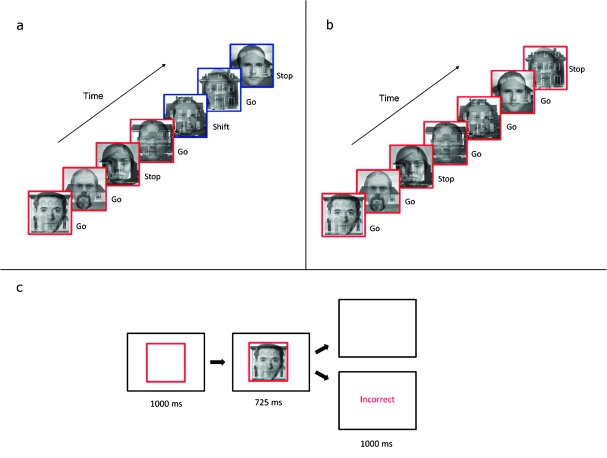
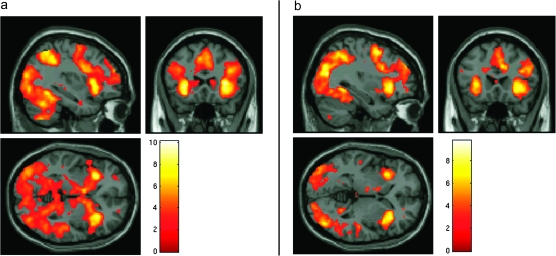
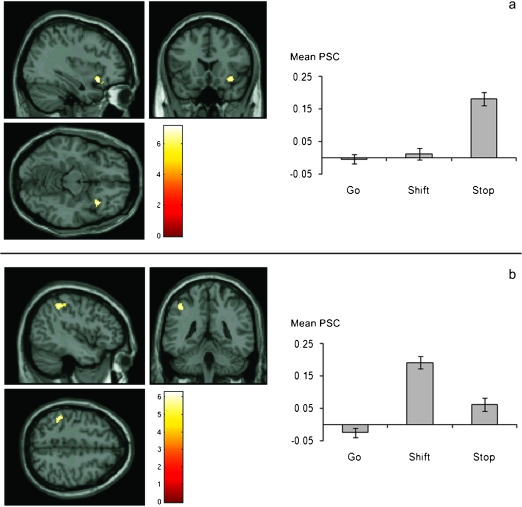
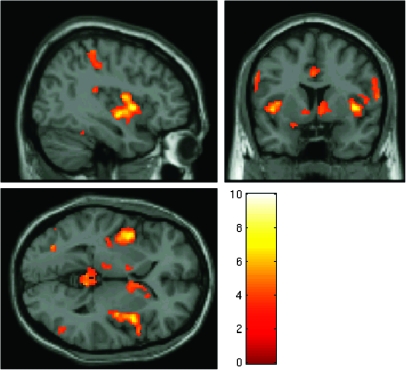
Evidence suggests that the right inferior frontal cortex (IFC) plays a specialized role in response inhibition. However, more recent findings indicate a broader role for this region in attentional control. Here, we used functional magnetic resonance imaging to examine the functional role of the right IFC in attention, inhibition, and response control in 2 experiments that employed novel variations of the go/no-go task. Across the 2 experiments, we observed a graded response in the right insula/IFC, whereby increasing response control demands led to an increase in activation. The results are consistent with the hypothesis that this region plays a key role in the integration of bottom-up, sensory information with top-down, response-related information to facilitate flexible, goal-directed behavior.
Overview
The claims and statistics of this paper haven’t been checked yet.
Run the check — free, no account needed. It reads the open-access text and checks the sources it cites.
Integrity signals
Registry
Cites
Statistics
Figures
Verification
Claims the paper makes
The claims and statistics of this paper haven’t been checked yet.
Run the check — free, no account needed. It reads the open-access text and checks the sources it cites.
Claims other papers make about this one
Each is checked against this paper’s own text: does it say what the citing paper says it does?
In the citing paper
“The right IFG, besides detecting changes in stimulus features (Sharp et al. 2010; Dodds et al. 2010), facilitates infrequent action-related events by activating nondominant but relevant responses while inhibiting automatic but irrelevant actions at the same time.”
From Large-scale functional neural network correlates of response inhibition: an fMRI meta-analysis (2017) · cites this paper as Dodds et al. 2010
Self-check
Percentages, sums and reported differences re-computed from the paper’s own numbers.
The self-check needs the paper’s full text.
Citations
Cites
Control of goal-directed and stimulus-driven attention in the brain
Corbetta, M., & Shulman, G. L. (2002) · Nature Reviews Neuroscience · doi:10.1038/nrn755 · Cited by 12,881 · cited 1×
“Cerebral Cortex May 2011;21:1155--1165 doi:10.1093/cercor/bhq187 Advance Access publication October 5, 2010 Dissociating Inhibition, Attention, and Response Control in the Frontoparietal Network”
BackgroundInfluentialCommon regions of the human frontal lobe recruited by diverse cognitive demands
Duncan, J., & Owen, A. M. (2000) · Trends in Neurosciences · doi:10.1016/s0166-2236(00)01633-7 · Cited by 2,498
The Prefrontal Cortex—An Update
Fuster, J. M. (2001) · Neuron · doi:10.1016/s0896-6273(01)00285-9 · Cited by 1,837
Stop-signal inhibition disrupted by damage to right inferior frontal gyrus in humans
Aron, A. R., Fletcher, P. C., Bullmore, E. T., Sahakian, B. J., & Robbins, T. W. (2003) · Nature Neuroscience · doi:10.1038/nn1003 · Cited by 1,771 · cited 2×
“Cerebral Cortex May 2011;21:1155--1165 doi:10.1093/cercor/bhq187 Advance Access publication October 5, 2010 Dissociating Inhibition, Attention, and Response Control in the Frontoparietal Network”
BackgroundInfluentialSelf-citationAron, A. R., & Poldrack, R. A. (2006) · The Journal of Neuroscience · doi:10.1523/jneurosci.4682-05.2006 · Cited by 1,630 · cited 1×
“Cerebral Cortex May 2011;21:1155--1165 doi:10.1093/cercor/bhq187 Advance Access publication October 5, 2010 Dissociating Inhibition, Attention, and Response Control in the Frontoparietal Network”
BackgroundInfluentialRight hemispheric dominance of inhibitory control: An event-related functional MRI study
Garavan, H., Ross, T. J., & Stein, E. A. (1999) · Proceedings of the National Academy of Sciences · doi:10.1073/pnas.96.14.8301 · Cited by 1,394 · cited 2×
“Cerebral Cortex May 2011;21:1155--1165 doi:10.1093/cercor/bhq187 Advance Access publication October 5, 2010 Dissociating Inhibition, Attention, and Response Control in the Frontoparietal Network”
BackgroundInfluentialThe role of the right inferior frontal gyrus: inhibition and attentional control
Hampshire, A., Chamberlain, S. R., Monti, M. M., Duncan, J., & Owen, A. M. (2010) · NeuroImage · doi:10.1016/j.neuroimage.2009.12.109 · Cited by 1,327 · cited 2×
“In another study, Hampshire et al. (2010) compared different versions of a stop-signal task and found that the right IFC was activated regardless of the specific output required— response inhibition, response initiation, or internal counting— but that activation was greater in blocks requiring a…”
BackgroundResultProjections to the frontal cortex from the posterior parietal region in the rhesus monkey
Petrides, M., & Pandya, D. (1984) · The Journal of comparative neurology · doi:10.1002/cne.902280110 · Cited by 1,101
Rubia, K., Russell, T., Overmeyer, S., Brammer, M. J., Bullmore, E. T., Sharma, T., Simmons, A., Williams, S. C. R., Giampietro, V., Andrew, C. M., et al. (2001) · NeuroImage · doi:10.1006/nimg.2000.0685 · Cited by 999 · cited 1×
“…frontal cortex (IFC) in the inhibition of motor responses (Kawashima et al. 1996; Garavan et al. 1999; Konishi et al. 1999; Menon et al. 2001; Rubia et al. 2001; Aron et al. 2003; Kelly et al. 2004; Aron and Poldrack 2006; Li et al. 2006; Hodgson et al. 2007; Leung and Cai 2007), suggesting…”
BackgroundA multimodal cortical network for the detection of changes in the sensory environment
Downar, J., Crawley, A. P., Mikulis, D. J., & Davis, K. D. (2000) · Nature Neuroscience · doi:10.1038/72991 · Cited by 947 · cited 2×
“…attentional reorienting and shifting (Corbetta and Shulman 2002; Hampshire and Owen 2006), oddball and target detection (McCarthy et al. 1997; Downar et al. 2000; Bledowski et al. 2004; Hampshire et al. 2007) and updating attended information (Hon et al. 2006), and is often coactivated with…”
BackgroundInfluential
Research works printed but not linked: 4
- 2009, Biological psychiatry, 67, 919
- 2001, 30, 319
- Kawashima, 1996, Brain research, 728, 79
- 2001, 13, 250
Cited by
Sorted by citations
Items 101–200 of 270
Sensory and cross-network contributions to response inhibition in patients with schizophrenia
Hoptman, M. J., Parker, E. M., Nair-Collins, S., Dias, E. C., Ross, M. E., DiCostanzo, J., Sehatpour, P., & Javitt, D. C. (2018) · NeuroImage Clinical · doi:10.1016/j.nicl.2018.01.001 · Cited by 35
“The role of frontoparietal brain networks, which additionally involve inferior parietal lobule activation, have also been emphasized in a number of fMRI studies (Tabu et al., 2011;Hughes et al., 2012;Dodds et al., 2011).”
Qiu, Y., Wu, Y., Liu, R., Wang, J., Huang, H., & Huang, R. (2019) · Neuroscience & Biobehavioral Reviews · doi:10.1016/j.neubiorev.2019.06.012 · Cited by 35
Berkman, E. T., Falk, E. B., & Lieberman, M. D. (2012) · PLoS ONE · doi:10.1371/journal.pone.0040334 · Cited by 38
“[41,44]), whether and how these components interact is largely unknown.”
BackgroundSong, J., Feng, P., Wu, X., Li, B., Su, Y., Liu, Y., & Zheng, Y. (2019) · Frontiers in Neurology · doi:10.3389/fneur.2019.00514 · Cited by 34
“Previous findings suggest that the role of the rIFG is critical for inhibiting response trends (18) and is related to both response and attentional control (67, 68).”
BackgroundNeural basis of attentional focus during endurance exercise
Bigliassi, M. (2020) · International Review of Sport and Exercise Psychology · doi:10.1080/1750984x.2020.1762240 · Cited by 37
Non-selective inhibition of the motor system following unexpected and expected infrequent events
Iacullo, C., Diesburg, D. A., & Wessel, J. R. (2020) · Experimental Brain Research · doi:10.1007/s00221-020-05919-3 · Cited by 30
Li, J., Zhang, R., Liu, S., Liang, Q., Zheng, S., He, X., & Huang, R. (2021) · NeuroImage · doi:10.1016/j.neuroimage.2021.118264 · Cited by 37
“The laustrum is associated with attention ( Dodds et al., 2011 ; Goll et al., 015 ).”
BackgroundChiu, Y., Aron, A. R., & Verbruggen, F. (2012) · Journal of Cognitive Neuroscience · doi:10.1162/jocn_a_00247 · Cited by 33
Neural Correlates of Switching Attentional Focus during Finger Movements: An fMRI Study
Zimmermann, K. M., Bischoff, M., Lorey, B., Stark, R. M., Munzert, J., & Zentgraf, K. (2012) · Frontiers in Psychology · doi:10.3389/fpsyg.2012.00555 · Cited by 33
“Recently, Dodds et al. (2011) have emphasized the importance of the right IFG for integrating updated sensory information in intended action plans.”
Cognitive flexibility: neurobehavioral correlates of changing one’s mind
Zühlsdorff, K., Dalley, J. W., Robbins, T. W., & Morein‐Zamir, S. (2022) · Cerebral Cortex · doi:10.1093/cercor/bhac431 · Cited by 35
“For example, many task-switching procedures include similar proportions of switch and repeat trials, whereas most reversal learning and behavioral set-shifting procedures employ fewer shifts (see also Dodds et al. 2011).”
BackgroundSelf-citationPhysiological substrates of executive functioning: a systematic review of the literature
Munro, B. A., Weyandt, L. L., Hall, L. E., Oster, D. R., Guðmundsdóttir, B. G., & Kuhar, B. G. (2017) · ADHD Attention Deficit and Hyperactivity Disorders · doi:10.1007/s12402-017-0226-9 · Cited by 32
Segregating attention from response control when performing a motor inhibition task
Meffert, H., Hwang, S., Nolan, Z. T., Chen, G., & Blair, J. (2015) · NeuroImage · doi:10.1016/j.neuroimage.2015.11.029 · Cited by 33
Prefrontal deviations in function but not volume are putative endophenotypes for schizophrenia
Owens, S. F., Picchioni, M., Ettinger, U., McDonald, C., Walshe, M., Schmechtig, A., Murray, R. M., Rijsdijk, F. V., & Toulopoulou, T. (2012) · Brain · doi:10.1093/brain/aws138 · Cited by 31
“Prefrontal morphological deviations may be the substrate to these executive functioning deficits (Robbins, 2007; Robbins and Arnsten, 2009; Tan et al., 2009; Dodds et al., 2011).”
BackgroundLanders, M. J. F., Meesters, S., van Zandvoort, M. J. E., Baene, W. D., & Rutten, G.-J. M. (2021) · Brain Imaging and Behavior · doi:10.1007/s11682-021-00581-x · Cited by 30
“While the frontoparietal network also seems to play a role in inhibitory processes (Dodds et al., 2011), the results of the current study suggest that worse performance on shifting attention does not result from inhibition deficits, as performance in inhibition was not affected.”
ResultGhin, F., Stock, A., & Beste, C. (2022) · Cortex · doi:10.1016/j.cortex.2022.07.004 · Cited by 34
Winter, W., & Sheridan, M. A. (2014) · Developmental Science · doi:10.1111/desc.12168 · Cited by 33
Non-assortative community structure in resting and task-evoked functional brain networksPreprint
Betzel, R. F., Bertolero, M. A., & Bassett, D. S. (2018) · bioRxiv (Cold Spring Harbor Laboratory) · doi:10.1101/355016 · Cited by 29
“[48] Chris M Dodds, Sharon Morein-Zamir, and Trevor W Robbins, “Dissociating inhibition, attention, and response control in the frontoparietal network using functional magnetic resonance imaging,” Cerebral cortex 21, 1155–1165 (2010).”
MethodFrontoparietal structural properties mediate adult life span differences in executive function
Yao, Z., Yang, M., Hwang, K., & Hsieh, S. (2020) · Scientific Reports · doi:10.1038/s41598-020-66083-w · Cited by 29
Cortical and subcortical functional specificity associated with response inhibition
Maizey, L., Evans, J., Muhlert, N., Verbruggen, F., Chambers, C., & Allen, C. P. G. (2020) · NeuroImage · doi:10.1016/j.neuroimage.2020.117110 · Cited by 29
Killanin, A. D., Wiesman, A. I., Heinrichs‐Graham, E., Groff, B. R., Frenzel, M. R., Eastman, J. A., Wang, Y., Calhoun, V. D., Stephen, J. M., & Wilson, T. W. (2020) · NeuroImage · doi:10.1016/j.neuroimage.2020.117192 · Cited by 27
Cao, B., Niu, H., Hao, J., & Wang, G. (2022) · Advanced Engineering Informatics · doi:10.1016/j.aei.2022.101548 · Cited by 27
Subjective illusion of control modulates striatal reward anticipation in adolescence
Lorenz, R. C., Gleich, T., Kühn, S., Pöhland, L., Pelz, P., Wüstenberg, T., Raufelder, D., Heinz, A., & Beck, A. (2015) · NeuroImage · doi:10.1016/j.neuroimage.2015.05.024 · Cited by 27
“Besides the function of inhibition, the rIFG is also involved in attentional capture processes and the processing of salient cues (Dodds et al., 2011; Hampshire et al., 2010; Sharp et al., 2010).”
BackgroundNeural Dynamics of Attentional Cross-Modality Control
Rabinovich, M. I., Tristan, I., & Varona, P. (2013) · PLoS ONE · doi:10.1371/journal.pone.0064406 · Cited by 27
“It seems that this region plays a key part in the integration of bottom-up response-related information and facilitates goaldirected behavior [30].”
BackgroundFilbey, F. M., & Yezhuvath, U. S. (2016) · Obesity · doi:10.1002/oby.21713 · Cited by 26
“The rIFG is thought to integrate bottom–up sensory information with top–down response-related information (26) and has been shown to be activated irrespective of subsequent response (27).”
BackgroundArbula, S., Pacella, V., Pellegrin, S. D., Rossetto, M., Denaro, L., D’Avella, D., Puppa, A. D., & Vallesi, A. (2017) · Neuropsychologia · doi:10.1016/j.neuropsychologia.2017.04.018 · Cited by 28
“…be seen as a possible limitation to our study, it also allowed us to reduce maximally any sort of " oddball " or novelty effect, which has shown to be an important confounding effect in the inhibitory research field (e.g., Dodds et al., 2011; Hampshire et al., 2009; Mostofsky & Simmonds, 2008).”
O’Connor, D. A., Upton, D. J., Moore, J., & Hester, R. (2014) · Journal of Cognitive Neuroscience · doi:10.1162/jocn_a_00695 · Cited by 26
Barker, J. E., & Munakata, Y. (2015) · Psychological Science · doi:10.1177/0956797615604625 · Cited by 30
The Quest for Hemispheric Asymmetries Supporting and Predicting Executive Functioning
Vallesi, A. (2020) · Journal of Cognitive Neuroscience · doi:10.1162/jocn_a_01646 · Cited by 25
Canizales, D. L., Voisin, J. I. A., Michon, P., Roy, M., & Jackson, P. L. (2013) · Frontiers in Human Neuroscience · doi:10.3389/fnhum.2013.00849 · Cited by 23
“…processes associated with spatial transformations (Jackson et al., 2006a; Kaiser et al., 2008; Callan et al., 2012), visual motion perception (Bundo et al., 2000; de Lussanet et al., 2008), and executive functions such as inhibition and attention (Hampshire et al., 2010; Dodds et al., 2011).”
BackgroundReward improves response inhibition by enhancing attentional capture
Wang, Y., Braver, T. S., Yin, S., Hu, X., Wang, X., & Chen, A. (2018) · Social Cognitive and Affective Neuroscience · doi:10.1093/scan/nsy111 · Cited by 27
“Accordingly, the SST involves attending to when a cue stops, which may confound a role in attentional capture with a role in response inhibition (Chikazoe et al., 2009; Sharp et al., 2010; Dodds et al., 2011; Hampshire and Sharp, 2015; Lee et al., 2016; Xu et al., 2017).”
BackgroundNess, A. R., Bruce, J. M., Bruce, A. S., Aupperle, R. L., Lepping, R. J., Martin, L. E., Hancock, L. M., Patrician, T. M., Malley, S., Selim, N. M., et al. (2014) · Surgery for Obesity and Related Diseases · doi:10.1016/j.soard.2014.06.005 · Cited by 24
Greene, C. M., & Soto, D. (2013) · NeuroImage · doi:10.1016/j.neuroimage.2013.08.060 · Cited by 23
“Recent data has indicated that the right IFG is crucial to the integration of top-down and bottom-up information and the resolution of competition between goal-directed and stimulus-driven sources of attentional capture (Diquattro and Geng, 2011; Dodds et al., 2011).”
Associatively mediated stopping: Training stimulus-specific inhibitory control
Bowditch, W. A., Verbruggen, F., & McLaren, I. P. L. (2015) · Learning & Behavior · doi:10.3758/s13420-015-0196-8 · Cited by 22
Yoon, E. J., Ismail, Z., Kathol, I., Kibreab, M., Hammer, T., Lang, S., Ramezani, M., Auclair‐Ouellet, N., Sarna, J. R., Martino, D., et al. (2021) · NeuroImage Clinical · doi:10.1016/j.nicl.2021.102590 · Cited by 23
“involved in the ability to assess goal-directed attention, and away from goal irrelevant information (Dodds et al., 2011; Li et al., 2017).”
Predicting individual variability in task‐evoked brain activity in schizophrenia
Tik, N., Livny, A., Gal, S., Gigi, K., Tsarfaty, G., Weiser, M., & Tavor, I. (2021) · Human Brain Mapping · doi:10.1002/hbm.25534 · Cited by 21
Zhang, C., Xia, Y., Feng, T., Yu, K., Zhang, H., Sami, M. U., Xiang, J., & Xu, K. (2021) · Frontiers in Neuroscience · doi:10.3389/fnins.2021.746264 · Cited by 21
Ghomroudi, P. A., Scaltritti, M., & Grecucci, A. (2023) · Cognitive Affective & Behavioral Neuroscience · doi:10.3758/s13415-023-01076-6 · Cited by 22
“Moreover, frontopariatel regions have been shown to support attentional control functions (Cole et al., 2013, 2014; Dodds et al., 2011; Power et al., 2011; Scolari et al., 2015).”
BackgroundWijeakumar, S., Magnotta, V. A., Buss, A. T., Ambrose, J., Wifall, T., Hazeltine, E., & Spencer, J. P. (2015) · NeuroImage · doi:10.1016/j.neuroimage.2015.07.026 · Cited by 25
“, 2005), insula (Dodds et al., 2011; Wager et al., 2005), and subcortical activation (Kelly et al.”
BackgroundEnvironmental Influences on Prefrontal Development
Mackey, A. P., Raizada, R. D. S., & Bunge, S. A. (2013) · Oxford University Press eBooks · doi:10.1093/med/9780199837755.003.0013 · Cited by 26
From the thalamus with love: A rare window into the locus of emotional synesthesia
Schweizer, T. A., Li, Z., Fischer, C. E., ALEXANDER, M. P., Smith, S. D., Graham, S. J., & Fornazzari, L. (2013) · Neurology · doi:10.1212/wnl.0b013e31829d86cc · Cited by 19
Fuentes‐Claramonte, P., Ávila, C., Rodríguez‐Pujadas, A., Costumero, V., Ventura‐Campos, N., Bustamante, J. C., Rosell‐Negre, P., & Barrós‐Loscertales, A. (2015) · NeuroImage · doi:10.1016/j.neuroimage.2015.08.067 · Cited by 23
“The neural correlates of response inhibition in the SST have been widely studied using a general linear model (GLM) approach, which has generally shown the involvement of a fronto-basal ganglia circuit formed by the inferior frontal gyrus (IFG) and the anterior insula, the anterior cingulate cortex (ACC), the suppleme…”
BackgroundMethodMeasuring Presence During the Navigation In a Virtual Environment Using EEG
Clemente, M., Rodríguez, A., Beatriz, R., & Alcañíz, M. (2013) · Studies in health technology and informatics · doi:10.3233/978-1-61499-282-0-136 · Cited by 19
Serum selenium in children during anti-cancer chemotherapy.
Koskelo, E. K. (1990) · PubMed · Cited by 19
Identifying Diurnal Variability of Brain Connectivity Patterns Using Graph Theory
Farahani, F. V., Fąfrowicz, M., Karwowski, W., Bohaterewicz, B., Sobczak, A. M., Ceglarek, A., Żyrkowska, A., Ostrogórska, M., Sikora-Wachowicz, B., Lewandowska, K., et al. (2021) · Brain Sciences · doi:10.3390/brainsci11010111 · Cited by 17
“The left inferior gyrus is linked, among others, to inhibitory control of responses [73], whereas the left inferior parietal cortex is linked to attention shifting and mediating attentional flexibility [74].”
BackgroundWang, J., Wu, G., Wang, M., Li, W., Wang, Y., Ren, X., Wei, X., Yang, Z., Li, Z., Wang, Z., et al. (2023) · Journal of Eating Disorders · doi:10.1186/s40337-023-00933-6 · Cited by 18
“The FPN is regarded as a top-down processing system that is implicated in various executive functions, including cognition, attention and emotion [32–34].”
BackgroundResultChevalier, N., Kelsey, K. M., Wiebe, S. A., & Espy, K. A. (2014) · Developmental Neuropsychology · doi:10.1080/87565641.2014.973497 · Cited by 18
Neural basis of implicit cognitive reappraisal in panic disorder: an event-related fMRI study
Wang, H., Guo-qing, X., Ni, M.-F., Zhang, C., Li, X., Chang, Y., Sun, X.-P., & Zhang, B.-W. (2021) · Journal of Translational Medicine · doi:10.1186/s12967-021-02968-2 · Cited by 19
Punzi, M., Gili, T., Petrosini, L., Caltagirone, C., Spalletta, G., & Sensi, S. L. (2017) · Frontiers in Aging Neuroscience · doi:10.3389/fnagi.2017.00085 · Cited by 17
“Moreover, the right IFS, a key node of IFC, has been associated with WM-related processes like the activation of inhibitory control (Aron et al., 2004) and selective attention (Dodds et al., 2011).”
BackgroundPeople got lost in solving a set of similar problems
Huang, F., Zhao, Q., Zhou, Z., & Luo, J. (2018) · NeuroImage · doi:10.1016/j.neuroimage.2018.10.063 · Cited by 18
“As an executive control region, the IFG overlaps with the frontoparietal control network subregions as well as the dorsal attention network subregions (Dodds et al., 2011; Kim, 2017).”
Alpha connectivity and inhibitory control in adults with autism spectrum disorder
Yuk, V., Dunkley, B. T., Anagnostou, E. A., & Taylor, M. J. (2020) · Molecular Autism · doi:10.1186/s13229-020-00400-y · Cited by 25
Zhang, X., Cheng, L., Dai, D. Y., Tong, W., & Hu, W. (2020) · Thinking Skills and Creativity · doi:10.1016/j.tsc.2020.100688 · Cited by 19
Yu, F., Fang, H., Zhang, J., Wang, Z., Ai, H., Kwok, V. P. Y., Fang, Y., Guo, Y., Wang, X., Zhu, C., et al. (2022) · Depression and Anxiety · doi:10.1002/da.23292 · Cited by 18
Take it or leave it: prefrontal control in recreational cocaine users
Morein‐Zamir, S., Jones, P. S., Bullmore, E. T., Robbins, T. W., & Ersche, K. D. (2015) · Translational Psychiatry · doi:10.1038/tp.2015.80 · Cited by 16
Self-citationHummer, T. A., Kronenberger, W. G., Wang, Y., Anderson, C. C., & Mathews, V. P. (2014) · Brain and Cognition · doi:10.1016/j.bandc.2014.04.010 · Cited by 18
Interference Control in Working Memory Is Associated with Ventrolateral Prefrontal Cortex Volume
Samrani, G., Bäckman, L., & Persson, J. (2019) · Journal of Cognitive Neuroscience · doi:10.1162/jocn_a_01430 · Cited by 17
Singh, M., Fuelscher, I. T., He, J. L., Anderson, V. A., Silk, T. J., & Hyde, C. E. (2021) · Cortex · doi:10.1016/j.cortex.2021.06.002 · Cited by 13
Stability and flexibility in cognitive control: Interindividual dynamics and task context processing
Serrien, D. J., & O’Regan, L. (2019) · PLoS ONE · doi:10.1371/journal.pone.0219397 · Cited by 15
Graph-Theoretical Study of Functional Changes Associated with the Iowa Gambling Task
Bolt, T., Laurienti, P. J., Lyday, R. G., Morgan, A., & Dagenbach, D. (2016) · Frontiers in Human Neuroscience · doi:10.3389/fnhum.2016.00314 · Cited by 13
“The FPN consists of the dorsolateral prefrontal cortex (DLPFC), superior parietal cortex (SPC), ventral lateral prefrontal cortex (VLPFC), and dorsal anterior cingulate cortex (dACC; Damoiseaux et al., 2006; Dodds et al., 2010; Power et al., 2011; Cole et al., 2013; Scolari et al., 2015).”
BackgroundAppetitive Needs and Addiction
Sussman, S. Y., & Pakdaman, S. (2020) · Cambridge University Press eBooks · doi:10.1017/9781108632591.004 · Cited by 12
Yin, C.-H., & Yang, F. (2022) · Brain Sciences · doi:10.3390/brainsci12050633 · Cited by 14
Long, J., Song, X., Wang, Y., Wang, C., Huang, R., & Zhang, R. (2022) · Frontiers in Aging Neuroscience · doi:10.3389/fnagi.2022.938789 · Cited by 11
“Moreover, the activation of the inferior frontal gyrus during detecting changes in stimulus features has also been observed (Dodds et al., 2011).”
Malejko, K., Hafner, S., Brown, R. C., Plener, P. L., Grön, G., Graf, H., & Abler, B. (2022) · Biomedicines · doi:10.3390/biomedicines10123188 · Cited by 13
“Graded neural activation in the IFG system was found to increase with increased demands for response control [63], allowing for the interpretation that lower activation might represent either a lower demand or perhaps also a lower ability for response control.”
BackgroundYoo, H. B., Moya, B. E., & Filbey, F. M. (2020) · Human Brain Mapping · doi:10.1002/hbm.25036 · Cited by 12
“Menon, 2011) and, importantly, response inhibition (Chikazoe et al., 2009; Dodds et al., 2010; van Gaal, Ridderinkhof, Scholte, & Lamme, 2010).”
BackgroundMasharipov, R. S., Korotkov, A. D., Medvedev, S. V., & Kireev, M. V. (2022) · Scientific Reports · doi:10.1038/s41598-022-14221-x · Cited by 11
Hunt, K. J., Knight, L. K., & Depue, B. E. (2023) · BMC Neuroscience · doi:10.1186/s12868-023-00812-5 · Cited by 12
“…control network have been observed across a wide variety of suppression tasks [20], including those requiring volitional control over memory retrieval [11, 32], attentional shifting and stopping of reflexive motor responses [20], and reappraisal of or self-distancing from emotional stimuli [35].”
BackgroundAyaz, H., Shewokis, P. A., Scull, L., Libon, D. J., Feldman, S. J., Eppig, J. S., Onaral, B., & Heiman-Patterson, T. D. (2014) · Journal of Neuroscience and Neuroengineering · doi:10.1166/jnsne.2014.1095 · Cited by 12
“These data are consistent with prior research suggesting a specialized role involving the inferior frontal gyrus with attentional control [72, 73].”
ResultAutomating adaptive control with item-specific learning
Chiu, Y. (2019) · The Psychology of learning and motivation/The psychology of learning and motivation · doi:10.1016/bs.plm.2019.05.002 · Cited by 15
Neural and functional validation of fMRI-informed EEG model of right inferior frontal gyrus activity
Or‐Borichev, A., Gurevitch, G., Klovatch, I., Greental, A., Lerner, Y., Levy, D. J., & Hendler, T. (2022) · NeuroImage · doi:10.1016/j.neuroimage.2022.119822 · Cited by 11
Griffiths, K. R., Lagopoulos, J., Hermens, D. F., Hickie, I. B., & Balleine, B. W. (2015) · Translational Psychiatry · doi:10.1038/tp.2015.148 · Cited by 10
Tyler, P. M., White, S. F., Thompson, R. W., & Blair, J. (2018) · Developmental Neuropsychology · doi:10.1080/87565641.2017.1334782 · Cited by 14
Stepwise pathways from the olfactory cortex to central hub regions in the human brain
Menelaou, G., Diez, I. P., Zelano, C., Zhou, G., Persson, J., Sepulcre, J., & Olofsson, J. (2024) · Human Brain Mapping · doi:10.1002/hbm.26760 · Cited by 9
“Flexible recruitment of these integrative networks is thought to subserve adaptive behavioral changes in response to environmental stimuli (Dodds et al., 2011; Kelly et al., 2008).”
Ren, P., Ma, M., Wu, D., & Ma, Y. (2021) · Cerebral Cortex · doi:10.1093/cercor/bhab432 · Cited by 9
Sherwin, J. S., Muraskin, J., & Sajda, P. (2015) · NeuroImage · doi:10.1016/j.neuroimage.2015.01.023 · Cited by 9
“as a type of implicit ‘reward’) locally drives commission decisions via the putamen, while cortical feedback mitigates such anticipation during inhibition, for instance, via the frontoparietal inhibition network (Dodds et al., 2011; Kawashima et al., 1996).”
BackgroundHansen, K. A., Chu, C., Dickinson, A., Pye, B. E., Weller, J. P., & Ungerleider, L. G. (2015) · Journal of Vision · doi:10.1167/15.13.15 · Cited by 9
Tatz, J. R., Soh, C., & Wessel, J. R. (2021) · bioRxiv (Cold Spring Harbor Laboratory) · doi:10.1101/2021.02.26.433098 · Cited by 9
Adelhöfer, N., & Beste, C. (2019) · Brain Structure and Function · doi:10.1007/s00429-019-01884-y · Cited by 8
Neural responses reveal associations between personal values and value-based decisions
Chuang, Y., Su, Y.-S., & Goh, J. O. S. (2020) · Social Cognitive and Affective Neuroscience · doi:10.1093/scan/nsaa150 · Cited by 11
“Lateral and dorsomedial frontal processing has been observed in tasks requiring cognitive control to regulate affect, particularly for negative emotions (Dodds et al., 2011; Shenhav et al., 2013).”
BackgroundPossible neuroprotective effects of rasagiline in Alzheimer’s disease: a SPECT study
Song, I., Im, J. J., Jeong, H. S., Na, S., & Chung, Y. (2020) · Acta Radiologica · doi:10.1177/0284185120940264 · Cited by 7
Sensitivity to perception level differentiates two subnetworks within the mirror neuron system
Simon, S., & Mukamel, R. (2017) · Social Cognitive and Affective Neuroscience · doi:10.1093/scan/nsx015 · Cited by 7
“The second network included more posterior portions of the parietal lobe and more ventral premotor parts extending toward the IFG corresponding with our insensitive network.”
BackgroundInfluentialUsing subjective expectations to model the neural underpinnings of proactive inhibition
Pas, P., du Plessis, S., van den Munkhof, H. E., Gladwin, T. E., & Vink, M. (2018) · European Journal of Neuroscience · doi:10.1111/ejn.14308 · Cited by 7
Friedrich, J., & Beste, C. (2019) · Neuroscience · doi:10.1016/j.neuroscience.2019.05.010 · Cited by 8
Thornton, L. C., Penner, E. A., Nolan, Z. T., Adalio, C. J., Sinclair, S., Meffert, H., Hwang, S., Blair, J., & White, S. F. (2017) · NeuroImage Clinical · doi:10.1016/j.nicl.2017.08.024 · Cited by 8
Jorge, L., Canário, N., Castelhano, J., & Castelo-Branco, M. S. (2018) · European Journal of Neuroscience · doi:10.1111/ejn.13892 · Cited by 7
“response preparation during complex cognitive tasks (Dodds et al., 2011; Tops & Boksem, 2011).”
BackgroundAttentional state: From automatic detection to willful focused concentration
Fingelkurts, A. A., & Fingelkurts, A. A. (2015) · Cited by 7
Functional Network Dynamics on Functional MRI: A Primer on an Emerging Frontier in Neuroscience
Eijlers, A. J. C., Wink, A. M., Meijer, K. A., Douw, L., Geurts, J. J. G., & Schoonheim, M. M. (2019) · Radiology · doi:10.1148/radiol.2019194009 · Cited by 7
The Neural Basis of Response Inhibition and Substance Abuse
Chaarani, B., Spechler, P. A., Hudson, K. E., Foxe, J. J., Potter, A., & Garavan, H. (2017) · Wiley eBooks · doi:10.1002/9781118920497.ch32 · Cited by 7
Shan, H.-D., Wang, Y.-M., Hu, H.-X., Jiang, S.-Y., Chu, M.-Y., Wang, Y., Lui, S. S. Y., Cheung, E. F. C., Wang, Z., & Chan, R. C. K. (2022) · European Archives of Psychiatry and Clinical Neuroscience · doi:10.1007/s00406-020-01222-y · Cited by 6
“The details of this task have been described elsewhere [42].”
BackgroundKang, J. U., Mattar, L. S., Vergara, J. R. A., Gobo, V. E., Rey, H. G., Heilbronner, S. R., Watrous, A. J., Hayden, B. Y., Sheth, S. A., & Bartoli, E. (2025) · NeuroImage · doi:10.1016/j.neuroimage.2025.121288 · Cited by 7
“Indeed, several neuroimaging studies reported increased activity in the parietal cortex during SST (Aron and Poldrack, 2006; Dodds et al., 2011; Garavan et al., 1999; Gavazzi et al., 2023, 2021; Osada et al., 2021, 2019), but its functional significance in inhibitory control, in contrast to frontal…”
Qualitative Approaches to the Study of Substance and Behavioral Addictions
Simpson, K. A., & Bluthenthal, R. N. (2020) · Cambridge University Press eBooks · doi:10.1017/9781108632591.013 · Cited by 10
The Reaction Switching Produces A Greater Bias to Prepotent Response than Reaction Inhibition
Fadeev, K. A., Alikovskaia, T., Tumyalis, A. V., Smirnov, A. S., & Golokhvast, K. S. (2020) · Brain Sciences · doi:10.3390/brainsci10030188 · Cited by 6
Linli, Z., Huang, X., Liu, Z., Guo, S., & Sariah, A. (2020) · Brain Imaging and Behavior · doi:10.1007/s11682-020-00322-6 · Cited by 6
Wang, Y. (2025) · European Journal of Neuroscience · doi:10.1111/ejn.70048 · Cited by 5
Xie, K., Jin, Z., Jin, D., Zhang, J., & Li, L. (2022) · NeuroImage · doi:10.1016/j.neuroimage.2022.119483 · Cited by 6
“Specifically, the FPN is widely recognized for its role in top-down attentional control and allocation of resources, such as inhibitory control and conflict processing (Dodds et al., 2011; Rubia, et al., 2019; Sridharan, et al., 2008).”
BackgroundBurkhouse, K. L., Kujawa, A., Keenan, K. E., Klumpp, H., Fitzgerald, K. D., Monk, C. S., & Phan, K. L. (2017) · Psychiatry Research Neuroimaging · doi:10.1016/j.pscychresns.2017.03.002 · Cited by 5
Substance and Behavioral Addictions Assessment Instruments
Grigsby, T. J. (2020) · Cambridge University Press eBooks · doi:10.1017/9781108632591.012 · Cited by 6
Predicting rock–paper–scissors choices based on single‐trial EEG signals
He, Z., Cui, L., Zhang, S., & He, G. (2023) · PsyCh Journal · doi:10.1002/pchj.688 · Cited by 3
“For example, the association between the right insula and the inferior frontal cortex contributes to the integration of sensory information with response-related information in goal-directed behavior (Dodds et al., 2011).”
BackgroundDugas, C., Keltner-Dorman, E., & Hart, J. (2021) · Neuropsychological Rehabilitation · doi:10.1080/09602011.2021.1927761 · Cited by 3
“This network has been shown to activate during visual attention shifting tasks (Dodds et al., 2011), conceptual-feature selection tasks (Scolari et al., 2015), and visuospatial planning (Spreng et al., 2010).”
BackgroundWang, J., Wang, X., Wang, Y., Li, W., Li, Z., Tang, L., Huang, X., Grzegorzek, M., Chen, Q., Wang, Z., et al. (2024) · Cerebral Cortex · doi:10.1093/cercor/bhae430 · Cited by 4
Prevention and Treatment of Sex Addiction
Reid, R. C., Grubbs, J. B., & Kraus, S. W. (2020) · Cambridge University Press eBooks · doi:10.1017/9781108632591.025 · Cited by 4
Huo, H., Seger, C. A., Zhou, D., Chen, Z., Xu, T., Zhang, R., Feng, T., & Chen, Q. (2020) · Brain and Cognition · doi:10.1016/j.bandc.2020.105533 · Cited by 4
Metadata
- Authors
- Dodds, C. M., Morein-Zamir, S., & Robbins, T. W.
- Affiliations
- GlaxoSmithKline (United Kingdom) (GB)
- University of Cambridge (GB)
- Corresponding author
- Dodds, C. M.
- ORCID
- Robbins, T. W.
- Venue
- Cerebral Cortex
- Publisher
- Oxford University Press (OUP)
- Published
- 2010-10-05
- Volume
- 21
- Issue
- 5
- Pages
- 1155-1165
- ISSN
- 1047-3211 (ISSN-L)
- 1460-2199
- PMC
- PMC3077432
- OpenAlex
- W2101475053
- Cited by
- 270
- References
- 36
- Citations by year
- 2026: 4 · 2025: 10 · 2024: 7 · 2023: 7 · 2022: 19 · 2021: 20 · 2020: 67 · 2019: 14 · 2018: 15 · 2017: 15 · 2016: 6 · 2015: 18 · 2014: 26 · 2013: 17 · 2012: 15
- FWCI
- 7.93
- Type
- journal article
- Language
- en
- Open access
- hybrid
- doi.org
- Licence
- cc-by-nc
- Locations
- Cerebral Cortex (publishedVersion, cc-by-nc)
- Europe PMC (PubMed Central) (publishedVersion, cc-by-nc)
- PubMed Central (publishedVersion, cc-by-nc)
- PubMed (publishedVersion)
- Funders
- Wellcome Trust (089589/Z/09/Z, 089589, 093875)
- Medical Research Council (089589/Z/09/Z)
- Topics
- Life Sciences › Neuroscience › Cognitive Neuroscience › Neural and Behavioral Psychology Studies
- Life Sciences › Neuroscience › Cognitive Neuroscience › Neurobiology of Language and Bilingualism
- Social Sciences › Arts and Humanities › Philosophy › Free Will and Agency
- Keywords
- response inhibition, attentional control, response control, right inferior frontal cortex, right insula, frontoparietal network, go/no-go task, top-down control, goal-directed behavior, cognitive flexibility
- MeSH terms
- Adolescent, Adult, Attention, Female, Humans, Magnetic Resonance Imaging, Male, Models, Neurological, Nerve Net, Neural Inhibition, Parietal Lobe, Prefrontal Cortex, Young Adult, Executive Function
About these checks
Registry, retraction, Cites and statistics results are computed, not judged, with one exception: a printed reference that no index lists is read once by a model before it counts as a citation error. Claims are extracted by a model and kept only when their quote appears verbatim in the text; each cited source is then checked, with a model’s help, for whether it says what the claim relies on. Those verdicts can be wrong — read the claim’s quote and the cited source before relying on one.
Statistics and arithmetic are recomputed, not judged.
Confidence bands are shown only for fields calibrated on our annotated test set. None is calibrated yet, so no band is shown.
What counts as a claim ›How we measure confidence ›How we check this ›
Are you an author, or do you see a problem with this page? Request a review
