

Effect of empagliflozin in patients with heart failure across the spectrum of left ventricular ejection fraction
Open accessThe DOI matches its Crossref record; 28 of the 29 references it cites were found in a registry or an index.
Abstract
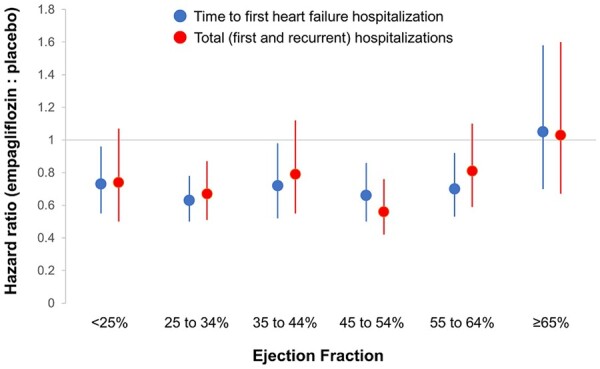
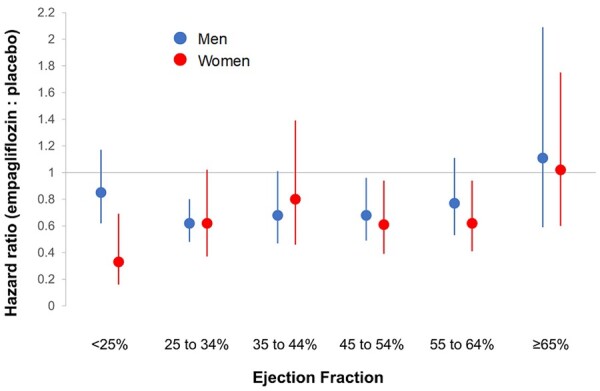
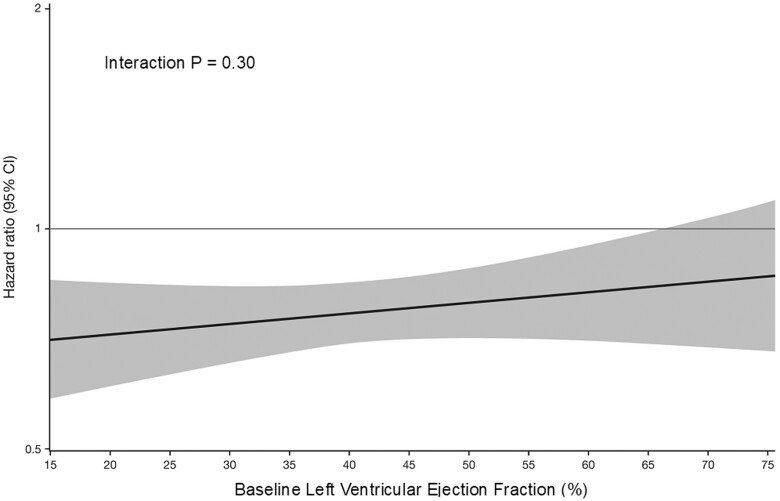
Aims: No therapy has shown to reduce the risk of hospitalization for heart failure across the entire range of ejection fractions seen in clinical practice. We assessed the influence of ejection fraction on the effect of the sodium–glucose cotransporter 2 inhibitor empagliflozin on heart failure outcomes. Methods and results: A pooled analysis was performed on both the EMPEROR-Reduced and EMPEROR-Preserved trials (9718 patients; 4860 empagliflozin and 4858 placebo), and patients were grouped based on ejection fraction: <25% (n = 999), 25–34% (n = 2230), 35–44% (n = 1272), 45–54% (n = 2260), 55–64% (n = 2092), and ≥65% (n = 865). Outcomes assessed included (i) time to first hospitalization for heart failure or cardiovascular mortality, (ii) time to first heart failure hospitalization, (iii) total (first and recurrent) hospitalizations for heart failure, and (iv) health status assessed by the Kansas City Cardiomyopathy Questionnaire (KCCQ). The risk of cardiovascular death and hospitalization for heart failure declined progressively as ejection fraction increased from <25% to ≥65%. Empagliflozin reduced the risk of cardiovascular death or heart failure hospitalization, mainly by reducing heart failure hospitalizations. Empagliflozin reduced the risk of heart failure hospitalization by ≈30% in all ejection fraction subgroups, with an attenuated effect in patients with an ejection fraction ≥65%. Hazard ratios and 95% confidence intervals were: ejection fraction <25%: 0.73 (0.55–0.96); ejection fraction 25–34%: 0.63 (0.50–0.78); ejection fraction 35–44%: 0.72 (0.52–0.98); ejection fraction 45–54%: 0.66 (0.50–0.86); ejection fraction 55–64%: 0.70 (0.53–0.92); and ejection fraction ≥65%: 1.05 (0.70–1.58). Other heart failure outcomes and measures, including KCCQ, showed a similar response pattern. Sex did not influence the responses to empagliflozin. Conclusion: The magnitude of the effect of empagliflozin on heart failure outcomes was clinically meaningful and similar in patients with ejection fractions <25% to <65%, but was attenuated in patients with an ejection fraction ≥65%. Key Question: How does ejection fraction influence the effects of empagliflozin in patients with heart failure and either a reduced or a preserved ejection fraction? Key Finding: The magnitude of the effect of empagliflozin on heart failure outcomes and health status was similar in patients with ejection fractions <25% to <65%, but it was attenuated in patients with an ejection fraction ≥65%. Take Home Message: The consistency of the response in patients with ejection fractions of <25% to <65% distinguishes the effects of empagliflozin from other drugs that have been evaluated across the full spectrum of ejection fractions in patients with heart failure.
Overview
The claims and statistics of this paper haven’t been checked yet.
Free: it reads the open-access text and checks the first 5 claims that cite a source we can check. Create a free account to check every claim.
Integrity signals
Registry
Cites
Statistics
Figures
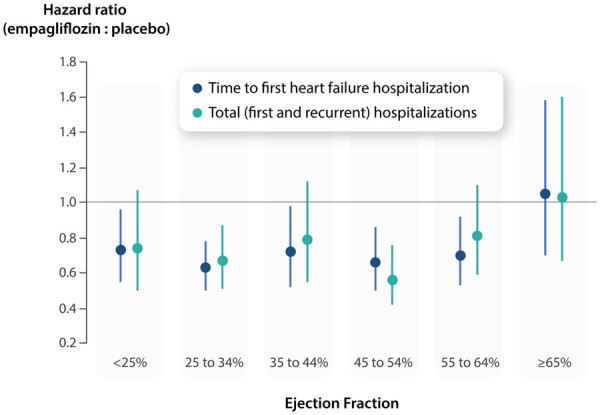
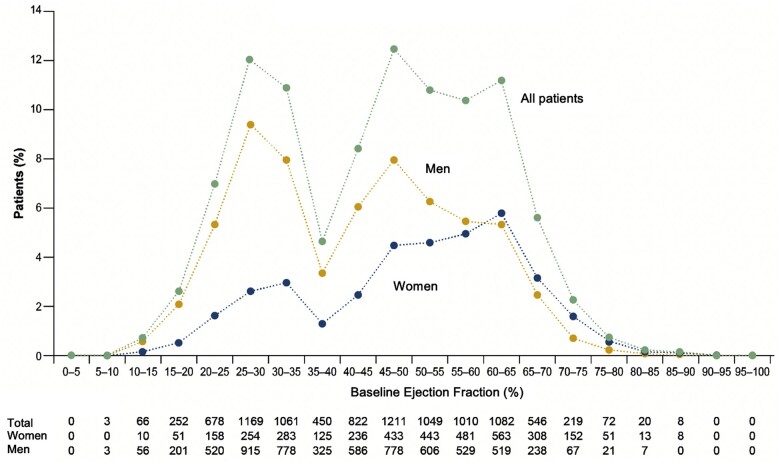
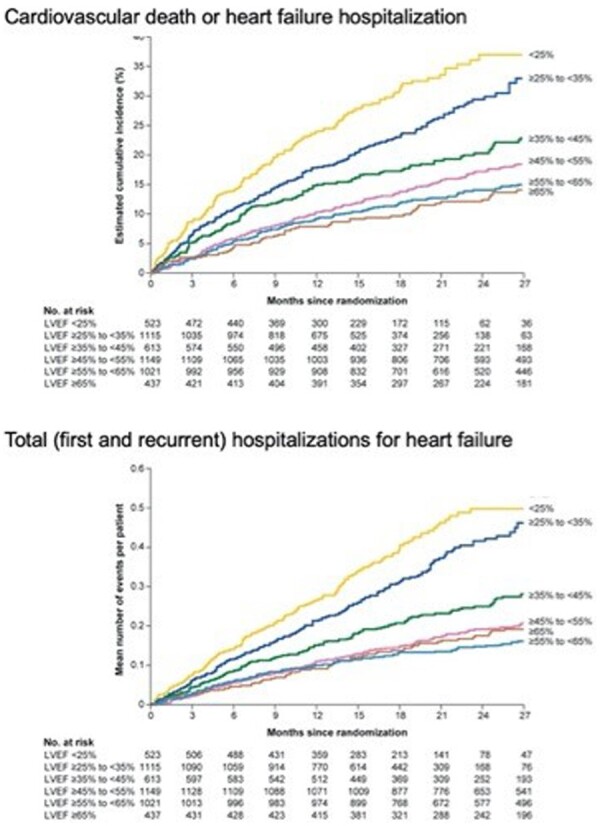
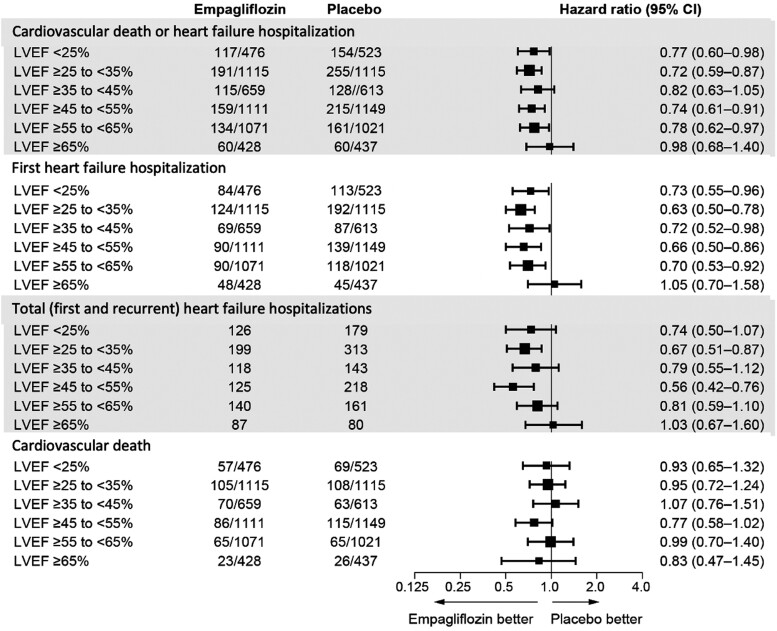
Verification
Claims the paper makes
The claims and statistics of this paper haven’t been checked yet.
Free: it reads the open-access text and checks the first 5 claims that cite a source we can check. Create a free account to check every claim.
Claims other papers make about this one
Each is checked against this paper’s own text: does it say what the citing paper says it does?
The cited source says what the claim attributes to it.
In the citing paper
“These trials have reported favorable effects in patients with HFpEF7,8”
From Effects of Tirzepatide on the Clinical Trajectory of Patients With Heart Failure, Preserved Ejection Fraction, and Obesity (2025) · cites this paper as [8]
Self-check
Percentages, sums and reported differences re-computed from the paper’s own numbers.
The self-check needs the paper’s full text.
Citations
Cites
Ahmed, A., Jorna, T., & Bhandari, S. (2016) · Nephron · doi:10.1159/000447068 · Cited by 11,717
The Effect of Spironolactone on Morbidity and Mortality in Patients with Severe Heart Failure
Pitt, B., Zannad, F., Remme, W. J., Cody, R., Castaigne, A., Perez, A., Palensky, J., & Wittes, J. (1999) · New England Journal of Medicine · doi:10.1056/nejm199909023411001 · Cited by 9,214
Self-citationDapagliflozin in Patients with Heart Failure and Reduced Ejection Fraction
McMurray, J. J. V., Solomon, S. D., Inzucchi, S. E., Køber, L., Kosiborod, M. N., Martinez, F. A., Ponikowski, P., Sabatine, M. S., Anand, I. S., Bělohlávek, J., et al. (2019) · New England Journal of Medicine · doi:10.1056/nejmoa1911303 · Cited by 7,140
Angiotensin-neprilysin inhibition versus enalapril in heart failure
McMurray, J. J. V., Packer, M., Desai, A. S., Gong, J., Lefkowitz, M. P., Rizkala, A. R., Rouleau, J. L., Shi, V. C., Solomon, S. D., Swedberg, K., et al. (2014) · New England Journal of Medicine · doi:10.1056/nejmoa1409077 · Cited by 6,957
Self-citationCardiovascular and renal outcomes with empagliflozin in heart failure
Packer, M., Anker, S. D., Butler, J., Filippatos, G., Pocock, S. J., Carson, P., Januzzi, J., Verma, S., Tsutsui, H., Brueckmann, M., et al. (2020) · New England Journal of Medicine · doi:10.1056/nejmoa2022190 · Cited by 5,206
Self-citationEmpagliflozin in heart failure with a preserved ejection fraction
Anker, S. D., Butler, J., Filippatos, G., Ferreira, J. P., Bocchi, E., Böhm, M., Brunner–La Rocca, H.-P., Choi, D.-J., Chopra, V., Chuquiure-Valenzuela, E., et al. (2021) · New England Journal of Medicine · doi:10.1056/nejmoa2107038 · Cited by 4,874
Self-citationYusuf, S., Pfeffer, M. A., Swedberg, K., Granger, C. B., Held, P., McMurray, J. J., Michelson, E. L., Olofsson, B., & Östergren, J. (2003) · The Lancet · doi:10.1016/s0140-6736(03)14285-7 · Cited by 2,994
Spironolactone for heart failure with preserved ejection fraction
Pitt, B., Pfeffer, M. A., Assmann, S. F., Boineau, R., Anand, I. S., Claggett, B., Clausell, N., Desai, A. S., Diaz, R., Fleg, J. L., et al. (2014) · New England Journal of Medicine · doi:10.1056/nejmoa1313731 · Cited by 2,809 · cited 1×
“Other 42 (4) 108 (5) 73 (6) 143 (6) 126 (6) 60 (7)”
Angiotensin–Neprilysin Inhibition in Heart Failure with Preserved Ejection Fraction
Solomon, S. D., McMurray, J. J. V., Anand, I. S., Ge, J., Lam, C. S. P., Maggioni, A. P., Martinez, F., Packer, M., Pfeffer, M. A., Pieske, B., et al. (2019) · New England Journal of Medicine · doi:10.1056/nejmoa1908655 · Cited by 2,430
Self-citationSotagliflozin in patients with diabetes and recent worsening heart failure
Bhatt, D. L., Szarek, M., Steg, P. G., Cannon, C. P., Leiter, L. A., McGuire, D. K., Lewis, J. B., Riddle, M. C., Voors, A. A., Metra, M., et al. (2021) · New England Journal of Medicine · doi:10.1056/nejmoa2030183 · Cited by 1,868
Research works printed but not linked: 1
- Packer M, Butler J, Filippatos GS et al; the EMPEROR‐Reduced Trial Committees and Investigators. Evaluation of the effect of sodium–glucose co-transporter 2 inhibition with empagliflozin on morbidity and mortality of patients with chronic heart failure and a reduced ejection fraction: rationale for and design of the EMPEROR-Reduced trial. Eur J Heart Fail 2019; 21: 1270– 1278. 31584231 · DOI
Cited by
Items 201–263 of 263
Obesity and Heart Failure: Introducing the Theme
Monitillo, F., Basile, P., & Lisco, G. (2026) · Journal of Cardiovascular Development and Disease · doi:10.3390/jcdd13040153 · Cited by 2
“%) reducing the cumulative risk of HF hospitalization by 30% [112].”
Concomitant use of SGLT2 inhibitors and GLP-1 receptor agonists in patients with heart failure
Khademi, R., & Shoar, S. (2026) · Cardiovascular Diabetology – Endocrinology Reports · doi:10.1186/s40842-026-00319-y · Cited by 1
“[12].”
Cardiorenal effects of SGLT2 inhibitors: who might benefit?
Klug, E., Rayner, B. L., Wasserfall, M., Kok, A., Mpe, M., Ruder, S., Mohamed, N., & Webb, D. (2023) · Journal of Endocrinology Metabolism and Diabetes of South Africa · doi:10.1080/16089677.2023.2275898 · Cited by 1
“25,27,28,72 Based on these studies, SGLT2 inhibitors are recommended for treatment of patients with heart failure with reduced ejection fraction (HFrEF), those with ejection fraction up to approximately 55% and those with CKD (eGFR > 25 ml/min) with albuminuria, regardless of whether or they have…”
BackgroundLandgraf, R., Aberle, J., Birkenfeld, A. L., Gallwitz, B., Kellerer, M., Klein, H. H., Müller‐Wieland, D., Nauck, M. A., Wiesner, T., & Siegel, E. G. (2024) · Die Diabetologie · doi:10.1007/s11428-023-01144-y · Cited by 1
McKenzie, T., Hale, G. M., Miner, A., Colón, J. C., Evins, G., & Wade, J. (2024) · Heart Failure Reviews · doi:10.1007/s10741-024-10388-9 · Cited by 1
Abraham, J. D., Shavik, S. M., Mitchell, T. R., Lee, L. C., Ray, B., & Leonardi, C. R. (2024) · Computers in Biology and Medicine · doi:10.1016/j.compbiomed.2024.109019 · Cited by 1
Kittipibul, V., Cyr, D. D., Harrington, J., Lala, A., Fudim, M., Ward, J. H., Sarwat, S., Solomon, S. D., Hernandez, A. F., Zieroth, S. R., et al. (2025) · American Heart Journal · doi:10.1016/j.ahj.2025.05.004 · Cited by 2
Using the ejection fraction to guide medical therapy: a necessary but imperfect first step
Reddy, Y. N. V. (2022) · European Journal of Heart Failure · doi:10.1002/ejhf.2498 · Cited by 1
Khan, M. S., DeVore, A. D., Felker, G. M., Butler, J., Fonarow, G. C., & Greene, S. J. (2022) · JACC Heart Failure · doi:10.1016/j.jchf.2022.02.013 · Cited by 1
Self-citationWho wants the middle seat?: HFmrEF in a world dominated by HFpEF and HFrEF
Eckman, P., & Crespo, R. (2022) · Journal of Cardiac Failure · doi:10.1016/j.cardfail.2022.12.006 · Cited by 1
When ‘moderate’ is not benign: rethinking risk in multivalvular valve disease
Lancellotti, P., Dulgheru, R., & Vannan, M. K. (2026) · European Heart Journal - Cardiovascular Imaging · doi:10.1093/ehjci/jeag059 · Cited by 1
Shanon's *The Antipodes of the Mind*
Nixon, G. M. (2004) · PhilPapers (PhilPapers Foundation)
Fernandes-Silva, M. M. (2022) · ABC Heart Failure & Cardiomyopathy · doi:10.36660/abchf.20220013
Ferrannini, G., & Savarese, G. (2022) · European Cardiology Review · doi:10.15420/ecr.2022.06
Requena-Ibáñez, J. A., Santos‐Gallego, C. G., & Badimón, J. J. (2022) · Revista Española de Cardiología · doi:10.1016/j.recesp.2022.04.008 · Cited by 4
Empagliflozyna w niewydolności serca — przewodnik klinicysty
Lelonek, M. (2022) · Folia Cardiologica · doi:10.5603/fc.a2022.0023
Natriumrestriktion ohne Effekte auf klinische Ereignisrate bei Herzinsuffizienz
(2022) · DMW - Deutsche Medizinische Wochenschrift · doi:10.1055/a-1842-4910
Evaluating Digital Technologies for Implementation Science
Bhatt, A. S. (2022) · Journal of Cardiac Failure · doi:10.1016/j.cardfail.2022.08.004
Hellenkamp, K., Valentová, M., & von Haehling, S. (2022) · Die Innere Medizin · doi:10.1007/s00108-022-01394-w · Cited by 1
CADTH (2023) · Canadian Journal of Health Technologies · doi:10.51731/cjht.2023.547
Consistency Breeds Confidence: The Continuing Story of SGLT2 Inhibitors
Piña, I. L. (2023) · Circulation · doi:10.1161/circulationaha.122.063451
Packer, M. (2023) · Journal of Cardiac Failure · doi:10.1016/j.cardfail.2023.03.028
Self-citationA Guide Not Just for the Faint of Heart - Faster and Greater.
McDermott, M., & Wang, K.-L. (2023) · PubMed Central · doi:10.6515/acs.202305_39(3).20230330a
Jin, D., Hao, J., Chen, Y., Guo, Y., Chen, L.-W., Chao, S., Zhou, L., Ye, D., Zhu, H., Dai, X., et al. (2023) · Research Square · doi:10.21203/rs.3.rs-3034344/v1
Nedogoda, S. V., Salasyuk, A. S., Barykina, I. N., Lutova, V. O., & Popova, E. A. (2023) · Russian Journal of Cardiology · doi:10.15829/1560-4071-2023-5475 · Cited by 1
Az SGLT2-gátlók lehetséges hatásai a kardiovaszkuláris megbetegedésekben
Kosztin, A. (2023) · Cardiologia Hungarica · doi:10.26430/chungarica.2023.53.4.360 · Cited by 2
“Kiemelendő, hogy a bal kamrai ejekciós frakció nominális strátumaiban továbbá annak kontinuitásában is hasonló mértékben hatásosnak bizonyult mindkét gyógyszer a primer végpont tekintetében (58, 59).”
Follmann, M., Becker, C., Roessig, L., Sandner, P., & Stasch, J. (2023) · Medicinal chemistry reviews · doi:10.1021/mc-2023-vol58.ch21
Tiwari, K., Sharma, N. R., Pokhrel, M., Basnet, A., & Kaplan, M. (2023) · Cureus · doi:10.7759/cureus.49402 · Cited by 1
“Empagliflozin, a well-known SGLT-2 inhibitor, has demonstrated significant advantages in glycemic control and cardiovascular outcomes for individuals with Type 2 diabetes [2].”
Zhuravleva, M. V., Tereshchenko, S. N., Палеев, Ф. Н., Gagarina, Y. V., & Александровна, Ш. Е. (2023) · Russian Journal of Cardiology · doi:10.15829/1560-4071-2023-5711
Guidelines for the management of chronic heart failure
Hadi, N. R., Fedačko, J., Singh, R. B., Elkilany, G. N., Elmaraghi, O., Hamdy, E. A., Hristová, K., Chakravorty, S., Shogenova, L. V., Slezák, J., et al. (2024) · Elsevier eBooks · doi:10.1016/b978-0-12-822972-9.00031-6
Ali, S. M. (2024) · Pakistan Journal of Medical and Health Sciences · doi:10.53350/pjmhs0202418135
Llorens, P. (2024) · Revista Española de Urgencias y Emergencias · doi:10.55633/s3me/reue.a041.2024
Evolutions in care, unmet needs, and research priorities in heart failure
Halliday, B. P., Ahmed, F. Z., Beezer, J., Fuat, A., Ludman, A. J., Pellicori, P., Savage, H. O., Taylor, C. J., & Cleland, J. G. F. (2024) · Considerations in Medicine · doi:10.1136/conmed-2024-000010 · Cited by 1
Mikhail, N. (2023) · Clinical Research and Clinical Trials · doi:10.31579/2693-4779/114
“However, in case of empagliflozin, the risk reduction in CV death and HHF was attenuated with LVEF ≥60% and is totally lost with LVEF≥65% [5-18].”
Manla, Y., Kholoki, O., Attallah, N. M., & Bader, F. M. (2024) · International Journal of Heart Failure · doi:10.36628/ijhf.2023.0065
(2022) · International journal of cardiology and cardiovascular disorder. · doi:10.47485/2998-4513.1011
Tomasoni, D., Pasquale, M. D., Bonfioli, G. B., Aimo, A., Porcari, A., Adamo, M., Beghini, A., Castiglione, V., Fabiani, I., Franzini, M., et al. (2024) · SSRN Electronic Journal · doi:10.2139/ssrn.4897663
Alsuwayh, A., Altawili, M. A., Alhazmi, M. F., Alotaibi, D. F. M., Rashed, A. O., Abdullah, A. N., Alkenani, A. A. N., Almohammdi, R. A. S., Alotaibi, H. F. M., & Alsharlf, F. E. A. M. (2024) · Cureus · doi:10.7759/cureus.73906
Aberle, J., Blüher, M., Laudes, M., Merkel, M., & Sandow, P. (2024) · Diabetologie und Stoffwechsel · doi:10.1055/a-2435-6818
Dhingra, N. K., Nwajei, E., Verma, R. K., Pfarr, E., Gąsior, T., & Verma, S. (2025) · JTCVS Open · doi:10.1016/j.xjon.2025.03.018
Xu, X., Zhang, Y., Xiao, Y., Zhang, A., Gao, S., Di, Z., & Zhang, J. (2025) · Natural Product Communications · doi:10.1177/1934578x251316651
Medical Therapy for Patients with End-Stage Heart Failure
Hamilton, M. A., & Manla, Y. (2025) · Springer eBooks · doi:10.1007/978-3-031-88290-6_1
Briggs, A. H., Chen, J., Booth, D., Davis, J. A., Angelis, A., Vaduganathan, M., & Jhund, P. S. (2025) · Journal of Comparative Effectiveness Research · doi:10.57264/cer-2025-0012
Biswas, S. K., Krishnan, E., Srivastava, Y., Jain, M. K., Bodar, Y. P., Singh, M. H., Zaman, B. M. A., Giri, M. K., Das, M. D. K., Ayaanuddin, S. K., et al. (2025) · Research Square · doi:10.21203/rs.3.rs-7613283/v1
Soni, A., Lawal, O. P., Oyovwi, J. O., Olaniyi, H. I., Anosike, W. O., Orobator, E. T., Gabriels, N., Ghori, I. A. K., & Olaniyi, A. O. (2025) · Cureus · doi:10.7759/cureus.96593
“…in HHF is a meaningful and expedient outcome when evaluating the benefits of empagliflozin in T2DM with HF. Apparently, it is important to look for remedies that will reduce HHF with T2DM because prolonged hospitalisation and rehospitalisation are associated with a high mortality rate [13].”
Salah, H. M., Al’Aref, S. J., Khan, M. S., Al‐Hawwas, M., Vallurupalli, S., Mehta, J. L., Mounsey, J. P., Greene, S. J., McGuire, D. K., Lópes, R. D., et al. (2022) · Figshare · doi:10.6084/m9.figshare.19128968
Nakai, M., Iwanaga, Y., Kanaoka, K., Sumita, Y., Nishioka, Y., Myojin, T., Kubo, S., Okada, K., Soeda, T., Noda, T., et al. (2022) · Figshare · doi:10.6084/m9.figshare.20486855
Núñez‐Marín, G., de la Espriella, R., Llàcer, P., Palau, P., Santas, E., Miñana, G., Lorenzo, M., Montiel, J., Gasull, A., Bodí, V., et al. (2026) · European Journal of Heart Failure · doi:10.1093/ejhf/xuag018
Empagliflozin in Heart Failure and Previous Coronary Revascularization
Dhingra, N. K., Butler, J., Anker, S. D., Ferreira, J. P., Filippatos, G. S., Pfarr, E., Gąsior, T., Nordaby, M., Brueckmann, M., Pocock, S., et al. (2026) · JACC Advances · doi:10.1016/j.jacadv.2025.102419
Self-citationSohail, R., Khan, Z., Khattak, R., Anand, P., Patel, V., Alberto, M., Georgy, M., Dhand, K., Feldiorean, A., Fatima, S., et al. (2026) · Respiratory Medicine · doi:10.1016/j.rmed.2026.108685
Li, C., Meng, F., Xie, Y., Li, P., & Jiao, J. (2026) · Frontiers in Oncology · doi:10.3389/fonc.2026.1728009
Effects of metabolic syndrome on cardiovascular outcomes in non-obese heart failure patients
Han, D. D., Miedlich, S. U., Morse, D. S., Block, R., Zaręba, W., Goldenberg, I., McNitt, S. A., & Kutyifa, V. (2026) · ESC Heart Failure · doi:10.1093/eschf/xvag073
Outcomes for acute myocardial infarction with supranormal left ventricular ejection fraction
Oh, S., Kim, J. H., Cho, K. H., Kim, M. C., Sim, D. S., Hong, Y. J., Ahn, Y., & Jeong, M. H. (2026) · Frontiers in Cardiovascular Medicine · doi:10.3389/fcvm.2026.1777247
Fioretti, F., Petrie, M. C., Dickert, N. W., & Butler, J. (2026) · Journal of the American College of Cardiology · doi:10.1016/j.jacc.2026.02.5086
Self-citationSőth, S. T., Bagosi, Z., Farkas, A., Gasztonyi, B., & Bujtor, Z. (2026) · Magyar Belorvosi Archívum · doi:10.59063/mba.2026.79.2.2
Northway, J., Park, J., Mankowitz, K., & Hoque, F. (2026) · Journal of Brown Hospital Medicine · doi:10.56305/001c.163599
Magnano, R., Rossi, D., Saraullo, S., Zuardi, V., Pezzi, L., D’Alleva, A., Marino, M. D., Scollo, C., Genovesi, E., Guarracini, S., et al. (2026) · Current Problems in Cardiology · doi:10.1016/j.cpcardiol.2026.103409
Beyond procedural success after TAVI: is multi-pillar heart failure therapy the next frontier?
Stolte, T., Nestelberger, T., & Mahfoud, F. (2026) · European Journal of Heart Failure · doi:10.1093/ejhf/xuag188
Raposeiras‐Roubín, S., Gonzalez-Manzanares, R., Amat-Santos, I. J., Melendo‐Viu, M., Dobarro, D., López‐Otero, D., Franco, L. N., Gheorge, L., y, J. S.-S., Carlos, B. Z., et al. (2026) · European Journal of Heart Failure · doi:10.1093/ejhf/xuag242
Clinical Evidence of Cardioprotective Effects of SGLT2 Inhibitors
Usman, M. S., Verma, S., & Pandey, A. (2026) · Handbook of experimental pharmacology · doi:10.1007/164_2026_827
Ji, K., Zhang, D., Zhao, Y., Zeng, Z., Jiang, M., & Zhang, J. (2026) · Diabetes & Metabolism · doi:10.1016/j.diabet.2026.101793
Akama, Y., Singh, Y. S., Nakade, T., Fujimoto, Y., Ide, T., Kida, K., Matsushima, S., Enzan, N., Ikeda, M., Kitai, T., et al. (2026) · Journal of Cardiac Failure · doi:10.1016/j.cardfail.2026.09.033
Metadata
- Authors
- Butler, J., Packer, M., Filippatos, G., Ferreira, J. P., Zeller, C., Schnee, J., Brueckmann, M., Pocock, S. J., Zannad, F., & Anker, S. D.
- Affiliations
- University of Mississippi (US)
- Baylor Jack and Jane Hamilton Heart and Vascular Hospital (US)
- National and Kapodistrian University of Athens (GR)
- Université de Lorraine, Inserm INI-CRCT, CHRU , Nancy, France
- Boehringer Ingelheim (Germany) (DE)
- Boehringer Ingelheim (United States) (US)
- Heidelberg University (DE)
- London School of Hygiene & Tropical Medicine (GB)
- Inserm (FR)
- Berlin-Brandenburger Centrum für Regenerative Therapien (DE)
- Corresponding author
- Butler, Javed
- Packer, Milton
- ORCID
- Venue
- European Heart Journal
- Publisher
- Oxford University Press (OUP)
- Published
- 2021-12-08
- Volume
- 43
- Issue
- 5
- Pages
- 416-424
- ISSN
- 0195-668X (ISSN-L)
- 1522-9645
- PMC
- PMC8825259
- OpenAlex
- W4200586754
- Cited by
- 264
- References
- 29
- Citations by year
- 2026: 28 · 2025: 32 · 2024: 56 · 2023: 81 · 2022: 65 · 2021: 1
- FWCI
- 33.98
- Type
- journal article
- Language
- en
- Open access
- hybrid
- doi.org
- Licence
- Locations
- European Heart Journal (publishedVersion, cc-by-nc)
- PubMed Central (publishedVersion, cc-by-nc)
- PubMed (publishedVersion)
- LSHTM Research Online (London School of Hygiene and Tropical Medicine) (acceptedVersion)
- HAL (submittedVersion, cc-by-nc)
- Funders
- Boehringer Ingelheim and Eli Lilly and Company
- Topics
- Health Sciences › Medicine › Cardiology and Cardiovascular Medicine › Heart Failure Treatment and Management
- Health Sciences › Medicine › Endocrinology, Diabetes and Metabolism › Diabetes Treatment and Management
- Health Sciences › Medicine › Cardiology and Cardiovascular Medicine › Cardiovascular Function and Risk Factors
- Keywords
- empagliflozin, heart failure, left ventricular ejection fraction, SGLT2 inhibitors, heart failure hospitalization, cardiovascular mortality, EMPEROR-Reduced, EMPEROR-Preserved, Kansas City Cardiomyopathy Questionnaire, health-related quality of life, subgroup analysis, preserved ejection fraction, reduced ejection fraction, heart failure with reduced ejection fraction
- MeSH terms
- Benzhydryl Compounds, Glucosides, Heart Failure, Hospitalization, Humans, Stroke Volume, Ventricular Function, Left
About these checks
Registry, retraction, Cites and statistics results are computed, not judged, with one exception: a printed reference that no index lists is read once by a model before it counts as a citation error. Claims are extracted by a model and kept only when their quote appears verbatim in the text; each cited source is then checked, with a model’s help, for whether it says what the claim relies on. Those verdicts can be wrong — read the claim’s quote and the cited source before relying on one.
Statistics and arithmetic are recomputed, not judged.
Confidence bands are shown only for fields calibrated on our annotated test set. None is calibrated yet, so no band is shown.
What counts as a claim ›How we measure confidence ›How we check this ›
Are you an author, or do you see a problem with this page? Request a review
Data sources
Bibliographic data: Semantic Scholar, OpenAlex, Crossref.
Contains information from the Semantic Scholar Academic Graph Datasets, made available under the ODC Attribution License (ODC-BY 1.0).
Semantic Scholar’s data is described in: Kinney, R., et al. (2023). The Semantic Scholar Open Data Platform. arXiv:2301.10140.
