

Long-term Persistent Organic Pollutants Exposure Induced Telomere Dysfunction and Senescence-Associated Secretary Phenotype
Open accessThe DOI matches its Crossref record; 54 of the 54 references it cites were found in a registry or an index.
Abstract
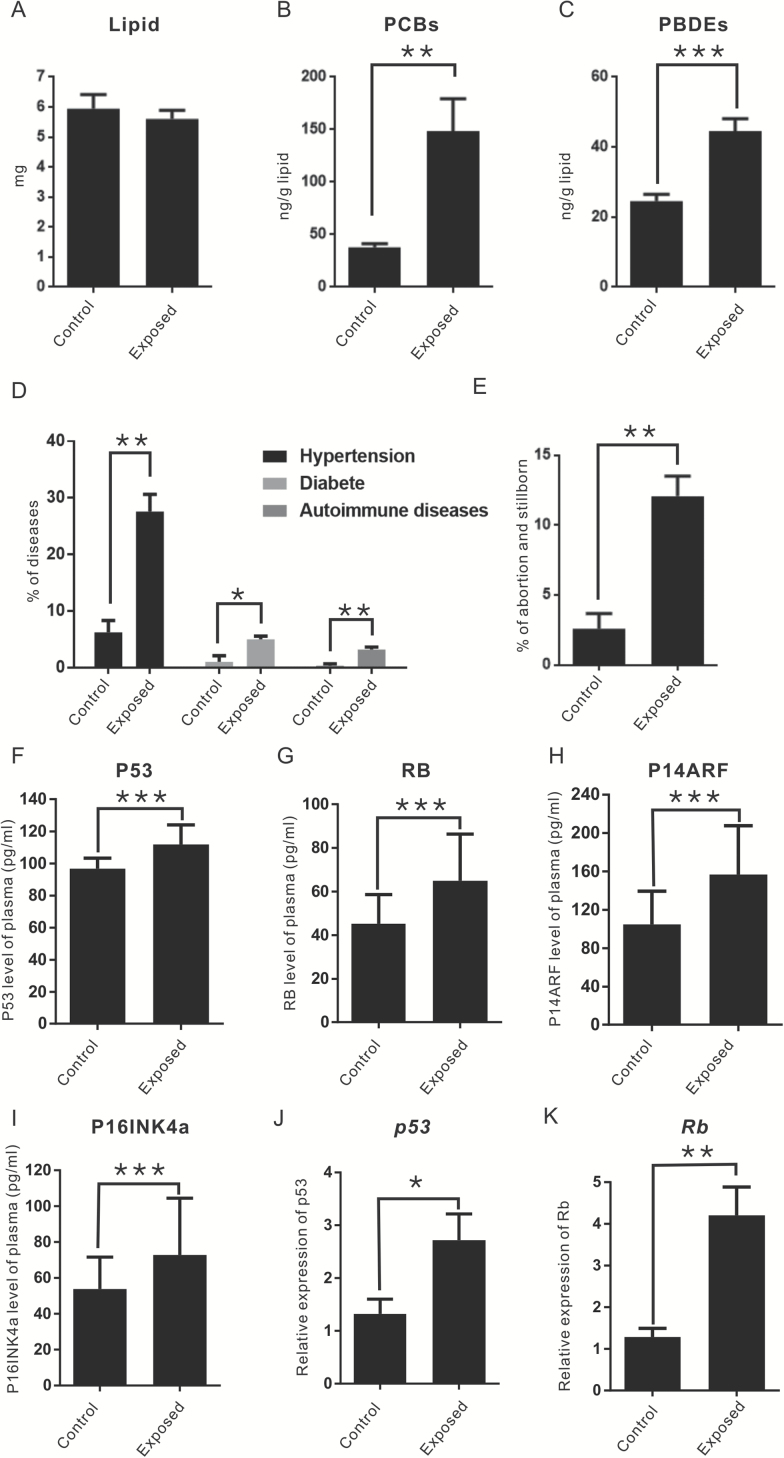
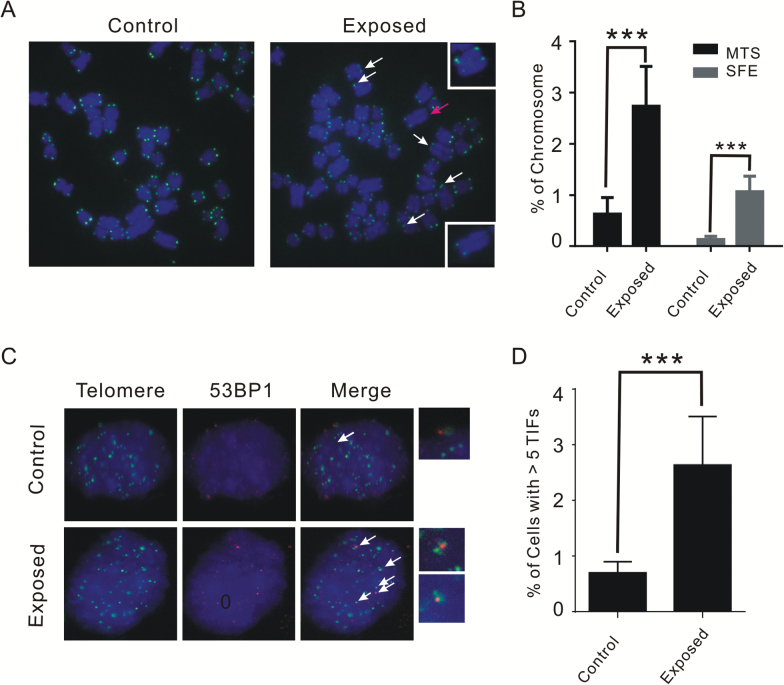
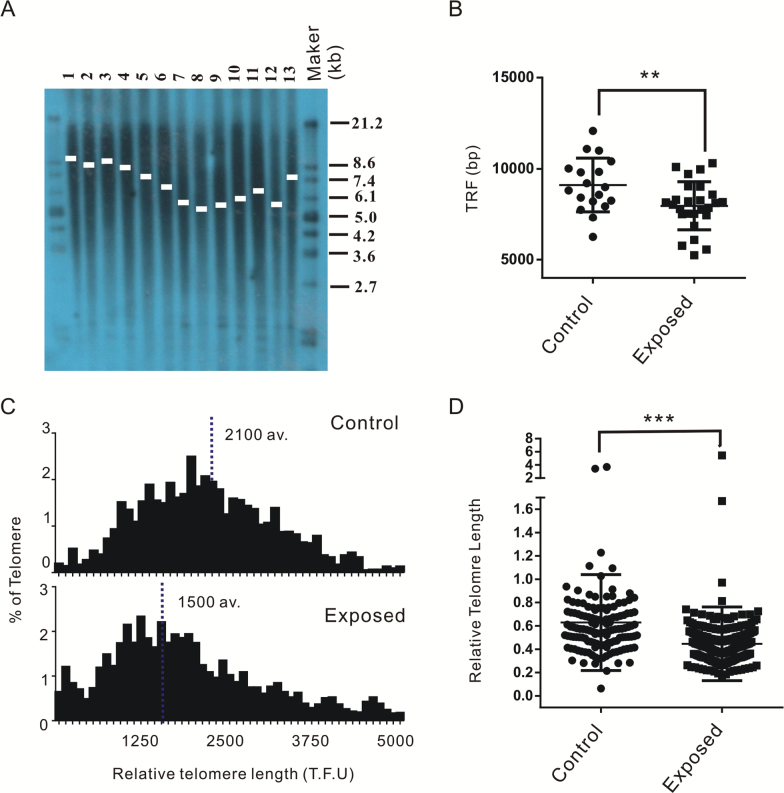
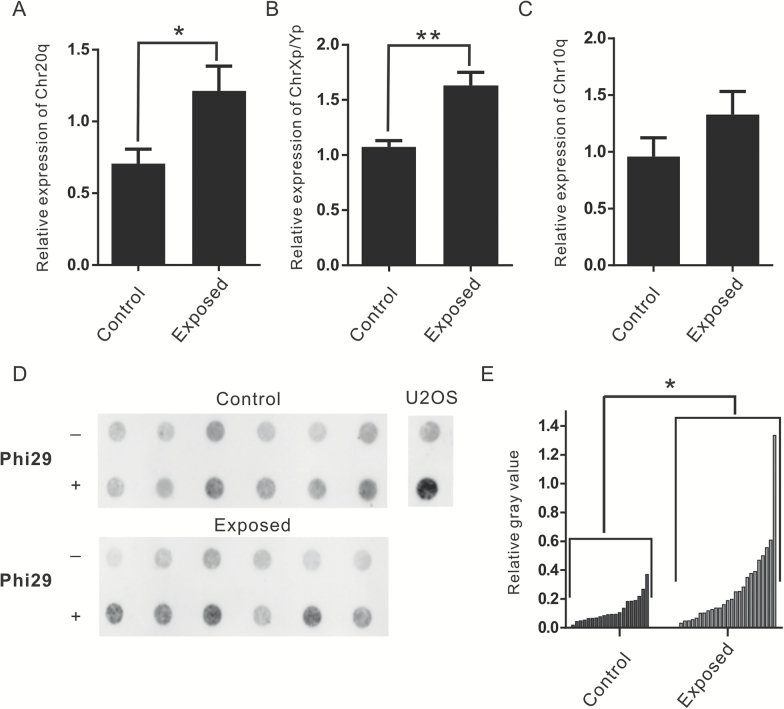
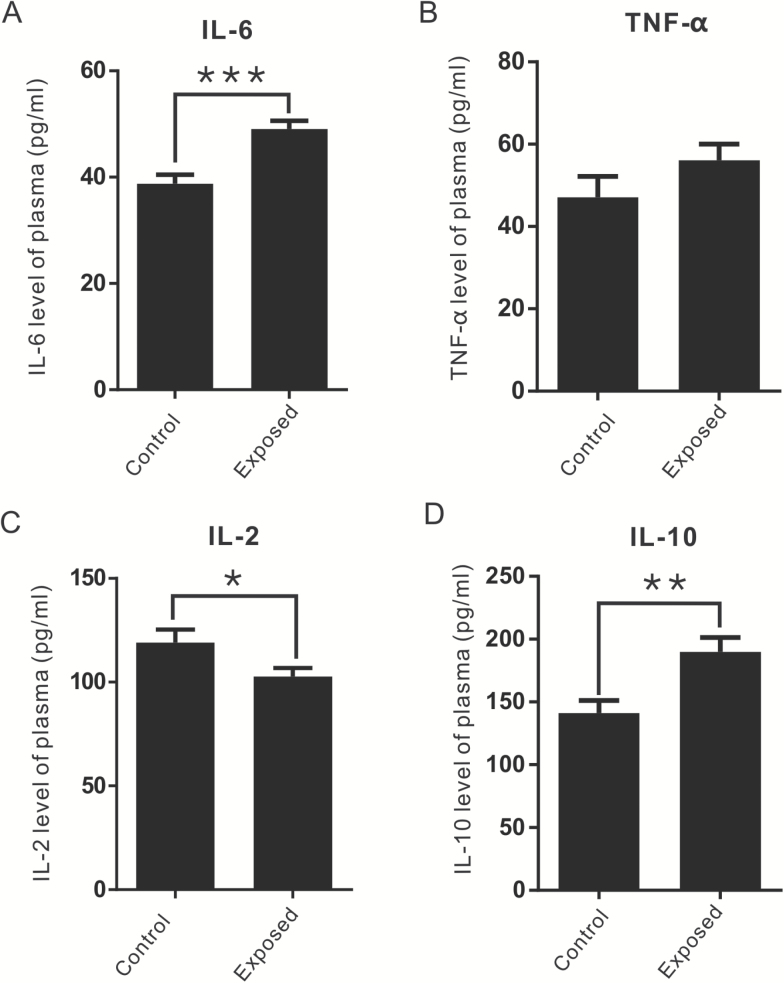
Environmentally persistent organic pollutant (POP) is the general term for refractory organic compounds that show long-range atmospheric transport, environmental persistence, and bioaccumulation. It has been reported that the accumulation of POPs could lead to cellular DNA damage and adverse effects of on metabolic health. To better understand the mechanism of the health risks associated with POPs, we conducted an evidence-based cohort investigation (n = 5,955) at the Jinghai e-waste disposal center in China from 2009 to 2016, where people endure serious POP exposure. And high levels of aging-related diseases, including hypertension, diabetes, autoimmune diseases, and reproductive disorders were identified associated with the POP exposure. In the subsequent molecular level study, an increased telomere dysfunction including telomere multiple telomere signals, telomere signal-free ends, telomere shortening and activation of alternative lengthening of telomeres were observed, which might result from the hypomethylated DNA modification induced telomeric repeat-containing RNA overexpression. Moreover, dysfunctional telomere-leaded senescence-associated secretory phenotype was confirmed, as the proinflammatory cytokines and immunosenescence hallmarks including interleukin-6, P16INK4a, and P14ARF were stimulated. Thus, we proposed that the dysfunctional telomere and elevated systemic chronic inflammation contribute to the aging-associated diseases, which were highly developed among the POP exposure individuals.
Overview
The claims and statistics of this paper haven’t been checked yet.
Free: it reads the open-access text and checks the first 5 claims that cite a source we can check. Create a free account to check every claim.
Integrity signals
Registry
Cites
Statistics
Figures
Verification
Claims the paper makes
The claims and statistics of this paper haven’t been checked yet.
Free: it reads the open-access text and checks the first 5 claims that cite a source we can check. Create a free account to check every claim.
Claims other papers make about this one
Each is checked against this paper’s own text: does it say what the citing paper says it does?
The source backs part of the claim, not all of it — or backs it for a different population, condition or comparison.
In the citing paper
“dietary and lifestyle habits, as well as exposure to a variety of different pollutants, can increase oxidative stress, upregulate mitogenic signaling pathways and cause genomic and epigenomic perturbations8,60,62,63 that can induce the SASP.”
From Chronic inflammation in the etiology of disease across the life span (2019) · cites this paper as [63]
Experimental — accuracy not yet measured
Self-check
Percentages, sums and reported differences re-computed from the paper’s own numbers.
The self-check needs the paper’s full text.
Citations
Cites
1 retracted
RETRACTED: Chronic Inflammation: Accelerator of Biological Aging
Fougère, B., Boulanger, E., Nourhashémi, F., Guyonnet, S., & Cesari, M. (2017) · The Journals of Gerontology: Series A · doi:10.1093/gerona/glw240 · Cited by 247 · cited 1×
“Besides telomere dysfunction, chronic inflammation contributes to accelerate biological aging (49).”
BackgroundRetractedBlackburn, E. H., Epel, E. S., & Lin, J. (2015) · Science · doi:10.1126/science.aab3389 · Cited by 1,596 · cited 1×
“When the telomeres become critically short or sufficiently damaged, the deprotected telomeres trigger DNA damage signaling and lead to various senescencerelated disorders (13), the telomeres shortening process can be accelerated by oxidative stress and chronic inflammation (14).”
BackgroundTelomere length measurement by a novel monochrome multiplex quantitative PCR method
Cawthon, R. M. (2009) · Nucleic Acids Research · doi:10.1093/nar/gkn1027 · Cited by 1,410 · cited 1×
“Quantitative real-time PCR was used to determine telomere length as previously proposed by Cawthon (22).”
MethodThe DNA damage response induces inflammation and senescence by inhibiting autophagy of GATA4.
Kang, C., Xu, Q., Martin, T. D., Li, M. Z., Demaria, M., Aron, L., Lu, T., Yankner, B. A., Campisi, J., & Elledge, S. J. (2015) · Science · doi:10.1126/science.aaa5612 · Cited by 982 · cited 1×
“Nuclear factor NF-kB plays an important role in SASP signaling pathway, due to its induction expression of proinflammatory factors including cytokines, chemokines, and adhesion molecules (53).”
BackgroundHewitt, G., Jurk, D., Marques, F. D. M., Correia-Melo, C., Hardy, T., Gackowska, A., Anderson, R., Taschuk, M., Mann, J., & Passos, J. F. (2012) · Nature Communications · doi:10.1038/ncomms1708 · Cited by 908 · cited 1×
“They were favored targets for DNA damage recognized by oxidative stress (12).”
BackgroundChronic inflammation induces telomere dysfunction and accelerates ageing in mice
Jurk, D., Wilson, C., Passos, J. F., Oakley, F., Correia-Melo, C., Greaves, L., Saretzki, G., Fox, C., Lawless, C., Anderson, R., et al. (2014) · Nature Communications · doi:10.1038/ncomms5172 · Cited by 819 · cited 1×
“The actively stimulated SASP could further induce telomere dysfunction in a positive feedback manner and accelerate ageing (54).”
BackgroundLinking functional decline of telomeres, mitochondria and stem cells during ageing
Sahin, E., & DePinho, R. A. (2010) · Nature · doi:10.1038/nature08982 · Cited by 759 · cited 1×
“And, the abnormal telomere shortening or damage was associated with premature aging syndromes and tissue repair retard (40,41).”
BackgroundTelomere length in early life predicts lifespan
Heidinger, B. J., Blount, J. D., Boner, W., Griffiths, K., Metcalfe, N. B., & Monaghan, P. (2012) · Proceedings of the National Academy of Sciences · doi:10.1073/pnas.1113306109 · Cited by 713 · cited 1×
“Noxious environment factors could accelerate telomere loss and associated with the degenerative diseases (15).”
BackgroundMolecular and physiological manifestations and measurement of aging in humans
Khan, S. S., Singer, B. D., & Vaughan, D. E. (2017) · Aging Cell · doi:10.1111/acel.12601 · Cited by 530 · cited 1×
“The aging-associated disease is a disease that is most often seen with increasing frequency with increasing senescence, including type 2 diabetes, cardiovascular, and reproductive issues because they could arise and develop from senescence (28).”
BackgroundPeterson, B. S., Rauh, V. A., Bansal, R., Hao, X., Toth, Z., Nati, G., Walsh, K., Miller, R. L., Arias, F., Semanek, D., et al. (2015) · JAMA Psychiatry · doi:10.1001/jamapsychiatry.2015.57 · Cited by 370
Cited by
Chronic inflammation in the etiology of disease across the life span
Furman, D., Campisi, J., Verdin, E., Carrera-Bastos, P., Targ, S., Franceschi, C., Ferrucci, L., Gilroy, D. W., Fasano, A., Miller, G. W., et al. (2019) · Nature Medicine · doi:10.1038/s41591-019-0675-0 · Cited by 4,915
Inflammation and aging: signaling pathways and intervention therapies
Li, X., Li, C., Zhang, W., Wang, Y., Qian, P., & Huang, H. (2023) · Signal Transduction and Targeted Therapy · doi:10.1038/s41392-023-01502-8 · Cited by 1,443
Health consequences of exposure to e-waste: an updated systematic review
Parvez, S. M., Jahan, F., Brune, M.-N., Gorman, J. F., Rahman, M. J., Carpenter, D., Islam, Z., Rahman, M., Aich, N., Knibbs, L. D., et al. (2021) · The Lancet Planetary Health · doi:10.1016/s2542-5196(21)00263-1 · Cited by 225
Mishra, A., Kumari, M., Swati, S., Kumar, R., Iqbal, K., & Thakur, I. S. (2022) · Bioresource Technology Reports · doi:10.1016/j.biteb.2022.101143 · Cited by 130
Li, X., Liu, J., Zhou, G., Sang, Y., Zhang, Y., Li, J., Shi, Z., Zhou, X., & Sun, Z. (2020) · Environment International · doi:10.1016/j.envint.2020.106307 · Cited by 98
Telomere dynamic in humans and animals: Review and perspectives in environmental toxicology
Louzon, M., Cœurdassier, M., Gimbert, F., Pauget, B., & de Vaufleury, A. (2019) · Environment International · doi:10.1016/j.envint.2019.105025 · Cited by 100
Soundararajan, A., Paramasivam, P., Mohan, V., Gibert, Y., & Balasubramanyam, M. (2019) · Molecular and Cellular Biochemistry · doi:10.1007/s11010-019-03540-9 · Cited by 83
Coupling of Fenton reaction and white rot fungi for the degradation of organic pollutants
Chen, S., Zhu, M., Guo, X., Yang, B., & Zhuo, R. (2023) · Ecotoxicology and Environmental Safety · doi:10.1016/j.ecoenv.2023.114697 · Cited by 82
Physiological Systems in Promoting Frailty
Perazza, L. R., Brown‐Borg, H. M., & Thompson, L. V. (2022) · Comprehensive physiology · doi:10.1002/cphy.c210034 · Cited by 77
Nardini, C., Moreau, J.-F., Gensous, N., Ravaioli, F., Garagnani, P., & Bacalini, M. G. (2018) · Seminars in Immunology · doi:10.1016/j.smim.2018.10.009 · Cited by 54
Major depression and enhanced molecular senescence abnormalities in young and middle-aged adults
Diniz, B. S., Reynolds III, C. F., Sibille, E., Bot, M., & Penninx, B. W. J. H. (2019) · Translational Psychiatry · doi:10.1038/s41398-019-0541-3 · Cited by 45
Cao Dinh, H., Njemini, R., Onyema, O. O., Beyer, I., Liberman, K., De Dobbeleer, L., Renmans, W., Vander Meeren, S., Jochmans, K., Delaere, A., et al. (2019) · The Journals of Gerontology: Series A · doi:10.1093/gerona/gly229 · Cited by 47
Srivastava, A. N., Sikarwar, V. S., Bisen, D., Fathi, J., Mašláni, A., Niño, B. N. L., Barmavatu, P., Kaviti, A. K., Pohořelý, M., & Buryi, M. (2025) · Processes · doi:10.3390/pr13072014 · Cited by 50
Environmental pollutants exposure: A potential contributor for aging and age-related diseases
Liu, Y., Wang, J., Huang, Z., Liang, J., Xia, Q., Xia, Q., & Liu, X. (2020) · Environmental Toxicology and Pharmacology · doi:10.1016/j.etap.2020.103575 · Cited by 48
Self-citationZhang, X., Wang, Y., Zhao, R. Z., Hu, X., Baoren, Z., Lv, X., Guo, Z., Zhang, Z., Yuan, J., Chu, X., et al. (2019) · Oxidative Medicine and Cellular Longevity · doi:10.1155/2019/4569614 · Cited by 44
“Due to their high guanine content, telomeres are considered fragile sites of the genome and can be attacked by ROS, chemistry, ionizing radiation (IR), etc. [38, 39], and the dysfunction of telomeres leads to genomic instability and cellular senescence [40].”
Self-citationFernandes, S. G., Dsouza, R., & Khattar, E. (2021) · Environmental Toxicology and Pharmacology · doi:10.1016/j.etap.2021.103633 · Cited by 48
Caldarelli, M., Rio, P., Marrone, A., Giambra, V., Gasbarrini, A., Gambassi, G., & Cianci, R. (2024) · Biomedicines · doi:10.3390/biomedicines12081716 · Cited by 48
Möller, P., Wils, R. S., Jensen, D. M., Andersen, M. H. G., & Roursgaard, M. (2018) · Critical Reviews in Toxicology · doi:10.1080/10408444.2018.1538201 · Cited by 45
“Likewise a study on a population with exposure to mixed POPs showed no association with total level of congeners (BDE28, BDE47, BDE153, BDE154, BDE171, BDE183, BDE184, BDE197, BDE201, BDE207 and BDE208) or the individual congeners, except BDE184 that showed a weak inverse association in Spearman correlation test (Yuan…”
BackgroundInfluentialRecent review on selected xenobiotics and their impacts on gut microbiome and metabolome
Jin, Y., Chi, J., LoMonaco, K., Boon, A., & Gu, H. (2023) · TrAC Trends in Analytical Chemistry · doi:10.1016/j.trac.2023.117155 · Cited by 39
Telomeres and anthropogenic disturbances in wildlife: A systematic review and meta‐analysis
Salmón, P., & Burraco, P. (2022) · Molecular Ecology · doi:10.1111/mec.16370 · Cited by 41
“Moreover, telomere dysfunction due to exposure to POPs may also be driven by reduced telomerase activity (e.g., Senthilkumar et al., 2011) or by the upregulation of TERRA (Yuan et al., 2018).”
BackgroundImmune aging and infectious diseases
Chen, R., Zou, J., Chen, J., Wang, L., Kang, R., & Tang, D. (2024) · Chinese Medical Journal · doi:10.1097/cm9.0000000000003410 · Cited by 40
“[ 71 ] These factors fuel a vicious cycle of chronic inflammation and cellular damage, further accelerating aging and the onset of ARDs.”
Immunosenescence in autoimmune diseases
Hu, H., Zhang, G., Chen, T., Liu, Y., Meng, L., Holmdahl, R., Dai, L., & Zhao, Y. C. (2025) · Autoimmunity Reviews · doi:10.1016/j.autrev.2025.103805 · Cited by 32
Self-citationVerma, A. K., Singh, P., Al‐Saeed, F. A., Ahmed, A. E., Kumar, S., Kumar, A., Dev, K., & Dohare, R. (2022) · Tissue and Cell · doi:10.1016/j.tice.2022.101925 · Cited by 31
Beber, L. C. C., & Guma, F. T. C. R. (2022) · Inflammation Research · doi:10.1007/s00011-022-01647-2 · Cited by 27
“5-induced increase in TNF-α and MCP-1 in plasma and lung tissue [56].”
BackgroundInfluentialLu, J., Zhang, C., Wang, W., Xu, W., Chen, W., Tao, L., Li, Z., Zhang, Y., & Cheng, J. (2023) · Ecotoxicology and Environmental Safety · doi:10.1016/j.ecoenv.2023.115112 · Cited by 23
Impact of E-Waste Toxicity on Health and Nature: Trends, Biases, and Future Directions
Silva, J. A. D. P., Lima, G. G., Camilo-Cotrim, C. F., Bailão, E. F. L. C., Caramori, S. S., Nabout, J. C., & Almeida, L. M. (2023) · Water Air & Soil Pollution · doi:10.1007/s11270-023-06328-2 · Cited by 18
“Compounds in high levels can lead to higher incidence of DNA lesions, oxidative stress, immune function alteration, and increased telomere dysfunction (Grant et al., 2013; Yuan et al., 2018; Shi et al., 2020).”
BackgroundInfluence of occupational risk factors on human aging (literature review)
Karimov, D. D., Эрдман, В. В., Kudoyarov, E. R., Valova, Y. V., Smolyankin, D. A., Repina, E. F., & Karimov, D. O. (2022) · Hygiene and Sanitation · doi:10.47470/0016-9900-2022-101-4-375-381 · Cited by 15
Chang, J., Lee, Y., Laiman, V., Han, C., Jheng, Y.-T., Lee, K., Yeh, C., Kuo, H., Chung, K. F., Heriyanto, D. S., et al. (2021) · Chemico-Biological Interactions · doi:10.1016/j.cbi.2021.109763 · Cited by 15
“Air pollutants caused telomere dysfunction and senescence of peripheral blood cells collected from e-waste regions in China [11].”
Rengelshausen, J., Randerath, I. E., Schettgen, T., Esser, A., Kaifie, A., Lang, J., Kraus, T., & Ziegler, P. (2023) · Archives of Toxicology · doi:10.1007/s00204-023-03578-1 · Cited by 15
Neagu, A.-N., Jayaweera, T. M., Corrice, L., Johnson, K. R., & Darie, C. C. (2024) · Life · doi:10.3390/life14030402 · Cited by 13
“Overall, cell and tissue accumulation of xenobiotics, such as EDCs/POPs, could lead to cellular DNA damage and genomic instability [98], epimutations induced by DNA methylation, acetylation, histone posttranslational modifications (PTMs), RNA-mediated effects, and extracellular vesicle effects…”
BackgroundUppuluri, L., Varapula, D. T., Young, E., Riethman, H. C., & Xiao, M. (2020) · Environmental Toxicology and Pharmacology · doi:10.1016/j.etap.2020.103562 · Cited by 13
“A uthor M anuscript A uthor M anuscript A uthor M anuscript A uthor M anuscript pesticides can also cause telomere length shortening (Yuan et al., 2018).”
BackgroundNg, C. Y., & Amini, F. (2020) · Exposure and Health · doi:10.1007/s12403-020-00367-4 · Cited by 12
Pesticide Exposure in Agricultural Workplaces and Resultant Health Effects in Women
Kumar, S. N., Khan, N. H., Reda, Y., Beigh, H. H., Bastia, B., Vaibhav, K., Jain, A. K., & Raisuddin, S. (2025) · Birth Defects Research · doi:10.1002/bdr2.2460 · Cited by 11
“…synthetic pyrethroids, herbicides, etc.), heavy metals, mycotox-ins, phthalates, volatile organic compounds, and dioxins are the most common pollutants in the environment that affect the health of animals and humans (Kumar et al. 2015; Maresca and Fantini 2010; Yuan et al. 2018; Kumar et al. 2021).”
Drug repurposing in the treatment of chronic inflammatory diseases
Sarup, S., Obukhov, A. G., Raizada, S., Atre, R., & Baig, M. S. (2024) · Future Journal of Pharmaceutical Sciences · doi:10.1186/s43094-024-00730-1 · Cited by 10
Onchocerciasis Fingerprints in the Geriatric Population: Does Host Immunity Play a Role?
Shintouo, C. M., Shey, R. A., Mets, T. F., Vanhamme, L., Souopgui, J., Ghogomu, S. M., & Njemini, R. (2021) · Tropical Medicine and Infectious Disease · doi:10.3390/tropicalmed6030153 · Cited by 10
“This situation is further complicated by the aging-related accumulation of senescent T-cells that secrete pro-inflammatory substances and matrixdegrading enzymes [19,32,33], favorable for the development of diseases [34].”
BackgroundA comprehensive analysis on the relationship between BDE-209 exposure and erectile dysfunction
Zhou, X., Song, L., Cong, R., Luan, J., Zhou, X., Wang, Y., Yao, L., Zhang, X., Ren, X., Zhang, T., et al. (2022) · Chemosphere · doi:10.1016/j.chemosphere.2022.136486 · Cited by 13
Self-citationSerrano, Q. A., Garf, S. L., Martin, V., Colson, S. S., & Chevalier, N. (2024) · International Journal of Molecular Sciences · doi:10.3390/ijms25020883 · Cited by 8
“Interestingly, another study indicated that POPs could be the cause of a chronic pro-inflammatory state [97].”
BackgroundJahan-Mahin, M., Askari, R., Haghighi, A. H., & Alizadehkhaiyat, O. (2025) · Biogerontology · doi:10.1007/s10522-025-10183-5 · Cited by 7
“Aged T cells are dysfunctional immune cells that are alive but cannot divide, resist apoptosis, and tend to produce increased levels of pro-inflammatory substances and matrix-degrading enzymes (Deursen 2014; Yuan et al. 2018).”
Muñoz‐Vergara, D., Schreiber, K. L., Langevin, H. M., Yeh, G. Y., Zhu, Y., Rist, P. M., & Wayne, P. M. (2022) · Global Advances in Health and Medicine · doi:10.1177/2164957x221145876 · Cited by 7
Berkel, Ç. (2024) · Molecular Biotechnology · doi:10.1007/s12033-024-01182-x · Cited by 5
“Chronic inflammation is also known to promote tumorigenesis [100–102].”
Colominas‐Ciuró, R., Gray, F. E., Arıkan, K., Zahn, S., Meier, C. M., Criscuolo, F., & Bize, P. (2024) · The Science of The Total Environment · doi:10.1016/j.scitotenv.2024.173785 · Cited by 6
Monitoring Social Determinants of Health Assessing Patients and Communities
Morelli, V., & Heizelman, R. (2023) · Primary Care Clinics in Office Practice · doi:10.1016/j.pop.2023.04.005 · Cited by 2
Li, J., Jing, Y., Liu, Y., Ru, Y., Ju, M., Zhao, Y., & Li, G. (2021) · PeerJ · doi:10.7717/peerj.11816 · Cited by 2
Self-citationLi, N., Wang, J., Li, K., Yang, P., Sun, X., Xu, C., Xu, C., He, N., Ji, K., Song, H., et al. (2023) · Environmental Science and Pollution Research · doi:10.1007/s11356-023-28591-w · Cited by 1
Self-citationDriving analysis and prediction of COD based on frequency division
Li, M., Chen, K., Wang, D., He, Y., & Xu, R. D. (2025) · Stochastic Environmental Research and Risk Assessment · doi:10.1007/s00477-025-02921-5 · Cited by 1
“…easily accumulate in the air, water, soil, and fat cells of animals, such as polychlorinated biphenyls (PCBs), poly brominated diphenyl ethers (PBDEs), polycyclic aromatic hydrocarbon (PAHs) and so on (Shetty et al. 2023 ; Zaynab et al. 2021; Lan et al. 2024 ; Mallah et al. 2022; Yuan et al. 2018).”
Acute and chronic inflammation in firefighters: A narrative review
Allsopp, G. L., & Main, L. C. (2025) · Mutation Research/Reviews in Mutation Research · doi:10.1016/j.mrrev.2025.108569 · Cited by 2
Un taller de teatre amb adolescents psicotics: entre l'escena del teatre i l'escena de la vida
Gaudier, M. (2006) · Interrogant
Nieman, D. C. (2020) · Faculty Opinions – Post-Publication Peer Review of the Biomedical Literature · doi:10.3410/f.737032981.793575943
He, Z. (2023) · International Conference on Ambient Intelligence, Knowledge Informatics and Industrial Electronics (AIKIIE) · doi:10.1109/aikiie60097.2023.10390200
“These substances may come from various human activities such as industrial production, traffic emissions, and agricultural activities, or may be naturally formed [15-16].”
BackgroundWang, Y., Zhang, J., Chang, K. C. K., Liu, S., Ji, J., Han, M., & Wei, J. (2025) · International Journal of Environmental Health Research · doi:10.1080/09603123.2025.2557430
“With the concern of environmental pollution, increasing studies have pointed out that organic chemicals such as PAHs are related to the shortening of TL (Ziegler et al. 2017; Yuan et al. 2018).”
Développement d'un agoniste anti-ChemR23 en tant que vecteur de résolution de l'inflammation
Trilleaud, C. (2020) · theses.fr (ABES) · doi:10.70675/40b56131z5a56z4dd4za92bzfd9b187295f2
Chen, R. X. Y., Azani, R., Elliott, K., Payne, S. J., Brown, R. S., & She, Z. (2026) · The Analyst · doi:10.1039/d5an01182e
Eze, C. T., Eze, O. O., Okeke, E. S., Ezeorba, T. P. C., Akatakpo, S., Ogbuene, E. B., Ugochukwu, T. E., Nwagwe, O. R., Otitoloju, A. A., Gao, P., et al. (2026) · Journal of Hazardous Materials Advances · doi:10.1016/j.hazadv.2026.101352
ТЕЛОМЕРИ: ОБМЕЖЕННЯ ЧИ МОЖЛИВОСТІ?
Владі, А., & Щербатюк, Т. (2025) · UNIVERSUM
Metadata
- Authors
- Yuan, J., Liu, Y., Wang, J., Zhao, Y., Li, K., Jing, Y., Zhang, X., Liu, Q., Geng, X., Li, G., & Wang, F.
- Affiliations
- Tianjin Medical University (CN)
- Chinese Academy of Medical Sciences & Peking Union Medical College (CN)
- Corresponding author
- Wang, Feng
- Venue
- The Journals of Gerontology: Series A
- Publisher
- Oxford University Press (OUP)
- Published
- 2018-01-19
- Volume
- 73
- Issue
- 8
- Pages
- 1027-1035
- ISSN
- 1079-5006 (ISSN-L)
- 1758-535X
- PMC
- PMC6037063
- OpenAlex
- W2791066375
- Cited by
- 53
- References
- 54
- Citations by year
- 2026: 2 · 2025: 7 · 2024: 7 · 2023: 9 · 2022: 9 · 2021: 5 · 2020: 5 · 2019: 5 · 2018: 3
- FWCI
- 3.09
- Type
- journal article
- Language
- en
- Open access
- hybrid
- doi.org
- Licence
- Locations
- The Journals of Gerontology Series A (publishedVersion, cc-by-nc)
- Europe PMC (PubMed Central) (publishedVersion, cc-by-nc)
- PubMed Central (publishedVersion, cc-by-nc)
- PubMed (publishedVersion)
- Funders
- Ministry of Science and Technology (2017YFC1001904)
- National Natural Science Foundation of China (31771520, 21177091, 21647008, 31471293, 81501386, 81671054, 81771135)
- National key R&D program of China (91649102)
- Topics
- Life Sciences › Biochemistry, Genetics and Molecular Biology › Cell Biology › Telomeres, Telomerase, and Senescence
- Physical Sciences › Environmental Science › Health, Toxicology and Mutagenesis › Toxic Organic Pollutants Impact
- Life Sciences › Biochemistry, Genetics and Molecular Biology › Aging › Genetics, Aging, and Longevity in Model Organisms
- Keywords
- persistent organic pollutants, e-waste workers, telomere dysfunction, senescence-associated secretory phenotype, telomere shortening, alternative lengthening of telomeres, DNA methylation, telomeric repeat-containing RNA, immunosenescence, chronic inflammation, age-related diseases, hypertension, diabetes mellitus, autoimmune disease, reproductive disorders, occupational exposure
- MeSH terms
- Adult, Aging, Environmental Exposure, Environmental Pollutants, Female, Humans, Lymphocytes, Male, Microscopy, Fluorescence, Blotting, Southern, Telomere, In Situ Hybridization, Fluorescence, DNA Methylation, Telomere Shortening, Real-Time Polymerase Chain Reaction
About these checks
Registry, retraction, Cites and statistics results are computed, not judged, with one exception: a printed reference that no index lists is read once by a model before it counts as a citation error. Claims are extracted by a model and kept only when their quote appears verbatim in the text; each cited source is then checked, with a model’s help, for whether it says what the claim relies on. Those verdicts can be wrong — read the claim’s quote and the cited source before relying on one.
Statistics and arithmetic are recomputed, not judged.
Confidence bands are shown only for fields calibrated on our annotated test set. None is calibrated yet, so no band is shown.
What counts as a claim ›How we measure confidence ›How we check this ›
Are you an author, or do you see a problem with this page? Request a review
Data sources
Bibliographic data: Semantic Scholar, OpenAlex, Crossref.
Contains information from the Semantic Scholar Academic Graph Datasets, made available under the ODC Attribution License (ODC-BY 1.0).
Semantic Scholar’s data is described in: Kinney, R., et al. (2023). The Semantic Scholar Open Data Platform. arXiv:2301.10140.
