

Long-term Persistent Organic Pollutants Exposure Induced Telomere Dysfunction and Senescence-Associated Secretary Phenotype
Open accessThe DOI matches its Crossref record; 54 of the 54 references it cites were found in a registry or an index.
Abstract
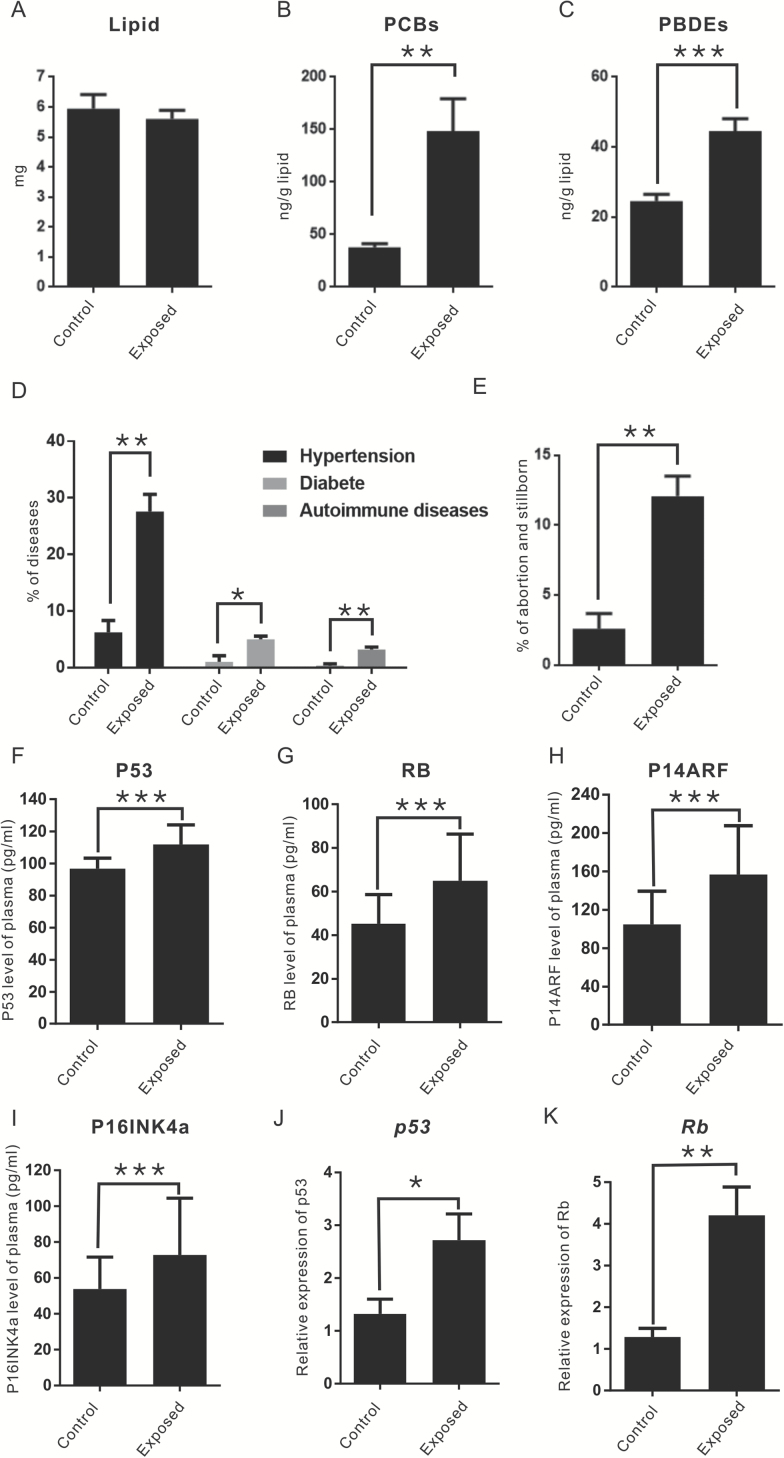
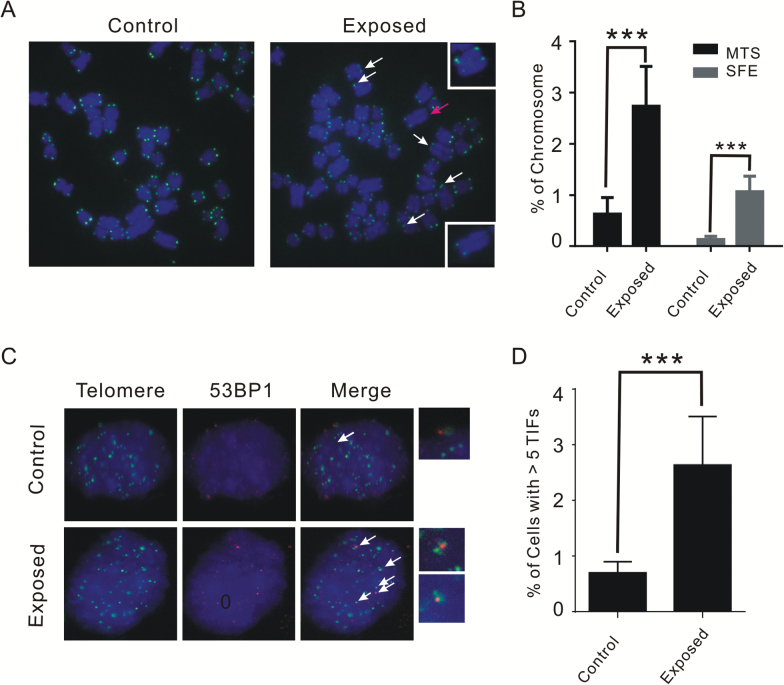
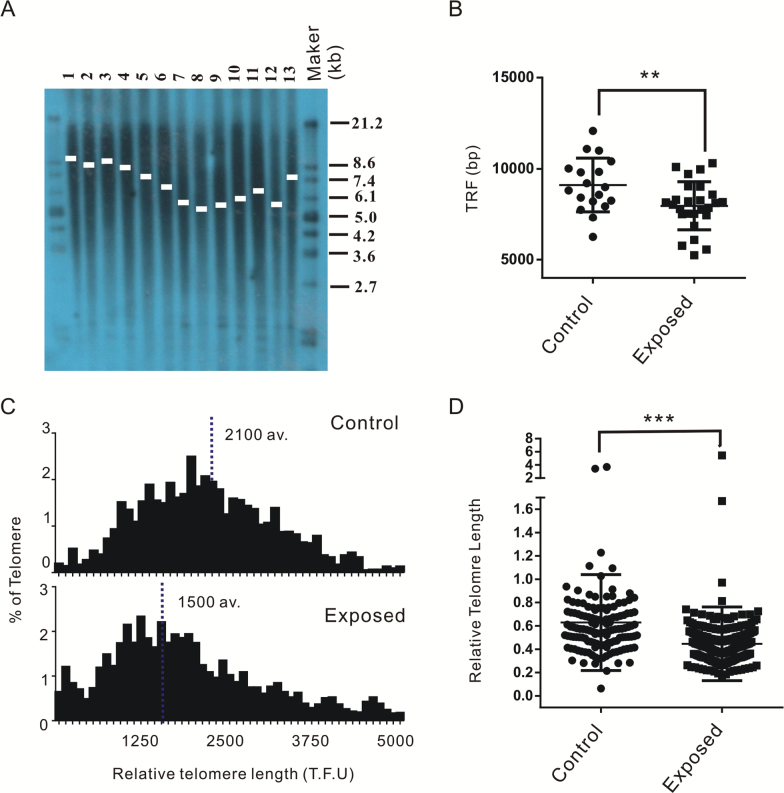
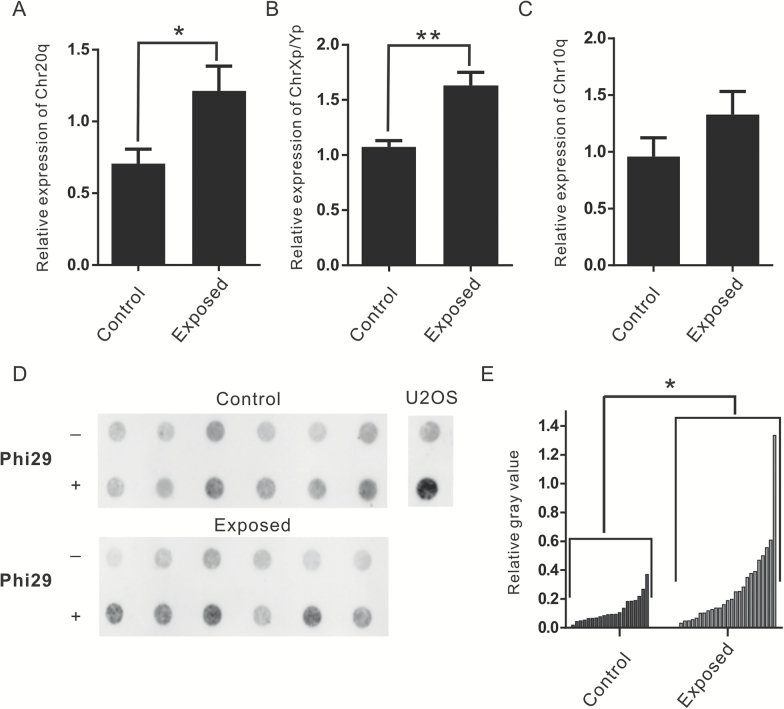
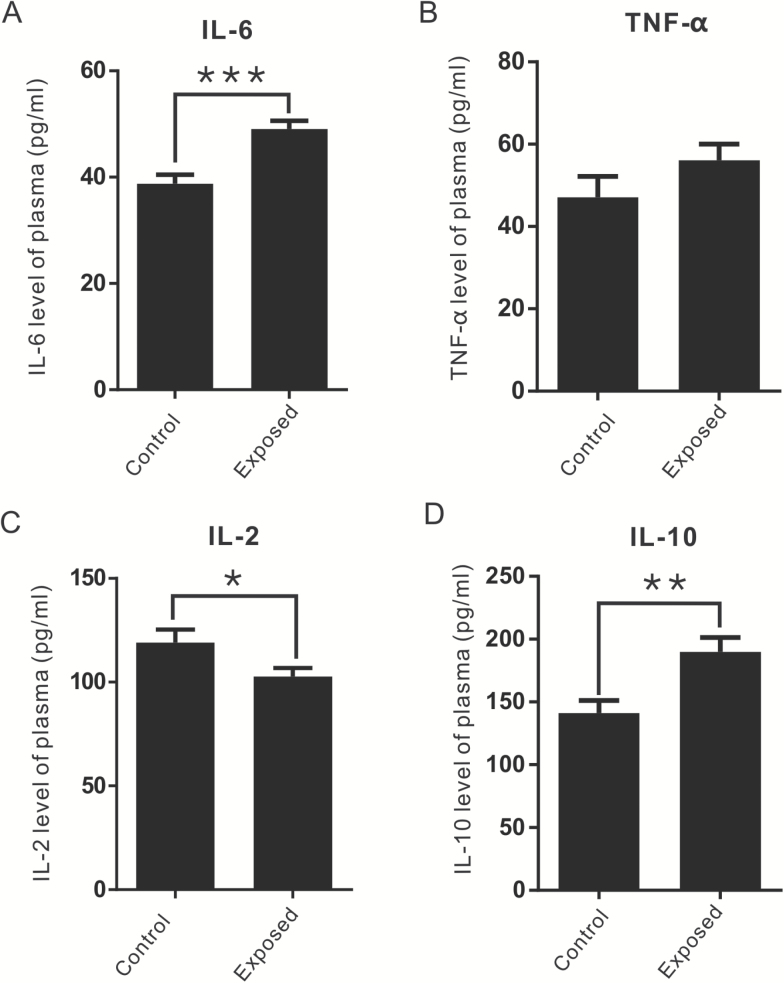
Environmentally persistent organic pollutant (POP) is the general term for refractory organic compounds that show long-range atmospheric transport, environmental persistence, and bioaccumulation. It has been reported that the accumulation of POPs could lead to cellular DNA damage and adverse effects of on metabolic health. To better understand the mechanism of the health risks associated with POPs, we conducted an evidence-based cohort investigation (n = 5,955) at the Jinghai e-waste disposal center in China from 2009 to 2016, where people endure serious POP exposure. And high levels of aging-related diseases, including hypertension, diabetes, autoimmune diseases, and reproductive disorders were identified associated with the POP exposure. In the subsequent molecular level study, an increased telomere dysfunction including telomere multiple telomere signals, telomere signal-free ends, telomere shortening and activation of alternative lengthening of telomeres were observed, which might result from the hypomethylated DNA modification induced telomeric repeat-containing RNA overexpression. Moreover, dysfunctional telomere-leaded senescence-associated secretory phenotype was confirmed, as the proinflammatory cytokines and immunosenescence hallmarks including interleukin-6, P16INK4a, and P14ARF were stimulated. Thus, we proposed that the dysfunctional telomere and elevated systemic chronic inflammation contribute to the aging-associated diseases, which were highly developed among the POP exposure individuals.
Overview
The claims and statistics of this paper haven’t been checked yet.
Free: it reads the open-access text and checks the first 5 claims that cite a source we can check. Create a free account to check every claim.
Integrity signals
Registry
Cites
Statistics
Figures
Verification
Claims the paper makes
The claims and statistics of this paper haven’t been checked yet.
Free: it reads the open-access text and checks the first 5 claims that cite a source we can check. Create a free account to check every claim.
Claims other papers make about this one
Each is checked against this paper’s own text: does it say what the citing paper says it does?
The source backs part of the claim, not all of it — or backs it for a different population, condition or comparison.
In the citing paper
“dietary and lifestyle habits, as well as exposure to a variety of different pollutants, can increase oxidative stress, upregulate mitogenic signaling pathways and cause genomic and epigenomic perturbations8,60,62,63 that can induce the SASP.”
From Chronic inflammation in the etiology of disease across the life span (2019) · cites this paper as [63]
Experimental — accuracy not yet measured
Self-check
Percentages, sums and reported differences re-computed from the paper’s own numbers.
The self-check needs the paper’s full text.
Citations
Cites
1 retracted
RETRACTED: Chronic Inflammation: Accelerator of Biological Aging
Fougère, B., Boulanger, E., Nourhashémi, F., Guyonnet, S., & Cesari, M. (2017) · The Journals of Gerontology: Series A · doi:10.1093/gerona/glw240 · Cited by 247 · cited 1×
“Besides telomere dysfunction, chronic inflammation contributes to accelerate biological aging (49).”
BackgroundRetractedBlackburn, E. H., Epel, E. S., & Lin, J. (2015) · Science · doi:10.1126/science.aab3389 · Cited by 1,596 · cited 1×
“When the telomeres become critically short or sufficiently damaged, the deprotected telomeres trigger DNA damage signaling and lead to various senescencerelated disorders (13), the telomeres shortening process can be accelerated by oxidative stress and chronic inflammation (14).”
BackgroundTelomere length measurement by a novel monochrome multiplex quantitative PCR method
Cawthon, R. M. (2009) · Nucleic Acids Research · doi:10.1093/nar/gkn1027 · Cited by 1,410 · cited 1×
“Quantitative real-time PCR was used to determine telomere length as previously proposed by Cawthon (22).”
MethodThe DNA damage response induces inflammation and senescence by inhibiting autophagy of GATA4.
Kang, C., Xu, Q., Martin, T. D., Li, M. Z., Demaria, M., Aron, L., Lu, T., Yankner, B. A., Campisi, J., & Elledge, S. J. (2015) · Science · doi:10.1126/science.aaa5612 · Cited by 982 · cited 1×
“Nuclear factor NF-kB plays an important role in SASP signaling pathway, due to its induction expression of proinflammatory factors including cytokines, chemokines, and adhesion molecules (53).”
BackgroundHewitt, G., Jurk, D., Marques, F. D. M., Correia-Melo, C., Hardy, T., Gackowska, A., Anderson, R., Taschuk, M., Mann, J., & Passos, J. F. (2012) · Nature Communications · doi:10.1038/ncomms1708 · Cited by 908 · cited 1×
“They were favored targets for DNA damage recognized by oxidative stress (12).”
BackgroundChronic inflammation induces telomere dysfunction and accelerates ageing in mice
Jurk, D., Wilson, C., Passos, J. F., Oakley, F., Correia-Melo, C., Greaves, L., Saretzki, G., Fox, C., Lawless, C., Anderson, R., et al. (2014) · Nature Communications · doi:10.1038/ncomms5172 · Cited by 819 · cited 1×
“The actively stimulated SASP could further induce telomere dysfunction in a positive feedback manner and accelerate ageing (54).”
BackgroundLinking functional decline of telomeres, mitochondria and stem cells during ageing
Sahin, E., & DePinho, R. A. (2010) · Nature · doi:10.1038/nature08982 · Cited by 759 · cited 1×
“And, the abnormal telomere shortening or damage was associated with premature aging syndromes and tissue repair retard (40,41).”
BackgroundTelomere length in early life predicts lifespan
Heidinger, B. J., Blount, J. D., Boner, W., Griffiths, K., Metcalfe, N. B., & Monaghan, P. (2012) · Proceedings of the National Academy of Sciences · doi:10.1073/pnas.1113306109 · Cited by 713 · cited 1×
“Noxious environment factors could accelerate telomere loss and associated with the degenerative diseases (15).”
BackgroundMolecular and physiological manifestations and measurement of aging in humans
Khan, S. S., Singer, B. D., & Vaughan, D. E. (2017) · Aging Cell · doi:10.1111/acel.12601 · Cited by 530 · cited 1×
“The aging-associated disease is a disease that is most often seen with increasing frequency with increasing senescence, including type 2 diabetes, cardiovascular, and reproductive issues because they could arise and develop from senescence (28).”
BackgroundPeterson, B. S., Rauh, V. A., Bansal, R., Hao, X., Toth, Z., Nati, G., Walsh, K., Miller, R. L., Arias, F., Semanek, D., et al. (2015) · JAMA Psychiatry · doi:10.1001/jamapsychiatry.2015.57 · Cited by 370
Developmental Neurotoxicants in E-Waste: An Emerging Health Concern
Chen, A., Dietrich, K. N., Huo, X., & Ho, S.-M. (2011) · Environmental Health Perspectives · doi:10.1289/ehp.1002452 · Cited by 358 · cited 2×
“Due to wide usage of consumer electronics, it has been estimated that approximately 20–50 million tons of electronic waste (e-waste) is disposed of every year in the world (1,2).”
BackgroundTERRA and hnRNPA1 orchestrate an RPA-to-POT1 switch on telomeric single-stranded DNA
Flynn, R. L., Centore, R. C., O’Sullivan, R. J., Rai, R., Tse, A., Songyang, Z., Chang, S., Karlseder, J., & Zou, L. (2011) · Nature · doi:10.1038/nature09772 · Cited by 342
DNA damage induces reactive oxygen species generation through the H2AX-Nox1/Rac1 pathway
Kang, M. A., So, E.-Y., Simons, A. L., Spitz, D. R., & Ouchi, T. (2012) · Cell Death & Disease · doi:10.1038/cddis.2011.134 · Cited by 311 · cited 1×
“And as we know, when exposed to environmental pollution, toxin damage, radiation exposure, or mental stress, the body will active the stress response process that could produce intracellular protein and DNA through cascade amplification and lead to aging inflammatory response (50,51) known as SASP.”
BackgroundExposure to environmental endocrine disruptors and child development
Meeker, J. D. (2012) · Archives of Pediatrics & Adolescent Medicine · doi:10.1001/archpediatrics.2012.241 · Cited by 294
Hectors, T. L. M., Vanparys, C., van der Ven, K., Martens, G. A., Jorens, P. G., Van Gaal, L. F., Covaci, A., De Coen, W., & Blust, R. (2011) · Diabetologia · doi:10.1007/s00125-011-2109-5 · Cited by 277 · cited 1×
“For example, long-term exposure to POPs was consistently associated with the risk of neuron system development, type 2 diabetes, reproductive disorders, and metabolic disorders (4,6,8,9).”
BackgroundTERRA RNA Antagonizes ATRX and Protects Telomeres
Chu, H.-P., Cifuentes-Rojas, C., Kesner, B., Aeby, E., Lee, H.-G., Wei, C., Oh, H. J., Boukhali, M., Haas, W., & Lee, J. T. (2017) · Cell · doi:10.1016/j.cell.2017.06.017 · Cited by 275 · cited 1×
“TERRA, the long noncoding telomeric RNA, has been reported to play a protection role in the telomere length and stability regulation (45,46).”
BackgroundWilker, E. H., Preis, S. R., Beiser, A. S., Wolf, P. A., Au, R., Kloog, I., Li, W., Schwartz, J., Koutrakis, P., DeCarli, C., et al. (2015) · Stroke · doi:10.1161/strokeaha.114.008348 · Cited by 274 · cited 1×
“5/PM10 in the atmospheric particulate pollutants may cause the telomere-associated premature (16,17), and several PCBs congeners could downregulate telomerase activity and shorten telomere length in HaCaT cells (18,19).”
BackgroundFunctional characterization of the TERRA transcriptome at damaged telomeres
Porro, A., Feuerhahn, S., Delafontaine, J., Riethman, H., Rougemont, J., & Lingner, J. (2014) · Nature Communications · doi:10.1038/ncomms6379 · Cited by 271 · cited 1×
“The epigenetic modification of TERRA promoters plays an important role in TERRA transcription regulation (31,35).”
BackgroundHuman T cell immunosenescence and inflammation in aging
Bektas, A., Schurman, S. H., Sen, R., & Ferrucci, L. (2017) · Journal of Leukocyte Biology · doi:10.1189/jlb.3ri0716-335r · Cited by 271
Cusanelli, E., Romero, C. A. P., & Chartrand, P. (2013) · Molecular Cell · doi:10.1016/j.molcel.2013.08.029 · Cited by 235 · cited 1×
“Moreover, we found a significant negative correlation between the expression of TERRA transcription levels and the telomere length in the same exposed individuals (Supplementary Figure 2A–D), suggesting TERRA transcription played a negative role for telomere elongation, which consistent with the previous report (34).”
ResultPorro, A., Feuerhahn, S., Reichenbach, P., & Lingner, J. (2010) · Molecular and Cellular Biology · doi:10.1128/mcb.00460-10 · Cited by 234 · cited 1×
“The protocol of real-time reverse transcription-PCR (RT-PCR) analysis was slightly modified from that performed by Porro and colleagues (27).”
MethodEgger, G., Jeong, S., Escobar, S. G., Cortez, C. C., Li, T. W. H., Saito, Y., Yoo, C. B., Jones, P. A., & Liang, G. (2006) · Proceedings of the National Academy of Sciences · doi:10.1073/pnas.0604602103 · Cited by 207 · cited 1×
“Additionally, the demethylated DNA would be an ideal platform for DNA recombination, the frequency of gene rearrangement could be increased 10-fold after DNMT1 knockout, and that chromatin exchange could be reduced more than 100-fold when the substrate is methylated (48).”
BackgroundTelomere shortening in human diseases
Kong, C. M., Lee, X. W., & Wang, X. (2013) · The FEBS Journal · doi:10.1111/febs.12326 · Cited by 194 · cited 1×
“And, the abnormal telomere shortening or damage was associated with premature aging syndromes and tissue repair retard (40,41).”
BackgroundZhou, L., & Xu, Z. (2012) · Environmental Science & Technology · doi:10.1021/es203771m · Cited by 175 · cited 1×
“Due to wide usage of consumer electronics, it has been estimated that approximately 20–50 million tons of electronic waste (e-waste) is disposed of every year in the world (1,2).”
BackgroundThe C-Circle Assay for alternative-lengthening-of-telomeres activity
Henson, J. D., Lau, L. M. S., Koch, S., Rotta, N. M. L., Dagg, R. A., & Reddel, R. R. (2016) · Methods · doi:10.1016/j.ymeth.2016.08.016 · Cited by 152 · cited 1×
“C-circle assay is a specific, quantitative, and responsive indicator of alternative lengthening of telomere (ALT) activity levels, the protocol for C-circle amplification employed was slightly modified from that performed in Henson and colleagues (24).”
MethodFenech, M. F., Knasmüller, S., Bolognesi, C., Bonassi, S., Holland, N., Migliore, L., Palitti, F., Natarajan, A. T., & Kirsch‐Volders, M. (2016) · Mutation Research/Reviews in Mutation Research · doi:10.1016/j.mrrev.2016.04.008 · Cited by 151 · cited 1×
“Serious DNA double-strand breaks may lead to genomic fragments during subsequent cell division, and some of the fragments could be kept in the cytoplasm, finally forming the micronucleus (29).”
BackgroundLepeule, J., Bind, M., Baccarelli, A., Koutrakis, P., Tarantini, L., Litonjua, A. A., Sparrow, D., Vokonas, P., & Schwartz, J. D. (2014) · Environmental Health Perspectives · doi:10.1289/ehp.1206458 · Cited by 132 · cited 1×
“5/PM10 in the atmospheric particulate pollutants may cause the telomere-associated premature (16,17), and several PCBs congeners could downregulate telomerase activity and shorten telomere length in HaCaT cells (18,19).”
BackgroundState of polybrominated diphenyl ethers in China: An overview
Ma, J., Qiu, X., Zhang, J., Duan, X., & Zhu, T. (2012) · Chemosphere · doi:10.1016/j.chemosphere.2012.03.093 · Cited by 118 · cited 1×
“PCBs and PBDEs have similar structure and released from the flame retardants, whereas PAHs are mainly released from the incomplete combustion of organic materials (3,4).”
BackgroundLiu, Q., Cao, J., Li, K. Q., Miao, X. H., Li, G., Fan, F. Y., & Zhao, Y. C. (2008) · Environmental Science and Pollution Research · doi:10.1007/s11356-008-0087-z · Cited by 96 · cited 3×
“Micronucleus rate assessment was performed as described previously (20).”
BackgroundMethodSelf-citationMustieles, V., Fernández, M. F., Martín‐Olmedo, P., González-Alzaga, B., Fontalba-Navas, A., Hauser, R. B., Olea, N., & Arrebola, J. P. (2017) · Environment International · doi:10.1016/j.envint.2017.04.002 · Cited by 91 · cited 2×
“For example, long-term exposure to POPs was consistently associated with the risk of neuron system development, type 2 diabetes, reproductive disorders, and metabolic disorders (4,6,8,9).”
BackgroundRole of TERRA in the regulation of telomere length
Wang, C., Zhao, L., & Lu, S. (2015) · International Journal of Biological Sciences · doi:10.7150/ijbs.10528 · Cited by 89 · cited 1×
“TERRA, the long noncoding telomeric RNA, has been reported to play a protection role in the telomere length and stability regulation (45,46).”
BackgroundZeliger, H. I. (2013) · Interdisciplinary Toxicology · doi:10.2478/intox-2013-0018 · Cited by 87 · cited 1×
“Bioaccumulation of POPs has been linked to many human diseases, including cardiovascular disease (36), metabolic disorders (8), developmental disorders (37), endocrine disorders (38), and epigenetic alterations (39).”
BackgroundShin, J.-Y., Choi, Y. Y., Jeon, H.-S., Hwang, J.-H., Kim, S.-A., Kang, J.-H., Chang, Y.-S., Jacobs, D. R., Park, J. Y., & Lee, D.-H. (2010) · Mutagenesis · doi:10.1093/mutage/geq035 · Cited by 85 · cited 1×
“These identifications were opposite to the previous report that low-dose exposures to POPs were associated with longer telomere in an apparently healthy Korean population (44).”
ResultHuman TEN1 Maintains Telomere Integrity and Functions in Genome-wide Replication Restart
Kasbek, C., Wang, F., & Price, C. M. (2013) · Journal of Biological Chemistry · doi:10.1074/jbc.m113.493478 · Cited by 82 · cited 1×
“Quantitative-fluorescence in situ hybridization (Q-FISH) with the FITC-conjugated 18-mer peptide nucleic acid telomeric oligonucleotide probe (Panagene, Daejeon, South Korea) and immunofluorescence-Telomere fluorescence in situ hybridization (IF-FISH) were carried out as described by Kasbek and colleagues (23).”
MethodSelf-citationZhang, X., Lin, S., Funk, W. E., & Hou, L. (2013) · Postgraduate Medical Journal · doi:10.1136/postgradmedj-2012-101350rep · Cited by 79
Self-citationTelomeres, Nutrition, and Longevity: Can We Really Navigate Our Aging?
Vidaček, N. Š., Nanić, L., Ravlić, S., Sopta, M., Gerić, M., Gajski, G., Garaj-Vrhovac, V., & Rubelj, I. (2018) · The Journals of Gerontology: Series A · doi:10.1093/gerona/glx082 · Cited by 78 · cited 1×
“Telomeres were considered as a common fragile site of genome for DNA damage, due to the G-rich sequence and tandem repeat nature (11).”
BackgroundHamed, E. A., Zakhary, M. M., & Maximous, D. (2012) · Journal of Cancer Research and Clinical Oncology · doi:10.1007/s00432-012-1176-4 · Cited by 75 · cited 1×
“And as we know, when exposed to environmental pollution, toxin damage, radiation exposure, or mental stress, the body will active the stress response process that could produce intracellular protein and DNA through cascade amplification and lead to aging inflammatory response (50,51) known as SASP.”
BackgroundStong, N., Deng, Z., Gupta, R., Hu, S., Paul, S., Weiner, A. K., Eichler, E. E., Graves, T., Fronick, C. C., Courtney, L., et al. (2014) · Genome Research · doi:10.1101/gr.166983.113 · Cited by 73 · cited 2×
“Analysis of methylation degree in subtelomere was performed according to the sequence investigated by Riethman (26).”
MethodMolecular toxicology of polybrominated diphenyl ethers: nuclear hormone receptor mediated pathways
Ren, X., & Guo, L. (2013) · Environmental Science Processes & Impacts · doi:10.1039/c3em00023k · Cited by 68
Tse, M. Y., Ashbury, J. E., Zwingerman, N., King, W. D., Taylor, S. A. M., & Pang, S. C.-N. (2011) · BMC Research Notes · doi:10.1186/1756-0500-4-565 · Cited by 66 · cited 1×
“The LINE-1 primer was the same as Tse (25), of which methylation levels were also significantly correlated to global DNA methylation.”
BackgroundPozo, K., Martellini, T., Corsolini, S., Harner, T., Estellano, V. H., Kukučka, P., Mulder, M. D., Lammel, G., & Cincinelli, A. (2017) · Chemosphere · doi:10.1016/j.chemosphere.2017.02.118 · Cited by 63
Kim, H., Kam, S., & Lee, D. (2014) · Environmental Research · doi:10.1016/j.envres.2014.08.032 · Cited by 60 · cited 1×
“For example, long-term exposure to POPs was consistently associated with the risk of neuron system development, type 2 diabetes, reproductive disorders, and metabolic disorders (4,6,8,9).”
BackgroundZiegler, S. M., Schettgen, T., Beier, F., Wilop, S., Quinete, N., Esser, A., Masouleh, B. K., Ferreira, M. S. V., Vankann, L., Uciechowski, P., et al. (2016) · Archives of Toxicology · doi:10.1007/s00204-016-1725-8 · Cited by 57 · cited 1×
“and pesticides, were reported to induce telomere shortening (14,43).”
Umbilical cord blood PBDEs concentrations are associated with placental DNA methylation
Zhao, Y., Liu, P., Junyong, W., Xiao, X., Meng, X., & Zhang, Y. (2016) · Environment International · doi:10.1016/j.envint.2016.10.014 · Cited by 51 · cited 2×
“A recent population study showed that high level of BDE-66 exposure was associated with decreased DNA methylation and in utero PBDEs exposure (39); this study is similar to our observation that POP exposure decreased LINE1 methylation.”
BackgroundResultSelf-citationSenthilkumar, P. K., Klingelhutz, A. J., Jacobus, J. A., Lehmler, H., Robertson, L. W., & Ludewig, G. (2011) · Toxicology Letters · doi:10.1016/j.toxlet.2011.04.012 · Cited by 45 · cited 1×
“5/PM10 in the atmospheric particulate pollutants may cause the telomere-associated premature (16,17), and several PCBs congeners could downregulate telomerase activity and shorten telomere length in HaCaT cells (18,19).”
BackgroundLipophilic chemical exposure as a cause of type 2 diabetes (T2D)
Zeliger, H. I. (2013) · Reviews on Environmental Health · doi:10.1515/reveh-2012-0031 · Cited by 37
Brugat, T., Nguyen-Khac, F., Grelier, A., Merle-Béral, H., & Delic, J. (2010) · Blood · doi:10.1182/blood-2009-12-257618 · Cited by 36 · cited 1×
“TIFs are thought to arise from the critical short length and uncapping of telomere ends (30).”
BackgroundNovakovic, B., Napier, C. E., Vryer, R., Dimitriadis, E., Manuelpillai, U., Sharkey, A., Craig, J. M., Reddel, R. R., & Saffery, R. (2016) · Molecular Human Reproduction · doi:10.1093/molehr/gaw053 · Cited by 33 · cited 2×
“The epigenetic modification of TERRA promoters plays an important role in TERRA transcription regulation (31,35).”
BackgroundHe, X., Jing, Y., Wang, J., Li, K., Yang, Q., Zhao, Y., Li, R., Ge, J., Qiu, X., & Li, G. (2015) · Environmental Research · doi:10.1016/j.envres.2014.11.018 · Cited by 32 · cited 3×
“RRBS sequencing and data processing were conducted as described previously (21).”
BackgroundMethodSelf-citation2-(4′-chlorophenyl)-1,4-benzoquinone increases the frequency of micronuclei and shortens telomeres
Jacobus, J. A., Flor, S., Klingelhutz, A. J., Robertson, L. W., & Ludewig, G. (2007) · Environmental Toxicology and Pharmacology · doi:10.1016/j.etap.2007.10.022 · Cited by 31 · cited 1×
“5/PM10 in the atmospheric particulate pollutants may cause the telomere-associated premature (16,17), and several PCBs congeners could downregulate telomerase activity and shorten telomere length in HaCaT cells (18,19).”
BackgroundSerum concentrations of PCBs and OCPs among prepubertal Korean children
Park, S. H., Hong, Y. S., Ha, E., & Park, H. (2015) · Environmental Science and Pollution Research · doi:10.1007/s11356-015-5578-0 · Cited by 20 · cited 1×
“Recently, increasing evidence showed that the outside environmental factors might play an important role in telomere length regulation for unclear reasons (42).”
BackgroundLi, K., Liu, S., Yang, Q., Zhao, Y., Zuo, J., Li, R., Jing, Y., He, X., Qiu, X., Li, G., et al. (2014) · Ecotoxicology and Environmental Safety · doi:10.1016/j.ecoenv.2014.03.034 · Cited by 16 · cited 1×
“And genes related to DNA damage response such as P53 and ATM were reported to be upregulated to response the exposure (10).”
BackgroundSelf-citationA role of LINE-1 in telomere regulation
Bergmann, M. M. (2017) · Frontiers in bioscience · doi:10.2741/4645 · Cited by 16 · cited 1×
“Interestingly, LINE-1 can also participate in the regulation of telomere maintenance (47), of which mechanism is not well understood.”
BackgroundTERRA –A Calling Card for Telomerase
Smekalova, E. M., & Baumann, P. (2013) · Molecular Cell · doi:10.1016/j.molcel.2013.09.011 · Cited by 14
Cited by
Chronic inflammation in the etiology of disease across the life span
Furman, D., Campisi, J., Verdin, E., Carrera-Bastos, P., Targ, S., Franceschi, C., Ferrucci, L., Gilroy, D. W., Fasano, A., Miller, G. W., et al. (2019) · Nature Medicine · doi:10.1038/s41591-019-0675-0 · Cited by 4,915
Inflammation and aging: signaling pathways and intervention therapies
Li, X., Li, C., Zhang, W., Wang, Y., Qian, P., & Huang, H. (2023) · Signal Transduction and Targeted Therapy · doi:10.1038/s41392-023-01502-8 · Cited by 1,443
Health consequences of exposure to e-waste: an updated systematic review
Parvez, S. M., Jahan, F., Brune, M.-N., Gorman, J. F., Rahman, M. J., Carpenter, D., Islam, Z., Rahman, M., Aich, N., Knibbs, L. D., et al. (2021) · The Lancet Planetary Health · doi:10.1016/s2542-5196(21)00263-1 · Cited by 225
Mishra, A., Kumari, M., Swati, S., Kumar, R., Iqbal, K., & Thakur, I. S. (2022) · Bioresource Technology Reports · doi:10.1016/j.biteb.2022.101143 · Cited by 130
Li, X., Liu, J., Zhou, G., Sang, Y., Zhang, Y., Li, J., Shi, Z., Zhou, X., & Sun, Z. (2020) · Environment International · doi:10.1016/j.envint.2020.106307 · Cited by 98
Metadata
- Authors
- Yuan, J., Liu, Y., Wang, J., Zhao, Y., Li, K., Jing, Y., Zhang, X., Liu, Q., Geng, X., Li, G., & Wang, F.
- Affiliations
- Tianjin Medical University (CN)
- Chinese Academy of Medical Sciences & Peking Union Medical College (CN)
- Corresponding author
- Wang, Feng
- Venue
- The Journals of Gerontology: Series A
- Publisher
- Oxford University Press (OUP)
- Published
- 2018-01-19
- Volume
- 73
- Issue
- 8
- Pages
- 1027-1035
- ISSN
- 1079-5006 (ISSN-L)
- 1758-535X
- PMC
- PMC6037063
- OpenAlex
- W2791066375
- Cited by
- 53
- References
- 54
- Citations by year
- 2026: 2 · 2025: 7 · 2024: 7 · 2023: 9 · 2022: 9 · 2021: 5 · 2020: 5 · 2019: 5 · 2018: 3
- FWCI
- 3.09
- Type
- journal article
- Language
- en
- Open access
- hybrid
- doi.org
- Licence
- Locations
- The Journals of Gerontology Series A (publishedVersion, cc-by-nc)
- Europe PMC (PubMed Central) (publishedVersion, cc-by-nc)
- PubMed Central (publishedVersion, cc-by-nc)
- PubMed (publishedVersion)
- Funders
- Ministry of Science and Technology (2017YFC1001904)
- National Natural Science Foundation of China (31771520, 21177091, 21647008, 31471293, 81501386, 81671054, 81771135)
- National key R&D program of China (91649102)
- Topics
- Life Sciences › Biochemistry, Genetics and Molecular Biology › Cell Biology › Telomeres, Telomerase, and Senescence
- Physical Sciences › Environmental Science › Health, Toxicology and Mutagenesis › Toxic Organic Pollutants Impact
- Life Sciences › Biochemistry, Genetics and Molecular Biology › Aging › Genetics, Aging, and Longevity in Model Organisms
- Keywords
- persistent organic pollutants, e-waste workers, telomere dysfunction, senescence-associated secretory phenotype, telomere shortening, alternative lengthening of telomeres, DNA methylation, telomeric repeat-containing RNA, immunosenescence, chronic inflammation, age-related diseases, hypertension, diabetes mellitus, autoimmune disease, reproductive disorders, occupational exposure
- MeSH terms
- Adult, Aging, Environmental Exposure, Environmental Pollutants, Female, Humans, Lymphocytes, Male, Microscopy, Fluorescence, Blotting, Southern, Telomere, In Situ Hybridization, Fluorescence, DNA Methylation, Telomere Shortening, Real-Time Polymerase Chain Reaction
About these checks
Registry, retraction, Cites and statistics results are computed, not judged, with one exception: a printed reference that no index lists is read once by a model before it counts as a citation error. Claims are extracted by a model and kept only when their quote appears verbatim in the text; each cited source is then checked, with a model’s help, for whether it says what the claim relies on. Those verdicts can be wrong — read the claim’s quote and the cited source before relying on one.
Statistics and arithmetic are recomputed, not judged.
Confidence bands are shown only for fields calibrated on our annotated test set. None is calibrated yet, so no band is shown.
What counts as a claim ›How we measure confidence ›How we check this ›
Are you an author, or do you see a problem with this page? Request a review
Data sources
Bibliographic data: Semantic Scholar, OpenAlex, Crossref.
Contains information from the Semantic Scholar Academic Graph Datasets, made available under the ODC Attribution License (ODC-BY 1.0).
Semantic Scholar’s data is described in: Kinney, R., et al. (2023). The Semantic Scholar Open Data Platform. arXiv:2301.10140.
