

Case-control studies: basic concepts
Open accessThe DOI matches its Crossref record; 36 of the 36 references it cites were found in a registry or an index.
Abstract
The purpose of this article is to present in elementary mathematical and statistical terms a simple way to quickly and effectively teach and understand case-control studies, as they are commonly done in dynamic populations-without using the rare disease assumption. Our focus is on case-control studies of disease incidence ('incident case-control studies'); we will not consider the situation of case-control studies of prevalent disease, which are published much less frequently.
Overview
The claims and statistics of this paper haven’t been checked yet.
Free: it reads the open-access text and checks the first 5 claims that cite a source we can check. Create a free account to check every claim.
Integrity signals
Registry
Cites
Statistics
Figures
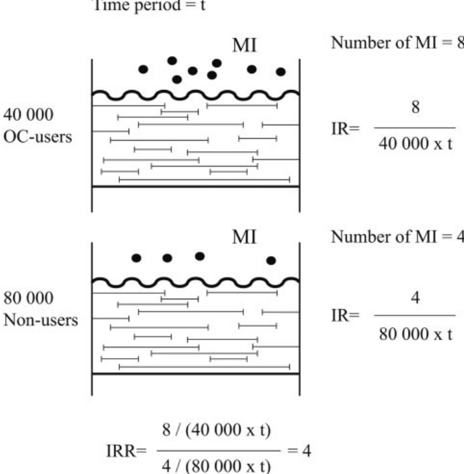
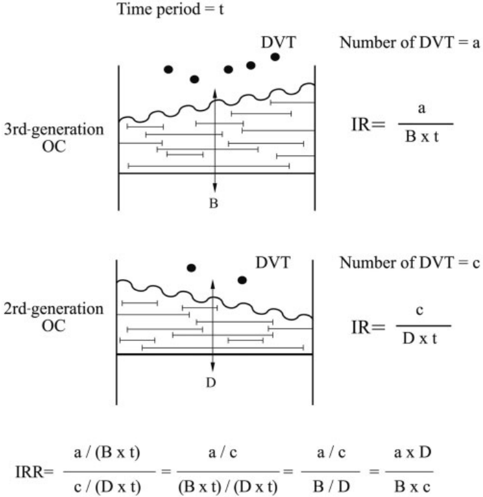
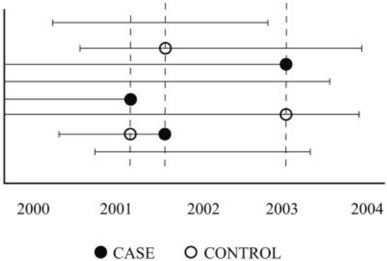
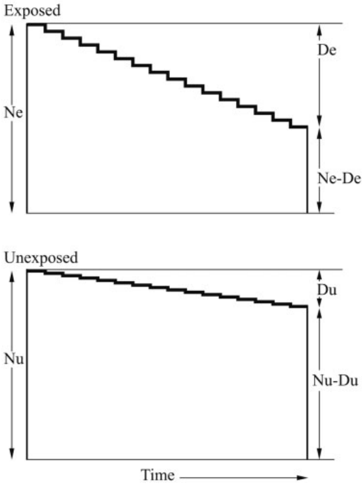
Verification
Claims the paper makes
The claims and statistics of this paper haven’t been checked yet.
Free: it reads the open-access text and checks the first 5 claims that cite a source we can check. Create a free account to check every claim.
Claims other papers make about this one
Each is checked against this paper’s own text: does it say what the citing paper says it does?
The source backs part of the claim, not all of it — or backs it for a different population, condition or comparison.
In the citing paper
“Each case patient was matched to 5 controls by age (within 1 year), sex, general practice, and calendar time using incidence density sampling.13”
From Anticholinergic Drug Exposure and the Risk of Dementia: A Nested Case-Control Study (2019) · cites this paper as [13]
Experimental — accuracy not yet measuredIn the citing paper
“When studies report different ratio metrics, for example, hazard ratios, risk ratios, or odds ratios, they may be combined ignoring the differences in metrics. This may be appropriate depending on which study designs were included (cohort studies or case-control studies) and how participants were sampled in case-control studies [84,85].”
From COSMOS-E: Guidance on conducting systematic reviews and meta-analyses of observational studies of etiology (2019) · cites this paper as [84]
Self-check
Percentages, sums and reported differences re-computed from the paper’s own numbers.
The self-check needs the paper’s full text.
Citations
Cites
Statistical Methods in Cancer Research
Breslow, N. E. (1980) · Cited by 7,332
Modern Epidemiology 3rd edition
Rothman, K. J., Lash, T. L., & Greenland, S. (1986) · Cited by 3,096
ON ESTIMATING THE RELATION BETWEEN BLOOD GROUP AND DISEASE
WOOLF, B. (1955) · Annals of Human Genetics · doi:10.1111/j.1469-1809.1955.tb01348.x · Cited by 2,723
The analysis of case-control studies
Breslow, N. E., & Day, N. E. (1980) · International Agency for Research on Cancer eBooks · Cited by 2,415
Case-Control Studies: Design, Conduct, Analysis.
Youkeles, L., & Schlesselman, J. J. (1983) · Journal of the American Statistical Association · doi:10.2307/2288156 · Cited by 2,346
The Case-Crossover Design: A Method for Studying Transient Effects on the Risk of Acute Events
Maclure, M. (1991) · American Journal of Epidemiology · doi:10.1093/oxfordjournals.aje.a115853 · Cited by 2,327 · cited 1×
“25 What if the exposure distribution of the population is not in steady state?”
Smoking and Carcinoma of the Lung
Doll, R., & Hill, A. B. (1950) · BMJ · doi:10.1136/bmj.2.4682.739 · Cited by 1,999
Statistical methods in cancer research. Vol. 1. The analysis of case-control studies
(1983) · Food and Chemical Toxicology · doi:10.1016/0278-6915(83)90281-8 · Cited by 1,716
RE: “ESTIMABILITY AND ESTIMATION IN CASE-REFERENT STUDIES”
Halperin, M. (1977) · American Journal of Epidemiology · doi:10.1093/oxfordjournals.aje.a112409 · Cited by 1,542
Epidemiology: Principles and Methods
MacMahon, B., & Pugh, T. F. (1970) · Cited by 1,472
Research works printed but not linked: 2
- THOMAS, 1972, Obstetrics & Gynecology, 40, 508
- 1975, 70, 524
Cited by
Items 101–200 of 263
Association between exposure to atypical antipsychotics during pregnancy and risk of miscarriage
Ishikawa, T., Sakai, T., Iwama, N., Obara, R. D., Morishita, K., Adomi, M., Noda, A., Ishikuro, M., Kikuchi, S., Kobayashi, N., et al. (2024) · Acta Psychiatrica Scandinavica · doi:10.1111/acps.13755 · Cited by 12
“29,30”
Oh, D. D., Zhao, C. Y., & Murrell, D. F. (2015) · Journal of the European Academy of Dermatology and Venereology · doi:10.1111/jdv.13386 · Cited by 14
Rasouli, B. S., Chubak, J., Floyd, J. S., Psaty, B. M., Nguyen, M. T., Walker, R. L., Wiggins, K. L., Logan, R. W., & Danaei, G. (2023) · BMJ · doi:10.1136/bmj-2022-072346 · Cited by 12
Breaking the matching in nested case–control data offered several advantages for risk estimation
Delcoigne, B., Colzani, E., Prochazka, M., Gagliardi, G., Hall, P. N., Abrahamowicz, M., Czene, K., & Reilly, M. (2016) · Journal of Clinical Epidemiology · doi:10.1016/j.jclinepi.2016.11.014 · Cited by 12
Groenwold, R. H. H., & van Smeden, M. (2017) · Epidemiology · doi:10.1097/ede.0000000000000710 · Cited by 12
Colchicine use and the risk of CKD progression: a multicentre nested case-control study
Kim, H. W., Joo, Y. S., Yun, H., Kim, J. Y., Jhee, J. H., Roh, Y. H., Park, J. T., Chang, T. I., Yoo, T., Kang, S., et al. (2022) · Rheumatology · doi:10.1093/rheumatology/keac077 · Cited by 15
Troeyer, K. D., Silversmit, G., Rosskamp, M., Truyen, I., Herck, K. V., Goossens, M. M., Martens, P., Kellen, E., Hendrickx, E., Rummens, E., et al. (2023) · Cancer Epidemiology · doi:10.1016/j.canep.2022.102320 · Cited by 11
Circulating IgG antibodies to periodontal bacteria and lung cancer risk in the CLUE cohorts
Ampomah, N. K., Teles, F., Martin, L. M., Lu, J., Koestler, D. C., Kelsey, K. T., Beck, J. D., Platz, E. A., & Michaud, D. S. (2023) · JNCI Cancer Spectrum · doi:10.1093/jncics/pkad029 · Cited by 11
Kitchin, Á., Huerta, C., Llorente‐García, A., Martínez, D., Ortega, P., & Soriano, L. C. (2022) · Pharmacoepidemiology and Drug Safety · doi:10.1002/pds.5488 · Cited by 12
“This makes the odds ratio (OR) an unbiased estimator of the relative risk, approaching its value.(37) The matched factors minimize some source of confounding specially differences between the assorted stages of organogenesis and the disparity that could have existed on prescriptions including different pharmaceutical…”
BackgroundBerglund, A. (2015) · Journal of Epidemiology & Community Health · doi:10.1136/jech-2014-205068 · Cited by 11
Abdel‐Hamid, M., Elshaer, S. S., & Darwish, A. (2018) · Meta Gene · doi:10.1016/j.mgene.2018.02.007 · Cited by 11
Chua, H., Chiu, S. S. S., Chan, E. L. Y., Feng, S., Kwan, M. Y. W., Wong, J. S. C., Peiris, M. J. S., & Cowling, B. J. (2019) · The Journal of Infectious Diseases · doi:10.1093/infdis/jiz361 · Cited by 11
“The exposure odds ratio is a direct estimate of the risk ratio because of the incidence density sampling approach used in the study design [22, 23].”
MethodGillmeyer, K. R., Miller, D. R., Glickman, M. E., Qian, S. X., Klings, E. S., Maron, B. A., Hanlon, J. T., Rinne, S. T., & Wiener, R. S. (2021) · Pulmonary Circulation · doi:10.1177/20458940211001714 · Cited by 11
Workplace experiences of physical educators with and without National Board Certification
Richards, K. A. R., Woods, A. M., Wei, M., & Kim, J. (2021) · European Physical Education Review · doi:10.1177/1356336x211050920 · Cited by 10
“This observational study design allows researchers to compare a group of participants who have a common experience with a control group that is matched based on a series of demographic variables (Vandenbroucke and Pearce, 2012).”
BackgroundWang, K., Bell, J. S., Tan, E. C. K., Gilmartin‐Thomas, J., Dooley, M. J., & Ilomäki, J. (2019) · Drugs & Aging · doi:10.1007/s40266-019-00704-6 · Cited by 10
Sawada, A., Imai, T., Ihara, Y., Tanaka, F., & Fujiwara, Y. (2024) · Allergology International · doi:10.1016/j.alit.2024.10.007 · Cited by 9
THE ASSOCIATION BETWEEN PERIODONTAL DISEASE AND STROKE RISK: A SYSTEMATIC REVIEW AND META-ANALYSIS
Zhang, Y., BIAN, C., YU, C., ZHU, M., Weir, M. D., Xu, H. H. K., Bai, Y., & Zhang, N. (2025) · Journal of Evidence Based Dental Practice · doi:10.1016/j.jebdp.2025.102172 · Cited by 9
Observational etiologic research: Part 3—Case‐control studies: it's all about the source population
Middelburg, R. A., Wiersum‐Osselton, J. C., van de Watering, L. M. G., & van der Bom, J. G. (2013) · Transfusion · doi:10.1111/trf.12415 · Cited by 9
On Estimation of Time-Dependent Attributable Fraction from Population-Based Case-Control Studies
Zhao, W., Chen, Y. Q., & Hsu, L.-I. (2017) · Biometrics · doi:10.1111/biom.12648 · Cited by 9
“Under this design, a random sample of cases are ascertained in a specified time period, and the control sample is randomly selected from individuals that are disease-free at the time when the cases are ascertained from the same population (Vandenbroucke and Pearce, 2012).”
BackgroundSampling strategies to evaluate the prognostic value of a new biomarker on a time-to-event end-point
Graziano, F., Valsecchi, M. G., & Rebora, P. (2021) · BMC Medical Research Methodology · doi:10.1186/s12874-021-01283-0 · Cited by 9
“(iii)Case-Control (CC) is performed by separately sampling cases and controls [18].”
MethodNonparametric inference for immune response thresholds of risk in vaccine studies
Donovan, K. M., Hudgens, M. G., & Gilbert, P. B. (2019) · The Annals of Applied Statistics · doi:10.1214/18-aoas1237 · Cited by 8
“There are multiple types of case-control studies [29], and and in this section we consider extensions of the methods above for the “cumulative case-control study” type, for which S is measured for all cases and for a random sample of controls [10, 29].”
MethodIncreased risk of infective endocarditis after traumatic skin wound
Ohbe, H., Iwagami, M., Sasabuchi, Y., & Yasunaga, H. (2021) · Heart · doi:10.1136/heartjnl-2020-318632 · Cited by 9
Study design: what’s in a name?
Dekkers, O. M., & Groenwold, R. H. H. (2020) · European Journal of Endocrinology · doi:10.1530/eje-20-0873 · Cited by 8
Association between mRNA COVID-19 vaccine boosters and mortality in Japan: The VENUS study
Mimura, W., Ishiguro, C., Maeda, M., Murata, F., & Fukuda, H. (2024) · Human Vaccines & Immunotherapeutics · doi:10.1080/21645515.2024.2350091 · Cited by 7
Herbert, R. (2017) · Journal of physiotherapy · doi:10.1016/j.jphys.2017.08.007 · Cited by 9
Parkitny, L., McAuley, J. H., Herbert, R., Pietro, F. D., Cashin, A. G., Ferraro, M. C., & Moseley, G. L. (2022) · BMC Neurology · doi:10.1186/s12883-022-02910-z · Cited by 7
Ranzani, O., Forte, D. N., Forte, A. C., Mimica, I., & Forte, W. C. N. (2016) · Jornal Brasileiro de Pneumologia · doi:10.1590/s1806-37562015000000244 · Cited by 7
“Control definition Patients to compose a control group were selected on a 1:1 basis, with concurrent sampling.(20) We selected mechanically ventilated patients who showed no clinical, biochemical, or microbiological evidence of infection at the time of diagnosis and enrolment of the cases.”
MethodBlakely, T. A., Pearce, N. E., & Lynch, J. W. (2019) · JAMA · doi:10.1001/jama.2018.20253 · Cited by 7
Self-citationSimons, D., Perski, O., Shahab, L., Brown, J., & Bailey, R. L. (2020) · medRxiv · doi:10.1101/2020.11.26.20238469 · Cited by 7
Sharp minimax distribution estimation for current status censoring with or without missing
Efromovich, S. (2021) · The Annals of Statistics · doi:10.1214/20-aos1970 · Cited by 6
Differential association between cumulative dose of 5α-reductase inhibitors and mortality
Kim, J., Jang, S., & Park, E. (2025) · Scientific Reports · doi:10.1038/s41598-025-95583-w · Cited by 6
“With patients treated as self-referent controls using replacements, unbiased estimations of hazard ratios (HRs) were achieved by using odds ratios derived from conditional logistic regression analyses 14,17–19 .”
Mei, X. W., Burchardt, J., Ranger, T. A., McDermott, C. J., Radunović, A., Coupland, C. A. C., & Hippisley‐Cox, J. (2022) · BMJ Open · doi:10.1136/bmjopen-2021-058383 · Cited by 6
Zheng, G., Baandrup, L., Wang, J., Hertzum‐Larsen, R., Hannibal, C. G., Mørch, L. S., Faber, M. T., Sundström, K., & Kjær, S. K. (2024) · Maturitas · doi:10.1016/j.maturitas.2024.108009 · Cited by 6
Timing of exposure assessment in studies on Group B streptococcus colonization and preterm birth
Procter, S. R., Paul, P., Horváth–Puhó, E., & Gonçalves, B. P. (2024) · International Journal of Epidemiology · doi:10.1093/ije/dyae076 · Cited by 6
Nguyen, T.-D., Hu, K., Borges, K., Kuja‐Halkola, R., Butwicka, A., Brikell, I., Crowley, J. J., Chang, Z., D'Onofrio, B. M., Larsson, H., et al. (2025) · BMJ Medicine · doi:10.1136/bmjmed-2024-001129 · Cited by 5
Mortality associated with in-custody prone restraint: A review
Steinberg, A. A., & Frugoli, A. (2025) · Forensic Science International · doi:10.1016/j.forsciint.2025.112652 · Cited by 5
Dai, M., Furuya‐Kanamori, L., Syed, A., Lin, L., & Wang, Q. (2023) · Frontiers in Pharmacology · doi:10.3389/fphar.2023.1064567 · Cited by 5
“It is widely known that a case-control study is designed for when the cases of events are rare (Vandenbroucke and Pearce, 2012).”
BackgroundEVOLUÇÃO TEMPORAL DA VIA DE PARTO E OS FATORES MATERNOS ASSOCIADOS NO BRASIL (2011-2021)
Ferreira, C. V. L., Pereira, I. A., Assoni, M. A. D. S., Jesus, V. D. S., Conceição, M. S. S., dos Santos, A. M., Camacho, B. A., Correia, E. A., Castro, D. E., SANTOS, K. D. S. D., et al. (2023) · Arquivos de Ciências da Saúde da UNIPAR · doi:10.25110/arqsaude.v27i9.2023-015 · Cited by 9
Gupta, B., Kumar, N., & Johnson, N. W. (2017) · Oral Surgery Oral Medicine Oral Pathology and Oral Radiology · doi:10.1016/j.oooo.2017.01.013 · Cited by 5
Association of Remote History of Venous Thrombosis With Risk of Venous Thrombosis After Age 70 Years
Wang, H., Cushman, M., Rosendaal, F. R., & Vlieg, A. V. H. (2022) · JAMA Network Open · doi:10.1001/jamanetworkopen.2022.4205 · Cited by 5
Identification of Drug–Cancer Associations: A Nationwide Screening Study
Kristensen, K. B., Friis, S., Lund, L. C., Hallas, J., Cardwell, C. R., Andreassen, B. K., Habel, L. A., & Pottegård, A. (2022) · Cancer Research Communications · doi:10.1158/2767-9764.crc-22-0026 · Cited by 5
“With this sampling scheme, the ORs are estimates of the incidence rate ratio from a cohort study of the entire source population (20).”
Arduino, P. G., Kubanov, A. A., Vlasova, A. V., Martynov, A. A., Svishchenko, S. I., & Petti, S. (2024) · Journal of the European Academy of Dermatology and Venereology · doi:10.1111/jdv.19783 · Cited by 5
“5,10 Recall bias, pervasive in case–control studies, was negligible, as information on exposure was gathered from the national database.”
BackgroundMismatching of population groups in thoracic surgery case control studies.
Roman, M., Caruana, E. J., Hernández‐Sánchez, J., & Solli, P. (2015) · PubMed · doi:10.3978/j.issn.2072-1439.2015.10.06 · Cited by 5
“A more modern approach studies dynamic populations by matching them based on time or population characteristics (3).”
BackgroundAlmog, R., Carasso, S., Lavi, I., & Amir, O. (2018) · International Journal of Cardiology · doi:10.1016/j.ijcard.2018.04.137 · Cited by 7
Handgun purchasing characteristics and firearm suicide risk: a nested case–control study
Schleimer, J. P., Kagawa, R. M. C., & Laqueur, H. S. (2021) · Injury Epidemiology · doi:10.1186/s40621-021-00365-3 · Cited by 5
“Under this sampling strategy, we estimate the outcome incidence rate ratio that would be obtained from a cohort study (Vandenbroucke and Pearce 2012; Labrecque et al. 2021).”
MethodCase-control studies: an efficient study design
Harvey, L. A. (2019) · Spinal Cord · doi:10.1038/s41393-018-0234-4 · Cited by 5
Early Prediction of Alzheimer’s Disease and Related Dementias Using Electronic Health RecordsPreprint
Yang, X., Li, Q., Wu, Y., Bian, J., Lyu, T., Guo, Y. M., Marra, D. E., Miller, A., Shenkman, E. A., & Maraganore, D. M. (2020) · medRxiv · doi:10.1101/2020.06.13.20130401 · Cited by 6
Predictors of SARS-CoV-2 Infection in University Students: A Case-Control Study
Migliara, G., Renzi, E., Baccolini, V., Cerri, A., Donia, P., Massimi, A., Marzuillo, C., Vito, C. D., Casini, L., Polimeni, A., et al. (2022) · International Journal of Environmental Research and Public Health · doi:10.3390/ijerph192114376 · Cited by 4
“The main strength was that the case-control study design, with the recruitment of cases of SARS-CoV-2 infection and their matched controls on a given calendar day, allowed us to obtain unbiased estimates of relative risk [54].”
BackgroundAhmed, R., Shadis, A., & Ahmed, R. (2022) · International Journal of Audiology · doi:10.1080/14992027.2021.2018511 · Cited by 6
“Sampling in each of these studies was constrained to each hospital or clinic and likely its demographics based on its catchment population (Vandenbroucke and Pearce 2012).”
BackgroundThe Role of Clinical Research in Improving Medical Practice: From Theory to Practice
Баті, В. В., Teslenko, D. S., Yuryk, O., Автомєєнко, Є., & Bashkirova, L. (2024) · Salud Ciencia y Tecnología - Serie de Conferencias · doi:10.56294/sctconf2024.1132 · Cited by 6
ANTIOXIDANT-VITAMIN C: LUNG FUNCTION; LUNG CANCER
Farooqui, M. N., Pardeshi, R. K., & Jadhav, S. (2016) · Asian Journal of Pharmaceutical and Clinical Research · doi:10.22159/ajpcr.2016.v9s2.13699 · Cited by 4
Epigenetic Prospects in Epidemiology and Public Health
Li, S., Dugué, P., Milne, R. L., & Hopper, J. L. (2018) · Elsevier eBooks · doi:10.1016/b978-0-12-812215-0.00033-9 · Cited by 5
Mouratidou, E., Lambrou, A., Andreopoulou, A., Gioula, G., Exindari, M., Kossyvakis, A., Pogka, V., Mentis, A. F., Georgakopoulou, T., & Lytras, T. (2020) · Vaccine · doi:10.1016/j.vaccine.2020.01.083 · Cited by 4
A practical introduction to conducting and using case‐control studies
Jackevicius, C. A. (2021) · JACCP JOURNAL OF THE AMERICAN COLLEGE OF CLINICAL PHARMACY · doi:10.1002/jac5.1501 · Cited by 4
Simons, D., Perski, O., Shahab, L., Brown, J., & Bailey, R. L. (2021) · F1000Research · doi:10.12688/f1000research.55502.1 · Cited by 4
Al-Soneidar, W. A., Harper, S. B., Coutlée, F., Gheit, T., Tommasino, M., & Nicolau, B. F. (2023) · The Journal of Infectious Diseases · doi:10.1093/infdis/jiad335 · Cited by 4
Wang, B., & Loeb, M. B. (2017) · Methods in molecular biology · doi:10.1007/978-1-4939-7237-1_17 · Cited by 4
An AI-ECG algorithm for atrial fibrillation risk: steps towards clinical implementation
Wolters, F. J. (2020) · The Lancet · doi:10.1016/s0140-6736(20)31062-x · Cited by 4
Exercise Interventions and Pregnancy-Related Back Pain: Evidence and Gaps From a Systematic Review
Chen, J., Yu, H., Damps, D., & Szumilewicz, A. (2026) · International Journal of Public Health · doi:10.3389/ijph.2026.1608730 · Cited by 3
“…employ propensity score matching (PSM) to rectify baseline discrepancies [54]; enhance the standardization of intervention measures [55]; rigorously regulate external variables to improve result reliability [56]; utilize validated instruments and bolster the reliability of data collection [57].”
Adjusting for calendar time in a TND influenza study
Nauta, J. J. P. (2016) · Epidemiology and Infection · doi:10.1017/s0950268816000832 · Cited by 3
Hu, K., Feychting, M., Lu, D., Sjölander, A., Czene, K., Hall, P. N., & Fang, F. (2023) · Cancers · doi:10.3390/cancers15030692 · Cited by 3
“Under a nested case-control design, the odds ratio estimated by conditional logistic regression can be interpreted as the hazard ratio (HR) in the underlying cohort, from which cases and controls were drawn [44].”
MethodChai, Y., Chu, R. Y. K., Hu, Y., Lam, I. C. H., Cheng, F. W. T., Luo, H., Wong, M. C. S., Chan, S. S. M., Chan, E. W., Wong, I. C. K., et al. (2023) · Communications Medicine · doi:10.1038/s43856-023-00364-z · Cited by 3
Thomsen, T. Á., Guadalupe, J. M., Huerta, C., de Burgos‐Gonzalez, A., & Soriano, L. C. (2023) · Pharmacoepidemiology and Drug Safety · doi:10.1002/pds.5733 · Cited by 3
“28”
Lussignoli, M., Bortolomasi, M., Perusi, G., Pigato, G., Minelli, A., & Sambataro, F. (2025) · European Psychiatry · doi:10.1192/j.eurpsy.2025.10052 · Cited by 4
“Lastly,giventheretrospectivedesignofourstudy,potential biases,suchasselectionorinformationbias,cannotbeentirelyruled out[70].”
Hernández‐Fuentes, G. A., Delgado‐Enciso, O. G., Romero-Michel, J. C., Guzmán-Sandoval, V. M., Toro-Equihua, M. D., Guzmán-Esquivel, J., Ceja-Espíritu, G., Ramírez-Flores, M., Martínez‐Fierro, M. L., Veloz, I. G., et al. (2025) · Healthcare · doi:10.3390/healthcare13121473 · Cited by 3
Feasibility of reusing time-matched controls in an overlapping cohort
Delcoigne, B., Hagenbuch, N., Schelin, M. E. C., Salim, A., Lindström, L. S., Bergh, J. C. S., Czene, K., & Reilly, M. (2016) · Statistical Methods in Medical Research · doi:10.1177/0962280216669744 · Cited by 3
“A case-control study is conducted in a well-defined source population (which can be a cohort) by sampling individuals according to their outcome status: usually all cases of the outcome of interest are selected and a defined number of controls (perhaps matched with the cases) are randomly sampled.(1) In the nested cas…”
Pharmacoepidemiology in Pharmacogenetics
Ahern, T. P. (2018) · Advances in pharmacology · doi:10.1016/bs.apha.2018.04.001 · Cited by 3
Jedlowski, P. M., & Jedlowski, M. F. (2022) · Australasian Journal of Dermatology · doi:10.1111/ajd.13828 · Cited by 3
“and comparable to a relative risk when the prevalence of a disease is low.(6)”
BackgroundAn efficient sampling strategy for selection of biobank samples using risk scores
Björk, J., Malmqvist, E., Rylander, L., & Rignell‐Hydbom, A. (2017) · Scandinavian Journal of Public Health · doi:10.1177/1403494817702329 · Cited by 3
IJE’s Education Corner turns 10! Looking back and looking forward
Harhay, M. O., Bell, K., Huang, J. Y., & Arah, O. A. (2022) · International Journal of Epidemiology · doi:10.1093/ije/dyac161 · Cited by 3
Tree canopy cover and injurious pedestrian falls: a location-based case-control study
Burford, K., Lo, A. X., Quinn, J. W., Crowe, R. P., Just, A. C., Kondo, M. C., Beard, J., & Rundle, A. (2025) · American Journal of Epidemiology · doi:10.1093/aje/kwaf231 · Cited by 2
Kasahun, S., Bizuneh, A., Ansa, M., Wondimagegnehu, A., & Asfaw, Z. G. (2025) · BMJ Open · doi:10.1136/bmjopen-2024-093455 · Cited by 2
Global herpes zoster burden in adults with COPD: a systematic review and meta-analysis
Cruz, Ã. A., Mortimer, Sepúlveda-Pachón, I. T., Vroling, H., & Williams, C. (2026) · European Respiratory Review · doi:10.1183/16000617.0167-2025 · Cited by 2
Mullany, L. C., Emmert, A. D., Ramirez, S., Babin, S. M., Burkom, H. S., Aithinne, Q., Chee, B. W., Patterson, S. L., Wojcik, R. A., Feighner, B. H., et al. (2026) · JNCI Journal of the National Cancer Institute · doi:10.1093/jnci/djag050 · Cited by 2
Erythropoiesis-Stimulating Agents and Development of Cancer Among Patients Receiving Dialysis
Kim, J. Y., Lee, J. K., Chang, T. I., & Kim, H. W. (2026) · JAMA Network Open · doi:10.1001/jamanetworkopen.2026.0140 · Cited by 2
Statistical inference in matched case–control studies of recurrent events
Cheung, Y. B., Ma, X., Lam, K. F., Li, J., Yung, C. F., Milligan, P. J., & Mackenzie, G. A. (2020) · International Journal of Epidemiology · doi:10.1093/ije/dyaa012 · Cited by 2
“Most case–control studies and realistic situations that epidemiologists encounter concern dynamic populations.(2,26) We therefore conducted simulation of dynamic populations over 144 scenarios defined by:”
BackgroundCzaja, A. S., Anderson, H. D., Ghosh, D., Davidson, J. A., Campbell, J. D., & Valuck, R. J. (2020) · The Journal of Pediatrics · doi:10.1016/j.jpeds.2020.07.007 · Cited by 2
Newman, S. C. (2023) · Elsevier eBooks · doi:10.1016/b978-0-44-318780-3.00018-x · Cited by 2
Verdugo, N. S. L., Andrade, A. A. C., Escandón, S., Soto, G., Coronel, J. J. P., Calle, M. F. T., Andrade, S., Astudillo, D., & Avilés, A. M. O. (2022) · LA CIENCIA AL SERVICIO DE LA SALUD Y NUTRICIÓN · doi:10.47187/cssn.vol13.iss2.195 · Cited by 2
Laqueur, H. S., Schleimer, J. P., Shev, A. B., & Kagawa, R. M. C. (2024) · Injury Epidemiology · doi:10.1186/s40621-024-00534-0 · Cited by 2
“With this sampling design, regression estimates should approximate incidence rate ratios (IRR) obtained from a cohort study (Vandenbroucke and Pearce 2012; Labrecque et al. 2021).”
MethodMcDonald, A., Sarfati, D., Blakely, T. A., & Baker, M. G. (2013) · Asia-Pacific Journal of Clinical Oncology · Cited by 2
Individually-matched etiologic studies: classical estimators made new again
Hanley, J. A. (2018) · European Journal of Epidemiology · doi:10.1007/s10654-018-0434-4 · Cited by 2
Simons, D., Perski, O., Shahab, L., Brown, J., & Bailey, R. L. (2022) · F1000Research · doi:10.12688/f1000research.55502.3 · Cited by 2
Study Designs for Post-Authorization Safety Studies
(2018) · Elsevier eBooks · doi:10.1016/b978-0-12-809217-0.00004-0 · Cited by 2
(2018) · Wiley eBooks · doi:10.1002/9781118280249.refs · Cited by 2
Case-control Design and Real-world Database Studies
Urushihara, H. (2023) · Japanese Journal of Pharmacoepidemiology/Yakuzai ekigaku · doi:10.3820/jjpe.28.57 · Cited by 1
Liu, W., Hu, Y., Wei, C., Zhou, L., Liu, B., Sun, Q., Chu, R. Y. K., Wan, E. Y. F., Wong, I. C. K., & Lai, F. T. T. (2024) · Journal of Primary Care & Community Health · doi:10.1177/21501319241293950 · Cited by 1
Genetic Risk Factors in Childhood Psoriasis
Schwarz, C., Blegvad, C., Baudry, D., Tosi, I., Lee, S. H., Chung, R., Tato, E., Curtis, C. J. C., Smith, C. H., Simpson, M. A., et al. (2025) · Journal of Investigative Dermatology · doi:10.1016/j.jid.2025.02.007 · Cited by 1
Delivery Type and Other Birth Factors Associated With Kawasaki Disease
Suzuki, T., Michihata, N., Yoshikawa, T., Saito, K., Matsui, H., Fushimi, K., & Yasunaga, H. (2025) · The Pediatric Infectious Disease Journal · doi:10.1097/inf.0000000000004862 · Cited by 1
Tan, G. S. Q., Miller, L., Wade, S., Ilomäki, J., Lukose, D., Rong, J., & Webb, G. I. (2025) · Clinical Pharmacology & Therapeutics · doi:10.1002/cpt.70080 · Cited by 1
What to call your medical records–based study
Totton, S. C., Martinez, B. A. F., & O'Connor, A. M. C. (2025) · Journal of the American Veterinary Medical Association · doi:10.2460/javma.25.06.0425 · Cited by 1
Piwchan, S., Sripariwuth, E., & Chuensakul, S. (2025) · BMC Gastroenterology · doi:10.1186/s12876-025-04424-7 · Cited by 1
“To enhance methodological rigor, we employed a matched gender-age simultaneous incidence sampling case-control design, minimizing bias within an open cohort population and enabling precise association estimates through conditional regression analysis [30].”
Wang, X., Dai, H., Wang, X., Liu, W., Yu, X., Zhang, M., Liu, Y., Ao, Y., Liu, J., Miao, Q., et al. (2025) · Clinical Rheumatology · doi:10.1007/s10067-025-07832-y · Cited by 1
“Eligible controls were randomly selected using risk-set sampling [16–18], matching each ICT case with three BS patients without ICT who were at risk at the time of the case’s event (index date).”
Wang, Y., Luo, Z., Zhou, Z., & Zhang, X. (2025) · Journal of Sports Science and Medicine · doi:10.52082/jssm.2026.112 · Cited by 2
Towards standardization in pig microbiome research based on a comprehensive twenty-year review
Enokela, S. O., Yergaliyev, T., Flisikowski, K., Hornburg, S. C., Reyer, H., Tetens, J., Wimmers, K., Zentek, J., & Camarinha-Silva, A. (2026) · Animal Microbiome · doi:10.1186/s42523-026-00541-0 · Cited by 2
“…and comparable control group, the inability of the study type to study diseases with low exposure rates, temporal ambiguity when it comes to assessing if exposure occurred before disease developed, and lastly, case-control studies can only be used to establish associations, not causations [43–46].”
Formagini, T. D. B., Kim, M., Wei, X., Tovar, S., Salvador, A. M. G., Nanda, R., Hsieh, T., Martin, J. P., Coleman, K. J., & Wu, B. U. (2026) · Journal of General Internal Medicine · doi:10.1007/s11606-026-10383-w · Cited by 1
“We used incidence density sampling, allowing individuals who later became cases to serve as controls prior to meeting case criteria 16 .”
Meyer, A., Weill, A., Carbonnel, F., & Dray‐Spira, R. (2026) · Clinical Gastroenterology and Hepatology · doi:10.1016/j.cgh.2026.06.003 · Cited by 1
Blood Metabolomic Signatures of 1-Hour Glucose Predict Cardiometabolic Risk
Heianza, Y., Kou, M., Wang, X., Sun, Q., Rood, J. C., Bray, G. A., Appel, L. J., Hu, F. B., Manson, J. E., Sacks, F. M., et al. (2026) · Circulation Research · doi:10.1161/circresaha.125.327816 · Cited by 1
Observational etiologic research: Part 2—Effect measures in etiologic research
Middelburg, R. A., Wiersum‐Osselton, J. C., van de Watering, L. M. G., & van der Bom, J. G. (2013) · Transfusion · doi:10.1111/trf.12416 · Cited by 1
“Contrary to commonly held understanding,(6) this is sufficient since only the ratio of M1 and M2 is needed (as shown by the RR formula).(5,7) The interpretation of the RR depends on the selected control subjects.”
BackgroundPsychiatric Epidemiology Methods
Fink, D. S., Kim, H., & Eaton, N. R. (2020) · Cambridge University Press eBooks · doi:10.1017/9781316995808.010 · Cited by 1
Metadata
- Authors
- Vandenbroucke, J. P., & Pearce, N.
- Affiliations
- Leiden University (NL)
- Corresponding author
- Vandenbroucke, J. P.
- Venue
- International Journal of Epidemiology
- Publisher
- Oxford University Press (OUP)
- Published
- 2012-10-01
- Volume
- 41
- Issue
- 5
- Pages
- 1480-1489
- ISSN
- 0300-5771 (ISSN-L)
- 1464-3685
- OpenAlex
- W2149089735
- Cited by
- 254
- References
- 36
- Citations by year
- 2026: 21 · 2025: 23 · 2024: 18 · 2023: 14 · 2022: 23 · 2021: 30 · 2020: 25 · 2019: 26 · 2018: 19 · 2017: 11 · 2016: 14 · 2015: 12 · 2014: 10 · 2013: 6 · 2012: 1
- FWCI
- 8.87
- Type
- journal article
- Language
- en
- Open access
- hybrid
- doi.org
- Licence
- cc-by-nc
- Locations
- International Journal of Epidemiology (publishedVersion, cc-by-nc)
- PubMed (publishedVersion)
- LSHTM Research Online (London School of Hygiene and Tropical Medicine) (acceptedVersion)
- Data Archiving and Networked Services (DANS) (submittedVersion)
- Leiden Repository (Leiden University) (submittedVersion)
- HighWire Press Open Archive (submittedVersion)
- Funders
- Koninklijke Nederlandse Akademie van Wetenschappen
- Health Research Council of New Zealand
- Topics
- Physical Sciences › Mathematics › Statistics and Probability › Statistical Methods in Epidemiology
- Physical Sciences › Mathematics › Statistics and Probability › Advanced Causal Inference Techniques
- Physical Sciences › Mathematics › Statistics and Probability › Statistical Methods in Clinical Trials
- Keywords
- case-control study, disease incidence, odds ratio, odds ratio estimation, research design
- MeSH terms
- Data Interpretation, Statistical, Epidemiologic Methods, Humans, Population Dynamics, Research Design, Incidence, Case-Control Studies
About these checks
Registry, retraction, Cites and statistics results are computed, not judged, with one exception: a printed reference that no index lists is read once by a model before it counts as a citation error. Claims are extracted by a model and kept only when their quote appears verbatim in the text; each cited source is then checked, with a model’s help, for whether it says what the claim relies on. Those verdicts can be wrong — read the claim’s quote and the cited source before relying on one.
Statistics and arithmetic are recomputed, not judged.
Confidence bands are shown only for fields calibrated on our annotated test set. None is calibrated yet, so no band is shown.
What counts as a claim ›How we measure confidence ›How we check this ›
Are you an author, or do you see a problem with this page? Request a review
Data sources
Bibliographic data: Semantic Scholar, OpenAlex, Crossref.
Contains information from the Semantic Scholar Academic Graph Datasets, made available under the ODC Attribution License (ODC-BY 1.0).
Semantic Scholar’s data is described in: Kinney, R., et al. (2023). The Semantic Scholar Open Data Platform. arXiv:2301.10140.
