

Case-control studies: basic concepts
Open accessThe DOI matches its Crossref record; 36 of the 36 references it cites were found in a registry or an index.
Abstract
The purpose of this article is to present in elementary mathematical and statistical terms a simple way to quickly and effectively teach and understand case-control studies, as they are commonly done in dynamic populations-without using the rare disease assumption. Our focus is on case-control studies of disease incidence ('incident case-control studies'); we will not consider the situation of case-control studies of prevalent disease, which are published much less frequently.
Overview
The claims and statistics of this paper haven’t been checked yet.
Free: it reads the open-access text and checks the first 5 claims that cite a source we can check. Create a free account to check every claim.
Integrity signals
Registry
Cites
Statistics
Figures
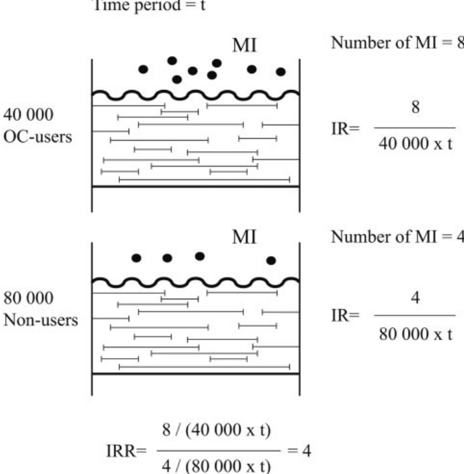
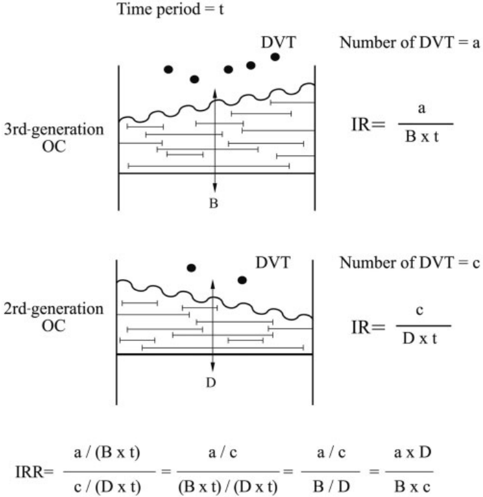
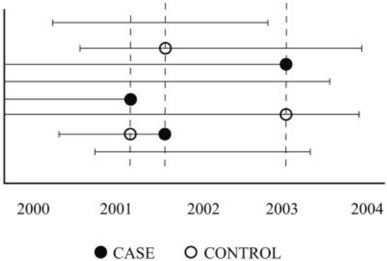
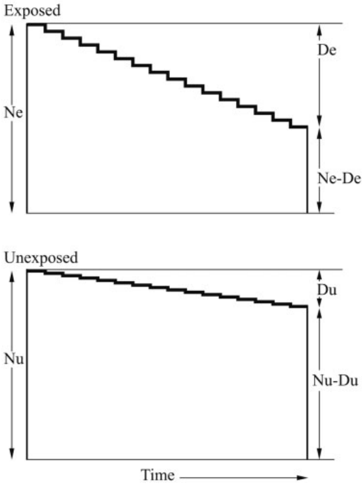
Verification
Claims the paper makes
The claims and statistics of this paper haven’t been checked yet.
Free: it reads the open-access text and checks the first 5 claims that cite a source we can check. Create a free account to check every claim.
Claims other papers make about this one
Each is checked against this paper’s own text: does it say what the citing paper says it does?
The source backs part of the claim, not all of it — or backs it for a different population, condition or comparison.
In the citing paper
“Each case patient was matched to 5 controls by age (within 1 year), sex, general practice, and calendar time using incidence density sampling.13”
From Anticholinergic Drug Exposure and the Risk of Dementia: A Nested Case-Control Study (2019) · cites this paper as [13]
Experimental — accuracy not yet measuredIn the citing paper
“When studies report different ratio metrics, for example, hazard ratios, risk ratios, or odds ratios, they may be combined ignoring the differences in metrics. This may be appropriate depending on which study designs were included (cohort studies or case-control studies) and how participants were sampled in case-control studies [84,85].”
From COSMOS-E: Guidance on conducting systematic reviews and meta-analyses of observational studies of etiology (2019) · cites this paper as [84]
Self-check
Percentages, sums and reported differences re-computed from the paper’s own numbers.
The self-check needs the paper’s full text.
Citations
Cites
Statistical Methods in Cancer Research
Breslow, N. E. (1980) · Cited by 7,332
Modern Epidemiology 3rd edition
Rothman, K. J., Lash, T. L., & Greenland, S. (1986) · Cited by 3,096
ON ESTIMATING THE RELATION BETWEEN BLOOD GROUP AND DISEASE
WOOLF, B. (1955) · Annals of Human Genetics · doi:10.1111/j.1469-1809.1955.tb01348.x · Cited by 2,723
The analysis of case-control studies
Breslow, N. E., & Day, N. E. (1980) · International Agency for Research on Cancer eBooks · Cited by 2,415
Case-Control Studies: Design, Conduct, Analysis.
Youkeles, L., & Schlesselman, J. J. (1983) · Journal of the American Statistical Association · doi:10.2307/2288156 · Cited by 2,346
The Case-Crossover Design: A Method for Studying Transient Effects on the Risk of Acute Events
Maclure, M. (1991) · American Journal of Epidemiology · doi:10.1093/oxfordjournals.aje.a115853 · Cited by 2,327 · cited 1×
“25 What if the exposure distribution of the population is not in steady state?”
Smoking and Carcinoma of the Lung
Doll, R., & Hill, A. B. (1950) · BMJ · doi:10.1136/bmj.2.4682.739 · Cited by 1,999
Statistical methods in cancer research. Vol. 1. The analysis of case-control studies
(1983) · Food and Chemical Toxicology · doi:10.1016/0278-6915(83)90281-8 · Cited by 1,716
RE: “ESTIMABILITY AND ESTIMATION IN CASE-REFERENT STUDIES”
Halperin, M. (1977) · American Journal of Epidemiology · doi:10.1093/oxfordjournals.aje.a112409 · Cited by 1,542
Epidemiology: Principles and Methods
MacMahon, B., & Pugh, T. F. (1970) · Cited by 1,472
Research works printed but not linked: 2
- THOMAS, 1972, Obstetrics & Gynecology, 40, 508
- 1975, 70, 524
Cited by
Anticholinergic Drug Exposure and the Risk of Dementia: A Nested Case-Control Study
Coupland, C. A. C., Hill, T., Dening, T., Morriss, R., Moore, M., & Hippisley-Cox, J. (2019) · JAMA Internal Medicine · doi:10.1001/jamainternmed.2019.0677 · Cited by 637
“6) 952 263 (100) 6 (2-34) 214 (42-1531) 115 096 (51.”
Nordic Health Registry-Based Research: A Review of Health Care Systems and Key Registries
Laugesen, K., Ludvigsson, J. F., Schmidt, M., Gissler, M., Valdimarsdottir, U. A., Lunde, A., & Sørensen, H. T. (2021) · Clinical Epidemiology · doi:10.2147/clep.s314959 · Cited by 543
Dekkers, O. M., Vandenbroucke, J. P., Cevallos, M., Renehan, A. G., Altman, D. G., & Egger, M. (2019) · PLOS Medicine · doi:10.1371/journal.pmed.1002742 · Cited by 525
Self-citationAnticholinergic drugs and risk of dementia: case-control study
Richardson, K., Fox, C., Maidment, I., Steel, N., Loke, Y. K., Arthur, A., Myint, P. K., Grossi, C. M., Mattishent, K., Bennett, K., et al. (2018) · BMJ · doi:10.1136/bmj.k1315 · Cited by 520
Six Persistent Research Misconceptions
Rothman, K. J. (2014) · Journal of General Internal Medicine · doi:10.1007/s11606-013-2755-z · Cited by 438
“Thus, the control group should resemble the entire study population, rather than the cases.(12,13) When properly designed, case–control studies can achieve the same excellent validity as properly designed cohort studies, whereas a poorly designed trial can be unreliable.”
Clinical risk factors in SUDEP: A nationwide population-based case-control study
Sveinsson, O., Andersson, T., Mattsson, P., Carlsson, S., & Tomson, T. (2020) · Neurology · doi:10.1212/wnl.0000000000008741 · Cited by 330
“As the control participants were sampled with an incidence density method, the ORs can be interpreted as incidence rate ratios.(17) In model 1, Table 2 Sudden unexpected death in epilepsy in relation to clinical characteristics, living conditions, and education”
Combined oral contraceptives: the risk of myocardial infarction and ischemic stroke
Roach, R. E. J., Helmerhorst, F. M., Lijfering, W. M., Stijnen, T., Algra, A., & Dekkers, O. M. (2015) · Cochrane Database of Systematic Reviews · doi:10.1002/14651858.cd011054.pub2 · Cited by 299
Rushani, D., Kaufman, J. S., Ionescu-Ittu, R., Mackie, A. S., Pilote, L., Therrien, J., & Marelli, A. J. (2013) · Circulation · doi:10.1161/circulationaha.113.001827 · Cited by 198
“From these analyses we report rate ratios and their corresponding 95% confidence intervals.(20) In secondary analyses, cyanotic CHDs were grouped into conotruncal abnormalities (tetralogy of Fallot, transposition complex, truncus arteriosus) and single-ventricle states (univentricular heart, hypoplastic left heart syn…”
MethodStroke in Adults With Congenital Heart Disease: Incidence, Cumulative Risk, and Predictors
Lanz, J., Brophy, J. M., Therrien, J., Kaouache, M., Guo, L., & Marelli, A. J. (2015) · Circulation · doi:10.1161/circulationaha.115.011241 · Cited by 178
Burgdorf, K. S., Trabjerg, B. B., Pedersen, M. G., Nissen, J., Banasik, K., Pedersen, O. B., Sørensen, E., Nielsen, K. R., Larsen, M. H., Erikstrup, C., et al. (2019) · Brain, Behavior, and Immunity · doi:10.1016/j.bbi.2019.01.026 · Cited by 168
Matched designs and causal diagrams
Mansournia, M. A., Hernán, M. A., & Greenland, S. (2013) · International Journal of Epidemiology · doi:10.1093/ije/dyt083 · Cited by 160
Cozzi‐Lepri, A., Noguera-Julián, M., Giallonardo, F. D., Schuurman, R., Däumer, M., Aitken, S., Ceccherini‐Silberstein, F., Monforte, A. D., Geretti, A. M., Booth, C. L., et al. (2014) · Journal of Antimicrobial Chemotherapy · doi:10.1093/jac/dku426 · Cited by 130
Etiology and Pathogenesis of Latent Autoimmune Diabetes in Adults (LADA) Compared to Type 2 Diabetes
Carlsson, S. (2019) · Frontiers in Physiology · doi:10.3389/fphys.2019.00320 · Cited by 128
“, 2018) and incidence density sampled controls (Vandenbroucke and Pearce, 2012).”
BackgroundIncidence rates in dynamic populations
Vandenbroucke, J. P., & Pearce, N. (2012) · International Journal of Epidemiology · doi:10.1093/ije/dys142 · Cited by 115
Self-citationClonal Hematopoiesis and Risk of Incident Lung Cancer
Tian, R., Wiley, B. J., Liu, J., Zong, X., Truong, B. M. T., Zhao, S., Uddin, M. M., Niroula, A., Miller, C. A., Mukherjee, S., et al. (2022) · Journal of Clinical Oncology · doi:10.1200/jco.22.00857 · Cited by 105
Hjort, R., Ahlqvist, E., Carlsson, P., Grill, V., Groop, L., Martinell, M., Rasouli, B. S., Rosengren, A. H., Tuomilehto, J., Åsvold, B. O., et al. (2018) · Diabetologia · doi:10.1007/s00125-018-4596-0 · Cited by 101
“Control participants (six for every one person with LADA [≥35 years of age]) without diabetes are randomly selected from the national population register and matched to the case for county and time of recruitment (incident density sampling) [23].”
BackgroundMethodMeasures of depression and risk of type 2 diabetes: A systematic review and meta-analysis
Graham, E. A., Deschênes, S. S., Khalil, M. N., Danna, S., Filion, K. B., & Schmitz, N. (2020) · Journal of Affective Disorders · doi:10.1016/j.jad.2020.01.053 · Cited by 94
Do Case-Control Studies Always Estimate Odds Ratios?
Labrecque, J. A., Hunink, M. G. M., Ikram, M. A., & Ikram, M. K. (2020) · American Journal of Epidemiology · doi:10.1093/aje/kwaa167 · Cited by 87
LLPi: Liverpool Lung Project Risk Prediction Model for Lung Cancer Incidence
Marcus, M. W., Chen, Y., Raji, O. Y., Duffy, S. W., & Field, J. K. (2015) · Cancer Prevention Research · doi:10.1158/1940-6207.capr-14-0438 · Cited by 89
“Case-control studies are proficient in studying dynamic populations where follow-up is difficult, are usually less expensive and are less time consuming, but may be plagued by biases and cannot study the incidence of a disease (10-13).”
BackgroundPharmacologic treatment and SUDEP risk: A nationwide, population-based, case-control study
Sveinsson, O. A., Andersson, T., Mattsson, P., Carlsson, S., & Tomson, T. (2020) · Neurology · doi:10.1212/wnl.0000000000010874 · Cited by 85
“As the control participants were sampled with an incidence densitymethod, theORs can be interpreted as incidence rate ratios.(22) In model 1, ORs were adjusted for matching variables (sex and calendar time) and age.”
MethodVandenbroucke, J. P., & Pearce, N. E. (2019) · Epidemiology · doi:10.1097/ede.0000000000001088 · Cited by 81
Self-citationHallqvist, L., Granath, F. N., Fored, M., & Bell, M. (2021) · Anesthesia & Analgesia · doi:10.1213/ane.0000000000005391 · Cited by 71
Risk factors for acute rheumatic fever: A case-control study
Baker, M. G., Gurney, J., Moreland, N. J., Bennett, J., Oliver, J. R., Williamson, D. A., Pierse, N., Wilson, N. J., Merriman, T. R., Percival, T., et al. (2022) · The Lancet Regional Health - Western Pacific · doi:10.1016/j.lanwpc.2022.100508 · Cited by 71
van Adrichem, R. A., Debeij, J., Nelissen, R. G. H. H., Schipper, I. B., Rosendaal, F. R., & Cannegieter, S. C. (2014) · Journal of Thrombosis and Haemostasis · doi:10.1111/jth.12655 · Cited by 72
Amiche, M. A., Abtahi, S., Driessen, J. H. M., Vestergaard, P., de Vries, F., Cadarette, S. M., & Burden, A. M. (2018) · Archives of Osteoporosis · doi:10.1007/s11657-018-0424-x · Cited by 72
“trols were selected based on the person-time duration corresponding to each case [33].”
Vandenbroucke, J., & Pearce, N. (2015) · American Journal of Epidemiology · doi:10.1093/aje/kwv225 · Cited by 67
“In this paper, we argue that studies (cohort or case-control) that estimate incidence rates and rate ratios (hazard ratios) in dynamic populations (8, 9) involving a mix of prevalent and incident exposures are necessary, and that universal application of the first exposure principle would be detrimental to epidemiolog…”
BackgroundSelf-citationVandenbroucke, J. P., Brickley, E. B., Vandenbroucke‐Grauls, C. M. J. E., & Pearce, N. E. (2020) · Epidemiology · doi:10.1097/ede.0000000000001251 · Cited by 64
Self-citationMylotte, D., Rushani, D., Therrien, J., Guo, L., Liu, A., Guo, K. W. Q., Martucci, G. J., Mackie, A. S., Kaufman, J. S., & Marelli, A. J. (2017) · The American Journal of Cardiology · doi:10.1016/j.amjcard.2017.08.051 · Cited by 68
“Owing to matching on age and calendar time at the design stage, risk factors for IE were analyzed with conditional logistic regression.(11) The impact of IE on all-cause mortality was assessed by contrasting mortality rates in IE cases with non-IE controls.”
Löfvenborg, J. E., Andersson, T., Carlsson, P., Dorkhan, M., Groop, L., Martinell, M., Tuomilehto, J., Wolk, A., & Carlsson, S. (2016) · European Journal of Endocrinology · doi:10.1530/eje-16-0376 · Cited by 61
Sun glare and road safety: An empirical investigation of intersection crashes
Mitra, S. (2014) · Safety Science · doi:10.1016/j.ssci.2014.06.005 · Cited by 60
“For more details of case control study the readers may refer to Vandenbroucke and Pearce (2012).”
BackgroundHow Confident Are We About Observational Findings in Health Care: A Benchmark Study
Schuemie, M. J., Cepede, M. S., Suchard, M. A., Yang, J., Schuler, Y. T. A., Ryan, P. B., Madigan, D., & Hripcsak, G. M. (2020) · Harvard Data Science Review · doi:10.1162/99608f92.147cc28e · Cited by 63
“Case-control (Vandenbroucke & Pearce, 2012) studies consider questions of the form: “Are persons with a specific disease outcome exposed more frequently to a specific agent than those without the disease?””
BackgroundUnprovoked seizures after traumatic brain injury: A population‐based case–control study
Mahler, B., Carlsson, S., Andersson, T., Adelöw, C., Ahlbom, A., & Tomson, T. (2015) · Epilepsia · doi:10.1111/epi.13096 · Cited by 59
McCann, P., Hogg, R. E., Fallis, R., & Azuara‐Blanco, A. (2016) · Investigative Ophthalmology & Visual Science · doi:10.1167/iovs.15-18595 · Cited by 59
“We combined the results of different study designs in the meta-analysis because we used the ‘‘rare disease assumption’’ that odds ratios (OR) and risk ratios can be considered equivalent when the disease has a prevalence less than 5%.(20,21) The v(2) test of between-study heterogeneity was used to test the null hypoth…”
MethodMcTavish, R. K., Richard, L., McArthur, E., Shariff, S. Z., Acedillo, R. R., Parikh, C. R., Wald, R., Wilk, P., & Garg, A. X. (2017) · American Journal of Kidney Diseases · doi:10.1053/j.ajkd.2017.07.011 · Cited by 58
Lécuyer, L., Dalle, C., Lyan, B., Demidem, A., Rossary, A., Vasson, M., Pétéra, M., Lagrée, M., Ferreira, T., Centeno, D., et al. (2019) · Cancer Epidemiology Biomarkers & Prevention · doi:10.1158/1055-9965.epi-19-0154 · Cited by 59
“Controls selection was based on the classical density sampling method (17), that is, every time a case was diagnosed, one control was selected from other participants from the cohort with no breast cancer at that time.”
MethodModifiable Neighborhood Features Associated With Adolescent Homicide
Culyba, A. J., Jacoby, S. F., Richmond, T. S., Fein, J. A., Hohl, B. C., & Branas, C. C. (2016) · Archives of Pediatrics and Adolescent Medicine · doi:10.1001/jamapediatrics.2015.4697 · Cited by 57
A plea to stop using the case‐control design in retrospective database studies
Schuemie, M. J., Ryan, P. B., Man, K. K. C., Wong, I. C. K., Suchard, M. A., & Hripcsak, G. M. (2019) · Statistics in Medicine · doi:10.1002/sim.8215 · Cited by 55
Fenton, L., Gribben, C., David, C., Colville, S., Bishop, J., Reid, M., Jane, W., Campbell, M., Hutchinson, S. J., Robertson, C., et al. (2021) · BMJ · doi:10.1136/bmj.n2060 · Cited by 47
Family history of type 1 and type 2 diabetes and risk of latent autoimmune diabetes in adults (LADA)
Hjort, R., Alfredsson, L. S., Andersson, T., Carlsson, P., Grill, V., Groop, L., Martinell, M., Rasouli, B. S., Storm, P., Tuomilehto, J., et al. (2017) · Diabetes & Metabolism · doi:10.1016/j.diabet.2017.05.010 · Cited by 47
“As the study participants were recruited through incidence density sampling [23], the ORs are interpreted as incidence rate ratios.”
BackgroundMethodHu, C., Schöttker, B., Venisse, N., Limousi, F., Saulnier, P., Albouy-Llaty, M., Dupuis, A., Brenner, H., Migeot, V., & Hadjadj, S. (2019) · Environmental Science & Technology · doi:10.1021/acs.est.9b02963 · Cited by 44
Hagedoorn, P., Groenewegen, P., Roberts, H., & Helbich, M. (2019) · Journal of Epidemiology & Community Health · doi:10.1136/jech-2019-212699 · Cited by 45
“sampling and matching on year of birth, sex, and calendar time. By employing this sampling procedure, the odds ratio (OR) from a case control study approximates the rate ratio in the full population [19]. After the sampling, 461 controls with missing neighbourhood characteristics were excluded and not replaced. The fi…”
MethodOu, L. B., Moriello, C., Douros, A., & Filion, K. B. (2021) · British Journal of Clinical Pharmacology · doi:10.1111/bcp.14737 · Cited by 47
“In nested case–control studies with risk-set sampling, the OR provides an unbiased estimator of the hazard ratio.(42) In addition, in traditional case–control studies, the OR estimates relative risk under the rare disease assumption.”
BackgroundTawfik, A. G., Gómez-Lumbreras, A., Fiol, G. D., Kawamoto, K., Trinkley, K. E., Reese, T., Jones, A. E., & Malone, D. C. (2025) · Clinical Pharmacology & Therapeutics · doi:10.1002/cpt.70054 · Cited by 40
“59 However, for rare outcomes such as GIB, high-quality case–control studies remain a robust and efficient approach for estimating risk.”
Helbich, M. (2019) · BMJ Open · doi:10.1136/bmjopen-2019-030075 · Cited by 42
“The OR from the nested case–control study approximated the rate ratio in the full population, as the matching occurred on time.(79) Models are extendable with splines to model non-linear effects.”
MethodProcoagulant factor levels and risk of venous thrombosis in the elderly
Wang, H., Rosendaal, F. R., Cushman, M., & Vlieg, A. V. H. (2020) · Journal of Thrombosis and Haemostasis · doi:10.1111/jth.15127 · Cited by 39
“80-85 85 (20) 86 (27) 141 (36) 113 (32) 107 (22)”
Autoimmune and viral risk factors are associated with achalasia: A case‐control study
Gaber, C. E., Cotton, C. C., Eluri, S., Lund, J. L., Farrell, T. M., & Dellon, E. S. (2021) · Neurogastroenterology & Motility · doi:10.1111/nmo.14312 · Cited by 39
Lécuyer, L., Dalle, C., Lefèvre‐Arbogast, S., Micheau, P., Lyan, B., Rossary, A., Demidem, A., Pétéra, M., Lagrée, M., Centeno, D., et al. (2019) · Cancer Epidemiology Biomarkers & Prevention · doi:10.1158/1055-9965.epi-19-0900 · Cited by 37
Smoking and the Risk of LADA: Results From a Swedish Population-Based Case-Control Study
Rasouli, B. S., Andersson, T., Carlsson, P., Grill, V., Groop, L., Martinell, M., Storm, P., Tuomilehto, J., & Carlsson, S. (2016) · Diabetes Care · doi:10.2337/dc15-2348 · Cited by 35
“and residential area) allowed us to interpret ORs as incidence rate ratios (12).”
BackgroundEnvironmental (Lifestyle) Risk Factors for LADA
Carlsson, S. (2019) · Current Diabetes Reviews · doi:10.2174/1573399814666180716150253 · Cited by 34
Breast cancer screening halves the risk of breast cancer death: A case-referent study
Paap, E., Verbeek, A. L. M., Botterweck, A. A. M., van Doorne-Nagtegaal, H. J., Tas, M. W., de Koning, H. J., Otto, S. J., de Munck, L., van der Steen, A., Holland, R., et al. (2014) · The Breast · doi:10.1016/j.breast.2014.03.002 · Cited by 33
Lemarchand, C., Gabet, S., Cénée, S., Tvardik, N., Slama, R., & Guénel, P. (2021) · Environment International · doi:10.1016/j.envint.2021.106604 · Cited by 34
Pitman, A., McDonald, K. C., Logeswaran, Y., Lewis, G., Cerel, J., & Erlangsen, A. (2022) · Acta Psychiatrica Scandinavica · doi:10.1111/acps.13493 · Cited by 35
Sveinsson, O. A., Andersson, T., Carlsson, S., & Tomson, T. (2023) · Neurology · doi:10.1212/wnl.0000000000207921 · Cited by 33
The epidemiologic principles underlying traffic safety study designs
Kim, J. H., & Mooney, S. J. (2016) · International Journal of Epidemiology · doi:10.1093/ije/dyw172 · Cited by 33
“drivers) at the time the exposure was measured, which is the purpose of controls in a case-control study.(8) For example, if adults seeking emergency care for reasons other than trauma are disproportionately afflicted by previous morbidity, then their exposure to ‘party drugs’ such as ecstasy would likely understate t…”
BackgroundCore concepts in pharmacoepidemiology: Fundamentals of the cohort and case–control study designs
Pottegård, A. (2022) · Pharmacoepidemiology and Drug Safety · doi:10.1002/pds.5482 · Cited by 32
Malmström, H., Walldius, G., Carlsson, S., Grill, V., Jungner, I., Guðbjörnsdóttir, S., Kosiborod, M., & Hammar, N. (2018) · Diabetes Obesity and Metabolism · doi:10.1111/dom.13241 · Cited by 35
Associations between autoimmune diseases and amyotrophic lateral sclerosis: a register-based study
Cui, C., Longinetti, E., Larsson, H., Andersson, J., Yudi Pawitan, Y., Piehl, F., & Fang, F. (2020) · Amyotrophic Lateral Sclerosis and Frontotemporal Degeneration · doi:10.1080/21678421.2020.1861022 · Cited by 32
“Using the method of incidence density sampling (17), we randomly selected 10 controls per case that were individually matched to the case by age, sex, and county of birth.”
MethodAnders, K. L., Cutcher, Z., Kleinschmidt, I., Donnelly, C. A., Ferguson, N. M., Indriani, C., Ryan, P. A., O’Neill, S. L., Jewell, N. P., & Simmons, C. P. (2018) · American Journal of Epidemiology · doi:10.1093/aje/kwy099 · Cited by 34
“If this temporal matching is accounted for in the analysis, then the odds ratio directly estimates a population incidence rate ratio (31, 33, 34).”
BackgroundMethodOn the Reporting of Odds Ratios and Risk Ratios
Pace, N. D., & Multani, J. K. (2018) · Nutrients · doi:10.3390/nu10101512 · Cited by 30
Rurality as a Risk Factor for Attempted Suicide and Death by Suicide in Ontario, Canada
Barry, R., Rehm, J. T., de Oliveira, C., Gozdyra, P., Chen, S., & Kurdyak, P. A. (2021) · The Canadian Journal of Psychiatry · doi:10.1177/07067437211053300 · Cited by 30
“Furthermore, controls were selected and matched at the index date for cases, increasing the likelihood that the control subjects represent the source population’s distribution of person-time of exposure over the risk period.(20)”
BackgroundReceipt of Overactive Bladder Drugs and Incident Dementia: A Population-based Case-control Study
Matta, R., Gomes, T., Juurlink, D. N., Jarvi, K. A., Herschorn, S., & Nam, R. K. (2021) · European Urology Focus · doi:10.1016/j.euf.2021.10.009 · Cited by 29
Yuan, Y., Xiong, R., Wu, Y., Ha, J. J., Wang, W., Han, X., & He, M. (2022) · EClinicalMedicine · doi:10.1016/j.eclinm.2022.101364 · Cited by 30
Fatty fish consumption and risk of latent autoimmune diabetes in adults
Löfvenborg, J. E., Andersson, T., Carlsson, P. ‐., Dorkhan, M., Groop, L., Martinell, M., Tuomilehto, J., Wolk, A., & Carlsson, S. (2014) · Nutrition and Diabetes · doi:10.1038/nutd.2014.36 · Cited by 34
“16 For example, subjects with high socioeconomic status, known to have healthier eating habits, were overrepresented in the sample, which could lead to an overestimation of the inverse association between fatty fi sh intake and LADA.”
Hjort, R., Alfredsson, L. S., Carlsson, P., Groop, L., Martinell, M., Storm, P., Tuomilehto, J., & Carlsson, S. (2015) · Diabetologia · doi:10.1007/s00125-015-3711-8 · Cited by 27
“dence rate ratios, as this case–control study was based on incident cases and controls sampled by incidence density sampling [15].”
MethodAlcohol and the risk for latent autoimmune diabetes in adults: results based on Swedish ESTRID study
Rasouli, B. S., Andersson, T., Carlsson, P., Dorkhan, M., Grill, V., Groop, L., Martinell, M., Tuomilehto, J., & Carlsson, S. (2014) · European Journal of Endocrinology · doi:10.1530/eje-14-0403 · Cited by 27
Iwagami, M., Taniguchi, Y., Jin, X., Adomi, M., Mori, T., Hamada, S., Shinozaki, T., Suzuki, M., Uda, K., Ueshima, H., et al. (2019) · Annals of Clinical Epidemiology · doi:10.37737/ace.1.2_56 · Cited by 27
Epidemiology and Risk Factors of Eosinophilic Esophagitis in Japan: A Population-Based Study
Sawada, A., Imai, T., Ihara, Y., Tanaka, F., Hirano, I., & Fujiwara, Y. (2024) · Clinical Gastroenterology and Hepatology · doi:10.1016/j.cgh.2024.04.035 · Cited by 26
Hemmati, R., Bidel, Z., Nazarzadeh, M., Valadi, M., Berenji, S., Erami, E., Zaben, F. A., Koenig, H. G., Moghaddam, A. S., Teymoori, F., et al. (2018) · Journal of Religion and Health · doi:10.1007/s10943-018-0722-z · Cited by 26
Bias control in the analysis of case–control studies with incidence density sampling
Cheung, Y. B., Ma, X., Lam, K. F., Li, J., & Milligan, P. J. (2019) · International Journal of Epidemiology · doi:10.1093/ije/dyz116 · Cited by 27
Consumption of red meat, genetic susceptibility, and risk of LADA and type 2 diabetes
Löfvenborg, J. E., Ahlqvist, E., Alfredsson, L. S., Andersson, T., Groop, L., Tuomilehto, J., Wolk, A., & Carlsson, S. (2020) · European Journal of Nutrition · doi:10.1007/s00394-020-02285-2 · Cited by 26
Hjort, R., Ahlqvist, E., Andersson, T., Alfredsson, L. S., Carlsson, P., Grill, V., Groop, L., Martinell, M., Sørgjerd, E. P., Tuomilehto, J., et al. (2020) · The Journal of Clinical Endocrinology & Metabolism · doi:10.1210/clinem/dgaa549 · Cited by 27
“Control individuals without diabetes (age ≥ 35 years) are randomly sampled through the national population register (6/ LADA case) and matched to cases through incidence density matching (21).”
Rasouli, B., Andersson, T., Carlsson, P. ‐., Grill, V., Groop, L., Martinell, M., Midthjell, K., Storm, P., Tuomi, T., & Carlsson, S. (2017) · Diabetic Medicine · doi:10.1111/dme.13179 · Cited by 24
Solvent exposed occupations and risk of Parkinson disease in Finland
Nielsen, S. S., Warden, M. N., Sallmén, M., Sainio, M. A., Uuksulainen, S., Checkoway, H., Hublin, C., & Racette, B. A. (2021) · Clinical Parkinsonism & Related Disorders · doi:10.1016/j.prdoa.2021.100092 · Cited by 24
“We report the odds ratio (OR) and 95% confidence interval (CI) as an estimate of the incidence rate ratio given our sampling method [21,22].”
MethodNMR metabolomic profiles associated with long-term risk of prostate cancer
Lécuyer, L., Bala, A. V., Demidem, A., Rossary, A., Bouchemal, N., Triba, M. N., Galan, P., Herçberg, S., Partula, V., Srour, B., et al. (2021) · Metabolomics · doi:10.1007/s11306-021-01780-9 · Cited by 25
Gupta, B., Kumar, N., & Johnson, N. W. (2019) · Systematic Reviews · doi:10.1186/s13643-019-0949-0 · Cited by 23
Kimura, T., Snijder, R. J., & Sugitani, T. (2019) · Journal of Infection and Chemotherapy · doi:10.1016/j.jiac.2019.03.011 · Cited by 23
Gupta, B., Kumar, N., & Johnson, N. W. (2017) · Europe PMC (PubMed Central) · doi:10.22034/apjcp.2017.18.2.347 · Cited by 23
“Control group consisted of randomly selected patients diagnosed with a disease other than UADT cancers who were reporting for non-malignant conditions during the same period, based on “incidence density” sampling (Vandenbroucke and Pearce, 2012).”
Study designs in medical research and their key characteristics
Nowak, J. (2024) · Journal of Medical Science · doi:10.20883/medical.e928 · Cited by 32
Kelly, H. A., Chikandiwa, A. T., Warman, R., Segondy, M., Sawadogo, B., Vasiljević, N., Didelot, M.-N., Méda, N., Weiss, H. A., Delany‐Moretlwe, S., et al. (2018) · AIDS · doi:10.1097/qad.0000000000001932 · Cited by 22
“Logistic regression was used, combining cases and controls, to obtain Odds Ratios (OR) and 95% Confidence Intervals (CI) for ‘high’ methylation associated with sociodemographic, behavioural and HIV-related factors[31].”
MethodNissen, J., Trabjerg, B. B., Pedersen, M., Banasik, K., Pedersen, O. B., Sørensen, E., Nielsen, K. R., Erikstrup, C., Petersen, M. S., Paarup, H. M., et al. (2019) · Psychoneuroendocrinology · doi:10.1016/j.psyneuen.2019.06.015 · Cited by 22
Bye, E. K., Bogstrand, S. T., & Rossow, I. M. (2021) · Nordic Studies on Alcohol and Drugs · doi:10.1177/14550725211015836 · Cited by 24
“…in-patient treatment in a hospital occur rather rarely and, therefore, this study applied a case-control design, which is more efficient than other observational study designs when the outcome is rare (Healthknowledge, 2021; Rothman et al., 2008; Setia, 2016; Vandenbroucke & Pearce, 2012).”
Kim, H. W., Kim, E. H., Lee, M., Jung, I., & Ahn, S. S. (2022) · Clinical and Experimental Rheumatology · doi:10.55563/clinexprheumatol/qkiorp · Cited by 20
Pearce, N. E., Rhodes, S., Stocking, K., Pembrey, L., van Veldhoven, K., Brickley, E. B., Robertson, S., Davoren, D., Nafilyan, V., Windsor‐Shellard, B., et al. (2021) · Wellcome Open Research · doi:10.12688/wellcomeopenres.16729.1 · Cited by 20
Self-citationHerzog, K., Ahlqvist, E., Alfredsson, L. S., Groop, L., Hjort, R., Löfvenborg, J. E., Tuomilehto, J., & Carlsson, S. (2021) · Diabetes Research and Clinical Practice · doi:10.1016/j.diabres.2021.108760 · Cited by 23
Research Designs and Methodologies Related to Pharmacy Practice
Awaisu, A., Mukhalalati, B., & Ibrahim, M. I. M. (2026) · Elsevier eBooks · doi:10.1016/b978-0-443-26472-6.00181-9 · Cited by 19
Patterns of Lipid Lowering Therapy among Children Ages 8-20 Years
Joyce, N. R., Wellenius, G. A., Dore, D. D., Newburger, J. W., & Zachariah, J. P. V. (2015) · The Journal of Pediatrics · doi:10.1016/j.jpeds.2015.04.004 · Cited by 18
“Incidence density sampling, which samples controls proportional to person-time, provides direct estimates of the incidence rate ratio and maintains the distribution of covariate person time that would be found in a cohort analysis.(23) We fit univariable logistic regression models, regressing the outcome of lipid lowe…”
Nested Case-Control Studies in Cohorts with Competing Events
Wolkewitz, M., Cooper, B. S., Palomar, M., Olaechea‐Astigarraga, P., Álvarez-Lerma, F., & Schumacher, M. C. (2013) · Epidemiology · doi:10.1097/ede.0000000000000029 · Cited by 18
“F t S u u du i i t ( ) ( ) ( ) = − ∫ α 0 (2)”
Tardif, I., Guénette, L., Zongo, A., Demers, É., & Lunghi, C. (2022) · Diabetes & Metabolism · doi:10.1016/j.diabet.2022.101334 · Cited by 19
Jukes, A., Lui, M., Morton, J. M., Marshall, R. D., Yeow, N., & Gunew, M. N. (2018) · The Veterinary Journal · doi:10.1016/j.tvjl.2018.11.018 · Cited by 23
Fazekas‐Pongor, V., Csáky‐Szunyogh, M., Fekete, M., Mészáros, Á., Cseh, K., & Pénzes, M. (2020) · Congenital Anomalies · doi:10.1111/cga.12401 · Cited by 16
“Furthermore, controls were selected within one month of reporting of cases to prevent bias deriving from dynamic populations.(48) Among limitations, we must mention the lack of validation of our JEM with actual measurement data.”
MethodThepampan, W., Eungapithum, N., Tanasombatkul, K., & Phinyo, P. (2021) · International Journal of Environmental Research and Public Health · doi:10.3390/ijerph18094633 · Cited by 16
“For the selection of controls, we employed the tradition case-control approach [25], or exclusive sampling of controls [26].”
MethodLunghi, C., Zongo, A., Tardif, I., Demers, É., Diendere, J. D., & Guénette, L. (2020) · Diabetes Research and Clinical Practice · doi:10.1016/j.diabres.2020.108566 · Cited by 16
Herzog, K., Andersson, T., Grill, V., Hammar, N., Malmström, H., Talbäck, M., Walldius, G., & Carlsson, S. (2021) · Diabetes Care · doi:10.2337/dc21-1238 · Cited by 17
Global herpes zoster burden in adults with asthma: a systematic review and meta-analysis
Mortimer, K. J., Cruz, Á. A., Sepúlveda-Pachón, I. T., Jorga, A., Vroling, H., & Williams, C. (2024) · European Respiratory Journal · doi:10.1183/13993003.00462-2024 · Cited by 15
“Other case – control studies reporting odds ratios based on incident HZ, conducted in dynamic and stable populations, were also included in the meta-analysis, as these odds ratios also provide an estimate of the rate ratio [27 – 29].”
Pregabalin and injury: A nested case‐control and case‐crossover study
Miyamoto, Y., Iwagami, M., Aso, S., Matsui, H., Doi, K., & Yasunaga, H. (2020) · Pharmacoepidemiology and Drug Safety · doi:10.1002/pds.4976 · Cited by 15
“The nested case-control design can provide an odds ratio (OR) algebraically equivalent to the incidence rate ratio estimated in the original cohort.(17) The study population comprised people aged ≥20 years who had been registered for ≥6 months and contributed to the database after January 2014 (because cases were iden…”
MethodZheng, G., Faber, M. T., Wang, J., Baandrup, L., Hertzum‐Larsen, R., Sundström, K., & Kjær, S. K. (2024) · British Journal of Cancer · doi:10.1038/s41416-024-02609-7 · Cited by 14
“Because of the nested case-control design, the estimated OR in our study was equivalent to the rate ratio from the cohort study [22].”
Parental occupational exposure and congenital heart diseases in a Hungarian case–control study
Fazekas‐Pongor, V., Fekete, M., Csáky‐Szunyogh, M., Cseh, K., & Pénzes, M. (2020) · International Archives of Occupational and Environmental Health · doi:10.1007/s00420-020-01589-4 · Cited by 14
Migliara, G., Baccolini, V., Isonne, C., Cianfanelli, S., Paolo, C. D., Mele, A., Lia, L., Nardi, A., Salerno, C., Caminada, S., et al. (2021) · Antibiotics · doi:10.3390/antibiotics10030302 · Cited by 13
“Moreover, by using incidence density sampling with replacement rather than survivor sampling, the OR from our nested case–control study is a direct estimate of the incidence rate ratio from the underlying cohort study [27] and it avoids overestimation of the results coming from a case–case–control design that applies…”
MethodGong, T., Brew, B. K., Sjölander, A., & Almqvist, C. (2017) · Scandinavian Journal of Public Health · doi:10.1177/1403494817702339 · Cited by 13
Glucocorticoid use and risk of suicide: a Danish population‐based case‐control study
Laugesen, K., Farkas, D. K., Vestergaard, M., Jørgensen, J. O. L., Petersen, I., & Sørensen, H. T. (2021) · World Psychiatry · doi:10.1002/wps.20831 · Cited by 15
Metadata
- Authors
- Vandenbroucke, J. P., & Pearce, N.
- Affiliations
- Leiden University (NL)
- Corresponding author
- Vandenbroucke, J. P.
- Venue
- International Journal of Epidemiology
- Publisher
- Oxford University Press (OUP)
- Published
- 2012-10-01
- Volume
- 41
- Issue
- 5
- Pages
- 1480-1489
- ISSN
- 0300-5771 (ISSN-L)
- 1464-3685
- OpenAlex
- W2149089735
- Cited by
- 254
- References
- 36
- Citations by year
- 2026: 21 · 2025: 23 · 2024: 18 · 2023: 14 · 2022: 23 · 2021: 30 · 2020: 25 · 2019: 26 · 2018: 19 · 2017: 11 · 2016: 14 · 2015: 12 · 2014: 10 · 2013: 6 · 2012: 1
- FWCI
- 8.87
- Type
- journal article
- Language
- en
- Open access
- hybrid
- doi.org
- Licence
- cc-by-nc
- Locations
- International Journal of Epidemiology (publishedVersion, cc-by-nc)
- PubMed (publishedVersion)
- LSHTM Research Online (London School of Hygiene and Tropical Medicine) (acceptedVersion)
- Data Archiving and Networked Services (DANS) (submittedVersion)
- Leiden Repository (Leiden University) (submittedVersion)
- HighWire Press Open Archive (submittedVersion)
- Funders
- Koninklijke Nederlandse Akademie van Wetenschappen
- Health Research Council of New Zealand
- Topics
- Physical Sciences › Mathematics › Statistics and Probability › Statistical Methods in Epidemiology
- Physical Sciences › Mathematics › Statistics and Probability › Advanced Causal Inference Techniques
- Physical Sciences › Mathematics › Statistics and Probability › Statistical Methods in Clinical Trials
- Keywords
- case-control study, disease incidence, odds ratio, odds ratio estimation, research design
- MeSH terms
- Data Interpretation, Statistical, Epidemiologic Methods, Humans, Population Dynamics, Research Design, Incidence, Case-Control Studies
About these checks
Registry, retraction, Cites and statistics results are computed, not judged, with one exception: a printed reference that no index lists is read once by a model before it counts as a citation error. Claims are extracted by a model and kept only when their quote appears verbatim in the text; each cited source is then checked, with a model’s help, for whether it says what the claim relies on. Those verdicts can be wrong — read the claim’s quote and the cited source before relying on one.
Statistics and arithmetic are recomputed, not judged.
Confidence bands are shown only for fields calibrated on our annotated test set. None is calibrated yet, so no band is shown.
What counts as a claim ›How we measure confidence ›How we check this ›
Are you an author, or do you see a problem with this page? Request a review
Data sources
Bibliographic data: Semantic Scholar, OpenAlex, Crossref.
Contains information from the Semantic Scholar Academic Graph Datasets, made available under the ODC Attribution License (ODC-BY 1.0).
Semantic Scholar’s data is described in: Kinney, R., et al. (2023). The Semantic Scholar Open Data Platform. arXiv:2301.10140.
