

SRD1 is involved in the auxin-mediated initial thickening growth of storage root by enhancing proliferation of metaxylem and cambium cells in sweetpotato (Ipomoea batatas)
Open accessThe DOI matches its Crossref record; 39 of the 39 references it cites were found in a registry or an index.
Abstract
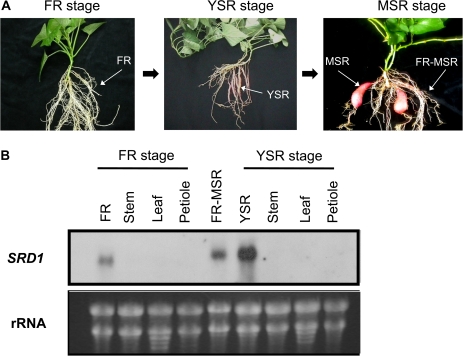
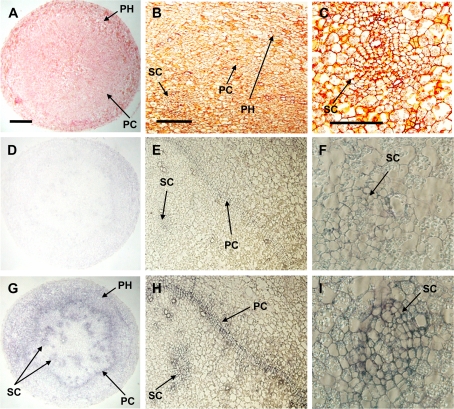
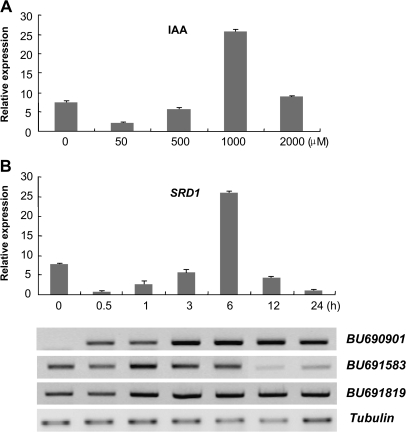
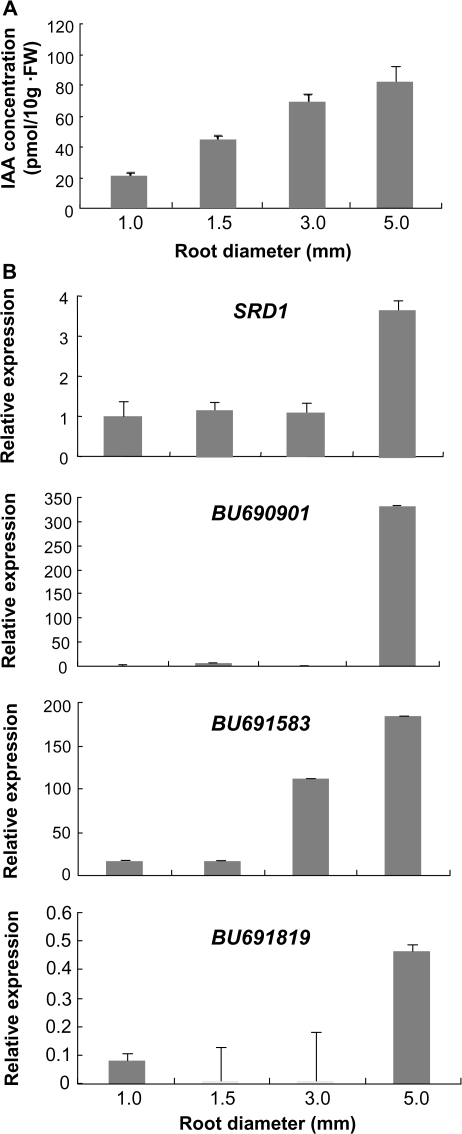
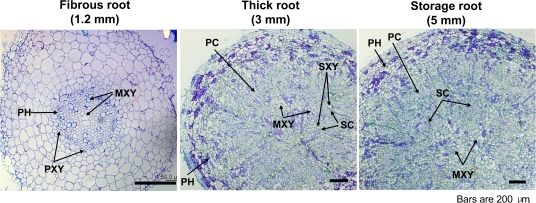
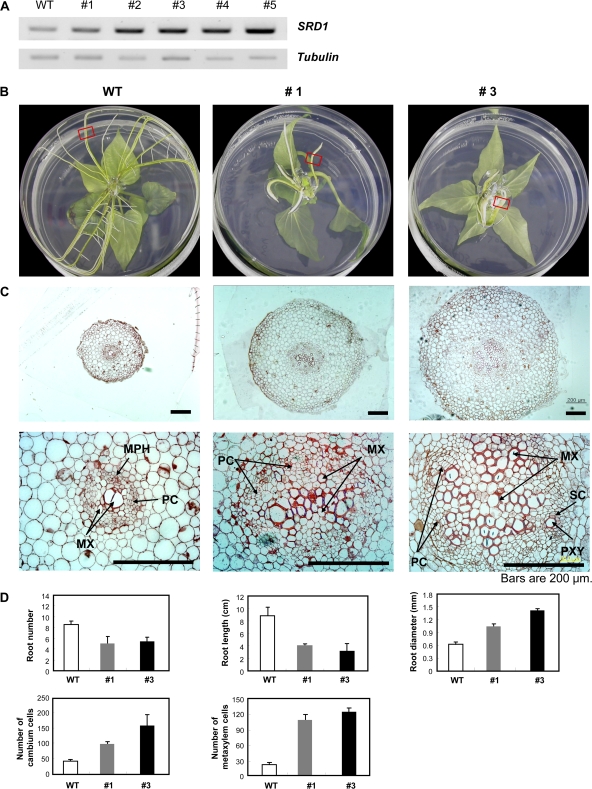
A sweetpotato (Ipomoea batatas cv. 'Jinhongmi') MADS-box protein cDNA (SRD1) has been isolated from an early stage storage root cDNA library. The role of the SRD1 gene in the formation of the storage root in sweetpotato was investigated by an expression pattern analysis and characterization of SRD1-overexpressing (ox) transgenic sweetpotato plants. Transcripts of SRD1 were detected only in root tissues, with the fibrous root having low levels of the transcript and the young storage root showing relatively higher transcript levels. SRD1 mRNA was mainly found in the actively dividing cells, including the vascular and cambium cells of the young storage root. The transcript level of SRD1 in the fibrous roots increased in response to 1000 muM indole-3-acetic acid (IAA) applied exogenously. During the early stage of storage root development, the endogenous IAA content and SRD1 transcript level increased concomitantly, suggesting an involvement of SRD1 during the early stage of the auxin-dependent development of the storage root. SRD1-ox sweetpotato plants cultured in vitro produced thicker and shorter fibrous roots than wild-type plants. The metaxylem and cambium cells of the fibrous roots of SRD1-ox plants showed markedly enhanced proliferation, resulting in the fibrous roots of these plants showing an earlier thickening growth than those of wild-type plants. Taken together, these results demonstrate that SRD1 plays a role in the formation of storage roots by activating the proliferation of cambium and metaxylem cells to induce the initial thickening growth of storage roots in an auxin-dependent manner.
Overview
The claims and statistics of this paper haven’t been checked yet.
Free: it reads the open-access text and checks the first 5 claims that cite a source we can check. Create a free account to check every claim.
Integrity signals
Registry
Cites
Statistics
Figures
Verification
Claims the paper makes
The claims and statistics of this paper haven’t been checked yet.
Free: it reads the open-access text and checks the first 5 claims that cite a source we can check. Create a free account to check every claim.
Claims other papers make about this one
Each is checked against this paper’s own text: does it say what the citing paper says it does?
The source backs part of the claim, not all of it — or backs it for a different population, condition or comparison.
In the citing paper
“The results reported by Noh showed that SRD1 influences the formation and development of sweet potato storage roots by regulating the synthesis of auxin [11].”
From RNA-Seq and iTRAQ reveal multiple pathways involved in storage root formation and development in sweet potato (Ipomoea batatas L.) (2019) · cites this paper as [11]
Experimental — accuracy not yet measuredThe source backs part of the claim, not all of it — or backs it for a different population, condition or comparison.
In the citing paper
“IAA is considered essential in both the early stage of storage root formation and the thickening of storage roots [10, 11].”
From RNA-Seq and iTRAQ reveal multiple pathways involved in storage root formation and development in sweet potato (Ipomoea batatas L.) (2019) · cites this paper as [11]
Experimental — accuracy not yet measuredThe source backs part of the claim, not all of it — or backs it for a different population, condition or comparison.
In the citing paper
“Noh et al. [11] reported that SRD1 regulates the formation and bulking of sweet potato storage roots by promoting the initiation of cambium and metaxylem to regulate the storage root formation in an auxin-dependent manner.”
From RNA-Seq and iTRAQ reveal multiple pathways involved in storage root formation and development in sweet potato (Ipomoea batatas L.) (2019) · cites this paper as [11]
Experimental — accuracy not yet measuredThe source backs part of the claim, not all of it — or backs it for a different population, condition or comparison.
In the citing paper
“The developmental program of storage roots, including the formation of cambium meristems, starch biosynthesis and hormone biosynthesis and transport, mostly relies on transcription factor regulation [11, 18].”
From RNA-Seq and iTRAQ reveal multiple pathways involved in storage root formation and development in sweet potato (Ipomoea batatas L.) (2019) · cites this paper as [11]
Experimental — accuracy not yet measuredThe source backs part of the claim, not all of it — or backs it for a different population, condition or comparison.
In the citing paper
“Recently, we demonstrated in both Georgia Jet and Beauregard sweetpotato varieties (the leading Israeli variety and an important USA variety, respectively), that the period spanning 5 to 35 DAT is critical in determining whether adventitious roots become lignified or initiate as SRs, and that the appearance of AC marks the initial phase of SR formation [7].”
From Transcriptional profiling of sweetpotato (Ipomoea batatas) roots indicates down-regulation of lignin biosynthesis and up-regulation of starch biosynthesis at an early stage of storage root formation (2013) · cites this paper as [7]
Experimental — accuracy not yet measured
5 more claims about this paper
Create a free account to see every claim other papers make about this one.
Self-check
Percentages, sums and reported differences re-computed from the paper’s own numbers.
The self-check needs the paper’s full text.
Citations
Cites
A Revised Medium for Rapid Growth and Bio Assays with Tobacco Tissue Cultures
Murashige, T., & Skoog, F. (1962) · Physiologia Plantarum · doi:10.1111/j.1399-3054.1962.tb08052.x · Cited by 67,392
Engineered GFP as a vital reporter in plants
Chiu, W.-L., Niwa, Y., Zeng, W., Hirano, T., Kobayashi, H., & Sheen, J. (1996) · Current Biology · doi:10.1016/s0960-9822(02)00483-9 · Cited by 1,364 · cited 2×
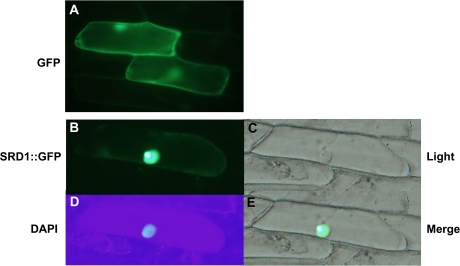
“A transient transformation was performed as described by Chiu et al. (1996). Onion epidermal cell segments were peeled and placed on an MS medium (Murashige and Skoog, 1962) plate [half-strength MS salts (Duchefa), 0.”
Development of floral organ identity: stories from the MADS house
Theißen, G. (2001) · Current Opinion in Plant Biology · doi:10.1016/s1369-5266(00)00139-4 · Cited by 947 · cited 1×
“These last three regions have been found to be expressed in floral organs and play roles in floral organ differentiation through either homo- or hetero-dimerization (Theissen et al., 2000; Theißen, 2001; Kaufman et al., 2005).”
A short history of MADS-box genes in plants
Theissen, G., Becker, A., Di Rosa, A., Kanno, A., Kim, J. T., Münster, T., Winter, K.-U., & Saedler, H. (2000) · Plant Molecular Evolution · doi:10.1007/978-94-011-4221-2_6 · Cited by 672
A short history of MADS-box genes in plants
Theissen, G., Becker, A., Di Rosa, A., Kanno, A., Kim, J. T., Münster, T., Winter, K.-U., & Saedler, H. (2000) · Plant Molecular Biology · doi:10.1023/a:1006332105728 · Cited by 632 · cited 1×
“These last three regions have been found to be expressed in floral organs and play roles in floral organ differentiation through either homo- or hetero-dimerization (Theissen et al., 2000; Theißen, 2001; Kaufman et al., 2005).”
Kaufmann, K., Melzer, R., & Theißen, G. (2005) · Gene · doi:10.1016/j.gene.2004.12.014 · Cited by 572
Alvarez-Buylla, E. R., Liljegren, S. J., Pelaz, S., Gold, S. E., Burgeff, C., Ditta, G. S., Vergara-Silva, F., & Yanofsky, M. F. (2000) · The Plant Journal · doi:10.1046/j.1365-313x.2000.00891.x · Cited by 371 · cited 1×
“MADS-box genes have also been reported to be expressed in pollen, ovule, endosperm, and other vegetative tissues in Arabidopsis thaliana and potato (Solanum tuberosum) (Carmona et al., 1998; Alvarez-Buylla et al., 2000).”
Tuber Formation in Potato: Induction, Initiation, and Growth
Ewing, E. E., & Struik, P. C. (1992) · Horticultural Reviews · doi:10.1002/9780470650523.ch3 · Cited by 333
A short history of MADS-box genes in plants.
Theißen, G., Becker, A., Rosa, A. D., Kanno, A., Kim, J. T., Münster, T., Winter, K.-U., & Saedler, H. (2000) · PubMed · Cited by 315
Messenguy, F., & Dubois, E. (2003) · Gene · doi:10.1016/s0378-1119(03)00747-9 · Cited by 304 · cited 2×
“MADS-box genes encode transcription factors that play fundamental roles in diverse and important biological functions in animal, fungal, and plant development (Messenguy and Dubois, 2003; Kaufman et al., 2005).”
Research works printed but not linked: 1
- Akita S Yamamoto F Ono M Kusuhara M Kobayashi H Ikemoto S Studies on the small tuber set method in sweet potato cultivation Bulletin of the Chugoku National Agricultural Experiment Station 1962 8 75 128 (in Japanese with English summary)
Cited by
Root System Architecture and Abiotic Stress Tolerance: Current Knowledge in Root and Tuber Crops
Khan, M. A., Gemenet, D. C., & Villordon, A. (2016) · Frontiers in Plant Science · doi:10.3389/fpls.2016.01584 · Cited by 245
“Noh et al. (2010) found that a MADS-box protein copy DNA, SRD1 enhances the proliferation of the metaxylem and cambium cells during the auxin-dependent initial thickening and growth of storage roots.”
BackgroundTuber and Tuberous Root Development
Zierer, W., Rüscher, D., Sonnewald, U., & Sonnewald, S. (2021) · Annual Review of Plant Biology · doi:10.1146/annurev-arplant-080720-084456 · Cited by 218
Firon, N., LaBonte, D., Villordon, A., Kfir, Y., Solis, J., Lapis, E., Perlman, T., Doron-Faigenboim, A., Hetzroni, A., Althan, L., et al. (2013) · BMC Genomics · doi:10.1186/1471-2164-14-460 · Cited by 182
“Several additional MADS-box genes (IbMADS1, IbMADS3, IbMADS4, IbMADS10, IbMADS79, IbAGL17, IbAGL20 and SRD1) expressed in root tissues have been isolated from sweetpotato, and their possible roles in root development have been deduced [10-15].”
BackgroundThilakarathne, A. S., Liu, F., & Zou, Z. (2025) · Plants · doi:10.3390/plants14071070 · Cited by 188
Gan, Y., Bernreiter, A., Filleur, S., Abram, B., & Forde, B. (2012) · Plant and Cell Physiology · doi:10.1093/pcp/pcs050 · Cited by 152
Dong, T., Zhu, M., Yu, J., Han, R., Tang, C., Xu, T., Liu, J., & Li, Z. (2019) · BMC Plant Biology · doi:10.1186/s12870-019-1731-0 · Cited by 109
Li, Y., Wang, Y., Zhang, H., Zhang, Q., Zhai, H., Liu, Q., & He, S. (2017) · Frontiers in Plant Science · doi:10.3389/fpls.2017.00197 · Cited by 105
“As previously reported in sweet potato, the spatial expression pattern of a gene was correlated with its promoter activity in a heterologous system such as Arabidopsis (Noh et al., 2010, 2012; Tanabe et al., 2015).”
BackgroundLi, Y., Zhang, H., Zhang, Q., Liu, Q., Zhai, H., Zhao, N., & He, S. (2019) · Plant Science · doi:10.1016/j.plantsci.2019.01.009 · Cited by 105
Down-regulation of the IbEXP1 gene enhanced storage root development in sweetpotato
Noh, S. A., Lee, H.-S., Kim, Y.-S., Paek, K.-H., Shin, J. S., & Bae, J. M. (2013) · Journal of Experimental Botany · doi:10.1093/jxb/ers236 · Cited by 100
“Cytokinin and auxin levels are high during the early stage of SR formation (Akita et al., 1962; Matsuo, 1983; Nakatani and Komeichi, 1992; Noh et al., 2010).”
InfluentialSelf-citationAuxin: An emerging regulator of tuber and storage root development
Kondhare, K. R., Patil, A. B., & Giri, A. P. (2021) · Plant Science · doi:10.1016/j.plantsci.2021.110854 · Cited by 99
MADS ‐box genes underground becoming mainstream: plant root developmental mechanisms
Alvarez-Buylla, E. R., García‐Ponce, B., Sánchez, M. D. L. P., Espinosa‐Soto, C., García‐Gómez, M. L., Piñeyro‐Nelson, A., & Garay‐Arroyo, A. (2019) · New Phytologist · doi:10.1111/nph.15793 · Cited by 92
Wang, H., Yang, J. M., Zhang, M., Fan, W., Firon, N., Pattanaik, S., Yuan, L., & Zhang, P. (2016) · Scientific Reports · doi:10.1038/srep18645 · Cited by 78
He, S., Wang, H., Hao, X., Wu, Y., Bian, X., Yin, M., Zhang, Y., Fan, W., Dai, H., Yuan, L., et al. (2021) · The Plant Journal · doi:10.1111/tpj.15478 · Cited by 95
Gajanayake, B., Reddy, K. R., Shankle, M. W., Arancibia, R. A., & Villordon, A. O. (2014) · Agronomy Journal · doi:10.2134/agronj14.0067 · Cited by 67
“1796 Agronomy Journa l • Volume 106, Issue 5 • 2014 anomalous secondary cambia inside of the primary cambium and ultimately develop into storage roots (Noh et al., 2010).”
BackgroundMolecular Regulation of Storage Root Formation and Development in Sweet Potato
Ravi, V., Chakrabarti, S. K., Makeshkumar, T., & Saravanan, R. (2014) · Horticultural Reviews: Volume 42 · doi:10.1002/9781118916827.ch03 · Cited by 53
Genome-wide analysis reveals phytohormone action during cassava storage root initiation
Sojikul, P., Saithong, T., Kalapanulak, S., Pisuttinusart, N., Limsirichaikul, S., Tanaka, M., Utsumi, Y., Sakurai, T., Seki, M., & Narangajavana, J. (2015) · Plant Molecular Biology · doi:10.1007/s11103-015-0340-z · Cited by 52
“4) (Eguchi and Yoshida 2008; Ioio et al. 2008; Noh et al. 2010; Overvoorde et al. 2010; Perrot-Rechenmann 2010; Roumeliotis et al. 2012b; Wang et al. 2006).”
BackgroundInfluentialAuxin signaling and vascular cambium formation enable storage metabolism in cassava tuberous roots
Rüscher, D., Corral, J. M., Carluccio, A. V., Klemens, P. A. W., Gisel, A., Stavolone, L., Neuhaus, H. E., Ludewig, F., Sonnewald, U., & Zierer, W. (2021) · Journal of Experimental Botany · doi:10.1093/jxb/erab106 · Cited by 58
“While some studies have recently indicated the importance of early auxin signaling events, as well as reduced GA signaling during storage root formation in sweet potato (Noh et al., 2010; Firon et al., 2013; Singh et al., 2019), less is known about storage root initiation in cassava.”
BackgroundThe wild sweetpotato (Ipomoea trifida) genome provides insights into storage root development
Li, M., Yang, S., Xu, W., Pu, Z., Feng, J., Wang, Z., Zhang, C., Peng, M., Du, C., Lin, F., et al. (2019) · BMC Plant Biology · doi:10.1186/s12870-019-1708-z · Cited by 63
Hoang, N. V., Choe, G., Zheng, Y., Fandino, A. C. A., Sung, I., Hur, J., Kamran, M., Park, C., Kim, H., Ahn, H., et al. (2020) · Current Biology · doi:10.1016/j.cub.2020.05.046 · Cited by 49
Ponniah, S. K., Thimmapuram, J., Bhide, K. P., Kalavacharla, V. K., & Manoharan, M. (2017) · BMC Plant Biology · doi:10.1186/s12870-016-0950-x · Cited by 51
“[11] isolated a cDNA encoding the MADS-box protein SRD1, which plays an important role in the formation of SRs by activating the proliferation of cambium and metaxylem cells to induce the initial thickening of SRs.”
BackgroundOverexpression of sweetpotato expansin cDNA (IbEXP1) increases seed yield in Arabidopsis
Bae, J. M., Kwak, M. S., Noh, S. A., Oh, M.-J., Kim, Y.-S., & Shin, J. S. (2014) · Transgenic Research · doi:10.1007/s11248-014-9804-1 · Cited by 45
“The quantitative real-time PCR analysis was performed using the LightCycler 480 Real-Time PCR System (Roche Diagnostics) as described in Noh et al. (2010).”
MethodSelf-citationWang, Z., Fang, B., Chen, X., Liao, M., Chen, J., Zhang, X., Huang, L., Luo, Z., Yao, Z., & Li, Y. (2015) · BMC Plant Biology · doi:10.1186/s12870-015-0567-5 · Cited by 42
“In sweetpotato, previous studies showed that cytokinin and auxin levels have been found to be high during the early tuberous root formation [15, 19, 23].”
BackgroundInfluentialLi, X., Yang, J., Hao, B., Lu, Y., Qian, Z.-L., Li, Y., Ye, S., Tang, J., Chen, M., Long, G., et al. (2019) · BMC Plant Biology · doi:10.1186/s12870-019-2067-5 · Cited by 51
Selvaraj, M. G., Montoya-P, M. E., Atanbori, J., French, A. P., & Pridmore, T. (2019) · Plant Methods · doi:10.1186/s13007-019-0517-6 · Cited by 38
Noh, S. A., Haeng-Soon, L. E. E., Huh, G. H., Oh, M.-J., Paek, K.-H., Shin, J. S., & Bae, J. M. (2011) · Transgenic Research · doi:10.1007/s11248-011-9528-4 · Cited by 36
Self-citationCai, Z., Cai, Z., Huang, J., Wang, A., Ntambiyukuri, A., Chen, B., Zheng, G., Li, H., Huang, Y., Zhan, J., et al. (2022) · BMC Genomics · doi:10.1186/s12864-022-08670-x · Cited by 45
“The overexpression of SRD1 gene promoted the proliferation of cambium cells and xylem cells, and played a role in auxin-mediated initial root thickening [12].”
BackgroundGregory, P. J., & Wojciechowski, T. (2020) · Advances in agronomy · doi:10.1016/bs.agron.2020.01.001 · Cited by 50
Hearn, D. J., Poulsen, S. M., & Spicer, R. (2013) · International Journal of Plant Sciences · doi:10.1086/671745 · Cited by 34
Xu, L., Wang, J., Lei, M., Li, L., Fu, Y., Wang, Z., Ao, M., & Li, Z. (2016) · PLoS ONE · doi:10.1371/journal.pone.0160338 · Cited by 33
Yang, Y., Zhu, J., Sun, L. J., Kong, Y., Chen, J., Zhu, M., Xu, T., Li, Z., & Dong, T. (2022) · Scientia Horticulturae · doi:10.1016/j.scienta.2022.111588 · Cited by 32
Recent Progress in Molecular Studies on Storage Root Formation in Sweetpotato (Ipomoea batatas)
Tanaka, M. (2016) · Japan Agricultural Research Quarterly JARQ · doi:10.6090/jarq.50.293 · Cited by 33
Yao, S., Lan, Z., Huang, R., Tan, Y. H., Huang, D., Gu, J., & Pan, C. (2021) · Scientific Reports · doi:10.1038/s41598-020-76633-x · Cited by 42
Li, J., Ding, Q., Wang, F., Zhang, Y., Li, H., & Gao, J. (2015) · PLoS ONE · doi:10.1371/journal.pone.0137983 · Cited by 29
“Phytohormones, such as auxin [4,5], cytokinin (CTK) [4–6], abscisic acid (ABA) [6], and Jasmonic acid (JA) [7], are key regulators for tuberous formation and development.”
BackgroundInfluentialLee, J. J., Kim, Y., Kwak, Y., An, J. Y., Kim, P. J., Lee, B. H., Kumar, V., Park, K. W., Chang, E.-S., Jeong, J. C., et al. (2014) · Plant Physiology and Biochemistry · doi:10.1016/j.plaphy.2014.12.010 · Cited by 28
“Sweetpotato yield and quality is dependent upon storage root development during plant growth (Tanaka et al., 2005; Noh et al., 2010).”
BackgroundSelf-citationXiang, Q., Hu, S., Ligaba‐Osena, A., Yang, J., Tong, F., & Guo, W. (2021) · Frontiers in Plant Science · doi:10.3389/fpls.2021.659645 · Cited by 26
“…formation at the early stage (FaivreRampant et al., 2004; Noh et al., 2010; Sojikul et al., 2015; Xu et al., 2016), but auxin content is subsequently decreased gradually during the secondary thickening growth of the TR (Wang Q. et al., 2006; Noh et al., 2010; Dong et al., 2019; Ding et al., 2020).”
BackgroundInfluentialParallel evolution of storage roots in morning glories (Convolvulaceae)
Eserman, L. A., Jarret, R. L., & Leebens-Mack, J. H. (2018) · BMC Plant Biology · doi:10.1186/s12870-018-1307-4 · Cited by 25
“Studies have also implicated three genes in the development of storage roots, two of which are MADS-box transcription factors [13, 14] and the other is an alpha-expansin gene [15].”
BackgroundTang, C., Han, R., Zhou, Z., Yang, Y., Zhu, M., Xu, T., Wang, A., Li, Z., & Dong, T. (2020) · Journal of Plant Physiology · doi:10.1016/j.jplph.2020.153224 · Cited by 24
IbNF‐YA1 is a key factor in the storage root development of sweet potato
Xue, L., Wang, Y., Fan, Y., Jiang, Z., Wei, Z., Zhai, H., He, S., Zhang, H., Yang, Y., Zhao, N., et al. (2024) · The Plant Journal · doi:10.1111/tpj.16723 · Cited by 28
Li, Y., Liu, X., Chen, R., Tian, J., Fan, Y., & Zhou, X. (2019) · BMC Plant Biology · doi:10.1186/s12870-019-2198-8 · Cited by 22
Bian, X., Kim, H. S., Kwak, S., Zhang, Q., Liu, S., Ma, P., Jia, Z., Xie, Y., Zhang, P., & Yu, Y. (2022) · Frontiers in Plant Science · doi:10.3389/fpls.2022.820450 · Cited by 22
Plant Vascular Tissues—Connecting Tissue Comes in All Shapes
Hellmann, E., Ko, D., Ruonala, R., & Helariutta, Y. (2018) · Plants · doi:10.3390/plants7040109 · Cited by 26
Tuber, or not tuber: Molecular and morphological basis of underground storage organ development
Plunkert, M. L., Martínez‐Gómez, J., Madrigal, Y., Hernández, A. I., & Tribble, C. M. (2024) · Current Opinion in Plant Biology · doi:10.1016/j.pbi.2024.102544 · Cited by 20
Si, C., Liang, Q.-G., Liu, H., Wang, N., Kumar, S., Chen, Y., & Zhu, G. (2022) · Frontiers in Plant Science · doi:10.3389/fpls.2022.872422 · Cited by 24
“In sweetpotatoes, initiation (0–20 days after planting) and formation (0–40 days after planting) of storage roots are a consequence of the synergistic interaction between several hormones (Tanaka et al., 2008; Ravi et al., 2009; Noh et al., 2010; Villordon et al., 2013; Si et al., 2018; Singh et al., 2019).”
BackgroundSi, C., Shi, C., Liu, H., Zhan, X., Liu, Y., Wang, D., Meng, D., & Tang, L. (2018) · Crop Science · doi:10.2135/cropsci2018.01.0067 · Cited by 21
CRISPR/Cas9: an advanced platform for root and tuber crops improvement
Divya, K., Thangaraj, M., & Radhika, N. K. (2024) · Frontiers in Genome Editing · doi:10.3389/fgeed.2023.1242510 · Cited by 25
QTL Mapping and Candidate Gene Identification of Swollen Root Formation in Turnip
Wu, Y., Zhang, S., Zhang, S., Li, F., Li, F., Fan, C., Sun, R., & Zhang, S. (2021) · International Journal of Molecular Sciences · doi:10.3390/ijms22020653 · Cited by 20
“On the basis of the Previous studies shows that plant hormones and sucrose are important regulators of root formation and development [2,16,18,19,36].”
BackgroundHearn, D. J., O’Brien, P., & Poulsen, S. M. (2018) · PLoS ONE · doi:10.1371/journal.pone.0197166 · Cited by 21
Su, L., Cheng, S., Liu, Y., Xie, Y., He, Z., Jia, M., Zhou, X., Zhang, R., & Li, C. (2022) · International Journal of Molecular Sciences · doi:10.3390/ijms23126390 · Cited by 27
“[55] reported that SRD1 plays a role in the formation of storage roots by activating the proliferation of cambium and metaxylem cells to induce initial thickening growth of storage roots.”
BackgroundDiverse antioxidant enzyme levels in different sweetpotato root types during storage root formation
Kim, Y., Park, S., Ji, C. Y., Lee, J. J., Jeong, J. C., Haeng-Soon, L. E. E., & Kwak, S. (2014) · Plant Growth Regulation · doi:10.1007/s10725-014-9940-x · Cited by 18
“mature FR or different root types such as TR and SR (Wilson and Lowe 1973; Tanaka et al. 2005; Noh et al. 2010).”
Self-citationPark, S., Kim, H. S., Lee, H., Kim, Y., & Kwak, S. (2019) · Plant Biotechnology Reports · doi:10.1007/s11816-019-00537-0 · Cited by 17
Self-citationSun, H., Mei, J., Zhao, W., Hou, W., Zhang, Y., Xu, T., Wu, S., & Zhang, L. (2022) · Frontiers in Plant Science · doi:10.3389/fpls.2021.801061 · Cited by 20
“For example, LeSPL-CNR regulates cell wall disassembly and carotenoid biosynthesis during fruit ripening in tomato (Orfila et al., 2002; Manning et al., 2006); OsSPL16 expression promotes cell division and grain filling, with positive results in grain width and yield in rice (Wang et al., 2015).”
BackgroundZhang, C., Pan, S., Chen, H., Cai, T., Zhuang, C., Deng, Y., Zhuang, Y., Zeng, Y., Shunhui, C., & Zhuang, W. (2016) · Plant Cell Reports · doi:10.1007/s00299-015-1918-2 · Cited by 17
Regulation of hormone-related genes involved in adventitious root formation in sweetpotato
Nie, H., Kim, S.-J., Lee, Y., Park, H., Lee, J., Kim, J., Kim, D., & Kim, S. (2020) · Journal of Plant Biotechnology · doi:10.5010/jpb.2020.47.3.194 · Cited by 21
“Other hormones have been reported to exhibit developmental level dependent expressional pattern changes (Nakatani and Komeichi 1991; Noh et al. 2010; Tanaka et al. 2008).”
BackgroundYang, S., Liu, X., Qiao, S., Tan, W., Li, M., Feng, J., Zhang, C., Kang, X., Huang, T., Zhu, Y., et al. (2018) · Functional & Integrative Genomics · doi:10.1007/s10142-018-0611-2 · Cited by 18
Impact of paclobutrazol on storage root number and yield of sweet potato (Ipomoea batatas L.)
Si, C., Li, Y., Liu, H., Zhang, H.-Y., Meng, Y., Wang, N., & Shi, C. (2023) · Field Crops Research · doi:10.1016/j.fcr.2023.109011 · Cited by 20
Zhou, Y., Li, A., Du, T., Qin, Z., Zhang, L., Wang, Q., Li, Z., & Hou, F. (2024) · Genes · doi:10.3390/genes15060760 · Cited by 15
“…transcript level increased concomitantly, SRD1 -overexpressing transgenic sweet potato plants cultured in vitro produced thicker and shorter fibrous roots than wild-type plants, suggesting an involvement of SRD1 during the early stage of the auxin-dependent development of the storage root [14].”
BackgroundDong, T., Song, W., Tan, C., Zhou, Z., Yu, J., Han, R., Zhu, M., & Li, Z. (2018) · Plant Breeding · doi:10.1111/pbr.12613 · Cited by 18
Auxin‐mimic herbicides dilema: Their benefits and limitations
Garcia, N., Dayan, F. E., Camargo, E. R., Ceolin, B. C., Deuner, S., & de Avila, L. A. (2025) · Pest Management Science · doi:10.1002/ps.8913 · Cited by 16
“178 Little is understood about the role of auxinic herbicides on these processes; however, it may be an example of hormesis, which is a phenomenon that describes the stimulatory effect of low doses of toxic substances on growth of a given organism.”
Xiao, X., Hu, Y., Ming, Z., Si, S., Haonan, Z., Zhu, W., Ge, F., Caijun, W., & Shuying, F. (2023) · BMC Plant Biology · doi:10.1186/s12870-023-04303-x · Cited by 15
“Auxin plays a vital role in cambium cell proliferation and cell expansion [38], maintaining the meristem state of cambium cells, and increasing the number of xylem elements [39].”
BackgroundMeng, X., Dong, T., Li, Z., & Zhu, M. (2024) · Frontiers in Plant Science · doi:10.3389/fpls.2024.1428975 · Cited by 22
Tribble, C. M., Martínez‐Gómez, J., Alzate‐Guarín, F., Rothfels, C. J., & Specht, C. D. (2021) · Evolution & Development · doi:10.1111/ede.12369 · Cited by 16
Ly, L. K., Bui, T. P., Le, A. V. T., Nguyen, P. V., ONG, P. X., Pham, N. B., Zhang, Z. J., Do, P. T., & Hà, C. H. (2021) · Transgenic Research · doi:10.1007/s11248-021-00282-7 · Cited by 13
“In addition, other studies using root-specific promoters for AtGA20ox overexpression demonstrated its superiority over the constitutive promoters (Hossain et al. 2006; Noh et al. 2010; Chen et al. 2014).”
BackgroundZhang, M., Sun, Y., Di, P., Han, M., & Yang, L. (2023) · International Journal of Molecular Sciences · doi:10.3390/ijms24065590 · Cited by 13
“It has been found that the gene SRD1 can affect the formation and development of storage roots by regulating auxin synthesis [25].”
BackgroundWang, D., Li, C., Liu, H., Song, W., Shi, C., & Li, Q. (2024) · The Plant Journal · doi:10.1111/tpj.17029 · Cited by 17
Song, W., Yan, H., Ma, M., Kou, M., Li, C., Tang, W., Yu, Y., Hao, Q., Nguyen, T., Wang, X., et al. (2022) · Genes · doi:10.3390/genes13071156 · Cited by 16
“Then, the SRs of XZ8 expanded significantly during the whole growth stage (Figure 1B,C).”
BackgroundInfluentialEffect of Pot Volume on the Growth of Sweetpotato Cultivated in the New Hydroponic System
Sakamoto, M., & Suzuki, T. (2018) · Sustainable Agriculture Research · doi:10.5539/sar.v7n1p137 · Cited by 18
“143 development of storage roots, is highly induced by exogenous auxin treatment (Noh et al., 2010), manipulations of root hormonal levels using pharmacological treatments or environmental regulation may be employed to increase the tuberous root yield.”
MethodZierer, W., Anjanappa, R. B., Lamm, C. E., Chang, S., Gruissem, W., & Sonnewald, U. (2022) · Frontiers in Plant Science · doi:10.3389/fpls.2022.1042379 · Cited by 12
“In sweet potato, the SRD1 expression was shown to be auxinresponsive and the transcript was localized in the primary cambium, secondary cambium, and primary phloem cells (Noh et al., 2010).”
BackgroundMeng, Y., Wang, N., & Si, C. (2022) · Agronomy · doi:10.3390/agronomy12102317 · Cited by 17
Chen, J., Yang, Y., Li, C., Chen, Q., Liu, S., & Qin, B. (2023) · International Journal of Molecular Sciences · doi:10.3390/ijms241310997 · Cited by 13
Liu, C., Liu, X., Xu, W., Fu, W., Wang, F., Gao, J., Li, Q., Zhang, Z., Li, J., & Wang, S. (2018) · 3 Biotech · doi:10.1007/s13205-018-1330-z · Cited by 11
Genetic Control of Storage Root Development
Kuznetsova, X. A., Dodueva, I. E., Pautov, A., Krylova, E., & Lutova, L. A. (2020) · Russian Journal of Plant Physiology · doi:10.1134/s102144372004010x · Cited by 11
“At the same time, some representatives of this TF family also participate in the development of the root in Arabidopsis [29] and the development of storage organs: potato tubers [30] and sweet potato root tubers [7, 31].”
BackgroundDu, X., Zhang, X., Kong, L., & Xi, M. (2020) · Agronomy · doi:10.3390/agronomy10091243 · Cited by 12
Suematsu, K., Tanaka, M., & Isobe, S. (2021) · Plant Production Science · doi:10.1080/1343943x.2021.1927766 · Cited by 11
“…(Dong et al., 2019; Eserman et al., 2018; Firon et al., 2013; Tanaka et al., 2005; Wang et al., 2015; Zhang et al., 2017), and the functions of some genes, especially SRF1 (Tanaka et al., 2009), IbEXP1 (Noh et al., 2013), and SRD1 (Noh et al., 2010), were analyzed using transgenic techniques.”
MethodEffect of Growth Stages on Anthocyanins and Polyphenols in the Root System of Sweet Potato
Setoguchi, Y., Nakagawa, S., Ohmura, R., Toshima, S., Park, H., Narasako, Y., Hirano, T., Otani, M., & Kunitake, H. (2023) · Plants · doi:10.3390/plants12091907 · Cited by 9
Zhang, M., Sun, Y., Lan, Y., Cheng, L., Lv, Z.-L., Han, M., & Yang, L. (2024) · BMC Genomics · doi:10.1186/s12864-024-11146-9 · Cited by 7
Form and contour: breeding and genetics of organ shape from wild relatives to modern vegetable crops
Goldman, I. L., Wang, Y., Vega, A., Brainard, S. H., Oravec, M. W., McGregor, C., & van der Knaap, E. (2023) · Frontiers in Plant Science · doi:10.3389/fpls.2023.1257707 · Cited by 14
Shekhar, S., Agrawal, L., Buragohain, A. K., Datta, A., Chakraborty, S., & Chakraborty, N. (2013) · Plant Tissue Culture and Biotechnology · doi:10.3329/ptcb.v23i1.15565 · Cited by 6
Morpho-anatomical aspects of starchy underground organs
Jadoski, C. J., de Lima, L. B., Gimenez, J. I., Franco, A. P. S. D. A., da Silva, J. R., & Arruda, R. D. C. D. O. (2022) · Elsevier eBooks · doi:10.1016/b978-0-323-90058-4.00009-8 · Cited by 6
Genomic approaches to understand sweetpotato root development in relation to abiotic factors
Sarmiento, J. S. (2012) · Louisiana State University · doi:10.31390/gradschool_dissertations.1217 · Cited by 7
Cao, J., Zhu, W., Zhang, W., Chen, X., Sun, H., Sun, R., Zhao, J., Zhu, S., Liu, X., da Silva, J. A. T., et al. (2024) · Scientia Horticulturae · doi:10.1016/j.scienta.2024.113165 · Cited by 5
Zhang, J., Xu, X., Li, T., Lv, Z., Zhu, Y., Li, J., & Lu, G. (2024) · Industrial Crops and Products · doi:10.1016/j.indcrop.2024.120050 · Cited by 7
Liu, Q., Li, J., Han, R., Wang, H., & Liu, W. (2022) · Scientia Horticulturae · doi:10.1016/j.scienta.2022.111046 · Cited by 6
Hong, J., Bae, W., Lee, J.-W., Kim, J.-U., Ma, K., Shim, D., & Ryu, H. (2025) · Journal of Ginseng Research · doi:10.1016/j.jgr.2025.09.002 · Cited by 4
“In sweet potato, for example, the auxin-responsive MADS-box transcription factor IbSRD1 promotes the proliferation of metaxylem and cambium cells [14 – 16].”
Ravi, V., Chakrabarti, S. K., Saravanan, R., MAKESHKUMAR, T., & Sreekumar, J. (2017) · The Indian Journal of Agricultural Sciences · doi:10.56093/ijas.v87i4.69421 · Cited by 4
Research Article Evaluation of extraction methods for obtaining high-quality RNA from sweet potato
Gonçalves, R. C., Daúde, M. M., de Souza, M. R., Moraes, M. B. F., Moreira, R. O., da Silveira, M. A., Ságio, S. A., & Barreto, H. G. (2021) · Genetics and Molecular Research · doi:10.4238/gmr18939 · Cited by 4
Zhang, M., Sun, Y., Lin, H., Han, M., & Yang, L. (2024) · Agronomy · doi:10.3390/agronomy14091897 · Cited by 4
Sweet potato expressing the rice Zn transporter OsZIP4 exhibits high Zn content in the tuber
Shin, Y., Takahashi, R., Nakanishi, H., & Yamakawa, T. (2016) · Plant Biotechnology · doi:10.5511/plantbiotechnology.16.0328a · Cited by 4
“The conventional breeding of many sweet potato varieties is complicated due to its hexaploid genome, and the incompatibility and climate restrictions for florescence (Noh et al. 2011; Sihachakr and Ducreux 1987).”
BackgroundCharacterization of a novel mutant with inhibition of storage root formation in sweet potato
Park, H., Abe, T., Kunitake, H., & Hirano, T. (2023) · Ikushugaku zasshi · doi:10.1270/jsbbs.22090 · Cited by 5
“The content of indole acetic acid and abscisic acid peaked after the development of fibrous root (Dong et al. 2019, Matsuo et al. 1988, Nakatani and Komeichi 1991, Noh et al. 2010).”
InfluentialIqbal, J., Zhang, W., Fan, Y., Dong, J., Xie, Y., Li, R., Yang, T., Zhang, J., & Che, D. (2024) · Plants · doi:10.3390/plants13030406 · Cited by 5
Kim, J., Jang, M., Nie, H., Lee, J., Hong, E., Kim, S.-J., & Kim, S. (2021) · Gene Expression Patterns · doi:10.1016/j.gep.2021.119216 · Cited by 4
Atu, L. (2014) · The University of Queensland · doi:10.14264/uql.2014.378 · Cited by 3
“…ranges from spherical to nearly cylindrical or spindly-shape: in size from 0.1 kg to over 1 kg and in length, from a few centimetres to over 30 cm. Noh et al. (2010) reported the involvement of the auxin growth hormone in the formation and thickening of growth of storage root which promoted its…”
BackgroundInfluentialLin, X., Su, C., Hu, M., Tang, B., Wu, C., & Zhu, H. (2025) · BMC Plant Biology · doi:10.1186/s12870-025-07573-9 · Cited by 3
Phytohormones during tuber and storage root formation
Malankar, N., Vyawahare, A. B., & Kondhare, K. R. (2025) · Plant Hormones · doi:10.48130/ph-0025-0024 · Cited by 3
The IbMYB52/IbARF11L-IbDRM1 module negatively regulates the root development of sweetpotato
Li, C., Song, W., Wang, D., Li, C., Tang, W., Gao, R., Zhang, A., Gao, T., Yan, H., Wang, X., et al. (2025) · Plant Physiology and Biochemistry · doi:10.1016/j.plaphy.2025.110250 · Cited by 6
Bonthala, V. S., & Stich, B. (2024) · Plant Cell Reports · doi:10.1007/s00299-024-03201-2 · Cited by 3
“The overexpression of IbSRD1 led to earlier thickening of storage roots, indicating that the gene is involved in regulating the initial growth of storage roots in an auxin-dependent manner (Noh et al. 2010).”
BackgroundHou, Z., Yang, S., Zhong, Q., Sun, Z., Zhang, H., Gui, W., Wang, L., & Sun, X. (2023) · Industrial Crops and Products · doi:10.1016/j.indcrop.2023.116904 · Cited by 2
Wang, K., Lv, Y., Gao, S., Kong, Y., Liu, M., Chen, Z., & Xu, K. (2025) · Agronomy · doi:10.3390/agronomy15040779 · Cited by 2
Physiological and biochemical mechanisms in underground vegetable crops for growth and development
Sahoo, S. K., Dash, G. K., Pati, S., Sahoo, D., Lenka, B., Nayak, L., Kumar, A., Swain, P., & Guhey, A. (2025) · Elsevier eBooks · doi:10.1016/b978-0-443-23961-8.00003-6 · Cited by 3
Study of Probiotics as Biostimulants and Biofortifiers in Seed Germination
Chávez-García, S. N., Rodríguez-Herrera, R., Medrano-Macías, J., Nery‐Flores, S. D., Silva‐Belmares, S. Y., & Flores‐Gallegos, A. C. (2024) · Fermentation · doi:10.3390/fermentation10110538 · Cited by 3
Ly, L. K., Bui, T. P., Do, P. T., Le, A. V. T., Nguyen, P. V., Pham, N. B., Zhang, Z. J., & Hà, C. H. (2020) · Research Square · doi:10.21203/rs.3.rs-19585/v1 · Cited by 2
Metadata
- Authors
- Noh, S. A., Lee, H.-S., Huh, E. J., Huh, G. H., Paek, K.-H., Shin, J. S., & Bae, J. M.
- Affiliations
- Korea University (KR)
- Korea Research Institute of Bioscience and Biotechnology (KR)
- Rural Development Administration (KR)
- Inje University (KR)
- Venue
- Journal of Experimental Botany
- Publisher
- Oxford University Press (OUP)
- Published
- 2010-02-11
- Volume
- 61
- Issue
- 5
- Pages
- 1337-1349
- ISSN
- 0022-0957 (ISSN-L)
- 1460-2431
- PMC
- PMC2837253
- OpenAlex
- W2134126077
- Cited by
- 125
- References
- 39
- Citations by year
- 2026: 4 · 2025: 12 · 2024: 17 · 2023: 11 · 2022: 11 · 2021: 12 · 2020: 10 · 2019: 9 · 2018: 10 · 2017: 3 · 2016: 6 · 2015: 3 · 2014: 8 · 2013: 3 · 2012: 5
- FWCI
- 3.45
- Type
- journal article
- Language
- en
- Open access
- hybrid
- doi.org
- Licence
- cc-by-nc
- Locations
- Journal of Experimental Botany (publishedVersion, cc-by-nc)
- PubMed Central (publishedVersion, cc-by-nc)
- PubMed (publishedVersion)
- KRIBB Repository (submittedVersion)
- Funders
- Rural Development Administration
- Korea Science and Engineering Foundation
- Topics
- Life Sciences › Agricultural and Biological Sciences › Plant Science › Plant Molecular Biology Research
- Life Sciences › Agricultural and Biological Sciences › Plant Science › Plant Parasitism and Resistance
- Life Sciences › Agricultural and Biological Sciences › Plant Science › Flowering Plant Growth and Cultivation
- Keywords
- MADS-box transcription factors, Ipomoea batatas, storage root development, auxin signaling, indole-3-acetic acid, root thickening, fibrous roots, transgenic overexpression, gene expression patterns
- MeSH terms
- Indoleacetic Acids, Plant Proteins, In Situ Hybridization, Gene Expression Regulation, Plant, Plant Roots, Reverse Transcriptase Polymerase Chain Reaction, Ipomoea batatas, Cell Proliferation
About these checks
Registry, retraction, Cites and statistics results are computed, not judged, with one exception: a printed reference that no index lists is read once by a model before it counts as a citation error. Claims are extracted by a model and kept only when their quote appears verbatim in the text; each cited source is then checked, with a model’s help, for whether it says what the claim relies on. Those verdicts can be wrong — read the claim’s quote and the cited source before relying on one.
Statistics and arithmetic are recomputed, not judged.
Confidence bands are shown only for fields calibrated on our annotated test set. None is calibrated yet, so no band is shown.
What counts as a claim ›How we measure confidence ›How we check this ›
Are you an author, or do you see a problem with this page? Request a review
Data sources
Bibliographic data: Semantic Scholar, OpenAlex, Crossref.
Contains information from the Semantic Scholar Academic Graph Datasets, made available under the ODC Attribution License (ODC-BY 1.0).
Semantic Scholar’s data is described in: Kinney, R., et al. (2023). The Semantic Scholar Open Data Platform. arXiv:2301.10140.
