

The DOI matches its Crossref record; 63 of the 64 references it cites were found in a registry or an index.
Expansion of the Human Phenotype Ontology (HPO) knowledge base and resources
Open accessAbstract
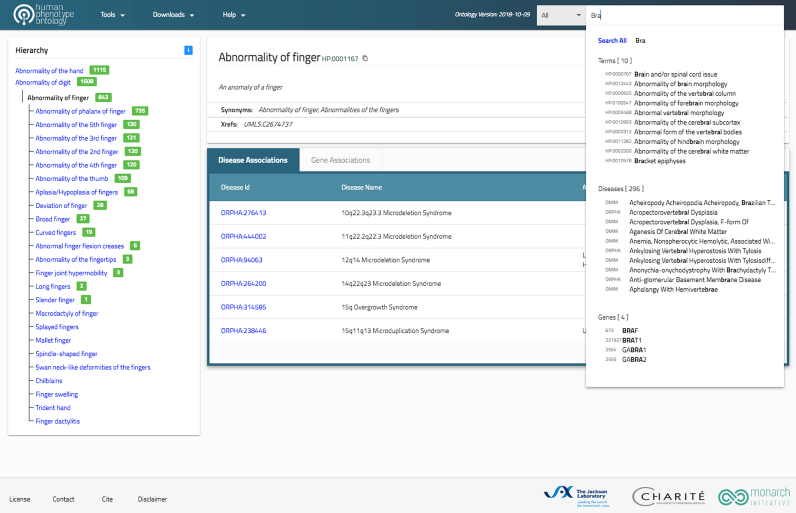
The Human Phenotype Ontology (HPO)-a standardized vocabulary of phenotypic abnormalities associated with 7000+ diseases-is used by thousands of researchers, clinicians, informaticians and electronic health record systems around the world. Its detailed descriptions of clinical abnormalities and computable disease definitions have made HPO the de facto standard for deep phenotyping in the field of rare disease. The HPO's interoperability with other ontologies has enabled it to be used to improve diagnostic accuracy by incorporating model organism data. It also plays a key role in the popular Exomiser tool, which identifies potential disease-causing variants from whole-exome or whole-genome sequencing data. Since the HPO was first introduced in 2008, its users have become both more numerous and more diverse. To meet these emerging needs, the project has added new content, language translations, mappings and computational tooling, as well as integrations with external community data. The HPO continues to collaborate with clinical adopters to improve specific areas of the ontology and extend standardized disease descriptions. The newly redesigned HPO website (www.human-phenotype-ontology.org) simplifies browsing terms and exploring clinical features, diseases, and human genes.
Overview
The claims and statistics of this paper haven’t been checked yet.
Run the check — free, no account needed. It reads the open-access text and checks the sources it cites.
Integrity signals
Registry
Cites
Statistics
Figures
Verification
Claims the paper makes
The claims and statistics of this paper haven’t been checked yet.
Run the check — free, no account needed. It reads the open-access text and checks the sources it cites.
Claims other papers make about this one
Each is checked against this paper’s own text: does it say what the citing paper says it does?
The check wasn’t confident either way, so it gives no verdict — never disputed.
In the citing paper
“These genes demonstrated significant differences between AD and control samples.”
From Artificial Intelligence for Drug Discovery: Are We There Yet? (2024) · cites this paper as [68]
Experimental — accuracy not yet measuredThe check wasn’t confident either way, so it gives no verdict — never disputed.
In the citing paper
“The model's validity was assessed using the top 20 and bottom 10 genes across three biologically distinct AD model systems (68).”
From Artificial Intelligence for Drug Discovery: Are We There Yet? (2024) · cites this paper as [68]
Experimental — accuracy not yet measuredThe check wasn’t confident either way, so it gives no verdict — never disputed.
In the citing paper
“Although constrained by input data that lacked non-human information, the AD-specific XGBoost model emphasized the role of infection as a critical factor in AD pathology.”
From Artificial Intelligence for Drug Discovery: Are We There Yet? (2024) · cites this paper as [68]
Experimental — accuracy not yet measuredThe check wasn’t confident either way, so it gives no verdict — never disputed.
In the citing paper
“In this case, XGBoost, a form of extreme gradient boosting (67), was utilized to identify novel genes associated with Alzheimer's disease (68).”
From Artificial Intelligence for Drug Discovery: Are We There Yet? (2024) · cites this paper as [68]
Experimental — accuracy not yet measuredThe check wasn’t confident either way, so it gives no verdict — never disputed.
In the citing paper
“This approach uncovered five previously unassociated gene targets related to immunity in AD: FRRS1 , CTRAM , SCGB3A1 , CIBAR2 , and TMEFF2.”
From Artificial Intelligence for Drug Discovery: Are We There Yet? (2024) · cites this paper as [68]
Experimental — accuracy not yet measured
The check wasn’t confident either way, so it gives no verdict — never disputed.
In the citing paper
“The model identified key variables associated with inflammatory processes and oxidative stress.”
From Artificial Intelligence for Drug Discovery: Are We There Yet? (2024) · cites this paper as [68]
Experimental — accuracy not yet measuredThe check wasn’t confident either way, so it gives no verdict — never disputed.
In the citing paper
“By integrating the comprehensive Pharos dataset, a web-based interface for data collected by the Illuminating the Druggable Genome initiative, into XGBoost, an AD-focused model was developed, which included 53 positive (AD-associated) and 3,952 negative (non-AD-associated) genes.”
From Artificial Intelligence for Drug Discovery: Are We There Yet? (2024) · cites this paper as [68]
Experimental — accuracy not yet measured
Self-check
Percentages, sums and reported differences re-computed from the paper’s own numbers.
The self-check needs the paper’s full text.
Citations
Cites
Clinical application of whole-exome sequencing across clinical indications
Retterer, K., Juusola, J., Cho, M. T., Vitazka, P., Millan, F., Gibellini, F., Vertino-Bell, A., Smaoui, N., Neidich, J., Monaghan, K. G., et al. (2015) · Genetics in Medicine · doi:10.1038/gim.2015.148 · Cited by 1,049
The human phenotype ontology: a tool for annotating and analyzing human hereditary disease
Robinson, P. N., Köhler, S., Bauer, S., Seelow, D., Horn, D., & Mundlos, S. (2008) · The American Journal of Human Genetics · doi:10.1016/j.ajhg.2008.09.017 · Cited by 1,034
Self-citationThe Human Phenotype Ontology project: linking molecular biology and disease through phenotype data
Köhler, S., Doelken, S., Mungall, C. J., Bauer, S., Firth, H., Bailleul-Forestier, I., Black, G., Brown, D. L., Brudno, M., Campbell, J., et al. (2013) · Nucleic Acids Res. · doi:10.1093/nar/gkt1026 · Cited by 840
Self-citationResolution of Disease Phenotypes Resulting from Multilocus Genomic Variation
Posey, J. E., Harel, T., Liu, P., Rosenfeld, J. A., James, R. A., Coban‐Akdemir, Z., Walkiewicz, M. A., Bi, W., Xiao, R., Ding, Y., et al. (2016) · New England Journal of Medicine · doi:10.1056/nejmoa1516767 · Cited by 772
The Human Phenotype Ontology in 2017
Köhler, S., Vasilevsky, N., Engelstad, M., Foster, E. D., McMurry, J. A., Aymé, S., Baynam, G. S., Bello, S. M., Boerkoel, C. F., Boycott, K. M., et al. (2016) · Nucleic Acids Research · doi:10.1093/nar/gkw1039 · Cited by 767
Self-citationDeep phenotyping for precision medicine
Robinson, P. N. (2012) · Human Mutation · doi:10.1002/humu.22080 · Cited by 479
Self-citationThe Matchmaker Exchange: A Platform for Rare Disease Gene Discovery
Philippakis, A., Azzariti, D. R., Beltrán, S., Brookes, A. J., Brownstein, C. A., Brudno, M., Brunner, H. G., Buske, O. J., Carey, K., Doll, C., et al. (2015) · Human Mutation · doi:10.1002/humu.22858 · Cited by 476
Self-citationStudy, S. S., Singh, T., Study, I., Study, D., UK10 K Consortium, Kurki, M. I., Curtis, D., Purcell, S. M., Crooks, L., McRae, J., et al. (2016) · Nature Neuroscience · doi:10.1038/nn.4267 · Cited by 452
International Cooperation to Enable the Diagnosis of All Rare Genetic Diseases
Boycott, K. M., Rath, A., Chong, J. X., Hartley, T., Alkuraya, F. S., Baynam, G., Brookes, A. J., Brudno, M., Carracedo, A., den Dunnen, J. T., et al. (2017) · The American Journal of Human Genetics · doi:10.1016/j.ajhg.2017.04.003 · Cited by 447
Self-citationMungall, C. J., McMurry, J. A., Köhler, S., Balhoff, J. P., Borromeo, C., Brush, M., Carbon, S., Conlin, T., Dunn, N., Engelstad, M., et al. (2017) · Nucleic Acids Research · doi:10.1093/nar/gkw1128 · Cited by 441
Self-citation
Cited by
Sorted by citations
Raudvere, U., Kolberg, L., Kuzmin, I., Arak, T., Adler, P., Peterson, H., & Vilo, J. (2019) · Nucleic Acids Research · doi:10.1093/nar/gkz369 · Cited by 5,045
Gene set knowledge discovery with enrichr
Xie, Z., Bailey, A., Kuleshov, M. V., Clarke, D. J. B., Evangelista, J. E., Jenkins, S. L., Lachmann, A., Wojciechowicz, M. L., Kropiwnicki, E., Jagodnik, K. M., et al. (2021) · Current Protocols · doi:10.1002/cpz1.90 · Cited by 3,451
The DisGeNET knowledge platform for disease genomics: 2019 update
Piñero, J., Ramírez-Anguita, J. M., Saüch-Pitarch, J., Ronzano, F., Centeno, E., Sanz, F., & Furlong, L. I. (2019) · Nucleic Acids Research · doi:10.1093/nar/gkz1021 · Cited by 2,639
The Human Phenotype Ontology in 2021
Köhler, S., Gargano, M. A., Matentzoglu, N., Carmody, L., Lewis‐Smith, D., Vasilevsky, N., Daniš, D., Balagura, G., Baynam, G. S., Brower, A., et al. (2020) · Nucleic Acids Research · doi:10.1093/nar/gkaa1043 · Cited by 1,149
Self-citationKolberg, L., Raudvere, U., Kuzmin, I., Vilo, J., & Peterson, H. (2020) · F1000Research · doi:10.12688/f1000research.24956.2 · Cited by 1,098
100,000 Genomes Pilot on Rare-Disease Diagnosis in Health Care — Preliminary Report
The 100, 0. G. P. P. I. (2021) · New England Journal of Medicine · doi:10.1056/nejmoa2035790 · Cited by 716
Self-citationHERB: a high-throughput experiment- and reference-guided database of traditional Chinese medicine
Fang, S., Dong, L., Liu, L., Guo, J., Zhao, L., Zhang, J.-Y., Bu, D., Liu, X., Huo, P., Cao, W., et al. (2020) · Nucleic Acids Research · doi:10.1093/nar/gkaa1063 · Cited by 710
Xin, W. A. N. G., Wang, Z., Zheng, J., & Li, S. (2021) · Chinese Journal of Natural Medicines · doi:10.1016/s1875-5364(21)60001-8 · Cited by 559
Spatiotemporal analysis of human intestinal development at single-cell resolution
Fawkner-Corbett, D., Antanaviciute, A., Parikh, K., Jagielowicz, M., Gerós, A. S., Gupta, T., Ashley, N., Khamis, D., Fowler, D. J., Morrissey, E. R., et al. (2021) · Cell · doi:10.1016/j.cell.2020.12.016 · Cited by 521
Mungall, C. J., McMurry, J. A., Köhler, S., Balhoff, J. P., Borromeo, C., Brush, M., Carbon, S., Conlin, T., Dunn, N., Engelstad, M., et al. (2017) · Nucleic Acids Research · doi:10.1093/nar/gkw1128 · Cited by 441
Self-citationArtificial intelligence in clinical and genomic diagnostics
Dias, R., & Torkamani, A. (2019) · Genome Medicine · doi:10.1186/s13073-019-0689-8 · Cited by 499
The Human Phenotype Ontology in 2024: phenotypes around the world
Gargano, M. A., Matentzoglu, N., Coleman, B., Addo-Lartey, E. B., Anagnostopoulos, A. V., Anderton, J., Avillach, P., Bagley, A. M., Bakštein, E., Balhoff, J. P., et al. (2024) · Nucleic Acids Research · doi:10.1093/nar/gkad1005 · Cited by 410
Self-citationGroza, T., Gomez, F. L., Mashhadi, H. H., Muñoz-Fuentes, V., Gunes, O., Wilson, R., Cacheiro, P., Frost, A., Keskivali-Bond, P., Vardal, B., et al. (2023) · Nucleic Acids Research · doi:10.1093/nar/gkac972 · Cited by 413
Self-citationA cross-disorder dosage sensitivity map of the human genome
Collins, R. L., Glessner, J., Porcu, E., Lepamets, M., Brandon, R. C., Lauricella, C., Han, L., Morley, T. J., Niestroj, L., Ulirsch, J. C., et al. (2022) · Cell · doi:10.1016/j.cell.2022.06.036 · Cited by 369
A guide for the diagnosis of rare and undiagnosed disease: beyond the exome
Marwaha, S., Knowles, J. W., & Ashley, E. A. (2022) · Genome Medicine · doi:10.1186/s13073-022-01026-w · Cited by 400
Self-citation100,000 Genomes Pilot on Rare-Disease Diagnosis in Health Care - Preliminary Report.
Smedley, D. P., Smedley, D. P., Smith, K. R., Martin, A., Thomas, E. A., McDonagh, E. M., Cipriani, V., Ellingford, J. M., Arno, G., Tucci, A., et al. (2021) · UCL Discovery (University College London) · doi:10.17863/cam.108059 · Cited by 324
Self-citationWormBase: a modern Model Organism Information Resource
Harris, T. W., Arnaboldi, V., Cain, S., Chan, J., Chen, W. J., Cho, J., Davis, P. A., Gao, S., Grove, C. A., Kishore, R., et al. (2019) · Nucleic Acids Research · doi:10.1093/nar/gkz920 · Cited by 309
The variant call format provides efficient and robust storage of GWAS summary statistics
Lyon, M., Andrews, S. J., Elsworth, B., Gaunt, T. R., Hemani, G., & Marcora, E. M. (2021) · Genome biology · doi:10.1186/s13059-020-02248-0 · Cited by 260
Neural Natural Language Processing for unstructured data in electronic health records: A review
Li, I., Pan, J. N., Goldwasser, J., Verma, N., Wong, W. P., Nuzumlalı, M. Y., Rosand, B., Li, Y., Zhang, M. M., Chang, D., et al. (2022) · Computer Science Review · doi:10.1016/j.cosrev.2022.100511 · Cited by 280
Shefchek, K., Harris, N. L., Gargano, M. A., Matentzoglu, N., Unni, D., Brush, M., Keith, D., Conlin, T., Vasilevsky, N., Zhang, X., et al. (2019) · Nucleic Acids Research · doi:10.1093/nar/gkz997 · Cited by 239
Self-citationArtificial Intelligence for Drug Discovery: Are We There Yet?
Hasselgren, C., & Oprea, T. I. (2024) · Annual Review of Pharmacology and Toxicology · doi:10.1146/annurev-pharmtox-040323-040828 · Cited by 236
“In this case, XGBoost, a form of extreme gradient boosting (67), was utilized to identify novel genes associated with Alzheimer's disease (68).”
MethodFunctional Enrichment Analysis of Regulatory Elements
García-Moreno, A., López-Domínguez, R., Villatoro-García, J. A., Ramírez‐Mena, A., Aparicio‐Puerta, E., Hackenberg, M., Pascual-Montano, A., & Carmona‐Sáez, P. (2022) · Biomedicines · doi:10.3390/biomedicines10030590 · Cited by 222
Characterizing long COVID: deep phenotype of a complex condition
Deer, R. R., Rock, M. A., Vasilevsky, N., Carmody, L., Rando, H., Anzalone, A. J., Basson, M. D., Bennett, T. D., Bergquist, T., Boudreau, E. A., et al. (2021) · EBioMedicine · doi:10.1016/j.ebiom.2021.103722 · Cited by 200
Self-citationGenetic testing in the diagnosis of chronic kidney disease: recommendations for clinical practice
Knoers, N. V. A. M., Antignac, C., Bergmann, C., Dahan, K., Giglio, S., Heidet, L., Lipska-Ziętkiewicz, B. S., Noris, M., Remuzzi, G., Vargas‐Poussou, R., et al. (2021) · Nephrology Dialysis Transplantation · doi:10.1093/ndt/gfab218 · Cited by 173
Semantic similarity and machine learning with ontologies
Kulmanov, M., Smaili, F. Z., Gao, X., & Hoehndorf, R. (2020) · Briefings in Bioinformatics · doi:10.1093/bib/bbaa199 · Cited by 183
WhichTF is functionally important in your open chromatin data?
Tanigawa, Y., Dyer, E., & Bejerano, G. (2022) · PLoS Computational Biology · doi:10.1371/journal.pcbi.1010378 · Cited by 159
Genetic Modifiers and Rare Mendelian Disease
Rahit, K. M. T. H., & Tarailo‐Graovac, M. (2020) · Genes · doi:10.3390/genes11030239 · Cited by 187
Detection of aberrant gene expression events in RNA sequencing data
Yépez, V. A., Mertes, C., Müller, M., Klaproth-Andrade, D., Wachutka, L., Frésard, L., Gušić, M., Scheller, I. F., Goldberg, P. F., Prokisch, H., et al. (2021) · Nature Protocols · doi:10.1038/s41596-020-00462-5 · Cited by 163
Xu, H., Zhang, Y., Wang, P., Zhang, J., Chen, H., Zhang, L., Du, X., Zhao, C., Wu, D., Liu, F., et al. (2021) · Acta Pharmaceutica Sinica B · doi:10.1016/j.apsb.2021.03.024 · Cited by 168
Lindstrand, A., Eisfeldt, J., Pettersson, M., Carvalho, C. M. B., Kvarnung, M., Grigelioniené, G., Anderlid, B., Bjerin, O., Gustavsson, P., Hammarsjö, A., et al. (2019) · Genome Medicine · doi:10.1186/s13073-019-0675-1 · Cited by 149
A review of biomedical datasets relating to drug discovery: a knowledge graph perspective
Bonner, S., Barrett, I. P., Ye, C., Swiers, R., Engkvist, O., Bender, A., Hoyt, C. T., & Hamilton, W. L. (2022) · Briefings in Bioinformatics · doi:10.1093/bib/bbac404 · Cited by 170
Budu‐Aggrey, A., Kilanowski, A., Sobczyk, M., Shringarpure, S., Mitchell, R. E., Reis, K., Reigo, A., Mägi, R., Nelis, M., Tanaka, N., et al. (2023) · Nature Communications · doi:10.1038/s41467-023-41180-2 · Cited by 138
Kim, H., Kim, E., Lee, I., Bae, B., Park, M., & Nam, H. (2020) · Biotechnology and Bioprocess Engineering · doi:10.1007/s12257-020-0049-y · Cited by 146
Kasak, L., & Laan, M. (2020) · Human Genetics · doi:10.1007/s00439-020-02112-y · Cited by 123
De novo variants in neurodevelopmental disorders—experiences from a tertiary care center
Brunet, T., Jech, R., Brügger, M., Kovacs, R., Alhaddad, B., Leszinski, G. S., Riedhammer, K. M., Westphal, D. S., Mahle, I., Mayerhanser, K., et al. (2021) · Clinical Genetics · doi:10.1111/cge.13946 · Cited by 119
AMELIE speeds Mendelian diagnosis by matching patient phenotype and genotype to primary literature
Birgmeier, J., Haeussler, M., Deisseroth, C. A., Steinberg, E. H., Jagadeesh, K. A., Ratner, A. J., Guturu, H., Wenger, A. M., Diekhans, M. E., Stenson, P. D., et al. (2020) · Science Translational Medicine · doi:10.1126/scitranslmed.aau9113 · Cited by 118
PhenomeXcan: Mapping the genome to the phenome through the transcriptome
Pividori, M., Rajagopal, P. S., Barbeira, A., Liang, Y., Melia, O., Bastarache, L. A., Park, Y., Wen, X., & Im, H. K. (2020) · Science Advances · doi:10.1126/sciadv.aba2083 · Cited by 116
Towards Realizing the Vision of Precision Medicine: AI Based Prediction of Clinical Drug Response
de Jong, J., Cutcutache, I., Page, M., Elmoufti, S., Dilley, C., Fröhlich, H., & Armstrong, M. (2020) · Brain · doi:10.1093/brain/awab108 · Cited by 112
Interpretable Clinical Genomics with a Likelihood Ratio Paradigm
Robinson, P. N., Ravanmehr, V., Jacobsen, J. O. B., Daniš, D., Zhang, X., Carmody, L., Gargano, M. A., Thaxton, C., Karlebach, G., Reese, J., et al. (2020) · The American Journal of Human Genetics · doi:10.1016/j.ajhg.2020.06.021 · Cited by 119
Self-citationLimitations of exome sequencing in detecting rare and undiagnosed diseases
Burdick, K. J., Cogan, J. D., Rives, L. C., Robertson, A. K., Koziura, M. E., Brokamp, E., Duncan, L., Hannig, V., Pfotenhauer, J. P., Vanzo, R. J., et al. (2020) · American Journal of Medical Genetics Part A · doi:10.1002/ajmg.a.61558 · Cited by 111
Complex-Traits Genetics Virtual Lab: A community-driven web platform for post-GWAS analysesPreprint
Cuéllar-Partida, G., Lundberg, M., Kho, P. F., D’Urso, S., Gutiérrez-Mondragón, L. F., & Hwang, L. (2019) · bioRxiv (Cold Spring Harbor Laboratory) · doi:10.1101/518027 · Cited by 98
Human and mouse essentiality screens as a resource for disease gene discovery
Cacheiro, P., Muñoz‐Fuentes, V., Murray, S. A., Dickinson, M. E., Bućan, M., Nutter, L. M. J., Peterson, K. A., Haselimashhadi, H., Flenniken, A. M., Morgan, H., et al. (2020) · Nature Communications · doi:10.1038/s41467-020-14284-2 · Cited by 111
Self-citationNew Diagnostic Approaches for Undiagnosed Rare Genetic Diseases
Hartley, T., Lemire, G., Kernohan, K. D., Howley, H. E. A., Adams, D. R., & Boycott, K. M. (2020) · Annual Review of Genomics and Human Genetics · doi:10.1146/annurev-genom-083118-015345 · Cited by 105
GRAND: a database of gene regulatory network models across human conditions
Guebila, M. B., Lopes‐Ramos, C. M., Weighill, D. A., Sonawane, A. R., Burkholz, R., Shamsaei, B., Platig, J., Glass, K., Kuijjer, M. L., & Quackenbush, J. F. (2021) · Nucleic Acids Research · doi:10.1093/nar/gkab778 · Cited by 92
GAA variants and phenotypes among 1,079 patients with Pompe disease: Data from the Pompe Registry
Reuser, A. J. J., van der Ploeg, A. T., Chien, Y., Llerena, J. C., Abbott, M., Clemens, P. R., Kimonis, V. E., Leslie, N., Maruti, S. S., Sanson, B., et al. (2019) · Human Mutation · doi:10.1002/humu.23878 · Cited by 99
Ibarra, I. L., Hollmann, N. M., Klaus, B., Augsten, S., Velten, B., Hennig, J., & Zaugg, J. B. (2020) · Nature Communications · doi:10.1038/s41467-019-13888-7 · Cited by 97
Genetic variation associated with condensate dysregulation in disease
Banani, S. F., Afeyan, L. K., Hawken, S. W., Henninger, J. E., Dall’Agnese, A., Clark, V. E., Platt, J. M., Oksuz, O., Hannett, N. M., Sagi, I., et al. (2022) · Developmental Cell · doi:10.1016/j.devcel.2022.06.010 · Cited by 93
Protein codes promote selective subcellular compartmentalization
Kilgore, H. R., Chinn, I., Mikhael, P. G., Mitnikov, I., Van Dongen, C., Zylberberg, G., Afeyan, L., Banani, S. F., Wilson-Hawken, S., Lee, T. I., et al. (2025) · Science · doi:10.1126/science.adq2634 · Cited by 99
Dhombres, F., Bonnard, J., Bailly, K., Maurice, P., Papageorghiou, A. T., & Jouannic, J.-M. (2022) · Journal of Medical Internet Research · doi:10.2196/35465 · Cited by 93
Genome Sequencing as a Diagnostic Test in Children With Unexplained Medical Complexity
Costain, G., Walker, S., Marano, M. M., Veenma, D. C. M., Snell, M., Curtis, M., Luca, S., Buera, J., Arje, D., Reuter, M. S., et al. (2020) · JAMA Network Open · doi:10.1001/jamanetworkopen.2020.18109 · Cited by 92
Mone, F., Eberhardt, R. Y., Morris, R. K., Hurles, M. E., McMullan, D., Maher, E. R., Lord, J., Chitty, L. S., Giordano, J. L., Wapner, R. J., et al. (2020) · Ultrasound in Obstetrics and Gynecology · doi:10.1002/uog.22072 · Cited by 95
Geoffroy, V., Guignard, T., Kress, A., Gaillard, J., Solli-Nowlan, T., Schalk, A., Gâtinois, V., Dollfus, H., Scheidecker, S., & Muller, J. (2021) · Nucleic Acids Research · doi:10.1093/nar/gkab402 · Cited by 87
Self-citationPhen2Gene: rapid phenotype-driven gene prioritization for rare diseases
Zhao, M., Havrilla, J. M., Li, F., Chen, Y., Peng, J. J., Liu, C., Wu, C., Sarmady, M., Botas, P., Isla, J., et al. (2020) · NAR Genomics and Bioinformatics · doi:10.1093/nargab/lqaa032 · Cited by 91
Preston, C. G., Wright, M. W., Madhavrao, R., Harrison, S. M., Goldstein, J., Luo, X., Wand, H., Wulf, B., Cheung, G., Mandell, M. E., et al. (2022) · Genome Medicine · doi:10.1186/s13073-021-01004-8 · Cited by 86
Phenome-wide Burden of Copy-Number Variation in the UK Biobank
Aguirre, M., Rivas, M. A., & Priest, J. R. (2019) · The American Journal of Human Genetics · doi:10.1016/j.ajhg.2019.07.001 · Cited by 78
Self-citationThompson, R., Spendiff, S., Roos, A., Bourque, P. R., Warman‐Chardon, J., Kirschner, J., Horváth, R., & Lochmüller, H. (2020) · The Lancet Neurology · doi:10.1016/s1474-4422(20)30028-4 · Cited by 87
Self-citationPhenoTagger: a hybrid method for phenotype concept recognition using human phenotype ontology
Luo, L., Yan, S., Lai, P., Veltri, D., Oler, A. J., Xirasagar, S., Ghosh, R., Similuk, M. N., Robinson, P. N., & Lu, Z. (2021) · Bioinformatics · doi:10.1093/bioinformatics/btab019 · Cited by 86
Self-citationKersloot, M. G., van Putten, F. J. P., Abu–Hanna, A., Ronald Cornet, A., & Arts, D. L. (2020) · Journal of Biomedical Semantics · doi:10.1186/s13326-020-00231-z · Cited by 84
Liu-Wei, W., Kafkas, Ş., Chen, J., Dimonaco, N. J., Tegner, J. N., & Hoehndorf, R. (2021) · Bioinformatics · doi:10.1093/bioinformatics/btab147 · Cited by 74
Inborn disorders of the malate aspartate shuttle
Broeks, M. H., van Karnebeek, C., Wanders, R. J. A., Jans, J. J. M., & Verhoeven‐Duif, N. M. (2021) · Journal of Inherited Metabolic Disease · doi:10.1002/jimd.12402 · Cited by 75
Doc2Hpo: a web application for efficient and accurate HPO concept curation
Liu, C., Kury, F. S. P., Li, Z., Ta, C., Wang, K., & Weng, C. (2019) · Nucleic Acids Research · doi:10.1093/nar/gkz386 · Cited by 73
Beck, T., Shorter, T., & Brookes, A. J. (2019) · Nucleic Acids Research · doi:10.1093/nar/gkz895 · Cited by 72
Similuk, M. N., Yan, J., Ghosh, R., Oler, A. J., Franco, L. M., Setzer, M. R., Kamen, M. J., Jodarski, C., DiMaggio, T., Davis, J., et al. (2022) · Journal of Allergy and Clinical Immunology · doi:10.1016/j.jaci.2022.06.009 · Cited by 74
Self-citationGenome analysis and knowledge-driven variant interpretation with TGex
Dahary, D., Golan, Y., Mazor, Y., Zelig, O., Barshir, R., Twik, M., Stein, T. I., Rosner, G., Kariv, R., Chen, F., et al. (2019) · BMC Medical Genomics · doi:10.1186/s12920-019-0647-8 · Cited by 71
Paganini, C., Costantini, R., Superti‐Furga, A., & Rossi, A. (2019) · FEBS Journal · doi:10.1111/febs.14984 · Cited by 74
Cipriani, V., Pontikos, N., Arno, G., Sergouniotis, P. I., Lenassi, E., Thawong, P., Daniš, D., Michaelides, M., Webster, A. R., Moore, A. T., et al. (2020) · Genes · doi:10.3390/genes11040460 · Cited by 69
Self-citationMinoche, A. E., Lundie, B., Peters, G. B., Ohnesorg, T., Pinese, M., Thomas, D. M., Zankl, A., Roscioli, T., Schönrock, N., Kummerfeld, S., et al. (2021) · Genome Medicine · doi:10.1186/s13073-021-00841-x · Cited by 75
Yang, J., Liu, C., Deng, W., Wu, D., Weng, C., Zhou, Y., & Wang, K. (2023) · Patterns · doi:10.1016/j.patter.2023.100887 · Cited by 87
Solving patients with rare diseases through programmatic reanalysis of genome-phenome data
Matalonga, L., Hernandéz-Ferrer, C., Piscia, D., Solve-RD SNV-indel working group, Cohen, E., Cuesta, I., Danis, D., Denommé‐Pichon, A., Duffourd, Y., Gilissen, C., et al. (2021) · European Journal of Human Genetics · doi:10.1038/s41431-021-00852-7 · Cited by 70
Self-citationDingemans, A. J. M., Hinne, M., Truijen, K. M. G., Goltstein, L. C. M. J., van Reeuwijk, J., de Leeuw, N., Schuurs-Hoeijmakers, J. H. M., Pfundt, R., Diets, I. J., den Hoed, J., et al. (2023) · Nature Genetics · doi:10.1038/s41588-023-01469-w · Cited by 79
Computational analysis of 10,860 phenotypic annotations in individuals with SCN2A-related disorders
Crawford, K., Xian, J., Helbig, K. L., Galer, P. D., Parthasarathy, S., Lewis‐Smith, D., Kaufman, M. C., Fitch, E., Ganesan, S., O’Brien, M., et al. (2021) · Genetics in Medicine · doi:10.1038/s41436-021-01120-1 · Cited by 58
Lv, Q., Chen, G., He, H., Yang, Z., Zhao, L., Chen, H., & Chen, C. Y. (2023) · Chemical Science · doi:10.1039/d3sc02139d · Cited by 70
Gene4Denovo: an integrated database and analytic platform for de novo mutations in humans
Zhao, G., Li, K., Li, B., Wang, Z., Fang, Z., Wang, X., Zhang, Y., Luo, T., Zhou, Q., Wang, L., et al. (2019) · Nucleic Acids Research · doi:10.1093/nar/gkz923 · Cited by 64
Evaluating Face2Gene as a Tool to Identify Cornelia de Lange Syndrome by Facial Phenotypes
Latorre-Pellicer, A., Ascaso, Á., Trujillano, L., Gil‐Salvador, M., Arnedo, M., Lucia‐Campos, C., Antoñanzas-Pérez, R., Marcos‐Alcalde, Í., Parenti, I., Bueno, G., et al. (2020) · International Journal of Molecular Sciences · doi:10.3390/ijms21031042 · Cited by 66
New models for human disease from the International Mouse Phenotyping Consortium
Cacheiro, P., Haendel, M. A., & Smedley, D. P. (2019) · Mammalian Genome · doi:10.1007/s00335-019-09804-5 · Cited by 65
Self-citationLevine, A. P., Chan, M., Sadeghi‐Alavijeh, O., Wong, E. K. S., Cook, H. T., Ashford, S. E., Carss, K., Christian, M. T., Hall, M., Harris, C. L., et al. (2020) · Journal of the American Society of Nephrology · doi:10.1681/asn.2019040433 · Cited by 65
ROBOKOP KG and KGB: Integrated Knowledge Graphs from Federated Sources
Bizon, C., Cox, S., Balhoff, J. P., Kebede, Y., Wang, P., Morton, K. D., Fecho, K., & Tropsha, A. (2019) · Journal of Chemical Information and Modeling · doi:10.1021/acs.jcim.9b00683 · Cited by 68
Self-citationLemoine, G. G., Scott‐Boyer, M., Ambroise, B., Périn, O., & Droit, A. (2021) · BMC Bioinformatics · doi:10.1186/s12859-021-04179-4 · Cited by 61
Dong, C., Fu, S., Karvas, R. M., Chew, B., Fischer, L. A., Xing, X., Harrison, J. K., Popli, P., Kommagani, R., Wang, T., et al. (2022) · Nature Communications · doi:10.1038/s41467-022-30207-9 · Cited by 59
PK-DB: pharmacokinetics database for individualized and stratified computational modeling
Grzegorzewski, J., Brandhorst, J., Green, K., Eleftheriadou, D., Duport, Y., Barthorscht, F., Köller, A., Ke, D. Y. J., Angelis, S. D., & König, M. (2020) · Nucleic Acids Research · doi:10.1093/nar/gkaa990 · Cited by 60
Novel Variant Findings and Challenges Associated With the Clinical Integration of Genomic Testing
Maron, J. L., Kingsmore, S. F., Wigby, K. M., Chowdhury, S., Dimmock, D., Poindexter, B. B., Suhrie, K. R., Vockley, J. E., Diacovo, T. G., Gelb, B. D., et al. (2021) · Archives of Pediatrics and Adolescent Medicine · doi:10.1001/jamapediatrics.2020.5906 · Cited by 60
NIDM: network impulsive dynamics on multiplex biological network for disease-gene prediction
Xiang, J., Zhang, J., Zheng, R., Li, X., & Li, M. (2021) · Briefings in Bioinformatics · doi:10.1093/bib/bbab080 · Cited by 65
The VRNetzer platform enables interactive network analysis in Virtual Reality
Pirch, S., Müller, F., Iofinova, E., Pázmándi, J., Hütter, C. V. R., Chiettini, M., Sin, C., Boztuǧ, K., Podkosova, I., Kaufmann, H., et al. (2021) · Nature Communications · doi:10.1038/s41467-021-22570-w · Cited by 66
Multimodal reasoning based on knowledge graph embedding for specific diseases
Zhu, C., Yang, Z., Xia, X., Li, N., Zhong, F., & Liu, L. (2022) · Bioinformatics · doi:10.1093/bioinformatics/btac085 · Cited by 61
Predicting candidate genes from phenotypes, functions and anatomical site of expression
Chen, J., Althagafi, A., & Hoehndorf, R. (2020) · Bioinformatics · doi:10.1093/bioinformatics/btaa879 · Cited by 59
Mouse Genome Informatics (MGI): latest news from MGD and GXD
Ringwald, M., Richardson, J. E., Baldarelli, R. M., Blake, J. A., Kadin, J. A., Smith, C. L., & Bult, C. J. (2021) · Mammalian Genome · doi:10.1007/s00335-021-09921-0 · Cited by 54
Self-citationPrenatal phenotyping: A community effort to enhance the Human Phenotype Ontology
Dhombres, F., Morgan, P., Chaudhari, B. P., Filges, I., Sparks, T. N., Lapunzina, P. D., Roscioli, T., Agarwal, U., Aggarwal, S., Bénéteau, C., et al. (2022) · American Journal of Medical Genetics Part C Seminars in Medical Genetics · doi:10.1002/ajmg.c.31989 · Cited by 65
Self-citationZhang, X., Yates, A., Vasilevsky, N., Gourdine, J.-P. F., Callahan, T. J., Carmody, L., Daniš, D., Joachimiak, M. P., Ravanmehr, V., Pfaff, E., et al. (2019) · npj Digital Medicine · doi:10.1038/s41746-019-0110-4 · Cited by 59
Self-citationLi, Y., Kuwahara, H., Yang, P., Song, L., & Gao, X. (2019) · bioRxiv (Cold Spring Harbor Laboratory) · doi:10.1101/532226 · Cited by 59
Curation of over 10 000 transcriptomic studies to enable data reuse
Lim, N., Tesar, S., Belmadani, M., Poirier‐Morency, G., Mancarci, B. O., Sicherman, J., Jacobson, M., Leong, J., Tan, P., & Pavlidis, P. (2021) · Database · doi:10.1093/database/baab006 · Cited by 56
Montanucci, L., Lewis‐Smith, D., Collins, R. L., Niestroj, L., Parthasarathy, S., Xian, J., Ganesan, S., Macnee, M., Brünger, T., Thomas, R. H., et al. (2023) · Nature Communications · doi:10.1038/s41467-023-39539-6 · Cited by 58
Uncovering Missing Heritability in Rare Diseases
Maroilley, T., & Tarailo‐Graovac, M. (2019) · Genes · doi:10.3390/genes10040275 · Cited by 59
The case for open science: rare diseases
Rubinstein, Y., Robinson, P. N., Gahl, W. A., Avillach, P., Baynam, G. S., Cederroth, H., Goodwin, R. M., Groft, S. C., HANSSON, M. G., Harris, N. L., et al. (2020) · JAMIA Open · doi:10.1093/jamiaopen/ooaa030 · Cited by 58
Self-citationFew shot learning for phenotype-driven diagnosis of patients with rare genetic diseases
Alsentzer, E., Li, M. M., Kobren, S. N., Noori, A., Undiagnosed Diseases Network, Kohane, I. S., & Zitnik, M. (2025) · npj Digital Medicine · doi:10.1038/s41746-025-01749-1 · Cited by 54
Encoding Clinical Data with the Human Phenotype Ontology for Computational Differential Diagnostics
Köhler, S., Øien, N. C., Buske, O. J., Groza, T., Jacobsen, J. O. B., McNamara, C., Vasilevsky, N., Carmody, L., Gourdine, J.-P. F., Gargano, M. A., et al. (2019) · Current Protocols in Human Genetics · doi:10.1002/cphg.92 · Cited by 54
Self-citationMagnesium reabsorption in the kidney
de Baaij, J. H. F. (2023) · American Journal of Physiology-Renal Physiology · doi:10.1152/ajprenal.00298.2022 · Cited by 53
Marinakis, N. M., Svingou, M., Veltra, D., Kekou, K., Sofocleous, C., Tilemis, F., Kosma, K., Tsoutsou, E., Fryssira, H., & Traeger‐Synodinos, J. (2021) · American Journal of Medical Genetics Part A · doi:10.1002/ajmg.a.62338 · Cited by 53
den Hoed, J., de Boer, E., Voisin, N., Dingemans, A. J. M., Guex, N., Wiel, L., Nellåker, C., Amudhavalli, S. M., Banka, S., Béna, F., et al. (2021) · The American Journal of Human Genetics · doi:10.1016/j.ajhg.2021.01.007 · Cited by 52
Increased Cancer Prevalence in Peripartum Cardiomyopathy
Pfeffer, T. J., Schlothauer, S., Pietzsch, S., Schaufelberger, M., Auber, B., Ricke‐Hoch, M., List, M., Berliner, D., Moulig, V. A., König, T., et al. (2019) · JACC CardioOncology · doi:10.1016/j.jaccao.2019.09.008 · Cited by 51
Yao, G., Zhang, W., Yang, M., Yang, H., Wang, J., Zhang, H., Wei, L., Xie, Z., & Li, W. (2020) · Genomics Proteomics & Bioinformatics · doi:10.1016/j.gpb.2020.11.001 · Cited by 51
Metadata
- Authors
- Köhler, S., Carmody, L., Vasilevsky, N., Jacobsen, J. O. B., Danis, D., Gourdine, J.-P., Gargano, M., Harris, N. L., Matentzoglu, N., McMurry, J. A., Osumi-Sutherland, D., Cipriani, V., Balhoff, J. P., Conlin, T., Blau, H., Baynam, G., Palmer, R., Gratian, D., Dawkins, H., Segal, M., Jansen, A. C., Muaz, A., Chang, W. H., Bergerson, J., Laulederkind, S. J. F., Yüksel, Z., Beltran, S., Freeman, A. F., Sergouniotis, P. I., Durkin, D., Storm, A. L., Hanauer, M., Brudno, M., Bello, S. M., Sincan, M., Rageth, K., Wheeler, M. T., Oegema, R., Lourghi, H., Della Rocca, M. G., Thompson, R., Castellanos, F., Priest, J., Cunningham-Rundles, C., Hegde, A., Lovering, R. C., Hajek, C., Olry, A., Notarangelo, L., Similuk, M., Zhang, X. A., Gómez-Andrés, D., Lochmüller, H., Dollfus, H., Rosenzweig, S., Marwaha, S., Rath, A., Sullivan, K., Smith, C., Milner, J. D., Leroux, D., Boerkoel, C. F., Klion, A., Carter, M. C., Groza, T., Smedley, D., Haendel, M. A., Mungall, C., & Robinson, P. N.
- Affiliations
- Humboldt-Universität zu Berlin (DE)
- The Jackson Laboratory for Genomic Medicine (US)
- Oregon Health & Science University (US)
- Queen Mary University of London (GB)
- Monarch Initiative, monarchinitiative.org
- Lawrence Berkeley National Laboratory (US)
- European Bioinformatics Institute (GB)
- Oregon State University (US)
- University of North Carolina at Chapel Hill (US)
- The Kids Research Institute Australia (AU)
- Curtin University (AU)
- Government of Western Australia (AU)
- SimulConsult (US)
- Vrije Universiteit Brussel (BE)
- Garvan Institute of Medical Research (AU)
- University of Toronto (CA)
- National Institutes of Health (US)
- Marquette University (US)
- Bioscientia GmbH, Ingelheim, Germany
- CNAG-CRG, Centre for Genomic Regulation (CRG), The Barcelona Institute of Science and Technology, Baldiri Reixac 4, Barcelona 08028, Spain
- Manchester Royal Eye Hospital (GB)
- Inserm (FR)
- Jackson Laboratory (US)
- Sanford Health (US)
- Stanford Medicine (US)
- University Medical Center Utrecht (NL)
- ICF, Rockville, MD, USA
- Newcastle University (GB)
- Mount Sinai School of Medicine, New York, NY, USA
- University College London (GB)
- Child Neurology Unit. Hospital Universitari Vall d’Hebron, Vall d’Hebron Research Institute (VHIR), Barcelona, Spain
- University of Ottawa (CA)
- Hôpitaux Universitaires de Strasbourg (FR)
- Children's Hospital of Philadelphia (US)
- University of Connecticut (US)
- Corresponding author
- Robinson, Peter N
- ORCID
- Köhler, Sebastian
- Carmody, Leigh
- Vasilevsky, Nicole
- Jacobsen, Julius O B
- Gourdine, Jean-Philippe
- Gargano, Michael
- Harris, Nomi L
- Matentzoglu, Nicolas
- McMurry, Julie A
- Osumi-Sutherland, David
- Cipriani, Valentina
- Balhoff, James P
- Conlin, Tom
- Blau, Hannah
- Baynam, Gareth
- Palmer, Richard
- Segal, Michael
- Jansen, Anna C
- Bergerson, Jenna
- Laulederkind, Stanley J F
- Yüksel, Zafer
- Beltran, Sergi
- Freeman, Alexandra F
- Sergouniotis, Panagiotis I
- Storm, Andrea L
- Hanauer, Marc
- Brudno, Michael
- Bello, Susan M
- Sincan, Murat
- Rageth, Kayli
- Wheeler, Matthew T
- Oegema, Renske
- Thompson, Rachel
- Castellanos, Francisco
- Priest, James
- Lovering, Ruth C
- Hajek, Catherine
- Olry, Annie
- Notarangelo, Luigi
- Similuk, Morgan
- Zhang, Xingmin A
- Lochmüller, Hanns
- Dollfus, Hélène
- Rosenzweig, Sergio
- Marwaha, Shruti
- Rath, Ana
- Sullivan, Kathleen
- Smith, Cynthia
- Milner, Joshua D
- Boerkoel, Cornelius F
- Klion, Amy
- Carter, Melody C
- Groza, Tudor
- Smedley, Damian
- Haendel, Melissa A
- Mungall, Chris
- Robinson, Peter N
- Venue
- Nucleic Acids Research
- Publisher
- Oxford University Press (OUP)
- Published
- 2018-11-22
- Volume
- 47
- Issue
- D1
- Pages
- D1018-D1027
- ISSN
- 0305-1048 (ISSN-L)
- 1362-4962
- PMC
- PMC6324074
- OpenAlex
- W2901332105
- Cited by
- 677
- References
- 64
- Citations by year
- 2026: 27 · 2025: 49 · 2024: 57 · 2023: 68 · 2022: 108 · 2021: 157 · 2020: 134 · 2019: 72 · 2018: 2
- FWCI
- 33.00
- Type
- journal article
- Language
- en
- Open access
- gold
- doi.org
- Licence
- Locations
- Nucleic Acids Research (publishedVersion, cc-by)
- Europe PMC (PubMed Central) (publishedVersion, cc-by)
- PubMed Central (publishedVersion, cc-by)
- PubMed (publishedVersion)
- Repositori digital de la UPF (Universitat Pompeu Fabra) (publishedVersion, cc-by)
- Dipòsit Digital de Documents de la UAB (Universitat Autònoma de Barcelona) (submittedVersion, cc-by)
- OSTI OAI (U.S. Department of Energy Office of Scientific and Technical Information) (submittedVersion, other-oa)
- Murdoch University Research Portal (submittedVersion)
- UWA Profiles and Research Repository (UWA) (submittedVersion, other-oa)
- HAL (submittedVersion, cc-by)
- Utrecht University Repository (Utrecht University) (submittedVersion, other-oa)
- UCL Discovery (University College London) (submittedVersion)
- eScholarship (California Digital Library) (submittedVersion)
- eSpace (Curtin University) (submittedVersion, cc-by)
- The Mouseion at the JAXlibrary (Jackson Laboratory) (submittedVersion, cc-by)
- RECERCAT (Consorci de Serveis Universitaris de Catalunya) (submittedVersion, cc-by)
- VUBIR (Vrije Universiteit Brussel) (submittedVersion)
- Newcastle University ePrints (Newcastle Univesity) (cc-by)
- Funders
- National Institutes of Health (OD #5R24OD011883, 1 OT3 OD02464-01 UNCCH)
- Forums for Integrative Phenomics (U13 CA221044-01)
- NCATS Data Translator (1OT3TR002019)
- NCATS National Center for Digital Health Informatics Innovation (U24 TR002306)
- British Heart Foundation (RG/13/5/30112)
- Division of Intramural Research NIAID (01GM1608)
- European Union ’s Horizon 2020 Research and Innovation Programme (779257)
- Topics
- Health Sciences › Medicine › Health Informatics › Biomedical Text Mining and Ontologies
- Life Sciences › Biochemistry, Genetics and Molecular Biology › Genetics › Genomics and Rare Diseases
- Physical Sciences › Computer Science › Artificial Intelligence › Semantic Web and Ontologies
- Keywords
- Human Phenotype Ontology, phenotypic abnormalities, rare diseases, deep phenotyping, disease definition, ontology interoperability, Exomiser, variant interpretation, ontology mapping, clinical features, human genes
- MeSH terms
- Congenital Abnormalities, Whole Genome Sequencing, Humans, Phenotype, Genetic Variation, Computational Biology, Genetic Predisposition to Disease, Internet, Databases, Genetic, Rare Diseases, Knowledge Bases, Biological Ontologies
About these checks
Registry, retraction, Cites and statistics results are computed, not judged, with one exception: a printed reference that no index lists is read once by a model before it counts as a citation error. Claims are extracted by a model and kept only when their quote appears verbatim in the text; each cited source is then checked, with a model’s help, for whether it says what the claim relies on. Those verdicts can be wrong — read the claim’s quote and the cited source before relying on one.
Statistics and arithmetic are recomputed, not judged.
Confidence bands are shown only for fields calibrated on our annotated test set. None is calibrated yet, so no band is shown.
What counts as a claim ›How we measure confidence ›How we check this ›
Are you an author, or do you see a problem with this page? Request a review
