

Dynamic regulation of glucocorticoid signalling in health and disease
Open accessThe DOI matches its Crossref record; 93 of the 93 references it cites were found in a registry or an index.
Abstract
Activation of the glucocorticoid receptor (GR) by endogenous and synthetic glucocorticoids regulates hundreds of genes to control regulatory networks in development, metabolism, cognition and inflammation. Elucidation of the mechanisms that regulate glucocorticoid action has highlighted the dynamic nature of hormone signalling and provides novel insights into genomic glucocorticoid actions. The major factors that regulate GR function include chromatin structure, epigenetics, genetic variation and the pattern of glucocorticoid hormone secretion. We review our current understanding of the mechanisms that contribute to GR signalling and how these contribute to glucocorticoid sensitivity, resistance and side effects.
Overview
The claims and statistics of this paper haven’t been checked yet.
Free: it reads the open-access text and checks the first 5 claims that cite a source we can check. Create a free account to check every claim.
Integrity signals
Registry
Cites
Statistics
Figures
Verification
Claims the paper makes
The claims and statistics of this paper haven’t been checked yet.
Free: it reads the open-access text and checks the first 5 claims that cite a source we can check. Create a free account to check every claim.
Claims other papers make about this one
Each is checked against this paper’s own text: does it say what the citing paper says it does?
The cited source says what the claim attributes to it.
In the citing paper
“Although the role that altered glucocorticoid sensitivity plays in the etiology of these disease conditions remains unclear, there is little doubt that aberrant glucocorticoid signaling is a mechanism that can influence the maintenance or progression of these disorders”
From From stress to inflammation and major depressive disorder: A social signal transduction theory of depression. (2014) · cites this paper as Biddie, Conway-Campbell, & Lightman, 2012
The cited source says what the claim attributes to it.
In the citing paper
“For instance, ultradian hormone stimulation is known to induce glucocorticoid receptor-mediated pulses of gene transcription [78], and there exists a growing realisation that understanding how the dynamics of glucocorticoid signalling affects gene regulation is key to the design of effective chronotherapies 79, 80.”
From Mathematical Modelling of Endocrine Systems (2019) · cites this paper as [79]
Self-check
Percentages, sums and reported differences re-computed from the paper’s own numbers.
The self-check needs the paper’s full text.
Citations
Cites
The Steroid and Thyroid Hormone Receptor Superfamily
Evans, R. M. (1988) · Science · doi:10.1126/science.3283939 · Cited by 7,439
Epigenetic programming by maternal behavior
Weaver, I. C. G., Cervoni, N., Champagne, F. A., D'Alessio, A. C., Sharma, S., Seckl, J. R., Dymov, S., Szyf, M., & Meaney, M. J. (2004) · Nature Neuroscience · doi:10.1038/nn1276 · Cited by 6,177
Epigenetic regulation of the glucocorticoid receptor in human brain associates with childhood abuse
McGowan, P. O., Sasaki, A., D'Alessio, A. C., Dymov, S., Labonté, B., Szyf, M., Turecki, G., & Meaney, M. J. (2009) · Nature Neuroscience · doi:10.1038/nn.2270 · Cited by 3,531
Physiological functions of glucocorticoids in stress and their relation to pharmacological actions
MUNCK, A., GUYRE, P. M., & HOLBROOK, N. J. (1984) · Endocrine Reviews · doi:10.1210/edrv-5-1-25 · Cited by 3,083
Bird, A. (2007) · Nature · doi:10.1038/nature05913 · Cited by 3,011
Auphan, N., DiDonato, J. A., Rosette, C., Helmberg, A., & Karin, M. (1995) · Science · doi:10.1126/science.270.5234.286 · Cited by 2,390
Role of Transcriptional Activation of IκBα in Mediation of Immunosuppression by Glucocorticoids
Scheinman, R. I., Cogswell, P. C., Lofquist, A. K., & Baldwin, A. S. (1995) · Science · doi:10.1126/science.270.5234.283 · Cited by 1,699
Yang-Yen, H.-F., Chambard, J.-C., Sun, Y.-L., Smeal, T., Schmidt, T. J., Drouin, J., & Karin, M. (1990) · Cell · doi:10.1016/0092-8674(90)90396-v · Cited by 1,553
Immunoregulatory Feedback Between Interleukin-1 and Glucocorticoid Hormones
Besedovsky, H., del Rey, A., Sorkin, E., & Dinarello, C. A. (1986) · Science · doi:10.1126/science.3014662 · Cited by 1,519
High-Resolution Mapping and Characterization of Open Chromatin across the Genome
Boyle, A. P., Davis, S., Shulha, H. P., Meltzer, P., Margulies, E. H., Weng, Z., Furey, T. S., & Crawford, G. E. (2008) · Cell · doi:10.1016/j.cell.2007.12.014 · Cited by 1,415
Research works printed but not linked: 7
- 2009, Journal of Clinical Endocrinology & Metabolism, 94, 4234, 10.1210/jc.2009-1174 · DOI · Paper page
- 2009, Annals of the Rheumatic Diseases, 68, 63, 10.1136/ard.2007.086561 · DOI · Paper page
- 2009, Molecular and Cellular Biology, 29, 5413, 10.1128/mcb.00368-09 · DOI · Paper page
- 2009, Therapeutic Advances in Respiratory Disease, 3, 235, 10.1177/1753465809348648 · DOI · Paper page
- 2010, American Journal of Physiology - Lung Cellular and Molecular Physiology, 299, L281, 10.1152/ajplung.00360.2009 · DOI
- 2010, American Journal Of Pathology, 177, 2366, 10.2353/ajpath.2010.091204 · DOI
- 2009, Endocrine Reviews, 30, 830, 10.1210/er.2009-0013 · DOI · Paper page
Cited by
Slavich, G. M., & Irwin, M. R. (2014) · Psychological Bulletin · doi:10.1037/a0035302 · Cited by 2,206
Russell, G., & Lightman, S. (2019) · Nature Reviews Endocrinology · doi:10.1038/s41574-019-0228-0 · Cited by 1,032
Self-citationGlucocorticoid receptor signaling in health and disease
Kadmiel, M., & Cidlowski, J. A. (2013) · Trends in Pharmacological Sciences · doi:10.1016/j.tips.2013.07.003 · Cited by 849
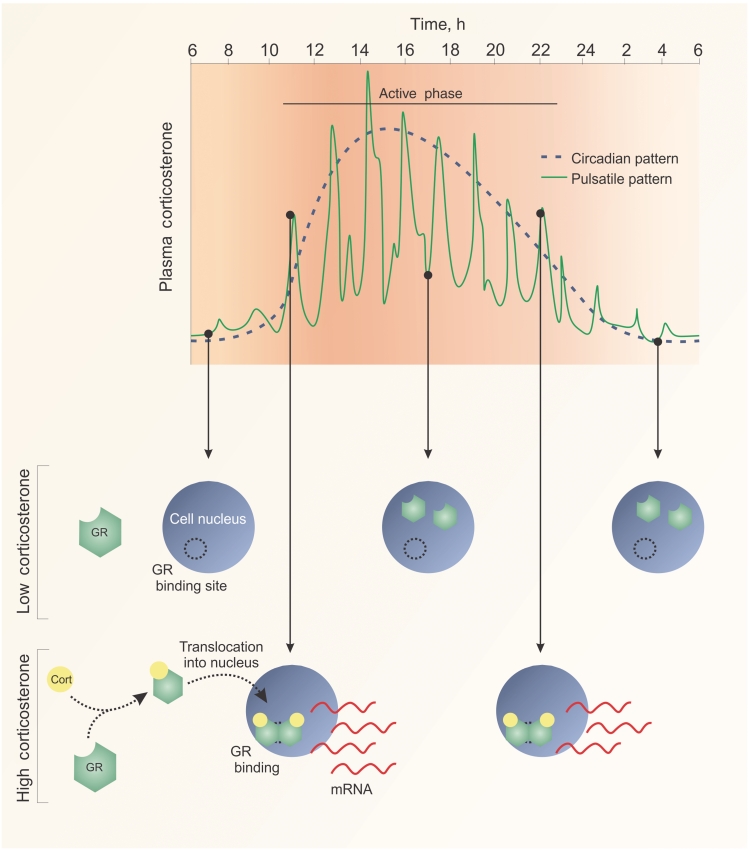
“The synthesis and release of glucocorticoids is under dynamic circadian and ultradian regulation by the hypothalamic-pituitary-adrenal (HPA) axis (Figure 1) [1].”
Dynamics of ACTH and Cortisol Secretion and Implications for Disease
Lightman, S. L., Birnie, M. T., & Conway-Campbell, B. L. (2020) · Endocrine Reviews · doi:10.1210/endrev/bnaa002 · Cited by 439
“Pulses of glucocorticoid have therefore been defined as deterministic for ultradian transcriptional activity, directing ordered recruitment of GR cofactors and the transcriptional machinery to glucocorticoid target genes (96), as shown in Fig.”
Self-citationUnraveling the regulation of hepatic gluconeogenesis
Zhang, X., Yang, S., Chen, J., & Su, Z. (2019) · Frontiers in Endocrinology · doi:10.3389/fendo.2018.00802 · Cited by 314
Glucocorticoid sensitivity in health and disease
Quax, R. A., Manenschijn, L., Koper, J. W., Hazes, J. M., Lamberts, S. W. J., van Rossum, E. F. C., & Feelders, R. A. (2013) · Nature Reviews Endocrinology · doi:10.1038/nrendo.2013.183 · Cited by 310
Petta, I., Dejager, L., Ballegeer, M., Lievens, S., Tavernier, J., De Bosscher, K., & Libert, C. (2016) · Microbiology and Molecular Biology Reviews · doi:10.1128/mmbr.00064-15 · Cited by 203
“This suggests that the physiological interaction between GR and AP-1 is more extensive and more complex than previously realized, with current evidences supporting either enhancement or suppression of GR activity (109).”
Therapeutic host-directed strategies to improve outcome in tuberculosis
Young, C., Walzl, G., & Du Plessis, N. (2020) · Mucosal Immunology · doi:10.1038/s41385-019-0226-5 · Cited by 201
Glucocorticoid receptor signalling activates YAP in breast cancer
Sorrentino, G., Ruggeri, N., Zannini, A., Ingallina, E., Bertolio, R., Marotta, C., Neri, C., Cappuzzello, E., Forcato, M., Rosato, A., et al. (2017) · Nature Communications · doi:10.1038/ncomms14073 · Cited by 176
Fighting the Fire: Mechanisms of Inflammatory Gene Regulation by the Glucocorticoid Receptor
Escoter-Torres, L., Caratti, G., Mechtidou, A., Tuckermann, J. P., Uhlenhaut, N. H., & Vettorazzi, S. (2019) · Frontiers in Immunology · doi:10.3389/fimmu.2019.01859 · Cited by 175
Exploring the Molecular Mechanisms of Glucocorticoid Receptor Action from Sensitivity to Resistance
Ramamoorthy, S., & Cidlowski, J. A. (2013) · Endocrine Development · doi:10.1159/000342502 · Cited by 134
“Some of the well-studied GR coactivators are the SRC family proteins, mediator complex and SWI/SNF complexes [7].”
The circadian clock and glucocorticoids – interactions across many time scales
Dickmeis, T., Weger, B. D., & Weger, M. (2013) · Molecular and Cellular Endocrinology · doi:10.1016/j.mce.2013.05.012 · Cited by 144
“The presence of deregulated ultradian rhythms also in other disease related conditions (reviewed in Biddie et al. (2012), Lightman and ConwayCampbell (2010), Sarabdjitsingh et al. (2012)) suggests that the functional importance of the pulsatile pattern of glucocorticoid release may go beyond the…”
Gassen, N. C., Chrousos, G. P., Binder, E. B., & Zannas, A. S. (2016) · Neuroscience & Biobehavioral Reviews · doi:10.1016/j.neubiorev.2016.06.003 · Cited by 140
Adcock, I. M., & Mumby, S. (2016) · Handbook of experimental pharmacology · doi:10.1007/164_2016_98 · Cited by 131
Mellor, C. L., Steinmetz, F. P., & Cronin, M. (2015) · Critical Reviews in Toxicology · doi:10.3109/10408444.2015.1089471 · Cited by 129
“Studies have shown that when under stress the GR signalling induces glycogenolysis and gluconeogenesis within the liver to replenish glucose levels (Biddie et al. 2012; Jia et al. 2009).”
Glucocorticoid Receptor Signaling Activates TEAD4 to Promote Breast Cancer Progression
He, L., Yuan, L., Sun, Y., Wang, P., Zhang, H., Feng, X., Wang, Z., Zhang, W., Yang, C., Zeng, Y. A., et al. (2019) · Cancer Research · doi:10.1158/0008-5472.can-19-0012 · Cited by 113
Circadian rhythms and tumor growth
Greene, M. W. (2012) · Cancer Letters · doi:10.1016/j.canlet.2012.01.001 · Cited by 112
Song, H., Fall, K., Fang, F., Erlendsdóttir, H., Lu, D., Mataix-Cols, D., Fernández de la Cruz, L., D’Onofrio, B. M., Lichtenstein, P., Gottfreðsson, M., et al. (2019) · BMJ · doi:10.1136/bmj.l5784 · Cited by 93
Glucocorticoids and their receptors: Insights into specific roles in mitochondria
Lee, S., Kim, H. K., Song, I.-S., Youm, J., Dizon, L. A., Jeong, S.-H., Ko, T.-H., Heo, H.-J., Ko, K. S., Rhee, B. D., et al. (2013) · Progress in Biophysics and Molecular Biology · doi:10.1016/j.pbiomolbio.2013.04.001 · Cited by 111
Hua, G., Ganti, K. P., & Chambon, P. (2015) · Proceedings of the National Academy of Sciences · doi:10.1073/pnas.1522826113 · Cited by 106
“, during the rest phase of the circadian cycle) could be beneficial (28, 29).”
Current concepts in glucocorticoid resistance
Yang, N., Ray, D. W., & Matthews, L. C. (2012) · Steroids · doi:10.1016/j.steroids.2012.05.007 · Cited by 106
Xiao, L., Ding, M., Fernandez, A., Zhao, P., Li, J., & Li, X. (2017) · European Cells and Materials · doi:10.22203/ecm.v033a21 · Cited by 104
“However, such treatment has been associated with various unexpected effects such as infection, allergic reaction, malignancy or confounding results (Bhatia et al., 2016) and may affect other important body functions such as development, homeostasis, metabolism and cognition (Biddie et al., 2012).”
The SWI/SNF genetic blockade: effects in cell differentiation, cancer and developmental diseases
Romero, O. A., & Sánchez‐Céspedes, M. (2013) · Oncogene · doi:10.1038/onc.2013.227 · Cited by 98
Gibbison, B., Angelini, G. D., & Lightman, S. L. (2013) · British Journal of Anaesthesia · doi:10.1093/bja/aet077 · Cited by 87
Self-citationAyroldi, E., Macchiarulo, A., & Riccardi, C. (2014) · The FASEB Journal · doi:10.1096/fj.14-254755 · Cited by 86
Mathematical Modelling of Endocrine Systems
Zavala, E., Wedgwood, K. C. A., Voliotis, M., Tabak, J., Spiga, F., Lightman, S. L., & Tsaneva-Atanasova, K. (2019) · Trends in Endocrinology & Metabolism · doi:10.1016/j.tem.2019.01.008 · Cited by 81
Self-citationRussell, G. M., Kalafatakis, K., & Lightman, S. L. (2015) · Journal of Neuroendocrinology · doi:10.1111/jne.12247 · Cited by 68
Self-citationWiley, J. W., Higgins, G. A., & Athey, B. D. (2015) · Neurogastroenterology & Motility · doi:10.1111/nmo.12706 · Cited by 75
Glucocorticoid-Induced Attenuation of the Inflammatory Response in Zebrafish
Chatzopoulou, A., Heijmans, J. P. M., Burgerhout, E., Oskam, N., Spaink, H. P., Meijer, A. H., & Schaaf, M. J. M. (2016) · Endocrinology · doi:10.1210/en.2015-2050 · Cited by 79
Implicating the Role of GILZ in Glucocorticoid Modulation of T-Cell Activation
Cannarile, L., Delfino, D. V., Adorisio, S., Riccardi, C., & Ayroldi, E. (2019) · Frontiers in Immunology · doi:10.3389/fimmu.2019.01823 · Cited by 60
Corticosteroid resistance in asthma: Cellular and molecular mechanisms
Caramori, G., Nucera, F., Mumby, S. E., Bello, F. L., & Adcock, I. M. (2021) · Molecular Aspects of Medicine · doi:10.1016/j.mam.2021.100969 · Cited by 73
A Time for Metabolism and Hormones
(2016) · Research and Perspectives in Endocrine Interactions · doi:10.1007/978-3-319-27069-2 · Cited by 65
Cavigelli, S. A., & Chaudhry, H. S. (2012) · Hormones and Behavior · doi:10.1016/j.yhbeh.2012.07.006 · Cited by 70
Glucocorticoids modulate human brown adipose tissue thermogenesis in vivo
Scotney, H., Symonds, M. E., Law, J., Budge, H., Sharkey, D., & Manolopoulos, K. N. (2017) · Metabolism · doi:10.1016/j.metabol.2017.01.024 · Cited by 69
“[27] Biddie SC, Conway-Campbell BL, Lightman SL.”
Laryea, G., Muglia, L., Arnett, M., & Muglia, L. J. (2015) · Frontiers in Neuroendocrinology · doi:10.1016/j.yfrne.2014.09.002 · Cited by 54
Stevens, A., Hanson, D., Whatmore, A., Destenaves, B., Chatelain, P., & Clayton, P. (2013) · BMC Genomics · doi:10.1186/1471-2164-14-547 · Cited by 65
“as a transcription factor) and not mediated by cell surface receptors; tissue specificity is modulated by enzymatic conversion of the ligand to an inactive form (cortisol to cortisone), tissue-specific expression of co-regulators and/or epigenetic effects [50,51].”
Walker, S. E., Papilloud, A., Huzard, D., & Sandi, C. (2018) · Neuroscience & Biobehavioral Reviews · doi:10.1016/j.neubiorev.2016.10.008 · Cited by 49
“Through association with GR responsive elements, or with other transcription factors, these activated receptors induce or repress expression of genes critical for the modulation of development, homeostasis, inflammation, metabolism and cognition (Biddie et al., 2012; de Kloet, 2013).”
Præstholm, S. M., Correia, C. M., & Grøntved, L. (2020) · Frontiers in Endocrinology · doi:10.3389/fendo.2020.572981 · Cited by 49
“As many other hormones, including growth hormone and insulin (6, 7), GCs are secreted in an ultradian pattern with pulsatile secretion once every 60 to 90min, as a result of feedback and feedforward mechanisms between ACTH, CRH and GC secretion keeping GC levels in a physiological range (4, 8, 9).”
Rhythms Within Rhythms: The Importance of Oscillations for Glucocorticoid Hormones
Lightman, S. L. (2016) · Research and perspectives in endocrine interactions · doi:10.1007/978-3-319-27069-2_10 · Cited by 45
Self-citationReduced Glucocorticoid Receptor Protein Expression in Children with Critical Illness
Indyk, J. A., Candido-Vitto, C., Wolf, I. M., Venkataraman, S., Munoz, R., Saladino, R. A., Witchel, S. F., & DeFranco, D. B. (2013) · Hormone Research in Paediatrics · doi:10.1159/000348290 · Cited by 41
Kalafatakis, K., Russell, G. M., Ζάρρος, Α., & Lightman, S. L. (2015) · Neuroscience & Biobehavioral Reviews · doi:10.1016/j.neubiorev.2015.11.009 · Cited by 44
“, 2013) or GC-GR and GC-MR complexes that may regulate their signalling efficiency or cellular compartmentalization, and (v) the recruitment of other transcriptional co-activators or co-suppressors, as well as interaction with epigenetic mechanisms that define transcriptional selectivity (de Kloet et al., 2009; Biddie…”
Self-citationFinn, D. A., Hashimoto, J. G., Cozzoli, D. K., Helms, M. L., Nipper, M. A., Kaufman, M. N., Wiren, K. M., & Guizzetti, M. (2018) · Frontiers in Genetics · doi:10.3389/fgene.2018.00325 · Cited by 42
“…IL-8) and completely blocked the protective effect of the synthetic glucocorticoid dexamethasone in a model of lethal, endotoxic shock induced by lipopolysaccharide (Calandra et al., 1995), providing evidence that the regulatory effect of MIF on glucocorticoid immunosuppression occurs in vivo.”
Arango-Lievano, M., & Jeanneteau, F. D. (2016) · Pharmacological Research · doi:10.1016/j.phrs.2016.08.005 · Cited by 41
When should I eat: A circadian view on food intake and metabolic regulation
Chamorro, R., Jouffe, C., Oster, H., Uhlenhaut, N. H., & Meyhöfer, S. M. (2023) · Acta Physiologica · doi:10.1111/apha.13936 · Cited by 40
Arango-Lievano, M., Peguet, C., Catteau, M., Parmentier, M., Wu, S. H., Chao, M. V., Ginsberg, S. D., & Jeanneteau, F. D. (2016) · Scientific Reports · doi:10.1038/srep37231 · Cited by 40
“63, effect of 1NaPP1 (TrkB[F669A] inactivation) compared to water control (CTR) F(1,16) = 1.”
InfluentialCooper, C. C., Bardin, T., Brandi, M. L., Cacoub, P., Caminis, J. N., Civitelli, R., Cutolo, M., Dere, W. H., Devogelaer, J., Díez‐Pérez, A., et al. (2016) · Aging Clinical and Experimental Research · doi:10.1007/s40520-015-0522-1 · Cited by 39
Wu, D., Ou, C. Y., Chodankar, R., Siegmund, K. D., & Stallcup, M. R. (2014) · Nuclear Receptor Signaling · doi:10.1621/nrs.12002 · Cited by 37
Novel Treatment of Neuroinflammation Against Low Back Pain by Soluble Fullerol Nanoparticles
Liu, Q., Jin, L., Mahon, B. H., Chordia, M. D., Shen, F. H., & Li, X. J. (2013) · Spine · doi:10.1097/brs.0b013e31828fc6b7 · Cited by 37
Circadian and ultradian rhythms: Clinical implications
Lightman, S. L., & Conway-Campbell, B. L. (2024) · Journal of Internal Medicine · doi:10.1111/joim.13795 · Cited by 35
“…GR responsiveness and keep gene expression within a limited range – thus minimizing aberrant overexpression risks, and allowing for rapid termination of transcriptional responses when GC levels change – for example, when GC levels plum-met as the inactive phase of the day approaches [7, 54, 55].”
Self-citationSarafoglou, K., Merke, D. P., Reisch, N., der Grinten, H. L. C., Falhammar, H., & Auchus, R. J. (2023) · The Journal of Clinical Endocrinology & Metabolism · doi:10.1210/clinem/dgad134 · Cited by 36
George, C. L., Birnie, M. T., Flynn, B. P., Kershaw, Y. M., Lightman, S. L., & Conway-Campbell, B. L. (2016) · Molecular and Cellular Endocrinology · doi:10.1016/j.mce.2016.10.019 · Cited by 35
Self-citationMuñoz‐Carrillo, J. L., Contreras‐Cordero, J. F., Muñoz‐López, J. L., Tapia, C. H. M., Muñoz‐Escobedo, J. J., & Moreno‐García, M. A. (2017) · Parasite Immunology · doi:10.1111/pim.12448 · Cited by 32
Bienvenu, L. A., Reichelt, M. E., Delbridge, L. M. D., & Young, M. J. (2013) · Clinical Science · doi:10.1042/cs20130050 · Cited by 32
Litwack, G. (2017) · Elsevier eBooks · doi:10.1016/b978-0-12-383864-3.00016-8 · Cited by 30
den Boon, F. S., & Sarabdjitsingh, R. A. (2017) · Best Practice & Research Clinical Endocrinology & Metabolism · doi:10.1016/j.beem.2017.09.001 · Cited by 29
Role of Endogenous Glucocorticoids in Cancer in the Elderly
Ayroldi, E., Cannarile, L., Adorisio, S., Delfino, D. V., & Riccardi, C. (2018) · International Journal of Molecular Sciences · doi:10.3390/ijms19123774 · Cited by 29
Glucocorticoid and PD-1 Cross-Talk: Does the Immune System Become Confused?
Adorisio, S., Cannarile, L., Delfino, D. V., & Ayroldi, E. (2021) · Cells · doi:10.3390/cells10092333 · Cited by 28
Xenobiotics and the Glucocorticoid Receptor
Gulliver, L. (2017) · Toxicology and Applied Pharmacology · doi:10.1016/j.taap.2017.02.003 · Cited by 29
Liu, L., Panzitt, K., Racedo, S., Wagner, M., Platzer, W., Zaufel, A., Theiler‐Schwetz, V., Obermayer-Pietsch, B. M., Müller, H., Höfler, G., et al. (2019) · Liver International · doi:10.1111/liv.14052 · Cited by 28
Téllez-Arévalo, A. M., Quaye, A., Rojas-Rodríguez, L. C., Poole, B. D., Baracaldo-Santamaría, D., & Freitas, C. M. T. (2022) · Medicina · doi:10.3390/medicina59010056 · Cited by 29
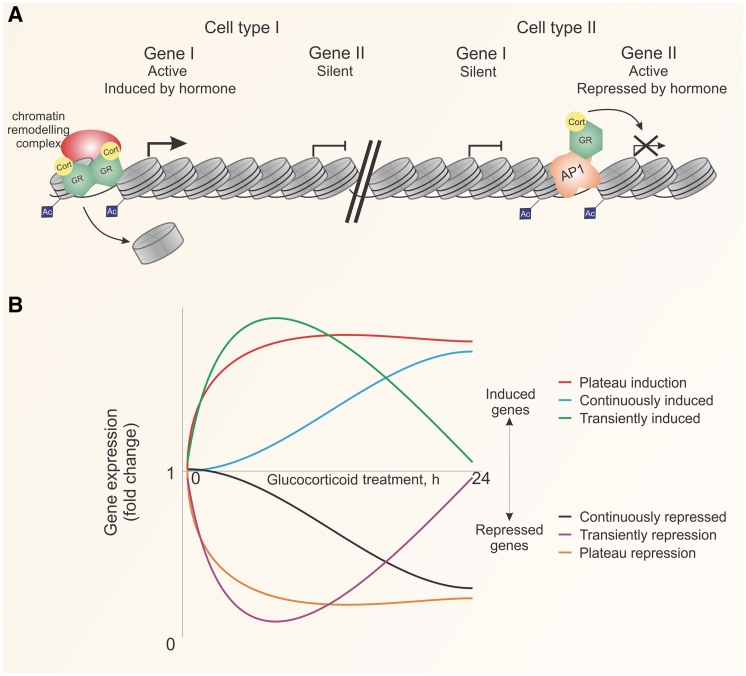
“Another form of transrepression occurs through the GC-GCR complex binding directly to DNA sites (composite GREs), alongside AP-1 on its promoter, and hindering the expression of AP-1 target pro-inflammatory genes [44,45,52,53] (see Figure 2).”
Cardio‐metabolic consequences of glucocorticoid replacement: relevance of ultradian signalling
Henley, D., & Lightman, S. L. (2014) · Clinical Endocrinology · doi:10.1111/cen.12422 · Cited by 25
Self-citationXiao, L., Hong, K., Roberson, C., Ding, M., Fernandez, A., Shen, F. H., Jin, L., Sonkusare, S. K., & Li, X. J. (2017) · ACS Biomaterials Science & Engineering · doi:10.1021/acsbiomaterials.7b00735 · Cited by 26
Time matters – Acute stress response and glucocorticoid sensitivity in early multiple sclerosis
Kern, S., Rohleder, N., Eisenhofer, G., Lange, J., & Ziemssen, T. (2014) · Brain Behavior and Immunity · doi:10.1016/j.bbi.2014.04.006 · Cited by 25
Lee, B. H., & Stallcup, M. R. (2017) · Journal of Biological Chemistry · doi:10.1074/jbc.m117.782607 · Cited by 25
How to tame your genes: mechanisms of inflammatory gene repression by glucocorticoids
Strickland, B. A., Ansari, S. A., Dantoft, W., & Uhlenhaut, N. H. (2022) · FEBS Letters · doi:10.1002/1873-3468.14409 · Cited by 25
Drew, J. E. (2012) · Advances in Nutrition · doi:10.3945/an.112.002121 · Cited by 24
“Cellular defense systems Humans have 5 key interlinked cellular defense systems: the immune system (32), the inflammatory response (33), redox regulation (1,34), metabolism (2,7,35), and DNA repair (3,4).”
Plesa, M., Gagné, V., Glisovic, S., Younan, M., Sharif-Askari, B., Laverdière, C., Alos, N., Leclerc, J., Sallan, S. E., Neuberg, D. S., et al. (2017) · The Pharmacogenomics Journal · doi:10.1038/s41397-017-0002-4 · Cited by 24
Muñoz‐Carrillo, J. L., Muñoz‐López, J. L., Muñoz‐Escobedo, J. J., Tapia, C. H. M., Gutiérrez‐Coronado, O., Contreras‐Cordero, J. F., & Moreno‐García, M. A. (2017) · Korean Journal of Parasitology · doi:10.3347/kjp.2017.55.6.587 · Cited by 23
Current Aspects in Trichinellosis
Muñoz‐Carrillo, J. L., Tapia, C. H. M., Luna, M. A. L., Muñoz‐Escobedo, J. J., Torre, J. A. F.-D. L., & Moreno-García, A. (2019) · IntechOpen eBooks · doi:10.5772/intechopen.80372 · Cited by 23
“GC are potent anti-inflammatory drugs, which regulate transcriptional pathways in diverse cellular contexts such as development, homeostasis, metabolism and inflammation [120].”
Caramori, G., Mumby, S. E., Girbino, G., Chung, K. F., & Adcock, I. M. (2019) · Springer eBooks · doi:10.1007/978-3-030-10811-3_32 · Cited by 22
Endothelial glucocorticoid receptor promoter methylation according to dexamethasone sensitivity
Mata‐Greenwood, E., Jackson, P. N., Pearce, W. J., & Zhang, L. (2015) · Journal of Molecular Endocrinology · doi:10.1530/jme-15-0124 · Cited by 22
Coregulator profiling of the glucocorticoid receptor in lymphoid malignancies
Clarisse, D., Thommis, J., Wesemael, K. V., Houtman, R., Ratman, D., Tavernier, J. H., Offner, F. C., Beck, I. M. E., & Bosscher, K. D. (2017) · Oncotarget · doi:10.18632/oncotarget.22764 · Cited by 17
Mechanisms of Glucocorticoid Resistance in Idiopathic Nephrotic Syndrome
Che, R., & Zhang, A. (2013) · Kidney & Blood Pressure Research · doi:10.1159/000350163 · Cited by 18
Watermeyer, T., Robb, C. E., Gregory, S., & Udeh‐Momoh, C. T. (2020) · Frontiers in Neuroendocrinology · doi:10.1016/j.yfrne.2020.100877 · Cited by 16
“6 secretion is maladaptive and there are many ramifications of the prolonged presentation of GCs to target organs (Biddie et al., 2012; Di Dalmazi et al., 2012; Green et al., 2006).”
Osteoporosis under psychological stress: mechanisms and therapeutics
Xu, H., Liu, J.-X., Zhou, Z.-K., Zheng, C., Sui, B., Yuan, Y., Kong, L., Jin, Y. J., & Chen, J. (2024) · Life Medicine · doi:10.1093/lifemedi/lnae009 · Cited by 15
Bisphenols: Endocrine Disruptors and Their Impact on Fish: A Review
Peskova, N., & Blahová, J. (2025) · Fishes · doi:10.3390/fishes10080365 · Cited by 15
Parasites and Parasitic Diseases
Bastidas, G. A. (2019) · IntechOpen eBooks · doi:10.5772/intechopen.73726 · Cited by 15
Mata‐Greenwood, E., Stewart, J. M., Steinhorn, R. H., & Pearce, W. J. (2013) · Arteriosclerosis Thrombosis and Vascular Biology · doi:10.1161/atvbaha.113.301247 · Cited by 15
Correia, C. M., Præstholm, S. M., Havelund, J. F., Pedersen, F. B., Siersbæk, M. S., Ebbesen, M. F., Gerhart‐Hines, Z., Heeren, J., Brewer, J. R., Larsen, S., et al. (2023) · Endocrinology · doi:10.1210/endocr/bqad128 · Cited by 14
Psychological stress-activated NR3C1/NUPR1 axis promotes ovarian tumor metastasis
Liu, B., Deng, W.-Z., Hu, W., Lu, R.-X., Zhang, Q.-Y., Gao, C.-F., Huang, X.-J., Liao, W.-G., Gao, J. H., Liu, Y., et al. (2025) · Acta Pharmaceutica Sinica B · doi:10.1016/j.apsb.2025.04.001 · Cited by 13
“GC exerts its effects by binding to NR3C1, inducing its translocation into the nucleus, where NR3C1 functions as a transcription factor that either positively or negatively regulates the expression of GC-responsive genes 14 .”
Chen, H., Zhou, R., Pang, J., Guo, Y., Chen, J. C., Kang, Y., Duan, M., & Hou, T. (2021) · Journal of Chemical Information and Modeling · doi:10.1021/acs.jcim.1c00150 · Cited by 12
Woods‐Burnham, L., Stiel, L., Martinez, S. R., Sanchez-Hernández, E. S., Ruckle, H. C., Almaguel, F. G., Stern, M. C., Roberts, L. R., Williams, D. R., Montgomery, S., et al. (2020) · PubMed · Cited by 13
Steroids for LBP – from rationale to inconvenient truth
Balagué, F., Piguet, V., & Dudler, J. (2012) · Swiss Medical Weekly · doi:10.4414/smw.2012.13566 · Cited by 12
Veličković, N. A., Drakulić, D., Petrović, S., Grković, I., Milošević, M. S., Stanojlović, M., & Horvat, A. (2012) · Cellular and Molecular Neurobiology · doi:10.1007/s10571-012-9843-1 · Cited by 12
Gamal, N., Bakly, W. M. S. E., Saad, S. S. T., El-Waseef, D. A. E.-D. A., El‐Shal, A. S., Morsy, W. E., & Magdy, Y. (2025) · Naunyn-Schmiedeberg s Archives of Pharmacology · doi:10.1007/s00210-025-04136-5 · Cited by 11
“Furthermore, CRS down-regulates the expression of glucocorticoid receptors (Chiba et al. 2012) and leads to sustained increased exposure which becomes maladaptive causing wide range of disease states (Biddie et al. 2012).”
Stress as the basis of polymorbidity and ways to correct it in the early stages
Polyakova, O. A., Krotkova, I. F., Litvinova, S. N., & Ostroumova, O. D. (2022) · Meditsinskiy sovet = Medical Council · doi:10.21518/2079-701x-2022-16-21-96-105 · Cited by 10
Liddicoat, D. R., Kyparissoudis, K., Berzins, S. P., Cole, T. J., & Godfrey, D. I. (2014) · Immunology and Cell Biology · doi:10.1038/icb.2014.57 · Cited by 9
Xia, L., Liu, J., Sun, Y., Shi, H., Yang, G., Feng, Y., & Yin, S. (2019) · Mediators of Inflammation · doi:10.1155/2019/7915730 · Cited by 9
Lovejoy, D. A., & Baršytė-Lovejoy, D. (2013) · Progress in Biophysics and Molecular Biology · doi:10.1016/j.pbiomolbio.2013.02.002 · Cited by 9
Lee, B. H., & Stallcup, M. R. (2018) · PLoS ONE · doi:10.1371/journal.pone.0196965 · Cited by 9
Sun, Z., Liu, M., Zou, H., Li, X., Shao, G., & Zhao, R. (2013) · Veterinary Microbiology · doi:10.1016/j.vetmic.2013.08.022 · Cited by 8
Ideo, F., Niazi, S. A., Chessa, L., Miglianti, M., Bardini, G., Mannocci, F., & Cotti, E. (2024) · Journal of Endodontics · doi:10.1016/j.joen.2024.02.026 · Cited by 7
Nocentini, G., Migliorati, G., & Riccardi, C. (2015) · Springer eBooks · doi:10.1007/978-3-319-16056-6_4 · Cited by 7
Paul, S. N., Visser, A. D., Motta, F., Rivers, C. A., Pooley, J. R., Lightman, S. L., & Meijer, O. C. (2024) · Steroids · doi:10.1016/j.steroids.2024.109524 · Cited by 6
Self-citationde la Rosa, R., Vazquez, S., Tachachartvanich, P., Daniels, S. I., Sillé, F. C. M., & Smith, M. T. (2020) · Environmental Toxicology and Chemistry · doi:10.1002/etc.4903 · Cited by 6
Deciphering signal transduction networks in the liver by mechanistic mathematical modelling
D’Alessandro, L. A., Klingmüller, U., & Schilling, M. (2022) · Biochemical Journal · doi:10.1042/bcj20210548 · Cited by 6
Antoniassi, J. Q., Fochi, R. A., Góes, R. M., Vilamaior, P. S. L., & Taboga, S. R. (2017) · International Journal of Experimental Pathology · doi:10.1111/iep.12232 · Cited by 6
“Although they are very widely used it is known that prolonged use can cause several adverse effects, especially the circulatory system and glucose homeostasis (Biddie et al. 2011).”
Zimmerman, J. A. O., Fang, M., Doumbia, B., Neyman, A., Cha, J. H., Thomas, M. A., Hall, B. L., Wu, M., Wilson, A. M., & Pufall, M. A. (2020) · RSC Medicinal Chemistry · doi:10.1039/d0md00278j · Cited by 6
Cao, J., Hu, W., Chen, Y., Ailikaiti, A., Zhang, Z., Li, R., Yu, H., & Wang, H. (2025) · Advanced Science · doi:10.1002/advs.202413299 · Cited by 5
Adcock, I. M., & Chung, K. F. (2014) · Elsevier eBooks · doi:10.1016/b978-0-323-08593-9.00100-5 · Cited by 5
Metadata
- Authors
- Biddie, S. C., Conway-Campbell, B. L., & Lightman, S. L.
- Affiliations
- University of Bristol (GB)
- Corresponding author
- Lightman, S. L.
- Venue
- Rheumatology
- Publisher
- Oxford University Press (OUP)
- Published
- 2011-09-03
- Volume
- 51
- Issue
- 3
- Pages
- 403-412
- ISSN
- 1462-0324 (ISSN-L)
- 1462-0332
- PMC
- PMC3281495
- OpenAlex
- W2135368430
- Semantic Scholar
- 926ae64fd3ca1baa9ec3bdde1fb4c82316c8d499
- Cited by
- 143
- References
- 93
- Citations by year
- 2026: 3 · 2025: 5 · 2024: 8 · 2023: 5 · 2022: 6 · 2021: 9 · 2020: 8 · 2019: 12 · 2018: 6 · 2017: 16 · 2016: 15 · 2015: 9 · 2014: 15 · 2013: 18 · 2012: 7
- FWCI
- 1.38
- Type
- journal article
- Language
- en
- Open access
- hybrid
- doi.org
- Licence
- cc-by-nc
- Locations
- Lara D. Veeken (publishedVersion, cc-by-nc)
- Europe PMC (PubMed Central) (publishedVersion, cc-by-nc)
- PubMed Central (publishedVersion, cc-by-nc)
- PubMed (publishedVersion)
- Explore Bristol Research (submittedVersion)
- Bristol Research (University of Bristol) (submittedVersion)
- Funders
- Wellcome Trust (089647, 089647/Z/09/cZ, 089647/Z/09/c)
- Biotechnology and Biological Sciences Research Council (BB/H015779/1)
- Topics
- Life Sciences › Biochemistry, Genetics and Molecular Biology › Endocrinology › Estrogen and related hormone effects
- Health Sciences › Medicine › Endocrinology, Diabetes and Metabolism › Adrenal Hormones and Disorders
- Life Sciences › Neuroscience › Behavioral Neuroscience › Stress Responses and Cortisol
- Keywords
- glucocorticoid receptor, glucocorticoid signaling, chromatin structure, epigenetics, genetic variation, glucocorticoid secretion, glucocorticoid sensitivity, glucocorticoid resistance, glucocorticoid adverse effects, inflammation, metabolism
- MeSH terms
- Drug Resistance, Glucocorticoids, Humans, Receptors, Glucocorticoid, Signal Transduction
About these checks
Registry, retraction, Cites and statistics results are computed, not judged, with one exception: a printed reference that no index lists is read once by a model before it counts as a citation error. Claims are extracted by a model and kept only when their quote appears verbatim in the text; each cited source is then checked, with a model’s help, for whether it says what the claim relies on. Those verdicts can be wrong — read the claim’s quote and the cited source before relying on one.
Statistics and arithmetic are recomputed, not judged.
Confidence bands are shown only for fields calibrated on our annotated test set. None is calibrated yet, so no band is shown.
What counts as a claim ›How we measure confidence ›How we check this ›
Are you an author, or do you see a problem with this page? Request a review
Data sources
Bibliographic data: Semantic Scholar, OpenAlex, Crossref.
Contains information from the Semantic Scholar Academic Graph Datasets, made available under the ODC Attribution License (ODC-BY 1.0).
Semantic Scholar’s data is described in: Kinney, R., et al. (2023). The Semantic Scholar Open Data Platform. arXiv:2301.10140.
