

Human Induced Pluripotent Stem Cells: From Cell Origin, Genomic Stability, and Epigenetic Memory to Translational Medicine
Open accessThe DOI matches its Crossref record; 88 of the 88 references it cites were found in a registry or an index.
Abstract
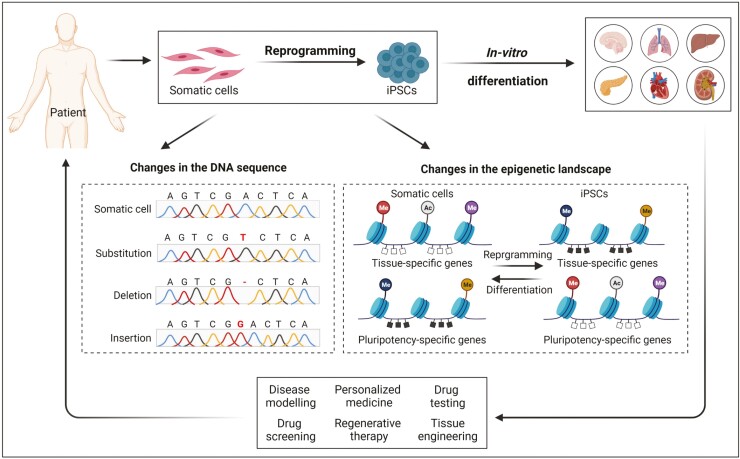
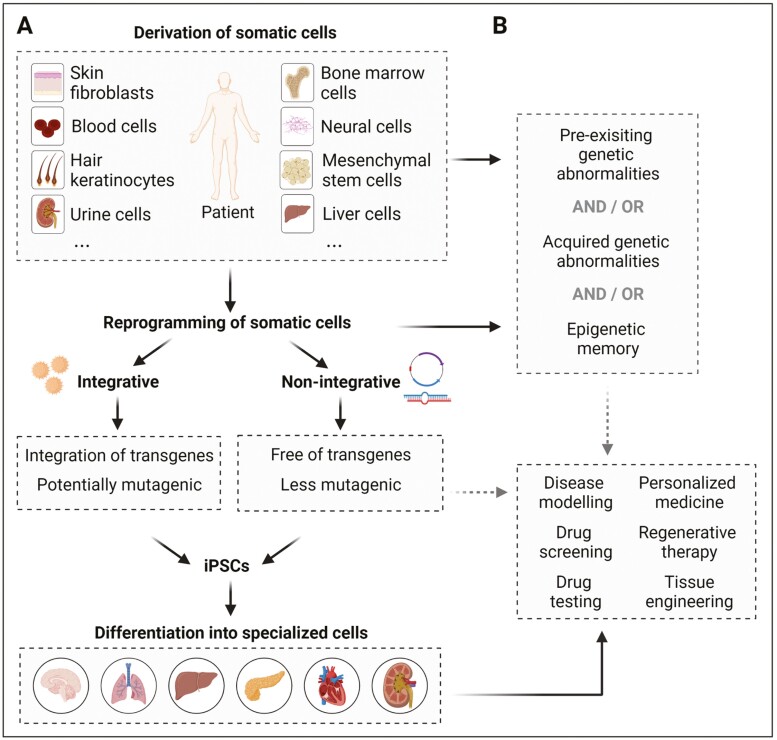
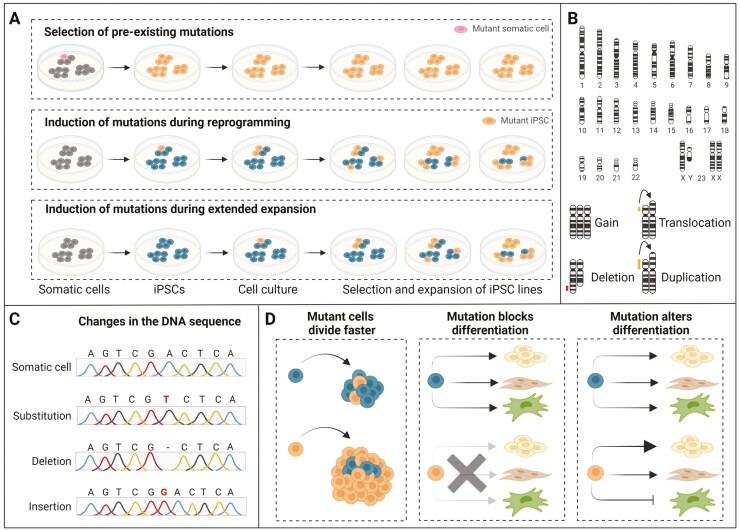
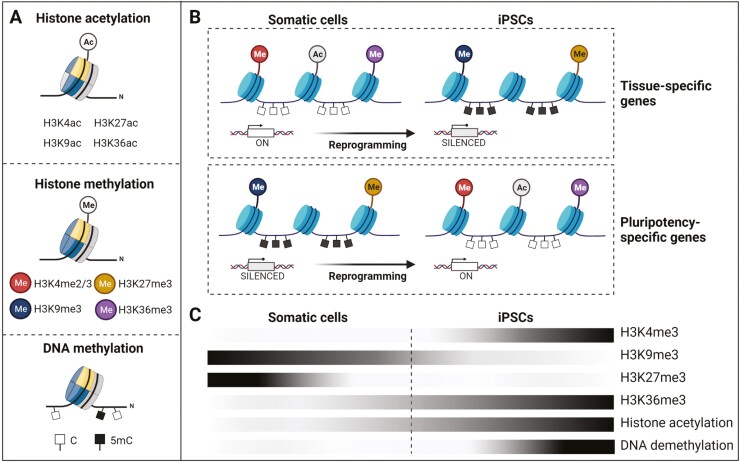
The potential of human induced pluripotent stem cells (iPSCs) to self-renew indefinitely and to differentiate virtually into any cell type in unlimited quantities makes them attractive for in vitro disease modeling, drug screening, personalized medicine, and regenerative therapies. As the genome of iPSCs thoroughly reproduces that of the somatic cells from which they are derived, they may possess genetic abnormalities, which would seriously compromise their utility and safety. Genetic aberrations could be present in donor somatic cells and then transferred during iPSC generation, or they could occur as de novo mutations during reprogramming or prolonged cell culture. Therefore, to warrant the safety of human iPSCs for clinical applications, analysis of genetic integrity, particularly during iPSC generation and differentiation, should be carried out on a regular basis. On the other hand, reprogramming of somatic cells to iPSCs requires profound modifications in the epigenetic landscape. Changes in chromatin structure by DNA methylations and histone tail modifications aim to reset the gene expression pattern of somatic cells to facilitate and establish self-renewal and pluripotency. However, residual epigenetic memory influences the iPSC phenotype, which may affect their application in disease therapeutics. The present review discusses the somatic cell origin, genetic stability, and epigenetic memory of iPSCs and their impact on basic and translational research.
Overview
The claims and statistics of this paper haven’t been checked yet.
Free: it reads the open-access text and checks the first 5 claims that cite a source we can check. Create a free account to check every claim.
Integrity signals
Registry
Cites
Statistics
Figures
Verification
Claims the paper makes
The claims and statistics of this paper haven’t been checked yet.
Free: it reads the open-access text and checks the first 5 claims that cite a source we can check. Create a free account to check every claim.
Claims other papers make about this one
Each is checked against this paper’s own text: does it say what the citing paper says it does?
The cited source says what the claim attributes to it.
In the citing paper
“Reprogramming may also partially erase or leave residual aspects of donorspecific epigenetic memory (Scesa et al. 2021;Li and Darabi 2022;Poetsch et al. 2022).”
From Primary cell cultures versus immortalized cell lines: critical comparative insights into biological fidelity and translational applications (2026) · cites this paper as Poetsch et al. 2022
Self-check
Percentages, sums and reported differences re-computed from the paper’s own numbers.
The self-check needs the paper’s full text.
Citations
Cites
Takahashi, K., & Yamanaka, S. (2006) · Cell · doi:10.1016/j.cell.2006.07.024 · Cited by 26,673
Induction of Pluripotent Stem Cells from Adult Human Fibroblasts by Defined Factors
Takahashi, K., Tanabe, K., Ohnuki, M., Narita, M., Ichisaka, T., Tomoda, K., & Yamanaka, S. (2007) · Cell · doi:10.1016/j.cell.2007.11.019 · Cited by 20,221
Induced Pluripotent Stem Cell Lines Derived from Human Somatic Cells
Yu, J., Vodyanik, M. A., Smuga-Otto, K., Antosiewicz-Bourget, J., Frane, J. L., Tian, S., Nie, J., Jonsdottir, G. A., Ruotti, V., Stewart, R., et al. (2007) · Science · doi:10.1126/science.1151526 · Cited by 10,310 · cited 1×
“10 Currently, blood cells and skin fibroblasts are the most commonly used cell types for reprogramming because (1) they are easy to obtain, (2) conditions for the initial culture of these cells are well established, (3) reprogramming methods for these cells are successfully standardized, and (4) iPSC banking has been…”
BackgroundGenome-wide maps of chromatin state in pluripotent and lineage-committed cells
Mikkelsen, T. S., Ku, M., Jaffe, D. B., Issac, B., Lieberman, E., Giannoukos, G., Alvarez, P., Brockman, W., Kim, T.-K., Koche, R. P., et al. (2007) · Nature · doi:10.1038/nature06008 · Cited by 4,129
Generation of Human Induced Pluripotent Stem Cells by Direct Delivery of Reprogramming Proteins
Kim, D., Kim, C.-H., Moon, J.-I., Chung, Y.-G., Chang, M.-Y., Han, B.-S., Ko, S., Yang, E., Cha, K. Y., Lanza, R., et al. (2009) · Cell stem cell · doi:10.1016/j.stem.2009.05.005 · Cited by 1,814
Generation of Induced Pluripotent Stem Cells Using Recombinant Proteins
Zhou, H., Wu, S., Joo, J. Y., Zhu, S., Han, D. W., Lin, T., Trauger, S., Bien, G., Yao, S., Zhu, Y., et al. (2009) · Cell stem cell · doi:10.1016/j.stem.2009.04.005 · Cited by 1,788
Maherali, N., Sridharan, R., Xie, W., Utikal, J., Eminli, S., Arnold, K., Stadtfeld, M., Yachechko, R., Tchieu, J., Jaenisch, R., et al. (2007) · Cell stem cell · doi:10.1016/j.stem.2007.05.014 · Cited by 1,725
Hotspots of aberrant epigenomic reprogramming in human induced pluripotent stem cells
Lister, R., Pelizzola, M., Kida, Y. S., Hawkins, R. D., Nery, J. R., Hon, G., Antosiewicz-Bourget, J., O’Malley, R., Castanon, R., Klugman, S., et al. (2011) · Nature · doi:10.1038/nature09798 · Cited by 1,549
Autologous Induced Stem-Cell–Derived Retinal Cells for Macular Degeneration
Mandai, M., Watanabe, A., Kurimoto, Y., Hirami, Y., Morinaga, C., Daimon, T., Fujihara, M., Akimaru, H., Sakai, N., Shibata, Y., et al. (2017) · New England Journal of Medicine · doi:10.1056/nejmoa1608368 · Cited by 1,509
Somatic coding mutations in human induced pluripotent stem cells
Gore, A., Li, Z., Fung, H.-L., Young, J. E., Agarwal, S., Antosiewicz-Bourget, J., Canto, I., Giorgetti, A., Israel, M. A., Kiskinis, E., et al. (2011) · Nature · doi:10.1038/nature09805 · Cited by 1,273
Cited by
Exploring the promising potential of induced pluripotent stem cells in cancer research and therapy
Chehelgerdi, M., Behdarvand Dehkordi, F., Chehelgerdi, M., Kabiri, H., Salehian-Dehkordi, H., Abdolvand, M., Salmanizadeh, S., Rashidi, M., Niazmand, A., Ahmadi, S., et al. (2023) · Molecular Cancer · doi:10.1186/s12943-023-01873-0 · Cited by 175
Vascular organoids: unveiling advantages, applications, challenges, and disease modelling strategies
Naderi‐Meshkin, H., Cornelius, V. A., Eleftheriadou, M., Potel, K. N., Setyaningsih, W. A. W., & Margariti, A. (2023) · Stem Cell Research & Therapy · doi:10.1186/s13287-023-03521-2 · Cited by 108
Revolutionizing Disease Modeling: The Emergence of Organoids in Cellular Systems
Silva-Pedrosa, R., Salgado, A. J., & Ferreira, P. E. (2023) · Cells · doi:10.3390/cells12060930 · Cited by 84
Gerli, M., Calà, G., Beesley, M. A., Sina, B., Tullie, L., Sun, K. Y., Panariello, F., Michielin, F., Davidson, J., Russo, F. M., et al. (2024) · Nature Medicine · doi:10.1038/s41591-024-02807-z · Cited by 56
Targeting epigenetic dysregulation in autism spectrum disorders
Herrera, M. L., Paraíso‐Luna, J., Bustos-Martínez, I., & Barco, Á. (2024) · Trends in Molecular Medicine · doi:10.1016/j.molmed.2024.06.004 · Cited by 51
Molecular Mechanisms and Clinical Application of Multipotent Stem Cells for Spinal Cord Injury
Szymoniuk, M., Litak, J., Sakwa, L., Dryla, A., Zezuliński, W., Czyżewski, W., Kamieniak, P., & Blicharski, T. (2022) · Cells · doi:10.3390/cells12010120 · Cited by 44
“Artificially generated iPSCs avoid ethical problems associated with ESCs harvested from human embryos and maintain the beneficial capabilities of ESCs [62].”
BackgroundInfluentialCell-engineered technologies for wound healing and tissue regeneration
Nayak, M., Banerjee, D., Vangala, V., Nethi, S. K., Barui, A. K., & Mukherjee, S. (2025) · npj Biomedical Innovations. · doi:10.1038/s44385-025-00042-w · Cited by 47
“Advances in CRISPR editing and epigenetic resetting are re fi ning differentiation ef fi ciency, positioning iPSCs as a transformative tool for personalized, off-the-shelf regenerative solutions that address the multicellular complexity of chronic wounds 47 .”
Metabolic and Mitochondrial Dysregulations in Diabetic Cardiac Complications
Tashkandi, A. J. A., Gorman, A., Mathers, E. M., Carney, G., Yacoub, A., Setyaningsih, W. A. W., Kuburas, R., & Margariti, A. (2025) · International Journal of Molecular Sciences · doi:10.3390/ijms26073016 · Cited by 38
“These epigenetic alterations allow the iPSCs to be cultured in non-diabetic conditions with minimal stressful conditions, and as iPS-Cos, they would still exhibit a full spectrum of altered functions similar to the diabetic picture under current investigation [318,319].”
Khan, N. M., Díaz‐Hernández, M. E., Chihab, S., Priyadarshani, P., Bhattaram, P., Mortensen, L. J., Guzzo, R. M., & Drissi, H. (2023) · eLife · doi:10.7554/elife.83138 · Cited by 37
Alidadi, M., Barzgar, H., Zaman, M., Paevskaya, O. A., Metanat, Y., Khodabandehloo, E., & Moradi, V. (2024) · Frontiers in Cell and Developmental Biology · doi:10.3389/fcell.2024.1491282 · Cited by 41
“Generally, irrespective of initial somatic cell type, reprogramming is a cumbersome process in which, in ideal conditions, its ef fi ciency is just up to 4% (Poetsch et al., 2022).”
Polit, L. D., Eidhof, I., McNeill, R. V., Warre-Cornish, K. M., Ohki, C. M. Y., Walter, N. M., Sala, C., Verpelli, C., Radtke, F., Galderisi, S., et al. (2023) · Neuroscience Applied · doi:10.1016/j.nsa.2023.101125 · Cited by 35
“However, late-passage cells show minimal bias to their differentiation potential, demonstrating that epigenetic memory is attenuated over multiple passages (de Boni et al., 2018; Efrat, 2020; Poetsch et al., 2022).”
Yin, X., Li, Q., Shu, Y., Wang, H., Thomas, B., Maxwell, J. T., & Zhang, Y. (2024) · Journal of Biomedical Science · doi:10.1186/s12929-024-01035-4 · Cited by 45
“USCs exhibit potential for superior differentiation, making them valuable for studying mechanisms underlying both common and rare genetic diseases, as well as for drug screening purposes [152].”
BackgroundDias, I. X., Cordeiro, A., Guimaräes, J. A. M., & Silva, K. R. (2023) · Biomolecules · doi:10.3390/biom13091342 · Cited by 26
The Roles of Micro‐ and Nanoscale Materials in Cell‐Engineering Systems
Jiang, Y., Harberts, J. I., Assadi, A., Chen, Y., Spatz, J. P., Duan, W., Nisbet, D. R., Voelcker, N. H., & Elnathan, R. (2024) · Advanced Materials · doi:10.1002/adma.202410908 · Cited by 28
Fang, M., Allen, A. G., Luo, C., & Finn, J. D. (2024) · Frontiers in Immunology · doi:10.3389/fimmu.2024.1457629 · Cited by 28
“First, iPSCs can be prone to genetic instability, including point mutations, copy number variations, and chromosomal rearrangements that can result from donor somatic cells, during reprogramming, or during extended cell culture (52, 53).”
BackgroundClark, B. J., Lelos, M. J., & Loring, J. F. (2024) · Stem Cells · doi:10.1093/stmcls/sxae042 · Cited by 28
Unveiling exosomes in combating skin aging: insights into resources, mechanisms and challenges
Chen, L., Yi, Y., Li, J., Aghayants, S., Chen, X., Cao, W., & Zhang, Q. (2025) · Stem Cell Research & Therapy · doi:10.1186/s13287-025-04620-y · Cited by 35
“…from adult cells to an embryonic stem cell-like state, with unlimited expansion potential and the ability to differentiate into most somatic cell types. iPSCs are useful tools for in vitro disease modelling, drug screening, cellular therapies, personalised medicine, and regenerative therapies [61].”
Jin, Y., Li, F., Li, Z., Ikezu, T. C., O’Leary, J., Selvaraj, M., Zhu, Y., Martens, Y. A., Koga, S., Santhakumar, H., et al. (2024) · Science Advances · doi:10.1126/sciadv.adk3700 · Cited by 30
“This region has been reported as a recurrent site of CNV during iPSC generation and differentiation, due to the genomic instability ( 19 , 20 ).”
BackgroundPanferov, E., Dodina, M., Reshetnikov, V. V., Ryapolova, A., Ivanov, R. A., Karabelsky, A. V., & Minskaia, E. (2025) · International Journal of Molecular Sciences · doi:10.3390/ijms26125617 · Cited by 28
Recent Findings on Therapeutic Cancer Vaccines: An Updated Review
Sheikhlary, S., Lopez, D. H., Moghimi, S., & Sun, B. (2024) · Biomolecules · doi:10.3390/biom14040503 · Cited by 26
“These problems led researchers to shift their focus toward using induced pluripotent stem cells (iPSCs), as they share very common features with ESCs in terms of gene expression and epigenetic profiles [174–179].”
BackgroundInduced pluripotent stem cells: Generation methods and a new perspective in COVID-19 research
Karami, Z., Moradi, S., Eidi, A., Soleimani, M., & Jafarian, A. (2023) · Frontiers in Cell and Developmental Biology · doi:10.3389/fcell.2022.1050856 · Cited by 30
“Finally, it would be worthwhile to analyze the genomic integrity of the obtained iPSCs using karyotype analysis and whole-genome sequencing (Lund et al., 2012; Poetsch et al., 2022).”
BackgroundHejrati, N., Wong, R., Khazaei, M., & Fehlings, M. G. (2023) · Expert Opinion on Biological Therapy · doi:10.1080/14712598.2023.2245321 · Cited by 24
Candelise, N., Santilli, F., Fabrizi, J., Caissutti, D., Spinello, Z., Moliterni, C., Lancia, L., Monache, S. D., Mattei, V., & Misasi, R. (2023) · Cells · doi:10.3390/cells12131686 · Cited by 23
Pang, B., Wu, L., & Peng, Y. (2024) · Experimental Neurology · doi:10.1016/j.expneurol.2024.114942 · Cited by 22
Frawley, L., Taylor, N. T., Sivills, O., McPhillamy, E., To, T. D., Wu, Y. T., Chin, B. Y., & Wong, C.-Y. (2024) · Biomedicines · doi:10.3390/biomedicines13010035 · Cited by 24
Advancing hepatotoxicity assessment: current advances and future directions
Kim, Y., Kim, Y., & Kim, Y. (2025) · Toxicological Research · doi:10.1007/s43188-025-00289-w · Cited by 23
Peng, J., Zhang, W. J., Zhang, Q., Su, Y. H., & Tang, L. P. (2023) · Frontiers in Cell and Developmental Biology · doi:10.3389/fcell.2023.1097780 · Cited by 20
“Depletion of MBD3 triggers the transcriptional activation of pluripotency genes and enhances the production of iPSCs, even in the absence of C-MYC or SOX2 (Luo et al., 2013; Rais et al., 2013).”
BackgroundDynamic Features of Chromosomal Instability during Culture of Induced Pluripotent Stem Cells
DuBose, C. O., Daum, J. R., Sansam, C. L., & Gorbsky, G. J. (2022) · Genes · doi:10.3390/genes13071157 · Cited by 18
“It has been suggested that trisomy 12 leads to a proliferative or selective advantage in artificial culture due to a change in gene dosage, particularly the pluripotency gene NANOG [9,19,23], reviewed in [5,21,58].”
BackgroundMucopolysaccharidosis IVA: Current Disease Models and Drawbacks
Leal, A. F., Alméciga-Díaz, C. J., & Tomatsu, S. (2023) · International Journal of Molecular Sciences · doi:10.3390/ijms242216148 · Cited by 15
“…pluripotential stem cells (iPSC) have opened new horizons in disease modeling since easy-to-obtain cells, such as the fibroblasts, can be reprogramed as pluripotent stem cells via integrative or non-integrative approaches [56], and then differentiate into any specialized cell, such as chondrocytes.”
BackgroundJanssen, A. W. F., van der Lugt, B., Duivenvoorde, L. P. M., Vos, A. P., Bastiaan‐Net, S., Tomassen, M. M. M., Verbokkem, J. A. C., Blok-Heimerikx, E., Hooiveld, G. J. E. J., van Baarlen, P., et al. (2024) · Scientific Reports · doi:10.1038/s41598-024-74802-w · Cited by 15
“…comprise all the major intestinal cell types (i.e., enterocytes, stem cells, Goblet cells, Paneth cells and enteroendocrine cells) 12–15 . hiPSC-derived IECs possess the genomic variants of the donor, which might be healthy or containing specific mutations associated with a disease phenotype 16 .”
BackgroundAtia, G. A. N., Dayem, A. A., Taher, E. S., Alghonemy, W. Y., Cho, S., Aldarmahi, A. A., Haque, M. A., Alshambky, A., Taymour, N., Ibrahim, A. M., et al. (2025) · Frontiers in Bioengineering and Biotechnology · doi:10.3389/fbioe.2025.1571066 · Cited by 15
Retinal Ciliopathies and Potential Gene Therapies: A Focus on Human iPSC-Derived Organoid Models
McDonald, A. J., & Wijnholds, J. (2024) · International Journal of Molecular Sciences · doi:10.3390/ijms25052887 · Cited by 19
“…capacity of particular iPSC lines may be due to lack of improper characterisations, as a number of common genetic aberrations can occur during reprogramming and subsequent culturing; therefore, it is vital to regularly perform analyses to confirm the genetic integrity of human iPSC lines [33–35].”
BackgroundModeling of skeletal development and diseases using human pluripotent stem cells
Hojo, H., Tani, S., & Ohba, S. (2024) · Journal of Bone and Mineral Research · doi:10.1093/jbmr/zjae178 · Cited by 12
Rispoli, P., Piovesan, T. S., Decorti, G., Stocco, G., & Lucafò, M. (2023) · WIREs Mechanisms of Disease · doi:10.1002/wsbm.1630 · Cited by 18
Changmeng, Z., Hongfei, W., Cheung, M. C. H., Chan, Y., & Shea, G. K. (2023) · Genome Medicine · doi:10.1186/s13073-023-01224-0 · Cited by 15
Forward programming of hiPSCs towards beta-like cells using Ngn3, Pdx1, and MafA
Jeyagaran, A., Urbanczyk, M., Layland, S. L., Weise, F., & Schenke‐Layland, K. (2024) · Scientific Reports · doi:10.1038/s41598-024-64346-4 · Cited by 13
“The retention of epigenetic landscapes/memory of hiPSCs of the somatic cells they were derived from also explains the discrepancy between hESCs and hiPSCs 41,42 and/or alteration of metabolic pathways during the reprogramming of somatic cells into hiPSCs 46,47 .”
BackgroundNovoa, J. J., Westra, I. M., Steeneveld, E., Neves, N. F., Daleman, L., Blanch-Asensio, A., Davis, R. P., Carlotti, F., Freund, C. M. A. H., Rabelink, T. J., et al. (2024) · Cytotherapy · doi:10.1016/j.jcyt.2024.04.004 · Cited by 12
Monitoring Autophagy in Human Aging: Key Cell Models and Insights
Moreno, T. M., Nieto-Torres, J. L., & Kumsta, C. (2025) · Frontiers in Bioscience-Landmark · doi:10.31083/fbl27091 · Cited by 12
“Impor-tantly, in contrast with iPSCs and iPSC-derived cells in which the epigenetic landscape is largely ‘re-set’ to a development stage-like status [89], cultured PDFs from aged donors largely retain age-related epigenetic signatures and epigenetic aging seems to be accelerated in cultured cells…”
Marchi, F. D., Lombardi, I., Bombaci, A., Diamanti, L., Olivero, M., Perciballi, E., Tornabene, D., Vulcano, E., Ferrari, D., & Mazzini, L. (2025) · Expert Review of Neurotherapeutics · doi:10.1080/14737175.2025.2508781 · Cited by 10
“Genomic alterations, including single nucleotide variants (SNVs), as well as chromosomal and sub-chromosomal copy number variations, have been reported [138,140].”
Smulders, P. S. H., Heikamp, K., Hermanides, J., Hollmann, M. W., ten Hoope, W., & Weber, N. C. (2024) · Pain · doi:10.1097/j.pain.0000000000003193 · Cited by 10
“42,45,67 The studies included in this systematic review were the first to take advantage of this technique for CIPN.”
BackgroundCardiovascular Imaging Databases: Building Machine Learning Algorithms for Regenerative Medicine
Mehta, C., Shah, R., Yanamala, N. V. K., & Sengupta, P. P. (2022) · Current Stem Cell Reports · doi:10.1007/s40778-022-00216-x · Cited by 9
Lee, J., Dutta, S. D., Patil, T. V., Cho, S., & Lim, K. (2025) · Trends in Food Science & Technology · doi:10.1016/j.tifs.2025.104867 · Cited by 11
Cell Reprogramming, Transdifferentiation, and Dedifferentiation Approaches for Heart Repair
Almeida, M., Inácio, J. M., Vital, C. M., Rodrigues, M., Araújo, B. C., & Belo, J. A. (2025) · International Journal of Molecular Sciences · doi:10.3390/ijms26073063 · Cited by 8
Bastrich, A., Vinogradova, K., Mokrousova, D., Efremova, A. S., Makhnach, O. V., & Goldshtein, D. V. (2025) · International Journal of Molecular Sciences · doi:10.3390/ijms262211224 · Cited by 10
“This “epigenetic memory” could influence lineage specification and result in phenotypic differences compared to the donor-derived cells, highlighting the need for careful consideration when employing iPSC-based platforms [112].”
CTCF deletion alters the pluripotency and DNA methylation profile of human iPSCs
Puri, D., Maaßen, C., Baranda, M. V., Zeevaert, K., Hahnfeld, L., Hauser, A., Fornero, G., Mabrouk, M. H. E., & Wagner, W. (2023) · Frontiers in Cell and Developmental Biology · doi:10.3389/fcell.2023.1302448 · Cited by 7
Li, Y.-Y., & Tay, F. R. (2026) · Ageing Research Reviews · doi:10.1016/j.arr.2026.103009 · Cited by 11
Stem cell-derived gametes: what to expect when expecting their clinical introduction
de Bruin, I. J., Spaander, M. M., Harmsen, S., Edelenbosch, R., Ploem, M. C., Dartée, N., Santos, M. C. V., Lakshmipathi, M., Mulder, C. L., van Pelt, A. M. M., et al. (2025) · Human Reproduction · doi:10.1093/humrep/deaf123 · Cited by 9
“Firstly, the reprogramming method used and expanded culture required to introduce stemness in somatic cells of origin is currently associated with the increased occurrence of unintended or ‘off-target’ (epi)mutations (Chang et al. , 2021; Poetsch et al. , 2022).”
Maione, A. S., Meraviglia, V., Iengo, L., Rabino, M., Chiesa, M., Catto, V., Tondo, C., Pompilio, G., Bellin, M., & Sommariva, E. (2023) · Scientific Reports · doi:10.1038/s41598-023-43308-2 · Cited by 9
Use of stem cell-derived hepatocytes to model liver disease
Blaszkiewicz, J., & Duncan, S. A. (2024) · Journal of Hepatology · doi:10.1016/j.jhep.2023.11.029 · Cited by 7
Induced Pluripotent Stem Cells, a Stepping Stone to In Vitro Human Models of Hearing Loss
Alonso, M. B. D., & Petković, H. (2022) · Cells · doi:10.3390/cells11203331 · Cited by 6
Wu, L., Lin, W., Liu, J.-J., Chen, W., He, W., Shi, Y., Liu, X., & Li, K. (2023) · World Journal of Stem Cells · doi:10.4252/wjsc.v15.i7.713 · Cited by 5
Shu, J., Xie, X., Wang, S., Du, Z., Huang, P. Y., Chen, Y., & He, Z. (2025) · Frontiers in Cell and Developmental Biology · doi:10.3389/fcell.2025.1595897 · Cited by 7
Santos, M. D. L., de Bruin, I. J., Dartée, N., Lakshmipathi, M., Hamer, G., Mulder, C. L., Baarends, W. M., van Pelt, A. M. M., & Lopes, S. M. C. D. S. (2025) · Human Reproduction Open · doi:10.1093/hropen/hoaf056 · Cited by 6
“…IF: immunofluorescence; iPSC: induced pluripotent stem cell; hPGCLC: human primordial germ cell-like cell; nd: not determined; qPCR: quantitative polymerase chain reaction; RNA-seq: RNA sequencing. culture can have adverse effects on their potential (Choi et al. , 2017; Poetsch et al. , 2022).”
The road to restore male fertility using in vitro -derived germ cells
Macedo, T., & Alves-Lopes, J. P. (2025) · Human Reproduction Update · doi:10.1093/humupd/dmaf029 · Cited by 6
Exosomes in stroke management: A promising paradigm shift in stroke therapy
Wang, B., Chen, P., Li, W., & Chen, Z. (2024) · Neural Regeneration Research · doi:10.4103/nrr.nrr-d-24-00665 · Cited by 6
Physicochemical cues are not potent regulators of human dermal fibroblast trans-differentiation
Ryan, C. N. M., Pugliese, E., Shologu, N., Gaspar, D., Rooney, P., Islam, M. N., O'Riordan, A. J., Biggs, M. J. P., Griffin, M. D., & Zeugolis, D. I. (2023) · Biomaterials and Biosystems · doi:10.1016/j.bbiosy.2023.100079 · Cited by 7
Beckenkamp, L. R., da Silva, C. G., Immig, M. L., & Ogliari, K. S. (2024) · Stem Cells Translational Medicine · doi:10.1093/stcltm/szae010 · Cited by 7
“24 Our genetic analyses of the iPSCs revealed the absence of chromosomal alterations or CNVs.”
BackgroundHameed, S. S., & Sharma, T. P. (2025) · Current Protocols · doi:10.1002/cpz1.70091 · Cited by 6
“For instance, disease modeling in iPSCs is strongly influenced by the parent somatic cells, largely due to the epigenetic memory these cells retain (Poetsch et al., 2022).”
Neural crest-derived mesenchymal stem cells: Fates and perspectives
He, Y., Chen, S., Xia, D., & Song, W. (2025) · World Journal of Stem Cells · doi:10.4252/wjsc.v17.i9.107689 · Cited by 8
Induced Pluripotent Stem Cells (iPSC) and Their Use in Disease Modeling
Dorota, A., Maryniak, N., Mariankowska, A., Milczarek, C., Dorota, M., Żywiec, W., Kozlowski, K., Koval, I., Czyżewski, B. M., & Czyzewska, J. (2025) · Cureus · doi:10.7759/cureus.93999 · Cited by 11
“Undifferentiated iPSCs within transplant populations can give rise to teratomas, while earlier viral-based reprogramming methods posed additional risks by integrating exogenous sequences into the host genome [38].”
Jalali, H., Rahimian, S., Shahsavarian, N., Norouzi, R., Ahmadiyeh, Z., Najafi, H., & Golchin, H. (2024) · Life Sciences · doi:10.1016/j.lfs.2024.123198 · Cited by 5
Kulwade, S., Arbade, G. K., & Patil, P. S. (2025) · Polymer-Plastics Technology and Materials · doi:10.1080/25740881.2025.2467264 · Cited by 10
“[187]”
Thanuthanakhun, N., Kim, M., & Kino‐oka, M. (2022) · Bioengineering · doi:10.3390/bioengineering9110669 · Cited by 5
“During in vitro culture adaptation, PSCs accumulate epigenetic changes and potentially undergo phenotypic transition, influencing their clonal self-renewal and lineage differentiation propensity [9,12,13].”
BackgroundFransen, L. F. H., & Leonard, M. O. (2023) · Scientific Reports · doi:10.1038/s41598-023-36508-3 · Cited by 5
Kislova, A. V., Zheglo, D., Pozhitnova, V. O., Sviridov, P. S., Gadzhieva, E. P., & Воронина, Е. С. (2023) · Chromosome Research · doi:10.1007/s10577-023-09729-5 · Cited by 5
Pandit, S., Jamal, T., Ali, A., & Parthasarathi, R. (2024) · Elsevier eBooks · doi:10.1016/b978-0-443-13222-3.00027-7 · Cited by 6
Mechanisms, Impact, and Therapeutic Strategies for Oxidative Stress in Metabolic Diseases
Reyed, R. M., & Prabhakar, P. K. (2025) · Advances in medical diagnosis, treatment, and care (AMDTC) book series · doi:10.4018/979-8-3693-7919-6.ch006 · Cited by 7
Luanpitpong, S., Tangkiettrakul, K., Kang, X., Srisook, P., Poohadsuan, J., Samart, P., Klaihmon, P., Janan, M., Lorthongpanich, C., Laowtammathron, C., et al. (2024) · Frontiers in Cell and Developmental Biology · doi:10.3389/fcell.2024.1361943 · Cited by 4
“…from G-CSF mobilized peripheral blood stem cells of a healthy donor (Laowtammathron et al., 2019), was chosen as the parental cells as they may contain epigenetic memory that predisposes the cells to differentiation into HSCs and other blood cells (Kim et al., 2010; Poetsch et al., 2022).”
BackgroundThree-dimensional cell-based strategies for liver regeneration
Guo, D., XIA, X., & Yang, J. (2024) · Biocell · doi:10.32604/biocell.2024.051095 · Cited by 3
Human stem cell-specific epigenetic signatures control transgene expression
Kwak, C. S., Oflaz, F. E., Qiu, J., & Wang, X. (2024) · Biochimica et Biophysica Acta (BBA) - Gene Regulatory Mechanisms · doi:10.1016/j.bbagrm.2024.195063 · Cited by 3
New approach methodologies in Crohn’s disease link molecular disease subtypes to clinical outcomes
Penrose, H. M., Sinha, S., Tindle, C., Zablan, K. M., Le, H. N., Neill, J., Ghosh, P., & Boland, B. S. (2026) · American Journal of Physiology-Gastrointestinal and Liver Physiology · doi:10.1152/ajpgi.00393.2025 · Cited by 4
Xie, Z., Liu, M., Wang, S., Meng, T., Zou, H., Guan, Y., Song, Y., Kong, Y., Qin, L., Zhang, C., et al. (2025) · Stem Cell Reviews and Reports · doi:10.1007/s12015-025-11017-0 · Cited by 3
“Some issues include limited or reduced developmental capacity, as well as unpredictability in the beginning cell type employed for reprogramming [168].”
Development of a DNA damage assay system using stable human hepatocytes
Mishima, M., Izawa, K., Tsuda, M., Higuchi, Y., Uehara, S., Suemizu, H., & Sugiyama, K.-I. (2026) · Genes and Environment · doi:10.1186/s41021-025-00347-7 · Cited by 2
“However, genomic instability in iPS cells [13, 14] remains a fundamental concern for their use in genotoxicity assessment.”
Hayes, K. M., Boldt, K., Schnorr, P. J., Bawa, P., Abyazi, M. L., Ware, M. S., Gyimesi, G., James, M. F., Ko, H., Cunningham‐Rundles, C., et al. (2026) · JCI Insight · doi:10.1172/jci.insight.198703 · Cited by 2
“Third, it can help distinguish genetic effects from epigenetic and chronic inflammatory changes that obscure the basis of an inflammatory phenotype in primary cells taken from patients with active disease because iPSCs have reduced, though not necessarily absent, epigenetic changes (23).”
Zhang, K., Na, T., Jia, C., Yuan, X., Guo, M., Yang, X., Li, M., Jia, W., Bai, Z., Lu, J., et al. (2026) · Stem Cell Research & Therapy · doi:10.1186/s13287-026-04975-w · Cited by 5
Safety Issues Related to Pluripotent Stem Cell-Based Therapies: Tumour Risk
Hillenius, S., Montilla‐Rojo, J., Eleveld, T. F., Salvatori, D. C. F., & Looijenga, L. H. J. (2023) · Springer eBooks · doi:10.1007/978-3-031-41943-0_18 · Cited by 2
Thai, H. B. D., Jung, W., Choi, S., Kim, W. J., Moon, J., & Lim, B. C. (2025) · Korean Journal of Pediatrics · doi:10.3345/cep.2024.01830 · Cited by 3
“21) Of note, the deletions detected on chromosomes 8, 9, and 19, which are just partially explored, are concerning because they impact the stability and differentiation capacity of these cells.”
Zhang, P., & Xu, Z. (2025) · Survey of Ophthalmology · doi:10.1016/j.survophthal.2025.04.005 · Cited by 6
Developing Stem Cell Therapy for Type 1 Diabetes Mellitus
Calafiore, R. (2025) · Diabetes/Metabolism Research and Reviews · doi:10.1002/dmrr.70079 · Cited by 2
“Although protocols to obtain insulin‐producing hESC or hiPSC have been published [26, 27], very few laboratories have been able to produce these cells consistently, due to technical difficulties in establishing long‐term stable and functional viable cell products.”
Chinese medicine boosts regenerative medicine in stem cell - based therapy
Bi, Z., Tang, H., Wang, E., Wang, Y., Meng, Y., Yuan, J., & Liu, Z. (2025) · Stem Cell Research & Therapy · doi:10.1186/s13287-025-04618-6 · Cited by 3
“However, studies often exhibit low retention rate and immune rejection across the program, and safety issues need to be taken seriously before they can be used in clinic [11].”
Smulders, P. S. H., ten Hoope, W., Morcillo, C. B., Hermanides, J., Hollmann, M. W., & Weber, N. C. (2022) · British Journal of Anaesthesia · doi:10.1016/j.bja.2022.09.009 · Cited by 2
Suali, L., Chia, Y., Rustin, C., Lem, F. F., Ching, X. J., Mansur, M. A. B., Henry, Z. A., Chan, M. K. S., Wong, M. B. F., & Pan, S. Y. (2026) · Biotechnic & Histochemistry · doi:10.1080/10520295.2026.2714776 · Cited by 2
“Reprogramming may also partially erase or leave residual aspects of donor-specific epigenetic memory (Scesa et al. 2021; Li and Darabi 2022; Poetsch et al. 2022).”
Kalmykova, A. I. (2024) · Russian Journal of Developmental Biology · doi:10.1134/s106236042470005x · Cited by 2
“The biology of iPSCs, their epigenetic status, and telomere maintenance during reprogramming are actively studied and discussed in many reviews (Gourronc and Klingelhutz, 2012; Huang et al., 2014; Takahashi and Yamanaka, 2016; West et al., 2016; Poetsch et al., 2022).”
Ethics of Modern Stem Cell Research and Therapy: Current Critical and Interdisciplinary Perspectives
Schwarz, E. R., Vartanian, K., Bogaardt, P. C., Schwarz, A. A., & de Kiev, L. C. (2024) · Journal Of Aging Research And Healthcare · doi:10.14302/issn.2474-7785.jarh-24-5212 · Cited by 1
Reporter Alleles in hiPSCs: Visual Cues on Development and Disease
Cotta, G. C., dos Santos, R. C. T., Costa, G. M. J., & Lacerda, S. M. D. S. N. (2024) · International Journal of Molecular Sciences · doi:10.3390/ijms252011009 · Cited by 1
“The genes in question facilitate the transient expression of four key transcription factors—OCT4, SOX2, KLF4, and c-MYC, collectively known as OSKM, which orchestrate the pluripotency of iPSCs [6,8]. pluripotency of iPSCs [6,8].”
BackgroundEstablishing validity standards for iPSC modeling of neuropsychiatric disorders
Kolsters, N., Vernon, A. C., Kasri, N. N., & Latour, B. L. (2025) · Genomic psychiatry : · doi:10.61373/gp025p.0074 · Cited by 2
Chromosomal Instability in Mouse-Induced Pluripotent Stem Cells: Insights into X and Y Aneuploidies
Paulis, M., Rebuzzini, P., Susani, L., Vezzoni, P., Fassina, L., Zuccotti, M., & Garagna, S. (2025) · Cytogenetic and Genome Research · doi:10.1159/000549096 · Cited by 1
“These findings suggest that such recurrent alterations may originate early from the founder cells, arise during prolonged in vitro culture or be induced by the reprogramming process itself [10].”
Shan, X., Li, Q., Wang, M., Niu, Y., Sun, Z., Ma, X., Wang, T., Tong, X., Zhang, J., & Niu, D. (2025) · Functional & Integrative Genomics · doi:10.1007/s10142-025-01756-1 · Cited by 1
Biomaterial platforms in cardiovascular regenerative medicine – challenges and future perspectives
Vo, Q. D. (2025) · Regenerative Medicine · doi:10.1080/17460751.2025.2601482 · Cited by 1
Agarwal, S. (2025) · Journal of High School Science · doi:10.64336/001c.129931 · Cited by 2
Modeling rare genetic skeletal disorders with bone organoids: a narrative review
Micha, D., Quirós, S. E., Eekhoff, E. M. W., Heine, V. M., Shim, J., & Zhytnik, L. (2026) · Bone · doi:10.1016/j.bone.2026.117799 · Cited by 1
Setyaningsih, W. A. W., Naderi‐Meshkin, H., Yacoub, A., Cornelius, V. A., Silva, J. D., Fitriawan, A. S., Guduric‐Fuchs, J., Tashkandi, A. J. A., Kuburas, R., Zampetaki, A., et al. (2026) · Cell Communication and Signaling · doi:10.1186/s12964-026-02696-4 · Cited by 1
“…iPSC-based cellular models can be produced indefinitely and in large quantities, while retaining the genetic background and epigenetic memory of the donor [12], enabling mechanistic interrogation of patient-specific disease pathways that may not be preserved in primary cells or present in HUVECs.”
Thong, C.-Y. N., & Yap, Y. H. Y. (2026) · Brain Research · doi:10.1016/j.brainres.2026.150301 · Cited by 1
Johnson, T. J., & Keung, A. J. (2026) · Current Opinion in Biomedical Engineering · doi:10.1016/j.cobme.2026.100667 · Cited by 1
Jin, C., Ding, Z., Ming, H., Shim, J. H., Huy, V. T., Chien, P. N., Choi, K. M., & Heo, C. Y. (2026) · Cells · doi:10.3390/cells15171518 · Cited by 2
“Additional concerns include incomplete lineage specification, immature tissue phenotype, variable differentiation efficiency, immunogenicity of derived products, lengthy manufacturing, and the cost of patient-specific quality control [78,79].”
Stem cell modeling of nervous system tumors
Furnari, F. B., Anastasaki, C., Bian, S., Fine, H. A., Koga, T., Le, L. Q., Rodriguez, F. J., & Gutmann, D. H. (2024) · Disease Models & Mechanisms · doi:10.1242/dmm.050533 · Cited by 1
Dysregulation of Immune Tolerance to Autologous iPSCs and Their Differentiated Derivatives
Bogomiakova, M. E., Bogomazova, A. N., & Lagarkova, M. A. (2024) · Biochemistry (Moscow) · doi:10.1134/s0006297924050031 · Cited by 3
Retinal Organoids: An Emerging Model to Study Human Retinal Development
Vergara, M. N., Jones, K., James, E., & Canto-Soler, M. V. (2024) · Elsevier eBooks · doi:10.1016/b978-0-443-13820-1.00138-9 · Cited by 2
Nguyen, D., Truong, T. T. T., Panizzutti, B., Ellis, M. K., Spolding, B., CourtneySwinton, Bortolasci, C. C., Bryce, J., Smith, J., Field, C., et al. (2026) · Research Square · doi:10.21203/rs.3.rs-10015511/v2 · Cited by 1
Introduction to Stem Cells and Immunity
Khanmohammadi, S., Fallahtafti, P., & Rezaei, N. (2024) · Elsevier eBooks · doi:10.1016/b978-0-443-15717-2.00095-0 · Cited by 1
Metadata
- Authors
- Poetsch, M. S., Strano, A., & Guan, K.
- Affiliations
- Technische Universität Dresden (DE)
- Corresponding author
- Guan, Kaomei
- Venue
- Stem Cells
- Publisher
- Oxford University Press (OUP)
- Published
- 2022-03-15
- Volume
- 40
- Issue
- 6
- Pages
- 546-555
- ISSN
- 1066-5099 (ISSN-L)
- 1549-4918
- PMC
- PMC9216482
- OpenAlex
- W4221119954
- Semantic Scholar
- 66bcd4a53bad40feb954b51f838ebf9b30e19579
- Cited by
- 144
- References
- 88
- Citations by year
- 2026: 38 · 2025: 43 · 2024: 35 · 2023: 22 · 2022: 6
- FWCI
- 2.76
- Type
- journal article
- Language
- en
- Open access
- hybrid
- doi.org
- Licence
- Locations
- Stem Cells (publishedVersion, cc-by)
- PubMed Central (publishedVersion, cc-by)
- PubMed (publishedVersion)
- Funders
- Deutsche Forschungsgemeinschaft (288034826–IRTG)
- Immunological and Cellular Strategies in Metabolic Disease
- Free State of Saxony
- European Union
- Topics
- Life Sciences › Biochemistry, Genetics and Molecular Biology › Molecular Biology › Pluripotent Stem Cells Research
- Life Sciences › Biochemistry, Genetics and Molecular Biology › Molecular Biology › Epigenetics and DNA Methylation
- Life Sciences › Biochemistry, Genetics and Molecular Biology › Molecular Biology › CRISPR and Genetic Engineering
- Keywords
- human induced pluripotent stem cells, iPSC reprogramming, genome stability, epigenetic memory, DNA methylation, histone modifications, chromatin structure, pluripotency, iPSC differentiation, iPSC safety, disease modeling, regenerative medicine
- MeSH terms
- Translational Science, Biomedical, Cell Differentiation, Humans, Genomic Instability, Epigenesis, Genetic, Induced Pluripotent Stem Cells, Cellular Reprogramming
About these checks
Registry, retraction, Cites and statistics results are computed, not judged, with one exception: a printed reference that no index lists is read once by a model before it counts as a citation error. Claims are extracted by a model and kept only when their quote appears verbatim in the text; each cited source is then checked, with a model’s help, for whether it says what the claim relies on. Those verdicts can be wrong — read the claim’s quote and the cited source before relying on one.
Statistics and arithmetic are recomputed, not judged.
Confidence bands are shown only for fields calibrated on our annotated test set. None is calibrated yet, so no band is shown.
What counts as a claim ›How we measure confidence ›How we check this ›
Are you an author, or do you see a problem with this page? Request a review
Data sources
Bibliographic data: Semantic Scholar, OpenAlex, Crossref.
Contains information from the Semantic Scholar Academic Graph Datasets, made available under the ODC Attribution License (ODC-BY 1.0).
Semantic Scholar’s data is described in: Kinney, R., et al. (2023). The Semantic Scholar Open Data Platform. arXiv:2301.10140.
