

Liver organoids: established tools for disease modeling and drug development
Open accessThe DOI matches its Crossref record; 112 of the 114 references it cites were found in a registry or an index.
Abstract
In the past decade, liver organoids have evolved rapidly as valuable research tools, providing novel insights into almost all types of liver diseases, including monogenic liver diseases, alcohol-associated liver disease, metabolic-associated fatty liver disease, various types of (viral) hepatitis, and liver cancers. Liver organoids in part mimic the microphysiology of the human liver and fill a gap in high-fidelity liver disease models to a certain extent. They hold great promise to elucidate the pathogenic mechanism of a diversity of liver diseases and play a crucial role in drug development. Moreover, it is challenging but opportunistic to apply liver organoids for tailored therapies of various liver diseases. The establishment, applications, and challenges of different types of liver organoids, for example, derived from embryonic, adult, or induced pluripotent stem cells, to model different liver diseases, are presented in this review.
Overview
The claims and statistics of this paper haven’t been checked yet.
Free: it reads the open-access text and checks the first 5 claims that cite a source we can check. Create a free account to check every claim.
Integrity signals
Registry
Cites
Statistics
Figures
Verification
Claims the paper makes
The claims and statistics of this paper haven’t been checked yet.
Free: it reads the open-access text and checks the first 5 claims that cite a source we can check. Create a free account to check every claim.
Claims other papers make about this one
Each is checked against this paper’s own text: does it say what the citing paper says it does?
The cited source says what the claim attributes to it.
In the citing paper
“Human liver tissue-derived organoids can be easily expanded in vitro, are bipotent, and differentiate into hepatocytes and/or cholangiocytes. In addition, these organoids show high genomic stability [24, 30] therefore, they have specific advantages over the use of primary or iPSC-derived liver cells.”
From High-throughput human microfluidic organoid-on-a-chip platform for modeling liver diseases and screening nanotherapeutics. (2026) · cites this paper as [30]
The cited source says what the claim attributes to it.
In the citing paper
“MAFLD, a disease associated with excess lipid accumulation in the liver [30, 31].”
From High-throughput human microfluidic organoid-on-a-chip platform for modeling liver diseases and screening nanotherapeutics. (2026) · cites this paper as [30]
Self-check
Percentages, sums and reported differences re-computed from the paper’s own numbers.
The self-check needs the paper’s full text.
Citations
Cites
Mechanisms of NAFLD development and therapeutic strategies
Friedman, S. L., Neuschwander-Tetri, B. A., Rinella, M., & Sanyal, A. J. (2018) · Nature Medicine · doi:10.1038/s41591-018-0104-9 · Cited by 4,354
Burden of liver diseases in the world
Asrani, S. K., Devarbhavi, H., Eaton, J., & Kamath, P. S. (2019) · Journal of Hepatology · doi:10.1016/j.jhep.2018.09.014 · Cited by 3,783 · cited 1×
“Liver transplantation is the only option in the advanced stage, leading to an increased medical and economic burden.[1] Therefore, there is an urgent need for innovative tools to better understand the pathology of liver diseases to develop better treatments.”
BackgroundModeling Development and Disease with Organoids
Clevers, H. (2016) · Cell · doi:10.1016/j.cell.2016.05.082 · Cited by 3,196 · cited 1×
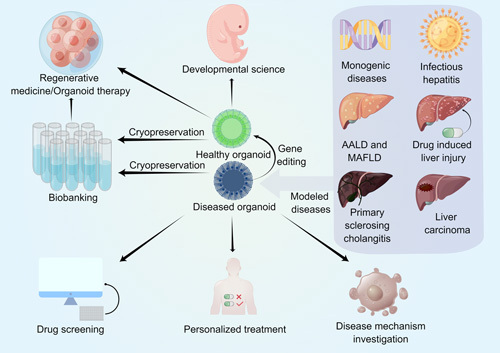
“[23] Liver organoids have rapidly advanced our knowledge of hepatic biology[24] and serve as preclinical tools for drug screening and toxicity assessment,[25] personalized treatment,[26] regenerative medicine,[27] and disease mechanism investigation[28] in modeling of liver diseases (Figure 2).”
BackgroundOrganogenesis in a dish: Modeling development and disease using organoid technologies
Lancaster, M. A., & Knoblich, J. A. (2014) · Science · doi:10.1126/science.1247125 · Cited by 2,931
A CFTR Potentiator in Patients with Cystic Fibrosis and the G551D Mutation
Ramsey, B. W., Davies, J., McElvaney, N. G., Tullis, E., Bell, S. C., Dřevínek, P., Griese, M., McKone, E. F., Wainwright, C. E., Konstan, M. W., et al. (2011) · New England Journal of Medicine · doi:10.1056/nejmoa1105185 · Cited by 2,195
Patient-derived organoids model treatment response of metastatic gastrointestinal cancers
Vlachogiannis, G., Hedayat, S., Vatsiou, A., Jamin, Y., Fernández-Mateos, J., Khan, K., Lampis, A., Eason, K., Huntingford, I., Burke, R., et al. (2018) · Science · doi:10.1126/science.aao2774 · Cited by 2,096
Long-Term Culture of Genome-Stable Bipotent Stem Cells from Adult Human Liver
Huch, M., Gehart, H., van Boxtel, R., Hamer, K., Blokzijl, F., Verstegen, M. M. A., Ellis, E., van Wenum, M., Fuchs, S. A., de Ligt, J., et al. (2015) · Cell · doi:10.1016/j.cell.2014.11.050 · Cited by 1,619 · cited 5×
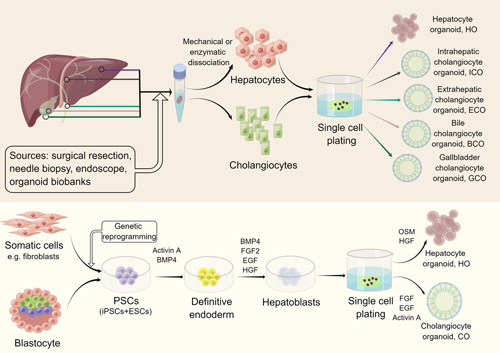
“Alagille syndrome Human Liver biopsies from 3 AGS patients Matrigel Failure to upregulate biliary makers (CK19 and CK7); Inability to integrate into epithelium; Increased apoptosis in the organoid lumen [13]”
BackgroundResultInfluentialOrganoid modeling of the tumor immune microenvironment
Neal, J. T., Li, X., Zhu, J., Giangarra, V., Grzeskowiak, C. L., Ju, J., Liu, I. H., Chiou, S.-H., Salahudeen, A. A., Smith, A. R., et al. (2018) · Cell · doi:10.1016/j.cell.2018.11.021 · Cited by 1,556
Human primary liver cancer–derived organoid cultures for disease modeling and drug screening
Broutier, L., Mastrogiovanni, G., Verstegen, M. M., Francies, H. E., Gavarró, L. M., Bradshaw, C. R., Allen, G. E., Arnes-Benito, R., Sidorova, O., Gaspersz, M. P., et al. (2017) · Nature Medicine · doi:10.1038/nm.4438 · Cited by 1,471
A functional CFTR assay using primary cystic fibrosis intestinal organoids
Dekkers, J. F., Wiegerinck, C. L., de Jonge, H. R., Bronsveld, I., Janssens, H. M., de Winter-de Groot, K. M., Brandsma, A. M., de Jong, N. W. M., Bijvelds, M. J. C., Scholte, B. J., et al. (2013) · Nature Medicine · doi:10.1038/nm.3201 · Cited by 999
Cited by
Advancements in Organoid‐Based Drug Discovery: Revolutionizing Precision Medicine and Pharmacology
Singh, D., Thakur, A., Rakesh, & Kumar, A. A. (2025) · Drug Development Research · doi:10.1002/ddr.70121 · Cited by 30
Roy, S., Parveen, M., Bala, A., & Sur, D. (2025) · ACS Pharmacology & Translational Science · doi:10.1021/acsptsci.4c00661 · Cited by 26
Liu, H., Yin, G., Franco Leonardi, B., Lan, T., Ait Ahmed, Y., Berger, H., Kohlhepp, M. S., Amiridze, N., Martagón Calderón, N., Frau, C., et al. (2025) · Gut · doi:10.1136/gutjnl-2024-334425 · Cited by 23
“To further elucidate crosstalk pathways in this complex cellular niche, we investigated the influence of ORM2-activated LMFs on HSCs and hepatocytes. mLMF-ORM2 CM significantly enhanced the gene expression levels of Col1a1 , Tgfb1 and Pdgfrb but not Acta2 in HSCs (figure 10A).”
Ariño, S., Ferrer‐Lorente, R., Serrano, G., Zanatto, L., de la Torre, R. A. M. G., Gratacós‐Ginès, J., Rubio, A. B., Pérez-Guasch, M., Mateos-Sánchez, C., Aguilar‐Bravo, B., et al. (2025) · Journal of Hepatology · doi:10.1016/j.jhep.2025.07.014 · Cited by 25
Model Organoids: Integrated Frameworks for the Next Frontier of Healthcare Advancements
Bhattacharya, R., Bose, D., Kaur, T., Patel, R., Renuka, O., & Rodriguez, R. V. (2024) · Stem Cell Reviews and Reports · doi:10.1007/s12015-024-10814-3 · Cited by 19
Ex Vivo Tools and Models in MASLD Research
Velliou, R.-I., Giannousi, E., Ralliou, C., Kassi, E., & Chatzigeorgiou, A. (2024) · Cells · doi:10.3390/cells13221827 · Cited by 15
“The identification of specific biomarkers—such as cytokines, lipid species, and genetic signatures—enhances clinical management by allowing earlier detection and better monitoring of disease progression and treatment efficacy [113].”
Kong, D., Mourtzinos, A., Heegsma, J., Blokzijl, H., de Meijer, V. E., & Faber, K. N. (2023) · Stem Cell Research & Therapy · doi:10.1186/s13287-023-03493-3 · Cited by 15
“LGR5 + cells are a population of stem cells found in multiple tissues, yet are very rare in the healthy mouse liver [18, 42].”
BackgroundSelf-citationSarode, A., Ortiz, C., Derstepanian, T., Vargas‐Montoya, N., Patel, P., Khadse, N., Manna, S., Landis, R. F., Skaleski, J., Boeglin, L., et al. (2025) · Advanced Materials · doi:10.1002/adma.202517893 · Cited by 19
Current status and future prospects of toxicity assessment using organoids
Nguyen, X., & Yoo, J. (2025) · Toxicological Research · doi:10.1007/s43188-025-00298-9 · Cited by 13
A Concise Review of Organoid Tissue Engineering: Regenerative Applications and Precision Medicine
Makesh, K. Y., Navaneethan, A., Ajay, M., Munuswamy‐Ramanujam, G., Chinnasamy, A., Gnanasampanthapandian, D., & Palaniyandi, K. (2025) · Organoids · doi:10.3390/organoids4030016 · Cited by 13
“Liver organoids derived from patients with genetic and metabolic disorders, such as alpha-1 antitrypsin deficiency and Wilson’s disease, have facilitated personalized drug testing and disease modeling [112].”
Grama, A., Mititelu, A., Sîrbe, C., Bența, G., & Pop, T. L. (2023) · Frontiers in Immunology · doi:10.3389/fimmu.2023.1206025 · Cited by 14
Modeling hepatic steatosis with human adult stem cell-derived liver organoids
Zhu, L., Liu, S., Wang, Z., Yang, Y., Han, P., Tong, W., Zhao, T., Wang, L., Cui, T., Yang, L., et al. (2025) · iScience · doi:10.1016/j.isci.2025.112344 · Cited by 13
Zhang, H., Hao, H., Fan, W., Gao, W., & Liang, J. L. (2025) · Journal of Applied Toxicology · doi:10.1002/jat.4771 · Cited by 10
“Recently, liver-organoids have been developed, which accurately exhibit the phenotypic properties of hepatocytes regarding the molecular expression of specific markers and functional characteristics (Hu et al. 2018; Sun et al. 2023).”
Pathophysiology of Cystic Fibrosis Liver Disease
Kasper, V. L., & Assis, D. N. (2024) · Pediatric Pulmonology · doi:10.1002/ppul.26869 · Cited by 13
“46 Organoids have been increasingly used for studies of hepatocellular and cholestatic liver disorders 47,48 and the cellular material can be derived from iPSC, from biopsy tissue, or from cells present in the bile.”
Xue, C., Sun, F., Zhu, H. J., Shi, J., Wang, J., Sun, Q., Tong, M., Gu, X., Han, Q., & Shi, W. (2025) · Engineering · doi:10.1016/j.eng.2025.10.013 · Cited by 10
González-Montero, M.-C., Andrés-Rodríguez, J., Criado, M., Andrés, S., Galli, G., Fernández-Rubio, C., Pérez‐Pertejo, Y., Reguera, R. M., Balaña‐Fouce, R., & García‐Estrada, C. (2025) · International Journal of Molecular Sciences · doi:10.3390/ijms262412180 · Cited by 6
“These observations are consistent with previous studies showing that hepatic organoids exhibit incomplete maturation of metabolic networks, and display transcriptional signatures resembling fetal or neonatal hepatocytes [37].”
Liu, Q., Wang, C., Ye, C., Zhang, H., Li, T., Wei, W., Wang, S., & Zhang, H. (2026) · Frontiers in Immunology · doi:10.3389/fimmu.2026.1743439 · Cited by 7
He, Y., Wang, Z., Li, J., Wang, X., Zhao, C.-Y., Huang, X., & Zheng, L. (2024) · World Journal of Gastrointestinal Oncology · doi:10.4251/wjgo.v16.i11.4506 · Cited by 6
Papadakos, S. P., Georgiadou, C., Kassi, E. N., Velliou, R.-I., & Chatzigeorgiou, A. (2025) · Expert Opinion on Drug Discovery · doi:10.1080/17460441.2025.2579124 · Cited by 6
“A decade of progress in liver organoid technology has also led to increased reproducibility and scalability, making them attractive for medium-to high-throughput drug screening [107].”
Yoshimoto, K., Maki, K., ADACHI, T., & Kamei, K. (2023) · Tissue Engineering Part A · doi:10.1089/ten.tea.2023.0148 · Cited by 6
Kong, D., Zhou, Q., He, K., Heegsma, J., Blokzijl, H., de Meijer, V. E., & Faber, K. N. (2025) · Cellular and Molecular Life Sciences · doi:10.1007/s00018-025-05772-z · Cited by 5
Self-citationHuman Liver Organoids as an Experimental Tool to Investigate Lipocalin-2 in Hepatic Inflammation
Hardt, K., Pohlberger, R. F., Keller, D. T., Buhl, E. M., Vondran, F. W. R., Roeth, A. A., Weiskirchen, R., & Schröder, S. K. (2026) · Cells · doi:10.3390/cells15030216 · Cited by 5
“Alternatively, primary hepatocytes isolated from tissue circumvent the tumorigenicity of cell lines, but cannot be cultivated permanently due to their loss of proliferative capacity and therefore offer only limited possibilities [13].”
Kong, D., Yu, S., Heegsma, J., Blokzijl, T., Qin, T., Pan, Y., Blokzijl, H., de Meijer, V. E., Duan, Y., Faber, K. N., et al. (2026) · Journal of nanobiotechnology · doi:10.1186/s12951-026-04477-0 · Cited by 4
“In addition, these organoids show high genomic stability [24, 30] therefore, they have specific advantages over the use of primary or iPSC-derived liver cells.”
Self-citationAdvancement and Potential Applications of Epididymal Organoids
Nie, J., Chen, H., & Zhao, X. (2024) · Biomolecules · doi:10.3390/biom14081026 · Cited by 3
Li, J., Zhou, Q., Xia, M., Li, Y., Wang, J., Buist‐Homan, M., de Meijer, V. E., Blokzijl, H., Faber, K. N., & Moshage, H. J. (2026) · Diabetes Obesity and Metabolism · doi:10.1111/dom.70561 · Cited by 3
Self-citationGonzález-Montero, M.-C., Criado, M., Alonso, M., Santos, N., Gutiérrez-Expósito, D., Giráldez, F. J., Balaña‐Fouce, R., Andrés, S., & García‐Estrada, C. (2026) · Frontiers in Veterinary Science · doi:10.3389/fvets.2026.1817725 · Cited by 4
“This phenomenon is a common feature of hepatic organoids, which display transcriptional signatures resembling fetal or neonatal hepatocytes (35).”
Current advances and prospects in biomaterials-guided tools for liver organoids research
Ahmed, S. G., Alshehri, E., Nazneen, S., Attia, F., Obeid, D. A., Almuzaini, H., Alzahrani, A., Salma, J., Fujitsuka, I., Assiri, A. M., et al. (2025) · Engineered Regeneration · doi:10.1016/j.engreg.2025.07.004 · Cited by 4
Precision pathophysiology in steatotic liver disease
Lee, W., Hwang, D. K., Kim, H. Y., & Brenner, D. A. (2026) · Clinical and Molecular Hepatology · doi:10.3350/cmh.2026.0490 · Cited by 3
“107 However, the human liver spheroid platform still has several limitations.”
The liver organoid's past, present and future: a personalized medicine strategy
Abady, M. M., Zahran, I. A., & Elmokhtar, Y. M. (2024) · International Journal of Health Sciences · doi:10.53730/ijhs.v8ns1.14980 · Cited by 2
Farnesoid X receptor: a potential key target for maintaining liver organoid growth.
Bai, H., Wu, G., Shi, Y., & Han, Z. (2024) · PubMed Central · doi:10.12336/biomatertransl.2024.04.011 · Cited by 1
“8, 9 Furthermore, organoids derived from patient-specific induced pluripotent stem cells can provide insights into individual disease pathogenesis, allowing for tailored treatment strategies.”
Bioengineering hepatic organoids: Development of an alternative model for liver toxicity
Bouwmeester, M. (2023) · Utrecht University Repository (Utrecht University) · doi:10.33540/2054
Andriianov, V. S., Malyutina, A., Panferov, E., Karabelsky, A. V., Ivanov, R. A., Minskaia, E., & Reshetnikov, V. V. (2025) · International Journal of Molecular Sciences · doi:10.3390/ijms26199432
Fourrière, L., & Boncompain, G. (2025) · Biology of the Cell · doi:10.1111/boc.70035
Kong, D., Mourtzinos, A., Heegsma, J., Blokzijl, H., de Meijer, V. E., & Faber, K. N. (2024) · Figshare · doi:10.6084/m9.figshare.26623555
Self-citationOrganoids for Metabolic Disease Modeling
Ardisasmita, A. I., Nieuwenhuis, E. E. S., & Fuchs, S. A. (2026) · Journal of Inherited Metabolic Disease · doi:10.1002/jimd.70164
“In the past decade, the use of organoids as disease models has gained momentum [10–12].”
Heo, J., Chae, D., Park, H. S., Yu, A., Park, J. H., Cho, K., Kim, J., Lee, H., Jee, S., Kim, C., et al. (2026) · Scientific Reports · doi:10.1038/s41598-026-43852-7
Self-citationJalise, S. Z., Habibi, S., Alizadeh, F., Heidari, F., & Fath‐Bayati, L. (2026) · Journal of Clinical and Experimental Hepatology · doi:10.1016/j.jceh.2026.103599
Liver lobule models incorporating the space of Disse and their applications
Mesic, A., Bensalem, S., Pioufle, B. L., Duclos‐Vallée, J., & Messina, A. (2026) · Biomicrofluidics · doi:10.1063/5.0331517
Biobanked Liver Organoids: A Roadmap for Precision Hepatology
Cabré, E. J., Cobo‐González, S., Valle, L. S., Martínez, S., Ramos, P., & Sáez-Álvarez, Y. (2026) · BioEssays · doi:10.1002/bies.70156
“Organoids derived from either adult stem/progenitor cells (ASCs) or induced pluripotent stem cells (iPSCs) recapitulate core aspects of hepatic organization and function, including apicobasal polarity [40], bile canaliculi networks [41], and clinically relevant metabolic activity [42, 43].”
Lee, C.-J., Kim, Y., Kim, M., Rim, Y. A., & Ju, J. H. (2026) · Bioengineering & Translational Medicine · doi:10.1002/btm2.70162
“14,15 18 Complementary analytical frameworks including single-cell and spatial transcriptomics, matrisome proteomics, super-resolution imaging, and quantitative biomechanical profiling enable high-resolution tracking of engineered microenvironmental states and alignment of engineered tissues with…”
Advances in organoids for drug development: From discovery to delivery
Liang, J., Yao, H., Feng, Y., Shu, X., Zheng, Y., Gao, X., & Zhou, W. (2026) · Journal of Drug Delivery Science and Technology · doi:10.1016/j.jddst.2026.108876
Xue, H.-Y., Ren, T., Pan, Q., & Fan, J.-G. (2026) · World Journal of Gastroenterology · doi:10.3748/wjg.123934
Ramadhani, S. L., Wahyuni, T. S., Hafid, A. F., Aoki‐Utsubo, C., & Ophinni, Y. (2026) · Journal of Herbmed Pharmacology · doi:10.34172/jhp.53715
Farnesoid X Receptor Agonist INT ‐787 Protects Human Liver Organoids From Alcohol‐Induced Injury
Franco, F. D., Ciaccioli, G., Cipolloni, M., Colliva, C., Kansra, S., Adorini, L., Pellicciari, R., Erickson, M., & Passeri, D. (2026) · Liver international communications. · doi:10.1002/lci2.70059
Metadata
- Authors
- Sun, X.-C., Kong, D.-F., Zhao, J., Faber, K. N., Xia, Q., & He, K.
- Affiliations
- Department of Liver Surgery, Renji Hospital, School of Medicine, Shanghai Jiao Tong University, Shanghai, China
- Department of Gastroenterology and Hepatology, University Medical Center Groningen, University of Groningen, Groningen, The Netherlands
- Shanghai Jiao Tong University (CN)
- University Medical Center Groningen (NL)
- Corresponding author
- Faber, Klaas Nico
- Xia, Qiang
- He, Kang
- Venue
- Hepatology Communications
- Published
- 2023-03-24
- Volume
- 7
- Issue
- 4
- ISSN
- 2471-254X (ISSN-L)
- PMC
- PMC10043560
- OpenAlex
- W4360993648
- Semantic Scholar
- 63d5bcb1006a456d83ae7469359a9a46e5234cda
- Cited by
- 37
- References
- 114
- Citations by year
- 2026: 11 · 2025: 14 · 2024: 8 · 2023: 4
- FWCI
- 1.60
- Type
- journal article
- Language
- en
- Open access
- gold
- doi.org
- Licence
- Locations
- Hepatology Communications (publishedVersion, cc-by-nc-nd)
- PubMed Central (publishedVersion, cc-by-nc-nd)
- PubMed (publishedVersion)
- University of Groningen research database (University of Groningen / Centre for Information Technology) (submittedVersion, cc-by-nc-nd)
- Funders
- Shanghai Municipal Health Commission
- Topics
- Health Sciences › Medicine › Hepatology › Liver physiology and pathology
- Life Sciences › Pharmacology, Toxicology and Pharmaceutics › Pharmacology › Drug-Induced Hepatotoxicity and Protection
- Health Sciences › Medicine › Surgery › Tissue Engineering and Regenerative Medicine
- Keywords
- liver organoids, liver disease modeling, drug development, alcoholic liver disease, metabolic-associated fatty liver disease, viral hepatitis, liver cancer, induced pluripotent stem cells, embryonic stem cells, adult stem cells, personalized treatment
- MeSH terms
- Drug Development, Adult, Humans, Liver Neoplasms, Organoids, Induced Pluripotent Stem Cells
About these checks
Registry, retraction, Cites and statistics results are computed, not judged, with one exception: a printed reference that no index lists is read once by a model before it counts as a citation error. Claims are extracted by a model and kept only when their quote appears verbatim in the text; each cited source is then checked, with a model’s help, for whether it says what the claim relies on. Those verdicts can be wrong — read the claim’s quote and the cited source before relying on one.
Statistics and arithmetic are recomputed, not judged.
Confidence bands are shown only for fields calibrated on our annotated test set. None is calibrated yet, so no band is shown.
What counts as a claim ›How we measure confidence ›How we check this ›
Are you an author, or do you see a problem with this page? Request a review
Data sources
Bibliographic data: Semantic Scholar, OpenAlex, Crossref.
Contains information from the Semantic Scholar Academic Graph Datasets, made available under the ODC Attribution License (ODC-BY 1.0).
Semantic Scholar’s data is described in: Kinney, R., et al. (2023). The Semantic Scholar Open Data Platform. arXiv:2301.10140.
