

Neutrophil extracellular traps induce intrahepatic thrombotic tendency and liver damage in cholestatic liver disease
Open accessThe DOI matches its Crossref record; 50 of the 50 references it cites were found in a registry or an index.
Abstract
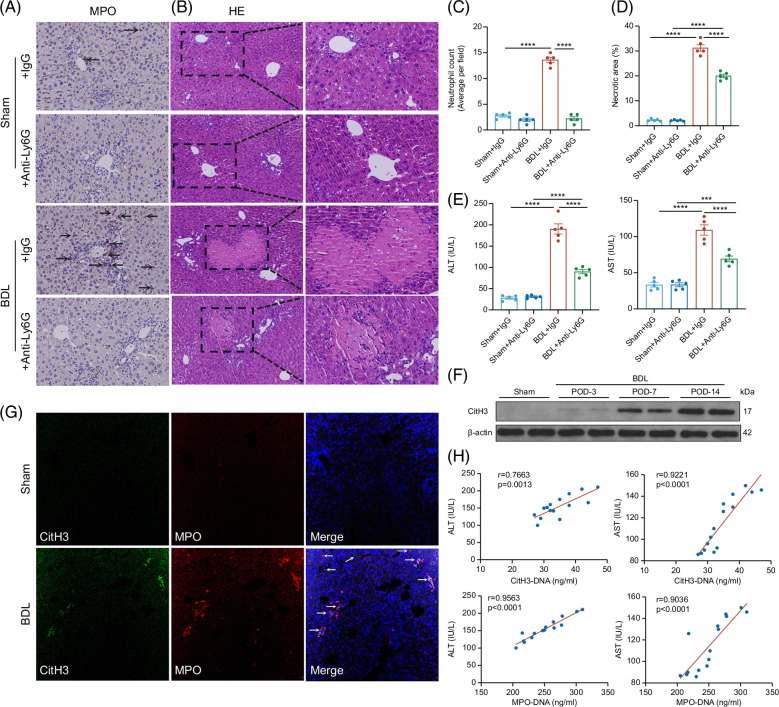
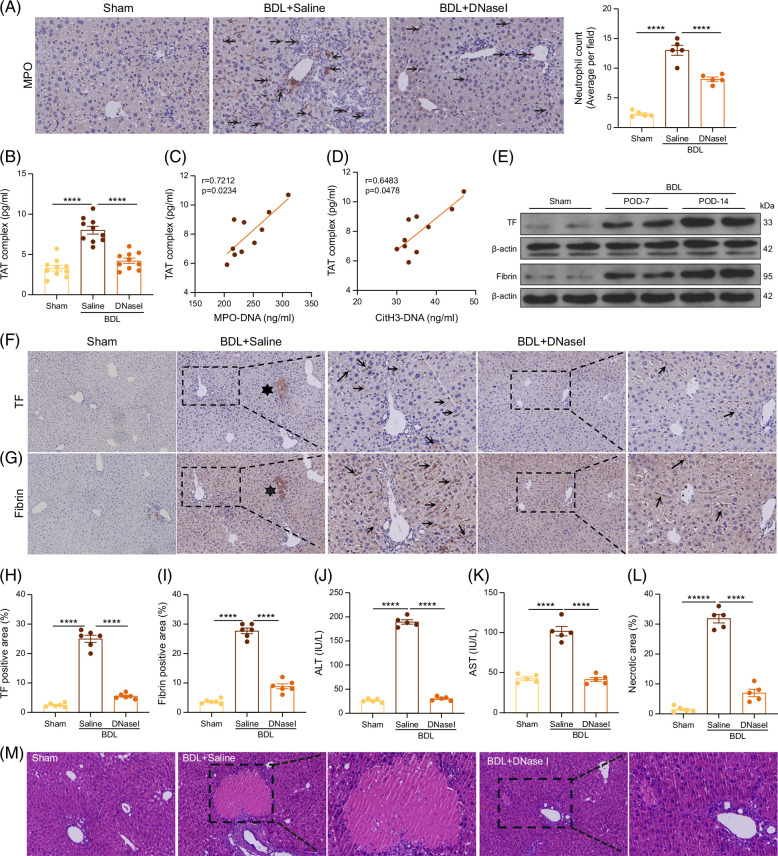
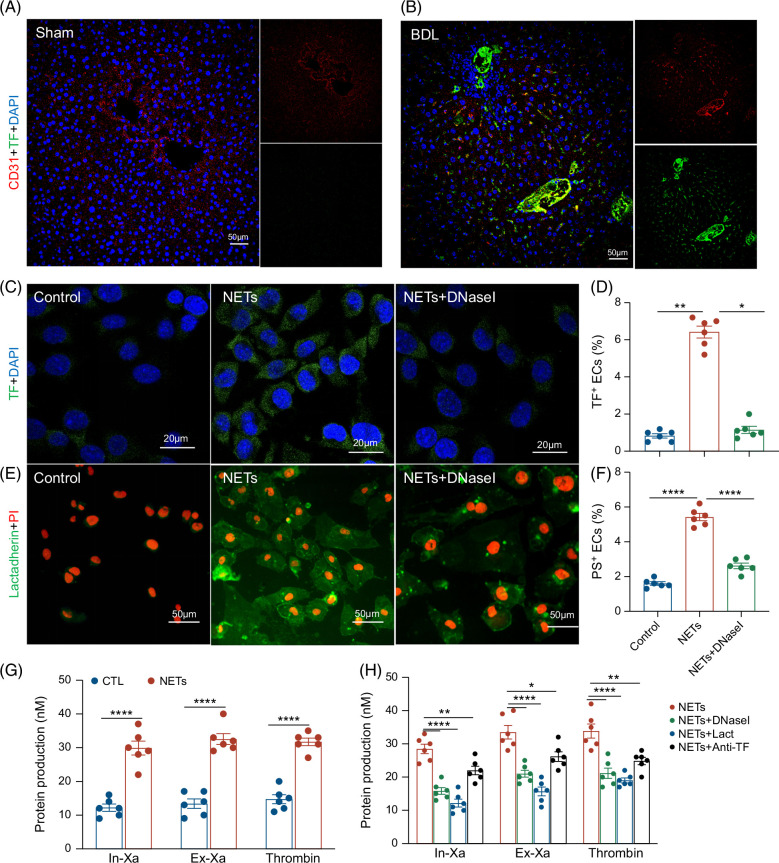
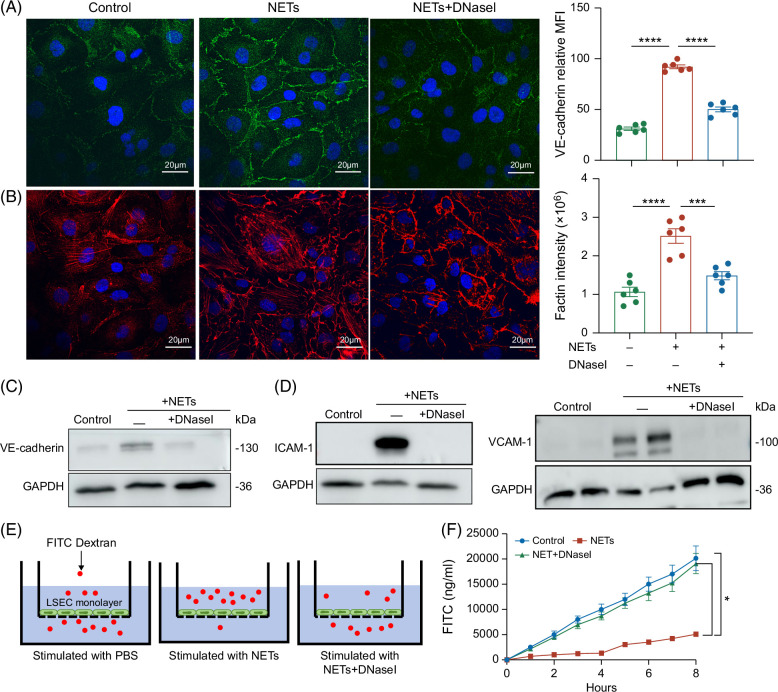
Background: Cholestatic liver diseases induce local and systemic hypercoagulation, with neutrophil extracellular traps (NETs) serving as major drivers. These NETs have been linked to decreased liver function in patients with obstructive jaundice. However, the impact of NETs on liver hypercoagulation in cholestatic liver disease remains unknown. Methods: We utilized bile duct ligation to create experimental mice and analyzed NETs formation in the liver. Fibrin deposition, tissue factor expression, and inflammation in the liver were visualized through western blot and immunohistochemical techniques. LSECs were incubated with isolated NETs, and we detected endothelial procoagulant activity using coagulation protein production assays and measuring endothelial permeability. In both in vivo and in vitro settings, DNase I was applied to clarify the effect of NETs on intrahepatic hypercoagulability, hepatotoxicity, LSEC, and macrophage activation or injury. Results: Bile duct ligation mice exhibited significantly increased levels of NETs in liver tissue, accompanied by neutrophil infiltration, tissue necrosis, fibrin deposition, and thrombophilia compared to sham mice. Notably, NETs resulted in phosphatidylserine and tissue factor exposure on LSEC, enhancing coagulation Factor Xa and thrombin production. The enhanced procoagulant activity could be reversed by degrading NETs with DNase I. Additionally, NETs-induced permeability changes in LSECs, characterized by increased VE-cadherin expression and F-actin retraction, which could be rescued by DNase I. Meanwhile, NET formation is associated with KC activation and the formation of inflammatory factors. Conclusions: NETs promote intrahepatic activation of coagulation and inflammation, leading to liver tissue injury. Strategies targeting NET formation may offer a potential therapeutic approach for treating cholestatic liver disease.
Overview
The claims and statistics of this paper haven’t been checked yet.
Free: it reads the open-access text and checks the first 5 claims that cite a source we can check. Create a free account to check every claim.
Integrity signals
Registry
Cites
Statistics
Figures
Verification
Claims the paper makes
The claims and statistics of this paper haven’t been checked yet.
Free: it reads the open-access text and checks the first 5 claims that cite a source we can check. Create a free account to check every claim.
Claims other papers make about this one
Each is checked against this paper’s own text: does it say what the citing paper says it does?
In the citing paper
“In turn, NETs induce the production of procoagulants in LSECs, which are important for the formation of thrombi [323].”
From Inflammation and immunity in liver homeostasis and disease: a nexus of hepatocytes, nonparenchymal cells and immune cells (2025) · doi:10.1038/s41423-025-01313-7 · cites this paper as [323]
In the citing paper
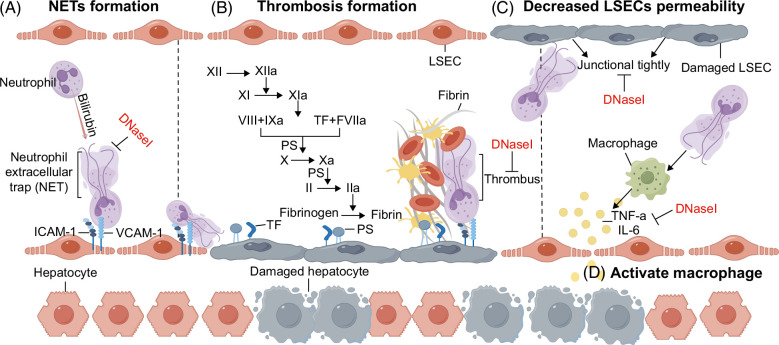
“Cholestatic liver disease is accompanied by infiltration of neutrophils into the liver, which promotes the formation of neutrophil extracellular traps (NETs) (Fig. 4) [323].”
From Inflammation and immunity in liver homeostasis and disease: a nexus of hepatocytes, nonparenchymal cells and immune cells (2025) · doi:10.1038/s41423-025-01313-7 · cites this paper as [323]
Self-check
Percentages, sums and reported differences re-computed from the paper’s own numbers.
The self-check needs the paper’s full text.
Citations
Cites
Neutrophil Extracellular Traps Kill Bacteria
Brinkmann, V., Reichard, U., Goosmann, C., Fauler, B., Uhlemann, Y., Weiss, D. S., Weinrauch, Y., & Zychlinsky, A. (2004) · Science · doi:10.1126/science.1092385 · Cited by 10,268 · cited 2×
“[14] While not explored in this study, Yehudit Shabat et al showed that treatment with alpha-1 anti-trypsin, a serine protease inhibitor that limits neutrophil elastase activity, exerts a hepatoprotective effect on animal models of immune-mediated hepatitis and acetaminophen-induced liver damage.”
BackgroundNeutrophils and immunity: challenges and opportunities
Nathan, C. (2006) · Nature reviews. Immunology · doi:10.1038/nri1785 · Cited by 2,971 · cited 1×
“[40] Studies suggest that elevated neutrophil counts enhance survival rates in patients with severe alcohol-associated hepatitis and acute liver failure [41] and contribute to tissue repair in acetaminophen-induced liver injury models.”
BackgroundNeutrophil extracellular traps license macrophages for cytokine production in atherosclerosis
Warnatsch, A., Ioannou, M., Wang, Q., & Papayannopoulos, V. (2015) · Science · doi:10.1126/science.aaa8064 · Cited by 1,270 · cited 1×
“[30,31] These findings prompted us to investigate the interaction between NETs and macrophages, exploring their influence on the cytokine burden, thereby mediating both thrombogenesis and the pathogenesis of CLD.”
BackgroundVilla, E., Cammà, C., Marietta, M., Luongo, M., Critelli, R., Colopi, S., Tata, C., Zecchini, R., Gitto, S., Petta, S., et al. (2012) · Gastroenterology · doi:10.1053/j.gastro.2012.07.018 · Cited by 744
Pradere, J.-P., Kluwe, J., De Minicis, S., Jiao, J.-J., Gwak, G.-Y., Dapito, D. H., Jang, M.-K., Guenther, N. D., Mederacke, I., Friedman, R., et al. (2013) · Hepatology · doi:10.1002/hep.26429 · Cited by 613 · cited 1×
“[46] Therefore, we speculated that NETs stimulate macrophages in the liver to release inflammatory factors; the proinflammatory milieu is harmful to both parenchymal and nonparen-chymal liver cells, leading to fibrosis, and ultimately, loss of liver function.”
BackgroundNeutrophil, neutrophil extracellular traps and endothelial cell dysfunction in sepsis
Zhang, H., Wang, Y., Qu, M., Li, W., Wu, D., Cata, J. P., & Miao, C. (2023) · Clinical and Translational Medicine · doi:10.1002/ctm2.1170 · Cited by 413 · cited 1×
“[14,15] Although NETs play a crucial role in defending the host against pathogens, their excessive formation has been linked to coagulopathy and thrombogenicity in various disease models, including sepsis, [16] deep venous thrombosis, [17] and cancers.”
BackgroundYang, W., Tao, Y., Wu, Y., Zhao, X., Ye, W., Zhao, D., Fu, L., Tian, C., Yang, J., He, F., et al. (2019) · Nature Communications · doi:10.1038/s41467-019-09046-8 · Cited by 367 · cited 1×
“[42] Therefore, the overall effect of neutrophil depletion was quite limited.”
BackgroundNeutrophil Extracellular Traps: The Biology of Chromatin Externalization
Sollberger, G., Tilley, D. O., & Zychlinsky, A. (2018) · Developmental Cell · doi:10.1016/j.devcel.2018.01.019 · Cited by 342 · cited 1×
“[14,15] Although NETs play a crucial role in defending the host against pathogens, their excessive formation has been linked to coagulopathy and thrombogenicity in various disease models, including sepsis, [16] deep venous thrombosis, [17] and cancers.”
BackgroundNeutrophils Aggravate Acute Liver Injury During Obstructive Cholestasis in Bile Duct-Ligated Mice
Gujral, J. S., Farhood, A., Bajt, M. L., & Jaeschke, H. (2003) · Hepatology · doi:10.1053/jhep.2003.50341 · Cited by 342 · cited 2×
“[13] The expression of VCAM-1 on the vascular endothelium of inflamed tissues plays a pivotal role in facilitating macrophage infiltration.”
BackgroundRat liver sinusoidal endothelial cell phenotype is maintained by paracrine and autocrine regulation
DeLeve, L. D., Wang, X., Hu, L., McCuskey, M. K., & McCuskey, R. S. (2004) · American Journal of Physiology-Gastrointestinal and Liver Physiology · doi:10.1152/ajpgi.00017.2004 · Cited by 296 · cited 2×
“The enhanced expression of CD31 in the hepatic lobule indicated that differentiated LSECs undergo capillarization [35] and are associated with increased expression of adhesion molecules.”
BackgroundResultGranulocyte Colony-Stimulating Factor in Severe Alcoholic Hepatitis: A Randomized Pilot Study
Singh, V., Sharma, A. K., Narasimhan, L. R., Bhalla, A., Sharma, N., & Sharma, R. (2014) · American Journal of Gastroenterology · doi:10.1038/ajg.2014.154 · Cited by 228 · cited 1×
“[40] Studies suggest that elevated neutrophil counts enhance survival rates in patients with severe alcohol-associated hepatitis and acute liver failure [41] and contribute to tissue repair in acetaminophen-induced liver injury models.”
BackgroundPathophysiological consequences of obstructive jaundice and perioperative management
Pavlidis, E. T., & Pavlidis, T. E. (2018) · Hepatobiliary & Pancreatic Diseases International · doi:10.1016/j.hbpd.2018.01.008 · Cited by 184 · cited 1×
“[6,7] A recent study demonstrated that administering anticoagulant treatment to cholestatic mice can mitigate liver damage.”
BackgroundLalor, P. (2006) · World Journal of Gastroenterology · doi:10.3748/wjg.v12.i34.5429 · Cited by 175 · cited 1×
“An increase in VE-cadherin and intercellular adhesion molecule-1 (ICAM-1) levels was reported in LSECs under chronic inflammation, [26,27] coinciding with impaired transport function between the blood and liver parenchyma.”
BackgroundGujral, J. S., Liu, J., Farhood, A., Hinson, J. A., & Jaeschke, H. (2004) · American Journal of Physiology-Gastrointestinal and Liver Physiology · doi:10.1152/ajpgi.00318.2003 · Cited by 167 · cited 1×
“[39] Blocking neutrophil infiltration has been shown to attenuate hepatocyte injury in mice.”
BackgroundEncryption and decryption of tissue factor
Chen, V. M. Y., & Hogg, P. J. (2013) · Journal of Thrombosis and Haemostasis · doi:10.1111/jth.12228 · Cited by 124 · cited 2×
“[36] Based on the above results, we speculated that decreased permeability of the liver sinusoidal endothelium impairs filtration between the liver parenchyma and sinusoids, thus lending credence to the existence of another critical underlying mechanism for the progression of CLD.”
BackgroundResultPihusch, R., Rank, A., Göhring, P., Pihusch, M., Hiller, E., & Beuers, U. H. (2002) · Journal of Hepatology · doi:10.1016/s0168-8278(02)00239-8 · Cited by 117 · cited 1×
“[1] Numerous studies indicate an association between cholestatic liver diseases (CLD) and an overall procoagulant state [2,3] coupled with impaired fibrinolysis, [4,5] resulting in poor clinical outcomes, such as disseminated intravascular coagulation and multiple organ dysfunction.”
BackgroundNeutrophil extracellular traps mediate deep vein thrombosis: from mechanism to therapy
Yao, M., Ma, J., Wu, D., Fang, C., Wang, Z., Guo, T., & Mo, J. (2023) · Frontiers in Immunology · doi:10.3389/fimmu.2023.1198952 · Cited by 111 · cited 1×
“[14,15] Although NETs play a crucial role in defending the host against pathogens, their excessive formation has been linked to coagulopathy and thrombogenicity in various disease models, including sepsis, [16] deep venous thrombosis, [17] and cancers.”
BackgroundRole of liver ICAM-1 in metastasis
Benedicto, A., Romayor, I., & Arteta, B. (2017) · Oncology Letters · doi:10.3892/ol.2017.6700 · Cited by 102 · cited 1×
“An increase in VE-cadherin and intercellular adhesion molecule-1 (ICAM-1) levels was reported in LSECs under chronic inflammation, [26,27] coinciding with impaired transport function between the blood and liver parenchyma.”
BackgroundPulous, F. E., Grimsley-Myers, C. M., Kansal, S., Kowalczyk, A. P., & Petrich, B. G. (2019) · Circulation Research · doi:10.1161/circresaha.118.314560 · Cited by 92 · cited 1×
“Studies have shown that increased VE-cadherin-dependent adhesion strengthens endothelial barrier integrity, [43] supporting our observations.”
ResultIntrahepatic cholestasis in common chronic liver diseases
Jüngst, C., Berg, T., Cheng, J., Green, R. M., Jia, J., Mason, A. L., & Lammert, F. (2013) · European Journal of Clinical Investigation · doi:10.1111/eci.12128 · Cited by 82
TREM-2 plays a protective role in cholestasis by acting as a negative regulator of inflammation
Labiano, I., Agirre-Lizaso, A., Olaizola, P., Echebarria, A., Huici-Izagirre, M., Olaizola, I., Esparza-Baquer, A., Sharif, O., Hijona, E., Milkiewicz, P., et al. (2022) · Journal of Hepatology · doi:10.1016/j.jhep.2022.05.044 · Cited by 78 · cited 1×
“[28,29] Increased levels of inflammatory cytokines and macrophage activation triggered by NETs have been observed in atherosclerosis and systemic lupus erythematosus.”
BackgroundDifferential ubiquitination in NETs regulates macrophage responses in systemic lupus erythematosus
Barrera‐Vargas, A., Gómez‐Martín, D., Carmona‐Rivera, C., Merayo‐Chalico, J., Torres-Ruiz, J. J., Manna, Z. G., Hasni, S., Alcocer-Varela, J. C., & Kaplan, M. J. (2018) · Annals of the Rheumatic Diseases · doi:10.1136/annrheumdis-2017-212617 · Cited by 78 · cited 1×
“[30,31] These findings prompted us to investigate the interaction between NETs and macrophages, exploring their influence on the cytokine burden, thereby mediating both thrombogenesis and the pathogenesis of CLD.”
BackgroundWang, H., Vohra, B. P. S., Zhang, Y., & Heuckeroth, R. O. (2005) · Hepatology · doi:10.1002/hep.20903 · Cited by 67 · cited 1×
“[1] Numerous studies indicate an association between cholestatic liver diseases (CLD) and an overall procoagulant state [2,3] coupled with impaired fibrinolysis, [4,5] resulting in poor clinical outcomes, such as disseminated intravascular coagulation and multiple organ dysfunction.”
BackgroundKloek, J. J., Heger, M., Gaag, N. A. V. D., Beuers, U. H., van Gulik, T. M., Gouma, D. J., & Levi, M. M. (2010) · Journal of Clinical Gastroenterology · doi:10.1097/mcg.0b013e3181ce5b36 · Cited by 65 · cited 1×
“[1] Numerous studies indicate an association between cholestatic liver diseases (CLD) and an overall procoagulant state [2,3] coupled with impaired fibrinolysis, [4,5] resulting in poor clinical outcomes, such as disseminated intravascular coagulation and multiple organ dysfunction.”
BackgroundZhang, L., Pan, Q., Zhang, L., Xia, H., Liao, J., Zhang, X., Zhao, N., Xie, Q., Liao, M., Tan, Y., et al. (2023) · Hepatology · doi:10.1097/hep.0000000000000041 · Cited by 64 · cited 1×
“[32] The common bile duct was isolated and ligated during laparotomy under ketamine/xylazine anesthesia.”
MethodSelf-citationYokomori, H., Yoshimura, K., Funakoshi, S., Nagai, T., Fujimaki, K., Nomura, M., Ishii, H., & Oda, M. (2004) · Laboratory Investigation · doi:10.1038/labinvest.3700114 · Cited by 59 · cited 1×
“[44] Defenestration of LSECs showed impaired transfer of protein-bound substrates through the fenestrations, [45] which supported our results.”
ResultAntimycin A-Induced Defenestration in Rat Hepatic Sinusoidal Endothelial Cells
Braet, F., Muller, M., Vekemans, K., Wisse, E., & Couteur, D. G. L. (2003) · Hepatology · doi:10.1053/jhep.2003.50347 · Cited by 55 · cited 1×
“[44] Defenestration of LSECs showed impaired transfer of protein-bound substrates through the fenestrations, [45] which supported our results.”
ResultYang, L., Shen, X., Sun, H., Zhu, W., Zhang, J., & Lu, L. (2022) · Journal of Cancer · doi:10.7150/jca.64170 · Cited by 47
Self-citationNeutrophil extracellular traps promote thrombogenicity in cerebral venous sinus thrombosis
Jin, J., Qiao, S., Liu, J., Li, W., Wang, F., Gao, X., Tian, J., Wang, N., Zhang, J., Dong, J., et al. (2022) · Cell & Bioscience · doi:10.1186/s13578-022-00845-z · Cited by 47 · cited 1×
“To detect the cytotoxicity of NETs on LSECs (CP-M040, Procell, Wuhan, China), LSECs (1 × 10 5 cells/mL) were incubated for 4 hours with or without isolated NETs (0.5 μ g DNA/mL) [33] .”
MethodInfluentialSelf-citationXiang, J., Yang, G., Ma, C., Wei, L., Wu, H., Zhang, W., Tao, X., Jiang, L., Liang, Z., Kang, L., et al. (2021) · British Journal of Pharmacology · doi:10.1111/bph.15429 · Cited by 46 · cited 1×
“[28,29] Increased levels of inflammatory cytokines and macrophage activation triggered by NETs have been observed in atherosclerosis and systemic lupus erythematosus.”
BackgroundIs there a rationale for treatment of chronic liver disease with antithrombotic therapy?
Hugenholtz, G. C. G., Northup, P. G., Porte, R. J., & Lisman, T. (2014) · Blood Reviews · doi:10.1016/j.blre.2014.10.002 · Cited by 43 · cited 2×
“[9] Consequently, there is an increasing urgency to elucidate the underlying mechanisms of hypercoagulation in CLD. CLD may facilitate bacterial translocation into the portal circulation, contributing to immune dysfunction and chronic activation of liver immune cells in response to endotoxin…”
BackgroundLuyendyk, J. P., Cantor, G. H., Kirchhofer, D., Mackman, N., Copple, B. L., & Wang, R. (2009) · American Journal of Physiology-Gastrointestinal and Liver Physiology · doi:10.1152/ajpgi.90639.2008 · Cited by 42 · cited 1×
“[22,23] In addition to hepatocytes, nonparenchymal liver cells, such as endothelial cells, KCs, and infiltrating immune cells, are also involved in this process.”
BackgroundYu, M., Li, T., Li, B., Liu, Y., Wang, L., Zhang, J., Jin, J., Guan, Y., Zuo, N., Liu, W., et al. (2020) · Thrombosis Research · doi:10.1016/j.thromres.2020.01.025 · Cited by 41
Self-citationDu, J., Zhang, J., Chen, X., Zhang, S., Zhang, C., Liu, H., Li, Y., Li, M., Wu, X., Xiang, M., et al. (2022) · Clinics and Research in Hepatology and Gastroenterology · doi:10.1016/j.clinre.2021.101697 · Cited by 39 · cited 1×
“[18] Elevated levels of NETs have been correlated with poor prognosis in liver diseases, such as NASH [19] and HCC. [20] Our previous study indicated increased NET levels in the circulation of patients with CLD due to heightened bilirubin, with these NETs amplifying circulation coagulation activity…”
BackgroundSelf-citationMartínez‐Cecilia, D., Reyes‐Díaz, M. L., Ruiz-Rabelo, J. F., Gomez-Alvarez, M., Villanueva, C. M., Álamo-Martínez, J. M., Muntané, J., & Ruiz, F. J. P. (2015) · Redox Biology · doi:10.1016/j.redox.2015.12.009 · Cited by 38 · cited 1×
“[6,7] A recent study demonstrated that administering anticoagulant treatment to cholestatic mice can mitigate liver damage.”
BackgroundHuman recombinant DNase in cystic fibrosis.
Thomson, A. H. (1995) · Europe PMC (PubMed Central) · Cited by 35
Guo, Z., Chen, J., Zeng, Y., Wang, Z., Yao, M. C., Tomlinson, S., Chen, B., Yuan, G., & He, S. (2022) · Frontiers in Immunology · doi:10.3389/fimmu.2021.785287 · Cited by 31 · cited 2×
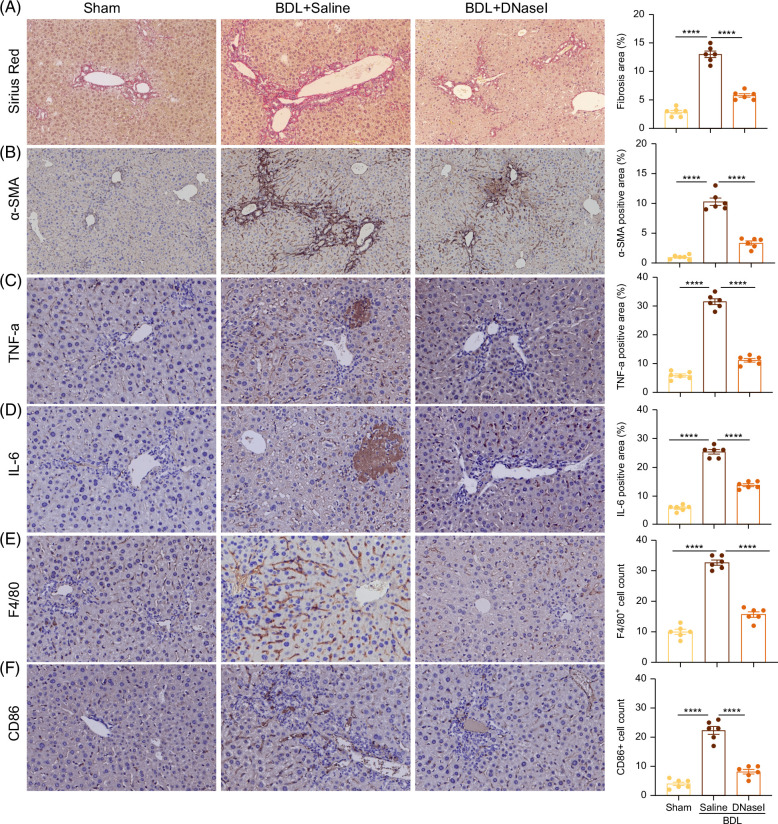
“[23] Our present results showed increased macrophage, IL-6, and TNF-α expression in the liver of BDL mice.”
BackgroundHanyu, M., Kume, N., Ikeda, T., Minami, M., Kita, T., & Komeda, M. (2001) · Atherosclerosis · doi:10.1016/s0021-9150(01)00446-4 · Cited by 24
Wang, S., Huang, J., Liu, F., Tan, K. S., Deng, L., Lin, Y., & Tan, W. (2021) · Journal of Inflammation Research · doi:10.2147/jir.s344990 · Cited by 20 · cited 1×
“[37] An immunohistochemical analysis of liver tissue using F4/80 (a marker of macrophages including M0) and CD86 (a marker of M1 macrophages) [37] demonstrated that BDL significantly increased both M0 and M1 macrophages in the liver on cholestatic mice on POD-14 (Fig.”
MethodCytokine response to portal endotoxaemia and neutrophil stimulation in obstructive jaundice
Badger, S. A., Jones, C., McCaigue, M. D., Clements, B. W. D., Parks, R. W., Diamond, T., McCallion, K., & Taylor, M. (2011) · European Journal of Gastroenterology & Hepatology · doi:10.1097/meg.0b013e32834b0dd3 · Cited by 19 · cited 1×
“[10,11] The excessive activation of neutrophils, accompanied by delayed clearance and infiltration into the liver, is thought to play essential roles in the pathogenesis of CLD. [12,13] DNA scaffolds-composed neutrophil extracellular traps (NETs) that also contain histones and granular proteases…”
BackgroundChowdhury, A. H., Cámara, M., Martínez‐Pomares, L., Zaitoun, A. M., Eremin, O., Aithal, G. P., & Lobo, D. N. (2016) · Clinical Science · doi:10.1042/cs20160326 · Cited by 18 · cited 1×
“[10,11] The excessive activation of neutrophils, accompanied by delayed clearance and infiltration into the liver, is thought to play essential roles in the pathogenesis of CLD. [12,13] DNA scaffolds-composed neutrophil extracellular traps (NETs) that also contain histones and granular proteases…”
BackgroundBaker, K. S., Kopec, A. K., Pant, A., Poole, L. G., Cline-Fedewa, H. M., Ivkovich, D., Olyaee, M. S., Woolbright, B. L., Miszta, A., Jaeschke, H., et al. (2019) · Arteriosclerosis Thrombosis and Vascular Biology · doi:10.1161/atvbaha.119.313215 · Cited by 18 · cited 2×
“[24] However, the increased coagulation activity of hepatocytes alone cannot explain the predominant fibrin deposition within hepatic sinusoids in CLD.”
BackgroundSemeraro, N., Montemurro, P., Chetta, G., Altomare, D. F., Giordano, D., & Colucci, M. (1989) · Gastroenterology · doi:10.1016/s0016-5085(89)80093-9 · Cited by 16 · cited 1×
“[1] Numerous studies indicate an association between cholestatic liver diseases (CLD) and an overall procoagulant state [2,3] coupled with impaired fibrinolysis, [4,5] resulting in poor clinical outcomes, such as disseminated intravascular coagulation and multiple organ dysfunction.”
BackgroundHao, H., Yu, H., Sun, H., Zhao, C., Zhang, N., Hu, X., & Fu, Y. (2020) · Microbial Pathogenesis · doi:10.1016/j.micpath.2020.104686 · Cited by 16 · cited 1×
“[34] It is worth mentioning that the neutrophil number was also reduced in BDL mice upon DNase I treatment on POD-14 (Fig.”
BackgroundEnhanced endothelial cell injury by activated neutrophils in patients with obstructive jaundice
Shimizu, Y., Miyazaki, M., Ito, H., Nakagawa, K., Ambiru, S., Shimizu, H., & Nakajima, N. (1997) · Journal of Hepatology · doi:10.1016/s0168-8278(97)80316-9 · Cited by 15 · cited 1×
“[25] However, the impact of the interaction between NETs and LSECs on the development of coagulopathy in CLD remains unclear.”
BackgroundDold, S., Laschke, M. W., Lavasani, S., Menger, M. D., & Thorlacius, H. (2008) · Surgery · doi:10.1016/j.surg.2008.05.010 · Cited by 13 · cited 1×
“[38] In the current study, we showed that increased liver-infiltrating neutrophils as early as 3 days after BDL.”
BackgroundDeng, X., Deng, T., Ni, Y., Zhan, Y., Huang, W., Liu, J., & Liao, C.-X. (2016) · Experimental and Therapeutic Medicine · doi:10.3892/etm.2016.3313 · Cited by 12 · cited 2×
“…of neutrophils, accompanied by delayed clearance and infiltration into the liver, is thought to play essential roles in the pathogenesis of CLD. [12,13] DNA scaffolds-composed neutrophil extracellular traps (NETs) that also contain histones and granular proteases are released during this…”
BackgroundResultZhang, J., Yu, M., Liu, B., Zhou, P., Zuo, N., Wang, Y., Feng, Y., Zhang, Y., Wang, J., He, Y., et al. (2020) · Liver International · doi:10.1111/liv.14725 · Cited by 12 · cited 1×
“…NET levels in the circulation of patients with CLD due to heightened bilirubin, with these NETs amplifying circulation coagulation activity in patients with CLD. [21] In CLD, accumulating large bilirubin in the liver prompts activated KCs to release chemotactic factors, recruiting neutrophils.”
BackgroundSelf-citationShabat, Y., Yaʼacov, A. B., & Ilan, Y. (2018) · Journal of Clinical and Translational Hepatology · doi:10.14218/jcth.2018.00030 · Cited by 5 · cited 1×
“[ 49 ] Therefore, adjunct therapies aimed at other facets of NETs could offer additional protection following cholestasis.”
BackgroundYang, X., Ou, Y., Yang, Y., Wang, L., Zhang, Y., Zhao, F., Shui, P., & Qing, J. (2023) · Experimental Biology and Medicine · doi:10.1177/15353702231191190 · Cited by 3 · cited 2×
“[8] However, routine anticoagulant treatment carries a bleeding risk, particularly in liver disease.”
Background
Cited by
(2025) · doi:10.1038/s41423-025-01313-7 · Cited by 97
“4) [323].”
Yu, M., Zheng, C., Li, X., Ji, X., Hu, X., Wang, X., & Zhang, J. (2025) · Biochimica et Biophysica Acta (BBA) - Molecular Basis of Disease · doi:10.1016/j.bbadis.2025.167700 · Cited by 12
Self-citationKong, L., Hu, S., Zhao, Y., Huang, Y., Xiang, X., Yu, Y. H., Mao, X., Xie, K., Zhu, X., & Xu, P. (2025) · Breast Cancer Research · doi:10.1186/s13058-025-02011-y · Cited by 9
Neospora caninum triggers the release of heterophil extracellular traps in chickens
Wei, Z., Jiang, Y., Gao, X., Qian, Y., Zhang, D., Li, Q., & Liu, Q. (2025) · Veterinary Parasitology · doi:10.1016/j.vetpar.2025.110471 · Cited by 6
Mitochondrial dysfunction-mediated hepatocyte senescence is involved in cholestatic liver injury
Tong, C.-C., Xue, Y.-F., He, X., Shen, X., Wang, H., & Chen, X. (2025) · Free Radical Biology and Medicine · doi:10.1016/j.freeradbiomed.2025.08.006 · Cited by 4
Metadata
- Authors
- Yu, M., Li, X., Xu, L., Zheng, C., Pan, W., Chen, H., Liu, X., Zhang, X., & Zhang, J.
- Affiliations
- Jiaxing University (CN)
- Corresponding author
- Zhang, Xianshan
- Zhang, Jinming
- Venue
- Hepatology Communications
- Published
- 2024-08
- Volume
- 8
- Issue
- 8
- ISSN
- 2471-254X (ISSN-L)
- PMC
- PMC11299992
- OpenAlex
- W4401336233
- Semantic Scholar
- 3632eea8a5adc41952e5550e61e03a701204334a
- Cited by
- 19
- References
- 50
- Citations by year
- 2026: 9 · 2025: 9 · 2024: 1
- FWCI
- 3.16
- Type
- journal article
- Language
- en
- Open access
- gold
- doi.org
- Licence
- Locations
- Hepatology Communications (publishedVersion, cc-by-nc-nd)
- PubMed Central (publishedVersion, cc-by-nc-nd)
- PubMed (publishedVersion)
- Funders
- National Natural Science Foundation of China
- Science and Technology Bureau of Jiaxing City
- Natural Science Foundation of Zhejiang Province (LQ22H030007)
- Topics
- Life Sciences › Immunology and Microbiology › Immunology › Neutrophil, Myeloperoxidase and Oxidative Mechanisms
- Health Sciences › Medicine › Hepatology › Liver physiology and pathology
- Life Sciences › Pharmacology, Toxicology and Pharmaceutics › Pharmacology › Drug-Induced Hepatotoxicity and Protection
- Keywords
- neutrophil extracellular traps, cholestatic liver disease, liver injury, bile duct ligation, liver sinusoidal endothelial cells, procoagulant activity, tissue factor, fibrin deposition, neutrophil activation, Kupffer cells, endothelial permeability, DNase I, obstructive jaundice
- MeSH terms
- Animals, Cholestasis, Disease Models, Animal, Fibrin, Humans, Liver, Male, Mice, Inbred C57BL, Neutrophils, Thrombin, Thromboplastin, Thrombosis, Factor Xa, Thrombophilia, Neutrophil Infiltration, Mice, Extracellular Traps
About these checks
Registry, retraction, Cites and statistics results are computed, not judged, with one exception: a printed reference that no index lists is read once by a model before it counts as a citation error. Claims are extracted by a model and kept only when their quote appears verbatim in the text; each cited source is then checked, with a model’s help, for whether it says what the claim relies on. Those verdicts can be wrong — read the claim’s quote and the cited source before relying on one.
Statistics and arithmetic are recomputed, not judged.
Confidence bands are shown only for fields calibrated on our annotated test set. None is calibrated yet, so no band is shown.
What counts as a claim ›How we measure confidence ›How we check this ›
Are you an author, or do you see a problem with this page? Request a review
Data sources
Bibliographic data: Semantic Scholar, OpenAlex, Crossref.
Contains information from the Semantic Scholar Academic Graph Datasets, made available under the ODC Attribution License (ODC-BY 1.0).
Semantic Scholar’s data is described in: Kinney, R., et al. (2023). The Semantic Scholar Open Data Platform. arXiv:2301.10140.
