

Impact of physical exercise on children with attention deficit hyperactivity disorders: Evidence through a meta-analysis
Open accessThe DOI matches its Crossref record, with a small difference in title or year; 47 of the 49 references it cites were found in a registry or an index.
Abstract
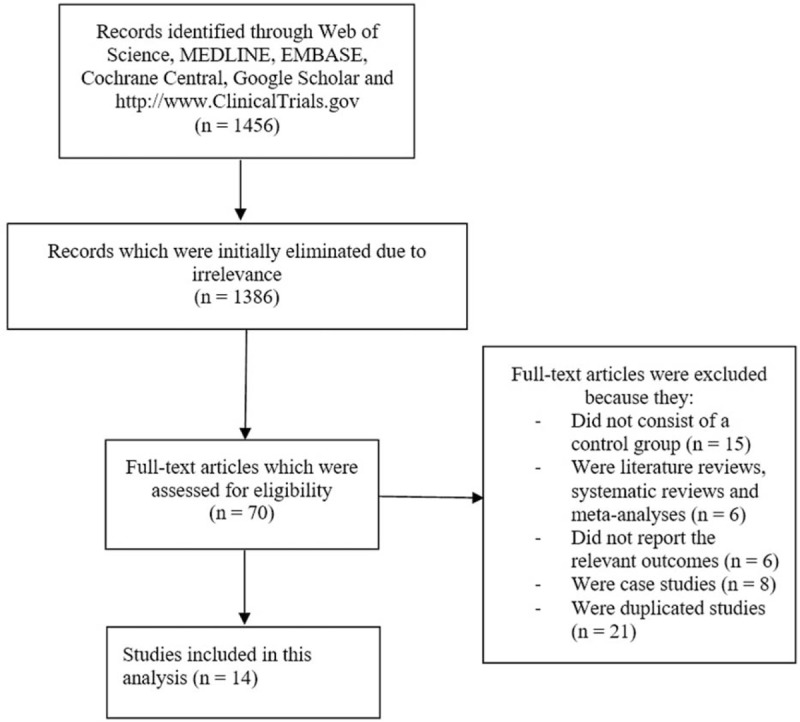
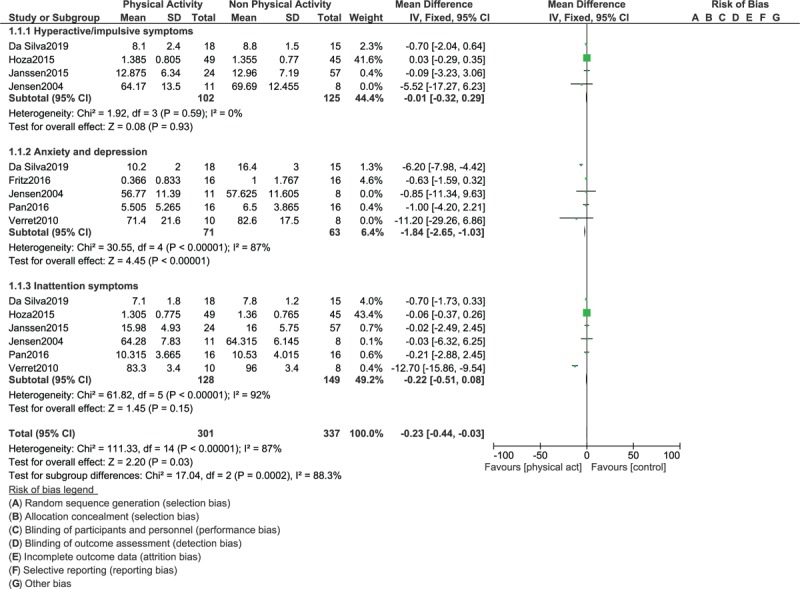
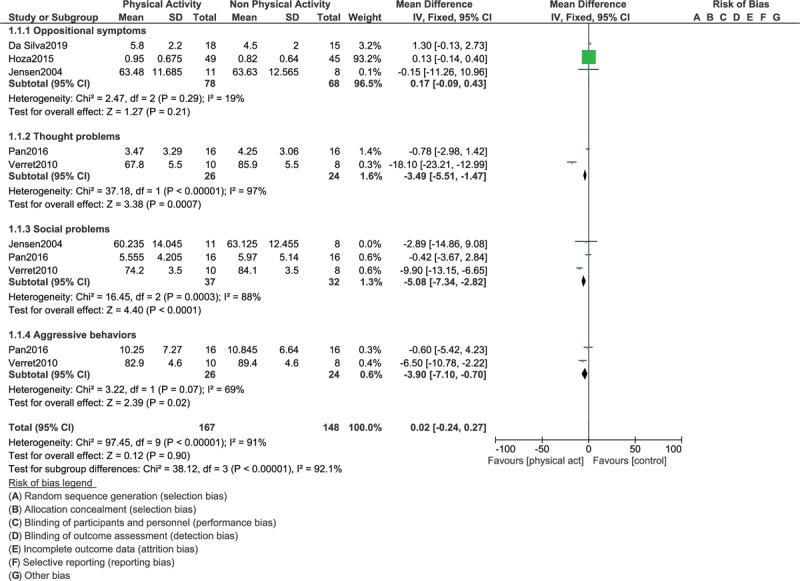
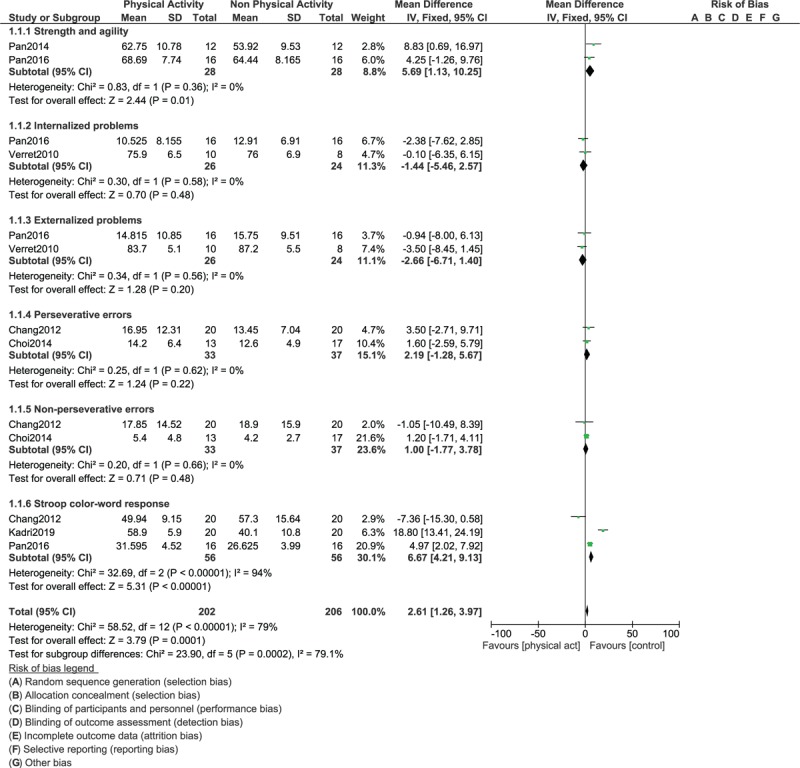
Background: Attention deficit hyperactivity disorder (ADHD) which is characterized by developmentally inappropriate levels of attention, hyperactivity and impulsivity, is considered as the most common neurodevelopmental disorder in childhood. Physical exercise has shown to have several benefits in the improvement of children with ADHD. In this meta-analysis, we aimed to systematically show, with evidence, the impact of physical exercise on children with ADHD. Methods: Web of Science, MEDLINE, EMBASE, Google Scholar, Cochrane Central and http://www.ClinicalTrials.gov were the searched sources for studies which were based on the impact of physical exercise on children with ADHD. Relevant endpoints were assessed. This evidence based meta-analysis was carried out by the most relevant RevMan 5.3 software. Due to the involvement of continuous data (mean and standard deviation), weight mean difference (WMD) with 95% confidence intervals (CI) were used to represent the final analysis. A significant level of P≤ .05 was set and a fixed statistical effect model was used throughout the analysis. Results: Fourteen studies with a total number of 574 participants with ADHD were included in this evidenced based meta-analysis. Two hundred and seventy six (276) participants were assigned to the physical activity group whereas 298 participants were assigned to the control group. Results of this analysis showed that anxiety and depression were significantly improved with physical activity in these children with ADHD (WMD: -1.84; 95% CI: [-2.65 – (-1.03)],P = .00001). Hyperactive/impulsive symptoms (WMD: -0.01; 95% CI: [-0.32 – 0.29],P = .93) and inattention symptoms (WMD: -0.22; 95% CI: [-0.51 – 0.08],P = .15) were also improved with physical exercise but the results were not statistically significant. This evidence based analysis showed thought problems (WMD: -3.49; 95% CI: [-5.51 – (-1.47)],P = .0007), social problems (WMD: -5.08; 95% CI: [-7.34 – (-2.82)],P = .0001), and aggressive behaviors (WMD: -3.90; 95% CI: [-7.10 – (-0.70)],P = .02) to have significantly been improved in participants with ADHD who were assigned to physical activity group. Conclusions: This current meta-analysis showed with evidence, that physical exercise has a major contribution owing to significant improvement in anxiety and depression, aggressive behaviors, thought and social problems among children suffering from ADHD. Therefore, physical exercise should be incorporated in the daily life of children with ADHD. Further future research should be able to confirm this hypothesis.
Overview
The claims and statistics of this paper haven’t been checked yet.
Free: it reads the open-access text and checks the first 5 claims that cite a source we can check. Create a free account to check every claim.
Integrity signals
Registry
Cites
Statistics
Figures
Verification
Claims the paper makes
The claims and statistics of this paper haven’t been checked yet.
Free: it reads the open-access text and checks the first 5 claims that cite a source we can check. Create a free account to check every claim.
Claims other papers make about this one
Each is checked against this paper’s own text: does it say what the citing paper says it does?
The source backs part of the claim, not all of it — or backs it for a different population, condition or comparison.
In the citing paper
“but significant reductions in anxiety and depression (5 studies, 164 participants) (Zang, 2019).”
From The World Federation of ADHD International Consensus Statement: 208 Evidence-based conclusions about the disorder (2021) · cites this paper as Zang, 2019
Experimental — accuracy not yet measuredThe cited source says what the claim attributes to it.
In the citing paper
“Another meta-analysis found no significant effect of exercise on either hyperactivity/impulsivity (4 studies, 227 participants) or inattention symptoms (6 studies, 277 participants), but significant reductions in anxiety and depression (5 studies, 164 participants) (Zang, 2019).”
From The World Federation of ADHD International Consensus Statement: 208 Evidence-based conclusions about the disorder (2021) · cites this paper as Zang, 2019
The cited source says what the claim attributes to it.
In the citing paper
“Another meta-analysis found no significant effect of exercise on either hyperactivity/impulsivity (4 studies, 227 participants) or inattention symptoms (6 studies, 277 participants), but significant reductions in anxiety and depression (5 studies, 164 participants) (Zang, 2019).”
From The World Federation of ADHD International Consensus Statement: 208 Evidence-based conclusions about the disorder (2021) · cites this paper as Zang, 2019
Self-check
Percentages, sums and reported differences re-computed from the paper’s own numbers.
The self-check needs the paper’s full text.
Citations
Cites
Liberati, A., Altman, D. G., Tetzlaff, J., Mulrow, C., Gøtzsche, P. C., Ioannidis, J. P. A., Clarke, M., Devereaux, P. J., Kleijnen, J., & Moher, D. (2009) · PLoS Medicine · doi:10.1371/journal.pmed.1000100 · Cited by 28,164
Liberati, A., Altman, D. G., Tetzlaff, J., Mulrow, C., Gotzsche, P. C., Ioannidis, J. P. A., Clarke, M., Devereaux, P. J., Kleijnen, J., & Moher, D. (2009) · BMJ · doi:10.1136/bmj.b2700 · Cited by 17,648
Stang, A. (2010) · European Journal of Epidemiology · doi:10.1007/s10654-010-9491-z · Cited by 17,396 · cited 1×
“The quality assessment of the randomized trials was carried out with reference to the criteria suggested by the Cochrane Collaboration([19]) and the quality assessment of the observational studies was carried out by the Newcastle Ottawa Scale (NOS).([20])”
MethodMolina, B. S. G., Hinshaw, S. P., Swanson, J. M., Arnold, L. E., Vitiello, B., Jensen, P. S., Epstein, J. N., Hoza, B., Hechtman, L., Abikoff, H. B., et al. (2009) · Journal of the American Academy of Child & Adolescent Psychiatry · doi:10.1097/chi.0b013e31819c23d0 · Cited by 1,182 · cited 1×
“Poor adherence,([12]) partial or non-response to medications,([13]) and uncertainty about the long-term costs of medications,([14]) beneficial and side effects are the other limitations of pharmacological therapy for ADHD.”
BackgroundDalsgaard, S., Østergaard, S. D., Leckman, J. F., Mortensen, P. B., & Pedersen, M. G. (2015) · The Lancet · doi:10.1016/s0140-6736(14)61684-6 · Cited by 681 · cited 1×
“This disorder is also associated with substantial long-term depressive outcomes and mortality.([9]) To improve the symptoms of ADHD in these children, pharmacological treatment is associated with long-term beneficial effects and has been considered as first line therapy.”
BackgroundThe epidemiology of attention‐deficit/hyperactivity disorder (ADHD): A public health view
Rowland, A. S., Lesesne, C. A., & Abramowitz, A. J. (2002) · Mental Retardation and Developmental Disabilities Research Reviews · doi:10.1002/mrdd.10036 · Cited by 495 · cited 1×
“The diagnosis is mainly based on parents’ and teachers’ reports, with reference to learning disabilities, anxiety and conduction disorders.([2]) Children with ADHD often have significant impairment in occupational,([3]) health,([4]) social([5]) and academic([6]) domains contributing to motivational and learning disabi…”
BackgroundYoung Adult Educational and Vocational Outcomes of Children Diagnosed with ADHD
Kuriyan, A. B., Pelham, W. E., Molina, B. S. G., Waschbusch, D. A., Gnagy, E. M., Sibley, M. H., Babinski, D. E., Walther, C., Cheong, J., Yu, J., et al. (2013) · Journal of Abnormal Child Psychology · doi:10.1007/s10802-012-9658-z · Cited by 406 · cited 1×
“Children with ADHD often have significant impairment in occupational,([3]) health,([4]) social([5]) and academic([6]) domains contributing to motivational and learning disabilities and anxiety disorders as well as impulsive behaviors resulting in a negative impact on themselves and therefore contribute to the developm…”
BackgroundMortality, ADHD, and Psychosocial Adversity in Adults With Childhood ADHD: A Prospective Study
Barbaresi, W. J., Colligan, R. C., Weaver, A. L., Voigt, R. G., Killian, J. M., & Katusic, S. K. (2013) · Pediatrics · doi:10.1542/peds.2012-2354 · Cited by 401
Review of Medication Adherence in Children and Adults with ADHD
Adler, L. D., & Nierenberg, A. A. (2010) · Postgraduate Medicine · doi:10.3810/pgm.2010.01.2112 · Cited by 295 · cited 1×
“Poor adherence,([12]) partial or non-response to medications,([13]) and uncertainty about the long-term costs of medications,([14]) beneficial and side effects are the other limitations of pharmacological therapy for ADHD.”
BackgroundVerret, C., Guay, M.-C., Berthiaume, C., Gardiner, P., & Béliveau, L. (2012) · Journal of Attention Disorders · doi:10.1177/1087054710379735 · Cited by 294 · cited 1×
“responses (-), perseverative errors (-), non-perseverative errors (-), conceptual level responses (+), categories completed (+) Verret, 2010([25]) Anxiety-depression, withdrawal-depression, somatic complaints, social problems, thought problems, attention problems, rule-breaking”
Background
Research works printed but not linked: 1
- Higgins JP Assessing risk of bias in included studies, in Cochrane handbook for systematic reviews of interventions. Wiley 2008; 187– 241.
Cited by
Faraone, S. V., Banaschewski, T., Coghill, D., Zheng, Y., Biederman, J., Bellgrove, M. A., Newcorn, J. H., Gignac, M., Al Saud, N. M., Manor, I., et al. (2021) · Neuroscience & Biobehavioral Reviews · doi:10.1016/j.neubiorev.2021.01.022 · Cited by 1,545
Sun, W., Yu, M., & Zhou, X. (2022) · Psychiatry Research · doi:10.1016/j.psychres.2022.114509 · Cited by 210
“Studies have also shown that physical activity can significantly relieve anxiety, depression, aggressive behavior, as well as improve mind-set and social problems in children with ADHD (Zang, 2019).”
BackgroundResultSeiffer, B., Hautzinger, M., Ulrich, R., & Wolf, S. (2021) · Journal of Attention Disorders · doi:10.1177/10870547211017982 · Cited by 176
Zhao, L., Agazzi, H. C., Du, Y., Meng, H., Maku, R., Li, K. Z., Aspinall, P. A., GARVAN, C. W., & Fang, S. (2024) · Journal of Medical Internet Research · doi:10.2196/55569 · Cited by 123
Nazarova, V. A., Sokolov, A. V., Chubarev, V. N., Tarasov, V. V., & Schiöth, H. B. (2022) · Frontiers in Pharmacology · doi:10.3389/fphar.2022.1066988 · Cited by 111
“In some trials, a substantial improvement in anxiety and depression symptoms, aggressive behaviors, and social problems were observed (Zang, 2019).”
BackgroundMethodFamilies With Children With Neurodevelopmental Disorders During COVID-19: A Scoping Review
Shorey, S., Lau, L. S. T., Tan, J., Ng, E. D., & Aishworiya, R. (2021) · Journal of Pediatric Psychology · doi:10.1093/jpepsy/jsab029 · Cited by 100
“…thought problems, social problems, and aggressive behaviors among children with neurodevelopmental disorders (Kim, 2018; Yarımkaya & Esentürk, 2020; Zang, 2019), barriers to the parental enforcement of home-based physical activities were the lack of knowledge, time, resources and facilities to…”
BackgroundHattabi, S., Forte, P. M., Kukić, F., Bouden, A., Have, M., Chtourou, H., & Sortwell, A. (2022) · International Journal of Environmental Research and Public Health · doi:10.3390/ijerph192316238 · Cited by 96
Liu, C., Liang, X., & Sit, C. H. P. (2024) · JAMA Pediatrics · doi:10.1001/jamapediatrics.2023.6251 · Cited by 88
Chronic Exercise for Core Symptoms and Executive Functions in ADHD: A Meta-analysis
Huang, H., Jin, Z., He, C., Guo, S., Zhang, Y., & Quan, M. (2022) · PEDIATRICS · doi:10.1542/peds.2022-057745 · Cited by 69
Li, D., Li, L., Zang, W., Wang, D., Miao, C., Li, C., Zhou, L., & Yan, J. H. (2023) · Frontiers in Physiology · doi:10.3389/fphys.2023.1189443 · Cited by 62
“The findings revealed that physical activity interventions had a significant positive impact on anxiety and depression, aggressive behaviour, thinking, and social problems among children with ADHD (Zang, 2019).”
BackgroundSulkama, S., Puurunen, J., Salonen, M. K., Mikkola, S., Hakanen, E., Araujo, C., & Lohi, H. (2021) · Translational Psychiatry · doi:10.1038/s41398-021-01626-x · Cited by 53
“Studies investigating the effects of exercise on human ADHD are sparse and have small sample sizes, but in children with ADHD, a few meta-analyses demonstrate the physical exercise to alleviate hyperactivity, impulsivity and inattention to some extent [61, 62].”
BackgroundLi, D., Wang, D., Cui, W., Yan, J. H., Zang, W., & Li, C. (2023) · Frontiers in Neuroscience · doi:10.3389/fnins.2023.1139263 · Cited by 52
“The findings indicated that physical activity interventions had a significant positive effect on anxiety and depression, aggressive behavior, thinking, and social problems in children with ADHD (Zang, 2019).”
BackgroundSwansburg, R. M., Hai, T., MacMaster, F. P., & Lemay, J.-F. (2021) · Paediatrics & Child Health · doi:10.1093/pch/pxab030 · Cited by 51
“A recent meta-analysis of physical activity in paediatric ADHD reported significant improvements in depression, anxiety and aggressive behaviours due to physical activity intervention, and nonsignificant improvements in hyperactive/impulsive and inattention symptoms (38).”
BackgroundTourjman, V., Gill, L.-N., Ahmed, G., DuBow, A., Côté, H., Daly, N., Daoud, G., Espinet, S. D., Flood, J., Gagnier-Marandola, E., et al. (2022) · Brain Sciences · doi:10.3390/brainsci12081023 · Cited by 50
Ganjeh, P., Meyer, T., Hagmayer, Y., Kuhnert, R., Ravens‐Sieberer, U., von Steinbüchel, N., Rothenberger, A., & Becker, A. (2021) · International Journal of Environmental Research and Public Health · doi:10.3390/ijerph18052207 · Cited by 45
“In addition, the present evidence is insufficient to provide a clear positive statement for different age groups during childhood and adolescence and recommendation for PA as part of a treatment program in children and adolescents with mental health problems [45,48,52,58,61].”
BackgroundZhu, Y., Li, J., Zhang, M., Li, C., Lau, E. Y. H., & Tao, S. (2022) · Psychology of sport and exercise · doi:10.1016/j.psychsport.2022.102288 · Cited by 40
Liu, C., Yang, Y., Wong, S. H., Leung, A., & Sit, C. H. P. (2025) · International Journal of Behavioral Nutrition and Physical Activity · doi:10.1186/s12966-025-01745-4 · Cited by 37
“Focusing specifically on ADHD, the positive impacts of PA on depression, anxiety, and inhibitory control in children and adolescents have been noted, particularly with non-aerobic exercises such as cognitively engaging activities and primarily within the child population [21, 22].”
Neurobiology of Attention Deficit Hyperactivity Disorder
Faraone, S. V., & Radonjić, N. V. (2023) · Springer eBooks · doi:10.1007/978-3-030-42825-9_33-1 · Cited by 36
Accardo, A. L., Pontes, N. M. H., & Pontes, M. (2023) · Journal of Autism and Developmental Disorders · doi:10.1007/s10803-023-06117-0 · Cited by 33
“Systematic reviews were also identified reporting upon the impact of physical activity on a range of variables for individuals with ADHD (e.g., Neudecker et al., 2019; Xie et al., 2021; Zang, 2019).”
Practical Strategies for Identifying and Managing Burnout in Plastic Surgeons
Santos, P. J. F., & Evans, G. R. D. (2020) · Plastic & Reconstructive Surgery · doi:10.1097/prs.0000000000007186 · Cited by 30
Neurocognitive and behavioral outcomes of Chinese survivors of childhood lymphoblastic leukemia
Peng, L., Yang, L. S., Yam, P., Lam, C. S., Chan, A. S.-Y., Li, C. K., & Cheung, Y. T. (2021) · Frontiers in Oncology · doi:10.3389/fonc.2021.655669 · Cited by 29
“The emotional and educational influences of physical activities may address specific externalizing problems in adolescents, such as rule-breaking behaviors, aggression and antisocial personality traits (74).”
BackgroundGanjeh, P., Hagmayer, Y., Meyer, T., Kuhnert, R., Ravens‐Sieberer, U., von Steinbüchel, N., Rothenberger, A., & Becker, A. (2022) · Frontiers in Behavioral Neuroscience · doi:10.3389/fnbeh.2022.933139 · Cited by 29
“Similarly, other studies did not report a significant effect of PA on ADHD symptoms or executive functions in ADHD children (Smith et al., 2019; Zang, 2019).”
ResultPeng, S., Fang, Y., Othman, A. T., & Liang, J. (2022) · Frontiers in Psychology · doi:10.3389/fpsyg.2022.940977 · Cited by 29
“Despite the fact that our results revealed no significant relationship between PA and ADHD, a similar study drew the conclusion that PA had significantly improved a variety of behaviors and social problems among children affected by ADHD (Zang, 2019).”
ResultRiper, S. M. V., Tempest, G. D., Piccirilli, A. M., Ma, Q., & Reiss, A. L. (2023) · Medicine & Science in Sports & Exercise · doi:10.1249/mss.0000000000003159 · Cited by 29
Mallorquí‐Bagué, N., Lozano‐Madrid, M., Vintró‐Alcaraz, C., Forcano, L., Díaz‐López, A., Galera, A., Fernández-Carrión, R., Granero, R., Jiménez‐Múrcia, S., Corella, D., et al. (2021) · Scientific Reports · doi:10.1038/s41598-021-88298-1 · Cited by 30
Approach to Evaluating and Managing Adult Attention-Deficit/Hyperactivity Disorder in Primary Care
Huang, H. Y., Huang, H., Spottswood, M., & Ghaemi, S. N. (2020) · Harvard Review of Psychiatry · doi:10.1097/hrp.0000000000000248 · Cited by 28
Nagata, M., Nagata, T., Inoue, A., Mori, K., & Matsuda, S. (2019) · Frontiers in Psychiatry · doi:10.3389/fpsyt.2019.00166 · Cited by 25
Denyer, H., Ramos‐Quiroga, J. A., Folarin, A., Ramos, C., Nemeth, P., Bilbow, A., Woodward, E., Whitwell, S., Müller, U., Larsson, H., et al. (2022) · BMC Psychiatry · doi:10.1186/s12888-022-04429-6 · Cited by 23
Bustamante, E. E., Balbim, G. M., Ramer, J. D., Santiago-Rodríguez, M. E., DuBois, D. L., Brunskill, A., & Mehta, T. G. (2022) · Psychology of sport and exercise · doi:10.1016/j.psychsport.2022.102268 · Cited by 20
Complementary and Alternative Medicine Use by ADHD Patients: A Systematic Review
Wu, J., Li, P., Luo, H., & Lu, Y. (2022) · Journal of Attention Disorders · doi:10.1177/10870547221111557 · Cited by 19
“In addition, physical exercise, omega-3 fatty acid supplementation, and meditation-based therapies can be listed as some popular evidencebased CAM modalities for ADHD patients (Puri & Martins, 2014; Zang, 2019; Zhang et al., 2018).”
BackgroundFeng, L., Li, B., Yong, S. S., & Tian, Z. (2024) · Journal of Science in Sport and Exercise · doi:10.1007/s42978-024-00295-8 · Cited by 16
Complementary and Integrative Treatments for Attention-Deficit/Hyperactivity Disorder in Youth
Russell, D., & Arnold, L. E. (2023) · Child and Adolescent Psychiatric Clinics of North America · doi:10.1016/j.chc.2022.08.005 · Cited by 15
Liu, C., Liang, X., Yang, Y., Liu, R., Arbour‐Nicitopoulos, K. P., & Sit, C. H. P. (2024) · American Journal of Preventive Medicine · doi:10.1016/j.amepre.2024.05.022 · Cited by 15
Villalba-Heredia, L., Rodríguez, C., Amador, Z. S., Núñez, J. C., & Mendez‐Giménez, A. (2022) · Children · doi:10.3390/children10010050 · Cited by 16
“Along these lines, Zang [22] reported that children with ADHD exhibited impaired sensory processing that could lead to hyperactive behavior, manifested through more physical activity in daily life.”
BackgroundSalam, R. A., Khan, M. H., Meerza, S. S. A., Das, J. K., Lewis-Watts, L., & Bhutta, Z. A. (2024) · Nature Medicine · doi:10.1038/s41591-023-02737-2 · Cited by 14
Sun, H., Soh, K. G., Roslan, S. B., Wazir, M. R. W. N., Liu, F., & Zhao, Z. (2022) · Brain Sciences · doi:10.3390/brainsci12070896 · Cited by 12
“Moreover, there is evidence showing that physical exercise [95,96] and cognitive tasks [97] are largely beneficial for attention, which can support the improvement of SR after repeated-exercise training programs, which are shown in Table S5.”
BackgroundUma abordagem geral do Transtorno de Déficit de Atenção e Hiperatividade: revisão de literatura
Bernardes, E. G., & de Siqueira, E. C. (2022) · Revista Eletrônica Acervo Saúde · doi:10.25248/reas.e10864.2022 · Cited by 12
Meta-Analysis Study on Treatment of Children’s Attention Deficit Disorder with Hyperactivity
Xue, J., Hao, Y., Li, X., Guan, R., Wang, Y., Li, Y., & Tian, H. (2021) · Journal of Healthcare Engineering · doi:10.1155/2021/8229039 · Cited by 10
“Complementary and alternative medicine therapies, including traditional Chinese medicine, are widely used worldwide because they have fewer side effects and are safer [14, 15].”
BackgroundRetractedOperationalizing the ICF Core Sets for Autism and ADHD: A Multiple-Methods Feasibility Study
Alehagen, L., Hasslinger, J., Wessman, E., Black, M. H., Remnélius, K. L., Helander, J., Zander, E., & Bölte, S. (2025) · Journal of Autism and Developmental Disorders · doi:10.1007/s10803-024-06717-4 · Cited by 10
The role of physical activity in the association between ADHD and emotional dysregulation
Ontiveros, N., Wiklund, C. A., Ohlis, A., & Ekblom, Ö. B. (2025) · Journal of Affective Disorders · doi:10.1016/j.jad.2025.01.127 · Cited by 9
“Indeed, some studies have found that PA reduces inattention and hyperactivity symptoms (Neudecker et al., 2019; Zang, 2019).”
Kambas, A., Venetsanou, F., Kelaraki, D., & Karageorgopoulou, M. (2025) · Body Movement and Dance in Psychotherapy · doi:10.1080/17432979.2025.2483278 · Cited by 9
“Specifically, a growing body of research highlights the positive effects of physical activity programmes on various neuropsychological parameters (Kamp et al., 2014), cognitive function (Piepmeier et al., 2015), socio-emotional parameters (Zang, 2019), and ADHD symptomatology (Xie et al., 2021).”
Ouyang, J., Hu, Y., Xia, Y., & Sheng, Y. (2025) · Brain and Behavior · doi:10.1002/brb3.71069 · Cited by 7
Seal, E., Vu, J., Winfield, A., & Fenesi, B. (2023) · Brain Sciences · doi:10.3390/brainsci13060887 · Cited by 7
“Furthermore, a recent meta-analysis found that physical activity was a major contributing factor to improving anxiety, depression, aggressive behaviours, and social problems often experienced in ADHD [43].”
BackgroundDiet and physical exercises for preschoolers with ADHD and their mothers: An intervention study
Hassan, M. M., Al-Nuaim, A. A., Osman, S. R., Hassan, M. D., & Ismail, T. M. (2022) · Complementary Therapies in Medicine · doi:10.1016/j.ctim.2022.102826 · Cited by 6
Zhang, L., 宋文坤, Gao, H., & Li, X. (2026) · Frontiers in Psychiatry · doi:10.3389/fpsyt.2026.1761833 · Cited by 5
Mental health in children with and without ADHD: the role of physical activity and parental nativity
Adzrago, D., Sulley, S., & Williams, F. (2025) · Child and Adolescent Psychiatry and Mental Health · doi:10.1186/s13034-025-00859-8 · Cited by 6
Réol, L. A. (2022) · International Journal of Disability Development and Education · doi:10.1080/1034912x.2022.2150837 · Cited by 5
“PA was related to enhanced emotional control (Suarez-Manzano et al., 2018) and a decline in anxiety, depression, social problems, and aggressive behaviour (Cerrillo-Urbina et al., 2015; Neudecker et al., 2015; Zang, 2019).”
BackgroundInfluentialCochrane, W. G., Dinu, L. M., Kika, N., & Dommett, E. J. (2022) · International Journal of Mental Health · doi:10.1080/00207411.2022.2060027 · Cited by 5
“Reviews and meta-analyses demonstrate that exercise can improve core and related ADHD symptoms in children (Chimiklis et al., 2018; Den Heijer et al., 2017; Jeyanthi et al., 2019; VillaGonzalez et al., 2020; Zang, 2019; Zhang et al., 2019).”
BackgroundKocaismail, H. H. K., & Sorakın, Y. (2023) · International Journal of Disabilities Sports & Health Sciences · doi:10.33438/ijdshs.1264878 · Cited by 5
“Especially in students diagnosed with ADHD, positive effects can be mentioned in the context of energy release (Hoza et al., 2016; Verret et al., 2012), and these activities related to this sport should be included in routine life (Zang, 2019).”
BackgroundPhysical activity is linked to fewer psychosomatic problems in adolescents with ADHD symptoms
Fors, E., Helgadóttir, B., Ekblom, M., Nyberg, G., & Selinus, E. N. (2025) · Mental health and physical activity · doi:10.1016/j.mhpa.2025.100683 · Cited by 4
“A meta-analysis by Zang, 2019 showed that physical exercise contributed to significant improvement in anxiety and depression, and social problems, in children with ADHD (Zang, 2019).”
Wang, A., Peng, Y., Cui, Z., Zhang, Q., & Wang, T. (2025) · Frontiers in Psychiatry · doi:10.3389/fpsyt.2025.1670044 · Cited by 5
Murillo, S., Philipsheck, A. P., Dementyev, F., Bello-Soto, B., Bhatt, E., Wilson, H., Madison, K., Schuck, L., Wiafe, S., Brown, C. L., et al. (2025) · Frontiers in Sports and Active Living · doi:10.3389/fspor.2025.1646805 · Cited by 4
The SASOP/PsychMg child and adolescent attention-deficit/hyperactivity disorder guidelines
Belsham, B., Kelly, L., & Schoeman, R. (2025) · South African Journal of Psychiatry · doi:10.4102/sajpsychiatry.v31i0.2357 · Cited by 5
Novel and complementary treatment approaches in attention-deficit/hyperactivity disorder
Caterfino, A., Krishna, S., & Chen, V. (2024) · Current Opinion in Pediatrics · doi:10.1097/mop.0000000000001378 · Cited by 4
Dance/movement interventions and students with exceptionalities: A critical review
Anderson, A., & Mathews, R. (2024) · Routledge Open Research · doi:10.12688/routledgeopenres.18514.1 · Cited by 4
Sánchez, C. R., & Calvo, I. (2021) · Fisioterapia · doi:10.1016/j.ft.2021.04.004 · Cited by 4
Mansori, M. H., Pakar, E., Ardakani, M. K., & Mohammadkhani, K. (2021) · ranian Journal of Health Education and Health Promotion · doi:10.52547/ijhehp.9.4.398 · Cited by 4
Long-term Outcome of Cognitive and Emotional Functioning in Young People with ADHD
Tallberg, P. (2021) · Lund University Publications (Lund University) · Cited by 4
Lu, L., Chen, M., Ren, J., Ni, M., Zhou, Y., & Li, X. (2025) · General Hospital Psychiatry · doi:10.1016/j.genhosppsych.2025.08.002 · Cited by 4
Chen, B., Shi, Z., & Liu, J. (2026) · Public Health · doi:10.1016/j.puhe.2026.106272 · Cited by 3
Ali, L., Elsayed, M., & Tawab, A. M. A. (2024) · Egyptian Journal of Health Care · doi:10.21608/ejhc.2024.354404 · Cited by 3
“Also Zang (2019) in a study demonstrated that physical activity dramatically reduced anxiety, as well as social and cognitive problems among children with ADHD.”
BackgroundMorphological and Functional Development of Adolescents with Health Disorders
Shaposhnikova, I. I., Korsun, S. M., Malechko, T. A., Stasiuk, R. M., Serhiienko, V. M., Bondar, T. K., & Riabchenko, V. G. (2023) · Acta Balneologica · doi:10.36740/abal202305107 · Cited by 3
Dance/movement interventions and students with disabilities: A critical review
Anderson, A., & Mathews, R. (2024) · Routledge Open Research · doi:10.12688/routledgeopenres.18514.2 · Cited by 3
Hagiescu, S. M. (2021) · Psychology · doi:10.4236/psych.2021.128081 · Cited by 3
“Physical activity may reduce Attention-Deficit/Hyperactivity Disorder symptoms, increase self-esteem, reduce levels of anxiety and depression and improve social behavior (Zang, 2019).”
BackgroundLiu, C., Yang, Y., Arbour‐Nicitopoulos, K. P., Ho, R., Cheung, J. S.-T., Leung, A., & Sit, C. H. P. (2025) · Journal of Autism and Developmental Disorders · doi:10.1007/s10803-025-06809-9 · Cited by 2
“Robust evidence has shown the PA-induced benefits for alleviating depression in adolescents (Recchia et al., 2023 ), as well as in those with ADHD (Zang, 2019 ).”
Hoy, B.-A., Bi, M., Lam, M., Abdalmalak, A., & Fenesi, B. (2025) · Brain Sciences · doi:10.3390/brainsci15101107 · Cited by 2
“Engaging in regular as well as concentrated bouts of physical activity has been repeatedly shown to benefit children with ADHD and improve executive functioning skills [16], academic achievement [16], mood and overall well-being [16,17,22,35,36].”
Exercise as an Intervention for Individuals With Attention Problems
Brenner, S. B., Hartshorne, T. S., Klunejko, S., & Jaklic, J. (2022) · Journal of Education · doi:10.1177/00220574221097368 · Cited by 2
Hoy, B.-A., Feehely, M., Bi, M., Lam, M., Abdalmalak, A., & Fenesi, B. (2025) · Brain Sciences · doi:10.3390/brainsci15060623 · Cited by 2
“The neurobiological effect of physical activity is well suited to support the under-aroused PFC characteristic of those with ADHD [2,31,32], helping to promote executive functioning, self-regulation, and mood [33–37].”
Song, J., Jasim, M., Roberts, D. E., Kim, S.-C., Kim, B., Rodriguez, G. M., Hord, M. K., & Jung, H.-T. (2023) · Annual International Conference of the IEEE Engineering in Medicine and Biology Society (EMBC) · doi:10.1109/embc40787.2023.10340298 · Cited by 2
“Intensive engagement with mobile games, however, can reinforce sedentary behaviors which are detrimental to children with ADHD who display an increased risk of health, behavioral, and motor deficits related to sedentary activity [4]–[6].”
BackgroundCondurache, I., Crăciun, I., Ilea, M., Rotariu, M., & Mucileanu, C. (2024) · Balneo and PRM Research Journal · doi:10.12680/balneo.2024.701 · Cited by 2
“Therefore, improving depression through exercise in these children may reduce the need for pharmacological intervention, thereby minimizing adverse drug effects and presenting another advantage of exercise therapy [9].”
BackgroundNeurobiology of Attention Deficit Hyperactivity Disorder
Faraone, S. V., & Radonjić, N. V. (2024) · Springer eBooks · doi:10.1007/978-3-030-51366-5_33 · Cited by 2
Shah, N., Nadella, H., & Williams, S. (2025) · Cureus · doi:10.7759/cureus.87810 · Cited by 2
“It is important to note that a study conducted in 2019 showed that “hyperactive and impulsive symptoms” were improved with physical exercise, but those results were not statistically significant with a p-value of 0.15 [17].”
InfluentialKadiyeva, M., & Благій, О. (2021) · Quality in Sport · doi:10.12775/qs.2021.013 · Cited by 2
“Young age is rather flexible for correction of emotional disorders that is why it is important to diagnose those in time and conduct counselling activities for developing emotional and volitional processes of the primary school aged children [19, 25].”
BackgroundSimard, L. (2024) · Constellation (Université du Québec à Chicoutimi) · Cited by 2
Chojnacka, B., Ożga, A., Wątor, J., Woźniacka, A., Krzeszowiak, J., Boba, B., Pulanecki, T., Podolska, A., Bryksy, S., & Kolano, P. (2025) · Quality in Sport · doi:10.12775/qs.2025.43.61248 · Cited by 1
Dai, X., Shen, H., Guan, Y., & Bao, J. (2026) · Adolescent Research Review · doi:10.1007/s40894-026-00282-w · Cited by 1
Zhu, F., Zhang, X., Wu, Y., Li, Y., Ren, Y., & Zhang, M. (2026) · Psychiatry Research · doi:10.1016/j.psychres.2026.117267 · Cited by 1
Winther, J.-A. L. (2020) · Minerva Access (University of Melbourne) · Cited by 1
Storying the statistics : a personal perspective on ADHD
Richardson, M. J. (2022) · TSpace (University of Toronto) · Cited by 1
Seiffer, B., & Wolf, S. (2020) · Psychotherapeut · doi:10.1007/s00278-020-00419-9
“Zudem weist die oben vorgestellte Evidenz auf positive Effekte auf die ADHS-Symptomatik bei Kindern und Jugendlichen hin (Cerrillo-Urbina et al. 2015; Seiffer et al. in Vorbereitung; Zang 2019).”
BackgroundInfluentialExercise Behavior and Self-Efficacy of Medical Students Based on Stages of Change Model
Asadpour, M., Namdari, M., Sahraei, M., Bozorg, B., Sheikh Fathollahi, M., Bidaki, R., & Saberi Hosseinabad, M. (2021) · International Journal of Applied Behavioral Sciences · doi:10.22037/ijabs.v8i1.31504
Diniz, D. G. S., Medeiros, C. C. M., & de Carvalho, D. F. (2020) · Revista interdisciplinar em saúde · doi:10.35621/23587490.v7.n1.p1774-1787
Does Physical Activity Improve Sustained Attention in Adults with ADHD?Preprint
Tiernan, J. G., & McGovern, D. P. (2023) · PsyArXiv (OSF Preprints) · doi:10.31234/osf.io/2ev7k
Ganjeh, P. (2023) · eDiss (Georg-August-Universität Göttingen) · doi:10.53846/goediss-10106
Korn, L., Moran, D. S., Koren, G., & Sandhous, Y. (2024) · Research Square · doi:10.21203/rs.3.rs-3876822/v1
Okonkwo, U. P., Nwose, J. C., Akosile, C. O., Chukwuemeka, U. M., Mbanuzuru, A. V., Igwe, S. E., Okafor, C. N., & Umunnah, J. O. (2024) · Bulletin of Faculty of Physical Therapy · doi:10.1186/s43161-024-00174-x
“…war-ranting treatment and physiotherapists are not directly involved in the management of neuropsychiatric disorders, specifically ADHD, although numerous studies have proven the importance of the implementation of physical therapy in mental health, as well as interdisciplinary work [33, 34].”
BackgroundChoudhry, K. (2024) · International Journal of Science and Research (IJSR) · doi:10.21275/sr231229140042
“16 Yu Zang (2019) analyzed the data and provided evidence to demonstrate how exercise greatly reduced the symptoms of anxiety, depression, social issues, and violent behavior.”
Schulz, J. P. (2024) · eDiss (Georg-August-Universität Göttingen) · doi:10.53846/goediss-10874
Liu, C., Yang, Y., Arbour‐Nicitopoulos, K. P., Ho, R., Cheung, J. S.-T., Leung, A., & Sit, C. H. P. (2025) · Journal of Autism and Developmental Disorders · doi:10.1007/s10803-025-07052-y
Liu, C., Wong, S. H., Arbour‐Nicitopoulos, K. P., Ho, R., Yang, Y., Liang, X., Leung, A., Cheung, J. S.-T., Dastamooz, S., & Sit, C. H. P. (2025) · Journal of Affective Disorders · doi:10.1016/j.jad.2025.120369
Tordecilla‐Sanders, A., García-Laguna, G., Trompetero-González, A.-C., Domínguez‐Sánchez, M. A., Ramos‐Caballero, D. M., Redondo-Bejarano, C., Gómez, A., Pulecio-Pacheco, E. N., Hernández-Lozano, S., & Alvarez-Montoya, E. (2025) · medRxiv · doi:10.1101/2025.11.03.25339438
Bowler, A., Downs, J. M., Carr, E., Groom, M. J., Bilbow, A., Redly, A., Cunningham-Rowe, K., Folarin, A., Dobson, R., & Kuntsi, J. (2025) · BMC Psychiatry · doi:10.1186/s12888-025-07546-0
البكــــري, ا. م. ع. (2024) · Mağallaẗ Al-Buḥūṯ Al-Tarbawiyyaẗ wa Al-Nawʿiyyaẗ · doi:10.21608/jeor.2024.469696
Nguyen, T. C. A. H. (2022) · Murdoch University Research Portal · doi:10.17605/osf.io/ev6ws
de la Cruz, M. C. (2020) · Dipòsit Digital de Documents de la UAB (Universitat Autònoma de Barcelona)
Effekten av fysisk aktivitet hos barn med ADHD : En systematisk litteraturöversikt
Sjöstrand, A., & Hjelmar, M. (2025) · DiVA (Mälardalen University College)
Importance de la prise en charge non médicamenteuse dans le TDAH chez l’enfant et l’adulte
Lemaitre, G. (2024) · HAL
Iivonen, R., & Ranta, S. (2020) · Theseus (Ammattikorkeakoulujen)
Meller, M. R. (2024) · Lume (Universidade Federal do Rio Grande do Sul)
Metadata
- Authors
- Zang, Y.
- Affiliations
- Nanjing University (CN)
- Corresponding author
- Zang, Yu
- Venue
- Medicine
- Published
- 2019-11
- Volume
- 98
- Issue
- 46
- Pages
- e17980
- ISSN
- 0025-7974 (ISSN-L)
- 1536-5964
- PMC
- PMC6867774
- OpenAlex
- W2986647495
- Semantic Scholar
- 93da4f51f27ea2ce301a3188e9a670734d9e1307
- Cited by
- 89
- References
- 49
- Citations by year
- 2026: 9 · 2025: 19 · 2024: 14 · 2023: 12 · 2022: 17 · 2021: 13 · 2020: 4 · 2019: 1
- FWCI
- 1.47
- Type
- journal article
- Language
- en
- Open access
- gold
- doi.org
- Locations
- Medicine (publishedVersion, cc-by)
- Europe PMC (PubMed Central) (publishedVersion, cc-by)
- PubMed Central (publishedVersion, cc-by)
- PubMed (publishedVersion)
- Topics
- Health Sciences › Medicine › Psychiatry and Mental health › Attention Deficit Hyperactivity Disorder
- Health Sciences › Medicine › Public Health, Environmental and Occupational Health › Physical Activity and Health
- Life Sciences › Neuroscience › Cognitive Neuroscience › Autism Spectrum Disorder Research
- Keywords
- attention deficit hyperactivity disorder, physical activity, children, anxiety, depression, hyperactive-impulsive symptoms, inattentive symptoms, aggression, social problems, thought problems, neurodevelopmental disorders, exercise intervention outcomes, non-pharmacological treatment, academic performance, motor coordination, motor speed, motor agility, motor endurance, motor flexibility
- MeSH terms
- Aggression, Anxiety, Attention, Attention Deficit Disorder with Hyperactivity, Child, Depression, Humans, Interpersonal Relations, Mental Health, Exercise
About these checks
Registry, retraction, Cites and statistics results are computed, not judged, with one exception: a printed reference that no index lists is read once by a model before it counts as a citation error. Claims are extracted by a model and kept only when their quote appears verbatim in the text; each cited source is then checked, with a model’s help, for whether it says what the claim relies on. Those verdicts can be wrong — read the claim’s quote and the cited source before relying on one.
Statistics and arithmetic are recomputed, not judged.
Confidence bands are shown only for fields calibrated on our annotated test set. None is calibrated yet, so no band is shown.
What counts as a claim ›How we measure confidence ›How we check this ›
Are you an author, or do you see a problem with this page? Request a review
Data sources
Bibliographic data: Semantic Scholar, OpenAlex, Crossref.
Contains information from the Semantic Scholar Academic Graph Datasets, made available under the ODC Attribution License (ODC-BY 1.0).
Semantic Scholar’s data is described in: Kinney, R., et al. (2023). The Semantic Scholar Open Data Platform. arXiv:2301.10140.
