

The conundrum of depression clinical trials: one size does not fit all
Open accessThe DOI matches its Crossref record; 61 of the 61 references it cites were found in a registry or an index.
Abstract
In this paper we review the history of antidepressant (AD) development, since the discovery of imipramine in 1957 to the present day. Through this exploration we will show that the increasing placebo response is likely a red herring and that a higher magnitude of placebo response is not an adequate explanation for AD trials' high failure rates. As a better explanation for their lack of success, we will examine some of the fundamental flaws of AD clinical trials and their origins in historical forces. We focus on underpowering, which occurs as a consequence of unrealistic expectations for AD performance. In addition, we describe the lack of precision in the depression outcome measurements for the past 40 years and show how these measures contrast with those used in clinical trials of other chronic diseases, which use simpler outcome measures. Finally, we describe the role of regulatory agencies in influencing clinical trial design and how the assumption that 'one size fits all' for the past 60 years has led to flawed design of AD clinical trials.
Overview
The claims and statistics of this paper haven’t been checked yet.
Free: it reads the open-access text and checks the first 5 claims that cite a source we can check. Create a free account to check every claim.
Integrity signals
Registry
Cites
Statistics
Figures
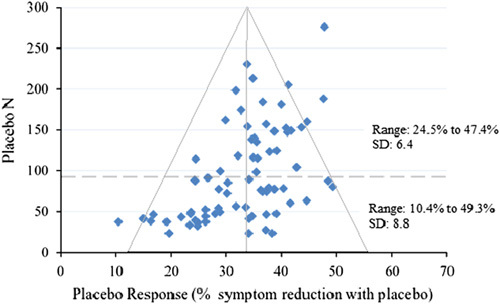
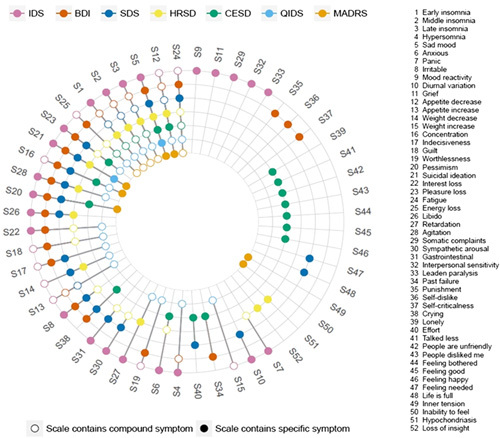
Verification
Claims the paper makes
The claims and statistics of this paper haven’t been checked yet.
Free: it reads the open-access text and checks the first 5 claims that cite a source we can check. Create a free account to check every claim.
Claims other papers make about this one
Each is checked against this paper’s own text: does it say what the citing paper says it does?
The source backs part of the claim, not all of it — or backs it for a different population, condition or comparison.
In the citing paper
“In contrast, “blockbuster drugs” for neurobehavioural conditions have not yielded blockbuster improvements.”
From Precision clinical trials: a framework for getting to precision medicine for neurobehavioural disorders (2021) · cites this paper as [9]
Experimental — accuracy not yet measuredThe source backs part of the claim, not all of it — or backs it for a different population, condition or comparison.
In the citing paper
“First, patient subgroups are defined by baseline pre-randomization markers that are hypothesized to modulate the effect size of the intervention (i.e., modulators), an approach commonly used in cardiovascular disease, for example.”
From Precision clinical trials: a framework for getting to precision medicine for neurobehavioural disorders (2021) · cites this paper as [9]
Experimental — accuracy not yet measuredThe source backs part of the claim, not all of it — or backs it for a different population, condition or comparison.
In the citing paper
“This flawed approach fails to take into account the complexity of neurobehavioural disorders in 3 ways.9,34–37”
From Precision clinical trials: a framework for getting to precision medicine for neurobehavioural disorders (2021) · cites this paper as [9]
Experimental — accuracy not yet measuredIn the citing paper
“For example, placebo-controlled trials in depression and anxiety disorders have shown very small average effect sizes.9,10,11”
From Precision clinical trials: a framework for getting to precision medicine for neurobehavioural disorders (2021) · cites this paper as [9]
Self-check
Percentages, sums and reported differences re-computed from the paper’s own numbers.
The self-check needs the paper’s full text.
Citations
Cites
Hamilton, M. (1960) · Journal of Neurology, Neurosurgery & Psychiatry · doi:10.1136/jnnp.23.1.56 · Cited by 32,817 · cited 2×
“Intrigued by this new class of ‘antidepressant’ drugs, Hamilton (1960) put together a rating scale intended to measure the severity of depression symptoms.”
BackgroundMethodWhy Most Published Research Findings Are False
Ioannidis, J. P. A. (2005) · PLoS Medicine · doi:10.1371/journal.pmed.0020124 · Cited by 10,505
Power failure: why small sample size undermines the reliability of neuroscience
Button, K. S., Ioannidis, J. P. A., Mokrysz, C., Nosek, B. A., Flint, J., Robinson, E. S. J., & Munafò, M. R. (2013) · Nature Reviews Neuroscience · doi:10.1038/nrn3475 · Cited by 7,641 · cited 1×
“Perhaps we were not heeding the risks of low statistical power well enough, as has been the case in many scientific fields (Cohen, 1962; Freiman et al., 1978; Sedlmeier and Gigerenzer, 1989; Halpern et al., 2002; Maxwell, 2004; Button et al., 2013).”
BackgroundWhy Most Published Research Findings Are False
Ioannidis, J. P. A. (2005) · CHANCE · doi:10.1080/09332480.2005.10722754 · Cited by 4,702 · cited 2×
“Even more importantly, the estimates of the treatment effect size gleaned from such studies are likely to be overestimates in the case of positive studies and underestimates of the true effect if the study was negative (Ioannidis, 2005; Chmura Kraemer et al., 2006; Gibertini et al., 2012; Reinhart, 2015; Blackford, 20…”
BackgroundBelief in the law of small numbers.
Tversky, A., & Kahneman, D. (1971) · Psychological Bulletin · doi:10.1037/h0031322 · Cited by 3,246 · cited 1×
“Perhaps it is the ‘belief in the law of small numbers’ that we are all susceptible to, where the rules of large samples are incorrectly applied to small samples (Tversky and Kahneman, 1971).”
BackgroundKirsch, I., Deacon, B. J., Huedo-Medina, T. B., Scoboria, A., Moore, T. J., & Johnson, B. T. (2008) · PLoS Medicine · doi:10.1371/journal.pmed.0050045 · Cited by 2,442 · cited 1×
“Some investigators have suggested that ADs were not effective (Kirsch et al., 2008; Fournier et al., 2010).”
BackgroundSelective publication of antidepressant trials and its influence on apparent efficacy
Turner, E. H., Matthews, A. M., Linardatos, E., Tell, R. A., & Rosenthal, R. (2008) · New England Journal of Medicine · doi:10.1056/nejmsa065779 · Cited by 2,435 · cited 1×
“It is also likely that these lucky results are disproportionately available for analysis because of selection or publication bias (Turner et al., 2008).”
BackgroundCarroll, B. J. (1981) · Archives of General Psychiatry · doi:10.1001/archpsyc.1981.01780260017001 · Cited by 2,243 · cited 1×
“Yet the search for depression biomarkers has not been fruitful (Carroll et al., 1981; Hasler, 2010).”
BackgroundAntidepressant Drug Effects and Depression Severity: A Patient-Level Meta-analysis
Fournier, J. C., DeRubeis, R. J., Hollon, S. D., Dimidjian, S., Amsterdam, J. D., Shelton, R. C., & Fawcett, J. (2010) · JAMA · doi:10.1001/jama.2009.1943 · Cited by 2,009 · cited 1×
“Some investigators have suggested that ADs were not effective (Kirsch et al., 2008; Fournier et al., 2010).”
BackgroundThe role and interpretation of pilot studies in clinical research
Leon, A. C., Davis, L. L., & Kraemer, H. C. (2011) · Journal of Psychiatric Research · doi:10.1016/j.jpsychires.2010.10.008 · Cited by 1,917 · cited 1×
“As Leon et al. (2011) stated: ‘A pilot study is not a hypothesis testing study…[because] a pilot study does not provide a meaningful effect size estimate for planning subsequent studies due to the imprecision inherent in data from small samples.’”
BackgroundBeecher, H. K. (1955) · Journal of the American Medical Association · doi:10.1001/jama.1955.02960340022006 · Cited by 1,842 · cited 2×
“Following the publication of the paper by Beecher (1955) documenting the prevalence of the placebo response, clinical researchers assumed that in trials of major depression one-third of patients get better with placebo treatment.”
BackgroundInfluentialThe statistical power of abnormal-social psychological research: A review.
Cohen, J. (1962) · The Journal of Abnormal and Social Psychology · doi:10.1037/h0045186 · Cited by 1,824 · cited 1×
“Perhaps we were not heeding the risks of low statistical power well enough, as has been the case in many scientific fields (Cohen, 1962; Freiman et al., 1978; Sedlmeier and Gigerenzer, 1989; Halpern et al., 2002; Maxwell, 2004; Button et al., 2013).”
BackgroundFreiman, J. A., Chalmers, T. C., Smith, H., & Kuebler, R. R. (1978) · New England Journal of Medicine · doi:10.1056/nejm197809282991304 · Cited by 1,628
for the ENIGMA-Major Depressive Disorder Working Group, Schmaal, L., Hibar, D. P., Sämann, P. G., Hall, G. B., Baune, B. T., Jahanshad, N., Cheung, J. W., van Erp, T. G. M., Bos, D., et al. (2017) · Molecular Psychiatry · doi:10.1038/mp.2016.60 · Cited by 1,330 · cited 1×
“Brain scanning (Schmaal et al., 2017) and minute examination of blood products and endocrine functions (Nemeroff and Vale, 2005) have been the avenues for discovery in this pursuit.”
BackgroundDiscovering Endophenotypes for Major Depression
Hasler, G., Drevets, W. C., Manji, H. K., & Charney, D. S. (2004) · Neuropsychopharmacology · doi:10.1038/sj.npp.1300506 · Cited by 1,123 · cited 1×
“Evidence has been mounting that several biological and psychopathological endophenotypes may be candidate variables associated with depressive subtypes (Hasler et al., 2004).”
BackgroundPlacebo Response in Studies of Major Depression: Variable, Substantial, and Growing
Walsh, B. T., Seidman, S. N., Sysko, R., & Gould, M. (2002) · JAMA · doi:10.1001/jama.287.14.1840 · Cited by 1,109 · cited 1×
“The 50% failure rate of AD trials was assumed to occur as a result of an increasing and variable placebo response (Walsh et al., 2002; Khan et al., 2003a).”
BackgroundFried, E. I., & Nesse, R. M. (2015) · Journal of Affective Disorders · doi:10.1016/j.jad.2014.10.010 · Cited by 1,043 · cited 2×
“In essence, antidepressant clinical trials have been plagued by the task of measuring a heterogenous syndrome with diverse patterns of symptom change using a multifaceted measurement tool that may not be measuring the same thing across patients or over time (Fried and Nesse, 2014; Fried et al., 2016).”
BackgroundDepression sum-scores don’t add up: why analyzing specific depression symptoms is essential
Fried, E. I., & Nesse, R. M. (2015) · BMC Medicine · doi:10.1186/s12916-015-0325-4 · Cited by 981 · cited 3×
“In fact, patients with similar total scores can represent ‘roughly 1000 unique combinations of symptoms that all qualify for a diagnosis of MDD, some of which do not share a single symptom’ (Fried and Nesse, 2015).”
BackgroundInfluentialRelapse prevention with antidepressant drug treatment in depressive disorders: a systematic review
Geddes, J. R., Carney, S. M., Davies, C., Furukawa, T. A., Kupfer, D. J., Frank, E., & Goodwin, G. M. (2003) · The Lancet · doi:10.1016/s0140-6736(03)12599-8 · Cited by 945 · cited 1×
“They are also likely to have better prophylactic effects (Geddes et al., 2003).”
BackgroundDo studies of statistical power have an effect on the power of studies?
Sedlmeier, P., & Gigerenzer, G. (1989) · Psychological Bulletin · doi:10.1037/0033-2909.105.2.309 · Cited by 748 · cited 1×
“Perhaps we were not heeding the risks of low statistical power well enough, as has been the case in many scientific fields (Cohen, 1962; Freiman et al., 1978; Sedlmeier and Gigerenzer, 1989; Halpern et al., 2002; Maxwell, 2004; Button et al., 2013).”
Background. Caution regarding the use of pilot studies to guide power calculations for study proposals.
Kraemer, H. C., Mintz, J., Noda, A., Tinklenberg, J., & Yesavage, J. A. (2006) · Archives of General Psychiatry · doi:10.1001/archpsyc.63.5.484 · Cited by 702 · cited 2×
“Even more importantly, the estimates of the treatment effect size gleaned from such studies are likely to be overestimates in the case of positive studies and underestimates of the true effect if the study was negative (Ioannidis, 2005; Chmura Kraemer et al., 2006; Gibertini et al., 2012; Reinhart, 2015; Blackford, 20…”
BackgroundMaxwell, S. E. (2004) · Psychological Methods · doi:10.1037/1082-989x.9.2.147 · Cited by 654 · cited 1×
“Perhaps we were not heeding the risks of low statistical power well enough, as has been the case in many scientific fields (Cohen, 1962; Freiman et al., 1978; Sedlmeier and Gigerenzer, 1989; Halpern et al., 2002; Maxwell, 2004; Button et al., 2013).”
BackgroundThe 52 symptoms of major depression: lack of content overlap among seven common depression scales
Fried, E. I. (2017) · Journal of Affective Disorders · doi:10.1016/j.jad.2016.10.019 · Cited by 649 · cited 1×
“2 as synthesized in the article by Fried (2017).”
BackgroundPathophysiology of depression: do we have any solid evidence of interest to clinicians?
HASLER, G. (2010) · World Psychiatry · doi:10.1002/j.2051-5545.2010.tb00298.x · Cited by 604 · cited 1×
“Yet the search for depression biomarkers has not been fruitful (Carroll et al., 1981; Hasler, 2010).”
BackgroundThe Continuing Unethical Conduct of Underpowered Clinical Trials
Halpern, S. D. (2002) · JAMA · doi:10.1001/jama.288.3.358 · Cited by 547 · cited 1×
“Perhaps we were not heeding the risks of low statistical power well enough, as has been the case in many scientific fields (Cohen, 1962; Freiman et al., 1978; Sedlmeier and Gigerenzer, 1989; Halpern et al., 2002; Maxwell, 2004; Button et al., 2013).”
BackgroundPlacebo Effects of Marketing Actions: Consumers May Get What They Pay For
Shiv, B., Carmon, Z., & Ariely, D. (2005) · Journal of Marketing Research · doi:10.1509/jmkr.2005.42.4.383 · Cited by 541 · cited 4×
“He later published these writings in Swiss Medical Weekly in 1957 – within a year, Geigy was able to successfully market imipramine in the USA and internationally as an antidote for depression.”
BackgroundInfluentialKhan, A., Warner, H. A., & Brown, W. A. (2000) · Archives of General Psychiatry · doi:10.1001/archpsyc.57.4.311 · Cited by 477 · cited 2×
“accordingly, clinical trials may identify the lower bound of the effect size’ (Khan et al., 2000).”
BackgroundSelf-citation(2005) · PubMed · Cited by 470
Clinical Trial of the Treatment of Depressive Illness
(1965) · BMJ · doi:10.1136/bmj.1.5439.881 · Cited by 398 · cited 2×
“In 1965, the British Medical Research Council (1965) conducted a large (or so considered at the time), double blind, randomized, placebo-controlled trial of imipramine, phenelzine, electroconvulsive therapy (ECT), and placebo.”
MethodPapakostas, G. I., & Fava, M. (2009) · European Neuropsychopharmacology · doi:10.1016/j.euroneuro.2008.08.009 · Cited by 382 · cited 3×
“, 1998; Kobak and Thase, 2007), and number of treatment arms (Khan et al., 2004a; Papakostas and Fava, 2009) emerged as potential features that could be controlled to contain a rising placebo response.”
BackgroundFried, E. I. (2015) · Frontiers in Psychology · doi:10.3389/fpsyg.2015.00309 · Cited by 367 · cited 3×
“Fried (2015) put it directly: ‘…sum-scores obfuscate important differences between symptoms on the one hand and between individuals on the other hand’.”
BackgroundFried, E. I., van Borkulo, C. D., Epskamp, S., Schoevers, R. A., Tuerlinckx, F., & Borsboom, D. (2016) · Psychological Assessment · doi:10.1037/pas0000275 · Cited by 314 · cited 2×
“In essence, antidepressant clinical trials have been plagued by the task of measuring a heterogenous syndrome with diverse patterns of symptom change using a multifaceted measurement tool that may not be measuring the same thing across patients or over time (Fried and Nesse, 2014; Fried et al., 2016).”
BackgroundFried, E. I., Nesse, R. M., Zivin, K., Guille, C., & Sen, S. (2014) · Psychological Medicine · doi:10.1017/s0033291713002900 · Cited by 299 · cited 1×
“In addition, different symptoms carry varying degrees of functionality and impairment (Fried et al., 2014).”
BackgroundA Model of Placebo Response in Antidepressant Clinical Trials
Rutherford, B. R., & Roose, S. P. (2013) · American Journal of Psychiatry · doi:10.1176/appi.ajp.2012.12040474 · Cited by 268 · cited 1×
“Such expectancy has been shown to increase the magnitude of both placebo response and AD response (Papakostas and Fava, 2009; Sinyor et al., 2010; Rutherford and Roose, 2013; Berna et al., 2017).”
BackgroundKhin, N. A., Chen, Y.-F., Yang, Y., Yang, P., & Laughren, T. P. (2011) · The Journal of Clinical Psychiatry · doi:10.4088/jcp.10m06191 · Cited by 212 · cited 2×
“…of trial designs and techniques that appeared promising for containing the placebo response have not been shown to be effective, and recent reports (Khin et al., 2011; Khan et al., 2017) failed to identify any association of these design features with the increase in placebo response.”
BackgroundSinyor, M., Levitt, A. J., Cheung, A. H., Schaffer, A., Kiss, A., Dowlati, Y., & Lanctôt, K. L. (2010) · The Journal of Clinical Psychiatry · doi:10.4088/jcp.08r04516blu · Cited by 189 · cited 1×
“Such expectancy has been shown to increase the magnitude of both placebo response and AD response (Papakostas and Fava, 2009; Sinyor et al., 2010; Rutherford and Roose, 2013; Berna et al., 2017).”
BackgroundKhan, A., Khan, S. R., Walens, G., Kolts, R., & Giller, E. L. (2003) · Neuropsychopharmacology · doi:10.1038/sj.npp.1300059 · Cited by 158
Self-citationPlacebo Response and Antidepressant Clinical Trial Outcome
KHAN, A., DETKE, M., KHAN, S. R. F., & MALLINCKRODT, C. (2003) · The Journal of Nervous and Mental Disease · doi:10.1097/01.nmd.0000061144.16176.38 · Cited by 155 · cited 2×
“The 50% failure rate of AD trials was assumed to occur as a result of an increasing and variable placebo response (Walsh et al., 2002; Khan et al., 2003a).”
BackgroundSelf-citationStahl, S. M. (2005) · The Journal of Clinical Psychiatry · doi:10.4088/jcp.v66n0101 · Cited by 139
Kobak, K. A., Kane, J. M., Thase, M. E., & Nierenberg, A. A. (2007) · Journal of Clinical Psychopharmacology · doi:10.1097/jcp.0b013e31802eb4b7 · Cited by 113 · cited 3×
“Others have argued that inter-rater and intrarater variabilities contributed to this phenomenon (Demitrack et al., 1998; Kobak et al., 2005; Kobak and Thase, 2007).”
BackgroundKhan, A., Fahl Mar, K., Faucett, J., Khan Schilling, S., & Brown, W. A. (2017) · World Psychiatry · doi:10.1002/wps.20421 · Cited by 109
Self-citationZimmerman, M., Chelminski, I., & Posternak, M. (2004) · International Clinical Psychopharmacology · doi:10.1097/00004850-200401000-00001 · Cited by 105
Khan, A., Khan, S. R., Leventhal, R. M., & Brown, W. A. (2001) · The International Journal of Neuropsychopharmacology · doi:10.1017/s1461145701002322 · Cited by 98 · cited 2×
“, 2003b), duration (Khan et al., 2001), rating scales (Khan et al.”
BackgroundSelf-citationFactorial Invariance of Symptom Dimensions in Anxious and Depressive Neuroses
Derogatis, L. R. (1972) · Archives of General Psychiatry · doi:10.1001/archpsyc.1972.01750290069013 · Cited by 96 · cited 1×
“Such pattern of response has been well documented by early clinical investigators (Derogatis et al., 1972).”
BackgroundKhan, A., Kolts, R. L., Thase, M. E., Krishnan, K. R. R., & Brown, W. (2004) · American Journal of Psychiatry · doi:10.1176/appi.ajp.161.11.2045 · Cited by 94 · cited 3×
“, 1998; Kobak and Thase, 2007), and number of treatment arms (Khan et al., 2004a; Papakostas and Fava, 2009) emerged as potential features that could be controlled to contain a rising placebo response.”
BackgroundSelf-citationLeuchter, A. F., Hunter, A. M., Tartter, M., & Cook, I. A. (2014) · British Journal of Psychiatry · doi:10.1192/bjp.bp.113.140343 · Cited by 86 · cited 2×
“In addition, the role of the pill itself seems critical in relieving depressive symptoms as relief is much higher in depression trial participants receiving either active or placebo pill compared with those receiving all other elements of treatment in the trial except for the assignment of a pill (Leuchter et al., 201…”
BackgroundThe problem of measurement error in multisite clinical trials.
Demitrack, M. A., Faries, D., Herrera, J. M., DeBrota, D. J., & Potter, W. Z. (1998) · PubMed · Cited by 77
Ballard, E. D., Yarrington, J. S., Farmer, C. A., Lener, M. S., Kadriu, B., Lally, N., Williams, D., Machado-Vieira, R., Niciu, M. J., Park, L., et al. (2018) · Journal of Affective Disorders · doi:10.1016/j.jad.2018.01.027 · Cited by 74 · cited 2×
“The way that these symptoms can interact with one another in a system (Fried, 2015; Ballard et al., 2018) has not been duly considered.”
BackgroundKhan, A., Brodhead, A. E., & Kolts, R. L. (2004) · International Clinical Psychopharmacology · doi:10.1097/00004850-200405000-00006 · Cited by 58 · cited 3×
“, 2001), rating scales (Khan et al., 2004b), interview techniques (Demitrack et al.”
BackgroundSelf-citationWhy the 1948 MRC trial of streptomycin used treatment allocation based on random numbers
Chalmers, I. (2011) · Journal of the Royal Society of Medicine · doi:10.1258/jrsm.2011.11k023 · Cited by 57 · cited 1×
“The often-cited harbinger of the modern day clinical trial was developed in 1948 by the British Medical Research Council as a method for eliminating bias while evaluating the effectiveness of streptomycin (Chalmers, 2010).”
MethodInterview Quality and Signal Detection in Clinical Trials
Kobak, K. A., Feiger, A. D., & Lipsitz, J. D. (2005) · American Journal of Psychiatry · doi:10.1176/appi.ajp.162.3.628 · Cited by 55 · cited 1×
“Others have argued that inter-rater and intrarater variabilities contributed to this phenomenon (Demitrack et al., 1998; Kobak et al., 2005; Kobak and Thase, 2007).”
BackgroundBerna, C., Kirsch, I., Zion, S. R., Lee, Y. C., Jensen, K. B., Sadler, P., Kaptchuk, T. J., & Edwards, R. R. (2017) · Pain · doi:10.1097/j.pain.0000000000000870 · Cited by 52 · cited 1×
“Such expectancy has been shown to increase the magnitude of both placebo response and AD response (Papakostas and Fava, 2009; Sinyor et al., 2010; Rutherford and Roose, 2013; Berna et al., 2017).”
BackgroundThe Clinical Discovery of Imipramine
Brown, W. A., & Rosdolsky, M. (2015) · American Journal of Psychiatry · doi:10.1176/appi.ajp.2015.14101336 · Cited by 46 · cited 1×
“As was common practice at the time, he gave it as a test-drug for his patients with schizophrenia as it was suspected to treat psychotic symptoms (Brown and Rosdolsky, 2015).”
BackgroundSelf-citationLeveraging Statistical Methods to Improve Validity and Reproducibility of Research Findings
Blackford, J. U. (2017) · JAMA Psychiatry · doi:10.1001/jamapsychiatry.2016.3730 · Cited by 37 · cited 2×
“Even more importantly, the estimates of the treatment effect size gleaned from such studies are likely to be overestimates in the case of positive studies and underestimates of the true effect if the study was negative (Ioannidis, 2005; Chmura Kraemer et al., 2006; Gibertini et al., 2012; Reinhart, 2015; Blackford, 20…”
BackgroundGibertini, M., Nations, K. R., & Whitaker, J. A. (2012) · International Clinical Psychopharmacology · doi:10.1097/yic.0b013e32834f504f · Cited by 29 · cited 4×
“Even more importantly, the estimates of the treatment effect size gleaned from such studies are likely to be overestimates in the case of positive studies and underestimates of the true effect if the study was negative (Ioannidis, 2005; Chmura Kraemer et al., 2006; Gibertini et al., 2012; Reinhart, 2015; Blackford, 20…”
BackgroundMethodInfluentialKhan, A., Mar, K. F., Schilling, J. P., & Brown, W. A. (2018) · Diabetes Care · doi:10.2337/dc17-1316 · Cited by 18 · cited 3×
“Furthermore, hypertension and diabetes trials are subjected to significant placebo responses and there is evidence suggesting that response to placebo in trials for these conditions has been increasing substantially over the past few decades (Khan et al., 2018a, 2018b).”
BackgroundSelf-citationKhan, A., Faucett, J., & Brown, W. A. (2014) · Journal of Psychiatric Research · doi:10.1016/j.jpsychires.2014.01.005 · Cited by 17 · cited 1×
“This particular suggestion has not been borne out in prospective implementation of rater monitoring, which has led to potentially higher reliability, but less sensitivity and accuracy (Khan et al., 2014a, 2014b).”
BackgroundSelf-citationKhan, A., Mar, K. F., Schilling, J. P., & Brown, W. A. (2018) · PLoS ONE · doi:10.1371/journal.pone.0193043 · Cited by 15
Self-citationEvaluating endophenotypes for psychiatric disorders
Hasler, G. (2006) · Brazilian Journal of Psychiatry · doi:10.1590/s1516-44462006000200003 · Cited by 14 · cited 1×
“Moreover, major depression and other psychiatric disorders are ‘likely to encompass a group of disorders that are heterogenous with respect to etiology and pathophysiology’ (Hasler, 2006).”
BackgroundKhan, A., Faucett, J., & Brown, W. A. (2014) · Psychopharmacology · doi:10.1007/s00213-014-3584-4 · Cited by 7
Self-citationInterpreting an underpowered trial
Fletcher, J. (2008) · BMJ · doi:10.1136/bmj.a2957 · Cited by 4 · cited 1×
“Fletcher (2008) put it eloquently: “…small studies are ‘imprecise’ and have wide confidence intervals, it is only the ones with abnormally large effects that manage to achieve statistical significance.””
Background
Research works printed but not linked: 3
- Fisher RA (1925). Statistical methods experimental design and scientific inference. Reprint. Oxford, NY: Oxford University Press, 2003.
- Frank JD Frank JB (1991). Persuasion and healing: a comparative study of psychotherapy. Baltimore, MD: The Johns Hopkins University Press.
- Reinhart A (2015). Statistics done wrong: a woefully complete guide. San Francisco, CA: No Starch Press, Inc.
Cited by
Chevance, A., Ravaud, P., Tomlinson, A., Le Berre, C., Teufer, B., Touboul, S., Fried, E. I., Gartlehner, G., Cipriani, A., & Tran, V. T. (2020) · The Lancet Psychiatry · doi:10.1016/s2215-0366(20)30191-7 · Cited by 193
Poor Separation of Clinical Symptom Profiles by DSM-5 Disorder Criteria
Newson, J. J., Pastukh, V., & Thiagarajan, T. C. (2021) · Frontiers in Psychiatry · doi:10.3389/fpsyt.2021.775762 · Cited by 105
“This likely contributes substantially to the challenge of obtaining clear results in clinical trials where outcomes are rarely unequivocal and typically successful for a low proportion of patients (15).”
BackgroundGlue, P., Loo, C. K. A., Fam, J., Lane, H., Young, A. H., Surman, P., BEDROC study investigators, Glozier, N., Fitzgerald, P. B., Liu, D., et al. (2024) · Nature Medicine · doi:10.1038/s41591-024-03063-x · Cited by 78
“11,12).”
Lenze, E. J., Nicol, G. E., Barbour, D. L., Kannampallil, T., Wong, A. W. K., Piccirillo, J., Drysdale, A. T., Sylvester, C. M., Haddad, R., Miller, J. P., et al. (2021) · Journal of Psychiatry and Neuroscience · doi:10.1503/jpn.200042 · Cited by 43
Smith, S. M., Fava, M., Jensen, M. P., Mbowe, O. B., McDermott, M. P., Turk, D. C., & Dworkin, R. H. (2020) · Pain · doi:10.1097/j.pain.0000000000001849 · Cited by 42
“meta-analyses of efficacious antidepressants for major depression.(43,61,62) Antidepressant trials share with analgesic RCTs several methodologic characteristics that might contribute to”
Background
Metadata
- Authors
- Khan, A., Mar, K. F., & Brown, W. A.
- Affiliations
- Duke University (US)
- Northwest Clinical Research Center (US)
- Brown University (US)
- Corresponding author
- Khan, Arif
- Venue
- International Clinical Psychopharmacology
- Published
- 2018-09
- Volume
- 33
- Issue
- 5
- Pages
- 239-248
- ISSN
- 0268-1315 (ISSN-L)
- PMC
- PMC6078483
- OpenAlex
- W2808933129
- Cited by
- 30
- References
- 61
- Citations by year
- 2025: 6 · 2024: 3 · 2023: 1 · 2022: 3 · 2021: 6 · 2020: 6 · 2019: 5
- FWCI
- 0.50
- Type
- journal article
- Language
- en
- Open access
- hybrid
- doi.org
- Licence
- cc-by-nc-nd
- Locations
- International Clinical Psychopharmacology (publishedVersion, cc-by-nc-nd)
- Europe PMC (PubMed Central) (publishedVersion, other-oa)
- PubMed Central (publishedVersion, cc-by-nc-nd)
- PubMed (publishedVersion)
- Funders
- Biomedical Research Council
- NIH Clinical Center
- Topics
- Health Sciences › Medicine › Pharmacology (medical) › Treatment of Major Depression
- Physical Sciences › Mathematics › Statistics and Probability › Statistical Methods in Clinical Trials
- Life Sciences › Neuroscience › Cognitive Neuroscience › Pain Management and Placebo Effect
- Keywords
- antidepressant drug development, placebo response, underpowered trials, imipramine, history of antidepressants
- MeSH terms
- Antidepressive Agents, Clinical Trials as Topic, Depressive Disorder, Humans, Imipramine, Placebos, History, 20th Century, History, 21st Century
About these checks
Registry, retraction, Cites and statistics results are computed, not judged, with one exception: a printed reference that no index lists is read once by a model before it counts as a citation error. Claims are extracted by a model and kept only when their quote appears verbatim in the text; each cited source is then checked, with a model’s help, for whether it says what the claim relies on. Those verdicts can be wrong — read the claim’s quote and the cited source before relying on one.
Statistics and arithmetic are recomputed, not judged.
Confidence bands are shown only for fields calibrated on our annotated test set. None is calibrated yet, so no band is shown.
What counts as a claim ›How we measure confidence ›How we check this ›
Are you an author, or do you see a problem with this page? Request a review
Data sources
Bibliographic data: Semantic Scholar, OpenAlex, Crossref.
Contains information from the Semantic Scholar Academic Graph Datasets, made available under the ODC Attribution License (ODC-BY 1.0).
Semantic Scholar’s data is described in: Kinney, R., et al. (2023). The Semantic Scholar Open Data Platform. arXiv:2301.10140.
