

The DOI matches its Crossref record; 67 of the 67 references it cites were found in a registry or an index.
A multi-pronged human microglia response to Alzheimer’s disease Aβ pathology
Open accessAbstract
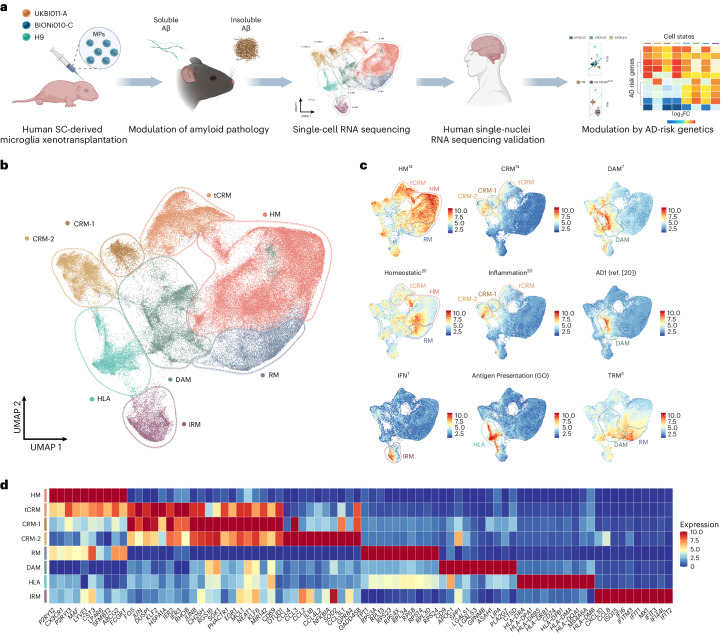
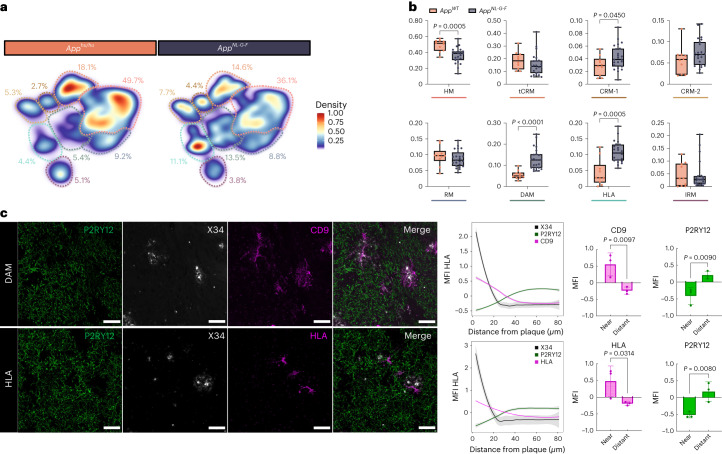
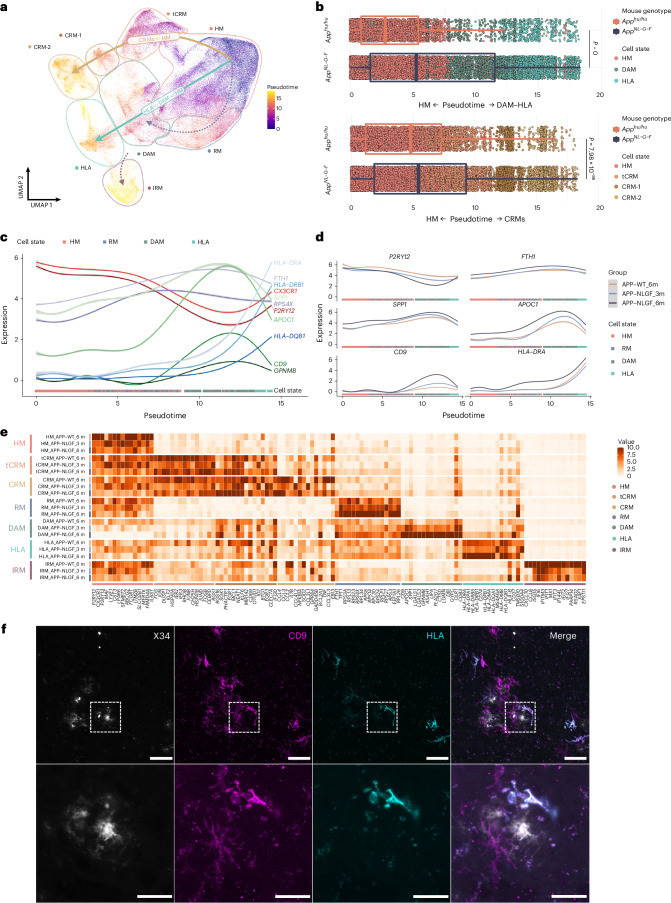
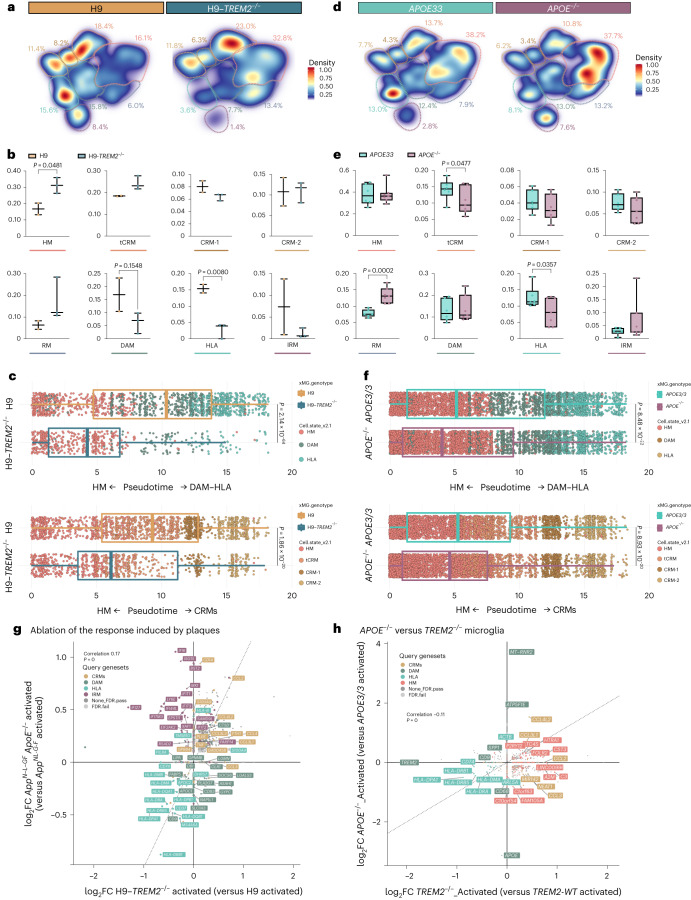
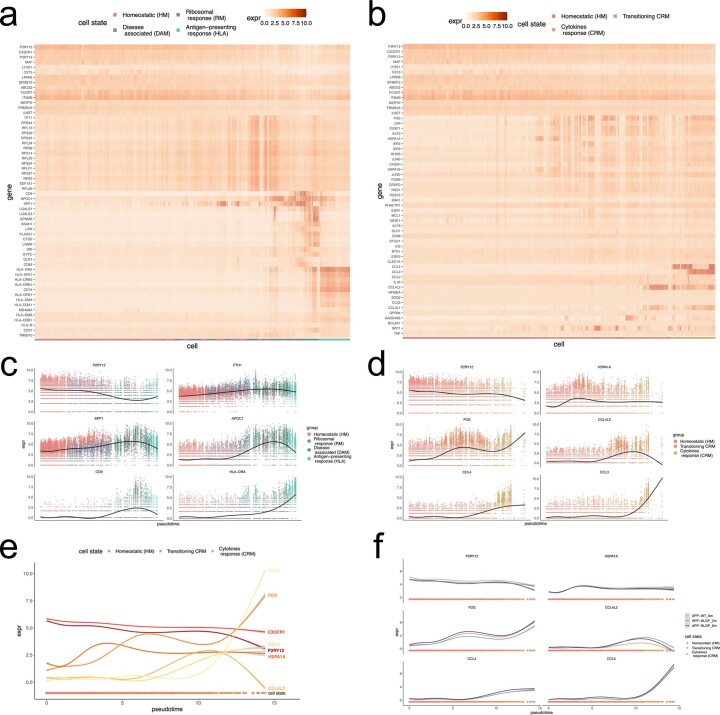
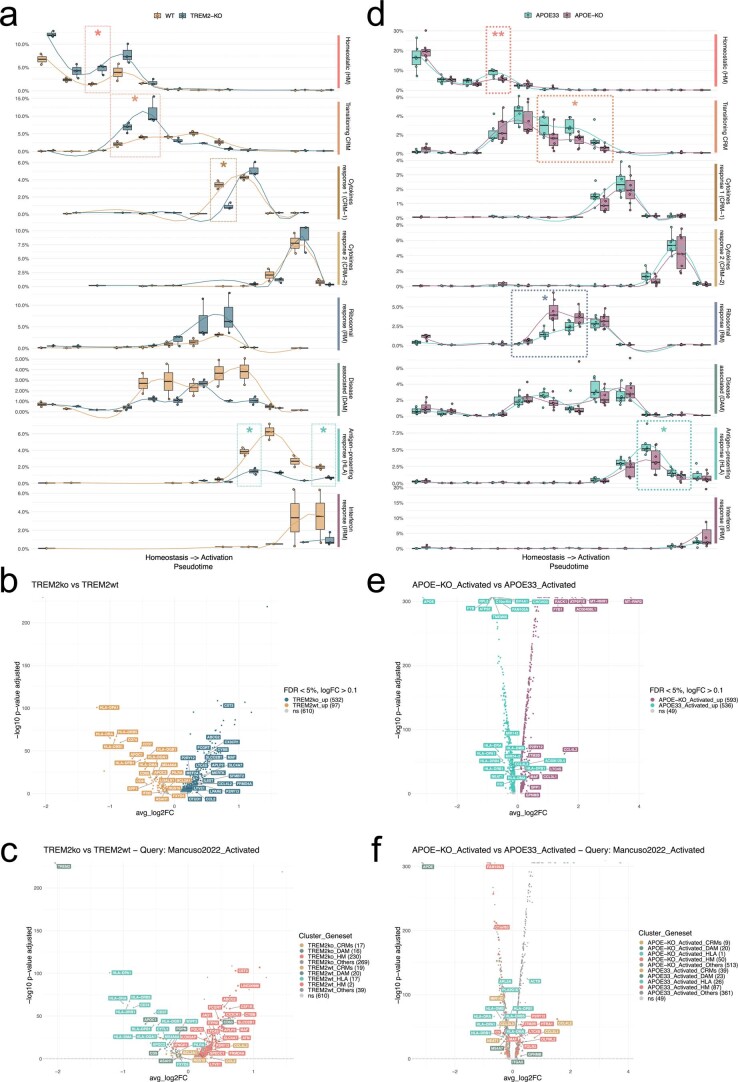
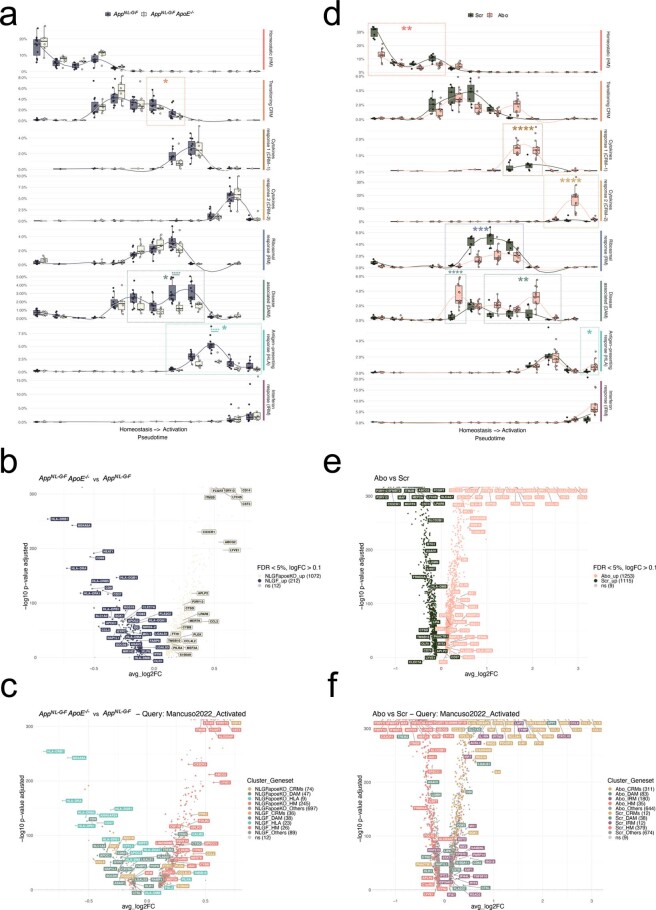
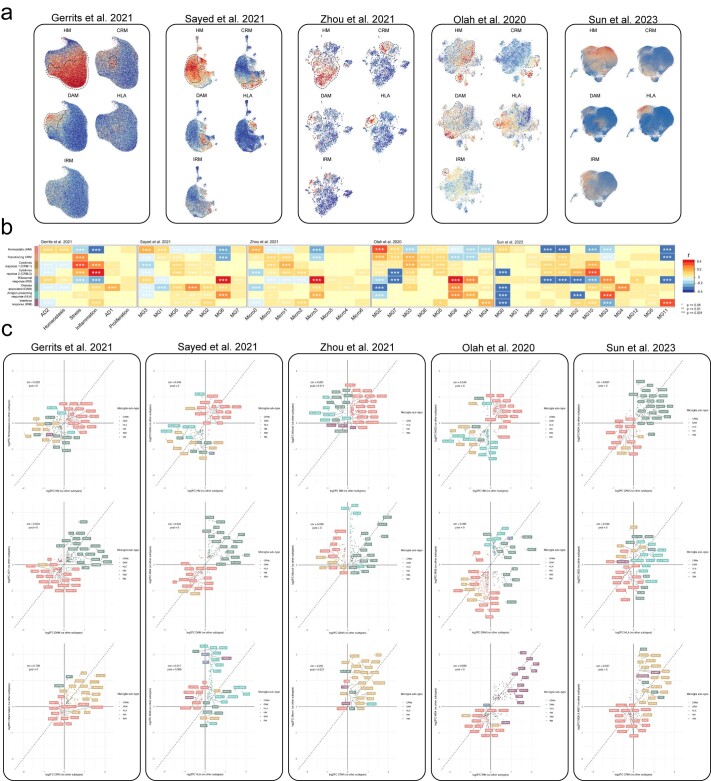
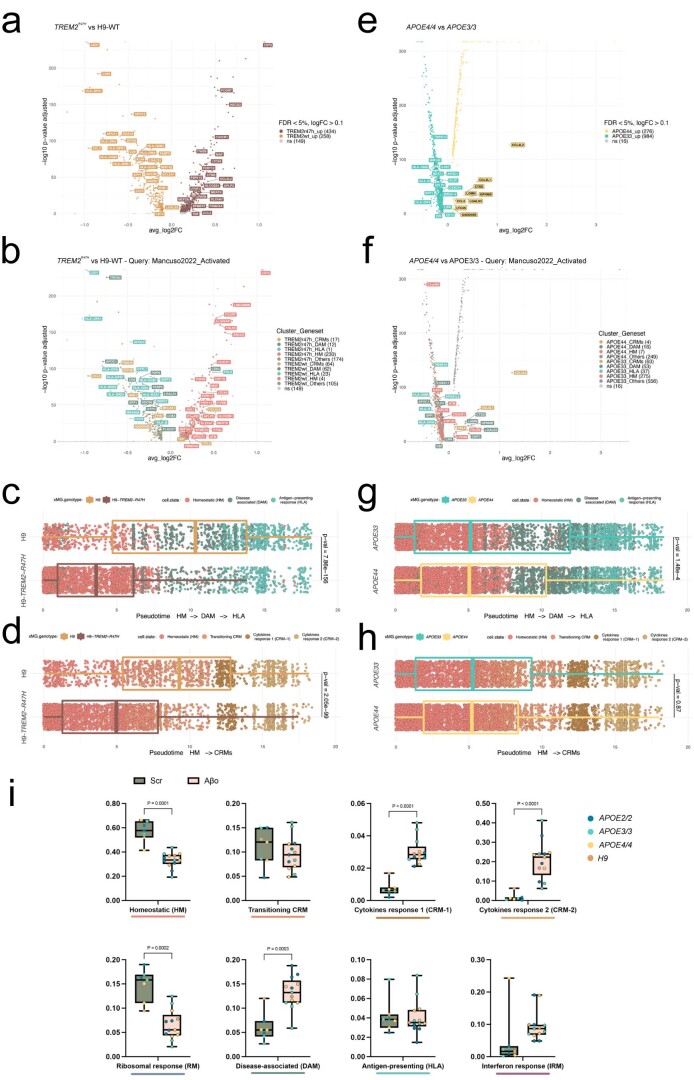
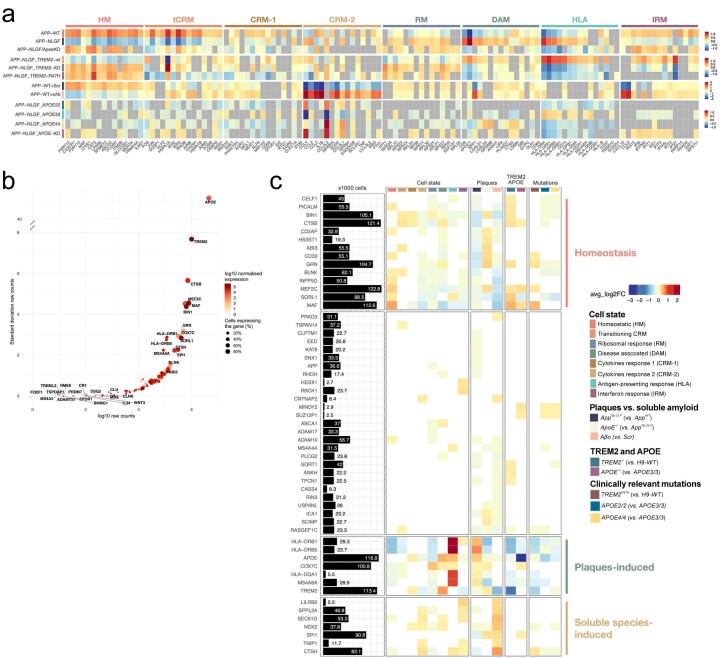
Microglial activation and neuroinflammation are initial steps in the pathogenesis of Alzheimer’s disease (AD). However, studies in mouse models and human postmortem samples have yielded divergent results regarding microglia cell states relevant to AD. Here, we investigate 127,000 single cell expression profiles of human microglia isolated freshly from a xenotransplantation model for early AD. While human microglia adopt a disease-associated (DAM) profile, they display a much more pronounced HLA-cell state related to antigen presentation in response to amyloid plaques. In parallel, a distinctive pro-inflammatory cytokine and chemokine CRM response is mounted against oligomeric amyloid-β. TREM2 and, to a lesser extent, APOE polymorphisms, modulate the response of microglia to amyloid-β plaques, in contrast with the response to oligomeric Aβ. Specific polygenic risk genes are enriched in each branch of these multi-pronged response of human microglia to amyloid pathology (ARM). ARM responses can be captured in post-mortem studies when reanalyzed in light of this novel, comprehensive data set. In conclusion, therapeutic strategies targeting microglia in AD need to carefully assess how they affect the different cell states, as the overall balance between distinct microglial profiles might determine a protective or damaging outcome.
Overview
The claims and statistics of this paper haven’t been checked yet.
Run the check — free, no account needed. It reads the open-access text and checks the sources it cites.
Integrity signals
Registry
Cites
Statistics
Figures
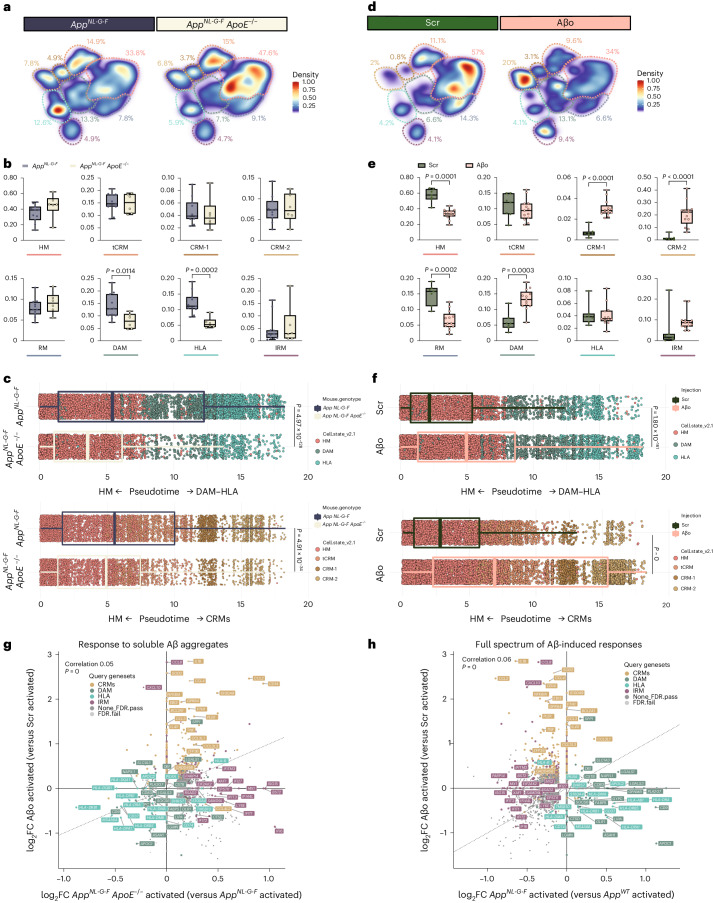
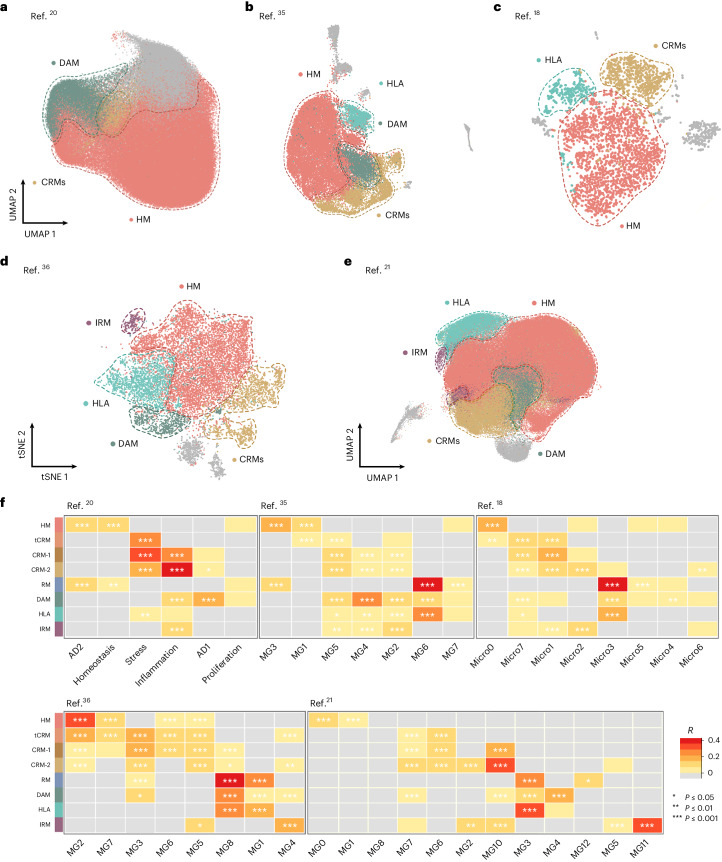
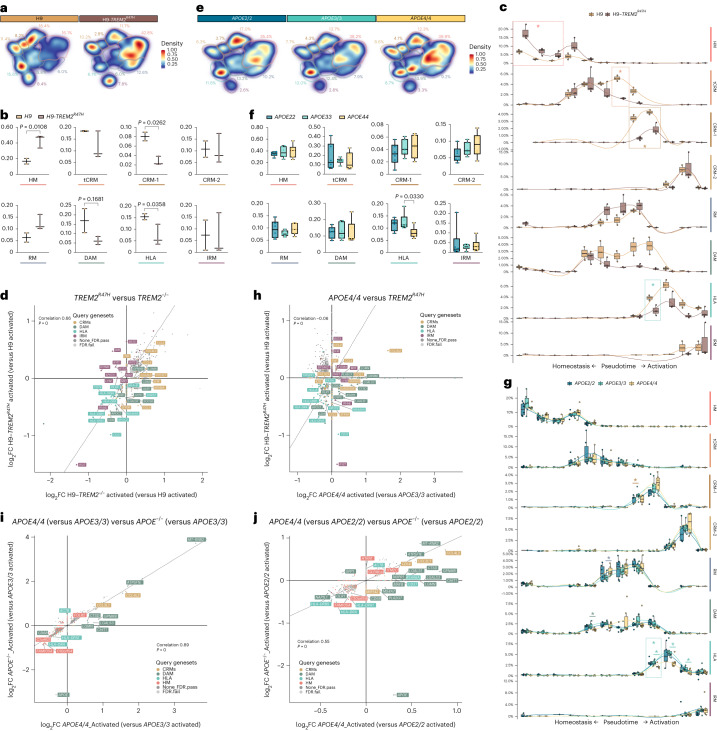
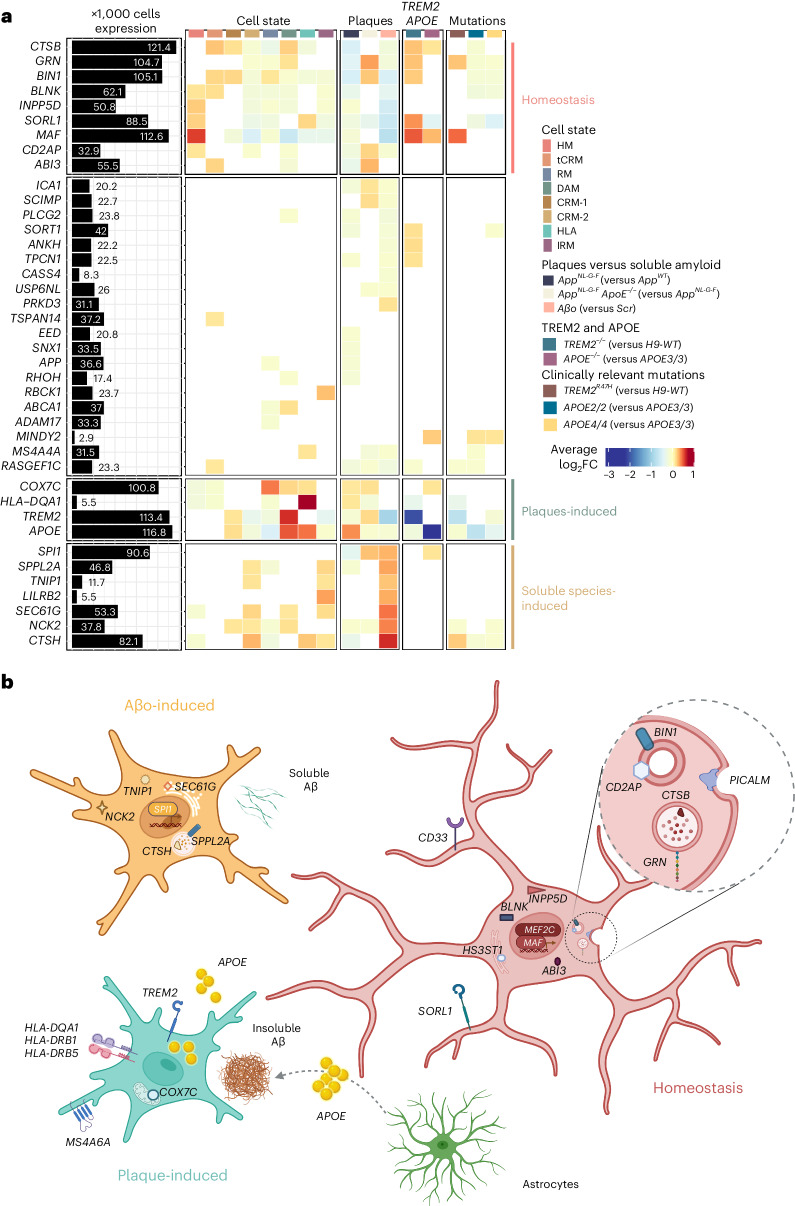
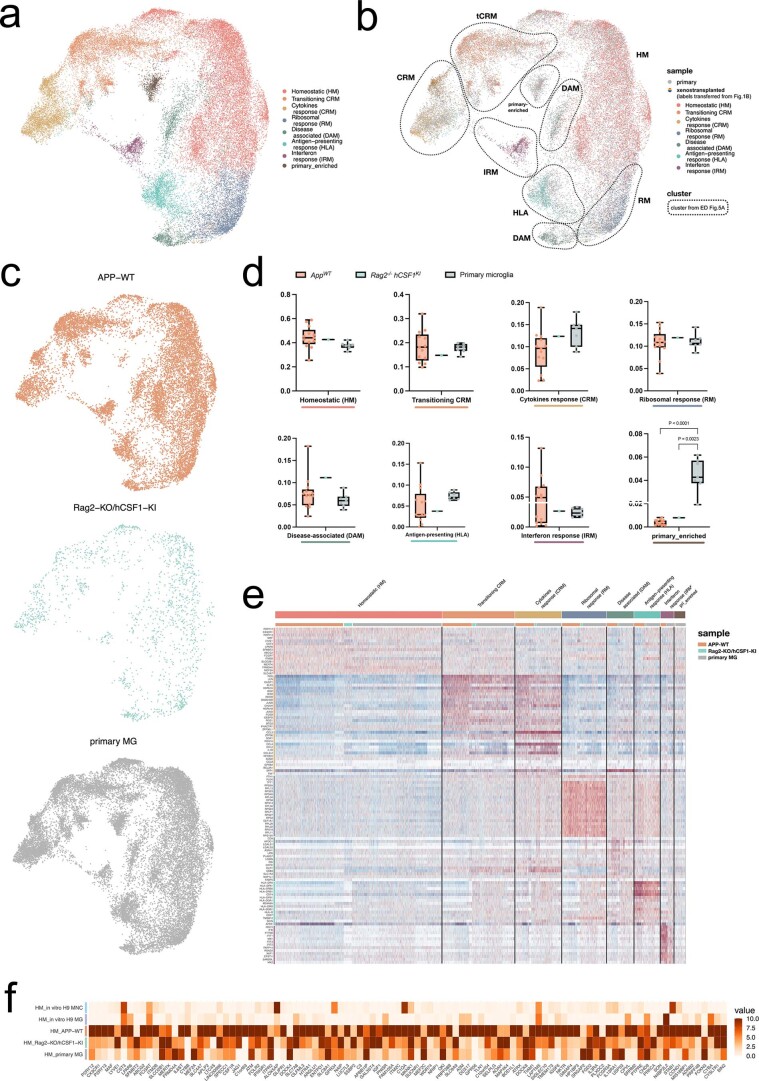
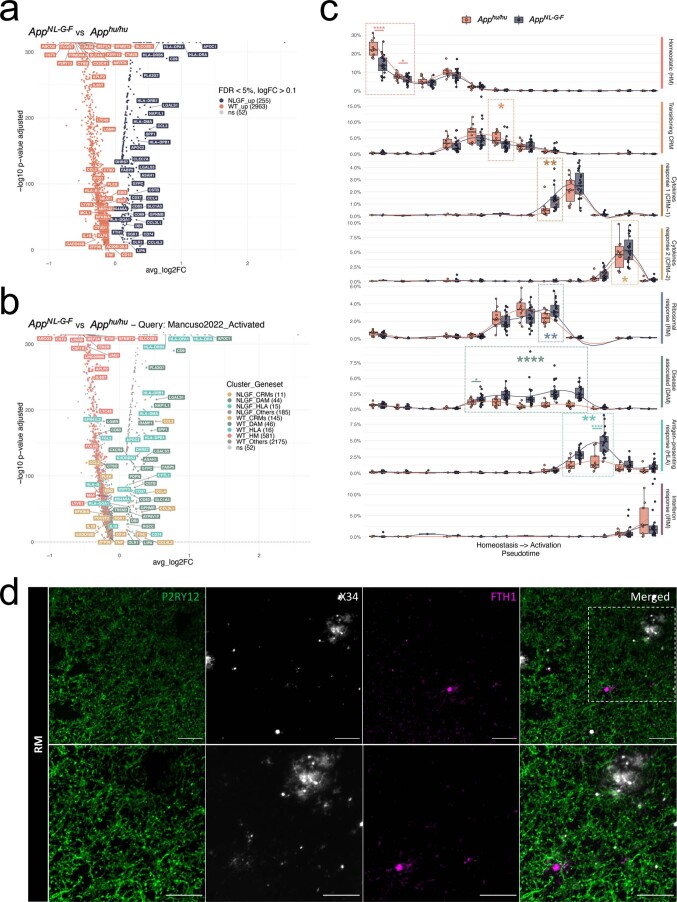
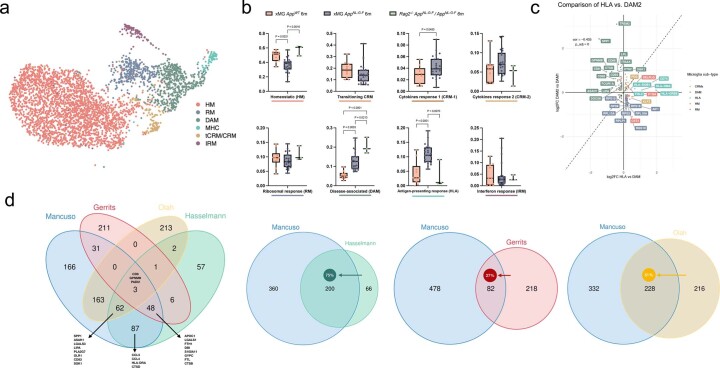
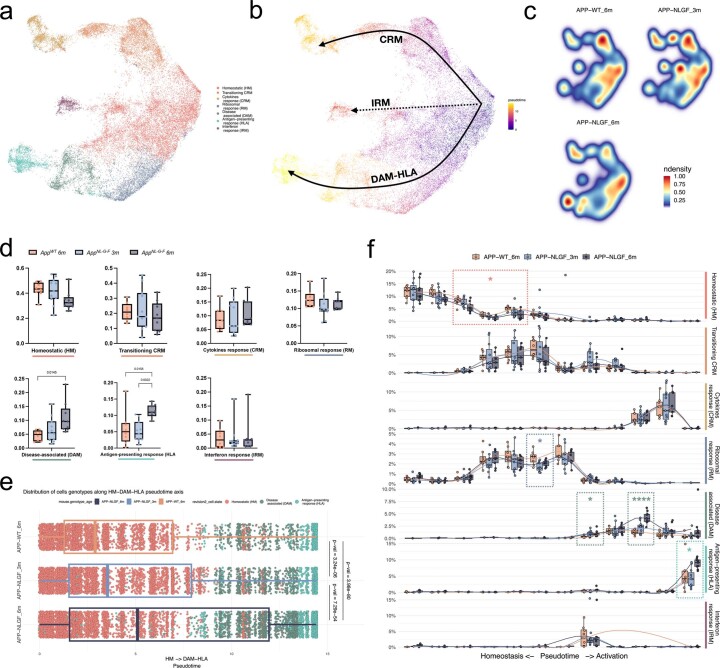
Verification
Claims the paper makes
The claims and statistics of this paper haven’t been checked yet.
Run the check — free, no account needed. It reads the open-access text and checks the sources it cites.
Claims other papers make about this one
Each is checked against this paper’s own text: does it say what the citing paper says it does?
The cited source says what the claim attributes to it.
In the citing paper
“We set Micro1 as the start of the pseudo-time as it most highly expressed homeostatic markers such as P2RY12 and CX3CR1. Homeostatic (Micro1) to GPNMB_EYA2/LPL_CD83 (Micro2) and CRM_CCL3 (Micro4) responses were found to be two independent activation routes mirroring the observations in a recent pre-print [47]. Micro3 branched into a third route of the trajectory (Fig. 7a).”
From Characterisation of premature cell senescence in Alzheimer's disease using single nuclear transcriptomics (2024) · cites this paper as [47]
The cited source says what the claim attributes to it.
In the citing paper
“we quantified the expression levels of a marker for activated/disease-associated microglia [53, 55, 98, 99] (Cd9) and a marker for homeostatic microglia [53–57, 100–105] (Cx3cr1)”
From microRNA-132 attenuates inflammation in induced pluripotent stem cell-derived microglia from Alzheimer’s disease patients (2026) · cites this paper as [53]
In the citing paper
“We validated the expression profile of CD9 and CX3CR1 in DAM and homeostatic microglia in a single-cell RNA sequencing dataset derived from human iPSC-derived microglia xenotransplanted in AppNL−G−F mice [53] (Supplementary Fig. 5B).”
From microRNA-132 attenuates inflammation in induced pluripotent stem cell-derived microglia from Alzheimer’s disease patients (2026) · cites this paper as [53]
Self-check
Percentages, sums and reported differences re-computed from the paper’s own numbers.
The self-check needs the paper’s full text.
Citations
Cites
A Unique Microglia Type Associated with Restricting Development of Alzheimer’s Disease
Keren-Shaul, H., Spinrad, A., Weiner, A., Matcovitch-Natan, O., Dvir-Szternfeld, R., Ulland, T. K., David, E., Baruch, K., Lara-Astaiso, D., Toth, B., et al. (2017) · Cell · doi:10.1016/j.cell.2017.05.018 · Cited by 5,493
Hafemeister, C., & Satija, R. (2019) · Genome Biology · doi:10.1186/s13059-019-1874-1 · Cited by 4,479 · cited 1×
“We performed differential expression on the ‘SCT’ assay calculated from SCTransform(), since Pearson residuals resulting from regularized negative binomial regression effectively mitigate depth-dependent differences in differential expression, as described by Hafemeister and Satija 51 .”
MethodPerformance of neural network basecalling tools for Oxford Nanopore sequencing
Wick, R. R., Judd, L. M., & Holt, K. E. (2019) · Genome Biology · doi:10.1186/s13059-019-1727-y · Cited by 3,221
Krasemann, S., Madore, C., Cialic, R., Baufeld, C., Calcagno, N., El Fatimy, R., Beckers, L., O’Loughlin, E., Xu, Y., Fanek, Z., et al. (2017) · Immunity · doi:10.1016/j.immuni.2017.08.008 · Cited by 2,979
Single-cell transcriptomic analysis of Alzheimer’s disease
Mathys, H., Davila-Velderrain, J., Peng, Z., Gao, F., Mohammadi, S., Young, J. Z., Menon, M., He, L., Abdurrob, F., Jiang, X., et al. (2019) · Nature · doi:10.1038/s41586-019-1195-2 · Cited by 2,568
New insights into the genetic etiology of Alzheimer’s disease and related dementias
Bellenguez, C., Küçükali, F., Jansen, I. E., Kleineidam, L., Moreno-Grau, S., Amin, N., Naj, A. C., Campos-Martin, R., Grenier-Boley, B., Andrade, V., et al. (2022) · Nature Genetics · doi:10.1038/s41588-022-01024-z · Cited by 2,498 · cited 2×
“Finally, we extracted a list of 85 genome-wide association studies (GWAS) significant gene candidates (nearest gene to significant genetic loci, P 5 × 10 −8 ) from the most recent meta-analysis of AD complex genetics 42 .”
BackgroundMethodThe Cellular Phase of Alzheimer’s Disease
De Strooper, B., & Karran, E. (2016) · Cell · doi:10.1016/j.cell.2015.12.056 · Cited by 1,990
The toxic Aβ oligomer and Alzheimer's disease: an emperor in need of clothes
Benilova, I., Karran, E., & De Strooper, B. (2012) · Nature Neuroscience · doi:10.1038/nn.3028 · Cited by 1,962
Three-dimensional Epigenome Statistical Model: Genome-wide Chromatin Looping Prediction
Bkhetan, Z. A., & Plewczyński, D. (2018) · Scientific Reports · doi:10.1038/s41598-018-23276-8 · Cited by 1,672
Lipid-associated macrophages control metabolic homeostasis in a Trem2-dependent manner
Jaitin, D. A., Adlung, L., Thaiss, C. A., Weiner, A., Li, B., Descamps, H., Lundgren, P., Bleriot, C., Liu, Z., Deczkowska, A., et al. (2019) · Cell · doi:10.1016/j.cell.2019.05.054 · Cited by 1,377
Research works printed but not linked: 2
- Sala Frigerio, C. et al. The Major Risk Factors for Alzheimer’s Disease: Age, Sex, and Genes Modulate the Microglia Response to Aβ Plaques. Cell Rep. 27, (2019). · DOI · Paper page
- 10.1038/s41593-019-0525-x · DOI · Paper page
Cited by
Sorted by citations
Neuroinflammation in Alzheimer disease
Heneka, M. T., van der Flier, W. M., Jessen, F., Hoozemanns, J., Thal, D. R., Boche, D., Brosseron, F., Teunissen, C., Zetterberg, H., Jacobs, A. H., et al. (2025) · Nature Reviews Immunology · doi:10.1038/s41577-024-01104-7 · Cited by 638
Self-citationMoonen, S., Koper, M. J., Schoor, E. V., Schaeverbeke, J. M., Vandenberghe, R. R., Arnim, C. A. F. V., Tousseyn, T., Strooper, B. D., & Thal, D. R. (2022) · Acta Neuropathologica · doi:10.1007/s00401-022-02528-y · Cited by 265
Dolan, M.-J., Therrien, M., Jereb, S., Kamath, T., Gazestani, V., Atkeson, T., Marsh, S. E., Goeva, A., Lojek, N. M., Murphy, S., et al. (2023) · Nature Immunology · doi:10.1038/s41590-023-01558-2 · Cited by 185
Mallach, A., Zielonka, M., van Lieshout, V., An, Y., Khoo, J. H., Vanheusden, M., Chen, W.-T., Moechars, D., Arancibia-Carcamo, I. L., Fiers, M., et al. (2024) · Cell Reports · doi:10.1016/j.celrep.2024.114216 · Cited by 135
Self-citationInflammatory aspects of Alzheimer’s disease
Lucena, P. B., & Heneka, M. T. (2024) · Acta Neuropathologica · doi:10.1007/s00401-024-02790-2 · Cited by 146
Metadata
- Authors
- Mancuso, R., Fattorelli, N., Martinez-Muriana, A., Davis, E., Wolfs, L., Van Den Daele, J., Geric, I., Preman, P., Serneels, L., Poovathingal, S., Balusu, S., Verfaille, C., Fiers, M., & De Strooper, B.
- Affiliations
- University of Antwerp (BE)
- Vlaams Instituut voor Biotechnologie (BE)
- UK Dementia Research Institute (GB)
- Corresponding author
- Mancuso, Renzo
- ORCID
- Venue
- Nature Neuroscience
- Publisher
- openRxiv
- Published
- 2022-07-07
- Volume
- 27
- Issue
- 5
- Pages
- 886-900
- ISSN
- 1097-6256 (ISSN-L)
- PMC
- PMC11089003
- OpenAlex
- W4393225316
- Cited by
- 169
- References
- 67
- Citations by year
- 2026: 76 · 2025: 57 · 2024: 30 · 2023: 3 · 2022: 3
- FWCI
- 25.22
- Type
- journal article
- Language
- en
- Open access
- hybrid
- doi.org
- Licence
- cc-by
- Locations
- Nature Neuroscience (publishedVersion, cc-by)
- bioRxiv (Cold Spring Harbor Laboratory) (acceptedVersion)
- PubMed Central (publishedVersion, cc-by)
- PubMed (publishedVersion)
- UCL Discovery (University College London) (submittedVersion, cc-by)
- Lirias (submittedVersion, cc-by)
- Funders
- Alzheimer's Association (AARF-20-684397)
- BrightFocus Foundation (A2021034S)
- UK Research and Innovation (MR/Y014847/1)
- Alzheimer's Society
- Queen Elisabeth Medical Foundation
- European Commission (HORIZON2020, ERC-834682 CELLPHASE_AD, 834682, 2022-2025)
- Fonds Wetenschappelijk Onderzoek (G0C9219N, G0K9422N, 1122423N, 12ZX621N, 1139520N, G056022N, S001221N)
- KU Leuven
- Vlaams Instituut voor Biotechnologie
- Universiteit Antwerpen (FFB210307)
- Vlaamse regering
- UK Dementia Research Institute
- Fondation pour la Recherche sur Alzheimer
- Fondation Médicale Reine Elisabeth
- Horizon 2020 Framework Programme
- Medical Research Council (MR/Y014847/1)
- H2020 Marie Skłodowska-Curie Actions (HORIZON2020)
- HORIZON EUROPE European Research Council (101041867)
- Topics
- Life Sciences › Neuroscience › Neurology › Neuroinflammation and Neurodegeneration Mechanisms
- Life Sciences › Neuroscience › Cellular and Molecular Neuroscience › Alzheimer's disease research and treatments
- Life Sciences › Biochemistry, Genetics and Molecular Biology › Molecular Biology › Single-cell and spatial transcriptomics
- Keywords
- microglia, Alzheimer's disease, amyloid-beta, xenotransplantation, single-cell transcriptomics, disease-associated microglia, HLA, antigen presentation, amyloid plaques, TREM2, apolipoprotein E, inflammatory cytokines, chemokines, amyloid-beta oligomers
- MeSH terms
- Alzheimer Disease, Animals, Apolipoproteins E, Brain, Humans, Membrane Glycoproteins, Mice, Transgenic, Receptors, Immunologic, Amyloid beta-Peptides, Microglia, Mice, Plaque, Amyloid, Transcriptome, Heterografts
About these checks
Registry, retraction, Cites and statistics results are computed, not judged, with one exception: a printed reference that no index lists is read once by a model before it counts as a citation error. Claims are extracted by a model and kept only when their quote appears verbatim in the text; each cited source is then checked, with a model’s help, for whether it says what the claim relies on. Those verdicts can be wrong — read the claim’s quote and the cited source before relying on one.
Statistics and arithmetic are recomputed, not judged.
Confidence bands are shown only for fields calibrated on our annotated test set. None is calibrated yet, so no band is shown.
What counts as a claim ›How we measure confidence ›How we check this ›
Are you an author, or do you see a problem with this page? Request a review
