

Transcriptomic Analysis of Vulvovaginal Candidiasis Identifies a Role for the NLRP3 Inflammasome
Open accessThe DOI matches its Crossref record; 110 of the 110 references it cites were found in a registry or an index.
Abstract
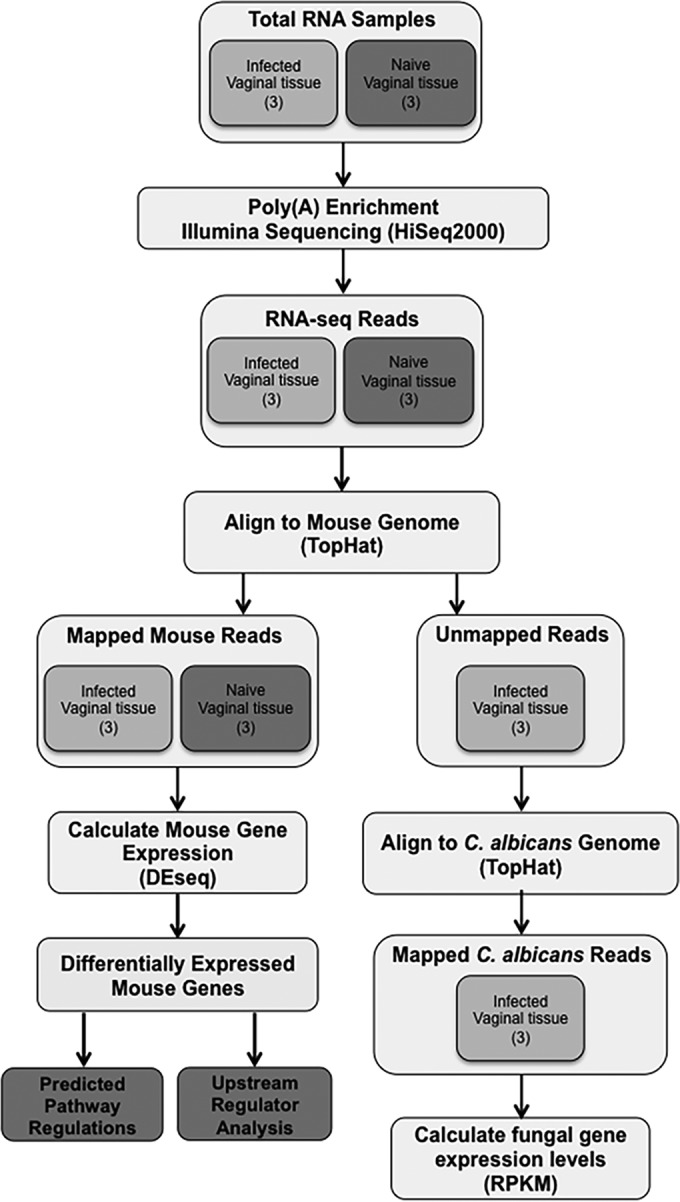
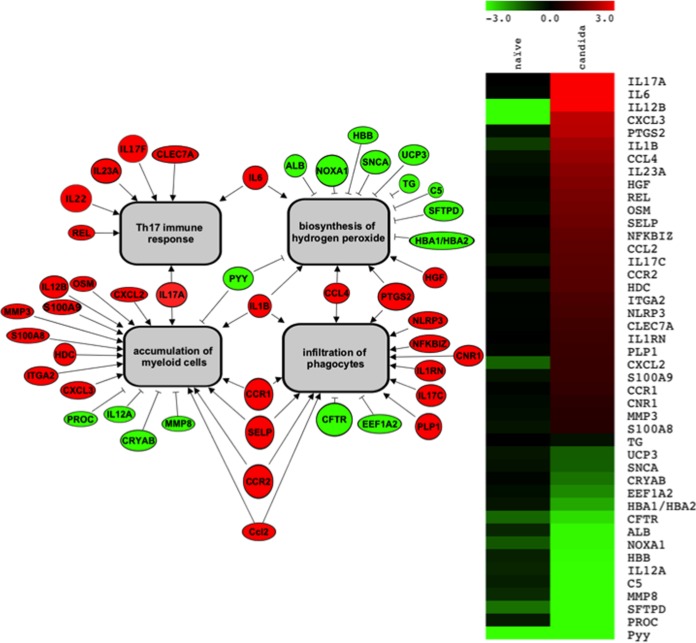
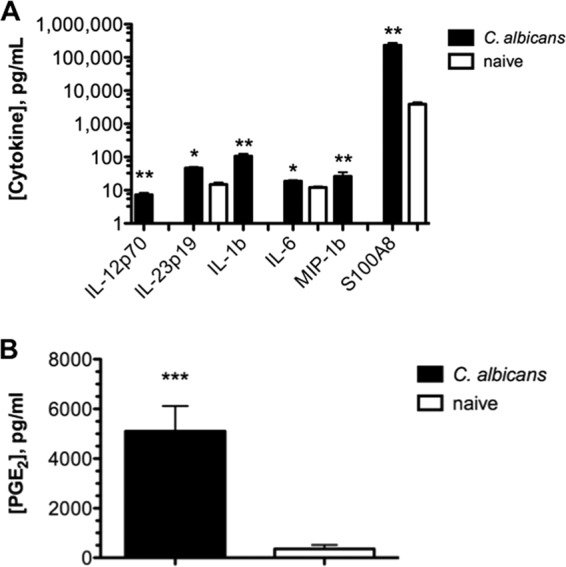
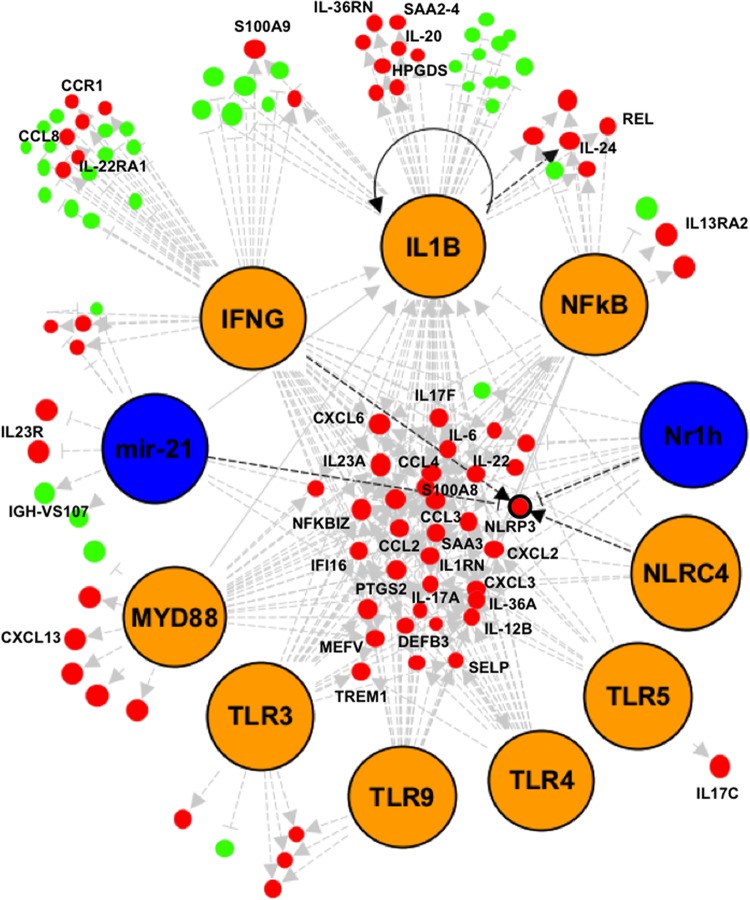
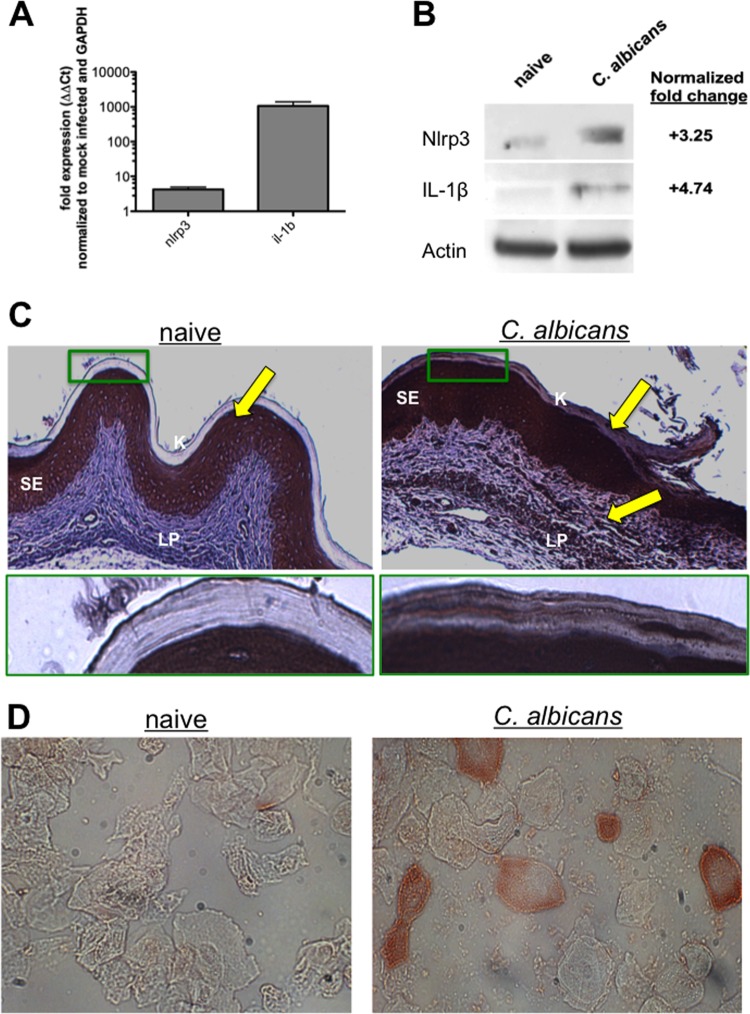
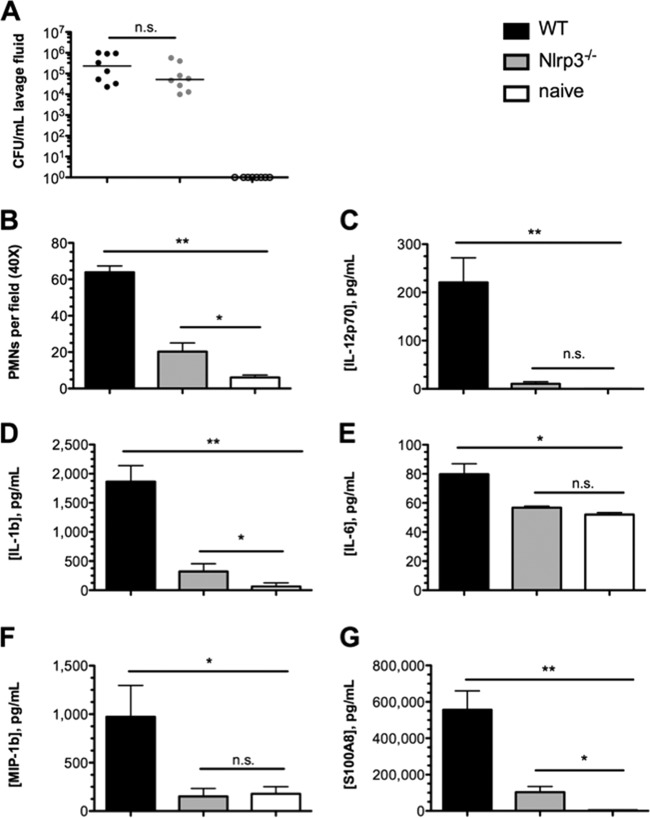
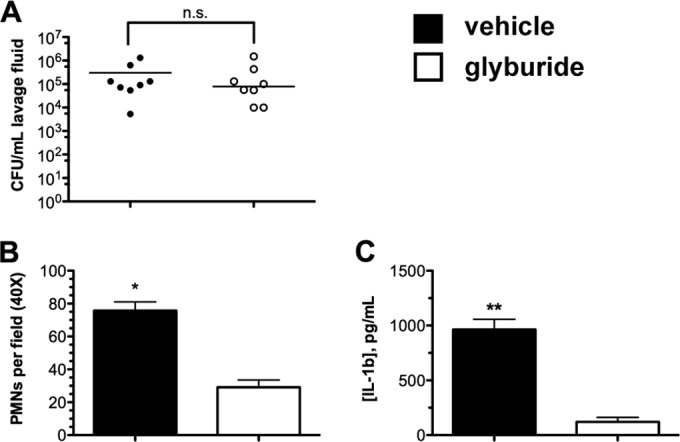
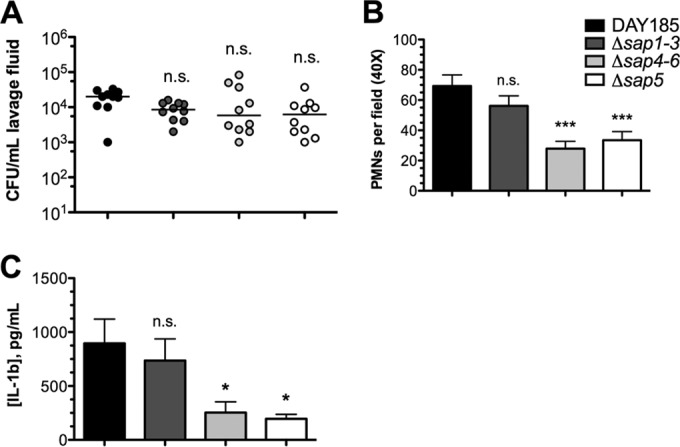
Treatment of vulvovaginal candidiasis (VVC), caused most frequently by Candida albicans , represents a significant unmet clinical need. C. albicans , as both a commensal and a pathogenic organism, has a complex and poorly understood interaction with the vaginal environment. Understanding the complex nature of this relationship is necessary for the development of desperately needed therapies to treat symptomatic infection. Using transcriptome sequencing (RNA-seq), we characterized the early murine vaginal and fungal transcriptomes of the organism during VVC. Network analysis of host genes that were differentially expressed between infected and naive mice predicted the activation or repression of several signaling pathways that have not been previously associated with VVC, including NLRP3 inflammasome activation. Intravaginal challenge of Nlrp3 −/− mice with C. albicans demonstrated severely reduced levels of polymorphonuclear leukocytes (PMNs), alarmins, and inflammatory cytokines, including interleukin-1β (IL-1β) (the hallmarks of VVC immunopathogenesis) in vaginal lavage fluid. Intravaginal administration of wild-type (WT) mice with glyburide, a potent inhibitor of the NLRP3 inflammasome, reduced PMN infiltration and IL-1β to levels comparable to those observed in Nlrp3 −/− mice. Furthermore, RNA-seq analysis of C. albicans genes indicated robust expression of hypha-associated secreted aspartyl proteinases 4, 5, and 6 (SAP4–6), which are known inflammasome activators. Despite colonization similar to that of the WT strain, Δ SAP4–6 triple and Δ SAP5 single mutants induced significantly less PMN influx and IL-1β during intravaginal challenge. Our findings demonstrate a novel role for the inflammasome in the immunopathogenesis of VVC and implicate the hypha-associated SAPs as major C. albicans virulence determinants during vulvovaginal candidiasis. IMPORTANCE Vaginitis, most commonly caused by the fungus Candida albicans , results in significant quality-of-life issues for all women of reproductive age. Recent efforts have suggested that vaginitis results from an immunopathological response governed by host innate immunity, although an explanatory mechanism has remained undefined. Using comprehensive genomic, immunological, and pharmacological approaches, we have elucidated the NLRP3 inflammasome as a crucial molecular mechanism contributing to host immunopathology. We have also demonstrated that C. albicans hypha-associated secreted aspartyl proteinases (SAP4–6 and SAP5, more specifically) contribute to disease immunopathology. Ultimately, this study enhances our understanding of the complex interplay between host and fungus at the vaginal mucosa and provides proof-of-principle evidence for therapeutic targeting of inflammasomes for symptomatic vulvovaginal candidiasis.
Overview
The claims and statistics of this paper haven’t been checked yet.
Free: it reads the open-access text and checks the first 5 claims that cite a source we can check. Create a free account to check every claim.
Integrity signals
Registry
Cites
Statistics
Figures
Verification
Claims the paper makes
The claims and statistics of this paper haven’t been checked yet.
Free: it reads the open-access text and checks the first 5 claims that cite a source we can check. Create a free account to check every claim.
Claims other papers make about this one
Each is checked against this paper’s own text: does it say what the citing paper says it does?
The cited source says what the claim attributes to it.
In the citing paper
“Filamentation endows C. albicans with proinflammatory capability [7] to elicit the production and excretion of host proinflammatory cytokines such as interleukin (IL)-1β [7–10,49] and IL-6 [11]”
From The F 1 F o -ATP synthase α subunit of Candida albicans induces inflammatory responses by controlling amino acid catabolism (2023) · cites this paper as [49]
Self-check
Percentages, sums and reported differences re-computed from the paper’s own numbers.
The self-check needs the paper’s full text.
Citations
Cites
Analysis of Relative Gene Expression Data Using Real-Time Quantitative PCR and the 2−ΔΔCT Method
Livak, K. J., & Schmittgen, T. D. (2001) · Methods · doi:10.1006/meth.2001.1262 · Cited by 180,860
Guide for the Care and Use of Laboratory Animals: Eighth Edition
(2011) · doi:10.17226/12910 · Cited by 16,199
Differential expression analysis for sequence count data
Anders, S., & Huber, W. (2010) · Genome Biology · doi:10.1186/gb-2010-11-10-r106 · Cited by 15,581
Kim, D., Pertea, G., Trapnell, C., Pimentel, H., Kelley, R., & Salzberg, S. L. (2013) · Genome Biology · doi:10.1186/gb-2013-14-4-r36 · Cited by 12,668
Schroder, K., & Tschopp, J. (2010) · Cell · doi:10.1016/j.cell.2010.01.040 · Cited by 5,475
The Danger Model: A Renewed Sense of Self
Matzinger, P. (2002) · Science · doi:10.1126/science.1071059 · Cited by 4,205 · cited 1×
“The inflammasome is a danger-sensing molecular complex that can respond to pathogenic insult at mucosal surfaces (61).”
BackgroundMutation of the mouse klotho gene leads to a syndrome resembling ageing
Kuro-o, M., Matsumura, Y., Aizawa, H., Kawaguchi, H., Suga, T., Utsugi, T., Ohyama, Y., Kurabayashi, M., Kaname, T., Kume, E., et al. (1997) · Nature · doi:10.1038/36285 · Cited by 3,837
Bauernfeind, F. G., Horvath, G., Stutz, A., Alnemri, E. S., MacDonald, K., Speert, D., Fernandes-Alnemri, T., Wu, J., Monks, B. G., Fitzgerald, K. A., et al. (2009) · The Journal of Immunology · doi:10.4049/jimmunol.0901363 · Cited by 2,959 · cited 1×
“, ATP, K efflux, reactive oxygen); basal expression levels are insufficient to generate a response (81, 82).”
BackgroundActivation and regulation of the inflammasomes
Latz, E., Xiao, T. S., & Stutz, A. (2013) · Nature Reviews Immunology · doi:10.1038/nri3452 · Cited by 2,884 · cited 1×
“inflammatory responses to microbial pathogens (37, 38).”
Sexually transmitted diseases treatment guidelines (2015)
Workowski, K., & BOLAN, G. A. (2015) · Reproductive Endocrinology · doi:10.18370/2309-4117.2015.24.51-56 · Cited by 2,698
Cited by
Pathogenesis and virulence of Candida albicans
Lopes, J. P., & Lionakis, M. S. (2022) · Virulence · doi:10.1080/21505594.2021.2019950 · Cited by 477
d'Enfert, C., Kaune, A.-K., Alaban, L.-R., Chakraborty, S., Cole, N., Delavy, M., Kosmala, D., Marsaux, B., Fróis-Martins, R., Morelli, M., et al. (2021) · FEMS Microbiology Reviews · doi:10.1093/femsre/fuaa060 · Cited by 347
Vulvovaginal Candidiasis: A Current Understanding and Burning Questions
Willems, H. M. E., Ahmed, S. S., Liu, J., Xu, Z., & Peters, B. M. (2020) · Journal of Fungi · doi:10.3390/jof6010027 · Cited by 357
“Mice intravaginally challenged with a ∆sap456 triple mutant or ∆sap5 single mutant demonstrated moderate but significantly reduced immunopathological markers early during infection [66].”
BackgroundInfluentialSelf-citationComparison of gut microbiota in adult patients with type 2 diabetes and healthy individuals
Sedighi, M., Razavi, S., Navab-Moghadam, F., Khamseh, M. E., Alaei-Shahmiri, F., Mehrtash, A., & Amirmozafari, N. (2017) · Microbial Pathogenesis · doi:10.1016/j.micpath.2017.08.038 · Cited by 304
Dynamic Fungal Cell Wall Architecture in Stress Adaptation and Immune Evasion
Hopke, A., Brown, A. J. P., Hall, R. A., & Wheeler, R. T. (2018) · Trends in Microbiology · doi:10.1016/j.tim.2018.01.007 · Cited by 228
“Tools such as Nanostring profiling, RNAseq and cell intrinsic reporters have also enabled investigators to probe fungal physiology during infection [30, 40-43].”
Background
Metadata
- Authors
- Bruno, V. M., Shetty, A. C., Yano, J., Fidel, P. L., Noverr, M. C., & Peters, B. M.
- Affiliations
- University of Maryland, Baltimore (US)
- Louisiana State University Health Sciences Center New Orleans (US)
- Corresponding author
- Bruno, Vincent M.
- Peters, Brian M.
- Venue
- mBio
- Publisher
- American Society for Microbiology
- Published
- 2015-05
- Volume
- 6
- Issue
- 2
- ISSN
- 2150-7511 (ISSN-L)
- 2161-2129
- PMC
- PMC4453569
- OpenAlex
- W2005249358
- Cited by
- 155
- References
- 109
- Citations by year
- 2026: 14 · 2025: 11 · 2024: 11 · 2023: 11 · 2022: 9 · 2021: 21 · 2020: 14 · 2019: 15 · 2018: 12 · 2017: 16 · 2016: 18 · 2015: 3
- FWCI
- 7.09
- Type
- journal article
- Language
- en
- Open access
- gold
- doi.org
- Licence
- cc-by-nc-sa
- creativecommons.org/licenses/by-nc-sa/3.0/ (vor)
- journals.asm.org/non-commercial-tdm-license (tdm)
- Locations
- mBio (publishedVersion, cc-by-nc-sa)
- Europe PMC (PubMed Central) (publishedVersion, cc-by-nc-sa)
- PubMed Central (publishedVersion, cc-by-nc-sa)
- PubMed (publishedVersion)
- DOAJ (DOAJ: Directory of Open Access Journals) (submittedVersion, cc-by-sa)
- Funders
- Friedrich-Schiller-Universität Jena
- Julius-Maximilians-Universität Würzburg
- National Institutes of Health (5r01de022069-05)
- National Institute of Allergy and Infectious Diseases (K22AI110541, R01AI116025, U19AI110820)
- National Institute of Dental and Craniofacial Research (R01-DE022069)
- Topics
- Life Sciences › Biochemistry, Genetics and Molecular Biology › Molecular Biology › Inflammasome and immune disorders
- Health Sciences › Medicine › Infectious Diseases › Antifungal resistance and susceptibility
- Life Sciences › Immunology and Microbiology › Microbiology › Reproductive tract infections research
- Keywords
- vaginal candidiasis, Candida albicans, NLRP3 inflammasome, host-virus interaction, host transcriptome, polymorphonuclear leukocytes, IL-1β, secreted aspartyl proteinases, fungal virulence factors, glibenclamide, innate immunity
- MeSH terms
- NLR Family, Pyrin Domain-Containing 3 Protein, Animals, Candida albicans, Candidiasis, Vulvovaginal, Carrier Proteins, Disease Models, Animal, Female, Mice, Inbred C57BL, Molecular Sequence Data, Neutrophils, Vagina, Sequence Analysis, DNA, Mice, Knockout, Gene Expression Profiling, Virulence Factors, Inflammasomes
About these checks
Registry, retraction, Cites and statistics results are computed, not judged, with one exception: a printed reference that no index lists is read once by a model before it counts as a citation error. Claims are extracted by a model and kept only when their quote appears verbatim in the text; each cited source is then checked, with a model’s help, for whether it says what the claim relies on. Those verdicts can be wrong — read the claim’s quote and the cited source before relying on one.
Statistics and arithmetic are recomputed, not judged.
Confidence bands are shown only for fields calibrated on our annotated test set. None is calibrated yet, so no band is shown.
What counts as a claim ›How we measure confidence ›How we check this ›
Are you an author, or do you see a problem with this page? Request a review
How to cite
Cite CoChat for the checks on this page, and the paper for its own findings.
- This page
- CoChat. (2026). Citation check: Transcriptomic Analysis of Vulvovaginal Candidiasis Identifies a Role for the NLRP3 Inflammasome. https://app.cochat.ai/papers/10.1128/mbio.00182-15
- The paper
- Bruno, V. M., Shetty, A. C., Yano, J., Fidel, P. L., Noverr, M. C., & Peters, B. M. (2015). Transcriptomic Analysis of Vulvovaginal Candidiasis Identifies a Role for the NLRP3 Inflammasome. mBio. https://doi.org/10.1128/mbio.00182-15
Data sources
Bibliographic data: Semantic Scholar, OpenAlex, Crossref.
Contains information from the Semantic Scholar Academic Graph Datasets, made available under the ODC Attribution License (ODC-BY 1.0).
Semantic Scholar’s data is described in: Kinney, R., et al. (2023). The Semantic Scholar Open Data Platform. arXiv:2301.10140.
