

The DOI matches its Crossref record; 53 of the 53 references it cites were found in a registry or an index.
High-Throughput Analysis of Gene Essentiality and Sporulation in Clostridium difficile
Open accessAbstract
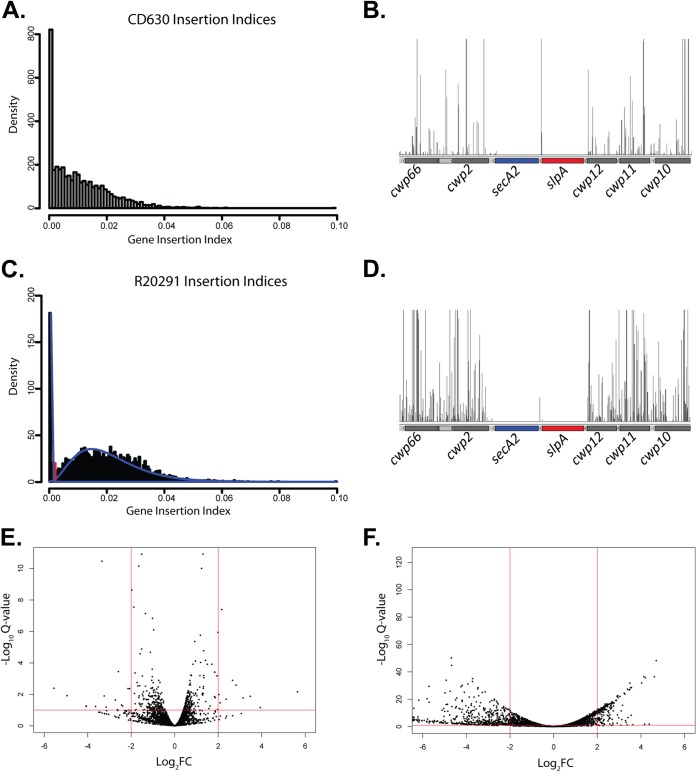
UNLABELLED: Clostridium difficile is the most common cause of antibiotic-associated intestinal infections and a significant cause of morbidity and mortality. Infection with C. difficile requires disruption of the intestinal microbiota, most commonly by antibiotic usage. Therapeutic intervention largely relies on a small number of broad-spectrum antibiotics, which further exacerbate intestinal dysbiosis and leave the patient acutely sensitive to reinfection. Development of novel targeted therapeutic interventions will require a detailed knowledge of essential cellular processes, which represent attractive targets, and species-specific processes, such as bacterial sporulation. Our knowledge of the genetic basis of C. difficile infection has been hampered by a lack of genetic tools, although recent developments have made some headway in addressing this limitation. Here we describe the development of a method for rapidly generating large numbers of transposon mutants in clinically important strains of C. difficile. We validated our transposon mutagenesis approach in a model strain of C. difficile and then generated a comprehensive transposon library in the highly virulent epidemic strain R20291 (027/BI/NAP1) containing more than 70,000 unique mutants. Using transposon-directed insertion site sequencing (TraDIS), we have identified a core set of 404 essential genes, required for growth in vitro. We then applied this technique to the process of sporulation, an absolute requirement for C. difficile transmission and pathogenesis, identifying 798 genes that are likely to impact spore production. The data generated in this study will form a valuable resource for the community and inform future research on this important human pathogen. IMPORTANCE: Clostridium difficile is a common cause of potentially fatal intestinal infections in hospital patients, particularly those who have been treated with antibiotics. Our knowledge of this bacterium has been hampered by a lack of tools for dissecting the organism. We have developed a method to study the function of every gene in the bacterium simultaneously. Using this tool, we have identified a set of 404 genes that are required for growth of the bacteria in the laboratory. C. difficile also produces a highly resistant spore that can survive in the environment for a long time and is a requirement for transmission of the bacteria between patients. We have applied our genetic tool to identify all of the genes required for production of a spore. All of these genes represent attractive targets for new drugs to treat infection.
Overview
The claims and statistics of this paper haven’t been checked yet.
Run the check — free, no account needed. It reads the open-access text and checks the sources it cites.
Integrity signals
Registry
Cites
Statistics
Figures
Verification
Claims the paper makes
The claims and statistics of this paper haven’t been checked yet.
Run the check — free, no account needed. It reads the open-access text and checks the sources it cites.
Claims other papers make about this one
Each is checked against this paper’s own text: does it say what the citing paper says it does?
The cited source says what the claim attributes to it.
In the citing paper
“When coupled with next generation sequencing, transposon-directed insertion site sequencing (TraDIS) was performed on C. difficile and identified 404 essential genes for growth and 798 genes that are likely to affect spore production (Dembek et al., 2015).”
From Gas Fermentation—A Flexible Platform for Commercial Scale Production of Low-Carbon-Fuels and Chemicals from Waste and Renewable Feedstocks (2016) · cites this paper as Dembek et al., 2015
The cited source says what the claim attributes to it.
In the citing paper
“| C. difficile | Generation of more than 70,000 unique mutants via transposon mutagenesis, coupled with transposon-directed insertion site sequencing | Identification of 404 essential genes for growth; Identification of 798 genes that are likely to affect sporulation | Dembek et al., 2015 |”
From Gas Fermentation—A Flexible Platform for Commercial Scale Production of Low-Carbon-Fuels and Chemicals from Waste and Renewable Feedstocks (2016) · cites this paper as Dembek et al., 2015
Self-check
Percentages, sums and reported differences re-computed from the paper’s own numbers.
The self-check needs the paper’s full text.
Citations
Cites
Subramanian, A., Tamayo, P., Mootha, V. K., Mukherjee, S., Ebert, B. L., Gillette, M. A., Paulovich, A., Pomeroy, S. L., Golub, T. R., Lander, E. S., et al. (2005) · Proceedings of the National Academy of Sciences · doi:10.1073/pnas.0506580102 · Cited by 53,625
Robinson, M. D., McCarthy, D. J., & Smyth, G. K. (2010) · Bioinformatics · doi:10.1093/bioinformatics/btp616 · Cited by 41,364
Artemis: sequence visualization and annotation
Rutherford, K. M., Parkhill, J., Crook, J., Horsnell, T., Rice, P., Rajandream, M., & Barrell, B. (2000) · Bioinform. · doi:10.1093/bioinformatics/16.10.944 · Cited by 3,295
Data, information, knowledge and principle: back to metabolism in KEGG
Kanehisa, M. I., Goto, S., Sato, Y., Kawashima, M., Furumichi, M., & Tanabe, M. (2013) · Nucleic Acids Research · doi:10.1093/nar/gkt1076 · Cited by 3,103
Clostridium difficile infection: new developments in epidemiology and pathogenesis
Rupnik, M., Wilcox, M. H., & Gerding, D. N. (2009) · Nature Reviews Microbiology · doi:10.1038/nrmicro2164 · Cited by 1,380
Emergence and global spread of epidemic healthcare-associated Clostridium difficile
He, M., Miyajima, F., Roberts, P., Ellison, L., Pickard, D., Martin, M. J., Connor, T. R., Harris, S. R., Fairley, D., Bamford, K. B., et al. (2012) · Nature Genetics · doi:10.1038/ng.2478 · Cited by 760
Diverse Sources of C. difficile Infection Identified on Whole-Genome Sequencing
Eyre, D. W., Cule, M., Wilson, D. J., Griffiths, D., Vaughan, A., O’Connor, L., Ip, C. L. C., Golubchik, T., Batty, E. M., Finney, J. M., et al. (2013) · New England Journal of Medicine · doi:10.1056/nejmoa1216064 · Cited by 649
Simultaneous assay of every Salmonella Typhi gene using one million transposon mutantsPreprint
Langridge, G. C., Phan, M.-D., Turner, D., Perkins, T. T., Parts, L., Haase, J., Charles, I., Maskell, D. J., Peters, S. E., Dougan, G., et al. (2009) · Genome Research · doi:10.1101/gr.097097.109 · Cited by 641
Burden of Clostridium difficile on the Healthcare System
Dubberke, E. R., & Olsen, M. A. A. (2012) · Clinical Infectious Diseases · doi:10.1093/cid/cis335 · Cited by 566
Transposon insertion sequencing: a new tool for systems-level analysis of microorganisms
van Opijnen, T., & Camilli, A. (2013) · Nature Reviews Microbiology · doi:10.1038/nrmicro3033 · Cited by 510
Cited by
Sorted by citations
The BioCyc collection of microbial genomes and metabolic pathways
Karp, P. D., Billington, R., Caspi, R., Fulcher, C. A., Latendresse, M., Kothari, A., Keseler, I. M., Krummenacker, M., Midford, P. E., Ong, Q., et al. (2017) · Briefings in Bioinformatics · doi:10.1093/bib/bbx085 · Cited by 1,005
Clostridium difficile colitis: pathogenesis and host defence
Abt, M. C., McKenney, P. T., & Pamer, E. G. (2016) · Nature Reviews Microbiology · doi:10.1038/nrmicro.2016.108 · Cited by 575
Liew, F., Martin, M. E., Tappel, R. C., Heijstra, B. D., Mihalcea, C., & Köpke, M. (2016) · Frontiers in Microbiology · doi:10.3389/fmicb.2016.00694 · Cited by 485
A decade of advances in transposon-insertion sequencing
Cain, A. K., Barquist, L., Goodman, A. L., Paulsen, I. T., Parkhill, J., & van Opijnen, T. (2020) · Nature Reviews Genetics · doi:10.1038/s41576-020-0244-x · Cited by 397
The TraDIS toolkit: sequencing and analysis for dense transposon mutant libraries
Barquist, L., Mayho, M., Cummins, C. A., Cain, A. K., Boinett, C. J., Page, A. J., Langridge, G. C., Quail, M. A., Keane, J. A., & Parkhill, J. (2016) · Bioinformatics · doi:10.1093/bioinformatics/btw022 · Cited by 230
Virulence factors of Clostridium difficile and their role during infection
Janoir, C. (2015) · Anaerobe · doi:10.1016/j.anaerobe.2015.10.009 · Cited by 169
Exploring and Understanding the Biochemical Diversity of the Human Microbiota
Koppel, N., & Balskus, E. P. (2016) · Cell chemical biology · doi:10.1016/j.chembiol.2015.12.008 · Cited by 140
Pathogenicity and virulence of Clostridioides difficile
Buddle, J. E., & Fagan, R. P. (2022) · Virulence · doi:10.1080/21505594.2022.2150452 · Cited by 147
Sporulation and Germination in Clostridial Pathogens
Shen, A., Edwards, A. N., Sarker, M. R., & Paredes‐Sabja, D. (2019) · Microbiology Spectrum · doi:10.1128/microbiolspec.gpp3-0017-2018 · Cited by 126
In vivo commensal control of Clostridioides difficile virulence
Girinathan, B. P., DiBenedetto, N., Worley, J. N., Peltier, J., Arrieta-Ortiz, M. L., Immanuel, S. R. C., Lavin, R., Delaney, M. L., Cummins, C. K., Hoffman, M., et al. (2021) · Cell Host & Microbe · doi:10.1016/j.chom.2021.09.007 · Cited by 114
Oliveira, P. H., Ribis, J. W., Garrett, E. M., Trzilova, D., Kim, A., Sekulović, O., Mead, E. A., Pak, T. R., Zhu, S., Deikus, G. Y., et al. (2019) · Nature Microbiology · doi:10.1038/s41564-019-0613-4 · Cited by 108
Using bacterial genomes and essential genes for the development of new antibiotics
Fields, F. R., Lee, S. W., & McConnell, M. J. (2016) · Biochemical Pharmacology · doi:10.1016/j.bcp.2016.12.002 · Cited by 103
Oliveira, P. H., & Fang, G. (2020) · Trends in Microbiology · doi:10.1016/j.tim.2020.04.007 · Cited by 103
McAllister, K. N., Bouillaut, L., Kahn, J. N., Self, W. T., & Sorg, J. A. (2017) · Scientific Reports · doi:10.1038/s41598-017-15236-5 · Cited by 104
Intestinal calcium and bile salts facilitate germination of Clostridium difficile spores
Kochan, T. J., Somers, M. J., Kaiser, A. M., Shoshiev, M. S., Hagan, A. K., Hastie, J. L., Giordano, N. P., Smith, A. D., Schubert, A. M., Carlson, P. E., et al. (2017) · PLoS Pathogens · doi:10.1371/journal.ppat.1006443 · Cited by 95
Kirk, J. A., Gebhart, D., Buckley, A. M., Lok, S., Scholl, D., Douce, G. R., Govoni, G. R., & Fagan, R. P. (2017) · Science Translational Medicine · doi:10.1126/scitranslmed.aah6813 · Cited by 102
Metabolic engineering of Clostridium thermocellum for n-butanol production from cellulose
Tian, L., Conway, P. M., Cervenka, N. D., Cui, J., Maloney, M., Olson, D. G., & Lynd, L. R. (2019) · Biotechnology for Biofuels · doi:10.1186/s13068-019-1524-6 · Cited by 89
Control of Clostridium difficile Physiopathology in Response to Cysteine Availability
Dubois, T., Thibonnier, M., Monot, M., Hamiot, A., Bouillaut, L., Soutourina, O. A., Martin‐Verstraete, I., & Dupuy, B. (2016) · Infection and Immunity · doi:10.1128/iai.00121-16 · Cited by 89
The secondary resistome of multidrug-resistant Klebsiella pneumoniae
Jana, B., Cain, A. K., Doerrler, W. T., Boinett, C. J., Fookes, M. C., Parkhill, J., & Guardabassi, L. (2017) · Scientific Reports · doi:10.1038/srep42483 · Cited by 87
Roberts, C. A., Al-Tameemi, H. M., Mashruwala, A. A., Rosario-Cruz, Z., Chauhan, U., Sause, W. E., Torres, V. J., Belden, W. J., & Boyd, J. M. (2017) · Infection and Immunity · doi:10.1128/iai.00100-17 · Cited by 84
Shen, A. (2020) · Annual Review of Microbiology · doi:10.1146/annurev-micro-011320-011321 · Cited by 83
Müh, U., Pannullo, A. G., Weiss, D. S., & Ellermeier, C. D. (2019) · Journal of Bacteriology · doi:10.1128/jb.00711-18 · Cited by 73
Kint, N., Janoir, C., Monot, M., Hoÿs, S., Soutourina, O. A., Dupuy, B., & Martin‐Verstraete, I. (2017) · Environmental Microbiology · doi:10.1111/1462-2920.13696 · Cited by 71
Systematic discovery of pseudomonad genetic factors involved in sensitivity to tailocins
Carim, S., Azadeh, A. L., Kazakov, A. E., Price, M. N., Walian, P. J., Lui, L. M., Nielsen, T., Chakraborty, R., Deutschbauer, A. M., Mutalik, V. K., et al. (2021) · The ISME Journal · doi:10.1038/s41396-021-00921-1 · Cited by 69
Transposon sequencing: methods and expanding applications
Kwon, Y. M., Ricke, S. C., & Mandal, R. K. (2015) · Applied Microbiology and Biotechnology · doi:10.1007/s00253-015-7037-8 · Cited by 63
Germinants and Their Receptors in Clostridia
Bhattacharjee, D., McAllister, K. N., & Sorg, J. A. (2016) · Journal of Bacteriology · doi:10.1128/jb.00405-16 · Cited by 70
Characteristics of the Clostridium difficile cell envelope and its importance in therapeutics
Kirk, J. A., Banerji, O., & Fagan, R. P. (2016) · Microbial Biotechnology · doi:10.1111/1751-7915.12372 · Cited by 72
Poquet, I., Saujet, L., Canette, A., Monot, M., Mihajlovic, J., Ghigo, J., Soutourina, O. A., Briandet, R., Martin‐Verstraete, I., & Dupuy, B. (2018) · Frontiers in Microbiology · doi:10.3389/fmicb.2018.02084 · Cited by 66
Clinical and laboratory-induced colistin-resistance mechanisms in Acinetobacter baumannii
Boinett, C. J., Cain, A. K., Hawkey, J., Nhu, T. D. H., Nhu, N. T. K., Thanh, D. P., Dordel, J., Campbell, J. I., Lan, N. P. H., Mayho, M., et al. (2019) · Microbial Genomics · doi:10.1099/mgen.0.000246 · Cited by 65
Targeting the ATP synthase in bacterial and fungal pathogens: beyond Mycobacterium tuberculosis
Vestergaard, M. R., Bald, D., & Ingmer, H. (2022) · Journal of Global Antimicrobial Resistance · doi:10.1016/j.jgar.2022.01.026 · Cited by 62
Sprokholt, J. K., Kaptein, T. M., van Hamme, J. L., Overmars, R. J., Gringhuis, S. I., & Geijtenbeek, T. B. H. (2017) · PLoS Pathogens · doi:10.1371/journal.ppat.1006738 · Cited by 59
Olaitan, A. O., Dureja, C., Youngblom, M. A., Topf, M. A., Shen, W., Gonzales-Luna, A. J., Deshpande, A., Hevener, K. E., Freeman, J., Wilcox, M. H., et al. (2023) · Nature Communications · doi:10.1038/s41467-023-39429-x · Cited by 56
Bhattacharjee, D., Francis, M. B., Ding, X., McAllister, K. N., Shrestha, R., & Sorg, J. A. (2015) · Journal of Bacteriology · doi:10.1128/jb.00908-15 · Cited by 58
Hegarty, J. P., Krzeminski, J., Sharma, A. K., Guzman‐Villanueva, D., Weissig, V., & Stewart, D. B. (2016) · International Journal of Nanomedicine · doi:10.2147/ijn.s109600 · Cited by 54
Discovery of new type I toxin–antitoxin systems adjacent to CRISPR arrays in Clostridium difficile
Maikova, A., Johann, P., Boudry, P., Hajnsdorf, E., Kint, N., Monot, M., Poquet, I., Martin‐Verstraete, I., Dupuy, B., & Soutourina, O. A. (2018) · Nucleic Acids Research · doi:10.1093/nar/gky124 · Cited by 57
Ramos‐Silva, P., Serrano, M., & Henriques, A. O. (2019) · Molecular Biology and Evolution · doi:10.1093/molbev/msz175 · Cited by 52
Shin, J., Bae, J., Lee, H., Kang, S., Jin, S., Song, Y., Cho, S., & Cho, B. (2023) · Proceedings of the National Academy of Sciences · doi:10.1073/pnas.2216244120 · Cited by 46
Serrano, M., Crawshaw, A. D., Dembek, M., Monteiro, J. M., Pereira, F. C., Pinho, M. G., Fairweather, N. F., Salgado, P. S., & Henriques, A. O. (2015) · Molecular Microbiology · doi:10.1111/mmi.13311 · Cited by 49
Pearcy, N., Garavaglia, M., Millat, T., Gilbert, J. P., Song, Y., Hartman, H. B., Woods, C., Tomi-Andrino, C., Bommareddy, R. R., Cho, B., et al. (2022) · PLoS Computational Biology · doi:10.1371/journal.pcbi.1010106 · Cited by 51
TnseqDiff: identification of conditionally essential genes in transposon sequencing studies
Zhao, L., Anderson, M. T., Wu, W.-S., Mobley, H. L. T., & Bachman, M. A. (2017) · BMC Bioinformatics · doi:10.1186/s12859-017-1745-2 · Cited by 48
Spatial organization of Clostridium difficile S-layer biogenesis
Oatley, P., Kirk, J. A., Ma, S., Jones, S., & Fagan, R. P. (2020) · Scientific Reports · doi:10.1038/s41598-020-71059-x · Cited by 48
Béchon, N., Jiménez‐Fernández, A., Witwinowski, J., Bierque, E., Taïb, N., Cokelaer, T., Ma, L., Ghigo, J., Gribaldo, S., & Beloin, C. (2020) · Journal of Bacteriology · doi:10.1128/jb.00461-20 · Cited by 46
High-throughput bacterial functional genomics in the sequencing era
Gray, A. N., Koo, B., Shiver, A. L., Peters, J. M., Osadnik, H., & Gross, C. A. (2015) · Current Opinion in Microbiology · doi:10.1016/j.mib.2015.07.012 · Cited by 40
Use of dietary phytochemicals for inhibition of trimethylamine N-oxide formation
Iglesias‐Carres, L., Hughes, M. D., Steele, C. N., Ponder, M. A., Davy, K. P., & Neilson, A. P. (2021) · The Journal of Nutritional Biochemistry · doi:10.1016/j.jnutbio.2021.108600 · Cited by 43
A Clostridium difficile -Specific, Gel-Forming Protein Required for Optimal Spore Germination
Donnelly, M. L., Li, W., Li, Y.-Q., Hinkel, L. A., Setlow, P., & Shen, A. (2017) · mBio · doi:10.1128/mbio.02085-16 · Cited by 41
Fernandez, M., Godino, A., Príncipe, A., Morales, G. M., & Fischer, S. (2017) · Journal of Biotechnology · doi:10.1016/j.jbiotec.2017.07.002 · Cited by 41
Paiva, A. M. O., Friggen, A. H., Qin, L., Douwes, R., Dame, R. T., & Smits, W. K. (2019) · Journal of Molecular Biology · doi:10.1016/j.jmb.2019.01.001 · Cited by 36
The essential genomic landscape of the commensal Bifidobacterium breve UCC2003
Ruíz, L., Bottacini, F., Boinett, C. J., Cain, A. K., Motherway, M. O., Lawley, T. D., & van Sinderen, D. (2017) · Scientific Reports · doi:10.1038/s41598-017-05795-y · Cited by 35
Diaz, O. R., Sayer, C. V., Popham, D. L., & Shen, A. (2018) · mSphere · doi:10.1128/msphere.00205-18 · Cited by 35
Cowley, L. A., Low, A. S., Pickard, D., Boinett, C. J., Dallman, T. J., Day, M., Perry, N. T., Gally, D. L., Parkhill, J., Jenkins, C., et al. (2018) · mBio · doi:10.1128/mbio.00705-18 · Cited by 35
Novel Genes Required for the Fitness of Streptococcus pyogenes in Human Saliva
Zhu, L., Charbonneau, A. R. L., Waller, A. S., Olsen, R. J., Beres, S. B., & Musser, J. M. (2017) · mSphere · doi:10.1128/mspheredirect.00460-17 · Cited by 34
Jenior, M. L., Leslie, J. L., Powers, D. A., Garrett, E. M., Walker, K. A., Dickenson, M. E., Petri, W. A., Tamayo, R., & Papin, J. A. (2021) · mSystems · doi:10.1128/msystems.00919-21 · Cited by 30
Srikhanta, Y. N., Hutton, M. L., Awad, M. M., Drinkwater, N., Singleton, J., Day, S. L., Cunningham, B. A., McGowan, S., & Lyras, D. (2019) · Nature Microbiology · doi:10.1038/s41564-019-0519-1 · Cited by 33
AlbaTraDIS: Comparative analysis of large datasets from parallel transposon mutagenesis experiments
Page, A. J., Bastkowski, S., Yasir, M., Turner, A. K., Le-Viet, T., Savva, G. M., Webber, M. A., & Charles, I. G. (2020) · PLoS Computational Biology · doi:10.1371/journal.pcbi.1007980 · Cited by 33
Marreddy, R. K. R., Wu, X., Sapkota, M., Prior, A. M., Jones, J. A., Sun, D., Hevener, K. E., & Hurdle, J. G. (2018) · ACS Infectious Diseases · doi:10.1021/acsinfecdis.8b00205 · Cited by 32
Trzilova, D., Anjuwon-Foster, B. R., Torres-Rivera, D., & Tamayo, R. (2020) · PLoS Pathogens · doi:10.1371/journal.ppat.1008708 · Cited by 33
Daou, N., Wang, Y., Levdikov, V. M., Nandakumar, M., Livny, J., Bouillaut, L., Blagova, E. V., Zhang, K., Belitsky, B. R., Rhee, K. Y., et al. (2019) · PLoS ONE · doi:10.1371/journal.pone.0206896 · Cited by 30
Defining the ABC of gene essentiality in streptococci
Charbonneau, A. R. L., Forman, O. P., Cain, A. K., Newland, G., Robinson, C., Boursnell, M. E. G., Parkhill, J., Leigh, J. A., Maskell, D. J., & Waller, A. S. (2017) · BMC Genomics · doi:10.1186/s12864-017-3794-3 · Cited by 29
Sonnabend, M., Klein, K., Beier, S., Angelov, A., Kluj, R. M., Mayer, C., Groß, C., Hofmeister, K., Beuttner, A., Willmann, M., et al. (2019) · Antimicrobial Agents and Chemotherapy · doi:10.1128/aac.01771-19 · Cited by 28
Norsigian, C. J., Danhof, H. A., Ardis, C. K., Oezguen, N., Midani, F. S., Palsson, B. Ø., Savidge, T., Britton, R. A., Spinler, J. K., & Monk, J. M. (2020) · npj Systems Biology and Applications · doi:10.1038/s41540-020-00151-9 · Cited by 25
Innate Immune Receptors Drive Dengue Virus Immune Activation and Disease
Sprokholt, J. K., Helgers, L. C., & Geijtenbeek, T. B. H. (2018) · Future Virology · doi:10.2217/fvl-2017-0146 · Cited by 28
Shiver, A. L., Sun, J., Culver, R., Violette, A., Wynter, C., Nieckarz, M., Mattiello, S. P., Sekhon, P. K., Bottacini, F., Friess, L., et al. (2025) · Cell · doi:10.1016/j.cell.2025.02.010 · Cited by 27
Predictive regulatory and metabolic network models for systems analysis of Clostridioides difficile
Arrieta‐Ortiz, M. L., Immanuel, S. R. C., Turkarslan, S., Wu, W., Girinathan, B. P., Worley, J. N., DiBenedetto, N., Soutourina, O. A., Johann, P., Dupuy, B., et al. (2021) · Cell Host & Microbe · doi:10.1016/j.chom.2021.09.008 · Cited by 27
Sacco, M. D., Wang, S., Adapa, S. R., Zhang, X., Lewandowski, E. M., Gongora, M. V., Keramisanou, D., Atlas, Z. D., Townsend, J. A., Gatdula, J. R. P., et al. (2022) · Nature Communications · doi:10.1038/s41467-022-32086-6 · Cited by 26
Bioelectrochemical chlorate reduction by Dechloromonas agitata CKB
Torres-Rojas, F., Muñoz, D., Tapia, N. F., Canales, C. P., & Vargas, I. T. (2020) · Bioresource Technology · doi:10.1016/j.biortech.2020.123818 · Cited by 27
Tripathi, S. M., Voogdt, C. G. P., Bassler, S. O., Anderson, M. E., Huang, P., Sakenova, N., Capraz, T., Jain, S., Koumoutsi, A., Bravo, A. M., et al. (2023) · Cell Reports · doi:10.1016/j.celrep.2023.113517 · Cited by 25
Liu, D., Yang, Z., Chen, Y., Zhuang, W., Niu, H., Wu, J., & Ying, H. (2018) · Biotechnology for Biofuels · doi:10.1186/s13068-018-1316-4 · Cited by 26
Alabdali, Y. A. J., Oatley, P., Kirk, J. A., & Fagan, R. P. (2021) · Anaerobe · doi:10.1016/j.anaerobe.2021.102379 · Cited by 26
Ribis, J. W., Fimlaid, K. A., & Shen, A. (2018) · Molecular Microbiology · doi:10.1111/mmi.14090 · Cited by 26
No Endospore Formation Confirmed in Members of the Phylum Proteobacteria
Beskrovnaya, P., Fakih, D., Sexton, D. L., Xing, S., Golmohammadzadeh, M., Morneau, I., Bello, D. G., Nanci, A., Huan, T., & Tocheva, E. I. (2020) · Applied and Environmental Microbiology · doi:10.1128/aem.02312-20 · Cited by 25
Inducing and Quantifying Clostridium difficile Spore Formation
Shen, A., Fimlaid, K. A., & Pishdadian, K. (2016) · Methods in molecular biology · doi:10.1007/978-1-4939-6361-4_10 · Cited by 25
Kashaf, S. S., Angione, C., & Lió, P. (2017) · BMC Systems Biology · doi:10.1186/s12918-017-0395-3 · Cited by 24
Zhang, Y., Xu, S., Chai, C., Yang, S., Jiang, W., Minton, N. P., & Gu, Y. (2016) · FEMS Microbiology Letters · doi:10.1093/femsle/fnw065 · Cited by 23
Peptidoglycan degradation machinery in Clostridium difficile forespore engulfment
Dembek, M., Kelly, A., Barwinska‐Sendra, A., Tarrant, E., Stanley, W. A., Vollmer, D., Biboy, J., Gray, J., Vollmer, W., & Salgado, P. S. (2018) · Molecular Microbiology · doi:10.1111/mmi.14091 · Cited by 23
Bollinger, K. W., Müh, U., Ocius, K. L., Apostolos, A. J., Pires, M. M., Helm, R. F., Popham, D. L., Weiss, D. S., & Ellermeier, C. D. (2024) · Proceedings of the National Academy of Sciences · doi:10.1073/pnas.2408540121 · Cited by 21
Paulsen, I. T., Cain, A. K., & Hassan, K. A. (2017) · Mobile Genetic Elements · doi:10.1080/2159256x.2017.1313805 · Cited by 22
Maaß, S., Otto, A., Albrecht, D., Riedel, K., Trautwein‐Schult, A., & Becher, D. (2018) · Cells · doi:10.3390/cells7110213 · Cited by 20
Required Gene Set for Autotrophic Growth of Clostridium autoethanogenum
Woods, C., Humphreys, C. M., Tomi-Andrino, C., Henstra, A. M., Köpke, M., Simpson, S. D., Winzer, K., & Minton, N. P. (2022) · Applied and Environmental Microbiology · doi:10.1128/aem.02479-21 · Cited by 24
Shrestha, S. D., Taïb, N., Gribaldo, S., & Shen, A. (2023) · Nature Communications · doi:10.1038/s41467-023-43595-3 · Cited by 20
Grasekamp, K. P., Beaud, B., Taïb, N., Audrain, B., Bardiaux, B., Rossez, Y., Izadi‐Pruneyre, N., Lejeune, M., Trivelli, X., Chouit, Z., et al. (2023) · Nature Communications · doi:10.1038/s41467-023-43411-y · Cited by 18
Müh, U., Ellermeier, C. D., & Weiss, D. S. (2022) · Journal of Bacteriology · doi:10.1128/jb.00121-22 · Cited by 19
Forster, E. R., Yang, X., Tai, A., Hang, H. C., & Shen, A. (2022) · ACS Chemical Biology · doi:10.1021/acschembio.2c00463 · Cited by 19
Clostridioides difficile infection: traversing host–pathogen interactions in the gut
Cheng, J. K. J., & Unnikrishnan, M. (2023) · Microbiology · doi:10.1099/mic.0.001306 · Cited by 16
Tan, Y., Liang, J., Lai, M., Wan, S., Luo, X., & Li, F. (2023) · Biotechnology Advances · doi:10.1016/j.biotechadv.2023.108272 · Cited by 16
Structural assembly of the bacterial essential interactome
Gómez Borrego, J., & Torrent Burgas, M. (2024) · eLife · doi:10.7554/elife.94919 · Cited by 16
Wang, S., Courreges, M. C., Xu, L., Gurung, B., Berryman, M. A., & Gu, T. (2024) · Microbiology Spectrum · doi:10.1128/spectrum.04005-23 · Cited by 16
Clostridial Genetics: Genetic Manipulation of the Pathogenic Clostridia
Kuehne, S. A., Rood, J. I., & Lyras, D. (2019) · Microbiology Spectrum · doi:10.1128/microbiolspec.gpp3-0040-2018 · Cited by 16
In vitro antivirulence activity of baicalin against Clostridioides difficile
Pellissery, A. J., Vinayamohan, P. G., & Venkitanarayanan, K. (2020) · Journal of Medical Microbiology · doi:10.1099/jmm.0.001179 · Cited by 16
Kulecka, M., Waker, E., Ambrożkiewicz, F., Paziewska, A., Skubisz, K., Cybula, P., Targoński, Ł., Mikuła, M., Walewski, J., & Ostrowski, J. (2021) · BMC Microbiology · doi:10.1186/s12866-021-02090-9 · Cited by 16
Transposon sequencing analysis of Bradyrhizobium diazoefficiens 110spc4
Baraquet, C., Dai, W., Mendiola, J., Pechter, K. B., & Harwood, C. S. (2021) · Scientific Reports · doi:10.1038/s41598-021-92534-z · Cited by 15
van Eijk, E., Paschalis, V., Green, M., Friggen, A. H., Larson, M. A., Spriggs, K. A., Briggs, G. S., Soultanas, P., & Smits, W. K. (2016) · Open Biology · doi:10.1098/rsob.160272 · Cited by 19
Willcocks, S., Stabler, R. A., Atkins, H. S., Oyston, P. C. F., & Wren, B. W. (2018) · BMC Microbiology · doi:10.1186/s12866-018-1189-5 · Cited by 15
Dingle, K. E., Freeman, J., Didelot, X., Quan, T. P., Eyre, D. W., Swann, J., Spittal, W. D., Clark, E., Jolley, K. A., Walker, A. S., et al. (2023) · mBio · doi:10.1128/mbio.00243-23 · Cited by 13
Galley, N. F., Greetham, D., Alamán-Zárate, M. G., Williamson, M. P., Evans, C. A., Spittal, W. D., Buddle, J. E., Freeman, J., Davis, G. L., Dickman, M. J., et al. (2023) · Journal of Biological Chemistry · doi:10.1016/j.jbc.2023.105529 · Cited by 13
Pannullo, A. G., Guan, Z., Goldfine, H., & Ellermeier, C. D. (2023) · mBio · doi:10.1128/mbio.03397-22 · Cited by 13
Polysaccharide II Surface Anchoring, the Achilles’ Heel of Clostridioides difficile
Malet-Villemagne, J., Liang, Y., Evanno, L., Denis‐Quanquin, S., Hugonnet, J., Arthur, M., Janoir, C., & Candela, T. (2023) · Microbiology Spectrum · doi:10.1128/spectrum.04227-22 · Cited by 12
Lv, T., Chen, Y., Guo, L., Xu, Q., Gu, S., Shen, P., Quan, J., Fang, Y., Chen, L., Gui, Q., et al. (2019) · Infection and Drug Resistance · doi:10.2147/idr.s203238 · Cited by 12
Analysis of essential genes in Clostridioides difficile by CRISPRi and Tn-seq
Alberts, M. E., Kurtz, M. P., Müh, U., Bernardi, J. P., Bollinger, K. W., Dobrila, H. A., Duncan, L., Laster, H. M., Orea, A. J., Pannullo, A. G., et al. (2025) · Journal of Bacteriology · doi:10.1128/jb.00220-25 · Cited by 11
Chemical management of phytopathogenic bacteria: emerging compounds, molecular targets and outlook
Wu, S., Jin, Z., Wang, P., Song, R., & Song, B. (2025) · Chemical Society Reviews · doi:10.1039/d5cs00248f · Cited by 12
Ba, X., Matuszewska, M., Kalmár, L., Fan, J., Zou, G., Corander, D., Raisen, C. L., Li, S., Li, L., Weinert, L. A., et al. (2023) · Microbiology Spectrum · doi:10.1128/spectrum.04213-22 · Cited by 11
Metadata
- Authors
- Dembek, M., Barquist, L., Boinett, C. J., Cain, A. K., Mayho, M., Lawley, T. D., Fairweather, N. F., & Fagan, R. P.
- Affiliations
- Imperial College London (GB)
- University of Würzburg (DE)
- Wellcome Sanger Institute (GB)
- University of Sheffield (GB)
- Corresponding author
- Fairweather, Neil F.
- ORCID
- Venue
- mBio
- Publisher
- American Society for Microbiology
- Published
- 2015-05
- Volume
- 6
- Issue
- 2
- Pages
- e02383-e02383
- ISSN
- 2150-7511 (ISSN-L)
- 2161-2129
- PMC
- PMC4358009
- OpenAlex
- W1989733081
- Cited by
- 185
- References
- 53
- Citations by year
- 2026: 14 · 2025: 12 · 2024: 18 · 2023: 19 · 2022: 14 · 2021: 19 · 2020: 17 · 2019: 20 · 2018: 15 · 2017: 18 · 2016: 14 · 2015: 5
- FWCI
- 13.51
- Type
- journal article
- Language
- en
- Open access
- gold
- doi.org
- Licence
- Locations
- mBio (publishedVersion, cc-by)
- PubMed Central (publishedVersion, cc-by)
- PubMed (publishedVersion)
- White Rose Research Online (University of Leeds, The University of Sheffield, University of York) (submittedVersion)
- DOAJ (DOAJ: Directory of Open Access Journals) (submittedVersion, cc-by-sa)
- Online Publication Service of Würzburg University (Würzburg University) (submittedVersion, cc-by)
- Newcastle University ePrints (Newcastle Univesity)
- Funders
- Alexander von Humboldt-Stiftung
- Wellcome Trust (098051, 089875/Z/09/A)
- Medical Research Council (098051, G0800170)
- Topics
- Health Sciences › Medicine › Infectious Diseases › Clostridium difficile and Clostridium perfringens research
- Life Sciences › Biochemistry, Genetics and Molecular Biology › Genetics › Bacterial Genetics and Biotechnology
- Health Sciences › Medicine › Infectious Diseases › Antimicrobial Resistance in Staphylococcus
- Keywords
- Clostridium difficile, gene essentiality, bacterial sporulation, transposon mutagenesis, TraDIS, transposon mutant library, antibiotic-associated diarrhea, sporulation, therapeutic target, bacterial virulence
- MeSH terms
- DNA Transposable Elements, Genes, Bacterial, Genetic Testing, Humans, Spores, Bacterial, Mutagenesis, Insertional, Clostridioides difficile, Genes, Essential, High-Throughput Screening Assays
About these checks
Registry, retraction, Cites and statistics results are computed, not judged, with one exception: a printed reference that no index lists is read once by a model before it counts as a citation error. Claims are extracted by a model and kept only when their quote appears verbatim in the text; each cited source is then checked, with a model’s help, for whether it says what the claim relies on. Those verdicts can be wrong — read the claim’s quote and the cited source before relying on one.
Statistics and arithmetic are recomputed, not judged.
Confidence bands are shown only for fields calibrated on our annotated test set. None is calibrated yet, so no band is shown.
What counts as a claim ›How we measure confidence ›How we check this ›
Are you an author, or do you see a problem with this page? Request a review
