

Dysregulated bioenergetics: a key regulator of joint inflammation
Open accessThe DOI matches its Crossref record; 63 of the 63 references it cites were found in a registry or an index.
Abstract
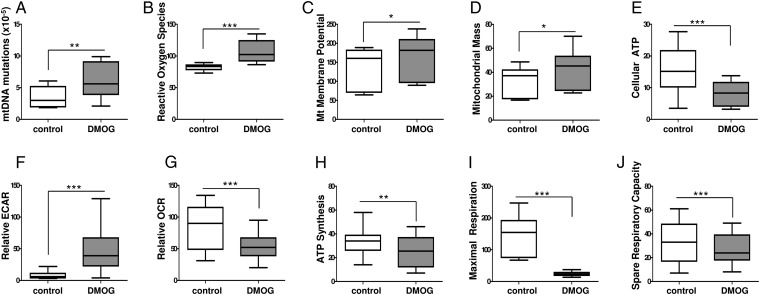
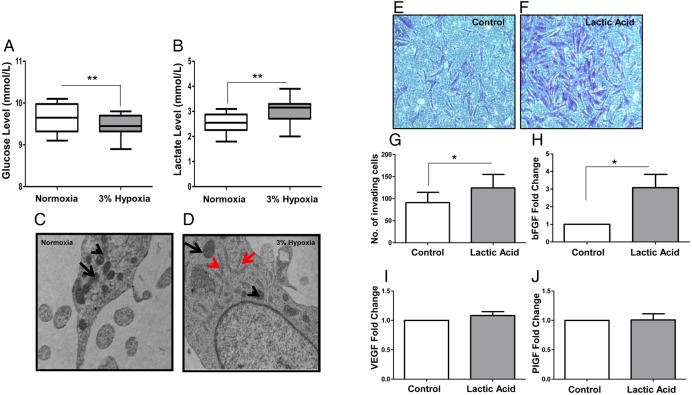
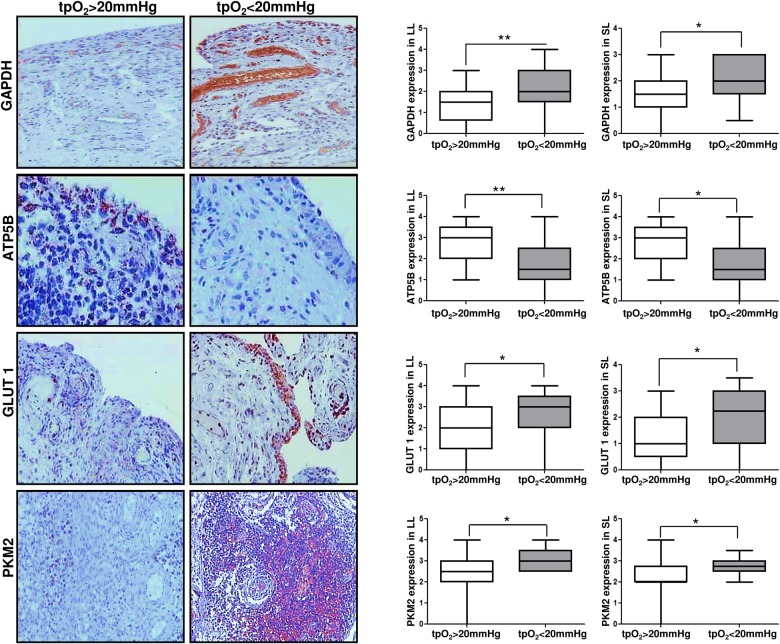
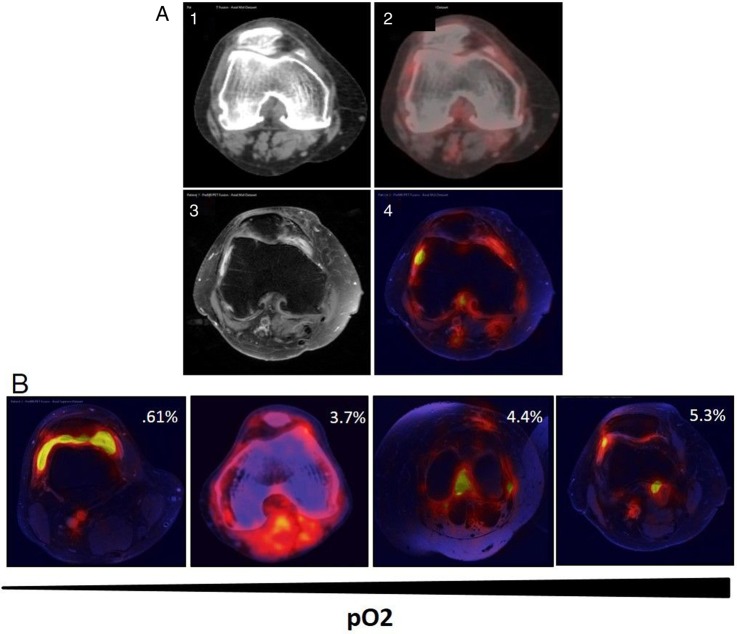
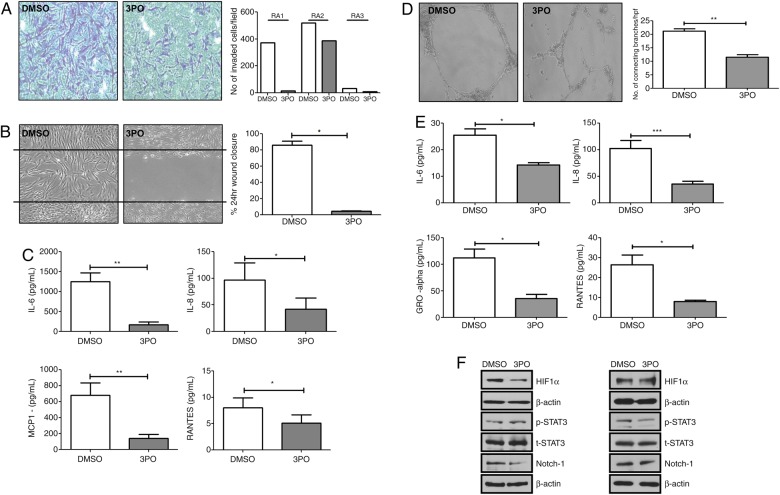
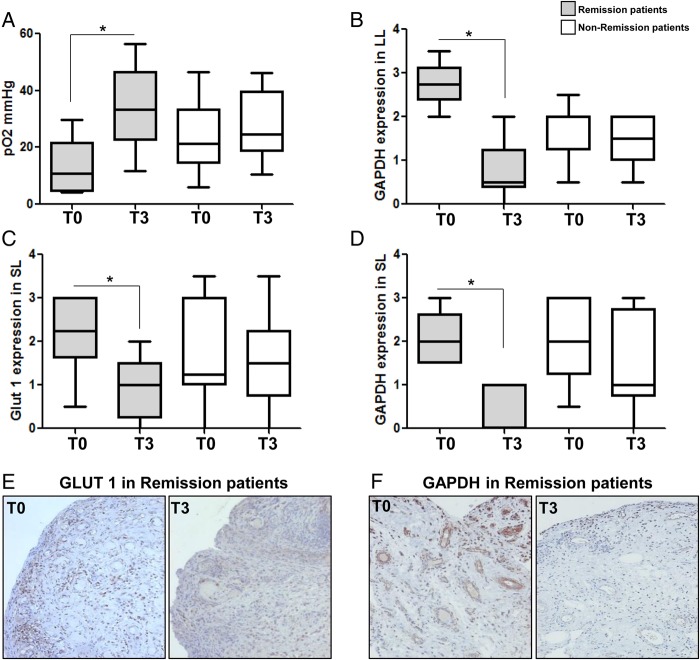
Objectives This study examines the relationship between synovial hypoxia and cellular bioenergetics with synovial inflammation. Methods Primary rheumatoid arthritis synovial fibroblasts (RASF) were cultured with hypoxia, dimethyloxalylglycine (DMOG) or metabolic intermediates. Mitochondrial respiration, mitochondrial DNA mutations, cell invasion, cytokines, glucose and lactate were quantified using specific functional assays. RASF metabolism was assessed by the XF24-Flux Analyzer. Mitochondrial structural morphology was assessed by transmission electron microscopy (TEM). In vivo synovial tissue oxygen (tpO2 mmHg) was measured in patients with inflammatory arthritis (n=42) at arthroscopy, and markers of glycolysis/oxidative phosphorylation (glyceraldehyde 3-phosphate dehydrogenase (GAPDH), PKM2, GLUT1, ATP) were quantified by immunohistology. A subgroup of patients underwent contiguous MRI and positron emission tomography (PET)/CT imaging. RASF and human dermal microvascular endothelial cells (HMVEC) migration/angiogenesis, transcriptional activation (HIF1α, pSTAT3, Notch1-IC) and cytokines were examined in the presence of glycolytic inhibitor 3-(3-Pyridinyl)-1-(4-pyridinyl)-2-propen-1-one (3PO). Results DMOG significantly increased mtDNA mutations, mitochondrial membrane potential, mitochondrial mass, reactive oxygen species and glycolytic RASF activity with concomitant attenuation of mitochondrial respiration and ATP activity (all p<0.01). This was coupled with altered mitochondrial morphology. Hypoxia-induced lactate levels (p<0.01), which in turn induced basic fibroblast growth factor (bFGF) secretion and RASF invasiveness (all p<0.05). In vivo glycolytic markers were inversely associated with synovial tpO2 levels <20 mm Hg, in contrast ATP was significantly reduced (all p<0.05). Decrease in GAPDH and GLUT1 was paralleled by an increase in in vivo tpO2 in tumour necrosis factor alpha inhibitor (TNFi) responders. Novel PET/MRI hybrid imaging demonstrated close association between metabolic activity and inflammation. 3PO significantly inhibited RASF invasion/migration, angiogenic tube formation, secretion of proinflammatory mediators (all p<0.05), and activation of HIF1α, pSTAT3 and Notch-1IC under normoxic and hypoxic conditions. Conclusions Hypoxia alters cellular bioenergetics by inducing mitochondrial dysfunction and promoting a switch to glycolysis, supporting abnormal angiogenesis, cellular invasion and pannus formation.
Overview
The claims and statistics of this paper haven’t been checked yet.
Free: it reads the open-access text and checks the first 5 claims that cite a source we can check. Create a free account to check every claim.
Integrity signals
Registry
Cites
Statistics
Figures
Verification
Claims the paper makes
The claims and statistics of this paper haven’t been checked yet.
Free: it reads the open-access text and checks the first 5 claims that cite a source we can check. Create a free account to check every claim.
Claims other papers make about this one
Each is checked against this paper’s own text: does it say what the citing paper says it does?
The source backs part of the claim, not all of it — or backs it for a different population, condition or comparison.
In the citing paper
“the joints of patients with RA have a higher frequency of mtDNA mutations, in addition to increased levels of synovial oxidative stress, inflammation and hypoxia, compared with the joints of healthy individuals41–43”
From The role of mitochondria in rheumatic diseases (2022) · cites this paper as [41]
Experimental — accuracy not yet measured
Self-check
Percentages, sums and reported differences re-computed from the paper’s own numbers.
The self-check needs the paper’s full text.
Citations
Cites
A role for mitochondria in nlrp3 inflammasome activation
Zhou, R., Yazdi, A. S., Menu, P., & Tschopp, J. (2011) · Nature · doi:10.1038/nature09663 · Cited by 5,602
Succinate is an inflammatory signal that induces IL-1β through HIF-1α
Tannahill, G. M., Curtis, A. M., Adamik, J., Palsson-McDermott, E. M., McGettrick, A. F., Goel, G., Frezza, C., Bernard, N. J., Kelly, B., Foley, N. H., et al. (2013) · Nature · doi:10.1038/nature11986 · Cited by 4,176
Functional Polarization of Tumour-Associated Macrophages by Tumour-Derived Lactic Acid
Colegio, O. R., Chu, N.-Q., Szabo, A. L., Chu, T., Rhebergen, A. M., Jairam, V., Cyrus, N., Brokowski, C. E., Eisenbarth, S. C., Phillips, G. M., et al. (2014) · Nature · doi:10.1038/nature13490 · Cited by 3,046
Shi, L. Z., Wang, R., Huang, G., Vogel, P., Neale, G., Green, D. R., & Chi, H. (2011) · Journal of Experimental Medicine · doi:10.1084/jem.20110278 · Cited by 1,803
Role of PFKFB3-Driven Glycolysis in Vessel Sprouting
De Bock, K., Georgiadou, M., Schoors, S., Kuchnio, A., Wong, B. W., Cantelmo, A. R., Quaegebeur, A., Ghesquière, B., Cauwenberghs, S., Eelen, G., et al. (2013) · Cell · doi:10.1016/j.cell.2013.06.037 · Cited by 1,551
Palsson-McDermott, E. M., Curtis, A. M., Goel, G., Lauterbach, M. A. R., Sheedy, F. J., Gleeson, L. E., van den Bosch, M. W. M., Quinn, S. R., Domingo-Fernandez, R., Johnston, D. G. W., et al. (2015) · Cell Metabolism · doi:10.1016/j.cmet.2014.12.005 · Cited by 1,397
Toll-like receptor–induced changes in glycolytic metabolism regulate dendritic cell activation
Krawczyk, C. M., Holowka, T., Sun, J., Blagih, J., Amiel, E., DeBerardinis, R. J., Cross, J. R., Jung, E., Thompson, C. B., Jones, R. G., et al. (2010) · Blood · doi:10.1182/blood-2009-10-249540 · Cited by 1,246
Bulua, A. C., Simon, A., Maddipati, R., Pelletier, M., Park, H., Kim, K.-Y., Sack, M. N., Kastner, D. L., & Siegel, R. M. (2011) · Journal of Experimental Medicine · doi:10.1084/jem.20102049 · Cited by 860
Végran, F., Boidot, R., Michiels, C., Sonveaux, P., & Feron, O. (2011) · Cancer Research · doi:10.1158/0008-5472.can-10-2828 · Cited by 816
Synovial fibroblasts spread rheumatoid arthritis to unaffected joints
Lefèvre, S., Knedla, A., Tennie, C., Kampmann, A., Wunrau, C., Dinser, R., Korb, A., Schnäker, E.-M., Tarner, I. H., Robbins, P. D., et al. (2009) · Nature Medicine · doi:10.1038/nm.2050 · Cited by 717
Cited by
Items 201–242 of 242
Wang, Y., Li, X., Wu, X., Meng, F., Li, Z., Guo, W., Gao, Z., Zhu, C., & Peng, Y. Y. (2024) · Biomedical Materials · doi:10.1088/1748-605x/ad7563 · Cited by 2
“Endothelial cells can form capillary-like structures in an appropriate culture environment containing growth factors [32].”
Exhaustion‐Resistant CD8 + T Cells in Ankylosing Spondylitis: A Proposed Three‐Axis Model
Zhang, X., Lu, J., Lin, X., & Zhou, L. (2025) · Immunology · doi:10.1111/imm.70044 · Cited by 3
“Although chronic inflammation in the synovium entails some degree of hypoxia and nutrient competition, it may not be as extremely suppressive as the tumour microenvironment [48].”
Tynan, O., Gilmore, A. C., Brugman, A. A., Floudas, A., Smith, C. M., Anton, D., Wade, S. C., Orr, C. K., Veale, D. J., & Fearon, U. (2025) · Journal of Autoimmunity · doi:10.1016/j.jaut.2025.103519 · Cited by 3
Self-citationEffects of Metabolic Dysregulation on Macrophage Polarization in Rheumatoid Arthritis
Zhang, X., Deng, X., Wei, S., Li, M., & Zeng, X. (2026) · Arthritis & Rheumatology · doi:10.1002/art.70253 · Cited by 4
Floudas, A., Gorman, Á., Neto, N. G. B., Monaghan, M. G., Elliott, Z., Fearon, U., & Marzaioli, V. (2022) · Frontiers in Medicine · doi:10.3389/fmed.2022.830998 · Cited by 4
Self-citationLiang, Y., Song, F., Liu, H., Liu, J., Zhang, Y., Lin, W., Liao, H., Guo, H., Tse, G., Liu, F., et al. (2021) · Cardiology Research and Practice · doi:10.1155/2021/2558639 · Cited by 2
Chen, J., Zhang, Q., Gao, X., Pan, W., Liu, C., Wang, Q., & Lin, X. (2025) · Chemical Engineering Journal · doi:10.1016/j.cej.2025.167374 · Cited by 1
Liver–joint axis: Hepatitis B virus as a contributor to rheumatoid arthritis pathogenesis
Wu, H., Zhao, N., Zhang, X., Zhang, Y., & Wang, H. (2025) · Virulence · doi:10.1080/21505594.2025.2590267 · Cited by 1
Li, B., Gan, P., Pang, J., Li, J.-J., & Wu, H. (2026) · European Journal of Pharmacology · doi:10.1016/j.ejphar.2026.178866 · Cited by 2
Fan, Y., Wang, N., Zhao, C., & Zhang, Z. (2026) · Frontiers in Immunology · doi:10.3389/fimmu.2026.1842560 · Cited by 1
Luo, T.-T., He, L.-X., Yin, Q., Wang, Z.-F., & Zuo, J. (2026) · Journal of Inflammation Research · doi:10.2147/jir.s600186 · Cited by 1
“64,65 HIF-1α is a central mediator of this metabolic reprogramming, as it induces many glycolytic enzymes and transporters that enable cells to generate ATP under low oxygen conditions.”
HIF-1α in macrophage polarization: roles in immunometabolism and autoimmune diseases
Li, D., Pan, X., He, Z., Cui, J., Zhu, R., & Guo, D. (2026) · Journal of Leukocyte Biology · doi:10.1093/jleuko/qiag082 · Cited by 1
Xiao, N., Yan, H., Xi, Y., Xu, Y., Zhang, J., Li, Z., & Xie, Z. (2026) · Cells · doi:10.3390/cells15121122 · Cited by 1
“Patients with RA often experience chronic inflammation, characterized by activated immune cells, increased metabolic demands, and elevated oxygen consumption, leading to a hypoxic microenvironment at the site of inflammation [19,20].”
Zhang, P., Wu, D., Liu, J., Wen, J., Chen, E., & Xiao, C. (2023) · Molecular Medicine Reports · doi:10.3892/mmr.2023.13051 · Cited by 1
“HiF‑1 α is a transcription activator, which serves an important role in numerous pathological processes, such as rheumatoid arthritis (82), systemic lupus erythematosus (83) and inflammatory bowel disease (84).”
Cell Membrane Surface-Engineered Nanoparticles for Autoimmune Diseases and Immunotherapy
Khademi, Z., Falsafi, M., Taghdisi, S. M., & Abnous, K. (2024) · ACS symposium series · doi:10.1021/bk-2024-1464.ch010 · Cited by 2
Microbiome-mediated T cell regulation, inflammation, and disease
Singh, A. R., Prasad, S., & Singh, G. (2023) · Elsevier eBooks · doi:10.1016/b978-0-323-99336-4.00018-5 · Cited by 1
Rosas‐Ballina, M. (2017) · Springer eBooks · doi:10.1007/978-3-319-42252-7_7 · Cited by 1
Dysregulation of synovial fibroblasts in rheumatoid arthritis
Crowley, T., Turner, J. D., Filer, A. D., Clark, A., & Buckley, C. D. (2020) · Oxford University Press eBooks · doi:10.1093/med/9780198831433.003.0006
Immunometabolism and autoimmunity
Pucino, V. (2021) · Elsevier eBooks · doi:10.1016/b978-0-12-822564-6.00018-5
Veale, D. J., & Fearon, U. (2020) · Oxford University Press eBooks · doi:10.1093/med/9780198831433.003.0016
Self-citationQiu, Y., Liu, C., Shi, Y., Hao, N., Tan, W., & Wang, F. (2023) · Figshare · doi:10.6084/m9.figshare.23930192
Qiu, Y., Liu, C., Shi, Y., Hao, N., Tan, W., & Wang, F. (2023) · Figshare · doi:10.6084/m9.figshare.23930195
Hasan, S. Y., Yasir, S. J., Al.Janabi, A., & Mohsen, Z. A. (2025) · SSRN Electronic Journal · doi:10.2139/ssrn.5337872
Luo, X., Li, G., Yang, H., Chen, L., Gao, Y., Cong, J., Luo, H., & Zhang, W. (2024) · Figshare · doi:10.6084/m9.figshare.26676872
Qiu, Y., Liu, C., Shi, Y., Hao, N., Tan, W., & Wang, F. (2023) · Figshare · doi:10.6084/m9.figshare.23930189
Li, X., Xu, S., Li, M., Wang, B., Kang, P., Zhu, J., Clanchy, F. I. L., Williams, R. O., Abraham, D., & Geng, Y. (2026) · Clinical & Experimental Immunology · doi:10.1093/cei/uxag008
Galectin‐3, Tryptophan, and AADAT as Linked Biomarkers in Rheumatoid Arthritis
SARIYILDIZ, L., Erbayram, F. Z., Sivrikaya, A., Menevşe, E., Tokak, S., Akcan, G., Yilmaz, S., & Kose, H. (2026) · International Journal of Rheumatic Diseases · doi:10.1111/1756-185x.70578 · Cited by 2
Lin, W., Shen, P., Song, Y., 涂胜豪, Li, S., Liu, Y., Zhang, R., Han, L., Ba, X., Yan, J., et al. (2026) · Journal of Ethnopharmacology · doi:10.1016/j.jep.2026.121841
Al-Ewaidat, O. A., & Naffaa, M. M. (2026) · Exploration of Immunology · doi:10.37349/ei.2026.1003255
Lactate programs CRIP1 protein lactylation to drive synovial proliferation in rheumatoid arthritis
Ma, M., Zhou, Y., Li, Q., Wang, Z., Guan, S., Wang, X. H., Zhao, H., Wen, Z., Liu, T., & Yuan, F. (2026) · JCI Insight · doi:10.1172/jci.insight.200928
Wei, Y., Xie, X., Hou, X., Li, D., Hou, J., & Gao, Y. (2026) · Frontiers in Pharmacology · doi:10.3389/fphar.2026.1793851
Li, S., Wan, L., Yang, J., Wang, K., Zhang, X., & Liu, X. (2026) · Frontiers in Immunology · doi:10.3389/fimmu.2026.1865927
“In RA, the synovial niche is continuously exposed to severe hypoxia, enhanced glycolysis, lactate accumulation, oxidative stress, mitochondrial dysfunction, and altered lipid metabolism (14 – 17).”
Hypoxia as an amplifier of synovial inflammation in rheumatoid arthritis
Canavan, M., Tynan, O., Fletcher, J. M., & Fearon, U. (2026) · Nature Reviews Rheumatology · doi:10.1038/s41584-026-01397-z · Cited by 2
Self-citationHe, Q., Qin, W.-K., Yu, X., Jing, L., & Qi, Y. (2026) · Frontiers in Medicine · doi:10.3389/fmed.2026.1853301
Deciphering the mechanistic landscape of notch signaling in autoimmune pathogenesis
Zhang, R., 涂胜豪, Lin, W., Han, L., Ba, X., Yan, J., Yang, Y., Li, Y., Li, T., Li, C., et al. (2026) · Clinical and Experimental Medicine · doi:10.1007/s10238-026-02272-7
“…inhibition of glycolysis significantly mitigated the invasion, migration, and secretion of proinflammatory factors in FLSs and human umbilical vein endothelial cells (HUVECs) as well as synovial angiogenesis and was associated with the inhibition of HIF-1α, p-STAT3, and NICD1 activation [7 , 9 ].”
Turzyńska, P. P. (2026) · Quality in Sport · doi:10.12775/qs.2026.68.74444
Biomaterials for metabolic reprogramming in skeletal disorders
Sun, K., Wu, Y., Liu, Y., Ma, P., Shen, B., & Xie, H. (2026) · Chinese Medical Journal · doi:10.1097/cm9.0000000000004285
Li, T., Li, G., Yang, Y., Han, L., Shen, P., Ba, X., Lin, W., Yan, J., Zhang, R., Ma, S., et al. (2026) · Journal of Inflammation Research · doi:10.2147/jir.s634087
Zhou, Y., Du, H., Zhang, Q., Meng, F., Wang, Y., Fan, J., & Li, W. (2026) · Journal of Inflammation Research · doi:10.2147/jir.s630988
“Inhibition of PDK partially restores oxidative phosphorylation, reducing cell proliferation and inflammatory cytokine secretion, suggesting glycolytic reprogramming supports the pathogenic phenotype of FLS. 108,109 Glycolytic activation in FLS often accompanies lactate accumulation, decreased local pH, and activation…”
Wen, P., Bai, Y., & Yang, Z. (2026) · Pharmacological Research · doi:10.1016/j.phrs.2026.108441
Tang, J., Li, Y., Tan, B., Huang, C., Tan, J., Song, X., Liu, J., Zhao, L., & Zhang, W. (2026) · OMICS A Journal of Integrative Biology · doi:10.1177/15578100261495875
Metadata
- Authors
- Biniecka, M., Canavan, M., McGarry, T., Gao, W., McCormick, J., Cregan, S., Gallagher, L., Smith, T., Phelan, J. J., Ryan, J., O'Sullivan, J., Ng, C. T., Veale, D. J., & Fearon, U.
- Affiliations
- St. Vincent's University Hospital (IE)
- Trinity College Dublin (IE)
- University College Dublin (IE)
- Singapore General Hospital (SG)
- Corresponding author
- Fearon, U
- ORCID
- Venue
- Annals of the Rheumatic Diseases
- Publisher
- Elsevier BV
- Published
- 2016-12
- Volume
- 75
- Issue
- 12
- Pages
- 2192-2200
- ISSN
- 0003-4967 (ISSN-L)
- PMC
- PMC5136702
- OpenAlex
- W2311703587
- Semantic Scholar
- 7f7182b09d81080857909379da8fe770791d4df2
- Cited by
- 236
- References
- 62
- Citations by year
- 2026: 22 · 2025: 27 · 2024: 21 · 2023: 20 · 2022: 28 · 2021: 31 · 2020: 26 · 2019: 17 · 2018: 19 · 2017: 22 · 2016: 3
- FWCI
- 21.64
- Type
- journal article
- Language
- en
- Open access
- hybrid
- doi.org
- Licence
- cc-by-nc
- www.elsevier.com/tdm/userlicense/1.0/ (tdm)
- www.elsevier.com/legal/tdmrep-license (tdm)
- creativecommons.org/licenses/by-nc/4.0/ (vor)
- Locations
- Annals of the Rheumatic Diseases (publishedVersion, cc-by-nc)
- PubMed Central (publishedVersion, cc-by-nc)
- PubMed (publishedVersion)
- Arrow@dit (Dublin Institute of Technology) (submittedVersion, cc-by-nc-sa)
- Trinity's Access to Research Output (TARA) (Trinity College Dublin) (submittedVersion)
- Funders
- Health Research Board
- Topics
- Health Sciences › Medicine › Rheumatology › Rheumatoid Arthritis Research and Therapies
- Life Sciences › Biochemistry, Genetics and Molecular Biology › Cancer Research › Cancer, Hypoxia, and Metabolism
- Life Sciences › Biochemistry, Genetics and Molecular Biology › Molecular Biology › Mitochondrial Function and Pathology
- Keywords
- rheumatoid arthritis, synovial fibroblasts, cellular bioenergetics, mitochondrial respiration, mitochondrial DNA mutations, glycolysis, lactate, angiogenesis, HIF-1α, STAT3, Notch1, TNF-alpha inhibitors, PET/MRI imaging, synovitis, oxidative phosphorylation, dimethyloxalylglycine, basic fibroblast growth factor, TNF-α
- MeSH terms
- Amino Acids, Dicarboxylic, Hypoxia, Arthritis, Rheumatoid, Cell Movement, Cells, Cultured, DNA, Mitochondrial, Energy Metabolism, Fibroblasts, Glucose, Humans, Joints, Mitochondria, Synovial Membrane, Cytokines, Reactive Oxygen Species, Lactic Acid
About these checks
Registry, retraction, Cites and statistics results are computed, not judged, with one exception: a printed reference that no index lists is read once by a model before it counts as a citation error. Claims are extracted by a model and kept only when their quote appears verbatim in the text; each cited source is then checked, with a model’s help, for whether it says what the claim relies on. Those verdicts can be wrong — read the claim’s quote and the cited source before relying on one.
Statistics and arithmetic are recomputed, not judged.
Confidence bands are shown only for fields calibrated on our annotated test set. None is calibrated yet, so no band is shown.
What counts as a claim ›How we measure confidence ›How we check this ›
Are you an author, or do you see a problem with this page? Request a review
Data sources
Bibliographic data: Semantic Scholar, OpenAlex, Crossref.
Contains information from the Semantic Scholar Academic Graph Datasets, made available under the ODC Attribution License (ODC-BY 1.0).
Semantic Scholar’s data is described in: Kinney, R., et al. (2023). The Semantic Scholar Open Data Platform. arXiv:2301.10140.
