

Dysregulated bioenergetics: a key regulator of joint inflammation
Open accessThe DOI matches its Crossref record; 63 of the 63 references it cites were found in a registry or an index.
Abstract
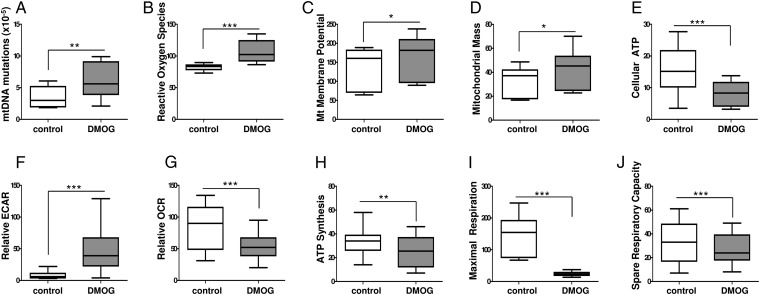
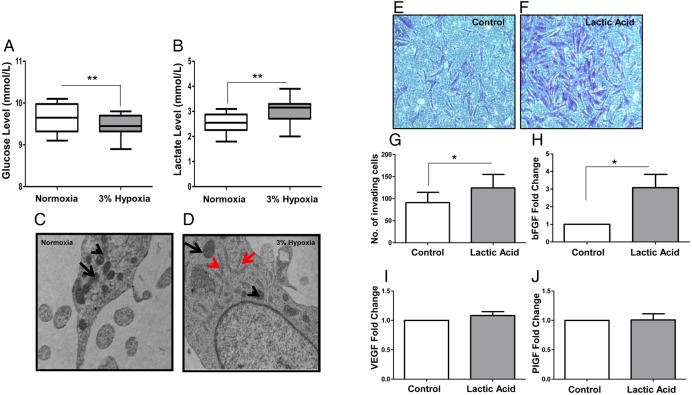
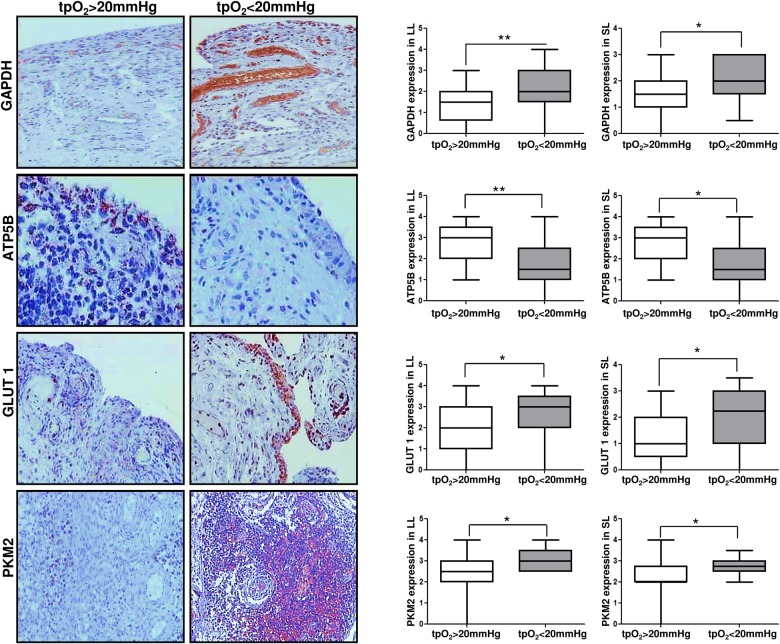
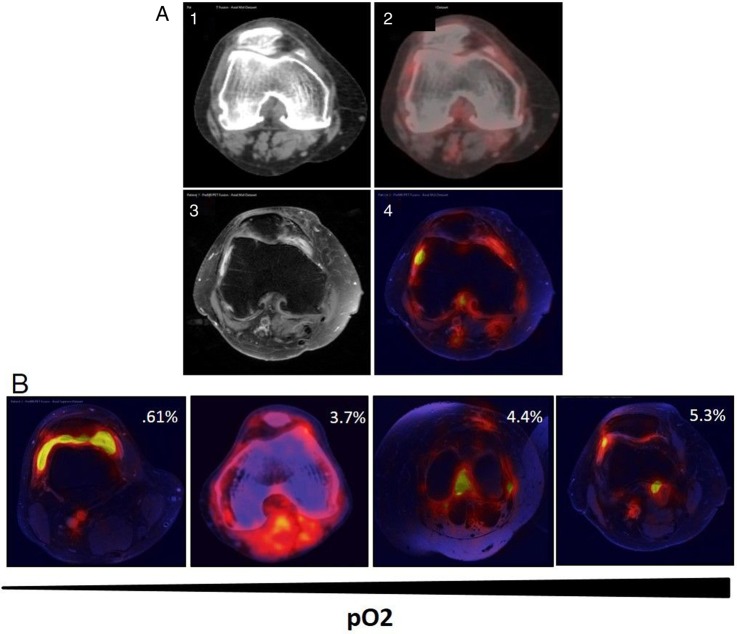
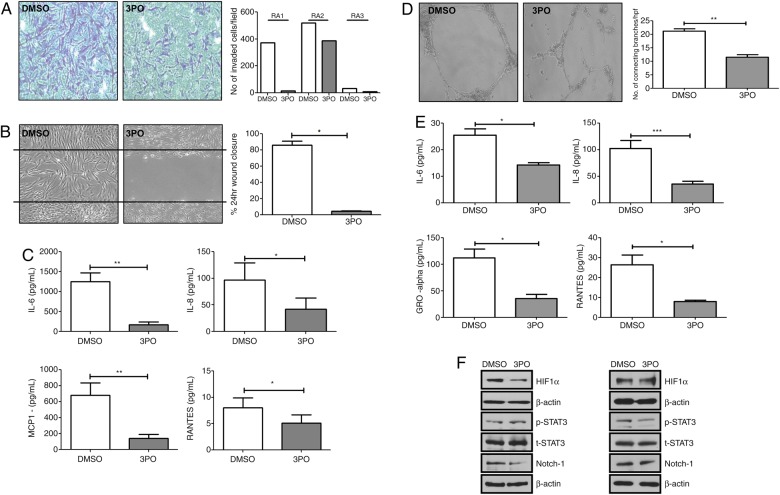
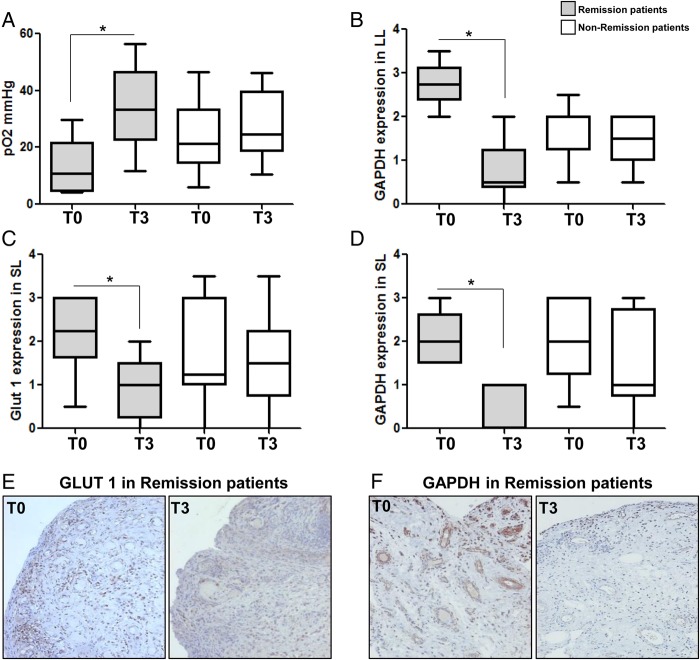
Objectives This study examines the relationship between synovial hypoxia and cellular bioenergetics with synovial inflammation. Methods Primary rheumatoid arthritis synovial fibroblasts (RASF) were cultured with hypoxia, dimethyloxalylglycine (DMOG) or metabolic intermediates. Mitochondrial respiration, mitochondrial DNA mutations, cell invasion, cytokines, glucose and lactate were quantified using specific functional assays. RASF metabolism was assessed by the XF24-Flux Analyzer. Mitochondrial structural morphology was assessed by transmission electron microscopy (TEM). In vivo synovial tissue oxygen (tpO2 mmHg) was measured in patients with inflammatory arthritis (n=42) at arthroscopy, and markers of glycolysis/oxidative phosphorylation (glyceraldehyde 3-phosphate dehydrogenase (GAPDH), PKM2, GLUT1, ATP) were quantified by immunohistology. A subgroup of patients underwent contiguous MRI and positron emission tomography (PET)/CT imaging. RASF and human dermal microvascular endothelial cells (HMVEC) migration/angiogenesis, transcriptional activation (HIF1α, pSTAT3, Notch1-IC) and cytokines were examined in the presence of glycolytic inhibitor 3-(3-Pyridinyl)-1-(4-pyridinyl)-2-propen-1-one (3PO). Results DMOG significantly increased mtDNA mutations, mitochondrial membrane potential, mitochondrial mass, reactive oxygen species and glycolytic RASF activity with concomitant attenuation of mitochondrial respiration and ATP activity (all p<0.01). This was coupled with altered mitochondrial morphology. Hypoxia-induced lactate levels (p<0.01), which in turn induced basic fibroblast growth factor (bFGF) secretion and RASF invasiveness (all p<0.05). In vivo glycolytic markers were inversely associated with synovial tpO2 levels <20 mm Hg, in contrast ATP was significantly reduced (all p<0.05). Decrease in GAPDH and GLUT1 was paralleled by an increase in in vivo tpO2 in tumour necrosis factor alpha inhibitor (TNFi) responders. Novel PET/MRI hybrid imaging demonstrated close association between metabolic activity and inflammation. 3PO significantly inhibited RASF invasion/migration, angiogenic tube formation, secretion of proinflammatory mediators (all p<0.05), and activation of HIF1α, pSTAT3 and Notch-1IC under normoxic and hypoxic conditions. Conclusions Hypoxia alters cellular bioenergetics by inducing mitochondrial dysfunction and promoting a switch to glycolysis, supporting abnormal angiogenesis, cellular invasion and pannus formation.
Overview
The claims and statistics of this paper haven’t been checked yet.
Free: it reads the open-access text and checks the first 5 claims that cite a source we can check. Create a free account to check every claim.
Integrity signals
Registry
Cites
Statistics
Figures
Verification
Claims the paper makes
The claims and statistics of this paper haven’t been checked yet.
Free: it reads the open-access text and checks the first 5 claims that cite a source we can check. Create a free account to check every claim.
Claims other papers make about this one
Each is checked against this paper’s own text: does it say what the citing paper says it does?
The source backs part of the claim, not all of it — or backs it for a different population, condition or comparison.
In the citing paper
“the joints of patients with RA have a higher frequency of mtDNA mutations, in addition to increased levels of synovial oxidative stress, inflammation and hypoxia, compared with the joints of healthy individuals41–43”
From The role of mitochondria in rheumatic diseases (2022) · cites this paper as [41]
Experimental — accuracy not yet measured
Self-check
Percentages, sums and reported differences re-computed from the paper’s own numbers.
The self-check needs the paper’s full text.
Citations
Cites
A role for mitochondria in nlrp3 inflammasome activation
Zhou, R., Yazdi, A. S., Menu, P., & Tschopp, J. (2011) · Nature · doi:10.1038/nature09663 · Cited by 5,602
Succinate is an inflammatory signal that induces IL-1β through HIF-1α
Tannahill, G. M., Curtis, A. M., Adamik, J., Palsson-McDermott, E. M., McGettrick, A. F., Goel, G., Frezza, C., Bernard, N. J., Kelly, B., Foley, N. H., et al. (2013) · Nature · doi:10.1038/nature11986 · Cited by 4,176
Functional Polarization of Tumour-Associated Macrophages by Tumour-Derived Lactic Acid
Colegio, O. R., Chu, N.-Q., Szabo, A. L., Chu, T., Rhebergen, A. M., Jairam, V., Cyrus, N., Brokowski, C. E., Eisenbarth, S. C., Phillips, G. M., et al. (2014) · Nature · doi:10.1038/nature13490 · Cited by 3,046
Shi, L. Z., Wang, R., Huang, G., Vogel, P., Neale, G., Green, D. R., & Chi, H. (2011) · Journal of Experimental Medicine · doi:10.1084/jem.20110278 · Cited by 1,803
Role of PFKFB3-Driven Glycolysis in Vessel Sprouting
De Bock, K., Georgiadou, M., Schoors, S., Kuchnio, A., Wong, B. W., Cantelmo, A. R., Quaegebeur, A., Ghesquière, B., Cauwenberghs, S., Eelen, G., et al. (2013) · Cell · doi:10.1016/j.cell.2013.06.037 · Cited by 1,551
Palsson-McDermott, E. M., Curtis, A. M., Goel, G., Lauterbach, M. A. R., Sheedy, F. J., Gleeson, L. E., van den Bosch, M. W. M., Quinn, S. R., Domingo-Fernandez, R., Johnston, D. G. W., et al. (2015) · Cell Metabolism · doi:10.1016/j.cmet.2014.12.005 · Cited by 1,397
Toll-like receptor–induced changes in glycolytic metabolism regulate dendritic cell activation
Krawczyk, C. M., Holowka, T., Sun, J., Blagih, J., Amiel, E., DeBerardinis, R. J., Cross, J. R., Jung, E., Thompson, C. B., Jones, R. G., et al. (2010) · Blood · doi:10.1182/blood-2009-10-249540 · Cited by 1,246
Bulua, A. C., Simon, A., Maddipati, R., Pelletier, M., Park, H., Kim, K.-Y., Sack, M. N., Kastner, D. L., & Siegel, R. M. (2011) · Journal of Experimental Medicine · doi:10.1084/jem.20102049 · Cited by 860
Végran, F., Boidot, R., Michiels, C., Sonveaux, P., & Feron, O. (2011) · Cancer Research · doi:10.1158/0008-5472.can-10-2828 · Cited by 816
Synovial fibroblasts spread rheumatoid arthritis to unaffected joints
Lefèvre, S., Knedla, A., Tennie, C., Kampmann, A., Wunrau, C., Dinser, R., Korb, A., Schnäker, E.-M., Tarner, I. H., Robbins, P. D., et al. (2009) · Nature Medicine · doi:10.1038/nm.2050 · Cited by 717
Partial and Transient Reduction of Glycolysis by PFKFB3 Blockade Reduces Pathological Angiogenesis
Schoors, S., De Bock, K., Cantelmo, A. R., Georgiadou, M., Ghesquière, B., Cauwenberghs, S., Kuchnio, A., Wong, B. W., Quaegebeur, A., Goveia, J., et al. (2014) · Cell Metabolism · doi:10.1016/j.cmet.2013.11.008 · Cited by 529
Endogenously oxidized mitochondrial DNA induces in vivo and in vitro inflammatory responses
Collins, L. V., Hajizadeh, S., Holme, E., Jonsson, I.-M., & Tarkowski, A. (2004) · Journal of Leukocyte Biology · doi:10.1189/jlb.0703328 · Cited by 508
Sakon, S., Xue, X., Takekawa, M., Sasazuki, T., Okazaki, T., Kojima, Y., Piao, J., Yagita, H., Okumura, K., Doi, T., et al. (2003) · The EMBO Journal · doi:10.1093/emboj/cdg379 · Cited by 497
Clem, B., Telang, S., Clem, A., Yalcin, A., Meier, J., Simmons, A., Rasku, M. A., Arumugam, S., Dean, W. L., Eaton, J., et al. (2008) · Molecular Cancer Therapeutics · doi:10.1158/1535-7163.mct-07-0482 · Cited by 432
Yang, Z., Kahn, B. B., Shi, H., & Xue, B.-Z. (2010) · Journal of Biological Chemistry · doi:10.1074/jbc.m110.123620 · Cited by 410
Somatic mutations in the p53 tumor suppressor gene in rheumatoid arthritis synovium
Firestein, G. S., Echeverri, F., Yeo, M., Zvaifler, N. J., & Green, D. R. (1997) · Proceedings of the National Academy of Sciences · doi:10.1073/pnas.94.20.10895 · Cited by 377
The glycolytic phenotype in carcinogenesis and tumor invasion: insights through mathematical models.
Gatenby, R. A., & Gawlinski, E. T. (2003) · PubMed · Cited by 370
Yang, Z., Fujii, H., Mohan, S. V., Goronzy, J. J., & Weyand, C. M. (2013) · Journal of Experimental Medicine · doi:10.1084/jem.20130252 · Cited by 334
Qiang, L., Wu, T., Zhang, H.-W., Lu, N., Hu, R., Wang, Y.-J., Zhao, L., Chen, F.-H., Wang, X.-T., You, Q.-D., et al. (2012) · Cell Death & Differentiation · doi:10.1038/cdd.2011.95 · Cited by 313
Choy, E., Ganeshalingam, K., Semb, A. G., Szekanecz, Z., & Nurmohamed, M. (2014) · Rheumatology · doi:10.1093/rheumatology/keu224 · Cited by 303
Rheumatoid arthritis and p53: how oxidative stress might alter the course of inflammatory diseases
Tak, P. P., Zvaifler, N. J., Green, D. R., & Firestein, G. S. (2000) · Immunology Today · doi:10.1016/s0167-5699(99)01552-2 · Cited by 268
Distinct vascular patterns of early synovitis in psoriatic, reactive, and rheumatoid arthritis
Reece, R. J., Canete, J. D., Parsons, W. J., Emery, P., & Veale, D. J. (1999) · Arthritis & Rheumatism · doi:10.1002/1529-0131(199907)42:7<1481::aid-anr23>3.0.co;2-e · Cited by 267
Self-citationSynovial tissue hypoxia and inflammation in vivo
Ng, C. T., Biniecka, M., Kennedy, A., McCormick, J., FitzGerald, O., Bresnihan, B., Buggy, D., Taylor, C. T., O'Sullivan, J., Fearon, U., et al. (2010) · Annals of the Rheumatic Diseases · doi:10.1136/ard.2009.119776 · Cited by 254
Self-citationmTOR and HIF-1α-mediated tumor metabolism in an LKB1 mouse model of Peutz-Jeghers syndrome
Shackelford, D. B., Vasquez, D. S., Corbeil, J., Wu, S., Leblanc, M., Wu, C.-L., Vera, D. R., & Shaw, R. J. (2009) · Proceedings of the National Academy of Sciences · doi:10.1073/pnas.0900465106 · Cited by 205
Tsuboi, R., Sato, Y., & Rifkin, D. B. (1990) · The Journal of cell biology · doi:10.1083/jcb.110.2.511 · Cited by 202
Im, H.-J., Muddasani, P., Natarajan, V., Schmid, T. M., Block, J. A., Davis, F., van Wijnen, A. J., & Loeser, R. F. (2007) · Journal of Biological Chemistry · doi:10.1074/jbc.m609040200 · Cited by 176
Hypoxia and STAT3 signalling interactions regulate pro-inflammatory pathways in rheumatoid arthritis
Gao, W., McCormick, J., Connolly, M., Balogh, E., Veale, D. J., & Fearon, U. (2014) · Annals of the Rheumatic Diseases · doi:10.1136/annrheumdis-2013-204105 · Cited by 162
Self-citationKubota, M., Shimmura, S., Kubota, S., Miyashita, H., Kato, N., Noda, K., Ozawa, Y., Usui, T., Ishida, S., Umezawa, K., et al. (2010) · Investigative Ophthalmology & Visual Science · doi:10.1167/iovs.10-6167 · Cited by 155
Angiogenesis and blood vessel stability in inflammatory arthritis
Kennedy, A., Ng, C. T., Biniecka, M., Saber, T., Taylor, C., O'Sullivan, J., Veale, D. J., & Fearon, U. (2010) · Arthritis & Rheumatism · doi:10.1002/art.27287 · Cited by 154
Self-citationDiabetes mellitus risk factors in rheumatoid arthritis: a systematic review and meta-analysis.
Aschwanden, M., Imfeld, S., Staub, D., Baldi, T., Walker, U. A., Berger, C. T., Hess, C., & Daikeler, T. D. (2015) · PubMed · Cited by 153
Hu, F., Mu, R., Zhu, J., Shi, L., Li, Y., Liu, X., Shao, W., Li, G., Li, M., Su, Y., et al. (2013) · Annals of the Rheumatic Diseases · doi:10.1136/annrheumdis-2012-202444 · Cited by 130
Hypoxia upregulates angiogenesis and synovial cell migration in rheumatoid arthritis
Akhavani, M., Madden, L., Buysschaert, I., Sivakumar, B., Kang, N., & Paleolog, E. M. (2009) · Arthritis Research & Therapy · doi:10.1186/ar2689 · Cited by 125
Synovial Hypoxia as a Cause of Tendon Rupture in Rheumatoid Arthritis
Sivakumar, B., Akhavani, M., Winlove, C. P., Taylor, P. C., Paleolog, E. M., & Kang, N. (2008) · The Journal Of Hand Surgery · doi:10.1016/j.jhsa.2007.09.002 · Cited by 125
Somatic mutation in the tumore suppressor gene in erosive rheumatoid arthritis synovium
Firestein, G. (1997) · Medical Entomology and Zoology · Cited by 123
Glycolysis and rheumatoid arthritis
Chang, X., & Wei, C. (2011) · International Journal of Rheumatic Diseases · doi:10.1111/j.1756-185x.2011.01598.x · Cited by 122
Hypoxia Activates NF-κB–Dependent Gene Expression Through the Canonical Signaling Pathway
Oliver, K. M., Garvey, J. F., Ng, C. T., Veale, D. J., Fearon, U., Cummins, E. P., & Taylor, C. T. (2009) · Antioxidants & Redox Signaling · doi:10.1089/ars.2008.2400 · Cited by 118
Self-citationNaughton, D. P., Whelan, M., Smith, E., Williams, R., Blake, D. R., & Grootveld, M. C. (1993) · FEBS Letters · doi:10.1016/0014-5793(93)81508-w · Cited by 114
Oxidative damage in synovial tissue is associated with in vivo hypoxic status in the arthritic joint
Biniecka, M., Kennedy, A., Fearon, U., Ng, C. T., Veale, D. J., & O'Sullivan, J. N. (2009) · Annals of the Rheumatic Diseases · doi:10.1136/ard.2009.111211 · Cited by 110
Self-citationHypoxia induces mitochondrial mutagenesis and dysfunction in inflammatory arthritis
Biniecka, M., Fox, E., Gao, W., Ng, C. T., Veale, D. J., Fearon, U., & O'Sullivan, J. (2011) · Arthritis & Rheumatism · doi:10.1002/art.30395 · Cited by 109
Self-citationMitochondrial mutagenesis correlates with the local inflammatory environment in arthritis
Harty, L. C., Biniecka, M., O'Sullivan, J., Fox, E., Mulhall, K., Veale, D. J., & Fearon, U. (2012) · Annals of the Rheumatic Diseases · doi:10.1136/annrheumdis-2011-200245 · Cited by 94
Self-citationNotch‐1 mediates hypoxia‐induced angiogenesis in rheumatoid arthritis
Gao, W., Sweeney, C., Connolly, M., Kennedy, A., Ng, C. T., McCormick, J., Veale, D. J., & Fearon, U. (2012) · Arthritis & Rheumatism · doi:10.1002/art.34397 · Cited by 84
Self-citationIsaacs, J. D., Greer, S., Sharma, S., Symmons, D. P. M., Smith, M., Johnston, J., Waldmann, H., Hale, G., & Hazleman, B. L. (2001) · Arthritis & Rheumatism · doi:10.1002/1529-0131(200109)44:9<1998::aid-art348>3.0.co;2-t · Cited by 82
Biniecka, M., Kennedy, A., Ng, C. T., Chang, T. C., Balogh, E., Fox, E., Veale, D. J., Fearon, U., & O'Sullivan, J. N. (2011) · Arthritis Research & Therapy · doi:10.1186/ar3424 · Cited by 78
Self-citationQuantification of random mutations in the mitochondrial genome
Vermulst, M., Bielas, J. H., & Loeb, L. A. (2008) · Methods · doi:10.1016/j.ymeth.2008.10.008 · Cited by 72
Gaber, T., Schellmann, S., Erekul, K. B., Fangradt, M., Tykwinska, K., Hahne, M., Maschmeyer, P., Wagegg, M., Stahn, C., Kolar, P., et al. (2011) · The Journal of Immunology · doi:10.4049/jimmunol.0903421 · Cited by 70
Peansukmanee, S., Vaughan‐Thomas, A., Carter, S. D., Clegg, P., Taylor, S. E., Redmond, C., & Mobasheri, A. (2008) · Journal of Orthopaedic Research® · doi:10.1002/jor.20772 · Cited by 64
Beckers, A., Organe, S., Timmermans, L., Vanderhoydonc, F., Deboel, L., Derua, R., Waelkens, E., Brusselmans, K., Verhoeven, G., & Swinnen, J. V. (2006) · Molecular Cancer Therapeutics · doi:10.1158/1535-7163.mct-06-0001 · Cited by 61
Oxidant conditioning protects cartilage from mechanically induced damage
Ramakrishnan, P. S., Hecht, B. A., Pedersen, D. R., Lavery, M. R., Maynard, J. A., Buckwalter, J. A., & Martin, J. A. (2010) · Journal of Orthopaedic Research® · doi:10.1002/jor.21072 · Cited by 60
Covey, M. V., & Levison, S. W. (2007) · Neuroscience · doi:10.1016/j.neuroscience.2007.06.015 · Cited by 60
Iyama, S., Okamoto, T., Sato, T., Yamauchi, N., Sato, Y., Sasaki, K., Takahashi, M., Tanaka, M., Adachi, T., Kogawa, K., et al. (2001) · Arthritis & Rheumatism · doi:10.1002/1529-0131(200109)44:9<2160::aid-art369>3.0.co;2-0 · Cited by 57
Miesel, R., Hartung, R., & Kroeger, H. (1996) · Inflammation · doi:10.1007/bf01486744 · Cited by 56
Redox‐Mediated Angiogenesis in the Hypoxic Joint of Inflammatory Arthritis
Biniecka, M., Connolly, M., Gao, W., Ng, C. T., Balogh, E., Gogarty, M., Santos, L., Murphy, E., Brayden, D., Veale, D. J., et al. (2014) · Arthritis & Rheumatology · doi:10.1002/art.38822 · Cited by 56
Self-citationShin, E.-Y., Woo, K.-N., Lee, C.-S., Koo, S.-H., Kim, Y. G., Kim, W.-J., Bae, C.-D., Chang, S.-I., & Kim, E.-G. (2004) · Journal of Biological Chemistry · doi:10.1074/jbc.m307330200 · Cited by 53
Lee, J. H., Suk, J., Park, J., Kim, S. B., Kwak, S. S., Kim, J. W., Lee, C. H., Byun, B., Ahn, J. K., & Joe, C. O. (2009) · Molecular Cancer Research · doi:10.1158/1541-7786.mcr-09-0191 · Cited by 52
Jeon, C. H., Jk, A., Jy, C., Hj, K., Bae, E.-K., Sh, P., Cho, E. Y., Cha, H.-S., Ks, A., & Em, K. (2008) · PubMed · Cited by 52
Mitochondrial depolarisation and oxidative stress in rheumatoid arthritis patients
Moodley, D., Mody, G. M., Patel, N., & Chuturgoon, A. A. (2008) · Clinical Biochemistry · doi:10.1016/j.clinbiochem.2008.08.072 · Cited by 47
Correlation between different components of synovial fluid and pathogenesis of rheumatic diseases.
Ciurtin, C., Cojocaru, V. M., Miron, I. M., Preda, F., Milicescu, M., Bojincă, M., Costan, O., Nicolescu, A. F., Deleanu, C., Kovàcs, E., et al. (2006) · PubMed · Cited by 42
Endothelial Cells in Inflammation and Angiogenesis
Szekanecz, Z., & Koch, A. E. (2005) · Current Drug Targets - Inflammation & Allergy · doi:10.2174/1568010054022187 · Cited by 42
Hitchon, C. A., El-Gabalawy, H. S., & Bezabeh, T. (2009) · Rheumatology International · doi:10.1007/s00296-009-0865-z · Cited by 39
Kammouni, W., Wong, K., Ma, G., Firestein, G. S., Gibson, S. B., & El-Gabalawy, H. S. (2007) · Arthritis & Rheumatism · doi:10.1002/art.22853 · Cited by 36
Scrivo, R., Vasile, M., Müller‐Ladner, U., Neumann, E., & Valesini, G. (2013) · Mediators of Inflammation · doi:10.1155/2013/808125 · Cited by 30
Guedes, M., Araújo, J. R., Correia‐Branco, A., Gregório, I., Martel, F., & Keating, E. (2016) · Experimental Cell Research · doi:10.1016/j.yexcr.2016.01.008 · Cited by 18
Metabolic alterations in human synovial lining cells in pigmented villonodular synovitis.
Henderson, B. E., Bitensky, L., Johnstone, J. J., Catterall, A., & Chayen, J. (1979) · Annals of the Rheumatic Diseases · doi:10.1136/ard.38.5.463 · Cited by 8
Cited by
The role of HIF in immunity and inflammation
McGettrick, A. F., & O’Neill, L. A. J. (2020) · Cell Metabolism · doi:10.1016/j.cmet.2020.08.002 · Cited by 768
The role of metabolism in the pathogenesis of osteoarthritis
Mobasheri, A., Rayman, M. P., Gualillo, O., Sellam, J., van der Kraan, P., & Fearon, U. (2017) · Nature Reviews Rheumatology · doi:10.1038/nrrheum.2017.50 · Cited by 742
Self-citationHypoxia, oxidative stress and inflammation
McGarry, T., Biniecka, M., Veale, D. J., & Fearon, U. (2018) · Free Radical Biology and Medicine · doi:10.1016/j.freeradbiomed.2018.03.042 · Cited by 601
Self-citationThe pathogenesis of psoriatic arthritis
Veale, D. J., & Fearon, U. (2018) · The Lancet · doi:10.1016/s0140-6736(18)30830-4 · Cited by 576
Self-citationMacrophages: The Good, the Bad, and the Gluttony
Ross, E. A., Devitt, A., & Johnson, J. R. (2021) · Frontiers in Immunology · doi:10.3389/fimmu.2021.708186 · Cited by 431
“The hypertrophic synovium reduces oxygen tension within the joint to hypoxic levels, which can fall below 1% (51).”
Metadata
- Authors
- Biniecka, M., Canavan, M., McGarry, T., Gao, W., McCormick, J., Cregan, S., Gallagher, L., Smith, T., Phelan, J. J., Ryan, J., O'Sullivan, J., Ng, C. T., Veale, D. J., & Fearon, U.
- Affiliations
- St. Vincent's University Hospital (IE)
- Trinity College Dublin (IE)
- University College Dublin (IE)
- Singapore General Hospital (SG)
- Corresponding author
- Fearon, U
- ORCID
- Venue
- Annals of the Rheumatic Diseases
- Publisher
- Elsevier BV
- Published
- 2016-12
- Volume
- 75
- Issue
- 12
- Pages
- 2192-2200
- ISSN
- 0003-4967 (ISSN-L)
- PMC
- PMC5136702
- OpenAlex
- W2311703587
- Semantic Scholar
- 7f7182b09d81080857909379da8fe770791d4df2
- Cited by
- 236
- References
- 62
- Citations by year
- 2026: 22 · 2025: 27 · 2024: 21 · 2023: 20 · 2022: 28 · 2021: 31 · 2020: 26 · 2019: 17 · 2018: 19 · 2017: 22 · 2016: 3
- FWCI
- 21.64
- Type
- journal article
- Language
- en
- Open access
- hybrid
- doi.org
- Licence
- cc-by-nc
- www.elsevier.com/tdm/userlicense/1.0/ (tdm)
- www.elsevier.com/legal/tdmrep-license (tdm)
- creativecommons.org/licenses/by-nc/4.0/ (vor)
- Locations
- Annals of the Rheumatic Diseases (publishedVersion, cc-by-nc)
- PubMed Central (publishedVersion, cc-by-nc)
- PubMed (publishedVersion)
- Arrow@dit (Dublin Institute of Technology) (submittedVersion, cc-by-nc-sa)
- Trinity's Access to Research Output (TARA) (Trinity College Dublin) (submittedVersion)
- Funders
- Health Research Board
- Topics
- Health Sciences › Medicine › Rheumatology › Rheumatoid Arthritis Research and Therapies
- Life Sciences › Biochemistry, Genetics and Molecular Biology › Cancer Research › Cancer, Hypoxia, and Metabolism
- Life Sciences › Biochemistry, Genetics and Molecular Biology › Molecular Biology › Mitochondrial Function and Pathology
- Keywords
- rheumatoid arthritis, synovial fibroblasts, cellular bioenergetics, mitochondrial respiration, mitochondrial DNA mutations, glycolysis, lactate, angiogenesis, HIF-1α, STAT3, Notch1, TNF-alpha inhibitors, PET/MRI imaging, synovitis, oxidative phosphorylation, dimethyloxalylglycine, basic fibroblast growth factor, TNF-α
- MeSH terms
- Amino Acids, Dicarboxylic, Hypoxia, Arthritis, Rheumatoid, Cell Movement, Cells, Cultured, DNA, Mitochondrial, Energy Metabolism, Fibroblasts, Glucose, Humans, Joints, Mitochondria, Synovial Membrane, Cytokines, Reactive Oxygen Species, Lactic Acid
About these checks
Registry, retraction, Cites and statistics results are computed, not judged, with one exception: a printed reference that no index lists is read once by a model before it counts as a citation error. Claims are extracted by a model and kept only when their quote appears verbatim in the text; each cited source is then checked, with a model’s help, for whether it says what the claim relies on. Those verdicts can be wrong — read the claim’s quote and the cited source before relying on one.
Statistics and arithmetic are recomputed, not judged.
Confidence bands are shown only for fields calibrated on our annotated test set. None is calibrated yet, so no band is shown.
What counts as a claim ›How we measure confidence ›How we check this ›
Are you an author, or do you see a problem with this page? Request a review
Data sources
Bibliographic data: Semantic Scholar, OpenAlex, Crossref.
Contains information from the Semantic Scholar Academic Graph Datasets, made available under the ODC Attribution License (ODC-BY 1.0).
Semantic Scholar’s data is described in: Kinney, R., et al. (2023). The Semantic Scholar Open Data Platform. arXiv:2301.10140.
