

Weight regain after cessation of medication for weight management: systematic review and meta-analysis
Open accessThe DOI matches its Crossref record; 57 of the 57 references it cites were found in a registry or an index; 8 of the 11 sources its claims cite were checked for support.
Abstract
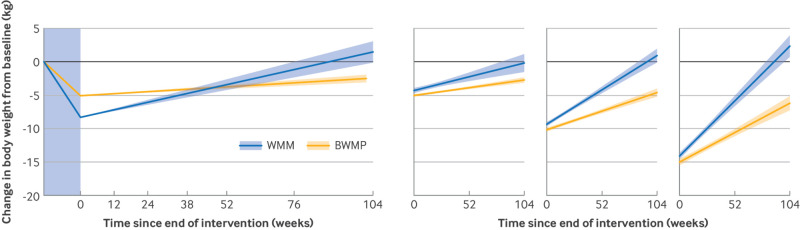
Objectives: To quantify and compare the rate of weight regain after cessation of weight management medications (WMMs) in adults with overweight or obesity. Design: Systematic review and meta-analysis. Study selection: Trial registries and databases (Medline, Embase, PsycINFO, CINAHL, Cochrane, Web of Science, and trial registries) were searched from inception until February 2025 for randomised controlled trials (RCTs), non-randomised trials, and observational studies that included WMM (≥8 weeks) with follow-up for ≥4 weeks after cessation of treatment in adults with overweight or obesity. Comparators were any non-drug weight loss intervention or placebo. Data extraction and synthesis: The review followed the Preferred Reporting Items for Systematic Reviews and Meta-analyses guidelines. Two independent reviewers screened titles, extracted data, and assessed the risk of bias using the Cochrane Risk of Bias 2 tool for RCTs and the ROBINS-I tool for non-randomised trials. Data were analysed using mixed effect, meta-regression, and time-to-event models. Weight regain after cessation of WMM was compared with that reported after cessation of behavioural weight management programmes (BWMPs). Main outcome measures: The primary outcome was rate of weight regain from end of treatment, with associated changes in cardiometabolic markers as a secondary outcome. Results: Of the 9288 titles screened, 37 studies (63 intervention arms, 9341 participants) were included. Average treatment duration was 39 (range 11-176) weeks, with average follow-up of 32 (4-104) weeks. The average monthly rate of weight regain was 0.4 kg (95% confidence interval (CI) 0.3 to 0.5) (mixed model 0.3 kg (0.2 to 0.4) monthly v control in RCTs). All cardiometabolic markers were projected to return to baseline within 1.4 years after the cessation of WMM. Weight regain was faster after WMM than after BWMP (by 0.3 kg (0.22 to 0.34) monthly), independent of initial weight loss. Estimates and precision were robust in sensitivity analyses. Conclusions: This review found that cessation of WMM is followed by rapid weight regain and reversal of beneficial effects on cardiometabolic markers. Regain after WMM was faster than after BWMP. These findings suggest caution in short term use of these drugs without a more comprehensive approach to weight management. Systematic review registration: PROSPERO CRD42024532069.
Overview
CoChat Summary
## TL;DR
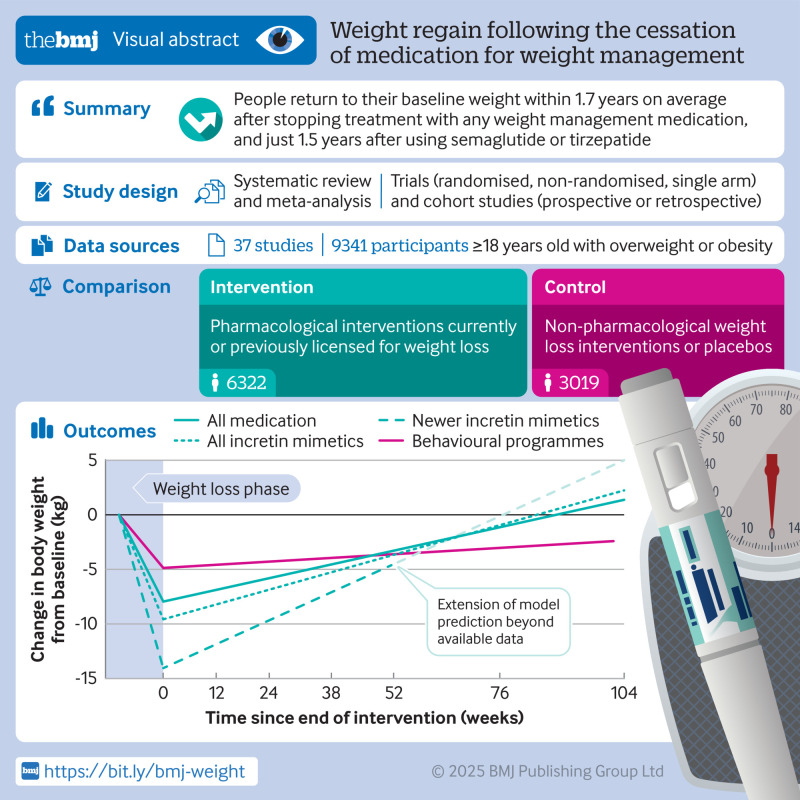
This systematic review and meta-analysis found that adults stop weight management medications and then regain weight quickly, at an average rate of 0.4 kg per month, with projected return to baseline weight by 1.7 years. Cardiometabolic benefits also faded after stopping treatment, and weight regain was faster than after stopping behavioural weight management programmes.
## Key findings
- The review included 37 studies (63 intervention arms) and 9,341 participants; the average treatment duration was 39 weeks and average follow-up after stopping was 32 weeks.
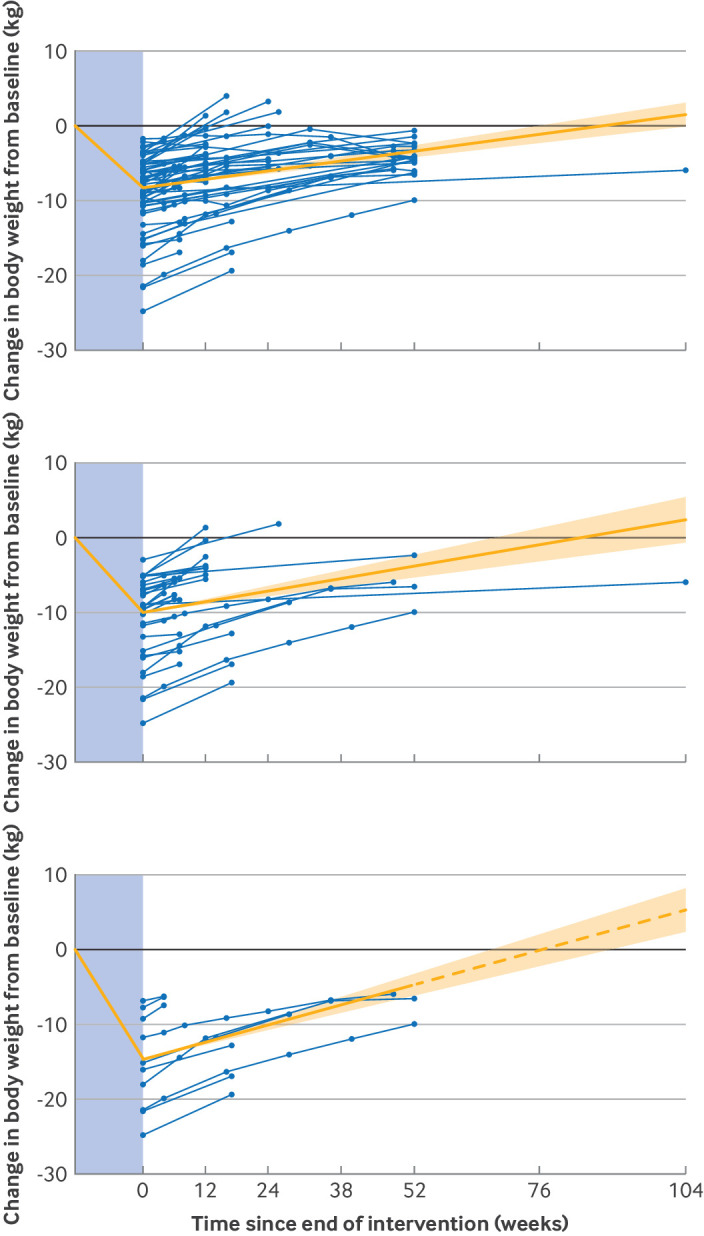
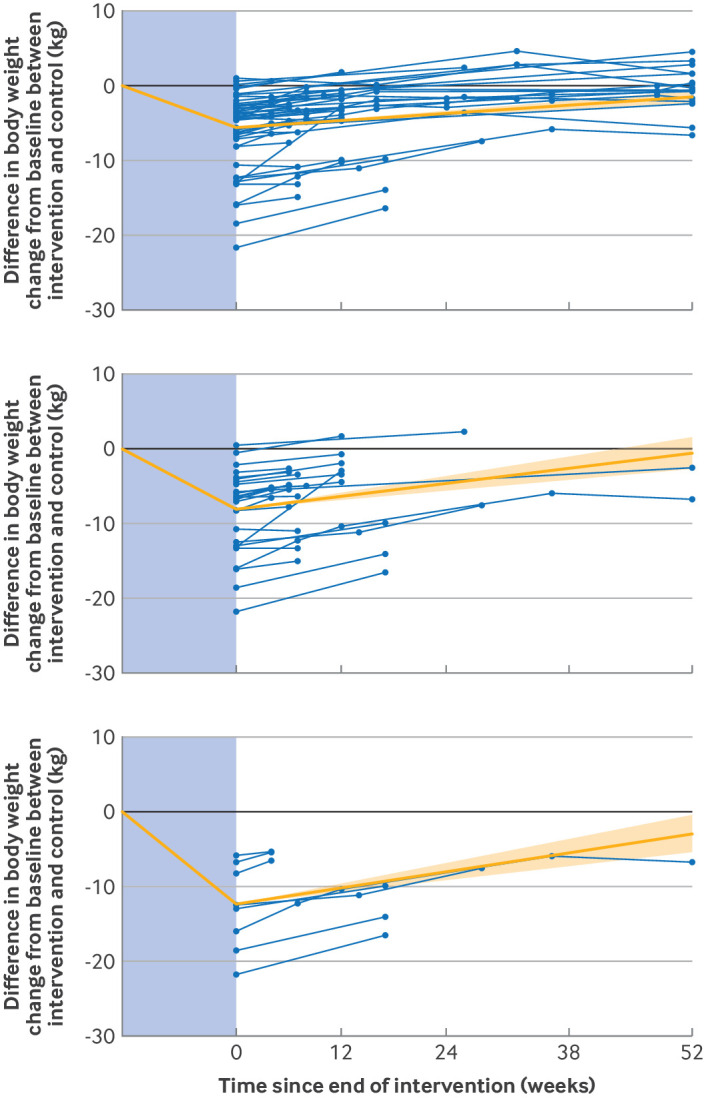
- Across all weight management medications (WMMs), the average monthly rate of weight regain was 0.4 kg (95% CI 0.3 to 0.5); in randomised controlled trials, the mixed model estimated 0.3 kg (0.2 to 0.4) monthly versus control.
- Weight regain was faster for newer and more effective incretin mimetics: 0.8 kg/month (95% CI 0.7 to 0.9), with projected return to baseline weight by 1.5 years.
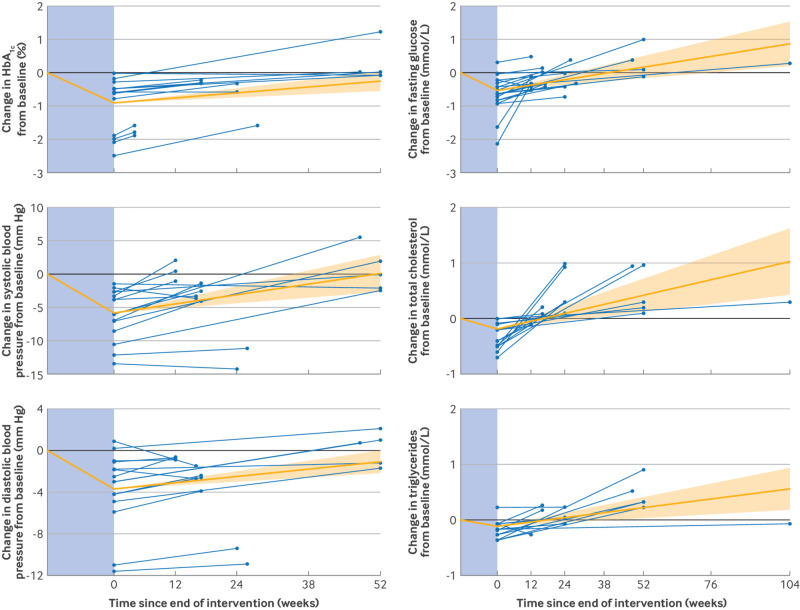
- Cardiometabolic markers also worsened after cessation: HbA1c, fasting glucose, systolic/diastolic blood pressure, total cholesterol, and triglycerides were projected to return to baseline within 1 to 1.4 years after stopping WMMs.
## Methods
- Systematic review and meta-analysis, prospectively registered in PROSPERO (CRD42024532069) and conducted according to PRISMA/Cochrane methods.
- Searched Medline, Embase, PsycINFO, CINAHL, Cochrane, Web of Science, and trial registries from inception to February 2025 for RCTs, non-randomised trials, and observational studies of adults with overweight or obesity using WMMs for at least 8 weeks and with at least 4 weeks of follow-up after cessation.
- Primary analyses used mixed models, meta-regression, and time-to-event models; secondary analyses examined cardiometabolic markers and compared WMMs with previously published behavioural weight management programme data.
## Limitations
- The paper states that data for the newer and more effective incretin mimetics were limited to only 8 studies with a maximum of 12 months’ follow-up after cessation, so estimates beyond that point were projected.
- The paper states that the comparison with behavioural weight management programmes was indirect, and populations may have differed slightly between reviews.
- The paper states that few studies were at low risk of bias; it also notes that weight regain was modeled as linear, although a sensitivity analysis found no evidence of departure from linearity.
Model-written summary. Check it against the paper before relying on it.
Integrity signals
Registry
Cites
Statistics
Figures
Verification
Claims the paper makes
8 Valid · 0 Not valid · 2 Not checked · 64 Own results and interpretations
The cited sources support only part of this claim — read each source’s verdict below.
In the paper
“Furthermore, the BWMP review found benefits for cardiometabolic health lasting for about five years after the end of the programme.”
§ Weight regain after cessation of medication for weight management: systematic review and meta-analysis > Discussion > Policy implications
What the sources say
- Partly supportedcites [12] Hartmann-Boyce J Cobiac LJ Theodoulou A. Weight regain after behavioural weight management programmes and its impact on quality of life and cost effectiveness: Evidence synthesis and health economic analyses. Diabetes Obes Metab 2023; 25: 526- 35. 10.1111/dom.14895 36239137 PMC10092406 sourceExperimental — accuracy not yet measured
The Results (Weight) and Discussion report a weight difference favouring BWMPs for at least five years after programme end. The review does not establish that cardiometabolic health outcomes themselves remained improved for that period; its five-year finding concerns weight, while health benefits are discussed through modelling. (LLM, conf=0.86)
plainstates a cause- Asserted: passes — The authors put it forward as true.
- Checkable: passes — It can be checked against evidence.
- Load-bearing: passes — The paper’s conclusions depend on it.
- Based: passes — The paper gives a reason why it holds.
- Partly supported
The cited sources support only part of this claim — read each source’s verdict below.
In the paper
“One trial did show successful weight loss maintenance over four years with continuous semaglutide treatment.9”
§ Weight regain after cessation of medication for weight management: systematic review and meta-analysis > Discussion > Interpretation of findings
What the sources say
- Partly supportedcites [9] Lincoff AM Brown-Frandsen K Colhoun HM SELECT Trial Investigators. Semaglutide and cardiovascular outcomes in obesity without diabetes. N Engl J Med 2023; 389: 2221- 32. 10.1056/NEJMoa2307563 37952131 sourceExperimental — accuracy not yet measured
The Body Weight and Other End Points section reports a 9.39% mean weight reduction with semaglutide at 104 weeks. It does not establish weight-loss maintenance over four years; the Results report mean semaglutide exposure of 33.3 months and note premature discontinuations. Page numbers were not available in our copy. (LLM, conf=0.88)
plainstates a cause- Asserted: passes — The authors put it forward as true.
- Checkable: passes — It can be checked against evidence.
- Load-bearing: unclear — It is unclear whether the paper’s conclusions depend on it.
- Based: passes — The paper gives a reason why it holds.
- Partly supported
The cited sources support only part of this claim — read each source’s verdict below.
In the paper
“However, evidence from a recent randomised controlled trial that directly compared liraglutide with a BWMP supports our conclusion of faster weight regain after WMM compared with BWMPs.37”
§ Weight regain after cessation of medication for weight management: systematic review and meta-analysis > Discussion > Strengths and limitations of this review This review was prospectively registered and followed the Cochrane procedures. We used three methods of analysis (mixed model, meta-regression, and time-to-event models) and all provided similar results, adding certainty to our findings. We identified just one study with follow-up of two years after cessation of semaglutide (1 mg) treatment. Data for the newer and more effective incretin mimetics, which are likely to become the dominant treatments, were limited to only eight studies with a maximum of 12 months’ follow-up after cessation of WMM. Data were projected for this category beyond this time point. Furthermore, the time-to-event models were based on linear trajectories for weight regain. Although weight regain may not always be linear, our sensitivity analysis found no evidence of departure from linearity. The previous search of BWMPs was not updated, but the analysis is based on a large body of evidence from 249 randomised controlled trials of BWMPs with 43 151 participants. We recalculated the rate of weight regain based solely on data up to two years after treatment cessation to mirror the duration of follow-up after WMM, leading to slightly higher estimates for the rate of weight regain than in the original paper.12 The comparison between WMM and BWMP in this review is indirect. While the population for each review was similar, it is possible that the population included in each review differed slightly (such as degree of obesity and number with comorbidities), and these differences might underpin some of the observed differences in the rate of weight regain. However, evidence from a recent randomised controlled trial that directly compared liraglutide with a BWMP supports our conclusion of faster weight regain after WMM compared with BWMPs.37 Finally, we found that few studies were at low risk of bias.
What the sources say
- Partly supportedcites [37] Moolla A Poolman T Othonos N. Randomised trial comparing weight loss through lifestyle and GLP-1 receptor agonist therapy in people with MASLD. JHEP Rep 2025; 7: 101363. 10.1016/j.jhepr.2025.101363 40342635 PMC12060445 sourceExperimental — accuracy not yet measured
The Results section (‘Impact of treatment withdrawal’; page unavailable) reports weight gain of 1.3 ± 0.9 kg in the liraglutide arm over 12 weeks, versus a further 0.4 ± 1.0 kg reduction in the lifestyle arm. That direction supports the citing sentence, but the paper says the between-arm difference in weight change was not statistically significant, so it does not establish faster regain after liraglutide. (LLM, conf=0.88)
plainstates a cause- Asserted: passes — The authors put it forward as true.
- Checkable: passes — It can be checked against evidence.
- Load-bearing: passes — The paper’s conclusions depend on it.
- Based: passes — The paper gives a reason why it holds.
- Partly supported
The cited sources support only part of this claim — read each source’s verdict below.
In the paper
“The benefits of weight loss on diabetes and other cardiovascular disease risk markers were, however, attenuated by weight regain.10”
§ Weight regain after cessation of medication for weight management: systematic review and meta-analysis > Discussion > Interpretation of findings
What the sources say
- Partly supportedcites [10] Hartmann-Boyce J Theodoulou A Oke JL. Long-term effect of weight regain following behavioral weight management programs on cardiometabolic disease incidence and risk: systematic review and meta-analysis. Circ Cardiovasc Qual Outcomes 2023; 16: e009348. 10.1161/CIRCOUTCOMES.122.009348 36974678 PMC10106109 sourceExperimental — accuracy not yet measured
The Discussion (page unavailable) reports that weight regain reduced improvements in cardiometabolic risk factors, but explicitly excepts glycemic control. The Results (Effects of Interventions; page unavailable) found no evidence of an association between weight regain and glycemic control, so the claim overgeneralizes the attenuation to diabetes-related markers. (LLM, conf=0.84)
plainstates a cause- Asserted: passes — The authors put it forward as true.
- Checkable: passes — It can be checked against evidence.
- Load-bearing: passes — The paper’s conclusions depend on it.
- Based: passes — The paper gives a reason why it holds.
- Partly supported
The cited sources support only part of this claim — read each source’s verdict below.
In the paper
“In the USA and Denmark, early evidence shows that discontinuation rates outside of clinical trials are around 50% at one year.14 38”
§ Weight regain after cessation of medication for weight management: systematic review and meta-analysis > Discussion > Interpretation of findings
What the sources say
- Partly supportedcites [14] Do D Lee T Peasah SK Good CB Inneh A Patel U. GLP-1 Receptor Agonist Discontinuation Among Patients With Obesity and/or Type 2 Diabetes. JAMA Netw Open 2024; 7: e2413172. 38787563 PMC11127113 sourceExperimental — accuracy not yet measured
Table 1 (Results; page unavailable) reports 50.3% discontinuation at the 12-month assessment among patients with obesity but not type 2 diabetes, supporting the approximate 50% figure for that subgroup. The overall rate was 36.5%, and this paper does not provide Danish data; the sentence has a second citation that may address Denmark. (LLM, conf=0.88)
- Not checked — no full text of the sourcecites [38] Lassen MCH Johansen ND Modin D. Adherence to glucagon-like peptide-1 receptor agonist treatment in type 2 diabetes mellitus: A nationwide registry study. Diabetes Obes Metab 2024; 26: 5239- 50. 10.1111/dom.15872 39215626 source
plain- Asserted: passes — The authors put it forward as true.
- Checkable: passes — It can be checked against evidence.
- Load-bearing: unclear — It is unclear whether the paper’s conclusions depend on it.
- Based: passes — The paper gives a reason why it holds.
- Partly supported
29 more claims · 1 with their cited sources checked
Create a free account to see all 74 claims and every source verdict.
- It may state two separate claims as one. 35
- Probably not a substantial claim. 10
Claims other papers make about this one
Each is checked against this paper’s own text: does it say what the citing paper says it does?
The cited source says what the claim attributes to it.
In the citing paper
“a 2026 systematic review and meta-analysis of weight loss pharmacotherapies reported that beneficial changes in HbA1c, fasting glucose, lipids, and blood pressure attenuated over time, with cardiometabolic markers projected to return to baseline within approximately 1.4 years after treatment cessation”
From Weight maintenance after discontinuation of GLP-1 therapies (2026) · cites this paper as [27]
Citations
Cites
Bias in meta-analysis detected by a simple, graphical test
Egger, M., Smith, G. D., Schneider, M., & Minder, C. (1997) · BMJ · doi:10.1136/bmj.315.7109.629 · Cited by 56,722 · cited 1×
“17 The GRADE (Grading of Recommendations Assessment, Development and Evaluation) approach was used to assess the certainty of evidence.”
Preferred reporting items for systematic reviews and meta-analyses: The PRISMA statement
Moher, D., Liberati, A., Tetzlaff, J., Altman, D. G., & the PRISMA Group* (2009) · Annals of Internal Medicine · doi:10.7326/0003-4819-151-4-200908180-00135 · Cited by 37,554
GRADE: an emerging consensus on rating quality of evidence and strength of recommendations
Guyatt, G. H., Oxman, A. D., Vist, G. E., Kunz, R., Falck-Ytter, Y., Alonso-Coello, P., & Schünemann, H. J. (2008) · BMJ · doi:10.1136/bmj.39489.470347.ad · Cited by 23,305
Semaglutide and Cardiovascular Outcomes in Obesity without Diabetes
Lincoff, A. M., Brown-Frandsen, K., Colhoun, H. M., Deanfield, J., Emerson, S. S., Esbjerg, S., Hardt-Lindberg, S., Hovingh, G. K., Kahn, S. E., Kushner, R. F., et al. (2023) · New England Journal of Medicine · doi:10.1056/nejmoa2307563 · Cited by 3,236 · cited 3×
“9 In a previous systematic review, we compared weight change after the withdrawal of BWMPs with weight change after either less intensive support or no support.”
InfluentialA Randomized, Controlled Trial of 3.0 mg of Liraglutide in Weight Management
Pi-Sunyer, X., Astrup, A., Fujioka, K., Greenway, F., Halpern, A., Krempf, M., Lau, D. C. W., le Roux, C. W., Violante Ortiz, R., Jensen, C. B., et al. (2015) · New England Journal of Medicine · doi:10.1056/nejmoa1411892 · Cited by 2,724
Rubino, D., Abrahamsson, N., Davies, M., Hesse, D., Greenway, F. L., Jensen, C., Lingvay, I., Mosenzon, O., Rosenstock, J., Rubio, M. A., et al. (2021) · JAMA · doi:10.1001/jama.2021.3224 · Cited by 1,444
Sjöström, L., Rissanen, A., Andersen, T., Boldrin, M., Golay, A., Koppeschaar, H. P., & Krempf, M. (1998) · The Lancet · doi:10.1016/s0140-6736(97)11509-4 · Cited by 1,237
Pi-Sunyer, F. X., Aronne, L. J., Heshmati, H. M., Devin, J., Rosenstock, J., & RIO-North America Study Group, F. T. (2006) · JAMA · doi:10.1001/jama.295.7.761 · Cited by 1,218
Davies, M. J., Bergenstal, R., Bode, B., Kushner, R. F., Lewin, A., Skjøth, T. V., Andreasen, A. H., Jensen, C. B., DeFronzo, R. A., & for the NN8022-1922 Study Group (2015) · JAMA · doi:10.1001/jama.2015.9676 · Cited by 1,198
Wilding, J. P. H., Batterham, R. L., Davies, M., Van Gaal, L. F., Kandler, K., Konakli, K., Lingvay, I., McGowan, B. M., Oral, T. K., Rosenstock, J., et al. (2022) · Diabetes, Obesity and Metabolism · doi:10.1111/dom.14725 · Cited by 1,128
Davidson, M. H., Hauptman, J., DiGirolamo, M., Foreyt, J. P., Halsted, C. H., Heber, D., Heimburger, D. C., Lucas, C. P., Robbins, D. C., Chung, J., et al. (1999) · JAMA · doi:10.1001/jama.281.3.235 · Cited by 947
Multicenter, placebo-controlled trial of lorcaserin for weight management.
Smith, S. R., Weissman, N. J., Anderson, C. M., Sanchez, M., Chuang, E., Stubbe, S., Bays, H., & Shanahan, W. R. (2010) · New England Journal of Medicine · doi:10.1056/nejmoa0909809 · Cited by 911
Aronne, L. J., Sattar, N., Horn, D. B., Bays, H. E., Wharton, S., Lin, W.-Y., Ahmad, N. N., Zhang, S., Liao, R., Bunck, M. C., et al. (2024) · JAMA · doi:10.1001/jama.2023.24945 · Cited by 860
le Roux, C. W., Astrup, A., Fujioka, K., Greenway, F., Lau, D. C. W., Van Gaal, L., Ortiz, R. V., Wilding, J. P. H., Skjøth, T. V., Manning, L. S., et al. (2017) · The Lancet · doi:10.1016/s0140-6736(17)30069-7 · Cited by 850
on behalf of the NN8022-1923 Investigators, Wadden, T. A., Hollander, P., Klein, S., Niswender, K., Woo, V, Hale, P. M., & Aronne, L. (2013) · International Journal of Obesity · doi:10.1038/ijo.2013.120 · Cited by 842
O'Neil, P. M., Birkenfeld, A. L., McGowan, B., Mosenzon, O., Pedersen, S. D., Wharton, S., Carson, C. G., Jepsen, C. H., Kabisch, M., & Wilding, J. P. H. (2018) · The Lancet · doi:10.1016/s0140-6736(18)31773-2 · Cited by 814
Lifestyle modification approaches for the treatment of obesity in adults.
Wadden, T. A., Tronieri, J. S., & Butryn, M. L. (2020) · American Psychologist · doi:10.1037/amp0000517 · Cited by 661 · cited 1×
“Nor did we find evidence that behavioural weight management support compared with no support or provision of any intervention (behavioural/metformin versus placebo/ nothing) after cessation of WMM altered rates of weight regain (see supplementary figures 4 and 5).”
Tirzepatide for Obesity Treatment and Diabetes Prevention
Jastreboff, A. M., le Roux, C. W., Stefanski, A., Aronne, L. J., Halpern, B., Wharton, S., Wilding, J. P. H., Perreault, L., Zhang, S., Battula, R., et al. (2025) · New England Journal of Medicine · doi:10.1056/nejmoa2410819 · Cited by 462
Once-Weekly Semaglutide in Persons with Obesity and Knee Osteoarthritis
Bliddal, H., Bays, H., Czernichow, S., Uddén Hemmingsson, J., Hjelmesæth, J., Hoffmann Morville, T., Koroleva, A., Skov Neergaard, J., Vélez Sánchez, P., Wharton, S., et al. (2024) · New England Journal of Medicine · doi:10.1056/nejmoa2403664 · Cited by 440
Rodriguez, P. J., Zhang, V., Gratzl, S., Do, D., Goodwin Cartwright, B., Baker, C., Gluckman, T. J., Stucky, N., & Emanuel, E. J. (2025) · JAMA Network Open · doi:10.1001/jamanetworkopen.2024.57349 · Cited by 374 · cited 1×
“Real world observations estimate that 50% of people with obesity discontinue GLP-1 receptor agonists within 12 months of initiation, 14 15 so it is important to characterise what happens to body weight after cessation of treatment.”
What is the pipeline for future medications for obesity?
Melson, E., Ashraf, U., Papamargaritis, D., & Davies, M. J. (2025) · International Journal of Obesity · doi:10.1038/s41366-024-01473-y · Cited by 332 · cited 1×
“10-12 With the continued development of new incretin mimetic related treatments, 13 the use of WMMs is likely to become more common.”
Kinlen, D., Cody, D., & O’Shea, D. (2018) · QJM: An International Journal of Medicine · doi:10.1093/qjmed/hcx152 · Cited by 308
Lau, D. C. W., Erichsen, L., Francisco, A. M., Satylganova, A., le Roux, C. W., McGowan, B., Pedersen, S. D., Pietiläinen, K. H., Rubino, D., & Batterham, R. L. (2021) · The Lancet · doi:10.1016/s0140-6736(21)01751-7 · Cited by 278
Including variants on randomized trials
Higgins, J. P., Eldridge, S., & Li, T. (2019) · Cochrane Handbook for Systematic Reviews of Interventions · doi:10.1002/9781119536604.ch23 · Cited by 243
GLP-1 receptor agonist discontinuation among patients with obesity and/or type 2 diabetes
Do, D., Lee, T., Peasah, S. K., Good, C. B., Inneh, A., & Patel, U. (2024) · JAMA Network Open · doi:10.1001/jamanetworkopen.2024.13172 · Cited by 218 · cited 2×
“Real world observations estimate that 50% of people with obesity discontinue GLP-1 receptor agonists within 12 months of initiation, 14 15 so it is important to characterise what happens to body weight after cessation of treatment.”
McGowan, B. M., Bruun, J. M., Capehorn, M., Pedersen, S. D., Pietiläinen, K. H., Muniraju, H. A. K., Quiroga, M., Varbo, A., & Lau, D. C. W. (2024) · The Lancet Diabetes & Endocrinology · doi:10.1016/s2213-8587(24)00182-7 · Cited by 176
Behavior Therapy and Pharmacotherapy for Obesity
Craighead, L. W. (1981) · Archives of General Psychiatry · doi:10.1001/archpsyc.1981.01780320043003 · Cited by 166
Khoo, J., Hsiang, J. C., Taneja, R., Koo, S., Soon, G., Kam, C. J., Law, N., & Ang, T. (2019) · Liver International · doi:10.1111/liv.14065 · Cited by 136
Zhu, H., Zhou, L., Wang, Q., Cai, Q., Yang, F., Jin, H., Chen, Y., Song, Y., & Zhang, C. (2023) · Annals of the Rheumatic Diseases · doi:10.1136/ard-2023-223845 · Cited by 129 · cited 1×
“Beyond cardiometabolic health, there have been suggestions that WMM may be effective for the treatment of osteoarthritis 39 40 and the prevention of cognitive decline, 41 among other conditions.”
Couples Training, Pharmacotherapy, and Behavior Therapy in the Treatment of Obesity
Brownell, K. D. (1981) · Archives of General Psychiatry · doi:10.1001/archpsyc.1981.01780360040003 · Cited by 115
GLP-1 receptor agonists effect on cognitive function in patients with and without type 2 diabetes
Monney, M., Jornayvaz, F. R., & Gariani, K. (2023) · Diabetes & Metabolism · doi:10.1016/j.diabet.2023.101470 · Cited by 91 · cited 1×
“Beyond cardiometabolic health, there have been suggestions that WMM may be effective for the treatment of osteoarthritis 39 40 and the prevention of cognitive decline, 41 among other conditions.”
Karhunen, L. J., Franssila-Kallunki, A., Rissanen, P., Valve, R., Kolehmainen, M., Rissanen, A., & Uusitupa, M. I. J. (2000) · International Journal of Obesity · doi:10.1038/sj.ijo.0801443 · Cited by 78
Grilo, C. M., Masheb, R. M., White, M. A., Gueorguieva, R., Barnes, R. D., Walsh, B. T., McKenzie, K. C., Genao, I., & Garcia, R. (2014) · Behaviour Research and Therapy · doi:10.1016/j.brat.2014.04.002 · Cited by 69
Svensson, C. K., Larsen, J. R., Vedtofte, L., Jakobsen, M. S. L., Jespersen, H. R., Jakobsen, M. I., Koyuncu, K., Schjerning, O., Nielsen, J., Ekstrøm, C. T., et al. (2019) · Acta Psychiatrica Scandinavica · doi:10.1111/acps.12982 · Cited by 66
Rodin, J., Elias, M., Silberstein, L. R., & Wagner, A. (1988) · Journal of Consulting and Clinical Psychology · doi:10.1037/0022-006x.56.3.399 · Cited by 62
Jensterle, M., Ferjan, S., & Janež, A. (2024) · Frontiers in Endocrinology · doi:10.3389/fendo.2024.1366940 · Cited by 59
Hartmann-Boyce, J., Theodoulou, A., Oke, J. L., Butler, A. R., Scarborough, P., Bastounis, A., Dunnigan, A., Byadya, R., Hobbs, F. D. R., Sniehotta, F. F., et al. (2021) · BMJ · doi:10.1136/bmj.n1840 · Cited by 55 · cited 1×
“11 Nevertheless, in our sensitivity analysis (fig 4), we still observed faster weight regain after WMM for a fixed amount of initial weight loss.”
Self-citationHartmann-Boyce, J., Theodoulou, A., Oke, J. L., Butler, A. R., Bastounis, A., Dunnigan, A., Byadya, R., Cobiac, L. J., Scarborough, P., Hobbs, F. D. R., et al. (2023) · Circulation: Cardiovascular Quality and Outcomes · doi:10.1161/circoutcomes.122.009348 · Cited by 53 · cited 3×
“10-12 With the continued development of new incretin mimetic related treatments, 13 the use of WMMs is likely to become more common.”
InfluentialSelf-citationKent, S., Green, J., Reeves, G., Beral, V., Gray, A., Jebb, S. A., Cairns, B. J., Mihaylova, B., Abbiss, H., Abbott, S., et al. (2017) · The Lancet Public Health · doi:10.1016/s2468-2667(17)30062-2 · Cited by 50
Self-citationThe Effect of Orlistat on Sterol Metabolism in Obese Patients
Kwon, Y., Kwon, G. E., Lee, H. S., Choi, M. H., & Lee, J. (2022) · Frontiers in Endocrinology · doi:10.3389/fendo.2022.824269 · Cited by 41
Lassen, M. C. H., Johansen, N. D., Modin, D., Catarig, A., Vistisen, B. K., Amadid, H., Zimmermann, E., Gislason, G., & Biering‐Sørensen, T. (2024) · Diabetes, Obesity and Metabolism · doi:10.1111/dom.15872 · Cited by 40 · cited 1×
“14 38 This evidence suggests that despite their success in achieving initial weight loss, these drugs alone may not be sufficient for long term weight control.”
Ferjan, S., Janez, A., & Jensterle, M. (2017) · Metabolic Syndrome and Related Disorders · doi:10.1089/met.2017.0095 · Cited by 36 · cited 1×
“In most studies, the support provided after the WMM ended was identical except for two studies, where authors compared metformin with no metformin 28 and behavioural support with no behavioural support.”
Hartmann‐Boyce, J., Cobiac, L. J., Theodoulou, A., Oke, J. L., Butler, A. R., Scarborough, P., Bastounis, A., Dunnigan, A., Byadya, R., Hobbs, F. D. R., et al. (2023) · Diabetes, Obesity and Metabolism · doi:10.1111/dom.14895 · Cited by 34 · cited 12×
“18 In line with the BWMP review, 12 we analysed the data using three different approaches: a mixed model (model 1) with a random intercept for each study, regressing outcomes against all time points since the cessation of the WMM; a meta-regression model (model 2), assuming linear increases in…”
InfluentialSelf-citationMoolla, A., Poolman, T., Othonos, N., Dong, J., Smith, K., Cornfield, T., White, S., Ray, D. W., Mouchti, S., Mózes, F. E., et al. (2025) · JHEP Reports · doi:10.1016/j.jhepr.2025.101363 · Cited by 33 · cited 6×
“However, evidence from a recent randomised controlled trial that directly compared liraglutide with a BWMP supports our conclusion of faster weight regain after WMM compared with BWMPs. 37 Finally, we found that few studies were at low risk of bias.”
InfluentialWoo, J., Sea, M. M. M., Tong, P., Ko, G. T. C., Lee, Z., Chan, J., & Chow, F. C. C. (2007) · Journal of Evaluation in Clinical Practice · doi:10.1111/j.1365-2753.2006.00758.x · Cited by 28 · cited 1×
“36 Sensitivity analysis showed that the rate of weight regain did not differ depending on the type of support provided during the follow-up phase, and therefore we handled all studies similarly in the main analysis (see supplementary figures 4 and 5).”
Sequencing of behavior therapy and pharmacotherapy for obesity.
Craighead, L. W. (1984) · Journal of Consulting and Clinical Psychology · doi:10.1037//0022-006x.52.2.190 · Cited by 27
Sibutramine Plus Meal Replacement Therapy for Body Weight Loss and Maintenance in Obese Patients
Early, J. L., Apovian, C. M., Aronne, L. J., Fernstrom, M. H., Frank, A. L., Greenway, F. L., Heber, D., Kushner, R. F., Cwik, K. M., Walch, J. K., et al. (2007) · Obesity · doi:10.1038/oby.2007.175 · Cited by 23
Expanding applications of therapies based on GLP1
Drucker, D. J. (2024) · Nature Reviews Endocrinology · doi:10.1038/s41574-024-01066-9 · Cited by 18
Sequencing of behavior therapy and pharmacotherapy for obesity.
Craighead, L. W. (1984) · Journal of Consulting and Clinical Psychology · doi:10.1037/0022-006x.52.2.190 · Cited by 18
Scragg, J., Koutoukidis, D. A., Dirksen, C., Heitmann, B. L., & Jebb, S. A. (2025) · Med · doi:10.1016/j.medj.2025.100805 · Cited by 16 · cited 1×
“44”
Self-citationPrediction of Weight Loss and Regain Following Dietary, Lifestyle, and Pharmacologic Intervention
Napolitano, A., Miller, S. R., Murgatroyd, P. R., Delafont, B., Brooke, A. K., Elkhawad, M., Tan, C. Y., Virtue, S., Vidal‐Puig, A., & Nunez, D. J. (2012) · Clinical Pharmacology & Therapeutics · doi:10.1038/clpt.2011.333 · Cited by 15
Croghan, I. T., Ebbert, J. O., Schroeder, D. R., Hurt, R. T., Hagstrom, V., & Clark, M. M. (2016) · BMC Obesity · doi:10.1186/s40608-016-0122-4 · Cited by 14
Rosenstock, J., Lee, C. J., Landó, L. F., Liu, M., Karanikas, C. A., & Thieu, V. T. (2023) · Diabetes Obesity and Metabolism · doi:10.1111/dom.15325 · Cited by 13
Sathyapalan, T., Cho, L. W., Kilpatrick, E. S., Coady, A., & Atkin, S. L. (2009) · Clinical Endocrinology · doi:10.1111/j.1365-2265.2008.03345.x · Cited by 11
Liang, C., Yang, F., Huang, S., & Ho, P. S. P. (2014) · Pharmacopsychiatry · doi:10.1055/s-0034-1381984 · Cited by 8
A placebo-controlled, dose-response study of dexfenfluramine in the treatment of obese patients
Marbury, T. C., Angelo, J. E., Gulley, R. M., et al. (1996) · Current Therapeutic Research · doi:10.1016/s0011-393x(96)80071-3 · Cited by 4
Dawson, A. J., Mellor, D. D., Sathyapalan, T., Kilpatrick, E., & Atkin, S. L. (2010) · Diabetic Medicine · doi:10.1111/j.1464-5491.2010.03145.x · Cited by 1
Research works printed but not linked: 1
- Samp Z Al-Tahami BAM Ariffin FD Omar NSS Rasool AHG. Effect of Orlistat and Sibutramine Cessation on Obesity Indices and Cardiovascular Risk Factors in Obese Subjects. Int Med J 2015; 22: 232- 36.
Cited by
Horn, D. B., Aronne, L. J., Wharton, S., Bays, H. E., le Roux, C. W., Srinath, R., Valderas, E. G., Arad, A. D., Das, S., Dunn, J. P., et al. (2026) · The Lancet · doi:10.1016/s0140-6736(26)00656-2 · Cited by 53
Shah, E., Al-Shiab, R., Abdo, A., Özbek, L., Covic, A. C., & Kanbay, M. (2026) · Diabetes Obesity and Metabolism · doi:10.1111/dom.70713 · Cited by 21
Glucagon-like peptide 1 receptor agonists and cancer risk: the good, the bad and the unknown
Mannucci, E., & Dicembrini, I. (2026) · Nature Reviews Clinical Oncology · doi:10.1038/s41571-026-01135-0 · Cited by 16
Dobbie, L. J., Tolvanen, L., Alves, D., Baker, J. L., Bez, N. S., Birney, S., Bogl, L. H., Brown, A., Bullo, M., Clare, K., et al. (2026) · The Lancet Diabetes & Endocrinology · doi:10.1016/s2213-8587(26)00122-1 · Cited by 8
Causes and consequences of discontinuation of GLP1RAs or tirzepatide
Ceriello, A., Prattichizzo, F., Abdullah, A. R. M. S., Grotta, R. L., Berra, C., McGowan, B. M., Jenkins, A., Cohen, N. D., Nauck, M. A., & Russo, G. T. (2026) · Nature Reviews Endocrinology · doi:10.1038/s41574-026-01258-5 · Cited by 23
“More importantly, there is little evidence that support leads to slower weight regain 129 .”
Metadata
- Authors
- West, S., Scragg, J., Aveyard, P., Oke, J. L., Willis, L., Haffner, S. J. P., Knight, H., Wang, D., Morrow, S., Heath, L., Jebb, S. A., & Koutoukidis, D. A.
- Affiliations
- National Institute for Health and Care Research (GB)
- Warneford Hospital (GB)
- University of Oxford (GB)
- Corresponding author
- West, Sam
- ORCID
- Venue
- BMJ
- Publisher
- BMJ
- Published
- 2026-01-07
- Volume
- 392
- Pages
- e085304
- ISSN
- 1756-1833 (ISSN-L)
- PMC
- PMC12776922
- OpenAlex
- W7118883589
- Cited by
- 174
- References
- 55
- Citations by year
- 2026: 173
- FWCI
- 178.56
- Type
- journal article
- Language
- en
- Open access
- hybrid
- doi.org
- Locations
- BMJ (publishedVersion, cc-by)
- PubMed (publishedVersion)
- PubMed Central (publishedVersion, cc-by)
- Funders
- Wellcome Trust (225494/Z/22/Z)
- Topics
- Health Sciences › Medicine › Pharmacology (medical) › Pharmacology and Obesity Treatment
- Health Sciences › Medicine › Public Health, Environmental and Occupational Health › Obesity, Physical Activity, Diet
- Health Sciences › Medicine › Surgery › Bariatric Surgery and Outcomes
- Keywords
- weight regain, obesity, overweight, cardiometabolic biomarkers, weight loss maintenance
- MeSH terms
- Adult, Humans, Obesity, Weight Gain, Weight Loss, Anti-Obesity Agents, Overweight
About these checks
Registry, retraction, Cites and statistics results are computed, not judged, with one exception: a printed reference that no index lists is read once by a model before it counts as a citation error. Claims are extracted by a model and kept only when their quote appears verbatim in the text; each cited source is then checked, with a model’s help, for whether it says what the claim relies on. Those verdicts can be wrong — read the claim’s quote and the cited source before relying on one.
The claim verdicts this report counts are experimental: their accuracy is not yet measured.
A language model drew the claims from the paper on 2026-10-06, under version 3 of the claim definition (model deepseek-v4.1-flash, prompt extract-v3).
A second model labelled each claim on 2026-10-06 (model jev-1.13-20260917, definition revision gold-guideline-v0.2).
Cited sources are checked with a language model’s help (gpt-6-sol).
Statistics and arithmetic are recomputed, not judged.
Confidence bands are shown only for fields calibrated on our annotated test set. None is calibrated yet, so no band is shown.
What counts as a claim ›How we measure confidence ›How we check this ›
Are you an author, or do you see a problem with this page? Request a review
Data sources
Bibliographic data: Semantic Scholar, OpenAlex, Crossref.
Contains information from the Semantic Scholar Academic Graph Datasets, made available under the ODC Attribution License (ODC-BY 1.0).
Semantic Scholar’s data is described in: Kinney, R., et al. (2023). The Semantic Scholar Open Data Platform. arXiv:2301.10140.
