

Medication adherence and glycemic control among newly diagnosed diabetes patients
Open accessThe DOI matches its Crossref record; 31 of the 32 references it cites were found in a registry or an index.
Abstract
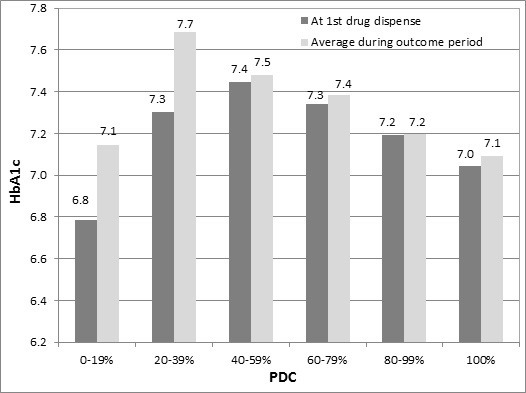
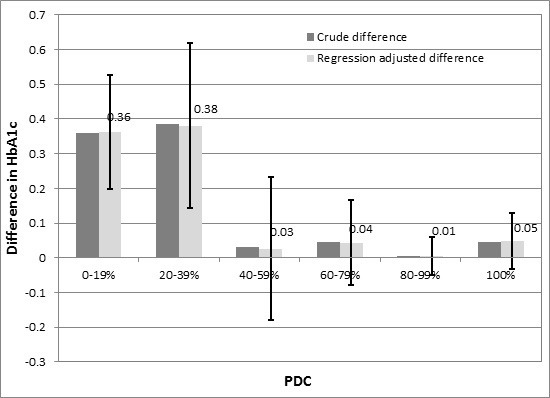
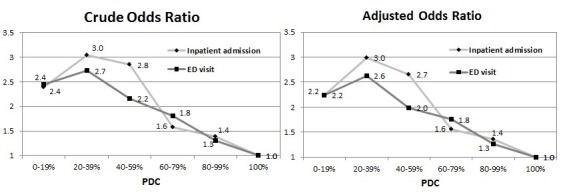
Background: Poor medication adherence can have negative consequences for the patients, the provider, the physician, and the sustainability of the healthcare system. To our knowledge, the association between medication adherence and glycemic control among newly diagnosed diabetes patients has not been studied. This study aims to bridge the gap. Method: This is a retrospective cohort study of 2463 patients managed in the National Healthcare Group in Singapore with newly diagnosed diabetes. Patients were followed up for the first two years from their first medication dispensed for measuring medication adherence, proportion of days covered (PDC); and for another three years for investigating outcomes of glycemic control, emergency department visit, and hospitalization. Multivariable regressions were performed to study the association between medication adherence and the outcomes as well as the risk factors of poor adherence. Results: The prevalence of medication adherence (PDC≥80%) was 65.0% (95% CI 63.1% to 66.9%) among newly diagnosed diabetes patients in Singapore. Male, Indian, or patients without hypertension or dyslipidemia were associated with poorer medication adherence. The HbA1c level of poor adherent patients (PDC <40%) increased by 0.4 (95% CI 0.2 to 0.5) over the two years, and they were also more likely to have hospitalization (OR 2.6,95% CI 1.7 to 3.8) or emergency department visit (OR 2.4,95% CI 1.7 to 3.4) compared with the fully adherent patients (PDC=100%). Conclusions: The medication adherence in the early stage of diabetes is important for maximizing the effectiveness of pharmaceutical therapy. Health policies or interventions targeting the improvement of medication adherence among newly diagnosed diabetes patients are in need.
Overview
The claims and statistics of this paper haven’t been checked yet.
Free: it reads the open-access text and checks the first 5 claims that cite a source we can check. Create a free account to check every claim.
Integrity signals
Registry
Cites
Statistics
Figures
Verification
Claims the paper makes
The claims and statistics of this paper haven’t been checked yet.
Free: it reads the open-access text and checks the first 5 claims that cite a source we can check. Create a free account to check every claim.
Claims other papers make about this one
Each is checked against this paper’s own text: does it say what the citing paper says it does?
In the citing paper
“Treatment adherence, particularly in the early stages of T2D, is important for augmenting the effectiveness of pharmaceutical therapy and improving glycemic outcomes [32].”
Self-check
Percentages, sums and reported differences re-computed from the paper’s own numbers.
The self-check needs the paper’s full text.
Citations
Cites
Impact of Medication Adherence on Hospitalization Risk and Healthcare Cost
Sokol, M. C., McGuigan, K. A., Verbrugge, R. R., & Epstein, R. S. (2005) · Medical Care · doi:10.1097/01.mlr.0000163641.86870.af · Cited by 1,729 · cited 1×
“…glycemic control 9–16 ; of eight studies that evaluated hospitalization, seven showed higher adher-ences were associated with fewer hospitalizations 9 14 17–22 ; and of three studies that evaluated emergency department (ED) visits, two found higher adherences were associated with fewer visits.”
BackgroundHo, P. M., Rumsfeld, J. S., Masoudi, F. A., McClure, D. L., Plomondon, M. E., Steiner, J. F., & Magid, D. J. (2006) · Archives of Internal Medicine · doi:10.1001/archinte.166.17.1836 · Cited by 1,135
Morris, A. D., Boyle, D. I., McMahon, A. D., Greene, S. A., MacDonald, T. M., & Newton, R. W. (1997) · The Lancet · doi:10.1016/s0140-6736(97)06234-x · Cited by 507
Health Beliefs, Disease Severity, and Patient Adherence: A Meta-Analysis
DiMatteo, M. R., Haskard, K. B., & Williams, S. L. (2007) · Medical Care · doi:10.1097/mlr.0b013e318032937e · Cited by 482 · cited 1×
“They concluded that better patient adherence was associated with objectively poorer health only for patients experiencing disease conditions lower in seriousness; among conditions higher in seriousness, worse adherence was associated with objectively poorer health.(34) The relationship between medication adherence and…”
BackgroundA Review of Diabetes Treatment Adherence and the Association with Clinical and Economic Outcomes
Asche, C., LaFleur, J., & Conner, C. (2011) · Clinical Therapeutics · doi:10.1016/j.clinthera.2011.01.019 · Cited by 420
Clinical Outcomes and Adherence to Medications Measured by Claims Data in Patients With Diabetes
Pladevall, M., Williams, L. K., Potts, L. A., Divine, G., Xi, H., & Elston Lafata, J. (2004) · Diabetes Care · doi:10.2337/diacare.27.12.2800 · Cited by 404
Measuring concurrent adherence to multiple related medications.
Choudhry, N. K., Shrank, W. H., Levin, R., Lee, J. L.-Y., Jan, S. A., Brookhart, M. A., & Solomon, D. H. (2009) · PubMed · Cited by 383
The association between diabetes metabolic control and drug adherence in an indigent population
Schectman, J. M., Nadkarni, M. M., & Voss, J. D. (2002) · Diabetes Care · doi:10.2337/diacare.25.6.1015 · Cited by 373 · cited 1×
“16%.(35) Ho et al found that each 25% increase in medication adherence to oral hypoglycemics was associated with −0.”
Backgroundfor the ADVANCE Collaborative Group, Zoungas, S., Chalmers, J., Ninomiya, T., Li, Q., Cooper, M. E., Colagiuri, S., Fulcher, G., de Galan, B. E., Harrap, S., et al. (2012) · Diabetologia · doi:10.1007/s00125-011-2404-1 · Cited by 358
Lau, D. T., & Nau, D. P. (2004) · Diabetes Care · doi:10.2337/diacare.27.9.2149 · Cited by 318
Research works printed but not linked: 1
- Gottlieb H. Medication nonadherence: finding solutions to a costly medical problem CME. Drug Benefit Trends 2000;12:57-62.
Cited by
The Lancet Commission on diabetes: using data to transform diabetes care and patient lives
Chan, J. C. N., Lim, L.-L., Wareham, N. J., Shaw, J. E., Orchard, T. J., Zhang, P., Lau, E. S. H., Eliasson, B., Kong, A. P. S., Ezzati, M., et al. (2020) · The Lancet · doi:10.1016/s0140-6736(20)32374-6 · Cited by 793
The Lancet Commission on diabetes: using data to transform diabetes care and patient lives
Chan, J. C. N., Lim, L., Wareham, N. J., Shaw, J. E., Orchard, T. J., Zhang, P., Lau, E. S. H., Eliasson, B., Kong, A. P. S., Ezzati, M., et al. (2020) · Figshare · Cited by 337
Gu, L., Wu, S., Zhao, S., Zhou, H., Zhang, S., Gao, M., Qu, Z., Zhang, W., & Tian, D. (2017) · International Journal of Environmental Research and Public Health · doi:10.3390/ijerph14121522 · Cited by 130
“carried out [8–10]; however, the interventions to medication adherence still need further optimization in the future [11,12].”
BackgroundHuang, Z., Tan, E., Lum, E., Sloot, P., Boehm, B. O., & Car, J. (2019) · JMIR mHealth and uHealth · doi:10.2196/14914 · Cited by 97
“Poor adherence to diabetes medication results in suboptimal glycemic control [6,7], which increases the risk of diabetes-related complications [8,9], leading to more hospitalization and emergency department visits [10,11].”
Sendekie, A. K., Netere, A. K., Kasahun, A. E., & Belachew, E. A. (2022) · PLoS ONE · doi:10.1371/journal.pone.0274971 · Cited by 151
“Consistent with the previous studies [14, 28, 39, 55], patients who had a low level of medication adherence were found more likely to have poor glycemic control.”
ResultHuang, J., Ding, S., Xiong, S., & Liu, Z. (2021) · Frontiers in Public Health · doi:10.3389/fpubh.2021.730845 · Cited by 149
“Better metabolic control (7), higher quality of life (10), and lower hospitalization rates (11) are associated with high medication adherence.”
BackgroundGe, L., Heng, B. H., & Yap, C. W. (2023) · BMC Health Services Research · doi:10.1186/s12913-023-09904-8 · Cited by 89
“, diabetes mellitus and/or hypertension [5, 13, 14], dyslipidaemia [15], cardiovascular disease [16], and kidney disease [17] both locally and internationally.”
BackgroundSelf-citationShahidi, F., & Danielski, R. (2024) · Nutrients · doi:10.3390/nu16183159 · Cited by 78
“Although these drugs are generally effective in preventing the conversion of prediabetes to T2D, their continuous administration is linked to gastrointestinal side effects, including diarrhea, abdominal pain, nausea, and vomiting [16,17].”
BackgroundWu, X.-W., Yang, H.-B., Yuan, R., Long, E.-W., & Tong, R.-S. (2020) · BMJ Open Diabetes Research & Care · doi:10.1136/bmjdrc-2019-001055 · Cited by 52
Jain, A. B., Ali, A., Gorgojo Martínez, J. J., Hramiak, I., Kavia, K., Madsbad, S., Potier, L., Prohaska, B. D., Strong, J. L., & Vilsbøll, T. (2021) · International Journal of Clinical Practice · doi:10.1111/ijcp.13731 · Cited by 44
Balkhi, B. S., Alwhaibi, M., Alqahtani, N., Alhawassi, T. M., Alshammari, T. M., Mahmoud, M. A., AlMetwazi, M. S., Ata, S. I., & Kamal, K. M. (2019) · BMJ Open · doi:10.1136/bmjopen-2019-029280 · Cited by 55
“Poor glycaemic control due to non-adherence to OADs can lead to higher microvascular complications (ie, nephropathy, retinopathy, and neuropathy),(67) higher macrovascular complications (ie, MI and ischaemic stroke)(68) and high risk of mortality,(68) hospitalisation and emergency department visits.(16) Besides, poor…”
BackgroundMa, X., Liu, R., Pratt, E. J., Benson, C. T., Bhattachar, S. N., & Sloop, K. W. (2024) · Diabetes Therapy · doi:10.1007/s13300-024-01554-1 · Cited by 38
“Treatment adherence, particularly in the early stages of T2D, is important for augmenting the effectiveness of pharmaceutical therapy and improving glycemic outcomes [32].”
BackgroundRahman, N. A., Lim, M. T., Thevendran, S., Hamdi, N. A., & Sivasampu, S. (2022) · Frontiers in Pharmacology · doi:10.3389/fphar.2022.808190 · Cited by 48
Murwanashyaka, J. D. D., Ndagijimana, A., Biracyaza, E., Sunday, F. X., & Umugwaneza, M. (2022) · BMC Endocrine Disorders · doi:10.1186/s12902-022-01133-0 · Cited by 57
Zhang, Z. P., Premikha, M., Luo, M., & Venkataraman, K. (2021) · Acta Diabetologica · doi:10.1007/s00592-020-01609-2 · Cited by 36
Belete, A. M., Negese, B., Akalu, T. Y., Aynalem, Y. A., & Shiferaw, W. S. (2023) · BMC Endocrine Disorders · doi:10.1186/s12902-023-01268-8 · Cited by 50
“Medication adherence is essential for maximizing the effectiveness of pharmaceutical therapy [35].”
BackgroundKwan, Y. H., Ong, Z. Q., Choo, D. Y. X., Phang, J. K., Yoon, S., & Low, L. L. (2023) · Patient Preference and Adherence · doi:10.2147/ppa.s386456 · Cited by 41
Asiri, R., Todd, A., Robinson, A., & Husband, A. (2023) · PLoS ONE · doi:10.1371/journal.pone.0271650 · Cited by 37
“13 [59] Singapore Retrospective database Multicentre data of the National Healthcare Group N= 2463”
InfluentialKatsaridis, S., Grammatikopoulou, M. G., Gkiouras, K., Tzimos, C., Papageorgiou, S. Τ., Markaki, A. G., Exiara, T., Goulis, D. G., & Papamitsou, T. (2020) · Nutrients · doi:10.3390/nu12113516 · Cited by 44
“On the other hand, according to a study in Singapore [57], lower adherence was demonstrated in men with DM as compared to women.”
Importance of medication adherence in treatment needed diabetic retinopathy
Kao, C.-C., Hsieh, H., Lee, D. Y., Hsieh, K., & Sheu, S. (2021) · Scientific Reports · doi:10.1038/s41598-021-98488-6 · Cited by 35
Chong, C. J., Makmor‐Bakry, M., Hatah, E., Tahir, N. A. M., & Mustafa, N. (2023) · Journal of Telemedicine and Telecare · doi:10.1177/1357633x231174933 · Cited by 40
“48,49 The relative risk (RR) of uncontrolled hyperglycaemia with poor medication adherence was 1.6.”
InfluentialKassaw, A. T., Sendekie, A. K., Minyihun, A., & Gebresillassie, B. M. (2024) · Frontiers in Medicine · doi:10.3389/fmed.2024.1369569 · Cited by 38
Yan, X. S., Mudiganti, S., Husby, H. M., Hudnut, A. G., Gbotoe, M., & Jones, J. B. (2022) · Scientific Reports · doi:10.1038/s41598-022-21916-8 · Cited by 31
Long-term Effects of Disasters on Seniors With Diabetes: Evidence From Hurricanes Katrina and Rita
Quast, T. C., Andel, R., & Sadhu, A. (2019) · Diabetes Care · doi:10.2337/dc19-0567 · Cited by 30
Alsaidan, A. A., Alotaibi, S., Thirunavukkarasu, A., ALruwaili, B. F., Alharbi, R. H., Arnous, M. M., Alsaidan, O. A., Alduraywish, A. S., & Alwushayh, Y. A. (2023) · Medicina · doi:10.3390/medicina59050989 · Cited by 49
“Our medication adherence survey findings on the duration of diabetes and medication adherence are supported by other authors [22,40].”
ResultYazew, K. G., Walle, T., & Azagew, A. (2019) · International Journal of Africa Nursing Sciences · doi:10.1016/j.ijans.2019.100167 · Cited by 31
Shirai, C., Matsuoka, N., & Nakazawa, T. (2021) · BMC Ophthalmology · doi:10.1186/s12886-021-01813-w · Cited by 25
Liau, Y. W., Cheow, C., Leung, K. T. Y., Tan, H., Low, S. F., Cheen, M. H. H., Lim, W. C., Tan, L. L., Tan, J. Z., Lee, E. S., et al. (2019) · Patient Preference and Adherence · doi:10.2147/ppa.s208736 · Cited by 25
Lane, D., Patel, P., Khunti, K., & Gupta, P. (2019) · Patient Preference and Adherence · doi:10.2147/ppa.s162215 · Cited by 29
“6-fold more likely to be hospitalized.(36) Other studies have demonstrated these hospitalization rates, ranging from 1.”
BackgroundUpamali, S., & Rathnayake, S. (2023) · PLoS ONE · doi:10.1371/journal.pone.0289834 · Cited by 38
“Evidence indicates that better adherence to an anti-diabetic medication regimen is associated with better health outcomes; for example, improved glycaemic control and reduced complications [11, 13].”
BackgroundLauffenburger, J. C., Barlev, R. A., Sears, E. S., Keller, P. A., McDonnell, M. E., Yom‐Tov, E., Fontanet, C. P., Hanken, K. E., Haff, N., & Choudhry, N. K. (2021) · Journal of Medical Internet Research · doi:10.2196/25958 · Cited by 24
“On average, less than half of patients take their medications as prescribed [7,8].”
BackgroundMariye, T., Girmay, A., Atalay, H. T., Teklay, G., Ayele, E., Gerensea, H., & Mekonnen, H. (2019) · Pan African Medical Journal · doi:10.11604/pamj.2019.33.100.17094 · Cited by 26
“This might be true because adherence to DM medications is key measure not only to keep an optimal blood sugar level but also decreases the likelihood of developing hypertension among DM patients [36-38].”
BackgroundBenrazavy, L., & Khalooei, A. (2019) · Shiraz E-Medical Journal · doi:10.5812/semj.84746 · Cited by 27
“In addition, non-adherence to medication can result in the increased demand for outpatient care, complex health care services, emergency departments’ visits, hospitalization, and the use of medical resources, which all impose a significant financial burden on patients and the health care system (4, 19).”
BackgroundRosli, M. R., Neoh, C. F., Wu, D. B., Hassan, N. W., Mahmud, M., Rahimi, A., & Karuppannan, M. (2021) · Pharmacy Practice · doi:10.18549/pharmpract.2021.3.2397 · Cited by 25
Medication adherence in first‐episode psychosis patients in Singapore
Tan, C., Abdin, E., Liang, W., Poon, L. Y., Poon, N. Y., & Verma, S. K. (2018) · Early Intervention in Psychiatry · doi:10.1111/eip.12559 · Cited by 20
Feng, L., Lam, A. Y. R., Carmody, D., Lim, C. W., Tan, G. C. S., Goh, S., Bee, Y. M., & Jafar, T. H. (2021) · PLoS ONE · doi:10.1371/journal.pone.0259157 · Cited by 19
Factors Associated with Poor Hemoglobin A1c Control in Patients with Type 2 Diabetes
Alqudah, S., Jarab, A. S., Alefishat, E. A., Mayyas, F., Khdour, M. R., & Pinto, S. (2018) · Current Diabetes Reviews · doi:10.2174/1573399814666180510144858 · Cited by 23
Beliefs about medicines as mediators in medication adherence in type 2 diabetes
Pereira, M. G., Ferreira, G., Machado, J. C., & Pedras, S. (2019) · International Journal of Nursing Practice · doi:10.1111/ijn.12768 · Cited by 22
Pednekar, P. P., Heller, D. A., & Peterson, A. M. (2020) · Journal of Managed Care & Specialty Pharmacy · doi:10.18553/jmcp.2020.26.9.1099 · Cited by 29
Medication adherence of diabetes mellitus patients in Indonesia: A systematic review
Pertiwi, M. V., Alfian, R., Nita, Y., & Athiyah, U. (2022) · Pharmacy Education · doi:10.46542/pe.2022.222.188193 · Cited by 40
Medication concordance in modern medicine – A critical appraisal from an Indian perspective
Atal, S., Sadasivam, B., Ahmed, S. N., & Ray, A. (2019) · Journal of Family Medicine and Primary Care · doi:10.4103/jfmpc.jfmpc_176_19 · Cited by 14
Dewi, E. U., Widari, N. P., Nursalam, N., Mahmudah, M., Sari, E. Y., & Susiana, Y. F. N. (2023) · International Journal of Public Health Science (IJPHS) · doi:10.11591/ijphs.v12i3.22228 · Cited by 18
Asiri, R., Robinson, A., Iqbal, A., Todd, A., & Husband, A. (2023) · PLoS ONE · doi:10.1371/journal.pone.0292581 · Cited by 12
“In a number of high-income countries such as the United States, the United Kingdom, New Zealand, Singapore, and Canada, lower rates of adherence to antidiabetic medications have been reported amongst minority ethnic groups [13–17].”
BackgroundSiddiqui, M. H., Khan, I. A., Moyeen, F., & Chaudhary, K. A. (2019) · Asploro Journal of Biomedical and Clinical Case Reports · doi:10.36502/2019/asjbccr.6149 · Cited by 16
“The studies conducted in Canada [22], United States [23], Spain[24], Finland[18], Singapore[25] and Ghana[26] have the common inference that poor adherence to medication regimes ,in diabetics, results in significantly worse clinical outcomes including inadequate glycemic control, increased use of healthcare resources,…”
BackgroundRasu, R. S., Hunt, S. L., Dai, J., Cui, H., Phadnis, M. A., & Jain, N. (2020) · Hospital Pharmacy · doi:10.1177/0018578720918550 · Cited by 12
Kidie, A. A., Ayal, B. G., Ayele, T., Fentie, E. A., & Lakew, A. M. (2022) · Scientific Reports · doi:10.1038/s41598-022-19909-8 · Cited by 14
Kamat, T., Dang, A., Dang, D., & Rane, P. (2021) · Journal of Diabetology · doi:10.4103/jod.jod_35_21 · Cited by 9
Rai, A., Riddle, M. S., Mishra, R., Nguyen, N., Valine, K., & Fenney, M. (2023) · JMIR Diabetes · doi:10.2196/44297 · Cited by 10
“Studies have shown only 40%-60% of patients maintain a proportion of days covered (PDC), defined as the proportion of days over a given period that a patient has medication available to take, of ≥ 80%, and only 45% of patients with T2DM are able to maintain glycemic control during treatment [1,4,5].”
Yorke, E., Boima, V., Ganu, V. J., Tetteh, J., Twumasi, L., Ekem‐Ferguson, G., Kretchy, I. A., & Mate-Kole, C. C. (2023) · Health Science Reports · doi:10.1002/hsr2.1539 · Cited by 13
“Improved medication adherence is also associated with improved glycaemic control and less hospitalization for newly diagnosed diabetes patients.(10) This study examined the impact of quality of life and depression on medication adherence among type 2 diabetes patients in a tertiary care setting in Ghana.”
BackgroundCha, E., Shin, M. H., Smart, M., Jang, H., Lee, J., Joung, K. H., Kim, H. J., & Faulkner, M. S. (2022) · The Science of Diabetes Self-Management and Care · doi:10.1177/26350106221076035 · Cited by 10
Lum, Z. K., Tsou, K. Y. K., & Lee, J. V. (2018) · Diabetic Medicine · doi:10.1111/dme.13619 · Cited by 9
Diabetes and chronic kidney disease in Chinese adults: a population-based cohort study
Wang, X., Chen, L., Shi, K., Lv, J., Sun, D., Pei, P., Yang, L., Chen, Y., Du, H., Liu, J., et al. (2024) · BMJ Open Diabetes Research & Care · doi:10.1136/bmjdrc-2023-003721 · Cited by 14
“23 24 The association of pre-diabetes with the risk of kidney disease has not been consistent across studies.”
ResultRising cost of insulin: A deterrent to compliance in patients with diabetes mellitus
Zargar, A. H., Kalra, S., M., P. K. K., Murthy, S., Negalur, V. B., Rajput, R., Rastogi, A., Saboo, B., Sharma, S. K., Sahay, R. K., et al. (2022) · Diabetes & Metabolic Syndrome Clinical Research & Reviews · doi:10.1016/j.dsx.2022.102528 · Cited by 13
Orozco‐Beltrán, D., Cinza‐Sanjurjo, S., Escribano‐Serrano, J., López‐Simarro, F., Fernández, G., Gómez‐García, A., de Campos, K. F., & Cedenilla, M. (2021) · Endocrinology Diabetes & Metabolism · doi:10.1002/edm2.320 · Cited by 9
Chen, S.-H., Lee, M., & Pu, C. (2024) · BMC Medicine · doi:10.1186/s12916-024-03324-z · Cited by 9
“It can lead to adverse patient outcomes, necessitating optimal adherence to diabetes medication [3, 4]; however, adherence remains an ongoing challenge [5].”
BackgroundJarab, A. S., Al-Qerem, W. A., Hamam, H., Heshmeh, S. A., Al-Azzam, S. I., Mukattash, T. L., & Alefishat, E. A. (2023) · PLoS ONE · doi:10.1371/journal.pone.0285142 · Cited by 9
“Another cohort study reported that poorly adherent patients with newly diagnosed diabetes had significantly higher HbA1c levels and higher hospitalization or emergency department visits over a 2-year follow up period when compared with those who were fully adherent [39].”
ResultYüce, G. E., & Yıldırım, H. (2025) · Journal of Behavioral Medicine · doi:10.1007/s10865-025-00567-w · Cited by 14
Thangiah, G., Johar, H., Ismail, R., Reininghaus, U., Bärnighausen, T., Thurairajasingam, S., Reidpath, D. D., & Su, T. T. (2022) · International Journal of Environmental Research and Public Health · doi:10.3390/ijerph191610015 · Cited by 9
“3% prevalence of poor glycaemic control among DM patients in primary care [7], which could be attributed to low treatment adherence and unhealthy lifestyles that further contribute to uncontrolled diabetes [8].”
BackgroundRochmah, N., Soetjipto, S., Faizi, M., Hisbiyah, Y., Perwitasari, R. K., Fedora, K., Rosyidah, L. N., Endarko, E., Kuswanto, D., & Rini, E. A. (2024) · Diabetes Metabolic Syndrome and Obesity · doi:10.2147/dmso.s448508 · Cited by 12
“Previous studies have shown a negative correlation between medication adherence and glycemic control, with improved adherence resulting in lower HbA1c levels; 23,24 however, other studies have shown no relationship between medication adherence and glycemic control.”
Zheng, M., Bernardo, C., Stocks, N. P., Hu, P., & González‐Chica, D. A. (2023) · BMJ Open · doi:10.1136/bmjopen-2022-069875 · Cited by 9
Quality of care for type 2 diabetes in Jordan: A national study
Saadeh, R., Alsmadi, H., Batieha, A. M., Khader, Y. S., Jaddou, H. Y., El-Khateeb, M. S., Allouh, M. Z., & Ajlouni, K. M. (2023) · Medicine International · doi:10.3892/mi.2023.87 · Cited by 6
“4% over the 2‐year follow‐up period, and they were more likely to be hospitalized or have emergency room visits than those who were fully adherent to their medications (27).”
BackgroundBussière, C., Sirven, N., Rapp, T., & Sevilla‐Dedieu, C. (2020) · Health Economics · doi:10.1002/hec.3999 · Cited by 9
Song, X., Wu, J., Yang, Y., Xu, W., Shi, X., Dong, K., Li, M., Chen, X., Wang, Y., Bian, X., et al. (2024) · Biomedicines · doi:10.3390/biomedicines12092110 · Cited by 5
“As diabetes progresses, many patients often require ongoing adjustments to their medication regimens to achieve or maintain glycemic control, making medication adherence a critical aspect of diabetes management [4].”
BackgroundLlera-Fábregas, A., Pérez-Ríos, N., Camacho-Monclova, D. M., Ramírez‐Vick, M., & Andriankaja, O. M. (2022) · Journal of Public Health Research · doi:10.1177/22799036221125337 · Cited by 10
Baharudin, N., Ramli, A. S., Ramland, S. S., Badlie-Hisham, N. I., & Mohamed-Yassin, M.-S. (2023) · Journal of Primary Care & Community Health · doi:10.1177/21501319231191017 · Cited by 7
Predictors of glycemic control after decline of insulin therapy by patients with type 2 diabetes
Florez, L., Shubina, M., & Turchin, A. (2019) · Journal of Diabetes and its Complications · doi:10.1016/j.jdiacomp.2019.107418 · Cited by 6
A Systems Thinking Perspective of Medication Adherence for Patients with Diabetes Mellitus
Ferreira, S., & Castleberry, G. (2019) · Procedia Computer Science · doi:10.1016/j.procs.2019.05.073 · Cited by 5
Topical glucocorticoids and risk of type 2 diabetes mellitus
Johns, E. C., & Reynolds, R. M. (2019) · Nature Reviews Endocrinology · doi:10.1038/s41574-019-0212-8 · Cited by 5
Zhu, X., Ren, B., Liu, W., Lei, S., Lin, S., Liu, Q., Yin, L., & Feng, B. (2024) · Public Health · doi:10.1016/j.puhe.2024.02.014 · Cited by 5
Erbakan, A. N., Bahadır, M. A., Kaya, F. N., Güleç, B., Keskinler, M. V., Çelik, Ü. A., Faydalıel, Ö., Mesçi, B., & Oğuz, A. (2025) · World Journal of Diabetes · doi:10.4239/wjd.v16.i1.98322 · Cited by 4
Diabète de type 2 : observance thérapeutique aux nouveaux antidiabétiques
Halimi, S. (2018) · Médecine des Maladies Métaboliques · doi:10.1016/s1957-2557(18)30132-9 · Cited by 5
Zhang, H., Huang, T., & Yan, T. (2021) · Health Care Management Science · doi:10.1007/s10729-021-09587-9 · Cited by 5
Verma, S., Mohanty, I. R., & Rai, S. (2024) · Journal of Diabetology · doi:10.4103/jod.jod_64_23 · Cited by 5
Marcianò, G., Vocca, C., Casarella, A., Gallelli, L., Rania, V., Sarro, C. D., Citraro, R., Palleria, C., Bianco, R. C., Fera, I., et al. (2024) · Diabetology · doi:10.3390/diabetology5030025 · Cited by 5
“Lin et al. [23], in a retrospective study, analyzed 2463 patients and showed that the prevalence of medication adherence was 65% among newly diagnosed patients.”
BackgroundAssessment to barriers of medication adherence among patients with Type 2 Diabetes Mellitus
Alfian, R., Ariani, N., Nita, Y., & Athiyah, U. (2025) · Journal of Research in Pharmacy · doi:10.12991/jrespharm.1693752 · Cited by 6
Lin, Y.-W., Chen, P., Lin, C.-H., & Lin, M.-H. (2024) · PLoS ONE · doi:10.1371/journal.pone.0304442 · Cited by 4
“A recent study explored the adherence to blood sugar medications among patients in Singapore [19], revealing the younger patients had lower adherence due to long working hours, leading to unsatis-factory blood sugar control as reflected in higher HbA1c levels [20,21].”
BackgroundNainu, F., Bahar, M. A., Habibie, H., Najib, A., Zubair, M. S., Arba, M., Asbah, A., Mudjahid, M., Latada, N. P., Filmaharani, F., et al. (2025) · Narra J · doi:10.52225/narra.v5i1.1712 · Cited by 7
“Antidiabetic drugs are essential for regulating blood glucose levels [3], mitigating microvascular and macrovascular complications [4], and reducing healthcare costs [5].”
Kim, N. H., Moon, J. S., Ha, K. H., Kim, J., Kwon, K.-E., Kim, S. G., & Kim, D. J. (2025) · Diabetes Research and Clinical Practice · doi:10.1016/j.diabres.2025.112405 · Cited by 5
Sonoda, N., Watanabe, S., Ohno, Y., Hatamochi, C., Sugimoto, Y., Shikama, M., Li, M., & Morimoto, A. (2021) · Diabetology International · doi:10.1007/s13340-021-00532-3 · Cited by 3
Brod, M. I., Waldman, L. T., Sparre, T., & Busk, A. K. (2022) · Journal of Diabetes Science and Technology · doi:10.1177/19322968221079396 · Cited by 3
Understanding the struggle: Unique challenges of adherence in male diabetic patients in Tshwane
Mokoena, R. S. N., Makhavhu, E. M., & Tshivhase, L. (2024) · South African Family Practice · doi:10.4102/safp.v66i1.5998 · Cited by 2
“9 Adherence to diabetes therapy is crucial to achieving treatment effect 10 and has been linked to improved metabolic control and a higher quality of life.”
BackgroundCHANDRAN, S. R., Keat, G. S. K., Salim, N. N. M., Xin, X., Lim, G. H., Gardner, D. S.-L., & Goh, S. (2025) · Journal of the ASEAN Federation of Endocrine Societies · doi:10.15605/jafes.040.01.19 · Cited by 4
“43 Studies have shown that the most common reason for medication nonadherence is cost-related.”
Menekli, T., Yaprak, B., Türeyen, A., & Şentürk, S. (2022) · Primary care diabetes · doi:10.1016/j.pcd.2022.08.005 · Cited by 5
“Especially the information sharing in social media, radio or television increases the fear of COVID-19 in these patients, and therefore, they stay at home more (this also lead doing less exercise, interrupt of follow-ups) and this cause poor metabolic control and bad treatment compliance [30,32,39].”
BackgroundPrabhu, K., Salwe, K. J., Saravanabavan, N., & Manimekalai, K. (2023) · Biomedical & Pharmacology Journal · doi:10.13005/bpj/2599 · Cited by 6
“Kuwait Medical Journal 2014; 46(3):225-32.”
Borzouei, S., Ayubi, E., Bashirian, S., Karimi, N., & Khazaei, S. (2023) · Ethiopian Medical Journal · doi:10.4314/emj.v61i4.7 · Cited by 3
Tamuhla, T., Raubenheimer, P. J., Dave, J. A., & Tiffin, N. (2023) · PLOS Global Public Health · doi:10.1371/journal.pgph.0002730 · Cited by 2
Narasri, P., Tantiprasoplap, S., Leelacharas, S., & Piaseu, N. (2020) · THE BANGKOK MEDICAL JOURNAL · doi:10.31524/bkkmedj.2020.21.001 · Cited by 2
Karara, M. W., Okalebo, F., Karimi, P. N., & Opanga, S. A. (2022) · Journal of Complementary and Alternative Medical Research · doi:10.9734/jocamr/2022/v19i2385 · Cited by 2
“There exists a direct relationship between adherence and diabetes control [23].”
BackgroundNketia, R. (2022) · International Journal of Multidisciplinary Studies and Innovative Research · doi:10.53075/ijmsirq/45645464535 · Cited by 3
Tung, J. Y. M., Aslim, E. J., Ho, H. S., & Chen, C. (2022) · Expert Review of Pharmacoeconomics & Outcomes Research · doi:10.1080/14737167.2023.2144237 · Cited by 1
“This is consistent with the local experience, with rates of medication non-compliance for Singaporeans with chronic medical problems ranging from approximately 25% to 35% [21,22].”
BackgroundMedication Adherence in Patients with Diabetes Mellitus and Influencing Factors in Indonesia
Lestari, P., Liyanovitasari, & Prabowo, H. (2025) · Diabetes Mellitus · doi:10.14341/dm13068 · Cited by 1
Zhang, Y., Han, Y., Yin, X., Tian, Y., & Wu, M. (2026) · Patient Preference and Adherence · doi:10.2147/ppa.s611334 · Cited by 1
“4 5–9 Early prediction and targeted home pharmaceutical care are effective strategies to improve adherence.”
Chou, L., Raji, M. A., Yu, X., & Kuo, Y. (2023) · International Journal of Behavioral Medicine · doi:10.1007/s12529-023-10172-3 · Cited by 3
“Furthermore, regular medication taking in the early stage of diabetes has been proposed to be a critical component in achieving long-term optimal pharma-cotherapy effectiveness [37].”
Wongmuan, K., Thanaboonsutti, N., Ketpan, W., Uprarat, S., Lapinee, V., & Preechasuk, L. (2024) · Siriraj Medical Journal/San Sirirat · doi:10.33192/smj.v76i2.266524 · Cited by 5
Putri, M. G., Hs, K. H. N., Adi, M. S., Suhartono, S., & Widjanarko, B. (2020) · Jurnal Berkala Epidemiologi · doi:10.20473/jbe.v8i32020.256-264 · Cited by 1
An Evaluation of Medication Adherence to Antidiabetic Drugs: A Prospective Study
John, N. N., Arjun, V. J., David, D., & Doddayya, H. (2021) · Journal of Drug Delivery and Therapeutics · doi:10.22270/jddt.v11i1-s.4701 · Cited by 1
Saudi Consensus for GLP-1 RAs Switching Guidance: Consensus Report
Alsifri, S. N., Elbadawi, H., Alsabaan, F., Almahfouz, A., Alyahya, K. A., Shesha, E., Esba, L. C. A., Alnais, M., Aldahash, R., Alharbi, T., et al. (2022) · International Journal of Clinical Medicine · doi:10.4236/ijcm.2022.131002 · Cited by 2
Smartphone apps for type 2 diabetes self-management and medication adherence : a multi-method study
Huang, Z. (2020) · DR-NTU (Nanyang Technological University) · doi:10.32657/10356/137883 · Cited by 2
Nugraha, D. P., Asni, E., & Sembiring, L. P. (2020) · Buletin Farmatera · doi:10.30596/bf.v5i1.4203
Mapas Temáticos con Autodesk Map
Jofre, J. R. I. (2003) · AutoCAD-Magazin
Metadata
- Authors
- Lin, L.-K., Sun, Y., Heng, B. H., Chew, D. E. K., & Chong, P.-N.
- Affiliations
- National Healthcare Group (SG)
- National University of Singapore (SG)
- Corresponding author
- Sun, Yan
- Venue
- BMJ Open Diabetes Research & Care
- Publisher
- BMJ
- Published
- 2017-07
- Volume
- 5
- Issue
- 1
- Pages
- e000429
- ISSN
- 2052-4897 (ISSN-L)
- PMC
- PMC5574459
- OpenAlex
- W2741555471
- Cited by
- 123
- References
- 32
- Citations by year
- 2026: 1 · 2025: 13 · 2024: 16 · 2023: 24 · 2022: 19 · 2021: 13 · 2020: 15 · 2019: 16 · 2018: 4 · 2017: 1
- FWCI
- 10.25
- Type
- journal article
- Language
- en
- Open access
- gold
- doi.org
- Licence
- cc-by-nc
- Locations
- BMJ Open Diabetes Research & Care (publishedVersion, cc-by-nc)
- PubMed Central (publishedVersion, cc-by-nc)
- PubMed (publishedVersion)
- Funders
- National Healthcare Group
- Topics
- Health Sciences › Medicine › Family Practice › Medication Adherence and Compliance
- Health Sciences › Medicine › Endocrinology, Diabetes and Metabolism › Diabetes Management and Education
- Health Sciences › Medicine › Endocrinology, Diabetes and Metabolism › Diabetes Treatment and Management
- Keywords
- medication adherence, glycemic control, newly diagnosed diabetes, proportion of days covered, HbA1c, hospitalization, emergency department visits, hypertension, dyslipidemia, ethnic differences, Singapore
About these checks
Registry, retraction, Cites and statistics results are computed, not judged, with one exception: a printed reference that no index lists is read once by a model before it counts as a citation error. Claims are extracted by a model and kept only when their quote appears verbatim in the text; each cited source is then checked, with a model’s help, for whether it says what the claim relies on. Those verdicts can be wrong — read the claim’s quote and the cited source before relying on one.
Statistics and arithmetic are recomputed, not judged.
Confidence bands are shown only for fields calibrated on our annotated test set. None is calibrated yet, so no band is shown.
What counts as a claim ›How we measure confidence ›How we check this ›
Are you an author, or do you see a problem with this page? Request a review
Data sources
Bibliographic data: Semantic Scholar, OpenAlex, Crossref.
Contains information from the Semantic Scholar Academic Graph Datasets, made available under the ODC Attribution License (ODC-BY 1.0).
Semantic Scholar’s data is described in: Kinney, R., et al. (2023). The Semantic Scholar Open Data Platform. arXiv:2301.10140.
