

Use of GLP1 receptor agonists in early pregnancy and reproductive safety: a multicentre, observational, prospective cohort study based on the databases of six Teratology Information Services
Open accessThe DOI matches its Crossref record; 23 of the 24 references it cites were found in a registry or an index; 7 of the 25 sources its claims cite were checked for support.
Abstract
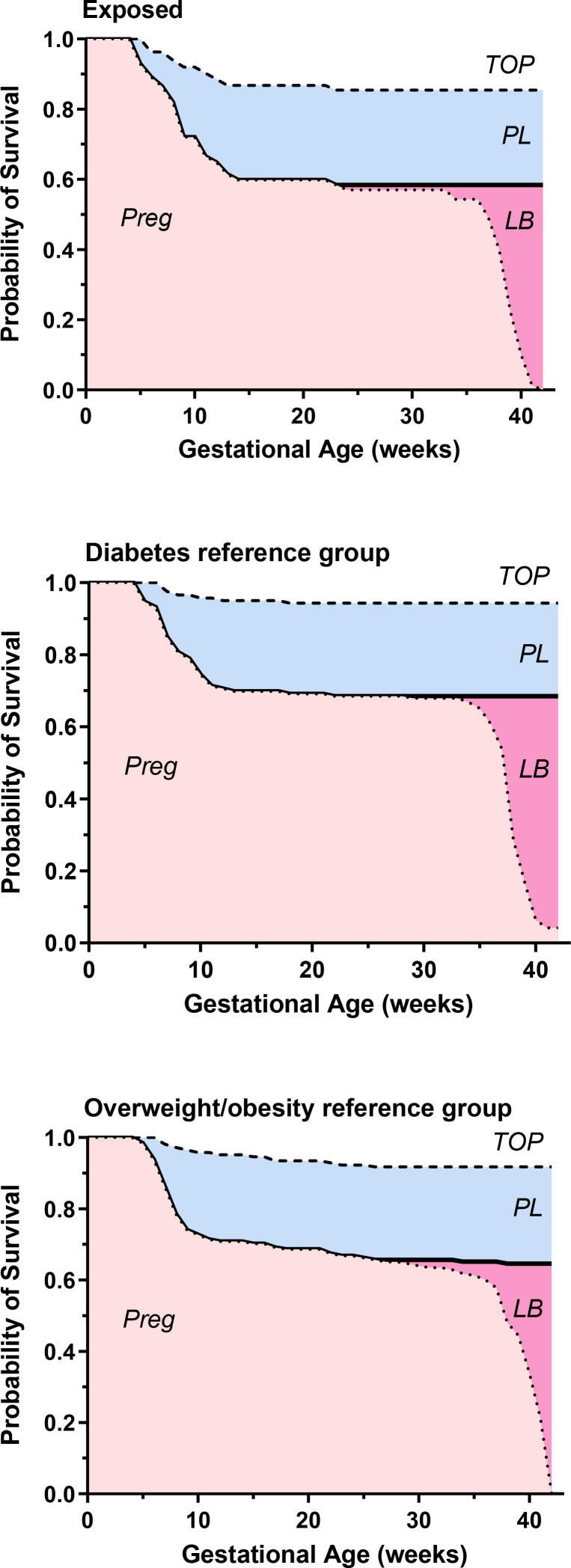
OBJECTIVES: Glucagon-like peptide 1 receptor agonists (GLP1-RA) are indicated for the treatment of type 2 diabetes and more recently for weight loss. The aim of this study was to assess the risks associated with GLP1-RA exposure during early pregnancy. DESIGN: This multicentre, observational prospective cohort study compared pregnancy outcomes in women exposed to GLP1-RA in early pregnancy either for diabetes or obesity treatment with those in two reference groups: (1) women with diabetes exposed to at least one non-GLP1-RA antidiabetic drug during the first trimester and (2) a reference group of overweight/obese women without diabetes, between 2009 and 2022. SETTING: Data were collected from the databases of six Teratology Information Services. PARTICIPANTS: This study included 168 pregnancies of women exposed to GLP1-RA during the first trimester, alongside a reference group of 156 pregnancies of women with diabetes and 163 pregnancies of overweight/obese women. RESULTS: Exposure to GLP1-RA in the first trimester was not associated with a risk of major birth defects when compared with diabetes (2.6% vs 2.3%; adjusted OR, 0.98 (95% CI, 0.16 to 5.82)) or to overweight/obese (2.6% vs 3.9%; adjusted OR 0.54 (0.11 to 2.75)). For the GLP1-RA group, cumulative incidence for live births, pregnancy losses and pregnancy terminations was 59%, 23% and 18%, respectively. In the diabetes reference group, corresponding estimates were 69%, 26% and 6%, while in the overweight/obese reference group, they were 63%, 29% and 8%, respectively. Cox proportional cause-specific hazard models indicated no increased risk of pregnancy losses in the GLP1-RA versus the diabetes and the overweight/obese reference groups, in both crude and adjusted analyses. CONCLUSIONS: This study offers reassurance in cases of inadvertent exposure to GLP1-RA during the first trimester of pregnancy. Due to the limited sample size, larger studies are required to validate these findings.
Overview
CoChat Summary
TL;DR
In this multicentre prospective cohort of 168 first-trimester GLP1 receptor agonist (GLP1-RA) exposures, the study found no increased risk of major birth defects or pregnancy loss versus two reference groups. The authors conclude the findings are reassuring for inadvertent early-pregnancy exposure, but the sample was too small for definitive conclusions.
Key findings
- Among 168 GLP1-RA-exposed pregnancies, major birth defects occurred in 2.6%; compared with 2.3% in women with diabetes, the adjusted OR was 0.98 (95% CI, 0.16 to 5.82), and compared with overweight/obese women it was 0.54 (95% CI, 0.11 to 2.75).
- Cumulative incidence in the GLP1-RA group was 59% live births, 23% pregnancy losses, and 18% pregnancy terminations; the corresponding estimates were 69%/26%/6% in the diabetes reference group and 63%/29%/8% in the overweight/obese reference group.
- Cause-specific Cox models found no increased risk of pregnancy loss versus either reference group; however, termination of pregnancy was higher versus the diabetes group (adjusted HR 3.89; 95% CI, 1.48 to 10.2) but not versus the overweight/obese group (adjusted HR 1.39; 95% CI, 0.66 to 2.93).
- In the exposed group, liraglutide was most common (n=99), followed by semaglutide (n=51), dulaglutide (n=11), and exenatide (n=7); 70% used GLP1-RA for weight loss.
Methods
- Multicentre, observational, prospective cohort study using data from six Teratology Information Services in five countries (Germany, Israel, Italy, Switzerland, UK), covering pregnancies from 2009 to 2022.
- Included 168 pregnancies with first-trimester GLP1-RA exposure and two reference groups: 156 pregnancies in women with diabetes exposed to non-GLP1-RA antidiabetic drugs, and 163 pregnancies in overweight/obese women without diabetes.
- Main analyses used multivariable logistic regression for major birth defects and cause-specific Cox proportional hazard models with cumulative incidence functions for pregnancy loss and termination, adjusting for maternal age, prior pregnancies, polymedication, and other listed covariates.
Limitations
- The paper states the sample size was limited and “not large enough to draw firm and definitive conclusions.”
- The authors state that HbA1c and other severity markers were not systematically available, limiting assessment of diabetes severity.
- The text makes evident that GLP1-RA were analyzed as a single homogeneous group, so drug-specific risks for individual agents could not be well assessed; it also notes that exposure often stopped early in gestation, so full first-trimester exposure was not always present.
Model-written summary. Check it against the paper before relying on it.
Integrity signals
Registry
Cites
Statistics
Figures
Verification
Claims the paper makes
6 Valid · 0 Not valid · 9 Not checked · 52 Own results and interpretations
Every source the paper cites for this claim was checked and supports it.
In the paper
“In a multinational population-based cohort study involving 51,826 pregnant women diagnosed with type 2 diabetes and their infants, the standardised prevalence of major congenital malformations was 8.3% among infants with periconceptional exposure to GLP1-RA (n=938).12”
§ Use of GLP1 receptor agonists in early pregnancy and reproductive safety: a multicentre, observational, prospective cohort study based on the databases of six Teratology Information Services > Introduction
What the sources say
- Supportedcites [12] Cesta CE, Rotem R, Bateman BT, et al. Safety of GLP-1 receptor agonists and other second-line antidiabetics in early pregnancy. JAMA Intern Med 2024; 184: 144– 52. 10.1001/jamainternmed.2023.6663 38079178 PMC10714281 source
The Results (Prevalence of Malformations; page unavailable) report a standardized weighted prevalence of 8.23% for major congenital malformations among infants with periconceptional GLP-1 receptor agonist exposure, very close to the cited 8.3%. The Results (Study Population and Exposure Groups; page unavailable) identify 51,826 pregnancies in women with type 2 diabetes and 938 with GLP-1 receptor agonist exposure. (LLM, conf=0.85)
plainn = 938- Asserted: passes — The authors put it forward as true.
- Checkable: passes — It can be checked against evidence.
- Load-bearing: passes — The paper’s conclusions depend on it.
- Based: passes — The paper gives a reason why it holds.
- Supported
Every source the paper cites for this claim was checked and supports it.
In the paper
“Compared with insulin, there was no increased risk of major congenital malformations (adjusted relative risk 0.95, 95% CI, 0.72 to 1.26) for infants exposed to GLP1-RA.”
§ Use of GLP1 receptor agonists in early pregnancy and reproductive safety: a multicentre, observational, prospective cohort study based on the databases of six Teratology Information Services > Introduction
What the sources say
- Supportedcites [12] Cesta CE, Rotem R, Bateman BT, et al. Safety of GLP-1 receptor agonists and other second-line antidiabetics in early pregnancy. JAMA Intern Med 2024; 184: 144– 52. 10.1001/jamainternmed.2023.6663 38079178 PMC10714281 source
Table 2 (Results, Relative Risks of Malformations) reports an adjusted relative risk of 0.95 (95% CI, 0.72–1.26) for any major congenital malformation after periconceptional GLP-1 receptor agonist exposure, with insulin as the reference. The Conclusions likewise state that the study did not observe a greater risk compared with insulin. (LLM, conf=0.95)
plainn = 938- Asserted: passes — The authors put it forward as true.
- Checkable: passes — It can be checked against evidence.
- Load-bearing: passes — The paper’s conclusions depend on it.
- Based: passes — The paper gives a reason why it holds.
- Supported
A result the paper reports from its own data — it cites no other source for it, so there is none to check. The quote shows it is in the paper.
In the paper
“Information on follow-up was obtained from healthcare professionals and patients in similar proportions for both the GLP1-RA and the reference groups with diabetes and who were overweight/obese: healthcare professionals 10% vs 9% and 6% and patients 90% vs 91% and 94%, respectively.”
§ Use of GLP1 receptor agonists in early pregnancy and reproductive safety: a multicentre, observational, prospective cohort study based on the databases of six Teratology Information Services > Results > Follow-up
plain- Asserted: passes — The authors put it forward as true.
- Checkable: passes — It can be checked against evidence.
- Load-bearing: unclear — It is unclear whether the paper’s conclusions depend on it.
- Based: passes — The paper gives a reason why it holds.
A result the paper reports from its own data — it cites no other source for it, so there is none to check. The quote shows it is in the paper.
In the paper
“The rates of infants classified as LGA were higher in the GLP1-RA exposed group and in the diabetes reference group compared with the overweight/obese reference group.”
§ Use of GLP1 receptor agonists in early pregnancy and reproductive safety: a multicentre, observational, prospective cohort study based on the databases of six Teratology Information Services > Results > Pregnancy outcomes
plainstates an association- Asserted: passes — The authors put it forward as true.
- Checkable: passes — It can be checked against evidence.
- Load-bearing: unclear — It is unclear whether the paper’s conclusions depend on it.
- Based: passes — The paper gives a reason why it holds.
A result the paper reports from its own data — it cites no other source for it, so there is none to check. The quote shows it is in the paper.
In the paper
“A total of 483 women were included in the cumulative incidence analysis, including 167 in the GLP1-RA group, 154 in the diabetes reference group and 162 in the overweight/obese reference group.”
§ Use of GLP1 receptor agonists in early pregnancy and reproductive safety: a multicentre, observational, prospective cohort study based on the databases of six Teratology Information Services > Results > Pregnancy outcomes
plainn = 483- Asserted: passes — The authors put it forward as true.
- Checkable: passes — It can be checked against evidence.
- Load-bearing: passes — The paper’s conclusions depend on it.
- Based: passes — The paper gives a reason why it holds.
16 more claims
Create a free account to see all 67 claims and to verify the 2 references still open.
- Probably not a substantial claim. 37
- It may state two separate claims as one. 11
Claims other papers make about this one
Each is checked against this paper’s own text: does it say what the citing paper says it does?
The cited source says what the claim attributes to it.
In the citing paper
“In one relatively small study (n = 168), GLP-1RA use was not associated with an increased risk of pregnancy loss or birth defects in humans (110).”
From The science of safety: adverse effects of GLP-1 receptor agonists as glucose-lowering and obesity medications (2026) · cites this paper as [110]
Citations
Cites
Unintended pregnancy: worldwide levels, trends, and outcomes.
Singh, S., Sedgh, G., & Hussain, R. (2010) · Studies in Family Planning · doi:10.1111/j.1728-4465.2010.00250.x · Cited by 731
Update on overall prevalence of major birth defects - Atlanta, Georgia, 1978-2005: (403792008-002)
(2008) · PsycEXTRA Dataset · doi:10.1037/e403792008-002 · Cited by 409 · cited 1×
“12 29 This rate is also equivalent to that observed in the reference group with diabetes in our study (2.3%).”
ResultInfluentialBell, R., Glinianaia, S. V., Tennant, P. W. G., Bilous, R. W., & Rankin, J. (2012) · Diabetologia · doi:10.1007/s00125-012-2455-y · Cited by 224 · cited 1×
“34 Unfortunately, we lacked systematic access to glycated haemoglobin values, which could have indicated that cases in our study population were with well-managed diabetes inadvertently selected leading to a rate of birth defects similar to the general population.”
BackgroundSafety of GLP-1 Receptor Agonists and Other Second-Line Antidiabetics in Early Pregnancy
Cesta, C. E., Rotem, R., Bateman, B. T., Chodick, G., Cohen, J. M., Furu, K., Gissler, M., Huybrechts, K. F., Kjerpeseth, L. J., Leinonen, M. K., et al. (2024) · JAMA Internal Medicine · doi:10.1001/jamainternmed.2023.6663 · Cited by 200
Muller, D. R. P., Stenvers, D. J., Malekzadeh, A., Holleman, F., Painter, R. C., & Siegelaar, S. E. (2023) · Frontiers in Endocrinology · doi:10.3389/fendo.2023.1215356 · Cited by 174
Tinker, S. C., Gilboa, S. M., Moore, C. A., Waller, D. K., Simeone, R. M., Kim, S. Y., Jamieson, D. J., Botto, L. D., & Reefhuis, J. (2019) · American Journal of Obstetrics and Gynecology · doi:10.1016/j.ajog.2019.08.028 · Cited by 161
The Placental Barrier: the Gate and the Fate in Drug Distribution
Tetro, N., Moushaev, S., Rubinchik-Stern, M., & Eyal, S. (2018) · Pharmaceutical Research · doi:10.1007/s11095-017-2286-0 · Cited by 145 · cited 1×
“18 While previous studies did not detect an increased risk of major birth defects following the use of GLP1-RA during the first trimester of pregnancy, further confirmation from additional studies is warranted.”
ResultPregnancy outcome following maternal exposure to statins: a multicentre prospective study
Winterfeld, U., Allignol, A., Panchaud, A., Rothuizen, L., Merlob, P., Cuppers‐Maarschalkerweerd, B., Vial, T., Stephens, S., Clementi, M., De Santis, M., et al. (2013) · BJOG: An International Journal of Obstetrics & Gynaecology · doi:10.1111/1471-0528.12066 · Cited by 119
Self-citationDiabetes-Induced Birth Defects: What Do We Know? What Can We Do?
Reece, E. A. (2011) · Current Diabetes Reports · doi:10.1007/s11892-011-0251-6 · Cited by 101 · cited 1×
“Indeed, the rate of major birth defects often Open access lies between 5% and 10% among women with preges-tational diabetes 25 31–33 but depends on the maternal blood sugar level.”
BackgroundSchaefer, C., Ornoy, A., Clementi, M., Meister, R., & Weber‐Schoendorfer, C. (2008) · Reproductive Toxicology · doi:10.1016/j.reprotox.2008.05.064 · Cited by 99
Self-citation
Research works printed but not linked: 3
- Lau T. Semaglutid in der Adipositastherapie: Viel Diskussionsstoff. Dtsch Arztebl 2023; 120: A– 1372.
- Organization of Teratology Information Specialists (OTIS). Mother to baby | fact sheets [Internet]. In: Critical periods of development. 2021. Available: https://www.ncbi.nlm.nih.gov/books/NBK582659/ 35951922
- NICE, N.I.f.H.a.C.E. Diabetes in pregnancy: management from preconception to the postnatal period. 2020. Available: https://www.nice.org.uk/guidance/ng3/resources/diabetes-in-pregnancy-management-from-preconception-to-the-postnatal-period-pdf-51038446021 32212588
Cited by
Glucagon-like peptide-1 receptor agonist use in pregnancy: a review
Drummond, R. F., Seif, K. E., & Reece, E. A. (2024) · American Journal of Obstetrics and Gynecology · doi:10.1016/j.ajog.2024.08.024 · Cited by 115
Gestational Weight Gain and Pregnancy Outcomes After GLP-1 Receptor Agonist Discontinuation
Maya, J., Pant, D. B., Fu, Y.-R., James, K., Batlle, C. I., Hsu, S., Soria-Contreras, D., Shook, L., Mow, C., Hivert, M., et al. (2025) · Journal of the American Medical Association (JAMA) · doi:10.1001/jama.2025.20951 · Cited by 75
The expanding landscape of GLP-1 medicines
Drucker, D. J. (2026) · Nature Medicine · doi:10.1038/s41591-025-04124-5 · Cited by 83
“…are not teratogenic and have not been associated with an imbalance in maternal outcomes or major birth defects, including fetal cardiac or kidney malformations, following inadvertent exposure in the first trimester in women with T2D ( n = 1,826) 76 or women with T2D or obesity ( n = 168) 77 .”
Managing early-onset type 2 diabetes in the individual and at the population level
Misra, S., Khunti, K., Goyal, A., Gable, D., Armocida, B., Tandon, N., Sachdev, P., Wild, S. H., Hivert, M.-F., & Beran, D. (2025) · The Lancet · doi:10.1016/s0140-6736(25)01067-0 · Cited by 47
Imbroane, M. R., LeMoine, F., & Nau, C. (2025) · American Journal of Obstetrics and Gynecology · doi:10.1016/j.ajog.2025.01.019 · Cited by 69
Wyckoff, J., Lapolla, A., Asias-Dinh, B. D., Barbour, L. A., Brown, F. M., Catalano, P. M., Corcoy, R., Renzo, G. C. D., Drobycki, N., Kautzky‐Willer, A., et al. (2025) · The Journal of Clinical Endocrinology & Metabolism · doi:10.1210/clinem/dgaf288 · Cited by 62
“Another observational cohort study (118) providing indirect evidence evaluated exposure of GLP-1RAs for obesity and T2DM in early pregnancy (27.4% of the study population) and reported no difference in congenital anomalies, spontaneous abortions, or increased numbers of LGA or SGA neonates compared…”
InfluentialSemaglutide as a GLP-1 Agonist: A Breakthrough in Obesity Treatment
Salvador, R., Moutinho, C. M. S. G., Sousa, C., Vinha, A. F., Carvalho, M. C., & Matos, C. M. (2025) · Pharmaceuticals · doi:10.3390/ph18030399 · Cited by 56
“Animal studies exposed to GLP-1 receptor agonists during pregnancy have shown adverse outcomes such as decreased fetal growth and abnormalities, but human studies have not shown a significant risk of developing birth defects [187–190].”
Duah, J., & Seifer, D. B. (2025) · Reproductive Biology and Endocrinology · doi:10.1186/s12958-024-01339-y · Cited by 55
Gestational Diabetes: An Update 60 Years After O’Sullivan and Mahan
McIntyre, H. D., Kampmann, U., Dalsgaard Clausen, T., Laurie, J., & Ma, R. C. W. (2024) · The Journal of Clinical Endocrinology & Metabolism · doi:10.1210/clinem/dgae709 · Cited by 32
GLP-1 Receptor Agonists in Pediatric and Adolescent Obesity
Stefater‐Richards, M. A., Jhe, G., & Zhang, Y. J. (2025) · PEDIATRICS · doi:10.1542/peds.2024-068119 · Cited by 44
Parker, C., Slattery, C., Brennan, D. J., & le Roux, C. W. (2025) · Diabetes Obesity and Metabolism · doi:10.1111/dom.16437 · Cited by 47
“35,36 Cesta found that 8.2% of children born from pregnancies with periconceptional GLP1-RA exposure resulted in major congenital abnormalities compared to our findings of 2.7%.”
InfluentialJalleh, R. J., Talley, N. J., Horowitz, M., & Nauck, M. A. (2026) · Journal of Clinical Investigation · doi:10.1172/jci194740 · Cited by 40
“In one relatively small study ( n = 168), GLP-1RA use was not associated with an increased risk of pregnancy loss or birth defects in humans (110).”
Price, S., & Nankervis, A. J. (2025) · Archives of Gynecology and Obstetrics · doi:10.1007/s00404-024-07849-9 · Cited by 32
“There was no difference in spontaneous abortion, medical termination of pregnancy and stillbirth [57].”
Brunner, K., Linder, T., Klaritsch, P., Tura, A., Windsperger, K., & Göbl, C. S. (2025) · Current Diabetes Reports · doi:10.1007/s11892-025-01585-3 · Cited by 33
GLP-1 receptor agonist therapy and pregnancy: Evolving and emerging evidence
Varughese, M. S., O’Mahony, F., & Varadhan, L. (2025) · Clinical Medicine · doi:10.1016/j.clinme.2025.100298 · Cited by 34
“11–13 Furthermore, GLP-1RA with longer half-life such as semaglutide may theoretically risk longer exposure in comparison to shorter-acting drugs such as liraglutide despite stopping treatment as soon as pregnancy is confirmed.”
Zhou, J., Wei, Z., Lai, W., Liu, M., & Wu, X. (2024) · British Journal of Clinical Pharmacology · doi:10.1111/bcp.16354 · Cited by 29
“17,18 The current pharmacovigilance evidence on GLP-1 RAs in pregnant women is limited and requires further confirmation from additional studies.”
Hanif, M., Hays, A. G., Nagarajan, J. S., Sah, S. P., Weinstock, R. S., & Taub, C. C. (2025) · The American Journal of Cardiology · doi:10.1016/j.amjcard.2025.03.013 · Cited by 28
Pondugula, N., Culhane, J. F., Lundsberg, L. S., Partridge, C. M., & Merriam, A. A. (2025) · Obstetrics and Gynecology · doi:10.1097/aog.0000000000005995 · Cited by 26
Wyckoff, J., Lapolla, A., Asias-Dinh, B. D., Barbour, L. A., Brown, F. M., Catalano, P. M., Corcoy, R., Renzo, G. C. D., Drobycki, N., Kautzky‐Willer, A., et al. (2025) · European Journal of Endocrinology · doi:10.1093/ejendo/lvaf116 · Cited by 31
“Another observational cohort study 118 providing indirect evidence evaluated exposure of GLP-1RAs for obesity and T2DM in early pregnancy (27.4% of the study population) and reported no difference in congenital anomalies, spontan-eous abortions, or increased numbers of LGA or SGA neonates compared…”
InfluentialKról, M., Kupnicka, P., Żychowska, J., Kapczuk, P., Szućko-Kociuba, I., Prajwos, E., & Chlubek, D. (2025) · International Journal of Molecular Sciences · doi:10.3390/ijms26146777 · Cited by 19
“To sustain GLP-1’s glucose-modulating effects, GLP-1 analogs have been modified for extended activity and are classified as either short-acting (exenatide, beinaglutide, lixise-natide) [39,40] or long-acting (liraglutide, dulaglutide, albiglutide, semaglutide) [31,41].”
Beyond Weight Loss: Optimizing GLP-1 Receptor Agonist Use in Children
Zaitoon, H., Wauters, A. D., Rodríguez, L. M., & Lynch, J. L. (2025) · Children · doi:10.3390/children12111427 · Cited by 17
“These medications are not recommended during pregnancy, as data remain limited and animal studies raise concerns about fetal growth [38,39].”
Thapaliya, K., Sweeting, A., Black, K. I., Poprzeczny, A. J., Mazza, D., & Grzeskowiak, L. E. (2025) · The Medical Journal of Australia · doi:10.5694/mja2.70026 · Cited by 17
“34,35 A recent cohort study (938 pregnancies in women using GLP-1 receptor agonists) found no significant difference in the adjusted risk of major congenital malformations compared with women receiving insulin (adjusted risk ratio, 0.95; 95% CI, 0.72–1.26), but confounding by differences in glucose…”
InfluentialPregnancy outcomes following first trimester exposure to semaglutide
Morton, A., & He, J. (2025) · Obstetric Medicine · doi:10.1177/1753495x251346330 · Cited by 22
Hoteit, B. H., Kotaich, J., Ftouni, H., Hazime, F., Safawi, A., Masri, R., & Marwani, M. (2025) · Therapeutic Advances in Endocrinology and Metabolism · doi:10.1177/20420188251383064 · Cited by 22
“97,98 In this prospective observational cohort study published in 2024, which spanned a timeline between 2009 and 2022, the risk of teratology was assessed.”
InfluentialEffect of GLP1 Agonists on Reproduction
Couldwell, M., Tidwell, A. J., & Taylor, A. E. (2025) · The Journal of Clinical Endocrinology & Metabolism · doi:10.1210/clinem/dgaf401 · Cited by 16
Armstrong, B. B. S., Servidoni, A. C. P., Martin, G. C. D. C., Machado, G. F., Amador, W. F. O., & Yousif, A. (2025) · Journal of Gynecology Obstetrics and Human Reproduction · doi:10.1016/j.jogoh.2025.103046 · Cited by 18
Özbek, L., Shah, E., Al-Shiab, R., İnal, A., Güldan, M., Afşar, B., Covic, A. C., & Kanbay, M. (2026) · Diabetes Obesity and Metabolism · doi:10.1111/dom.70699 · Cited by 22
Preconception use of GLP-1 and GLP-1/GIP receptor agonists for obesity treatment
Koceva, A., Janež, A., & Jensterle, M. (2025) · Best Practice & Research Clinical Endocrinology & Metabolism · doi:10.1016/j.beem.2025.102038 · Cited by 17
Incretin receptor agonism during pregnancy: implications for mother and baby
Dearden, L., & Ozanne, S. E. (2025) · Clinical Science · doi:10.1042/cs20258493 · Cited by 15
“…incorporating six centres that are members of the European Network of Teratology Information Services (ENTIS) found no increase in congenital anomalies or pregnancy loss, and no change in birth weight compared with control groups of women with diabetes and overweight/obesity in pregnancy [46].”
Exploring the multifaceted roles of GLP-1 receptor agonists; a comprehensive review
Hammad, B. F., Zafar, N., Ullah, M., Faisal, S. J., Iftikhar, F., Waheed, H., Muzaffar, M. W., Ahmed, K., Ashraf, F., Zahid, K., et al. (2025) · Frontiers in Clinical Diabetes and Healthcare · doi:10.3389/fcdhc.2025.1590530 · Cited by 14
Alfaiz, A. S. (2025) · Annals of Medicine and Surgery · doi:10.1097/ms9.0000000000004189 · Cited by 16
“Dao et al (2024) [ 7 ] Pregnant women with accidental exposure Semaglutide No significant ↑ difference in major birth defects.”
Glucagon-like peptide-1 receptor agonists during pregnancy and lactation
Zipursky, J. S., Bogler, T., & Maxwell, C. V. (2024) · Canadian Medical Association Journal · doi:10.1503/cmaj.240768 · Cited by 11
Hviid, K. V. R., Banasik, K., Mortensen, L. H., Madsbad, S., Strandberg‐Larsen, K., Geiker, N. R. W., Westergaard, D., & Nielsen, H. S. (2026) · Human Reproduction Open · doi:10.1093/hropen/hoag015 · Cited by 21
“One study presented cases of obstetric complications without statistical analyses, but found comparable rates of pregnancy loss, a decreased rate of preterm births, and an increased number of elective terminations following exposure to a GLP-1 RA (Dao et al. , 2024).”
InfluentialRole of Glucagon-Like Peptide-1 Receptor Agonists in People With Infertility and Pregnancy
Finkle, J., & Brost, B. C. (2025) · Obstetrics and Gynecology · doi:10.1097/aog.0000000000005825 · Cited by 7
“The second largest study from Dao et al 48 had 168 pregnancies in individuals with GLP-1 RA exposure (including lira-glutide, semaglutide, dulaglutide, and exenatide) in the first trimester: 156 with type 2 diabetes and 163 with overweight or obesity.”
InfluentialAlshehri, F. S. (2025) · Medicine · doi:10.1097/md.0000000000044917 · Cited by 8
“[55,56] However, in inflammatory conditions, increased passage rates were observed in animal studies, suggesting that maternal comorbidities could potentially alter fetal exposure.”
GLP-1-Mediated Pregnancy and Neonatal Complications in Mice
Ramamoorthy, R., Carden, A. K., Hussain, H., Druyan, B. Z., Chen, P. P., Hajjar, R., Fernandez, C., Elumalai, N., Rashed, A. B., Young, K., et al. (2025) · Journal of Developmental Biology · doi:10.3390/jdb13030029 · Cited by 8
“As these medications become more commonly prescribed, particularly among women of reproductive age, concerns have arisen regarding their safety during pregnancy [2,3].”
From body mass index to body composition in female infertility
Darıcı, E., Pais, F., Leemans, L., Strypstein, L., Tournaye, H. J., Vos, M. D., Waele, E. D., & Blockeel, C. (2025) · Reproductive BioMedicine Online · doi:10.1016/j.rbmo.2025.104941 · Cited by 14
Medical Management of Obesity: Current Trends and Future Perspectives
Calderón, A., Aguilera-Astudillo, M., Rojas, A. P., Dowlatshahi, S., Kansara, A., Shakil, J., & Patham, B. (2025) · Methodist DeBakey Cardiovascular Journal · doi:10.14797/mdcvj.1503 · Cited by 9
Hakim, J., Rajesh, D., & Tello, J. A. (2026) · American Journal of Obstetrics and Gynecology · doi:10.1016/j.ajog.2026.04.037 · Cited by 10
Abedi, M. M., Patni, M. M., Shajahan, A. N. B., Dube, R., Khadeeja, L., Alabid, I., Kharoufeh, A., Kar, S. S., George, B. T., Bahutair, S. N., et al. (2026) · Journal of Clinical Medicine · doi:10.3390/jcm15093204 · Cited by 9
“…constraints on randomized pregnancy-exposure studies, improved inference will depend on harmonized pregnancy registries, standardized endpoints including miscarriage, fetal growth, congenital anomalies, and neonatal outcomes, and careful stratification by drug, dose, and timing of exposure [10,18].”
InfluentialThe ‘Obesity First’ approach: Redefining the future of healthcare
Mulder, C. J. J., Bayoumy, A. B., & Ansari, A. R. (2025) · Indian Journal of Gastroenterology · doi:10.1007/s12664-025-01882-5 · Cited by 7
“Emerging case reports also suggest a possible increase in miscarriage rates, raising concerns that some patients may continue GLP-1 therapy during pregnancy despite the lack of safety data [34].”
Tavares, A. C. M., Martins, M. Y. M., de Souza, G. F., Lima, E. M., Rocha, C. A., de Souza, L. C., Simões, J. M. L., ARAÚJO, N. O. D., & Cavalcante, M. B. (2025) · Journal of Reproductive Immunology · doi:10.1016/j.jri.2025.104538 · Cited by 12
Kuitunen, I. (2024) · Acta Paediatrica · doi:10.1111/apa.17412 · Cited by 5
Kuoni, S., Caviglia, S., Dolder, A., Gawinecka, J., Ochsenbein-Kölble, N., & Simões‐Wüst, A. P. (2026) · Frontiers in Pharmacology · doi:10.3389/fphar.2025.1765815 · Cited by 7
Self-citationObesity during pregnancy: contemporary evidence and clinical implications
Agrawal, R., & Lathia, T. B. (2025) · Current Opinion in Endocrinology Diabetes and Obesity · doi:10.1097/med.0000000000000936 · Cited by 4
Lewin, Z., Snow, S., Lee, J. A., & Wilkie, G. (2025) · American Journal of Perinatology · doi:10.1055/a-2716-1639 · Cited by 13
Advances in postpartum hypertension management: a review of current guidelines and interventions
McCoy, S. E., Hurwitz, M., Kwapong, Y. A., Bircan, E., Spitz, J. A., Dastmalchi, L. N., Metlock, F., Saad, A. F., Sarma, A. A., Khandelwal, A., et al. (2025) · npj Women s Health · doi:10.1038/s44294-025-00095-7 · Cited by 11
“Limited retrospective data available investigating GLP1 receptor agonist exposure in early pregnancy showed no increased risk of pregnancy loss 61 or fetal malformation 62 , which is reassuring when considering possible inadvertent exposures, but signi fi cantly more research is needed on the…”
Exposure to High-Dose Liraglutide in a Pregnant Woman With Obesity
Abushanab, D., Mohammed, H. R., Pallivalapila, A., Thomas, B., Al‐Badriyeh, D., Elkassem, W., Al-Mohannadi, H., Hanssens, Y. I., Khan, S., Mohammed, S., et al. (2025) · O&G Open · doi:10.1097/og9.0000000000000077 · Cited by 9
Lee, I. O., Ghiasi, M., Wong, K. K. Y., & Walker, M. C. (2025) · Journal of Obstetrics and Gynaecology Canada · doi:10.1016/j.jogc.2025.103191 · Cited by 4
Garg, S. K., Aktürk, H. K., Garg, S., Beck, R. W., Bellini, N. J., Bjornstad, P., Carlson, A. L., Carroll, J., Close, K., Block, C., et al. (2026) · Diabetes Technology & Therapeutics · doi:10.1177/15209156261449879 · Cited by 9
Song, E., Fang, Y., Li, X., Fu, W., He, H., Gao, Z., Tian, X., & Gao, B. (2026) · Frontiers in Nutrition · doi:10.3389/fnut.2026.1809416 · Cited by 4
“Although registry studies and cohort analyses of early pregnancy exposure are available, they remain insuÿcient to support a definitive conclusion of safety (44–48).”
InfluentialGLP-1 Receptor Agonist Exposure During Pregnancy
Kodali, L. S. M., Metlock, F., Nriagu, B. N., Brazile, T. L., Kwapong, Y. A., Dastmalchi, L. N., Spitz, J. A., & Sharma, G. V. (2026) · JACC Advances · doi:10.1016/j.jacadv.2026.102649 · Cited by 9
Guiding Obstetric Care and Treatment Decisions for Women With Prior GLP-1 Receptor Agonist Use
Cesta, C. E., Hutcheon, J. A., & Johansson, K. (2025) · JAMA · doi:10.1001/jama.2025.19841 · Cited by 2
Kuhn, K., Bradford, A. P., Schauer, I. E., Duffy, K., Bolt, M. A., & Santoro, N. F. (2025) · The Journal of Clinical Endocrinology & Metabolism · doi:10.1210/clinem/dgaf590 · Cited by 3
Brown, J. P., Huybrechts, K. F., Straub, L., Patorno, E., Seely, E. W., Bateman, B. T., & Hernández–Díaz, S. (2026) · Annals of Internal Medicine · doi:10.7326/annals-25-04820 · Cited by 8
Thurmond, E., Roeth, E. J., Noyes, K., Boyer, M., Evans, E., Bikman, B. T., Reynolds, P. R., & Arroyo, J. A. (2026) · Current Issues in Molecular Biology · doi:10.3390/cimb48050524 · Cited by 2
“Human data remain limited; while a few observational studies of inadvertent first-trimester exposure have not identified a consistent increase in major congenital malformations, some have reported higher rates of preterm birth and large-for-gestational-age infants [17,18].”
GLP-1 Receptor Agonist Use Across Preconception, Pregnancy, and the Postpartum Periods
Porterfield, F., Ogunwole, S. M., Maya, J., & Stanford, F. C. (2026) · Pediatric Drugs · doi:10.1007/s40272-026-00746-5 · Cited by 3
The Impact of GLP-1 Receptor Agonists on Women's Reproductive Health: A Review
Wolszczak, M., Wołodkiewicz, H., & Szmit, J. (2025) · Journal of Education Health and Sport · doi:10.12775/jehs.2025.82.60194 · Cited by 6
Yasuda, M., Mito, A., Adachi, K., Hayashi, K., & Arata, N. (2026) · Hypertension Research · doi:10.1038/s41440-026-02749-8 · Cited by 1
Vanlaer, Y., Embo, N., Bochanen, N., Wilder, N. V., Vereecke, G., Wierckx, K., Verhaegen, A., Coremans, P., Philips, J., Lytrivi, M., et al. (2026) · BMJ Open · doi:10.1136/bmjopen-2026-118191 · Cited by 1
Gestational Weight Gain and Pregnancy Outcomes After Semaglutide Exposure
Yu, Y., Li, X., Groth, S. W., Zaman, A., Chao, A. M., Phelan, S., Hollenbach, S. J., & Dreisbach, C. (2026) · Obstetrics and Gynecology · doi:10.1097/aog.0000000000006325 · Cited by 2
Vardhan, S., Arnott, C. G., Chen, A., Frolova, A. I., Meka, R. A., Raghuraman, N., Vijay, A., Yoo, S. G., & Mahmoud, Z. (2026) · American Journal of Preventive Cardiology · doi:10.1016/j.ajpc.2026.101471 · Cited by 4
“A multicenter prospective cohort study of 168 women with first-trimester GLP-1 agonist exposure, 70 % of whom were prescribed the medication for weight management, found no increased risk of congenital anomalies, birth defects, or pregnancy loss [72].”
Jin, Y.-C., Wu, Y.-H., Ma, X.-S., Shi, W., Wu, M., & Hu, Q.-Q. (2026) · Journal of Gynecology Obstetrics and Human Reproduction · doi:10.1016/j.jogoh.2026.103133 · Cited by 3
Goulet, V., Léveillé, D., Li, J., & Fisette, A. (2026) · Discover Endocrinology and Metabolism · doi:10.1007/s44417-026-00014-7 · Cited by 3
“In contrast, human studies of first-trimester GLP-1RAs exposure have not identified increased rates or specific patterns of major congenital malformations compared with pregnancies in women with type 2 diabetes mellitus or obesity [245, 252, 253].”
Su, C., He, X., Chang, X., Tian, J., Wang, G., & Liu, J. (2025) · Diabetes & Metabolism Journal · doi:10.4093/dmj.2024.0521 · Cited by 3
“Con-sistently, a prospective multicenter observational study evaluated pregnancy outcomes after first-trimester exposure to GLP-1RA and found that these drugs did not increase the risk of adverse pregnancy outcomes and birth defects [21].”
Teratogenic risks of treated and untreated maternal obesity
Jones, R. E., & Zera, C. (2025) · Seminars in Perinatology · doi:10.1016/j.semperi.2025.152081 · Cited by 2
Varughese, M. S., & Jacob, S. (2025) · Clinical and Experimental Ophthalmology · doi:10.1111/ceo.14529 · Cited by 2
Exploring new frontiers in the management of polycystic ovary syndrome associated obesity
Dokras, A., & Norman, R. (2024) · Fertility and Sterility · doi:10.1016/j.fertnstert.2024.10.030 · Cited by 1
Semaglutide Exposure During Pregnancy: Results from the FAERS Database
Zinzi, A., Gaio, M., Mascolo, A., Pieretti, G., Cipriani, M., Ragione, J. M. D., D’Amato, R., Rossi, F., Capuano, A., & Ruggiero, R. (2026) · Pharmaceuticals · doi:10.3390/ph19081249 · Cited by 2
“More recently, an observational, prospective, multicenter study found no statistically significant association between first-trimester exposure to GLP-1 RAs and the risk of major congenital malformations [18].”
InfluentialLiu, X., Xiong, B., Yang, R., Wang, H., & Liu, Y. (2026) · Endocrine Connections · doi:10.1530/ec-26-0280 · Cited by 1
“Only Dao et al. (30) reported spontaneous abortion outcomes.”
InfluentialGLP-1 Receptor Agonists and Reproductive Health
Porterfield, F., Mulligan, J., Salim, K., Olubowale, O. O., & Stanford, F. C. (2026) · Endocrinology and Metabolism Clinics of North America · doi:10.1016/j.ecl.2026.07.003 · Cited by 1
Pisani, D., Driul, L., Fordellone, M., Cerillo, A., Fatigati, M., Hanulíková, P., Mariniello, A., FRANCISCIS, P. D., Pasquini, L., & Verde, M. L. (2026) · Endocrine · doi:10.1007/s12020-026-04701-9 · Cited by 1
“A meta-analysis found no statistically significant difference in adverse obstetric outcomes in patients exposed to GLP-1 RA before or in early pregnancy [14].”
Maslin, K., Shawe, J., Blowers, S., Ceulemans, M., Hart, K. H., Schoenmakers, S., Rottenstreich, A., Hopper, H., Jensterle, M., Flynn, A. C., et al. (2026) · Obesity Reviews · doi:10.1111/obr.70203 · Cited by 4
Lapolla, A., & Torlone, E. (2026) · Expert Review of Endocrinology & Metabolism · doi:10.1080/17446651.2026.2707565
“For the GLP1-RA group, the cumulative incidence for live births, pregnancy losses and pregnancy terminations was 59%, 23% and 18%, in the women taking GLPI-RA, 69%, 26% and 6%, in the diabetes group, and 63%, 29% and 8% in the overweight/ obese, respectively [64].”
Agoniste du GLP-1 durant la grossesse. Quels risques ? Des données encore incomplètes
Halimi, S. (2026) · Médecine des Maladies Métaboliques · doi:10.1016/j.mmm.2026.06.014
Kotanidou, S., Dampali, R., Devaja, O., Montalto, S. A., Godfrey, M., Papadopoulos, A., Daniilidis, A., Nikolettos, N., & Nikolettos, K. (2026) · Reproductive Medicine · doi:10.3390/reprodmed7030034
Hattler, E., Schlüter, H., Greene, C. A., Adgent, M. A., Sundermann, A. C., & Jasper, E. A. (2026) · Obstetrics and Gynecology · doi:10.1097/aog.0000000000006363 · Cited by 2
Pharmacological treatment of polyendocrine metabolic ovarian syndrome in adults
Prentice, L., & Rassie, K. L. (2026) · Drug and Therapeutics Bulletin · doi:10.1136/dtb.2022.000065 · Cited by 1
Drummond, R. F., Seif, K. E., & Reece, E. A. (2026) · American Journal of Obstetrics and Gynecology · doi:10.1016/j.ajog.2026.07.009
Rajesh, D., Hakim, J., & Tello, J. A. (2026) · American Journal of Obstetrics and Gynecology · doi:10.1016/j.ajog.2026.07.012
Mularczyk, P., Polek, N., Sikorska, M., Łysoniewski, W., Marcysiak, A., Mruzek, T., Kiełbasiewicz, M., & Zawadzka, K. (2026) · International Journal of Innovative Technologies in Social Science · doi:10.31435/ijitss.2(50).2026.5668
“…data do not demonstrate a clear increase in the risk of major congenital malformations following unintended early pregnancy exposure, but the evidence is observational and based on relatively small exposed samples, and therefore the findings must be interpreted with caution (K. Dao et al., 2024).”
Wong, K., Al-Amri, H., & Werlang, A. (2026) · Case Reports in Women s Health · doi:10.1016/j.crwh.2026.e00831
Vlasak, A. L., Lindsey, P., Ilstad-Minnihan, A., & Rhoton-Vlasak, A. S. (2026) · Reproductive Sciences · doi:10.1007/s43032-026-02136-1
“…expressed in various tis - sues including pancreatic beta cells, gastric mucosa, kid - ney, heart, and hypothalamus, stimulating insulin release, inhibiting glucagon release, slowing gastric emptying, and acting centrally on neuronal pathways involved in satiety and energy expenditure [8, 9].”
InfluentialRole of insulin in female reproduction
Tebeau, K. S., & Polotsky, A. J. (2026) · Current Opinion in Obstetrics & Gynecology · doi:10.1097/gco.0000000000001121
Rajamoorthi, A., Hollingsworth, T., Guan, Y., Pinney, S. E., & Simmons, R. A. (2026) · bioRxiv (Cold Spring Harbor Laboratory) · doi:10.64898/2026.06.07.730723
Zarei, M., & Hajiani, Y. (2026) · Diabetology & Metabolic Syndrome · doi:10.1186/s13098-026-02196-y
“However, available evidence remains limited and insufficient to establish fetal safety [258, 259].”
Amiri, A., Hædersdal, S., Damm, P., Mathiesen, E. R., & Ringholm, L. (2026) · Current Diabetes Reports · doi:10.1007/s11892-026-01632-7 · Cited by 1
“GLP-1RA use is frequent and increasing in women with type 2 diabetes of fertile age [ 11 – 13 , In the available literature [29 , 37–39 ] on potential tera - togenic effects of GLP-1RA exposure in pregnant women with type2 diabetes, congenital malformations have been classified using different…”
InfluentialAlaze-Hagemann, F., Reiß, K., Abou‐Dakn, M., Abu‐Omar, K., Alexy, U., Beyer, K., Breidenassel, C., Brettschneider, A.-K., Cremer, M., Ensenauer, R. E., et al. (2026) · Geburtshilfe und Frauenheilkunde · doi:10.1055/a-2827-5905 · Cited by 1
“▶ reference values at a national and international level [82, 90, 91] Pregnant women are therefore recommended to favour foods with a high nutrient density to cover their micronutrient requirements (e.g., [14, 92, 93, 94”
Karakaya, T. K., & Yılmaz, S. (2026) · Cerasus journal of medicine. · doi:10.70058/cjm.1924573
Wallentowitz, L., García, M. G., Atorrasagasti, C., Harms, C., Huhn, E. A., Roser, P., Verlohren, S., Giesen, E. M., & Blois, S. M. (2026) · Reviews in Endocrine and Metabolic Disorders · doi:10.1007/s11154-026-10053-6 · Cited by 4
Омариевна, У. Ф., & Demidova, T. Y. (2026) · FOCUS Endocrinology · doi:10.62751/2713-0177-2026-7-1-09 · Cited by 1
Hariharan, S., Gallo, M., Roca, A. S., Crimmins, S. D., & Reece, E. A. (2026) · American Journal of Perinatology · doi:10.1055/a-2852-4938
Koshy, R. R., Kumar, A. A., Maliyil, B. T., Regie, R., Jairaj, S., & Satish, M. T. (2026) · Middle East Fertility Society Journal · doi:10.1186/s43043-026-00316-2 · Cited by 2
Semaglutide alters the human embryo-endometrium interfacePreprint
Apostolov, A., Pathare, A. D. S., Lavõgina, D., Zhao, C., Kask, K., Blanco-Rodríguez, L., Ruiz‐Durán, S., Risal, S., Rooda, I., Damdimopoulou, P., et al. (2026) · medRxiv · doi:10.64898/2026.03.03.26347354 · Cited by 1
Glucagon-Like Peptide-1 Receptor Agonists in Pregnancy: Promises, Pitfalls, and the Path Forward
Eke, A. C. (2026) · Obstetrics and Gynecology · doi:10.1097/aog.0000000000006021 · Cited by 1
Invited commentary: Advancing the management of type 2 diabetes in pregnancy
Carrieri, F., Scott, E. M., & Murphy, H. R. (2026) · Diabetic Medicine · doi:10.1111/dme.70219
58 risk and 34 protective effects of GLP1R on disease phenome and adverse neonatal healthPreprint
Campbell, R. H., & Mills, M. C. (2026) · medRxiv · doi:10.64898/2026.01.24.26344404
Liu, L. J., & Chu, Q. (2026) · Journal of Engineering and Science in Medical Diagnostics and Therapy · doi:10.1115/1.4070794
Jain, H., Patel, N. R., Soni, K., et al. (2025) · Canadian Journal of Cardiology · doi:10.1016/j.cjca.2025.12.047
Glucagon-like Peptide-1 Receptor Agonist Use in Pregnancy: a Review
Drummond, R., Seif, K., & Reece, E. A. (2025) · Obstetric Anesthesia Digest · doi:10.1097/01.aoa.0001170996.74529.26
Metadata
- Authors
- Dao, K., Shechtman, S., Weber-Schoendorfer, C., Diav-Citrin, O., Murad, R. H., Berlin, M., Hazan, A., Richardson, J. L., Eleftheriou, G., Rousson, V., Diezi, L., Haefliger, D., Simões-Wüst, A. P., Addor, M.-C., Baud, D., Lamine, F., Panchaud, A., Buclin, T., Girardin, F. R., & Winterfeld, U.
- Affiliations
- Centre Hospitalier Universitaire Vaudois (CH)
- Israel Ministry of Health (IL)
- Charité - Universitätsmedizin Berlin, Pharmakovigilanzzentrum Embryonaltoxikologie, Institut für Klinische Pharmakologie und Toxikologie, Berlin, Germany
- The Israeli Teratology Information Service, Ministry of Health, Jerusalem, Israel
- Tel Aviv University (IL)
- Newcastle upon Tyne Hospitals NHS Foundation Trust (GB)
- Ospedale Papa Giovanni XXIII (IT)
- University of Lausanne (CH)
- Swiss Teratogen Information Service and Clinical Pharmacology Service, Centre Hospitalier Universitaire Vaudois (CHUV) and University of Lausanne, Lausanne, Switzerland
- Department of Obstetrics, University Hospital Zurich, University of Zurich, Zurich, Switzerland
- Endocrinology, Diabetes and Metabolism Service, Centre Hospitalier Universitaire Vaudois (CHUV), Lausanne, Switzerland
- University of Bern (CH)
- Corresponding author
- Winterfeld, Ursula
- ORCID
- Venue
- BMJ Open
- Publisher
- BMJ
- Published
- 2024-04
- Volume
- 14
- Issue
- 4
- Pages
- e083550
- ISSN
- 2044-6055 (ISSN-L)
- PMC
- PMC11043712
- OpenAlex
- W4395468671
- Cited by
- 110
- References
- 24
- Citations by year
- 2026: 49 · 2025: 54 · 2024: 7
- FWCI
- 45.33
- Type
- journal article
- Language
- en
- Open access
- gold
- doi.org
- Locations
- BMJ Open (publishedVersion, cc-by)
- PubMed Central (publishedVersion, cc-by)
- PubMed (publishedVersion)
- SERVAL (Université de Lausanne) (submittedVersion, cc-by)
- Bern Open Repository and Information System (University of Bern) (submittedVersion, cc-by)
- DOAJ (DOAJ: Directory of Open Access Journals) (submittedVersion)
- IRIS (submittedVersion, cc-by)
- HighWire Press Open Archive (submittedVersion)
- SERVAL (Université de Lausanne) (submittedVersion)
- Funders
- Swiss National Science Foundation (SNSF 320030_214844)
- Topics
- Health Sciences › Medicine › Public Health, Environmental and Occupational Health › Pregnancy and Medication Impact
- Health Sciences › Medicine › Pediatrics, Perinatology and Child Health › Pharmacological Effects and Toxicity Studies
- Health Sciences › Medicine › Obstetrics and Gynecology › Gestational Diabetes Research and Management
- Keywords
- GLP-1 receptor agonists, early pregnancy, teratogenicity, congenital malformations, miscarriage, live birth, reproductive safety, type 2 diabetes, obesity, antidiabetic drugs, anti-obesity drugs
- MeSH terms
- Abnormalities, Drug-Induced, Glucagon-Like Peptide-1 Receptor Agonists, Adult, Diabetes Mellitus, Type 2, Female, Humans, Hypoglycemic Agents, Obesity, Pregnancy, Pregnancy Complications, Pregnancy in Diabetics, Pregnancy Outcome, Pregnancy Trimester, First, Prospective Studies, Databases, Factual
About these checks
Registry, retraction, Cites and statistics results are computed, not judged, with one exception: a printed reference that no index lists is read once by a model before it counts as a citation error. Claims are extracted by a model and kept only when their quote appears verbatim in the text; each cited source is then checked, with a model’s help, for whether it says what the claim relies on. Those verdicts can be wrong — read the claim’s quote and the cited source before relying on one.
The claim verdicts this report counts are experimental: their accuracy is not yet measured.
A language model drew the claims from the paper on 2026-10-10, under version 3 of the claim definition (model deepseek-v4.1-flash, prompt extract-v3).
A second model labelled each claim on 2026-10-10 (model jev-1.13-20260917, definition revision gold-guideline-v0.2).
Cited sources are checked with a language model’s help (gpt-6-sol).
Statistics and arithmetic are recomputed, not judged.
Confidence bands are shown only for fields calibrated on our annotated test set. None is calibrated yet, so no band is shown.
What counts as a claim ›How we measure confidence ›How we check this ›
Are you an author, or do you see a problem with this page? Request a review
Data sources
Bibliographic data: Semantic Scholar, OpenAlex, Crossref.
Contains information from the Semantic Scholar Academic Graph Datasets, made available under the ODC Attribution License (ODC-BY 1.0).
Semantic Scholar’s data is described in: Kinney, R., et al. (2023). The Semantic Scholar Open Data Platform. arXiv:2301.10140.
