

Dual role of tumour-infiltrating T helper 17 cells in human colorectal cancer
Open accessThe DOI matches its Crossref record, with a small difference in title or year; 50 of the 50 references it cites were found in a registry or an index.
Abstract
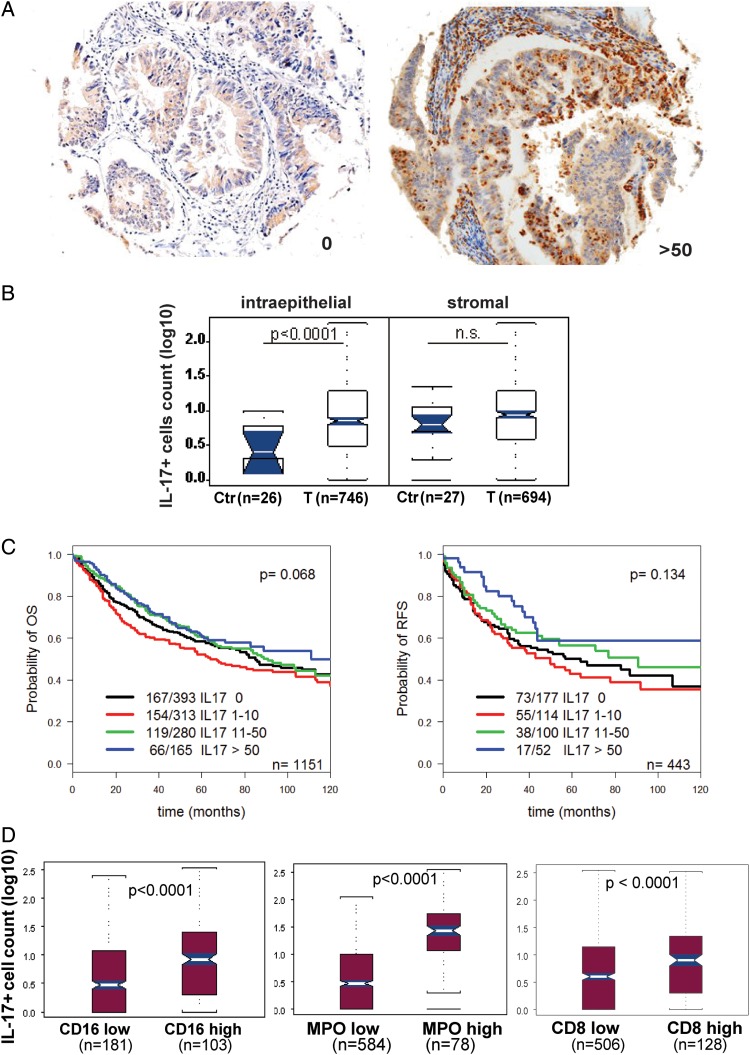
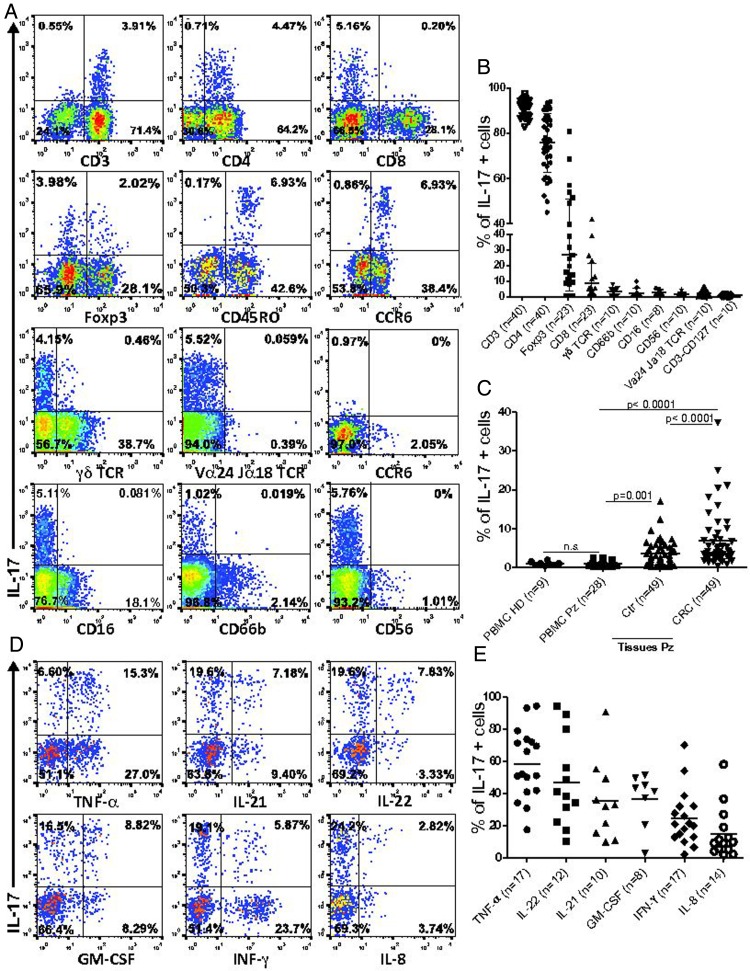
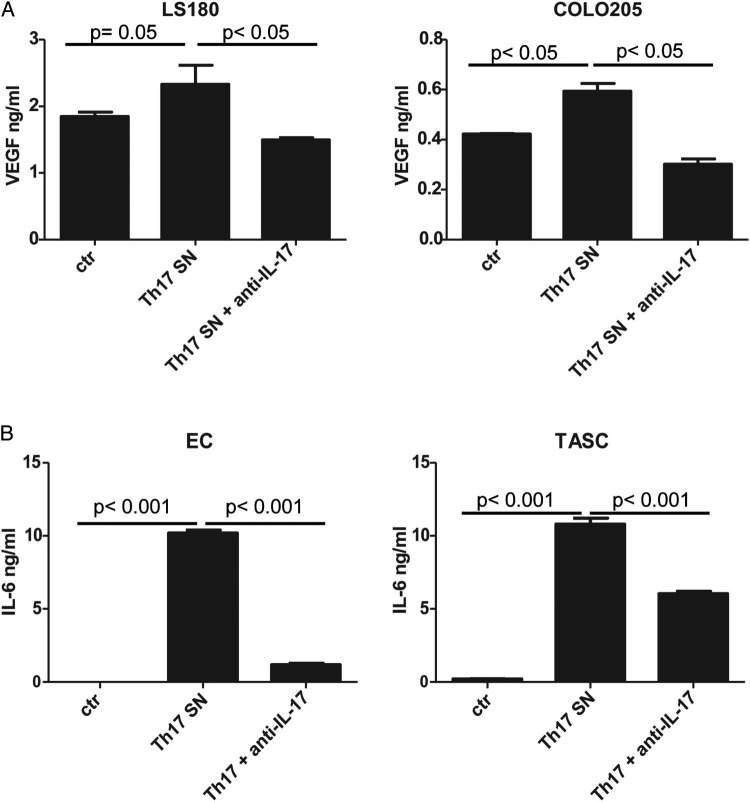
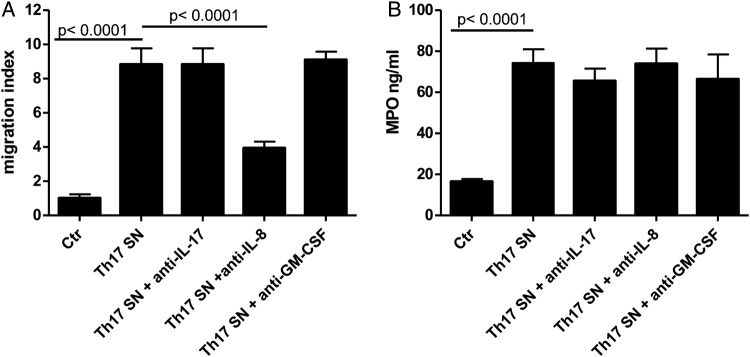
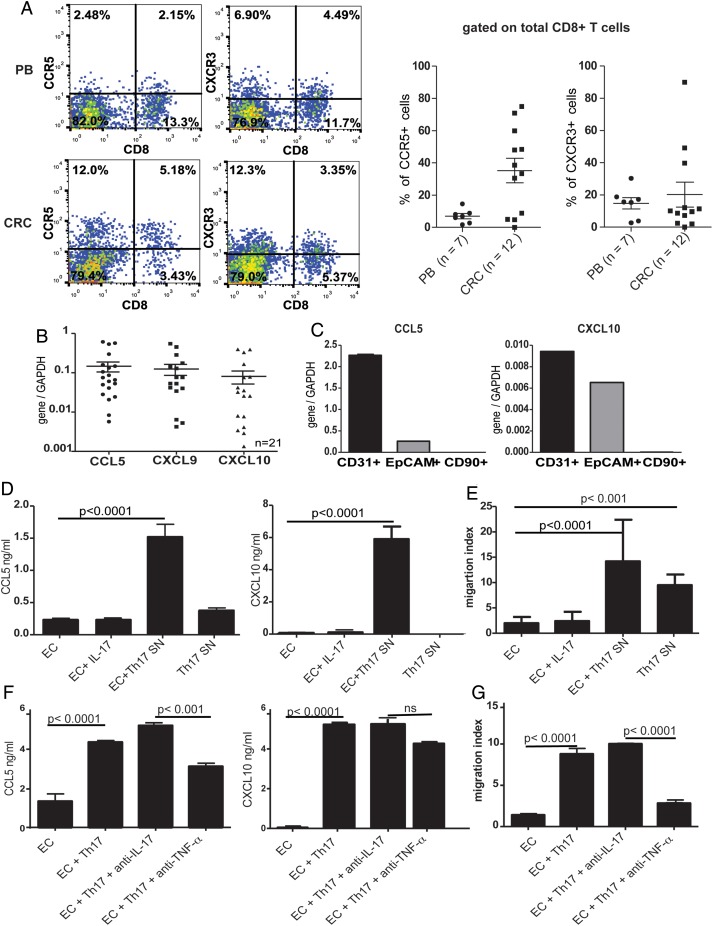
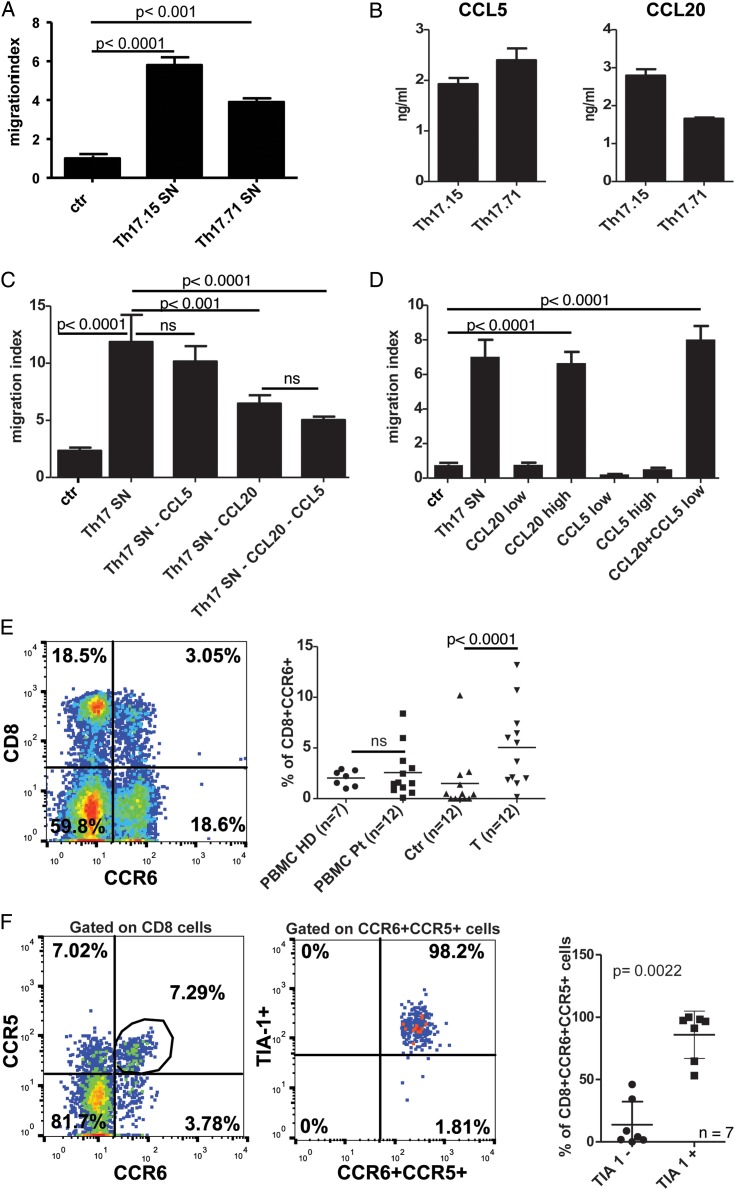
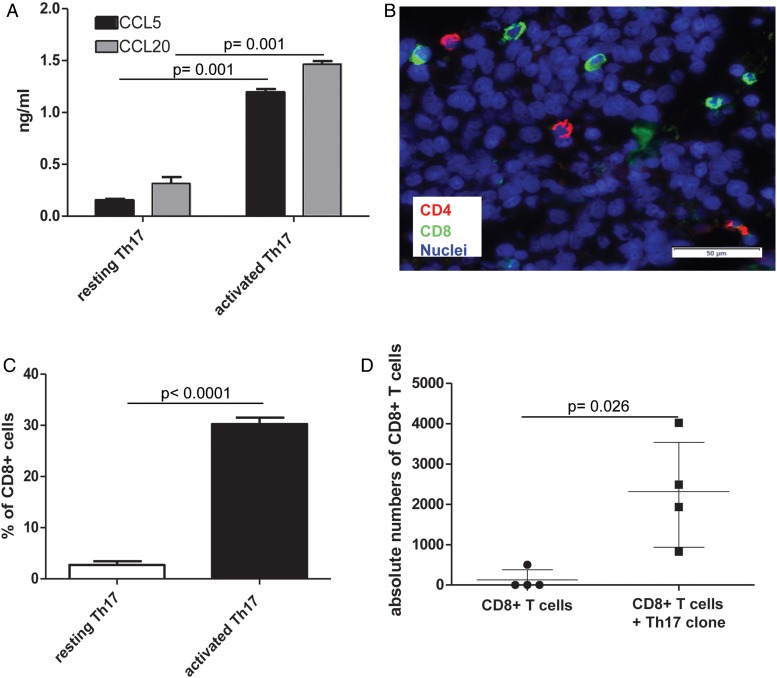
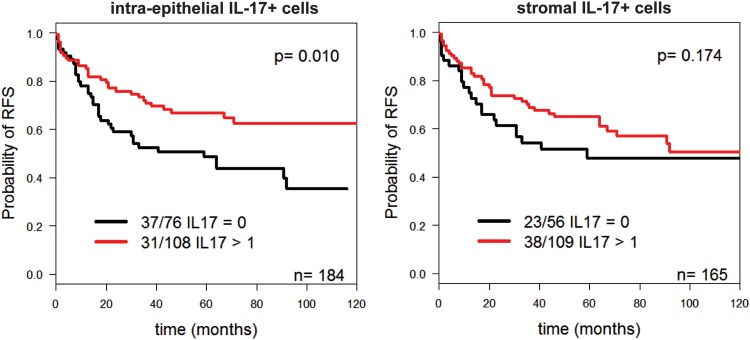
BACKGROUND: The immune contexture predicts prognosis in human colorectal cancer (CRC). Whereas tumour-infiltrating CD8+ T cells and myeloid CD16+ myeloperoxidase (MPO)+ cells are associated with favourable clinical outcome, interleukin (IL)-17-producing cells have been reported to correlate with severe prognosis. However, their phenotypes and functions continue to be debated. OBJECTIVE: To investigate clinical relevance, phenotypes and functional features of CRC-infiltrating, IL-17-producing cells. METHODS: IL-17 staining was performed by immunohistochemistry on a tissue microarray including 1148 CRCs. Phenotypes of IL-17-producing cells were evaluated by flow cytometry on cell suspensions obtained by enzymatic digestion of clinical specimens. Functions of CRC-isolated, IL-17-producing cells were assessed by in vitro and in vivo experiments. RESULTS: IL-17+ infiltrates were not themselves predictive of an unfavourable clinical outcome, but correlated with infiltration by CD8+ T cells and CD16+ MPO+ neutrophils. Ex vivo analysis showed that tumour-infiltrating IL-17+ cells mostly consist of CD4+ T helper 17 (Th17) cells with multifaceted properties. Indeed, owing to IL-17 secretion, CRC-derived Th17 triggered the release of protumorigenic factors by tumour and tumour-associated stroma. However, on the other hand, they favoured recruitment of beneficial neutrophils through IL-8 secretion and, most importantly, they drove highly cytotoxic CCR5+CCR6+CD8+ T cells into tumour tissue, through CCL5 and CCL20 release. Consistent with these findings, the presence of intraepithelial, but not of stromal Th17 cells, positively correlated with improved survival. CONCLUSIONS: Our study shows the dual role played by tumour-infiltrating Th17 in CRC, thus advising caution when developing new IL-17/Th17 targeted treatments.
Overview
The claims and statistics of this paper haven’t been checked yet.
Free: it reads the open-access text and checks the first 5 claims that cite a source we can check. Create a free account to check every claim.
Integrity signals
Registry
Cites
Statistics
Figures
Verification
Claims the paper makes
The claims and statistics of this paper haven’t been checked yet.
Free: it reads the open-access text and checks the first 5 claims that cite a source we can check. Create a free account to check every claim.
Claims other papers make about this one
Each is checked against this paper’s own text: does it say what the citing paper says it does?
The source backs part of the claim, not all of it — or backs it for a different population, condition or comparison.
In the citing paper
“Of interest, the MSS patient population shows elevated level of IL-17 and associated expression of stromal factors that improve tumor cell survival, proliferation, and angiogenesis including PGE1, PGE2, VEGF, and MIP-2”
From The IL-17 Family of Cytokines in Health and Disease (2019) · cites this paper as Amicarella et al., 2017
Experimental — accuracy not yet measured
Self-check
Percentages, sums and reported differences re-computed from the paper’s own numbers.
The self-check needs the paper’s full text.
Citations
Cites
Human gut microbiome viewed across age and geography
Yatsunenko, T., Rey, F. E., Manary, M. J., Trehan, I., Dominguez-Bello, M. G., Contreras, M., Magris, M., Hidalgo, G., Baldassano, R. N., Anokhin, A. P., et al. (2012) · Nature · doi:10.1038/nature11053 · Cited by 7,815
The immune contexture in human tumours: impact on clinical outcome
Fridman, W. H., Pagès, F., Sautès-Fridman, C., & Galon, J. (2012) · Nature reviews. Cancer · doi:10.1038/nrc3245 · Cited by 4,981
Korn, T., Bettelli, E., Oukka, M., & Kuchroo, V. K. (2009) · Annual Review of Immunology · doi:10.1146/annurev.immunol.021908.132710 · Cited by 4,873
Induction of Intestinal Th17 Cells by Segmented Filamentous Bacteria
Ivanov, I. I., Atarashi, K., Manel, N., Brodie, E. L., Shima, T., Karaoz, U., Wei, D., Goldfarb, K. C., Santee, C. A., Lynch, S. V., et al. (2009) · Cell · doi:10.1016/j.cell.2009.09.033 · Cited by 4,554
Interactions Between the Microbiota and the Immune System
Hooper, L. V., Littman, D. R., & Macpherson, A. J. (2012) · Science · doi:10.1126/science.1223490 · Cited by 4,173
Innate lymphoid cells — a proposal for uniform nomenclature
Spits, H., Artis, D., Colonna, M., Diefenbach, A., Di Santo, J. P., Eberl, G., Koyasu, S., Locksley, R. M., McKenzie, A. N. J., Mebius, R. E., et al. (2013) · Nature Reviews Immunology · doi:10.1038/nri3365 · Cited by 2,389
IL-17 family cytokines and the expanding diversity of effector T cell lineages
Weaver, C. T., Hatton, R. D., Mangan, P. R., & Harrington, L. E. (2007) · Annual Review of Immunology · doi:10.1146/annurev.immunol.25.022106.141557 · Cited by 1,842
Surface phenotype and antigenic specificity of human interleukin 17–producing T helper memory cells
Acosta-Rodriguez, E. V., Rivino, L., Geginat, J., Jarrossay, D., Gattorno, M., Lanzavecchia, A., Sallusto, F., & Napolitani, G. (2007) · Nature Immunology · doi:10.1038/ni1467 · Cited by 1,828
Wu, S., Rhee, K.-J., Albesiano, E., Rabizadeh, S., Wu, X., Yen, H.-R., Huso, D. L., Brancati, F. L., Wick, E., McAllister, F., et al. (2009) · Nature Medicine · doi:10.1038/nm.2015 · Cited by 1,812
Innate IL-17-producing cells: the sentinels of the immune system
Cua, D. J., & Tato, C. M. (2010) · Nature Reviews Immunology · doi:10.1038/nri2800 · Cited by 1,578
Cited by
The immune contexture and Immunoscore in cancer prognosis and therapeutic efficacy
Bruni, D., Angell, H. K., & Galon, J. (2020) · Nature reviews. Cancer · doi:10.1038/s41568-020-0285-7 · Cited by 1,586
The IL-17 Family of Cytokines in Health and Disease
McGeachy, M. J., Cua, D. J., & Gaffen, S. L. (2019) · Immunity · doi:10.1016/j.immuni.2019.03.021 · Cited by 1,443
“Of interest, the MSS patient population shows elevated level of IL-17 and associated expression of stromal factors that improve tumor cell survival, proliferation, and angiogenesis including PGE1, PGE2, VEGF, and MIP-2(Amicarella et al., 2017; Chung et al., 2013).”
BackgroundThe CCL20-CCR6 Axis in Cancer Progression
Kadomoto, S., Izumi, K., & Mizokami, A. (2020) · International Journal of Molecular Sciences · doi:10.3390/ijms21155186 · Cited by 267
“In a large CRC cohort, tumor-infiltrating IL17-producing cells have not worsened clinical outcome and recruit highly cytotoxic CCR5+CCR6+CD8+ T cells via the release of CCL5 and CCL20 [96].”
BackgroundGut microbiota modulate T cell trafficking into human colorectal cancer
Cremonesi, E., Governa, V., Garzon, J. F. G., Mele, V., Amicarella, F., Muraro, M. G., Trella, E., Galati-Fournier, V., Oertli, D., Däster, S. R., et al. (2018) · Gut · doi:10.1136/gutjnl-2016-313498 · Cited by 275
Self-citationLiu, C., Liu, R., Wang, B., Lian, J., Yao, Y., Sun, H., Zhang, C., Fang, L., Guan, X., Shi, J., et al. (2021) · Journal for ImmunoTherapy of Cancer · doi:10.1136/jitc-2020-001895 · Cited by 257
A Systematic Review of miR-29 in Cancer
Kwon, J. J., Factora, T. D., Dey, S., & Kota, J. (2019) · Molecular Therapy Oncolytics · doi:10.1016/j.omto.2018.12.011 · Cited by 263
The Interplay Between Neutrophils and CD8+ T Cells Improves Survival in Human Colorectal Cancer
Governa, V., Trella, E., Mele, V., Tornillo, L., Amicarella, F., Cremonesi, E., Muraro, M. G., Xu, H., Droeser, R., Däster, S. R., et al. (2017) · Clinical Cancer Research · doi:10.1158/1078-0432.ccr-16-2047 · Cited by 234
“2 mg/mL DNAse I (Sigma-Aldrich for 1 hour at 37 C) to obtain single-cell suspensions, as described previously (27).”
MethodSelf-citationA signature for pan-cancer prognosis based on neutrophil extracellular traps
Zhang, Y., Guo, L., Dai, Q., Shang, B., Xiao, T., Di, X., Zhang, K., Feng, L., Shou, J., & Wang, Y. (2022) · Journal for ImmunoTherapy of Cancer · doi:10.1136/jitc-2021-004210 · Cited by 217
Human Tumor-Infiltrating Myeloid Cells: Phenotypic and Functional Diversity
Elliott, L. A., Doherty, G. A., Sheahan, K., & Ryan, E. J. (2017) · Frontiers in Immunology · doi:10.3389/fimmu.2017.00086 · Cited by 208
“However, two further studies showed that TEM frequencies in the peripheral blood did not differ significantly between patients with CRC and healthy individuals (40, 41).”
BackgroundInfluentialNatural polysaccharides exhibit anti-tumor activity by targeting gut microbiota
Liu, L., Li, M., Yu, M., Shen, M., Wang, Q., Yu, Y., & Xie, J. (2019) · International Journal of Biological Macromolecules · doi:10.1016/j.ijbiomac.2018.10.083 · Cited by 169
Human Gut-Associated Natural Killer Cells in Health and Disease
Poggi, A., Benelli, R., Venè, R., Costa, D., Ferrari, N., Tosetti, F., & Zocchi, M. R. (2019) · Frontiers in Immunology · doi:10.3389/fimmu.2019.00961 · Cited by 160
The IL-33/ST2 pathway shapes the regulatory T cell phenotype to promote intestinal cancer
Pastille, E., Wasmer, M.-H., Adamczyk, A., Vu, V. P., Mager, L. F., Phuong, N. N. T., Palmieri, V., Simillion, C., Hansen, W., Kasper, S., et al. (2019) · Mucosal Immunology · doi:10.1038/s41385-019-0176-y · Cited by 150
Self-citationThe Role of Interleukins in Colorectal Cancer
Li, J., Huang, L., Zhao, H., Yan, Y., & Lü, J. (2020) · International Journal of Biological Sciences · doi:10.7150/ijbs.46651 · Cited by 164
“IL-17A indirectly promotes the pathogenesis and development of CRC by inducing the secretion of IL-6 through the STAT3 pathway [129].”
BackgroundPeriodontitis and risk of cancer: Mechanistic evidence
Baima, G., Minoli, M., Michaud, D. S., Aimetti, M., Sanz, M., Loos, B. G., & Romandini, M. (2023) · Periodontology 2000 · doi:10.1111/prd.12540 · Cited by 155
Voigt, C., May, P., Gottschlich, A., Markota, A., Wenk, D., Gerlach, I., Voigt, S., Stathopoulos, G. T., Arendt, K. A. M., Heise, C., et al. (2017) · Proceedings of the National Academy of Sciences · doi:10.1073/pnas.1705165114 · Cited by 151
“The presence of these cells has been reported to correlate with worsened clinical outcomes (49, 51, 52).”
BackgroundIL-17 and colorectal cancer: From carcinogenesis to treatment
Razi, S., Noveiry, B. B., Keshavarz‐Fathi, M., & Rezaei, N. (2019) · Cytokine · doi:10.1016/j.cyto.2018.12.021 · Cited by 151
Glycogen Synthase Kinase 3β in Cancer Biology and Treatment
Domoto, T., Uehara, M., Bolidong, D., & Minamoto, T. (2020) · Cells · doi:10.3390/cells9061388 · Cited by 151
Cytokine‐regulated Th17 plasticity in human health and diseases
Cerboni, S., Gehrmann, U., Preite, S., & Mitra, S. (2020) · Immunology · doi:10.1111/imm.13280 · Cited by 139
Ma, X., Zhou, Z., Zhang, X., Fan, M., Hong, Y., Feng, Y., Dong, Q., Diao, H., & Wang, G. (2020) · Cell Biology and Toxicology · doi:10.1007/s10565-020-09518-4 · Cited by 131
Roles for Interleukin 17 and Adaptive Immunity in Pathogenesis of Colorectal Cancer
Hurtado, C. G., Wan, F., Housseau, F., & Sears, C. L. (2018) · Gastroenterology · doi:10.1053/j.gastro.2018.08.056 · Cited by 130
Zheng, Z., Wieder, T., Mauerer, B., Schäfer, L., Kesselring, R., & Braumüller, H. (2023) · International Journal of Molecular Sciences · doi:10.3390/ijms241411673 · Cited by 133
“In CRC, IL-17A was shown to be involved in tumor progression and angiogenesis [68] by inducing IL-6 through the STAT3 pathway [69].”
BackgroundYin, H., Miao, Z., Wang, L., Su, B., Liu, C., Jin, Y. T., Wu, B., Han, H., & Yuan, X. (2022) · Aging · doi:10.18632/aging.203914 · Cited by 116
“The balance between the Treg and Th17 cells is crucial for the regulation of pro- and anti-tumor immunity [56].”
BackgroundThe colorectal cancer immune microenvironment and approach to immunotherapies
Koi, M., & Carethers, J. M. (2017) · Future Oncology · doi:10.2217/fon-2017-0145 · Cited by 132
An overview of the tumor microenvironment, from cells to complex networks (Review)
Farc, O., & Cristea, V. (2020) · Experimental and Therapeutic Medicine · doi:10.3892/etm.2020.9528 · Cited by 107
“The Th17 subset is polarized in the presence of IL1β, IL6, IL23 and TGFβ and they secrete ILs 17, 22 and 26, through which they sustain the tumor growth (53).”
BackgroundInterleukin-17 family members in health and disease
Chung, S.-H., Ye, X.-Q., & Iwakura, Y. (2021) · International Immunology · doi:10.1093/intimm/dxab075 · Cited by 106
“Interestingly, however, another study found that Th17 cells recruit beneficial neutrophils and cytotoxic CD8 + T cells, which indicates that IL-17A may have a dual role in inhibiting CRC tumorigenesis (62).”
ResultAlrafas, H. R., Busbee, P. B., Chitrala, K. N., Nagarkatti, M., & Nagarkatti, P. S. (2020) · Journal of Clinical Medicine · doi:10.3390/jcm9061796 · Cited by 96
Neutrophil Extracellular Traps (NETs) in Cancer Metastasis
Kaltenmeier, C., Simmons, R. L., Tohme, S. T., & Yazdani, H. O. (2021) · Cancers · doi:10.3390/cancers13236131 · Cited by 101
The Recruitment of Neutrophils to the Tumor Microenvironment Is Regulated by Multiple Mediators
SenGupta, S., Hein, L. E., & Parent, C. A. (2021) · Frontiers in Immunology · doi:10.3389/fimmu.2021.734188 · Cited by 86
“Th17 cells CXCL8 (IL-8) increased migration human (T) (29)”
BackgroundWang, Z., Hua, W., Li, C., Chang, H., Liu, R., Ni, Y., Sun, H., Li, Y., Wang, X., Hou, M., et al. (2019) · Frontiers in Microbiology · doi:10.3389/fmicb.2019.02498 · Cited by 86
“The excessive Th2/Th17 cells in intestinal mucosa are the main reasons for chronic inflammation and promote CAC progression (Amicarella et al., 2017).”
BackgroundFidelle, M., Yonekura, S., Picard, M., Cogdill, A., Hollebecque, A., Roberti, M. P., & Zitvogel, L. (2020) · Frontiers in Immunology · doi:10.3389/fimmu.2020.600886 · Cited by 81
Chen, C.-L., Wang, Y., Huang, C.-Y., Zhou, Z.-Q., Zhao, J.-J., Zhang, X.-F., Pan, Q., Wu, J.-X., Weng, D., Tang, Y., et al. (2017) · OncoImmunology · doi:10.1080/2162402x.2017.1373234 · Cited by 90
“Consistent with our findings, a recent report revealed a promotive effect of Th17 on neutrophil recruitment and activation in human colorectal cancer, which was associated with prolonged survival in patients.(15)”
BackgroundResultInfluentialZhou, G., Peng, K., Song, Y., Yang, W., Shu, W., Yu, T., Lin, Y., Lin, M., Wei, Q., Chen, C., et al. (2017) · Carcinogenesis · doi:10.1093/carcin/bgx142 · Cited by 94
Shuai, C., Yang, X., Pan, H., & Han, W. (2020) · Frontiers in Oncology · doi:10.3389/fonc.2020.582863 · Cited by 79
“(39) proved that colorectal cancer-derived Th17 cells promote the recruitment of CD8 T cells and neutrophils into tumor tissue via the secretion of IL-17, which suggests the role of the IL-17 signaling response in changing the immune microenvironment of tumors.”
BackgroundNiccolai, E., Russo, E., Baldi, S., Ricci, F., Nannini, G., Pedone, M., Stingo, F. C., Taddei, A., Ringressi, M. N., Bechi, P., et al. (2021) · Frontiers in Immunology · doi:10.3389/fimmu.2020.573158 · Cited by 87
The role of interleukin-17 in inflammation-related cancers
Zhang, X., Li, B., Lan, T., Chiari, C. C., Ye, X., Wang, K., & Chen, J. (2025) · Frontiers in Immunology · doi:10.3389/fimmu.2024.1479505 · Cited by 89
Th17 cell function in cancers: immunosuppressive agents or anti-tumor allies?
Taghizadeh-Anvar, M., Rashidan, K., Arsam, N., Rasouli‐Saravani, A., Yadegari, H., Ahmadi, A., Asgari, Z., Vanan, A. G., Ghorbaninezhad, F., & Tahmasebi, S. (2024) · Cancer Cell International · doi:10.1186/s12935-024-03525-9 · Cited by 78
“According to these findings, the presence of intra-epithelial, but not of stromal Th17 cells, positively correlated with improved survival [186].”
BackgroundSong, M., Liang, J., Wang, L., Li, W., Jiang, S., Xu, S., Tang, L., Du, Q., Liu, G., Meng, H., et al. (2023) · International Immunopharmacology · doi:10.1016/j.intimp.2023.110757 · Cited by 74
Wang, X., Liu, S., Cao, L., Zhāng, T., Yue, D., Wang, L., Ping, Y., He, Q., Zhang, C., Wang, M., et al. (2017) · Oncotarget · doi:10.18632/oncotarget.21246 · Cited by 72
Song, M., & Chan, A. T. (2018) · Gastroenterology · doi:10.1053/j.gastro.2018.07.038 · Cited by 72
CCL20 Signaling in the Tumor Microenvironment
Chen, W., Qin, Y., & Liu, S. (2020) · Advances in experimental medicine and biology · doi:10.1007/978-3-030-36667-4_6 · Cited by 71
Li, S., Na, R., Li, X., Zhang, Y., & Zheng, T. (2022) · Biochimica et Biophysica Acta (BBA) - Reviews on Cancer · doi:10.1016/j.bbcan.2022.188758 · Cited by 78
TCF-1 limits the formation of Tc17 cells via repression of the MAF–RORγt axis
Mielke, L. A., Liao, Y., Clemens, E. B., Firth, M. A., Duckworth, B. C., Huang, Q., Almeida, F. F., Chopin, M., Koay, H., Bell, C. A., et al. (2019) · The Journal of Experimental Medicine · doi:10.1084/jem.20181778 · Cited by 72
TH17 Cell and Epithelial Cell Crosstalk during Inflammatory Bowel Disease and Carcinogenesis
Kempski, J., Brockmann, L., Gagliani, N., & Huber, S. (2017) · Frontiers in Immunology · doi:10.3389/fimmu.2017.01373 · Cited by 67
Xie, H., Wei, L., Yuan, G., Liu, M., Tang, S., & Gan, J. (2022) · Frontiers in Nutrition · doi:10.3389/fnut.2022.794489 · Cited by 63
“It has been reported that a low peripheral lymphocyte may indicate an inadequate immune response to tumor, which will create a favorable microenvironment for tumor recurrence and lead to poor prognosis (23).”
BackgroundWang, Q., Yu, M., & Zhang, S. (2025) · Frontiers in Immunology · doi:10.3389/fimmu.2024.1440830 · Cited by 68
The outstanding antitumor capacity of CD4+ T helper lymphocytes
Li, T., Wu, B., Yang, T., Zhang, L., & Jin, K. (2020) · Biochimica et Biophysica Acta (BBA) - Reviews on Cancer · doi:10.1016/j.bbcan.2020.188439 · Cited by 63
Microbiota-Propelled T Helper 17 Cells in Inflammatory Diseases and Cancer
Bellone, M., Brevi, A., & Huber, S. (2020) · Microbiology and Molecular Biology Reviews · doi:10.1128/mmbr.00064-19 · Cited by 65
“thelial, and not stromal, IL-17 cells correlated with a better prognosis in a large cohort of colorectal cancer patients (87).”
BackgroundTumor Immunogenic Cell Death as a Mediator of Intratumor CD8 T-Cell Recruitment
Roussot, N., Ghiringhelli, F., & Rébé, C. (2022) · Cells · doi:10.3390/cells11223672 · Cited by 59
“and their capacity to secrete CCL20, thus recruiting cytotoxic CD8 T cells [102].”
BackgroundXie, C., Liu, Y., Lan, L., Wei, H. Y., & Dong, W. (2020) · Aging · doi:10.18632/aging.103319 · Cited by 59
“Tumorinfiltrating Th17 cells were detected in human colorectal cancer, which were associated with shortened diseasefree survival [25].”
BackgroundThe prognostic and biology of tumour-infiltrating lymphocytes in the immunotherapy of cancer
Liu, Y., Liu, Z., Yang, Y., Cui, J., Sun, J., & Liu, Y. (2023) · British Journal of Cancer · doi:10.1038/s41416-023-02321-y · Cited by 58
“IL-17 produced by Th17 would aid process of oncogenesis while CCL5 and CCL20 produced by Th17 would induce enrichment of CCR5 + CCR6 + CTLs in situ for tumour elimination in CRC [52, 53].”
BackgroundCruel to Be Kind: Epithelial, Microbial, and Immune Cell Interactions in Gastrointestinal Cancers
Shalapour, S., & Karin, M. (2020) · Annual Review of Immunology · doi:10.1146/annurev-immunol-082019-081656 · Cited by 54
Immune infiltrating cells in duodenal cancers
Donisi, G., Capretti, G. L., Cortese, N., Rigamonti, A., Gavazzi, F., Nappo, G., Pulvirenti, A., Sollai, M., Spaggiari, P., Zerbi, A., et al. (2020) · Journal of Translational Medicine · doi:10.1186/s12967-020-02508-4 · Cited by 52
Cao, X., Zhao, G., Yu, T., An, Q., Yang, H., & Xiao, G. (2017) · Nutrition and Cancer · doi:10.1080/01635581.2017.1285038 · Cited by 51
Loyon, R., Jary, M., Salomé, B., Gomez‐Cadena, A., Galaine, J., Kroemer, M., Romero, P. J., Trabanelli, S., Adotévi, O., Borg, C., et al. (2019) · Frontiers in Immunology · doi:10.3389/fimmu.2019.02121 · Cited by 54
“Colorectal cancer (CRC) has been used as amodel to demonstrate the role of the immune system in cancer, notably to establish the prognostic role of memory T cell infiltration and Th17 predominance (1).”
MethodRecent advances in the role of Th17/Treg cells in tumor immunity and tumor therapy
Qianmei, Y., Su, Z., Wang, G., Li, H., & Lian, G. (2021) · Immunologic Research · doi:10.1007/s12026-021-09211-6 · Cited by 56
“Th17 cells that infiltrated into rectal cancer tissues could also secrete IL-17A to impel endothelial cells and tumor-related stromal cells to produce IL-6 for promoting inflammation and tumor development [73].”
BackgroundBacterial biofilm in colorectal cancer: What is the real mechanism of action?
Mirzaei, R., Mirzaei, H., Alikhani, M. Y., Sholeh, M., Arabestani, M. R., Saidijam, M., Karampoor, S., Ahmadyousefi, Y., Moghadam, M. S., Irajian, G. R., et al. (2020) · Microbial Pathogenesis · doi:10.1016/j.micpath.2020.104052 · Cited by 50
Mola, S., Pandolfo, C., Sica, A., & Porta, C. (2020) · International Journal of Molecular Sciences · doi:10.3390/ijms21186866 · Cited by 47
“However, despite in early-stage human CRC, elevated expression of IL-23 [84] and IL-17A [85] is recognized as unfavorable prognostic indicators, elevated expression of IL-17A in advanced CRC appears to be associated with improved outcome [86], suggesting that, at some point, IL-17A may stimulate anti-tumor immunity.”
BackgroundInteraction between microbiota and immunity and its implication in colorectal cancer
Xing, C., Du, Y., Duan, T., Nim, K., Chu, J., Wang, H. Y., & Wang, R. (2022) · Frontiers in Immunology · doi:10.3389/fimmu.2022.963819 · Cited by 52
Song, Q., Shang, J., Zhang, C., Chen, J., Zhang, L., & Wu, X. (2020) · Journal of Cellular Biochemistry · doi:10.1002/jcb.29587 · Cited by 48
“studies, the CCL3 and CCL20 have shown the ability of attracting CCR5CCR6CD8 T cells into the cancer microenvironment.(27,28) Combined with the above investigation that RUNX3 was significantly related to T cells, especially cytotoxic T lymphocytes, it was of note that T cells might be recruited into lung adenocarcinom…”
ResultGneo, L., Rizkalla, N., Hejmadi, R. K., Mussai, F., Santo, C. D., & Middleton, G. (2021) · Cancer Immunology Immunotherapy · doi:10.1007/s00262-021-03081-5 · Cited by 47
“Further, the principal IL-17 producing cells in CRC appear not to be γδT17 but Th17 cells: γδT cells are mainly IL-17 negative [15].”
BackgroundCurrent Understanding of Microbiomes in Cancer Metastasis
Liu, J., Luo, F., Wen, L., Zhao, Z., & Sun, H. (2023) · Cancers · doi:10.3390/cancers15061893 · Cited by 45
“The Th17 /T regulatory cell (Tregs) ratio and cytokine imbalance are important for CRC development [39].”
BackgroundGut γδ T cells as guardians, disruptors, and instigators of cancer
Suzuki, T., Hayman, L., Kilbey, A., Edwards, J., & Coffelt, S. B. (2020) · Immunological Reviews · doi:10.1111/imr.12916 · Cited by 45
Leveling Up the Controversial Role of Neutrophils in Cancer: When the Complexity Becomes Entangled
Sionov, R. V. (2021) · Cells · doi:10.3390/cells10092486 · Cited by 50
“It seems that a favorable prognosis of tumor-infiltrating neutrophils is related to a concomitant presence of cytotoxic T cells in the tumor tissue [120].”
BackgroundThe Different Functional Distribution of “Not Effector” T Cells (Treg/Tnull) in Colorectal Cancer
Niccolai, E., Ricci, F., Russo, E., Nannini, G., Emmi, G., Taddei, A., Ringressi, M. N., Melli, F., Miloeva, M., Cianchi, F., et al. (2017) · Frontiers in Immunology · doi:10.3389/fimmu.2017.01900 · Cited by 47
“Regarding CRC, Amicarella and collaborators revealed a positive contribution of Th17 cells to beneficial antitumor immune responses in CRC and underline their pleiotropic function resulting from the production of a broad spectrum of cytokines and chemokines beyond IL-17 (13).”
BackgroundInfluentialSystemic Interleukins’ Profile in Early and Advanced Colorectal Cancer
Czajka‐Francuz, P., Cisoń-Jurek, S., Czajka, A., Kozaczka, M., Wojnar, J., Chudek, J. T., & Francuz, T. (2021) · International Journal of Molecular Sciences · doi:10.3390/ijms23010124 · Cited by 42
“IL-17A enhanced tumor growth in vivo via induction of IL-6, activating oncogenic transcription factor STAT3 and stimulating pro-survival and pro-angiogenic tumor genes [84].”
BackgroundFernandes, Â., Azevedo, C. M., Silva, M. C., Faria, G., Dantas, C. S., Vicente, M. M., & Pinho, S. S. (2022) · Immunology · doi:10.1111/imm.13494 · Cited by 48
Spinner, C. A., Lamsoul, I., Métais, A., Fébrissy, C., Moog‐Lutz, C., & Lutz, P. G. (2019) · Cancer Immunology Research · doi:10.1158/2326-6066.cir-18-0562 · Cited by 41
Fantini, M. C., Favale, A., Onali, S., & Facciotti, F. (2020) · International Journal of Molecular Sciences · doi:10.3390/ijms21186744 · Cited by 40
“The presence of a “leaky” epithelial barrier allows the translocation of bacteria across the epithelial lining, leading to increased IL23 expression by tumor infiltrating macrophages, upregulation of IL17A and proliferation of dysplastic cells [76,91].”
BackgroundTian, K., Jing, D., Lan, J., Lv, M., & Wang, T. (2024) · Immunity Inflammation and Disease · doi:10.1002/iid3.1316 · Cited by 46
“187 (4) Recently the role of innate systems, particularly innate lymphocytes (ILC), has been highlighted the in the pathogenesis of CRC. Intestinal ILCs drive both pro ‐ and antitumor actions, tilting the scales in favor of tumor formation.”
BackgroundChapuy, L., Bsat, M., Rubio, M., Sarkizova, S., Therrien, A., Bouin, M., Orlicka, K., Weber, A. M., Soucy, G., Villani, A., et al. (2019) · Journal of Crohn s and Colitis · doi:10.1093/ecco-jcc/jjz115 · Cited by 42
Interleukin-17 promotes nitric oxide-dependent expression of PD-L1 in mesenchymal stem cells
Wang, S., Wang, G., Zhang, L., Li, F., Liu, K., Wang, Y., Shi, Y., & Cao, K. (2020) · Cell & Bioscience · doi:10.1186/s13578-020-00431-1 · Cited by 44
Interleukin-24 Regulates T Cell Activity in Patients With Colorectal Adenocarcinoma
Zhang, Y., Liu, Y., & Xu, Y. (2019) · Frontiers in Oncology · doi:10.3389/fonc.2019.01401 · Cited by 37
“In contrast, high concentration of IL-24 robustly promoted CD4+ T cell proliferation, enhanced Th1 and Th17 response, and inhibited Treg response in colorectal adenocarcinoma patients.”
ResultInfluentialTh17 Cells in Protection from Tumor or Promotion of Tumor Progression
Young, M. R. (2016) · Journal of Clinical & Cellular Immunology · doi:10.4172/2155-9899.1000431 · Cited by 37
“Through their interaction with tumor and the immune infiltrate, Th17 cells can concurrently be protumorigenic and anti-tumorigenic as they can stimulate protumorigenic mediators from tumor and the tumor-associated stroma, while also recruiting anti-tumorigenic neutrophils and cytolytic Tcells [15].”
BackgroundMast cells inhibit colorectal cancer development by inducing ER stress through secreting Cystatin C
Song, F., Zhang, Y., Chen, Q., Bi, D., Yang, M., Lu, L., Li, M., Zhu, H., Liu, Y., Wei, Q., et al. (2022) · Oncogene · doi:10.1038/s41388-022-02543-z · Cited by 40
Nonalcoholic fatty liver disease and colorectal cancer: Correlation and missing links
Chakraborty, D., & Wang, J. (2020) · Life Sciences · doi:10.1016/j.lfs.2020.118507 · Cited by 36
Karagiannidis, I., Jerman, S., Jacenik, D., Phinney, B. B., Yao, R., Prossnitz, E. R., & Beswick, E. J. (2020) · Frontiers in Immunology · doi:10.3389/fimmu.2020.01885 · Cited by 35
“Importantly, conflicting results exist regarding the role of IL-17A in CRC, with both pro- or antitumorigenic activity observed (38).”
BackgroundResultTosti, N., Cremonesi, E., Governa, V., Basso, C., Kancherla, V., Coto‐Llerena, M., Amicarella, F., Weixler, B., Däster, S., Sconocchia, G., et al. (2020) · Cancer Immunology Research · doi:10.1158/2326-6066.cir-19-0934 · Cited by 35
“Approval by the local ethics committee (Ethik Kommission beider Basel, EKBB) for the use of this clinically annotated TMAwas obtained in advance, as stated in previous publications (6, 7, 41).”
BackgroundMethodSelf-citationNeutrophil membrane-based nanotherapeutics: Propitious paradigm shift in the management of cancer
Phatale, V., Famta, P., Srinivasarao, D. A., Vambhurkar, G. B., Jain, N., Pandey, G., Kolipaka, T., Khairnar, P., Shah, S., Singh, S. B., et al. (2023) · Life Sciences · doi:10.1016/j.lfs.2023.122021 · Cited by 34
In Vitro Modeling of Tumor–Immune System Interaction
Mengus, C., Muraro, M. G., Mele, V., Amicarella, F., Manfredonia, C., Foglietta, F., Muenst, S. E., Soysal, S. D., Iezzi, G., & Spagnoli, G. C. (2017) · ACS Biomaterials Science & Engineering · doi:10.1021/acsbiomaterials.7b00077 · Cited by 35
Self-citationA bite to fight: front-line innate immune defenses against malaria parasites
Tannous, S., & Ghanem, E. (2018) · Pathogens and Global Health · doi:10.1080/20477724.2018.1429847 · Cited by 36
Tumor-Infiltrating Immune Cells in Colorectal Cancer
Ferkel, S. A. M., Holman, E. A., Sojwal, R. S., Rubin, S. J. S., & Rogalla, S. (2024) · Neoplasia · doi:10.1016/j.neo.2024.101091 · Cited by 32
Dowell, A. C., Cobby, E., Wen, K., Devall, A., During, V., Anderson, J., James, N. D., Cheng, K. K., Zeegers, M. P., Bryan, R. T., et al. (2017) · PLoS ONE · doi:10.1371/journal.pone.0184841 · Cited by 32
Zhong, N., Zhuang, W., Huang, Q., Wang, Q., & Jin, W. (2021) · Journal of Cellular and Molecular Medicine · doi:10.1111/jcmm.16926 · Cited by 29
Krieg, C., Weber, L. M., Fosso, B., Marzano, M., Hardiman, G., Olcina, M. M., Domingo, E., Aidy, S. E., Mallah, K., Robinson, M. D., et al. (2022) · Journal for ImmunoTherapy of Cancer · doi:10.1136/jitc-2022-004717 · Cited by 30
“60 The higher abundance of Th17 cells could be directly linked to the increased levels of il-21 in APC Min/+ / C3aR−/− compared with APC Min/+ mice as shown by our RNA-Seq data.”
The role and metabolic adaptations of neutrophils in premetastatic niches
Chen, E., & Yu, J. (2023) · Biomarker Research · doi:10.1186/s40364-023-00493-6 · Cited by 29
Andac-Aktas, A. B., & Calibasi‐Kocal, G. (2025) · Frontiers in Molecular Biosciences · doi:10.3389/fmolb.2025.1687556 · Cited by 29
Nasr, R., Hammoud, M. S., Nassar, F. J., Mukherji, D., Shamseddine, A. I., & Temraz, S. N. (2018) · International Journal of Molecular Sciences · doi:10.3390/ijms19071867 · Cited by 26
“IL-17 levels, on the other hand, were not predictive of unfavorable clinical outcomes, but they correlated with CD8 and CD16 cell invasion, which, by themselves, are predictors of unfavorable outcomes [54].”
BackgroundLi, H., Li, X., Lv, Z., Cai, M., Wang, G., & Yang, Z. (2020) · Cancer Medicine · doi:10.1002/cam4.3543 · Cited by 30
Tertiary lymphoid structures in colorectal cancer
Lv, J., Zhang, X., Zhou, M., Yan, J., Chao, G., & Zhang, S. (2024) · Annals of Medicine · doi:10.1080/07853890.2024.2400314 · Cited by 25
Ghorbaninezhad, F., Nour, M. A., Farzam, O. R., Saeedi, H., Vanan, A. G., Bakhshivand, M., Jafarlou, M., Hatami‐Sadr, A., & Baradaran, B. (2025) · Biochimica et Biophysica Acta (BBA) - Reviews on Cancer · doi:10.1016/j.bbcan.2025.189281 · Cited by 29
Impact of Immunotherapy on CD4 T Cell Phenotypes and Function in Cancer
Saillard, M., Cenerenti, M., Romero, P., & Jandus, C. (2021) · Vaccines · doi:10.3390/vaccines9050454 · Cited by 23
“showed this dual role of Th17 cells in CRC, where CRC-derived Th17 cells triggered the release of protumorigenic factors by the tumor, while favoring the recruitment of beneficial neutrophils [21].”
BackgroundJain, S. M., Deka, D., Das, A., Paul, S., Pathak, S., & Banerjee, A. (2023) · Digestive Diseases and Sciences · doi:10.1007/s10620-023-07972-8 · Cited by 27
Prognostic Biomarker DDOST and Its Correlation With Immune Infiltrates in Hepatocellular Carcinoma
Zhu, C., Xiao, H., Jiang, X., Tong, R., & Guan, J. (2022) · Frontiers in Genetics · doi:10.3389/fgene.2021.819520 · Cited by 27
“Th17 cells were closely related to neutrophils (Amicarella et al., 2017), and they are critical in tumor immunity and predict a poor prognosis in HCC (Wang et al.”
BackgroundMultiparametric analysis of colorectal cancer immune responses
Leman, J. K. H., Sandford, S., Rhodes, J. L., & Kemp, R. A. (2018) · World Journal of Gastroenterology · doi:10.3748/wjg.v24.i27.2995 · Cited by 24
Huang, L., Zhang, H., Zhao, D., Hu, H. Z., & Lu, Z. (2021) · Journal of Interferon & Cytokine Research · doi:10.1089/jir.2021.0047 · Cited by 22
Bakhtiarvand, V. K., Akbari, K. R.-A., Jalali, S. A., Hojjat‐Farsangi, M., Jeddi‐Tehrani, M., Shokri, F., & Shabani, M. (2022) · International Immunopharmacology · doi:10.1016/j.intimp.2022.109470 · Cited by 22
Ma, Y., Zhan, L., Yang, J., & Zhang, J. (2022) · Frontiers in Pharmacology · doi:10.3389/fphar.2022.984555 · Cited by 22
“The tumor immune microenvironment is defined as the density, type, and location of tumorinfiltrating immune cells, which have a great influence on the development of CRC (Amicarella et al., 2017).”
BackgroundRan, R., Trapečar, M., & Brubaker, D. K. (2024) · Neoplasia · doi:10.1016/j.neo.2024.101072 · Cited by 20
“…been observed to infiltrate various tumor types, including rectal [14], breast [15], pancreatic [16], kidney [17], and colorectal cancers (CRC) [18,19], exhibiting anti-tumoral cytotoxicity and regulatory effects in co-culture experiments in vitro [20 – 29], in vivo animal models [30 – 39], and…”
Biological factors driving colorectal cancer metastasis
An, S.-X., Yu, Z., Fu, C., Wei, M., & Shen, L.-H. (2024) · World Journal of Gastrointestinal Oncology · doi:10.4251/wjgo.v16.i2.259 · Cited by 21
“Amicarella et al [99] demonstrated that IL-17 derived from TH17 cells promoted the production of protumor genetic factors, while IL-8 derived from TH17 cells induced cytotoxic CCR5+CCR6+CD8+ T-cell infiltration into the CRC tumor microenvironment and recruited neutrophils, CC-chemokine ligand 5…”
Tissue adaptation of CD4 T lymphocytes in homeostasis and cancer
Pereira, M. V. A., Galvani, R. G. A., Gonçalves-Silva, T., de Vasconcelos, Z. F. M., & Bonomo, A. C. (2024) · Frontiers in Immunology · doi:10.3389/fimmu.2024.1379376 · Cited by 21
Metadata
- Authors
- Amicarella, F., Muraro, M. G., Hirt, C., Cremonesi, E., Padovan, E., Mele, V, Governa, V, Han, J., Huber, X., Droeser, R. A., Zuber, M., Adamina, M., Bolli, M., Rosso, R., Lugli, A., Zlobec, I., Terracciano, L., Tornillo, L., Zajac, P., Eppenberger-Castori, S., Trapani, F., Oertli, D., & Iezzi, G.
- Affiliations
- University of Basel (CH)
- Tongji University (CN)
- University Hospital of Basel (CH)
- Kantonsspital St. Gallen (CH)
- St. Claraspital (CH)
- University of Bern (CH)
- Corresponding author
- Iezzi, G
- ORCID
- Venue
- Gut
- Publisher
- BMJ
- Published
- 2015-12-30
- Volume
- 66
- Issue
- 4
- Pages
- 692-704
- ISSN
- 0017-5749 (ISSN-L)
- 1468-3288
- PMC
- PMC5529969
- OpenAlex
- W2267145743
- Cited by
- 189
- References
- 50
- Citations by year
- 2026: 13 · 2025: 13 · 2024: 14 · 2023: 19 · 2022: 22 · 2021: 25 · 2020: 36 · 2019: 16 · 2018: 13 · 2017: 16 · 2016: 2
- FWCI
- 4.51
- Type
- journal article
- Language
- en
- Open access
- hybrid
- doi.org
- Licence
- cc-by-nc
- Locations
- Gut (publishedVersion, cc-by-nc)
- PubMed Central (publishedVersion, cc-by-nc)
- PubMed (publishedVersion)
- BORIS (University Library Bern) (submittedVersion, cc-by-nc)
- edoc (University of Basel) (submittedVersion)
- HighWire Press Open Archive (submittedVersion)
- Open Access CRIS of the University of Bern
- Funders
- National Science Foundation (310030)
- Freiwillige Akademische Gesellschaft
- Schweizerischer Nationalfonds zur Förderung der Wissenschaftlichen Forschung (159262, 133699, 127490, 310030)
- Topics
- Health Sciences › Medicine › Oncology › Cancer Immunotherapy and Biomarkers
- Life Sciences › Immunology and Microbiology › Immunology › Immune cells in cancer
- Life Sciences › Immunology and Microbiology › Immunology › T-cell and B-cell Immunology
- Keywords
- colorectal cancer, IL-17, CD8+ T cells, neutrophils, RANTES, CCL20, interleukin-8, tumor immune microenvironment, prognosis, survival
- MeSH terms
- Adult, Aged, Aged, 80 and over, Female, Humans, Male, Middle Aged, Peroxidase, Neutrophils, Phenotype, Prognosis, T-Lymphocytes, Cytotoxic, Colorectal Neoplasms, Survival Rate, Interleukin-8, Lymphocytes, Tumor-Infiltrating, Receptors, IgG, CD8-Positive T-Lymphocytes, Chemokine CCL5, HT29 Cells, Interleukin-17, Chemokine CXCL10, Chemokine CXCL9, Chemokine CCL20, Th17 Cells
About these checks
Registry, retraction, Cites and statistics results are computed, not judged, with one exception: a printed reference that no index lists is read once by a model before it counts as a citation error. Claims are extracted by a model and kept only when their quote appears verbatim in the text; each cited source is then checked, with a model’s help, for whether it says what the claim relies on. Those verdicts can be wrong — read the claim’s quote and the cited source before relying on one.
Statistics and arithmetic are recomputed, not judged.
Confidence bands are shown only for fields calibrated on our annotated test set. None is calibrated yet, so no band is shown.
What counts as a claim ›How we measure confidence ›How we check this ›
Are you an author, or do you see a problem with this page? Request a review
Data sources
Bibliographic data: Semantic Scholar, OpenAlex, Crossref.
Contains information from the Semantic Scholar Academic Graph Datasets, made available under the ODC Attribution License (ODC-BY 1.0).
Semantic Scholar’s data is described in: Kinney, R., et al. (2023). The Semantic Scholar Open Data Platform. arXiv:2301.10140.
