

Helicobacter pylori infection has a detrimental impact on the efficacy of cancer immunotherapies
Open accessThe DOI matches its Crossref record; 52 of the 52 references it cites were found in a registry or an index.
Abstract
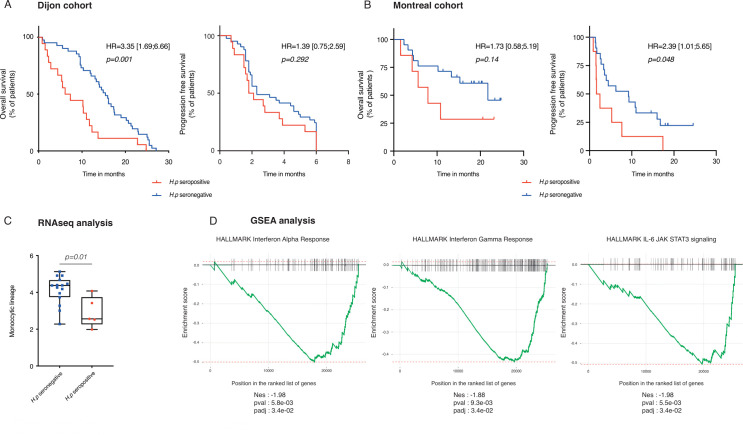
Objective: In this study, we determined whether Helicobacter pylori ( H. pylori ) infection dampens the efficacy of cancer immunotherapies. Design: Using mouse models, we evaluated whether immune checkpoint inhibitors or vaccine-based immunotherapies are effective in reducing tumour volumes of H. pylori -infected mice. In humans, we evaluated the correlation between H. pylori seropositivity and the efficacy of the programmed cell death protein 1 (PD-1) blockade therapy in patients with non-small-cell lung cancer (NSCLC). Results: In mice engrafted with MC38 colon adenocarcinoma or B16-OVA melanoma cells, the tumour volumes of non-infected mice undergoing anticytotoxic T-lymphocyte-associated protein 4 and/or programmed death ligand 1 or anti-cancer vaccine treatments were significantly smaller than those of infected mice. We observed a decreased number and activation status of tumour-specific CD8 + T cells in the tumours of infected mice treated with cancer immunotherapies independent of the gut microbiome composition. Additionally, by performing an in vitro co-culture assay, we observed that dendritic cells of infected mice promote lower tumour-specific CD8 + T cell proliferation. We performed retrospective human clinical studies in two independent cohorts. In the Dijon cohort, H. pylori seropositivity was found to be associated with a decreased NSCLC patient survival on anti-PD-1 therapy. The survival median for H. pylori seropositive patients was 6.7 months compared with 15.4 months for seronegative patients (p=0.001). Additionally, in the Montreal cohort, H. pylori seropositivity was found to be associated with an apparent decrease of NSCLC patient progression-free survival on anti-PD-1 therapy. Conclusion: Our study unveils for the first time that the stomach microbiota affects the response to cancer immunotherapies and that H. pylori serology would be a powerful tool to personalize cancer immunotherapy treatment.
Overview
The claims and statistics of this paper haven’t been checked yet.
Free: it reads the open-access text and checks the first 5 claims that cite a source we can check. Create a free account to check every claim.
Integrity signals
Registry
Cites
Statistics
Figures
Verification
Claims the paper makes
The claims and statistics of this paper haven’t been checked yet.
Free: it reads the open-access text and checks the first 5 claims that cite a source we can check. Create a free account to check every claim.
Claims other papers make about this one
Each is checked against this paper’s own text: does it say what the citing paper says it does?
The source backs part of the claim, not all of it — or backs it for a different population, condition or comparison.
In the citing paper
“In the context of ICIs, three retrospective studies demonstrated that the presence of circulating anti-H. pylori antibodies is associated with resistance to immunotherapy in patients with non-small cell lung cancer (NSCLC), melanoma, and gastric cancer.”
From Melanoma and microbiota: Current understanding and future directions (2024) · cites this paper as [65]
Experimental — accuracy not yet measured
Self-check
Percentages, sums and reported differences re-computed from the paper’s own numbers.
The self-check needs the paper’s full text.
Citations
Cites
Gut microbiome influences efficacy of PD-1-based immunotherapy against epithelial tumors
Routy, B., Le Chatelier, E., Derosa, L., Duong, C. P. M., Alou, M. T., Daillère, R., Fluckiger, A., Messaoudene, M., Rauber, C., Roberti, M. P., et al. (2018) · Science · doi:10.1126/science.aan3706 · Cited by 5,671
Self-citationGut microbiome modulates response to anti-PD-1 immunotherapy in melanoma patients
Gopalakrishnan, V., Spencer, C. N., Nezi, L., Reuben, A., Andrews, M. C., Karpinets, T. V., Prieto, P. A., Vicente, D., Hoffman, K., Wei, S. C., et al. (2018) · Science · doi:10.1126/science.aan4236 · Cited by 4,812 · cited 1×
“…importantly, human data clearly demonstrated that the composition of the intestinal microbiome had a considerable influence on the effectiveness of anti-cancer immunotherapies 3–5 and that the use of anti-biotics compromised the efficacy of programmed cell death protein 1 (PD-1) blockade therapy.”
Induction of Intestinal Th17 Cells by Segmented Filamentous Bacteria
Ivanov, I. I., Atarashi, K., Manel, N., Brodie, E. L., Shima, T., Karaoz, U., Wei, D., Goldfarb, K. C., Santee, C. A., Lynch, S. V., et al. (2009) · Cell · doi:10.1016/j.cell.2009.09.033 · Cited by 4,554 · cited 1×
“38 39 Thus, the eradication of H. pylori using a strategy that spares the microbiota, such as vaccination, would likely prove to be unsuccessful, as the immune system would have been previously imprinted.”
Commensal Bifidobacterium promotes antitumor immunity and facilitates anti–PD-L1 efficacy
Sivan, A., Corrales, L., Hubert, N., Williams, J. B., Aquino-Michaels, K., Earley, Z. M., Benyamin, F. W., Man Lei, Y., Jabri, B., Alegre, M.-L., et al. (2015) · Science · doi:10.1126/science.aac4255 · Cited by 3,888
Anticancer immunotherapy by CTLA-4 blockade relies on the gut microbiota
Vétizou, M., Pitt, J. M., Daillère, R., Lepage, P., Waldschmitt, N., Flament, C., Rusakiewicz, S., Routy, B., Roberti, M. P., Duong, C. P. M., et al. (2015) · Science · doi:10.1126/science.aad1329 · Cited by 3,488 · cited 1×
“1 Vétizou et al 2 demonstrated that the antitumour effects elicited by anticytotoxic T- lymphocyte-associated protein 4 (CTLA4) blockade in mice were dependent on the presence of Bacteroides fragilis , Bacteroides thetaiotaomicron and Burkholderiales in the gut microbiota.”
Self-citationCommensal Bacteria Control Cancer Response to Therapy by Modulating the Tumor Microenvironment
Iida, N., Dzutsev, A., Stewart, C. A., Smith, L., Bouladoux, N., Weingarten, R. A., Molina, D. A., Salcedo, R., Back, T., Cramer, S., et al. (2013) · Science · doi:10.1126/science.1240527 · Cited by 2,251 · cited 2×
“30”
Fecal microbiota transplant overcomes resistance to anti–PD-1 therapy in melanoma patients
Davar, D., Dzutsev, A. K., McCulloch, J. A., Rodrigues, R. R., Chauvin, J.-M., Morrison, R. M., Deblasio, R. N., Menna, C., Ding, Q., Pagliano, O., et al. (2021) · Science · doi:10.1126/science.abf3363 · Cited by 1,781 · cited 1×
“42 In summary, our study is in alignment with the recognised major role played by the microbiome on the efficacy of cancer immunotherapies.”
Fecal microbiota transplant promotes response in immunotherapy-refractory melanoma patients
Baruch, E. N., Youngster, I., Ben-Betzalel, G., Ortenberg, R., Lahat, A., Katz, L., Adler, K., Dick-Necula, D., Raskin, S., Bloch, N., et al. (2021) · Science · doi:10.1126/science.abb5920 · Cited by 1,757
Microbiome-derived inosine modulates response to checkpoint inhibitor immunotherapy
Mager, L. F., Burkhard, R., Pett, N., Cooke, N. C. A., Brown, K., Ramay, H., Paik, S., Stagg, J., Groves, R. A., Gallo, M., et al. (2020) · Science · doi:10.1126/science.abc3421 · Cited by 1,407 · cited 1×
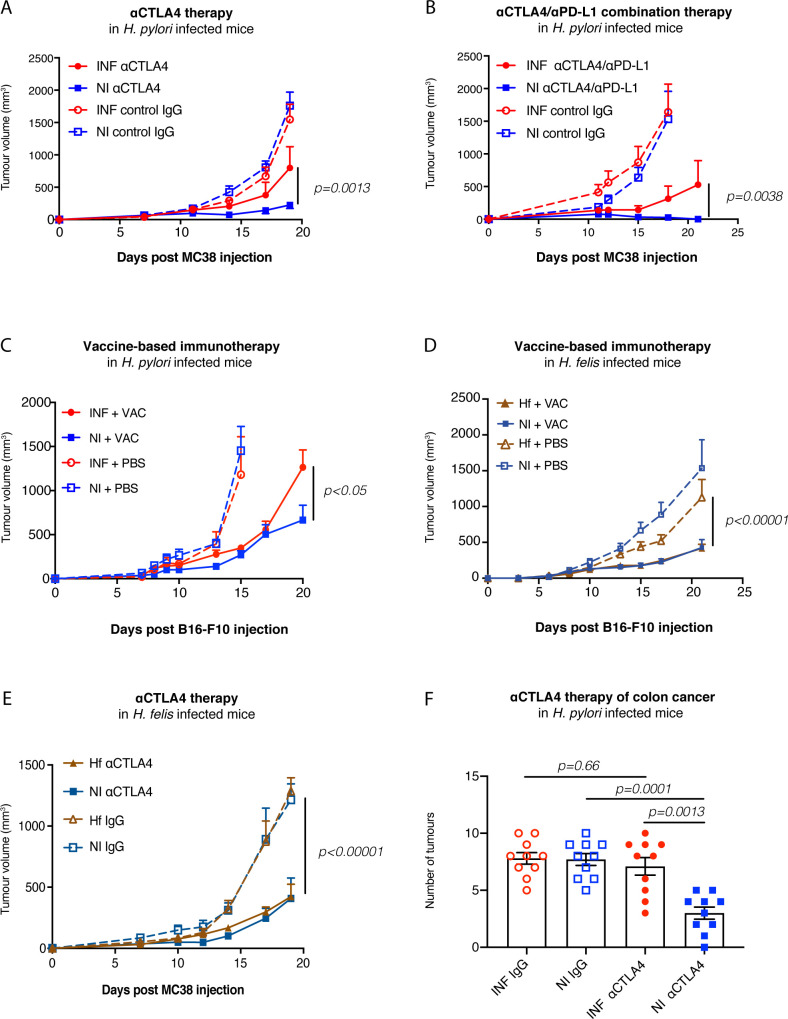
“25 Remarkably, the number of colon tumours in non-infected mice undergoing anti-CTLA4 treatment was significantly lower than those of H. pylori - infected mice (figure 1F).”
The Influence of the Gut Microbiome on Cancer, Immunity, and Cancer Immunotherapy
Gopalakrishnan, V., Helmink, B. A., Spencer, C. N., Reuben, A., & Wargo, J. A. (2018) · Cancer Cell · doi:10.1016/j.ccell.2018.03.015 · Cited by 1,392
A weaning reaction to microbiota is required for resistance to immunopathologies in the adult
Al Nabhani, Z., Dulauroy, S., Marques, R., Cousu, C., Al Bounny, S., Déjardin, F., Sparwasser, T., Bérard, M., Cerf-Bensussan, N., & Eberl, G. (2019) · Immunity · doi:10.1016/j.immuni.2019.02.014 · Cited by 679 · cited 1×
“38 39 Thus, the eradication of H. pylori using a strategy that spares the microbiota, such as vaccination, would likely prove to be unsuccessful, as the immune system would have been previously imprinted.”
Trompette, A., Gollwitzer, E. S., Pattaroni, C., Lopez-Mejia, I. C., Riva, E., Pernot, J., Ubags, N., Fajas, L., Nicod, L. P., & Marsland, B. J. (2018) · Immunity · doi:10.1016/j.immuni.2018.04.022 · Cited by 678
Self-citationArnold, I. C., Dehzad, N., Reuter, S., Martin, H., Becher, B., Taube, C., & Müller, A. (2011) · Journal of Clinical Investigation · doi:10.1172/jci45041 · Cited by 462
The role of gut microbiota in cancer treatment: friend or foe?
Cheng, W. Y., Wu, C.-Y., & Yu, J. (2020) · Gut · doi:10.1136/gutjnl-2020-321153 · Cited by 384
Helicobacter pylori Colonization Is Inversely Associated with Childhood Asthma
Chen, Y., & Blaser, M. J. (2008) · The Journal of Infectious Diseases · doi:10.1086/590158 · Cited by 362
Scola, L., Di Maggio, F. M., Vaccarino, L., Bova, M., Forte, G. I., Pisano, C., Candore, G., Colonna-Romano, G., Lio, D., Ruvolo, G., et al. (2014) · Mediators of Inflammation · doi:10.1155/2014/165758 · Cited by 359
Fecal microbiota transplantation in cancer management: Current status and perspectives
Chen, D., Wu, J., Jin, D., Wang, B., & Cao, H. (2019) · International Journal of Cancer · doi:10.1002/ijc.32003 · Cited by 321
Oertli, M., Sundquist, M., Hitzler, I., Engler, D. B., Arnold, I. C., Reuter, S., Maxeiner, J., Hansson, M., Taube, C., Quiding-Järbrink, M., et al. (2012) · Journal of Clinical Investigation · doi:10.1172/jci61029 · Cited by 316
D’Amato, A., Di Cesare Mannelli, L., Lucarini, E., Man, A. L., Le Gall, G., Branca, J. J. V., Ghelardini, C., Amedei, A., Bertelli, E., Regoli, M., et al. (2020) · Microbiome · doi:10.1186/s40168-020-00914-w · Cited by 269
Elkrief, A., Derosa, L., Kroemer, G., Zitvogel, L., & Routy, B. (2019) · Annals of Oncology · doi:10.1093/annonc/mdz206 · Cited by 246 · cited 1×
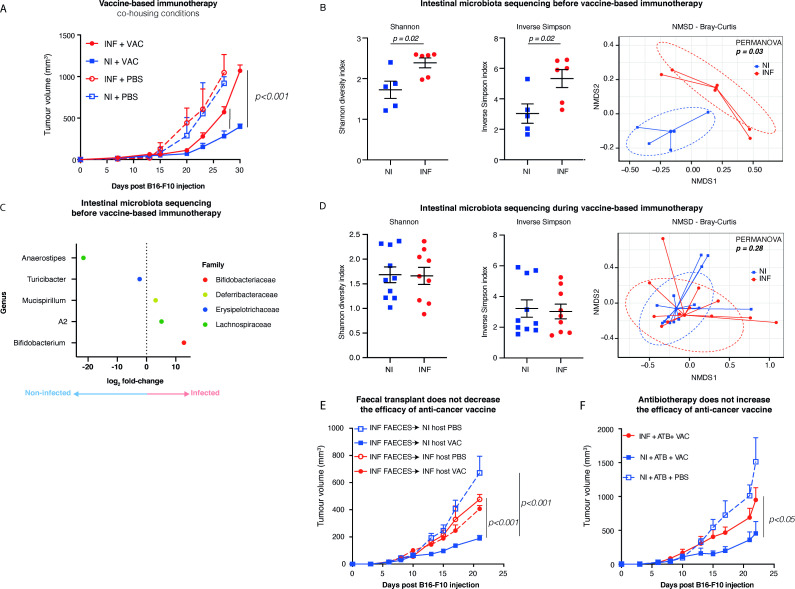
“Together with the known detrimental effect of antibiotic administration on the efficacy of immunotherapies in cancer patients, 6 29 this result suggests that antibiotic administration to cure H. pylori infection is most likely a poor option to increase the efficacy of cancer immuno-therapies in…”
Self-citationOertli, M., Noben, M., Engler, D. B., Semper, R. P., Reuter, S., Maxeiner, J., Gerhard, M., Taube, C., & Müller, A. (2013) · Proceedings of the National Academy of Sciences · doi:10.1073/pnas.1211248110 · Cited by 229
CTLA-4 and PD-1 Pathway Blockade: Combinations in the Clinic
Callahan, M. K., Postow, M. A., & Wolchok, J. D. (2015) · Frontiers in Oncology · doi:10.3389/fonc.2014.00385 · Cited by 224 · cited 1×
“We next evaluated whether H. pylori decreases the efficacy of anti-CTLA4/programmed death ligand 1 (PD-L1) combination therapy 22 (see online supplemental figures S1B).”
Luther, J., Dave, M., Higgins, P. D. R., & Kao, J. Y. (2010) · Inflammatory Bowel Diseases · doi:10.1002/ibd.21116 · Cited by 220
Roberti, M. P., Yonekura, S., Duong, C. P. M., Picard, M., Ferrere, G., Tidjani Alou, M., Rauber, C., Iebba, V., Lehmann, C. H. K., Amon, L., et al. (2020) · Nature Medicine · doi:10.1038/s41591-020-0882-8 · Cited by 208
Self-citationThe interplay between Helicobacter pylori and gastrointestinal microbiota
Chen, C.-C., Liou, J.-M., Lee, Y.-C., Hong, T.-C., El-Omar, E. M., & Wu, M.-S. (2021) · Gut Microbes · doi:10.1080/19490976.2021.1909459 · Cited by 208
Microbiota Promotes Chronic Pulmonary Inflammation by Enhancing IL-17A and Autoantibodies
Yadava, K., Pattaroni, C., Sichelstiel, A. K., Trompette, A., Gollwitzer, E. S., Salami, O., von Garnier, C., Nicod, L. P., & Marsland, B. J. (2016) · American Journal of Respiratory and Critical Care Medicine · doi:10.1164/rccm.201504-0779oc · Cited by 184
Fumet, J.-D., Richard, C., Ledys, F., Klopfenstein, Q., Joubert, P., Routy, B., Truntzer, C., Gagné, A., Hamel, M.-A., Guimaraes, C. F., et al. (2018) · British Journal of Cancer · doi:10.1038/s41416-018-0220-9 · Cited by 176
Self-citationDellon, E. S., Peery, A. F., Shaheen, N. J., Morgan, D. R., Hurrell, J. M., Lash, R. H., & Genta, R. M. (2011) · Gastroenterology · doi:10.1053/j.gastro.2011.06.081 · Cited by 176
Gut microbiota modulates adoptive cell therapy via CD8α dendritic cells and IL-12
Uribe-Herranz, M., Bittinger, K., Rafail, S., Guedan, S., Pierini, S., Tanes, C., Ganetsky, A., Morgan, M. A., Gill, S., Tanyi, J. L., et al. (2018) · JCI Insight · doi:10.1172/jci.insight.94952 · Cited by 175
Kienesberger, S., Cox, L. M., Livanos, A., Zhang, X.-S., Chung, J., Perez-Perez, G. I., Gorkiewicz, G., Zechner, E. L., & Blaser, M. J. (2016) · Cell Reports · doi:10.1016/j.celrep.2016.01.017 · Cited by 158 · cited 1×
“26 Notably, we found that H. pylori infection leads to a decreased bacterial colonisation of Lachno-spiraceae and Erysipelotrichaceae genera and to an increased bacterial colonisation of the Bifidobacterium genus (figure 2C).”
Wilson, B. E., Routy, B., Nagrial, A., & Chin, V. T. (2020) · Cancer Immunology, Immunotherapy · doi:10.1007/s00262-019-02453-2 · Cited by 152 · cited 1×
“Together with the known detrimental effect of antibiotic administration on the efficacy of immunotherapies in cancer patients, 6 29 this result suggests that antibiotic administration to cure H. pylori infection is most likely a poor option to increase the efficacy of cancer immuno-therapies in…”
Self-citationHelicobacter urease–induced activation of the TLR2/NLRP3/IL-18 axis protects against asthma
Koch, K. N., Hartung, M. L., Urban, S., Kyburz, A., Bahlmann, A. S., Lind, J., Backert, S., Taube, C., & Müller, A. (2015) · Journal of Clinical Investigation · doi:10.1172/jci79337 · Cited by 136
Velin, D., Favre, L., Bernasconi, E., Bachmann, D., Pythoud, C., Saïji, E., Bouzourène, H., & Michetti, P. (2009) · Gastroenterology · doi:10.1053/j.gastro.2009.02.077 · Cited by 135
Self-citationImmune responses to Helicobacter pylori infection
Moyat, M. (2014) · World Journal of Gastroenterology · doi:10.3748/wjg.v20.i19.5583 · Cited by 131
Engler, D. B., Reuter, S., van Wijck, Y., Urban, S., Kyburz, A., Maxeiner, J., Martin, H., Yogev, N., Waisman, A., Gerhard, M., et al. (2014) · Proceedings of the National Academy of Sciences · doi:10.1073/pnas.1410579111 · Cited by 123
H. pylori Virulence Factors: Influence on Immune System and Pathology
Kalali, B., Mejías-Luque, R., Javaheri, A., & Gerhard, M. (2014) · Mediators of Inflammation · doi:10.1155/2014/426309 · Cited by 113 · cited 1×
“36 Additional experiments will determine whether those H. pylori - derived factors are key in decreasing the effectiveness of cancer immunotherapies.”
Altobelli, A., Bauer, M., Vélez, K., Cover, T. L., & Mueller, A. (2019) · mBio · doi:10.1128/mbio.00261-19 · Cited by 111 · cited 1×
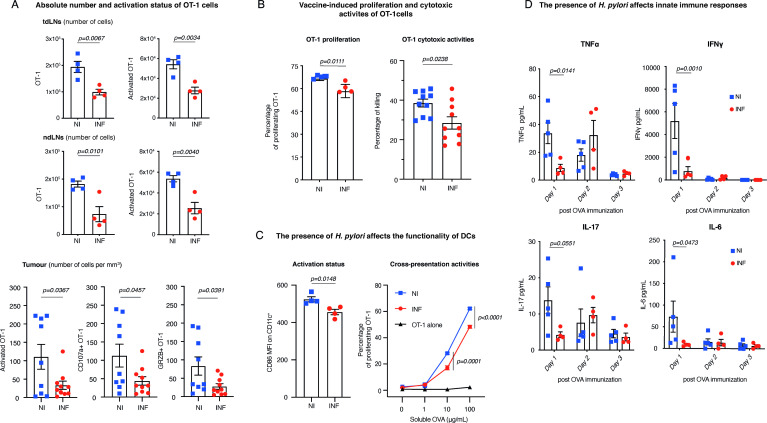
“8 H. pylori dampens the effector functions of CD4 + T cells, 8 9 dendritic cells (DCs) 9–12 and macrophages 8 and promotes the generation of regulatory T cells (Tregs) 10 and myeloid-derived suppressor cells.”
Arnold, I. C., Zigova, Z., Holden, M. T. G., Lawley, T. D., Rad, R., Dougan, G., Falkow, S., Bentley, S. D., & Mueller, A. (2011) · Genome Biology and Evolution · doi:10.1093/gbe/evr022 · Cited by 105 · cited 1×
“…with Helicobacter felis ( H. felis ), a Helicobacter species lacking a number of the virulence factors of H. pylori such as Cag pathogenicity island and vacu-olating cytotoxin (VacA), 24 does not decrease the effectiveness of anti-cancer vaccination (figure 1D) or anti-CTLA4 therapy (figure 1E).”
Murray, T., Fuertes Marraco, S. A., Baumgaertner, P., Bordry, N., Cagnon, L., Donda, A., Romero, P., Verdeil, G., & Speiser, D. E. (2016) · Frontiers in Immunology · doi:10.3389/fimmu.2016.00573 · Cited by 104
Self-citationA pro-inflammatory role for Th22 cells in Helicobacter pylori-associated gastritis
Zhuang, Y., Cheng, P., Liu, X.-F., Peng, L.-S., Li, B.-S., Wang, T.-T., Chen, N., Li, W.-H., Shi, Y., Chen, W., et al. (2015) · Gut · doi:10.1136/gutjnl-2014-307020 · Cited by 96 · cited 1×
“13 21 This suggests that H. pylori may mitigate unbalanced systemic immune responses.”
Mast Cells Are Critical Mediators of Vaccine-Induced Helicobacter Clearance in the Mouse Model
Velin, D., Bachmann, D., Bouzourène, H., & Michetti, P. (2005) · Gastroenterology · doi:10.1053/j.gastro.2005.04.010 · Cited by 95
Self-citationRecognition Functions of Pentameric C-Reactive Protein in Cardiovascular Disease
Agrawal, A., Gang, T. B., & Rusiñol, A. E. (2014) · Mediators of Inflammation · doi:10.1155/2014/319215 · Cited by 95
Engler, D. B., Leonardi, I., Hartung, M. L., Kyburz, A., Spath, S., Becher, B., Rogler, G., & Mueller, A. (2015) · Inflammatory Bowel Diseases · doi:10.1097/mib.0000000000000318 · Cited by 90
Helicobacter pylorigamma-glutamyl transpeptidase and its pathogenic role
Ricci, V. (2014) · World Journal of Gastroenterology · doi:10.3748/wjg.v20.i3.630 · Cited by 90 · cited 1×
“8 H. pylori dampens the effector functions of CD4 + T cells, 8 9 dendritic cells (DCs) 9–12 and macrophages 8 and promotes the generation of regulatory T cells (Tregs) 10 and myeloid-derived suppressor cells.”
Association between systemic lupus erythematosus and Helicobacter pylori seronegativity.
Sawalha, A. H., Schmid, W. R., Binder, S. R., Bacino, D., & Harley, J. B. (2004) · PubMed · Cited by 71
Moyat, M., Bouzourène, H., Ouyang, W., Iovanna, J., Renauld, J., & Velin, D. (2016) · Mucosal Immunology · doi:10.1038/mi.2016.38 · Cited by 59
Self-citationArnold, I. C., Zhang, X., Borán, M. S., Fallegger, A., Sander, P., Johansen, P., & Mueller, A. (2019) · PLoS Pathogens · doi:10.1371/journal.ppat.1007866 · Cited by 47
Kyburz, A., Urban, S. K., Altobelli, A., Floess, S., Huehn, J., Cover, T. L., & Mueller, A. (2017) · Clinical & Experimental Allergy · doi:10.1111/cea.12996 · Cited by 38 · cited 1×
“This could be a consequence of the non-specific antibiotherapy-mediated reduction of immune-potentiating bacteria and/or H. pylori - induced neonatal imprinting 37 of the immune system that persists even after its eradication.”
van Zanten, S. J. O. V., Kolesnikow, T., Leung, V. K. S., O’Rourke, J., & Lee, A. (2003) · Antimicrobial Agents and Chemotherapy · doi:10.1128/aac.47.7.2249-2255.2003 · Cited by 31
van Wijck, Y., de Kleijn, S., John-Schuster, G., Mertens, T. C. J., Hiemstra, P. S., Mueller, A., Smits, H. H., & Taube, C. (2018) · The Journal of Immunology · doi:10.4049/jimmunol.1700987 · Cited by 24
Toll-Interacting Protein Regulates Immune Cell Infiltration and Promotes Colitis-Associated Cancer
Begka, C., Pattaroni, C., Mooser, C., Nancey, S., McCoy, K. D., Velin, D., & Maillard, M. H. (2020) · iScience · doi:10.1016/j.isci.2020.100891 · Cited by 18
Self-citationvan Wijck, Y., Hiemstra, P. S., & Taube, C. (2018) · The Journal of Immunology · doi:10.4049/jimmunol.1800260 · Cited by 4
Research works printed but not linked: 1
- Oertli M, Noben M, Engler DB, et al. Helicobacter pylori γ-glutamyl transpeptidase and vacuolating cytotoxin promote gastric persistence and immune tolerance. Proc Natl Acad Sci U S A 2013; 110: 3047– 52. 10.1073/pnas.1211248110 23382221 PMC3581963 · DOI · Paper page
Cited by
Malfertheiner, P., Camargo, M. C., El-Omar, E., Liou, J.-M., Peek, R., Schulz, C., Smith, S. I., & Suerbaum, S. (2023) · Nature Reviews Disease Primers · doi:10.1038/s41572-023-00431-8 · Cited by 1,191
Role of the gut microbiota in anticancer therapy: from molecular mechanisms to clinical applications
Zhao, L.-Y., Mei, J.-X., Yu, G., Lei, L., Zhang, W.-H., Liu, K., Chen, X.-L., Kołat, D., Yang, K., & Hu, J.-K. (2023) · Signal Transduction and Targeted Therapy · doi:10.1038/s41392-023-01406-7 · Cited by 359
Helicobacter pylori and gastric cancer: mechanisms and new perspectives
Duan, Y., Xu, Y., Dou, Y., & Xu, D. (2025) · Journal of Hematology & Oncology · doi:10.1186/s13045-024-01654-2 · Cited by 300
Intratumoural microbiota: a new frontier in cancer development and therapy
Cao, Y., Xia, H., Tan, X., Shi, C., Ma, Y., Meng, D., Zhou, M., Lv, Z., Wang, S., & Jin, Y. (2024) · Signal Transduction and Targeted Therapy · doi:10.1038/s41392-023-01693-0 · Cited by 253
Messaoudene, M., Pidgeon, R., Richard, C., Ponce, M., Diop, K., Benlaifaoui, M., Nolin-Lapalme, A., Cauchois, F., Malo, J., Belkaid, W., et al. (2022) · Cancer Discovery · doi:10.1158/2159-8290.cd-21-0808 · Cited by 250
“Lastly, an in vivo CD8+ T-cell killing assay was performed after mice received an intravenous injection of carboxyfluorescein succinimidyl ester (CSFE)–labeled target cells as previously described (23).”
Self-citation
Metadata
- Authors
- Oster, P., Vaillant, L., Riva, E., McMillan, B., Begka, C., Truntzer, C., Richard, C., Leblond, M. M., Messaoudene, M., Machremi, E., Limagne, E., Ghiringhelli, F., Routy, B., Verdeil, G., & Velin, D.
- Affiliations
- Centre Hospitalier Universitaire Vaudois (CH)
- Centre Georges François Leclerc (FR)
- Centre Hospitalier de l’Université de Montréal (CA)
- Department of Medical Oncology, Centre Georges François Leclerc, Dijon, France
- Department of Oncology, Centre Hospitalier Universitaire Vaudois, University of Lausanne, Lausanne, Switzerland
- Corresponding author
- Velin, Dominique
- ORCID
- Venue
- Gut
- Publisher
- BMJ
- Published
- 2021-07-12
- Volume
- 71
- Issue
- 3
- Pages
- 457-466
- ISSN
- 0017-5749 (ISSN-L)
- 1468-3288
- PMC
- PMC8862014
- OpenAlex
- W3179559990
- Cited by
- 176
- References
- 52
- Citations by year
- 2026: 22 · 2025: 38 · 2024: 40 · 2023: 33 · 2022: 41 · 2021: 2
- FWCI
- 10.55
- Type
- journal article
- Language
- en
- Open access
- hybrid
- doi.org
- Licence
- Locations
- Gut (publishedVersion, cc-by-nc)
- PubMed Central (publishedVersion, cc-by-nc)
- PubMed (publishedVersion)
- IRIS (submittedVersion, cc-by-nc)
- SERVAL (Université de Lausanne) (submittedVersion, cc-by-nc)
- Funders
- Foundation Emma Muschamp (NA)
- Faculté de Biologie et de Médecine de Lausanne (NA)
- Foundation Max Cloëtta (NA)
- Swiss Cancer Research Foundation (KFS-4452-02-2018; KFS-4840-08-2019)
- Foundation Porphyrogenis (NA)
- Topics
- Health Sciences › Medicine › Oncology › Cancer Immunotherapy and Biomarkers
- Health Sciences › Medicine › Gastroenterology › Helicobacter pylori-related gastroenterology studies
- Life Sciences › Immunology and Microbiology › Immunology › Immunotherapy and Immune Responses
- Keywords
- Helicobacter pylori infection, cancer immunotherapy, immune checkpoint inhibitors, anti-PD-1 therapy, non-small cell lung cancer, gastric microbiota, CD8+ T cells, dendritic cells, cancer vaccines, CTLA-4, PD-L1, H. pylori seropositivity, treatment response prediction
- MeSH terms
- Immune Checkpoint Inhibitors, Adenocarcinoma, Animals, Carcinoma, Non-Small-Cell Lung, Colonic Neoplasms, Disease Models, Animal, Female, Humans, Lung Neoplasms, Male, Mice, Inbred C57BL, Retrospective Studies, Helicobacter pylori, Helicobacter Infections, Cancer Vaccines, Mice
About these checks
Registry, retraction, Cites and statistics results are computed, not judged, with one exception: a printed reference that no index lists is read once by a model before it counts as a citation error. Claims are extracted by a model and kept only when their quote appears verbatim in the text; each cited source is then checked, with a model’s help, for whether it says what the claim relies on. Those verdicts can be wrong — read the claim’s quote and the cited source before relying on one.
Statistics and arithmetic are recomputed, not judged.
Confidence bands are shown only for fields calibrated on our annotated test set. None is calibrated yet, so no band is shown.
What counts as a claim ›How we measure confidence ›How we check this ›
Are you an author, or do you see a problem with this page? Request a review
Data sources
Bibliographic data: Semantic Scholar, OpenAlex, Crossref.
Contains information from the Semantic Scholar Academic Graph Datasets, made available under the ODC Attribution License (ODC-BY 1.0).
Semantic Scholar’s data is described in: Kinney, R., et al. (2023). The Semantic Scholar Open Data Platform. arXiv:2301.10140.
