

PICaSSO Histologic Remission Index (PHRI) in ulcerative colitis: development of a novel simplified histological score for monitoring mucosal healing and predicting clinical outcomes and its applicability in an artificial intelligence system
Open accessThe DOI matches its Crossref record; 50 of the 51 references it cites were found in a registry or an index.
Abstract
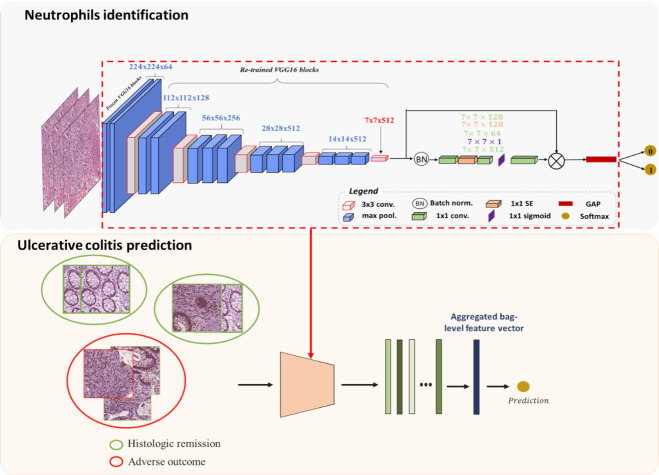
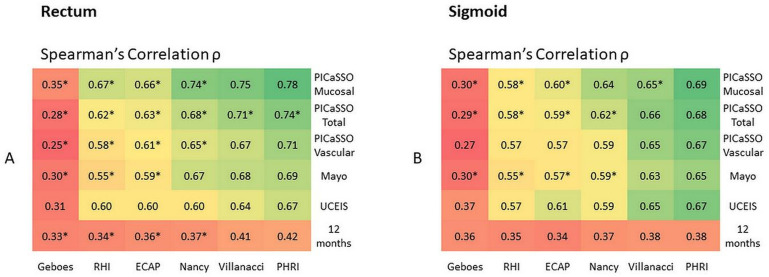
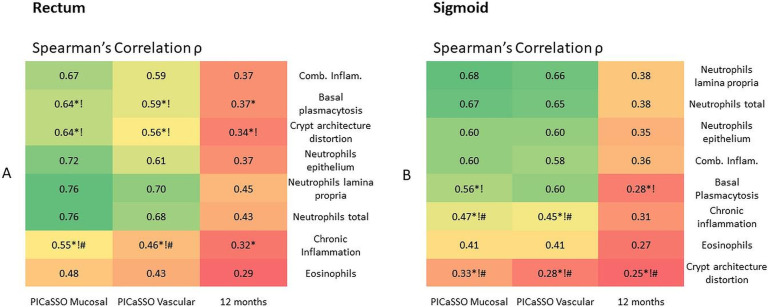
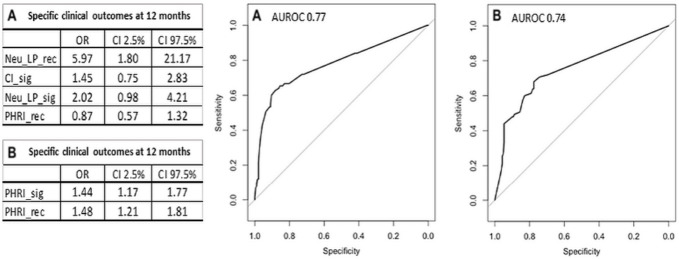
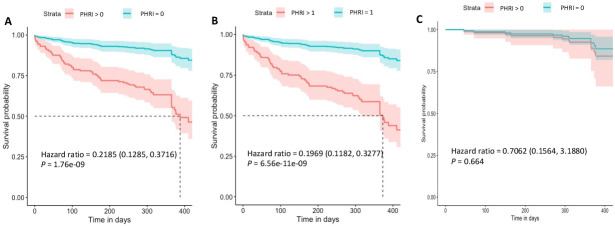
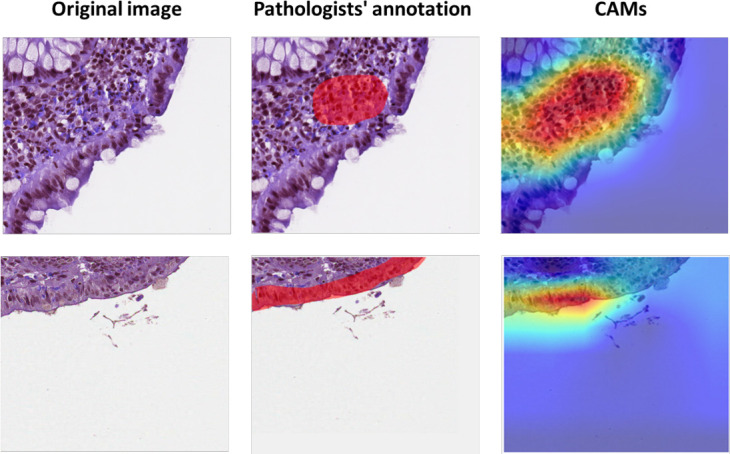
Histological remission is evolving as an important treatment target in UC. We aimed to develop a simple histological index, aligned to endoscopy, correlated with clinical outcomes, and suited to apply to an artificial intelligence (AI) system to evaluate inflammatory activity. Methods: Using a set of 614 biopsies from 307 patients with UC enrolled into a prospective multicentre study, we developed the Paddington International virtual ChromoendoScopy ScOre (PICaSSO) Histologic Remission Index (PHRI). Agreement with multiple other histological indices and validation for inter-reader reproducibility were assessed. Finally, to implement PHRI into a computer-aided diagnosis system, we trained and tested a novel deep learning strategy based on a CNN architecture to detect neutrophils, calculate PHRI and identify active from quiescent UC using a subset of 138 biopsies. Results: PHRI is strongly correlated with endoscopic scores (Mayo Endoscopic Score and UC Endoscopic Index of Severity and PICaSSO) and with clinical outcomes (hospitalisation, colectomy and initiation or changes in medical therapy due to UC flare-up). A PHRI score of 1 could accurately stratify patients’ risk of adverse outcomes (hospitalisation, colectomy and treatment optimisation due to flare-up) within 12 months. Our inter-reader agreement was high (intraclass correlation 0.84). Our preliminary AI algorithm differentiated active from quiescent UC with 78% sensitivity, 91.7% specificity and 86% accuracy. Conclusions: PHRI is a simple histological index in UC, and it exhibits the highest correlation with endoscopic activity and clinical outcomes. A PHRI-based AI system was accurate in predicting histological remission.
Overview
The claims and statistics of this paper haven’t been checked yet.
Free: it reads the open-access text and checks the first 5 claims that cite a source we can check. Create a free account to check every claim.
Integrity signals
Registry
Cites
Statistics
Figures
Verification
Claims the paper makes
The claims and statistics of this paper haven’t been checked yet.
Free: it reads the open-access text and checks the first 5 claims that cite a source we can check. Create a free account to check every claim.
Claims other papers make about this one
Each is checked against this paper’s own text: does it say what the citing paper says it does?
In the citing paper
“However, eosinophil density did not correlate well with histological activity, and the current consensus among international experts places greater pathogenic significance on neutrophils.52,58”
From Artificial intelligence and endo-histo-omics: new dimensions of precision endoscopy and histology in inflammatory bowel disease (2024) · cites this paper as [58]
Self-check
Percentages, sums and reported differences re-computed from the paper’s own numbers.
The self-check needs the paper’s full text.
Citations
Cites
The Measurement of Observer Agreement for Categorical Data
Landis, J. R., & Koch, G. G. (1977) · Biometrics · doi:10.2307/2529310 · Cited by 81,148
Coated Oral 5-Aminosalicylic Acid Therapy for Mildly to Moderately Active Ulcerative Colitis
Schroeder, K. W., Tremaine, W. J., & Ilstrup, D. M. (1987) · New England Journal of Medicine · doi:10.1056/nejm198712243172603 · Cited by 3,026 · cited 1×
“27 Briefly, each patient underwent white light HD colonoscopy to determine MES and UCEIS, 28 29 followed by VCE (iSCAN, Pentax, Japan) to determine PICaSSO score, which comprises mucosal and vascular subscores (PICaSSO Mucosal Score (PMS) and PICaSSO Vascular Score (PVS)).”
A reproducible grading scale for histological assessment of inflammation in ulcerative colitis
Geboes, K. (2000) · Gut · doi:10.1136/gut.47.3.404 · Cited by 943
Microscopic activity in ulcerative colitis: what does it mean?
Riley, S. A., Mani, V, Goodman, M. J., Dutt, S., & Herd, M. E. (1991) · Gut · doi:10.1136/gut.32.2.174 · Cited by 564
Development and validation of the Nancy histological index for UC
Marchal-Bressenot, A., Salleron, J., Boulagnon-Rombi, C., Bastien, C., Cahn, V., Cadiot, G., Diebold, M.-D., Danese, S., Reinisch, W., Schreiber, S., et al. (2017) · Gut · doi:10.1136/gutjnl-2015-310187 · Cited by 479
Self-citationReliability and Initial Validation of the Ulcerative Colitis Endoscopic Index of Severity
Travis, S. P. L., Schnell, D., Krzeski, P., Abreu, M. T., Altman, D. G., Colombel, J., Feagan, B. G., Hanauer, S. B., Lichtenstein, G. R., Marteau, P. R., et al. (2013) · Gastroenterology · doi:10.1053/j.gastro.2013.07.024 · Cited by 457
Bryant, R. V., Burger, D. C., Delo, J., Walsh, A. J., Thomas, S., von Herbay, A., Buchel, O. C., White, L., Brain, O., Keshav, S., et al. (2016) · Gut · doi:10.1136/gutjnl-2015-309598 · Cited by 443
Peyrin-Biroulet, L., Ferrante, M., Magro, F., Campbell, S., Franchimont, D., Fidder, H., Strid, H., Ardizzone, S., Veereman-Wauters, G., Chevaux, J.-B., et al. (2011) · Journal of Crohn's and Colitis · doi:10.1016/j.crohns.2011.06.009 · Cited by 357
Self-citationDevelopment and validation of a histological index for UC
Mosli, M. H., Feagan, B. G., Zou, G., Sandborn, W. J., D'Haens, G., Khanna, R., Shackelton, L. M., Walker, C. W., Nelson, S., Vandervoort, M. K., et al. (2017) · Gut · doi:10.1136/gutjnl-2015-310393 · Cited by 350
Bryant, R. V., Winer, S., SPL, T., & Riddell, R. H. (2014) · Journal of Crohn's and Colitis · doi:10.1016/j.crohns.2014.08.011 · Cited by 300 · cited 1×
“1 3 13–18 Almost all investigators now agree that the absence of neutrophilic infiltration (‘neutrophil-free’ mucosa) is the key to a HR definition due to its association with favourable clinical outcomes.”
Cited by
Ulcerative colitis: clinical biomarkers, therapeutic targets, and emerging treatments
Wangchuk, P., Yeshi, K., & Loukas, A. (2024) · Trends in Pharmacological Sciences · doi:10.1016/j.tips.2024.08.003 · Cited by 333
Neurath, M. F., & Vieth, M. W. (2023) · Gut · doi:10.1136/gutjnl-2023-329964 · Cited by 172
Self-citationInflammatory Bowel Disease Treatments and Predictive Biomarkers of Therapeutic Response
Elhag, D. A., Kumar, M., Saadaoui, M., Akobeng, A. K., Al-Mudahka, F., Elawad, M., & Khodor, S. A. (2022) · International Journal of Molecular Sciences · doi:10.3390/ijms23136966 · Cited by 153
Navigating the complexities of drug development for inflammatory bowel disease
Honap, S., Jairath, V., Danese, S., & Peyrin‐Biroulet, L. (2024) · Nature Reviews Drug Discovery · doi:10.1038/s41573-024-00953-0 · Cited by 139
“Similarly, AI can also be used to assess the presence of histological inflammatory activity in IBD, which presently is evaluated by a pathologist 104–106 .”
Self-citationIacucci, M., Parigi, T. L., Del Amor, R., Meseguer, P., Mandelli, G., Bozzola, A., Bazarova, A., Bhandari, P., Bisschops, R., Danese, S., et al. (2023) · Gastroenterology · doi:10.1053/j.gastro.2023.02.031 · Cited by 127
Self-citationIacucci, M., Santacroce, G., Majumder, S., Morael, J., Zammarchi, I., Maeda, Y., Ryan, D., Sabatino, A. D., Rescigno, M., Aburto, M. R., et al. (2024) · Gut · doi:10.1136/gutjnl-2023-331579 · Cited by 116
Self-citationMachine learning application in autoimmune diseases: State of art and future prospectives
Danieli, M. G., Brunetto, S., Gammeri, L., Palmeri, D., Claudi, I., Shoenfeld, Y., & Gangemi, S. (2023) · Autoimmunity Reviews · doi:10.1016/j.autrev.2023.103496 · Cited by 98
Artificial intelligence and inflammatory bowel disease: Where are we going?
Rio, L. D., Spadaccini, M., Parigi, T. L., Gabbiadini, R., Buono, A. D., Busacca, A., Maselli, R., Fugazza, A., Colombo, M., Carrara, S., et al. (2023) · World Journal of Gastroenterology · doi:10.3748/wjg.v29.i3.508 · Cited by 94
Self-citationYanai, H. A., Feakins, R. M., Allocca, M., Burisch, J. M., Ellul, P., Iacucci, M., Maaser, C., Zilli, A., Zidar, N., Wilkens, R., et al. (2025) · Journal of Crohn s and Colitis · doi:10.1093/ecco-jcc/jjaf107 · Cited by 87
Self-citationCannatelli, R., Parigi, T. L., Iacucci, M., Nardone, O. M., Tontini, G. E., Labarile, N., Buda, A., Rimondi, A., Bazarova, A., Bisschops, R., et al. (2023) · Endoscopy · doi:10.1055/a-1960-3645 · Cited by 80
“Building on our previous work on computerized assessment of UC histopathology [19], we plan to integrate the two tools and further validate them in a large multicenter study.”
MethodSelf-citationArtificial Intelligence Enables Quantitative Assessment of Ulcerative Colitis Histology
Najdawi, F., Sucipto, K., Mistry, P., Hennek, S. R., Jayson, C., Lin, M., Fahy, D., Kinsey, S., Wapinski, I., Beck, A. H., et al. (2023) · Modern Pathology · doi:10.1016/j.modpat.2023.100124 · Cited by 76
Iacucci, M., Santacroce, G., Zammarchi, I., Maeda, Y., Del Amor, R., Meseguer, P., Kolawole, B. B., Chaudhari, U., Di Sabatino, A., Danese, S., et al. (2024) · The Lancet Gastroenterology & Hepatology · doi:10.1016/s2468-1253(24)00053-0 · Cited by 73
Self-citationHong, S. M., & Baek, D. H. (2024) · Diagnostics · doi:10.3390/diagnostics14131384 · Cited by 70
“Gui et al. developed the Paddington International virtual chromoendoscopy scope (PICaSSO) Histologic Remission Index (PHRI) and used a CNN-based deep learning strategy to differentiate active from quiescent UC, with a sensitivity, specificity, and accuracy of 78%, 91.7%, and 86%, respectively [250].”
MethodInfluentialArtificial intelligence to revolutionize IBD clinical trials: a comprehensive review
Sedaño, R., Solitano, V., Vuyyuru, S. K., Yuan, Y., Hanžel, J., Ma, C., Nardone, O. M., & Jairath, V. (2025) · Therapeutic Advances in Gastroenterology · doi:10.1177/17562848251321915 · Cited by 69
“48 In UC histology, AI models have been used to develop novel scoring indices, 49,50 to replace human readers for established indices, 51,52 and to evaluate individual histological features, such as the presence of eosinophils 53 and basal cell plasmacytosis.”
Stidham, R. W., Cai, L., Cheng, S., Rajaei, F., Hiatt, T., Wittrup, E., Rice, M. D., Bishu, S., Wehkamp, J., Schultz, W., et al. (2024) · Gastroenterology · doi:10.1053/j.gastro.2023.09.049 · Cited by 63
Iacucci, M., Santacroce, G., Maeda, Y., & Ghosh, S. (2025) · Gastroenterology · doi:10.1053/j.gastro.2025.03.005 · Cited by 56
Self-citationRymarczyk, D., Schultz, W., Borowa, A., Friedman, J. R., Danel, T., Branigan, P. J., Chałupczak, M., Bracha, A., Krawiec, T., Warchoł, M., et al. (2023) · Journal of Crohn s and Colitis · doi:10.1093/ecco-jcc/jjad171 · Cited by 55
Shen, B., Abreu, M. T., Cohen, E. R., Farraye, F. A., Fischer, M., Feuerstadt, P., Kapur, S., Ko, H. M., Kochhar, G. S., Liu, X., et al. (2024) · Gastrointestinal Endoscopy · doi:10.1016/j.gie.2024.08.034 · Cited by 54
Rimondi, A., Gottlieb, K. T., Despott, E. J., Iacucci, M., Murino, A., & Tontini, G. E. (2023) · Digestive and Liver Disease · doi:10.1016/j.dld.2023.11.005 · Cited by 53
Self-citationChallenges in IBD Research 2024: Precision Medicine
Syed, S., Boland, B. S., Bourke, L., Chen, L. A., Churchill, L., Dobes, A., Greene, A., Heller, C. A., Jayson, C., Kostiuk, B., et al. (2024) · Inflammatory Bowel Diseases · doi:10.1093/ibd/izae084 · Cited by 54
Artificial Intelligence in Inflammatory Bowel Disease Endoscopy: Implications for Clinical Trials
Ahmad, H. A., East, J. E., Panaccione, R., Travis, S. P. L., Canavan, J. B., Usiskin, K., & Byrne, M. F. (2023) · Journal of Crohn s and Colitis · doi:10.1093/ecco-jcc/jjad029 · Cited by 49
Self-citationLiang, X., Li, C., Song, J., Liu, A., Wang, C., Wang, W., Kang, Y., Sun, D., Qian, J., & Zhang, X. (2023) · International Journal of Nanomedicine · doi:10.2147/ijn.s402179 · Cited by 49
“Hence, when defining mucosal healing, the process of histological epithelial healing characterized by the resolution of inflammation, the proliferation and differentiation of epithelium as well as eventual improvement of the mucosal function should be considered, in which neutrophil-free mucosa is undisputed.(40,44) P…”
BackgroundArtificial intelligence for precision medicine in autoimmune liver disease
Gerussi, A., Scaravaglio, M., Cristoferi, L., Verda, D., Milani, C., Bernardi, E. D., Ippolito, D., Asselta, R., Invernizzi, P., Kather, J. N., et al. (2022) · Frontiers in Immunology · doi:10.3389/fimmu.2022.966329 · Cited by 42
Constrained multiple instance learning for ulcerative colitis prediction using histological images
del Amor, R., Meseguer, P., Parigi, T. L., Villanacci, V., Colomer, A., Launet, L., Bazarova, A., Tontini, G. E., Bisschops, R., de Hertogh, G., et al. (2022) · Computer Methods and Programs in Biomedicine · doi:10.1016/j.cmpb.2022.107012 · Cited by 35
Self-citationHistologic assessments in ulcerative colitis: the evidence behind a new endpoint in clinical trials
Pai, R. K., D’Haens, G., Kobayashi, T., Sands, B. E., Travis, S. P. L., Jairath, V., Hertogh, G. D., Park, B., McGinnis, K., Redondo, I., et al. (2024) · Expert Review of Gastroenterology & Hepatology · doi:10.1080/17474124.2024.2326838 · Cited by 35
“PHRI is a binary score based on the presence or absence of mucosal neutrophils, and an algorithm based on PHRI could predict histologic remission (differentiation of active vs quiescent UC: 78% sensitivity, 91.7% specificity, 86% accuracy) [101].”
MethodInfluentialYen, H., Wu, J., Wang, H., Chang, T., Chang, C.-H., Chang, C., Chao, T., Chou, J., Chou, Y.-H., Chuang, C., et al. (2024) · Intestinal Research · doi:10.5217/ir.2023.00050 · Cited by 34
Furlanello, C., Bussola, N., Merzi, N., Trapletti, G. P., Cadei, M., SORDO, R. D., Sidoni, A., Ricci, C., Lanzarotto, F., Parigi, T. L., et al. (2024) · Digestive and Liver Disease · doi:10.1016/j.dld.2024.05.033 · Cited by 33
Self-citationSilverman, A. L., Shung, D. L., Stidham, R. W., Kochhar, G. S., & Iacucci, M. (2024) · Clinical Gastroenterology and Hepatology · doi:10.1016/j.cgh.2024.05.048 · Cited by 33
Self-citationThe Role of Artificial Intelligence in Monitoring Inflammatory Bowel Disease—The Future Is Now
Diaconu, C., State, M., Birligea, M., Ifrim, M., Bajdechi, G. E., Georgescu, T., Mateescu, B. R., & Voiosu, T. A. (2023) · Diagnostics · doi:10.3390/diagnostics13040735 · Cited by 31
“[41] used a CAD-assisted machine learning model to detect the severity of histologic inflammation using endocytoscopy-enhanced colonoscopy still images from ulcerative colitis patients, achieving an accuracy, sensitivity, and specificity of 90%, 74%, and 91%, respectively.”
MethodNardone, O. M., Iacucci, M., Villanacci, V., Peyrin‐Biroulet, L., Ghosh, S., Danese, S., & Parigi, T. L. (2023) · United European Gastroenterology Journal · doi:10.1002/ueg2.12423 · Cited by 31
“Moreover, simplification of indices paves the way for the development of artificial intelligence modules to automate the process.(13,14) In conclusion, UC microscopic activity is widely recognized as a treatment target and thus used for clinical management by most physicians; however, its reporting remains largely des…”
BackgroundSelf-citationParigi, T. L., Cannatelli, R., Nardone, O. M., Zammarchi, I., Shivaji, U. N., Furfaro, F., Zardo, D., Spaggiari, P., SORDO, R. D., Setti, O., et al. (2023) · Journal of Crohn s and Colitis · doi:10.1093/ecco-jcc/jjad110 · Cited by 31
Self-citationEmerging strategy towards mucosal healing in inflammatory bowel disease: what the future holds?
Wang, M., Shi, J., Yu, C., Zhang, X., Xu, G., Xu, Z., & Ma, Y. (2023) · Frontiers in Immunology · doi:10.3389/fimmu.2023.1298186 · Cited by 32
Inflammatory Bowel Diseases: Does One Histological Score Fit All?
Villanacci, V., SORDO, R. D., Parigi, T. L., Leoncini, G., & Bassotti, G. (2023) · Diagnostics · doi:10.3390/diagnostics13122112 · Cited by 30
“On a similar note, another notable attempt to simplify UC scoring was the PI-CaSSO Histological Remission Index (PHRI) [53].”
BackgroundMethodResultInfluentialSelf-citationArtificial Intelligence for Organoids Multidimensional Assessment
Mo, Y., Wang, J., Yang, H., Bai, L., Xu, K., & Su, J. (2025) · SmartMat · doi:10.1002/smm2.70016 · Cited by 29
Kim, J. E., Choi, Y. H., Lee, Y. C., Seong, G., Song, J. H., Kim, T. J., Kim, E. R., Hong, S. N., Chang, D. K., Kim, Y., et al. (2023) · Scientific Reports · doi:10.1038/s41598-023-38206-6 · Cited by 29
A hybrid approach of vision transformers and CNNs for detection of ulcerative colitis
Shah, S. A., Taj, I., Usman, S. M., Shah, S. N. H., Imran, A. S., & Khalid, S. (2024) · Scientific Reports · doi:10.1038/s41598-024-75901-4 · Cited by 29
Next-generation endoscopy in inflammatory bowel disease
Zammarchi, I., Santacroce, G., & Iacucci, M. (2023) · Diagnostics · doi:10.3390/diagnostics13152547 · Cited by 28
Self-citationGu, P., Mendonca, O., Carter, D., Dube, S., Wang, Z. P., Huang, X., Li, D., Moore, J. H., & McGovern, D. P. B. (2024) · Inflammatory Bowel Diseases · doi:10.1093/ibd/izae030 · Cited by 28
Automated Neutrophil Quantification and Histological Score Estimation in Ulcerative Colitis
Ohara, J., Maeda, Y., Ogata, N., Kuroki, T., Misawa, M., Kudo, S., Nemoto, T., Yamochi, T., & Iacucci, M. (2024) · Clinical Gastroenterology and Hepatology · doi:10.1016/j.cgh.2024.06.040 · Cited by 27
Self-citationChen, Z., Wang, C., & Wang, F. (2025) · World Journal of Gastroenterology · doi:10.3748/wjg.v31.i24.108021 · Cited by 26
Liu, X., Prasath, V. B. S., Siddiqui, I. F. S., Walters, T. D., Denson, L. A., Hyams, J. S., Kugathasan, S., Griffiths, A. M., Collins, M. H., Baldassano, R. N., et al. (2024) · Gastroenterology · doi:10.1053/j.gastro.2024.01.033 · Cited by 26
Artificial intelligence in endoscopy related to inflammatory bowel disease: A systematic review
Pal, P., Pooja, K., Nabi, Z., Gupta, R., Tandan, M., Rao, G. V., & Reddy, D. N. (2024) · Indian Journal of Gastroenterology · doi:10.1007/s12664-024-01531-3 · Cited by 26
“[44, 59–61].”
Zammarchi, I., Santacroce, G., Puga‐Tejada, M., Hayes, B. D., Crotty, R. K., O’Driscoll, E., Majumder, S., Kaczmarczyk, W., Maeda, Y., McCarthy, J., et al. (2024) · United European Gastroenterology Journal · doi:10.1002/ueg2.12677 · Cited by 26
Self-citationPuga‐Tejada, M., Majumder, S., Maeda, Y., Zammarchi, I., Ditonno, I., Santacroce, G., Capobianco, I., Robles‐Medranda, C., Ghosh, S., & Iacucci, M. (2025) · Journal of Crohn s and Colitis · doi:10.1093/ecco-jcc/jjae198 · Cited by 24
Self-citationVillanacci, V., SORDO, R. D., Lanzarotto, F., Ricci, C., Sidoni, A., Manenti, S., Mino, S., Bugatti, M., & Bassotti, G. (2024) · Digestive and Liver Disease · doi:10.1016/j.dld.2024.08.001 · Cited by 24
Self-citationRubin, D. T., Kubassova, O., Weber, C. R., Adsul, S., Freire, M., Biedermann, L., Koelzer, V. H., Bressler, B. L., Xiong, W., Niess, J. H., et al. (2024) · Inflammatory Bowel Diseases · doi:10.1093/ibd/izae204 · Cited by 24
Santacroce, G., Zammarchi, I., Nardone, O. M., Capobianco, I., Puga‐Tejada, M., Majumder, S., Ghosh, S., & Iacucci, M. (2025) · Therapeutic Advances in Gastroenterology · doi:10.1177/17562848251325525 · Cited by 23
“10 11–13 The Geboes Score (GS) is widely used in clinical trials despite lacking formal validation.”
Self-citationChang, Y., Wang, Z., Sun, H., Li, Y., & Tang, T. (2023) · Gastroenterology Research and Practice · doi:10.1155/2023/3228832 · Cited by 23
“It is effective in assessing UC endoscopic activity and also allows physicians to make more accurate conclusions about the status of histological remission [32].”
BackgroundApplication of deep learning in the diagnosis and evaluation of ulcerative colitis disease severity
Jiang, X., Luo, X., Nan, Q., Ye, Y., Miao, Y., & Miao, J. (2023) · Therapeutic Advances in Gastroenterology · doi:10.1177/17562848231215579 · Cited by 23
“38,39 Previous studies have highlighted a relationship between endoscopic mucosal healing and histological remission, with several AI systems utilized to predict such remission.”
Advancing Therapeutic Targets in IBD: Emerging Goals and Precision Medicine Approaches
Centanni, L., Cicerone, C., Fanizzi, F., D’Amico, F., Furfaro, F., Zilli, A., Parigi, T. L., Peyrin‐Biroulet, L., Danese, S., & Allocca, M. (2025) · Pharmaceuticals · doi:10.3390/ph18010078 · Cited by 23
“It demonstrates the strongest correlation with endoscopic activity among various histological scores, minimal inter-rater variability, and robust prediction of long-term clinical outcomes [79,80].”
Self-citationNew endoscopic tools in inflammatory bowel disease
Nardone, O. M., Cannatelli, R., Ghosh, S., & Iacucci, M. (2022) · United European Gastroenterology Journal · doi:10.1002/ueg2.12316 · Cited by 21
Self-citationLiu, X., Reigle, J. K., Prasath, V. B. S., & Dhaliwal, J. (2024) · Computers in Biology and Medicine · doi:10.1016/j.compbiomed.2024.108093 · Cited by 21
Machine and deep learning in inflammatory bowel disease
Zulqarnain, F., Rhoads, S. F., & Syed, S. (2023) · Current Opinion in Gastroenterology · doi:10.1097/mog.0000000000000945 · Cited by 21
Cai, C., Shi, Q., Li, J., Jiao, Y., Xu, A., Zhou, Y., Wang, X., Peng, C., Zhang, X., Cui, X., et al. (2024) · International Journal of Medical Informatics · doi:10.1016/j.ijmedinf.2024.105648 · Cited by 20
Iacucci, M., Santacroce, G., Meseguer, P., Diéguez, A., del Amor, R., Kolawole, B. B., Chaudhari, U., Zammarchi, I., Hayes, B. D., Crotty, R. K., et al. (2025) · Journal of Crohn s and Colitis · doi:10.1093/ecco-jcc/jjaf108 · Cited by 19
Self-citationArtificial intelligence and machine learning technologies in ulcerative colitis
Kulkarni, C. V., Liu, D., Fardeen, T., Dickson, E. R., Jang, H., Sinha, S. R., & Gubatan, J. M. B. (2024) · Therapeutic Advances in Gastroenterology · doi:10.1177/17562848241272001 · Cited by 19
Maeda, Y., Kudo, S.-E., Santacroce, G., Ogata, N., Misawa, M., & Iacucci, M. (2024) · Digestive and Liver Disease · doi:10.1016/j.dld.2024.04.005 · Cited by 17
Self-citationArtificial Intelligence in Inflammatory Bowel Disease Endoscopy
Testoni, S. G. G., Petroni, G. A., Annunziata, M. L., Dell’Anna, G., Puricelli, M., Delogu, C., & Annese, V. (2025) · Diagnostics · doi:10.3390/diagnostics15070905 · Cited by 17
“…virtual ChromoendoScopy ScOre (PICaSSO) Histologic Remission Index (PHRI), based only on the presence or absence of neutrophils’ infiltration in the lamina propria and epithelium, was developed using AI within a prospective multi-center study evaluating biopsy samples from 307 UC patients [23].”
Artificial Intelligence in Advancing Inflammatory Bowel Disease Management: Setting New Standards
Labarile, N., Vitello, A., Sinagra, E., Nardone, O. M., Calabrese, G., Bonomo, F., Maida, M. F., & Iacucci, M. (2025) · Cancers · doi:10.3390/cancers17142337 · Cited by 17
“The PICaSSO Histologic Remission Index has indeed simplified histological scoring by focusing on neutrophils, displaying robust correlations with endoscopic scores (ICC 0.84) [62].”
InfluentialSelf-citationStidham, R. W., Enchakalody, B. E., Wang, S. C., Su, G. L., Ross, B., Al-Hawary, M. M., & Wasnik, A. P. (2024) · The American Journal of Gastroenterology · doi:10.14309/ajg.0000000000002828 · Cited by 17
“ML has demonstrated excellent performance replicating expert grading of IBD on endoscopy and histology (14,15).”
Evaluating the potential of artificial intelligence in ulcerative colitis
Sinonquel, P., Schilirò, A., Verstockt, B., Vermeire, S., & Bisschops, R. (2023) · Expert Review of Gastroenterology & Hepatology · doi:10.1080/17474124.2023.2166928 · Cited by 16
“Subsequently, the PICaSSO Histological Remission Index (PHRI) was created [27].”
MethodInfluentialSelf-citationLe, H. D., Pflaum, T., Labrenz, J., Sari, S., Bretschneider, F., Tran, F., Lassen, A., Nikolaus, S., Szymczak, S., Kormilez, D., et al. (2022) · Journal of Crohn s and Colitis · doi:10.1093/ecco-jcc/jjac146 · Cited by 15
New Technologies in Digestive Endoscopy for Ulcerative Colitis Patients
Biamonte, P., D’Amico, F., Fasulo, E., Barà, R., Bernardi, F., Allocca, M., Zilli, A., Danese, S., & Furfaro, F. (2023) · Biomedicines · doi:10.3390/biomedicines11082139 · Cited by 15
“In a subsequent study, the PICaSSO system was implemented to detect HR through the PICaSSO histological remission index (PHRI), which utilized an automated dichotomous approach to evaluate neutrophil presence/absence [45].”
Self-citationMaeda, Y., Ditonno, I., Puga‐Tejada, M., Zammarchi, I., Santacroce, G., Ghosh, S., & Iacucci, M. (2024) · eGastroenterology · doi:10.1136/egastro-2024-100090 · Cited by 15
Self-citationStidham, R. W., Ghanem, L. R., Fletcher, J. G., & Bruining, D. H. (2025) · Gastroenterology · doi:10.1053/j.gastro.2025.02.039 · Cited by 15
Urquhart, S. A., Christof, M., & Coelho–Prabhu, N. (2025) · Therapeutic Advances in Gastroenterology · doi:10.1177/17562848251348574 · Cited by 16
Iacucci, M., Zammarchi, I., Santacroce, G., Kolawole, B. B., Chaudhari, U., del Amor, R., Meseguer, P., Naranjo, V., Puga‐Tejada, M., Capobianco, I., et al. (2025) · Digestive Endoscopy · doi:10.1111/den.15067 · Cited by 13
Self-citationHistological healing in IBD: Ready for prime time?
Villanacci, V., SORDO, R. D., Mino, S., Locci, G., & Bassotti, G. (2025) · Digestive and Liver Disease · doi:10.1016/j.dld.2025.01.039 · Cited by 13
Self-citationArtificial intelligence: A new tool in the pathologist's armamentarium for the diagnosis of IBD
Cannarozzi, A. L., Massimino, L., Latiano, A., Parigi, T. L., Giuliani, F., Bossa, F., Brina, A. L. D., Ungaro, F., Biscaglia, G., Danese, S., et al. (2024) · Computational and Structural Biotechnology Journal · doi:10.1016/j.csbj.2024.09.003 · Cited by 12
Self-citationDas, A., Shukla, T., Tomita, N., Richards, R., Vidis, L. J., Ren, B., & Hassanpour, S. (2025) · American Journal Of Pathology · doi:10.1016/j.ajpath.2024.12.010 · Cited by 12
Steinsbø, Ø., Carlsen, A., Aasprong, O. G., Aabakken, L., Tvedt-Gundersen, E., Bjørkhaug, S. T., Gjerde, R., Karlsen, L. N., & Grimstad, T. B. (2022) · Therapeutic Advances in Gastroenterology · doi:10.1177/17562848221140659 · Cited by 12
“NI > 1 n = 41 79 (28-387) NI ≤ 1 n = 70 29 (18-83) Ca lp ro te ct in (m g/ kg ) p = 0.”
Yilmaz, F., Brickman, A., Najdawi, F., Yakirevich, E., Egger, R., & Resnick, M. B. (2024) · Laboratory Investigation · doi:10.1016/j.labinv.2024.102043 · Cited by 11
Gregorio, V., Maeda, Y., Kudo, S., Kawabata, Y., Kuroki, T., Santacroce, G., Puga‐Tejada, M., Takenaka, K., Takabayashi, K., Ohara, J., et al. (2025) · Digestive Endoscopy · doi:10.1111/den.15081 · Cited by 10
Self-citationMookhoek, A., Sinonquel, P., Allocca, M., Carter, D., Ensarı, A., Iacucci, M., Kopylov, U., Verstockt, B., Baumgart, D. C., Noor, N. M., et al. (2025) · Journal of Crohn s and Colitis · doi:10.1093/ecco-jcc/jjaf133 · Cited by 10
Self-citationTechnological advances in inflammatory bowel disease endoscopy and histology
Alfarone, L., Parigi, T. L., Gabbiadini, R., Buono, A. D., Spinelli, A., Hassan, C., Iacucci, M., Repici, A., & Armuzzi, A. (2022) · Frontiers in Medicine · doi:10.3389/fmed.2022.1058875 · Cited by 10
“(47), neutrophil count alone correlates better than main histological scores to outcomes and endoscopy, while providing higher agreement between pathologists (ICC 0.”
BackgroundMethodSelf-citationManaging Ulcerative Colitis and Crohn’s Disease: Should the Target Be Endoscopy, Histology, or Both?
Magro, F., Estevinho, M. M., & Valois, A. (2023) · Journal of the Canadian Association of Gastroenterology · doi:10.1093/jcag/gwad034 · Cited by 10
Ruan, G., Jin, X., Zhou, W. X., You, Y., Iacucci, M., Ghosh, S., Gui, X. Y., Ji, L., & Qian, J. (2022) · Journal of Digestive Diseases · doi:10.1111/1751-2980.13126 · Cited by 10
Self-citationDeep mucosal healing in ulcerative colitis: how deep is better?
Jin, X., You, Y., Ruan, G., Zhou, W., Ji, L., & Li, J. (2024) · Frontiers in Medicine · doi:10.3389/fmed.2024.1429427 · Cited by 9
Wang, Y., Wang, H., Wu, X., Duan, X., Zhang, L., Liu, Z., Xiong, S., Li, X., Chen, M., Ye, Z., et al. (2025) · Journal of Crohn s and Colitis · doi:10.1093/ecco-jcc/jjaf206 · Cited by 9
Estevinho, M. M., Roseira, J., Teixeira, P. V., Dignass, A. U., & Magro, F. (2024) · Digestive and Liver Disease · doi:10.1016/j.dld.2024.11.009 · Cited by 9
Comparative Value of CRP and FCP for Endoscopic and Histologic Remissions in Ulcerative Colitis
Bakkaloğlu, O. K., Sen, G., Kepil, N., Eşkazan, T., Kurt, E. A., Onal, U., Candan, S., Balamir, M., Hatemı, İ., Erzin, Y. Z., et al. (2024) · Diagnostics · doi:10.3390/diagnostics14202283 · Cited by 8
“Many studies have been conducted on this subject, and AI appears to potentially increase diagnostic power while reducing observer-related variability [41,42].”
BackgroundArtificial intelligence in inflammatory bowel disease: Current applications and future directions
Minea, H. O., Sîngeap, A.-M., Minea, M., Chiriac, S. A., Stanciu, C., & Trifan, A. V. (2025) · World Journal of Gastroenterology · doi:10.3748/wjg.v31.i39.111353 · Cited by 8
Laterza, L., Piscaglia, A. C., Bibbò, S., Arena, V., Brisigotti, M., Fabbretti, G., Stefanelli, M. L., Cesario, V., Maresca, R., Poscia, A., et al. (2024) · Journal of Personalized Medicine · doi:10.3390/jpm14050505 · Cited by 8
“This new score is significantly correlated with clinical outcomes such as hospitalization, colectomy, and major treatment changes in a 12-month follow-up [43].”
ResultAttaining sustainability in inflammatory bowel disease
Nardone, O. M., Gros, B., Parigi, T. L., Farooq, A., Kunovský, L., & Sebastian, S. (2025) · Journal of Crohn s and Colitis · doi:10.1093/ecco-jcc/jjaf189 · Cited by 7
Self-citationThe Histological Detection of Ulcerative Colitis Using a No-Code Artificial Intelligence Model
Hamamoto, Y., Kawamura, M., Uchida, H., Hiramatsu, K., Katori, C., Asai, H., Shimizu, S., Egawa, S., & Yoshida, K. (2023) · International Journal of Surgical Pathology · doi:10.1177/10668969231204955 · Cited by 7
Artificial intelligence in inflammatory bowel disease
Ran, J., Zhou, M., & Wen, H. (2025) · Saudi Journal of Gastroenterology · doi:10.4103/sjg.sjg_46_25 · Cited by 7
Liang, H., Tian, Y., Ruan, G., Bai, X., Han, W., Fu, X., Wang, Y.-H., Shi, J., Sun, Y., Wu, J., et al. (2025) · Therapeutic Advances in Gastroenterology · doi:10.1177/17562848251364194 · Cited by 6
Meta-analysis of yoga-based mind-body interventions in the management of inflammatory bowel disease
Pan, L., Chen, X., Wu, Y., Zhou, Z., & Xu, D. (2025) · Complementary Therapies in Medicine · doi:10.1016/j.ctim.2025.103287 · Cited by 6
Discordance between endoscopic and histopathologic assessment in ileal Crohn’s disease
Lee, S. D., Mau, B., Avalos, C. J., Clark-Snustad, K. D., Kamp, K., & Gui, X. S. (2025) · World Journal of Gastrointestinal Endoscopy · doi:10.4253/wjge.v17.i2.101284 · Cited by 6
Self-citationAssessment and Significance of Histologic Activity in Crohn’s Disease
Polydorides, A. D. (2024) · Clinical Gastroenterology and Hepatology · doi:10.1016/j.cgh.2024.01.043 · Cited by 6
Pessarelli, T., Tontini, G. E., & Neumann, H. (2024) · Gastrointestinal Endoscopy Clinics of North America · doi:10.1016/j.giec.2024.04.008 · Cited by 5
Self-citationIacucci, M., Vadori, V., Meseguer, P., Zammarchi, I., Santacroce, G., del Amor, R., Zardo, D., Hayes, B. D., Crotty, R. K., Burke, L. M., et al. (2025) · EClinicalMedicine · doi:10.1016/j.eclinm.2025.103658 · Cited by 5
Self-citationAI and endoscopy/histology in UC: the rise of machine
Nardone, O. M., Maeda, Y., & Iacucci, M. (2024) · Therapeutic Advances in Gastroenterology · doi:10.1177/17562848241275294 · Cited by 6
“…digitized biopsies had a strong diagnostic performance to detect disease activity assessed by using the PICaSSO Histologic Remission Index (PHRI), 54 based on the presence of neutrophils from all areas (PHRI > 0) with an overall Area Under the Receiver Operating Characteristic Curve of 0.87, a…”
MethodInfluentialSelf-citationWong, E. C. L., Dulai, P. S., Hasan, B., Marshall, J. K., Reinisch, W., & Narula, N. (2023) · Journal of Crohn s and Colitis · doi:10.1093/ecco-jcc/jjad033 · Cited by 5
Clinical Applications of Artificial Intelligence in Gastroenterology: Excitement and Evidence
Ahuja, A., & Kefalakes, H. (2022) · Gastroenterology · doi:10.1053/j.gastro.2022.04.025 · Cited by 5
Nethaji, K., Shibili, P. A., Dey, A., Nambidi, S., Banerjee, A., Barbon, S., Pathak, S., & Duttaroy, A. K. (2026) · Molecular Immunology · doi:10.1016/j.molimm.2026.01.006 · Cited by 5
Suarez, M., Martínez, R., González-Martínez, F., Torres, A. M., & Mateo, J. (2026) · World Journal of Hepatology · doi:10.4254/wjh.v18.i2.114834 · Cited by 4
“Moreover, integrating AI with multimodal data (histology, biomarkers, genomics, and radiology) promises a deeper understanding of disease and the development of personalized treatments, potentially redefining disease progression and therapeutic planning[202,230].”
Huynh, C. D. (2026) · Intelligence-Based Medicine · doi:10.1016/j.ibmed.2026.100386 · Cited by 4
The Role of Artificial Intelligence and Big Data for Gastrointestinal Disease
Holt, N., & Byrne, M. F. (2024) · Gastrointestinal Endoscopy Clinics of North America · doi:10.1016/j.giec.2024.09.004 · Cited by 4
Artificial Intelligence in Inflammatory Bowel Disease
George, A., & Rubin, D. T. (2024) · Gastrointestinal Endoscopy Clinics of North America · doi:10.1016/j.giec.2024.10.004 · Cited by 4
Metadata
- Authors
- Gui, X., Bazarova, A., del Amor, R., Vieth, M., de Hertogh, G., Villanacci, V., Zardo, D., Parigi, T. L., Røyset, E. S., Shivaji, U. N., Monica, M. A. T., Mandelli, G., Bhandari, P., Danese, S., Ferraz, J. G., Hayee, B., Lazarev, M., Parra-Blanco, A., Pastorelli, L., Panaccione, R., Rath, T., Tontini, G. E., Kiesslich, R., Bisschops, R., Grisan, E., Naranjo, V., Ghosh, S., & Iacucci, M.
- Affiliations
- University of Washington (US)
- University of Cologne (DE)
- Instituto de Investigación e Innovación en Bioingeniería, I3B, Universitat Politecnica de Valencia, Valencia, Spain
- Friedrich-Alexander-Universität Erlangen-Nürnberg (DE)
- Department of Pathology, KU Leuven University Hospitals Leuven, Leuven, Belgium
- Azienda Socio Sanitaria Territoriale degli Spedali Civili di Brescia (IT)
- University Hospitals Birmingham NHS Foundation Trust (GB)
- Humanitas University (IT)
- Norwegian University of Science and Technology (NO)
- NIHR Birmingham Biomedical Research Centre (GB)
- Queen Alexandra Hospital (GB)
- Vita-Salute San Raffaele University (IT)
- Division of Gastroenterology, University of Calgary Cumming School of Medicine, Calgary, Alberta, Canada
- King's College Hospital NHS Foundation Trust (GB)
- Johns Hopkins University (US)
- Department of Gastroenterology, Nottingham University Hospitals NHS Trust, Nottingham, UK
- University of Milan (IT)
- University of Calgary (CA)
- Department of Gastoenterology, University of Erlangen Nuremberg—Nuremberg Campus, Nurnberg, Germany
- Department of Gastroenterology, Helios HSK, Wiesbaden, Germany
- KU Leuven (BE)
- University of Padua (IT)
- Universitat Politècnica de València (ES)
- University College Cork (IE)
- Corresponding author
- Iacucci, Marietta
- ORCID
- Gui, Xianyong
- Bazarova, Alina
- Vieth, Michael
- Villanacci, Vincenzo
- Parigi, Tommaso Lorenzo
- Røyset, Elin Synnøve
- Shivaji, Uday N
- Mandelli, Giulio
- Bhandari, Pradeep
- Danese, Silvio
- Hayee, Bu'Hussain
- Lazarev, Mark
- Pastorelli, Luca
- Panaccione, Remo
- Tontini, Gian Eugenio
- Kiesslich, Ralf
- Bisschops, Raf
- Grisan, Enrico
- Naranjo, Valery
- Ghosh, Subrata
- Iacucci, Marietta
- Venue
- Gut
- Publisher
- BMJ
- Published
- 2022-02-16
- Volume
- 71
- Issue
- 5
- Pages
- 889-898
- ISSN
- 0017-5749 (ISSN-L)
- 1468-3288
- PMC
- PMC8995819
- OpenAlex
- W4213344618
- Cited by
- 136
- References
- 51
- Citations by year
- 2026: 16 · 2025: 34 · 2024: 44 · 2023: 30 · 2022: 12
- FWCI
- 18.09
- Type
- journal article
- Language
- en
- Open access
- hybrid
- doi.org
- Licence
- Locations
- Gut (publishedVersion, cc-by-nc)
- PubMed Central (publishedVersion, cc-by-nc)
- PubMed (publishedVersion)
- Kölner Universitäts PublikationsServer (Universität zu Köln) (publishedVersion)
- University of Birmingham Research Portal (University of Birmingham) (publishedVersion, cc-by-nc)
- Research Open (London South Bank University) (acceptedVersion, cc-by-nc)
- Archivio Istituzionale della Ricerca (Universita Degli Studi Di Milano) (submittedVersion, cc-by-nc)
- Lirias (submittedVersion, other-oa)
- RiuNet (Universitat Politècnica de València) (submittedVersion, cc-by-nc)
- OPUS FAU (Kooperativer Bibliotheksverbund Berlin-Brandenburg (KOBV), on behalf of the Universitätsbibliothek Erlangen-Nürnberg) (submittedVersion, cc-by-nc)
- Funders
- University Hospitals Birmingham NHS Foundation Trust
- National Institute for Health and Care Research
- University of Birmingham
- Birmingham Biomedical Research Centre
- Topics
- Health Sciences › Medicine › Gastroenterology › Inflammatory Bowel Disease
- Health Sciences › Medicine › Gastroenterology › Microscopic Colitis
- Health Sciences › Medicine › Oncology › Colorectal Cancer Surgical Treatments
- Keywords
- ulcerative colitis, histological remission, histological score, mucosal healing, computer-aided diagnosis, deep learning, chromoendoscopy, endoscopic activity, clinical outcomes, colectomy, hospitalization, flare-ups, interobserver agreement
- MeSH terms
- Artificial Intelligence, Colitis, Ulcerative, Colonoscopy, Humans, Intestinal Mucosa, Prospective Studies, Remission Induction, Severity of Illness Index, Reproducibility of Results
About these checks
Registry, retraction, Cites and statistics results are computed, not judged, with one exception: a printed reference that no index lists is read once by a model before it counts as a citation error. Claims are extracted by a model and kept only when their quote appears verbatim in the text; each cited source is then checked, with a model’s help, for whether it says what the claim relies on. Those verdicts can be wrong — read the claim’s quote and the cited source before relying on one.
Statistics and arithmetic are recomputed, not judged.
Confidence bands are shown only for fields calibrated on our annotated test set. None is calibrated yet, so no band is shown.
What counts as a claim ›How we measure confidence ›How we check this ›
Are you an author, or do you see a problem with this page? Request a review
Data sources
Bibliographic data: Semantic Scholar, OpenAlex, Crossref.
Contains information from the Semantic Scholar Academic Graph Datasets, made available under the ODC Attribution License (ODC-BY 1.0).
Semantic Scholar’s data is described in: Kinney, R., et al. (2023). The Semantic Scholar Open Data Platform. arXiv:2301.10140.
