

The DOI matches its Crossref record; 57 of the 58 references it cites were found in a registry or an index.
Integrated analysis of concomitant medications and oncological outcomes from PD-1/PD-L1 checkpoint inhibitors in clinical practice
Open accessAbstract
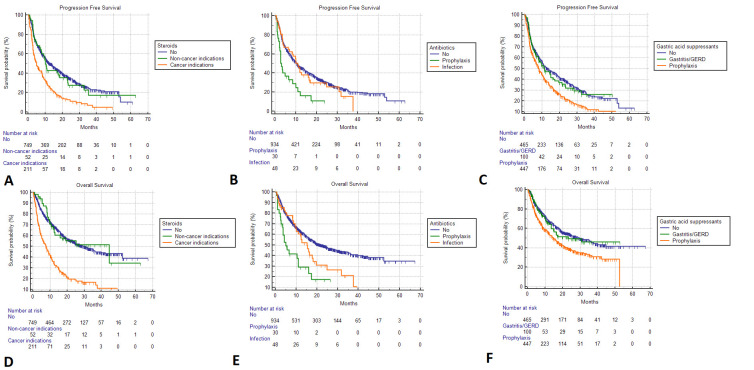
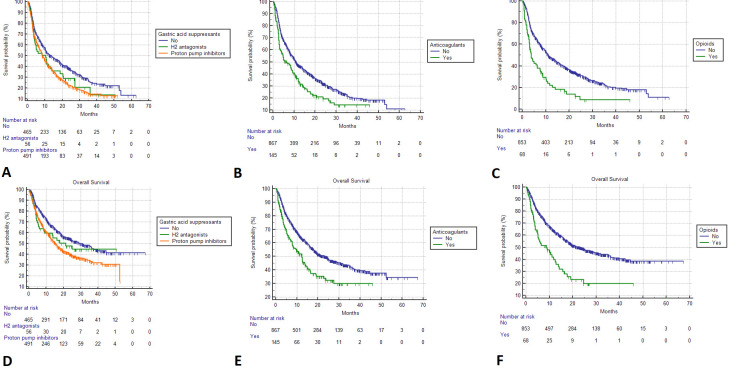
Background: Concomitant medications, such as steroids, proton pump inhibitors (PPI) and antibiotics, might affect clinical outcomes with immune checkpoint inhibitors. Methods: We conducted a multicenter observational retrospective study aimed at evaluating the impact of concomitant medications on clinical outcomes, by weighing their associations with baseline clinical characteristics (including performance status, burden of disease and body mass index) and the underlying causes for their prescription. This analysis included consecutive stage IV patients with cancer, who underwent treatment with single agent antiprogrammed death-1/programmed death ligand-1 (PD-1/PD-L1) with standard doses and schedules at the medical oncology departments of 20 Italian institutions. Each medication taken at the immunotherapy initiation was screened and collected into key categories as follows: corticosteroids, antibiotics, gastric acid suppressants (including proton pump inhibitors - PPIs), statins and other lipid-lowering agents, aspirin, anticoagulants, non-steroidal anti-inflammatory drugs (NSAIDs), ACE inhibitors/Angiotensin II receptor blockers, calcium antagonists, β-blockers, metformin and other oral antidiabetics, opioids. Results: From June 2014 to March 2020, 1012 patients were included in the analysis. Primary tumors were: non-small cell lung cancer (52.2%), melanoma (26%), renal cell carcinoma (18.3%) and others (3.6%). Baseline statins (HR 1.60 (95% CI 1.14 to 2.25), p=0.0064), aspirin (HR 1.47 (95% CI 1.04 to 2.08, p=0.0267) and β-blockers (HR 1.76 (95% CI 1.16 to 2.69), p=0.0080) were confirmed to be independently related to an increased objective response rate. Patients receiving cancer-related steroids (HR 1.72 (95% CI 1.43 to 2.07), p<0.0001), prophylactic systemic antibiotics (HR 1.85 (95% CI 1.23 to 2.78), p=0.0030), prophylactic gastric acid suppressants (HR 1.29 (95% CI 1.09 to 1.53), p=0.0021), PPIs (HR 1.26 (95% CI 1.07 to 1.48), p=0.0050), anticoagulants (HR 1.43 (95% CI: 1.16 to 1.77), p=0.0007) and opioids (HR 1.71 (95% CI 1.28 to 2.28), p=0.0002) were confirmed to have a significantly higher risk of disease progression. Patients receiving cancer-related steroids (HR 2.16 (95% CI 1.76 to 2.65), p<0.0001), prophylactic systemic antibiotics (HR 1.93 (95% CI 1.25 to 2.98), p=0.0030), prophylactic gastric acid suppressants (HR 1.29 (95% CI 1.06 to 1.57), p=0.0091), PPI (HR 1.26 (95% CI 1.04 to 1.52), p=0.0172), anticoagulants (HR 1.45 (95% CI 1.14 to 1.84), p=0.0024) and opioids (HR 1.53 (95% CI 1.11 to 2.11), p=0.0098) were confirmed to have a significantly higher risk of death. Conclusion: We confirmed the association between baseline steroids administered for cancer-related indication, systemic antibiotics, PPIs and worse clinical outcomes with PD-1/PD-L1 checkpoint inhibitors, which can be assumed to have immune-modulating detrimental effects.
Overview
The claims and statistics of this paper haven’t been checked yet.
Run the check — free, no account needed. It reads the open-access text and checks the sources it cites.
Integrity signals
Registry
Cites
Statistics
Figures
Verification
Claims the paper makes
The claims and statistics of this paper haven’t been checked yet.
Run the check — free, no account needed. It reads the open-access text and checks the sources it cites.
Claims other papers make about this one
Each is checked against this paper’s own text: does it say what the citing paper says it does?
In the citing paper
“As previously reported, they also link PPI use with fecal microbiota oralization32 and adverse outcomes in response to anti-PD-1 therapy33.”
From Intestinal microbiota signatures of clinical response and immune-related adverse events in melanoma patients treated with anti-PD-1 (2022) · cites this paper as [33]
Self-check
Percentages, sums and reported differences re-computed from the paper’s own numbers.
The self-check needs the paper’s full text.
Citations
Cites
New response evaluation criteria in solid tumours: revised RECIST guideline (version 1.1)
Eisenhauer, E. A., Therasse, P., Bogaerts, J., Schwartz, L. H., Sargent, D., Ford, R., Dancey, J., Arbuck, S., Gwyther, S., Mooney, M., et al. (2009) · European Journal of Cancer · doi:10.1016/j.ejca.2008.10.026 · Cited by 29,534
Coutinho, A. E., & Chapman, K. E. (2011) · Molecular and Cellular Endocrinology · doi:10.1016/j.mce.2010.04.005 · Cited by 1,815
The Influence of the Gut Microbiome on Cancer, Immunity, and Cancer Immunotherapy
Gopalakrishnan, V., Helmink, B. A., Spencer, C. N., Reuben, A., & Wargo, J. A. (2018) · Cancer Cell · doi:10.1016/j.ccell.2018.03.015 · Cited by 1,392 · cited 1×
“…restoration/ activation of T-cell responses against cancer, and therefore, might be altered by those factors which particularly affect the immune balance prior to the ICIs administration, such as disruption of the homeostatic balance within the gut microbiome 3 and drug-induced immune suppression.”
Cyclooxygenase-Dependent Tumor Growth through Evasion of Immunity
Zelenay, S., van der Veen, A. G., Böttcher, J. P., Snelgrove, K. J., Rogers, N. C., Acton, S. E., Chakravarty, P., Girotti, M. R., Marais, R., Quezada, S. A., et al. (2015) · Cell · doi:10.1016/j.cell.2015.08.015 · Cited by 1,146
Arbour, K. C., Mezquita, L., Long, N., Rizvi, H., Auclin, E., Ni, A., Martínez-Bernal, G., Ferrara, R., Lai, W. V., Hendriks, L. E. L., et al. (2018) · Journal of Clinical Oncology · doi:10.1200/jco.2018.79.0006 · Cited by 1,071
Cholesterol Induces CD8+ T Cell Exhaustion in the Tumor Microenvironment
Ma, X., Bi, E., Lu, Y., Su, P., Huang, C., Liu, L., Wang, Q., Yang, M., Kalady, M. F., Qian, J., et al. (2019) · Cell Metabolism · doi:10.1016/j.cmet.2019.04.002 · Cited by 1,033
Potentiating the antitumour response of CD8+ T cells by modulating cholesterol metabolism
Yang, W., Bai, Y., Xiong, Y., Zhang, J., Chen, S., Zheng, X., Meng, X., Li, L., Wang, J., Xu, C., et al. (2016) · Nature · doi:10.1038/nature17412 · Cited by 1,010
Derosa, L., Hellmann, M. D., Spaziano, M., Halpenny, D., Fidelle, M., Rizvi, H., Long, N., Plodkowski, A. J., Arbour, K. C., Chaft, J. E., et al. (2018) · Annals of Oncology · doi:10.1093/annonc/mdy103 · Cited by 908
Proton pump inhibitors alter the composition of the gut microbiota
Jackson, M. A., Goodrich, J. K., Maxan, M.-E., Freedberg, D. E., Abrams, J. A., Poole, A. C., Sutter, J. L., Welter, D., Ley, R. E., Bell, J. T., et al. (2016) · Gut · doi:10.1136/gutjnl-2015-310861 · Cited by 895
Algra, A. M., & Rothwell, P. M. (2012) · The Lancet Oncology · doi:10.1016/s1470-2045(12)70112-2 · Cited by 833
Research works printed but not linked: 2
- Woolley KK . How variables uncorrelated with the dependent variable can actually make excellent predictors: the important suppressor variable case. Southwest educational research association annual meeting proceedings, 1997. Available: https://eric.ed.gov/?id=ED407420 [Accessed 10 Jun 2020].
- Thompson, 1997, Examples of easily Explainable suppressor variables in multiple regression research, Multi Linear Regres Viewpoints, 24, 11
Cited by
Sorted by citations
Items 101–200 of 275
Kunimitsu, Y., Morio, K., Hirata, S., Yamamoto, K., Omura, T., Hara, T., Harada, K., Fujisawa, M., & Yano, I. (2022) · Biological and Pharmaceutical Bulletin · doi:10.1248/bpb.b21-00939 · Cited by 16
Chen, J., Wen, Y., Chu, X., Liu, Y., & Su, C. (2022) · Frontiers in Pharmacology · doi:10.3389/fphar.2022.944342 · Cited by 16
“In fact, compare with patients without receiving extra agents, patients receiving baseline concomitant medication had worse outcomes (Cortellini et al., 2020).”
ResultMelanoma antigens recognized by T cells and their use for immunotherapy
Ohta, S., Misawa, A., Kyi‐Tha‐Thu, C., Matsumoto, N., Hirose, Y., & Kawakami, Y. (2023) · Experimental Dermatology · doi:10.1111/exd.14741 · Cited by 17
Yang, H., Liu, Z., Li, R., Huang, R., & Peng, X. (2023) · Frontiers in Pharmacology · doi:10.3389/fphar.2023.1259628 · Cited by 15
Nara, K., Taguchi, S., Buti, S., Kawai, T., Uemura, Y., Yamamoto, T., Kume, H., & Takada, T. (2024) · Journal for ImmunoTherapy of Cancer · doi:10.1136/jitc-2024-008806 · Cited by 16
Navigating practical challenges in immunotherapy for metastatic triple negative breast cancer
Licata, L., Dieci, M. V., Angelis, C. D., Marchiò, C., Miglietta, F., Cortesi, L., Fabi, A., Schmid, P. E., Cortés, J., Pusztai, L., et al. (2024) · Cancer Treatment Reviews · doi:10.1016/j.ctrv.2024.102762 · Cited by 16
Do corticosteroids affect immunotherapy efficacy in malignancy? – A systematic review
Byron, Y., Yegorova‐Lee, S., & Tio, M. (2024) · Cancer Medicine · doi:10.1002/cam4.70254 · Cited by 16
“37 The ambiguity of these definitions could potentially weaken the recommendation as these trials may have potentially included patients with corticosteroid treatment of irAE, thus further enhancing ITB.”
BackgroundAngrish, M. D., Agha, A., & Pezo, R. C. (2021) · Journal of Skin Cancer · doi:10.1155/2021/9120162 · Cited by 15
“, cancer patients administered steroids, PPIs, and systemic antibiotics had significantly worse clinical outcomes on PD-1/PD-L1 inhibitors, presumably due to their detrimental effect on the immune system [6].”
BackgroundRizzo, A., Santoni, M., Mollica, V., Ricci, A. D., Calabrò, C., Cusmai, A., Gadaleta‐Caldarola, G., Palmiotti, G., & Massari, F. (2022) · Journal of Personalized Medicine · doi:10.3390/jpm12050842 · Cited by 15
“Cancer patients frequently receive multiple medications due to preexisting comorbidities as well as treatment-related side effects [13,14].”
BackgroundZhang, F., Wang, Y., Liu, F., Li, Y., Liu, X., Ren, X., & Yuan, X. (2025) · Frontiers in Immunology · doi:10.3389/fimmu.2025.1635331 · Cited by 14
Giudice, E., Salutari, V., Ricci, C., Nero, C., Carbone, M. V., Ghizzoni, V., Musacchio, L., Landolfo, C., Perri, M. T., Camarda, F., et al. (2021) · Critical Reviews in Oncology/Hematology · doi:10.1016/j.critrevonc.2021.103542 · Cited by 15
Applications of self-assembled peptide hydrogels in anti-tumor therapy
Hua, Y., & Shen, Y. (2024) · Nanoscale Advances · doi:10.1039/d4na00172a · Cited by 15
Shen, J., Ye, X., Hou, H. Y., & Wang, Y. (2024) · International Immunopharmacology · doi:10.1016/j.intimp.2024.112243 · Cited by 15
Belfiore, M. P., Nardone, V., D’Onofrio, I., Pirozzi, M., Sandomenico, F., Farese, S., Chiara, M. D., Balbo, C., Cappabianca, S., & Fasano, M. (2024) · Biomedicines · doi:10.3390/biomedicines12092080 · Cited by 14
“Prophylactic antibiotics and gastric acid suppressants are associated with reduced survival in patients treated with anti-PD1/PD-L1 [139]; indeed, in a retrospective study of 3651 patients with oral cancer, the cohort that was administered antibiotics three months before or after immunotherapy…”
BackgroundCallejo, A., Frigola, J., Iranzo, P., Carbonell, C., Mejia, N. M. D., Marmolejo, D. H., Assaf, J. D., Cedrés, S., Martínez‐Martí, A., Navarro, A., et al. (2021) · Cancers · doi:10.3390/cancers13133249 · Cited by 14
Chiang, C., Wang, S.-S., Chang, Y., Chiang, C., Chen, C., Chen, Y.-J., See, X. Y., Peng, C.-Y., Hsia, Y., Chiang, C., et al. (2023) · Clinical Oncology · doi:10.1016/j.clon.2023.02.014 · Cited by 13
Grice, S., Olsson-Brown, A. C., Naisbitt, D. J., & Hammond, S. (2024) · Chemical Research in Toxicology · doi:10.1021/acs.chemrestox.4c00067 · Cited by 14
Mazzaschi, G., Marrocchio, C., Tor, L. M. D., Leo, L., Balbi, M., Milanese, G., Adebanjo, G. A. R., Lorusso, B., Monica, G., Pluchino, M., et al. (2024) · Clinical Cancer Research · doi:10.1158/1078-0432.ccr-24-1926 · Cited by 12
Kennedy, O. J., & Neary, M. T. (2022) · Journal of Immunotherapy · doi:10.1097/cji.0000000000000433 · Cited by 13
The role of statins in the regulation of breast and colorectal cancer and future directions
Dang, Y., Zhang, Y., & Wang, Z. (2025) · Frontiers in Pharmacology · doi:10.3389/fphar.2025.1578345 · Cited by 12
Stone, S., McPherson, J. P., Kulkarni, R. P., & Young, A. (2025) · Nature reviews. Cancer · doi:10.1038/s41568-025-00890-z · Cited by 13
“Similarly, Cortellini et al. 60 demonstrated that concurrent beta-blocker use was an independent predictor of increased ORR.”
InfluentialPoletto, S., Paruzzo, L., Nepote, A., Caravelli, D., Sangiolo, D., & Carnevale‐Schianca, F. (2023) · Cancers · doi:10.3390/cancers16010101 · Cited by 13
“In contrast, NSAIDs and various anti-hypertensive drugs do not influence the outcome [177].”
BackgroundWang, Y., Wu, Z., Zhu, X., Zheng, Y., Yang, Y., Tu, J., Pan, H., Zhong, X., Han, W., & Yao, J. (2024) · Journal of Gastrointestinal Cancer · doi:10.1007/s12029-024-01095-7 · Cited by 12
“The literature suggests that co-administration of systemic antibiotics, steroids, proton pump inhibitors (PPIs), opioids, and probiotics can modulate the tumor microenvironment, thereby influencing the anti-tumor response and prognosis of patients across various tumor types [10, 11].”
A neural‐related gene risk score for head and neck squamous cell carcinoma
Tao, Z.-Y., Yang, W., Zhu, W., Wang, L., Li, K. Y., Guan, X., & Su, Y. (2022) · Oral Diseases · doi:10.1111/odi.14434 · Cited by 12
Immunotherapeutic Strategies in the Management of Osteosarcoma
Supra, R., & Agrawal, D. K. (2023) · Journal of Orthopaedics and Sports Medicine · doi:10.26502/josm.511500076 · Cited by 11
“Studies showed concomitant medication of PD-1/PD-L1 immune check point therapies with prednisone can worsen the clinical outcomes in patients with OS [50,51].”
BackgroundCurrent Advancements and Future Perspectives of Immunotherapy in Breast Cancer Treatment
Vasileiou, M., Papageorgiou, S., & Nguyen, N. P. (2023) · Immuno · doi:10.3390/immuno3020013 · Cited by 13
Antibiotic Exposure and Immune Checkpoint Inhibitors in Patients With NSCLC: The Backbone Matters
Cortellini, A., Facchinetti, F., Derosa, L., & Pinato, D. J. (2022) · Journal of Thoracic Oncology · doi:10.1016/j.jtho.2022.03.016 · Cited by 12
“,(5) the cytotoxic immunogenic cell death may broaden the tumor neoantigen load, eventually enhancing the adaptive immune response to programmed cell death protein 1 (PD-1) blockade,(6) independently from the worse clinical conditions that can be related to the underlying indication for ATB prescription.(7)”
BackgroundSelf-citationWang, H., Yi, X., Qu, D., Wang, X.-X., Wang, H., Zhang, H., Yang, Y., Gao, T., Guo, W., & Li, C. (2025) · Autophagy · doi:10.1080/15548627.2025.2519066 · Cited by 11
Leshem, Y., Etan, T., Dolev, Y., Nikolaevski‐Berlin, A., Miodovnik, M., Shamai, S., Merimsky, O., Wolf, I., Havakuk, O., Tzuberi, M., et al. (2023) · International Journal of Cardiology · doi:10.1016/j.ijcard.2023.131642 · Cited by 11
Santamaria, F., Roberto, M., Buccilli, D., Civita, M. A. D., Giancontieri, P., Maltese, G., Nicolella, F., Torchia, A., Scagnoli, S., Pisegna, S., et al. (2024) · Critical Reviews in Oncology/Hematology · doi:10.1016/j.critrevonc.2024.104405 · Cited by 11
Self-citationFan, N., Zhao, F., Meng, Y., Chen, L., Miao, L., Wang, P., Tang, M., Wu, X., Li, Y., Li, Y., et al. (2024) · European Journal of Pharmaceutics and Biopharmaceutics · doi:10.1016/j.ejpb.2024.114467 · Cited by 11
Zhang, F., Ding, Z., Lian, Y., Yang, X., Hu, P., Liu, Y., Xu, L., Li, Z., & Qiu, H. (2024) · The Oncologist · doi:10.1093/oncolo/oyae362 · Cited by 11
“22 Additionally, the sequence in which antibiotics and ICIs are administered seems to influence the survival outcome of patients.”
Lin, J.-R., Han, D.-D., Wei, W., Zeng, Q., Rong, Z.-X., Bai, X. F., Zhang, Y.-P., Wang, J., Cai, X.-T., Rao, X.-G., et al. (2024) · Cancer Research · doi:10.1158/0008-5472.can-23-2941 · Cited by 10
Tian, Z., Dong, S., Zuo, W., Li, P., Zhang, F., Gao, S., Yang, Y., Li, C., Zhang, P., Wang, X., et al. (2022) · Frontiers in Pharmacology · doi:10.3389/fphar.2022.987569 · Cited by 10
“In addition, many factors affect the efficacy of PD-1 inhibitors in combination therapy, such as the timing of administration, use of growth factors, antibiotic use, and Helicobacter pylori infections (Cortellini et al., 2020; Salas-Benito et al., 2021; Oster et al., 2022).”
BackgroundCastelo-Branco, L., Morgan, G., Prelaj, A., Scheffler, M., Canhão, H. M., van Meerbeeck, J. P., & Awada, A. H. (2023) · ESMO Open · doi:10.1016/j.esmoop.2022.100764 · Cited by 10
Takada, K., Takamori, S., Shimokawa, M., Pinato, D. J., & Cortellini, A. (2024) · International Journal of Cancer · doi:10.1002/ijc.35249 · Cited by 9
“None of the interaction terms between antibiotics/PPIs/probiotics and treatment modality (atezolizumab/chemotherapy vs. placebo/chemotherapy) were statistically significant (Supplementary Tables 4 – 6).”
Self-citationPecci, F., Cognigni, V., Giudice, G. C., Paoloni, F., Cantini, L., Saini, K. S., Abushukair, H. M., Naqash, A. R., Cortellini, A., Mazzaschi, G., et al. (2025) · Critical Reviews in Oncology/Hematology · doi:10.1016/j.critrevonc.2025.104654 · Cited by 9
Self-citationRe, M. D., Roncato, R., Argentiero, A., Berrino, L., Botticelli, A., Capuano, A., Donato, S. D., Fogli, S., Marino, D., Rodriquenz, G., et al. (2025) · ESMO Open · doi:10.1016/j.esmoop.2025.105119 · Cited by 17
“36 ICIs rely on restoring T-cell responses, which can be impaired by disruptions in gut microbiota balance or immune suppression.”
Self-citationGobbini, É., Langlais, A., Missy, P., Chanoine, S., Besse, B., Souquet, P.-J., Barlési, F., Audigier-Valette, C., Métivier, A.-C., Monnet, I., et al. (2025) · European Journal of Cancer · doi:10.1016/j.ejca.2025.115560 · Cited by 10
Santo, V., Brunetti, L., Pecci, F., Peroni, M., Barnini, G., Paoloni, F., Buti, S., Tiseo, M., Ricciuti, B., Pinato, D. J., et al. (2025) · Current Oncology Reports · doi:10.1007/s11912-025-01718-7 · Cited by 10
Self-citationNelli, F., Virtuoso, A., Berrìos, J. R. G., Giannarelli, D., Fabbri, A., Marrucci, E., & Ruggeri, E. M. (2022) · Cancer Chemotherapy and Pharmacology · doi:10.1007/s00280-022-04416-4 · Cited by 9
Brunetti, L., Santo, V., Pinato, D. J., Citarella, F., Orlando, S., Acker, F., Colella, V., Ricciuti, B., Naidoo, J., Nassar, A., et al. (2026) · The Lancet Oncology · doi:10.1016/s1470-2045(26)00191-9 · Cited by 8
Self-citationButi, S., Basso, U., Giannarelli, D., Giorgi, U. D., Maruzzo, M., Iacovelli, R., Galli, L., Porta, C., Carrozza, F., Procopio, G., et al. (2022) · Journal of Immunotherapy · doi:10.1097/cji.0000000000000446 · Cited by 8
Self-citationImmune Checkpoint Inhibitors and Their Cardiovascular Adverse Effects
Paluri, R. K., Pulipati, Y., & Regalla, D. K. R. (2023) · Oncology Reviews · doi:10.3389/or.2023.11456 · Cited by 8
“Another observational retrospective study by cortellini et al analyzed oncologic outcomes with ICIs while on concomitant medications, statins were associated with a better objective response rate [92].”
BackgroundGiusti, R., Porzio, G., Maltoni, M. C., Filetti, M., Cuomo, A., Bandieri, E., Trapani, D., & Bruera, E. D. (2024) · The Oncologist · doi:10.1093/oncolo/oyae081 · Cited by 8
Self-citationHarnessing Oxylipins and Inflammation Modulation for Prevention and Treatment of Colorectal Cancer
Gretschel, J., Hage, R. E., Wang, R., Chen, Y., Pietzner, A., Loew, A., Leineweber, C. G., Wördemann, J., Rohwer, N., Weylandt, K. H., et al. (2024) · International Journal of Molecular Sciences · doi:10.3390/ijms25105408 · Cited by 8
“[99] baseline statin, and ASA (and beta-blocker), medications were associated with better tumor response to ICI treatment.”
BackgroundCheckpoint based immunotherapy in non-small cell lung cancer: a real-world retrospective study
Liguori, L., Giorgio, G., Polcaro, G., Pagliara, V., Malandrino, D., Perri, F., Cascella, M., Ottaiano, A., Conti, V., Servetto, A., et al. (2024) · Frontiers in Immunology · doi:10.3389/fimmu.2024.1419544 · Cited by 8
PD-1/L1 inhibitor plus chemotherapy in the treatment of sarcomas
Tian, Z., & Yao, W. (2022) · Frontiers in Immunology · doi:10.3389/fimmu.2022.898255 · Cited by 8
Okamoto, K., Saito, Y., Yamaguchi, A., Takekuma, Y., & Sugawara, M. (2023) · International Journal of Clinical Oncology · doi:10.1007/s10147-023-02385-z · Cited by 8
“In recent years, studies on the interaction between ICIs and concomitant drugs have been conducted [7, 8], suggesting that acid suppressants (ASs) have negative effect on ICIs treatment [9].”
BackgroundInfluentialAraki, T., Kanda, S., Ide, T., Sonehara, K., Komatsu, M., Tateishi, K., Minagawa, T., Kiniwa, Y., Kawakami, S., Nomura, S., et al. (2023) · ESMO Open · doi:10.1016/j.esmoop.2023.102030 · Cited by 8
Controversial link between proton pump inhibitors and anticancer agents: review of the literature
Meriggi, F. A. (2021) · Tumori Journal · doi:10.1177/03008916211025091 · Cited by 8
“103 (retrospective) Melanoma (33), NSCLC (28), other (97) Anti-PD1/PD-L1 No difference in PFS and OS”
BackgroundYu, J.-J., Meng, F., Sui, W., Yu, J., & Shen, J. (2024) · Frontiers in Pharmacology · doi:10.3389/fphar.2024.1378577 · Cited by 7
RetractedEfficacy of Lipophilic Statins on Outcomes of Patients Treated with Immune Checkpoint Inhibitors
Chiang, C., Chen, Y., See, X. Y., Chang, Y.-C., Wang, S., Peng, C.-Y., Horng, C., Hsia, Y. P., Chiang, C., Peng, C., et al. (2023) · Oncology · doi:10.1159/000529644 · Cited by 7
Immune checkpoint inhibitors and myocardial infarction
Juhász, V., Suero‐Abreu, G. A., & Neilan, T. G. (2025) · Journal of Thrombosis and Thrombolysis · doi:10.1007/s11239-025-03081-7 · Cited by 7
Effects of antibiotics on immunotherapy in patients with metastatic nonsmall cell lung cancer
Hu, T., Li, L., Cui, J., Song, X., Zhu, H., Hou, Z. W., & Yuan, S. (2024) · European Journal of Cancer Prevention · doi:10.1097/cej.0000000000000912 · Cited by 6
“Although antibiotics have been considered to be powerful predictors of prognosis,(Cortellini et al. , 2020, 2021) there is currently no consensus on any significant or no effect of antibiotics on the survival of patients who are first users of ICIs.”
Takahashi, M., Nakatsukasa, H., Shibano, M., Ishigami, Y., Oka, T., Tani, Y., Kawaguchi, T., Nakamura, Y., & Kaneda, H. (2025) · International Journal of Clinical Oncology · doi:10.1007/s10147-025-02805-2 · Cited by 6
“As previous studies have suggested that H 2 -receptor antagonists do not negatively affect the efficacy of ICIs [30], clinicians should consider switching from PPIs or vonoprazan to H 2 -receptor antagonists, or discontinuing these agents when possible, in patients undergoing ICI therapy.”
Park, Y., Kang, D. H., & Chung, C. (2025) · Lung Cancer · doi:10.1016/j.lungcan.2025.108726 · Cited by 6
Yi, J., Xu, J., Zeng, J., Song, Y., Zhang, Y.-N., Huang, C., Li, L., Ding, K., Zhu, Z., Yuan, D.-Z., et al. (2025) · Frontiers in Immunology · doi:10.3389/fimmu.2025.1680015 · Cited by 6
Neural control of Immunotherapy: how Tumor-innervation shapes Anti-Tumor immune responses
Satilmis, H., Denis, A., Vanderkerken, K., Bruyne, E. D., Menu, E., Sloan, E. K., & Veirman, K. D. (2025) · Brain Behavior and Immunity · doi:10.1016/j.bbi.2025.106239 · Cited by 6
Sun, W., Zhuang, S., Cheng, M., & Qiu, Z. (2023) · Frontiers in Oncology · doi:10.3389/fonc.2023.1134744 · Cited by 6
“Two multicenter retrospective studies about solid cancers revealed that opioids used during immunotherapy were associated with a higher risk of early progression (28, 29), and shorter OS (30).”
BackgroundKatsurayama, N., Ishihara, H., Ishiyama, R., Nemoto, Y., Ikeda, T., Mizoguchi, S., Nakayama, T., Fukuda, H., Yoshida, K., Iizuka, J., et al. (2024) · Cancer Diagnosis & Prognosis · doi:10.21873/cdp.10354 · Cited by 6
Kristoff, T. J., Evans, S., Nayi, P., Abousaud, M. I., Goyal, S., Liu, Y., Shin, D. M., Steuer, C. E., Saba, N. F., & Schmitt, N. C. (2025) · Cancer Medicine · doi:10.1002/cam4.70718 · Cited by 6
“Although the potential benefit of statins for recurrent/metastatic head and neck cancer treated with anti- PD-1 ICB has not yet been investigated, studies in other cancer types suggest that statins are associated with increased rates of response to ICB [13, 14].”
InfluentialWen, J., Wang, Y., Wang, S., Liang, Y., Ou, Q., Ou, Q., Bao, H., Zhao, K., & Wang, Y. (2025) · Journal of Translational Medicine · doi:10.1186/s12967-025-06467-6 · Cited by 6
“Cortellini et al. demonstrated the immunomodulatory effects of concomitant medications in patients receiving PD-1/ PD-L1 inhibitors across various malignancies [15].”
Li, Y., Jia, X., Liu, M., Zhu, Z., Qiao, H., Jiang, J., Li, M., Xia, W., Xu, L., Zhang, E., et al. (2026) · Journal for ImmunoTherapy of Cancer · doi:10.1136/jitc-2025-014360 · Cited by 5
Ma, P., Zhang, Z., Qian, M., Jiang, H., Zhao, Y., Shan, Q., Liu, X., Yao, T., & Guo, J. (2024) · Therapeutic Advances in Medical Oncology · doi:10.1177/17588359241292227 · Cited by 5
The complex interplay of antibiotic use and immune checkpoint inhibition
Wu, L. W., & Moy, R. H. (2025) · The Oncologist · doi:10.1093/oncolo/oyaf010 · Cited by 5
“10,14 Thus, there is a complex interplay of many factors including antibiotic type, timing of antibiotic exposure, and other medications that affect ICI efficacy for patients.”
Ogiwara, T., Kawazoe, H., Egami, S., Hashimoto, H., Saito, Y., Sakiyama, N., Ohe, Y., Yamaguchi, M., Furukawa, T., Hara, A., et al. (2021) · Frontiers in Oncology · doi:10.3389/fonc.2021.770268 · Cited by 5
“(18) reported that in patients with advanced cancer treated with single-agent ICIs (n = 1012) as a first- and later-line treatment, baseline corticosteroids, PPIs, and antibiotics were associated with worse clinical outcomes.”
BackgroundLuo, Y., Shen, C., Chiang, C., Huang, H.-C., & Chen, Y. (2024) · Frontiers in Immunology · doi:10.3389/fimmu.2024.1269253 · Cited by 5
First-line immunotherapy in non-small cell lung cancer: how to select and where to go
Mogavero, A., Cantale, O., Mollica, V., Anpalakhan, S., Addeo, A., Mountzios, G., Friedlaender, A., Kanesvaran, R., Novello, S., & Banna, G. L. (2023) · Expert Review of Respiratory Medicine · doi:10.1080/17476348.2024.2302356 · Cited by 5
“Steroid and antibiotics (ATB) have been broadly proved to affect clinical outcomes in patients receiving PD-1 blockade, as suggested by Cortellini et al. in a retrospective study of 1,012 patients with different tumors treated with ICIsl [69].”
BackgroundDefining Resistance to Immune Checkpoint Inhibitors in Urothelial Carcinoma: Insights from PURE-01
Clinton, T. N. (2021) · European Urology · doi:10.1016/j.eururo.2021.06.013 · Cited by 5
Bispecific c-Met/PD-1 CAR-T Cells Have Enhanced Therapeutic Effects on Solid Tumor
Yang, H., Zhang, Y., Li, Y., Peng, S., An, R., Du, N., Cao, J., Chu, F., & Min, J. (2025) · Technology in Cancer Research & Treatment · doi:10.1177/15330338251336850 · Cited by 7
“29,30 However, it is not clear whether the c-Met-speci fi c CAR-T secreting PD-1 antibody has a good anti-tumor effect on solid tumors, and whether the killing ef fi ciency and proliferation activity are affected by the expression of c-Met and PD-1.”
Tsuboi, I., Matsukawa, A., Parizi, M. K., Miszczyk, M., Fazekas, T., Schulz, R. J., Laukhtina, E., Kawada, T., Katayama, S., Iwata, T., et al. (2025) · BMC Urology · doi:10.1186/s12894-025-01754-2 · Cited by 4
“Previous retrospective study, investigating the impact of concomitant H2RAs during ICI therapy in patients with lung cancer, melanoma, and renal cell carcinoma, revealed that concomitant use of H2RAs was not associated with OS [40].”
Hata, T., Yamada, T., Gotô, Y., Amano, A., Negi, Y., Watanabe, S., Furuya, N., Oba, T., Ikoma, T., Nakao, A., et al. (2025) · Cancer Research Communications · doi:10.1158/2767-9764.crc-25-0157 · Cited by 4
“Although several studies have reported that PPIs reduce the efficacy of ICI monotherapy, the relationship between ICI–chemotherapy and PPIs remains unclear (34, 48).”
Wang, N., Xu, Y., Yang, G., Chen, H., Wang, X., Fu, J., Li, L., & Pan, X. (2024) · Journal of Hepatocellular Carcinoma · doi:10.2147/jhc.s464033 · Cited by 4
“15 18 The underlying mechanism may involve PPI-induced alterations in the gut microbiota balance.”
BackgroundWu, B., Sun, C. M., Sun, X., & Li, X. (2022) · Medicine · doi:10.1097/md.0000000000030532 · Cited by 4
“Some concomitant drugs may enhance or discount the efficacy of immunotherapy,[4] such as antibiotics[5] and corticosteroids.[6,7] Recently, a body of studies have been conducted to analyze the general impact of proton–pump inhibitors (PPIs) on the efficacy of PD-1/PD-L1 inhibitors.”
BackgroundImmunotherapy Plus Radiotherapy for the Treatment of Sarcomas: Is There a Potential for Synergism?
Wang, J., Ge, H., & Tian, Z. (2023) · OncoTargets and Therapy · doi:10.2147/ott.s410693 · Cited by 4
Impact of opioid analgesics on survival in cancer patients receiving immune checkpoint inhibitors
Kavgacı, G., Güven, D. C., Kaygusuz, Y., Karaca, E., Dızdar, Ö., Kılıçkap, S., Aksoy, S., Erman, M., & Yalçın, Ş. (2024) · Supportive Care in Cancer · doi:10.1007/s00520-024-08681-2 · Cited by 4
“Antibiotics, proton pump inhibitors, and steroids have all been identified as potential influences on the prognosis of patients receiving ICIs [2, 3].”
BackgroundChiang, C., Chang, Y., Wang, S., Chen, Y., See, X. Y., Peng, C., Hsia, Y. P., Chiang, C., Chiang, C., & Peng, C. (2023) · Cancer Medicine · doi:10.1002/cam4.5734 · Cited by 4
Efil, S. C., Celebi, S. N. O., Ozturk, B., Bi̇lgi̇n, B., Hızal, M., Yucel, S., Akıncı, M. B., Dede, D. Ş., Yalçın, B., & Şendur, M. A. N. (2025) · International Journal of Cancer · doi:10.1002/ijc.70169 · Cited by 3
“27 FIGURE 2 Forest plots presenting the association between clinical variables and survival outcomes according to multivariable Cox regression analysis.”
Li, J., Liu, L., Tao, M., Han, Z., Ma, M., Jiang, L., Liu, C., Liu, D., Zhang, P., Zhang, M., et al. (2025) · British Journal of Cancer · doi:10.1038/s41416-025-03289-7 · Cited by 3
Yiu, C. H., Winardi, K., & Lu, C. Y. (2026) · Current Oncology Reports · doi:10.1007/s11912-026-01789-0 · Cited by 3
“Residual confounding by underlying disease characteristics may contribute to the observed associations; for example, patients requiring PPIs may have comorbidities or disease features that independently predict poorer outcomes [42].”
Kennedy, O. J., Glassée, N., Kiciński, M., Blank, C. U., Long, G. V., Atkinson, V. G., Dalle, S., Haydon, A. M., Meshcheryakov, A., Khattak, A., et al. (2024) · European Journal of Cancer · doi:10.1016/j.ejca.2024.113585 · Cited by 3
Self-citationColonese, F., Bulotta, A., Genova, C., Signorelli, D., Bonanno, L., Proto, C., Panel, I. I. N. D., & Cortinovis, D. L. (2024) · Biomedicines · doi:10.3390/biomedicines12122742 · Cited by 4
Cao, X., Wang, Y., Huang, W., Li, P., Guo, C., & Li, Y. (2023) · American Journal of Clinical Oncology · doi:10.1097/coc.0000000000000991 · Cited by 3
Wang, J., Zong, D.-W., Dong, S., Gao, S., Yang, Y., Zhang, P., Wang, X., Yao, W., & Tian, Z. (2023) · Frontiers in Oncology · doi:10.3389/fonc.2023.1185291 · Cited by 3
Precision Immuno-Oncology in NSCLC through Gender Equity Lenses
Marks, J. A., Sridhar, A., Ai, A., Kiel, L., Kaufman, R. A., Abioye, O. F., Mantz, C., & Florez, N. (2024) · Cancers · doi:10.3390/cancers16071413 · Cited by 3
“…responses, hormonal influences, interactions with concurrent medications, and their effects on fertility, sexual health, survivorship, and overall outcomes [95,107]. interactions with concurrent medications, and their effects on fertility, sexual health, survivorship, and overall outcomes [95,107].”
BackgroundBuj, R., Cole, A. R., Danielson, J., Xu, J. P., Hurd, D. E., Kishore, A., Kedziora, K. M., Chen, J., Yang, B., Barras, D., et al. (2025) · bioRxiv (Cold Spring Harbor Laboratory) · doi:10.1101/2025.02.08.637227 · Cited by 4
Xu, Y., Zhang, L., Huang, Q., Yin, Z., & Zhang, W. (2025) · Medicine · doi:10.1097/md.0000000000040898 · Cited by 2
“29–32] Therefore, a further search for more immunotherapy-related biomarkers is needed to establish a more complete prediction system.”
What should intensivists know about immune checkpoint inhibitors and their side effects?
Aleksandrov, V. Y. Z., Martínez‐Sagasti, F., Moreno, J. P.-S., & Mondéjar, H. H. (2025) · Medicina Intensiva · doi:10.1016/j.medin.2024.502135 · Cited by 2
Long-Term Cardiovascular Toxicity of Immunotherapy: Too Important to Ignore
Camerini, A., Inno, A., Canale, M. L., Oliva, S., Tedeschi, A., Greco, A., Biasio, M. D., Maurea, N., Bisceglia, I., Tarantini, L., et al. (2025) · International Journal of Molecular Sciences · doi:10.3390/ijms26189100 · Cited by 3
“Moreover, statin use has been associated with an improved objective response to ICIs [57].”
Self-citationSu, P., Tao, Y., Wang, A., & Xiao, Y. (2025) · International Journal of Surgery · doi:10.1097/js9.0000000000004476 · Cited by 3
Miyamoto, I., Shimizu, T., Hanamura, M., Tanaka, R., Kusahana, R., Nomoto, M., Sugaya, K., Nakagawa, Y., & Gon, Y. (2026) · BMC Cancer · doi:10.1186/s12885-026-15646-7 · Cited by 2
“All patients with NSCLC who were receiving PPIs at ICI initiation were classified as the “PPI-exposed group” whereas those not receiving a PPI at that time were classified as the “PPI-unexposed group,” consistent with a previous study [12].”
Isono, T., Furuno, H., Onodera, Y., Maruyama, T., Takeuchi, Y., Kojima, A., Nishida, T., Kobayashi, Y., Ishiguro, T., Takaku, Y., et al. (2024) · Respiratory Investigation · doi:10.1016/j.resinv.2024.08.013 · Cited by 2
The impact of statins on melanoma survival: a systematic review and meta-analysis
McKechnie, T., Talwar, G., Grewal, S., Wang, A., Eskicioglu, C., & Parvez, E. (2024) · Melanoma Research · doi:10.1097/cmr.0000000000001001 · Cited by 2
Deng, F., Ye, H., Zhang, P., Xu, J., Li, Y., Sun, M., & Yang, Z. (2024) · Thoracic Cancer · doi:10.1111/1759-7714.15492 · Cited by 2
Riopel, N. D., Chu, Q., Walker, J., & Ye, C. (2022) · Journal of Immunotherapy · doi:10.1097/cji.0000000000000409 · Cited by 2
Nivolumab‐induced acute tubular injury: A case report
Yang, H., Chang, C., & Chen, T. (2023) · Clinical Case Reports · doi:10.1002/ccr3.6991 · Cited by 1
Huang, X., Zheng, Z., Zeng, B., Han, X., Zheng, H., Lin, Z., Song, J., Li, A., Chi, P., Yang, Y., et al. (2023) · BMC Cancer · doi:10.1186/s12885-023-10592-0 · Cited by 2
“Several lines of evidence from the literature support the hypothesis that stress-induced and exogenous GCs cause the subversion of cancer therapy-elicited antineoplastic immune responses and subsequently abolish therapeutic control of tumors [3, 23], paticularly in immunotherapy [5, 6, 24, 25].”
BackgroundMorimoto, K., Yamada, T., Kawachi, H., Tamiya, M., Negi, Y., Gotô, Y., Nakao, A., Shiotsu, S., Tanimura, K., Takeda, T., et al. (2023) · Targeted Oncology · doi:10.1007/s11523-023-01012-1 · Cited by 2
“According to a previous report, corticosteroid administration was defined as prednisone ≥ 10 mg equivalent per day, with a minimum of 24-h dosing within 30 days before first-line treatment initiation (excluding first-line treatment pre-medications) [13].”
BackgroundSekito, T., Bekku, K., Katayama, S., Watanabe, T., Tsuboi, I., Yoshinaga, K., Maruyama, Y., Yamanoi, T., Kawada, T., Tominaga, Y., et al. (2024) · Clinical Genitourinary Cancer · doi:10.1016/j.clgc.2024.102097 · Cited by 2
Metadata
- Authors
- Cortellini, A., Tucci, M., Adamo, V., Stucci, L. S., Russo, A., Tanda, E. T., Spagnolo, F., Rastelli, F., Bisonni, R., Santini, D., Russano, M., Anesi, C., Giusti, R., Filetti, M., Marchetti, P., Botticelli, A., Gelibter, A., Occhipinti, M. A., Marconcini, R., Vitale, M. G., Nicolardi, L., Chiari, R., Bareggi, C., Nigro, O., Tuzi, A., De Tursi, M., Petragnani, N., Pala, L., Bracarda, S., Macrini, S., Inno, A., Zoratto, F., Veltri, E., Di Cocco, B., Mallardo, D., Vitale, M. G., Pinato, D. J., Porzio, G., Ficorella, C., & Ascierto, P. A.
- Affiliations
- University of L'Aquila (IT)
- Istituto Tumori Bari (IT)
- University of Messina (IT)
- University of Bari Aldo Moro (IT)
- Ospedale Policlinico San Martino (IT)
- Medical Oncology, ASUR District Area 4 Fermo, Fermo, Italy
- Università Campus Bio-Medico (IT)
- Azienda Ospedaliera Sant'Andrea (IT)
- Policlinico Umberto I (IT)
- Sapienza University of Rome (IT)
- Azienda Ospedaliera Universitaria Pisana (IT)
- Azienda Ospedaliero-Universitaria di Modena (IT)
- UOC Oncologia Padova Sud, Azienda ULSS 6 Euganea, Padova, Italy
- Fondazione IRCCS Ca' Granda Ospedale Maggiore Policlinico (IT)
- Ospedale di Circolo e Fondazione Macchi (IT)
- Department of Medical, Oral and Biotechnological Sciences, Gabriele d'Annunzio University of Chieti and Pescara, Chieti, Italy
- University of Chieti-Pescara (IT)
- European Institute of Oncology (IT)
- Medical Oncology, Azienda Ospedaliera S. Maria, Terni, Italy
- Azienda Ospedaliera S.Maria (IT)
- Ospedale Sacro Cuore Don Calabria (IT)
- Ospedale Santa Maria Goretti (IT)
- Medical Oncology, Santa Maria Goretti Hospital, Latina, Italy
- Istituto Nazionale Tumori IRCCS "Fondazione G. Pascale" (IT)
- Hammersmith Hospital (GB)
- Medical Oncology, St. Salvatore Hospital, L'Aquila, Italy
- Corresponding author
- Cortellini, Alessio
- ORCID
- Cortellini, Alessio
- Tucci, Marco
- Adamo, Vincenzo
- Stucci, Luigia Stefania
- Russo, Alessandro
- Tanda, Enrica Teresa
- Spagnolo, Francesco
- Bisonni, Renato
- Santini, Daniele
- Russano, Marco
- Giusti, Raffaele
- Filetti, Marco
- Marchetti, Paolo
- Botticelli, Andrea
- Gelibter, Alain
- Occhipinti, Mario Alberto
- Marconcini, Riccardo
- Vitale, Maria Giuseppa
- Nicolardi, Linda
- Chiari, Rita
- Nigro, Olga
- Petragnani, Nicola
- Pala, Laura
- Macrini, Serena
- Inno, Alessandro
- Zoratto, Federica
- Veltri, Enzo
- Mallardo, Domenico
- Vitale, Maria Grazia
- Pinato, David James
- Porzio, Giampiero
- Ficorella, Corrado
- Ascierto, Paolo Antonio
- Venue
- Journal for ImmunoTherapy of Cancer
- Publisher
- BMJ
- Published
- 2020-11
- Volume
- 8
- Issue
- 2
- Pages
- e001361
- ISSN
- 2051-1426 (ISSN-L)
- PMC
- PMC7646355
- OpenAlex
- W3097304584
- Cited by
- 275
- References
- 58
- Citations by year
- 2026: 36 · 2025: 46 · 2024: 50 · 2023: 56 · 2022: 50 · 2021: 36 · 2020: 1
- FWCI
- 12.91
- Type
- journal article
- Language
- en
- Open access
- gold
- doi.org
- Licence
- Locations
- Journal for ImmunoTherapy of Cancer (publishedVersion, cc-by-nc)
- PubMed Central (publishedVersion, cc-by-nc)
- PubMed (publishedVersion)
- IRIS Research product catalog (Sapienza University of Rome) (submittedVersion, cc-by-nc)
- DOAJ (DOAJ: Directory of Open Access Journals) (submittedVersion)
- CINECA IRIS Institutial Research Information System (University of Genoa) (submittedVersion, other-oa)
- CINECA IRIS Institutional Research Information System (University of Bari Aldo Moro) (submittedVersion, cc-by-nc)
- Funders
- Institute for Translational Medicine and Therapeutics
- Wellcome Trust (PS3416)
- Cancer Research UK
- National Institute for Health and Care Research
- Imperial Experimental Cancer Medicine Centre
- Topics
- Health Sciences › Medicine › Oncology › Cancer Immunotherapy and Biomarkers
- Life Sciences › Biochemistry, Genetics and Molecular Biology › Cancer Research › Ferroptosis and cancer prognosis
- Health Sciences › Medicine › Oncology › COVID-19 and healthcare impacts
- Keywords
- PD-1/PD-L1 inhibitors, immune checkpoint inhibitors, concomitant medications, drug-drug interactions, corticosteroids, proton pump inhibitors, statins, aspirin, beta-blockers, antibiotics, objective response rate, progression-free survival, overall survival, non-small cell lung cancer, melanoma, renal cell carcinoma, stage IV cancer, immunotherapy safety
- MeSH terms
- Immune Checkpoint Inhibitors, Adult, Aged, Aged, 80 and over, Female, Humans, Male, Middle Aged, Retrospective Studies, Young Adult
About these checks
Registry, retraction, Cites and statistics results are computed, not judged, with one exception: a printed reference that no index lists is read once by a model before it counts as a citation error. Claims are extracted by a model and kept only when their quote appears verbatim in the text; each cited source is then checked, with a model’s help, for whether it says what the claim relies on. Those verdicts can be wrong — read the claim’s quote and the cited source before relying on one.
Statistics and arithmetic are recomputed, not judged.
Confidence bands are shown only for fields calibrated on our annotated test set. None is calibrated yet, so no band is shown.
What counts as a claim ›How we measure confidence ›How we check this ›
Are you an author, or do you see a problem with this page? Request a review
